



Things to Do in Asakusa Beyond Senso-ji: How to Choose
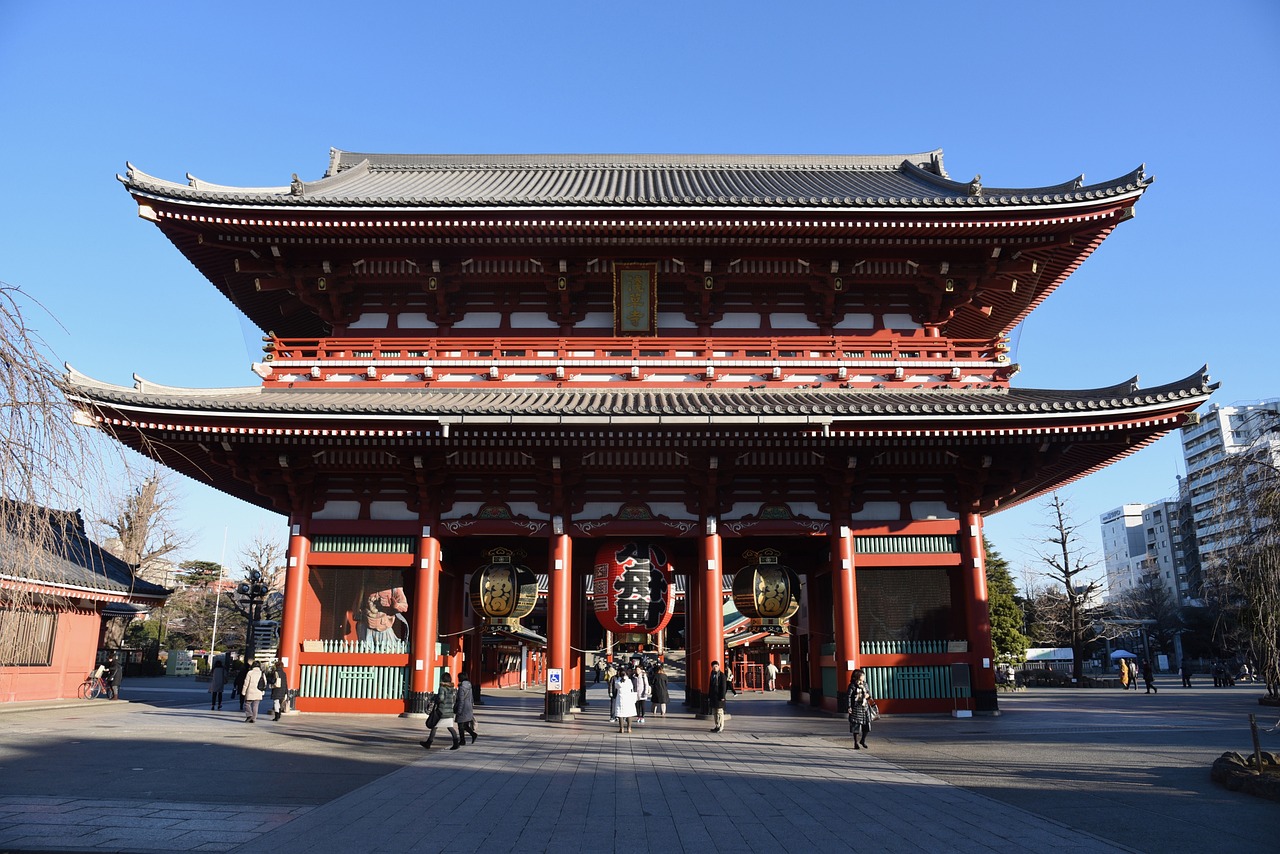
Beyond Senso-ji, most of what is worth doing in Asakusa needs nothing booked ahead: a free terrace a minute from Kaminarimon (the Thunder Gate), rakugo (seated comic storytelling) at Engei Hall, the kitchenware street of Kappabashi and a temple by the river. Tokyo Skytree and a boat down the Sumida River are the two to arrange in advance. Choose by the day of the week and the hours you have, using the table and the closing times below.
We are Miyakodori, a machiai-chaya (a traditional teahouse where geisha are called to entertain guests) in Asakusa, so one stop here is ours. It is judged on the same terms as the rest. This page compares what each venue publishes, not visits we made. Each hour, price and rule below comes from the venue’s own pages, checked on 10 November 2026, and they change, so check again before you go. Walking times are map measurements from the Kaminarimon gate, rounded to the minute and not timed on foot, so allow extra for crowds and crossings. For a plan that runs hour by hour, see our full-day Asakusa guide, and for the rest of the city, unique things to do in Tokyo.
Last updated: November 2026.
Asakusa Beyond Senso-ji at a Glance
Read across a row. The stops are sorted by walking time from the gate. Hours, booking rules and prices come from each venue, and the cards further down give the details and the source for each one.
| Stop | On foot from the gate | Open | Booking | Skip it if |
|---|---|---|---|---|
| Free terrace, Culture Tourist Information Center | About 1 minute | Terrace 9:00 to 22:00, every day | None | You will be on Skytree’s decks the same day |
| Tokyo Cruise boats, Asakusa pier | About 4 minutes to Azuma Bridge, where the pier is | Sails all year, including public holidays; some boats rest on maintenance days | Tickets sold on the day; reserve the Odaiba boats | You cannot work around a fixed sailing time |
| Asakusa Engei Hall (rakugo and variety acts) | About 7 minutes | Every day: day show 11:40 to 16:30, night show 16:40 to 21:00 | Tickets at the door on the day only | You need English: the acts are in Japanese |
| Hanayashiki (amusement park) | About 8 minutes | 10:00 to 18:00, varying with season and weather | None; tickets online or at the gate | Rides do not interest you: they cost extra on top of entry |
| Kappabashi (kitchenware street) | About 11 minutes | Each shop sets its own days; generally 10:00 to 17:00 | None | It is a Sunday or a public holiday |
| Matsuchiyama Shoden (temple by the river) | About 14 minutes | 6:00 to 16:30, every day; free | None | You can only get there late in the afternoon |
| Tokyo Skytree | About 21 minutes, or a few minutes by train | Hours change by date; to 22:00 on the day we checked | Online tickets recommended; tickets bought on site carry a ¥500 fee | You are short on time: it is the farthest stop |
| Private ozashiki at Miyakodori (ours) | 13 minutes from Asakusa Station, behind the temple | Weekdays that are not holidays, 14:00 to 20:00 (last reception); weekends and holidays on request | Request ahead, normally two to three days | You want to walk in without asking first |
The Temple Sets the Clock: What Closes When
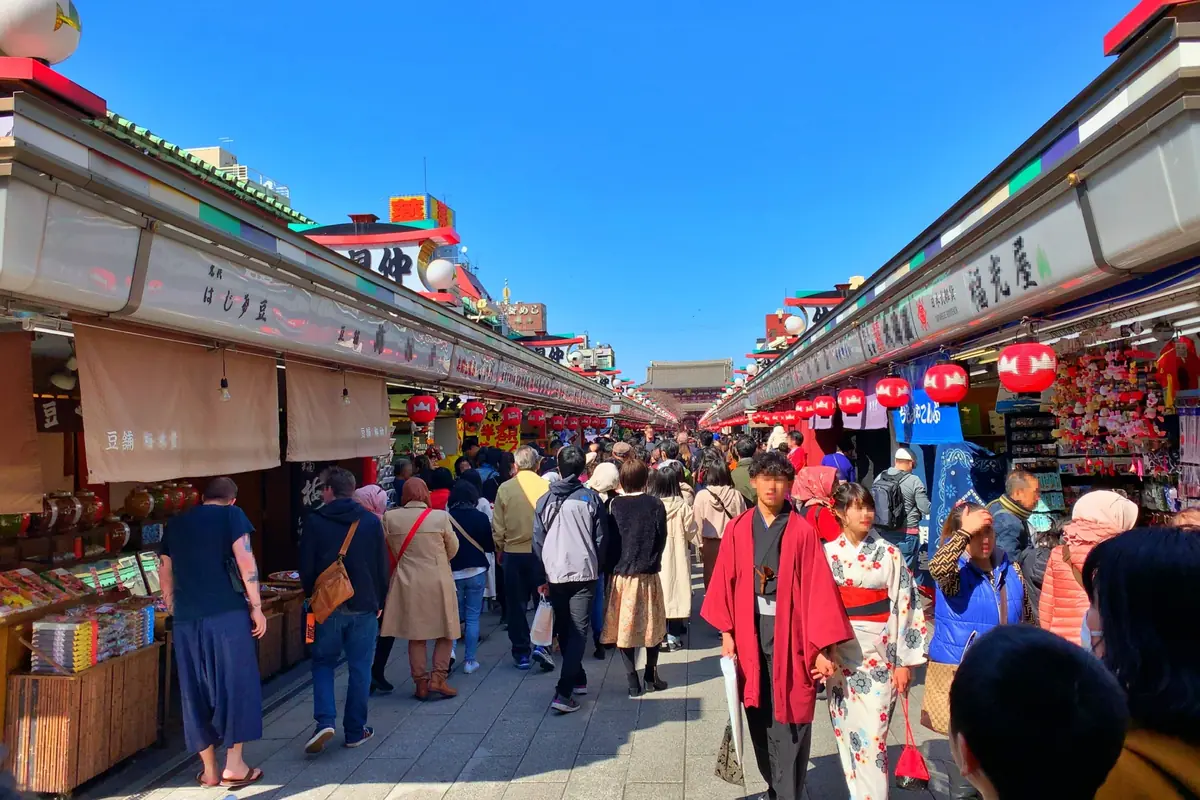
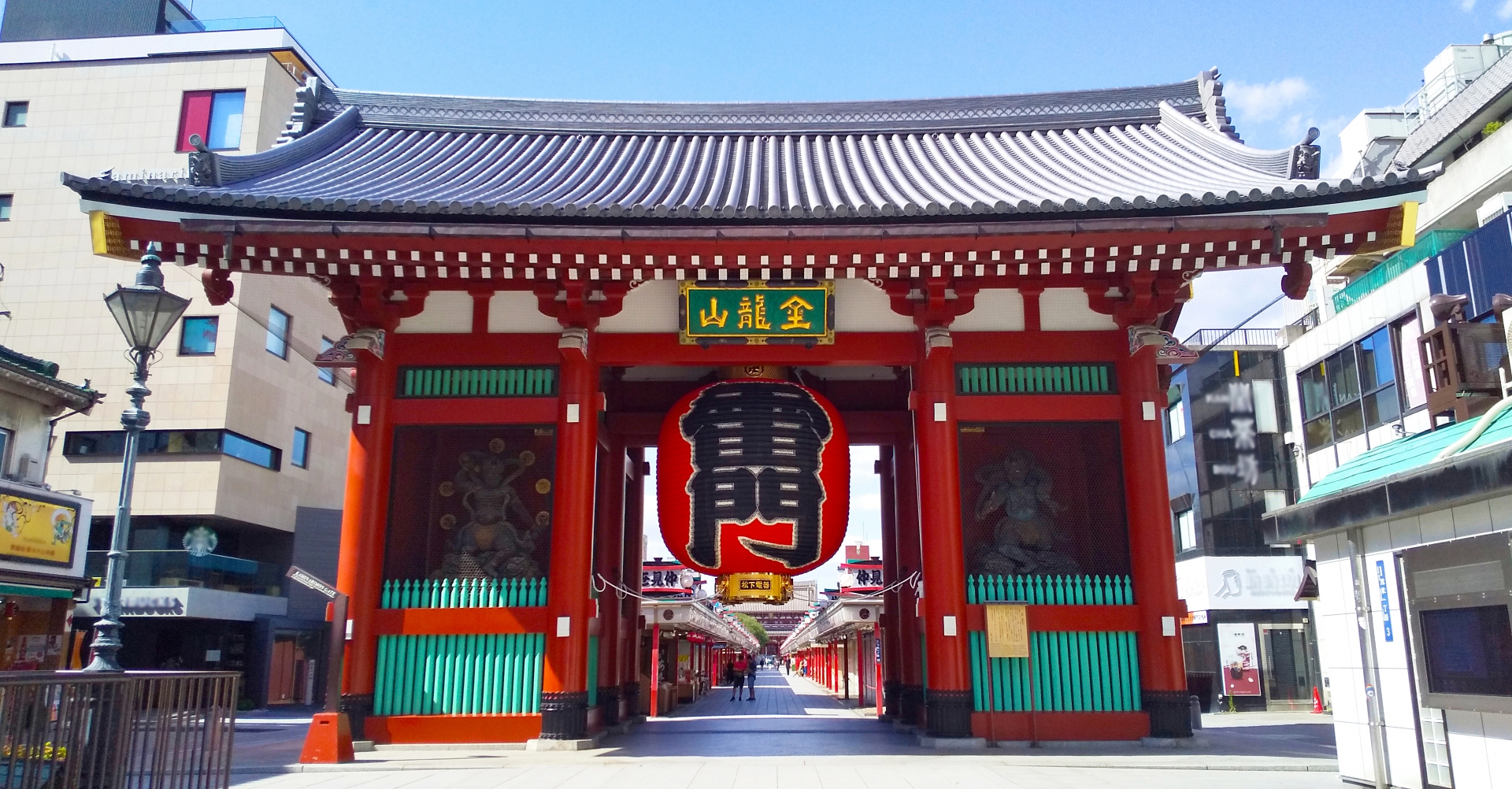
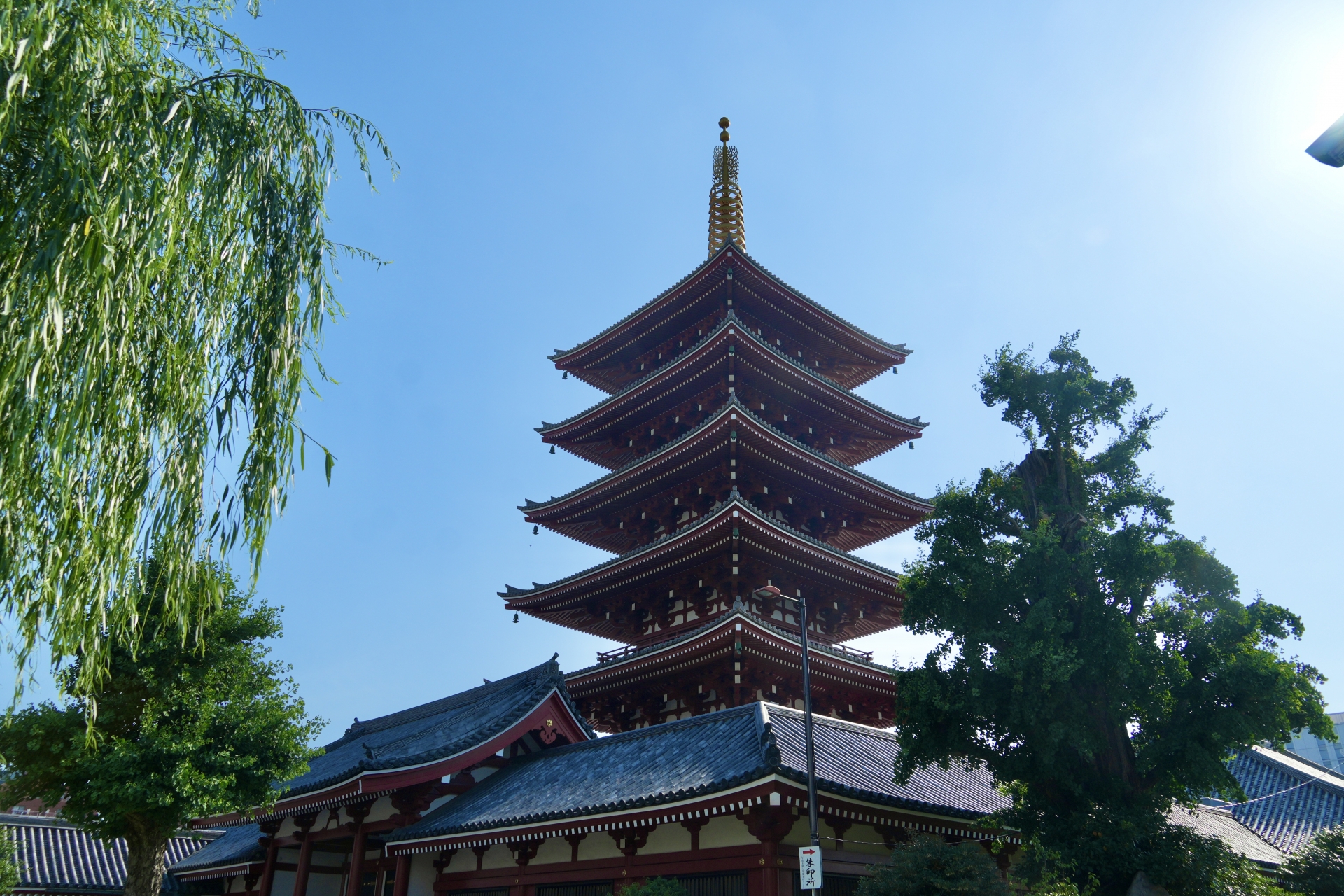
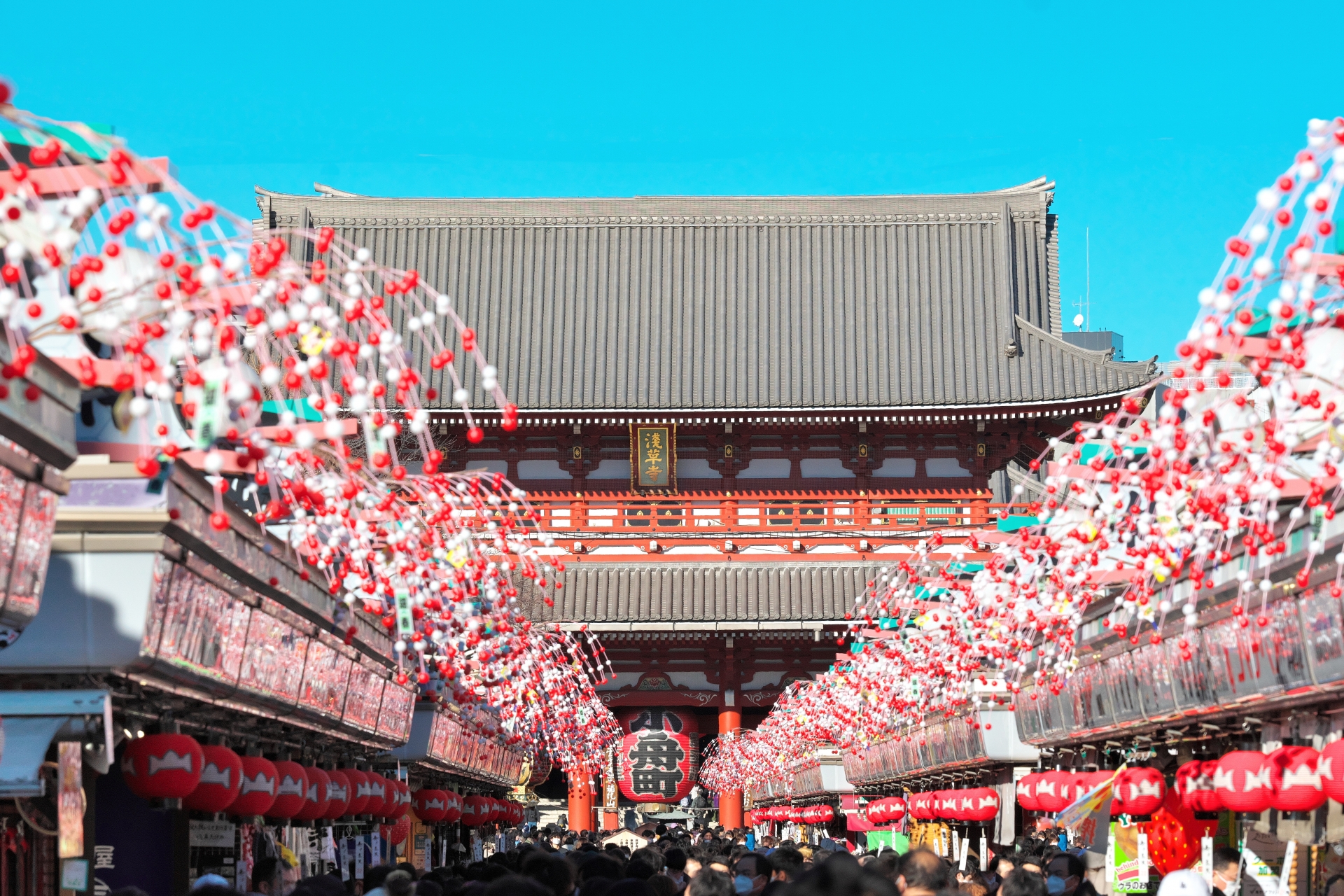
Senso-ji’s main hall is open from 6:00 to 17:00 (from 6:30 between October and March), and the Nakamise-dori shops close at about the same time. After that you can still walk the street to see the art painted on the shop shutters, and the temple lights its main hall, pagoda, Hozomon gate and Kaminarimon every day from sunset until about 23:00. The stops in this guide close on their own schedules, so a late start costs you some of them and not others.
From earliest to latest, the closing times in this guide run like this:
- 16:30: Matsuchiyama Shoden closes (last entry five minutes earlier), and Engei Hall’s day show ends. Its night show starts ten minutes later.
- About 17:00: Senso-ji’s main hall and the Nakamise-dori shops close. Kappabashi’s shops generally keep 10:00 to 17:00, so finish there by then.
- 18:00: Hanayashiki closes, with last entry 30 minutes earlier. The hours shift with the season and the weather.
- About 21:00: Engei Hall’s night show ends.
- 22:00: the terrace at the Culture Tourist Information Center closes. Skytree’s decks also close at 22:00 on dates with extended hours, such as the day we checked, with last admission an hour earlier.
- About 23:00: the temple’s light-up ends.
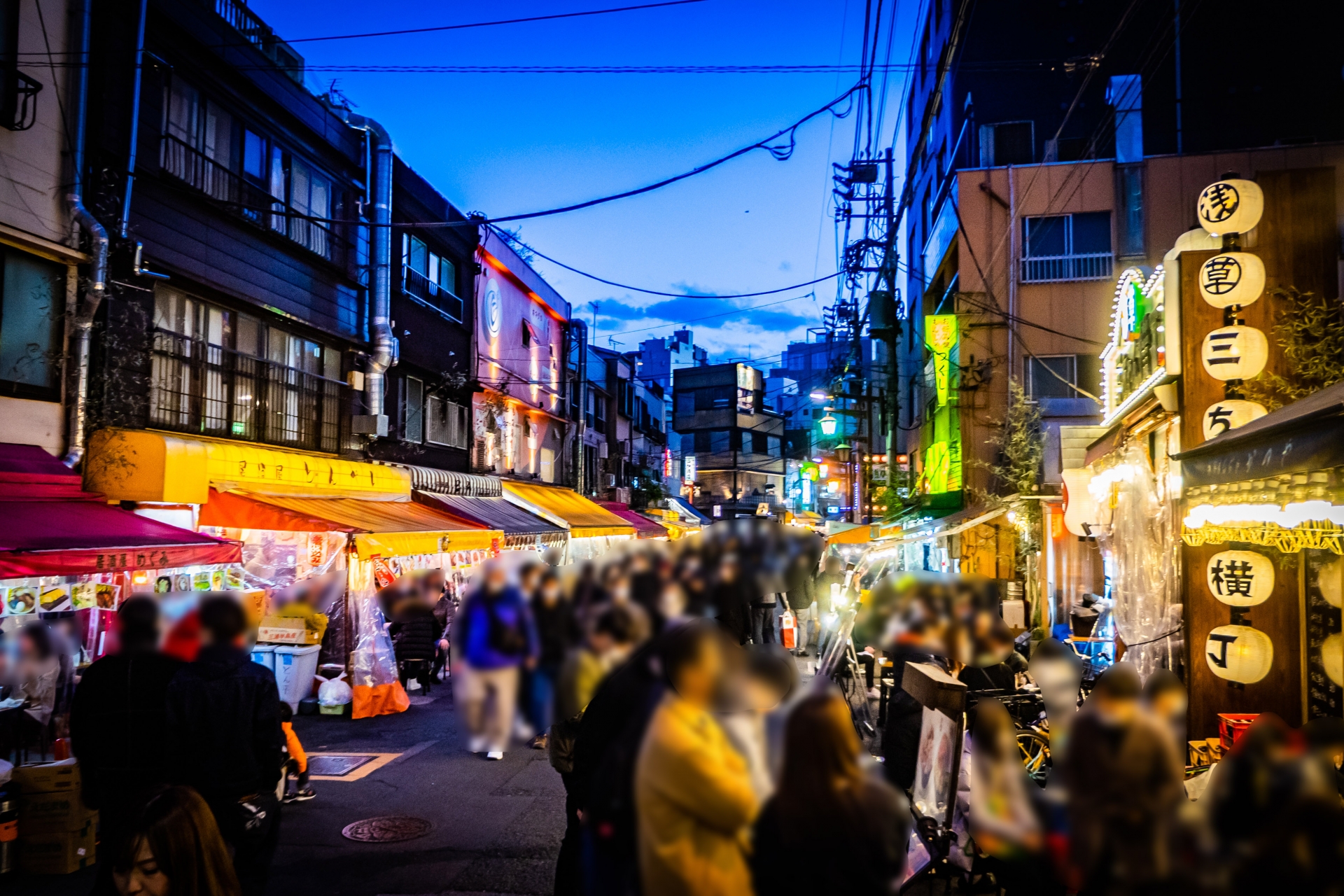
For food and drink after dark, Hoppy Street’s open-air izakaya (casual Japanese pubs) are about 6 minutes from the gate. Our guides to Senso-ji at night (light-up times by month) and Asakusa at night (what is open and what needs booking) go further.
Two Directions From Kaminarimon
West and north. Hanayashiki is about 8 minutes from the gate, Engei Hall about 4 minutes beyond it, and the southern end of Kappabashi about 8 minutes beyond that. That is about 20 minutes of walking in a line, with no backtracking. From the far end of Kappabashi the road continues towards Ueno, which our Asakusa to Ueno guide covers.
East, to the river. Azuma Bridge is about 4 minutes from the gate, and Skytree is about 17 minutes beyond the bridge. Matsuchiyama Shoden stands on the Asakusa side of the river, north of the bridge, and going via it adds about 12 minutes to the walk to Skytree. On a day that ends at the river, visit Matsuchiyama first, before it closes at 16:30.
The Stops, One at a Time
Each card has the same rows so you can compare. The Checked row names the pages the facts came from, all read on 10 November 2026.
The Culture Tourist Information Center Terrace: A Free View Over the Roofs
- Best for
- A free look over Asakusa’s roofs and Tokyo Skytree from the 8th floor, with nothing to book.
- Skip it if
- You will go up Skytree the same day and do not need a second viewpoint.
- On foot
- About 1 minute from the gate.
- Open
- The terrace is open from 9:00 to 22:00 and the rest of the building from 9:00 to 20:00, every day. The center may close for maintenance.
- Cost
- Free.
- Checked
- 10 November 2026: Taito City’s page (Japanese) and the English facility page.
Taito City runs the center as a tourist information point. Our guide to the terrace goes into more detail.
Asakusa Engei Hall: Rakugo and Variety Acts You Can Walk Into
- Best for
- A live rakugo program with no planning. Between the stories come comedy duos, magic, acrobatics and paper-cutting.
- Skip it if
- You need English. The acts and the hall’s website are in Japanese.
- On foot
- About 7 minutes from the gate.
- Open
- Every day of the year. The day show runs from 11:40 to 16:30 and the night show from 16:40 to 21:00. Special programs have different times.
- Booking and cost
- No advance tickets: they are sold at the door on the day, from 11:00. An adult pays ¥3,500 for a regular program, ¥2,500 from 18:00 and ¥2,000 from 19:00. Special programs cost more.
- Checked
- 10 November 2026: the hall’s ticket page, first-timer page and home page (all Japanese).
As a rule the hall does not use timed seating, so once you are in you can stay until that program ends, but you cannot come back in after leaving. It asks guests to move between acts, allows food and drink (nothing strongly scented or noisy) and does not allow photos or recording.
For rakugo in English, the English Rakugo Association performs twice a month at the Asakusa Culture Tourist Information Center. The dates on its schedule when we looked were Sunday afternoons, and tickets are sold through Peatix.
Hanayashiki: An Amusement Park Beside the Temple
- Best for
- Families, and anyone who wants a few rides beside Senso-ji. The park calls itself Japan’s oldest amusement park.
- Skip it if
- Rides do not interest you. Attractions are charged on top of the entry fee.
- On foot
- About 8 minutes from the gate. The only entrance is the Asakusa Gate, on the Senso-ji side.
- Open
- 10:00 to 18:00, with last entry 30 minutes before closing. The hours change with the season and the weather, and the park’s calendar page marks its closed days.
- Booking and cost
- No booking needed: tickets are sold online or at the gate. Entry is ¥1,600 for an adult, with rides extra, and a one-day pass with unlimited rides is ¥4,600 for an adult.
- Checked
- 10 November 2026: the park’s price guide, calendar and FAQ (Japanese).
Kappabashi: Kitchenware Shops, Many Closed on Sundays
- Best for
- A street of shops for restaurant kitchens: dishes, pots, cooking utensils, restaurant signs and lanterns, and a few shops that sell plastic food samples.
- Skip it if
- It is a Sunday or a public holiday. The shopkeepers’ union says about 30% of the shops open on Sundays.
- On foot
- About 11 minutes from the gate to the southern end of the street.
- Open
- The union says the street is always open, but each shop sets its own days, and most shops open on Saturdays. Shop hours are generally 10:00 to 17:00.
- Booking and cost
- Nothing to book. Almost all shops sell to individual customers, and walking the street is free.
- Checked
- 10 November 2026: the union’s English FAQ and shop-hours notice (Japanese), and Japan Guide.
The union also lists, month by month, which shops open on Sundays and holidays. If Sunday is your only free day, check that list before you go.
Matsuchiyama Shoden: A Temple That Closes Early
- Best for
- A temple that belongs to Senso-ji, near the Sumida River. Radishes and money pouches appear on its lanterns and monuments. Senso-ji’s guide says the radish stands for good health and a harmonious marriage, and the pouch for wealth.
- Skip it if
- You can only get there late in the afternoon. It closes at 16:30.
- On foot
- About 14 minutes from the gate. GO TOKYO gives 10 minutes on foot from Asakusa Station’s exits 7 and A5.
- Open
- 6:00 to 16:30 every day, with last entry five minutes before closing.
- Booking and cost
- Nothing to book. Entry is free.
- Checked
- 10 November 2026: Senso-ji’s guide to the temple (Japanese) and GO TOKYO.
Tokyo Skytree: Book Online, and Check the Day’s Hours
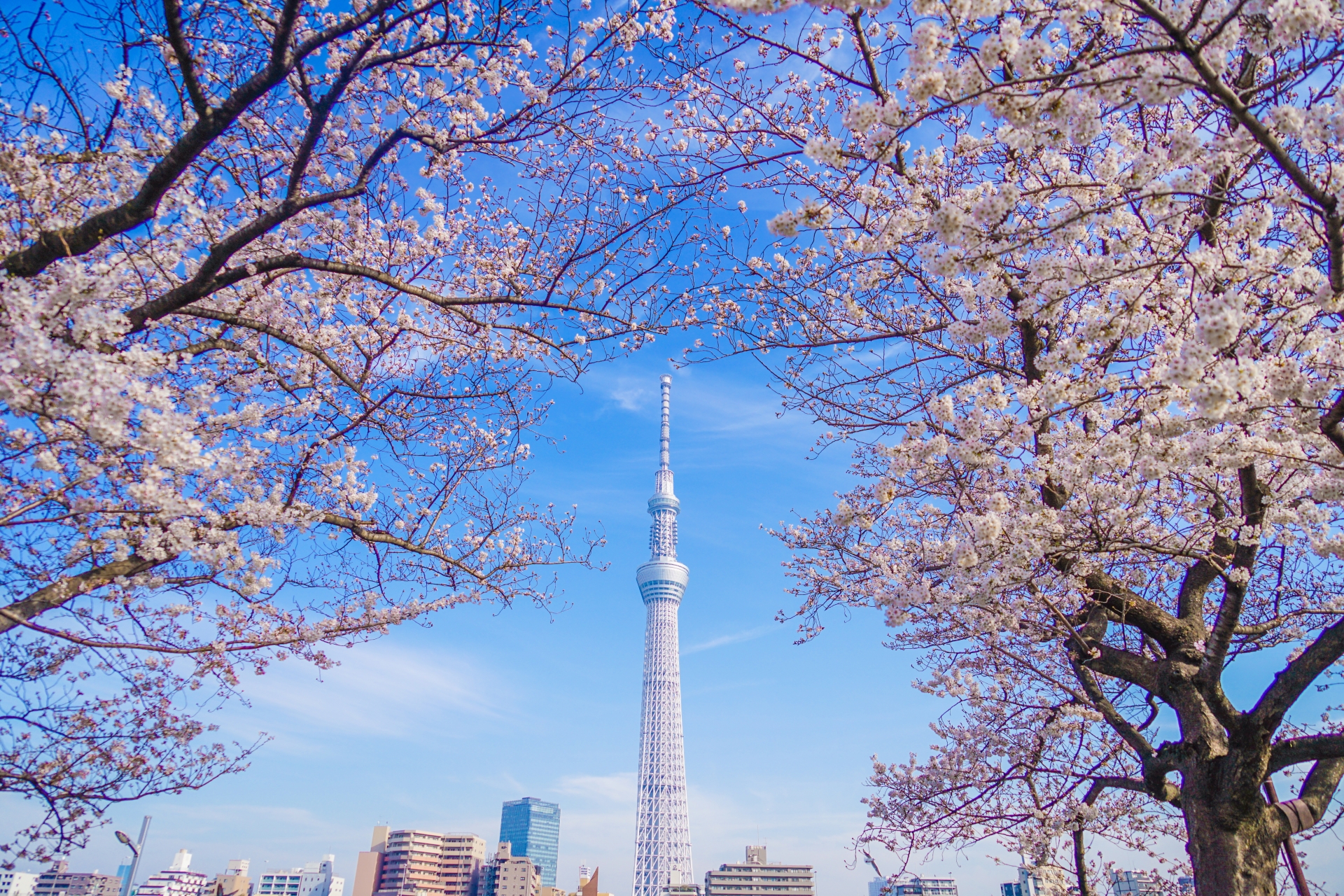
- Best for
- A view over the whole city from the observation decks, which the official site puts at 350 and 450 meters.
- Skip it if
- You are short on time. It is the farthest stop here, across the river.
- On foot
- About 21 minutes from the gate, through Nakamise-dori and over Azuma Bridge. Skytree’s own pages say about 20 minutes on foot from Senso-ji, and the Tobu Skytree Line train from Asakusa Station takes a few minutes.
- Open
- The hours change by date. On the day we checked, the decks were open from 10:00 to 22:00, with last admission at 21:00. The site says the last admission is one hour before closing and that hours may change without notice.
- Booking and cost
- Skytree recommends buying tickets online, where you choose the date and time in advance at the standard rate. Tickets bought on the day at the 4th-floor counter or the ticket machines carry a ¥500 on-site fee. The official ticket page lists current prices.
- Checked
- 10 November 2026: Skytree’s opening hours, online purchase page, area guide and train access page.
Tokyo Cruise From Asakusa: A Boat to Hamarikyu or Odaiba
- Best for
- Seeing the river from the water. The shortest trip from Asakusa is to Hamarikyu Gardens, and one of the longer ones is to Odaiba Seaside Park.
- Skip it if
- You cannot work around a fixed sailing time. Boats run on a timetable, and the HIMIKO and HOTALUNA boats have maintenance days when they do not sail.
- On foot
- About 4 minutes from the gate to Azuma Bridge, where the Asakusa pier is.
- Open
- Boats sail all year, including public holidays. The operator’s Today’s Operating Status page shows what is running that day.
- Booking and cost
- Tickets are sold on the day, first come first served, but the operator suggests reserving the Asakusa to Odaiba boats. An adult pays ¥1,180 one way to Hamarikyu Gardens (about 35 minutes, garden admission included) and ¥2,000 to Odaiba Seaside Park (about 60 to 70 minutes, depending on the boat).
- Checked
- 10 November 2026: Tokyo Cruise’s timetable and fares, FAQ and Asakusa boarding page.
Behind the Temple: Oku-Asakusa and an Ozashiki
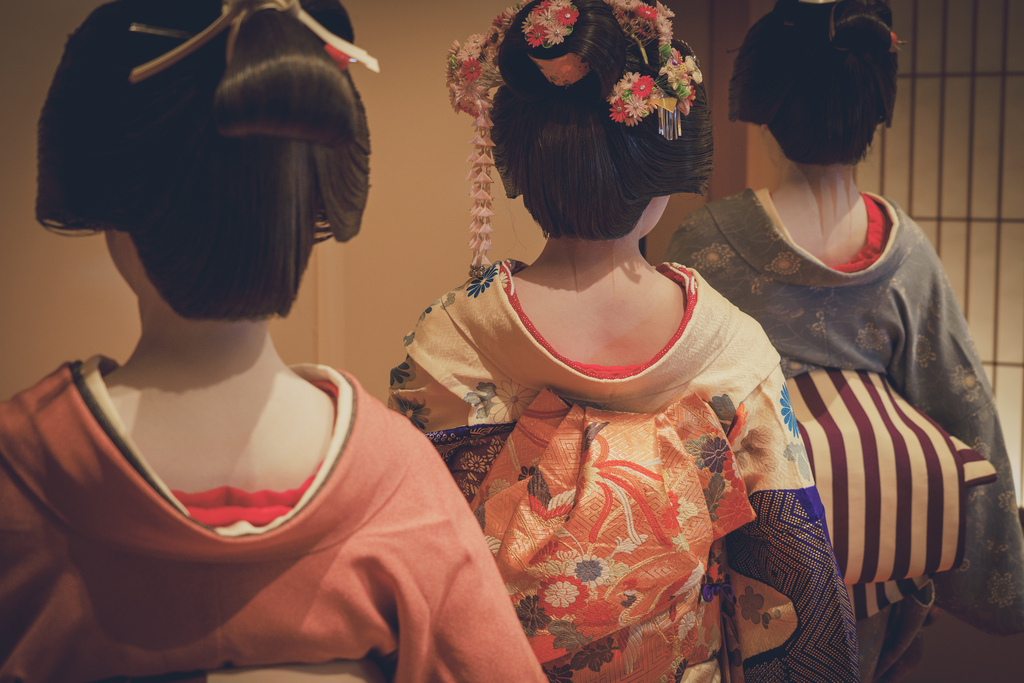
North of Kaminarimon and Senso-ji, away from the river, lies the district that residents call Oku-Asakusa. Japan’s government database of multilingual tourist-site descriptions says it may look like a quiet residential area but is home to one of Tokyo’s six geisha quarters, where a visitor might see a geisha walking the streets.
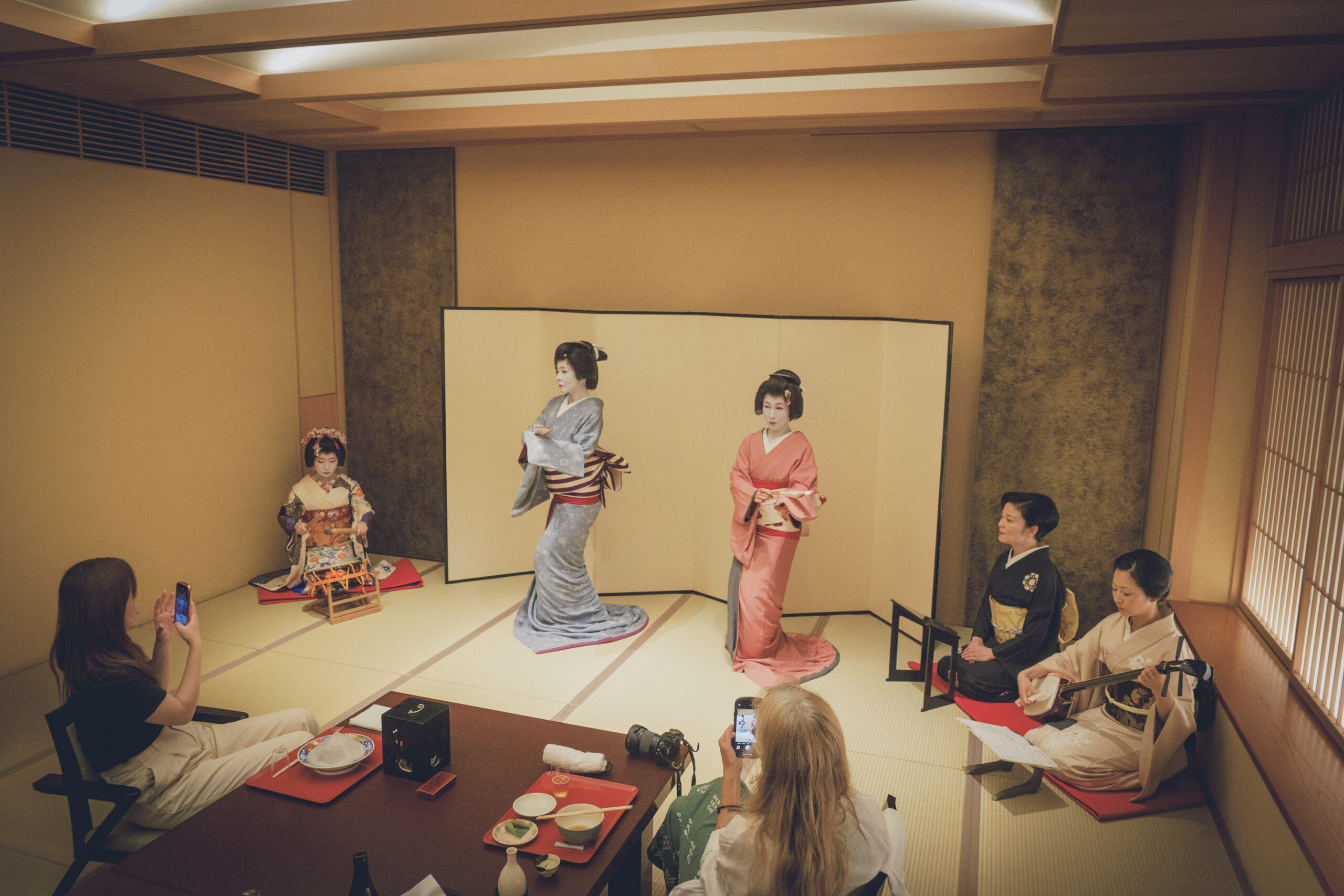
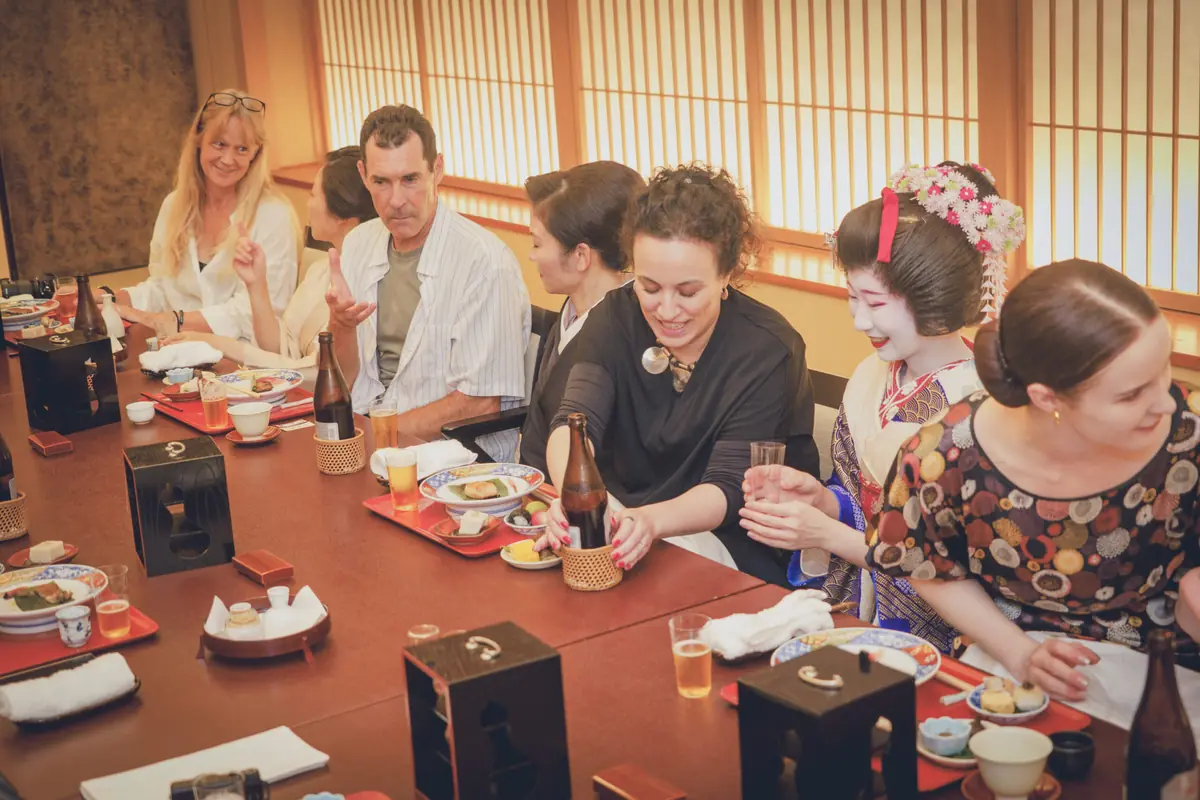
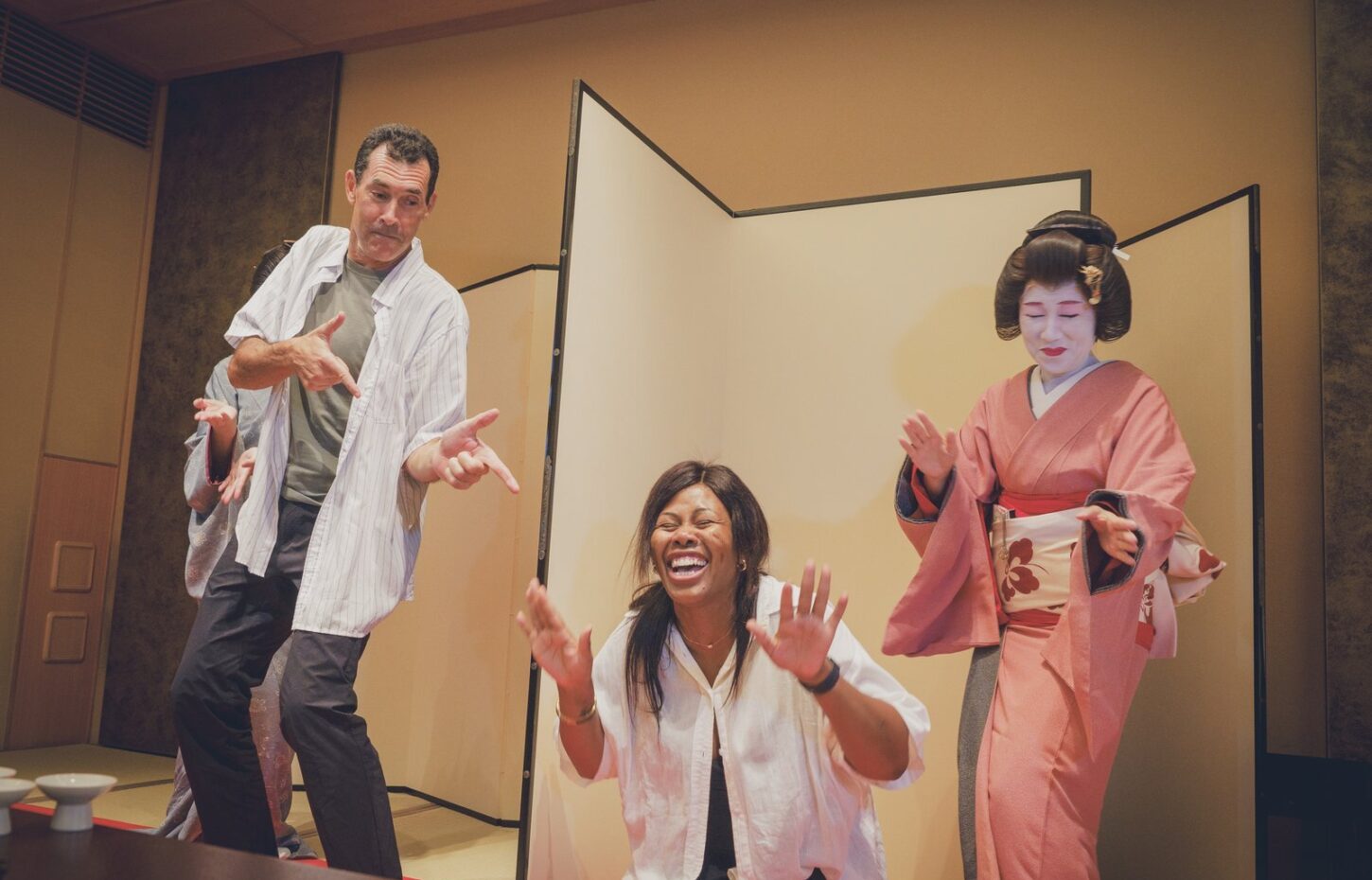
Our teahouse is behind the temple too, about 3 minutes’ walk beyond the temple grounds. An ozashiki (a private gathering with geisha) is a tatami-room visit with live shamisen music (a three-stringed instrument), dance and games. It is an extra for a day in Asakusa rather than a stop on the route. We take requests ahead of time, for weekdays that are not public holidays (weekends and holidays only on request, with an added charge), and our pricing page lists the current rates. Our geisha experience guide explains what a visit involves, and our guide to the Asakusa geisha district covers the quarter and its history.
What This Page Leaves Out
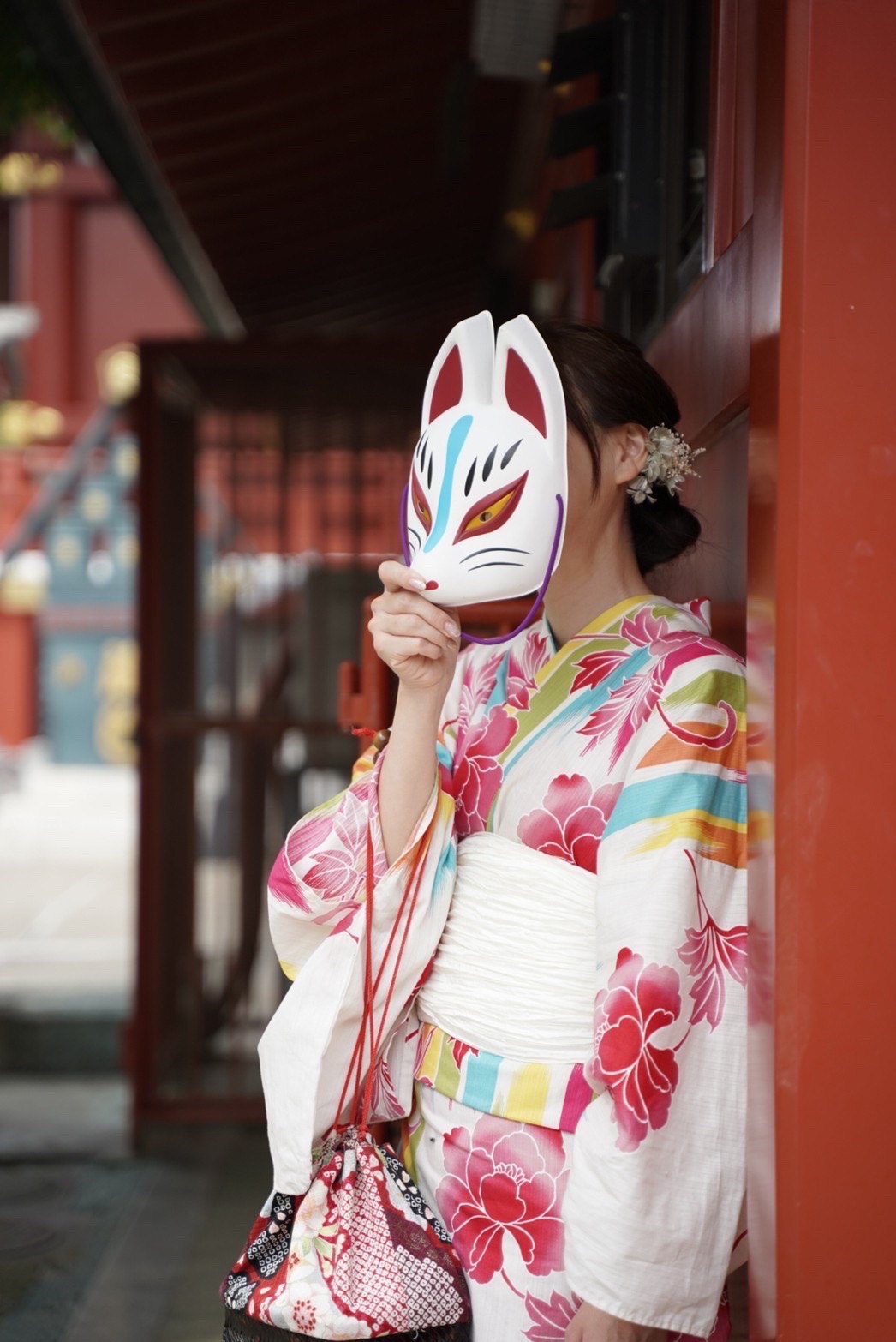
Kimono rentals and rickshaw rides are not in the table because each shop sets its own prices and rules. Our guide to kimono and yukata in Asakusa covers what to wear.
Other things to do in Asakusa have their own guides:
- Dinner: restaurants in Asakusa for dinner
- Craft workshops: traditional culture workshops in Asakusa
- Theaters and same-day tickets: theaters in Asakusa
- Kabuki, sumo, rakugo and ozashiki side by side: traditional entertainment in Tokyo
- Souvenirs: what to buy in Asakusa
- Bars and late nights: Asakusa nightlife in 2026
- Crowds at the temple: the best time to visit Senso-ji
Questions About Asakusa Beyond Senso-ji
What is there to do in Asakusa besides Senso-ji?
Within about 21 minutes’ walk of Kaminarimon you can reach a free terrace, a rakugo hall, an amusement park, a kitchenware street, a temple by the river, Tokyo Skytree and the pier for river boats. The table above gives each stop’s walking time, opening days and booking rule. The terrace, Engei Hall and the walk from Hanayashiki to Kappabashi need nothing booked ahead.
What is free in Asakusa apart from the temple?
The terrace on the 8th floor of the Asakusa Culture Tourist Information Center and the grounds of Matsuchiyama Shoden are free to enter, and walking along Kappabashi costs nothing. Engei Hall, Hanayashiki, Tokyo Skytree and the river boats all charge.
What is open in Asakusa on a Sunday or a public holiday?
The terrace, Engei Hall and Matsuchiyama Shoden are open every day, and the river boats sail on public holidays except on maintenance days. Hanayashiki marks its closed days on a calendar. Only about 30% of Kappabashi’s shops open on Sundays, so that is the stop to move to a Saturday.
What is still open in Asakusa after the temple closes?
The temple’s buildings are lit from sunset until about 23:00. The terrace at the Culture Tourist Information Center stays open until 22:00, and Engei Hall’s night show runs until about 21:00. Skytree’s decks open until 22:00 on dates with extended hours. Matsuchiyama Shoden, Hanayashiki and most Kappabashi shops are closed by 18:00.
Which of these stops should be booked in advance?
Skytree recommends online tickets, and tickets bought on site carry a ¥500 fee. Tokyo Cruise suggests reserving its Asakusa to Odaiba boats, although it sells tickets on the day. Engei Hall sells no advance tickets, and Hanayashiki sells tickets online or at the gate. The terrace, Matsuchiyama Shoden and Kappabashi need no booking. A private ozashiki with us is requested ahead, normally two to three days before.
How far is Tokyo Skytree from Senso-ji on foot?
About 21 minutes from Kaminarimon by our map measurement, and Skytree’s own pages say about 20 minutes from Senso-ji. The Tobu Skytree Line train from Asakusa Station takes a few minutes if you would rather ride.
A Private Ozashiki in Asakusa
If you want to add an ozashiki (a private gathering with geisha) to your time in Asakusa, send a request online in English. Please ask at least two to three days ahead, and phone us for anything closer. Our pricing page has the current rates.
More sources
- Senso-ji: visiting hours and light-up times (Japanese, read 10 November 2026)
- Night Walk on Nakamise Street (Japan National Tourism Organization)
- The Culture of Oku Asakusa (multilingual tourist-site database, Japan Tourism Agency)
- English Rakugo Association: schedule (read 10 November 2026)
- Walking times: OpenStreetMap foot routing from the Kaminarimon gate, 10 November 2026. Map measurements, not timed on foot.


- Where to See Geisha in Tokyo, Japan: A Guide to the Best Hanamachi & Experiences
- The Ultimate Guide to Geisha Districts in Tokyo
Complete Guide to Asakusa: Tourist Spots, Food & Hidden Gems
What is a Geisha House? An Ultimate Guide to the World of Okiya and Ochaya (2026 Edition)
The Geisha Experience in Tokyo: Planning Your Visit to Asakusa
Japanese Cultural Experiences in Tokyo You Can Book as a Visitor
What Is the Tora Tora Game? Rules, History, and How to Play
Asakusa Sightseeing Spot Complete Guide | From Kaminarimon to Hidden Gems – 10 Selected Part③
Comment ( 0 )
Trackbacks are closed.
No comments yet.