



Where to See Geisha in Tokyo, Japan: A Guide to the Best Hanamachi & Experiences
If you are planning a trip to Tokyo, you likely envision neon lights, busy intersections, and towering skyscrapers. However, beneath the surface of this modern city lies a world of profound Japanese history and art that feels like a leap back in time. For many who travel to Japan, witnessing the grace of a geisha is the ultimate cultural experience. This guide will take you on a journey through the traditional heart of the city, exploring the historic hanamachi — or geisha districts — that have survived and flourished since the Edo period.
While many international visitors associate this lifestyle exclusively with Kyoto, the Tokyo geisha scene offers a unique and often more accessible glimpse into this living tradition. From the historic streets of the Asakusa district to the sophisticated restaurants of Kagurazaka, the city is home to six distinct areas where the sounds of the shamisen still echo through the walls of private rooms. Whether you are interested in the rigorous training these artists undergo, the intricate beauty of a silk kimono, or the chance to join in traditional games during a high-end dinner, understanding the local culture is key to a memorable visit. Let us dive into the history, the districts, and the best ways to encounter these keepers of traditional arts in the capital today.
Understanding What a Geisha Really Is
To truly appreciate your travel experience in Japan, it is essential to understand what a geisha really is. Often misunderstood by visitors, a geisha is a professional artist and an entertainer of the highest caliber. The term itself literally translates to “person of the arts.” These women spend their entire lives dedicated to the mastery of traditional Japanese culture, including music, classical dance, and the art of conversation.
The journey to becoming a full-fledged geisha involves years of strict training. This process usually begins as a hangyoku in Tokyo — the term for a junior geisha who has already made her debut as a geisha and will later advance to ippon (senior geisha) status — where young women learn the intricate skills required to entertain guests at a high level. They practice the shamisen, a three-stringed instrument, as well as seasonal songs and traditional dance moves that tell stories of ancient history. Their education is not just about the arts; it is also about learning the subtle etiquette of hospitality and how to make every guest feel special in an intimate setting.
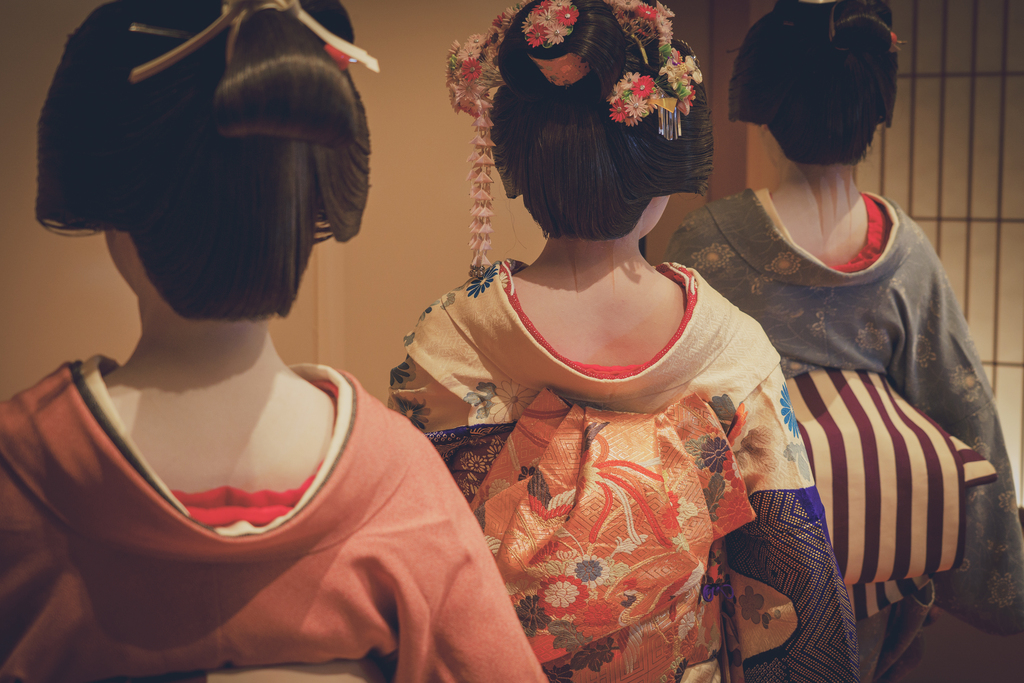
When you see a geisha in a beautiful silk kimono, you are looking at a living embodiment of history. Their presence at a dinner or a private party is not just about entertainment; it is about creating an atmosphere where time seems to slow down. Unlike modern celebrity culture, the world of the hanamachi values privacy and personal connection. Whether they are performing a graceful dance or pouring your drinks while sharing local stories, their goal is to provide a unique service that honors centuries of tradition. By learning about their art, you gain a deeper respect for the people who keep the cultural heart of the city beating in the modern age.
A Brief History of Geisha Culture in Tokyo
The history of geisha culture in Tokyo is a fascinating story of resilience and artistic evolution. It began during the Edo period, a time when Japan was ruled by the samurai class and the city of Edo — now known as Tokyo — grew into one of the largest urban centers in the world. Originally, the role of entertaining guests with music and dance was held by men, but by the 17th century, female geisha emerged and gradually became the dominant force in this tradition. These women were not just entertainers; they were the trendsetters of their era, influencing fashion and the arts with their unique sense of style called iki.
Unlike the aristocratic atmosphere of Kyoto, the geisha world in Tokyo was shaped by the spirited and direct nature of the merchant and warrior classes. This historic period saw the birth of the hanamachi, where teahouses and restaurants became the main stage for cultural exchange. Travel to the city during this time often meant seeking out these vibrant districts to witness the latest trends in kimono and music. Even as Japan moved through the Meiji Restoration and modern eras, the geisha remained a symbol of the nation’s soul.
Today, visiting a traditional district offers a glimpse into this living history. The skills passed down through generations — from the way they walk to the precise way they perform — reflect a heritage that has survived wars and rapid modernization. In modern Tokyo, the culture continues to evolve while maintaining its core identity. These districts are not museums; they are active communities where tradition is a part of daily life. By experiencing this history firsthand, you connect with a long line of artists who have dedicated themselves to preserving the beauty and spirit of old Japan within the walls of a fast-paced global city. For a deeper look at this journey through time, explore our complete geisha history guide.
Asakusa: The Heart of Tokyo’s Geisha World
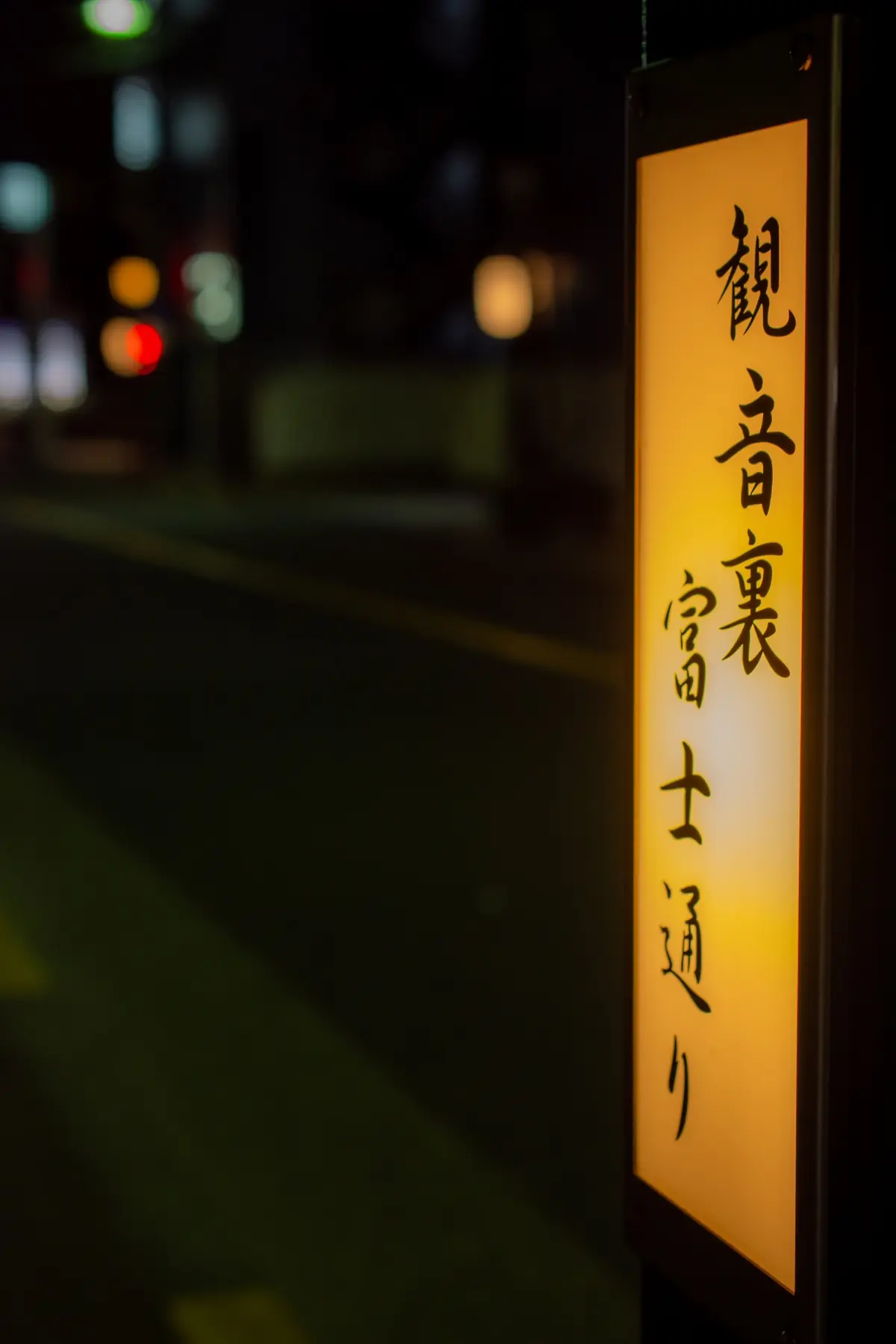
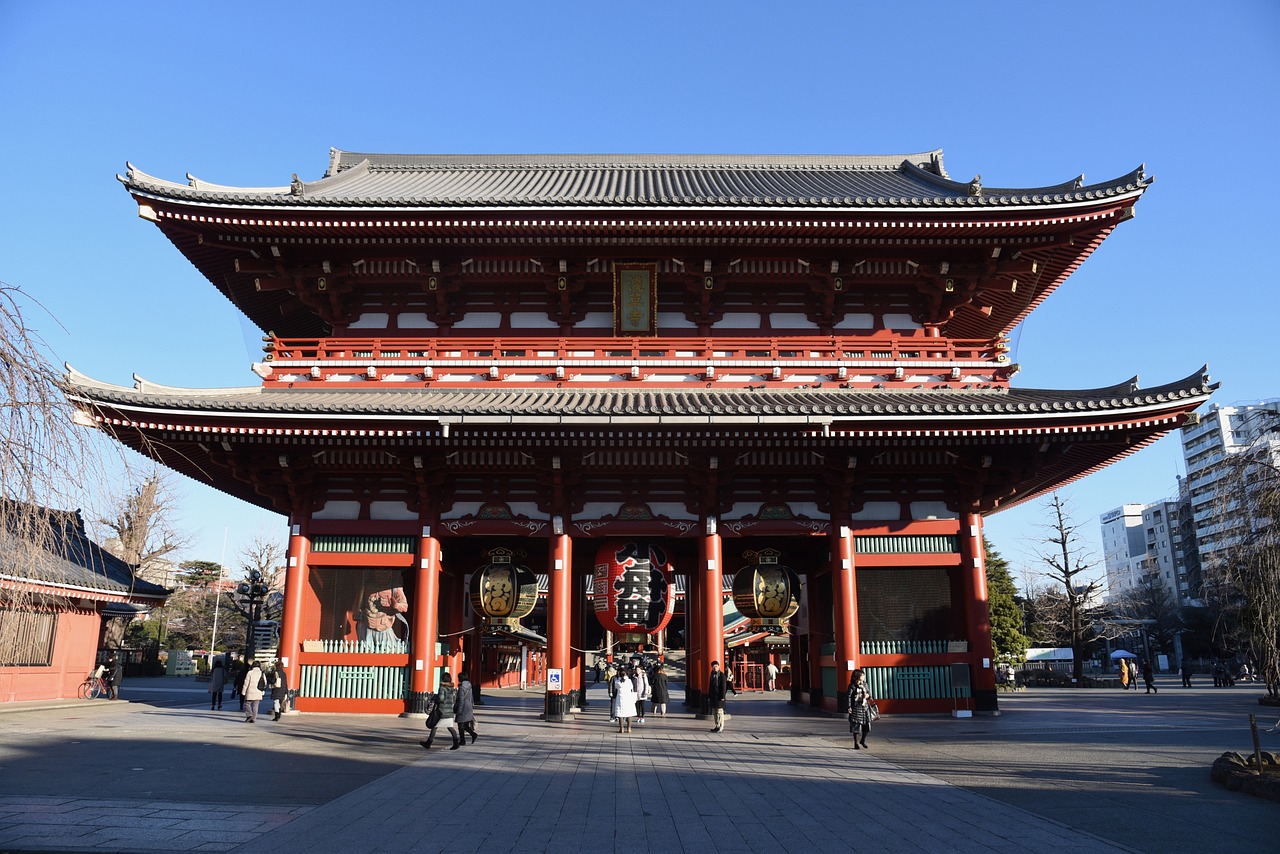
Asakusa is arguably the most famous part of old Tokyo, centered around the iconic Senso-ji temple. For those who travel to Japan seeking a mix of history and living tradition, this district is an essential stop. What makes Asakusa unique among the various hanamachi is its open and welcoming atmosphere. Historically, while other districts often catered to the political elite or wealthy merchants, Asakusa was a place for everyone. This inclusivity has allowed the local culture to thrive and adapt, making it one of the most popular places today for visitors to catch a glimpse of a geisha in a beautiful kimono walking through the historic streets.
The area is home to traditional teahouses and high-end establishments that have stood for generations. In Asakusa, the bond between the community and the geisha is strong, with the district working to protect and nurture these arts. If you visit, you will notice a distinct vibe that feels less formal than Kyoto but deeply rooted in local pride. One noteworthy establishment is Miyakodori — a machiai-chaya that maintains the traditional style of an ozashiki (geisha banquet) venue, focusing on the entertainment and games shared between geisha and guests. Whether you are enjoying a seasonal meal or watching a live performance, Asakusa offers an authentic connection to the past that is difficult to find elsewhere in the modern city.
The Six Hanamachi: Tokyo’s Geisha Districts Beyond Asakusa
Moving toward the center of the city, Kagurazaka offers a different kind of charm. Known for its winding cobblestone streets and hidden alleyways, this district was once a thriving hub for geisha during the Edo period. Today, it is famous for its sophisticated atmosphere and exceptional cuisine. Walking through Kagurazaka feels like finding a quiet sanctuary amidst the noise of Tokyo. The local hanamachi here is smaller than it once was, but it remains a prestigious area where traditional arts are practiced with great skill. It is a popular spot for a quiet evening walk followed by a dinner at a historic restaurant where you might hear the faint sound of music from an upstairs room.
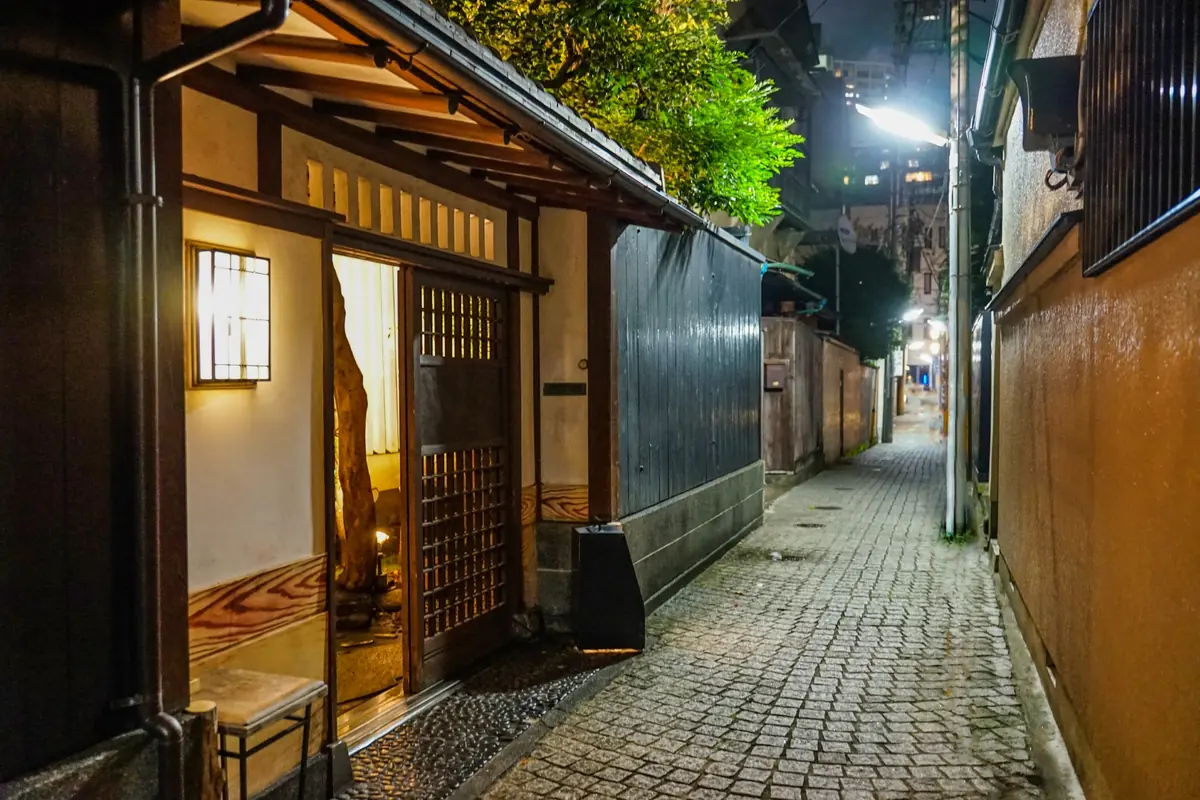
Akasaka and Shimbashi represent the intersection of power and tradition. Located near the government buildings and business centers, these districts have long been the preferred setting for high-end political and corporate entertainment. The geisha here are known for their exceptional talent in singing and dance, often entertaining guests who require the highest level of privacy and service. While these areas can feel more exclusive and difficult to book for a casual traveler, they offer a fascinating look at how the traditional geisha world integrates with the modern business world of Japan.
Mukojima, located across the Sumida River, is home to an active geisha community and retains an intimate, local feel, far from the main tourism crowds. Yoshicho, situated in the Nihonbashi-Ningyocho area, is one of the oldest districts with a history that predates many others. These areas are ideal for those who want a more personal encounter with tradition. Exploring these hidden gems allows you to see the daily life of the hanamachi and appreciate the dedication required for the years of training these artists undergo to keep their culture alive.
Together, these six hanamachi — Asakusa, Kagurazaka, Akasaka, Shimbashi, Mukojima, and Yoshicho — form Tokyo’s living geisha landscape. For a detailed breakdown of each district’s character and history, read our guide to Tokyo’s geisha districts.
Tokyo vs. Kyoto: Two Worlds of Geisha Culture
When you travel to Japan, you might hear different terms for these professional artists. In Kyoto, they are called geiko, while in Tokyo, the term geisha is used. This difference in name reflects the distinct cultural history of each city. Kyoto, the ancient capital, is the home of the Gion district, where the culture is rooted in the elegance of the imperial court. This style, known as miyabi, is characterized by its grace, soft speech, and elaborate performances.
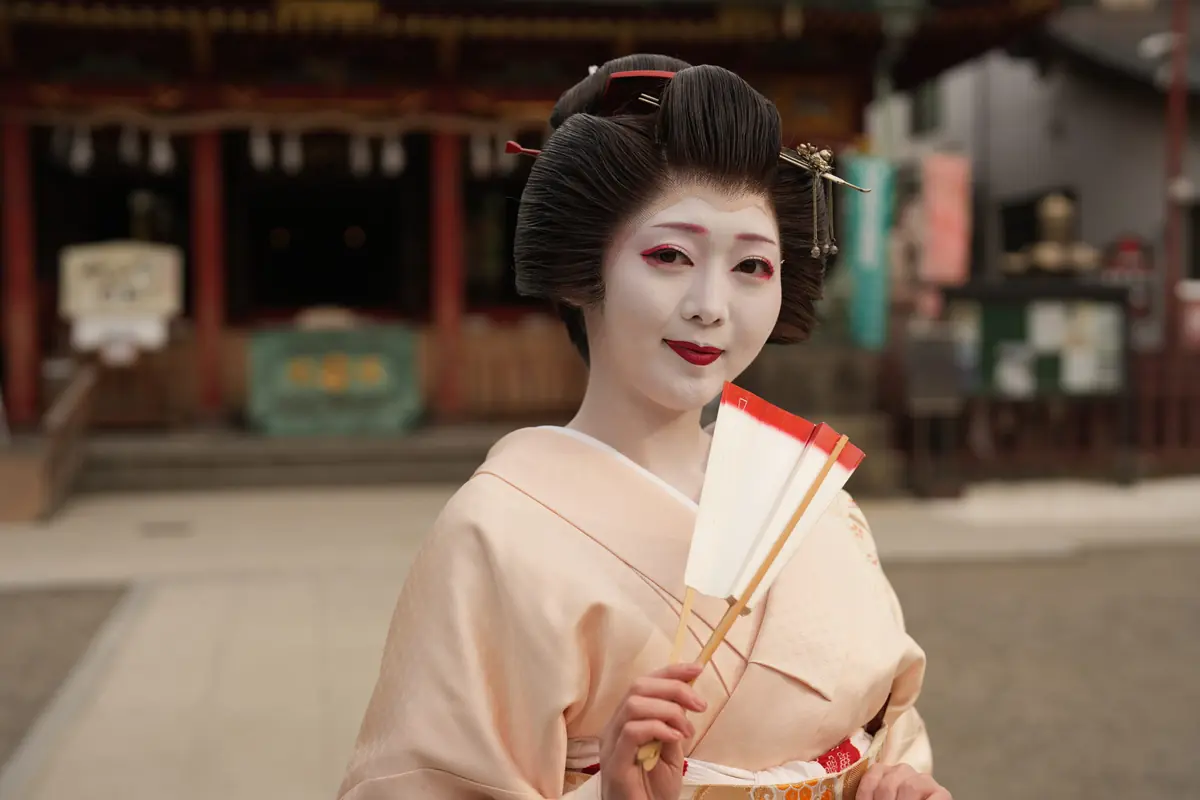
In contrast, the Tokyo hanamachi developed within a samurai and merchant society. Here, the culture is defined by iki — a term that describes a sophisticated, chic, and somewhat sharp sense of style. While Kyoto’s art is often described as decorative and grand, Tokyo geisha are famous for their quick wit, engaging conversation, and a more direct approach to hospitality. Their training is equally rigorous, but the focus in Tokyo is often on maintaining a spirited atmosphere that makes guests feel at ease.
Visually, you might notice subtle differences in their kimono and hair styles. Tokyo geisha often favor more understated and stylish patterns, reflecting the minimalist aesthetic of the Edo period. Furthermore, the experience in a Tokyo establishment can feel more accessible. While Kyoto’s tradition of ichigen-san kotowari (no first-time guests without an introduction) remains very strict in some areas, districts like Asakusa have long been known for their open-door policy. This makes Tokyo a fantastic place for international visitors to enjoy an authentic encounter without the need for high-level personal connections. Understanding these nuances allows you to appreciate the diverse ways the traditional arts have been preserved across the different cities of Japan today.
Experience an Authentic Ozashiki (Geisha Banquet) in Asakusa
Asakusa’s Miyakodori is one of the only places in Tokyo where international visitors can book a private ozashiki (geisha banquet) directly — no special introduction required. Enjoy traditional dance, live shamisen, and classic ozashiki games in a historic machiai-chaya setting.
Request a ReservationHow to See Geisha in Tokyo: From Free Glimpses to Private Banquets
Many visitors worry that entering the world of the hanamachi is too difficult or exclusive. While private teahouses are the heart of the culture, there are several ways to enjoy a glimpse of this art without a personal introduction.
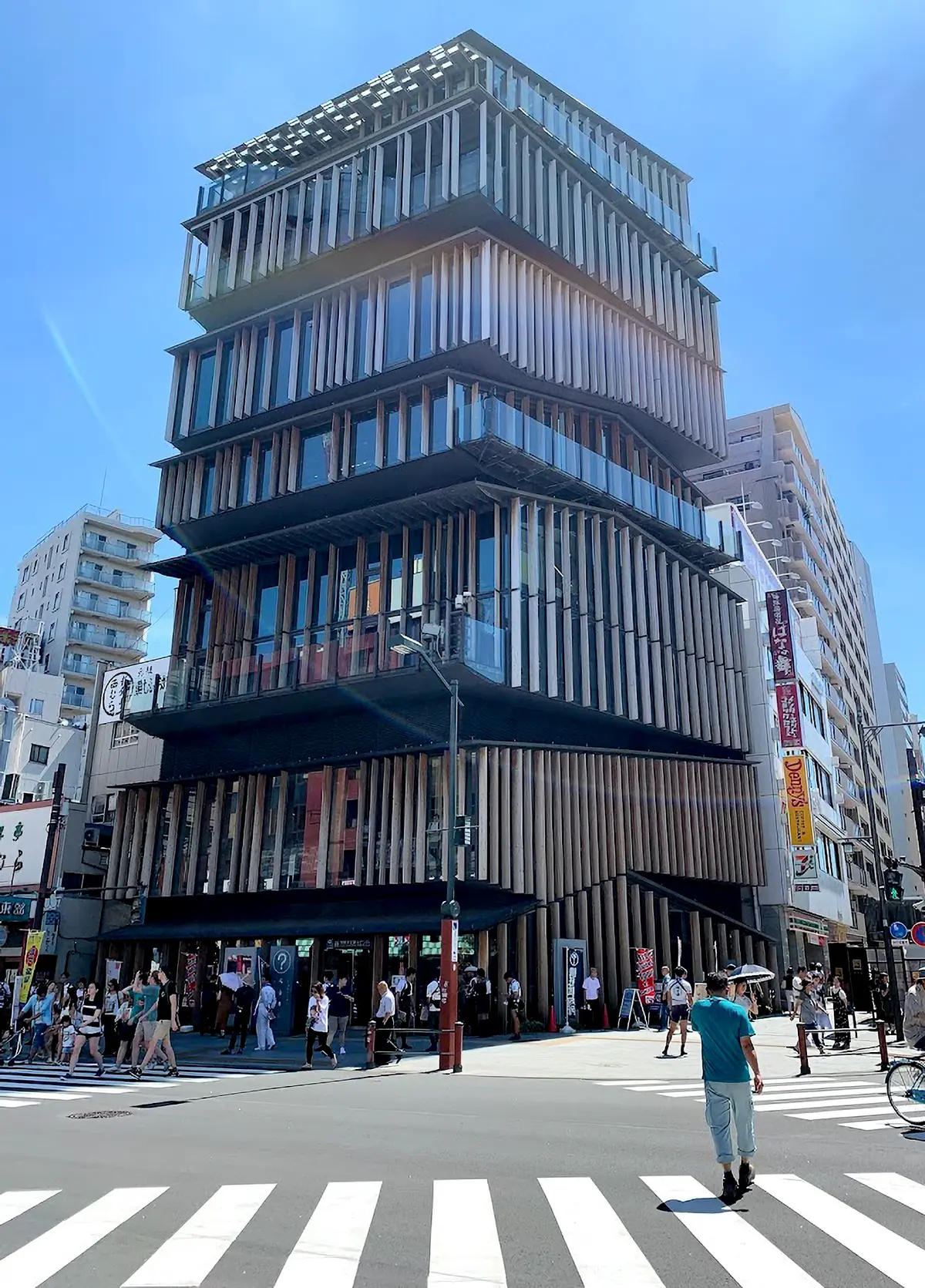
The Asakusa Culture Tourist Information Center often hosts free geisha performances on specific dates. These events provide a great opportunity to see authentic dances and hear live shamisen music in a theater setting. During local festivals like the Sanja Matsuri, you can see geisha in beautiful kimono walking through the streets or performing on outdoor stages. These public activities are ideal for travelers who have limited time in the city but still want to encounter the real spirit of Japanese tradition. To find upcoming free performances, we recommend checking out our guide to the Asakusa Ozashiki Odori.
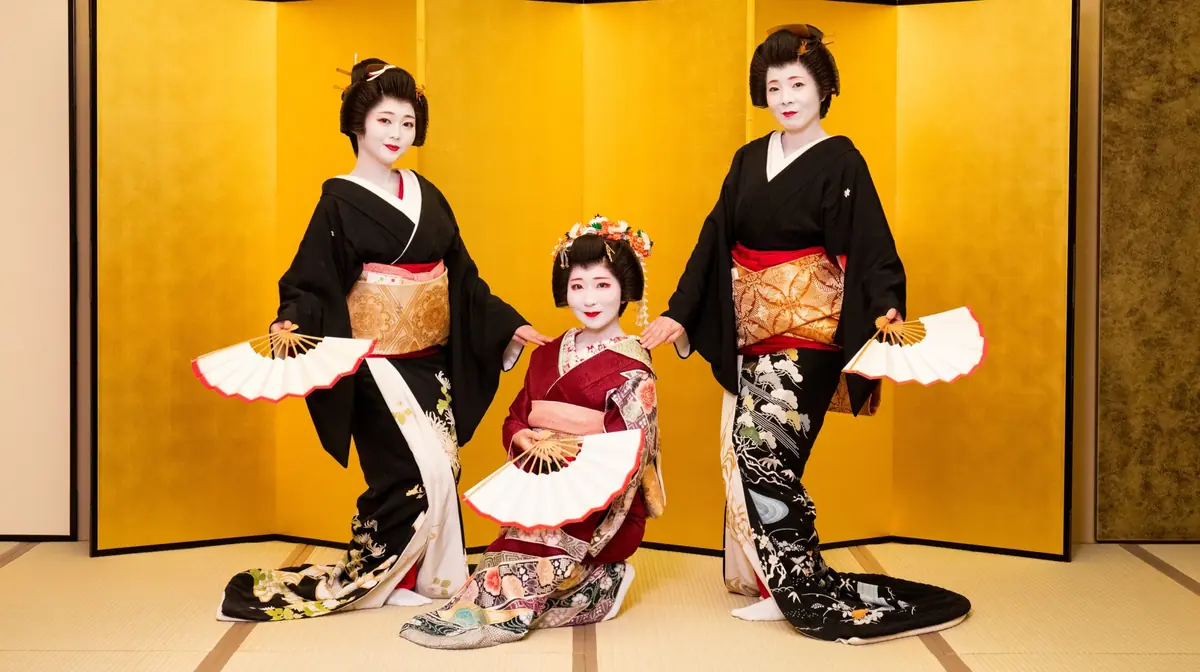
For a more intimate and high-end experience, booking a private ozashiki (geisha banquet) dinner is the best option. In the historic district of Asakusa, Miyakodori offers a unique setting that is rare even in modern Japan. Established in 1950, Miyakodori functions as a machiai-chaya — an establishment specifically designed for guests to enjoy the company of geisha while dining. They provide a high level of service and can accommodate international guests including those requiring a halal menu. A typical evening unfolds in a private room, where geisha perform traditional arts and engage in friendly conversation — and the 3-hour plan includes a seasonal kaiseki course, while food is available as a separate option for shorter plans. This is not just a meal; it is a deep dive into the local culture and hospitality that has defined the area since the Edo period.
The Joy of Ozashiki Asobi: Traditional Geisha Games
The highlight of any ozashiki (geisha banquet) encounter is participating in ozashiki asobi — traditional room games. These games are a vital part of the entertainment and are designed to be fun for people of all ages. After the formal dance performance, the geisha will invite guests to play games like Tora Tora or Konpira Fune Fune. These involve simple hand gestures or rhythmic movements played to the beat of a drum or shamisen.
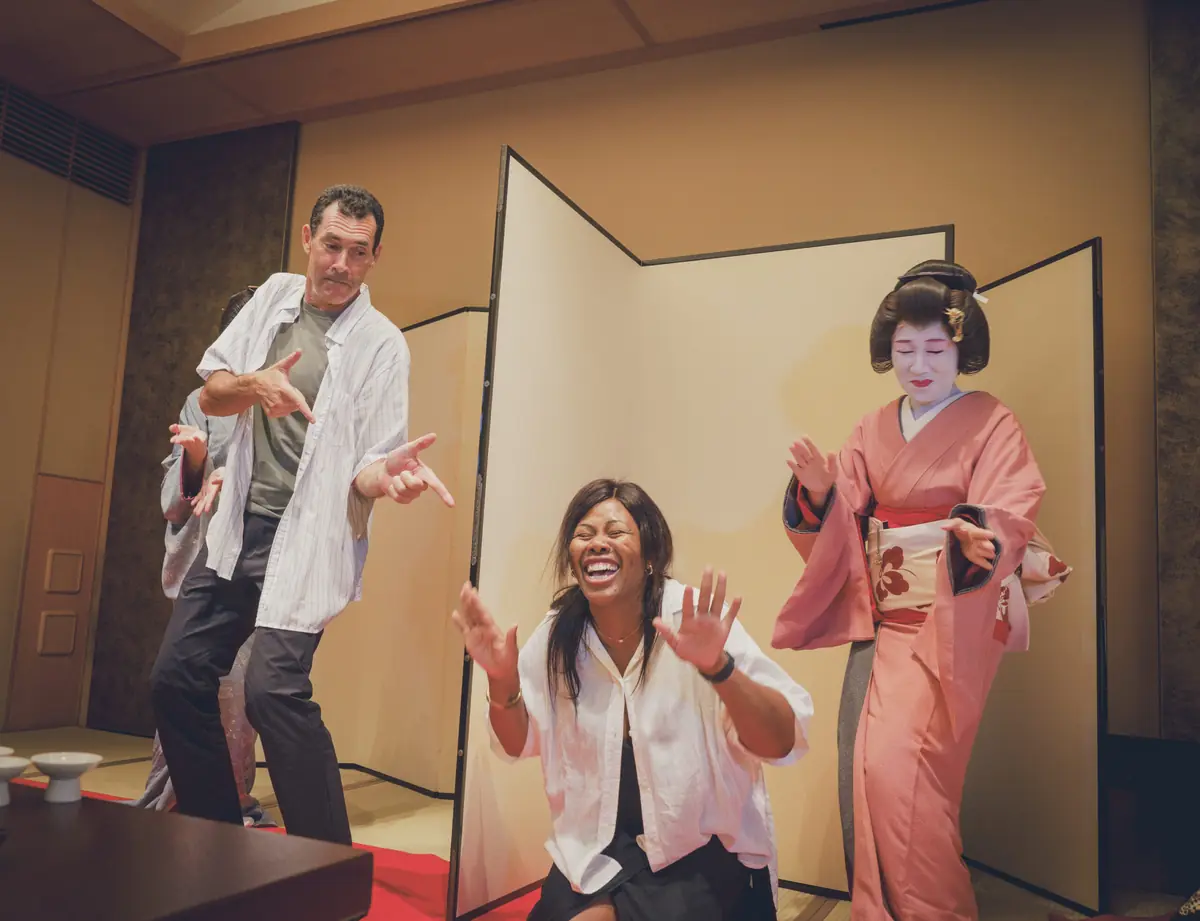
It is a rare chance to break the ice and enjoy a playful side of Japanese life. The skills of the geisha ensure that even if you do not speak much Japanese, the atmosphere remains lively and inclusive. Booking a private event at a place like Miyakodori allows you to experience these unique games firsthand, creating memories that last a lifetime. For a full explanation of the rules and cultural background of these games, see our dedicated guide to ozashiki games (ozashiki asobi).
Etiquette: How to Behave When Meeting a Geisha
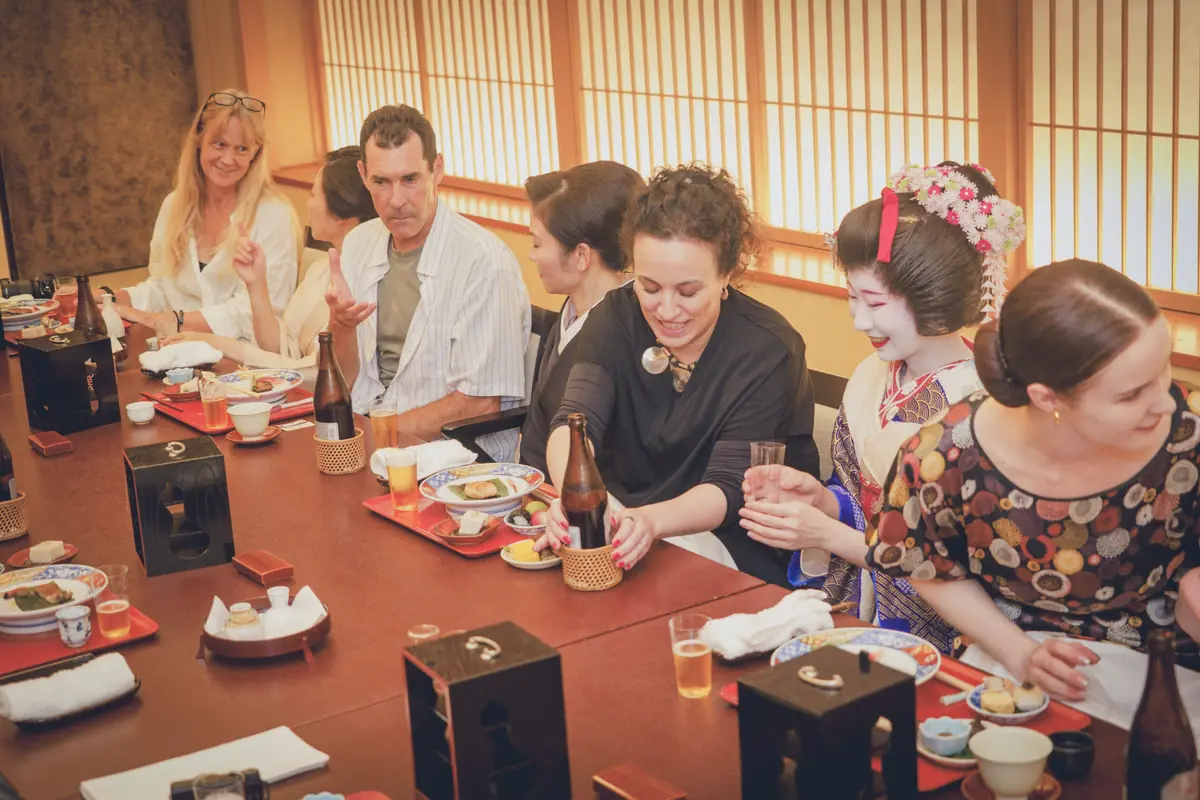
Meeting a geisha is a rare privilege, and following proper etiquette ensures a smooth cultural experience. When you visit a traditional establishment in a district like Asakusa, remember that these women are highly trained professionals. Showing respect for their art and training is the most important rule. Always be on time for your appointment, as the schedule in the hanamachi is strict and based on a precise allocation of time.
Regarding photos, it is polite to ask before you take a picture. In a private setting like an ozashiki (geisha banquet), geisha are usually happy to pose, but your privacy and theirs should be respected. During the dinner, try to engage in conversation. Even if your Japanese is limited, they are experts at making guests feel welcome through music and games. While many geisha do not speak fluent English, their hospitality transcends language.
Avoid touching their expensive silk kimono, as these are handmade works of art. Finally, just relax and enjoy the unique atmosphere. Whether you are on a private tour or a special group visit, being a polite guest allows the geisha to provide their best service — and the evening is better for it. For more tips on navigating the evening, our authentic geisha show in Asakusa guide covers everything from arrival to the final bow.
Frequently Asked Questions About Seeing Geisha in Tokyo
Do I need a special introduction to meet a geisha in Tokyo?
In many Tokyo districts, especially Asakusa, the rules are less strict than in Kyoto. Establishments like Miyakodori allow international visitors to book directly online, making the tradition accessible without requiring a personal introduction through a regular patron.
How much does it cost to see a geisha in Tokyo?
A private ozashiki (geisha banquet) experience is a high-end cultural service. The total cost covers the geisha performance and a private room. The 3-hour plan includes a seasonal kaiseki course; food is available as a separate option for the 1- and 2-hour plans. Pricing varies depending on the plan length and number of guests — it is best to check current availability directly at the time of booking.
Is there a language barrier when meeting a geisha?
Not every geisha is fluent in English, but they are skilled at making guests feel welcome through the universal language of music, dance, and games. Establishments like Miyakodori in Asakusa offer English-speaking support to help international guests enjoy the full experience.
Is there a dress code for visiting an ozashiki (geisha banquet)?
There is no strict requirement to wear a kimono as a guest, but smart casual clothing is recommended to match the elegant atmosphere. Avoid overly casual or informal attire out of respect for the occasion.
Can I see a geisha in the street for free?
You may catch a glimpse of a geisha walking between appointments in the evening in districts like Asakusa. For free public encounters, the Asakusa Culture Tourist Information Center occasionally hosts open performances. However, for an interactive experience — including the ozashiki games and conversations — booking a private session is strongly recommended.
Plan Your Geisha Encounter at Miyakodori, Asakusa
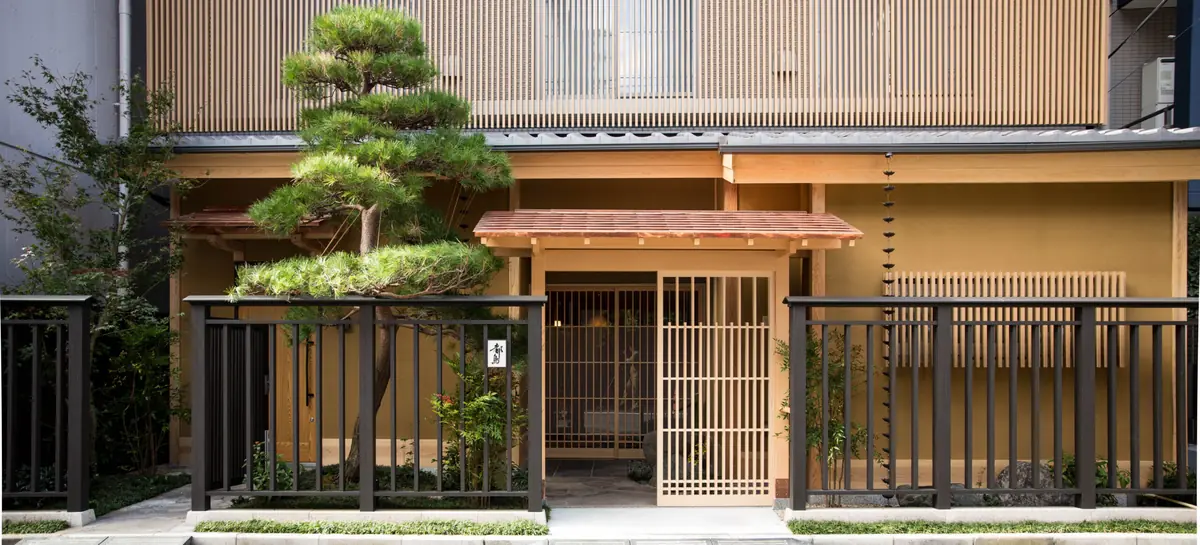
As you plan your travel through the vibrant city of Tokyo, do not miss the opportunity to step inside the timeless world of the Asakusa hanamachi. While the city modernizes at a rapid pace, the tradition of the geisha remains a living art form, kept alive by dedicated women who commit years to their craft. For those seeking the most authentic and welcoming encounter with this culture, the Asakusa district stands out as the heart of traditional Japanese hospitality.
Among the local establishments, Miyakodori offers a truly distinctive experience that is difficult to find elsewhere. Founded in 1950, it is the only remaining establishment in Asakusa that operates as a machiai-chaya. This means the focus is entirely on the art of entertainment and the joy of the ozashiki (geisha banquet) games. Located in the historic Kannon-ura area, Miyakodori provides a private and elegant setting where you can enjoy seasonal kaiseki cuisine while being entertained by the graceful dances and music of the geisha. Whether you are hosting a business dinner for VIPs or celebrating a special anniversary with family, the atmosphere at Miyakodori is designed to make every guest feel like part of the history of old Edo.
By choosing Miyakodori, you are not just booking a meal; you are supporting the preservation of a beautiful culture. Their commitment to hospitality includes halal options, ensuring that visitors from all over the world can enjoy this special night. Your visit to Tokyo is a chance to bridge the gap between the past and the present. We invite you to contact us and book an evening that will be the highlight of your trip to Japan. Experience the genuine warmth of the Asakusa geisha and create a memory that will stay with you long after you leave the city.
Experience graceful performances, warm hospitality, and a timeless atmosphere where Japan’s living traditions come to life.

- Asakusa’s Only Open Machiai-chaya: The only establishment in Asakusa welcoming international guests with no introduction required.
- Traditional Geisha Artistry: Elegant dance, live shamisen music, and interactive ozashiki games.
- Flexible Dining Options: Kaiseki, halal, vegan, and more — sourced from Asakusa’s finest suppliers.
- English Support Available: Assistance for international guests throughout your visit.
Related Guides
- Where to See and Experience Geisha in Tokyo
- Authentic Geisha Experience vs. Geisha Makeover
- How to See a Geisha in Tokyo: 5 Ways Compared — the five realistic ways ranked by cost and certainty, from a street glimpse to a private ozashiki


- Asakusa Japanese Restaurant: Miyakodori Geisha Dining
- The Ultimate Guide to the Best Things to Do in Asakusa Tokyo Japan for Your 2026 Travel
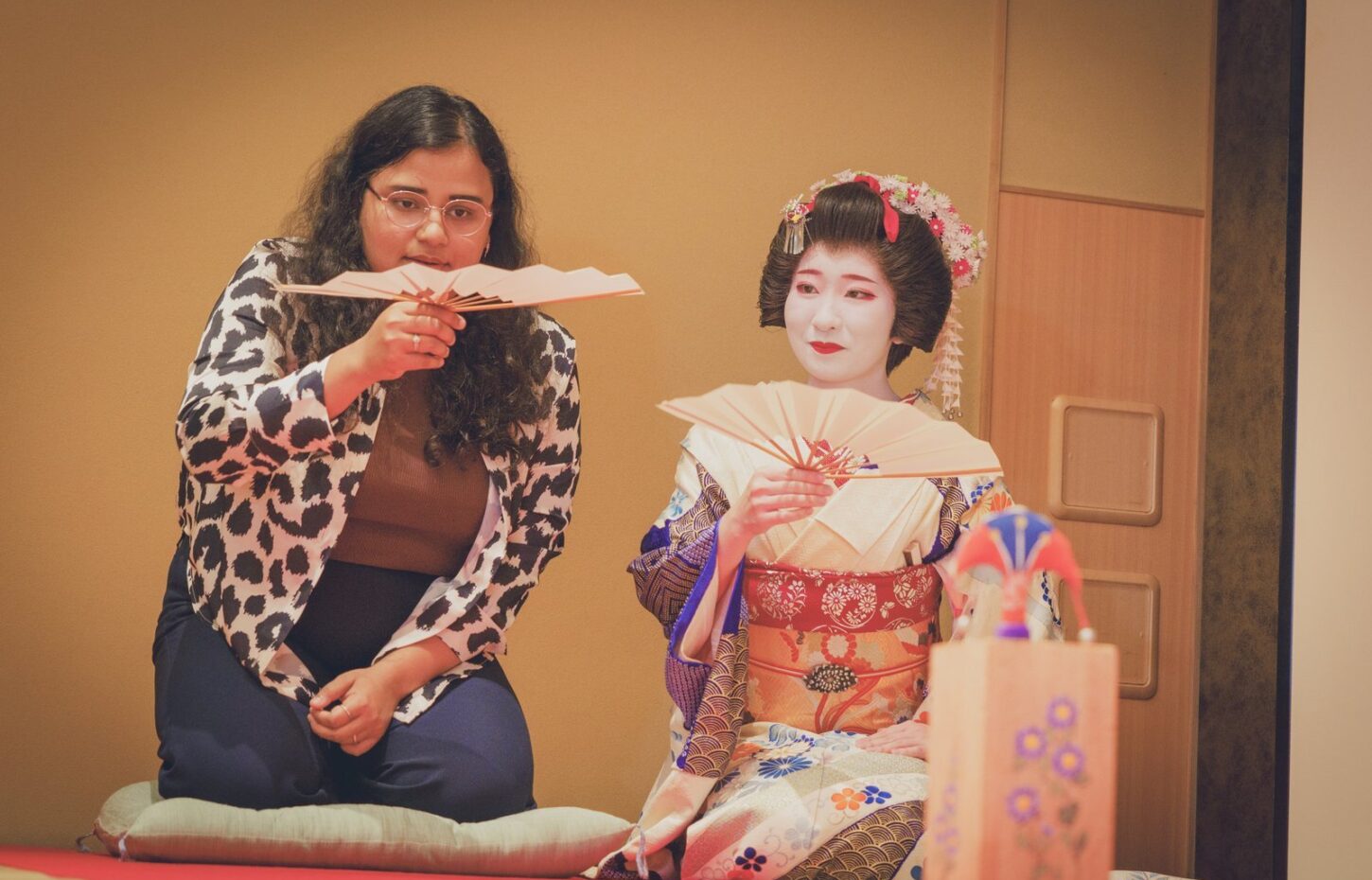
Tosenkyo: The Geisha Fan-Throwing Game, Explained
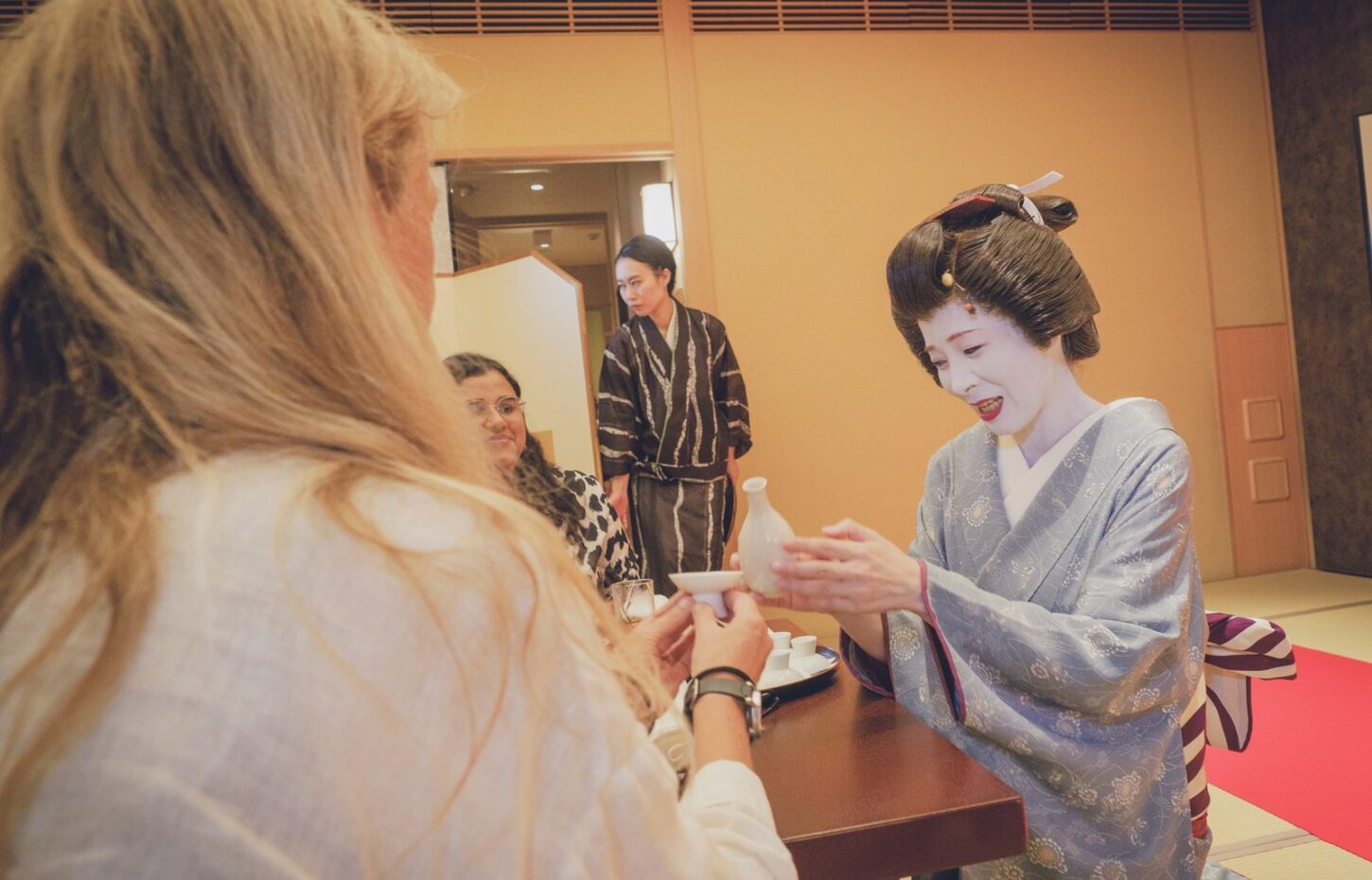
What Is Ozashiki Asobi? A Guide to Geisha Games, Etiquette, and the Real Experience in Asakusa, Tokyo
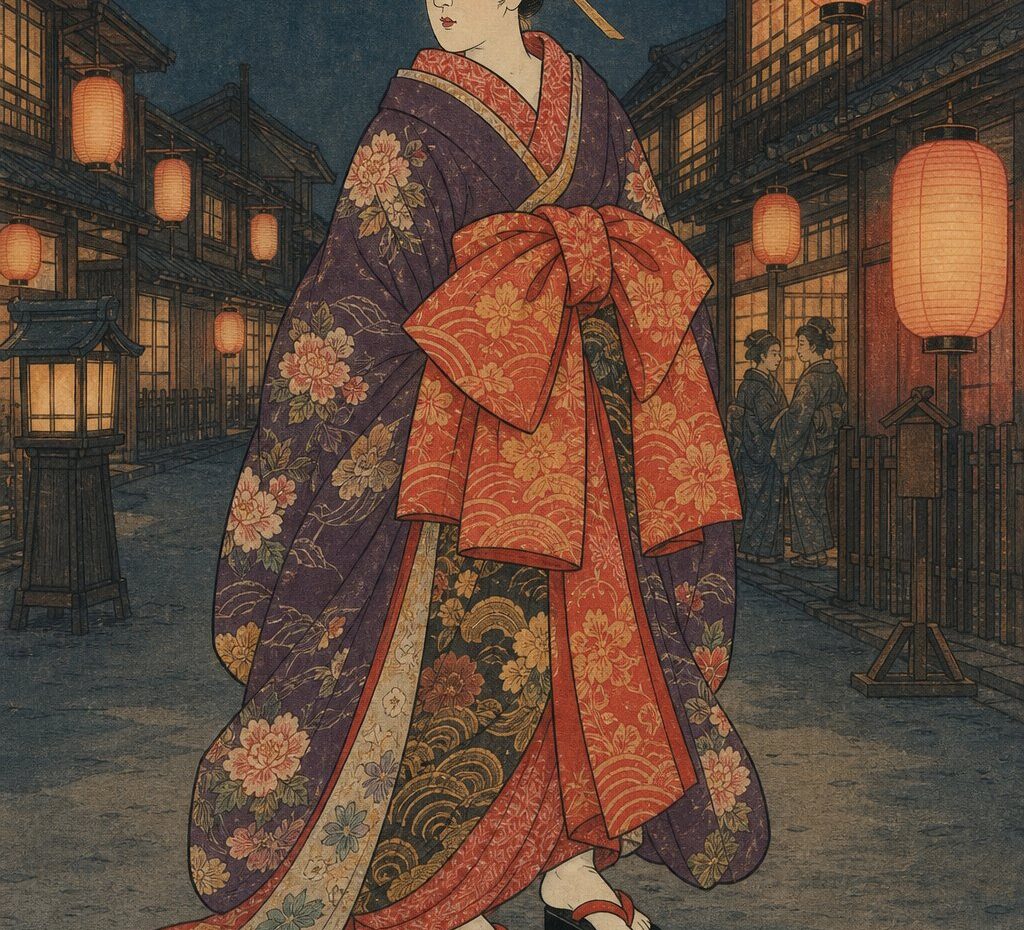
Oiran vs Geisha: What’s the Difference? (Answered in Asakusa)

Asakusa Geisha Culture: How-to & Etiquette Q&A【Miyakodori】
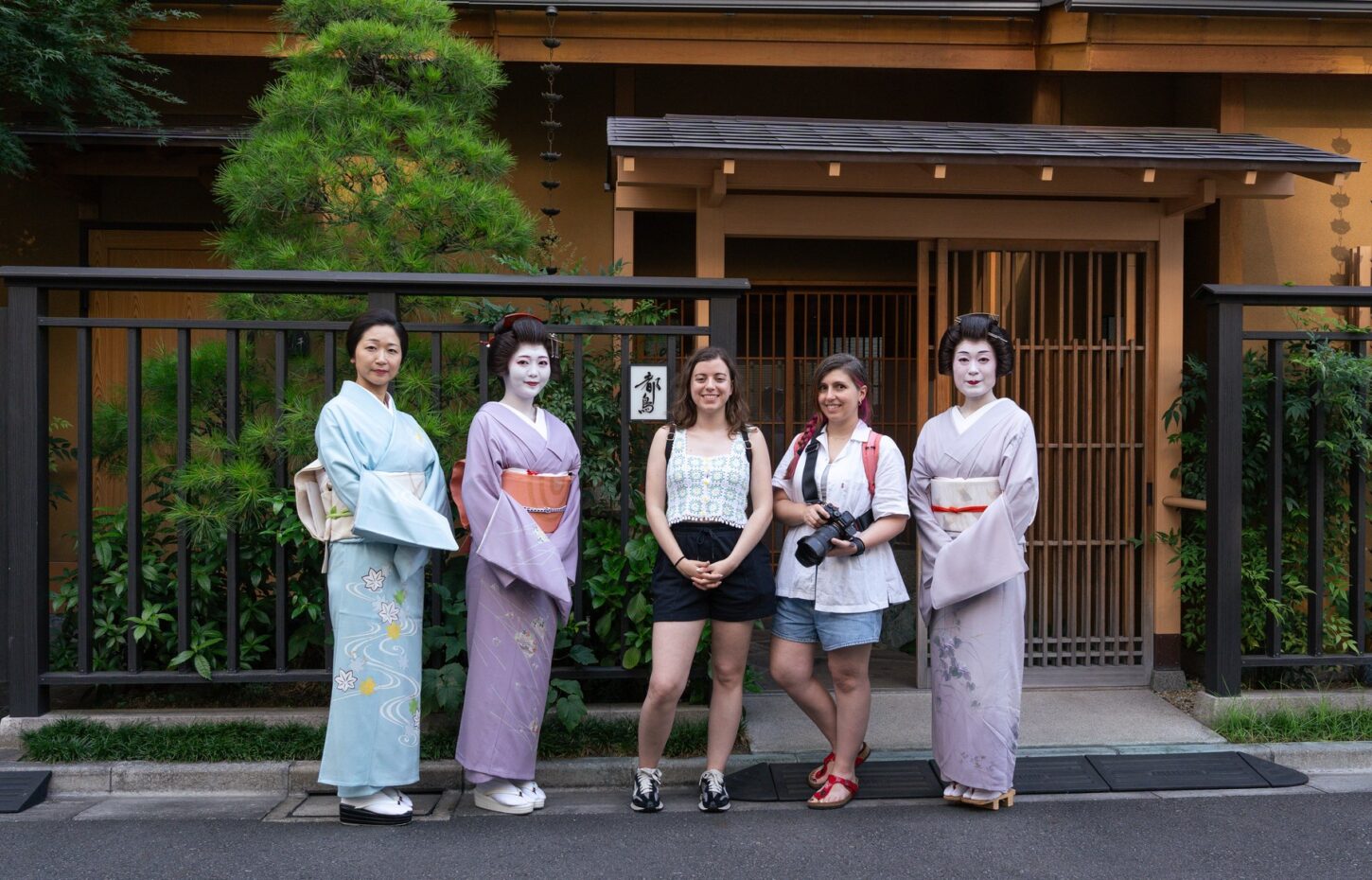
Japanese vs Korean Culture: Social Differences, Arts and Traditions
Japanese Tea Ceremony in Tokyo: A Guide to Chadō — and the Geisha Tea House Few Travelers Know
Comment ( 0 )
Trackbacks are closed.
No comments yet.