



Ultimate Guide to Asakusa Geisha Ozashiki Odori: Experience Traditional Geisha Dance in Tokyo
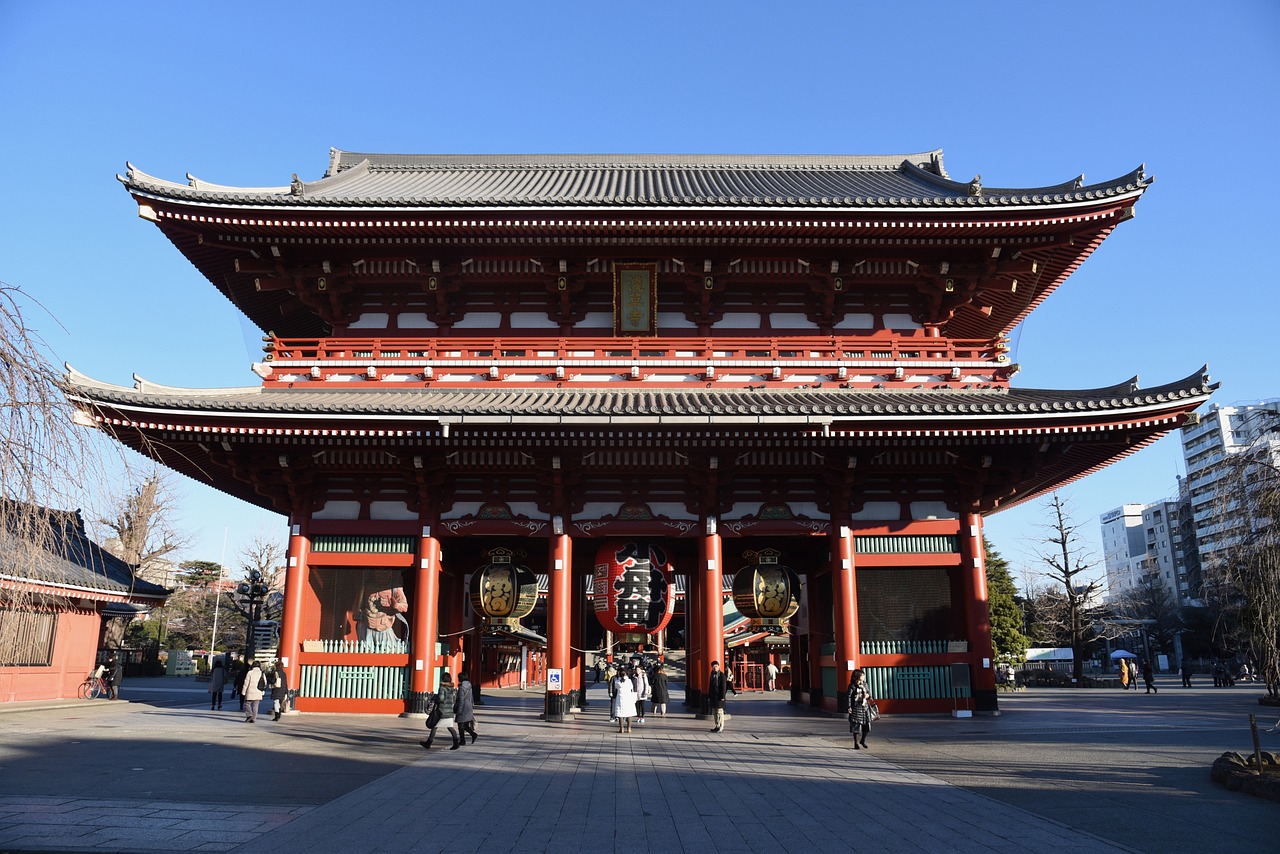
Walking through the Kaminarimon (thunder gate) of Senso-ji temple, you feel the weight of history. The scent of incense sticks and the chatter of the crowd create a vibrant atmosphere that has defined Asakusa for centuries. But beyond the main tourist paths lies a world of refined elegance and mystery: the world of the geisha. If you are visiting Tokyo, you have a rare opportunity to witness this culture firsthand. In the heart of Asakusa, the tradition of ozashiki odori (geisha banquet dance) continues to thrive, offering a bridge between the Edo period and the modern day.
Asakusa is unique among Tokyo’s six geisha districts. While places like Shimbashi or Akasaka have historically catered to the political and business elite, Asakusa has always been a more open and welcoming town. It is a place where culture is protected by the entire community. This welcoming spirit is perfectly embodied in the ozashiki odori performances held at the Asakusa Culture Tourist Information Center — an event that allows people from all walks of life, including international tourists, to enjoy authentic geisha dance and music.
Experience an Authentic Ozashiki (Geisha Banquet) in Asakusa
Asakusa Miyakodori — founded in 1950 — is the only machiai-chaya (geisha waiting house) in Asakusa. Private rooms, live shamisen, and English-speaking staff. No introduction required.
Request a ReservationWhat Is Ozashiki Odori? The Soul of Edo Culture
Ozashiki odori is the traditional dance performed by geisha within the intimate setting of an ozashiki — a private banquet room with tatami mats. It is one of the most concentrated expressions of Edo-period artistic culture still practiced today.
To understand ozashiki odori, one must first understand the concept of the ozashiki (a private gathering with geisha) itself. An ozashiki is a gathering held in a traditional Japanese room with tatami mats. Historically, these were private gatherings where guests enjoyed high-end kaiseki cuisine while being entertained by geisha. The word odori simply means dance.
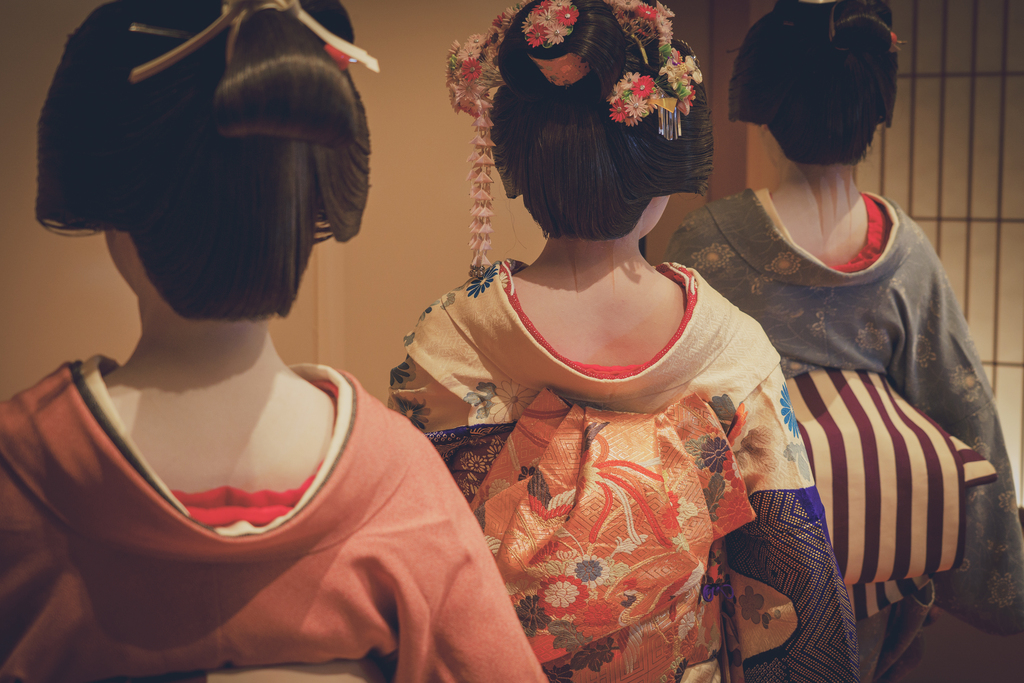
The roots of this culture stretch back to the Edo period. During this time, geisha were the trendsetters of fashion, music, and art — highly skilled artists who spent years mastering the shamisen (a three-stringed lute), traditional singing, and the nuances of Japanese dance. In Asakusa, this artistic lineage has been preserved with great pride. The performances you see today are not modern reconstructions; they are a living continuation of centuries-old traditions.
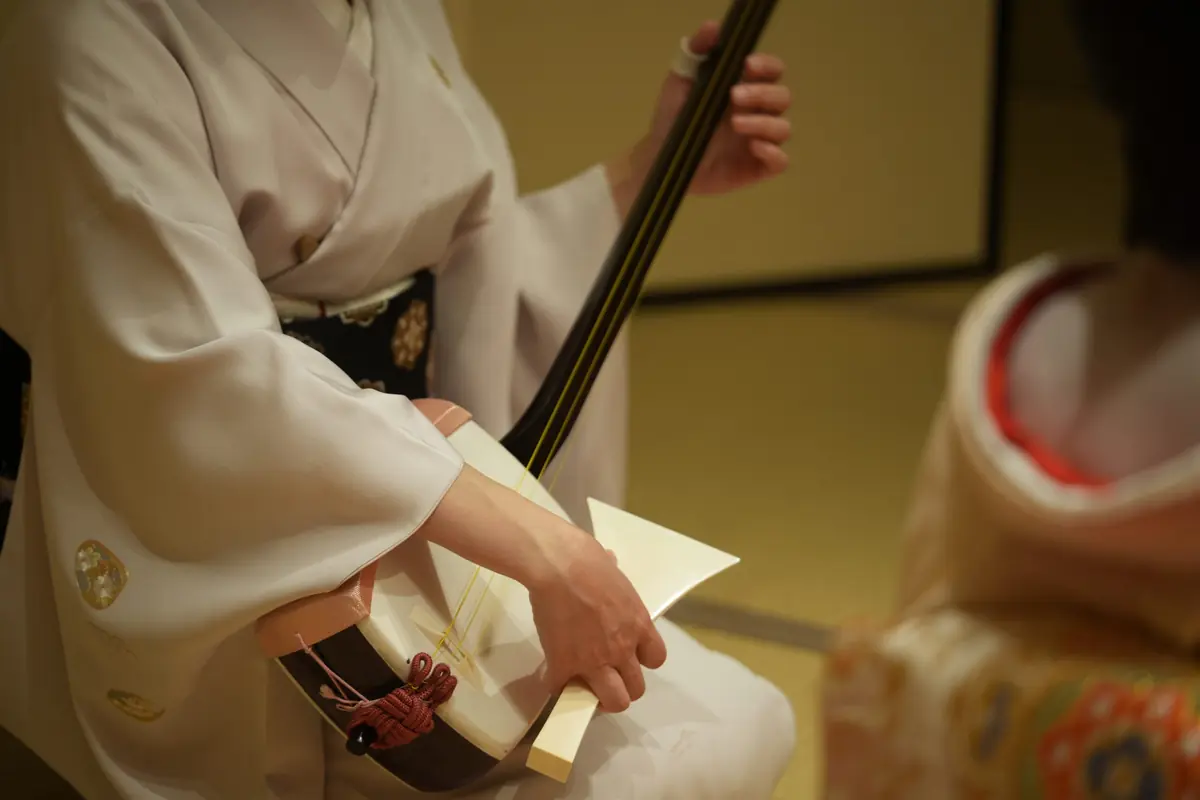
When you watch a performance, you are seeing more than movement. You are seeing a story told through the tilt of a fan, the positioning of a kimono-clad shoulder, and the subtle expressions of the face. The music, often played live on the shamisen, provides the heartbeat of the performance. This is the essence of Japanese culture — a focus on seasonal beauty, refined grace, and a deep respect for the past.
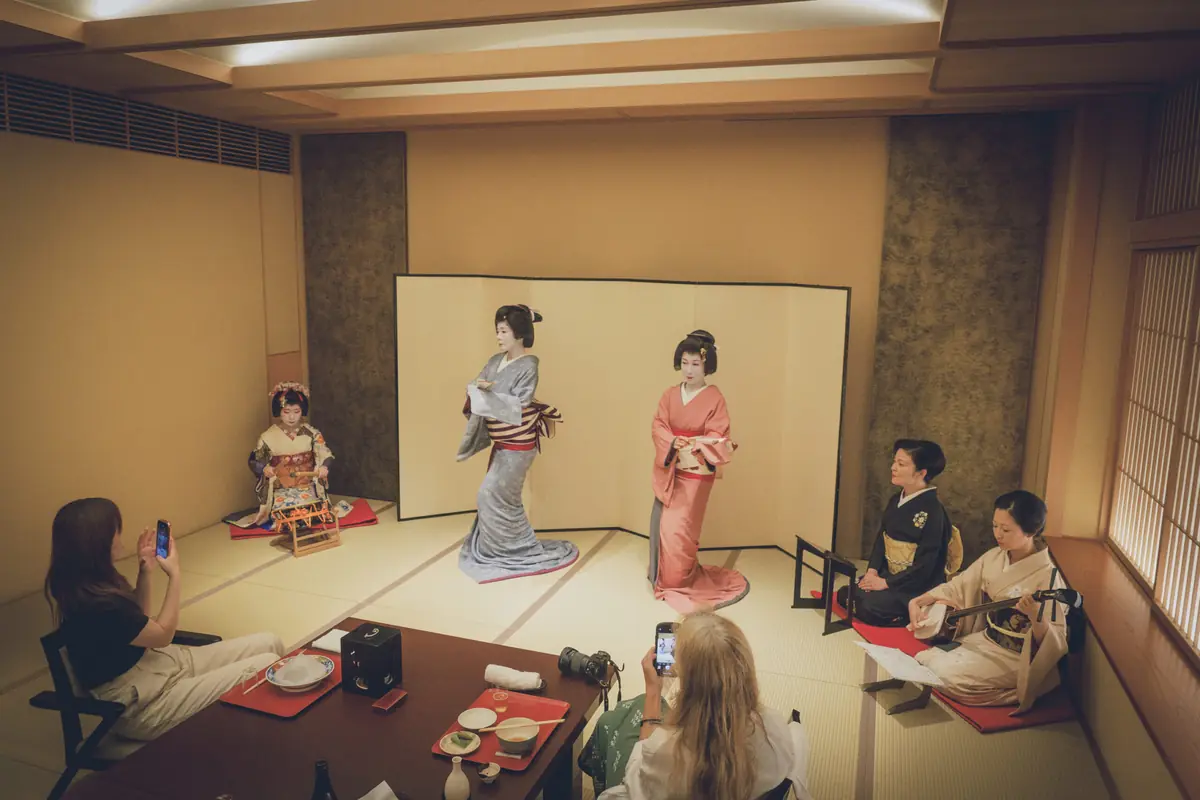
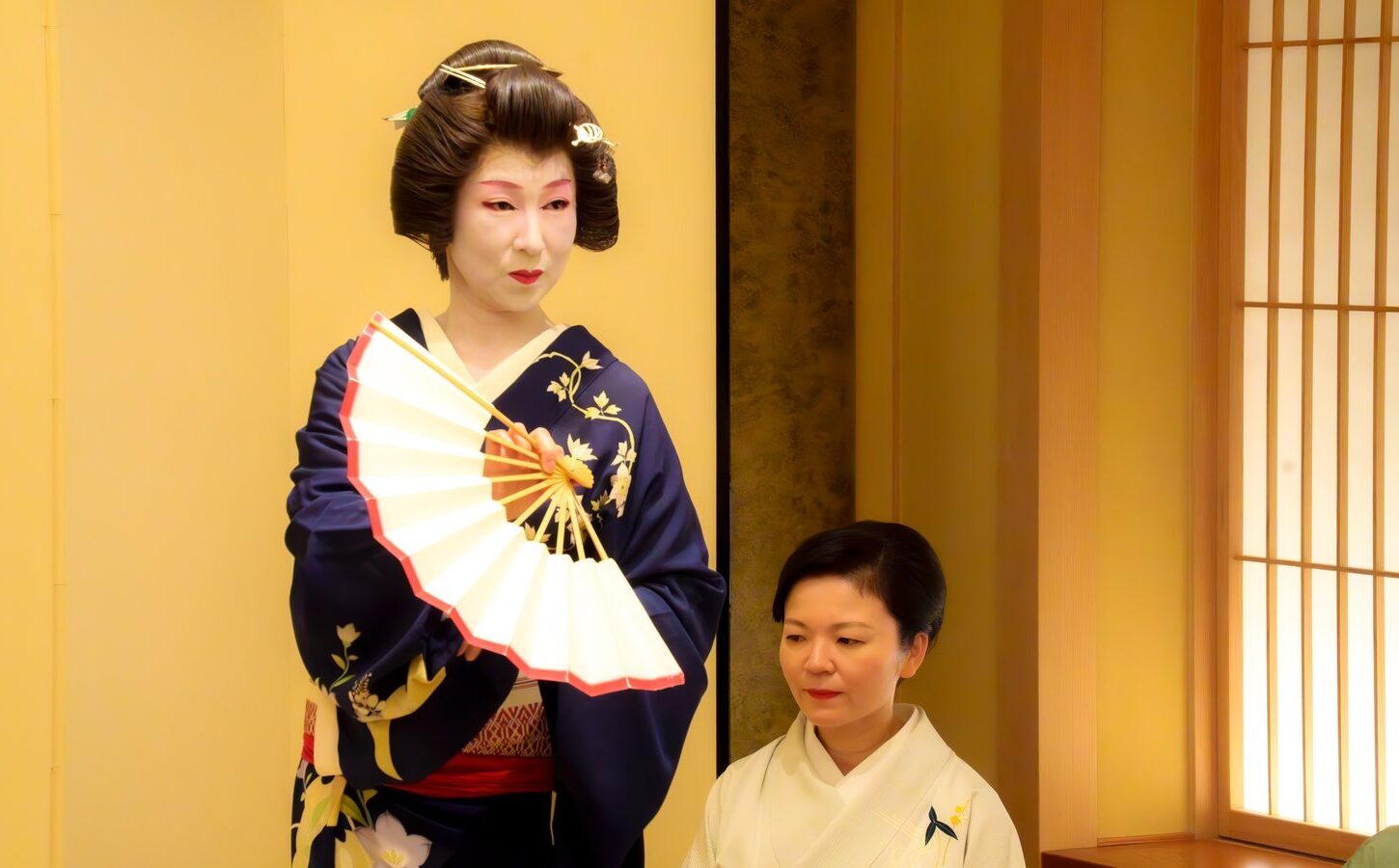
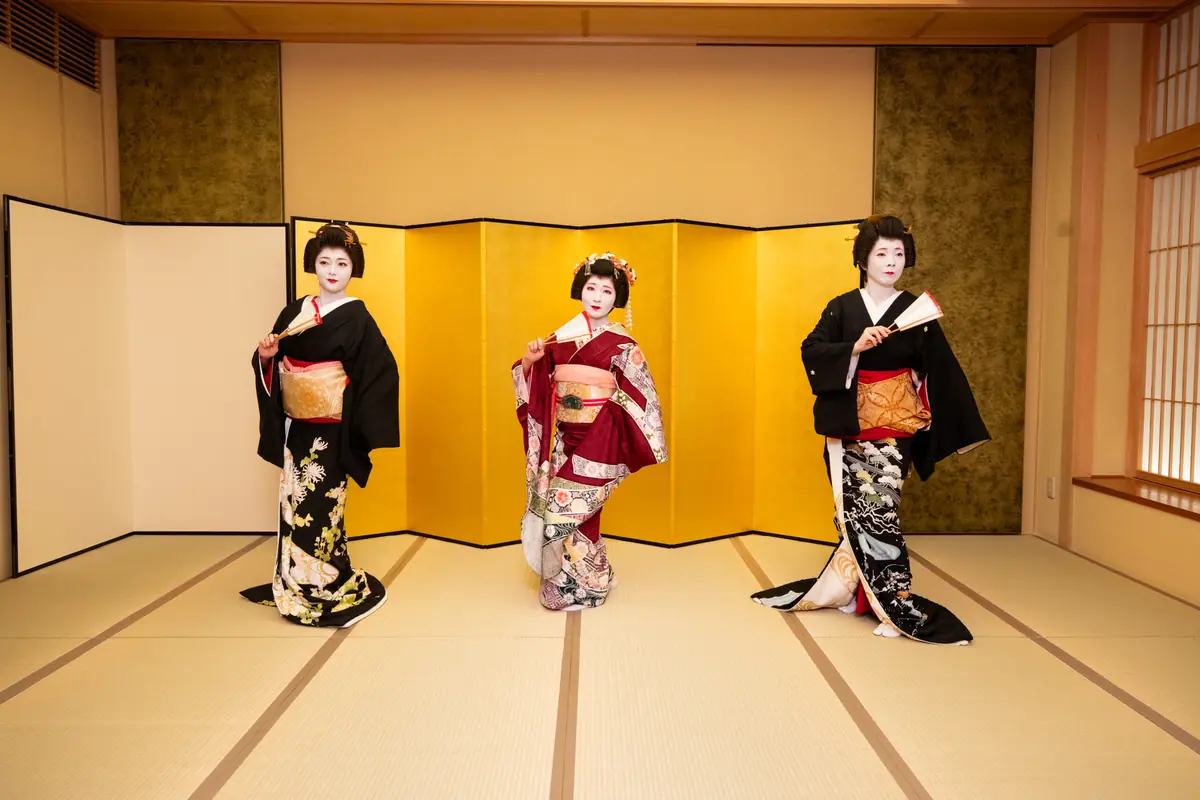
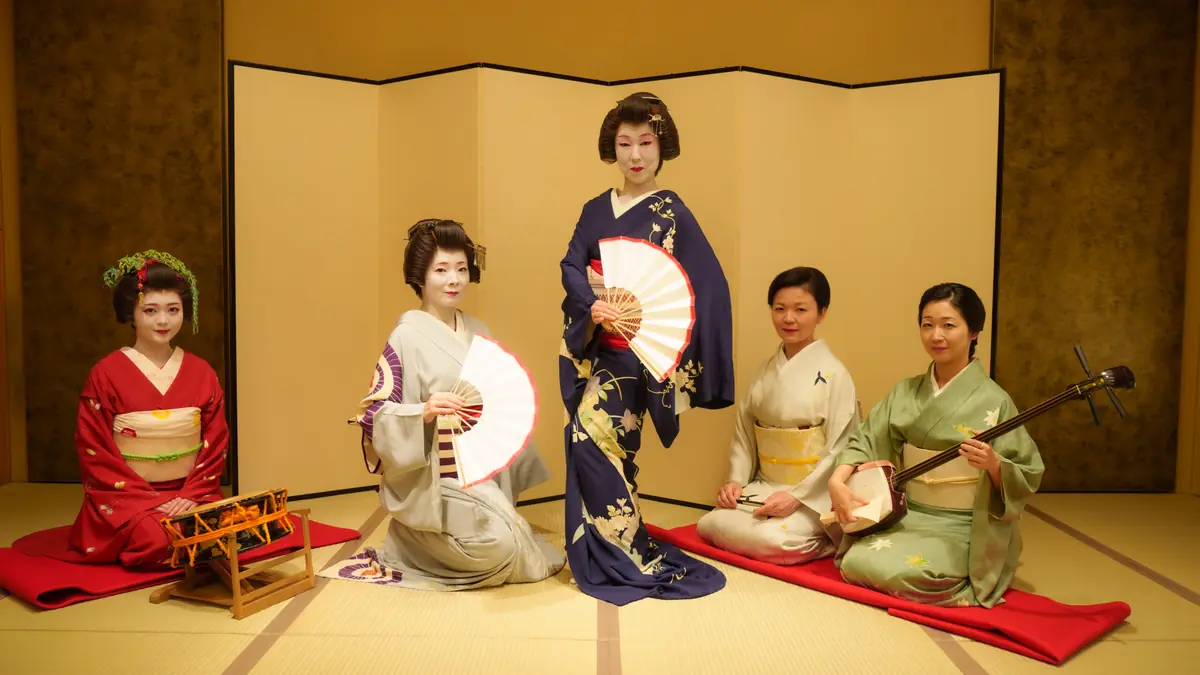
An Asakusa geisha dances in the tatami room, with live shamisen playing behind her.
Where Can You See Geisha Dance in Asakusa?
There are two ways to see geisha dance in Asakusa: ticketed public performances at the Asakusa Culture Tourist Information Center, and private ozashiki (a private gathering with geisha) experiences at Asakusa Miyakodori, the only machiai-chaya in Asakusa.
The Asakusa Culture Tourist Information Center
The main venue for public performances is the Asakusa Culture Tourist Information Center, where the ticketed Asakusa Geisha Ozashiki Odori is held. Located directly across from the Kaminarimon Gate, this building was designed by the architect Kengo Kuma. While many tourists visit the ground floor for maps or the top floor for the view, the sixth floor houses a multi-purpose space where geisha performances take place.
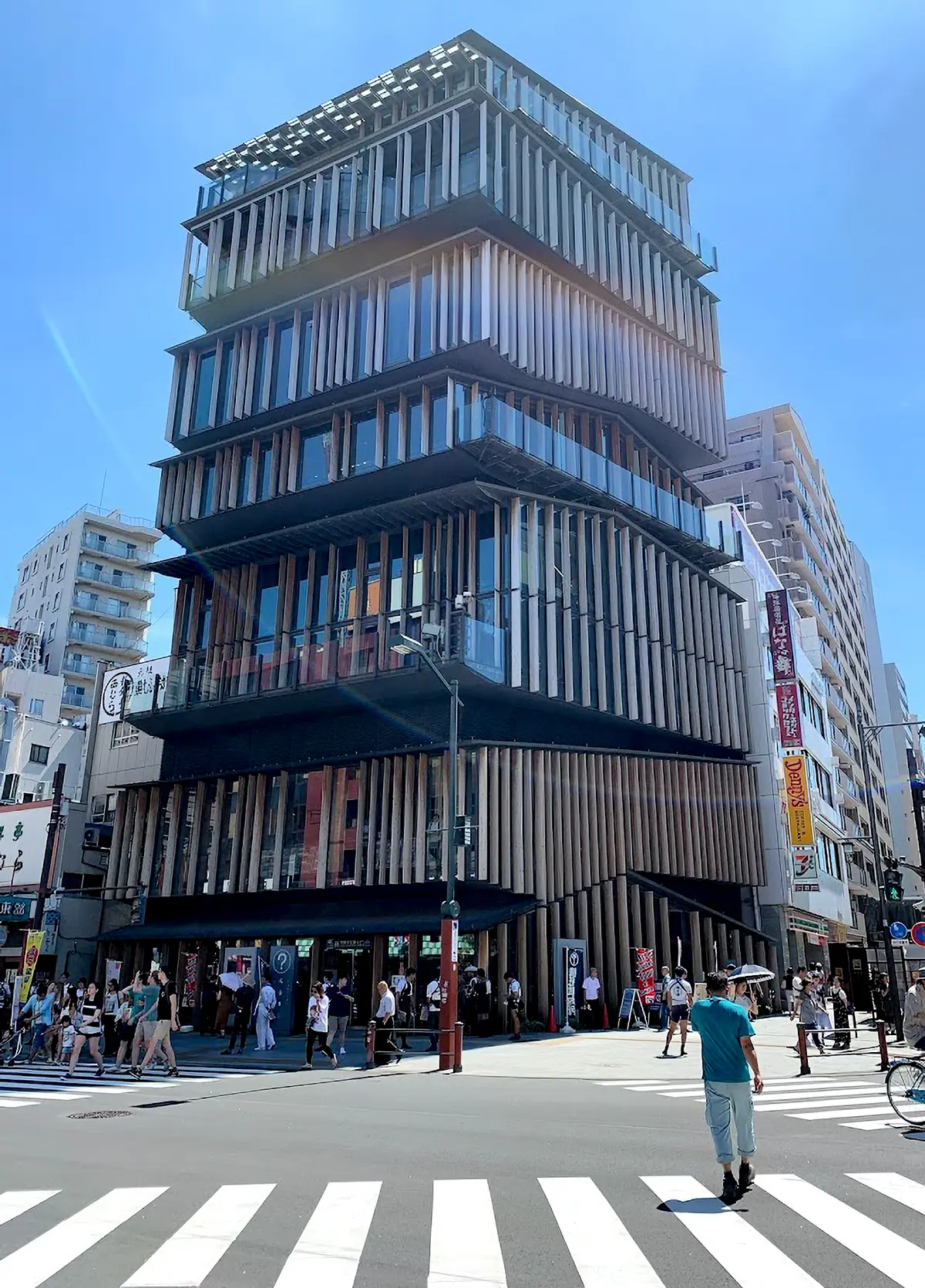
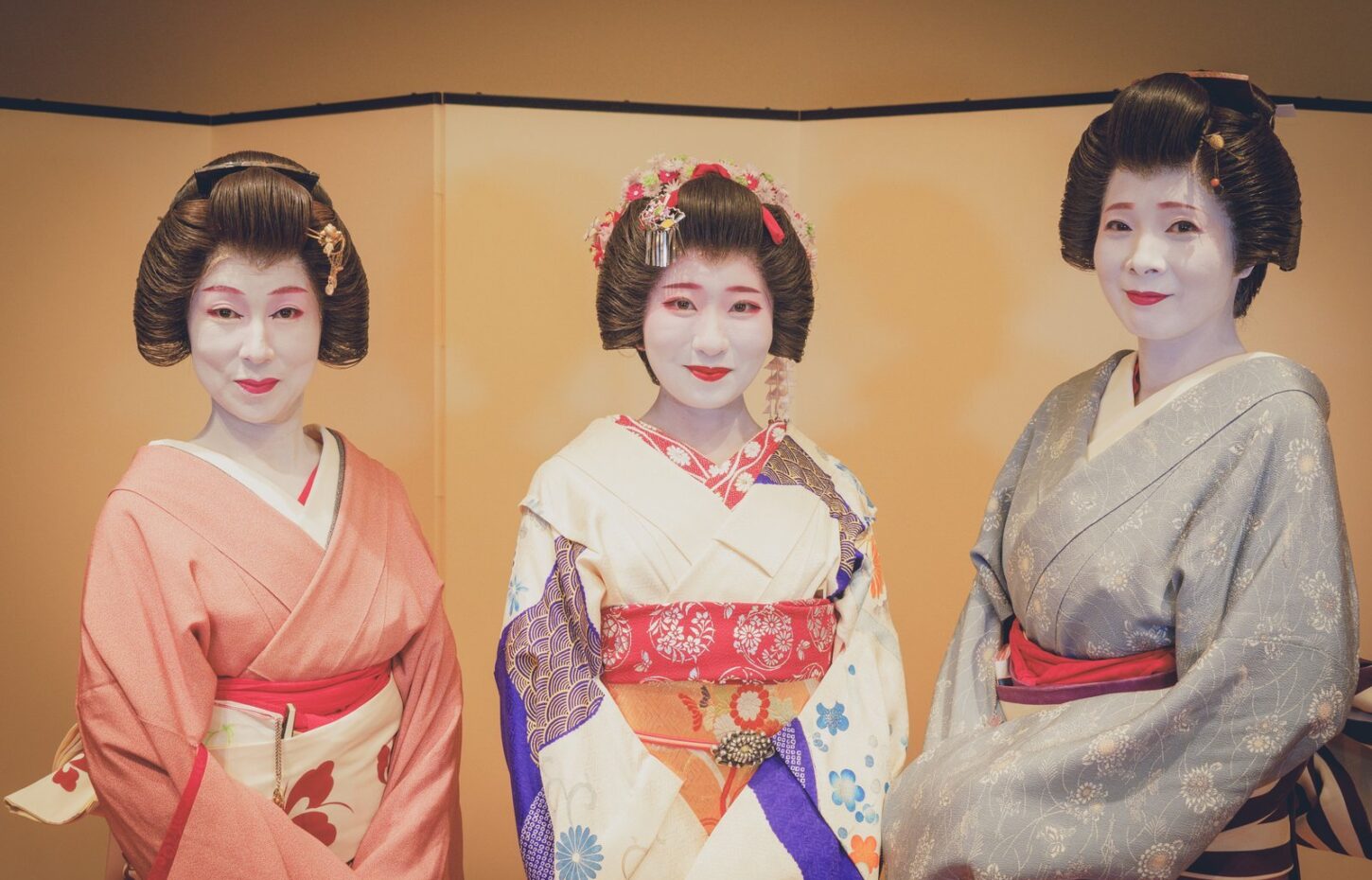
This venue serves as a cultural hub for the Taito area. By hosting geisha performances here, the city makes the culture accessible to everyone. The sixth-floor space is intimate enough that you can see the intricate details of the geisha’s kimono and the precision of their makeup — a stark contrast to a large theater.
Asakusa Miyakodori: A Private Ozashiki Experience
For a more authentic and immersive experience, the place to visit is Asakusa Miyakodori, a historic machiai-chaya (geisha waiting house) founded in 1950. Located in the quiet streets of Kannon-ura behind Senso-ji — the true heart of Asakusa’s geisha district — Miyakodori is the only machiai-chaya in Asakusa.
Unlike a ryotei (traditional restaurant), a machiai-chaya does not prepare food on its premises. This unique structure gives Miyakodori the flexibility to source meals from the finest local kitchens and accommodate a wide range of dietary needs, including halal, vegan, and gluten-free options. While the information center provides a wonderful introduction, Miyakodori is where the full ozashiki (a private gathering with geisha) experience comes to life.
Schedule: How to Plan Your Visit to the Ozashiki Odori
Ozashiki odori public performances at the Asakusa Culture Tourist Information Center are typically held on Saturdays during specific periods of the year. Check the current season’s dates on the official ticket page before your trip, as events are seasonal and do not occur every day.
Timing is everything when it comes to witnessing these performances. Generally, there are two performances on each event day, both in the early afternoon, and each lasts about an hour. Exact start times are listed on the official ticket page for each season. This timing works well for tourists who want to explore the temple in the morning, catch a performance, and then enjoy a stroll through the nearby craft shops in the afternoon.
Seats are limited and reserved, so it is best to buy tickets in advance — and to arrive a little early on the day, as the building’s elevators can get crowded. Even in the off-peak season, interest from both local and international visitors is high. The schedule tends to reflect the traditional patterns of spring and autumn festivals — seasonal changes that are central to Japanese art.
How to Get Tickets for Geisha Performances in Asakusa
The Asakusa Geisha Ozashiki Odori is a paid event with reserved seating, held on selected Saturdays in seasonal runs (spring–summer and autumn). Tickets are sold in advance online; prices and dates change by season, so check the official ticket page (in Japanese) before your visit. (Information confirmed in September 2026.)
Seats are reserved, so check the date and performance time on your ticket, and read the booking conditions on the official ticket page before you buy.
It is also important to respect the photography policy that the staff will explain before the performance. Photography and recording are generally not allowed while the performance is under way, so that performers can focus fully on their art.
What to Expect at an Ozashiki Odori Performance
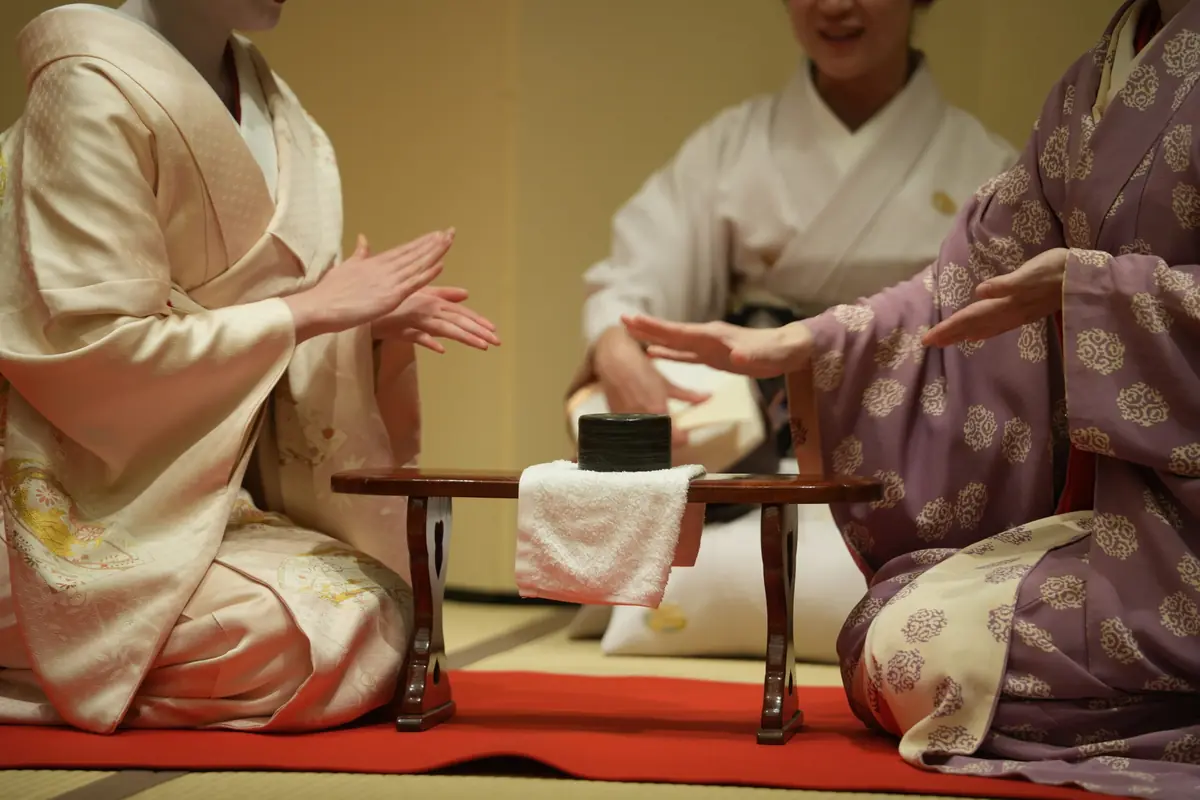
A typical ozashiki odori performance includes seasonal geisha dances accompanied by live shamisen music, a possible appearance by a hōkan (taikomochi, a traditional entertainer), and an introduction to ozashiki games such as tosenkyo — the fan-throwing game.
First, the geisha will perform a series of traditional dances, often themed around the seasons — cherry blossoms in the spring, the cooling breeze in summer, or the changing leaves of autumn. Notice the grace of their movements: their feet seem to glide rather than step, a characteristic of classical Japanese dance that creates a floating illusion.
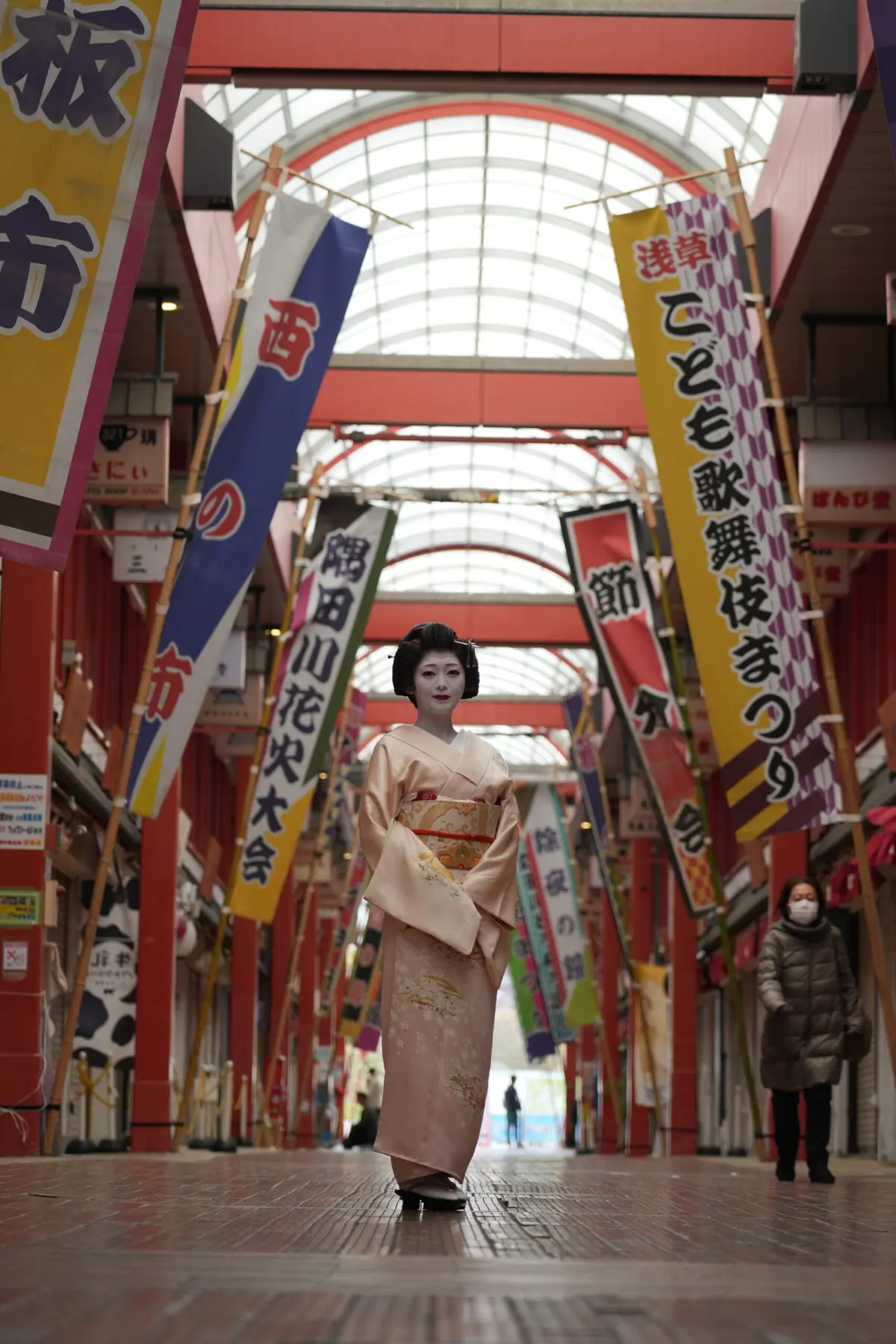
You may also see a performance by a hōkan (also known as a taikomochi), a traditional entertainer who has historically kept the atmosphere lively with music, comic storytelling, and wit. Asakusa is the only hanamachi (geisha district) in Japan with formally registered hōkan: as of 2026, six are registered with the Asakusa kenban (the geisha office), a woman hōkan among them. Seeing one perform here is a special treat. They add a layer of warmth and energy that beautifully balances the refined elegance of the geisha.
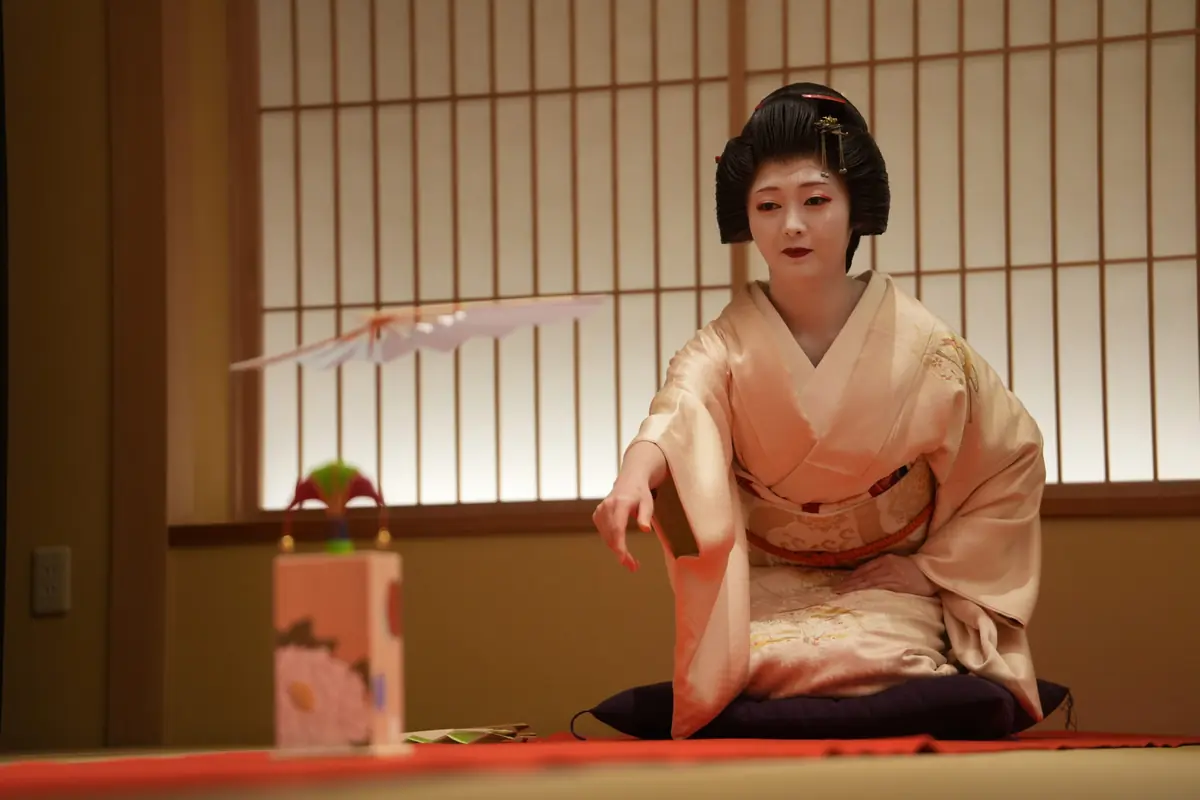
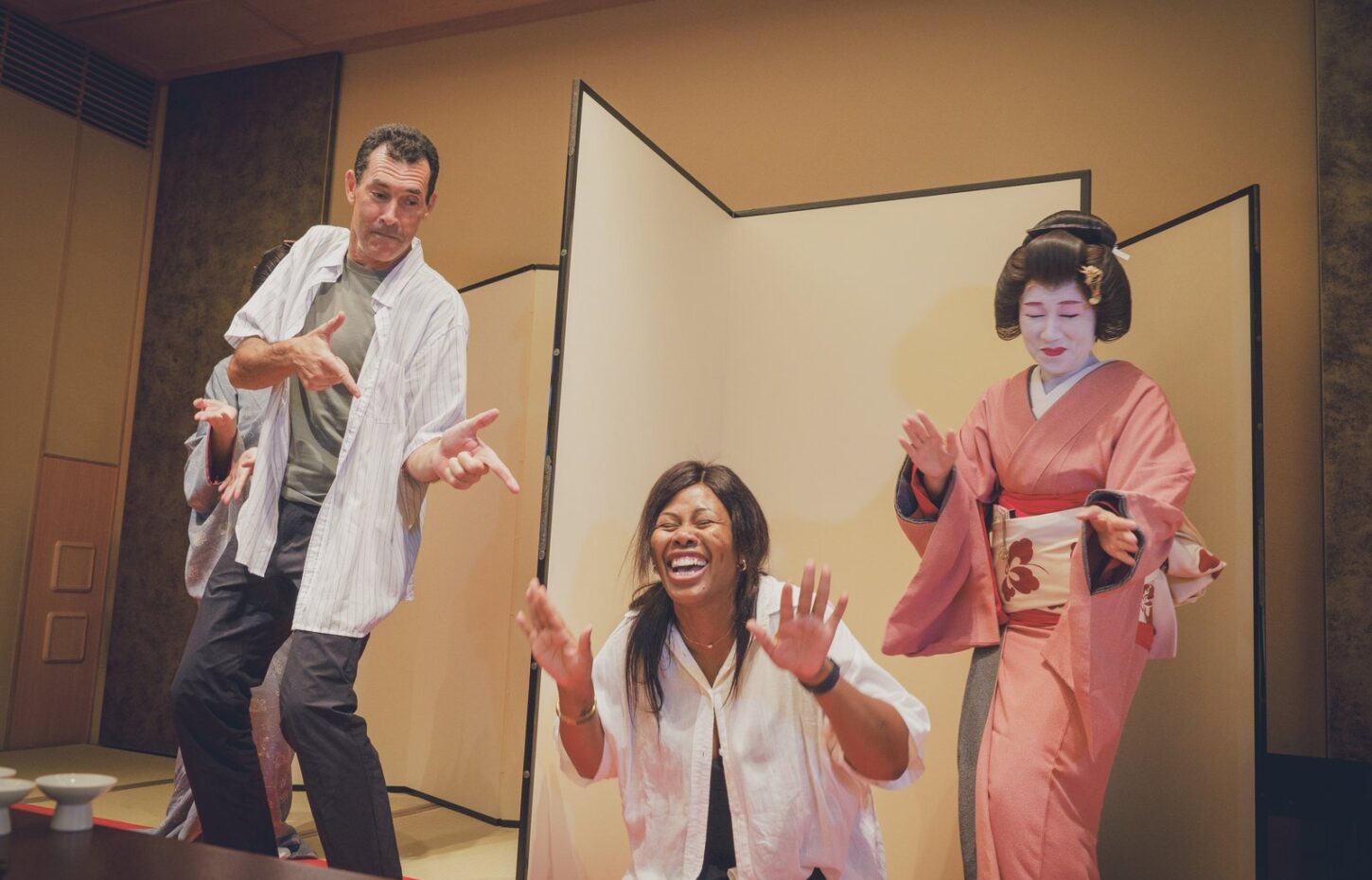
The most interactive part of the experience is the introduction to ozashiki games (geisha banquet games). One famous example is tosenkyo, where players take turns throwing an open folding fan at a small target placed on a wooden box. It looks simple, but it requires a delicate touch. During public performances, a few lucky audience members may be invited to try — a wonderful opportunity to interact directly with the geisha and experience the playful heart of the culture.
Beyond the Public Performance: The Private Ozashiki Experience at Asakusa Miyakodori
For a private ozashiki (a private gathering with geisha) in Asakusa, Asakusa Miyakodori offers an exclusive experience in a historic machiai-chaya setting — with live shamisen, geisha dance, ozashiki games, and English-speaking staff. No prior connections are required to book.
The public performances are an excellent introduction, but they only scratch the surface of the geisha world. To truly experience the depth of Japanese hospitality, a visit to Asakusa Miyakodori is something different altogether.
Founded in 1950, Miyakodori is located in the quiet streets behind the temple. This is where the spirit of old Edo lives on. Chikage, the Okami of Miyakodori, began her training in dance and traditional arts at the age of five (six by the traditional Japanese count), made her debut as a hangyoku in 1969, and has spent her life in the world of geisha ever since. She worked as a geisha for 27 years and is the only proprietress in Asakusa with direct experience as an active geisha.
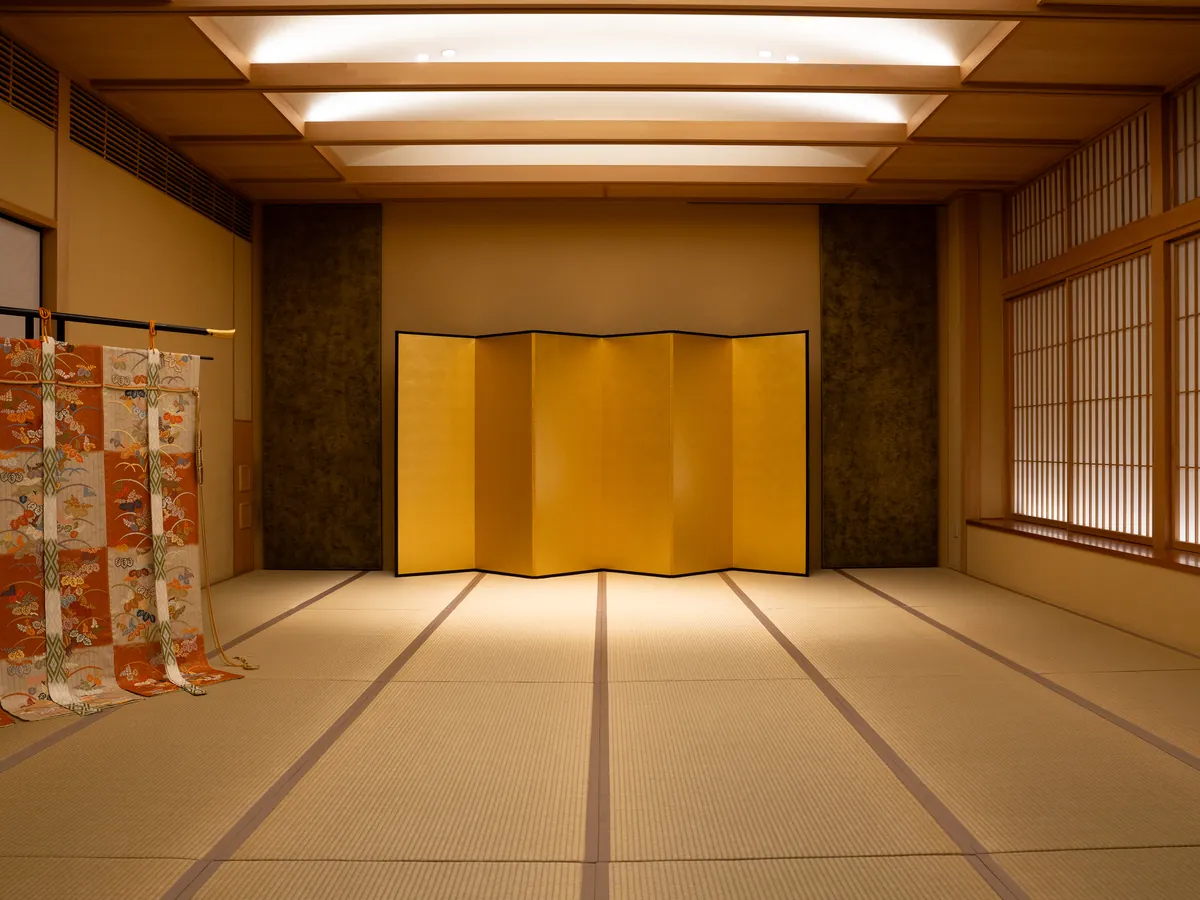
When you step through the gates of Miyakodori, you enter private rooms where every detail — from the scroll in the alcove to the seasonal flowers — is carefully curated. You can enjoy a full kaiseki meal, where each course uses the freshest seasonal ingredients. Geisha will perform for your group alone. They will pour your drinks, engage in conversation with the help of English-speaking staff, and lead you in traditional games. Depending on the plan you choose, a private evening typically lasts between one and three hours.
For a deeper look at the flow of a full private ozashiki, see our guide on the geisha banquet experience in Tokyo.
Tips for International Tourists: Etiquette and Access
Visiting a geisha district is more straightforward than it may seem. The Asakusa Culture Tourist Information Center has English-speaking staff. Asakusa Miyakodori is accustomed to welcoming international guests and provides English support throughout the evening.
In terms of etiquette, the most important rule is respect. Geisha are highly skilled professionals. Always ask before taking photos if you happen to see them in the street, and inside the venue, follow the staff’s instructions. You will be taking your shoes off to sit on tatami mats, so be sure to wear socks.
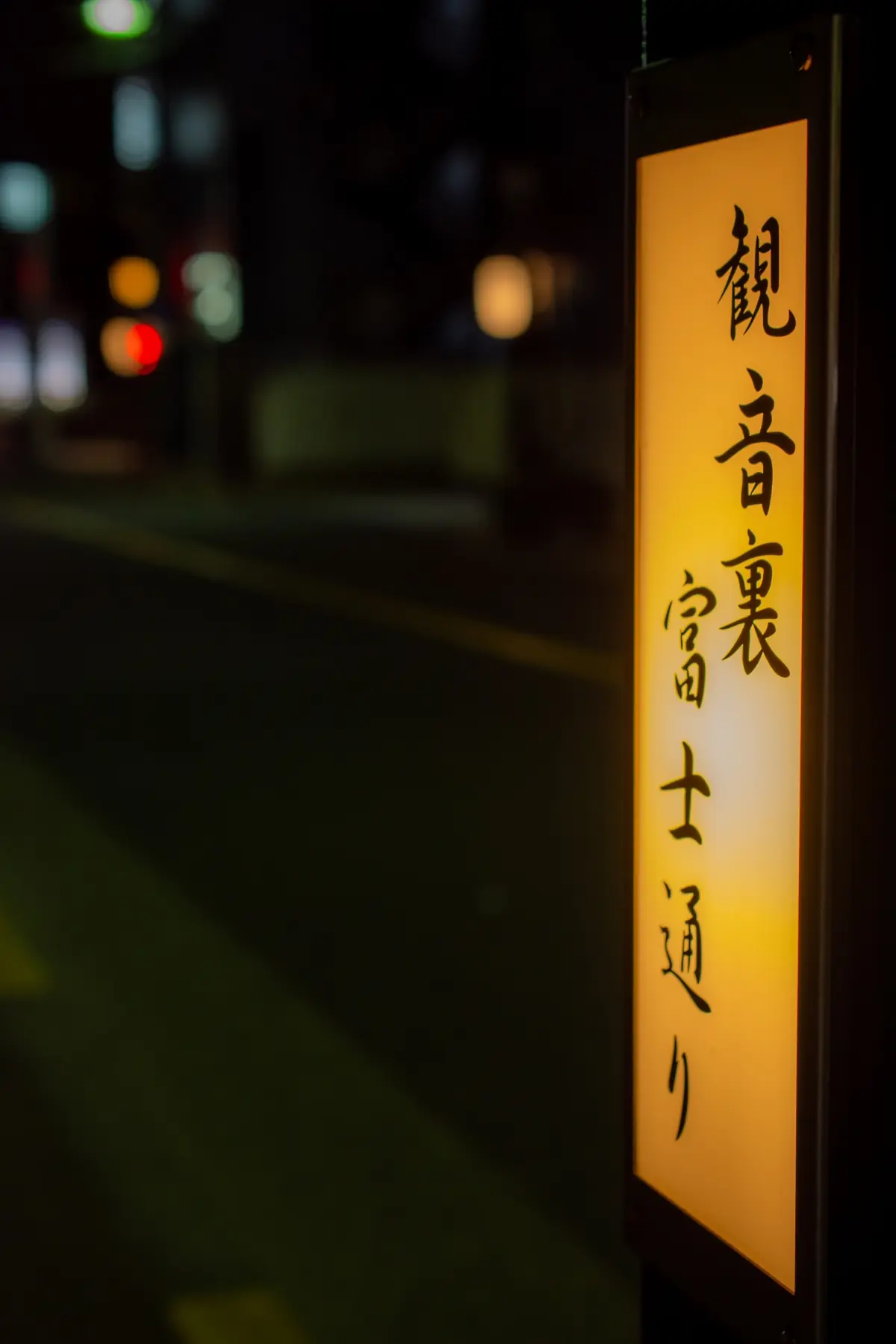
Accessing Asakusa is straightforward. You can take the Ginza Line, the Asakusa Line, or the Tobu Skytree Line to Asakusa Station. From there, it is a short walk to the Kaminarimon Gate and the Tourist Information Center. To reach Miyakodori, walk through the temple grounds toward the quieter residential area behind Senso-ji — the streets of Kannon-ura.
Frequently Asked Questions about Asakusa Geisha and Ozashiki Odori
Do I need a ticket to see the geisha dance in Asakusa?
Yes. The Asakusa Geisha Ozashiki Odori at the Asakusa Culture Tourist Information Center is a paid event with reserved seating, held on selected Saturdays in seasonal runs. Buy tickets in advance, and check the official ticket page for the current season’s dates and prices.
Can I meet a geisha if I don’t speak Japanese?
Absolutely. While geisha primarily speak Japanese, they are experts at communication through art, gesture, and music. Asakusa Miyakodori is accustomed to welcoming guests from around the world and provides English support throughout the evening.
What should I wear to a geisha performance?
For the public performances at the information center, casual tourist attire is perfectly fine. If you are booking a private room at Miyakodori, smart-casual or formal attire is recommended to match the elegant atmosphere of an ozashiki (a private gathering with geisha).
Are there halal or vegetarian options available?
Yes. As a machiai-chaya, Miyakodori sources meals from outside kitchens rather than preparing them on-site. This flexibility allows Miyakodori to accommodate a wide range of dietary requirements — including halal, vegan, and gluten-free — when notified in advance.
How long does a private ozashiki at Miyakodori last?
Plans range from one to three hours. The 1-hour Geisha Highlights plan is a focused introduction, while the 3-hour Geisha Kaiseki Dinner includes a full kaiseki meal and deeper cultural immersion. See the full pricing and plans page for details.
What is the difference between ozashiki odori and a full ozashiki experience?
Ozashiki odori refers specifically to the geisha dances. A full ozashiki (a private gathering with geisha) encompasses the entire evening: a private room, kaiseki cuisine, live shamisen music, dance performances, and interactive ozashiki games. The public performances at the information center focus on the dance; a private booking at Miyakodori delivers the complete experience.
Ready to Step Inside an Ozashiki (Geisha Banquet)?
Asakusa Miyakodori is the only machiai-chaya in Asakusa. Request a private geisha experience directly online, in English. Founded in 1950. No introduction required.
Request a Reservation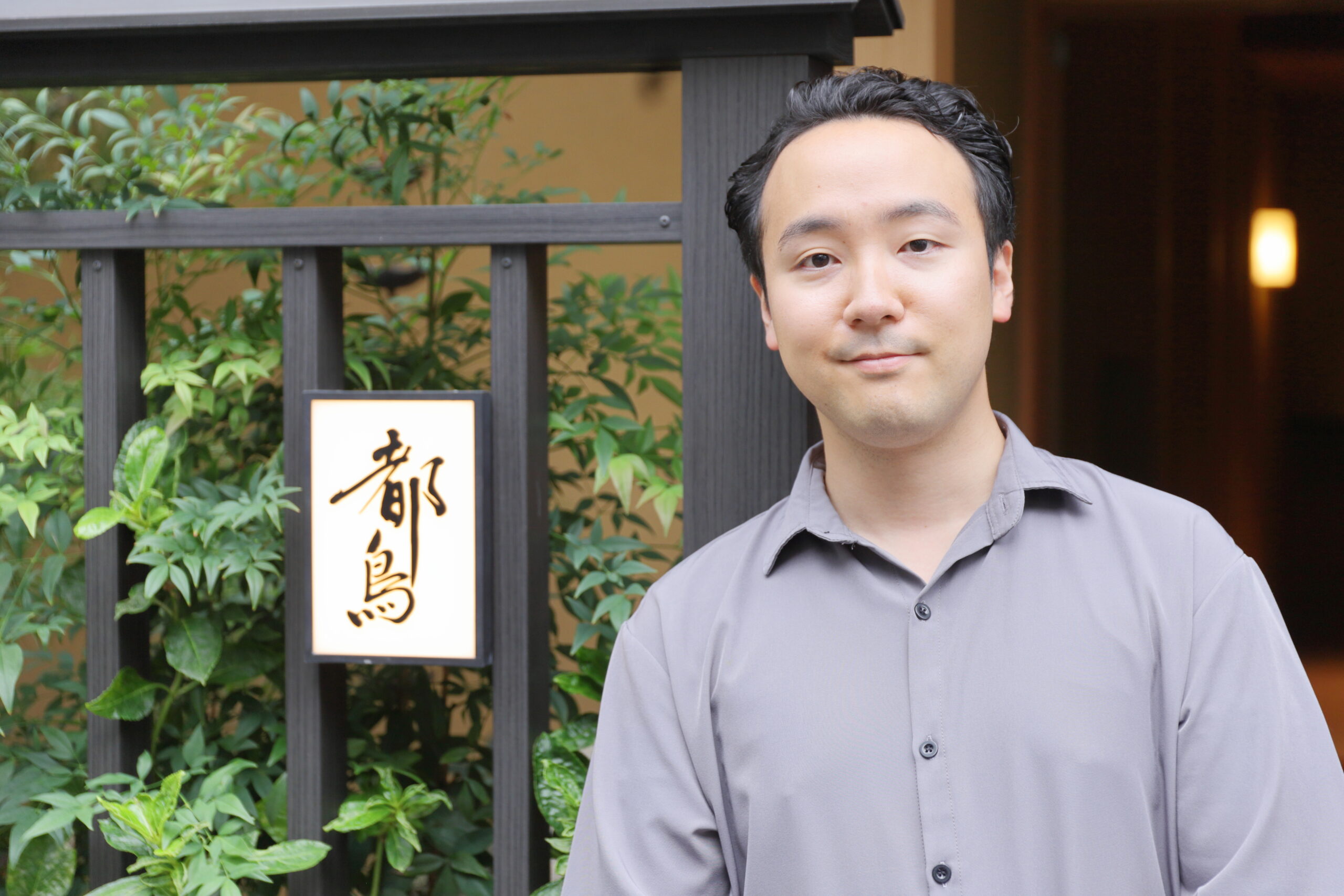


- The Complete Guide to Traditional Geisha Makeup: History, Meaning & 5-Step Application Process
- Best Restaurants for a Birthday Dinner in Tokyo | Memorable Dining Experiences
Geisha Show in Tokyo: Where to See an Authentic Geisha Performance in Asakusa
What Is the Tora Tora Game? Rules, History, and How to Play
Konpira Fune Fune Lyrics and How to Play the Geisha Drinking Game
Tokyo Tourist Guide: A Geisha Teahouse’s View of the City We Call Home
Maiko vs Geisha: The Differences (2026 Edition)
Geisha Shows in Tokyo: Witnessing the Art of the Flower and Willow World in 2026
Comment ( 0 )
Trackbacks are closed.

No comments yet.