



26 Unique Things to Do in Tokyo Japan 2026 Guide
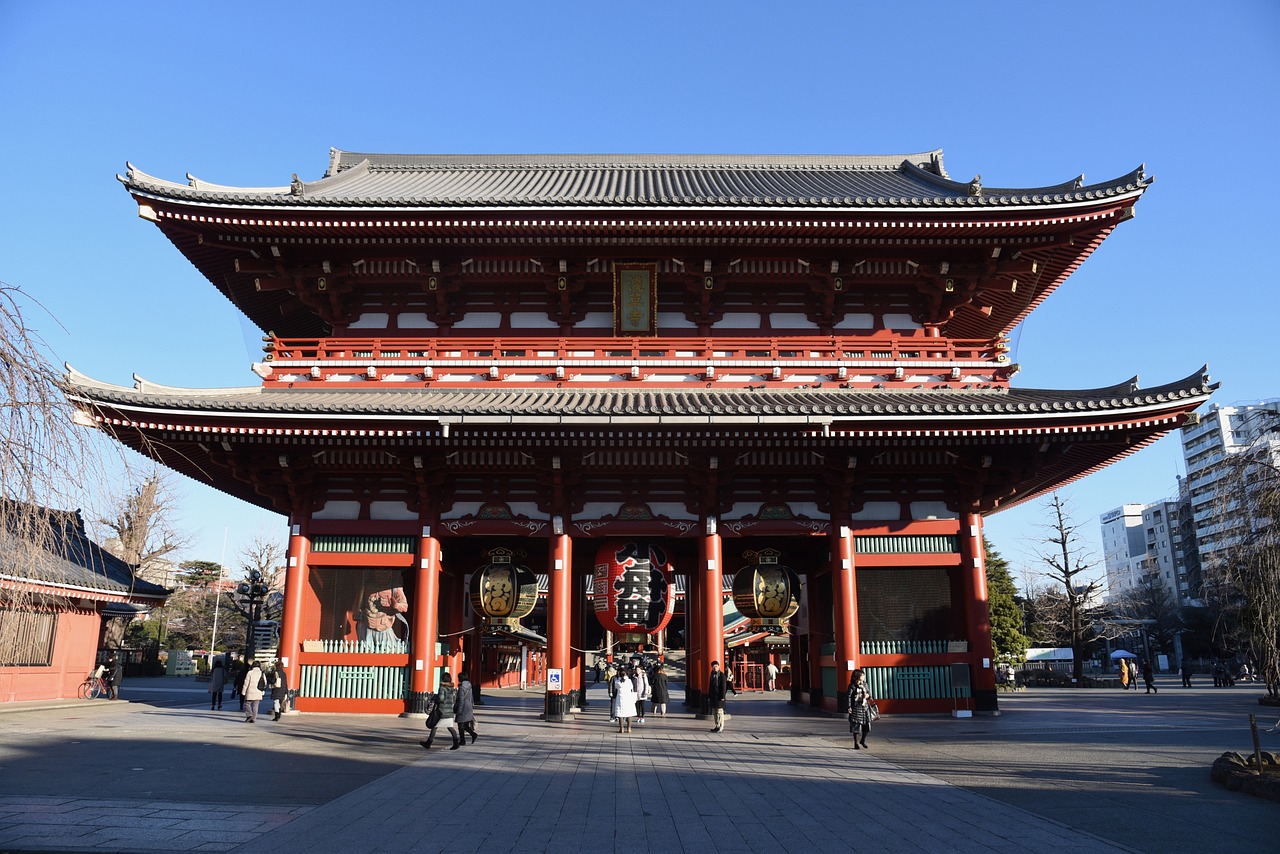
Tokyo is a city that never stops evolving. Japan continues to blend its ancient roots with a futuristic vision that captures the imagination of travelers from all over the world. Many visitors arrive with a checklist of iconic spots like the Shibuya Crossing or the red gates of Senso-ji Temple. While these places are beautiful and definitely worth visiting, there is a growing desire among travelers to go deeper. You want to see the real Tokyo, the one that exists behind the neon lights and bustling streets. You are looking for a unique experience that tells a story you can take home and share with friends for years to come.
Experience 1: Authentic Geisha Culture at Asakusa Miyakodori
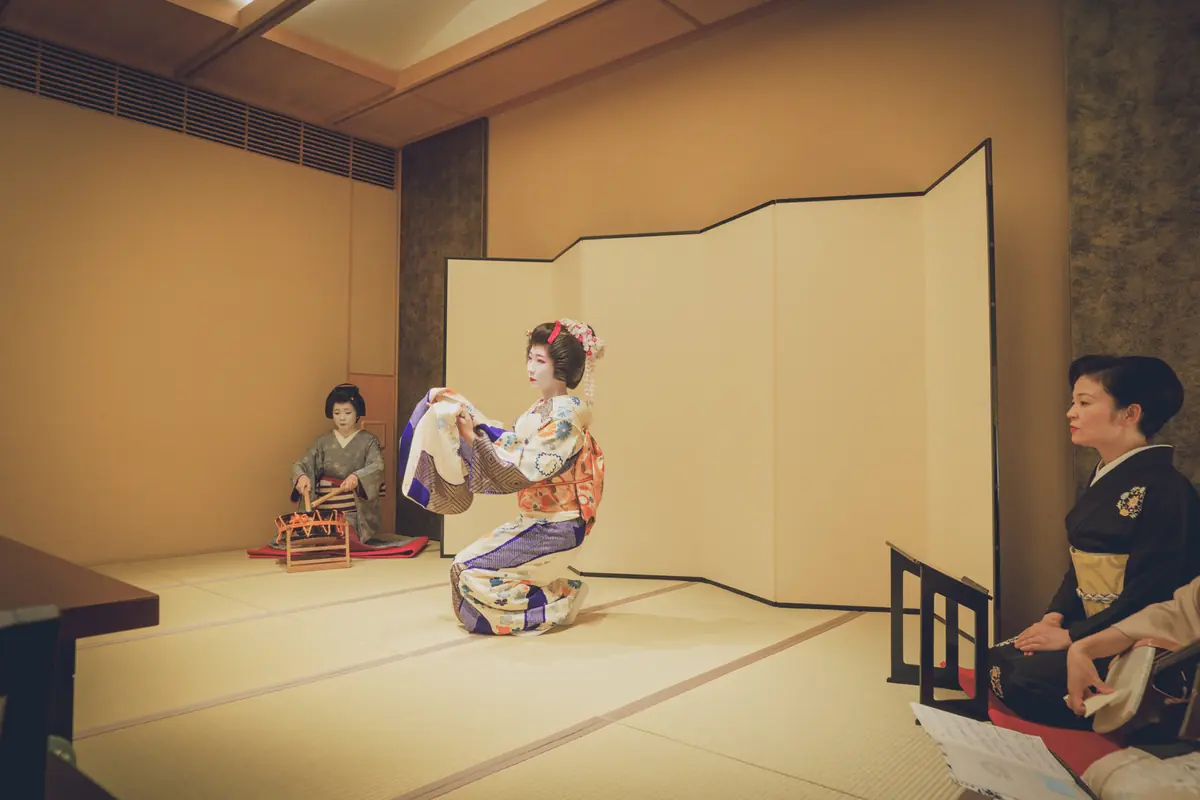
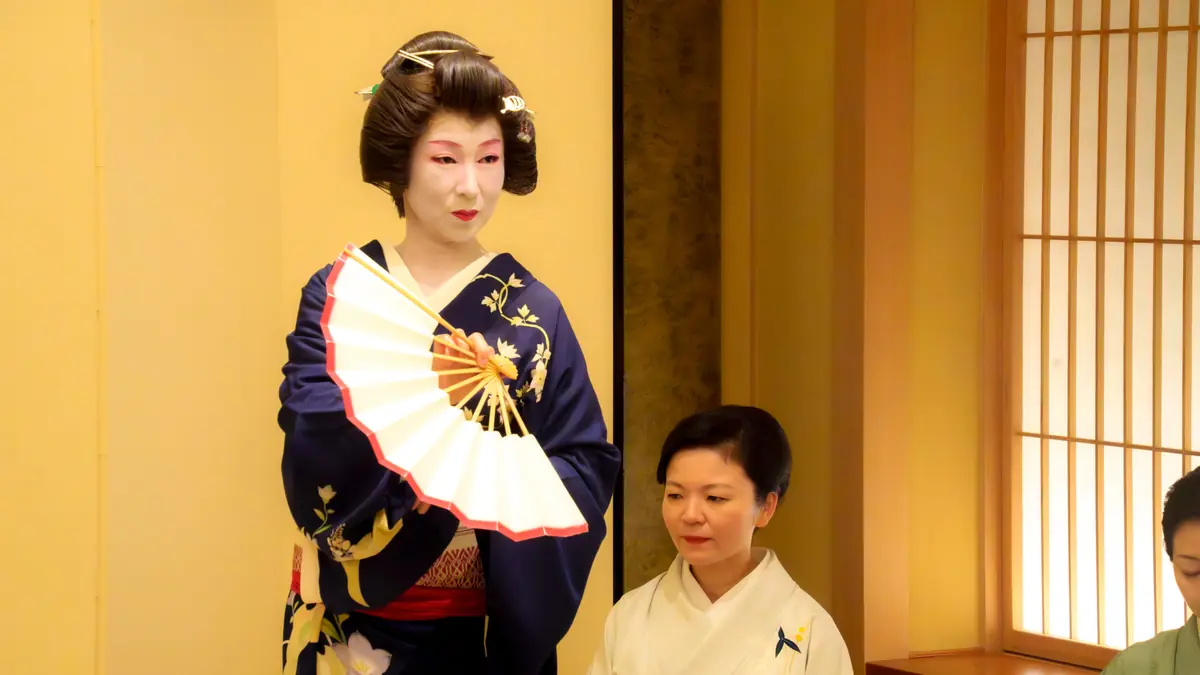
When people think of geisha, their minds often drift to Kyoto. However, Tokyo has a deep and fascinating geisha history of its own, particularly in the Asakusa area. If you are looking for a truly unique experience in Tokyo, visiting the traditional restaurant Miyakodori is a must. Located in the Asakusa Kannon-ura district, this area has remained a bastion of tradition for over 400 years, dating back to the Edo period. It is a bit different from the typical attractions. Here, you are not just a tourist; you are a guest in a world of refined art.
Understanding the Machiai-Chaya Tradition
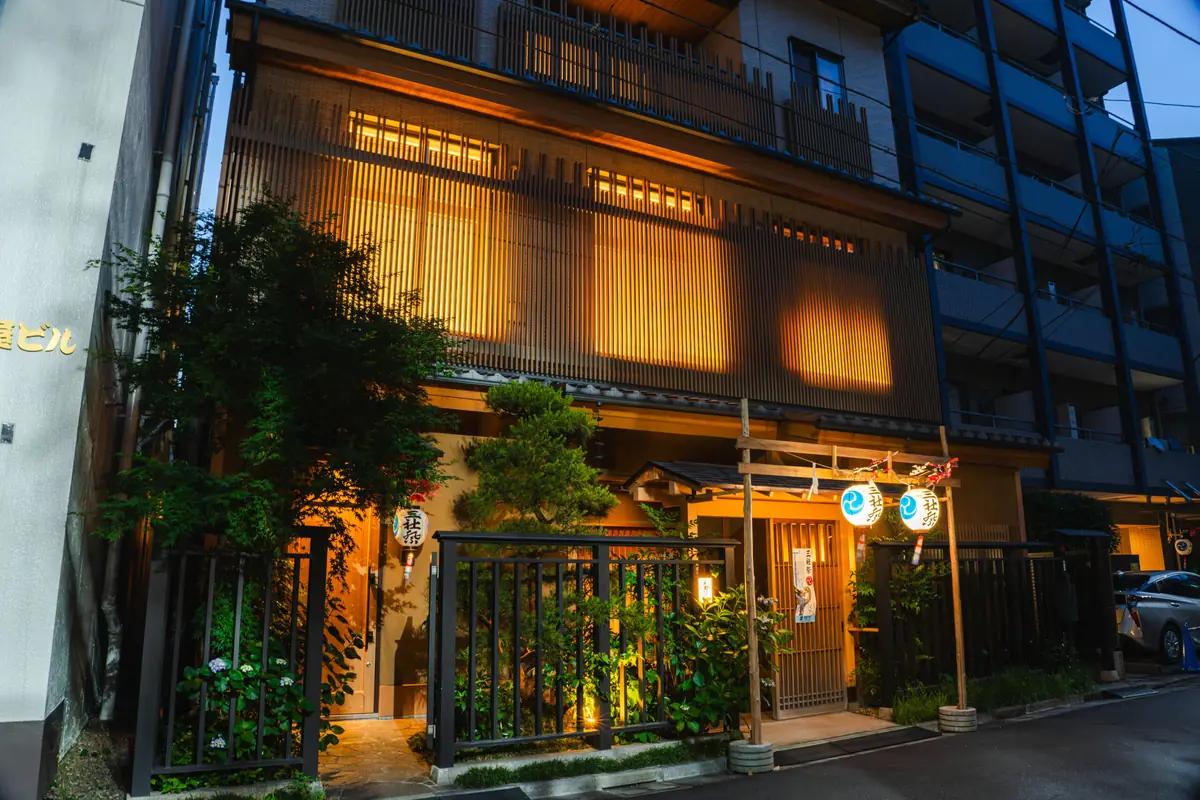
Miyakodori, founded in 1950, is a rare establishment known as a Machiai-Chaya. Unlike a standard restaurant, the primary focus here is the entertainment provided by the geisha. Miyakodori remains as the only Machiai-Chaya left in Asakusa, and only one of two places where you can meet Geisha. It is a place where time seems to slow down, and the outside world of trains and high-rise buildings disappears. The rooms are designed with beautiful paper screens and tatami floors. It is a space where you can wander back in time and feel the spirit of old Japan.
The Difference Between Kyoto and Tokyo Geisha
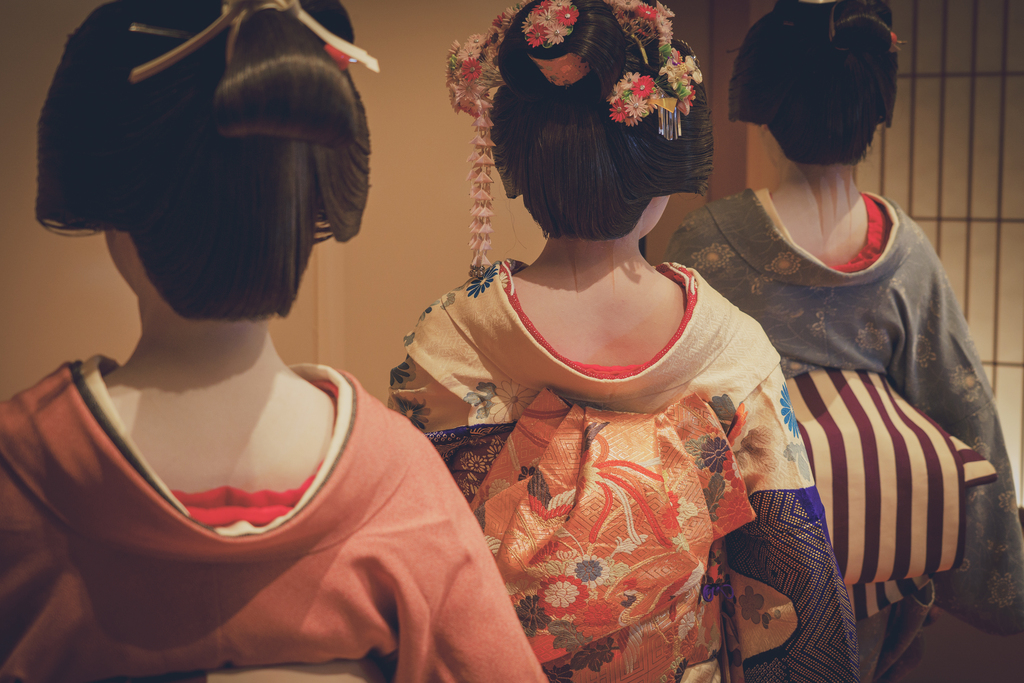
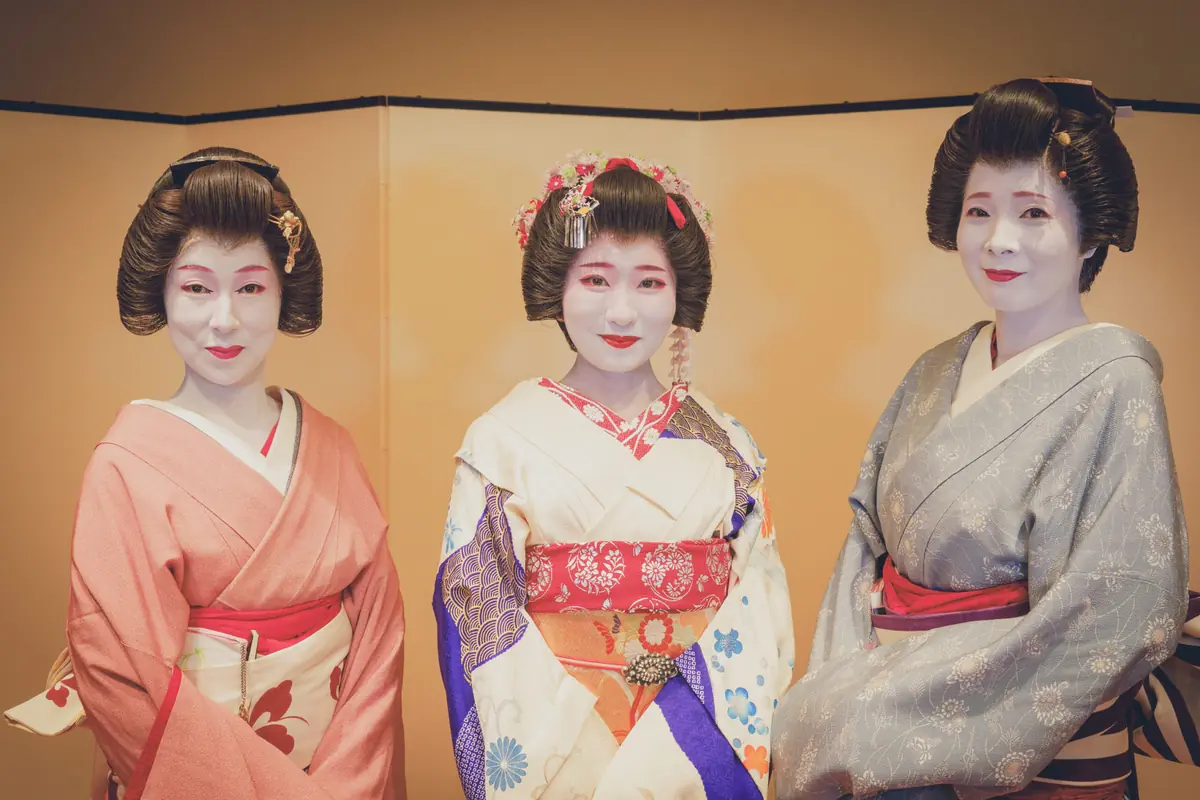
It is interesting to note the cultural differences between the two cities. Kyoto, once the capital for the imperial court, developed a culture that is elegant and graceful, often called Miyabi. In contrast, Tokyo was the city of the samurai. The culture here, often called Iki, is characterized by a refined, sharp, and sophisticated aesthetic. It is a kind of cool that is unique to the city. The geisha in Asakusa carry this spirit. They are highly trained professionals who spend years perfecting their dance, music, and the art of conversation. To understand the full depth of this Tokyo aesthetic, our guide to Asakusa explores how this spirit has shaped the neighborhood for centuries.
An Unforgettable Evening of Seasonal Cuisine and Geisha Games
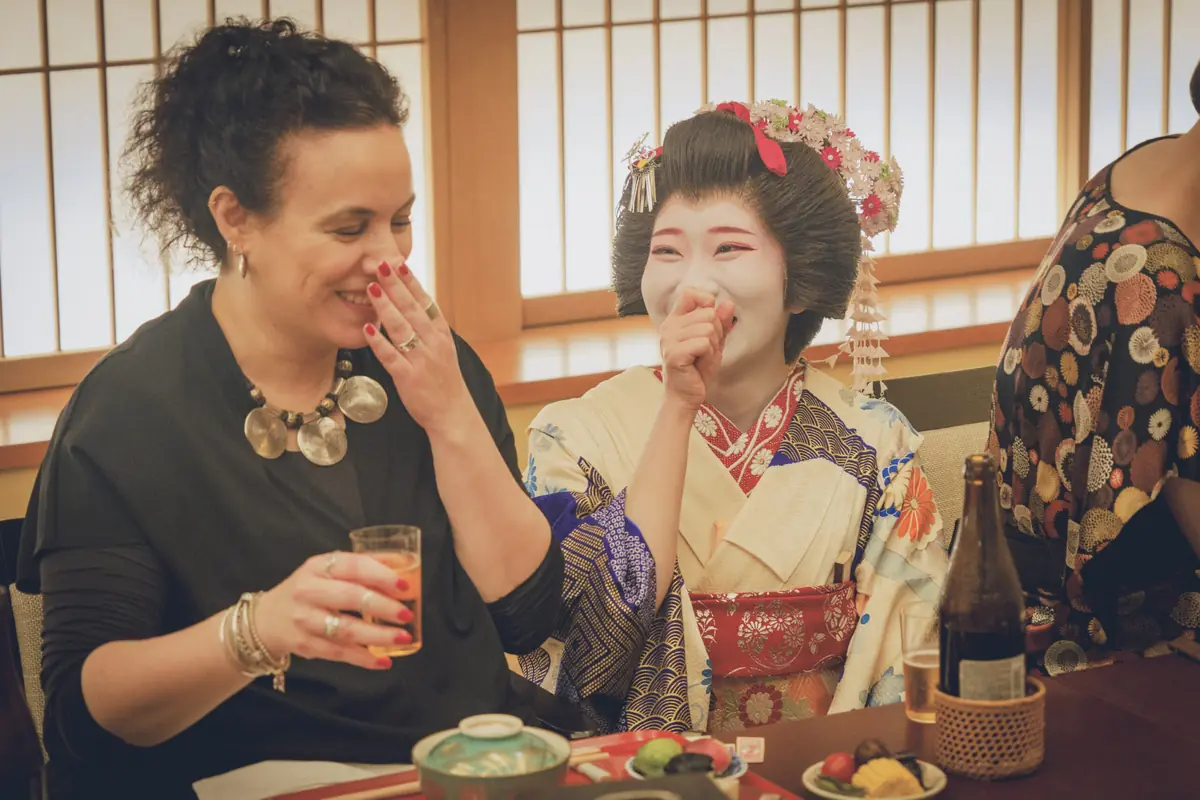
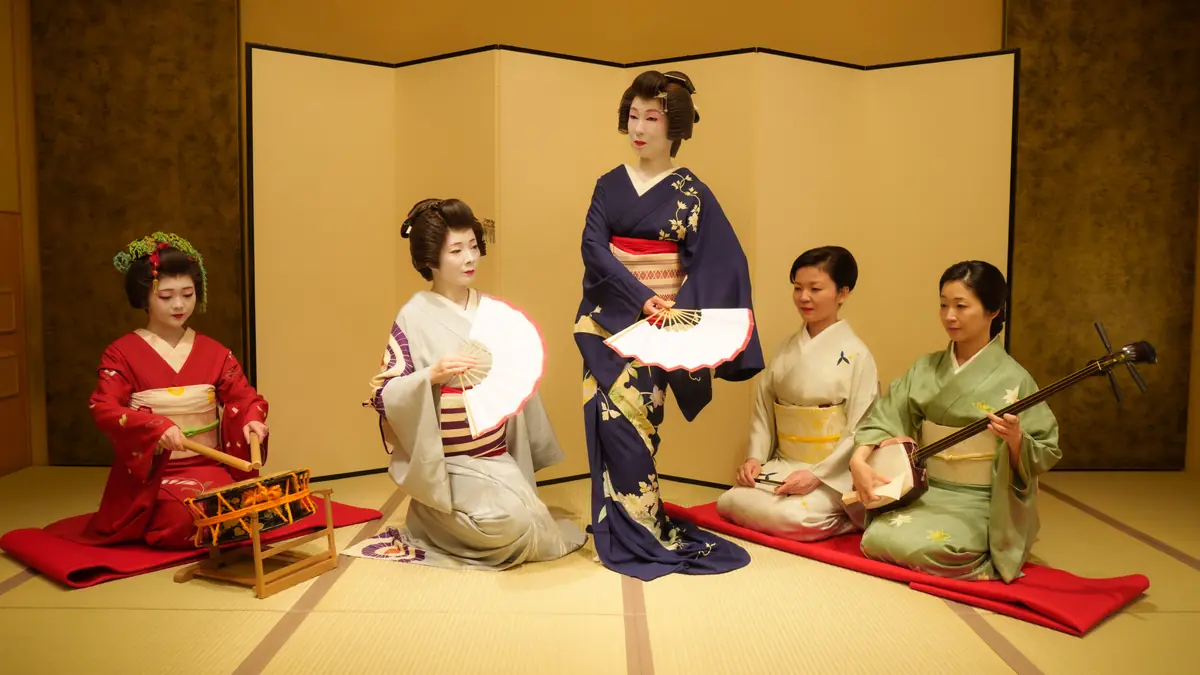
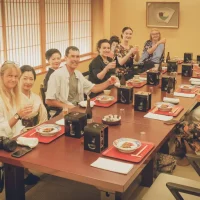
At Miyakodori, the longer plans include the option to enjoy seasonal Japanese cuisine in a private room — with a full kaiseki multi-course dinner included in the 3-hour plan. Whichever plan you choose, geisha will perform traditional dances and play instruments like the shamisen throughout the evening. But the real highlight is the Ozashiki Asobi, or geisha banquet games. These are lighthearted, rhythmic games played between the guests and the geisha. It is an interactive activity that you can’t find anywhere else. It is a wonderful way to connect with Japanese history that feels personal and authentic. For international guests, Miyakodori also offers halal and vegetarian options, and an English interpreter is available for all plans.
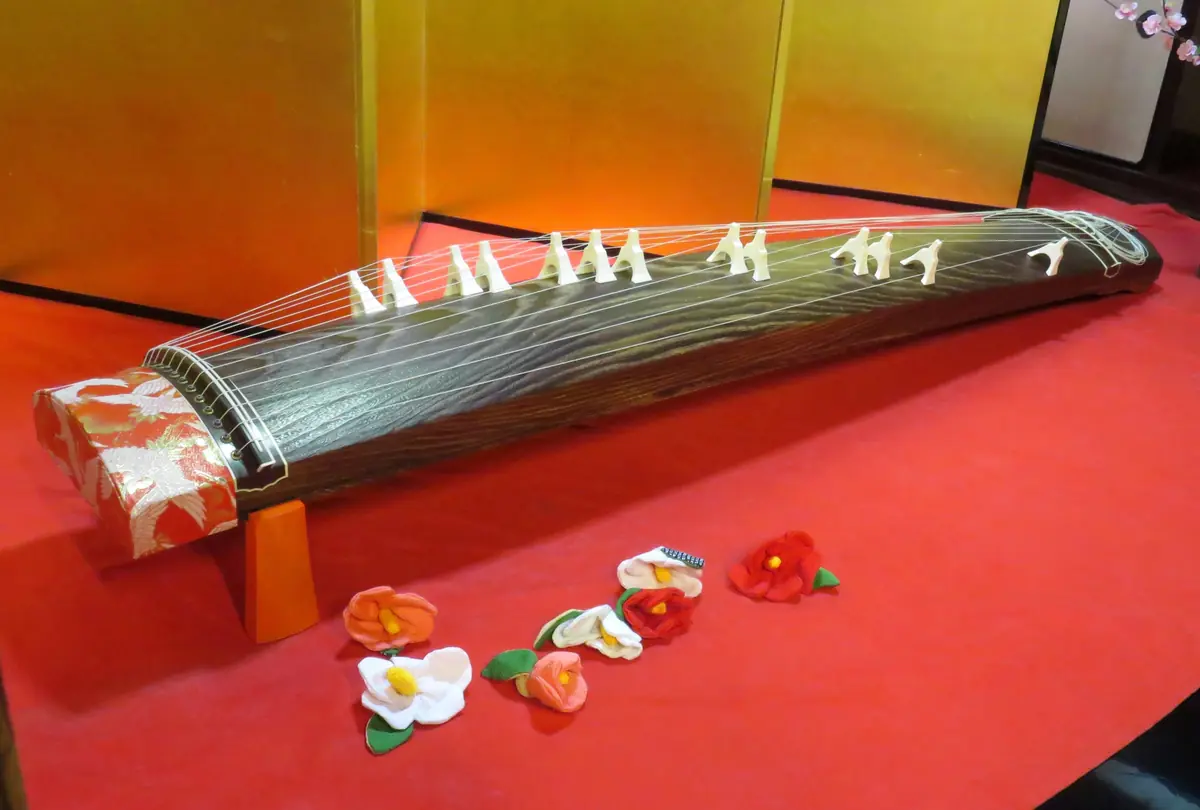
The shamisen is the three-stringed instrument at the heart of every geisha performance. If you want to understand its cultural significance before your visit, our complete shamisen guide covers everything from its origins to the way it sounds in a live ozashiki (geisha banquet) setting.
Experience an Authentic Geisha Evening in Asakusa
Miyakodori is the only machiai-chaya in Asakusa where you can enjoy a private ozashiki (geisha banquet) — complete with traditional dance, shamisen music, geisha games, and seasonal kaiseki cuisine. English interpreter included. Halal & vegetarian options available.
Request a ReservationExperience 2: Immersive Digital Art at teamLab

If the traditional charms of Asakusa represent the past, the digital art installations of teamLab represent the future of Tokyo. Since opening, teamLab Planets in Toyosu and teamLab Borderless in Azabudai Hills have become some of the most popular places to visit in the world.
Wandering Through teamLab Planets
At teamLab Planets, the experience is physical. You take off your shoes and walk through water, feeling the art under your feet. It is a sensory journey that blurs the boundary between your body and the artwork. The infinite crystal universe and the floating flower garden are incredible spots for pictures. The way the light reflects off the water and the mirrors makes the space feel vast and endless. It is a bit like being inside a film set.
The Boundless World of teamLab Borderless
The recently reopened teamLab Borderless offers a different vibe. Here, the artworks move from room to room, interacting with each other and with the visitors. There is no map, and that is the point. You are encouraged to get lost in the forest of lamps or the tea house where digital flowers bloom inside your cup. It is a modern masterpiece that perfectly captures the creative energy of Tokyo. You should prepare to spend about two to three hours here to see everything. It is a great activity for kids as well, as they can interact with the exhibits in ways that are impossible in a typical museum. You can buy tickets online, but they sell out fast, so be sure to book your spot early.
Experience 3: Quirky Dining Adventures and Character Cafes
Tokyo is world-famous for its food, but sometimes the atmosphere is just as important as the menu. For a unique experience, you have to try some of the city’s more unusual dining spots. From the flashy shows of Shinjuku to the adorable character-themed treats in the suburbs, there is a lot to discover.
The Transformation of the Robot Restaurant to Samurai Restaurant
For years, the Robot Restaurant in Shinjuku was a legendary stop for tourists. While that specific iteration has closed, the spirit lives on in the Samurai Restaurant. It offers a high-energy show with neon lights, giant robots, and traditional samurai themes. It is loud, colorful, and completely over-the-top, making it a fun night out for anyone looking for a taste of quirky Tokyo subculture.
Adorable Treats: Ghibli and Totoro
If you love the films of Studio Ghibli, you must visit Shirohige’s Cream Puff Factory. They make the most adorable cream puffs shaped like the character Totoro. The shop is located in a quiet area, and the building itself looks like something from a whimsical story. They offer different flavours like sweet potato or chocolate. It is a wonderful place for a quick break and some great pictures for your Instagram. If you have time, you should also visit the Ghibli Museum in Mitaka. It is a magical place where you can see how the animation is created. You’ll need to buy tickets well in advance, as they are very hard to get.
The Cultural Phenomenon of Maid Cafes in Akihabara
Akihabara is the heart of anime and gaming culture. Here, you will find Maid Cafes where waitresses dressed in maid costumes serve you food and drinks while singing. It might seem a bit unusual at first, but it is a fascinating look into a specific niche of Japanese pop culture. The servers are very friendly and will often lead you in a magical chant to make your food taste better. It is a lighthearted experience that you simply won’t find anywhere else. I recommend this activity for those who want to see a different side of the city’s nightlife.
Experience 4: The Power of Sumo Morning Practice
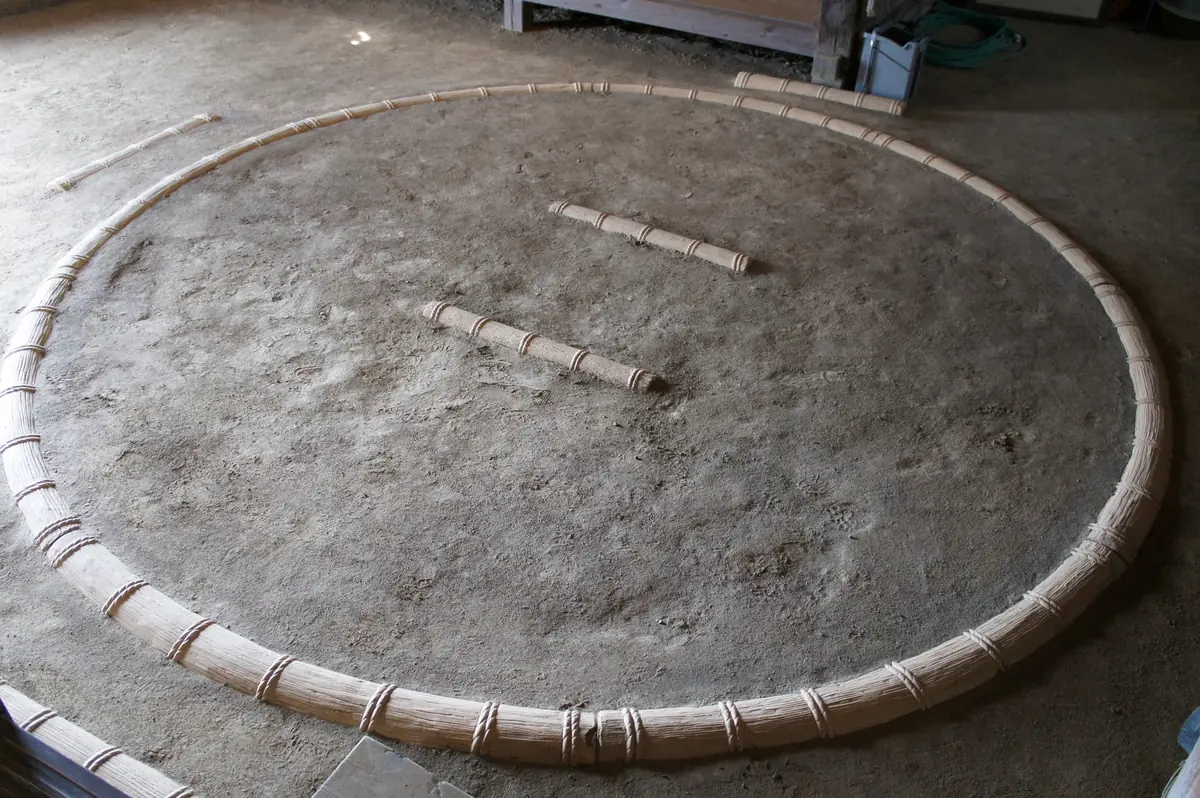
Sumo is the national sport of Japan, and watching a match is a powerful experience. However, getting tickets to a tournament can be hard, as they only happen a few times a year, usually in January, May, and September. A great alternative is booking a guided tour to watch a morning practice at a Sumo stable.
Witnessing the Dedication of Athletes
In the early hours of the day, you can enter a small stable and sit just a few feet away from these giant athletes as they train. The sound of their bodies hitting the sand and the intensity of their focus is breathtaking. It provides a deep respect for the discipline required in this ancient sport. Many of these stables are located in the Ryogoku area, which is full of sumo history and great places to eat Chanko Nabe. This is the hearty stew that sumo wrestlers consume to build their strength. It is a healthy meal filled with protein and green vegetables. It is a fantastic way to see the real life of a professional athlete in Japan.
Experience 5: Street Culture and Urban Journeys
Exploring the streets of Tokyo is an adventure in itself. The city is a collection of diverse neighborhoods, each with its own personality and style.
Go-Karting Through the City
One of the most visible tourist activities is driving go-karts through the streets of Shibuya and Akihabara while dressed in costumes. Despite the debates, it remains a popular way for visitors to see the city from a unique perspective. Zooming past the Shibuya Crossing alongside regular transport is a moment you won’t forget. Just make sure to bring your international driving permit and follow the rules of the road. It is a bit of a wild ride, but it’s a lot of fun.
Harajuku Takeshita Street and Kawaii Culture
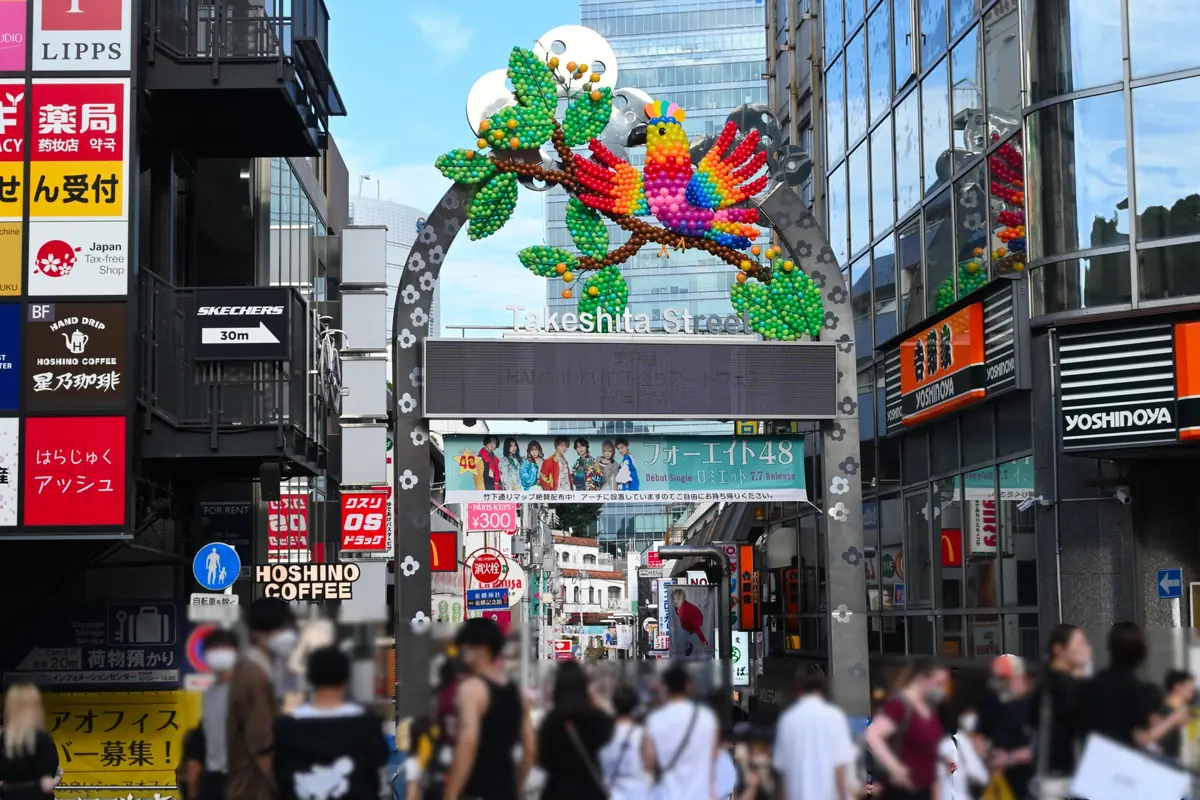
Harajuku is the global center of street fashion. Takeshita Street is a bustling alley filled with tiny shops selling everything from vintage clothes to rainbow-colored cotton candy. It is a great place to people-watch and see the latest trends in Japanese youth culture. If the crowds become too much, you can slip into the side streets of Ura-Harajuku for a more relaxed shopping experience in high-end boutiques. Don’t forget to try a crepe while you wander; they are a classic Harajuku treat.
Experience 6: Discovering Hidden Gems in Old Tokyo
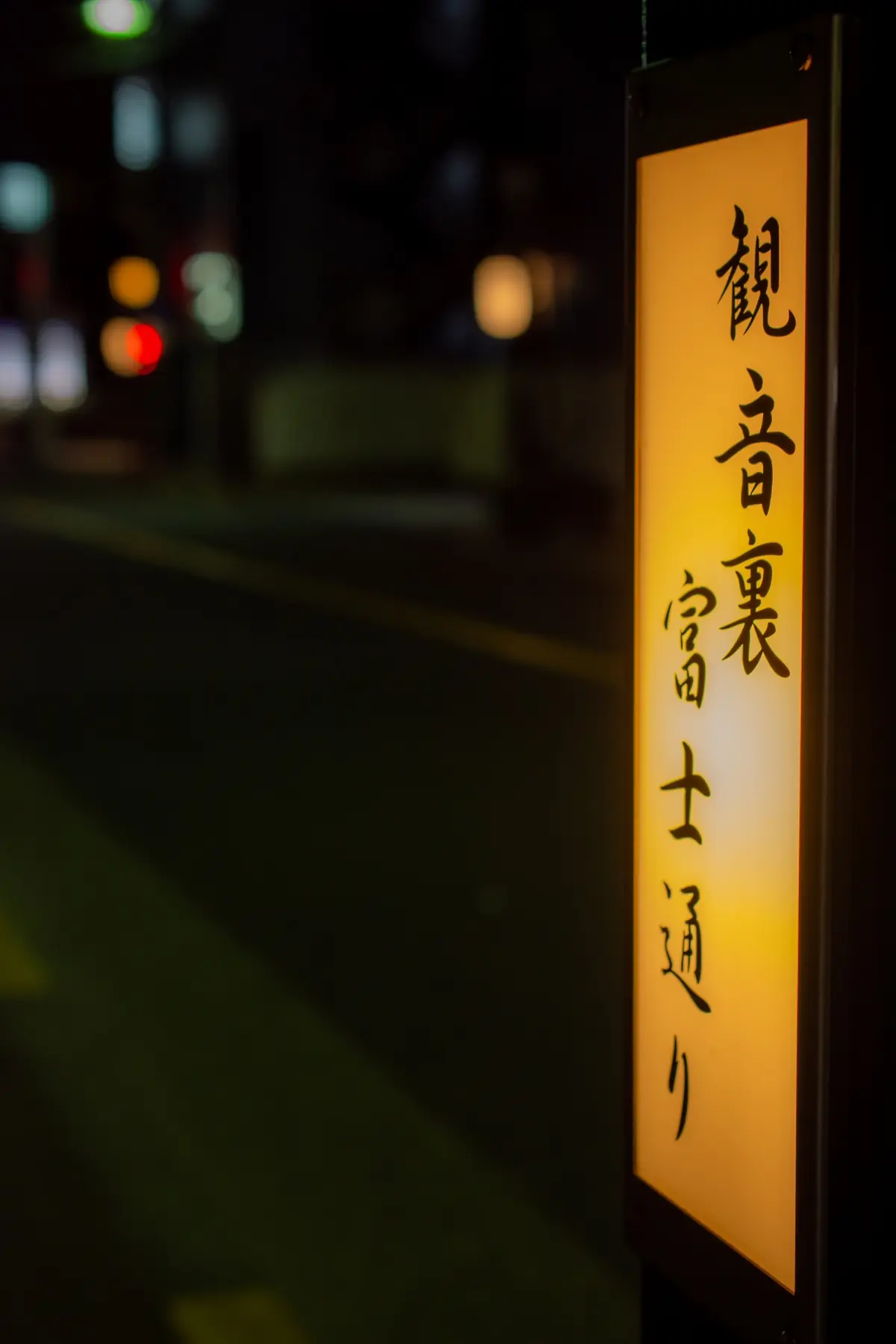
To find the soul of the city, you sometimes need to skip the main tourist paths and head to the quieter corners where the locals live and work.
Yanaka Ginza: The Cat Street
Yanaka Ginza is a charming shopping street that retains the atmosphere of the Shitamachi, or old downtown area. It is often called the cat street because of the cat statues and cat-themed shops in the area. Walking here feels like stepping back in time. You can buy traditional snacks, visit small temples, and enjoy the sunset from the famous sunset stairs. It is a peaceful escape from the neon lights of Shinjuku.
Retro Vibes in Shimokitazawa
If you love vintage shopping and independent music, Shimokitazawa is the place to be. This neighborhood is famous for its narrow streets, quirky cafes, and incredible selection of second-hand stores. It has a bohemian feel that is very different from the rest of Tokyo. It is the perfect spot to spend an afternoon browsing through records or finding a one-of-a-kind piece of clothing to take home. It is a place where you can really feel the creative heartbeat of the city.
Experience 7: Spiritual Sanctuaries and Nature
Even in the middle of the world’s most populous metropolitan area, you can find moments of deep peace and spiritual connection in its vast gardens and shrines.
Gotokuji Temple: The Forest of Lucky Cats
Located in a quiet residential area, Gotokuji Temple is famous for the thousands of Maneki-neko, or beckoning cat figurines, that line its grounds. Legend says this temple is the birthplace of the lucky cat symbol. It is a beautiful and slightly surreal sight that is perfect for photography fans. The temple garden is especially beautiful in the autumn when the leaves turn red and gold. It is a quick trip on the subway from central Tokyo, and it is well worth the visit.
Sunrise at Meiji Jingu
Meiji Jingu is a massive shrine dedicated to Emperor Meiji and Empress Shoken. It is located inside a forest of over 100,000 trees in the heart of the city. While it is popular during the day, visiting at sunrise offers a completely different experience. The air is cool, the forest is quiet, and you can watch the priests perform their morning rituals. It is a powerful reminder of the spiritual side of Japan.
Experience 8: A Foodie Adventure Through Tokyo
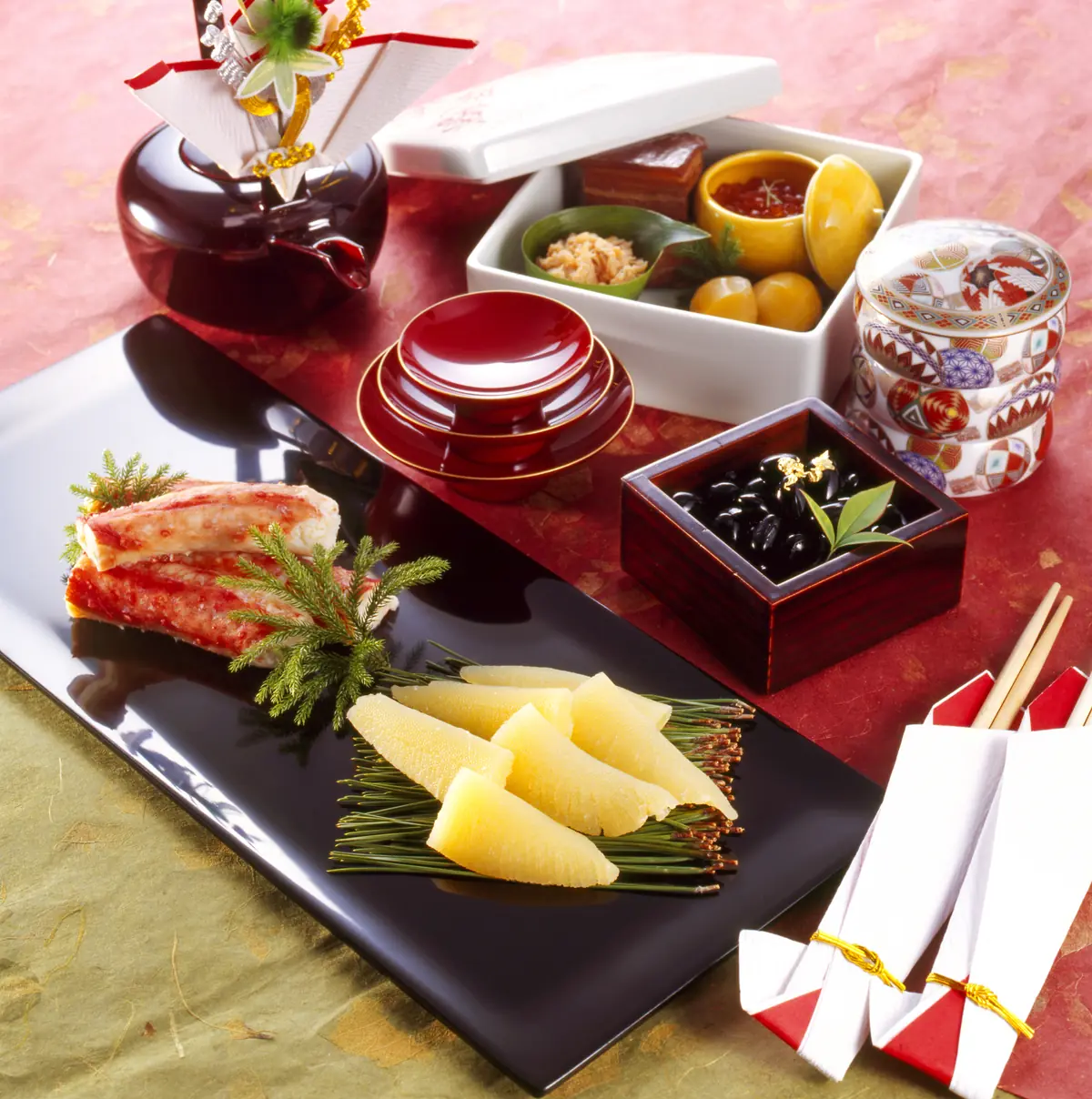
Food is the main reason many people travel to Japan, and Tokyo is the ultimate culinary destination. There are more restaurants here than you can imagine, from Michelin-starred dining to simple street stands. For a deeper look at Tokyo’s high-end dining scene — including how a kaiseki meal at a geisha house compares to the city’s best restaurants — our guide to Japanese fine dining in Tokyo is essential reading.
Vending Machine Wonders and Yakitori Alleys
Japanese vending machines are famous for selling almost anything. In Tokyo, you can find machines that offer hot ramen, fresh popcorn, or even cold sake. Exploring the variety of machines is a fun and cheap way to try new snacks. For a more traditional meal, head to Omoide Yokocho in Shinjuku. This narrow road is filled with small stands serving yakitori (grilled chicken). It is a bit crowded and smoky, but the taste is amazing and the atmosphere is authentic. It is a favourite spot for locals to have a drink after work.
The Secrets of Depachika and Tsukiji
Depachika are the basement food halls of major department stores. They are a paradise for food lovers. You can find everything from high-end fruits to beautifully packaged bento boxes. Most stands offer free samples, making it a great place to discover new tastes. And of course, a visit to the Tsukiji Outer Market is essential. Arrive early for a sushi breakfast and wander through the narrow alleys to see the variety of seafood and kitchenware. You can buy some high-quality green tea or seaweed to take home as a gift.
Logistics: Navigating the Giant City
Planning a trip to Tokyo can feel overwhelming, but the city is designed to be efficient. Here are some tips to help you make the most of your time.
Transportation and IC Cards
The train and subway system in Tokyo is the best in the world. To make your travel easy, pick up an IC card like Suica or Pasmo as soon as you arrive. You can tap these cards to ride any train or bus, and even use them to pay at convenience stores. Most stations have English signage, and you’ll find that the transport is always on time.
Where to Stay: From Capsule Hotels to Ryokans
Tokyo offers a wide range of accommodation. For a unique experience, try staying in a capsule hotel for a night. These tiny pods are a marvel of space-saving design. If you prefer something more traditional, look for a Ryokan (Japanese inn) in areas like Asakusa. They offer a more local feel and often include a wonderful breakfast. For luxury lovers, the hotels in Shinjuku offer incredible views of the Tokyo Tower and the city skyline from their top floors.
Frequently Asked Questions
Is it hard to book a geisha experience at Miyakodori?
It is recommended to book in advance through the official site. We are very welcoming to international guests and can accommodate various dietary needs, including halal. The staff can speak some English, so don’t be afraid to reach out.
What is the best time of year to visit Tokyo?
Spring for cherry blossom (late March, early April) and Autumn for the colorful leaves (November) are the most popular. However, visiting in December can also be fantastic due to the winter lights and festive atmosphere.
Do I need to speak Japanese to get around?
While knowing a few basic phrases is good, most people in the tourism industry speak some English. Translation apps are also very helpful for reading menus or signs.
Are there any specific tips for travelers?
Japan is a very safe country, but it is important to follow local etiquette, especially regarding noise in public transport and proper disposal of trash. While tipping is not a common practice in Japan, in traditional geisha culture there is a custom called “Goshugi,” a voluntary gesture of appreciation. This is not required and is entirely at your discretion, but it is a meaningful way to express gratitude and support the preservation of this cultural tradition.
Conclusion: Making Your Tokyo Journey Unforgettable
Tokyo is a city of layers that requires time and patience to truly understand. On the surface, it is a bustling, modern metropolis filled with neon lights and technology. But if you take the time to look deeper, you will find a world of profound tradition and quiet beauty. Whether you are playing games with a geisha at Miyakodori in Asakusa, walking through a digital forest at teamLab, or finding a lucky cat at Gotokuji, these unique experiences are what will make your trip truly memorable.
We recommend that you don’t rush your stay. Tokyo is a big city, and you’ll want to spend plenty of time in each neighborhood. As you plan your 2026 journey, remember to leave room for the unexpected. Sometimes the best moments are the ones you didn’t plan.
Finally, don’t forget the importance of the human touch in your travels. While technology and digital art are amazing, the connections you make with the locals are what truly matter. Whether it is a friendly smile from a shopkeeper or a deep conversation with a geisha at Miyakodori, these are the moments that will stay with you long after you return home. We invite you to come and see it for yourself.
For a deeper dive into what makes an authentic geisha evening so special, our complete geisha experience guide covers every aspect of the evening — from the moment the geisha enters to the final tejime clapping ceremony. And if you are curious about the history behind what you will witness, the complete geisha history guide provides the full picture. For those who want to understand the ozashiki (geisha banquet) games you will play, unlocking the secrets of ozashiki games is the perfect pre-visit read.
You may also want to explore how Asakusa comes alive after dark. Our Asakusa nightlife guide pairs perfectly with a geisha evening at Miyakodori, offering ideas for how to extend your night in this remarkable neighborhood.
References
- Asakusa Miyakodori Official Information: https://asakusa.gr.jp/jp/?p=385
- PR Times – Asakusa Geisha and Culture: https://prtimes.jp/main/html/rd/p/000000001.000165250.html
- Tokyo Metropolitan Government – Cultural Features: https://www.my.metro.tokyo.lg.jp/w/000-20240711-43128106
- Asakusa Kenban – Geisha Association: https://asakusakenban.com/
Related Guides


- The Complete Guide to Traditional Geisha Makeup: History, Meaning & 5-Step Application Process
- Ultimate Guide to Asakusa Geisha Ozashiki Odori: Experience Free Traditional Dance in Tokyo
Experiencing an Authentic Geisha Show in Asakusa, Tokyo
Japanese Fine Dining Tokyo: The 2026 Guide to Extraordinary Culinary Experiences
Geisha Photoshoots in Tokyo: Asakusa’s Best Experiences
Best Restaurants for a Birthday Dinner in Tokyo | Memorable Dining Experiences
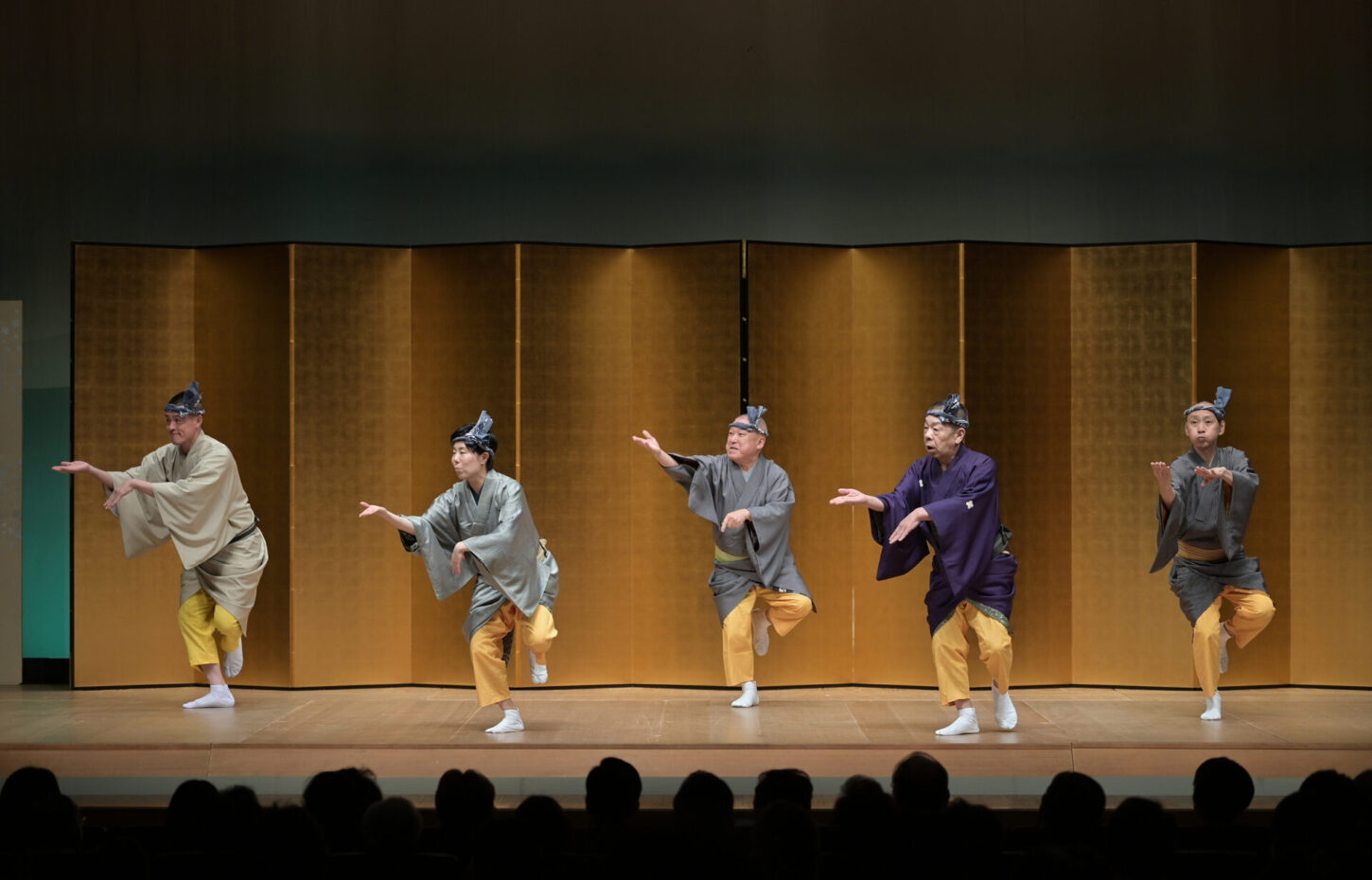
What Is a Taikomochi? Japan’s Hokan Tradition Guide
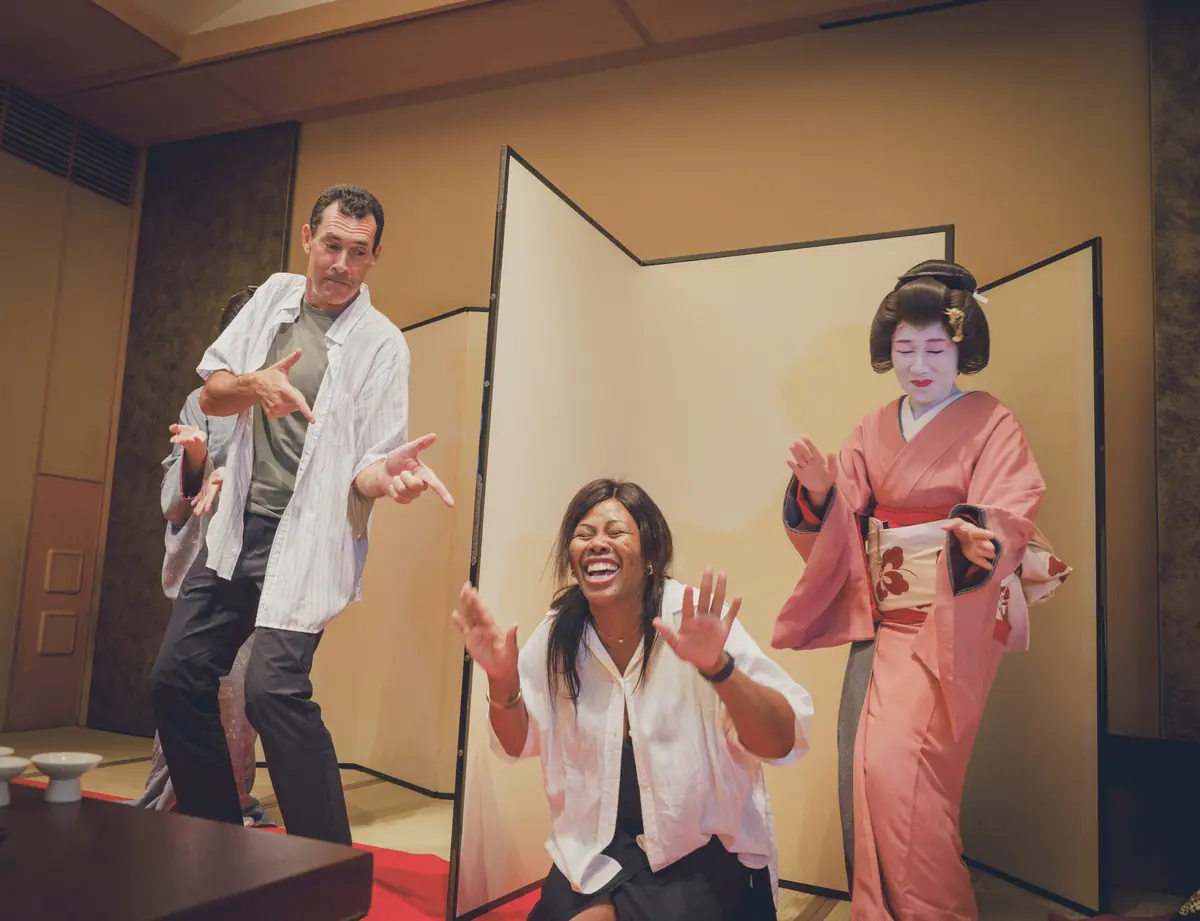
Ozashiki Asobi Experience: Traditional Geisha Games in Japan
Comment ( 0 )
Trackbacks are closed.
No comments yet.