



Taikomochi: Japan’s Male Geisha (Hōkan) Explained
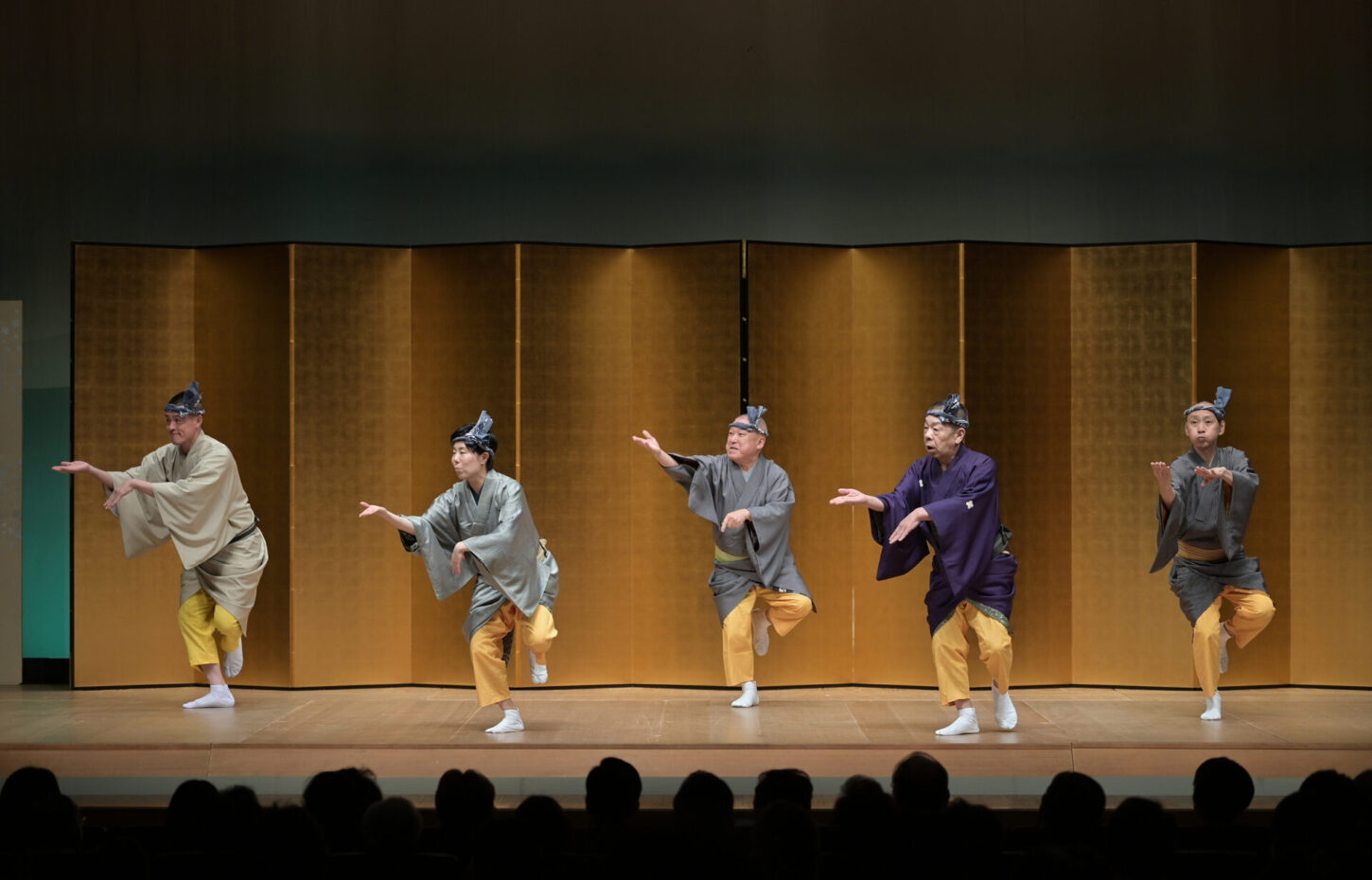
A taikomochi, known formally as a hōkan, is Japan’s traditional male entertainer of the ozashiki, the private geisha banquet. Where geisha bring dance and shamisen music to the evening, the hōkan brings comedy, mimicry, games, and the quiet skill of making every guest feel at home. In English he is usually called a “male geisha,” and the phrase is fair: Japan has no other male role of this kind.
We are Miyakodori, a machiai-chaya (teahouse) in Asakusa, Tokyo, and we work with the hōkan of the Asakusa hanamachi. Today six hōkan are registered with the Asakusa kenban (the geisha office), and Asakusa is the only place in Japan where hōkan are still formally registered. This guide covers what the names mean, where the profession came from, what a taikomochi actually does and wears, and how the tradition survives in Tokyo today. For the wider world these performers belong to, see our articles on geisha.
Quick Facts: Taikomochi at a Glance
- Formal name
- Hōkan (幇間), “one who helps the space between people”
- Common name
- Taikomochi (太鼓持ち)
- English name
- Male geisha
- Role
- Comic performer, game leader, and social go-between at ozashiki banquets
- Origins
- The profession took shape in the pleasure quarters of Edo (Tokyo) from the late 17th century, and its performers were the first people called geisha
- Dress
- A soft silk kimono with a haori jacket, white tabi socks, and a folding fan; no white makeup
- Where today
- The Asakusa hanamachi in Tokyo, the only geisha district where hōkan remain registered
- Key difference from geisha
- Both exist to make the evening flow. Geisha do it through dance and music, hōkan through comedy, mimicry, and games
What Is a Taikomochi? The Male Geisha of Japan
Taikomochi and Hōkan: What the Names Mean
The profession has two names. Hōkan (幇間, sometimes written hokan or houkan) is the formal one, and it is the word practitioners use themselves. The first character, 幇, means “to help” or “to support.” The second, 間, means “the space between,” as in the space between people. Put together, a hōkan is someone who helps the relationships in a room: between guests, between host and guest, and between the guests and the geisha.
Taikomochi (太鼓持ち) is the everyday name, and it is the one most people outside the hanamachi know. Inside the hanamachi, both names stand for a skilled craft that takes years to learn. Whatever the name, the hōkan serves the mood of the room, not his own.
Is a Taikomochi Really a “Male Geisha”?
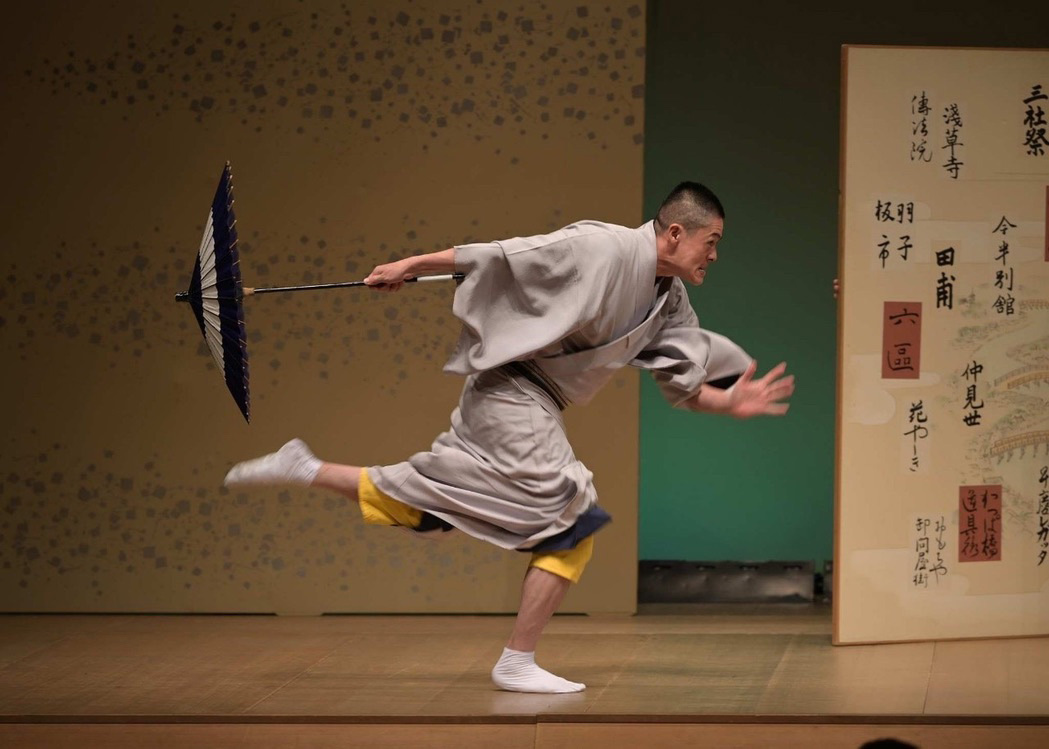
If you search for the name of a male geisha, the answer is taikomochi or hōkan. The English phrase “male geisha” is a good starting point, and there is history behind it: the first entertainers in Edo to be called geisha were men, and for a time people spoke of otoko geisha (male geisha) and onna geisha (female geisha) side by side.
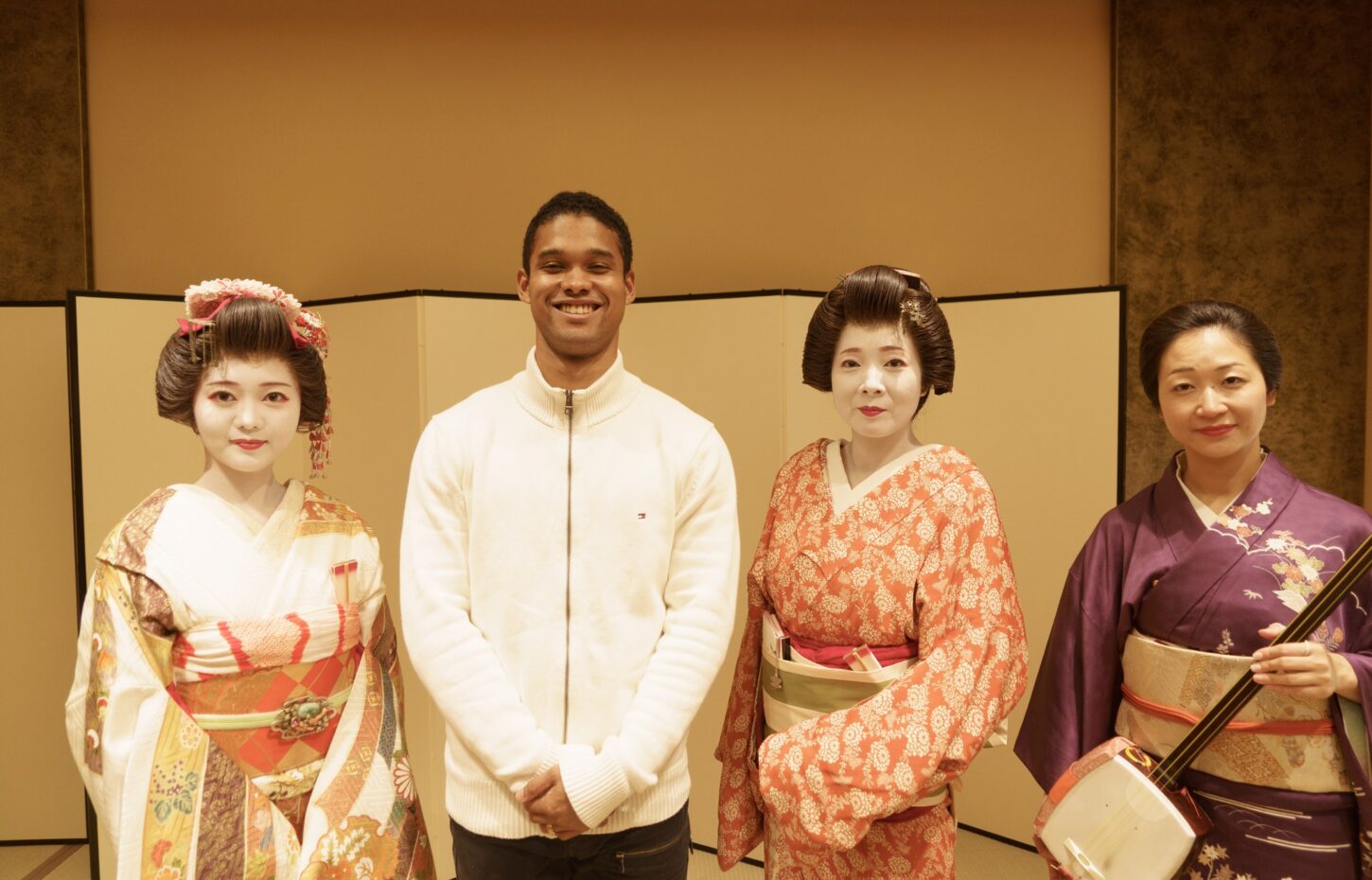
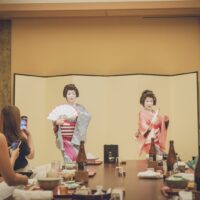
Taken literally, though, the phrase can mislead. A hōkan is not a man doing a geisha’s work. The two are separate professions with separate arts. Both belong to the hanamachi, share its customs and banquet etiquette, and work under the same kenban, and in Asakusa geisha and taikomochi often appear at the same banquet. But a geisha trains in classical dance, shamisen, and song, while a hōkan trains in comic performance, timing, and the art of managing a room. At a good ozashiki they work together, each bringing a different skill to the same goal.
The History of the Taikomochi
Before Edo: Court Companions and Storytellers
Many histories trace the taikomochi’s roots to the companions who served Japan’s rulers. In the medieval period, shoguns and powerful lords kept dōbōshū, attendants who were experts in tea, flower arrangement, poetry, and the arts of hospitality. During the age of civil war in the 16th century, warlords kept otogishū, companions who told stories, gave advice, and kept conversation lively. The best-known figure is Sorori Shinzaemon, a legendary wit said to have served Toyotomi Hideyoshi and often called the founder of the hōkan, although historians are not sure he really existed.
These men were not hōkan in the later sense. They were closer to court companions than to banquet entertainers. But they set the pattern the hōkan inherited: a man whose value lay in conversation, timing, and knowing how to please a powerful guest.
Edo Period: The First Geisha Were Men
The profession proper was born in the peaceful, prosperous Edo period (1603–1868). As merchants grew wealthy, banquets in pleasure quarters such as the Yoshiwara in Edo became centers of entertainment and culture. Men who made their living by enlivening these banquets appeared around the Genroku era (1688–1704), and by the Hōreki era (1751–1764) the hōkan was an established profession. The hōkan of the Yoshiwara were considered the finest in the country.
These early entertainers were the first people called geisha, “persons of the arts.” Women were performing at banquets too in this period, as odoriko (dancing girls) and musicians, and in time they too came to be called onna geisha (female geisha).
The early hōkan was more than a comedian. He moved easily between merchants, samurai, and the pleasure quarters, and a banquet with a skilled hōkan was part comedy, part diplomacy, and part improvised theater.
The Rise of Female Geisha and the Hōkan’s New Role
Within a few decades, female geisha outnumbered their male colleagues, and by the 19th century the word “geisha” on its own had come to mean a woman. The hōkan did not disappear. He adapted.
As geisha took on the roles of dancer and musician, the hōkan became the comic counterweight. While the geisha raised the atmosphere with beauty and refined art, the hōkan brought it back down to earth, making guests laugh and making sure no one felt like a spectator at someone else’s party. The pairing gave the banquet contrast: elegance and earthiness, tension and release. That balance is still the ideal of a well-run ozashiki.
Modern Decline: From Hundreds to a Handful
The hōkan remained part of banquet life through the Meiji, Taishō, and early Shōwa periods. In the mid-1930s there were said to be close to 470 hōkan across Japan. The Second World War changed that. Banquets stopped, entertainment districts were destroyed, and after the war, new forms of entertainment and changing business customs meant far fewer evenings in the teahouse. Many districts lost their hōkan entirely.
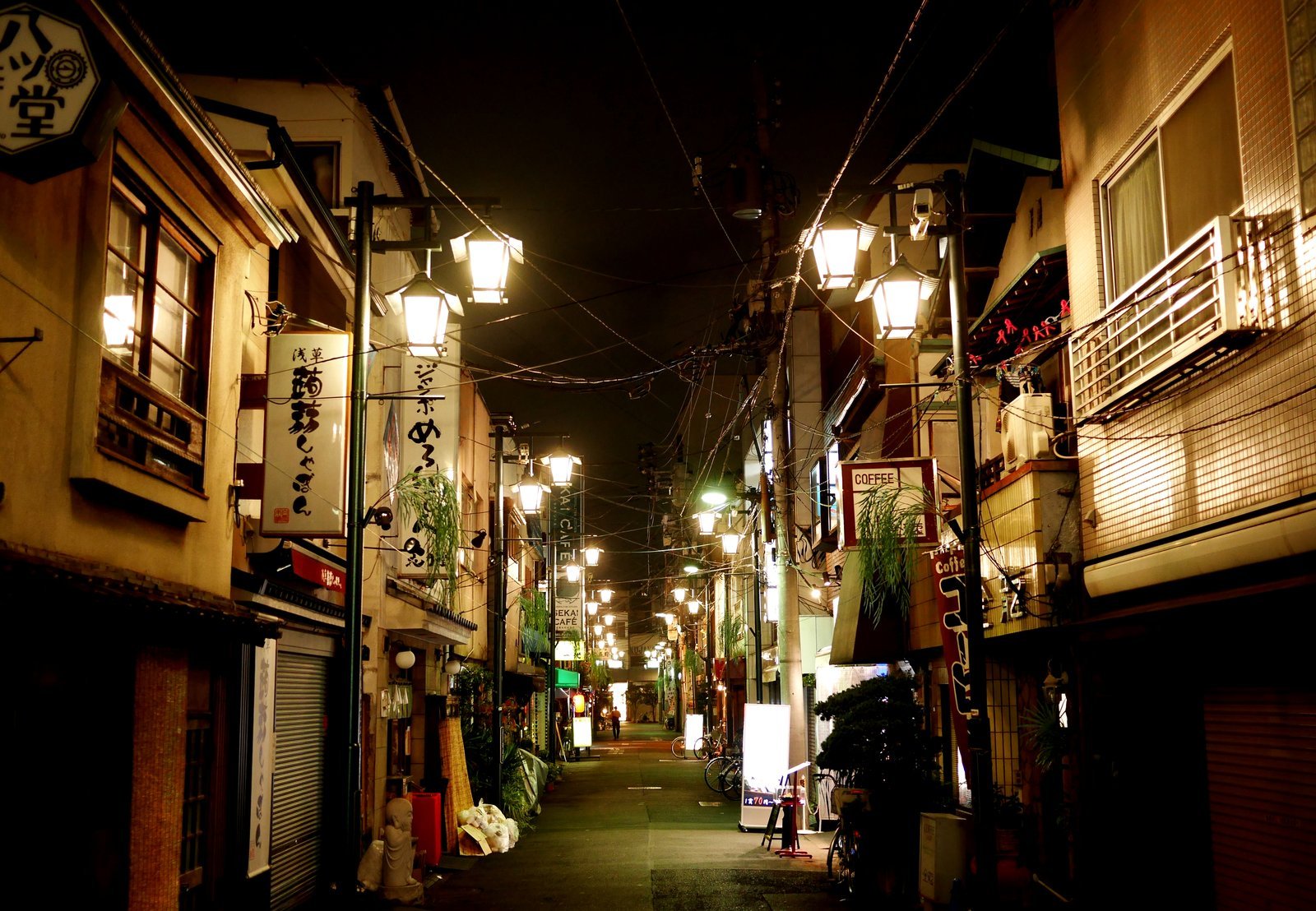
Asakusa was hit hard too. The district was badly damaged in the 1923 Great Kanto Earthquake and again in the air raids of 1945, and it rebuilt both times. The Asakusa hanamachi (geisha district) kept its kenban, its teahouses, and its hōkan, and that continuity is why the profession survives here and almost nowhere else.
What Does a Taikomochi Do at an Ozashiki?
Reading the Room
The hōkan’s core skill is social intelligence expressed through performance. From the moment he enters, he notices who is nervous, who is quiet, and who is trying too hard to impress. Then he shapes the evening around what he sees. A well-aimed joke draws out a shy guest. A bit of physical comedy covers an awkward pause. A short routine between courses keeps the energy up while the next dish arrives.
The best hōkan make it look effortless. Behind every moment that seems spontaneous are years of practice under a senior hōkan. If the geisha are the evening’s formal performers, the hōkan is its catalyst, the one who turns a performance into a gathering.
The Hōkan’s Repertoire
A hōkan’s art is called hōkan-gei. The traditional repertoire includes:
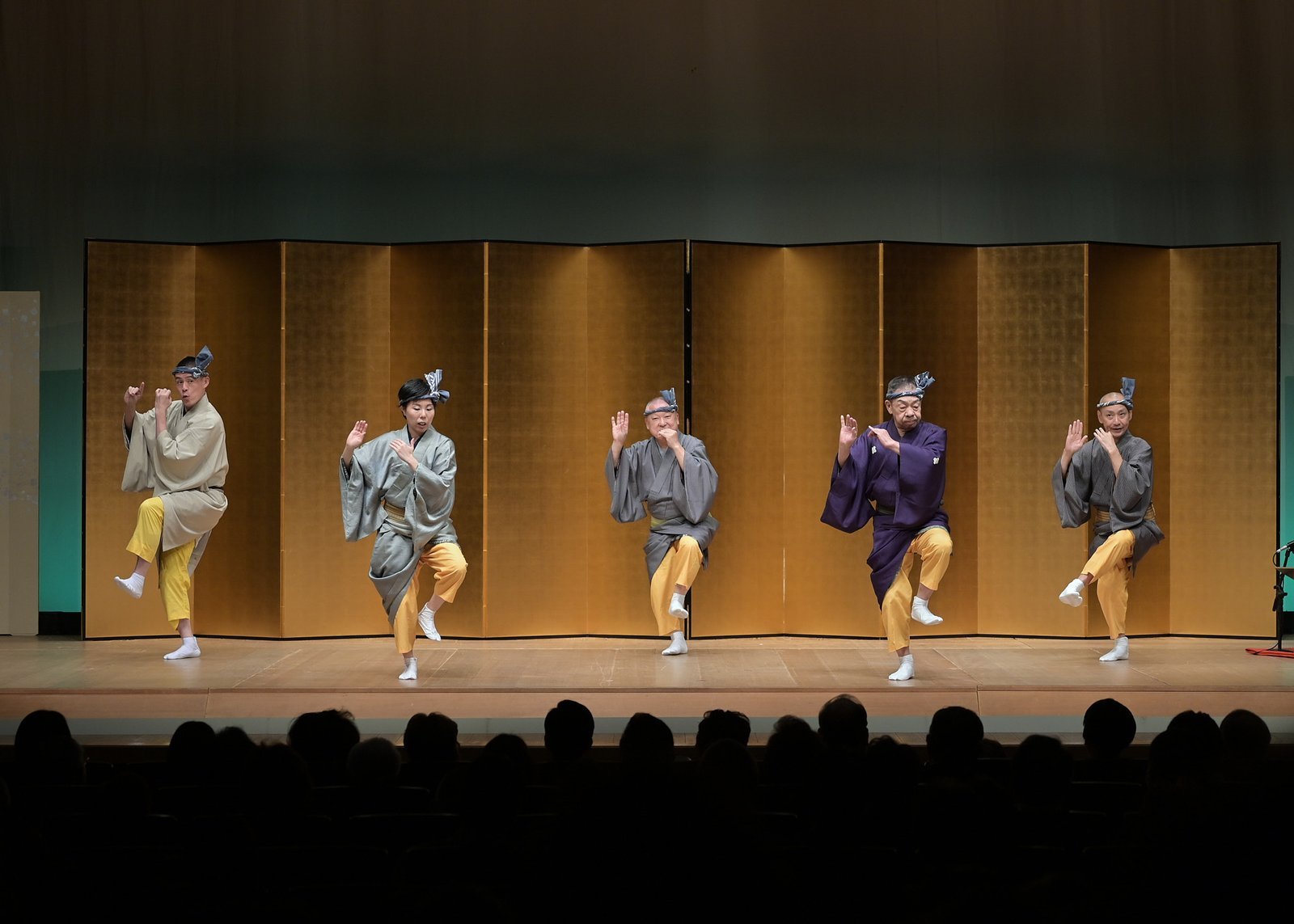
- Fusuma-gei and byōbu-gei: classic hōkan routines played with a sliding door or folding screen
- Mimicry of famous characters, voices, and everyday sounds
- Short comic dances, often parodies of the classical dances geisha perform
- Wordplay, riddles, and quick verbal exchanges with guests
- Stories told with careful timing
Each hōkan develops his own style. Some draw on rakugo storytelling, others on mime or physical comedy, and many create new routines while keeping the old ones alive.
Leading the Ozashiki Games
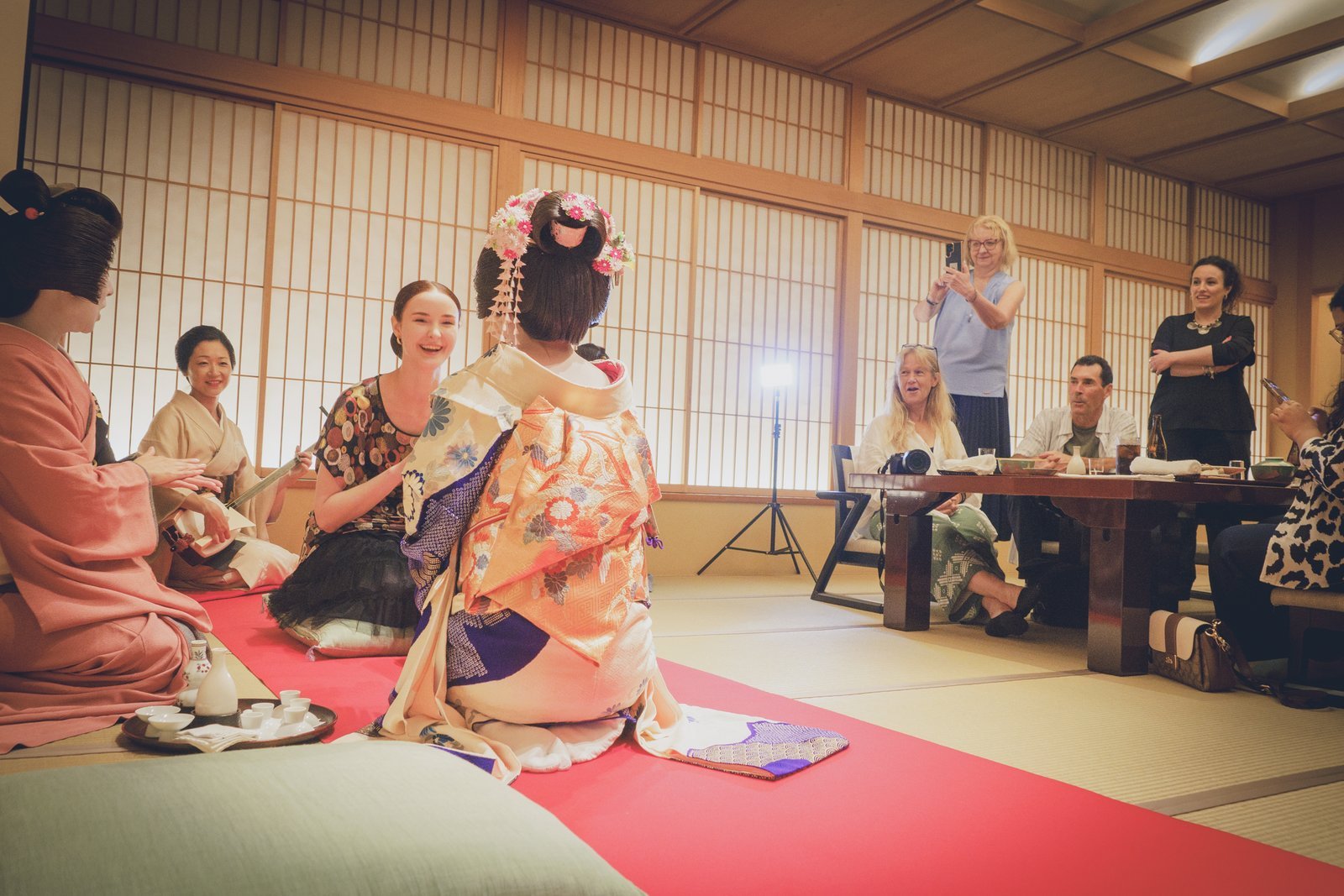
An ozashiki runs in stages: welcome and introductions, dance and music by the geisha, dinner with sake and conversation, and then ozashiki-asobi, the party games played by guests, geisha, and hōkan together. This is where the hōkan is most visible. Drinking games, rhythm games, and quick-reaction contests all need someone to explain the rules, keep things moving, and make sure first-timers win sometimes too.
To learn about ozashiki games (geisha banquet entertainment) in detail, including the classics still played in Asakusa, see our dedicated guide. For the whole evening from arrival to farewell, you can also learn what to expect at an ozashiki.
Ask for a Hōkan at Your Ozashiki
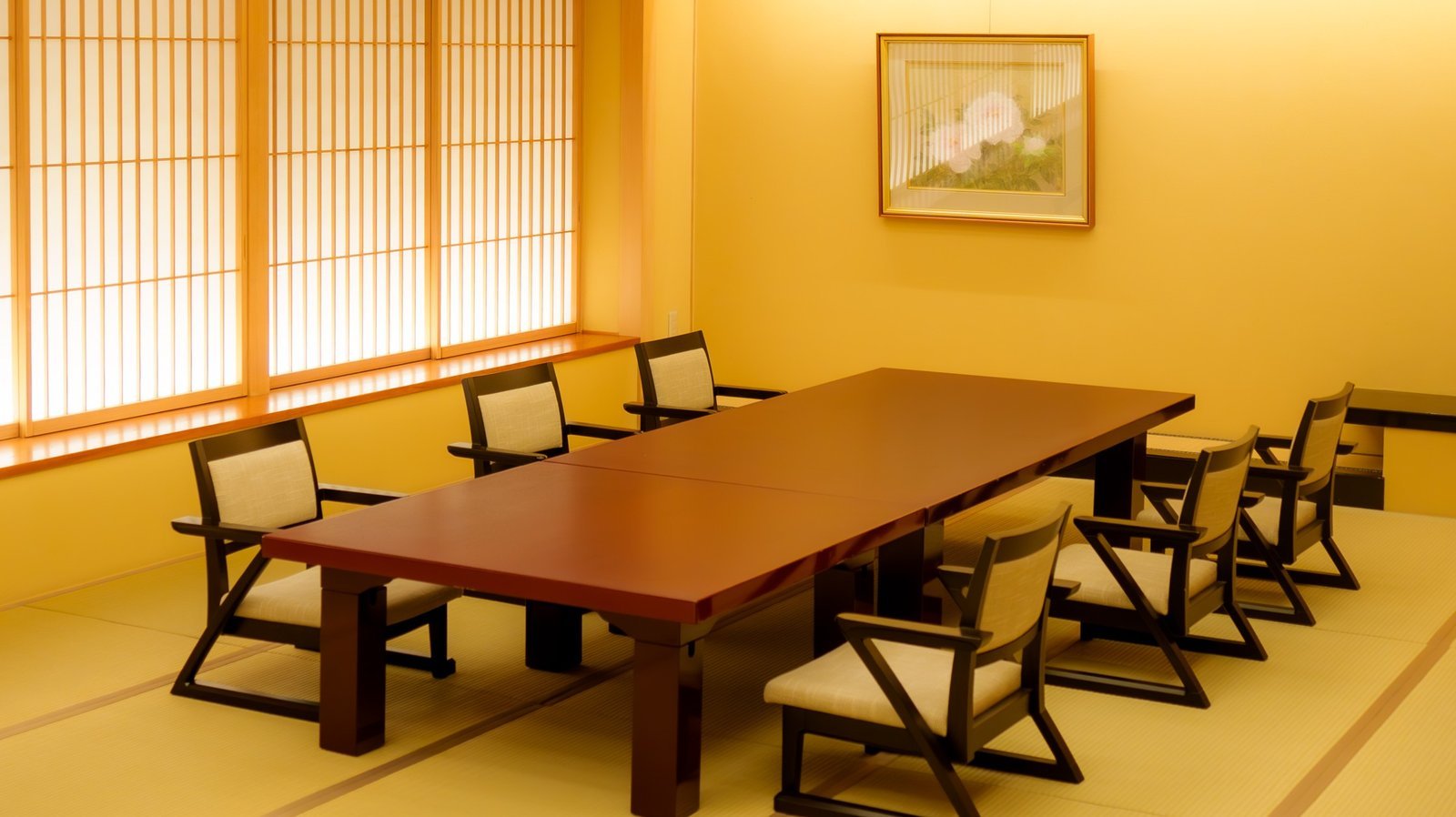
At our teahouse in Asakusa, a private ozashiki (a private gathering with geisha) can include a hōkan alongside the geisha, on request. First-time and overseas guests are welcome without an introduction, with English support throughout.
Request a ReservationWhat Does a Taikomochi Wear?
A taikomochi’s outfit is simple next to a geisha’s. There is no white makeup, no elaborate wig, and no trailing kimono. The traditional look is:
- Kimono: a kimono in soft silk, worn loose in the relaxed kinagashi style
- Haori: a short jacket worn over the kimono, traditionally even in the height of summer
- Tabi and setta: white split-toe socks and flat sandals
- Sensu: a folding fan, used as a prop in routines and snapped open and shut to punctuate a joke
The effect is neat and understated. A hōkan dresses like a well-mannered gentleman of old Tokyo, so that the attention stays on the guests and the geisha until he chooses to take the stage. The fan is his most important tool, used in mime, games, and comic dance.
Taikomochi Today: Asakusa’s Living Tradition
Why Asakusa Is the Last Home of the Hōkan
Among all of Japan’s remaining geisha districts, the Asakusa hanamachi is the only one where hōkan are still registered with a kenban. Performers elsewhere have worked to keep the art visible, but Asakusa is where the profession continues as part of everyday hanamachi life. Requests come not only from local banquets but from across Japan, from hosts who want a hōkan at their event because there are so few left.
Six registered hōkan is a small number, but the tradition is not standing still. In recent years new people have chosen to train as hōkan, and they perform alongside their seniors. For a wider look at who is working in the hanamachi now, see our guide to geisha still active in Tokyo today.
The First Female Taikomochi
For its whole history, the hōkan was a male profession. That has changed. The first woman to work as a hōkan made her debut in Asakusa, trained in the same art and performing the same role at ozashiki banquets. Her arrival ends the idea that taikomochi must be men, and it shows a tradition that is still alive enough to change.
Seeing a Taikomochi at an Ozashiki in Asakusa
Because hōkan are so rare, most visitors to Japan never meet one. In Asakusa, it is still possible.
Our teahouse, Asakusa Miyakodori, founded in 1950, stands in Kannon-ura, the quiet area behind Sensō-ji Temple where Asakusa’s teahouses have stood for generations. We welcome international guests without the personal introduction that traditional venues usually require, and we offer English support throughout the evening. A hōkan can join an ozashiki on request, alongside the geisha.
If you are planning a visit, it helps to know a little about traditional etiquette for geisha banquets before you arrive. For an overview of the district itself, see our guide to the Asakusa hanamachi (geisha district).
Frequently Asked Questions About Taikomochi
What is a male geisha called?
A male geisha is called a taikomochi (太鼓持ち) or, more formally, a hōkan (幇間). Both names refer to the same profession. Hōkan is the term used inside the hanamachi, while taikomochi is better known to the general public.
What is the difference between a taikomochi and a geisha?
Both work to make every guest feel at ease and keep the evening flowing. Geisha do this through classical dance, shamisen, and song. Taikomochi do it through comedy, mimicry, party games, and managing the mood of the room. They belong to the same hanamachi world but have separate training and separate arts.
Are there still taikomochi in Japan today?
Yes. Six hōkan are registered with the Asakusa kenban in Tokyo, and Asakusa is the only geisha district in Japan where hōkan are still formally registered. New performers have begun training in recent years.
Did taikomochi exist before female geisha?
Yes. Men who entertained at banquets in Edo were the first people called geisha. Women also performed at banquets in the 17th century, as dancers and musicians, and in time they too came to be called “female geisha.” Female geisha soon outnumbered the men, and the word “geisha” alone came to mean a woman.
Are there female taikomochi?
Yes. The profession was historically male, but a woman has now debuted as a hōkan in the hanamachi and performs the same role at ozashiki banquets.
Can foreigners attend an ozashiki with a taikomochi?
Yes. At Asakusa Miyakodori, international guests can attend an ozashiki without a personal introduction, with English support throughout. A hōkan can be added on request; an additional fee applies.
Meet a Hōkan in Asakusa
Miyakodori, founded in 1950, is a machiai-chaya in Kannon-ura, behind Sensō-ji. An ozashiki here, with geisha and a hōkan on request, is open to first-time and overseas guests without an introduction.
Request a Reservation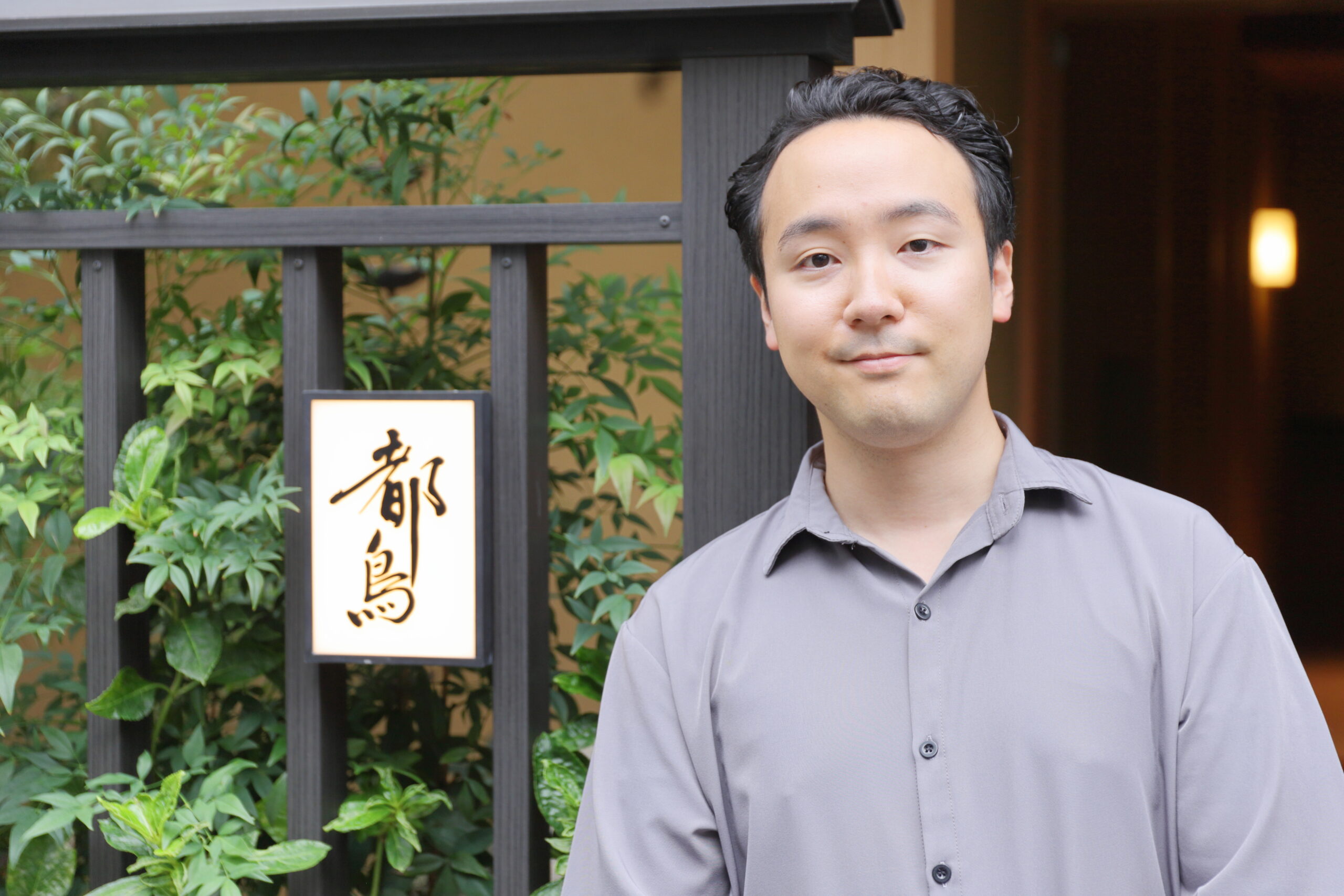


- The Real Meaning of Geisha in Japan: History, Life, and Modern Traditions
- Best Geisha Experiences in Japan: A Complete Guide for 2026
Asakusa Geisha Culture: History Q&A【Miyakodori】
Tokyo Experience Gifts: Unforgettable Cultural Gift Ideas in Japan
Geisha Dance: The Nihon Buyo You Will See at an Asakusa Ozashiki
Traditional Geisha Makeup: History, Artistry, and Symbolism
Experiencing an Authentic Geisha Show in Asakusa, Tokyo
Ultimate Guide to Asakusa Geisha Ozashiki Odori: Experience Traditional Geisha Dance in Tokyo
Comment ( 0 )
Trackbacks are closed.

No comments yet.