



Are There Still Geisha in Japan? Yes, and Here’s Where
Yes. Geisha are still working in Japan, and new young geisha debut every year. The numbers are far smaller than they once were: before the Second World War there were as many as 80,000 geisha, and today there are most likely fewer than 1,000. Most work in Kyoto and Tokyo, with smaller communities in Kanazawa, Niigata, Atami and a few other cities.
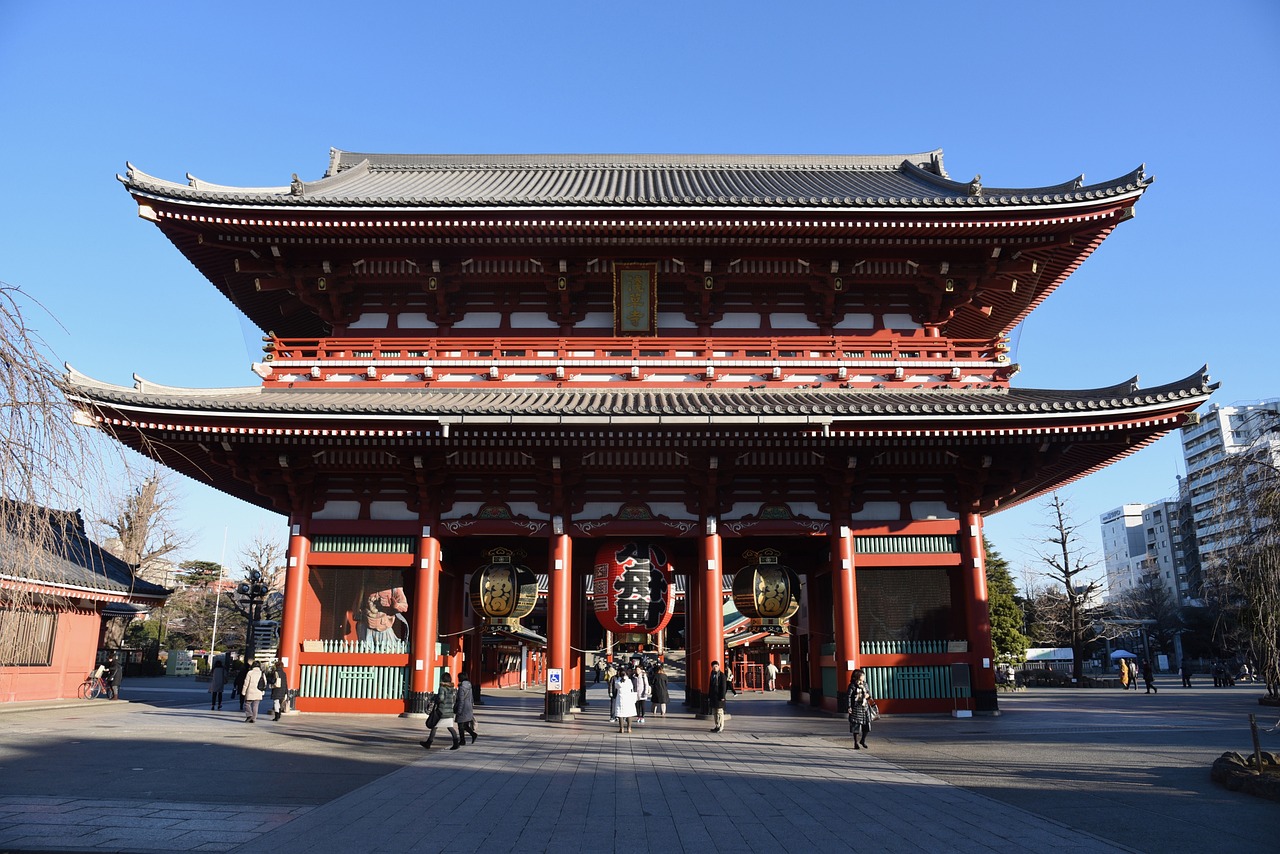
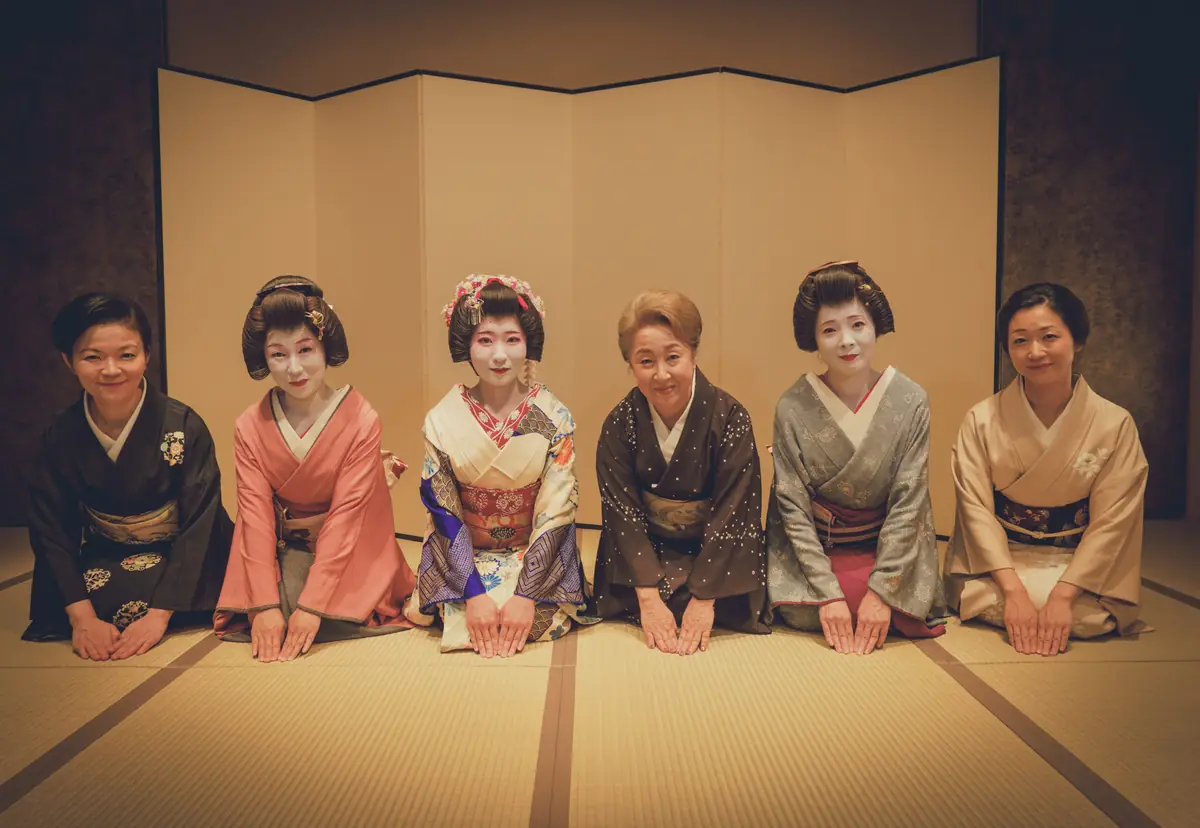
We are Miyakodori, a machiai-chaya (geisha teahouse) in Asakusa, Tokyo, founded in 1950. Our guests ask us this question often, and many are surprised to hear that geisha are not only a thing of the past. Others have seen women in white makeup on the street or at a show and are not sure whether they were real geisha. Below, we cover how many remain, where they work, how to tell a real geisha from a costume, and how to meet one.
Yes, Geisha Still Exist in Japan Today
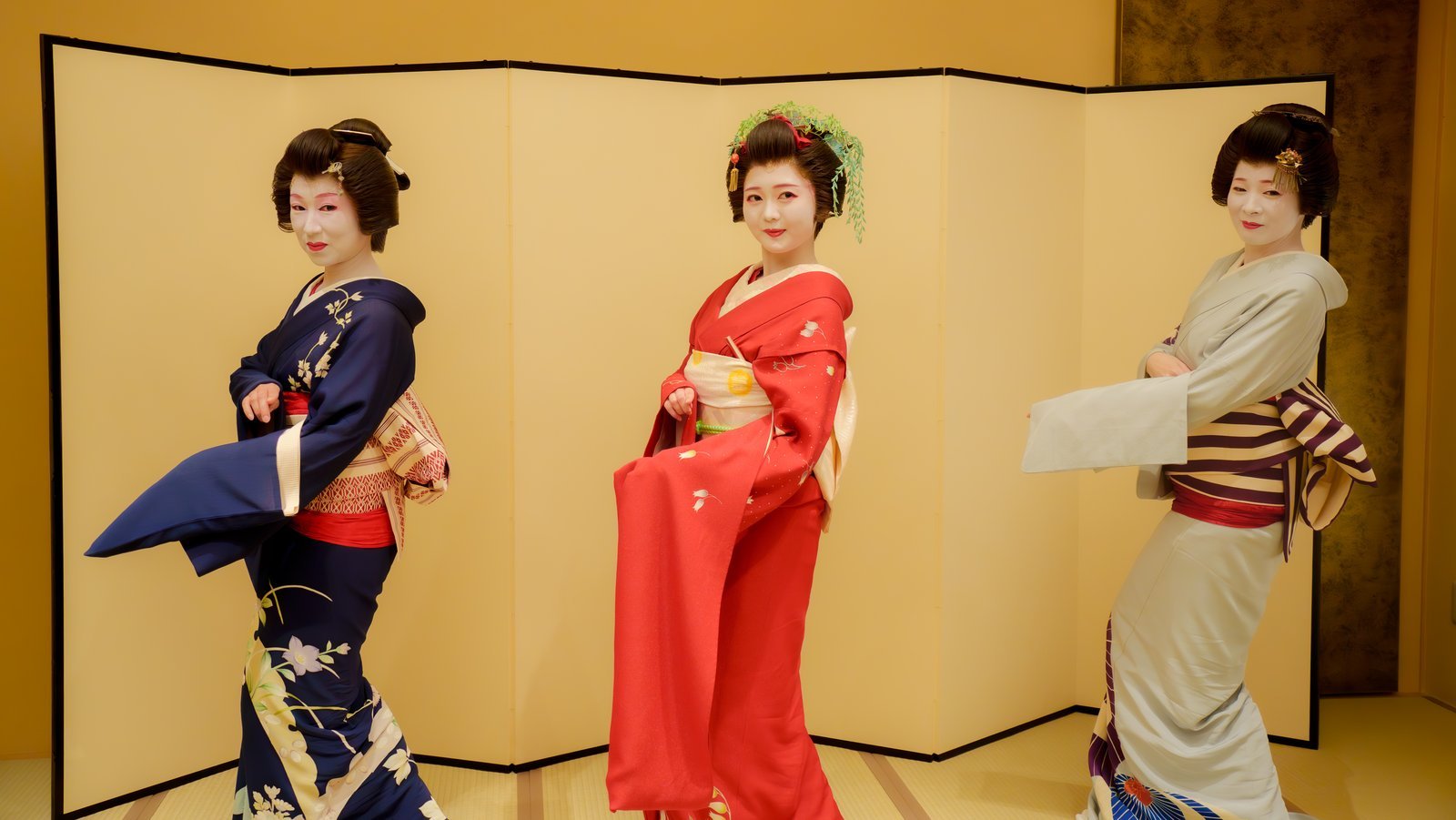
Geisha are still working in Japan. They perform at private banquets, called ozashiki, in teahouses and restaurants, and they dance on stage at public performances. Young women still choose this path, train for years and make their debut.
What has changed is the scale. Geisha are now rare enough that you are unlikely to see one by chance. Meeting a geisha today usually means booking a banquet or buying a ticket to a performance.
How Many Geisha Are Left?
There is no official national count. Each geisha district manages its own members and publishes figures only when it chooses to. Based on the latest published figures, the picture looks like this:
- Kyoto: 211 geiko and maiko across its five districts (April 2024)
- Tokyo: about 274 geisha in the last city-wide count (2015), most likely fewer today
- Asakusa: about 20 geisha (2026, our own count)
- Japan in total: no official figure, likely in the high hundreds
For the figures district by district, and how they changed over the decades, see our article on how many geisha are left in Japan.
Why the Numbers Have Fallen
The profession faced its greatest challenge during and after the Second World War, when teahouses closed and many women were sent to work in factories. The tradition survived, but the numbers kept falling for other reasons. Companies once entertained clients at ozashiki banquets as a matter of course, and that custom faded, especially from the 1990s. Many teahouses accepted only guests introduced by existing customers, so as regular guests aged, few new ones came. In central Tokyo, the land under a teahouse often became worth more than the business itself. And the training is long and demanding.
That makes the women working now all the more important: they are training the next generation and keeping the dances, songs and shamisen music alive. One thing has changed for the better. In the past, some girls were sent into the profession by their families. Today, women who become geisha choose the path themselves, out of a love of dance, music and Japanese culture, and some of them explain why in our article Real Stories from Three Tokyo Geisha.
Where Geisha Still Work: Japan’s Hanamachi
Geisha work in districts called hanamachi, or “flower towns.” Each district has a kenban, an office that registers its geisha and sends them to the banquets they are booked for. If you want to find geisha, these districts are where to look.
Kyoto: Geiko and Maiko
Kyoto is the largest geisha city in Japan. Its five districts, known as the Gokagai, are Gion Kobu, Miyagawacho, Pontocho, Kamishichiken and Gion Higashi. In Kyoto, a fully qualified geisha is called a geiko, and a young geisha in training is called a maiko.
Several of the districts hold public dance performances each year, such as the Miyako Odori in Gion Kobu in spring. For a private banquet, most Kyoto ochaya (teahouses) still require an introduction from an existing customer.
Tokyo’s Six Hanamachi
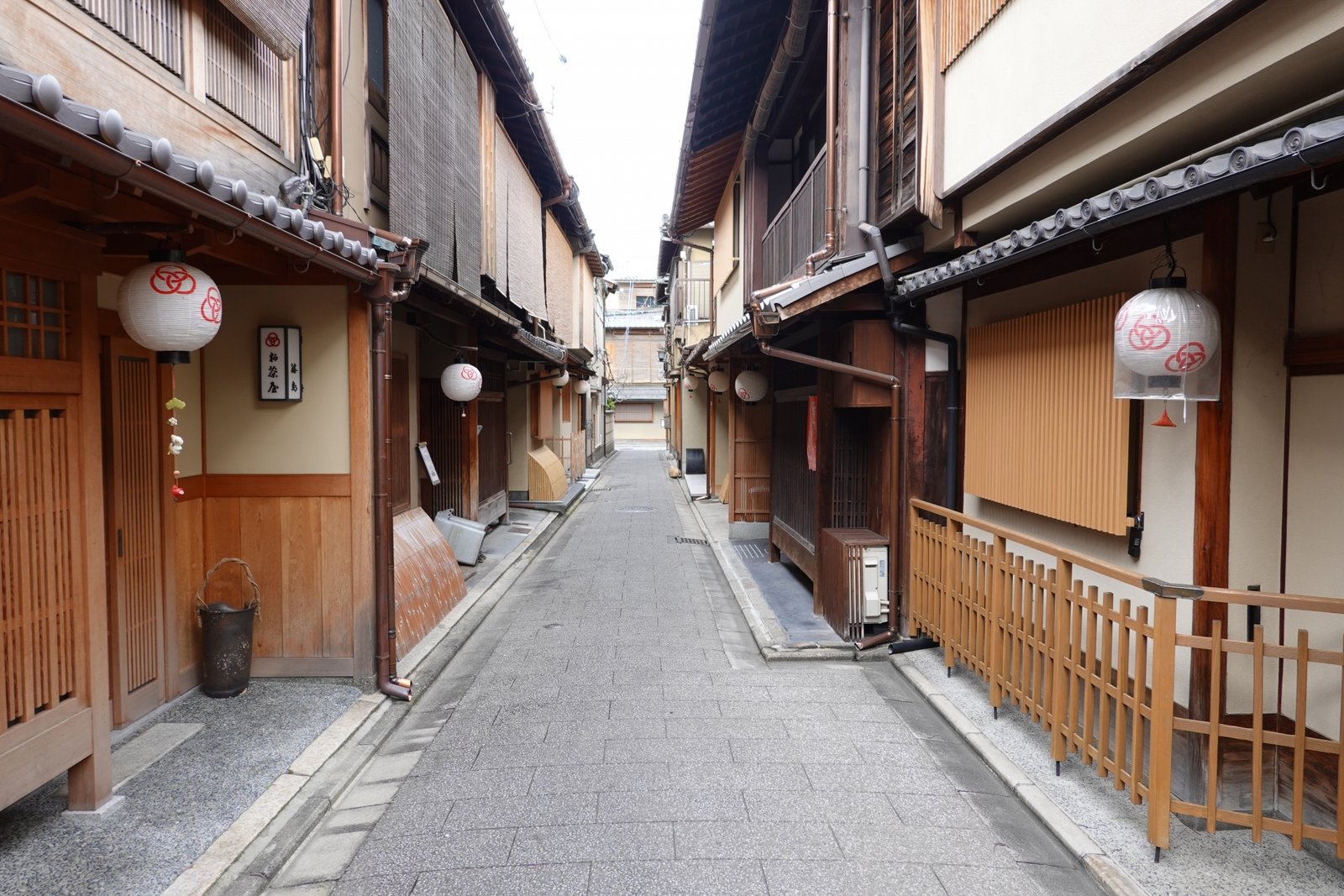
In its last city-wide count, in 2015, Tokyo had about as many geisha as Kyoto, spread across more districts. The traditional six are:
| District | Known for |
|---|---|
| Asakusa | The area around Senso-ji Temple, where the geisha perform for the public each season |
| Mukojima | Tokyo’s largest district, across the Sumida River from Asakusa |
| Shinbashi | The high standard of its geisha’s arts; its patrons were mostly government officials and politicians |
| Akasaka | A district that grew up around military officers and, later, officials and politicians |
| Kagurazaka | A close-knit neighborhood of stone-paved lanes |
| Yoshicho | The Ningyocho area of Nihonbashi; very small today |
Tokyo geisha culture is often described through iki, a chic and spirited style, while Kyoto is known for miyabi, a courtly elegance. For more on each district, see our guide to the geisha districts of Tokyo.
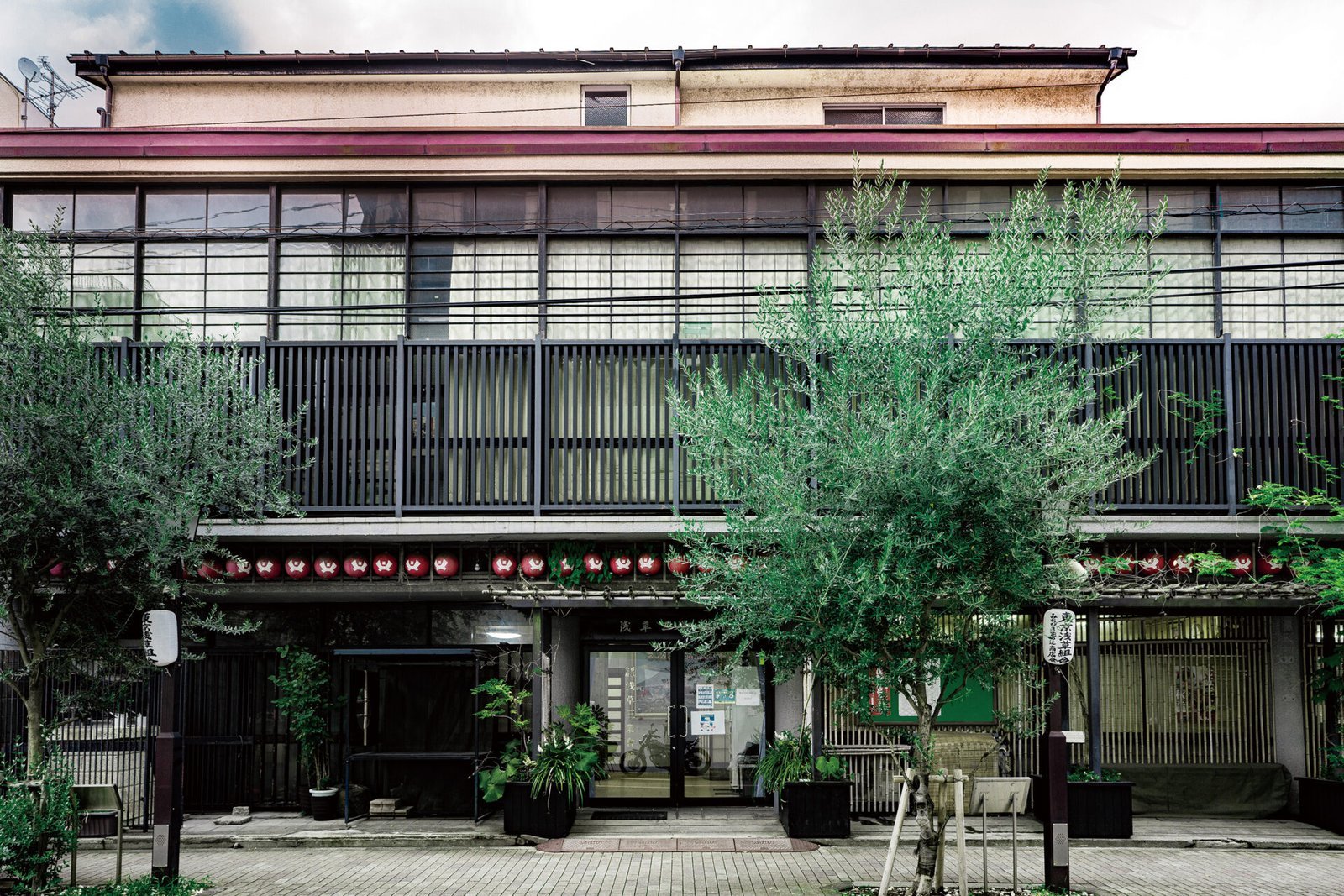
For overseas visitors, Asakusa is a good place to start. It keeps the atmosphere of old Edo, where merchants and artisans mingled, and it is the only place in Japan where hōkan (taikomochi), the traditional male entertainers, still work formally. Asakusa has about 20 geisha today, and our article on what happened to Asakusa’s geisha tells the story of the district.
Kanazawa, Niigata and Other Cities
Outside Kyoto and Tokyo, geisha work in smaller communities. Kanazawa has three chaya districts: Higashi, Nishi and Kazuemachi. Niigata has the Furumachi district, and the hot spring town of Atami has one of the largest groups outside the two big cities, with about 100 geisha. Most regional districts have only a few dozen members, and some fewer.
Real Geisha vs. Costumed Performers
When visitors ask whether there are still geisha in Japan, they sometimes have a photo in mind of someone in white makeup and kimono. That person may not have been a geisha at all.
What a Real Geisha Does
The word geisha is made of two kanji characters: gei (art) and sha (person). A geisha is, quite literally, a “person of the arts.” A traditional geisha is a highly trained professional entertainer. Her role is to make sure a banquet flows smoothly, that guests are entertained with music and dance, and that the conversation never lags. She performs, pours drinks, leads parlor games and reads the mood of the room. Behind every performance are lessons she attends every week, for as long as she works.
Contrary to a persistent Western myth, fueled by confusion in the postwar years and by fiction, geisha are not prostitutes. They sell their art and their time at the banquet, and they are respected professionals who work within a strict hierarchy.
Geisha, Geiko, Maiko and Hangyoku
The terms change depending on where you are.
| Term | Used in | Who she is |
|---|---|---|
| Geisha | Tokyo and eastern Japan; also the general word in English | A fully qualified professional entertainer |
| Geiko | Kyoto | Kyoto’s word for a fully qualified geisha |
| Maiko | Kyoto | A young geisha in training, usually from her mid to late teens. She is the one most often seen in photos, with a long trailing obi, tall wooden sandals called okobo and hair decorated with seasonal flowers. |
| Hangyoku | Tokyo | Tokyo’s name for the young geisha still in training. The name means “half jewel,” because in the past she was paid half the fee of a full geisha. She wears a furisode, a long-sleeved kimono, but her hem does not trail and her obi is shorter than a maiko’s. |
For the full comparison, including how the collar changes as a maiko becomes a geiko, see our guide to the difference between maiko and geisha.
How to Spot a Costumed “Geisha” Experience
In recent years, many shows and experiences in Japan have used the look of a geisha without the training behind it. Studios offer makeovers where tourists dress as a maiko for photos, and some entertainment venues dress performers in kimono and white makeup. These can be fun, but they are not geisha.
| What to look for | A real geisha | A makeover or costume show |
|---|---|---|
| Who she is | A professional entertainer who works in a hanamachi and is registered with its kenban | Someone dressed in the look of a geisha, such as a visitor in a makeover or a performer in costume |
| Training | Years of lessons in dance, shamisen and etiquette, which continue every week | Not part of it: the experience is about the look |
| What happens | She performs her art for her guests, then talks and plays games with them | Photos in costume, or a staged show |
| Where you meet her | At an ozashiki in a teahouse, or on stage at a district’s public performance | Photo studios, shows and tourist venues |
What sets a geisha apart is not the makeup but the skill and the history behind it. Geisha culture has been refined for more than three centuries, and the games guests play at an ozashiki today have stayed the same for at least 200 years. Our okami, Chikage, puts it simply: without art, a geisha is just a person.
If you are deciding between a makeover and meeting real geisha, see our comparison of an authentic geisha experience and a geisha makeover.
What Life Looks Like for Geisha Today
The history of the geisha began in Edo in the second half of the 17th century, when male entertainers called hōkan (taikomochi) and women dancers and musicians livened up banquets. In time, women became the majority, and male entertainers are now few. Today’s geisha carry that tradition forward, and much of what happens at an ozashiki today would look familiar to a geisha of two centuries ago.
Training, from Trainee to Debut
Becoming a geisha is a way of life, not a summer job. In a traditional geisha house (okiya), a young woman starts as a trainee. She helps with the housework, assists senior geisha with dressing, and learns the strict etiquette and speech of the flower town. This period tests her resolve. In Asakusa the trainee period, called minarai, lasts roughly six months to a year, and the head of her okiya decides when she is ready to debut.
A trainee is not yet a geisha. In Tokyo she becomes one on the day she debuts, as a hangyoku; in Kyoto, the equivalent step is the debut as a maiko. The lessons then continue for the rest of her career.
The Arts They Master
A geisha studies several traditional arts throughout her career.
- Nihon buyo (classical dance): The heart of the profession. Every glance and every movement of the fan tells a story.
- Shamisen and song: The three-stringed shamisen is at the center of geisha music, often with the singer playing it herself. It takes years to play well.
- Narimono: Percussion, such as the tsuzumi (shoulder drum) and taiko.
- Sado (tea ceremony): The ritual preparation of matcha, which teaches grace and hospitality.
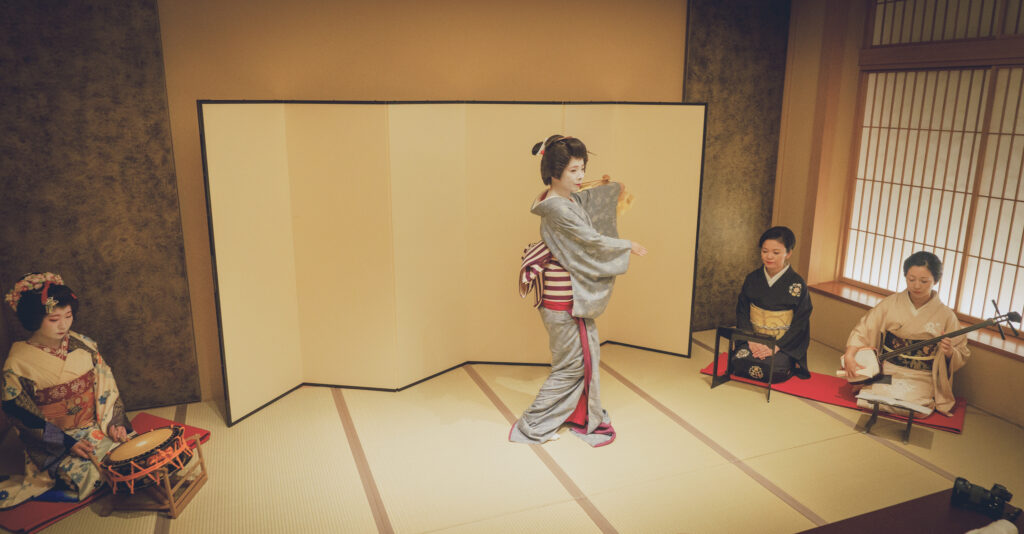
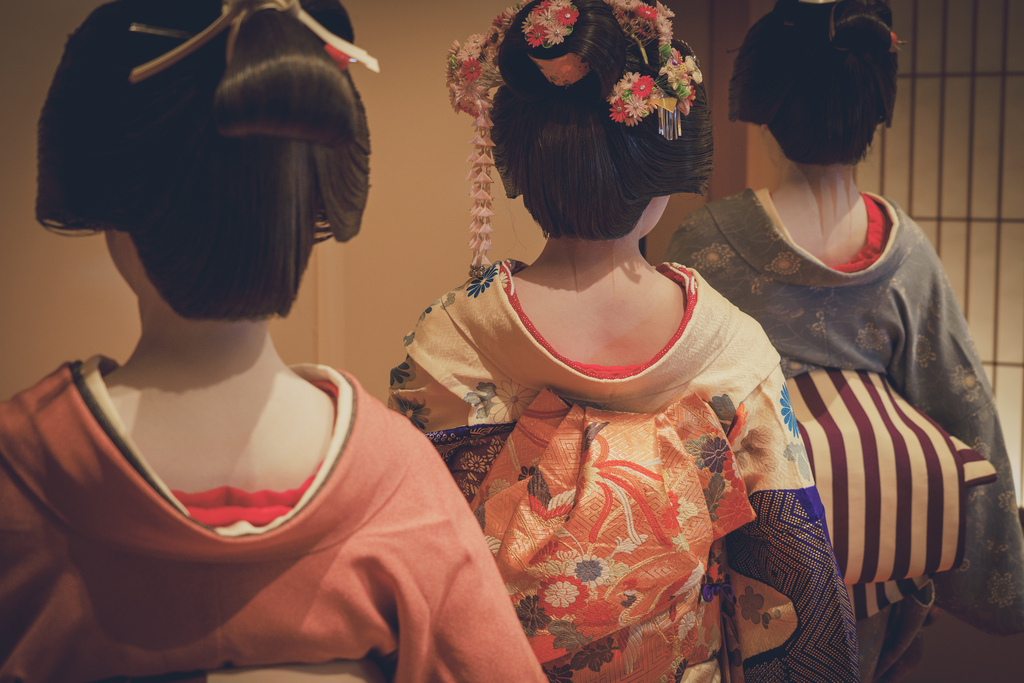
Appearance is part of the art. The white foundation, called oshiroi, covers the face and neck. Kimono change with the months, with cherry blossoms in April, iris in May and maple leaves in autumn. Hair ornaments called kanzashi are also chosen to match the season.
How Visitors Can Meet Geisha
Because there are so few geisha, you will rarely meet one by chance. There are two main ways to see them: a public performance or a private banquet. Our guide to how to see a geisha in Tokyo compares the options.
Where can you actually meet a geisha in Japan today? A short answer from our staff in Asakusa, with English subtitles on screen.
Public Performances
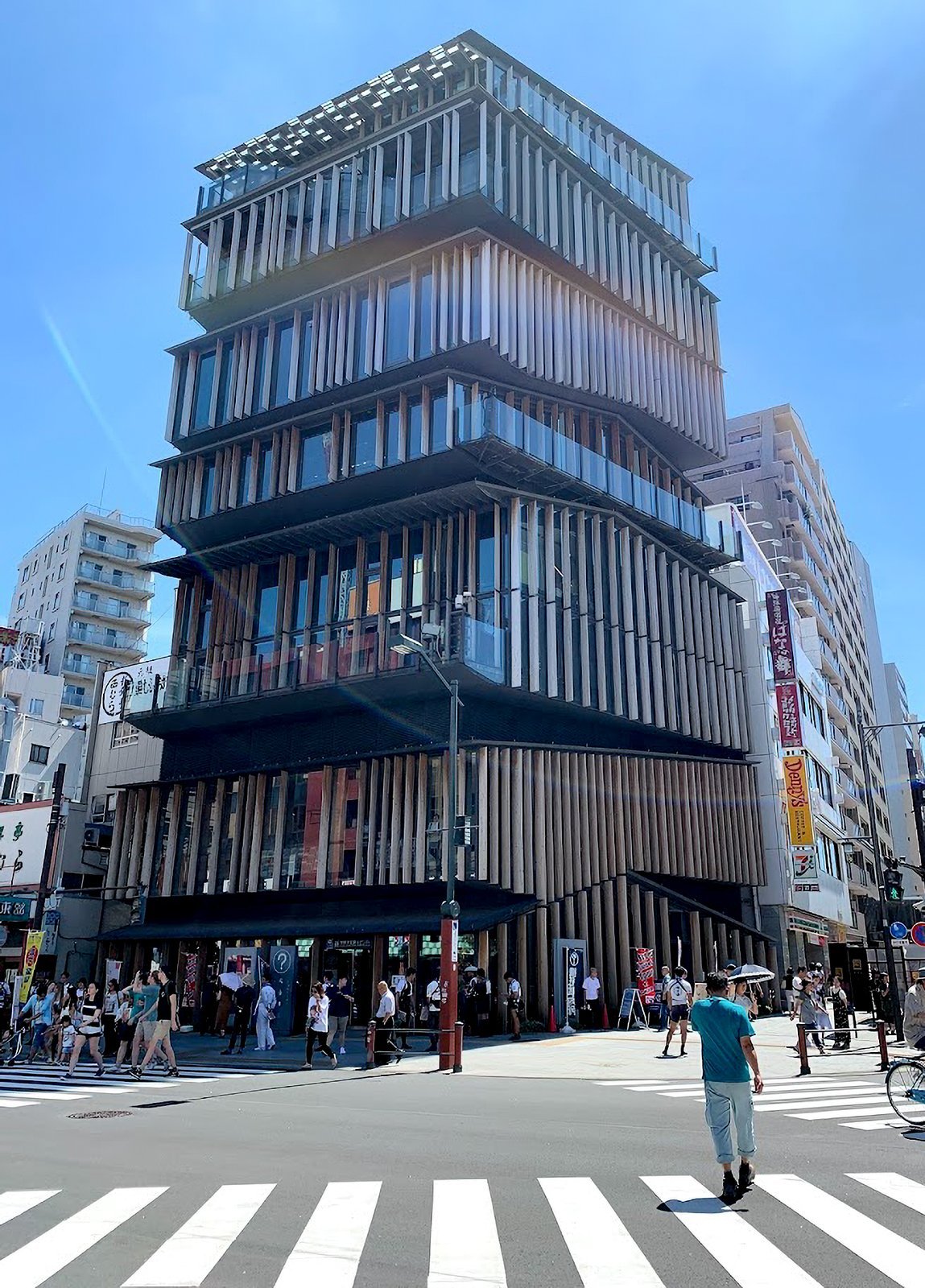
Many districts hold public dance performances, which are the most affordable way to see geisha on stage. In Kyoto, the spring dances are the best known. In Asakusa, the geisha perform the Ozashiki Odori at the Asakusa Culture Tourist Information Center, across from Kaminarimon, on selected Saturdays in seasonal runs from spring to autumn. Seats are reserved in advance online, and dates and prices change each season, so check the official ticket page before you go. Our guide to the Asakusa Ozashiki Odori explains how.
Ozashiki at a Teahouse
An ozashiki is a private banquet with geisha, held in a tatami-floored room. Traditionally, geisha banquets followed the rule of ichigensan okotowari: no first-time guests without an introduction from an existing customer. This made them nearly impossible for travelers to book.
At Miyakodori, we welcome first-time and overseas guests without an introduction, and bookings can be made online in English. We were the first teahouse in Asakusa to open our doors this way; elsewhere in the geisha world, the old rule is still the norm. Miyakodori is the only machiai-chaya in Asakusa, a teahouse where guests are entertained by geisha. We stand in the quiet Kannon-ura area behind Senso-ji, three minutes’ walk north of the temple, and we have hosted ozashiki since 1950. Our name comes from a poem in The Tales of Ise.
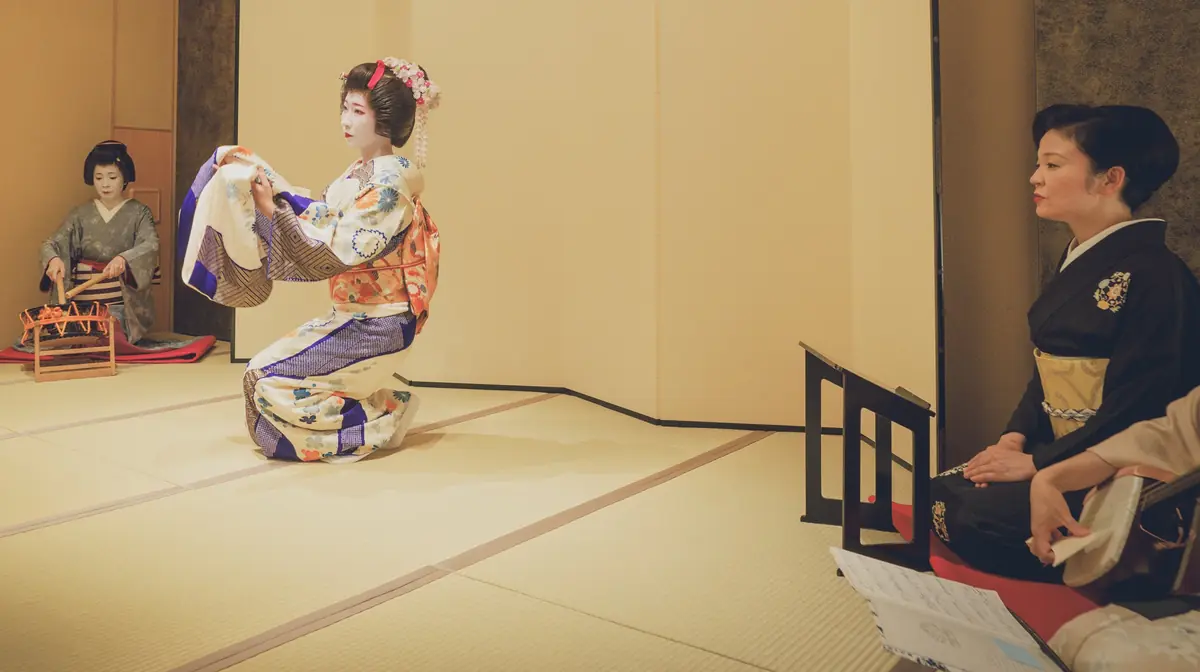
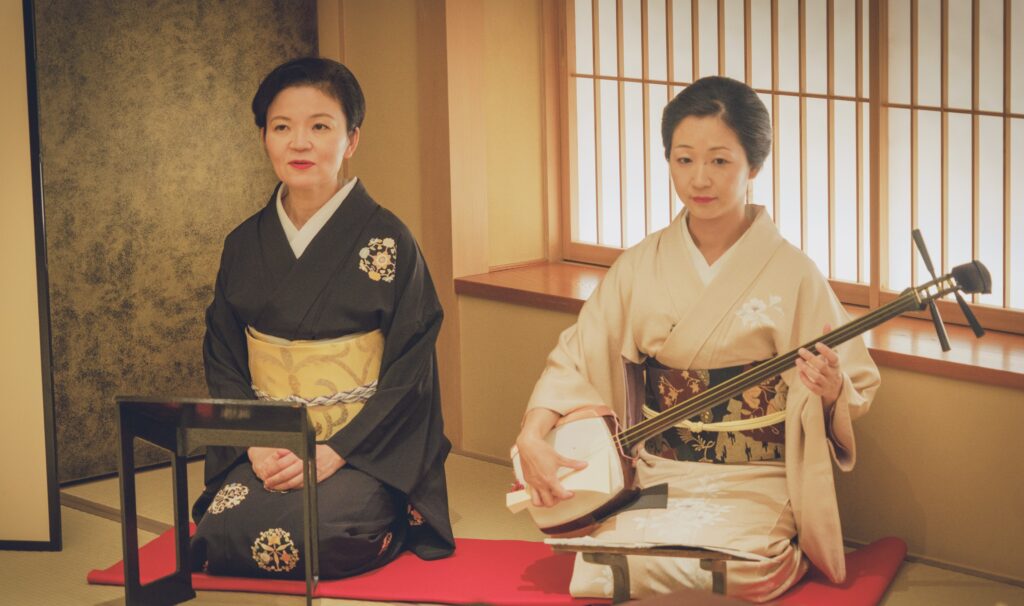
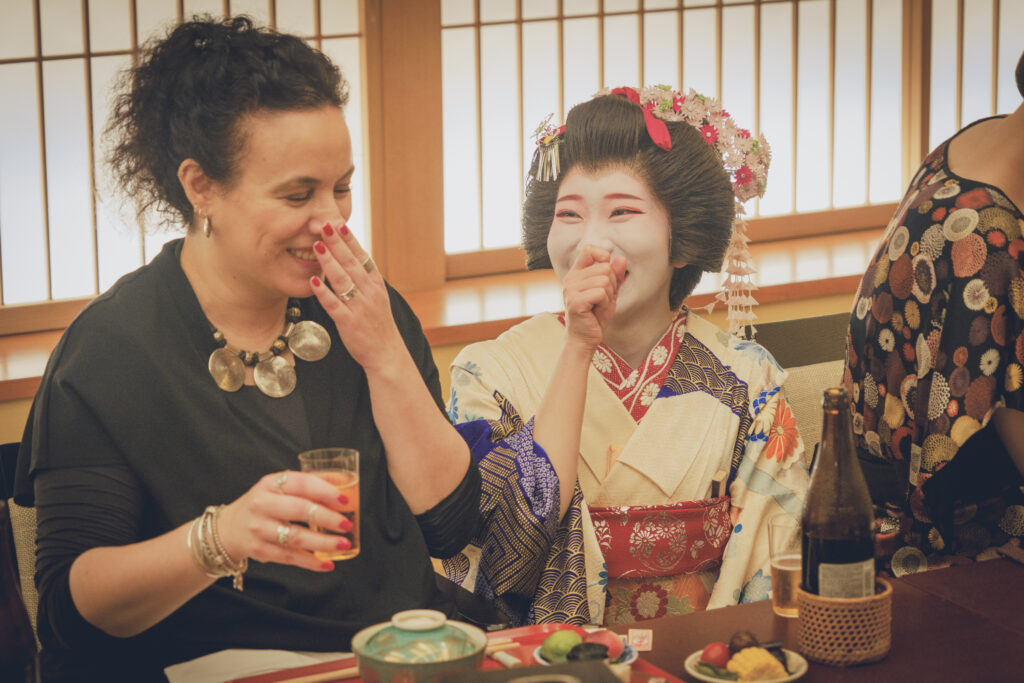
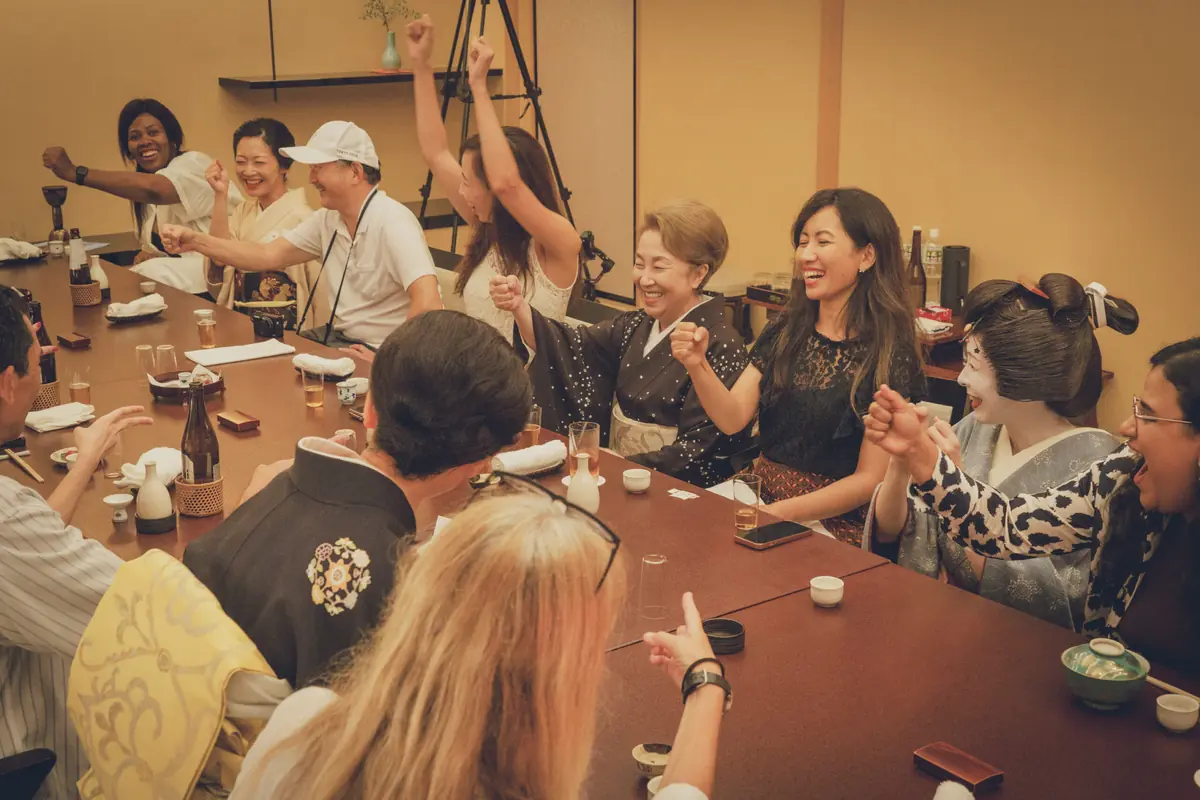
The geisha stay in your room from start to finish. A typical ozashiki begins with their greeting, then a dance with live shamisen just a few feet away, then traditional ozashiki games such as tora tora and konpira fune fune, and it ends with photos together and a closing handclap, the tejime. Between the performances you can talk with the geisha, so it is not a one-way show. Every plan includes a performance of the geisha’s arts.
- Who can book
- First-time and overseas guests, from solo travelers to groups. No introduction is needed.
- Length
- One, two or three hours
- Seating
- Tables with chairs, or a sunken kotatsu. You do not need to sit on the floor.
- Meals
- A seasonal kaiseki dinner is included in the three-hour plan; on the shorter plans, a meal is an optional extra ordered in advance. Vegetarian, vegan and allergy requests can be arranged, and fully halal or kosher meals are served as a bento box (please request at least five days ahead).
- Language
- Booking in English, with an English interpreter throughout
- Access
- There is an elevator. If anyone in your group has difficulty with steps or uses a wheelchair, please contact us before you book.
Many first-time guests feel nervous at first. You do not need to know any Japanese etiquette in advance: the geisha are used to guests who have never been to an ozashiki, and an interpreter is with you throughout.
Meet Asakusa’s Geisha in Person
At our teahouse in Asakusa, a private ozashiki (a private gathering with geisha) brings you dance, live shamisen and traditional parlor games with Asakusa geisha, in a room of your own. First-time and overseas guests are welcome without an introduction.
Etiquette for Guests
Respect is the most important rule in the world of geisha.
- No paparazzi: Do not stop geisha on the street for photos. They are on their way to work. At a private ozashiki, photos and videos are welcome; we only ask that you do not live-stream.
- Don’t touch: Never touch a geisha’s wig, hair ornaments or kimono. They are expensive and delicate.
- Socks: You will take off your shoes, so wear clean socks.
- Respect: Treat geisha as the skilled professionals they are.
- Cancellation policy: Check the policy when you book, as geisha schedules are set in advance.
For the full list of manners, including how to pour for a geisha, see our guide to geisha tea house etiquette.
Geisha in Japan Today: FAQ
Are geisha still around today?
Yes. Geisha still work in Kyoto, Tokyo and several other cities, and new young geisha debut every year. There are far fewer than before the Second World War, but the profession is active: geisha perform at private banquets and on stage, and they take lessons every week.
Can you see geisha in Tokyo?
Yes. Tokyo has six traditional geisha districts: Asakusa, Mukojima, Shinbashi, Akasaka, Kagurazaka and Yoshicho. Asakusa is a good place to start for visitors: its geisha dance in public performances each season, and Miyakodori, a teahouse there, welcomes first-time guests.
What do geisha do today?
They perform classical dance and shamisen music at private banquets and public performances, lead traditional parlor games and keep the conversation going so that guests feel at ease. They also take lessons every week, for as long as they work.
Do you need an introduction to meet a geisha?
At many traditional teahouses, especially in Kyoto, yes. Some teahouses, including Miyakodori in Asakusa, welcome first-time and overseas guests without one.
How much does it cost to meet a geisha?
A public performance is the most affordable option, and in Asakusa the Ozashiki Odori tickets are sold season by season. A private ozashiki costs more, because it covers the geisha’s fees and the room for the whole booking (our three-hour plan also includes a kaiseki meal). See our pricing page for current prices.
What is the difference between a geisha and a maiko?
Maiko is the Kyoto name for a young geisha in training; in Tokyo she is called a hangyoku. A fully qualified geisha is called a geiko in Kyoto. You can tell them apart by the clothes: a maiko wears a long trailing obi, tall wooden sandals and hair ornaments of seasonal flowers. Our maiko and geisha guide explains more.
Are geisha prostitutes?
No. Geisha are professional entertainers trained in dance, music and conversation. Even in the Edo period, geisha and courtesans were separate professions, although they worked in the same districts. The confusion spread abroad after the Second World War, when women who were not geisha used the name.
Conclusion: Geisha Are Still Here
Geisha are not relics of the past. There are far fewer of them than there used to be, but they are working artists who keep centuries of Japanese culture alive. Whether you are in Kyoto or Tokyo, watching them perform is one of the most memorable things you can do in Japan. By visiting authentic establishments such as Asakusa Miyakodori, you help keep this tradition going.
A seven-minute film of the geisha experience at Miyakodori, without narration.
See Asakusa’s Geisha for Yourself
Miyakodori, founded in 1950, is the only machiai-chaya in Asakusa. Request a private ozashiki (a private gathering with geisha) and meet Asakusa geisha in a room of your own, with English interpretation throughout.


- Ozashiki Asobi Experience: Traditional Geisha Games in Japan
- The Complete Guide to Geisha Dance: Unveiling the Art of Nihon Buyo in Japan
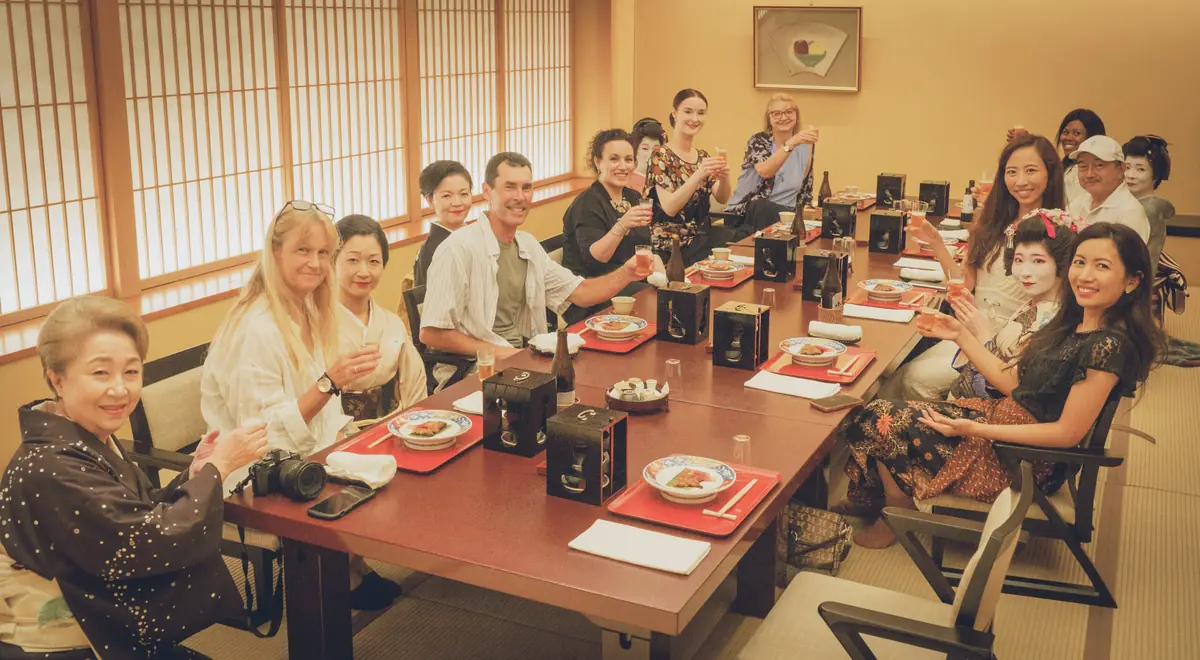
The Ultimate Guide to Geisha Dinner in Tokyo: Experience Authentic Japanese Culture, Cuisine, and Entertainment in 2026
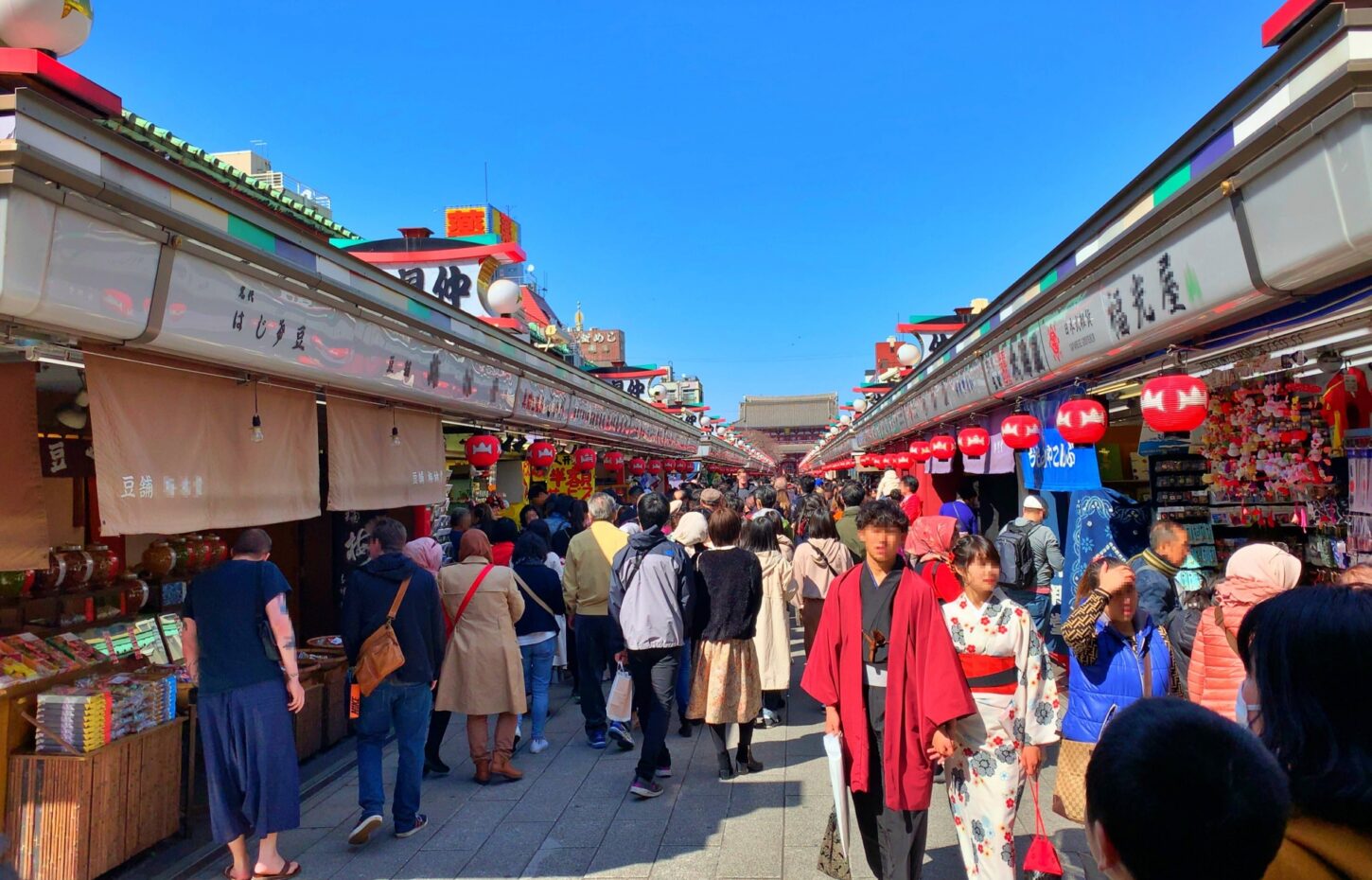
Looking for a Unique Experience in a Kimono? Discover the World of Ozashiki Asobi in Asakusa
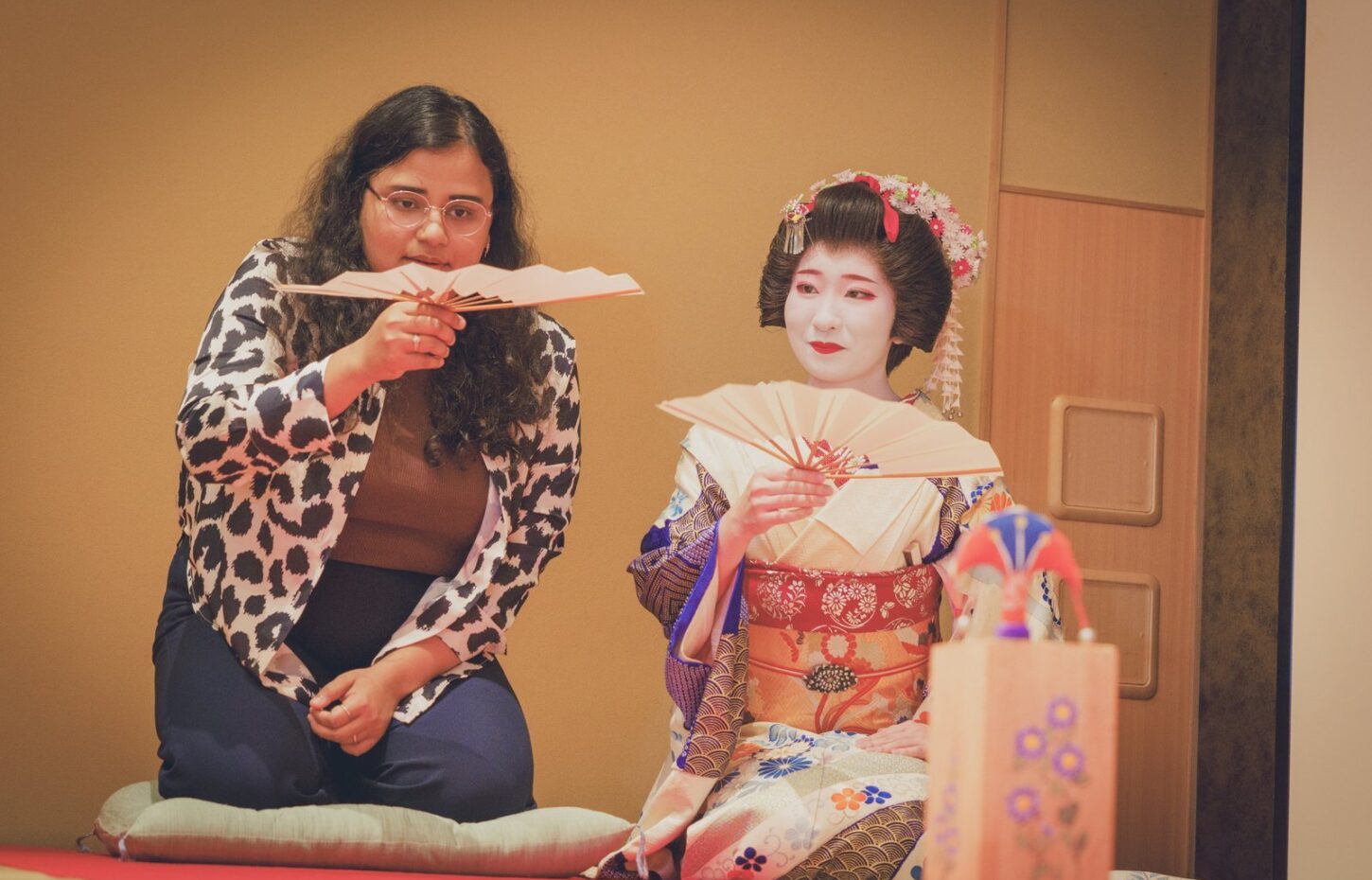
Tosenkyo: The Geisha Fan-Throwing Game, Explained
Asakusa Geisha Culture: How-to & Etiquette Q&A【Miyakodori】
The Ultimate Guide to the Ozashiki Party: Unlocking the Secrets of Traditional Japanese Entertainment in Tokyo
The Asakusa Geisha District: A Journey Through Time, Tradition, and Authentic Experiences
Comment ( 0 )
Trackbacks are closed.
No comments yet.