

1. HOME
  2. Guidebook
  3. Geisha
  4. How Many Geisha are Left in Japan? The Truth About the Modern World of Geiko in 2026

How Many Geisha are Left in Japan? The Truth About the Modern World of Geiko in 2026

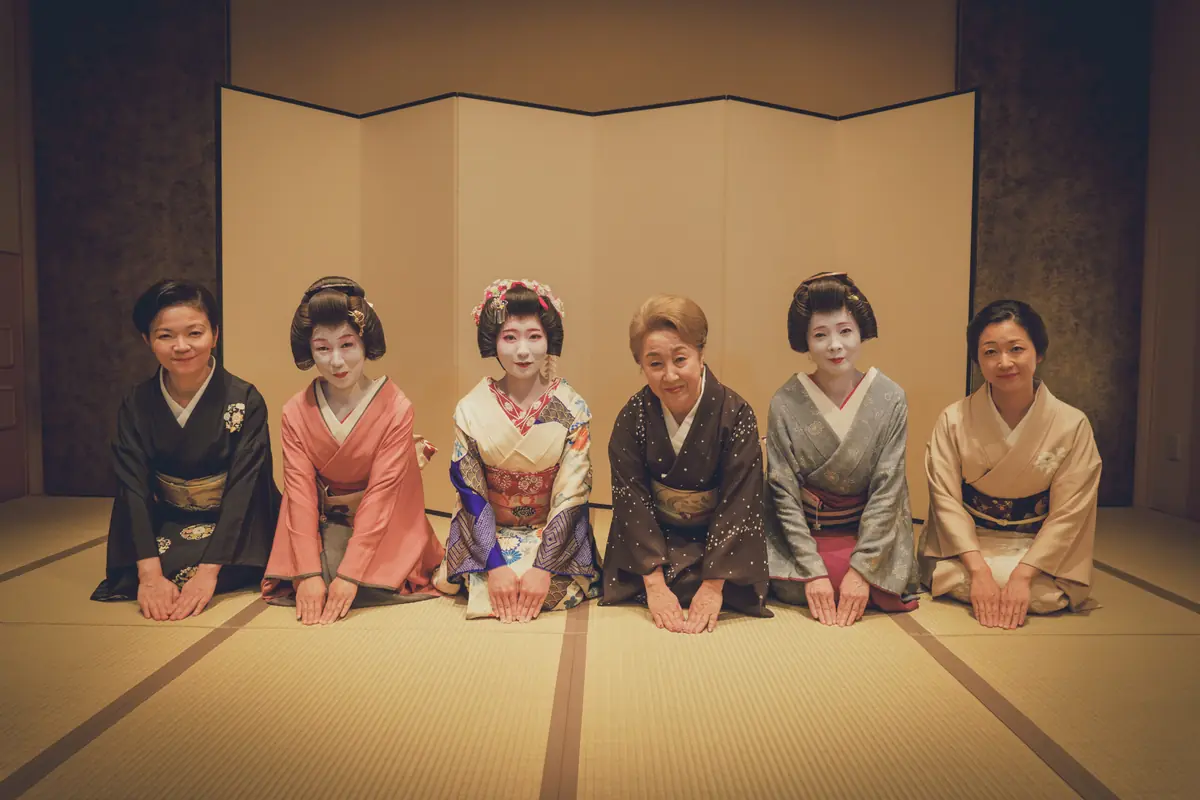
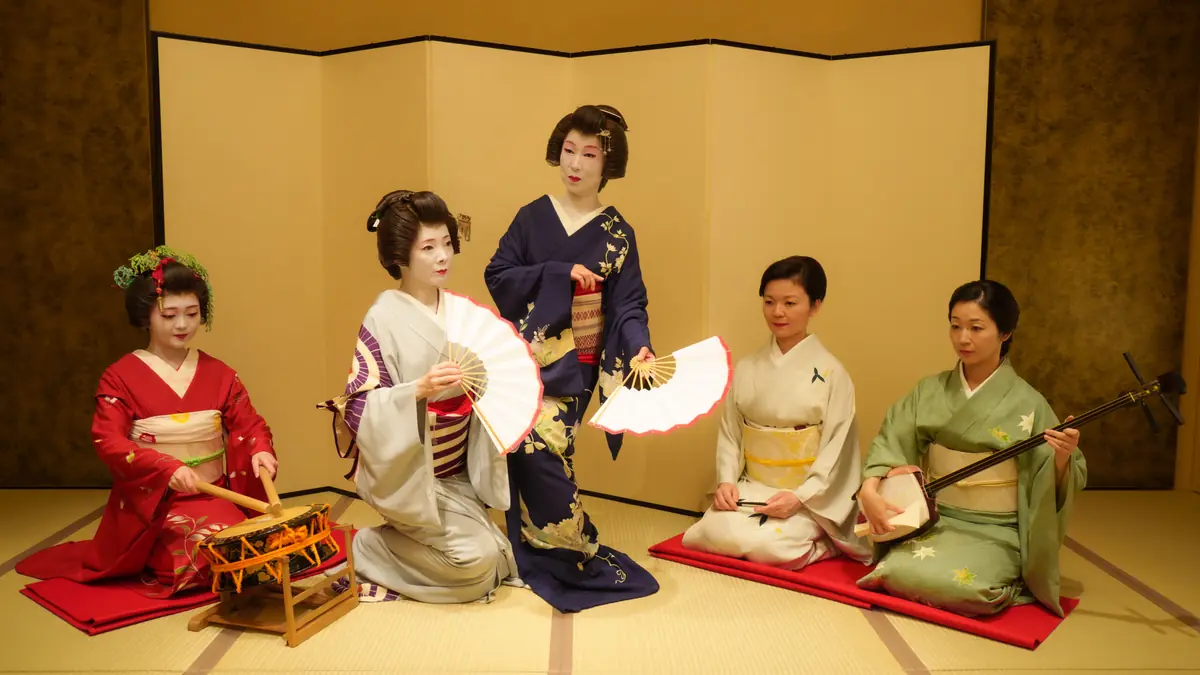
Six women in colorful kimonos kneel on tatami in front of a folding screen, posing for a group photo.

The air in the historic districts of Tokyo and Kyoto carries a specific rhythm as the sun begins to set. It is the crisp clack-clack of wooden geta sandals against stone, a sound that has remained unchanged for hundreds of years. For the modern traveler in 2026, a year defined by high-speed technology, artificial intelligence, and digital saturation, the sight of a geisha can feel like a beautiful glitch in the timeline. You might find yourself questioning: How many geisha are left in Japan today? Is this a relic of the past, or a resilient culture evolving for a new century?

In reality, the geisha of 2026 are more relevant than ever because they provide something the digital world cannot: absolute, undivided human presence. They are not museum relics meant to be stared at through glass; they are high-level artisans of the spirit. To survive in this century, they have had to balance the strict, silent codes of the past with the practicalities of a globalized society. While the neon lights of Tokyo pulse nearby, these women maintain an invisible barrier around their world, preserving a brand of hospitality called omotenashi that is as rare as it is profound.

Introduction: Do Geishas Still Exist in 2026?

The question of whether geishas still exist in 2026 is often met with surprise by those outside of Japan. Yes, they exist, and their role in Japanese society remains prestigious. However, the profession has undergone a massive transformation. They do not just perform history; they inhabit it every day, from the way they fold their fans to the specific, graceful dialect they use with guests. This is not a costume worn for the day. It is a lifelong commitment to being a living masterpiece, requiring a level of discipline that few in the modern world can imagine.

As we navigate an era of fleeting trends, the geisha stands as a permanent reminder of the power of tradition and the enduring allure of Japanese aesthetic perfection. In 2026, the term geisha is often used as a catch-all, but it represents a vast network of artists, houses, and districts that have fought to keep their culture alive through economic shifts and global change. The modern geisha is a professional woman, often tech-savvy and globally minded, who chooses to dedicate her life to the mastery of classical arts.

The Numbers: How Many Geisha are Actually Left Today?

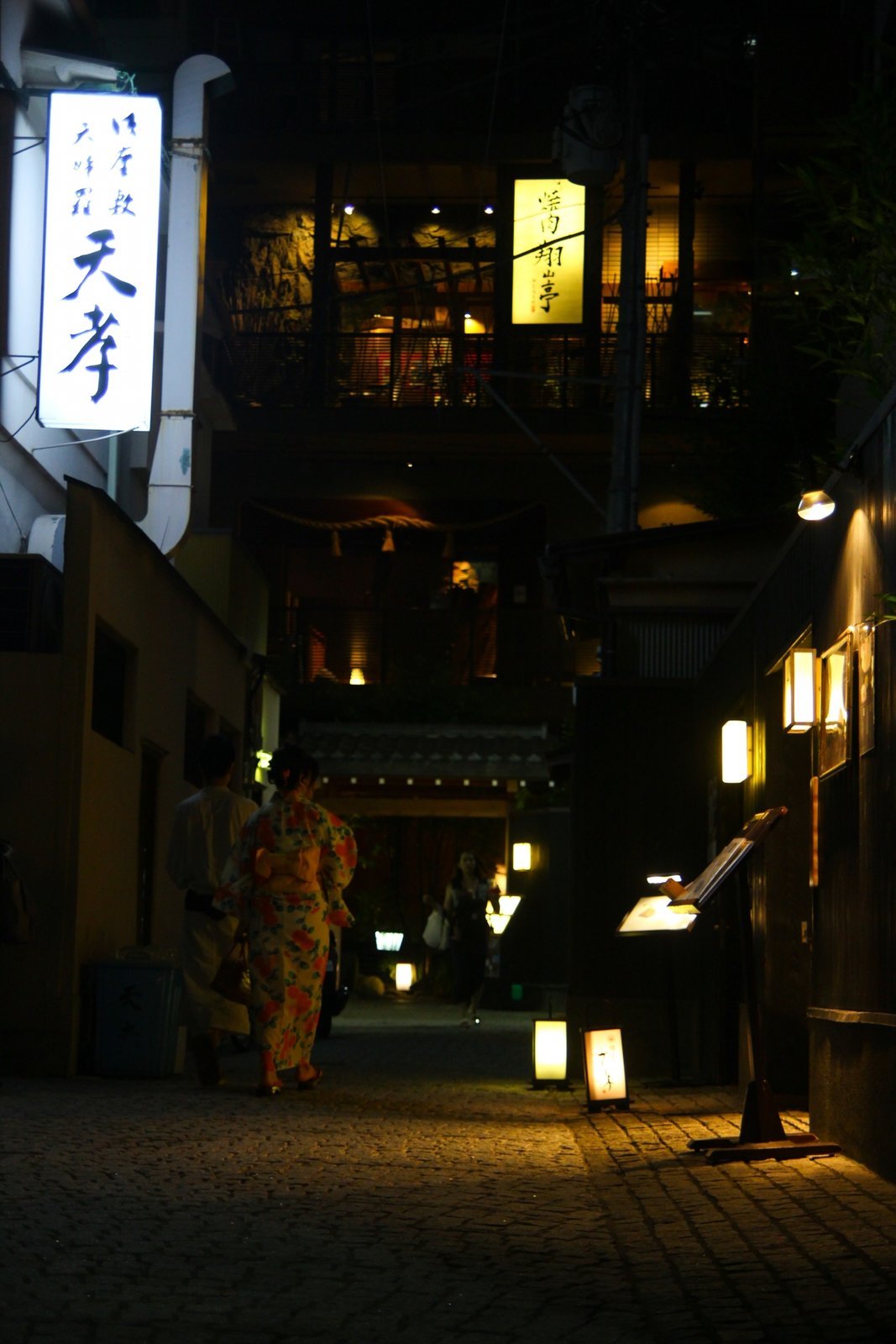
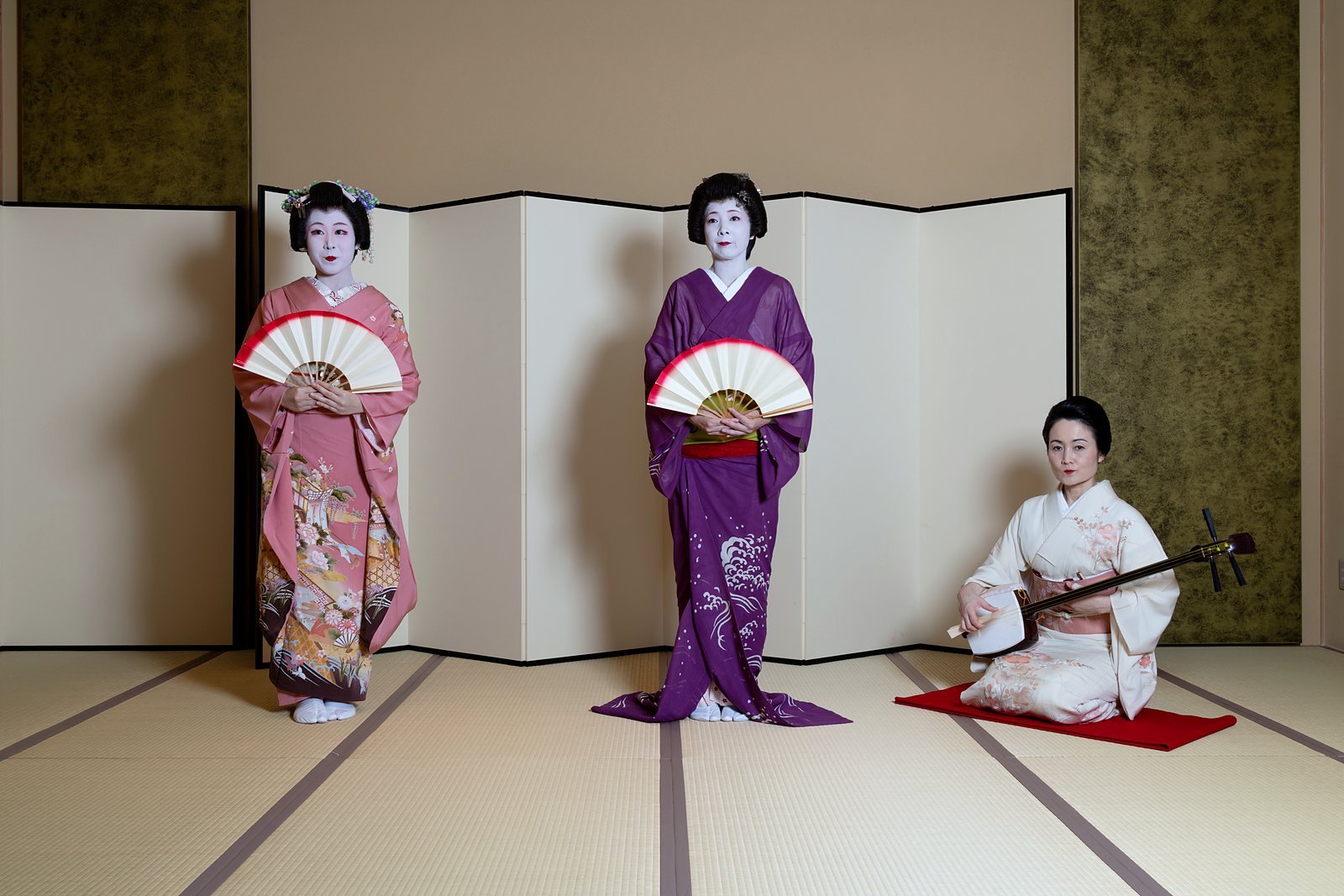
Geisha walking in a hanamachi alley at dusk
Geisha are fewer today—making each encounter genuinely rare.

To understand the current state of this profession, we must look at the data. In the 1920s, it was estimated that there were over 80,000 geisha across Japan. Today, in 2026, that number is a fraction of what it once was. Currently, there are approximately 600 to 1,000 active geisha throughout the entire country. Kyoto remains the most prominent center, with about 200 to 250 geiko and maiko spread across its five main districts, known as the Gokagai. Tokyo follows closely, with active communities in districts like Asakusa, Shinbashi, and Akasaka.

When we speak of the eighty thousand geisha who populated Japan in the 1920s, we are looking at a time when they were the primary engine of the nation’s fashion and entertainment industries. They were the pop culture icons of the Taisho era. However, the drastic reduction to the numbers we see in 2026 is not merely a story of loss. It is a story of intense distillation. In the past, the barrier to entry varied, and the roles within a geisha house were more broad. Today, the women who remain are the elite of the elite. Every single person currently wearing the white makeup and silk kimono has chosen this path despite having countless other modern career options available to them. This intentionality has fundamentally changed the nature of the profession from a widespread trade to an ultra-exclusive cultural preservation project.

Geography and Concentration: Tokyo and Kyoto

The geography of these numbers is also telling. While small pockets of geisha can be found in hot spring towns or smaller cities, the concentration in Tokyo and Kyoto is where the heart of the culture beats strongest. In Tokyo, the shift has been particularly sharp. Many traditional houses, or okiya, have closed their doors over the past decades, leaving only the most resilient and historically significant ones standing. This scarcity has transformed a night at an ozashiki from a standard high-end banquet into a rare, once-in-a-lifetime experience. For instance, Asakusa Miyakodori stands as a remarkable anomaly in this landscape. As the only remaining machiai-chaya in the Asakusa district, it represents the final fortress of a specific style of engagement where the focus is entirely on the art of the play and the interaction with the geisha.

The Survival of the Rare and Authentic

This demographic shift toward smaller, more specialized groups means that the personal connection between the artist and the guest is deeper than ever before. With fewer houses and fewer women, the training has actually become more rigorous to ensure that the reputation of the district is upheld by every single individual. In 2026, when you sit across from a geisha in a private room, you are not just meeting an entertainer; you are meeting one of the few hundred people in the world who possesses a specific set of ancient skills. The value of their time has increased exponentially because their numbers are so few, turning every banquet into a historical event in its own right. The survival of these women is a testament to the fact that even in an age of mass-produced experiences, there is no substitute for the rare and the authentic.

Etymology and History: More Than Just an Entertainer

To truly grasp the term geisha, one must look past the literal translation of arts person and see the role as a living vessel for the aesthetic ideals of the Edo period. Gei means art or performance, and sha means person. Historically, the role emerged in the 18th century. When the profession first flickered into existence in the pleasure quarters of old Japan, it was a chaotic and vibrant scene. Interestingly, the very first geisha were men known as hoko or houkan, who entertained guests with jokes and music. However, women soon took over the profession, refining it into the sophisticated art form we recognize today.

The Transition from Houkan to Geisha

The transition from the male houkan, who acted as comedic foils and drum-bearers, to the female geisha marked a pivotal shift in Japanese social history. Women did not simply replace men; they introduced a layer of poetic sophistication and emotional intelligence that transformed a rowdy banquet into a curated masterpiece of human interaction. By the early 1800s, these women had become the arbiters of taste, dictating fashion trends and defining what it meant to be chic or iki.

The Concept of Iki in Asakusa Miyakodori

The concept of iki is central to understanding why a geisha is more than an entertainer. In the context of the Asakusa district, where the culture was born from the energy of the merchant class and the grit of the warrior, iki refers to an understated, crisp, and slightly rebellious elegance. A geisha from Asakusa Miyakodori embodies this spirit. She does not overwhelm the guest with her presence; instead, she uses her skills in music and dance to subtly shift the energy of the room. Her mastery of the shamisen is not merely about hitting the right notes, but about capturing the specific emotional resonance of a season or a mood. This is the invisible labor of the geisha: the ability to read a room in seconds and provide exactly what the guest’s soul requires, whether it be a witty joke, a haunting melody, or a respectful silence.

The Historical Role of Machiai-chaya

Furthermore, the historical significance of the machiai-chaya, like Asakusa Miyakodori, cannot be overstated in this context. Historically, these waiting houses were the neutral ground where the art of the geisha reached its peak. Unlike a standard restaurant, a machiai was a space dedicated entirely to the encounter. It was a sanctuary where social hierarchies could be temporarily suspended in favor of artistic appreciation. In 2026, as our lives become increasingly fragmented by screens and notifications, the geisha’s historical role as a guardian of the moment has become her most vital function. She is the architect of a space where time slows down, allowing the guest to experience a state of flow that is rare in the modern world. This is the true legacy of the arts person: the preservation of human connection through the medium of beauty.

Geisha vs. Geiko vs. Maiko: Understanding the Differences

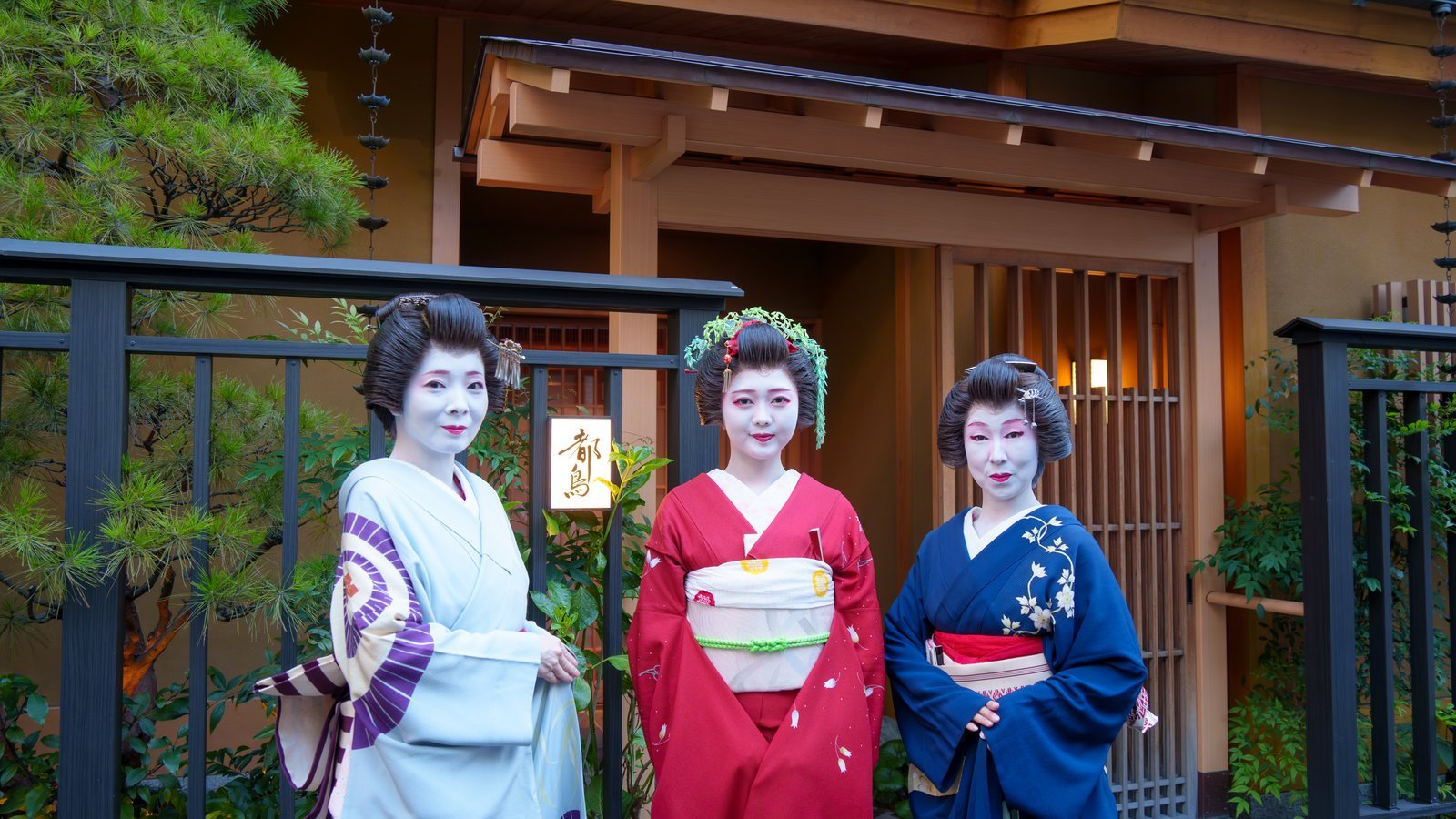
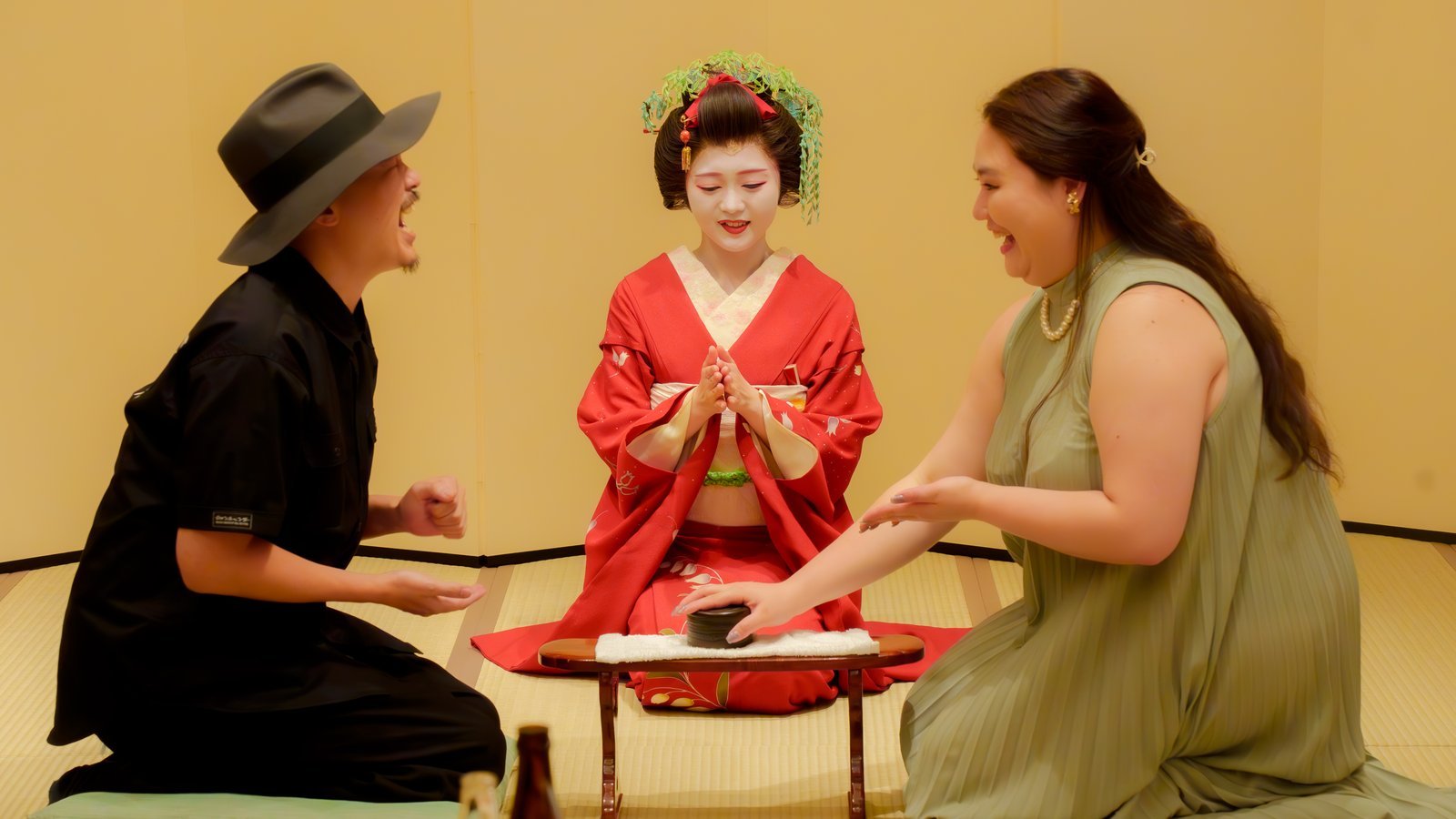
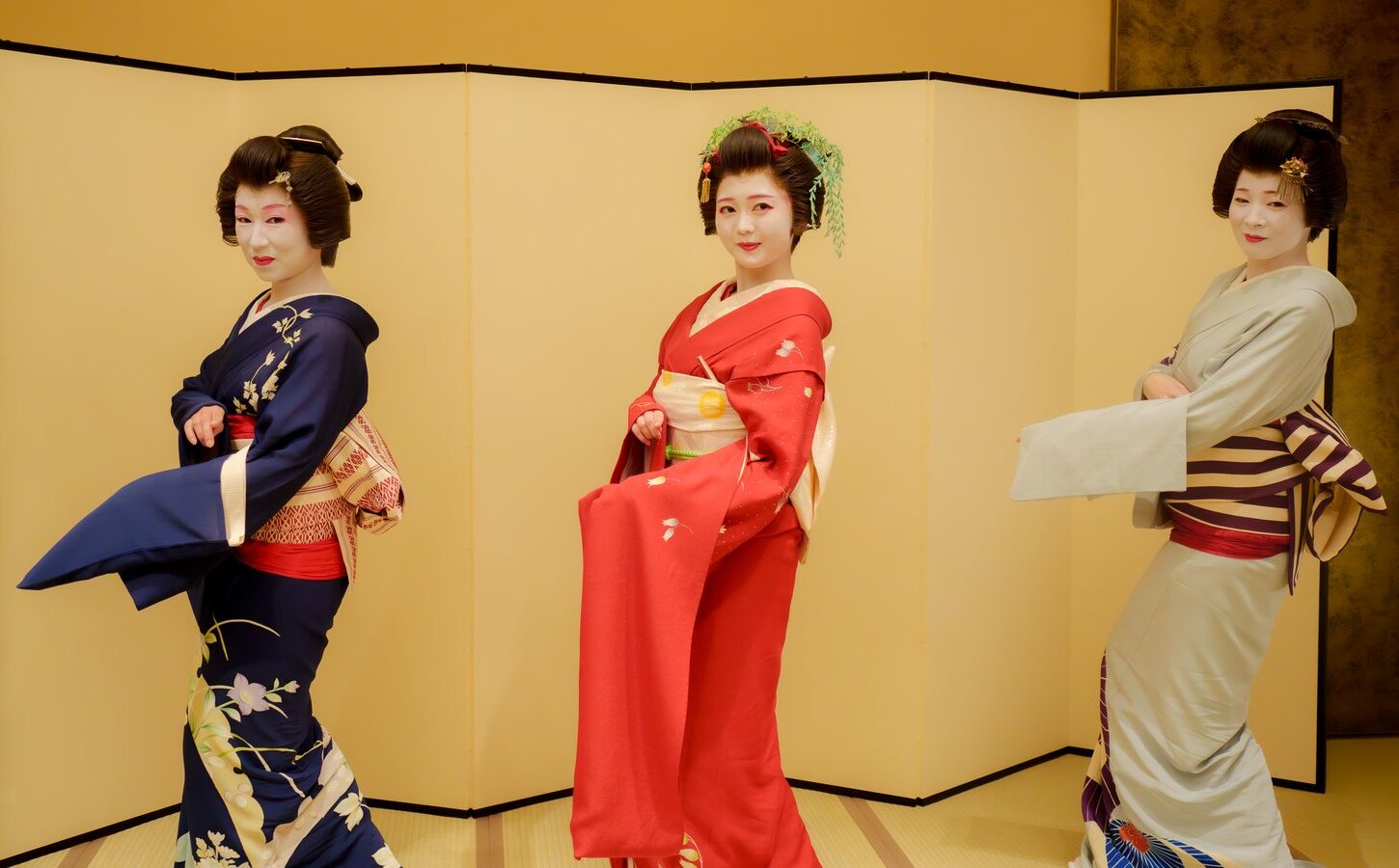
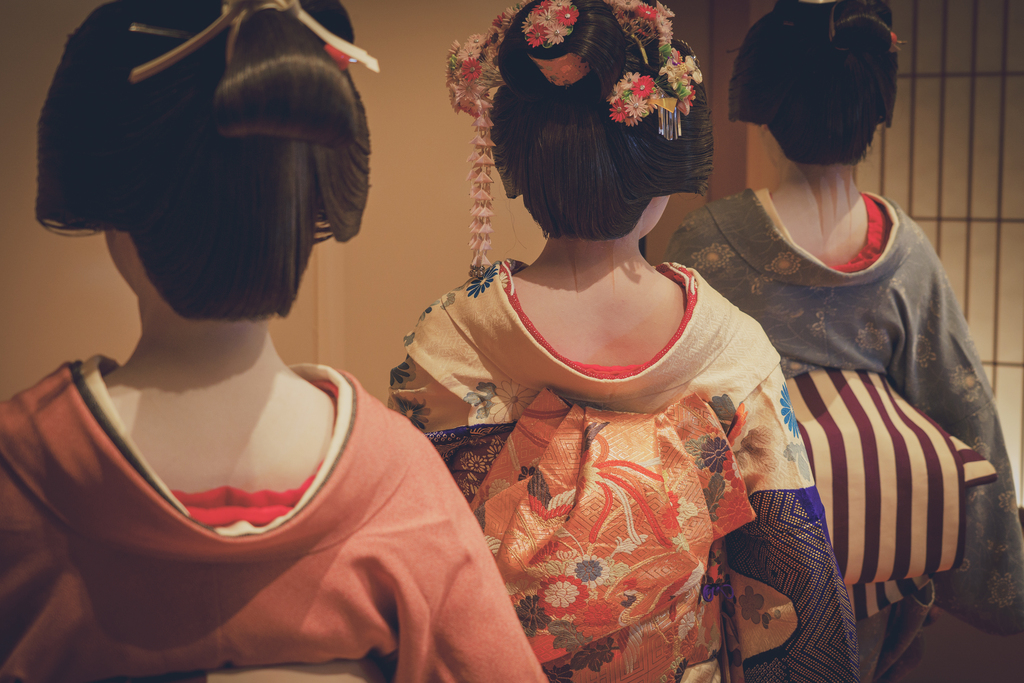
Maiko in Kyoto wearing kanzashi and formal kimono
Maiko are apprentices—more ornate attire reflects training status.

One common point of confusion for foreign guests is the terminology used to describe these women. The distinction between these titles is not merely a matter of regional dialect; it is a visual language that communicates a woman’s rank, her years of training, and her mastery of the arts.

In Kyoto, the term geiko is used instead of geisha. A maiko is a junior geiko. You can tell them apart by their appearance. While the maiko of Kyoto is often the face of Japanese tourism posters with her long, flowing sleeves (furisode) and high platform sandals (okobo), she represents the beginning of a long journey. The colorful patterns on her kimono and the dangling kanzashi ornaments in her hair are designed to draw the eye, signaling her status as a young woman in training. However, the true transformation occurs during the eri-kae, or the changing of the collar. A maiko wears a red, embroidered collar, but once she graduates to become a geiko or a geisha, her collar becomes pure white, symbolizing her entry into adulthood and her transition from a student to a professional.

The Tokyo Style: Iki and Refined Simplicity

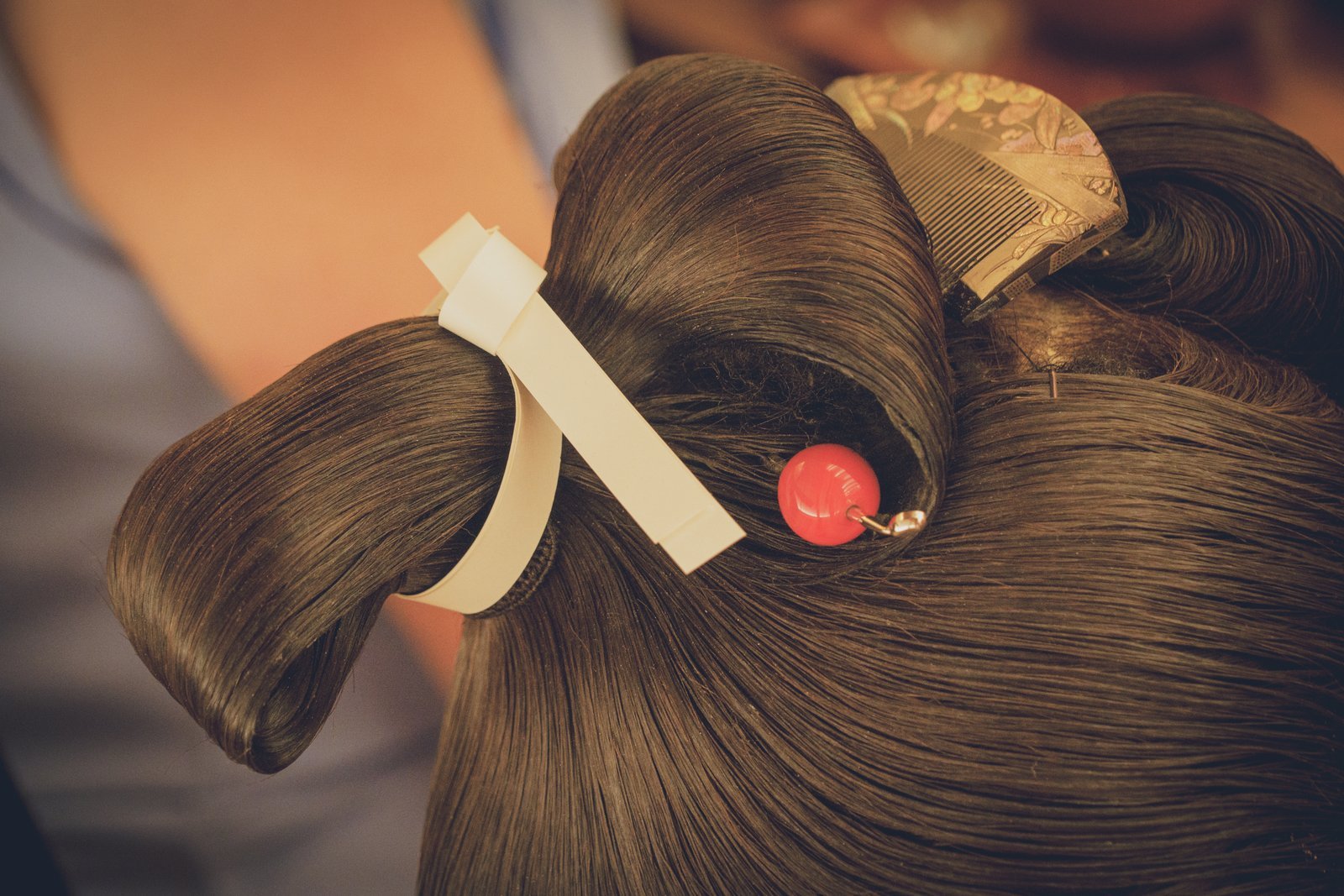
In Tokyo, and specifically in the district of Asakusa, the aesthetic moves away from the courtly elegance of Kyoto and toward the concept of iki—a sharp, urban sophistication. A Tokyo geisha, such as those you would meet at Asakusa Miyakodori, prioritizes a refined simplicity. Her kimono features shorter sleeves and more restrained colors, often reflecting the specific season with subtle motifs. Unlike the maiko who must spend hours having her natural hair styled and must sleep on a wooden neck support to maintain it, a full-fledged geisha typically wears a highly specialized wig called a katsura. This shift is practical and symbolic; it allows her to focus her energy on the performance of music and the intellectual labor of conversation rather than the maintenance of an apprentice’s appearance.

The transition from maiko to geisha is also a shift in the nature of the entertainment provided. A maiko is there to be seen—her youth and the spectacle of her attire are the primary draw. A geisha is there to be heard and felt. In the private rooms of Asakusa Miyakodori, the matured skill of a geisha becomes evident in the way she plays the shamisen or leads a traditional game. She has moved past the need for flamboyant accessories because her talent is now the centerpiece. This is why the Tokyo geisha is often seen as a more independent and approachable figure. In the open atmosphere of Asakusa, she is a professional woman who has mastered the art of human connection, blending the strict discipline of the okiya with the lively, welcoming spirit of the Edo merchant class.

The Training Process: Life Inside the Okiya

To live inside an okiya in 2026 is to exist in a state of dual reality. The journey to becoming a geisha begins in the okiya, or the geisha house. This is where the trainees live and study under the guidance of the okasan, the mother of the house. In 2026, the recruitment process has modernized, with many okiya now using websites and social media to find young women interested in the traditional arts. However, once they enter the house, the lifestyle remains traditional.

The Shimai System and Senior Mentorship

The most critical element of this life is not the lessons themselves, but the shimai or sisterhood system. Each trainee is paired with an onesan (older sister), a senior geisha who becomes her mentor, protector, and guide through the labyrinth of traditional etiquette. This relationship is a lifelong bond; the older sister teaches the younger one the unspoken language of the flower town, from the specific way to tilt a paper umbrella to the subtle art of entering a room without disturbing the air.

Training involves learning how to play instruments like the shamisen, a three-stringed lute, as well as mastering the art of the tea ceremony, flower arrangement, and traditional dance. Beyond the technical mastery, there is a focus on the mundane movements that define a professional. A trainee learns to slide a shoji door with a single, silent motion and to pour sake so that the label is always perfectly visible to the guest. In the open and spirited atmosphere of Asakusa, this training also emphasizes a sense of vitality and wit. Because Asakusa has always been a district of the people, its geisha are expected to be more than just graceful icons; they must be engaging, clever, and capable of holding their own in a room full of diverse personalities.

Osmosis and the Psychology of the Guest

The art of conversation, often cited as the hardest skill to master, is refined through a process of osmosis. Trainees often accompany their seniors to banquets at establishments like Asakusa Miyakodori, not to perform, but to observe. They watch how a seasoned geisha detects a drop in the energy of a room and skillfully revives it with a well-timed comment or a change in the musical tempo. They learn the psychology of the guest—understanding when to speak, when to listen, and when to disappear into the background. By 2026, this level of high-touch emotional intelligence has become a rare commodity. The five years spent in the okiya are not just about learning a trade; they are about becoming a person who can transform a simple dinner into a profound cultural memory through the sheer power of her presence.

Where to Find Them: Geisha Districts in Kyoto and Tokyo

While the five districts of Kyoto, known as the Gokagai, represent the pinnacle of courtly refinement, the six districts of Tokyo offer a completely different energy—one rooted in the pulse of the city’s historic merchant and warrior classes. In Kyoto, the atmosphere is often described as miyabi, or aristocratic elegance, where the barriers to entry are famously high. However, by 2026, the Tokyo districts have distinguished themselves as the vanguard of a more accessible, yet no less sophisticated, traditional experience. The six major geisha districts of Tokyo—Asakusa, Shinbashi, Akasaka, Kagurazaka, Mukojima, and Yoshicho—each have their own distinct character.

Asakusa: A Flower Town for the People

Among these, the contrast between Shinbashi and Asakusa is particularly striking. Shinbashi and Akasaka historically catered to the elite of the political and business worlds, often operating behind closed doors in the shadows of government buildings. Asakusa, conversely, has always belonged to the people. Asakusa is known for its open and welcoming atmosphere. Unlike the more exclusive districts of Kyoto that often require a personal introduction from an existing guest, Asakusa has historically been a place where a wider range of people could enjoy the arts. It is home to the oldest temple in Tokyo, Senso-ji, and the surrounding neighborhood breathes the history of the Edo period.

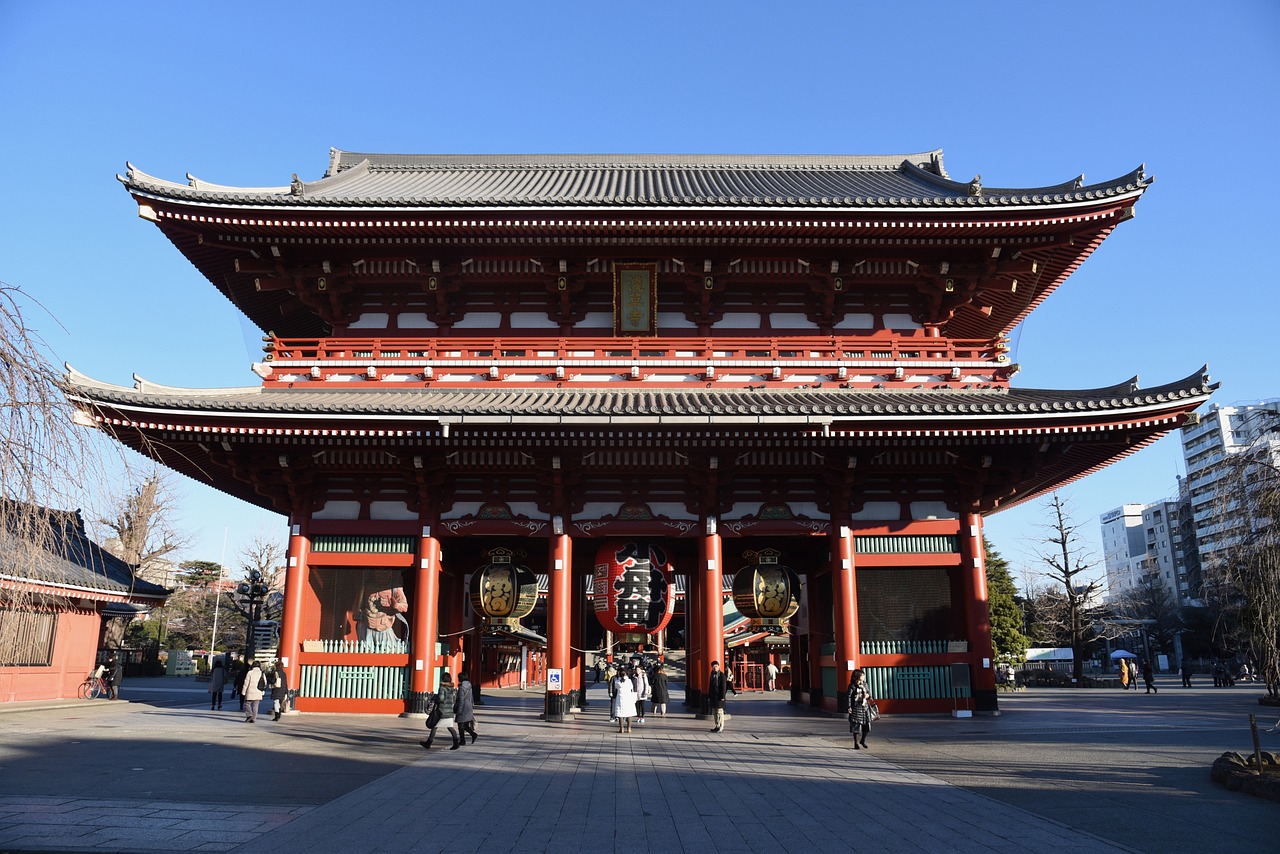
The heart of geisha culture in Tokyo is found in an area known as Kannon-ura, located just behind the towering red lanterns of Senso-ji Temple. While the front of the temple is usually swarming with tourists, Kannon-ura remains a quiet, atmospheric sanctuary where the true spirit of the Edo period is preserved. This is where Asakusa Miyakodori is situated, standing as a pillar of the community since its Founded in 1950. The openness of Asakusa is not just about a lack of barriers; it is a cultural philosophy. Historically, because Asakusa was a hub for theater, markets, and festivals, the geisha here developed a style that was more engaging and lively. They were the stars of the neighborhood, and that sense of being woven into the fabric of the local community continues to this day.

Step into the World of Kannon-ura

In this specific geographic pocket, the transition from the bustling 21st-century city to the serene world of the okiya and tea houses is almost instantaneous. When you step into a place like Asakusa Miyakodori, you are entering a space that has intentionally resisted the sterilization of modern urban development. Unlike other districts that have become purely commercial, Asakusa’s flower town is supported by the townspeople themselves, who have protected these traditions for over 400 years. This makes it the ideal entry point for international travelers in 2026. You aren’t just observing a performance; you are being welcomed into a living neighborhood that still values the slow, deliberate pace of traditional Japanese life.

Modern Challenges: How Geisha Culture Survives in the 21st Century

In 2026, the survival of geisha culture is not merely about resisting the modern world, but about strategically choosing how to engage with it. The 21st century has brought both challenges and opportunities. The pandemic years were difficult for the industry, as banquets and gatherings were restricted. However, this period also forced the geisha world to adapt. Today, in 2026, many districts have embraced a policy of being more open to foreign visitors. You might see geisha using English to explain the meaning of a dance or engaging with guests through curated cultural experiences.

The Rise of the Cultural Ambassador

The most significant evolution in 2026 is the rise of the geisha as a high-level cultural ambassador. It is no longer enough to perform a dance in silence; the modern guest seeks context and connection. Many geisha in districts like Asakusa have taken it upon themselves to study world history and improve their English proficiency, not to become “tourist guides,” but to act as a bridge between two worlds. When a geisha at Asakusa Miyakodori explains the seasonal symbolism of her hairpin or the historical narrative of a dance, she is performing a vital act of cultural translation. This intellectual labor ensures that the guest is not just a passive observer, but an active participant in a living tradition.

Privacy and Digital Storytelling

Privacy remains a cornerstone of the profession, but there is a growing recognition that for the culture to survive, it must be shared with the world. This balance between protecting the sanctity of the okiya and welcoming the curiosity of the global community is what defines the geisha profession in 2026. Today, you will find a sophisticated integration of technology where okiya use digital storytelling to pull back the curtain just enough to intrigue a global audience without stripping away the mystery. This is a delicate dance—using social media to showcase the rigorous training and the exquisite craftsmanship of their kimonos, while maintaining the absolute privacy and sanctity of the actual banquet room.

The Value of Analog Human Experience

Furthermore, the economic model of the flower town has been reimagined for sustainability. The preservation of rare establishments like Asakusa Miyakodori—the last of its kind as a machiai-chaya in the district—is a testament to this resilience. By focusing on the “art of play” and providing a dedicated space for interaction, these houses offer a sensory experience that no digital platform can replicate. In an age of virtual reality and AI, the value of the “analog human experience” has skyrocketed. The geisha of 2026 have positioned themselves as the ultimate curators of this experience. They have turned their scarcity into their greatest strength, proving that in a world of infinite copies, the authentic and the rare are the only true luxuries.

Experience the Heart of Edo at Asakusa Miyakodori

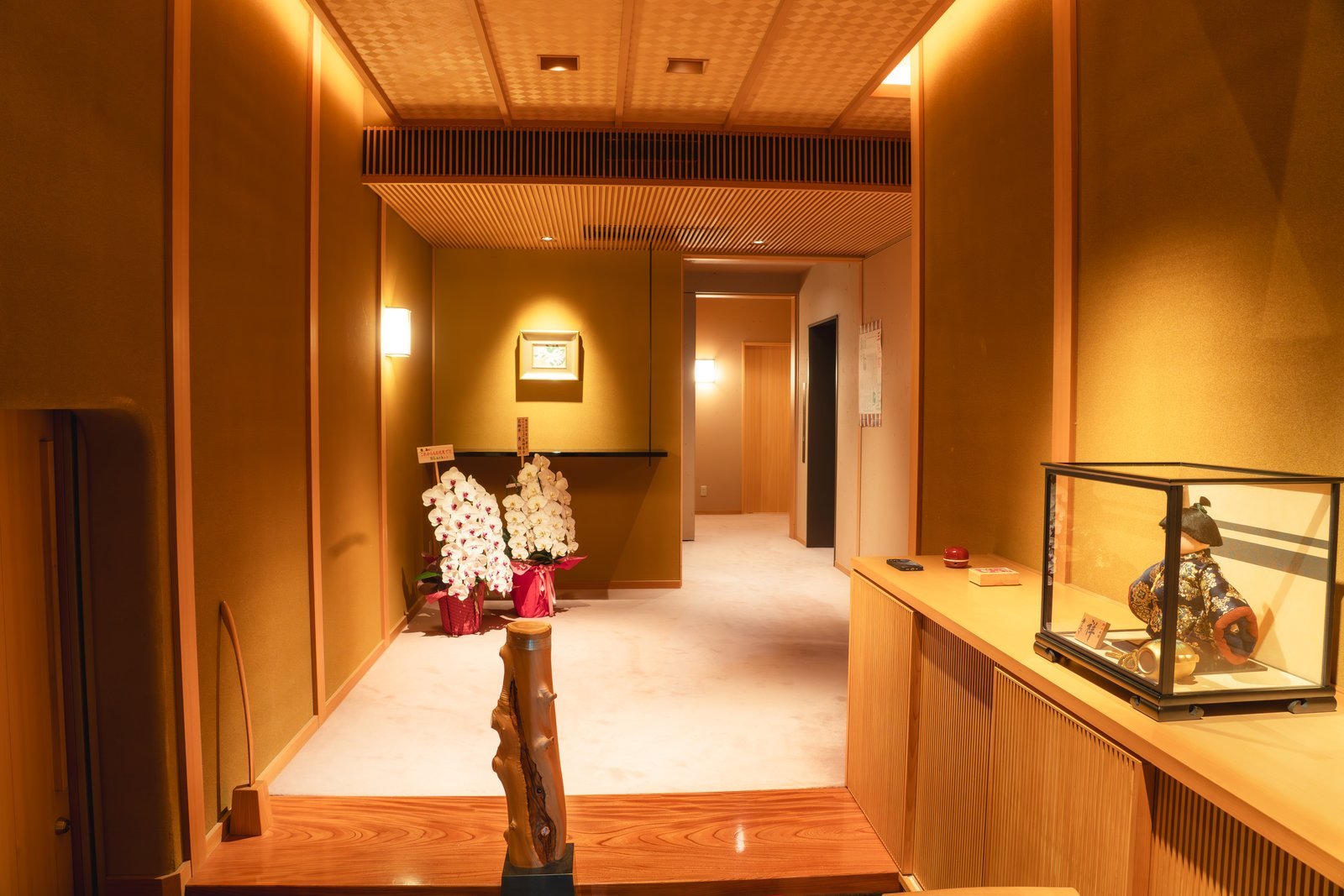
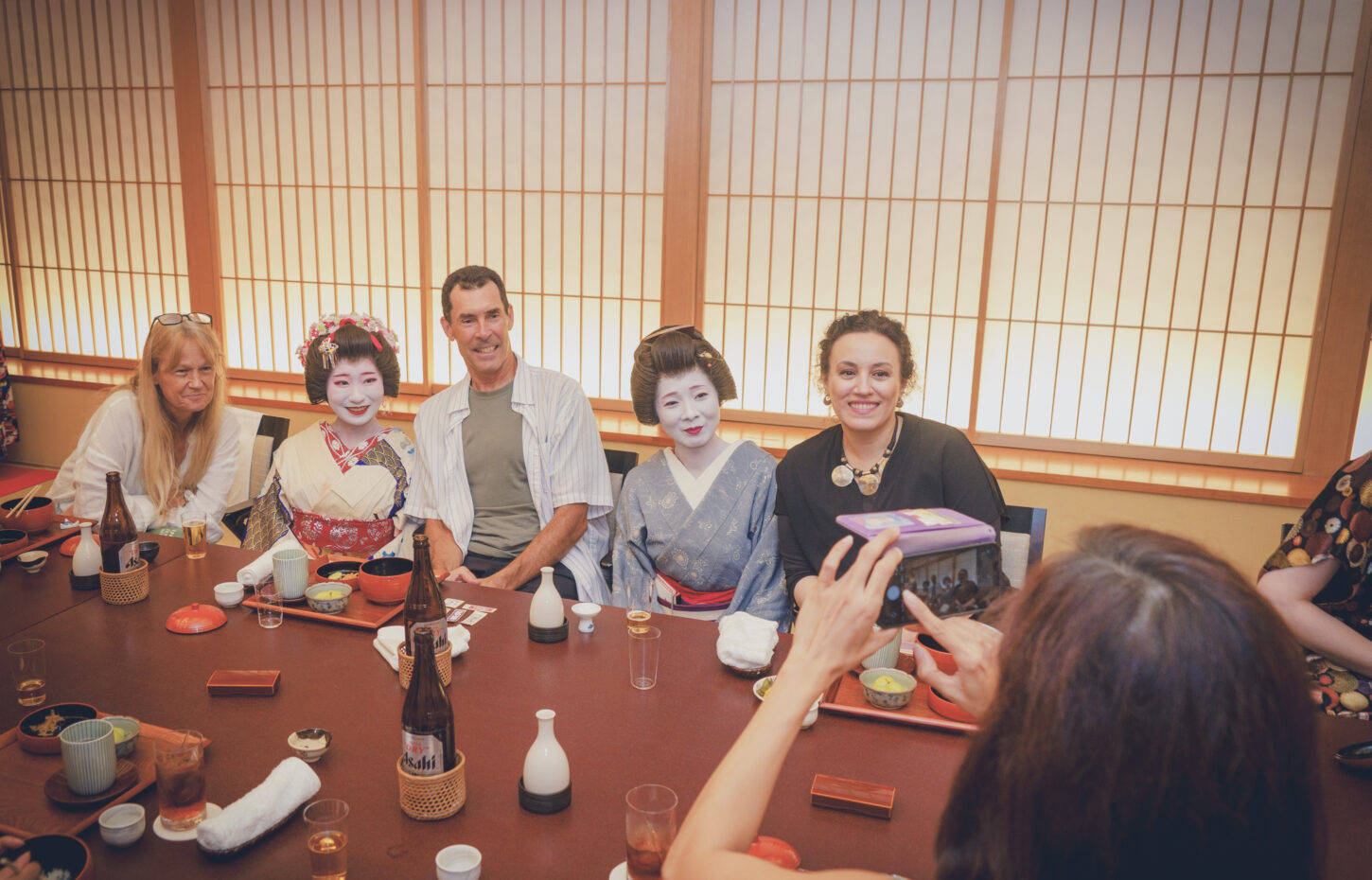
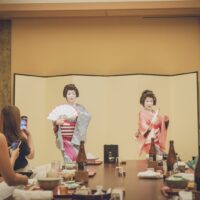
Traditional Japanese private room at a machiai-chaya in Asakusa
A private setting designed for authentic geisha hospitality.

For those seeking an authentic encounter with this world in Tokyo, there is no place more storied than Asakusa Miyakodori. Located in the quiet area behind the Senso-ji temple known as Asakusa Kannon-ura, this establishment offers a window into the soul of old Tokyo.

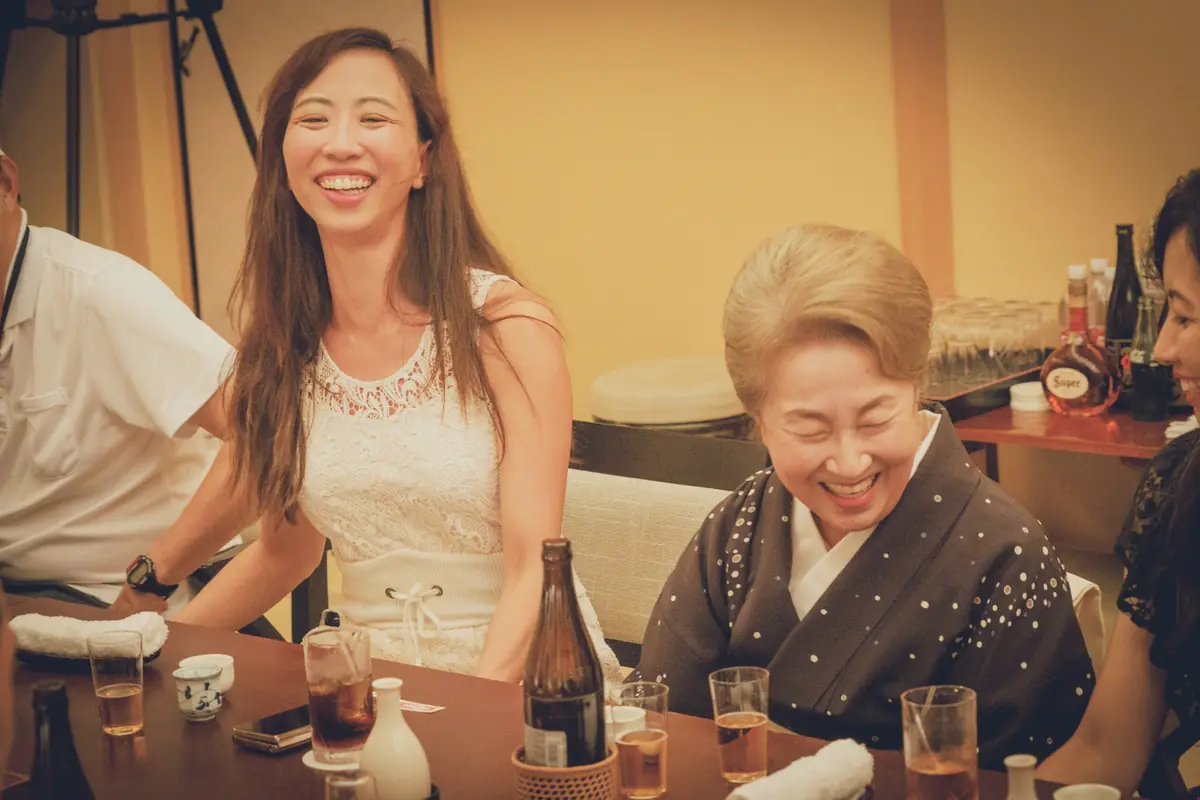
Asakusa Miyakodori was Founded in 1950 and remains the only machiai-chaya in Asakusa. A machiai-chaya is a traditional teahouse specifically designed for guests to meet and play with geisha. While many modern restaurants focus primarily on the food, Miyakodori focuses on the ozashiki experience—the art of play. When you enter Asakusa Miyakodori, you are stepping back into the Edo period. The rooms are private and prestigious, designed to host VIPs and those celebrating special occasions. Here, you can witness the beautiful dances of the Asakusa geisha, listen to the resonant notes of the shamisen, and participate in traditional drinking games that have been enjoyed for centuries.

The cuisine at Asakusa Miyakodori is another highlight. They offer seasonal kaiseki meals that reflect the beauty of Japan’s four seasons. Each dish is a work of art, served on beautiful ceramics. Understanding the needs of modern international travelers, they also offer halal-friendly options, ensuring that everyone can enjoy the spirit of Japanese hospitality without compromise. The geisha at Miyakodori have undergone years of training to ensure your evening is unforgettable. Whether you are coming for a business dinner or a family celebration, the atmosphere is one of refined elegance and warm hospitality.

The 真髄 (essence) of our restaurant is that you can enjoy Japanese traditional culture with all five senses through ozashiki play while being surrounded by glamorous geisha dances and beautiful melodies that touch the heart. A non-daily moment that makes you forget your daily life will be deeply engraved in your memory. Our kaiseki cuisine, which luxury uses the blessings of the season, expresses Japan’s four seasons on the vessel with different ideas for each season.

Conclusion: The Future of Japan’s Traditional Arts

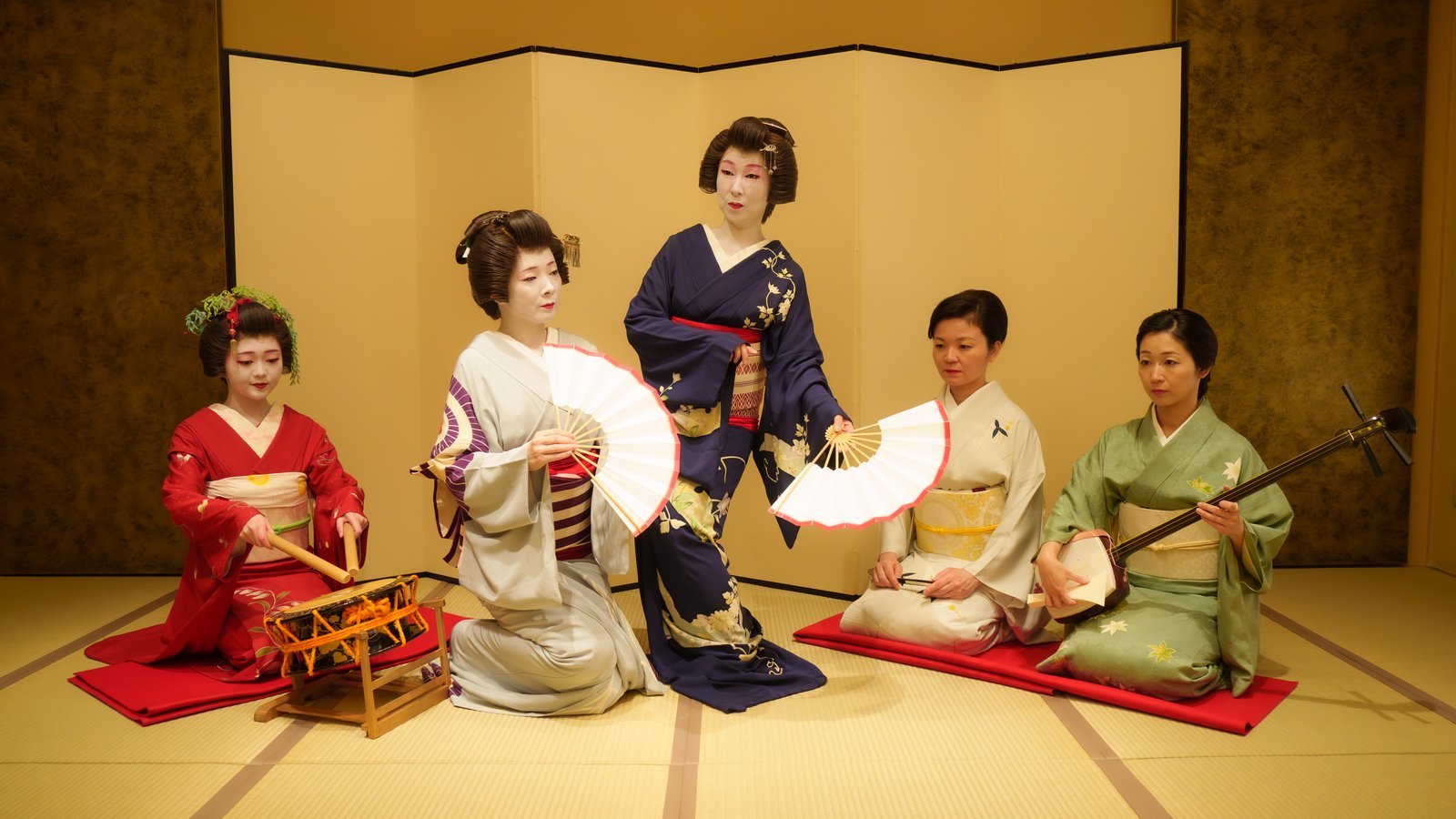
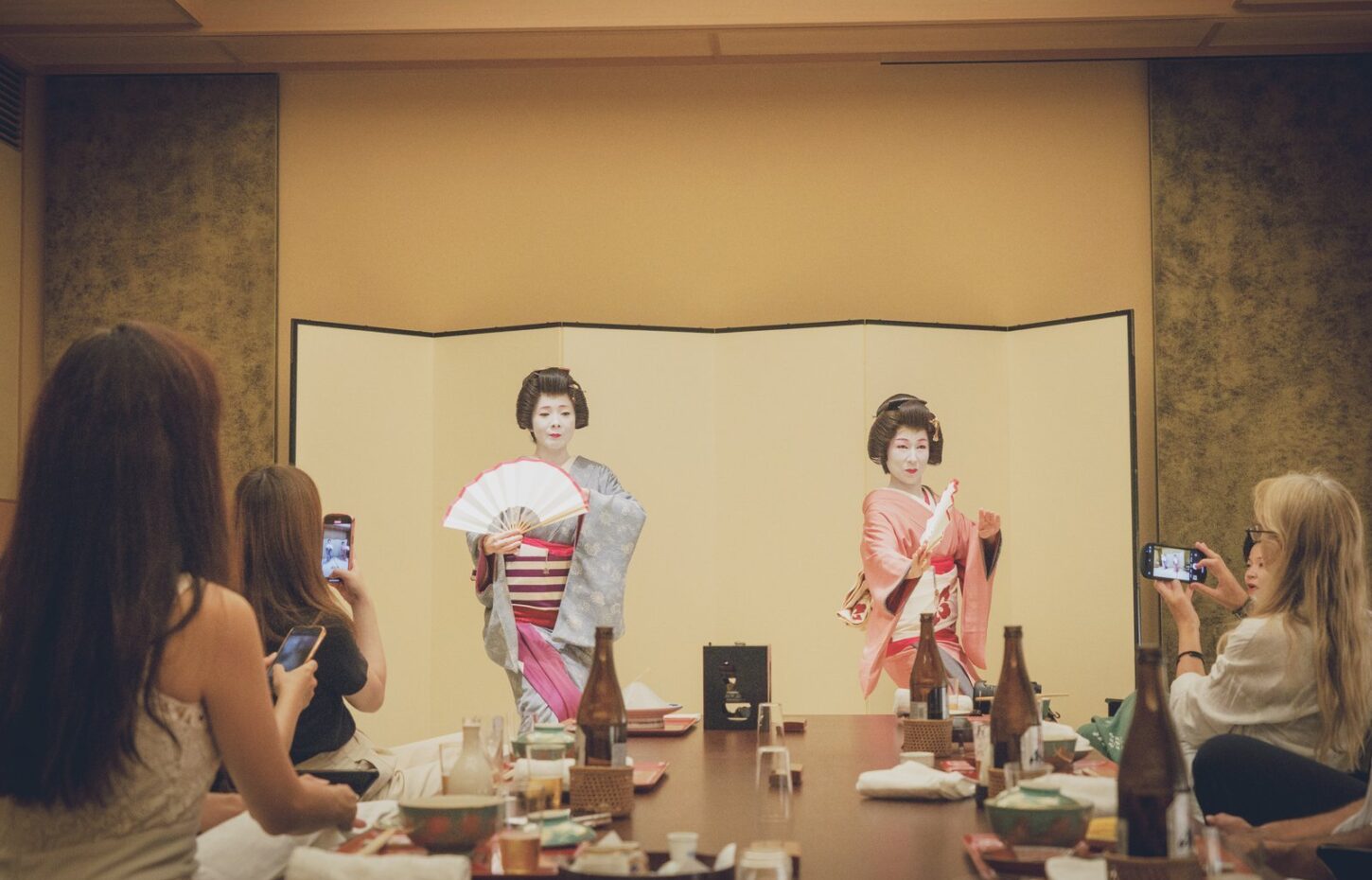
Geisha performing traditional dance with fan at ozashiki
This is the core of geisha culture—art performed at the highest level.

The number of geisha may be smaller than in the past, but their impact on Japanese culture is as significant as ever. In 2026, the geisha is a symbol of resilience and the enduring power of beauty. By visiting a traditional district and supporting these artists, you are helping to ensure that this unique profession continues for another 400 years. If you find yourself in Tokyo, do not miss the chance to visit Asakusa Miyakodori. It is more than just a dinner; it is a journey into the heart of Japanese history.

The geisha of today are not just ghosts of the past; they are active, vital participants in Japan’s cultural future. They have survived wars, economic depressions, and pandemics by remaining true to their core values: art, hospitality, and human connection. As long as there are people who seek the rare, the beautiful, and the authentic, the world of the geisha will continue to thrive, even if their numbers remain small. They represent the pinnacle of excellence—a place where the past and the future meet in a single, perfectly executed movement of a fan.

Would you like me to help you make a reservation or provide more details on the specific ozashiki games you can play at Asakusa Miyakodori?

Footnotes

Private Geisha Experience in Asakusa, Tokyo
In 2026, meeting a geisha isn’t a photo opportunity—it’s one of the rarest forms of living Japanese culture you can still experience.
Step into Asakusa’s historic hanamachi and enjoy an exclusive ozashiki banquet at Asakusa Miyakodori.

Experience graceful performances, warm hospitality, and a timeless atmosphere where Japan’s living traditions come to life.
Watch Our Geisha Experience (PV)
Request Your Private Ozashiki Banquet
Secure online booking through our reservation form.
  • Private Ozashiki Banquets: An intimate, refined encounter with authentic Asakusa geisha.
  • Traditional Geisha Artistry: Elegant dance, live shamisen music, and interactive ozashiki games.
  • Historic Machiai-chaya Setting: A sophisticated cultural experience in a traditional machiai-chaya setting.
  • English Support Available: Assistance for international guests throughout your visit.
Reservations are limited — please book in advance.

author avatar
河村悠太/Yuta Kawamura Third-generation proprietor
Yuta Kawamura is the third generation of his family at Miyakodori, a geisha house in Asakusa, Tokyo that has hosted ozashiki — private geisha entertainment — since 1950. He writes from inside that world, alongside the okami, Chikage — his mother and Miyakodori's second-generation proprietress. Articles on geisha arts and customs are reviewed by her. Miyakodori works every day with the geisha and taikomochi (hōkan) registered with the Asakusa kenban — the only place in Japan where taikomochi remain formally active — and everything published here is grounded in that first-hand experience.

Related Articles

  • Comment ( 0 )

  • Trackbacks are closed.

  1. No comments yet.