



1,060 to 20: A Third-Generation Owner on What Changed in Asakusa’s Geisha World
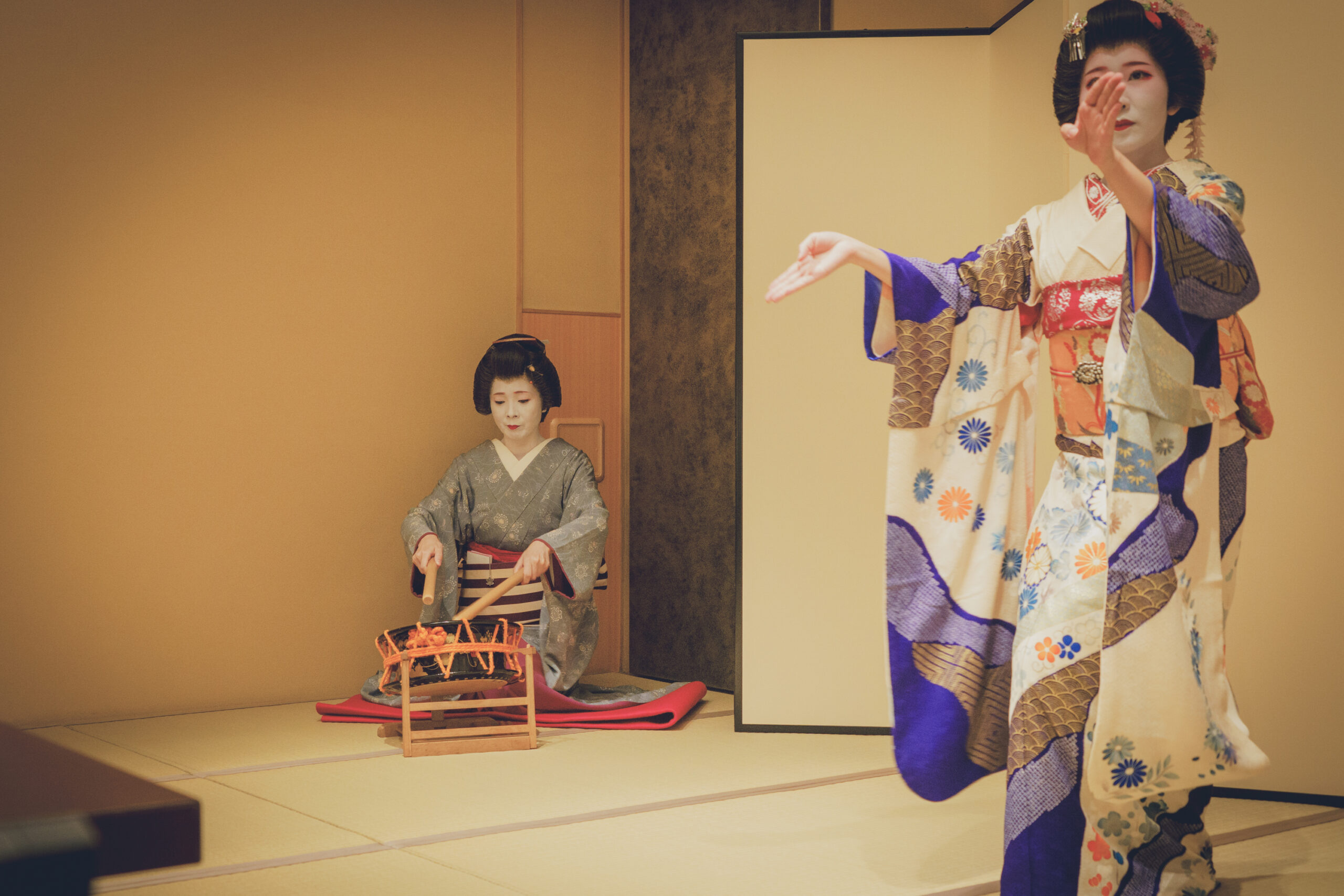
I am Yuta Kawamura, the third generation of my family at Miyakodori, a geisha house in Asakusa, Tokyo. People often ask me a version of the same question: what happened to the geisha? A hundred years ago there were more than a thousand here. Today there are about twenty.
I want to answer that question honestly — not as a sad story, and not as a polished one either. The truth is more useful than either. Because once you understand what actually happened, you also understand why there is still a future in this little world by the river. Let me walk you through it.
I’ll Tell You What Happened — Plainly, as the Third Generation
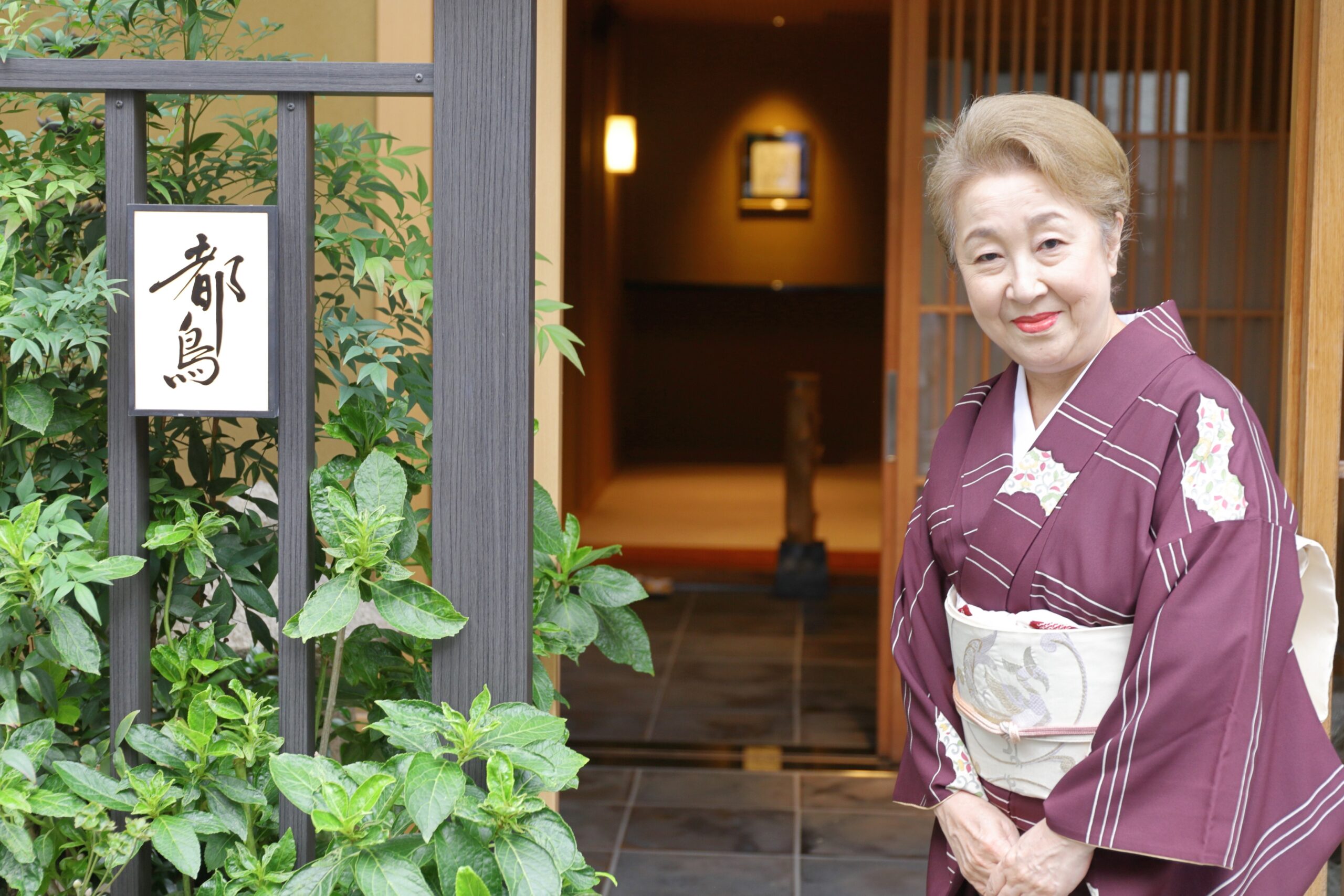
I grew up inside this. My mother, Chikage — the second-generation okami of our house — debuted as a hangyoku (a young geisha) at fifteen, in what people still call a golden age. I am her son, and the third to carry this house.
So I am not going to dress this up. I am also not going to make it tragic. I am going to give you the numbers, and the structure underneath the numbers, because the structure is the part almost no one explains — and it is the part that tells you the door is not closed.
A Century Ago, 1,060 Geisha Worked These Streets
About a hundred years ago, the records show more than 1,060 geisha in Asakusa, and over 300 establishments to support them — roughly 49 ryotei (traditional restaurants) and 250 machiai teahouses. Teahouses outnumbered restaurants by about five to one. This was one of the great pleasure districts of Tokyo.
Fifty-five years ago, when my mother debuted at fifteen, there were still more than 140 geisha and over 70 ryotei. The numbers had already come down from their peak — and yet people who lived it call that era a golden age, because the geisha were extraordinarily busy. A single geisha might move between three or four houses in one night.
Today, Asakusa has about 20 geisha. The houses where you can actually be entertained by them number, realistically, two — Miyakodori among them — or about three venues if you count more broadly.
Those are the figures, and they are sobering. But here is the other side of the same fact: when there were a thousand geisha, any one of them was one of a thousand. Today, each of those twenty, and each of these few houses, is rare in a way it simply could not be before. Scarcity is not only loss. It is also meaning.
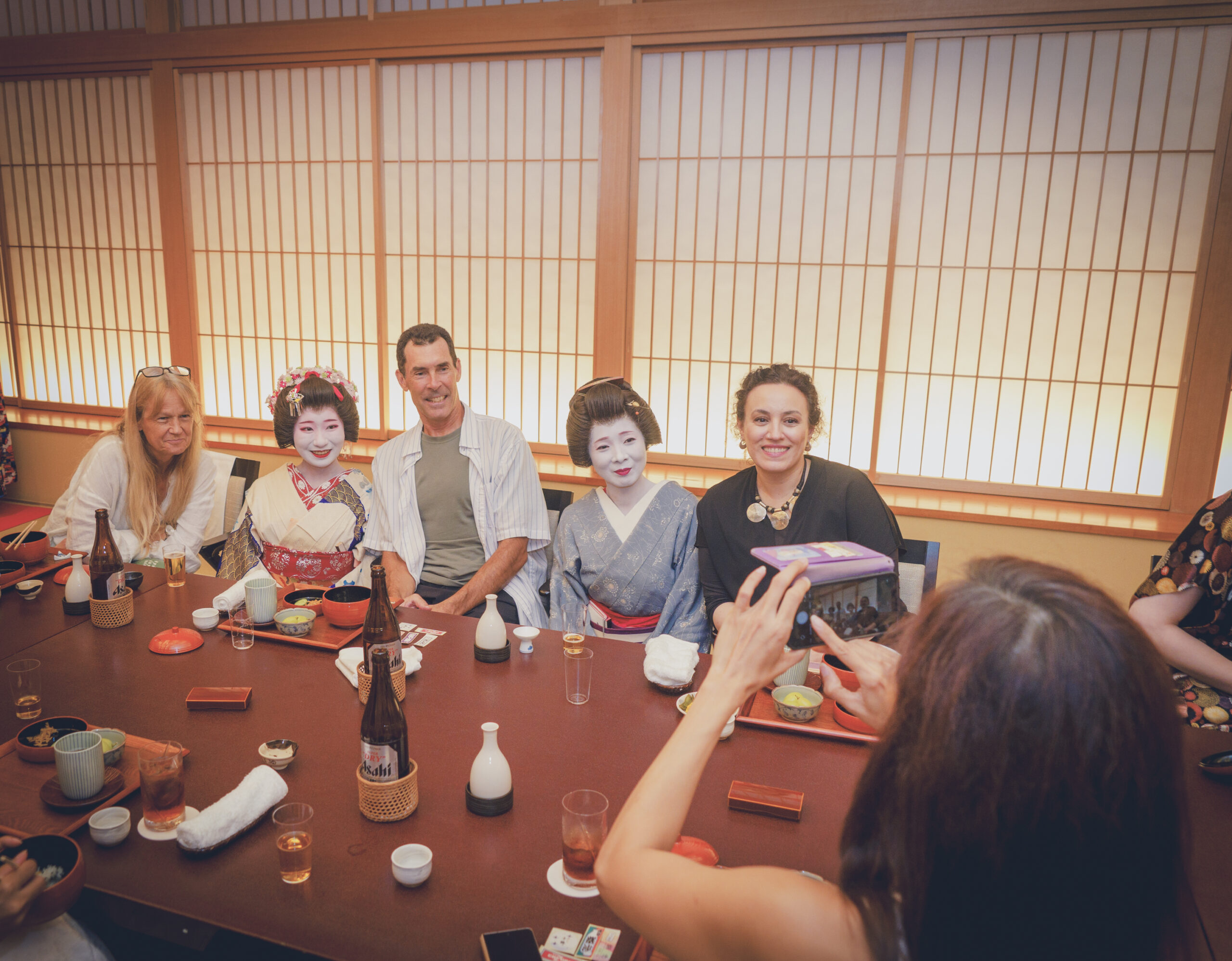
“Introductions Only” Was Never About Exclusion — It Was Trust
To understand the change, you first have to understand how this world ran — starting with the rule outsiders find coldest: ichigensan okotowari, “no first-time guests without an introduction.”
This world ran on tsuke — deferred payment. A house would bill a customer every two months, every three, sometimes once every six; or a customer would leave money on account and top it up as it ran down. Payment was extraordinarily flexible. And in an era before credit cards, in a cash business, that flexibility only works with people whose credit you can trust completely.
So “introductions only” was never snobbery. It was a credit system. You could be entertained here if your standing in business was known and trusted — because the house was, in effect, extending you credit. Seen that way, it is not exclusion. It is trust, formalized.
It is also, for what it’s worth, the rule Miyakodori was the first in Asakusa to open — to first-time guests, and to visitors from overseas. That decision is at the center of this whole story, and I’ll return to it.
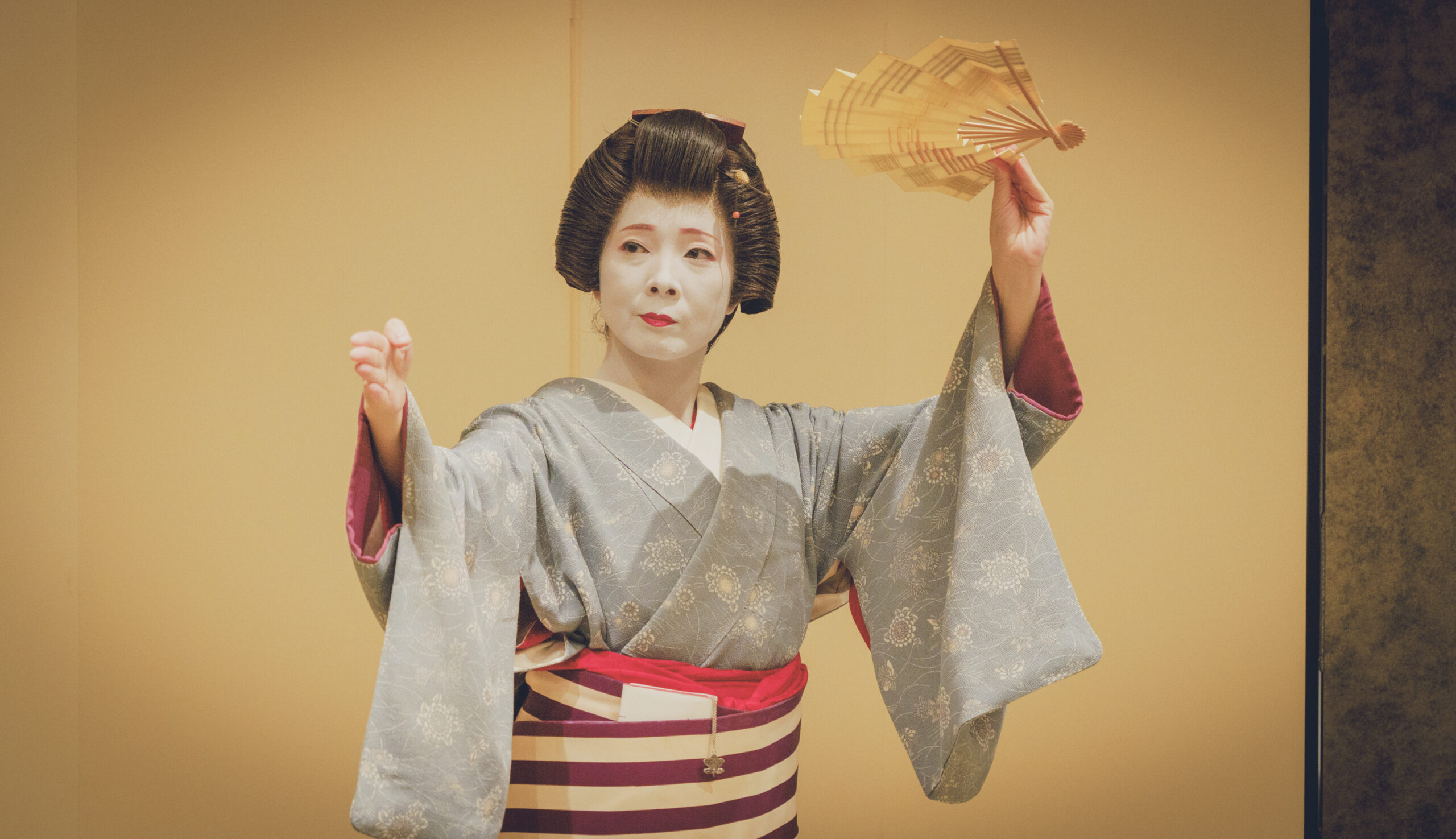
Why No One Could Change It
Here is where the structure starts to matter more than anyone’s intentions.
Because “introductions only” was the universal rule, the very concept of advertising — of recruiting new customers — never had reason to develop. Why advertise to people who, by the rule, could not book anyway? And no single house could break ranks alone, because everyone around it kept the same rule. For a long time there were still plenty of existing customers, so revenue held and there was no alarm.
The change, when it came, was gradual — not a crash. Customers aged; demand softened with changes in how businesses entertained; but it came down slowly, a little at a time. So through the dawn of the internet, the rise of advertising, and then the social-media age, there was structurally no reason for these houses to ride any of those waves.
I want to be clear about what this means, because it is easy to read it as negligence. It was not. It was structure. Good people, inside a system that gave them no signal to change, did exactly what the system rewarded. And the encouraging thing about a structure is this: once you can see it clearly, you can redesign it.
The Land Was Let Go, Quietly
There is one more piece, and it is the quietest.
Most ryotei and teahouses owned their own land and were run by families — very low fixed costs. So even as revenue gently fell, no one was facing ruin. There was no urgency. Meanwhile, the land itself — these houses sit in some of the most desirable districts in Tokyo — kept climbing in value. When a developer offers a fortune for a small plot of fifteen or twenty tsubo, and there is no successor — and honestly, very few owners of a shrinking business want to hand it to their children — then selling is simply the rational choice.
I won’t name houses, and I won’t judge anyone who made that decision; it was, for most, a sensible and even loving choice for their families. But it is why so many of these plots are now apartments and office buildings.
And yet — not all of them. Some houses chose to stay. This is one of them.
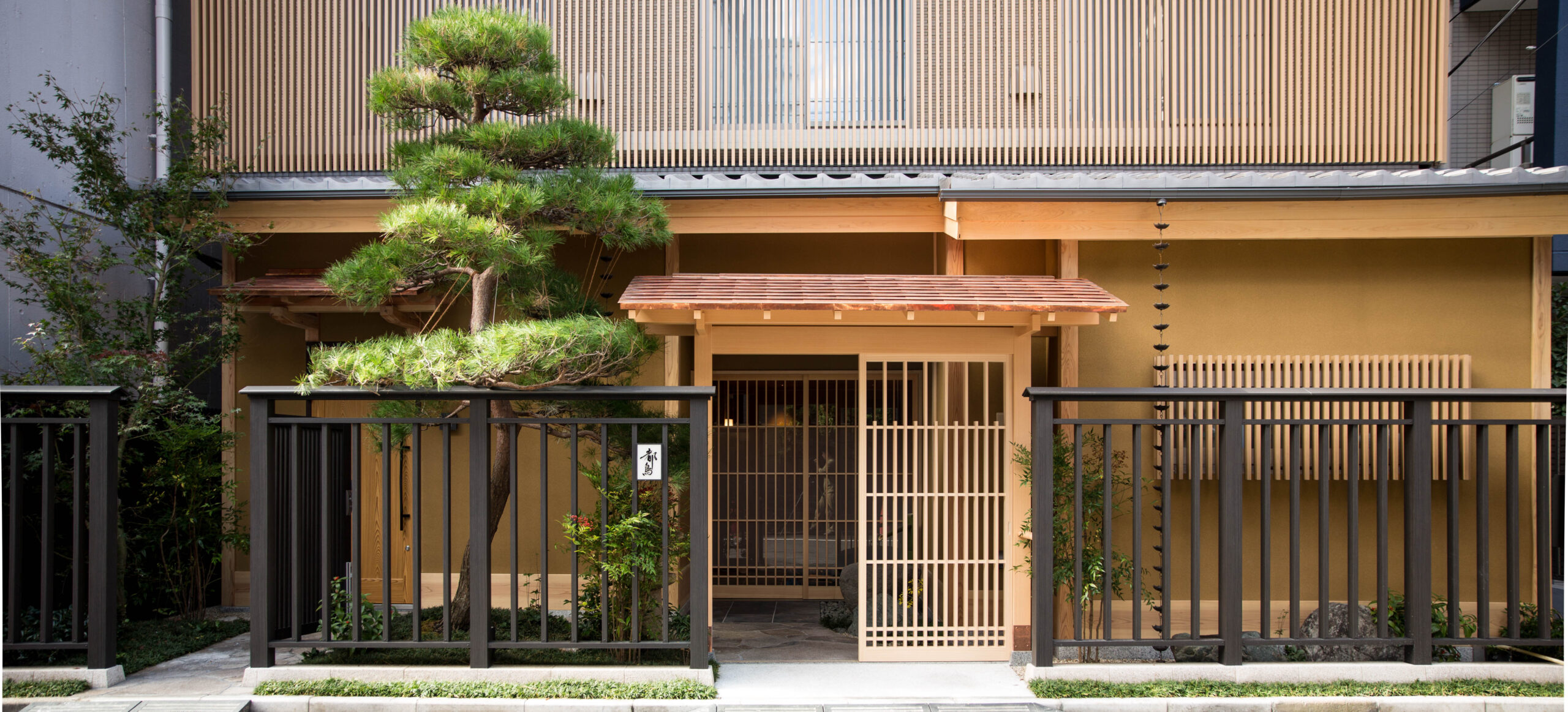
Why the Teahouses Went First
If you look closely, the teahouses tended to go before the restaurants, and there’s a clean structural reason — not a difference in the people, but in the business.
A ryotei has a kitchen and chefs. It can operate as a restaurant even on nights with no geisha at all. A teahouse — a machiai-chaya or ochaya — brings its food in by catering, which is costly, and its real income comes from one thing only: the ozashiki, the geisha gathering itself. So as the number of people enjoying geisha entertainment fell, the teahouses took the hit directly, and went first. Dining demand, meanwhile, actually grew with the rise of online reservations, and the restaurants survived on it.
The result is a quiet reversal. In the Meiji era — an earlier, larger peak — teahouses outnumbered restaurants roughly 270 to 70. Across Tokyo today, that ratio has flipped to something like nine restaurants for every one teahouse. (This is the Tokyo story, and my own reading of it — Kyoto is a different world.)
Which is exactly why Miyakodori matters the way it does. As a house in the teahouse lineage where you can still be entertained by geisha, it is one of only about two of its kind left in Asakusa. That is not a marketing line. It is what the structure left behind.
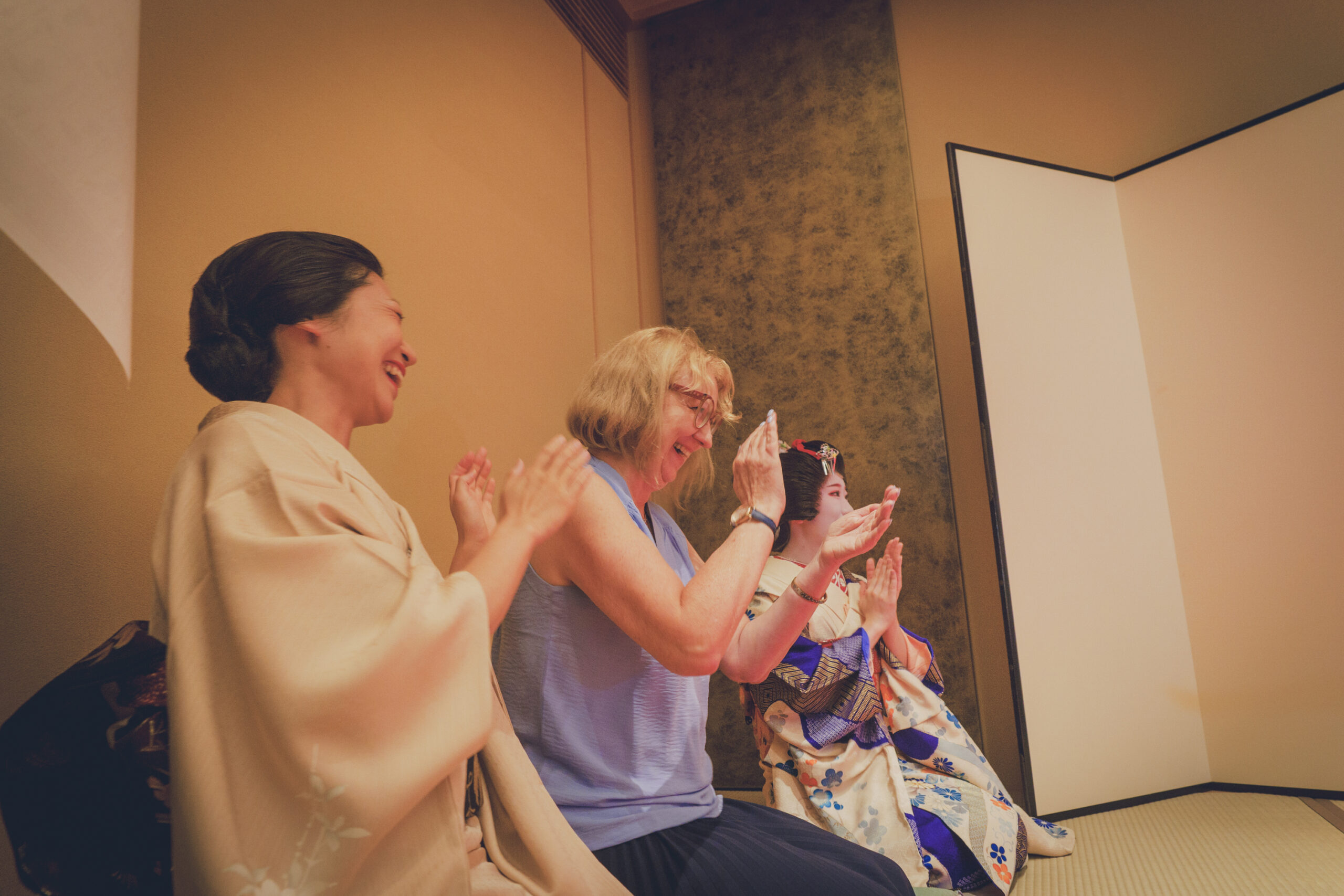
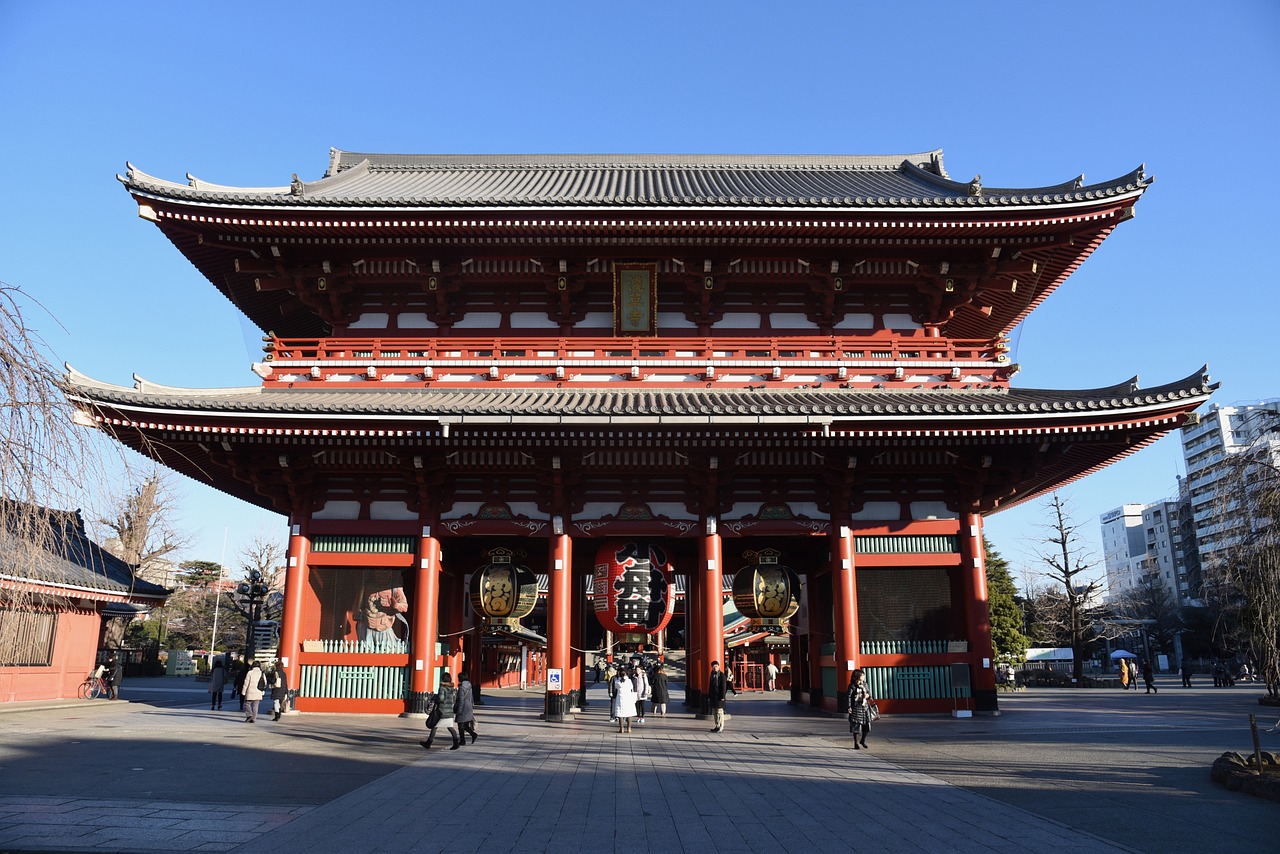
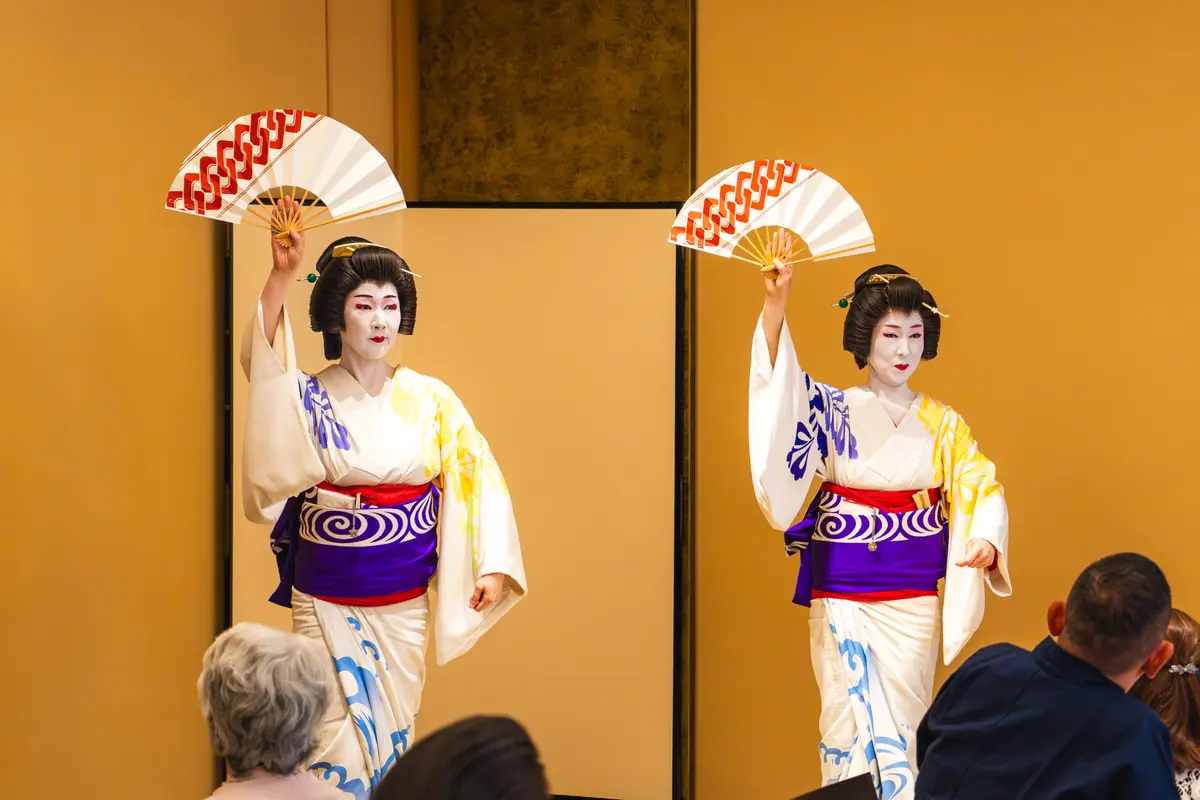
Asakusa in festival: the streets and the covered arcade full of people, with geisha walking in the procession. This is the neighbourhood the essay above is about.
A Spiral Can Turn the Other Way
Put the pieces together and you get a spiral. Fewer houses means fewer stages for geisha; fewer stages means lower income; lower income means fewer young women becoming and staying geisha; and fewer geisha means fewer houses still. Round and round, downward.
But a spiral runs in both directions.
More places to perform means more reason to become a geisha, and to stay one. More guests means more places can keep their doors open. The same loop that turned down can turn back up — and the thing that turns it is, simply, demand. People choosing to come. That is not a small or abstract lever. It is the lever.
And That’s Exactly Why There’s a Chance
Everything I’ve described is the Tokyo story, and my own view of it — not Kyoto, and not the last word. But this, I believe, is how Asakusa’s geisha world came to be so small.
And that is exactly why I think there’s a chance.
We did not wait for a crisis. The cruelty of a gradual decline is that by the time a crisis finally forces your hand, it is already too late. So my mother and I decided to change before we had to: to open the door that had always been closed, to welcome guests from around the world, and to put this culture somewhere people can actually find it. It is not an easy road, and I won’t pretend otherwise.
So I’ll say it plainly, because it’s the honest reason I wrote this: we are giving everything to keep this alive — and I would love for you to root for us.
Your Visit Keeps This Alive
And rooting for us is simpler than it sounds: the simplest way a living culture continues is for people to experience it. When you sit down at an ozashiki, you are not a spectator watching something fade. You are, quite literally, part of the reason it keeps going.
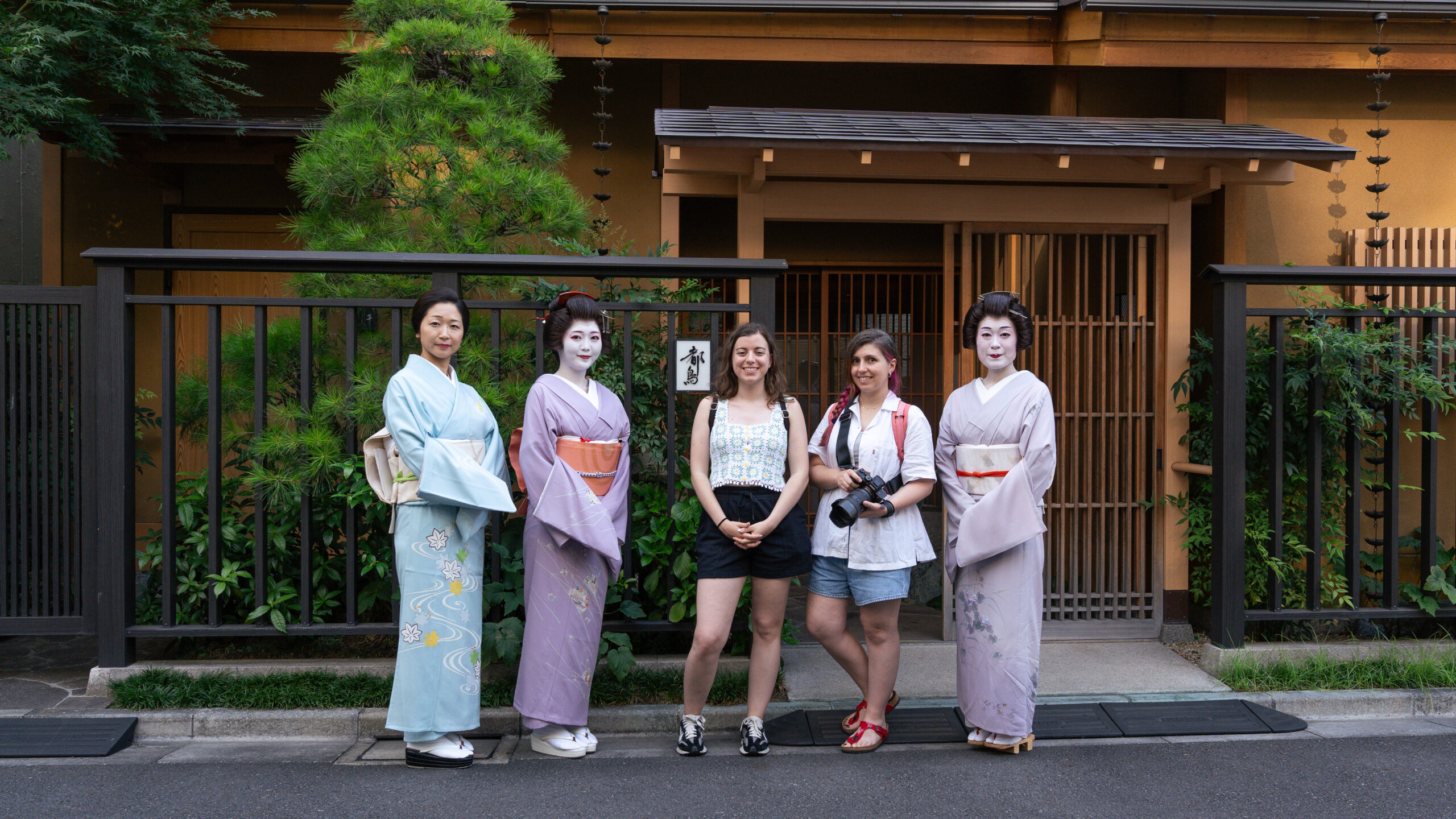
If you’d like to be part of that, there are two ways in:
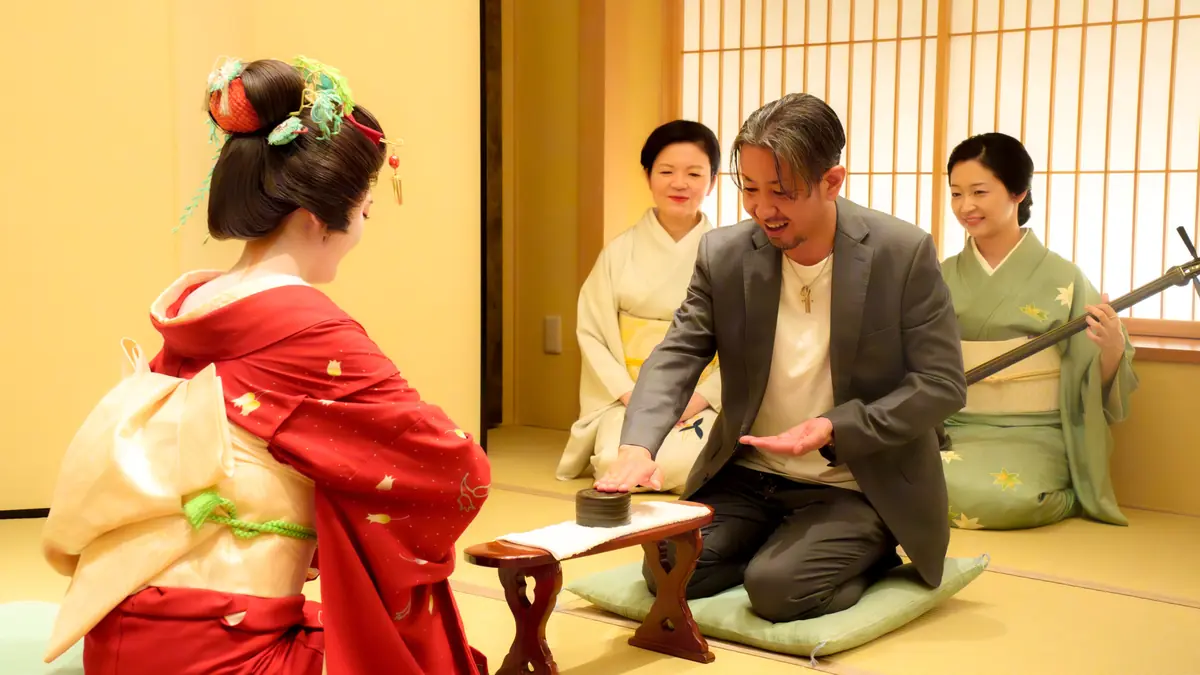
- The easiest first step is our ozashiki tea house experience — an approachable, welcoming introduction to a geisha gathering.
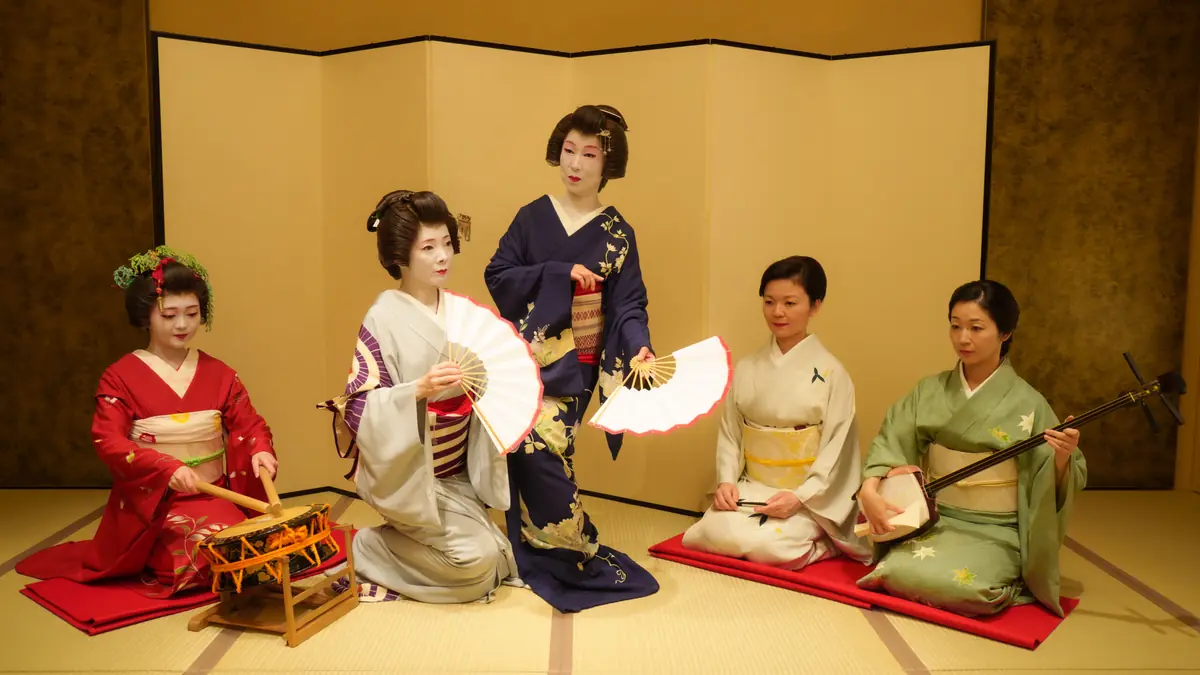
- The heart of what we do is a private ozashiki — the real thing, arranged personally through our okami, in a tatami room, with Asakusa’s registered geisha. (The geisha are independent professionals registered with the kenban, the district office; we invite them to perform for our guests.) This is the experience we most want you to have. It is not a cheap evening — but it is a genuinely worthwhile one. To see what an ozashiki includes and what it costs, take a look at our pricing guide.
Questions Are Always Welcome
Ask us anything — what an ozashiki (geisha banquet) is, how an evening flows, or what would suit your group. We’ll help you arrange it.
Send Us a MessageYou don’t have to have an introduction. You just have to want to come.
Related Guides
Frequently Asked Questions
- How many geisha are left in Asakusa today?
- About 20. A century ago there were more than 1,060, supported by over 300 ryotei and teahouses. Today the houses where you can still be entertained by geisha number, realistically, about two — Miyakodori among them — or roughly three if you count more broadly. Each remaining geisha and each remaining house is, for that reason, rare and worth protecting.
- Why are there fewer geisha than before?
- Mostly for structural reasons rather than any single cause. The “introductions only” custom meant the trade never developed advertising or new-customer recruitment; the change was gradual rather than sudden, so there was never an alarm; most houses owned prime-district land with low costs and no successors, so selling became the rational choice; and teahouses — whose only income was the geisha gathering — were affected before restaurants, which could survive on dining. None of this was negligence. It was structure — and structures can be redesigned.
- Can you still experience a geisha in Asakusa?
- Yes. Asakusa’s geisha are active professionals, and at Miyakodori you can be entertained by them at a private ozashiki — arranged personally through our okami — or through our more approachable ozashiki tea house experience. Miyakodori was the first house in Asakusa to open this world to first-time and overseas guests.
- What is the difference between a ryotei and a teahouse (ochaya)?
- A ryotei is a traditional restaurant with its own kitchen, and can operate even without geisha. A teahouse (machiai-chaya / ochaya) brings food in by catering, and its real purpose is the ozashiki — the geisha gathering itself. This difference is why teahouses became rarer first as geisha entertainment declined, while restaurants survived on dining demand.
- Is there a future for Asakusa’s geisha?
- The numbers are far smaller than they once were — that is simply true. But “disappearing” is the wrong word. The culture is still here, still practiced, and houses like Miyakodori have chosen to open it to the world rather than let it close quietly. The future of Asakusa’s geisha depends less on nostalgia and more on something ordinary and powerful: people choosing to come and experience it.


- Hakoya: The Unsung Keeper of Asakusa's Geisha World
- Why Geisha Are Special: An Art Refined for 200 Years, Explained by a Third-Generation Owner
A Guide to Tokyo’s Geisha Districts: Finding Authentic Experiences and Cultural Immersion
Asakusa Geisha Culture: How-to & Etiquette Q&A【Miyakodori】
Best Geisha Experiences in Japan: A Complete Guide for 2026
Ozashiki Parlor Games: How to Play Konpira Funefune & Tora-Tora
Karyukai: The Flower and Willow World of Geisha — Japan’s Geisha Culture Explained
How Much Is a Geisha Dinner in Tokyo? (Complete Pricing Guide)
Comment ( 0 )
Trackbacks are closed.
No comments yet.