



What is a Geisha House? An Ultimate Guide to the World of Okiya and Ochaya (2026 Edition)
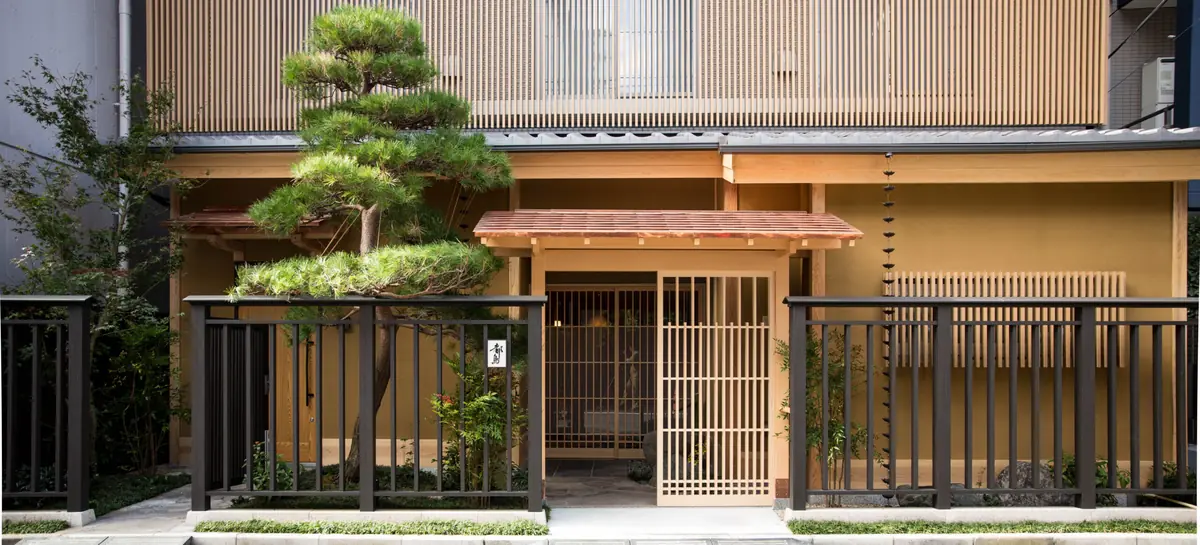
A geisha house refers to either an Okiya—the residence and training quarters where geisha are registered—or an Ochaya (tea house), the venue where geisha perform and entertain guests. In Asakusa, Tokyo, a unique variant called a Machiai-chaya combines both functions, offering a dedicated space for authentic geisha (a private gathering with geisha) experiences. Learn more about Tokyo geisha houses →
What Makes the Geisha House So Mysterious?
The image of a graceful figure in a silk kimono gliding through a traditional alleyway, is one of the most iconic symbols of Japan. For many travelers planning a visit to Tokyo or Kyoto, the world of the geisha remains a beautiful but impenetrable mystery. You might catch a fleeting glimpse of white makeup and intricate hair accessories in the Gion district or the historic streets of Asakusa, yet the true life of these dedicated artists happens behind closed doors, within the sanctuary of the traditional geisha house.
Geisha are at the very heart of Japanese hospitality and refined art. For over four hundred years, this culture has thrived, evolving from the lively entertainment scenes of the Edo period into a prestigious living tradition that continues to captivate the world in 2026. However, outside of Japan, the term geisha house is often misunderstood. It is a specialized institution where discipline, art, and the spirit of Omotenashi, or selfless hospitality, can be experienced.
In this guide we will explore the nuances of the Okiya and Ochaya. From the rigorous training of a young Maiko to the sophisticated performances of a seasoned Geisha, we invite you to discover the elegance of the tea ceremony, the rhythm of the shamisen, and the delicate movements of traditional dance. As we peel back the curtain, you will find that the geisha house is not just a relic of the past, but a vibrant part of modern Japanese society that welcomes those who seek a truly special and authentic experience.
What is a Geisha House? Etymology and Terminology
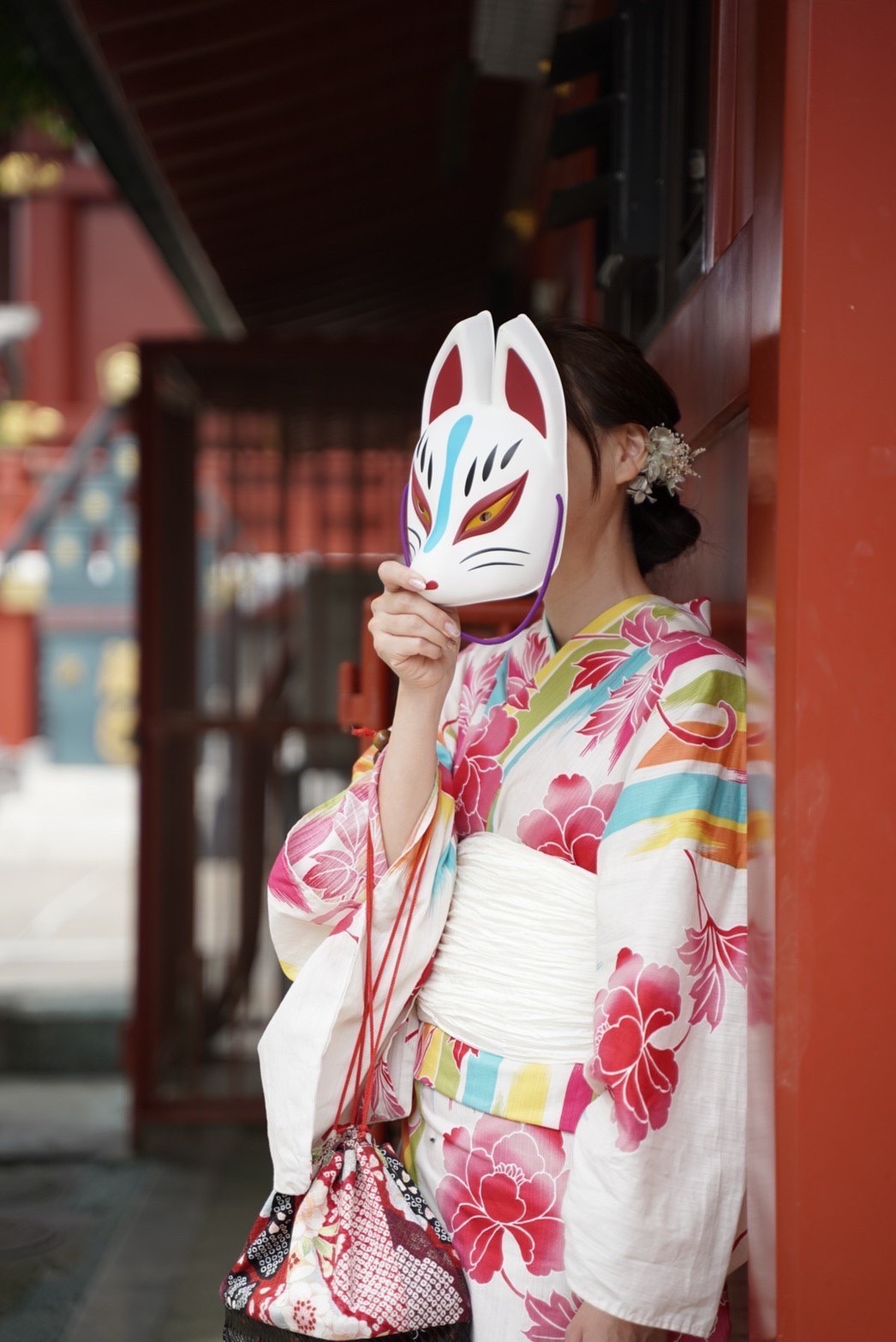
Let us first clear up some common language confusion. The word geisha itself is a combination of two kanji: gei, meaning art or performance, and sha, meaning person. Essentially, a geisha is an artist of the traditional Japanese world. However, the terminology changes depending on where you are. In Kyoto, you will hear the terms Geiko for senior artists and Maiko for the junior rank. In Tokyo, particularly in historic districts like Asakusa, they are generally referred to as Geisha, while junior geisha — who have already made their debut — are known as Hangyoku, which translates to half-jewel.
Now, where do these artists live and work? This is where we see the distinction between the Okiya and the Ochaya. Traditionally, an Okiya is effectively the geisha house where the artists are registered. It served as their residence, their school, and their support system. When a young woman decided to dedicate her life to this art, she entered an Okiya to live with her sister geisha and the Mother of the house, known as the Oka-san. Here, she learned the discipline of wearing a formal kimono, the intricacies of the tea ceremony, and the stamina required for hours of dance and music practice.
In contrast, an Ochaya is a tea house. This is the stage where the geisha perform and work. Traditionally, an Ochaya does not have its own resident geisha. Instead, they call upon an Okiya to send their artists to entertain guests during a special evening of food and sake. Interestingly, in Asakusa, there is a unique form of establishment called a Machiai-chaya. Unlike a standard restaurant, a Machiai-chaya focuses primarily on providing a space to play and interact with geisha. Miyakodori stands as a rare and precious example of this, being the only traditional Machiai-chaya remaining in Asakusa today. Many tea houses maintain a special policy of exclusivity to protect their culture, though this is slowly evolving to be more accessible to international visitors who want to learn about the heritage.
The History and Evolution of the Geisha House: From the Edo Period to 2026
The story of the geisha house is a remarkable tale of resilience and cultural preservation that stretches back over four centuries. Its original roots can be traced to the late 16th century in Kyoto, during the time of Toyotomi Hideyoshi. It began when seven tea houses were officially permitted to operate near the Kitano Tenmangu Shrine, a place still known today as Kamishichiken. What started as humble service for pilgrims visiting the shrine eventually blossomed into a sophisticated world of high-level entertainment and refined arts.
As the political center of Japan shifted to Edo, now known as Tokyo, the culture of the geisha house traveled with it and took on a distinct local flavor. While the Kyoto tradition, born from the imperial court society, remained focused on a soft, elegant, and courtly aesthetic known as Miyabi, the geisha houses in Edo developed under the influence of the samurai and merchant classes. This gave birth to the concept of Iki, a type of chic, understated elegance that valued directness, strength of character, and a certain spiritual simplicity rooted in Zen philosophy.
Throughout the Edo period and into the modern era, six major geisha districts, or Hanamachi (literally meaning flower towns), emerged in Tokyo:
- Asakusa
- Shinbashi
- Akasaka
- Kagurazaka
- Mukojima
- Yoshicho
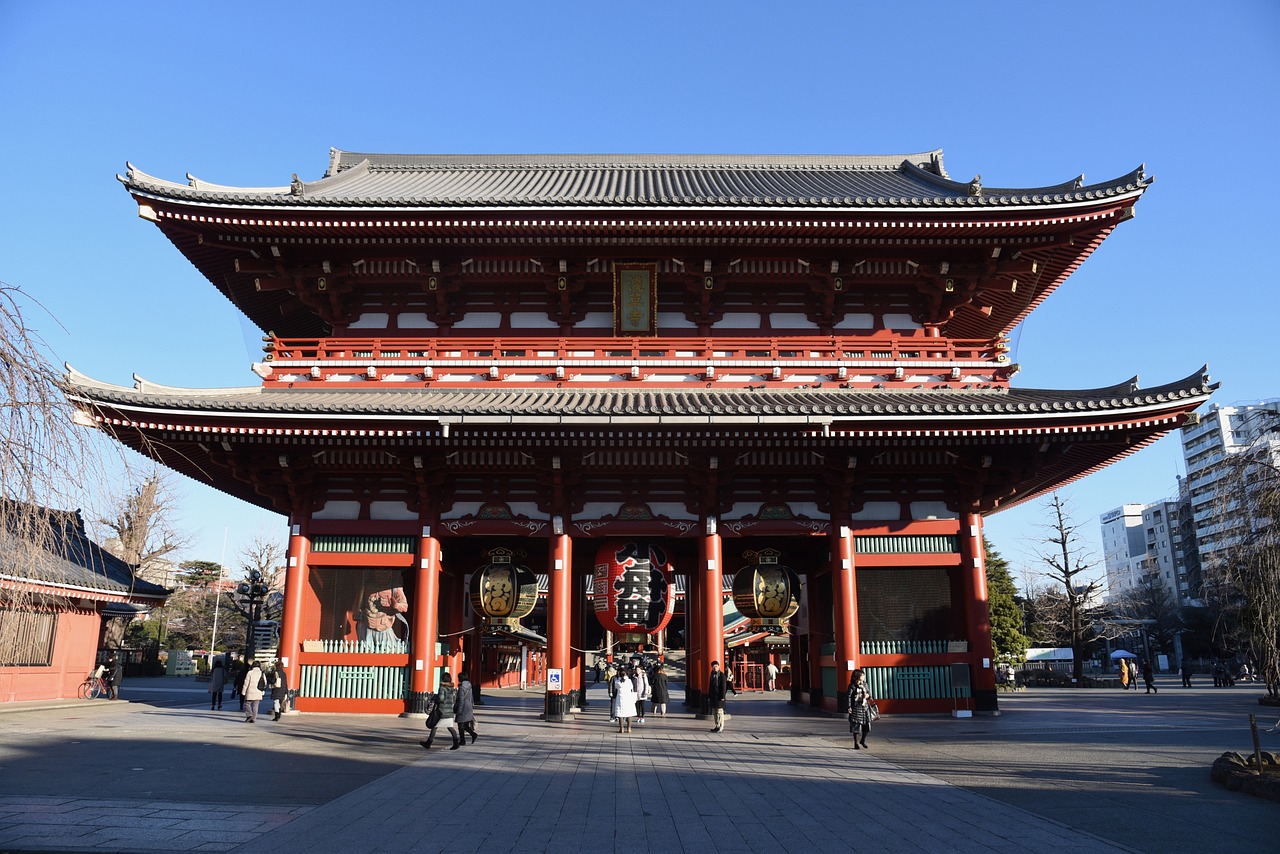
Each district developed its own unique reputation. While districts like Akasaka and Shinbashi became closely tied to the world of politics and high business, Asakusa thrived as a community-based cultural hub. Centered around Senso-ji, Tokyo’s oldest temple, Asakusa’s geisha culture was nurtured by the local townspeople and visitors alike. This history created an open and welcoming atmosphere that remains Asakusa’s greatest charm today.
Even as Japan modernized rapidly, these geisha houses protected their heritage through wars and economic shifts. By 2026, the role of the geisha house has evolved once more. It is no longer a hidden society reserved only for the elite. Instead, it serves as a vital bridge between Japan’s rich past and its global future. In Asakusa, where tradition is a way of life, houses like Miyakodori continue to uphold these 400-year-old standards, ensuring that the soul of the Edo period remains accessible to a new generation of international guests and locals alike.
Can a geisha marry? A veteran of the Asakusa hanamachi answers plainly: some choose not to, some marry and keep working, some leave when they do. Subtitled on screen.
What Is Life Like Inside an Okiya?
Stepping inside an Okiya is like entering a different era. For a young woman aspiring to become a geisha, the Okiya becomes more than just a place of work; it is her second home, her school, and the foundation of her new identity. This transformation is guided by a strict hierarchy and a deep sense of family. At the head of this household is the Oka-san, or Mother, typically a former geisha who manages the careers and well-being of those under her roof. Her role is vital, as she provides the financial backing for expensive kimonos and the emotional support needed for a challenging professional life.
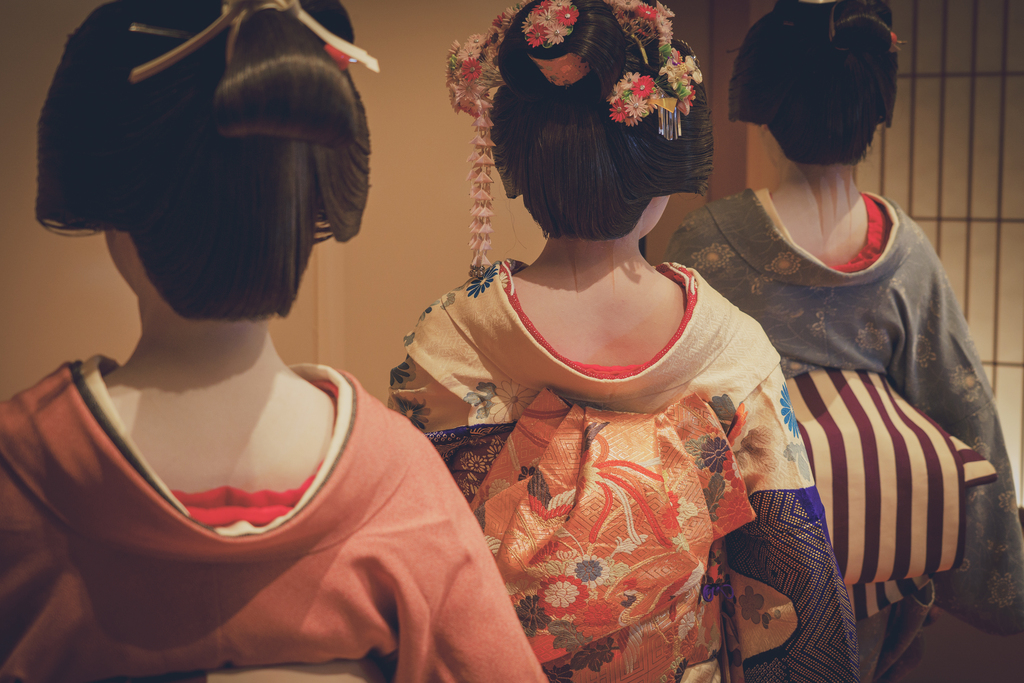
The training process is legendary for its rigor. In Tokyo, a junior geisha is known as a Hangyoku — already debuted and performing at banquets. During this period, her life is a whirlwind of lessons. She must master the intricate steps of traditional Japanese dance, learn to play the shamisen (a three-stringed lute), and understand the nuances of the tea ceremony. Beyond these technical skills, she is taught the art of conversation and the subtle etiquette of the banquet room. Every gesture, from the way she pours sake to the way she walks across a tatami floor, is carefully observed and refined. Helping her embody this living heritage.
A key element of this lifestyle is the sisterhood. Every junior geisha is paired with an Onee-san, or Older Sister, a senior geisha who acts as a mentor. This relationship is a lifelong bond where the junior observes the senior at work, learning the unspoken rules of the Hanamachi. In 2026, while some modern comforts have integrated into daily life, the core values remain unchanged. The resolve, or Kakugo, required to stay in this world is immense. It is a commitment to a life where one is always on display as a representative of Japanese beauty. This dedication is what separates a true geisha from the superficial entertainment often found in tourist traps. With genuine geisha, the focus is always on the quality of the art and the depth of the hospitality, ensuring that every guest feels the weight of four centuries of history in a single evening.
Experience an Authentic Geisha Banquet in Asakusa
Step inside Miyakodori — Asakusa’s only remaining Machiai-chaya — for an unforgettable ozashiki (a private gathering with geisha) evening with authentic geisha performances and, for the full evening, traditional kaiseki cuisine.
Request a ReservationWhat Is the Role of Geisha in Japanese Society?
When we speak of the role of the geisha in modern Japanese society, we are talking about the guardians of a 400-year-old cultural legacy. A geisha is a professional who has made a lifelong commitment to the mastery of traditional arts. A true geisha is someone who deeply loves the arts and finds joy in sharing that love with her guests. Following a dedicated career built on passion and discipline.
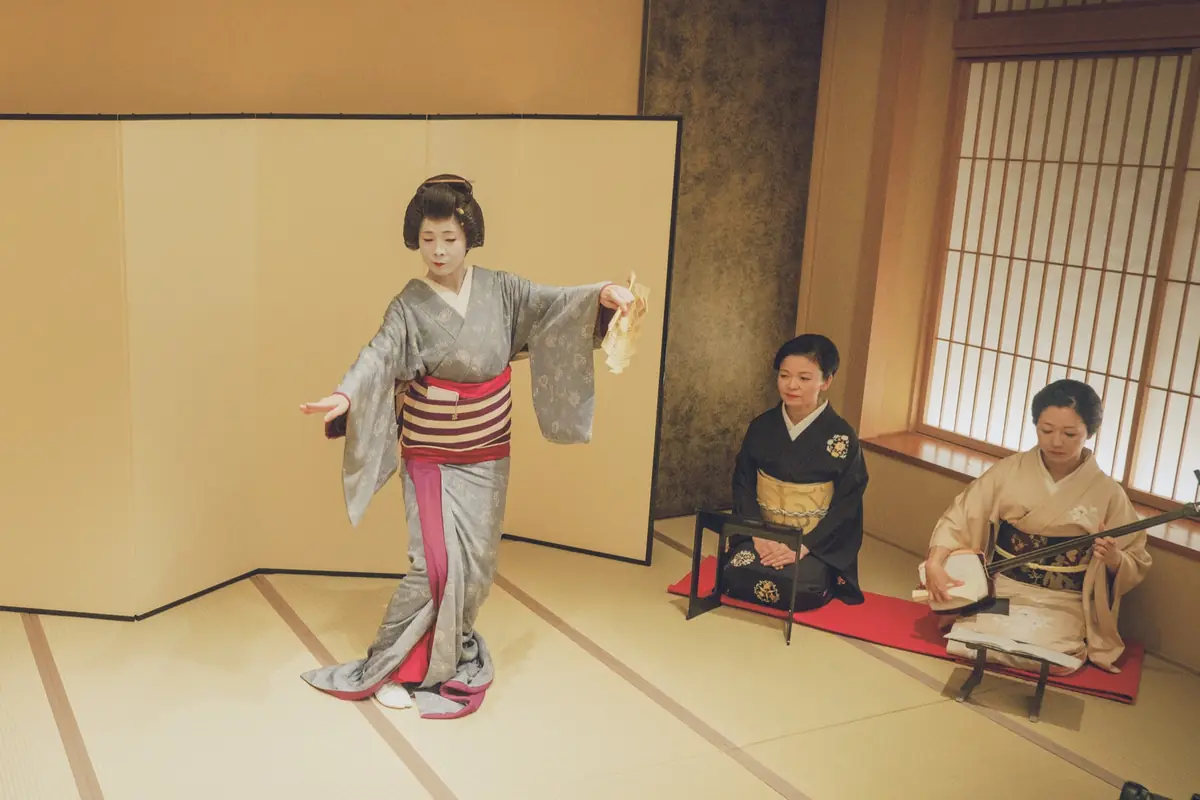
The primary pillar of their work is the performance of traditional Japanese arts. This includes classical dance, known as Nichibu, and the mastery of musical instruments like the shamisen, a three-stringed lute. The haunting, rhythmic notes of the shamisen often provide the heartbeat of an evening at an Ochaya. Their performances are seasonal, reflecting the delicate changes in Japan’s climate, from the cherry blossoms of spring to the maples of autumn. Every dance move and every song is a living piece of history, passed down through generations of teachers and students.
However, the true magic of the geisha lies in the second pillar of their profession: the art of communication and hospitality, or Omotenashi. A geisha’s talent extends far beyond the stage. She is a master of conversation, capable of discussing current events, history, or personal stories with equal grace. Whether she is serving premium sake or traditional matcha, her goal is to ensure that every guest feels entirely at ease and valued. This is particularly important in business settings or high-level hospitality where the atmosphere must be perfect for building relationships.
In the banquet room, or Ozashiki, the atmosphere often shifts from serious performance to lighthearted fun through Ozashiki-asobi (parlor games). These games, often involving rhythmic clapping or simple props, break the ice and allow guests to interact with the geisha in a joyful, human way. By choosing a reputable tea house like Miyakodori, visitors can experience the real weight of this history, where every smile and every note played on the shamisen is backed by centuries of tradition.
Where Are Japan’s Geisha Districts? Kyoto, Tokyo (Asakusa), and Kanazawa
While the term geisha house often brings to mind the famous streets of Kyoto, the culture of the Hanamachi exists in several distinct regions of Japan, each with its own character and history. To truly appreciate the diversity of this art form, let us look at the three most significant cities: Kyoto, Tokyo, and Kanazawa. These areas serve as the primary guardians of the traditional geisha lifestyle, yet they offer very different experiences for those looking to learn about Japanese heritage.
Kyoto is widely considered the heart of the Geiko and Maiko world. In districts like Gion and Pontocho, the atmosphere is defined by Miyabi, or courtly elegance. This tradition dates back to the time of imperial nobles, resulting in a culture that is refined, formal, and deeply protective of its heritage. The teahouse architecture and the silent beauty of the Gion streets offer a glimpse into a world that often feels frozen in time. Because Kyoto was the capital for so many years, its geisha houses often maintain a very strict special policy regarding new guests, keeping the experience exclusive and high-end.
In contrast, Tokyo offers a different flavor of geisha culture, born from the samurai and merchant society of the Edo period. Among the six remaining Hanamachi in Tokyo, Asakusa stands out as the most vibrant and historically significant. While districts like Akasaka and Shinbashi were often favored by politicians and high-level business executives, Asakusa developed around the Senso-ji temple, making it a community-based flower town. Asakusa is known for being an open district. It has a welcoming spirit that embraces visitors of various backgrounds, ages, and nationalities. This sense of Iki, or chic simplicity, defines the Tokyo geisha. They are known for their sharp wit, spirited dance performances, and a style that is sophisticated yet approachable. This makes Asakusa the ideal place for international travelers to experience a real banquet with geisha music without feeling the heavy pressure of more formal districts.
Kanazawa, located on the western coast of Japan, offers yet another unique perspective. The Higashi Chaya district is famous for its beautifully preserved wooden buildings and traditional gold leaf industry. Like Kyoto, Kanazawa’s geisha houses maintain a high level of exclusivity, but the city has made efforts to offer more English-language guides and public performances during certain festivals to help modern audiences connect with the art.
What makes Asakusa particularly special in 2026 is its blend of history and modern accessibility. While other districts may feel strictly private, Asakusa invites you to be part of its 400-year-old story. Miyakodori, as a traditional Machiai-chaya, serves as a vital anchor for this tradition. It is a place where the spirit of Edo is still very much alive, offering a unique opportunity to enjoy seasonal food and authentic hospitality in a setting that feels both ancient and welcoming.
How to Experience a Geisha House Today: Modern Accessibility and Etiquette
If you are planning your trip to Japan in 2026, you might be wondering if a real geisha experience is even possible for an international visitor. For a long time, the world of the Hanamachi was governed by a strict Ichigen-san Okotowari policy, meaning no first-time guests were allowed without a personal introduction from a trusted client. However, modern accessibility has changed this, especially in the welcoming district of Asakusa. Today, professional establishments like Miyakodori have embraced a more inclusive approach, allowing international guests to book a special evening directly.
When booking your experience, it is important to understand the etiquette that preserves the elegant atmosphere of the tea house. First, punctuality is key. The geisha and the kitchen staff prepare specifically for your arrival time to ensure the seasonal food is served at its peak. Second, while the geisha’s kimono and hair accessories are beautiful and unique, please remember they are sacred tools of their craft; never touch the silk or the ornaments. Asking before taking photos is a simple sign of respect for their professional privacy and the focus of the performance.
Regarding the business side of the evening, the fee covers the room rental and the geisha’s time. For the 3-hour plan, kaiseki cuisine is included in the price; in the 1- and 2-hour plans, food is optional and ordered separately. When booking online, any other rules are often laid out. By following these simple guidelines, you can enjoy a deep, authentic connection with Japanese culture, moving beyond the superficial entertainment found on the street and into the real heart of the living tradition. For more on what to expect, see our guide to the geisha experience in Tokyo.
Conclusion: Preserving a Living Tradition at Asakusa Miyakodori
In an era where modern entertainment is often fast-paced and superficial, the Hanamachi offers a rare moment of stillness and profound beauty. To step into an Ochaya is to witness four hundred years of history, preserved through the unwavering resolve of the artists and the families who support them.
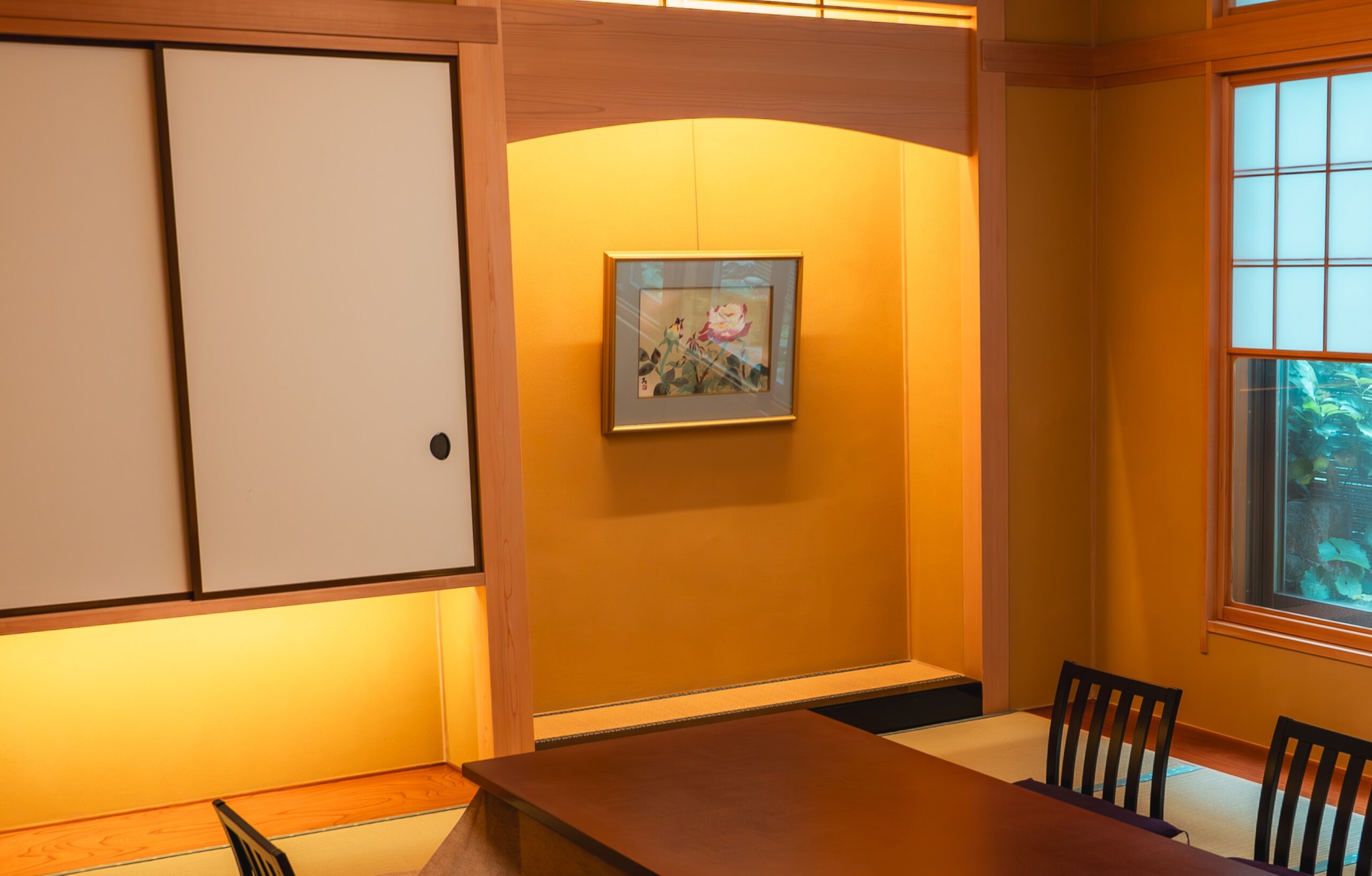
While many travelers worry about the accessibility of this hidden world, the open spirit of Asakusa provides the perfect gateway. At Miyakodori, we take great pride in being the only remaining Machiai-chaya in this historic district. Our house is named after the Miyakodori bird mentioned in ancient Japanese poetry, symbolizing a place where people can connect across distances and share a deep, mutual understanding. Whether you are hosting an important business meeting to welcome international VIPs, celebrating a family anniversary, or simply seeking to learn about the authentic lifestyle of the Edo period, we offer an environment of high elegance and warmth.
The geisha of Asakusa are true professionals who have trained for years to master the shamisen, classical dance, and the art of conversation. They are not mere entertainers but the cultural heartbeat of Tokyo. By choosing to spend an evening at Miyakodori, you are not only ensuring an unforgettable memory for yourself and your guests, but you are also actively participating in the preservation of this incredible heritage. We invite you to discover the real beauty of the flower world, where every seasonal dish and every graceful movement tells a story of a Japan that remains as vibrant today as it was centuries ago. We look forward to welcoming you to Asakusa and helping you create a legacy of your own.
To learn more about the world of geisha, explore our complete guide to geisha in Japan, or discover the history of the Asakusa geisha district.
Frequently Asked Questions
What is the difference between an Okiya and an Ochaya?
An Okiya is the living and training quarters where geisha are registered and traditionally reside. An Ochaya (tea house) or a Ryotei (restaurant) is the venue where the geisha perform and entertain guests. In Asakusa, Miyakodori operates as a Machiai-chaya, focusing on providing a dedicated space for geisha interaction.
Can foreign tourists book a geisha experience without a Japanese introduction?
Yes, especially in Asakusa. While many houses in Kyoto still require a personal introduction, Miyakodori and other Asakusa establishments are more open to international visitors. It is recommended to book in advance through the official website to ensure availability.
Is there a specific dress code for visiting a geisha house?
While there are no strict requirements, most guests wear semi-formal attire to match the elegant atmosphere of the private rooms. Removing your shoes before entering the tatami room is mandatory.
How are guests entertained during evening parties, and what arts do the geisha perform?
During these social gatherings, guests are entertained through various traditional arts including dancing and singing. The geisha are highly skilled in playing musical instruments like the shamisen while creating a lively atmosphere for their clients. These performances are held throughout the year, reflecting the beautiful seasons of Japan.
Footnotes and Information Sources:
About Machiai-chaya and Miyakodori: prtimes.jp
Introduction to Asakusa Miyakodori: asakusa.gr.jp
Culture and Heritage in Tokyo: metro.tokyo.lg.jp
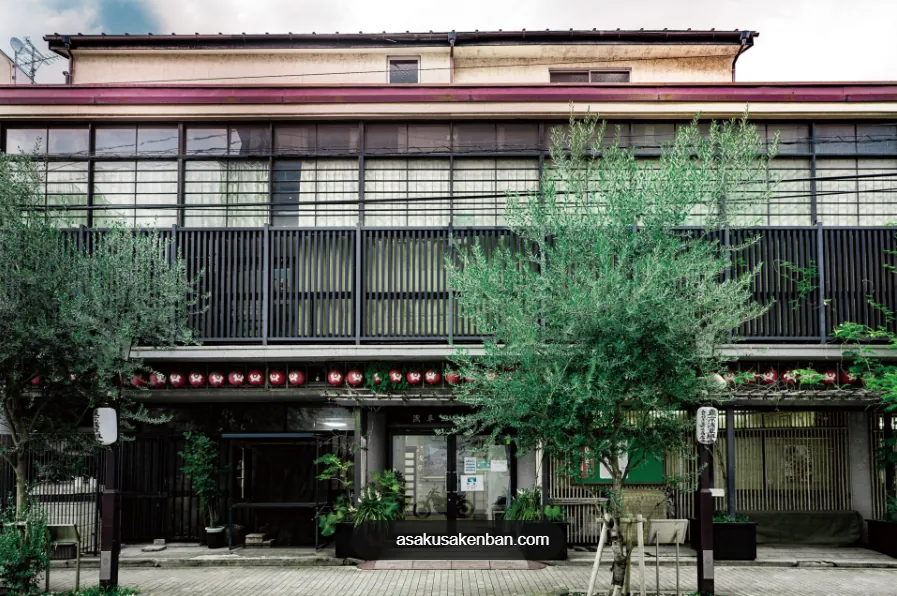
Asakusa Geisha and the Kenban (Registry Office): asakusakenban.com
Ready to Experience Asakusa’s Last Machiai-chaya?
Join us at Miyakodori for an ozashiki (a private gathering with geisha) evening featuring authentic performances and the warm spirit of Asakusa hospitality — with traditional kaiseki cuisine available for the 3-hour plan.
Request a Reservation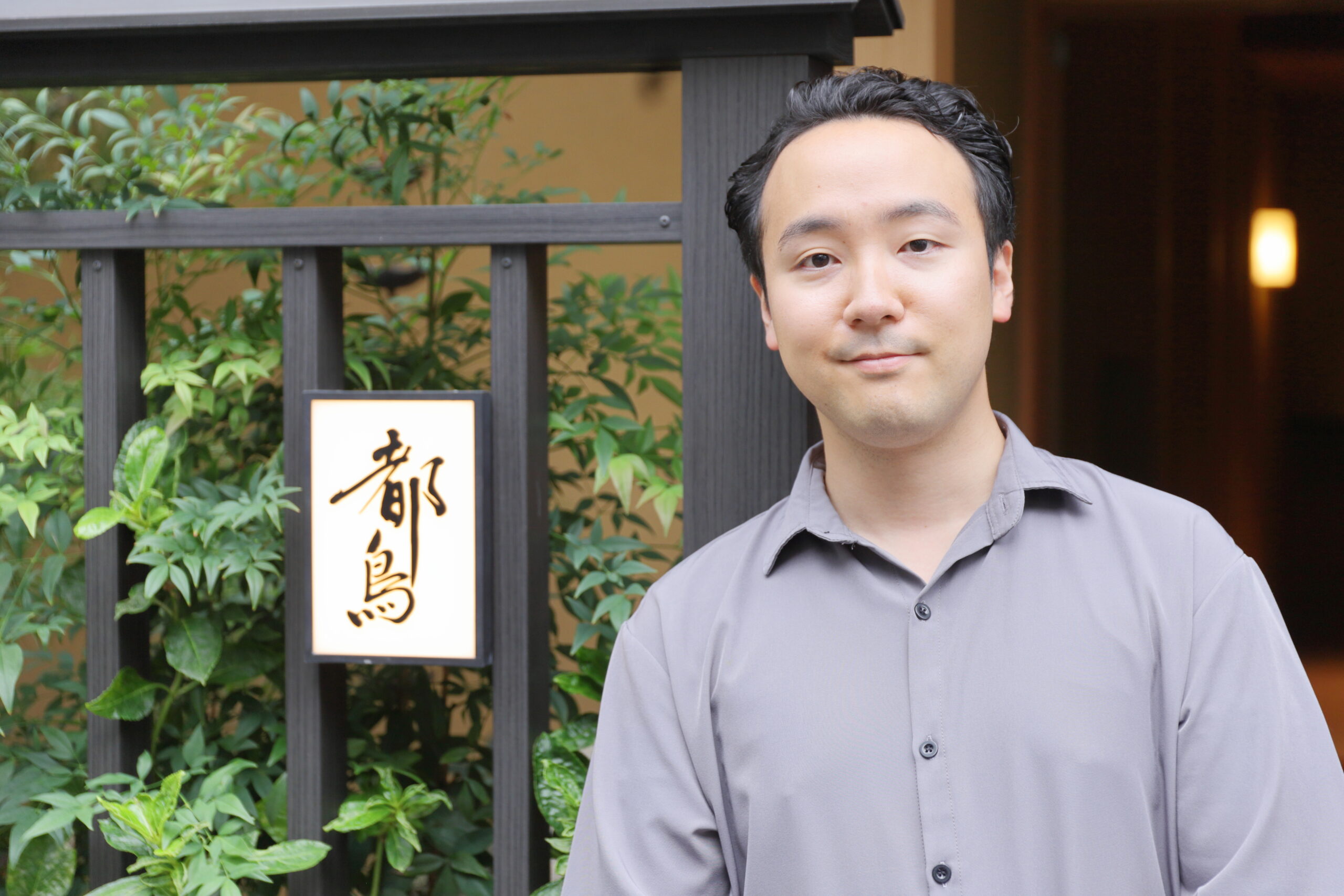


- Authentic Geisha Experience vs. Geisha Makeover: What's the Difference?
- How to Book a Geisha Experience in Tokyo: Step-by-Step Guide (2026)
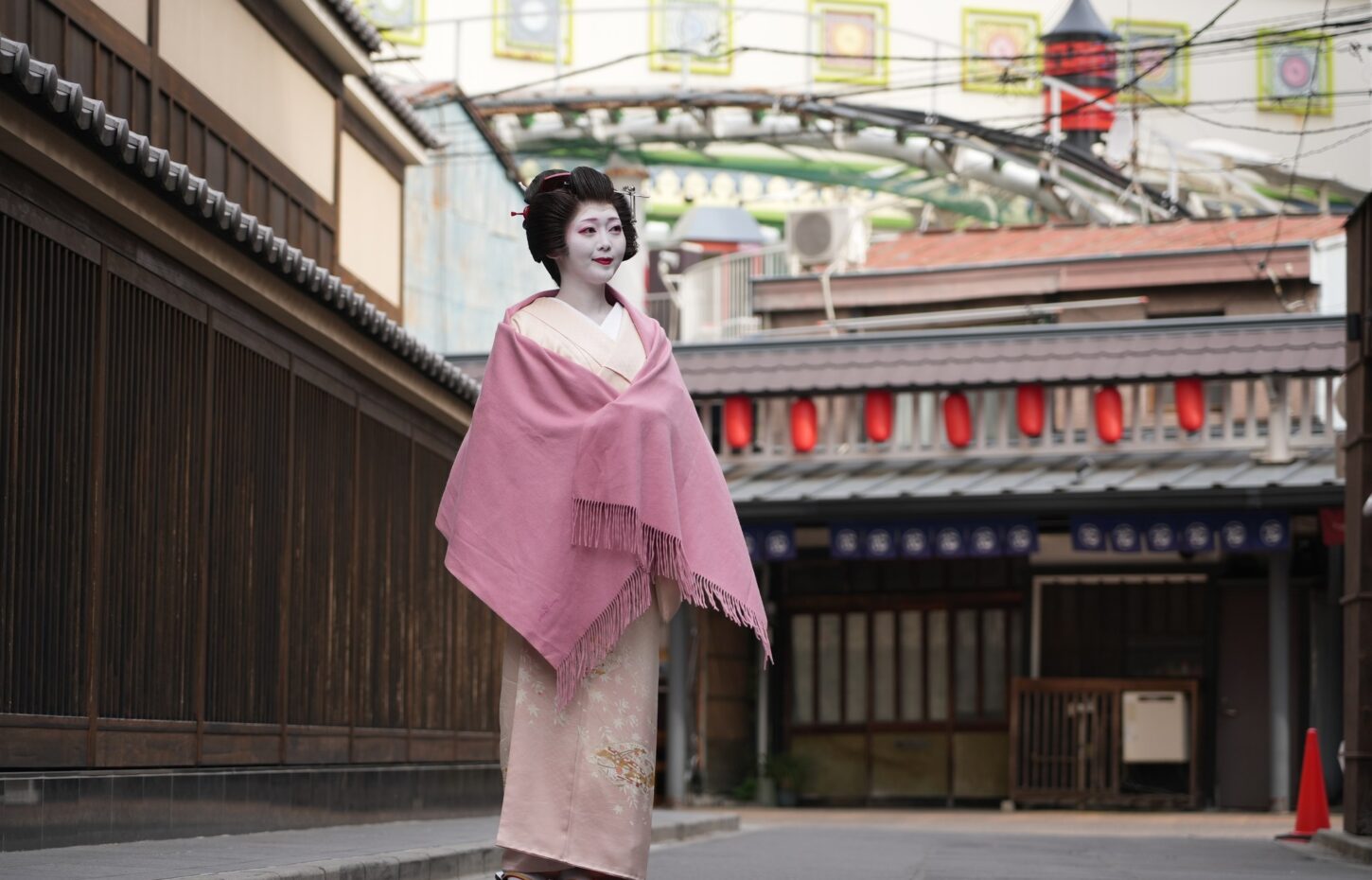
Karyukai: The Flower and Willow World of Geisha — Japan’s Geisha Culture Explained
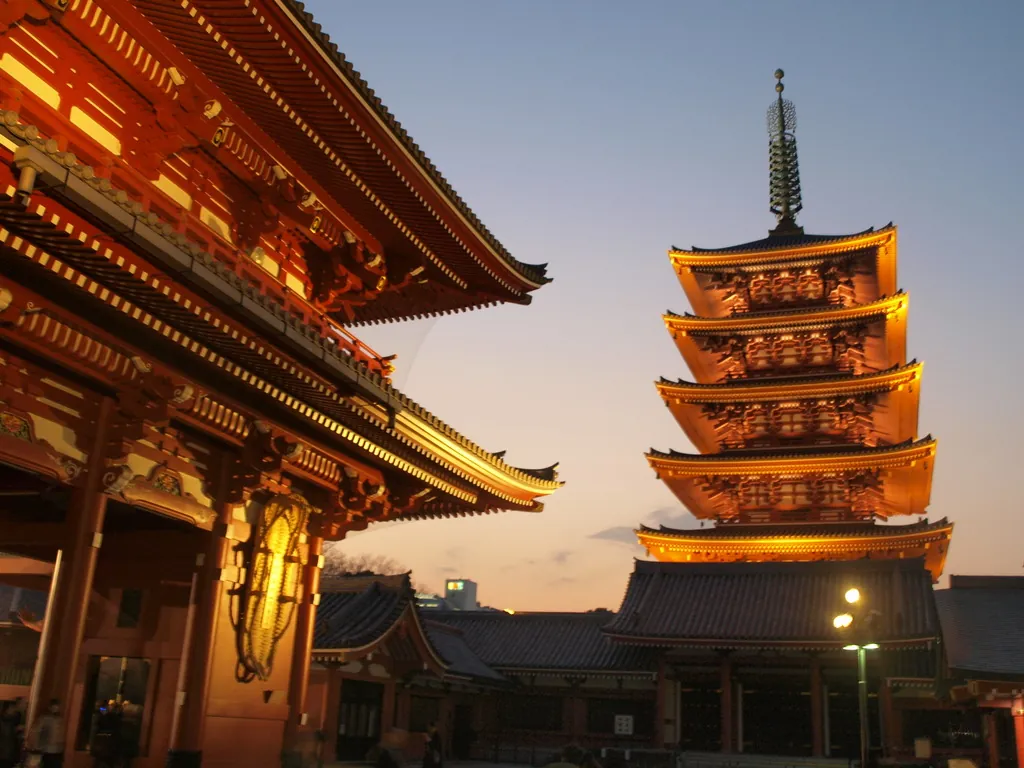
Hatsumode Etiquette Guide: How to Pray at Senso-ji (2027)
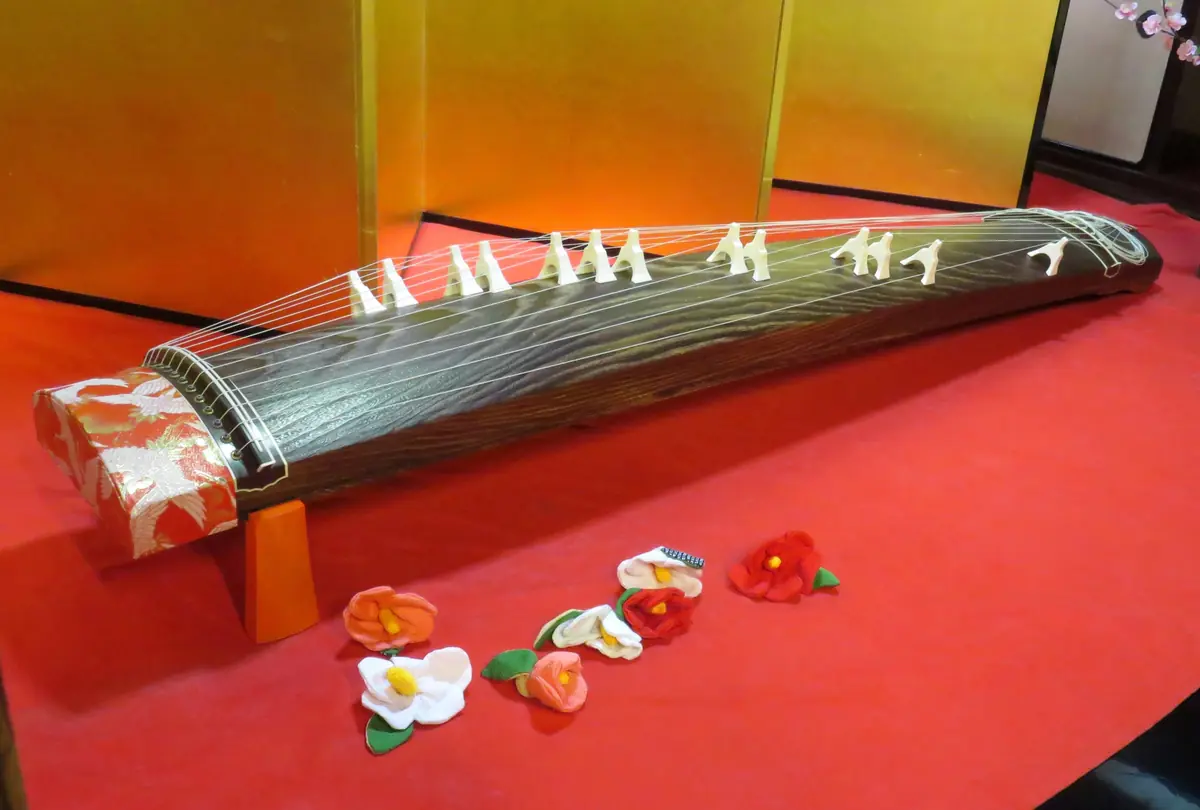
Asakusa Sightseeing Spot Complete Guide | From Kaminarimon to Hidden Gems – 10 Selected Part③
Winter Asakusa Gourmet: Food Stalls & Lunches to Warm You Up
What Is a Hanamachi? Meaning, Structure & Japan’s Geisha Districts Explained
If You Buy in Asakusa, This Is It! Recommended Souvenir Guide
Comment ( 0 )
Trackbacks are closed.

No comments yet.