



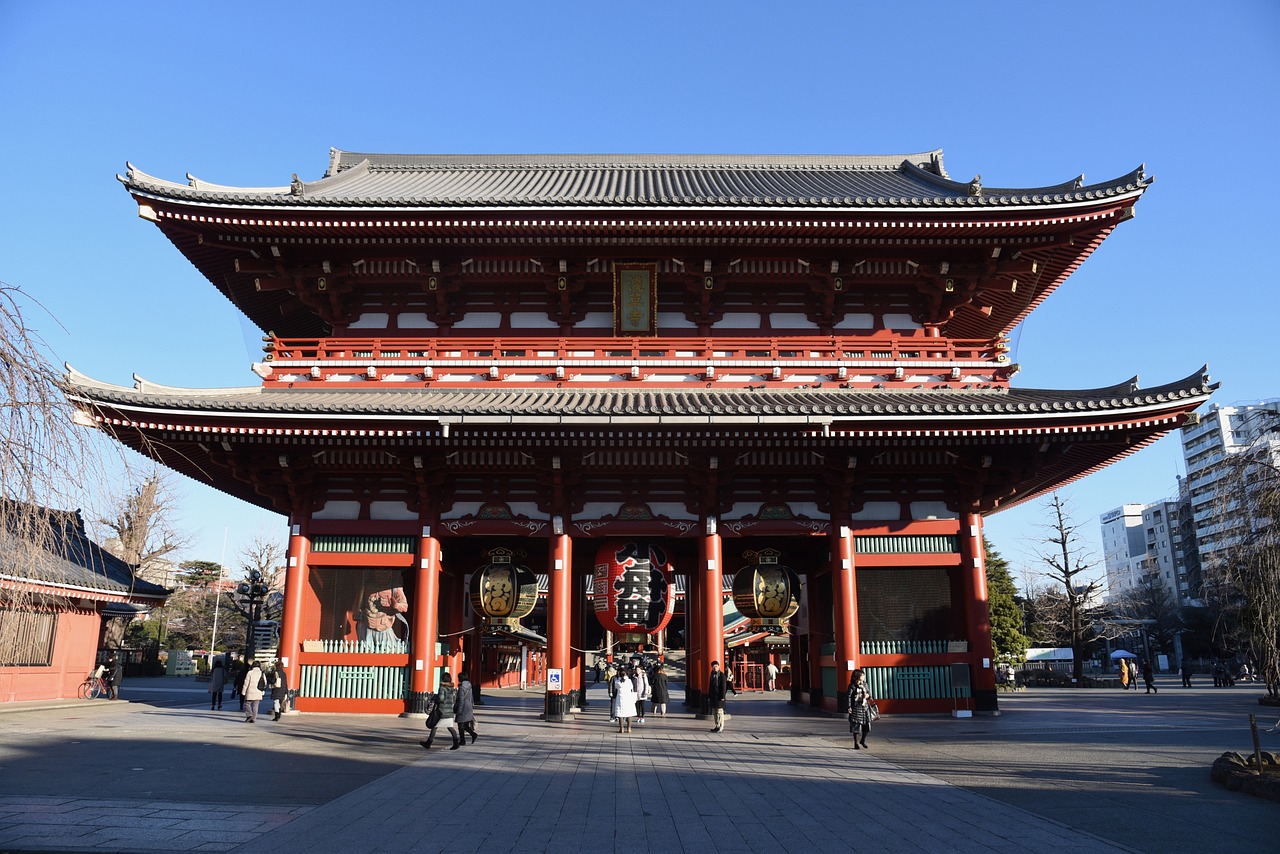
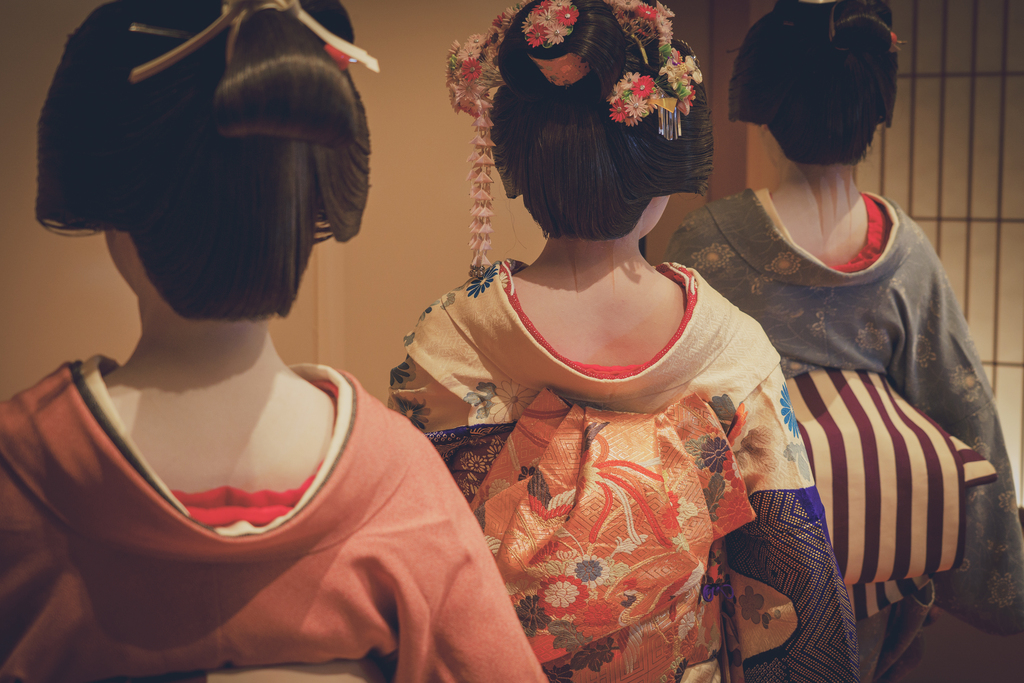
How to Book a Geisha Experience in Tokyo: Step-by-Step Guide (2026)
How do you book a geisha experience in Tokyo?
To book a geisha experience (ozashiki geisha banquet) in Tokyo, visit Asakusa Miyakodori’s online booking form (Design Your Geisha Experience) and submit a request with your preferred date, start time, number of guests, and plan. Miyakodori is Asakusa’s only machiai-chaya (waiting tea house). First-time guests, including visitors from overseas, can book without a prior introduction — reservations are accepted online in English, with confirmation typically within two business days.
Many visitors to Tokyo assume that a geisha experience is reserved for insiders only — that the traditional rule of “ichigen-san okotowari” (no first-time guests without an introduction) applies everywhere. At Asakusa Miyakodori, that door is open to you.
You can book directly. No introduction is needed. English is fine. And you can do it all from your phone.
Ready to Request Your Geisha Experience?
Miyakodori is Asakusa’s only machiai-chaya. International visitors are welcome — reserve your private ozashiki (a private gathering with geisha) online in English, directly from your phone.
This guide walks you through every step — from choosing your plan to arriving at the ozashiki (a private gathering with geisha) and participating in customs that have not changed for over 200 years.
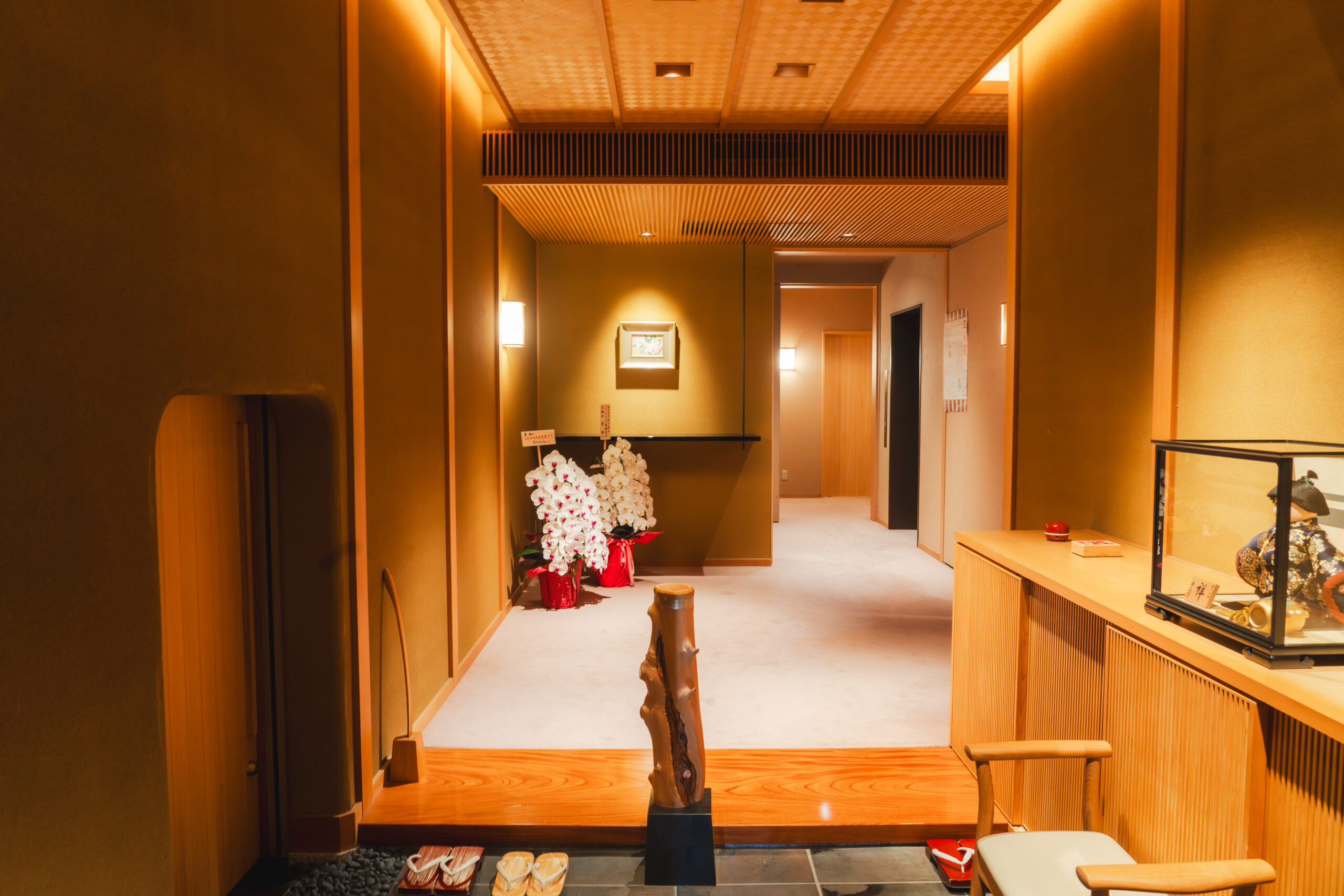
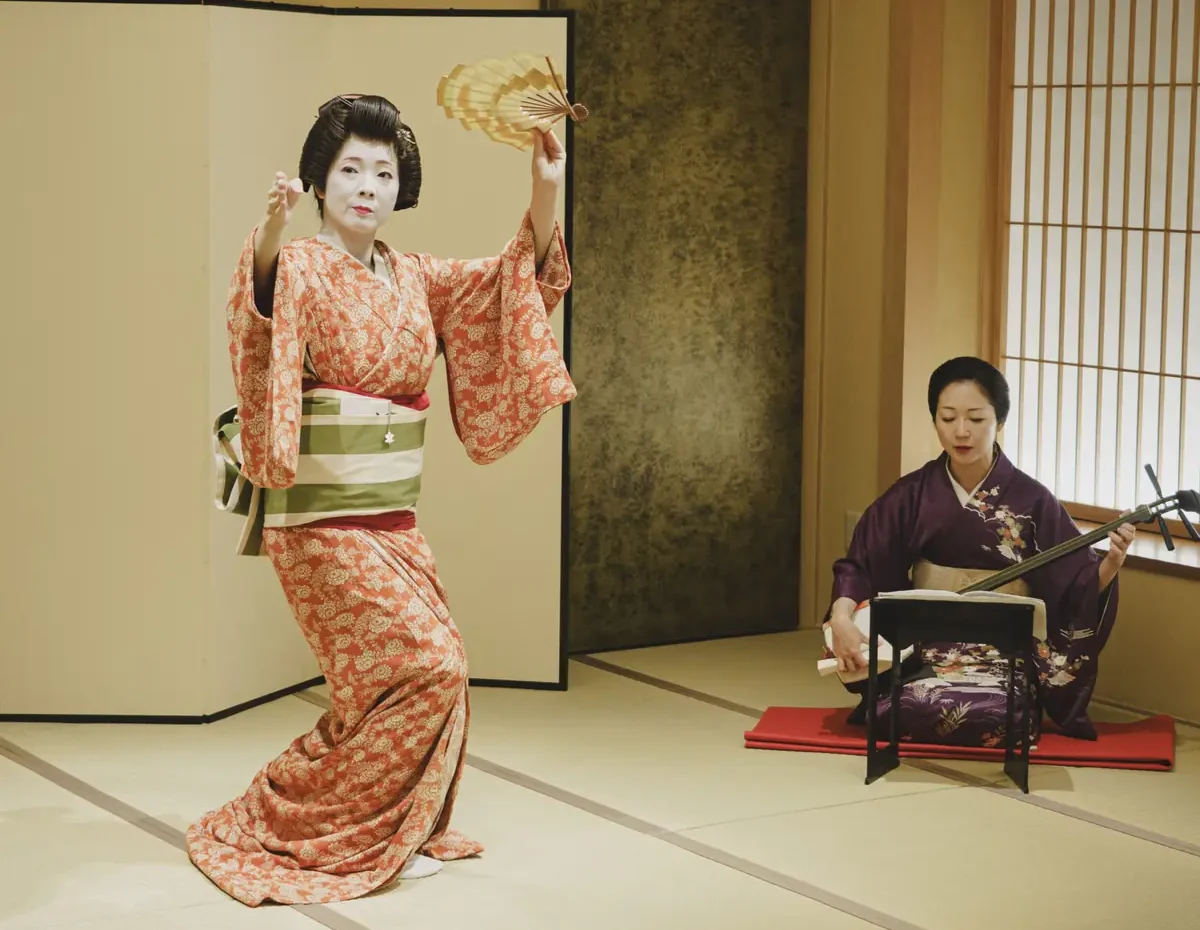
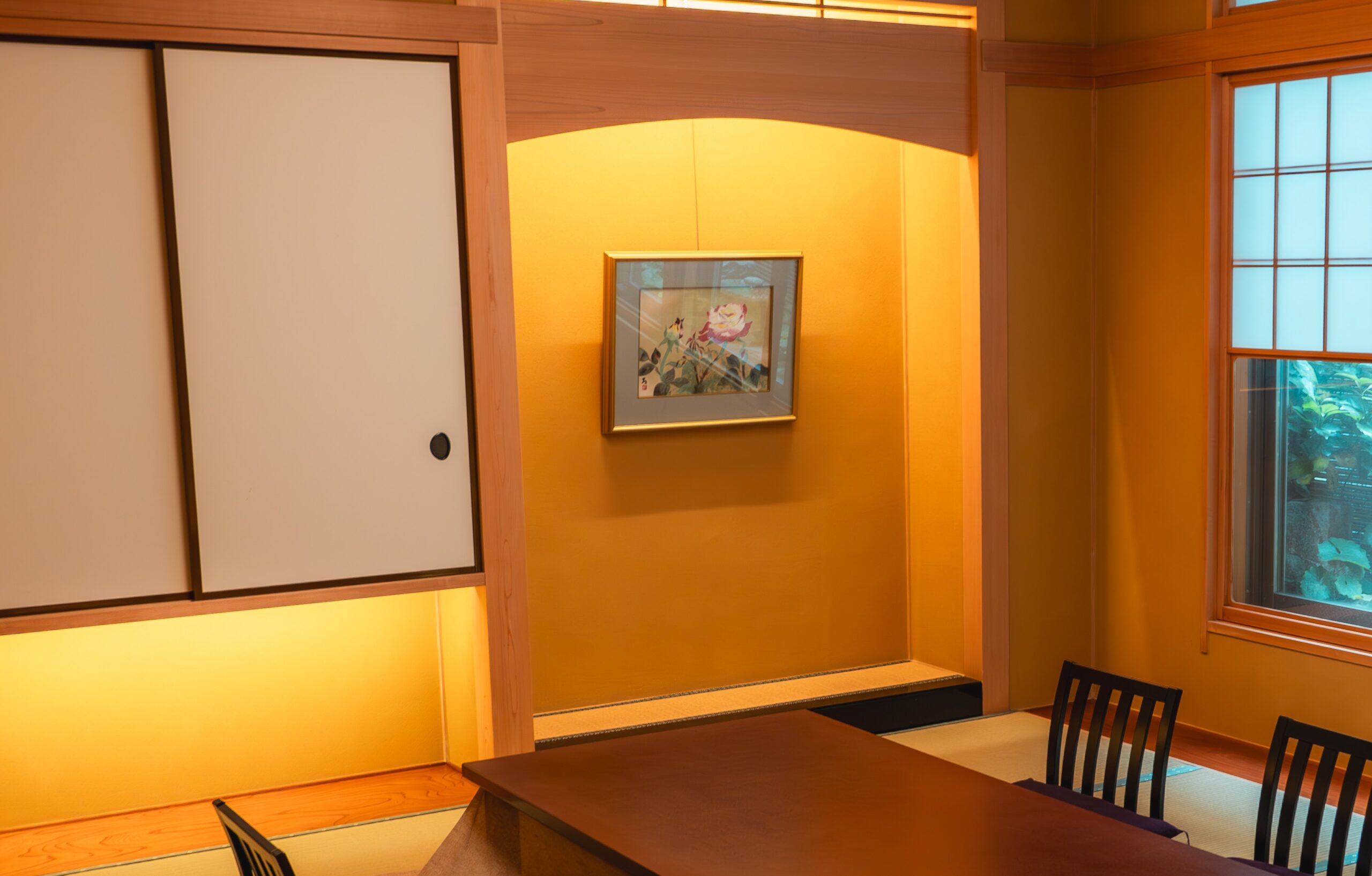
Seven minutes of what the evening actually looks like: the tatami room, the fan, the shamisen, and Asakusa outside the paper screens. No narration — just the room.
What Is a Geisha Experience (Ozashiki Geisha Banquet)?
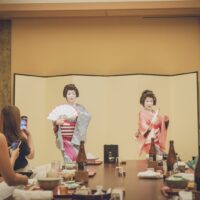
A geisha experience — or ozashiki (a private gathering with geisha) — is not a show you watch from a distance. It is a living, two-way exchange between you and the geisha.
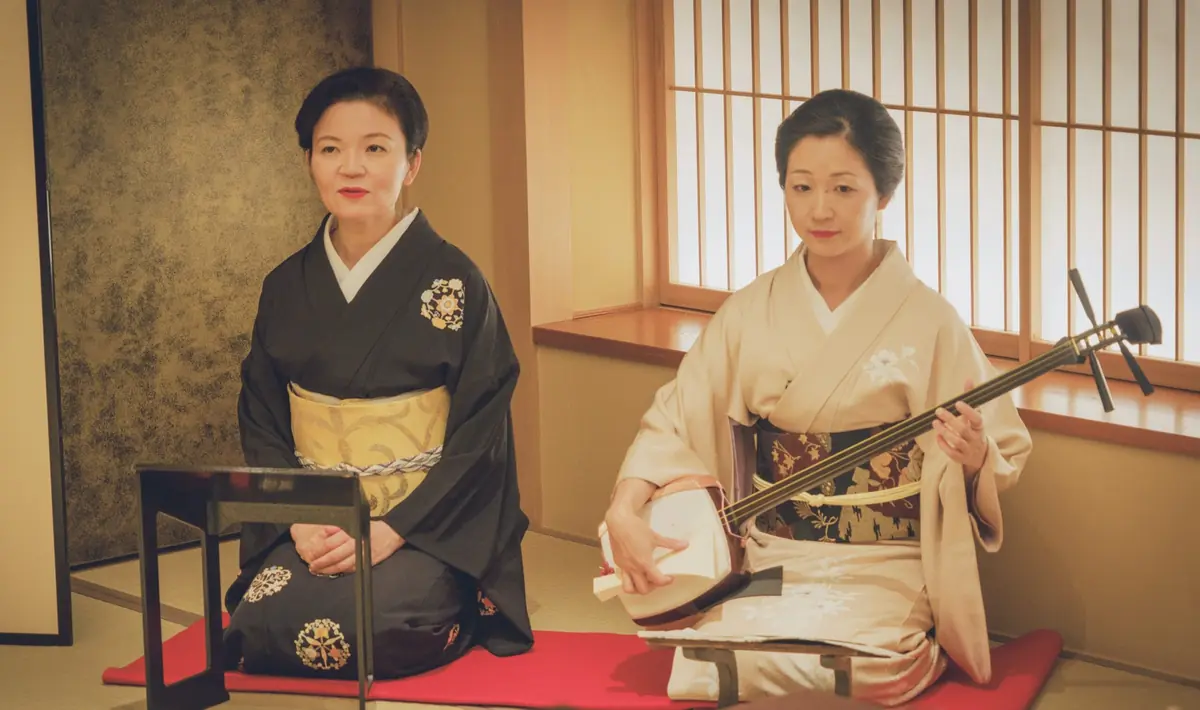
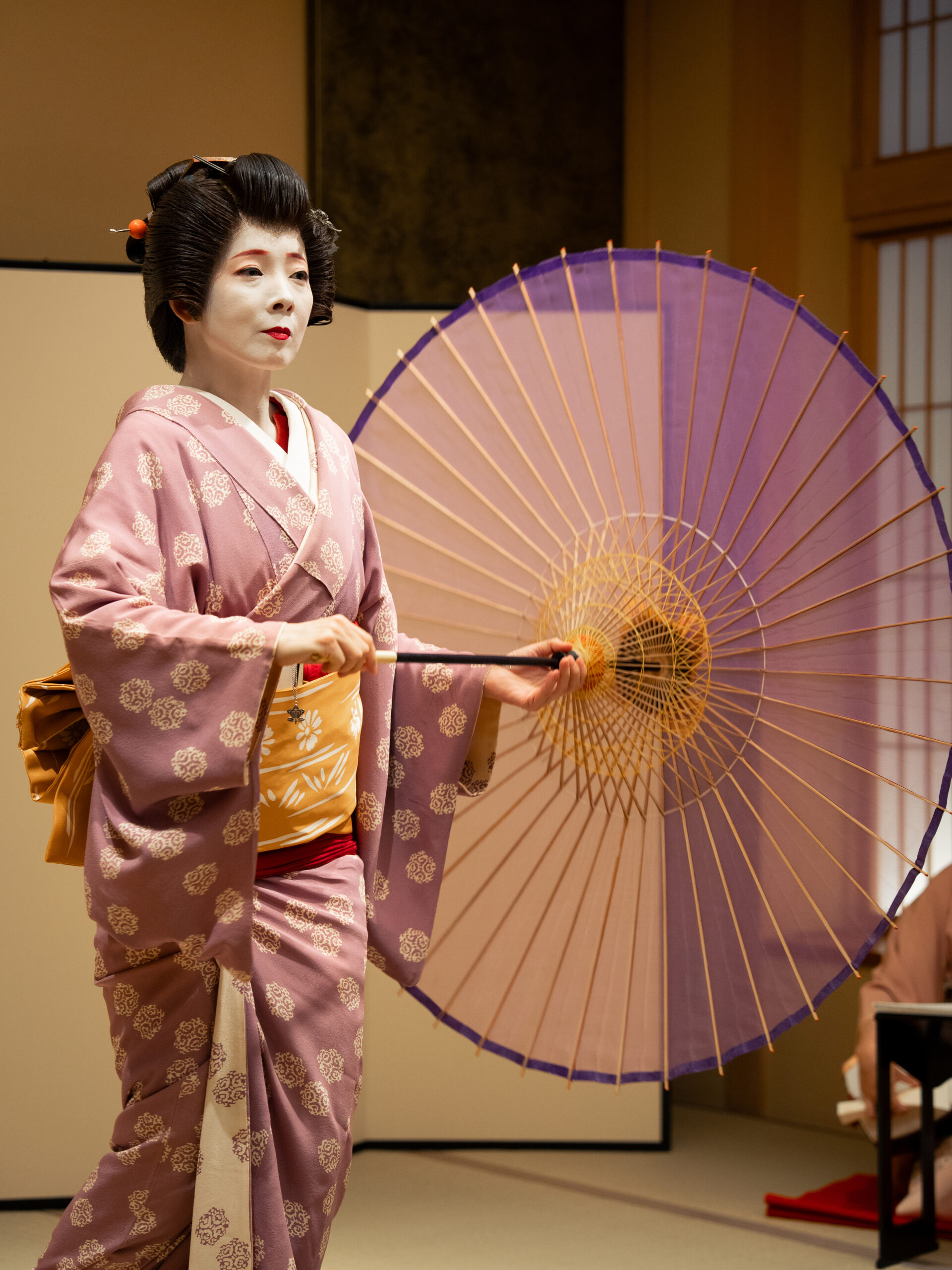
Here is what sets it apart: the geisha perform their art — dance, live shamisen music, and song — right in front of you. Then, in the same room, the same geisha invite you to join in ozashiki games and conversation. You are not an audience. You are a participant.
This interactive entertainment remains rooted in traditions over 200 years old. The games you play tonight at Miyakodori — Konpira Fune Fune, Tora Tora, and others — are the same games that Japanese guests played in the Edo period. The building is different. The spirit of the experience remains.
For those who want to engage as a truly sophisticated guest, there is one more custom worth knowing: goshugi — a small monetary gift traditionally given to the geisha after her performance, presented in a decorative envelope called a pochi-bukuro. Details are covered in Step 5 and the FAQ below.
For a deeper look at what happens inside an ozashiki, visit our Complete Knowledge Guide.
Private Ozashiki vs. Open Performances
Tokyo offers several ways to encounter geisha culture. Open performances — such as seasonal dance recitals at public venues — allow visitors to watch from theater-style seating. These are beautiful, but they are one-directional.
A private ozashiki at Miyakodori is different. The entire room is yours. There is no other audience. The geisha are present throughout, and an English interpreter sits with your group from start to finish. You can ask questions, play games, and have real conversations.
Miyakodori is Asakusa’s only machiai-chaya. We accept reservations from foreign visitors without a prior introduction. Booking is done entirely online, in English, through our own booking form. For a broader overview of geisha experience options in Tokyo — including venue types, pricing structures, and what to look for — see our dedicated guide.
Step 1 — Choose Your Plan
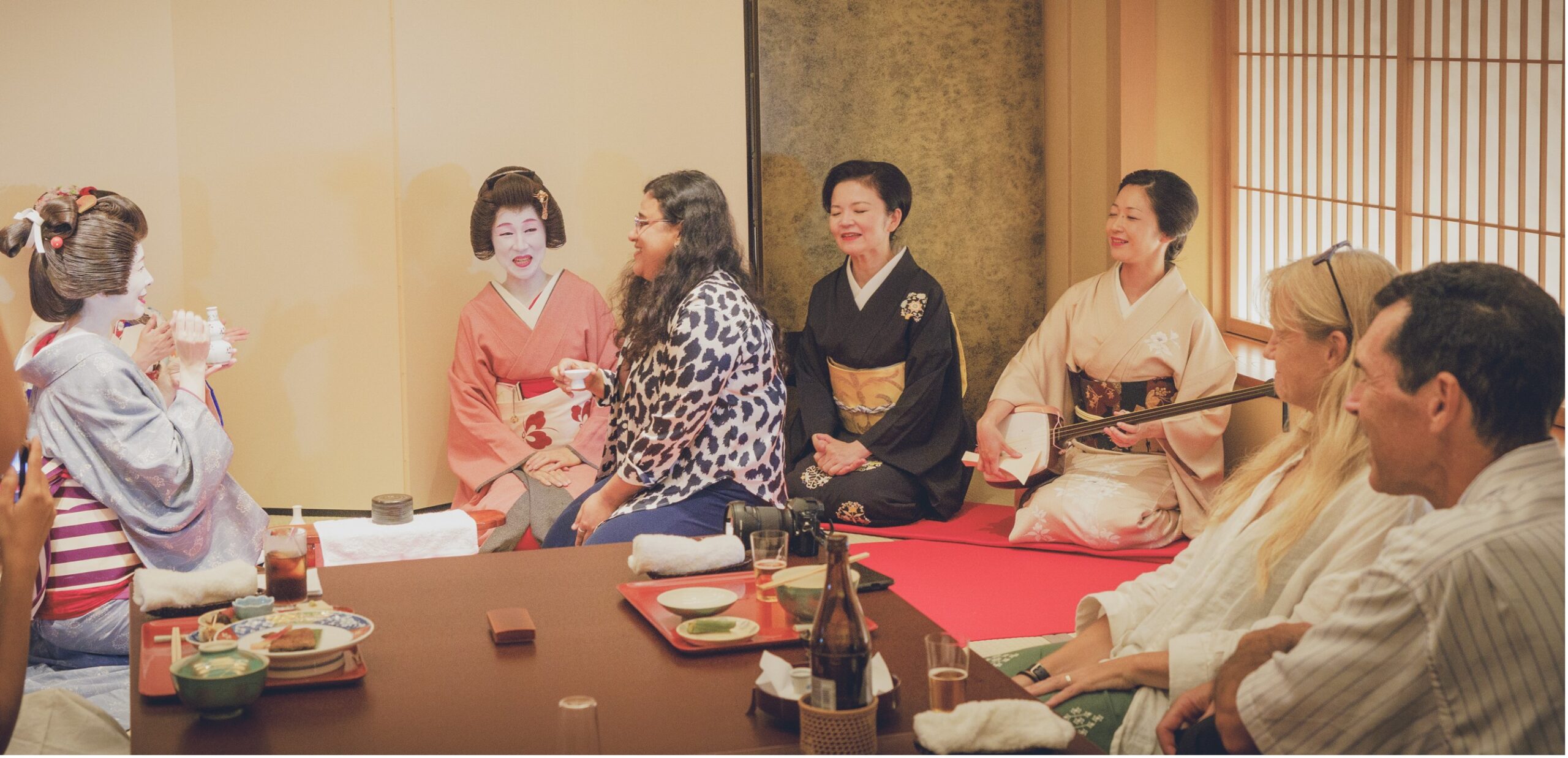
Miyakodori offers three private ozashiki plans. Each includes geisha, live performance, ozashiki games, and an English interpreter.
| Plan | Duration | Price (per person) | Geisha | Includes |
|---|---|---|---|---|
| Geisha Highlights | 1 hour | From ¥34,000 (4+ guests, daytime) | 2 (3 for groups of 7+) | Live dance, shamisen, ozashiki games, English interpreter; 1 drink required (charged separately) |
| More Time with Geisha Most Popular | 2 hours | From ¥45,000 (4+ guests) | 2 (3 for groups of 6+) | Live dance, shamisen, ozashiki games, English interpreter; free-flow drinks included |
| Geisha Kaiseki Dinner | 3 hours | From ¥106,000 (4+ guests, evening only) | 3+ (4 for groups of 6+) | Live dance, shamisen, ozashiki games, English interpreter; kaiseki multi-course meal & free-flow drinks included |
For the complete pricing breakdown, visit the pricing page.
Which Plan Is Right for You?
- First visit, 2 guests: More Time with Geisha (2 hours) is the most comfortable starting point.
- Want the full cultural immersion: Geisha Kaiseki Dinner (3 hours) includes a kaiseki meal and the longest time with the geisha.
- Tight schedule or solo visitor: Geisha Highlights (1 hour) is available for 1 or more guests.
A note on geisha count: The 1- and 2-hour plans include 2 geisha for smaller groups — one musician (jikata) who plays shamisen and sings, and one dancer (tachikata) — and we recommend adding a third, so that two geisha dance. Two geisha are the minimum arrangement for live music, live singing, and live dance to take place simultaneously. The jikata handles both the instrument and the song while the dancer performs, so the music never stops. With 3 or more geisha, the dancers can express a wider range of movement and style, deepening the cultural experience. For what changes with a third geisha, see How Many Geisha Should You Book?. If you would like to request additional geisha, it is possible at the time of booking: +¥45,000 per geisha for daytime seats (2:00–5:00 pm starts) on the 1-hour plan, +¥60,000 per geisha for evening seats (5:30 pm starts) and for the 2-hour plan, and +¥75,000 per geisha on the 3-hour plan. The first geisha you add is ¥10,000 less.
For a complete overview of the ozashiki experience, see our ozashiki (a private gathering with geisha) experience page.
Step 2 — Decide on Guest Count and Timing
Before submitting your reservation request, confirm two things: how many guests are coming, and when you want to visit.
Minimum guest counts by plan:
- Geisha Highlights (1 hour): 1 guest minimum
- More Time with Geisha (2 hours): 1 guest minimum
- Geisha Kaiseki Dinner (3 hours): 1 guest minimum
Operating hours:
- Monday–Friday, 14:00–20:00 (last seating)
- Closed on Saturdays, Sundays, and national holidays (exceptions may be possible upon request)
Time slots:
- Daytime sessions begin at 14:00
- Evening sessions begin at 17:30
- Note: the 3-hour Geisha Kaiseki Dinner is available in the evening slot only
Solo vs. Group — What to Know
Solo reservations are accepted for all three plans. If you are visiting alone, note that the per-person cost is higher because the geisha arrangement is fixed regardless of guest count. With a group, the per-person cost decreases as more guests share the same base cost.
For the rationale behind 2 geisha as the baseline arrangement and how additional geisha deepen the experience, see “A note on geisha count” in Step 1 above. We recommend adding a third geisha whatever the size of your group; see “A note on geisha count” in Step 1 above.
For more on what to expect inside the ozashiki, see our Complete Experience Guide.
Step 3 — Submit Your Reservation Request Online
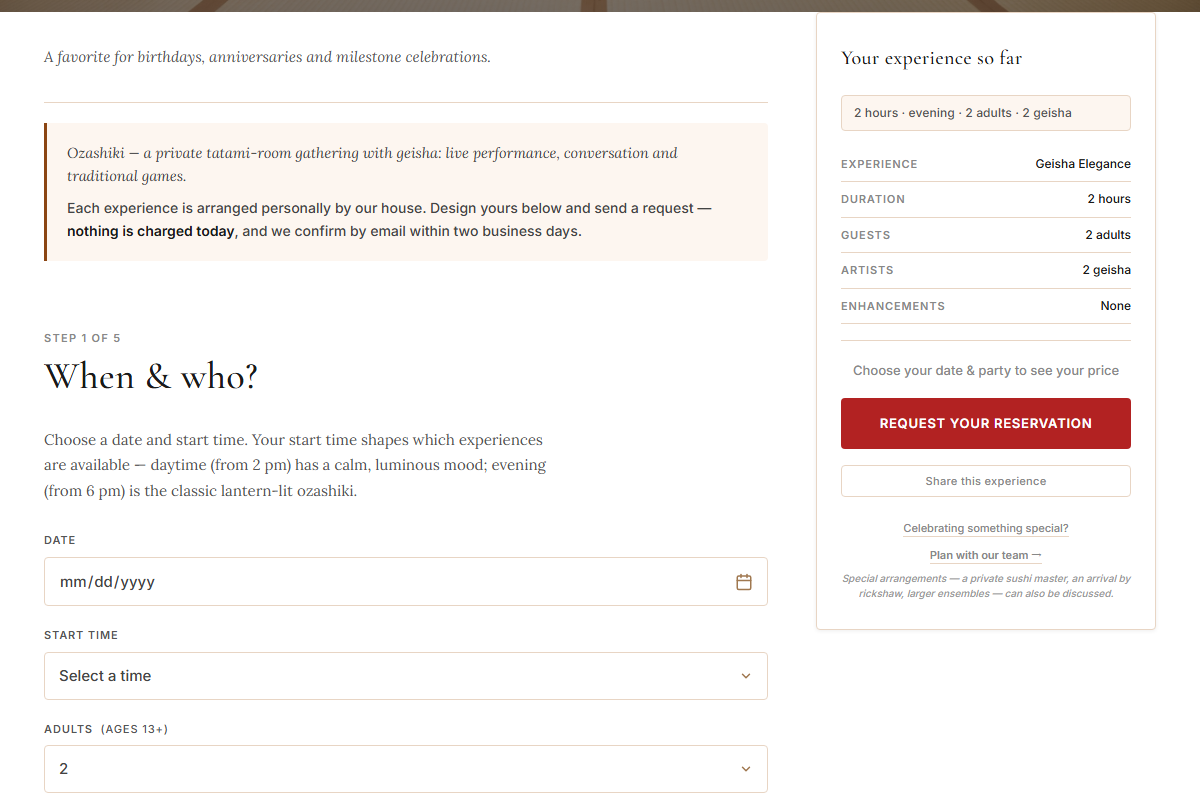
Miyakodori takes all reservations through its own online booking form, available in English. Reservations operate on a request basis — not instant confirmation — so the venue will confirm availability before your booking is finalized.
How to submit your request:
- Open the online booking form: Design Your Geisha Experience
- When & who — choose your date, start time (daytime from 2 pm or evening from 5:30 pm), and number of guests.
- Plan — select your experience plan and dinner (a kaiseki course or a seasonal bento), with optional additions such as an A5 wagyu upgrade.
- Artists — choose how many geisha will attend.
- Exclusive option — add a hōkan (taikomochi), a traditional male entertainer, if you would like (available on the 2-hour and 3-hour plans).
- Confirm — enter your contact details and any special requests, such as dietary needs (vegan, halal, gluten-free), review the cancellation policy, register a card, and send your request.
A card is required to complete your request, but you are not charged when you submit — you pay in person on the day, and the card is only used if a cancellation fee applies. Your reservation is a request rather than an instant booking: the house personally reviews each one and sends a confirmation reply by email.
What Happens After You Submit?
Your request is sent to Miyakodori’s team for review. A response — confirming or proposing an alternative — typically arrives within two business days. Your reservation is confirmed only once you receive this reply.
If you do not hear back within two business days, try contacting the venue directly.
Can’t Get Through Online? Call or Email
Phone inquiries are answered 24 hours a day by our English AI receptionist. Our team follows up with you.
- Phone: +81-50-1793-5252
- Address: 3-23-10 Asakusa, Taito-ku, Tokyo
Because each reservation is a request that the house reviews and confirms by email, the online form is best suited to plans made ahead of time rather than same-day visits. For last-minute or same-day inquiries, please call or email us directly.
Step 4 — Confirm Details and Prepare
Once your reservation is confirmed, take a moment to review the details in your confirmation message and prepare for the day.
Review your confirmation:
- Date, time, and plan
- Number of guests
- Any dietary requirements noted
Cancellation policy (all private ozashiki plans):
| Cancellation timing | Fee |
|---|---|
| 15 days or more in advance | Free |
| 7-14 days prior | 50% |
| 4-6 days prior | 80% |
| 3 days prior to the day of the visit | 100% |
Fees are a percentage of the reservation total. We engage our geisha two weeks before your visit and pay them from that point, including when a booking is cancelled. You can also cancel free of charge for 48 hours after Miyakodori sends your booking confirmation (the exact deadline is written in the confirmation email); this does not apply to bookings confirmed within 3 days of the visit.
If you have dietary requirements that were not included in your original request, contact Miyakodori as early as possible — and no later than 2 days before your visit for food-related arrangements.
Access:
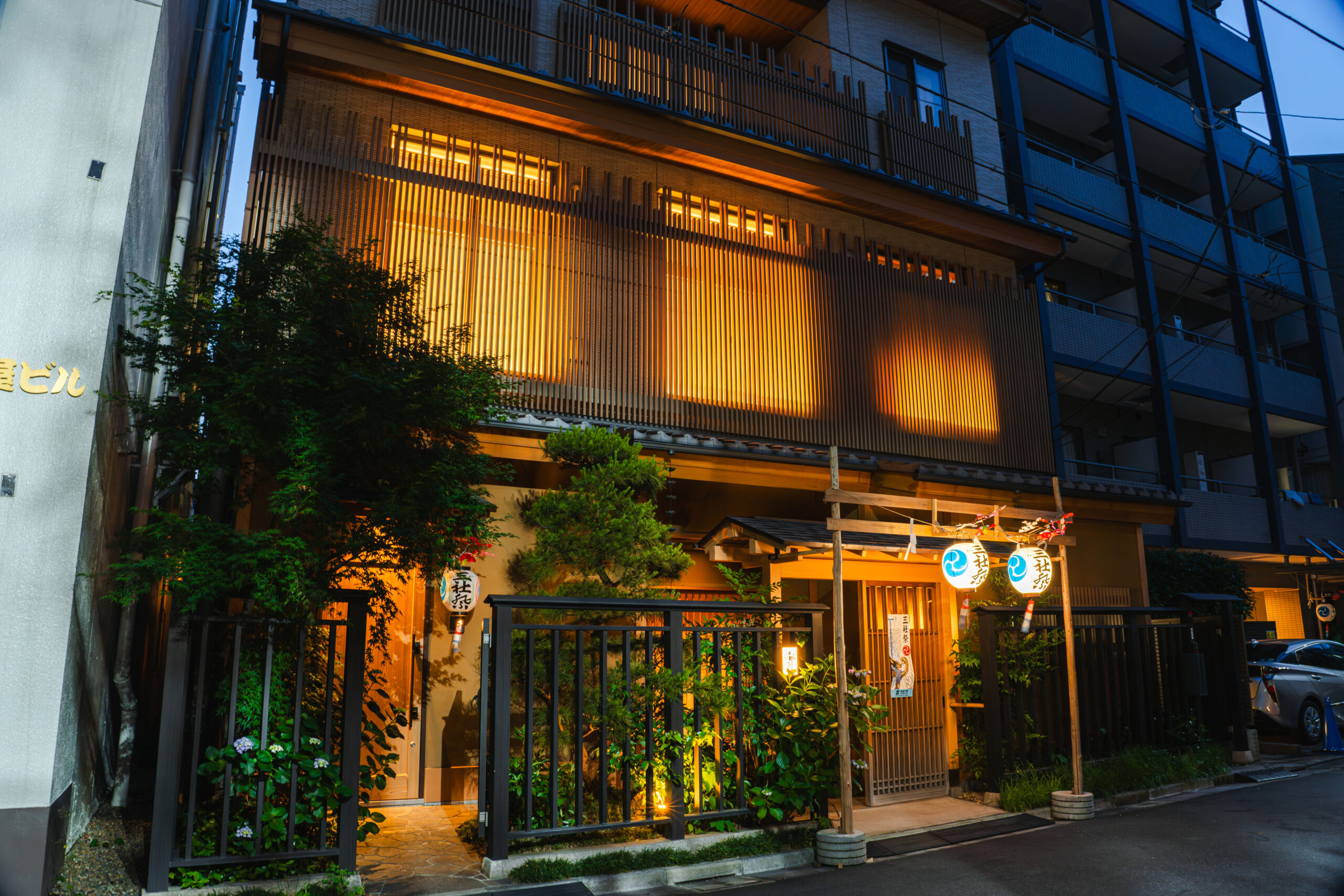
Miyakodori is located at 3-23-10 Asakusa, Taito-ku, Tokyo — in the heart of Asakusa’s geisha district. The area is served by multiple train lines.
What to Wear
There is no formal dress code. That said, Asakusa has a traditional atmosphere, and smart casual to dressed-up attire tends to feel right. There is no need to rent a kimono — the experience is designed to be enjoyed in your own clothing.
Special Dietary Requirements
Because Miyakodori is a machiai-chaya, food is sourced from specialist restaurants rather than prepared on-site. This arrangement means we can often accommodate vegan, halal, gluten-free, and other dietary requirements — please specify your needs in the message field at the time of booking so arrangements can be confirmed in advance.
Step 5 — Arrive and Enjoy Your Ozashiki (Geisha Banquet)
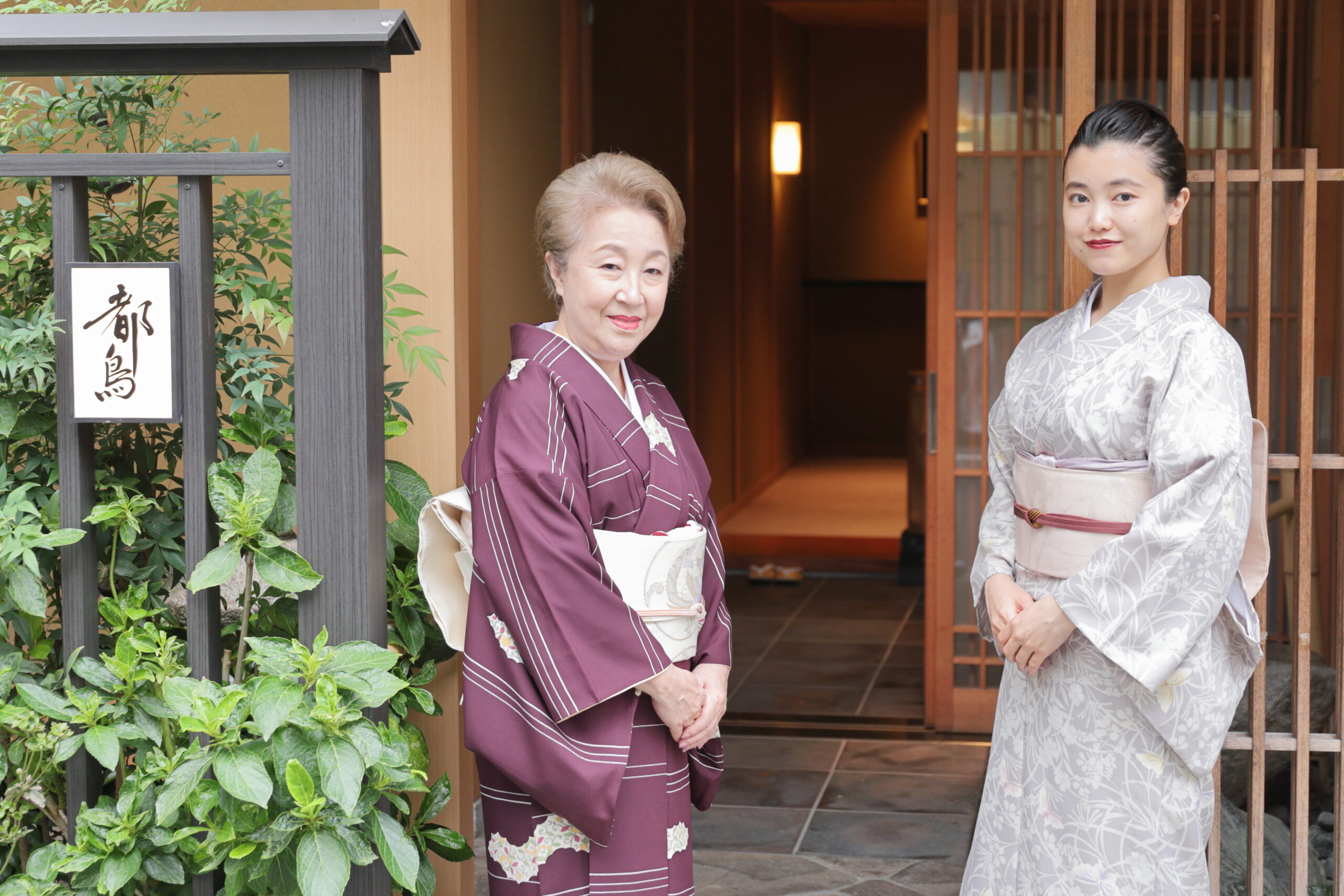
The exact flow varies by plan, but the following illustrates a typical 2-hour More Time with Geisha session.
The flow of your evening:
- Arrival and welcome — You are received at the entrance and shown to your private room
- Geisha entrance and introduction — The geisha greet you in the room
- Traditional dance with live shamisen — The dancer performs while the musician plays and sings
- Ozashiki games — The geisha join you for Konpira Fune Fune and other traditional games — the same games played at ozashiki for over 200 years
- Conversation and free time — With the English interpreter present, you can ask the geisha questions, hear about their training and daily life, and enjoy the atmosphere
- Photo session and Tejime — The evening closes with commemorative photos and a Tejime (ritual clapping ceremony)
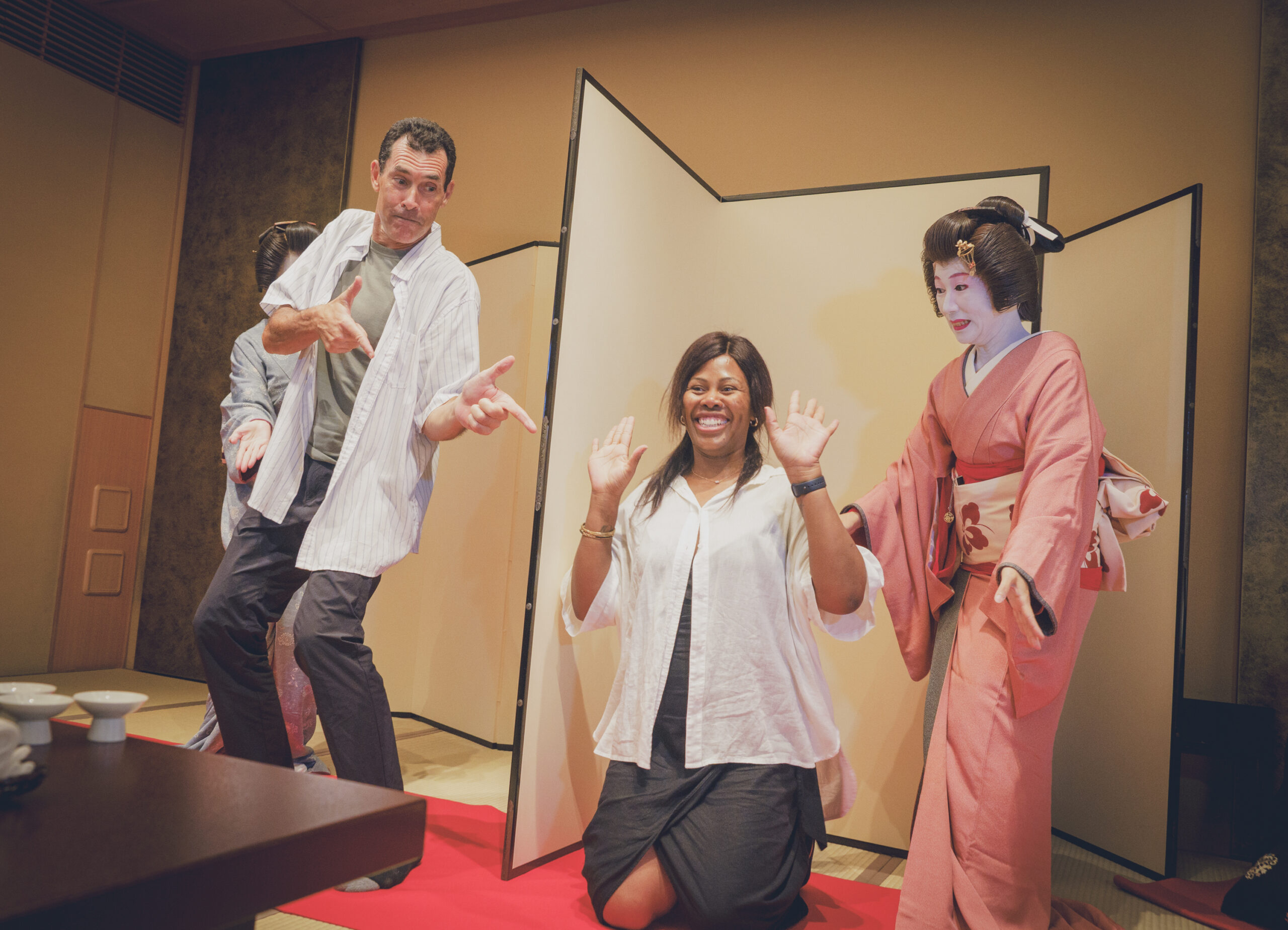
English Support During the Experience
An English interpreter attends all private ozashiki plans at Miyakodori. There is no language barrier to participating fully — in the games, the conversation, or the Q&A with the geisha.
The geisha are also accustomed to welcoming international guests. Questions are welcome.
Optional — Prepare Goshugi (a Traditional Gift for the Geisha)
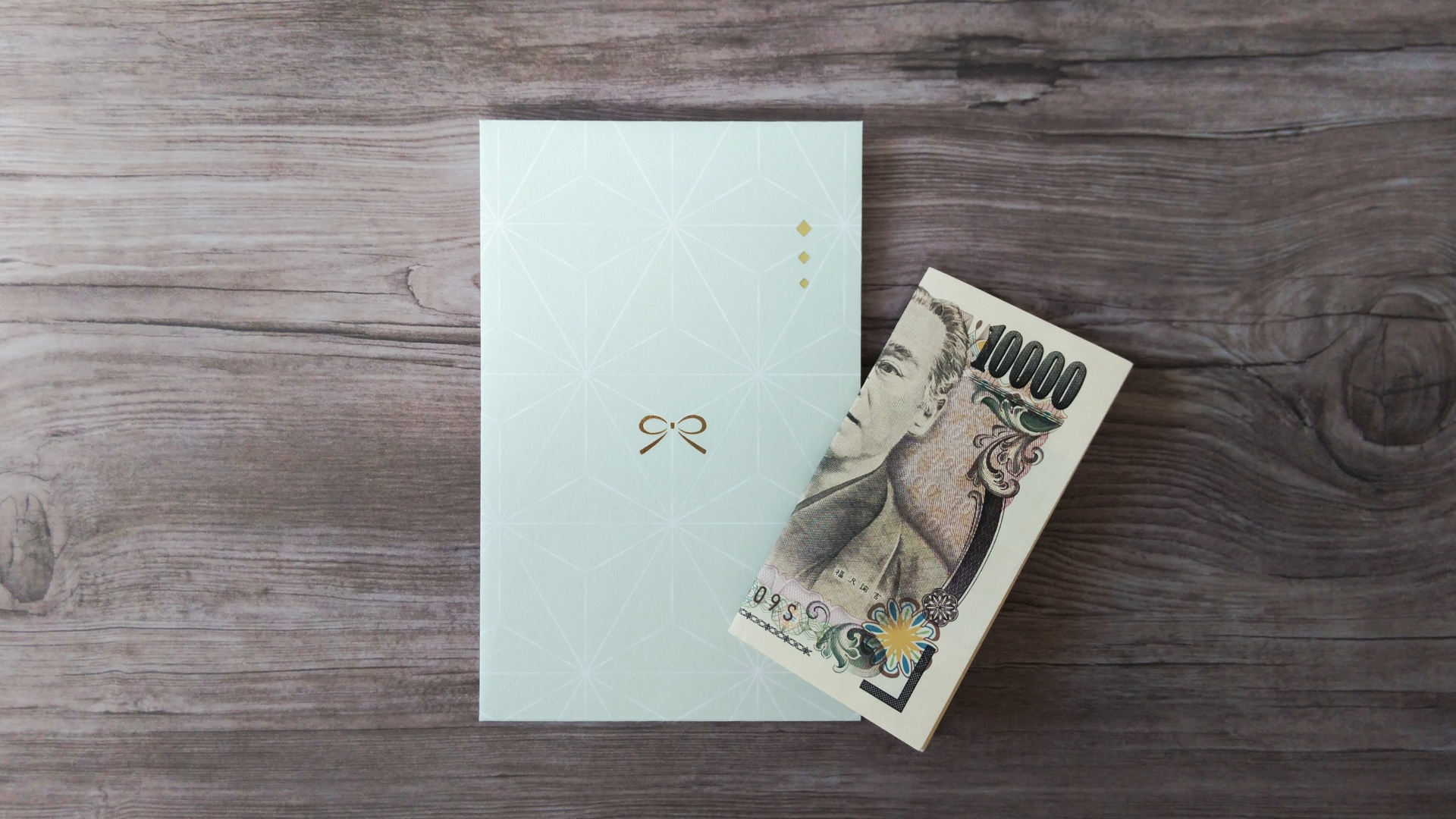
For those who want to participate in geisha culture at its fullest, there is one custom worth knowing: goshugi.
What is goshugi?
Goshugi is a traditional monetary gift given by a guest to the geisha — presented in a small decorative envelope called a pochi-bukuro. It is a custom with deep roots in Japanese hospitality culture, and guests who bring goshugi are considered iki (粋) — a term that roughly translates to “sophisticated” or “tasteful” in the best sense of the word.
When to give it:
The geisha perform their art during the first part of the evening. Goshugi is given after the performance — typically in the first half of the session, not at the end. This timing matters: goshugi is not a tip given in response to service received. It is a gesture of appreciation prepared in advance, for the geisha specifically.
How to approach it — tell the okami, not the geisha:
Do not say to the geisha directly that you want to give goshugi. Instead, tell the okami (proprietress) or a staff member before or at the start of your visit. They will support you with the timing and presentation.
Amount:
¥3,000–¥10,000 per geisha is the standard range. ¥5,000–¥10,000 is the most common amount. If there are 2 geisha present, many guests prepare goshugi for each.
Three ways to prepare (all supported by Miyakodori):
- Option A: Miyakodori provides the pochi-bukuro envelope. You place the cash inside and present it yourself.
- Option B: You hand the cash to Miyakodori’s staff. They place it in the envelope and return it to you to present.
- Option C (no cash needed): If you cannot prepare cash in advance, Miyakodori will front the amount and prepare the envelope on your behalf. You present the goshugi to the geisha, and the amount is added to your final bill. This option was created specifically for international guests who may not carry local currency.
Goshugi is not the same as tipping:
A tip is given at the end of an experience, as a reward for service received. Goshugi is given during the first half, as a cultural gesture prepared in advance for the geisha herself. Both are welcome — many guests give goshugi to the geisha and a separate tip to the restaurant staff. One does not replace the other.
This custom is entirely optional — and our staff will guide you through every step if you wish to participate. For those who want to engage more deeply with Japan’s geisha culture, goshugi is the detail that connects you to the tradition.
What makes an ozashiki unforgettable is not only witnessing the art — it is joining it. The games you play in that room tonight have been played for over 200 years. The art form in front of you has been carried forward across generations. You are not watching history. For a short time, you are part of it.
Ready to Experience Geisha Culture in Asakusa?
Miyakodori is Asakusa’s only machiai-chaya. Visitors from overseas are welcome — book your private ozashiki (a private gathering with geisha) online in minutes.
Common Questions About Booking a Geisha Experience
Q1: Can foreigners book a geisha experience in Tokyo?
Yes. Asakusa Miyakodori welcomes foreign visitors directly, without the need for an introduction from a regular patron. Reservations are accepted online in English through our own booking form, Design Your Geisha Experience. Miyakodori is Asakusa’s only machiai-chaya.
Q2: Do I need to speak Japanese to book or attend?
No. The online reservation form is available in English. An English interpreter also attends during the experience itself, so you can fully participate in the games, conversation, and Q&A with the geisha without any language barrier.
Q3: How far in advance should I book?
We recommend booking at least 3–7 days in advance to secure your preferred date and time. Same-day reservations are not guaranteed, as availability depends on geisha schedules. For the Geisha Kaiseki Dinner (3-hour plan) or larger groups, booking further in advance is advisable.
Q4: Can I book a geisha experience as a solo visitor?
Yes, solo bookings are accepted for all three plans: Geisha Highlights (1 hour), More Time with Geisha (2 hours), and Geisha Kaiseki Dinner (3 hours). Note that the per-person cost is higher for solo guests, as the geisha arrangement is fixed regardless of guest count.
Q5: Is a deposit or credit card required?
Yes. A credit card is required for all reservations. You are not charged when you submit your request — payment is made in person on the day, and the card is only used if a cancellation fee applies. Full payment and cancellation terms are shown on the booking form before you send your request.
Q6: What is the cancellation policy for a geisha experience at Miyakodori?
For all private ozashiki plans (1-hour, 2-hour, and 3-hour), the cancellation policy is: free cancellation 15 days or more in advance, 50% from 14 to 7 days prior, 80% from 6 to 4 days prior, and 100% from 3 days prior through the day of the visit, as a percentage of the reservation total. Cancellation is also free for 48 hours after Miyakodori sends your booking confirmation, except for bookings confirmed within 3 days of the visit. Full details are confirmed at the time of reservation.
Q7: Can I walk in without a reservation?
Walk-ins may be possible for the Ozashiki Tea House (Matcha with Geisha) session — a shorter drop-in experience separate from the three private ozashiki plans covered in this guide — if space is available on the day. Phone or in-person inquiry is accepted from 14:00. For all private ozashiki plans (1-hour, 2-hour, 3-hour), advance reservation is required.
Q8: How many geisha will be present, and what group size is recommended?
The 1- and 2-hour plans include 2 geisha for smaller groups — one musician (jikata) who plays shamisen and sings, and one dancer (tachikata) — and we recommend adding a third. Two geisha are the minimum arrangement for live music, live singing, and live dance to take place simultaneously. The jikata handles both the instrument and the song while the dancer performs, so the music never stops.
With 3 or more geisha, the experience deepens — each dancer can express a wider range of movement and style, and the room takes on more variety. For the richest possible experience, 5 geisha is ideal: two musicians (one dedicated to song, one to shamisen) and three dancers, each able to fully specialize.
The exact threshold depends on the plan: groups of 7 or more for the 1-hour plan, and groups of 6 or more for the 2-hour and 3-hour plans, automatically include an additional geisha. Extra geisha can also be requested at booking: +¥45,000 per geisha for daytime seats (2:00–5:00 pm starts) on the 1-hour plan, +¥60,000 per geisha for evening seats (5:30 pm starts) and for the 2-hour plan, and +¥75,000 per geisha on the 3-hour plan. The first geisha you add is ¥10,000 less. For a full comparison by group size, see How Many Geisha Should You Book?.
Q9: Is there an English interpreter during the experience?
Yes. An English interpreter attends all private ozashiki plans at Miyakodori, ensuring you can communicate freely with the geisha and fully participate in ozashiki games, conversation, and any questions you have.
Q10: Can you accommodate dietary restrictions such as vegan or halal?
Yes. As a machiai-chaya, Miyakodori does not prepare food in-house — meals are sourced from specialist restaurants. This allows accommodation of vegan, halal, gluten-free, and other dietary requirements. Please specify your needs in the message field when making your reservation request, or contact the venue at least 2 days in advance.
Q11: Should I bring goshugi (a gift for the geisha), and is it different from tipping?
Goshugi is a traditional monetary gift given to the geisha — placed in a small decorative envelope called a pochi-bukuro — and presented after her performance, typically in the first half of the evening. It is not a tip: goshugi is a cultural gesture of appreciation prepared in advance, while a tip is usually given at the end as a reward for service received. Both are welcome — many guests give goshugi to the geisha and a separate tip to the restaurant staff.
Bringing goshugi is optional, but it is considered the mark of a sophisticated guest (粋なお客様). The standard amount is ¥3,000–¥10,000 per geisha (¥5,000–¥10,000 is most common). Tell the okami (proprietress), not the geisha directly, that you wish to give goshugi.
Q12: What if I don’t have cash — can I still participate in the goshugi tradition?
Yes. If you are unable to prepare cash in advance, Miyakodori can arrange goshugi on your behalf: the restaurant prepares the pochi-bukuro (envelope) and fronts the cash, which you then present to the geisha during the experience. The amount is added to your final bill. This service is especially designed for international guests who may not carry local currency. Simply let the staff know before or at the start of your visit.
About Asakusa Miyakodori — Asakusa’s Only Machiai-Chaya
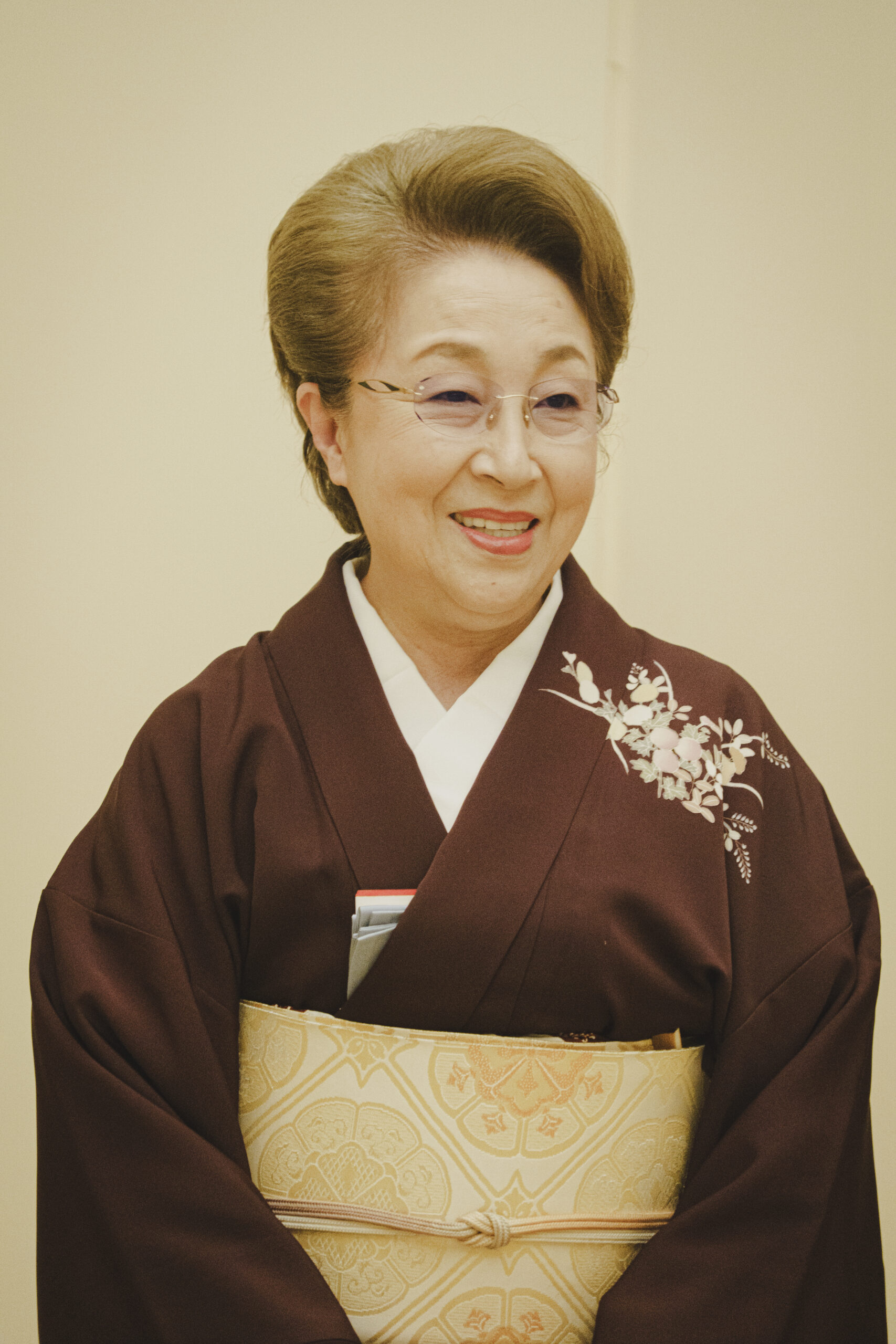
Miyakodori was established in 1950 in the heart of Asakusa’s hanamachi (geisha district), where it has operated continuously as a machiai-chaya — a waiting tea house — ever since.
For most of its history, Miyakodori, like all venues in Asakusa’s flower district, was open only to guests with an introduction from a regular patron. We changed that by deliberate choice. To carry geisha culture forward — to ensure that the art continues — the venue opened its doors to first-time visitors from around the world.
At the helm is okami (proprietress) Chikage, who began studying Japanese classical dance and music at age 6 and went on to perform Japanese classical dance (nihon buyo) at major stages including the Kabukiza Theatre, the National Theatre, and the Meijiza Theatre. She holds a shihandai (master instructor) license in the Hanayagi school of Japanese classical dance — the central school of Asakusa hanamachi. With 27 years of experience as a geisha, she has been at the heart of geisha culture ever since her debut in 1969. She is the only proprietress in Asakusa with direct experience as an active geisha. Together with the geisha Miyakodori invites, she oversees the quality of each ozashiki.
To learn more about the venue and its proprietress, visit the about Miyakodori page.
For information on exclusive experiences — including the Private Sushi Master Experience and Geisha Arrival by Rickshaw — see special experiences.
Request Your Geisha Experience in Asakusa Today
Miyakodori accepts reservations online in English. Choose from three plans — starting from 1 hour — and experience ozashiki (a private gathering with geisha) culture in the heart of Asakusa.


- What is a Geisha House? An Ultimate Guide to the World of Okiya and Ochaya (2026 Edition)
- Traditional Geisha Makeup: History, Artistry, and Symbolism
A Guide to Tokyo’s Geisha Districts: Finding Authentic Experiences and Cultural Immersion
Japanese Tea Ceremony in Tokyo: A Guide to Chadō — and the Geisha Tea House Few Travelers Know
How Many Geisha are Left in Japan? 2026 Numbers by City
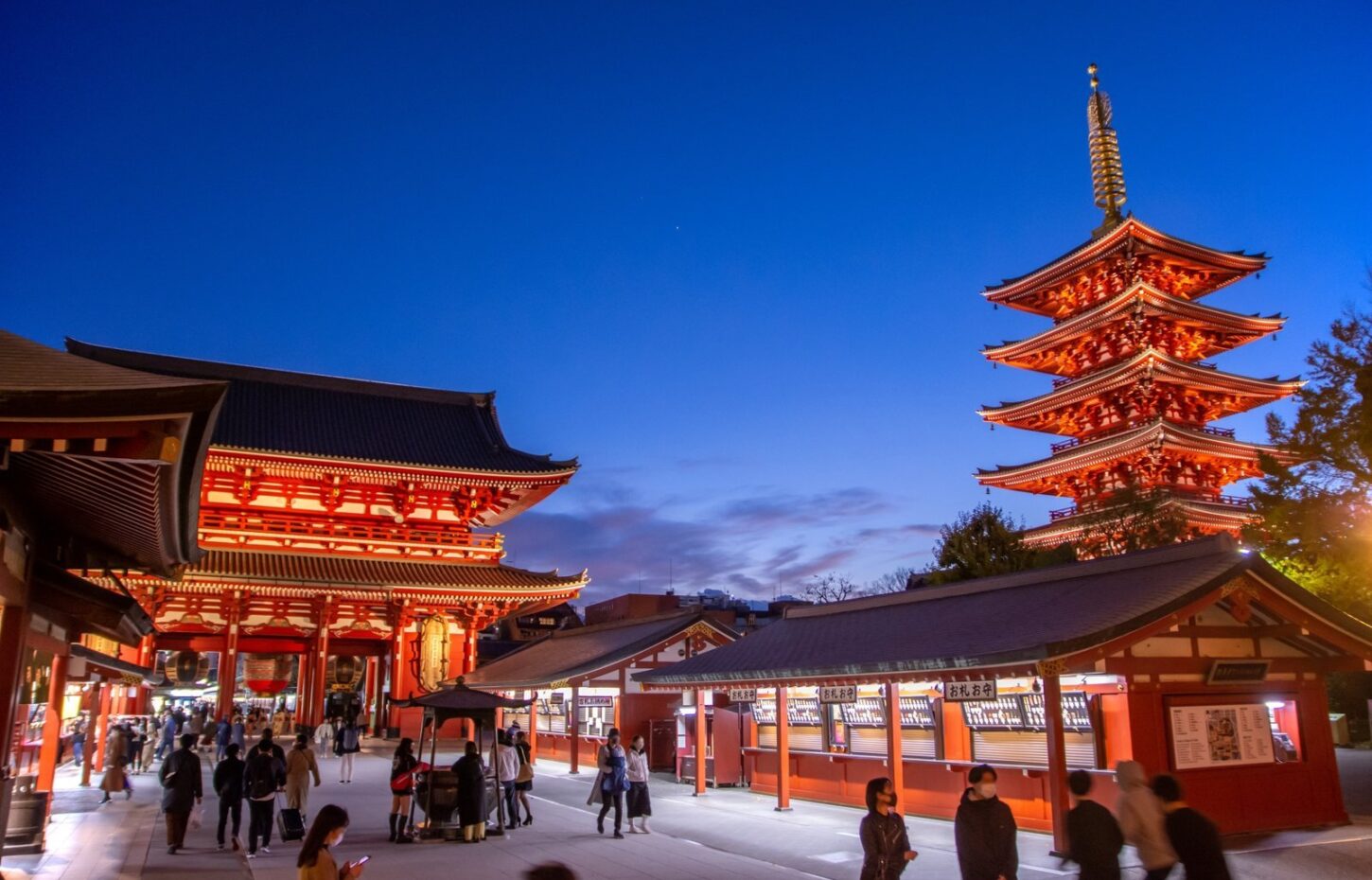
Asakusa Temple Autumn: A Guide to Fall Foliage at Senso-ji and the Streets of Old Tokyo
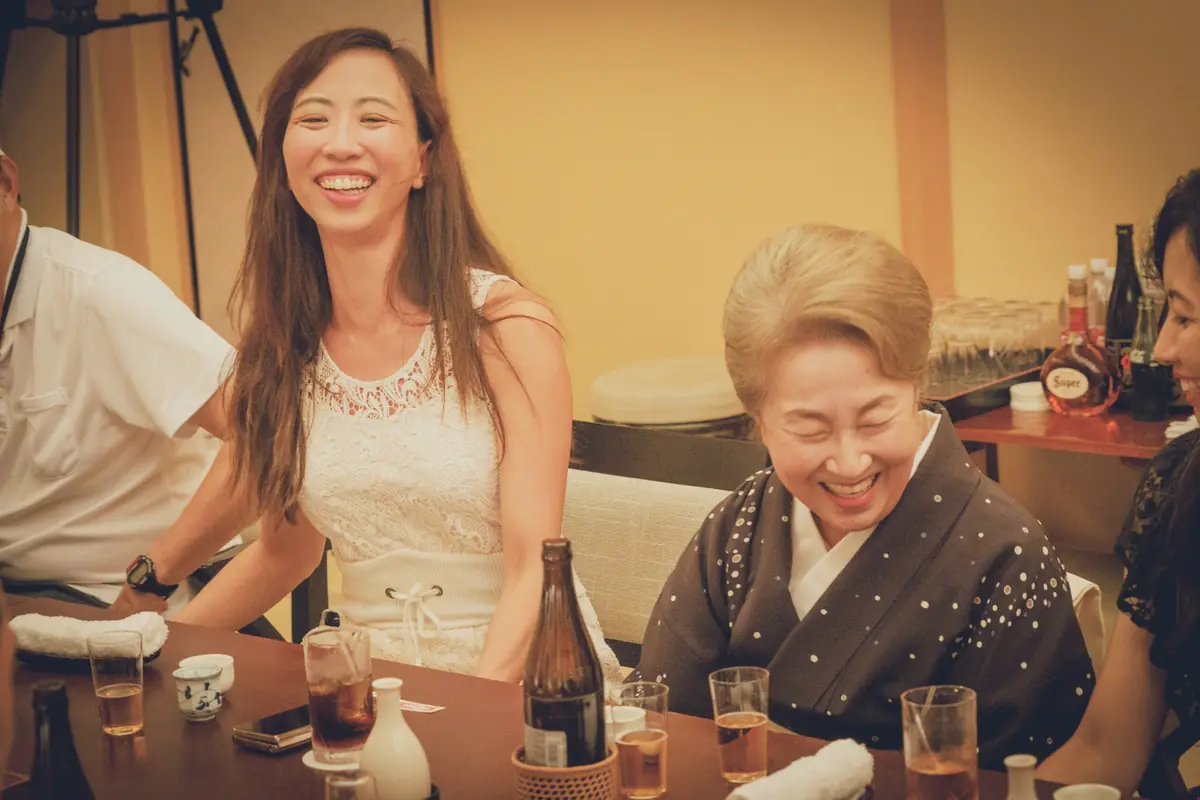
How Long Is a Geisha Experience? (Tokyo Ozashiki Guide)
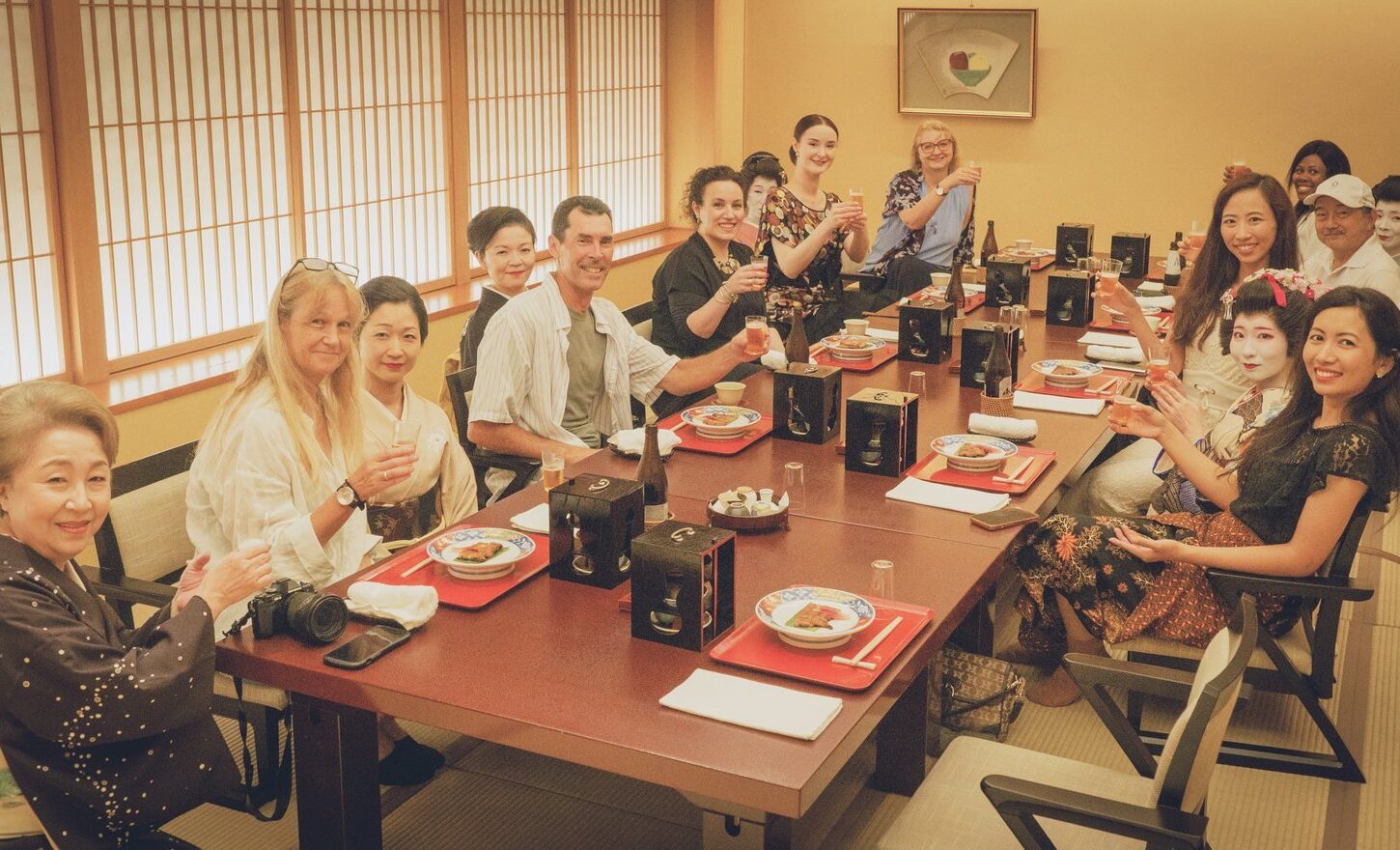
Planning a Group Dinner in Tokyo: A Private, Unforgettable Evening in Asakusa
Comment ( 0 )
Trackbacks are closed.

No comments yet.