



Geisha Shows in Tokyo: Where to See Geisha, and How Tokyo Compares with Kyoto
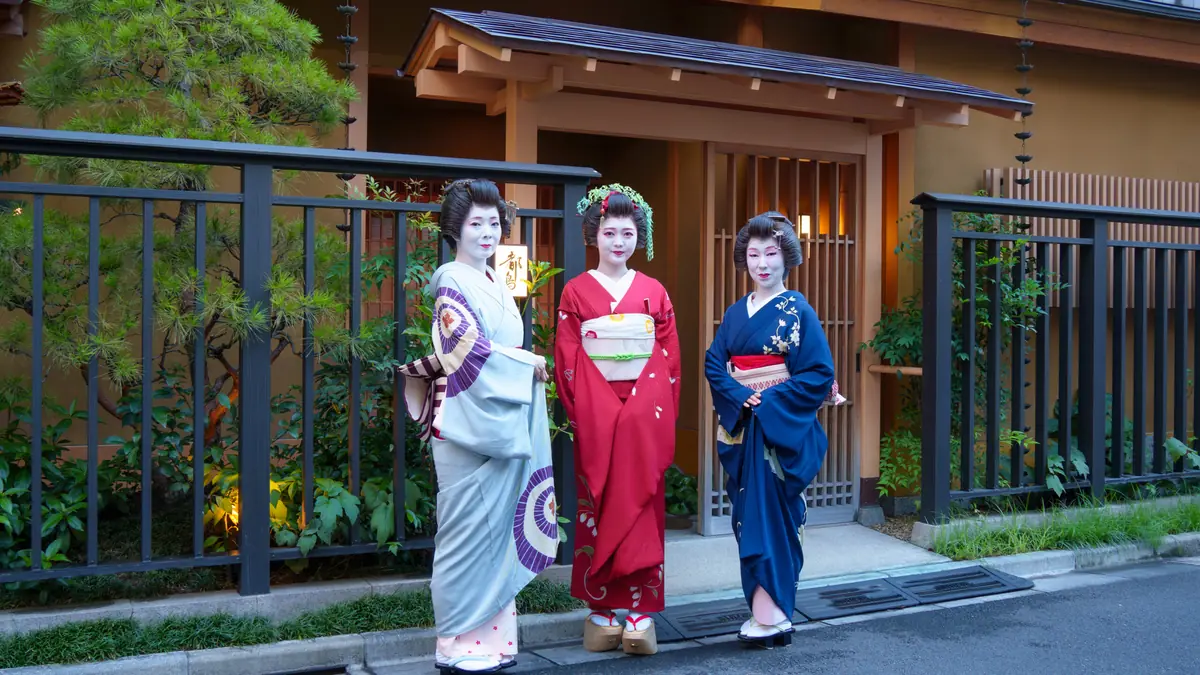
Yes, you can see geisha in Tokyo. The capital has six working geisha districts (hanamachi), and Asakusa, a few minutes from Senso-ji, is the most open to first-time visitors. A geisha show in Tokyo takes one of two forms: a public performance, such as a seasonal odori or a hotel or tour show, or a private ozashiki (a private gathering with geisha), where geisha dance, play ozashiki games and keep your party company through the meal in a tatami room. This guide covers both, explains how booking works (most tea houses accept guests only by introduction; Miyakodori in Asakusa takes requests from first-time guests), and compares Tokyo with Kyoto for travellers deciding where to go.
What Exactly is a Geisha Show? Understanding the Art and Tradition
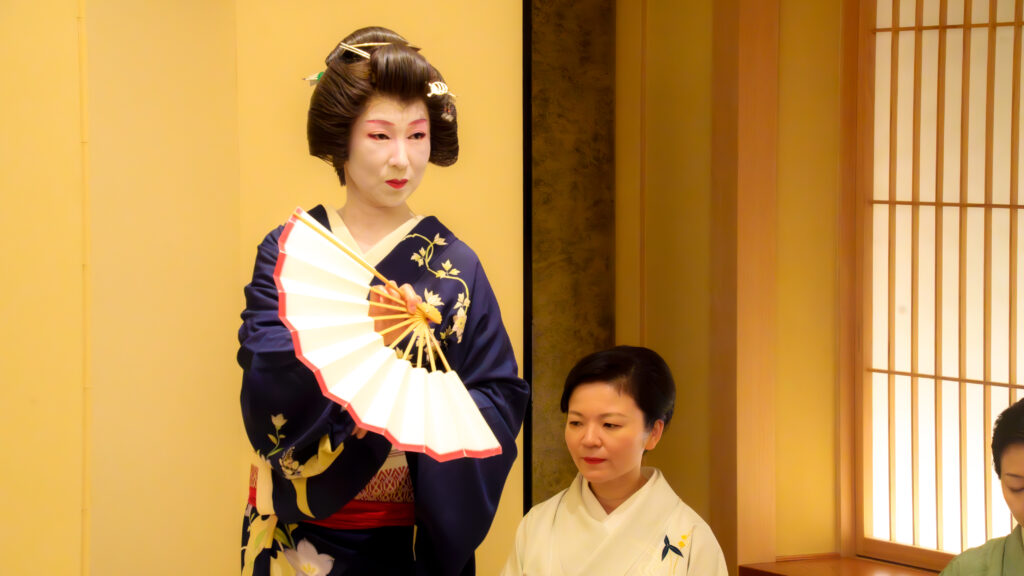
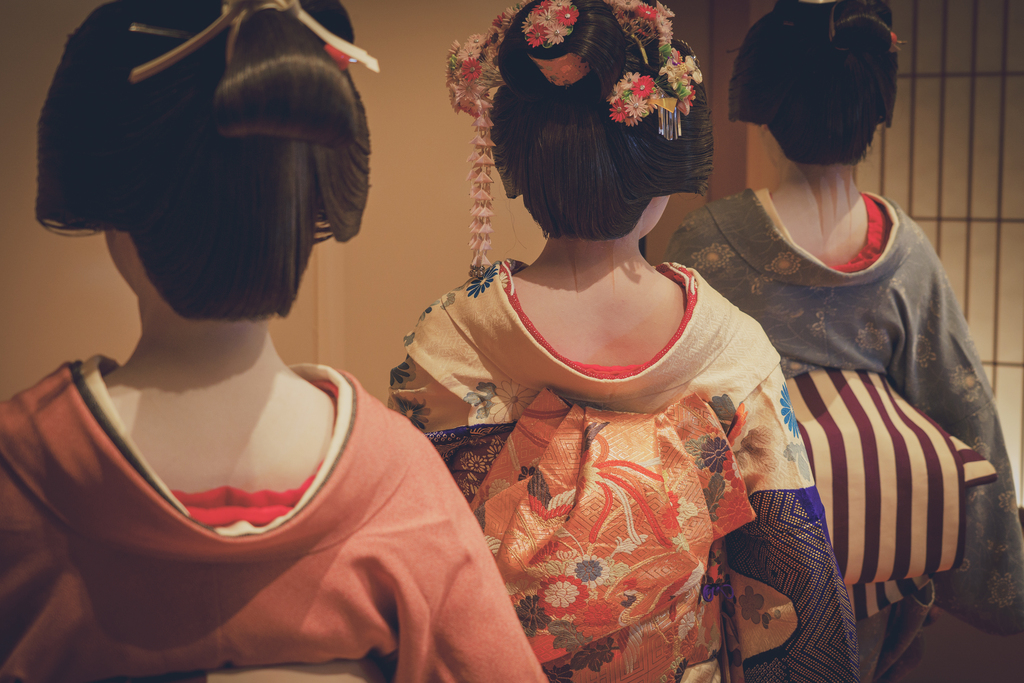
When many travelers search for “geisha show near me”, they are often looking for a glimpse into a world that has remained largely hidden for centuries. To truly appreciate the experience, it is important to understand what a geisha is. In the simplest terms, a geisha is a professional artist and entertainer. The word itself translates to art person. In Kyoto, they are known as geiko, while the younger apprentices are called maiko.
A typical geisha show is a multi-layered cultural experience involving traditional Japanese music, refined dance, and the art of conversation. When you attend a performance, you are seeing the results of years of rigorous training. These women spend their days learning how to play the shamisen (a three-stringed instrument), how to perform the tea ceremony with grace, and how to move in a heavy silk kimono as if they were floating.
The history of this profession dates back hundreds of years, originating in the tea houses of Kyoto and later spreading to the capital. Today, the tradition is kept alive in specific districts known as hanamachi, or flower towns. The performance you see today is a living link to Japan’s Edo period, offering a sense of time travel that few other experiences can match.
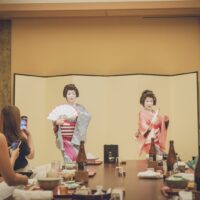
What that looks like. Two Asakusa geisha dance with fans in a tatami room — the slow, deliberate movement the section above describes, filmed at close range rather than from a theater seat.
Where to See a Geisha Show in Tokyo: Asakusa and the Other Districts
While Kyoto is famous for its elegance, Tokyo offers a different flavor of geisha culture. In Tokyo, districts like Akasaka, Kagurazaka, and Asakusa have long-standing traditions.
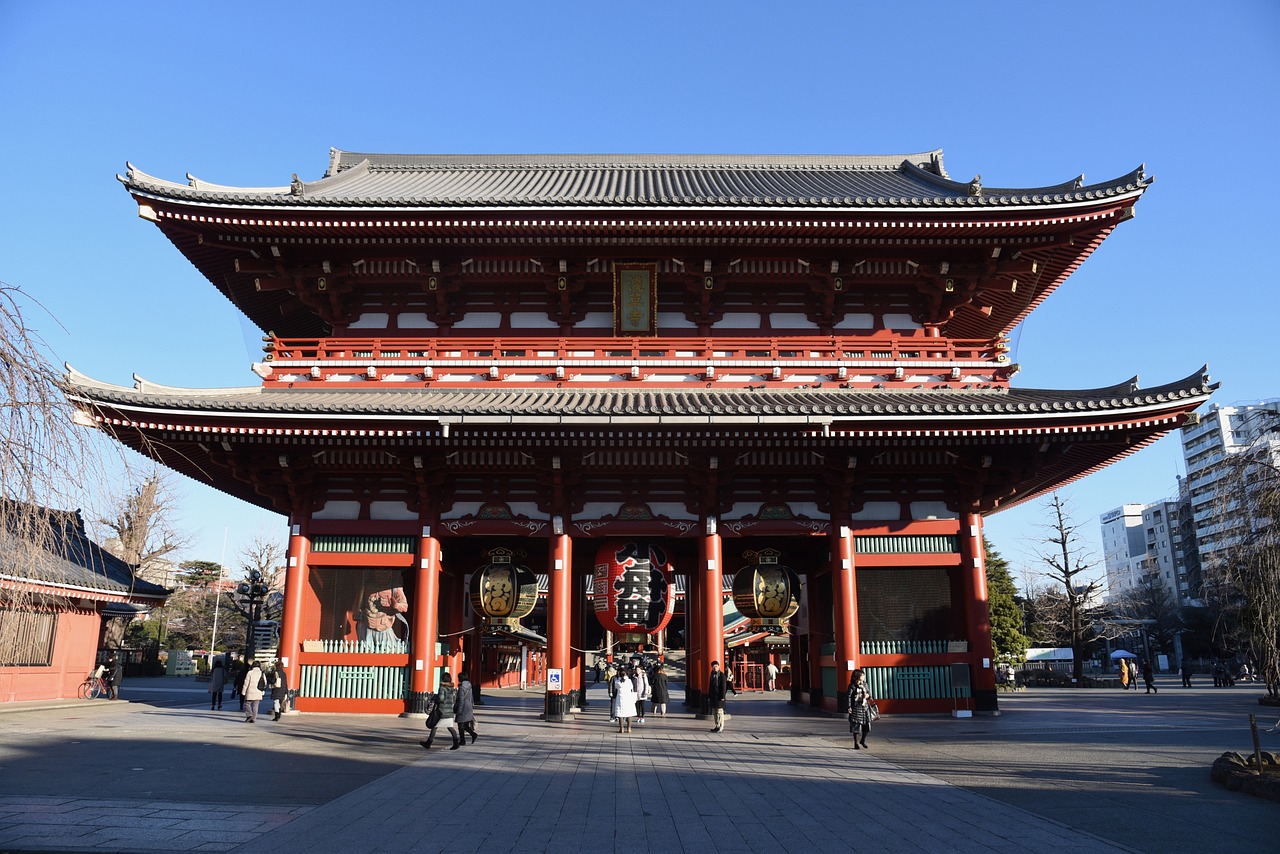
Asakusa is particularly special. Historically, Asakusa was the entertainment hub of old Tokyo (Edo). Unlike the more exclusive and sometimes guarded atmosphere of Kyoto, Asakusa has a reputation for being more open and welcoming to a diverse range of guests. This is largely due to its proximity to Senso-ji, the oldest temple in Tokyo, which has made the area a center for tourism for centuries. The geisha here are known for their spirited performances and their ability to engage with people from all walks of life.
Beyond the major cities, you can also find geisha traditions in Kanazawa’s Higashi Chaya district or in certain parts of Osaka. Each region has its own specific style of music and dance, reflecting the local history and tastes of their historical patrons.
Tokyo, not Kyoto. Most visitors do not expect to find working geisha in the capital, which is why this clip opens with the question. The district is Asakusa, a few minutes from Senso-ji.
Where to Watch a Geisha Show in Kyoto: The Heart of Tradition
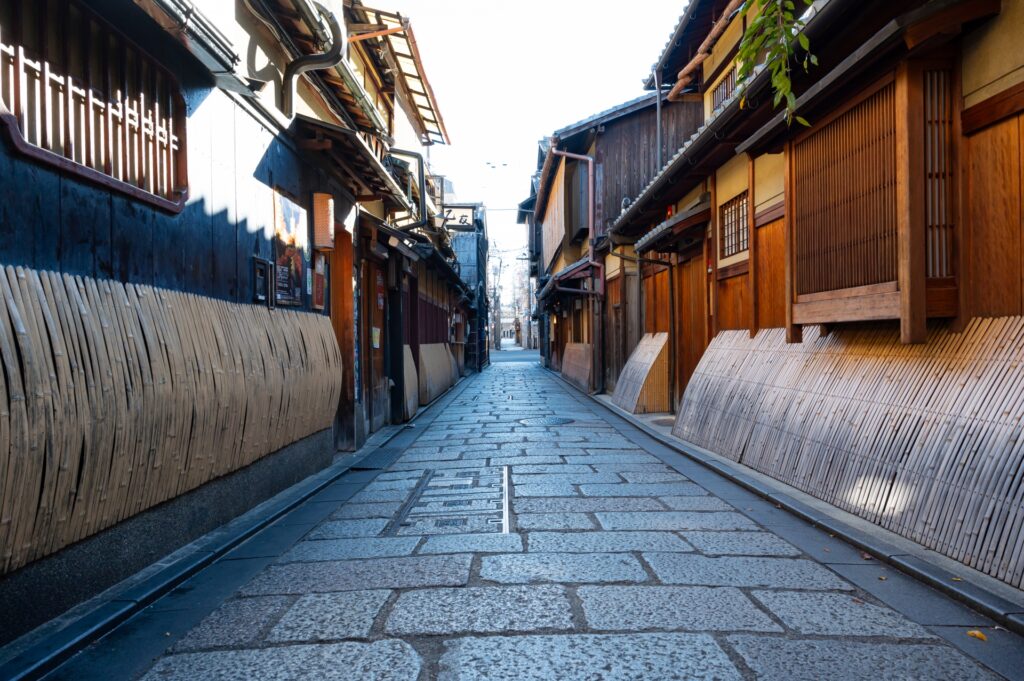
Kyoto remains the spiritual home of geisha culture. If you are in the city, the Gion district is likely the first place you will encounter this world. Gion is famous for its preserved wooden buildings and the occasional glimpse of a maiko scurrying to an appointment.
For those looking for an accessible entry point, Gion Corner is a popular venue. It offers a public performance that includes a variety of traditional arts, including a short geisha dance. This is an excellent option for those on a budget or with limited time. However, it is a public theater setting, so it lacks the intimacy of a private room.
Pontocho is another iconic area. This narrow alleyway running along the Kamogawa River is packed with tea houses and restaurants. It is one of the most atmospheric places in Japan to walk at night. Many of the establishments here offer high-end dining experiences where geiko may be invited to perform.
If you are looking for a more hands-on experience, venues like Maikoya offer tea ceremony experiences led by maiko. These are specifically designed for tourists and provide a wonderful opportunity to ask questions and take photos in a controlled environment.
Private vs. Public Geisha Shows: Which is Right for You?
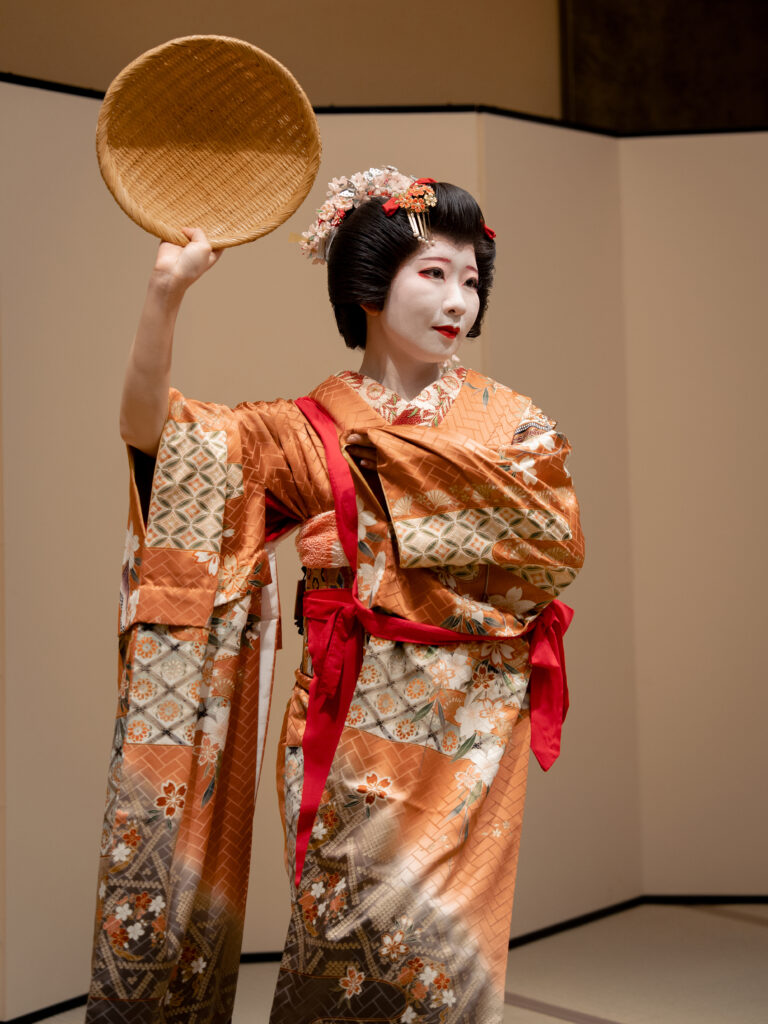
When choosing an experience, you must decide between a public performance and a private meeting.
Public shows, such as those held at theaters or during seasonal festivals, are affordable and easy to book. You can buy tickets online or at the venue. These are great for seeing the technical skill of the dancing and music, but you will be one of hundreds of audience members. You won’t get to talk to the performers or play traditional games.
Private experiences involve booking a room at a ryotei (traditional high-end restaurant) or an ochaya (tea house). This is the gold standard of geisha entertainment. You will have a private room where geisha will serve you drinks, perform dances just for your group, and engage in conversation through an interpreter. This is significantly more expensive, often costing hundreds of dollars per person, but it offers an exclusivity and personal connection that is unforgettable. It is the perfect choice for a special anniversary or a high-level business dinner.
What to Expect During a Geisha Dinner or Performance
If you choose the private dinner route, the evening usually begins with a multi-course kaiseki meal. This is a seasonal feast where every dish is a work of art. As you eat, the geisha will enter and introduce themselves.
The performance part of the evening usually starts with a dance. This is often accompanied by a shamisen player and a singer. The movements are slow, deliberate, and full of symbolic meaning. After the dance, the atmosphere becomes more lighthearted.
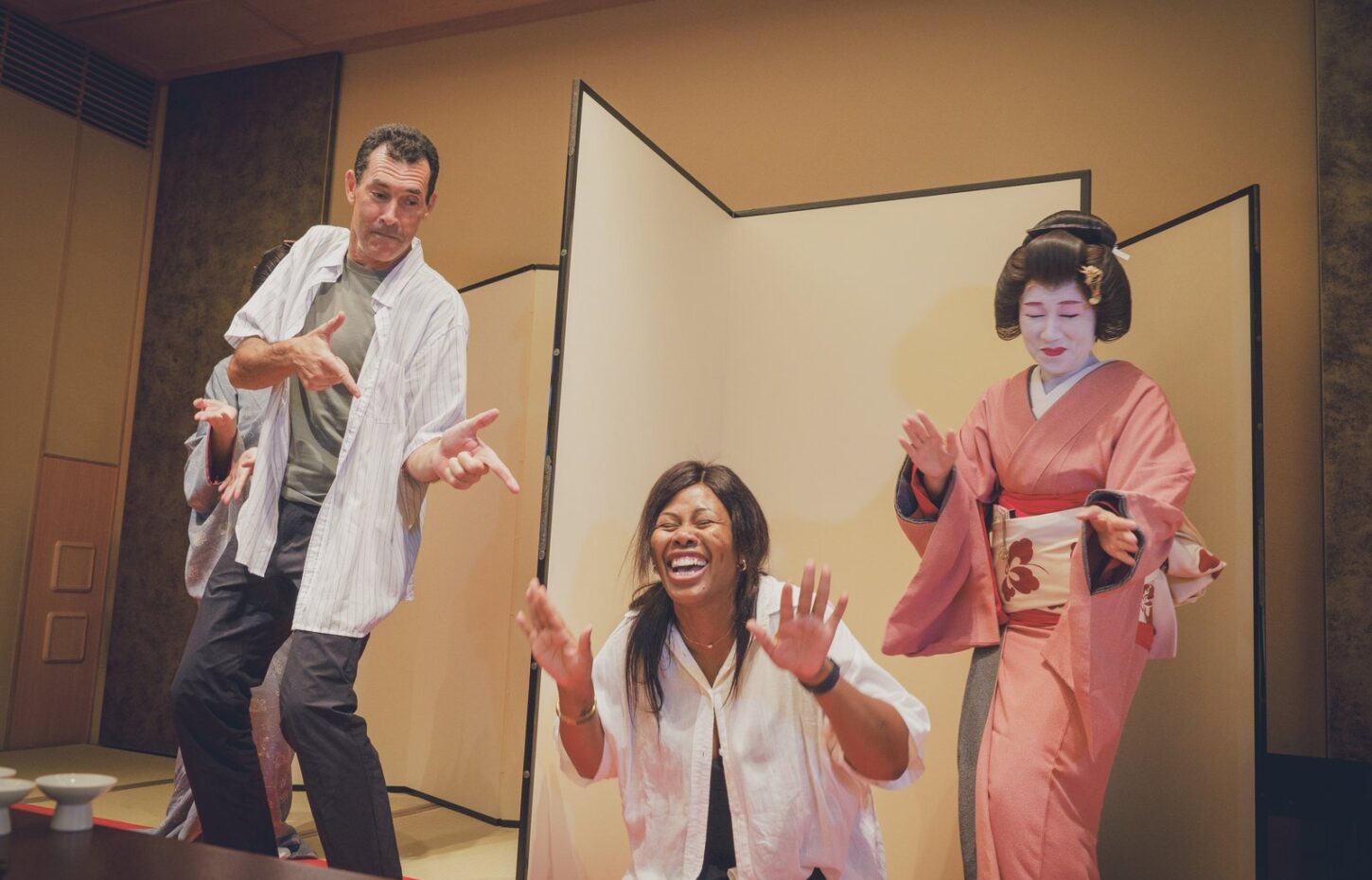
This is when the games begin. Known as ozashiki asobi, these are simple but fast-paced drinking or rhythm games. One popular game involves placing a small cup on a table and taking turns grabbing it to the beat of a song. If you lose, you might have to take a small drink of sake. These games are a bridge that breaks the ice between the guests and the geisha, leading to laughter and a relaxed environment.
The game described just above has a name: konpira fune fune. The hakama — a small wooden piece — sits on a kyōsoku armrest between the two players, and whoever grabs air when the cup is gone loses the round. It moves faster than the description suggests.
Booking Your Experience: How to Reserve a Ticket or Private Tour
Miyakodori in Asakusa, Tokyo, accepts direct requests from first-time guests, with no introduction needed: choose a date and party size on the request form, and our staff replies with a plan. Requests are answered by a person, not confirmed automatically.
Booking a geisha experience elsewhere can be tricky because many traditional tea houses operate on a referral-only basis, known as “ichigen-san okotowari”. This means they do not accept new customers without an introduction from a regular patron.
Luxury hotels and specialized tour agencies are another option for international guests, as many now offer booking services. To find a geisha show this way, it is best to search for reputable cultural tour providers who have established relationships with the hanamachi.
When booking, be sure to check the cancellation policy. These are high-demand performers with strict schedules. You should also confirm if an English-speaking guide or interpreter is included, as many geisha speak limited English. Knowing the hours is also important; most private dinners start early in the evening and last about two to three hours.
Important Etiquette: How to Respectfully Interact with Geisha
Respect is the foundation of the geisha world. When you are in districts like Gion or Asakusa, you may see geisha walking to their appointments. It is crucial never to touch them, block their path, or chase them for photos. These women are professionals on their way to work, and the streets are their workplace, not a theme park.
If you are in a private session, always ask before taking a photo. Most are happy to pose for a few shots at the end of the evening, but constant flash photography during a dance can be distracting and disrespectful.
When it comes to dress code, while there isn’t always a strict rule for guests, wearing smart-casual clothing shows respect for the formal environment. Remember that you will likely be sitting on tatami mats, so wear socks without holes and shoes that are easy to take off when entering the building.
Seasonal Events and Annual Odori Dances
If you can time your visit with one of the large seasonal festivals, you are in for a treat. In Kyoto, the Miyako Odori (Cherry Blossom Dance) in April and the Kamogawa Odori in May are spectacular public events where dozens of geiko and maiko perform together on stage. These events allow the general public to see the highest level of geisha artistry for the price of a theater ticket.
In Tokyo, various shrines and districts hold events throughout the year where geisha perform on outdoor stages. These events are often free and offer a wonderful way to see the community aspect of the flower towns.
The Tokyo version of that. Not a ticketed theater performance but a neighborhood festival — geisha out on the street with everyone else, which is how most people in Asakusa actually come across them.
Frequently Asked Questions about Geisha in Japan
Q: How much does a geisha experience cost?
A: Public theater tickets can range from 3,000 to 5,000 yen. A private dinner experience typically starts at 50,000 yen per person and can go much higher depending on the number of performers and the quality of the meal.
Q: Is there an age limit?
A: Generally, no. However, the formal dining atmosphere of a private ryotei may not be suitable for very young children. Public shows are welcoming to all ages.
Q: What is the difference between a geisha and a maiko?
A: A maiko is an apprentice, usually between the ages of 15 and 20. She wears more colorful kimono, longer sleeves, and elaborate hair ornaments. A geisha (or geiko) is a fully trained professional who wears more subtle, elegant clothing.
Q: Do they speak English?
A: Some younger geisha are learning English to accommodate international guests, but many traditional performers speak only Japanese. Having a guide or interpreter is highly recommended for private sessions.
Q: What is the best geisha experience for first-time visitors?
A: For a first visit, a small private ozashiki is usually the most rewarding choice, because you sit close to the performers, ask questions through an interpreter, and join the games yourself rather than watching from an audience. Asakusa Miyakodori — the only machiai-chaya in Asakusa — welcomes first-time guests, who can book directly with no personal introduction required, English interpretation is included, and all plans can be reserved by a solo visitor.
Experience the Soul of Old Edo at Asakusa Miyakodori

If you are looking for an authentic geisha experience in Tokyo, there is one place that stands out for its history and welcoming spirit: Asakusa Miyakodori. Located in the historic Asakusa Kannon-ura district, this traditional establishment offers a rare glimpse into the world of the Machiai-chaya.
While Kyoto’s culture is rooted in the imperial court’s elegance, Asakusa’s culture was born from the samurai and merchant classes. This has created a style that is simple, chic, and dignified—a quality the Japanese call iki.
Asakusa Miyakodori, founded in 1950, is the only machiai-chaya in Asakusa. This means its primary focus is on the geisha experience itself. Here, you can enjoy seasonal kaiseki cuisine that reflects the four seasons of Japan, served in prestigious private rooms perfect for hosting VIPs or celebrating special milestones.
The true essence of Miyakodori lies in its hospitality. The geisha here undergo rigorous training to ensure that every guest feels at home. Whether you are interested in the graceful dances, the beautiful melodies of the shamisen, or the playful fun of ozashiki games, Miyakodori provides a space where the 400-year history of Asakusa comes to life.
One of the unique aspects of Asakusa geisha culture is its openness. While it maintains high standards of tradition, it is a district that has grown alongside the community and its visitors. Miyakodori even offers options to accommodate diverse needs, including some considerations for halal requirements, making it a bridge between Japanese tradition and the modern world.
A visit to Asakusa Miyakodori is a journey into the heart of Japanese beauty and hospitality. It is a place where you can forget the rush of modern life and immerse yourself in a moment that will stay in your memory forever.
Conclusion
Finding a geisha show is the first step toward discovering one of Japan’s most beautiful and misunderstood traditions. From the quiet alleys of Kyoto to the historic heart of Tokyo, the world of the geisha offers a unique window into the past. By choosing the right experience—whether it’s a public festival or an intimate evening at a place like Asakusa Miyakodori—you can witness the pinnacle of Japanese hospitality and art.
Plan your visit with respect, curiosity, and an open heart, and you will find that the flower towns of Japan have stories to tell that transcend language and time.
Practical Questions: Booking, Timing, and Etiquette
How far in advance should I book my geisha experience?
It is highly recommended to plan your visit at least one week or even a month in advance, especially during the peak travel season. While some larger venues might have a spot for a last-minute visitor, most exclusive ryokan and teahouse locations require advance notice to arrange the entertainers and coordinate the final menu. This is particularly true if you are booking for large groups or require a specific package that includes elements like an all you can drink option or a specialized lunch. If you stay at a luxury host hotel, the concierge can often help you contact affiliated venues or a partner company to secure your reservation.
Are there specific events or festivals throughout the year?
Yes, the schedule of performances often follows a traditional seasonal calendar. In the spring, usually starting in April, you can see large-scale musical events such as the Miyako Odori. Other notable celebrations occur in July (Gion Matsuri), August, and November. In Kyoto’s various areas like Shijo, Higashiyama, and Kamishichiken, you might find special stage performances that feature hundreds of dancers. During these times, temples and shrine sites often hold public celebrations where you might have a chance to see geisha performed in the street. In January, the new year celebrations are a charming time to see them in their formal black kimono.
What are the main differences between geisha performances in different cities?
While Kyoto remains the most famous, the tradition exists throughout the country. From the snowy north of Hokkaido to the southern regions of Hiroshima and Nagasaki, and even the historical city of Nara, each area has its own unique features. Kyoto’s districts like Kamishichiken and the area near Kitano Tenmangu are deeply rooted in the ancient court traditions. In contrast, Tokyo’s geisha culture, based in areas like Asakusa, was introduced by the merchant classes and has a different set of rules and styles. The skills worn by these artists, from singing to playing traditional instruments, are subject to years of practice, but the specific forms of dance can change depending on the region.
What kind of entertainment is included in a geisha banquet?
A typical banquet or party is a refined form of nightlife that combines food, music, and games. The duration is usually around 2 to 3 hours. You will be entertained by professional singing and dancers who have mastered various art forms, including some that share history with noh, bunraku puppet theater, and classical musical pieces. Traditionally, the entertainers playing the shamisen or other instruments provide the backdrop for the elegant dances. After the formal performance, you can opt to participate in drinking games.
What should I note regarding privacy and photography?
Privacy is a top priority in the teahouse world. Many high-end teahouses are registered businesses that value the confidentiality of their guests. When you visit a spot like the Yasaka area or the street of Gion, you may see signs asking you to respect the privacy of the geisha. Always check the conditions of your booking regarding photography. Some venues allow photos at the end of the hour, while others might prohibit it during the actual performance.
How do I get to the venues and what is the payment process?
Most famous districts are located in the central areas of the city and are easily accessible by train or taxi. You can find the exact location using a digital map provided by your tour operator. Regarding payment, while many modern shops and restaurants accept credit cards, some traditional teahouses still prefer bank transfers or cash, especially for the final payment of the geisha fee. It is best to confirm the payment method when you sign the contract or apply for the experience. Support for other languages varies, but most international-facing sites will provide a clear list of what is included in your package.
If you would rather see the options laid out in one place, our guide to the five ways to see a geisha in Tokyo ranks each route by cost and certainty — and is explicit about the difference between a shared-table tea house session and a private ozashiki.
Sources:
- Asakusa Geisha Association: https://asakusakenban.com/
- Asakusa Tourism Organization: https://asakusa.gr.jp/jp/?p=385
- Official Tokyo Metropolitan Government Information: https://www.my.metro.tokyo.lg.jp/w/000-20240711-43128106
- PR Times – Asakusa Miyakodori: https://prtimes.jp/main/html/rd/p/000000001.000165250.html
Experience graceful performances, warm hospitality, and a timeless atmosphere where Japan’s living traditions come to life.

- Private Ozashiki: An intimate, refined encounter with authentic Asakusa geisha.
- Traditional Geisha Artistry: Elegant dance, live shamisen music, and interactive ozashiki games.
- Historic Machiai-chaya Setting: A sophisticated cultural experience in a traditional machiai-chaya setting.
- English Support Available: Assistance for international guests throughout your visit.


- Experiencing an Authentic Geisha Show in Asakusa, Tokyo
- Geisha in Tokyo: The Complete Knowledge Guide to the Karyukai
Oiran Meaning: Who Were Japan’s Highest-Ranking Courtesans?
Geisha Photoshoots in Tokyo: Asakusa’s Best Experiences
Looking for a Unique Experience in a Kimono? Discover the World of Ozashiki Asobi in Asakusa

Asakusa Geisha Culture: Knowledge Q&A【Miyakodori】
What Is the Tora Tora Game? Rules, History, and How to Play
Geisha in Tokyo: The Complete Experience Guide
Comment ( 0 )
Trackbacks are closed.

No comments yet.