



Geisha in Japanese Culture: A Complete Guide
When people think of Japan, one of the most iconic images that comes to mind is the geisha, with her white face makeup, elaborate hairstyle, and beautiful kimono. However, for many international visitors, especially those from the United States, the true identity of these female artists remains shrouded in mystery and western misconceptions. Many travel to places like Kyoto or Tokyo hoping to see a real geisha performance, yet they often struggle to understand the deep history, rigorous training, and social status of these professional entertainers. This comprehensive guide aims to demystify the world of geisha, providing cultural clarity and showing you how to responsibly experience this living tradition today.
What Is a Geisha? Meaning, Etymology, and Origins
To understand this culture, we must look at the literal definition and etymology of the word itself. The term geisha is composed of two Japanese characters: gei, meaning art or performance, and sha, meaning person. Therefore, the literal translation of geisha is a person of the arts or an artist. In different regions of Japan, alternative terms are used. For instance, in Kyoto and nearby districts, they are referred to as geiko, while young apprentices are called maiko. In Tokyo and eastern regions, they are traditionally known as geisha, and the apprentices are called hangyoku.
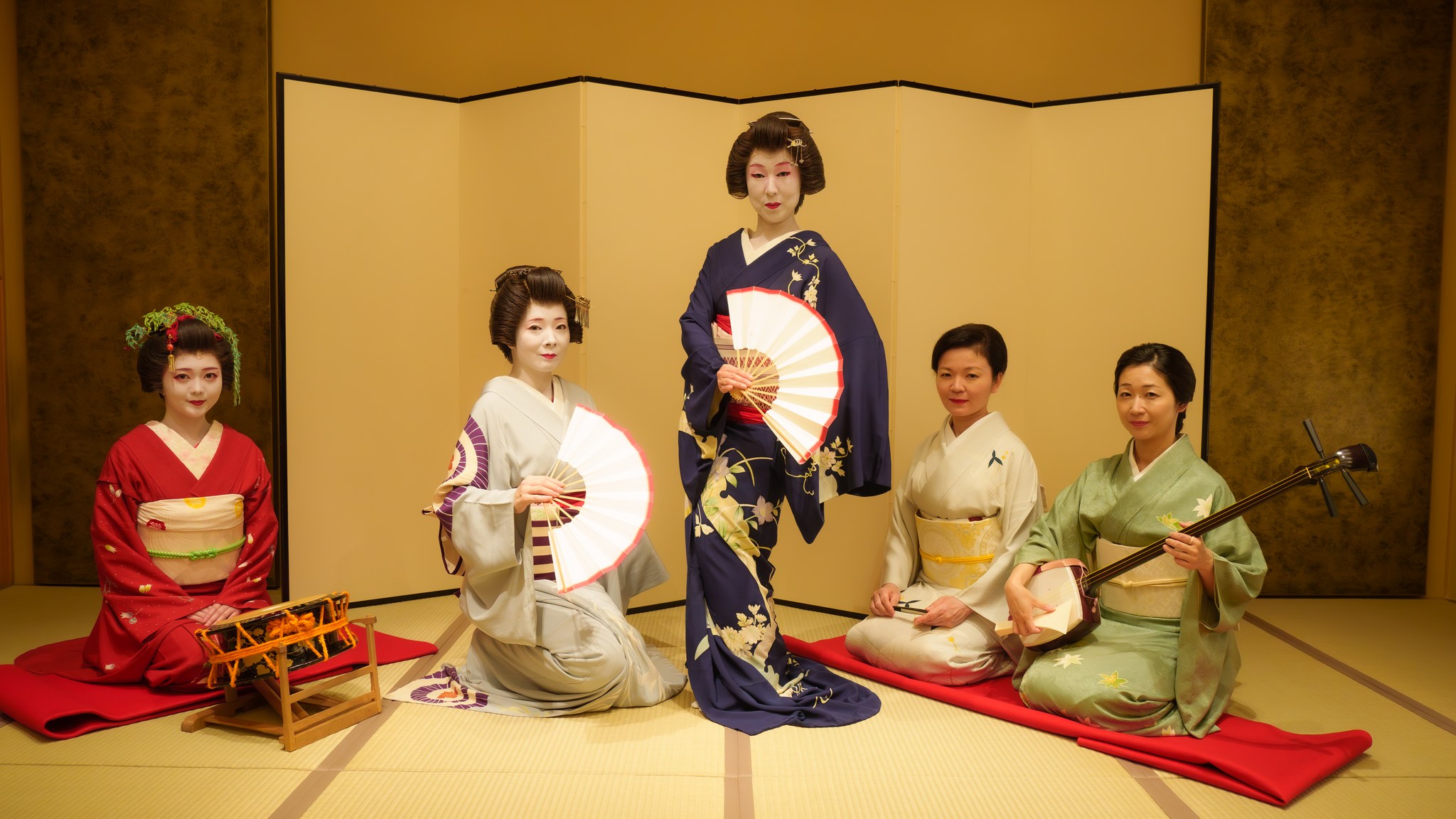
Historically, they are professional female entertainers trained in classical Japanese performing arts, including traditional dance, singing, playing musical instruments like the shamisen, and the delicate art of conversation. They are not historical relics; they are contemporary individuals keeping a centuries-old tradition alive through dedication and highly refined skills. According to historical records kept by local associations, these women have represented the pinnacle of hospitality and artistic preservation for generations.
The Historical Evolution of Geisha Culture
The Emergence in the Edo Period (18th Century)
The roots of geisha culture stretch back over several centuries, evolving significantly over time. Originally, during the early Edo period, the earliest entertainers who performed at high-class gatherings were actually male, known as taikomochi or hoko. However, by the mid-18th century, female artists began to dominate the profession. The first female geisha appeared in Kyoto and Tokyo, offering musical entertainment and dance to customers in the pleasure quarters or hanamachi, which translates to flower towns.
At that time, the government strictly regulated entertainment districts to separate legal prostitution from artistic performance. Courtesans, known as oiran, occupied the highest social tier of pleasure houses, while geishas were strictly forbidden from selling sex. They existed purely to entertain guests with high-quality music, dance, and engaging wit, a rule enforced tightly by local authorities. For a deeper look at the history of this distinction, see our Complete History Guide to Geisha in Tokyo.
Modernization during the Meiji Era and the West
As Japan transitioned from the feudal samurai era to the modern world during the Meiji period, geisha culture entered its golden age. They became national fashion trendsetters, and their influence expanded deeply into politics and business. Leaders of the new Meiji government frequented exclusive teahouses to hold private meetings, where confidential conversations were protected by the strict privacy policy of the hanamachi. During this time, western travelers began arriving in large numbers, and the image of the geisha became an international symbol of exotic Japanese beauty. Books and memoirs written by foreign visitors popularized their existence in the west, though often with a lack of proper understanding of their professional status.
Impact of World War II and Post-War Resilience
By the 1920s, there were over 80,000 geishas working across the country, making it a major and highly respected profession for women. However, World War II disrupted this world profoundly. Entertainment districts were forced to close, and most women had to work in factories to support the national war effort. After the war, the quarters slowly reopened, but society had changed completely. Anti-prostitution laws passed in the mid-20th century further altered the landscape of traditional nightlife. Despite these massive social shifts, the tradition survived through the decades due to the determined efforts of dedicated okiya (geisha houses) and local communities who fought to protect their cultural heritage.
The Artistic Journey: Training Process from Apprentice to Professional
Shikomi and Minarai Stages
Becoming a professional geisha takes years of intense discipline and continuous learning. Historically, young girls would enter an okiya, or geisha house, at a very young age to begin their education. Today, interested individuals typically apply after graduating from junior high or high school, usually around the age of 15 to 18. The journey begins with the shikomi stage, during which the apprentice lives in the house and performs daily chores, learns the proper local dialect, and observes the senior sisters. Following this, they advance to the minarai stage, where they attend actual parties or ozashiki purely to watch and learn how experienced entertainers interact with guests.
The Role of Maiko (Kyoto) and Hangyoku (Tokyo)
After the initial training, the apprentice officially debuts. In Kyoto, she becomes a maiko, wearing an elaborate kimono with long sleeves and natural hair styled into distinct shapes. In Tokyo, she is called a hangyoku, meaning half-jewel, because historically her service fee was half that of a full professional. This stage is a critical time for honing performing arts, practicing musical instruments, and adapting to the unique social expectations of the community.
Life in the Okiya (Geisha House)
The okiya serves as both a home and a business headquarters, managed by an experienced woman referred to as the oka-san (mother). The okiya finances the expensive training, kimonos, and living expenses of the apprentices. In return, a portion of the apprentice’s earnings goes back to the house until her financial debt is cleared, allowing her to become independent. This tight-knit, female-led society creates strong lifelong bonds and maintains the strict discipline required to preserve the tradition.
The Mastered Arts: Traditional Performances and Skills
Classical Dance and Musical Instruments (Shamisen)
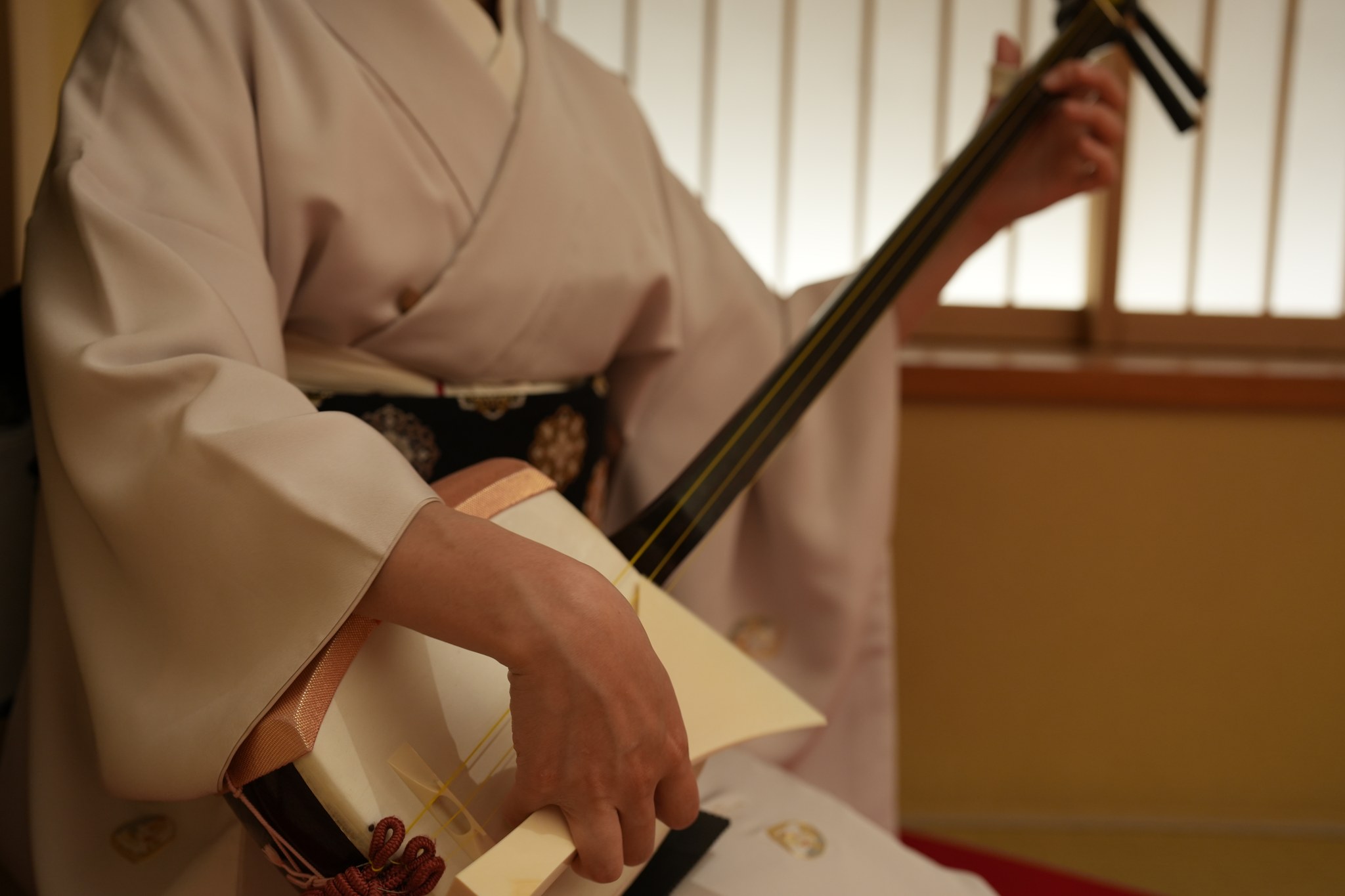
The true value of a geisha lies in her artistic mastery. They spend hours every single day practicing classical dance, singing, and playing traditional musical instruments. The primary instrument is the shamisen, a three-stringed lute that requires immense skill to master. Depending on their focus, some specialize in dancing (tachikata), while others focus on playing the instrument and singing (jikata). These live performances are the central feature of any high-class banquet, capturing the changing seasons and historic Japanese stories through elegant movements and evocative melodies.
The Art of Conversation and Tea Ceremony
Beyond stage performances, a successful entertainer must be an expert in hospitality. The art of conversation is highly valued. They must stay informed about current events, local business trends, and cultural topics to keep guests entertained and relaxed during dinners. Additionally, they study the traditional tea ceremony (chado) and calligraphy, ensuring that every movement, from pouring sake to serving tea, reflects the absolute pinnacle of Japanese aesthetic refinement and social grace.
The Aesthetics of Elegance: Appearance, Makeup, and Dress
White Makeup (Oshiroi) and Distinct Hairstyles
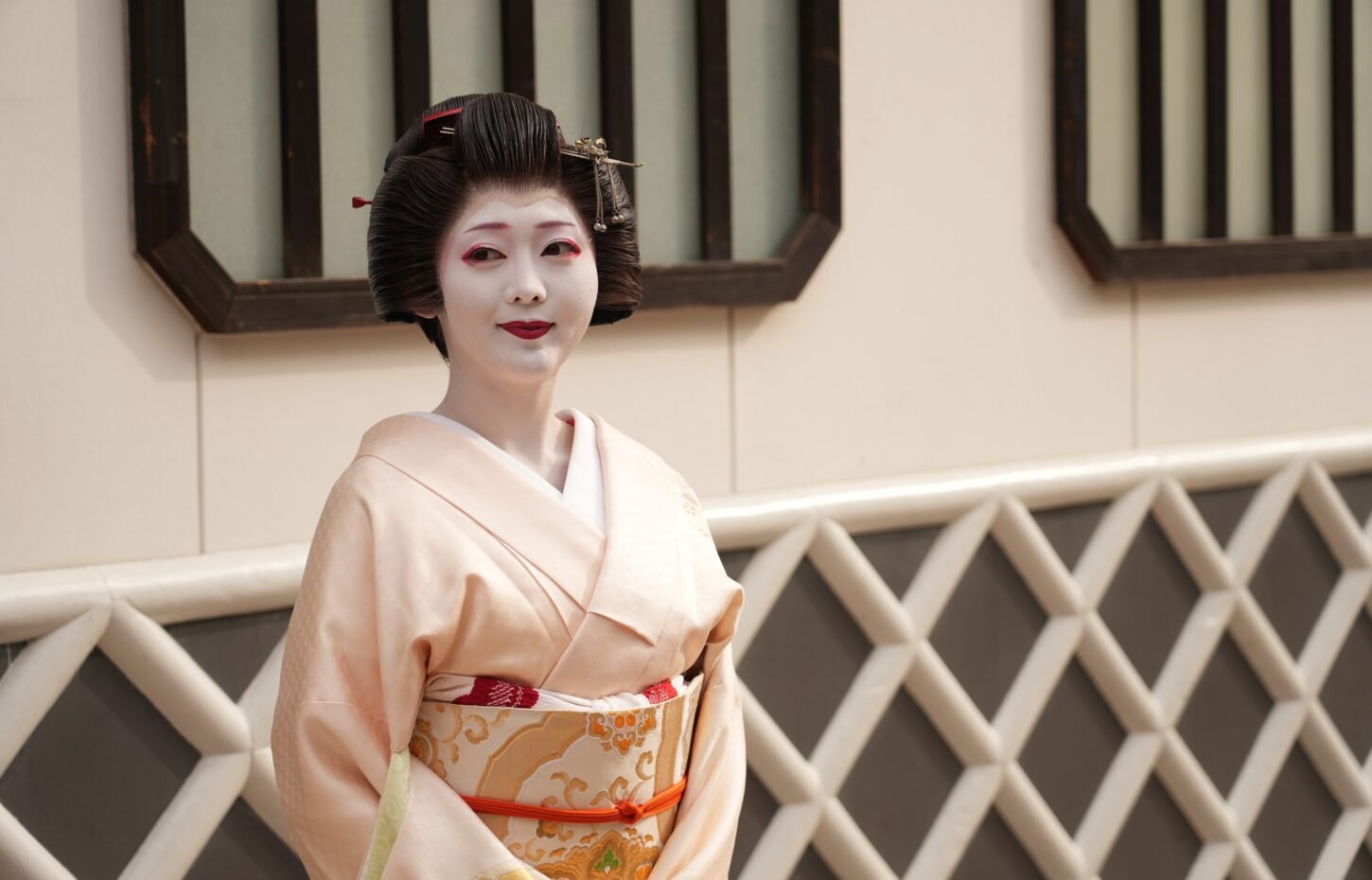
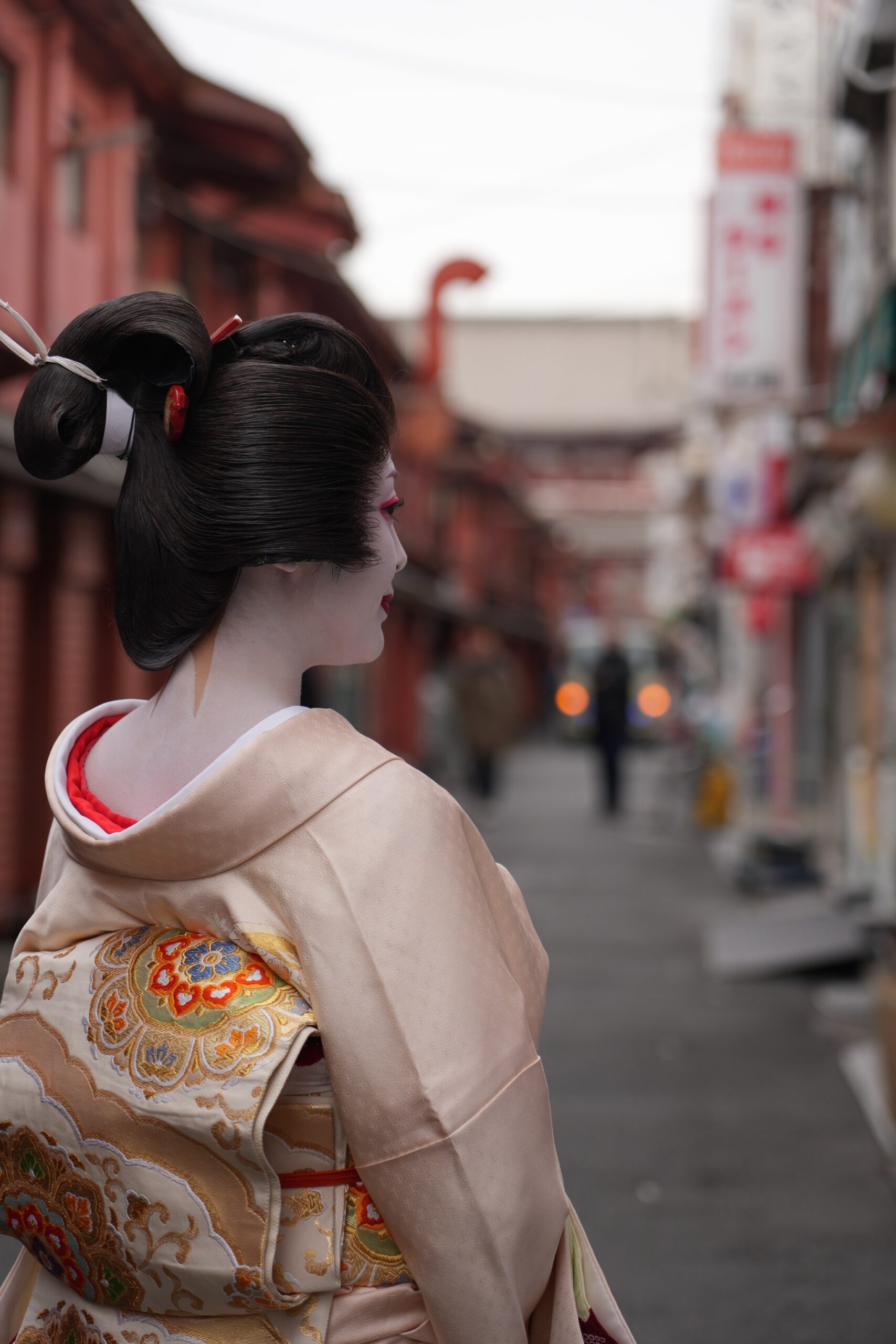
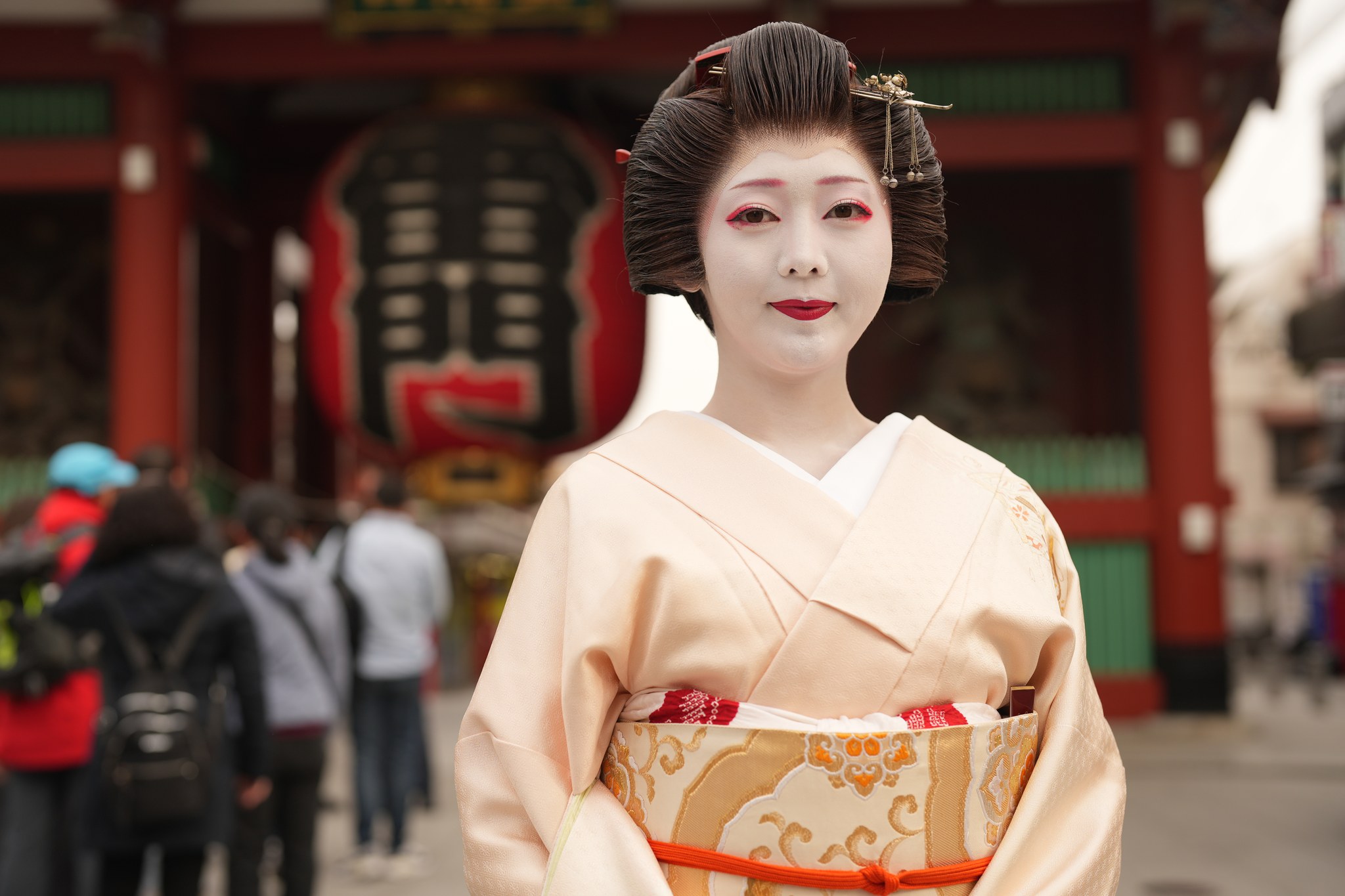
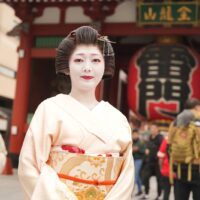
The visual appearance of a geisha is instantly recognizable worldwide. The iconic white face makeup, called oshiroi, was originally created to reflect candlelight in dimly lit traditional wooden rooms during the Edo period. Applied carefully over a wax base, it covers the face, neck, and chest, leaving a distinct pattern at the nape of the neck. For apprentices, their natural hair is styled weekly into elaborate traditional hairstyles, which requires sleeping on a special wooden pillow to maintain. Full professionals, however, typically wear highly detailed wigs to protect their hair and allow for a more practical daily life.
The Significance of the Kimono and Seasonal Motifs
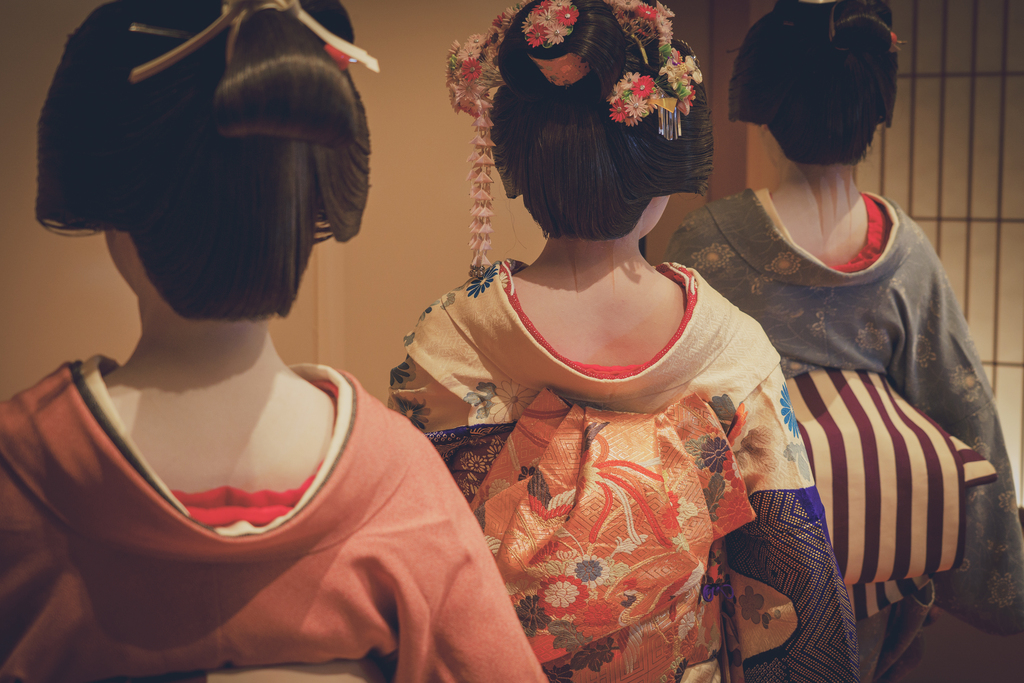
The kimono worn by a geisha is a true masterpiece of textile art, often costing thousands of dollars. The choice of dress depends on the individual’s status, the season, and the specific event. Apprentices wear vibrant kimonos with long, trailing sleeves, while full geishas wear more subdued, elegant colors with standard-length sleeves. Every month, the motifs on the kimono and the hair ornaments (kanzashi) change to match the exact seasonal flora, such as cherry blossoms in April or maple leaves in autumn, displaying a deep connection with nature.
Experience Authentic Geisha Culture in Asakusa
Miyakodori is one of the last machiai-chaya in Asakusa welcoming international guests — no introduction required. Join real Asakusa geishas for an evening of dance, music, and traditional games.
Request a ReservationDispelling the Myths: Geisha in Japanese Society vs. Western Misconceptions
The Distinction Between Geisha and Courtesans/Prostitutes
Perhaps the most widespread misunderstanding in the west is the conflation of geisha with prostitutes or courtesans. This confusion stems largely from a lack of historical context. In feudal Japan, courtesans (oiran) and prostitutes (yujo) operated legally within the same general entertainment districts, but their roles were legally and culturally distinct from geishas. A real geisha was forbidden by law from engaging in sexual services. Her identity was based entirely on her artistic talent and professional hosting skills. To understand the full history of the oiran and how they differed from geisha, see our dedicated guide.
The Post-WWII “Geisha Girls” Confusion
The misconception grew significantly worse following World War II during the Allied occupation. Many local prostitutes dressed up in cheap kimonos, applied white makeup, and marketed themselves to American soldiers as geisha girls. These military men returned to the United States with these inaccurate stories, deeply distorting the true image of the profession in western pop culture. This incorrect stereotype was further reinforced by sensationalized western books and movies that failed to capture the genuine cultural reality.
The “Danna” System and Modern Relationships
Another subject of frequent debate is the danna system. Historically, a danna was a wealthy patron who provided financial support to a geisha to cover her expensive clothes, instruments, and living costs. While these relationships could sometimes become personal, they were primarily financial arrangements based on high social status and a mutual appreciation for the arts. Today, the traditional danna system has largely disappeared, and modern geishas are independent businesswomen who manage their own careers and social lives.
Geisha Culture in Modern Japan
Major Geisha Districts (Hanamachi/Kagai) in Kyoto and Tokyo
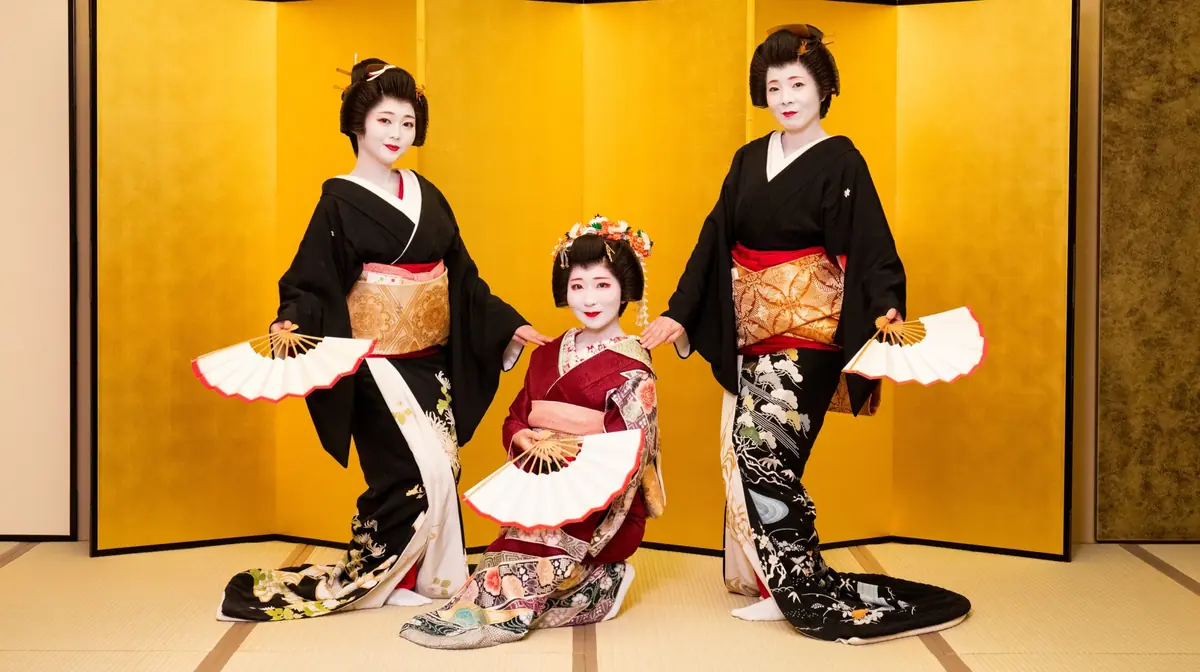
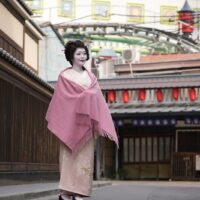
Today, geisha culture continues to thrive in several historic pockets across Japan. In Kyoto, the districts are known as kagai, with Gion being the most famous worldwide. In Tokyo, the tradition is maintained across six major hanamachi, including districts like Asakusa, Shinbashi, and Akasaka. For a full overview of Tokyo’s geisha districts and what makes each one unique, see our dedicated guide. Each area has developed its own unique style and atmosphere. For example, while Kyoto districts retain an aristocratic, delicate vibe rooted in its history as the imperial capital, Tokyo districts like Asakusa reflect an open, welcoming, and vibrant atmosphere rooted in the merchant and samurai culture of old Edo.
Contemporary Challenges: Tourism, Overtourism, and Preservation
The modern era presents both opportunities and severe challenges. While international travel has brought global appreciation, overtourism in places like Gion has led to significant friction, with tourists crowding narrow streets and bothering working artists. In response, local governments and communities have introduced strict policies to protect the privacy and safety of the women. At the same time, maintaining financial stability and attracting young individuals to join the profession remain ongoing challenges for preservation societies.
How to Experience Geisha Culture Today Responsibly
Attending Public Performances and Festivals
For international tourists who wish to witness this beautiful culture without a massive financial investment, public performances are an excellent option. Annual festivals, such as the Miyako Odori in Kyoto or various seasonal events in Tokyo, offer a wonderful chance to see authentic dances on a grand stage. These public showcases are easily accessible and provide an incredible introduction to traditional performing arts.
Booking an Ochaya (Teahouse) Dinner or Ozashiki Experience
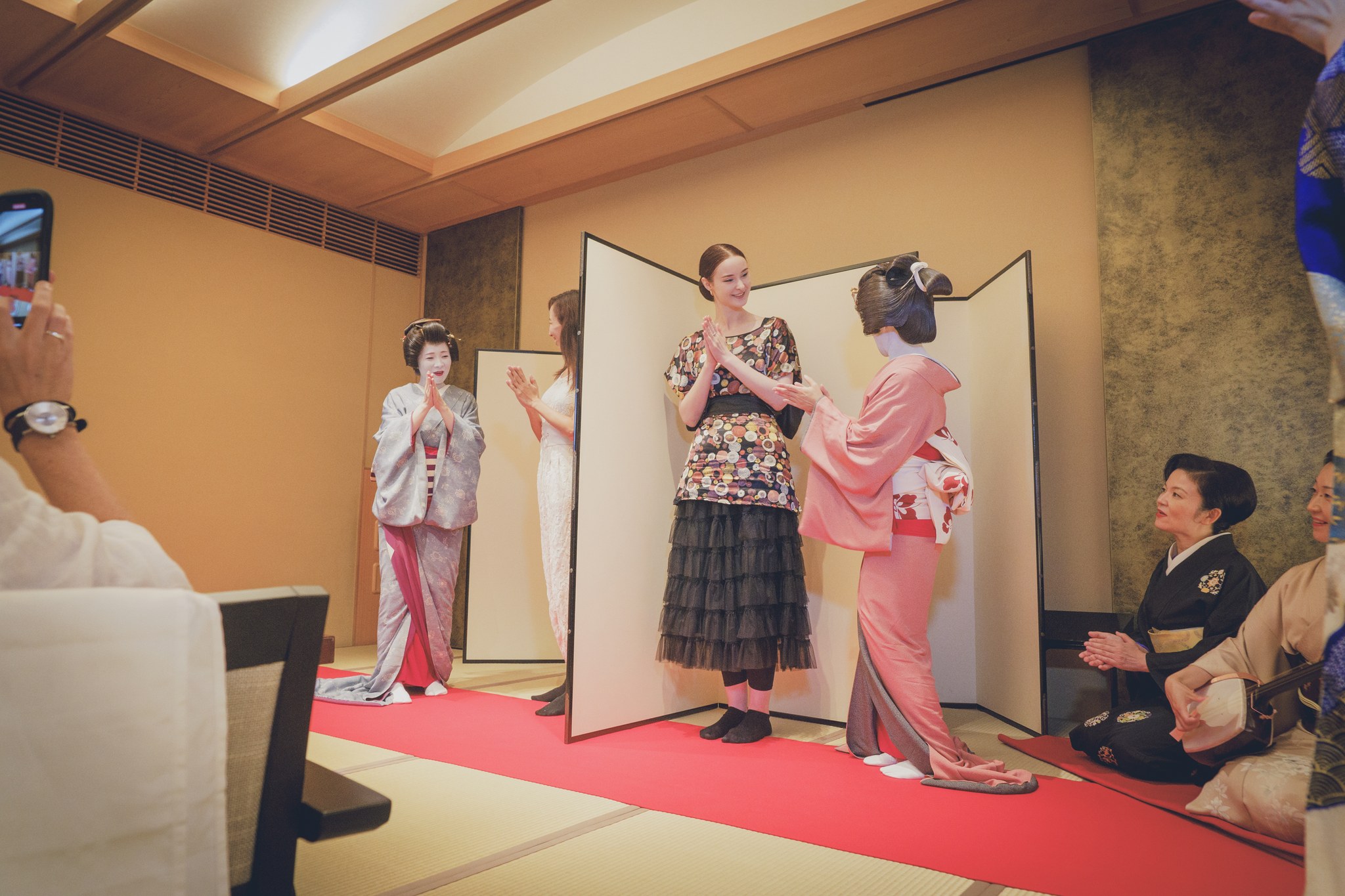
For those seeking a deeply personal and authentic experience, booking a private banquet, known as an ozashiki, is the ultimate option. Traditionally, these high-class dinners were strictly ichigensan okotowari, meaning no first-time guests were allowed without a personal reference from an established customer. However, in recent years, some exclusive teahouses and traditional restaurants have begun opening their doors to international guests, often working with high-end travel agencies or specialized guides to facilitate communication and ensure that traditional rules of etiquette are followed. Learn more about what to expect at a geisha banquet, including etiquette, games like Konpira Fune Fune and Tora Tora, and how to book.
Conclusion: The Legacy and Future of the Living Art Form
Geisha culture represents a beautiful, living link to Japan’s artistic past. While the world around them changes, these women continue to preserve a unique standard of elegance, hospitality, and dedication to the arts. If you are planning a trip to Tokyo and want to experience this unparalleled journey firsthand, you do not have to worry about the exclusive barriers of the past.
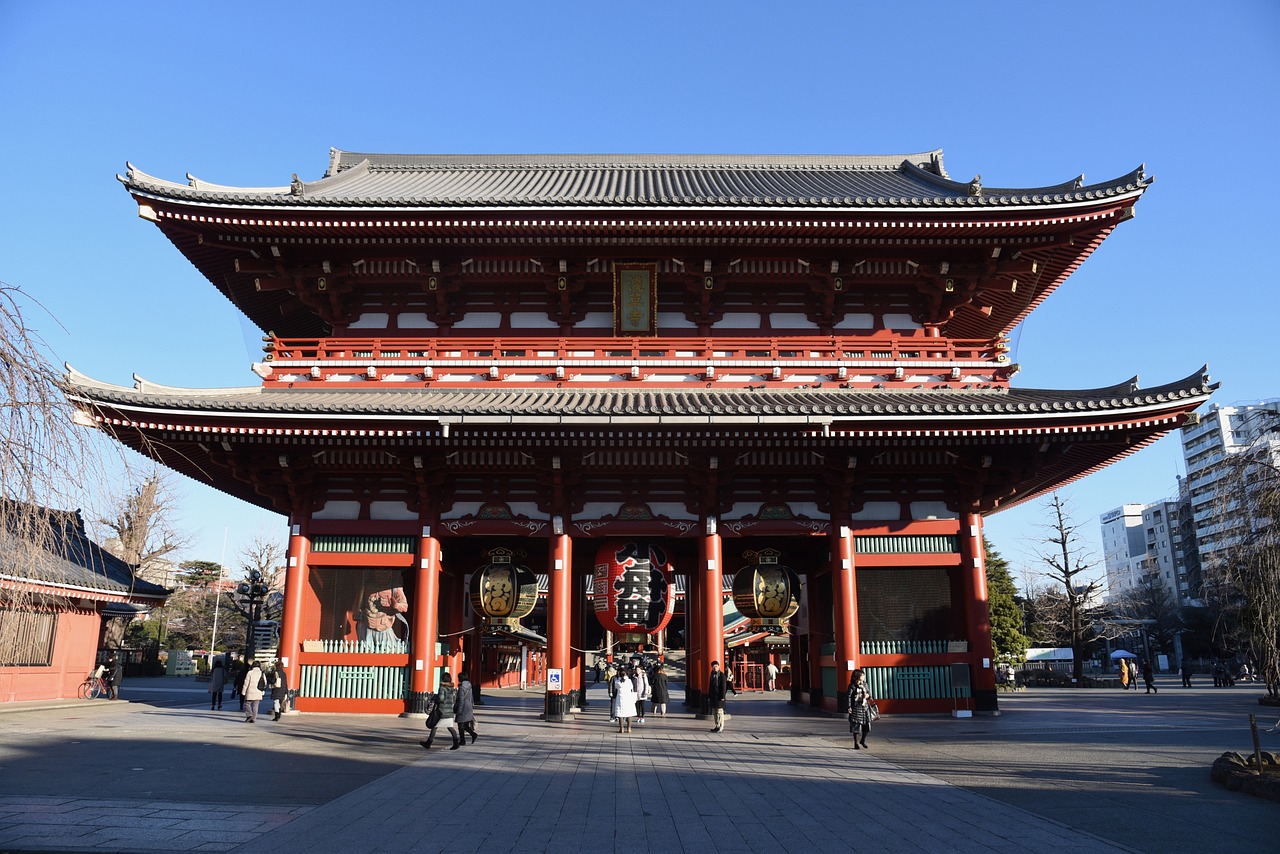
Located in the historic Asakusa district, right near the famous Senso-ji Temple, Miyakodori is an authentic machiai-chaya — a traditional teahouse specifically designed for guests to enjoy the company and performances of authentic geishas. Established in 1950, Miyakodori has been part of an area with over 400 years of history since the Edo period, and actively welcomes first-time visitors and international tourists, breaking down the traditional barrier of requiring a personal introduction.
The name Miyakodori is inspired by a famous poem from The Tales of Ise by Ariwara no Narihira: If you are what your name implies, let me ask you, Capital-bird, does the one I love still live in wellness? This reflects the establishment’s deep desire to build lasting, meaningful emotional connections with every single guest.
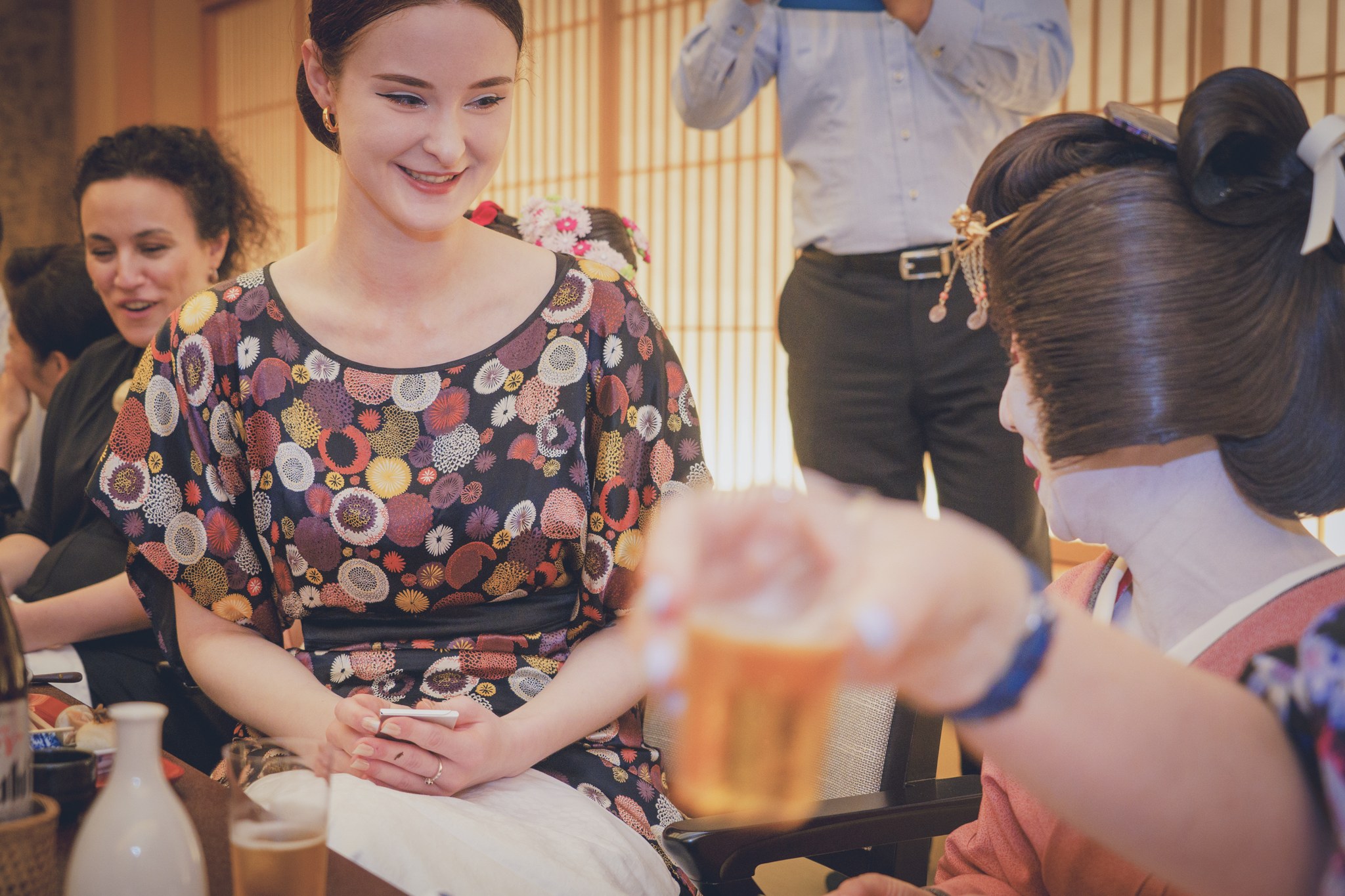
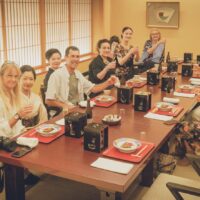
At Miyakodori, you can enjoy exquisite seasonal kaiseki cuisine served in beautiful private rooms. Throughout your evening, real Asakusa geishas will stay in your room, pouring drinks, engaging in friendly conversation, performing classical dances, and playing traditional games like Konpira Fune Fune or Tora Tora that have remained unchanged for over 200 years. For an evening that honors the true depth of this tradition, choose a genuine, historic experience rooted in authentic geisha hospitality.
Discover an Unforgettable Evening in Asakusa
Real Asakusa geishas. Seasonal cuisine. Traditional games unchanged for 200 years. Miyakodori opens its doors to international guests — no introduction required.
Request a ReservationFAQ: Geisha in Japanese Culture
- What does the word geisha literally mean?
- The term geisha combines gei (art or performance) and sha (person), literally meaning “person of the arts.” In Kyoto, they are called geiko, while apprentices in Tokyo are called hangyoku and in Kyoto maiko.
- Are geisha the same as prostitutes?
- No. This is one of the most persistent western misconceptions. Geisha were legally and culturally forbidden from engaging in sexual services. Their profession is based entirely on artistic skill — dance, music, conversation — and professional hospitality. The confusion arose largely from post-WWII encounters between American soldiers and unrelated women who adopted geisha aesthetics.
- What is the difference between maiko and hangyoku?
- Both are apprentice geisha — the first formal stage of the profession. In Kyoto, an apprentice is called maiko; in Tokyo, she is called hangyoku (meaning half-jewel, because her historical fee was half that of a full geisha). Both are fully geisha from the moment of their debut.
- What instruments does a geisha play?
- The primary instrument is the shamisen, a three-stringed lute. Geisha also play the koto (zither) and fue (bamboo flute), and accompany themselves with taiko drum. Musical specialization varies — some geisha focus on dance (tachikata), while others specialize in music and song (jikata).
- How can I experience an authentic geisha banquet in Tokyo?
- The most immersive option is a private ozashiki (geisha banquet) at a machiai-chaya (traditional teahouse). Asakusa Miyakodori welcomes international guests without requiring a personal introduction. You can request a reservation directly online. For full details on what to expect, see our Complete Experience Guide.
Sources


- Japanese Culture and History: A Complete Guide for International Travelers
- Japanese Culture Events: A 2026 Guide to Festivals and Traditions for International Travelers
Where to See Geisha in Tokyo, Japan: A Guide to the Best Hanamachi & Experiences
Enjoy Delicious Kakigōri in Asakusa! 6 Recommended Local Shops Part②
Complete Guide to Winter Asakusa Sightseeing! Recommended Spots, Gourmet, and Events Thoroughly Covered
Asakusa Travel Guide: Exploring Tokyo’s Old Town and Timeless Traditions
The Asakusa Geisha District: A Journey Through Time, Tradition, and Authentic Experiences
Asakusa Sightseeing with a Stroller: Family-Friendly Attractions & Gourmet Guide Part 3
Comment ( 0 )
Trackbacks are closed.
No comments yet.