



A Guide to Tokyo’s Geisha Districts: Finding Authentic Experiences and Cultural Immersion
A Guide to Tokyo’s Geisha Districts: Finding Authentic Experiences and Cultural Immersion
If you’re planning your trip to Tokyo and seeking a real connection with Japanese tradition, exploring the geisha districts is essential. These areas, called hanamachi (“flower towns”), are where the ancient culture of the karyūkai (the “flower and willow world), a term for the geisha society, continues to live today. Unlike Kyoto’s more exclusive Gion, Tokyo offers a number of unique and relatively accessible districts where you’ll learn about and even experience the art of the geisha. This guide will take you through the main hanamachi of Tokyo and show you how to ensure an authentic and memorable experience during your time in Japan.
What is a Geisha District (Hanamachi)?
A geisha district is a historic area where the geisha community is based.
The Historic Roots of Tokyo’s Hanamachi
The roots of the geisha districts in Tokyo (historically Edo) date back to the 17th century [7]. The differing histories between Japan’s major cities has shaped the differences between their geisha culture today. While Kyoto’s districts, called kagai, were historically associated with the imperial court and temples, Tokyo’s hanamachi started to cater to the samurai and the burgeoning merchant society of the Shogun’s capital [3, 7]. This history has given Tokyo’s geisha a distinct, sophisticated aesthetic called iki, contrasting with Kyoto’s elegant miyabi style [3]. This modern style is often seen in the way women of the city carry themselves.
The main function of a hanamachi is to house the okiya (geisha houses), the teahouses (ochaya), and the traditional restaurants (ryōtei) where the geisha perform and entertain [7]. Tokyo currently has six active hanamachi: Asakusa, Kagurazaka, Shinbashi, Akasaka, Mukojima, and Yoshicho (Nihonbashi Ningyocho) [3].
The Geisha’s Life: Training and Dedication
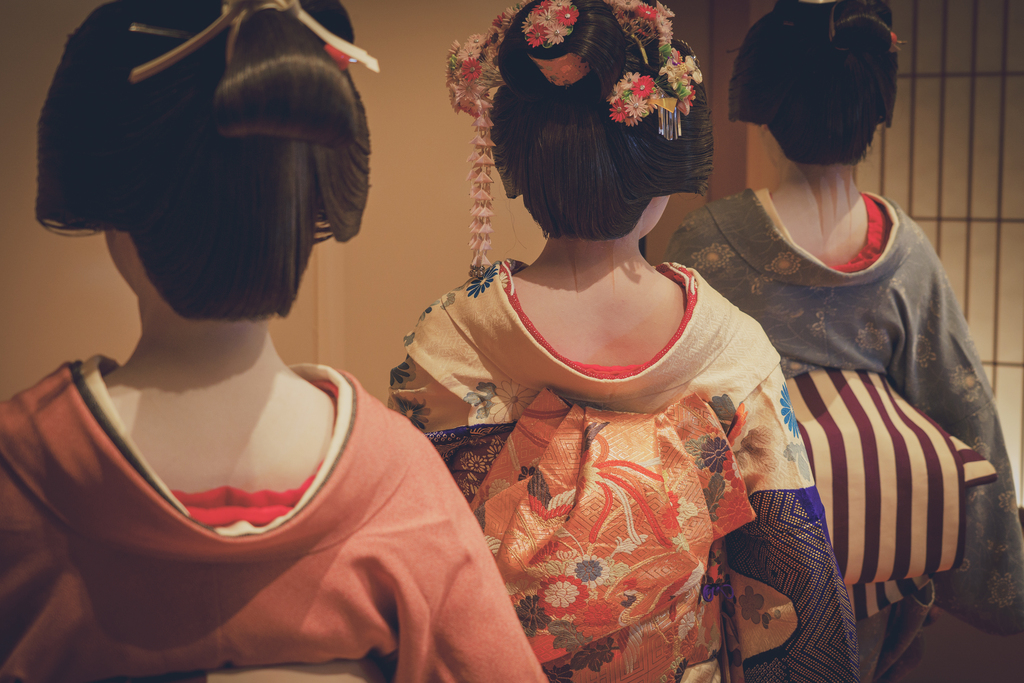
To truly appreciate the geisha performance, you must understand the training that takes years to complete. Young women dedicate their lives to mastering the skills required.
The training begins with a minarai (trainee) period, followed by a debut as a hangyoku — a junior geisha in Tokyo who already performs at banquets. This involves rigorous practice of the traditional arts:
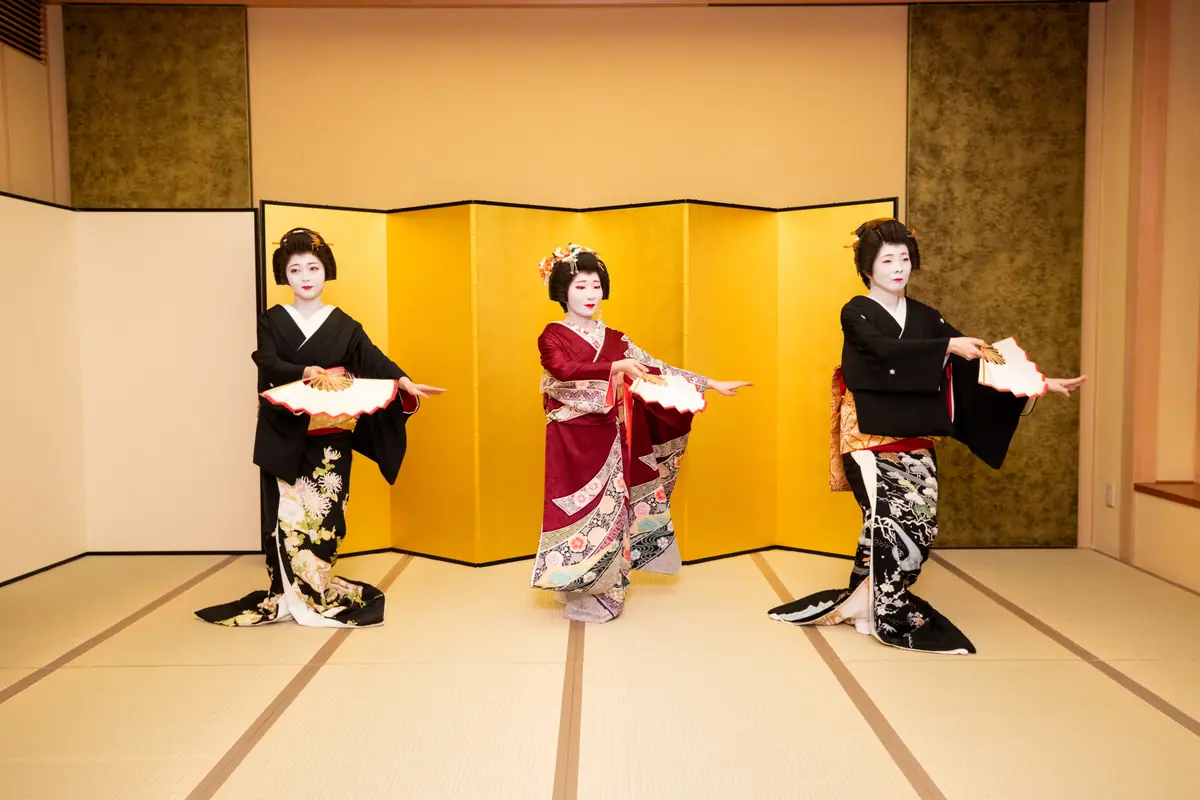
- Dance (Buyō): Formal Japanese dances are the main performance art. Each dance follows set choreography and takes hours of daily practice to perfect.
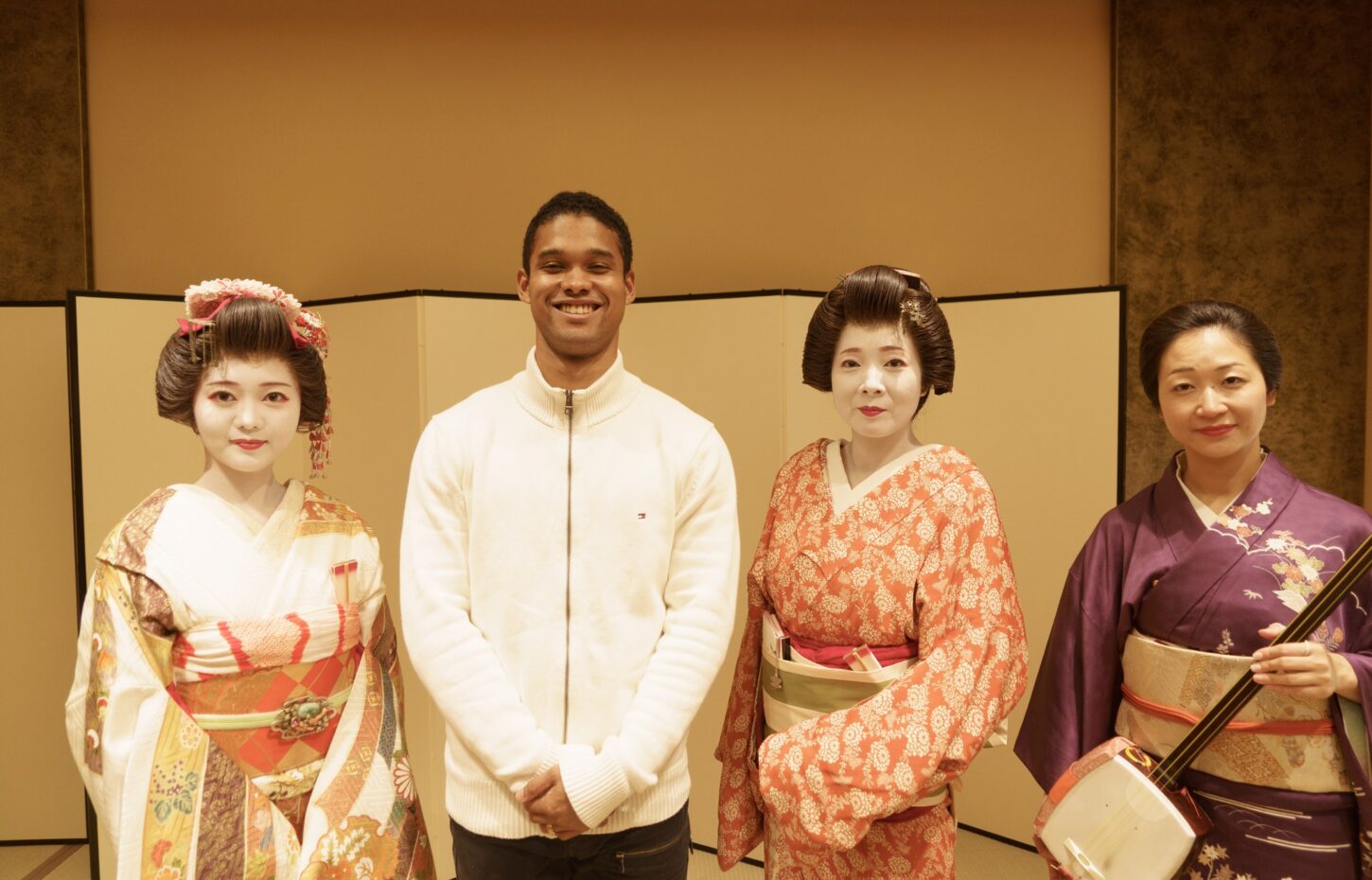
- Music (Shamisen and Uta): The shamisen is a three-stringed instrument essential to the geisha’s repertoire. They must also master various singing styles.
- The Art of Conversation: Equally important is the social service they offer. Geisha are expected to be knowledgeable about current events, history, and culture to provide stimulating conversation for their guests.
This period of training is difficult, demonstrating the high level of dedication the women in this world possess. Only after years of study is an apprentice ready to become a fully-fledged geisha, signifying a major step in her career.
Exploring the Main Geisha Districts in Tokyo
While it’s rare to see a geisha simply walking on the street during the day—they generally maintain a private life and work in the evenings—the districts themselves offer a beautiful atmosphere and a sense of historic Japan.
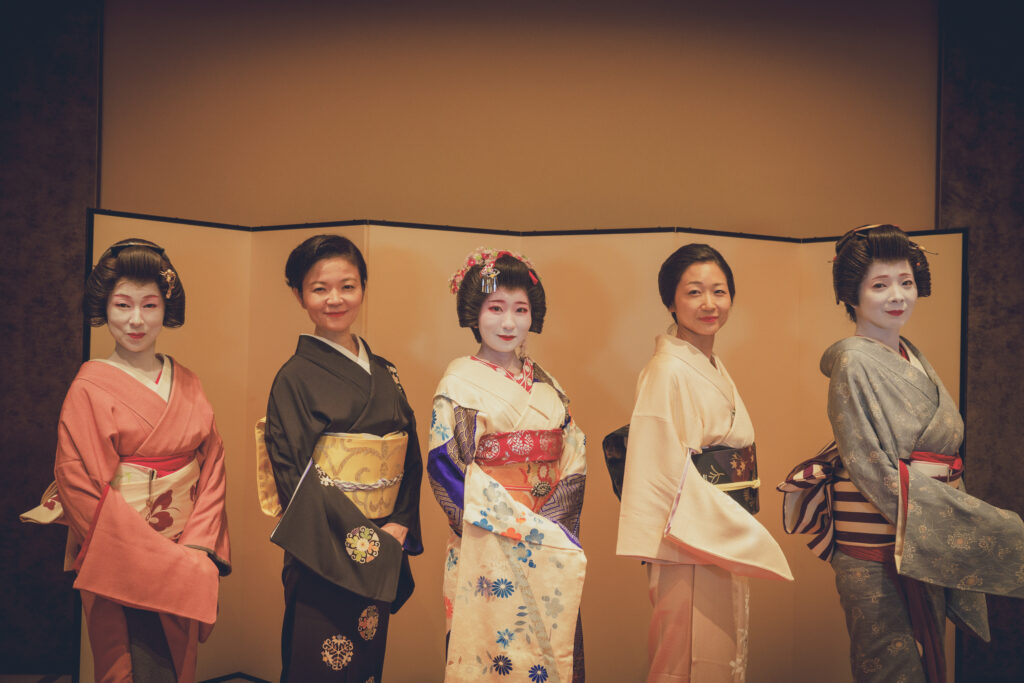
1. Asakusa: The Most Accessible District and Ryōtei Miyakodori
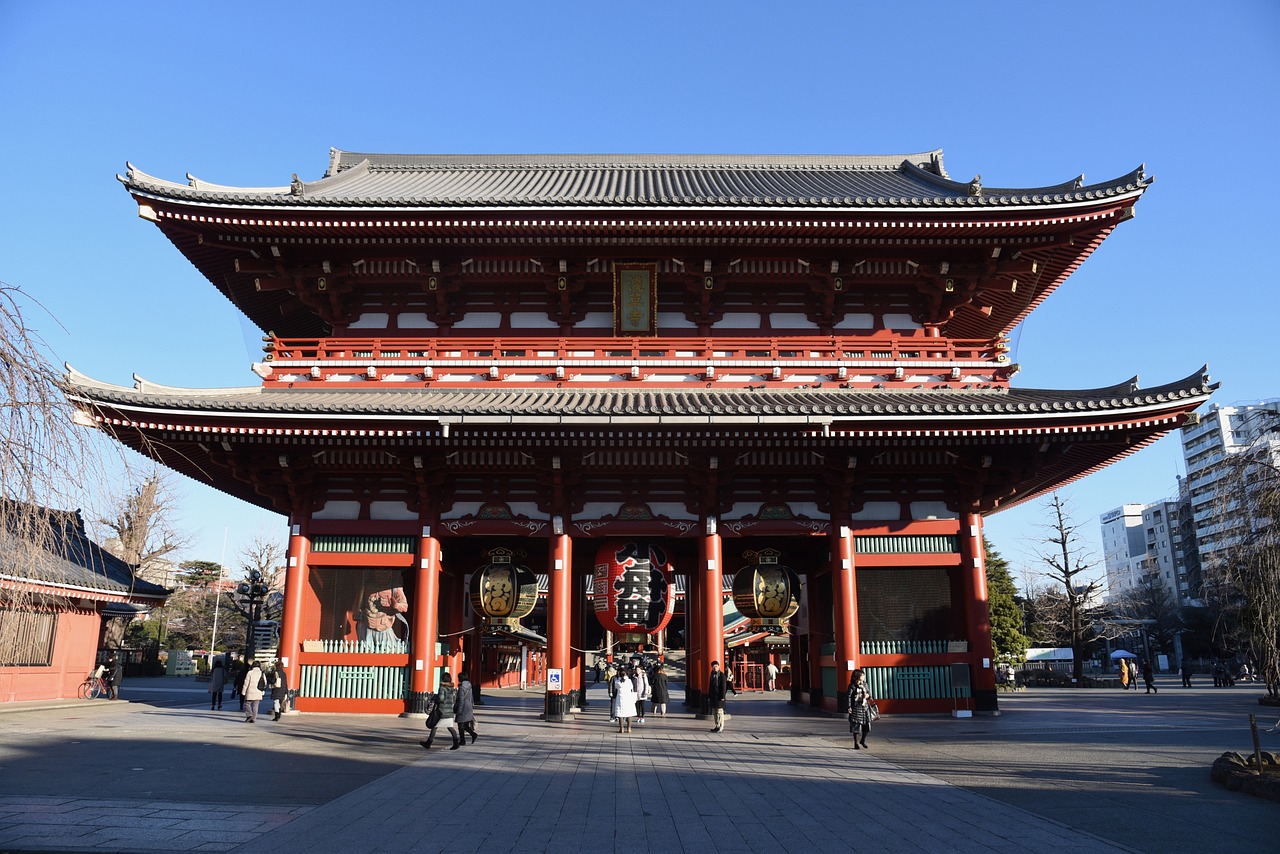
Asakusa is the most popular and open geisha district for tourists. Its location next to the famous Senso-ji temple makes it easy to visit [5].
- Atmosphere and History: Asakusa’s geisha culture is known for being welcoming to a wide variety of people [3]. The streets around the Kannon-ura area still retain a traditional atmosphere, with many establishments close by [10]. The training here is focused on preserving the Edo-period spirit.
- Public Events and Shows: Asakusa is one of the best places for finding geisha events and shows that are accessible to the public, often held at community centers or local theaters [1, 5]. Look for the annual festival performances which are a high point in the local cultural calendar.
- The Crown Jewel: Ryōtei Asakusa Miyakodori: This ryōtei (https://miyakodori-geisha.com/) is the only remaining machiai chaya in Asakusa, meaning its main service is geisha entertainment [9]. It offers a full ozashiki experience with traditional food and drinks in an elegant setting, making it the ideal center for an authentic experience for foreigners. The service includes exclusive access to Asakusa’s highly trained performers.
2. Kagurazaka: Chic and Elegant
Kagurazaka is known for its charming stone-paved streets and high-end restaurants.
- Atmosphere and Elegance: This district is often called “Tokyo’s Kyoto” due to its elegant and refined atmosphere. It is a beautiful place for a walk during the day and is home to many traditional ryōtei [3]. You’ll find a number of bars and places for drinking nearby.
- Entertainment: The geisha here perform in many of the traditional teahouses and restaurants along the main street and back alleys [2]. Kagurazaka offers a sophisticated social scene that dates back to the Meiji period.
3. Mukojima: Intimate and Traditional
Mukojima is on the eastern side of the Sumida River and is considered one of the most traditional and intimate districts [4].
- Community and Practice: The geisha community here is small, and experiences are often focused on the personal interaction and practice of the arts. Visiting Mukojima offers a glimpse into the authentic social life of the hanamachi [4]. Due to its smaller number of establishments, getting a booking here can be more difficult.
4. The Six Hanamachi: Centers of Business, Politics, and Culture
Tokyo’s geisha districts are famous for their differing specialties, appealing to various segments of society over the years.
- Shinbashi: Historically the geisha district favored by high-ranking business leaders and politicians due to its proximity to the political center. The atmosphere is notoriously more exclusive and private.
- Akasaka: Similar to Shinbashi, Akasaka has a long history of catering to the political and financial elite. Experiences here often require an existing contact or booking through a very specialized service.
- Yoshicho (Nihonbashi Ningyocho): Although quieter today, this area is part of the traditional Tokyo Six Hanamachi [3]. Located close to the historic Nihonbashi commercial center, Yoshicho’s geisha have historically entertained business tycoons and merchant leaders. It continues to offer a quiet, deep tradition appreciated by those in the know.
How to Enjoy an Authentic Geisha Experience in Tokyo
Simply walking through the districts will only offer a small part of the experience. The real geisha culture lives inside the ozashiki (private rooms).
Booking an Ozashiki Dinner Experience
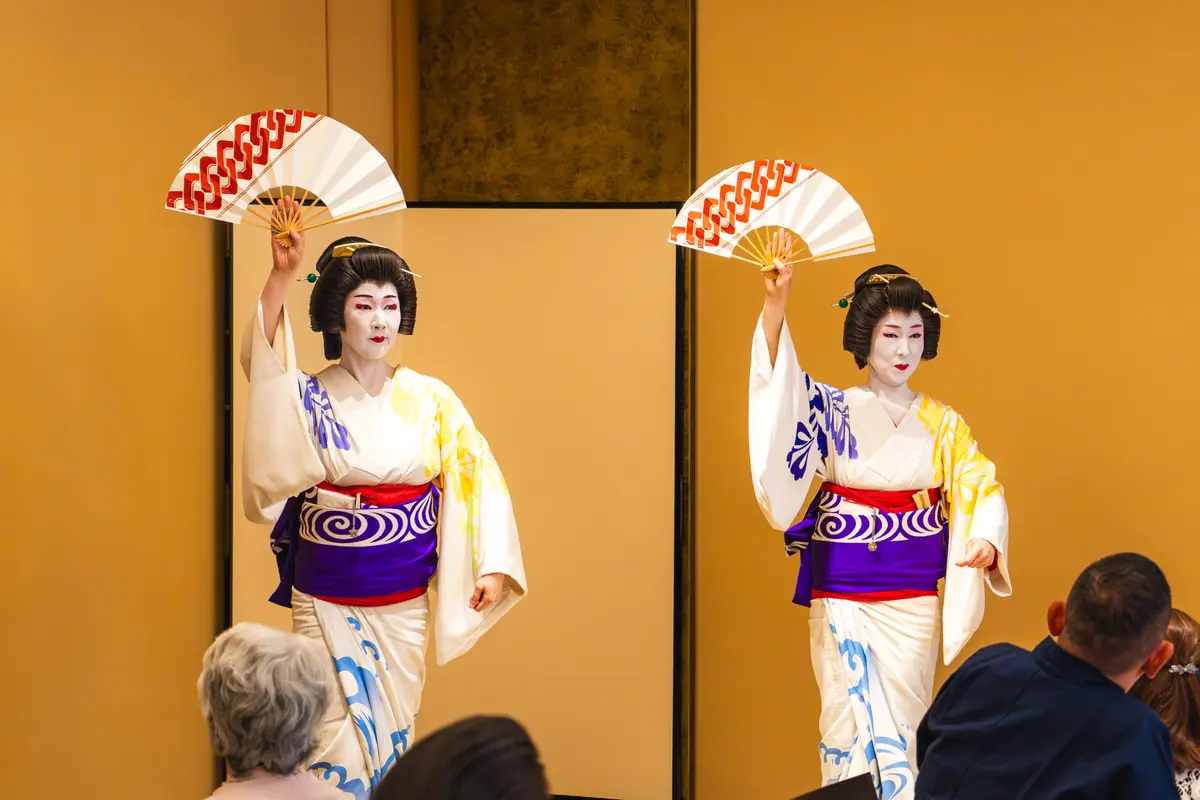
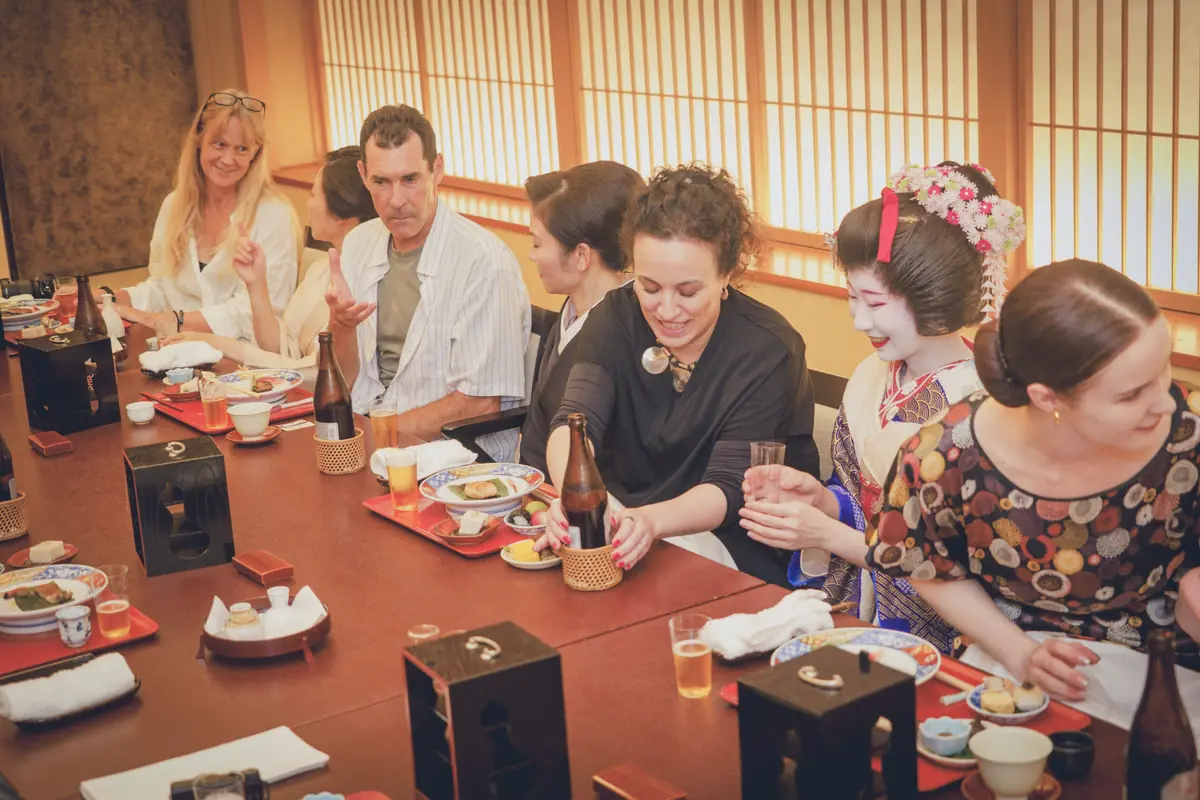
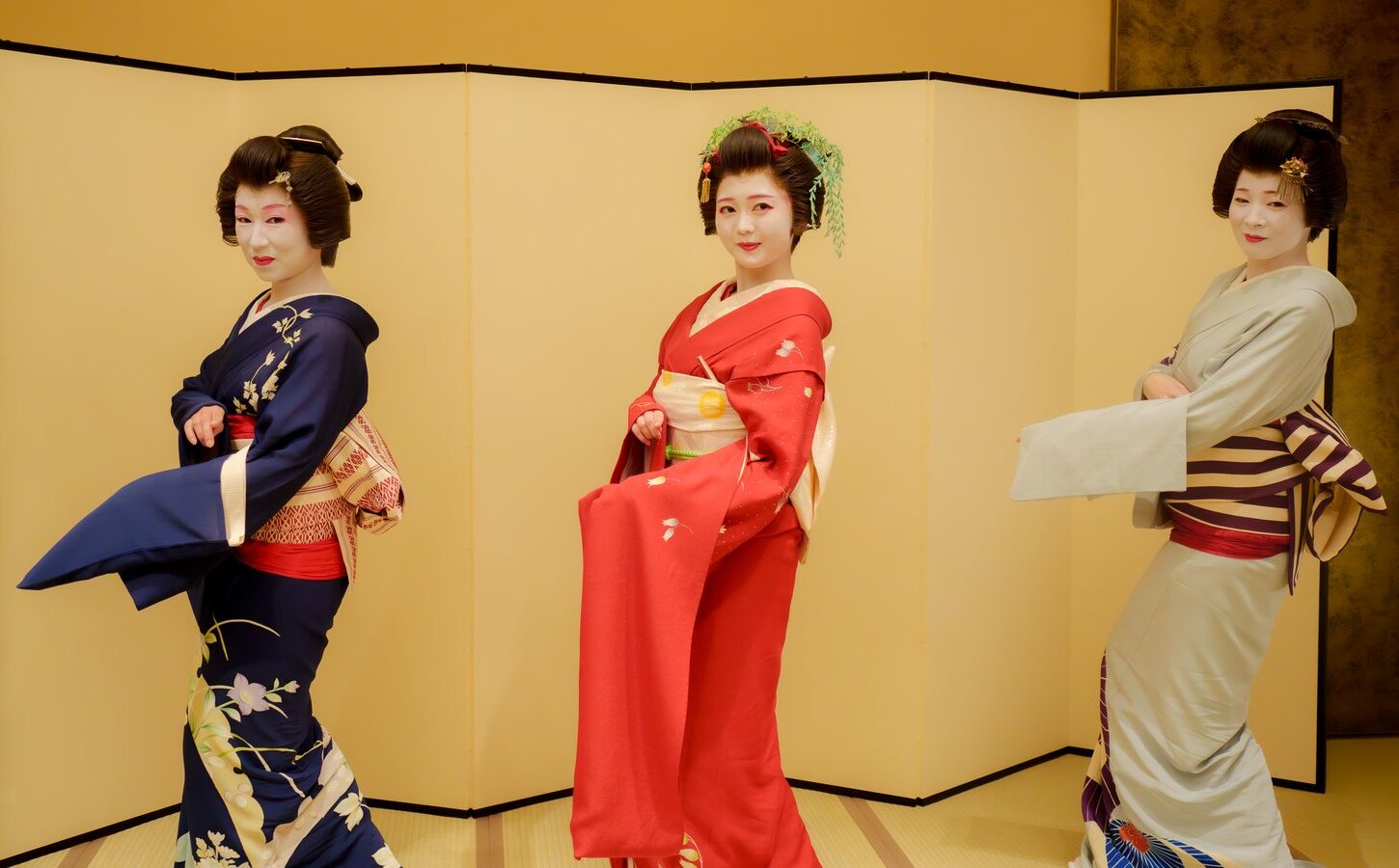
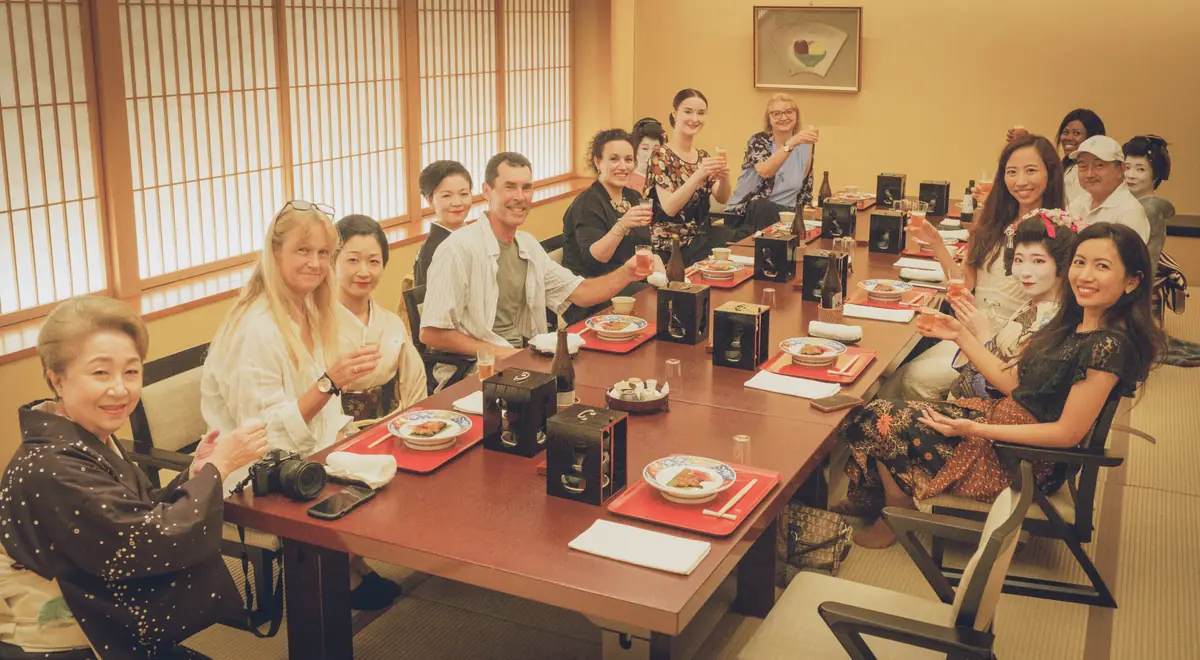
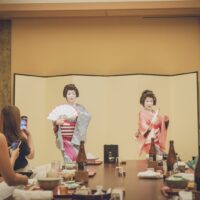
The most fulfilling experience is an ozashiki (private banquet), where a geisha group comes to your private room at a ryōtei to perform dance, music (shamisen), and engage in conversation and games [8].
- Ryōtei Asakusa Miyakodori: As mentioned, this is the premier location for foreigners seeking an authentic experience without the difficulty of finding a personal introduction. The service is often provided in English and the number of available hours for booking are clear. The high quality of the food (seasonal kaiseki) and performance (dances and music) make it worthwhile in itself. You’ll witness the refined elegance of traditional Japanese entertainment. Bookings can be made directly online.
The Fun of Ozashiki Games
The performance is often punctuated by ozashiki-asobi (parlor games), a social activity designed to break the ice and encourage interaction. You’ll learn simple, fun games using hand gestures and music. The most famous game is Tora Tora Tora (Tiger, Tiger, Tiger), a large-scale version of rock-paper-scissors where the geisha and guest act out the chosen move. This is a real chance to participate in the culture rather than just observing it.
Alternative Activities
- Public Shows and Festivals: Look for seasonal events or festivals where geisha perform on a public stage. These performances offer a chance to witness their dance skills and traditional music on a large scale [1, 5]. In Asakusa the clearest example is the Ozashiki Odori, danced free of charge at the Asakusa Culture Tourist Information Center. It runs seasonally and the dates move, so check the center’s own listings before you plan around it.
- Tea Ceremony: Some establishments offer tea ceremony activities with a geisha or maiko, allowing for a quieter, more personal interaction where you can learn about the culture and etiquette [5].
- Tours and Itineraries: Consider booking guided tours of the districts which often include insight into the history and culture. Many of these tours are available in English. These tours can also guide you to a nearby onsen or other relaxation spots after a long day of exploring.
See Asakusa’s geisha at Miyakodori
Asakusa is one of the six geisha districts above, and Miyakodori is its only machiai-chaya (geisha tea house). We host private ozashiki (a private gathering with geisha) evenings in our own tatami rooms. Tell us your date and party size, and our staff will arrange the evening.
Request a ReservationEssential Etiquette and Tips for Visitors 📝
Understanding the terms and rules of the karyūkai is key to a respectful experience.
- Photography and Privacy: When encountering a geisha on the streets, especially in Mukojima or Kagurazaka, remember that these are their workplaces and homes where they spend their living hours. Respect their privacy and avoid taking unsolicited photos [5]. If you book an ozashiki experience, ask the host for permission to take photos in the private room.
- Understanding the Role: A geisha is a professional artist and hostess, providing entertainment and sophisticated social interaction. They are not involved in prostitution; this is a strict policy maintained in the hanamachi [7].
- Booking Conditions: If you are booking an experience, always read the cancellation policy and terms and conditions carefully, as spots are often difficult to secure due to the limited number of performers.
- Transport and Accommodation: Plan your transport carefully, especially if your experience ends late at night. Many hanamachi are located close to major transport hubs, but it’s always wise to plan your accommodation or transport before drinking the sake and drinks offered during the banquet.
Conclusion: Securing Your Authentic Geisha Experience in Tokyo
Tokyo’s geisha districts offer a rich, cultural experience that is distinct from Kyoto. By visiting the historic areas like Asakusa and Kagurazaka, and choosing an authentic option like the ozashiki dinner at Ryōtei Asakusa Miyakodori (https://miyakodori-geisha.com/), you can ensure your trip includes a real and unforgettable encounter with the elegance and tradition of Japanese arts. The experience takes you to the very center of Japan’s refined geisha culture.
Are you ready to plan your trip and explore the historic geisha districts of Tokyo?
Plan your evening in the Asakusa geisha district
Send a reservation request for a private ozashiki (a private gathering with geisha) at Asakusa Miyakodori. Requests are answered by our staff, not confirmed automatically.
Request a ReservationReferences
[1] Where to See Geisha in Tokyo: Bookable Experiences, Festivals & More | Tokyo Cheapo
[2] Tokyo Geisha: Show, Experience & History – Tea Ceremony Japan Experiences MAIKOYA
[3] A Guide to Tokyo’s Geisha Districts | Tokyo Weekender
[4] Meeting the geisha of Mukojima, Tokyo | Japan-Guide
[5] Where to see geishas in Tokyo | Japan Experience
[8] GEISHA ENTERTAINMENT experience IN TOKYO — TOKI
[9] 浅草都鳥、お座敷き茶屋について | PR Times


- Hatsumode Etiquette Guide: How to Pray at Senso-ji (2027)
- Tokyo Geisha House Guide 2026: Authentic Okiya Experiences & Traditional Japan
Geisha Danna: What a Geisha’s Patron Was, and How Geisha Are Supported Today
The Geisha Experience in Tokyo: Planning Your Visit to Asakusa
Asakusa Geisha Encyclopedia: Inside Tokyo’s Hanamachi
How Much Is a Geisha Dinner in Tokyo? (Complete Pricing Guide)
Tokyo Experience Gifts: Unforgettable Cultural Gift Ideas in Japan
Beyond “Geisha Girls”: Understanding Japan’s Traditional Artists of the Flower and Willow World
Comment ( 0 )
Trackbacks are closed.

No comments yet.