



Geisha Areas in Tokyo: The Ultimate Guide (2026) — Districts, Experiences & Etiquette
Tokyo has six active geisha districts — called hanamachi — including Asakusa, Kagurazaka, Mukojima, Shimbashi, Akasaka, and Yoshicho. Of these, Asakusa is the most accessible for international visitors, with Miyakodori (founded 1950) being the only remaining machiai-chaya offering authentic ozashiki (geisha banquet) experiences open to foreign guests without prior introduction.
Geisha Areas in Tokyo: The Ultimate Guide (2026) — Districts, Experiences & Etiquette
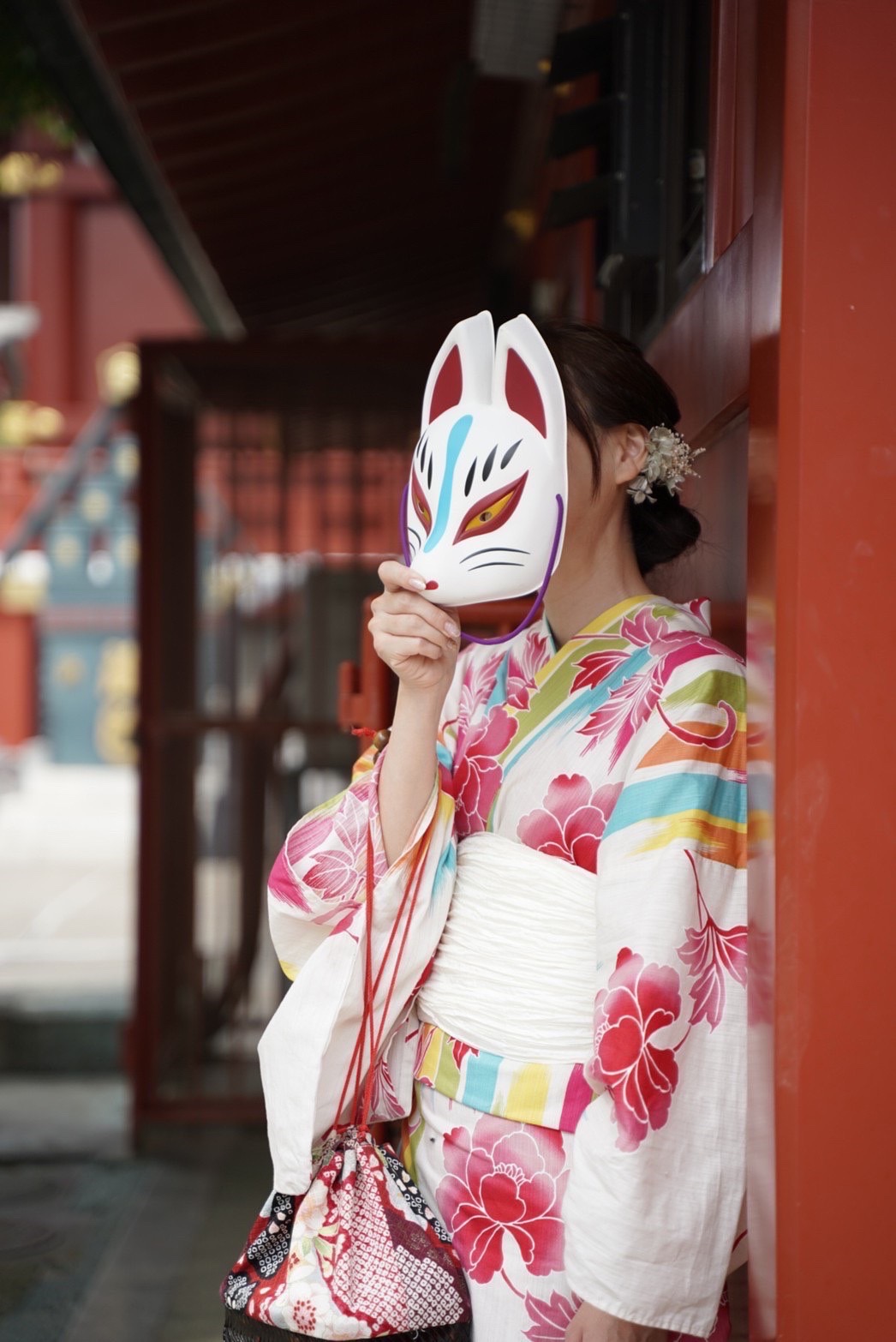
As you plan your trip to Japan in 2026, you might find yourself dreaming of a world hidden behind sliding paper doors and narrow cobblestone streets. Tokyo is a city of dazzling neon and high speed trains, but nestled within its modern pulse lies the timeless world of the geisha. For many international visitors, the image of a geisha in a beautiful silk kimono, her face painted in traditional white, is the ultimate symbol of Japanese culture. However, finding an authentic experience can feel like a difficult challenge without a proper guide. The mystery of the geisha districts, or hanamachi, has captivated the hearts of people for centuries. In this guide, we will take you through the historic streets of Tokyo to discover where this living art still thrives. Whether you are visiting for the first time or returning to explore deeper, understanding the culture of Tokyo geisha will transform your trip into something truly unique and personal. Let us begin our journey into the heart of Tokyo’s most intimate entertainment.
What are Tokyo Geisha? (History and Role)
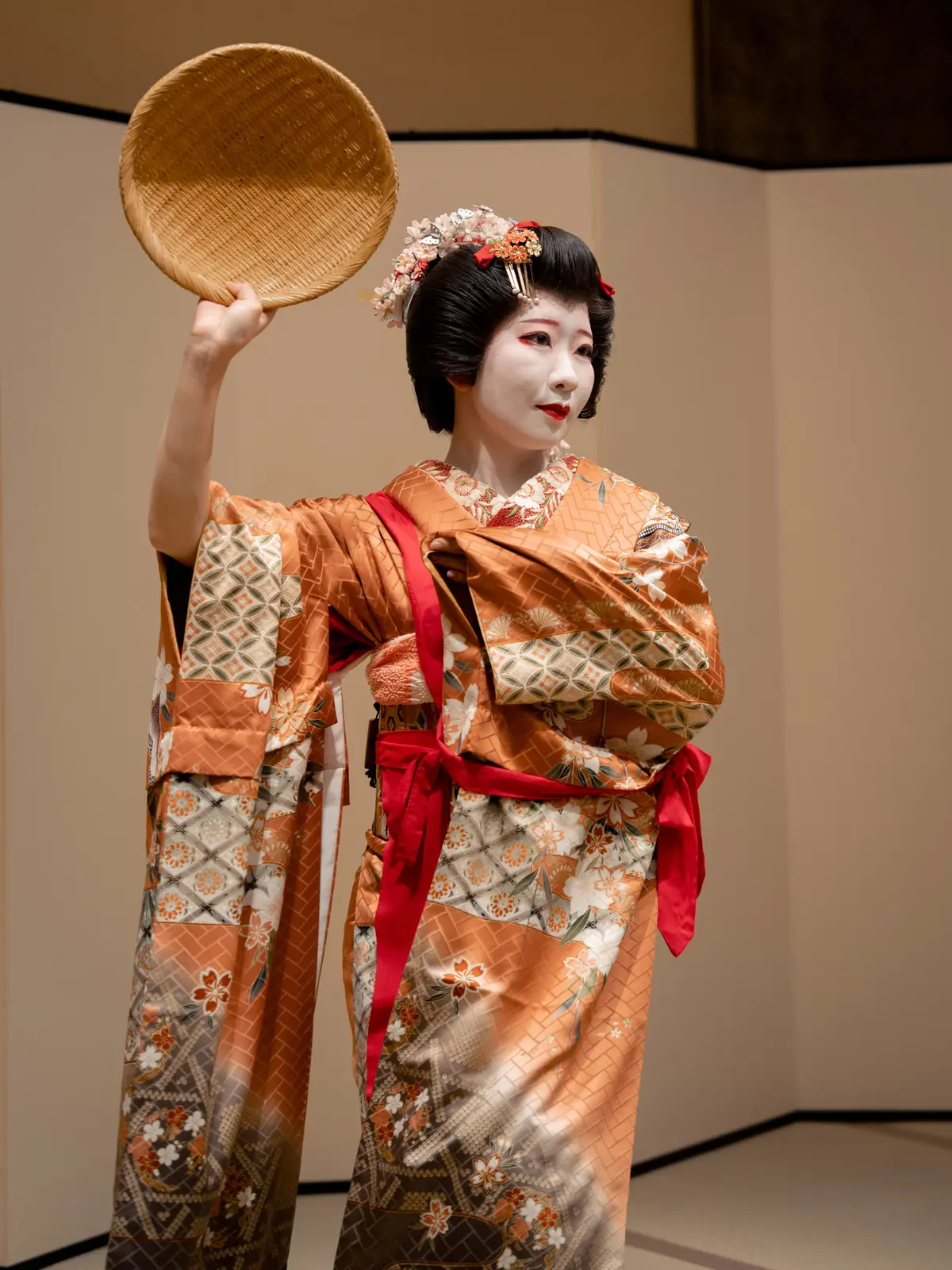
To appreciate the depth of this culture, we must first understand who these talented women are. In the Japanese language, the term geisha literally translates to art person or person of the arts. They are highly trained professional artists who have dedicated years to mastering traditional skills such as the shamisen (a three stringed instrument), classical dance, and the subtle art of conversation. The history of geisha in Tokyo stretches back over 400 years to the Edo period. During this time, the city was the center of a flourishing culture where the samurai and merchant classes sought refined entertainment.
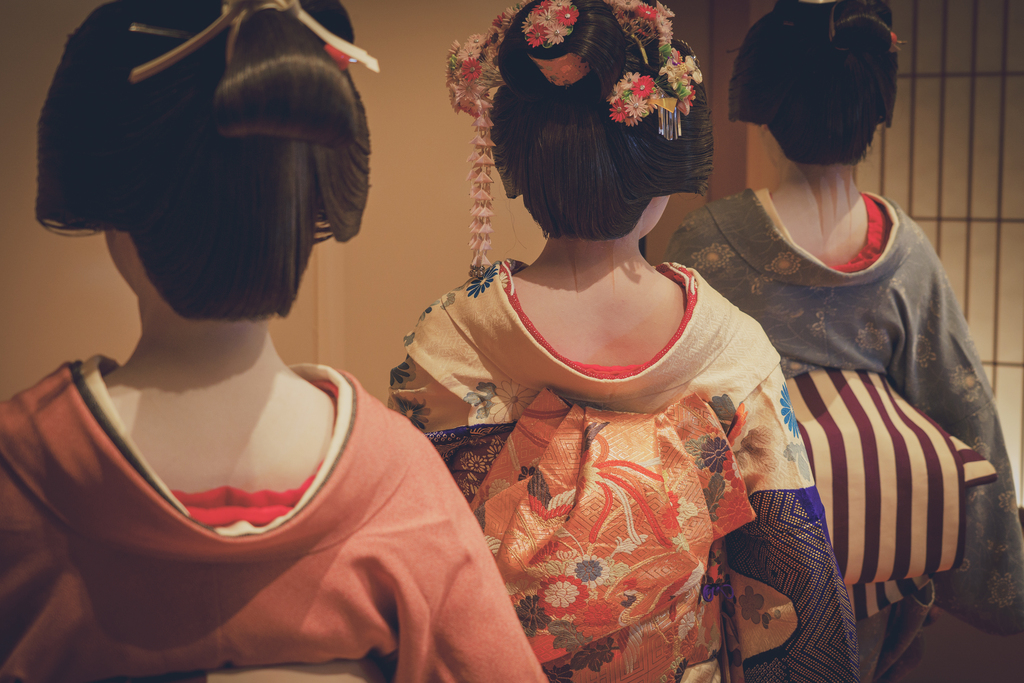
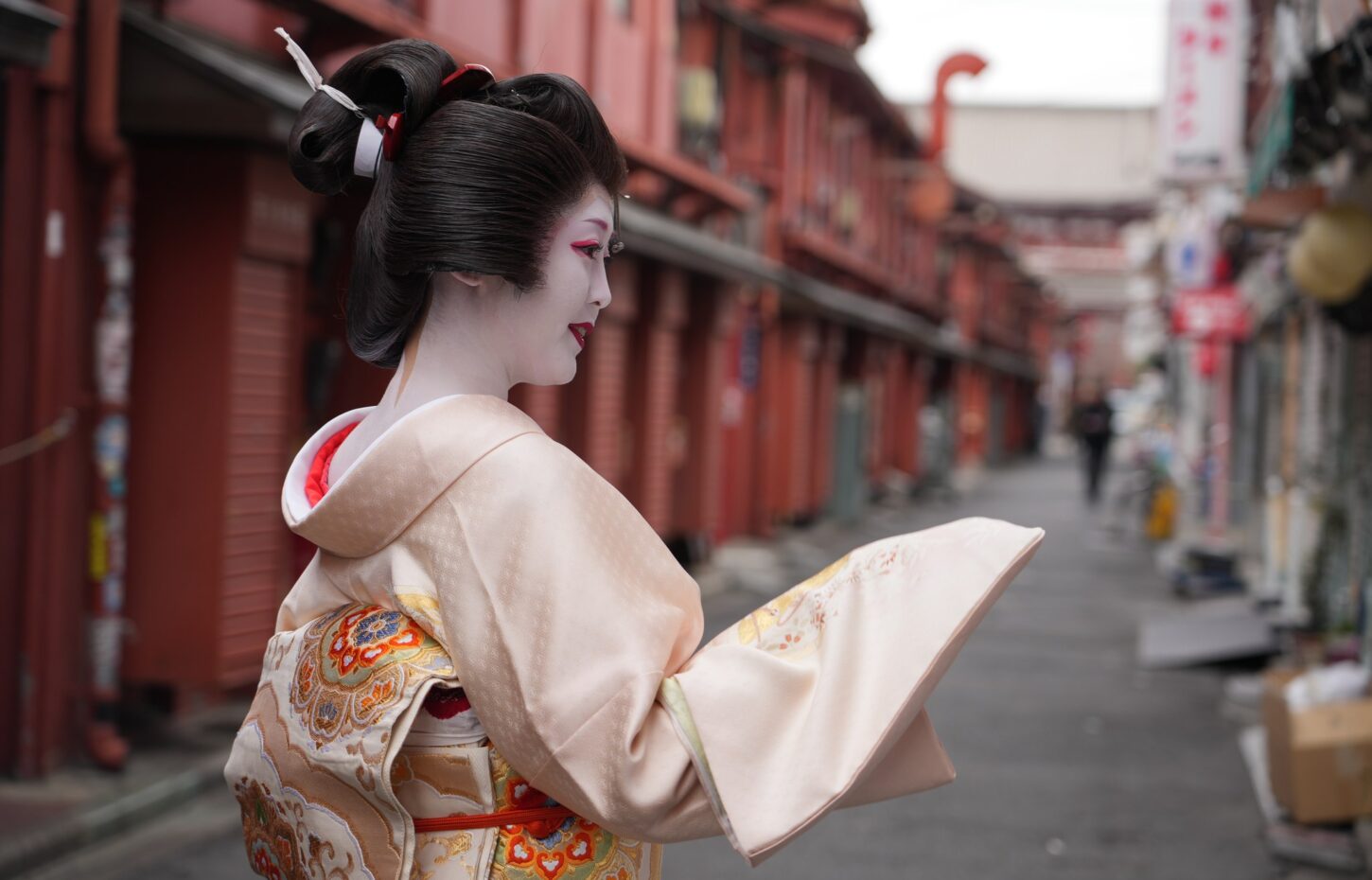
One common point of confusion for visitors is the difference between a geisha and a maiko. In Kyoto, maiko refers to an apprentice who has not yet made her debut as a geisha. In Tokyo, however, the equivalent term is hangyoku, which means half jewel — and importantly, hangyoku are already geisha. They have already made their debut and are at an earlier stage of their career, later advancing to ippon (senior geisha) status. The two stages exist within the same profession; both hangyoku and ippon are geisha. This name comes from the fact that in the past, their performance fee was half that of a senior geisha. You can distinguish them by their colorful kimono and long sleeves, compared to the more understated and elegant style of the senior geisha. Today, these artists continue to preserve the spirit of Omotenashi, or Japanese hospitality, ensuring that every guest feels like a VIP. Their work is a living bridge to the past, maintaining a high standard of grace in a fast paced modern world.
The 6 Main Geisha Districts (Hanamachi) in Tokyo
Tokyo is home to six major geisha districts, known collectively as the Tokyo Roku-hanamachi. Each area has its own distinct atmosphere and history, shaped by the people who have supported it over the generations.
Asakusa
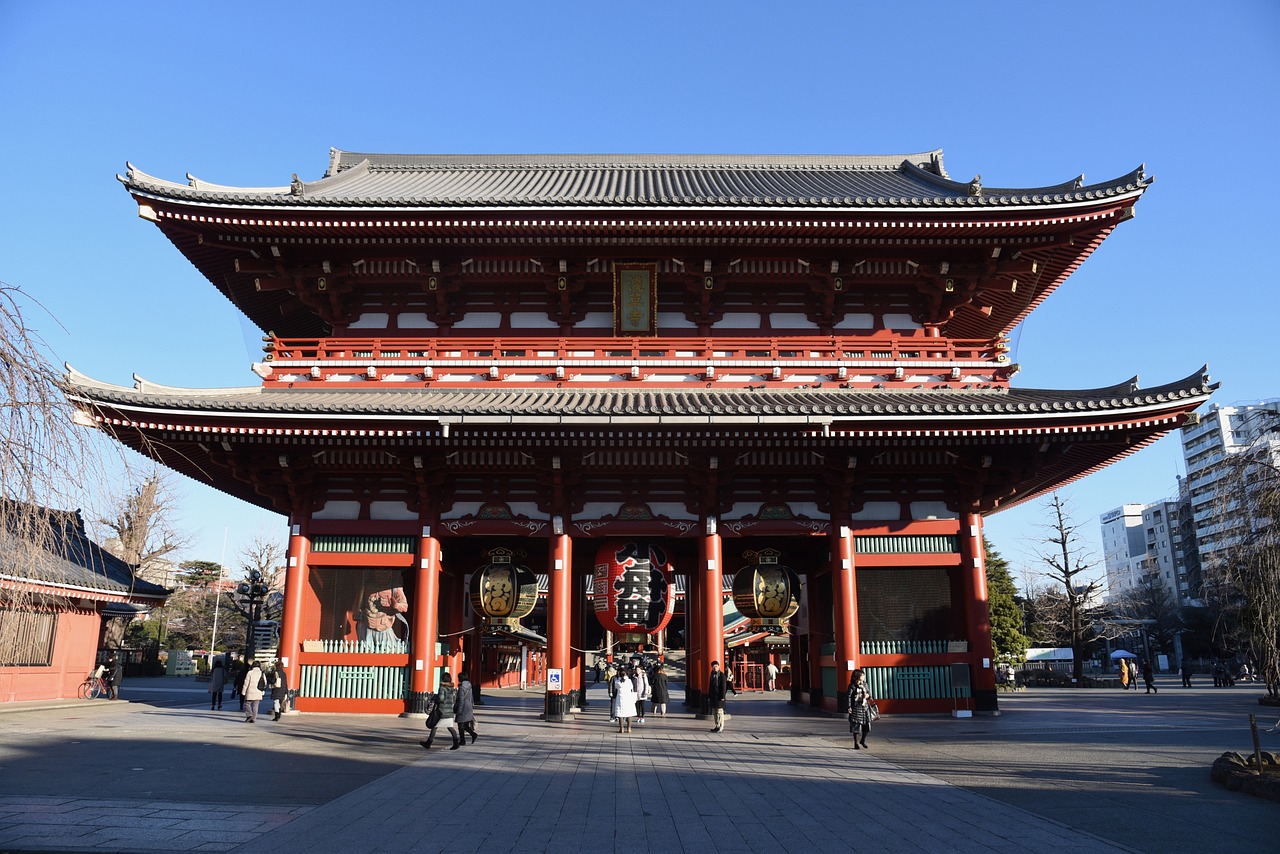
First is Asakusa, perhaps the most famous and welcoming district for international travelers. Located near the historic Senso-ji Temple, Asakusa has a long history as an entertainment hub. Unlike some other more exclusive areas, Asakusa is known for its open and friendly atmosphere. The local community has worked hard to protect their traditions while embracing visitors from all over the world. It is a place where the old Edo spirit remains vibrant and accessible. For a deeper look at what makes Asakusa the ideal base for your Tokyo geisha journey, see our guide to the ultimate Asakusa experience.
Kagurazaka
Kagurazaka offers a different charm. Once known for its many teahouses, it still retains a chic and sophisticated feel. Walking through its hidden alleys, you can catch a glimpse of the classic Tokyo life that inspired many writers and artists. Today, it is a blend of traditional Japanese restaurants and modern French influence, creating a unique cultural setting.
Mukojima
Mukojima, situated across the Sumida River, is the largest district in terms of the number of active geisha. It grew during the Meiji period and remains a place where large groups can enjoy traditional performances. The atmosphere here is deeply rooted in local festivals and the beauty of the riverbank.
Shimbashi & Akasaka
Shimbashi and Akasaka have historically been the favorite places for politicians and powerful business leaders. Shimbashi geisha are renowned for their high level of skill in performing arts, often appearing in grand theater productions. Akasaka, being close to the government center, offers an intimate and high class setting for private meetings and elite hospitality.
Yoshicho
Finally, there is Yoshicho in the Nihonbashi ningyocho area. Though smaller today, it carries a prestigious history as one of the oldest districts. In the past, it was the center of the city’s commerce and culture, and the geisha here were known for their refined style.
Exploring these districts gives you a chance to see the diverse faces of Tokyo. From the bustling streets of Asakusa to the quiet elegance of Shimbashi, each hanamachi is a living museum of Japanese tradition. For a focused comparison of the top geisha districts, read our complete guide to geisha districts in Tokyo.
Tokyo vs. Kyoto: Which Geisha Experience is Right for You?
You might be wondering whether to seek a geisha experience in Kyoto or Tokyo. While both cities preserve this beautiful tradition, the atmosphere and culture are quite different. Kyoto is often associated with the concept of miyabi, or courtly elegance. Since Kyoto was the capital for centuries, its geisha culture reflects the refined tastes of the imperial court. The performances in areas like Gion are deeply formal, and the city maintains a very traditional, almost museum-like feeling.
In contrast, Tokyo geisha culture is defined by iki, a word that describes a chic, stylish, and straightforward aesthetic. Developed in the Edo period among the samurai and merchant classes, Tokyo’s style is more spirited and often feels more accessible to modern visitors. While Kyoto might offer a glimpse into a world of ancient nobility, Tokyo provides a real connection to the urban energy and sophisticated hospitality of the old capital of the shoguns. Choosing between them depends on your personal taste: the quiet grace of Kyoto or the lively, stylish charm of Tokyo. Both offer a unique opportunity to witness a living art that has survived for over 100 years into the modern age.
How to See and Experience Geisha in Tokyo
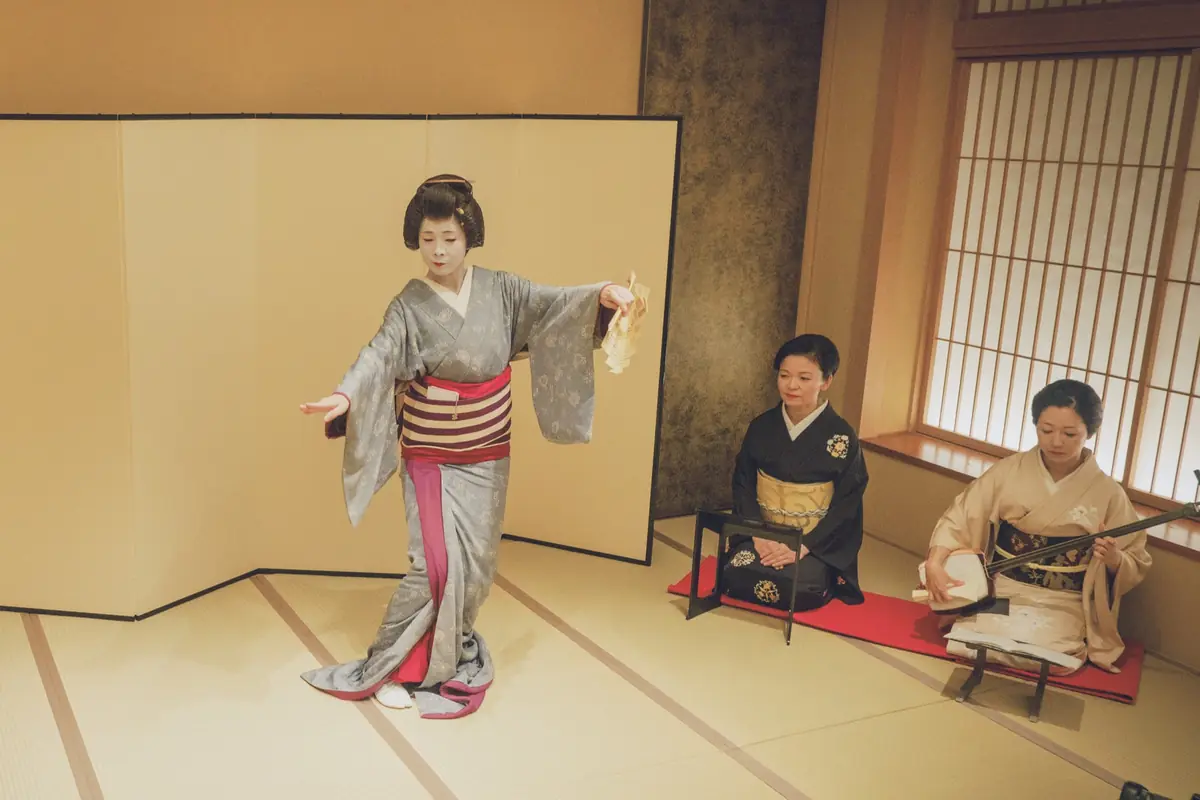
For many international visitors, the biggest challenge is how to actually book a geisha experience. In the past, many teahouses and high end restaurants operated under a strict policy of no first time guests without an introduction. However, today, especially in the Asakusa district, the doors are more open to the public. You can now find several ways to enjoy this culture during your trip.
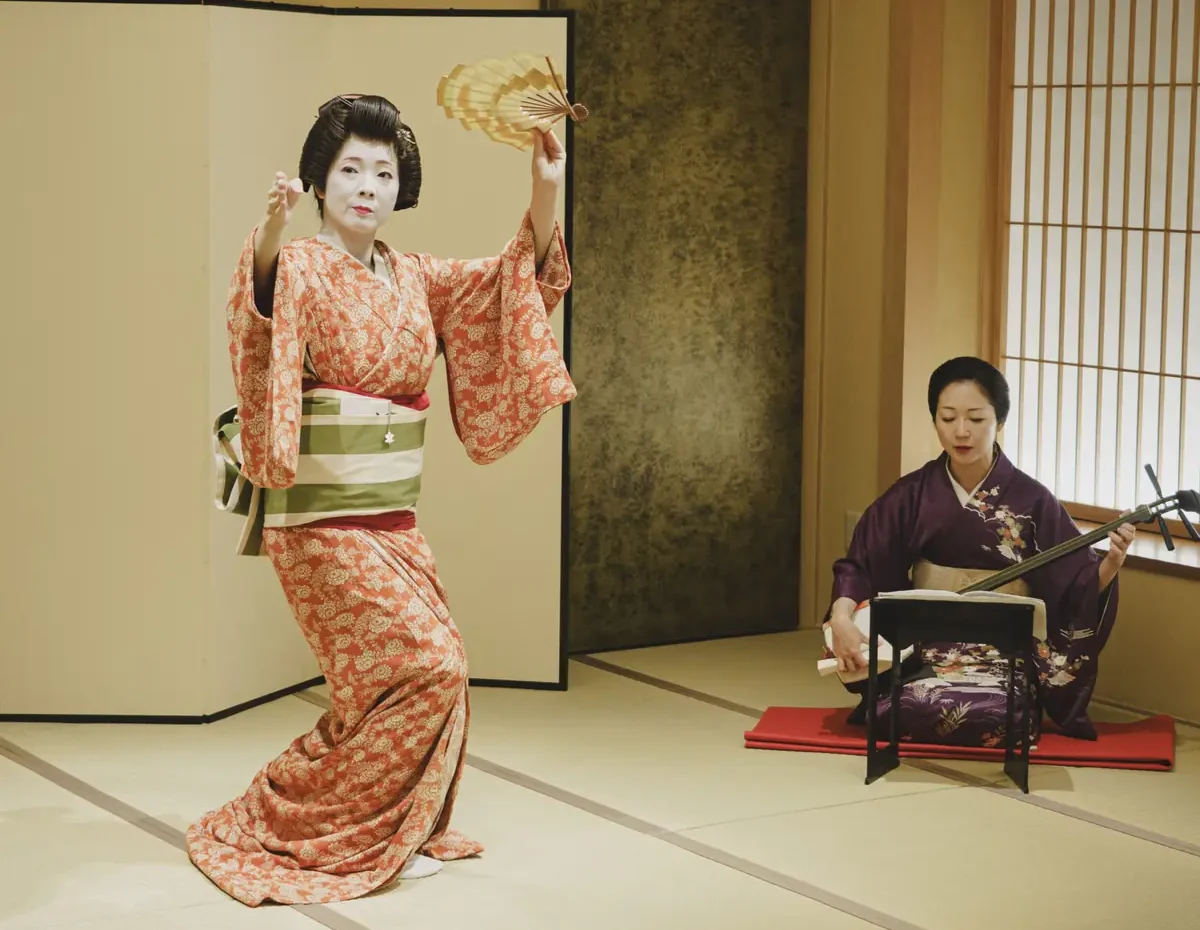
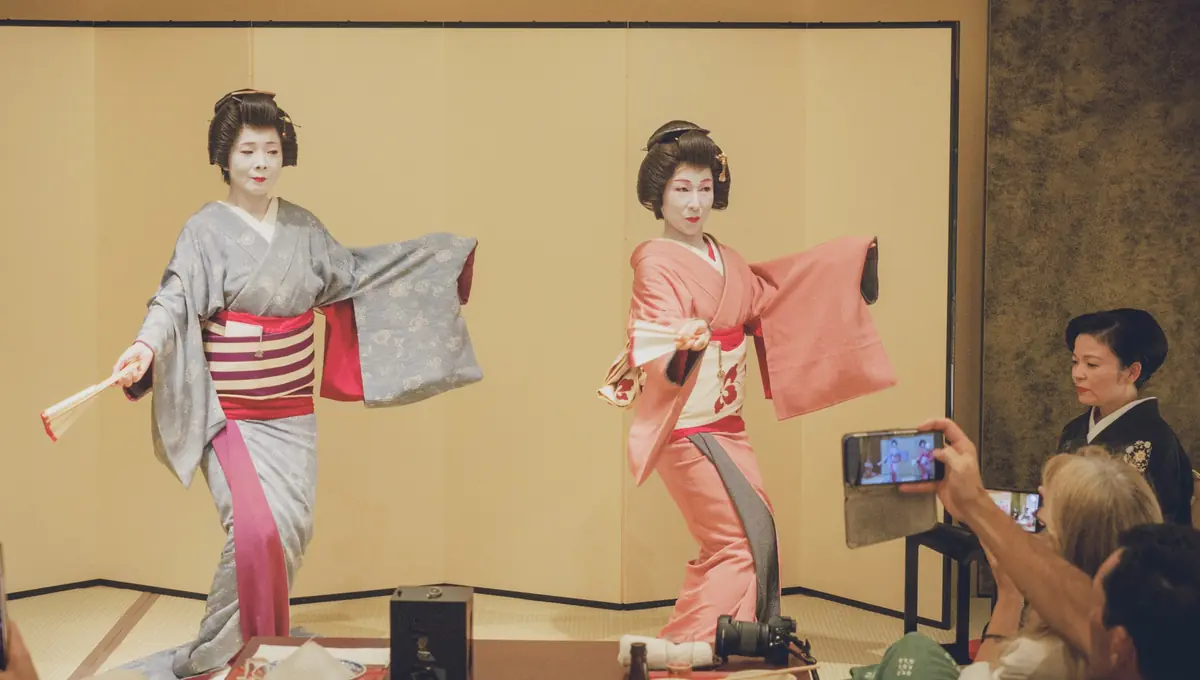
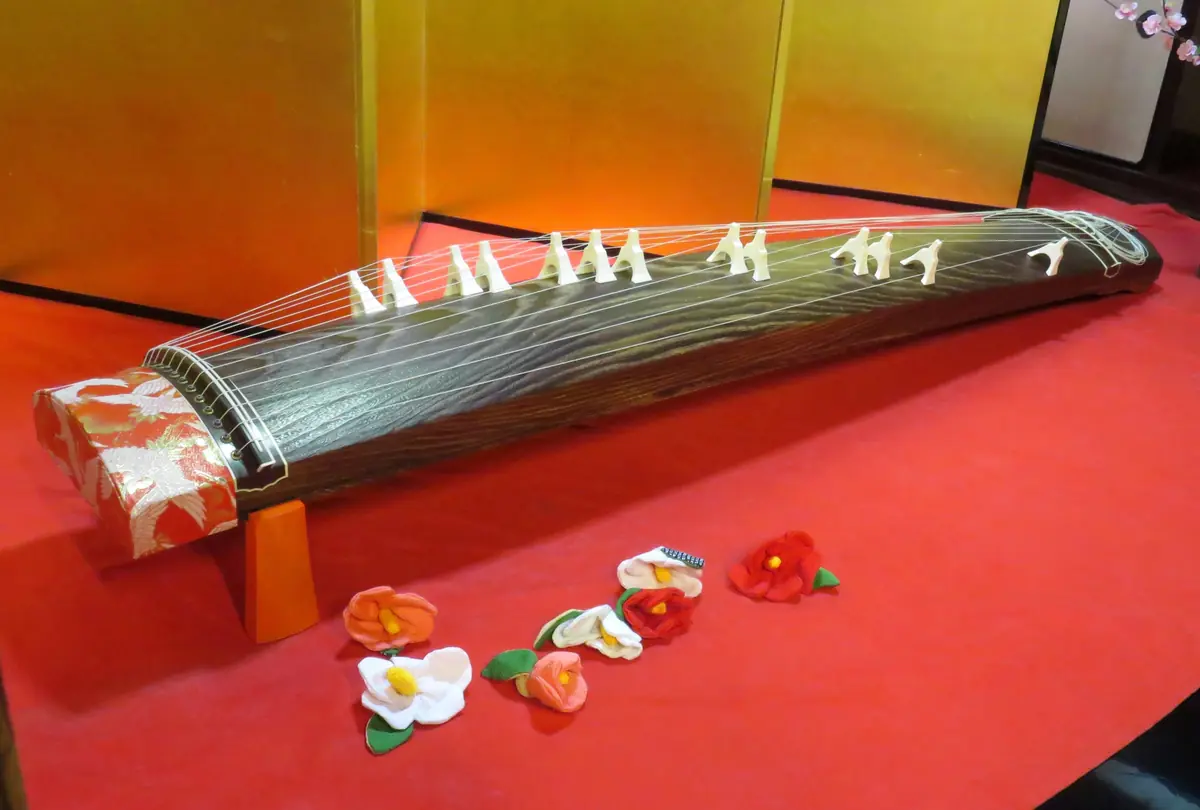
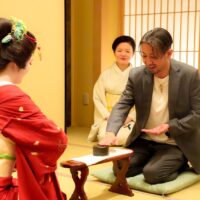
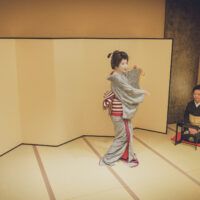
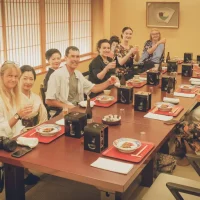
The most authentic way is to book an ozashiki, which is a private dinner in a traditional restaurant. During these events, you will enjoy a seasonal kaiseki cuisine meal while being entertained by geisha performances. They will perform traditional dances and play the shamisen, followed by engaging conversation and traditional drinking games. If a full dinner feels like a large commitment, some places offer tea ceremonies or shorter afternoon performances. Another great opportunity is to catch a performance during local festivals in Tokyo’s various districts. Many guided tours now offer itineraries that include a geisha encounter, making it easier for English speakers to navigate the language barrier. Whether you choose an intimate setting or a larger public event, booking in advance is essential to ensure you have a place at the table for this once in a lifetime event. Learn more about where to see geisha in Tokyo in our dedicated guide.
Ready to Experience an Authentic Ozashiki (Geisha Banquet) in Asakusa?
Miyakodori — Asakusa’s only remaining machiai-chaya, founded in 1950 — welcomes international guests to a private ozashiki (geisha banquet) with live shamisen, classical dance, and English support. No introduction required.
Essential Etiquette When Meeting a Geisha
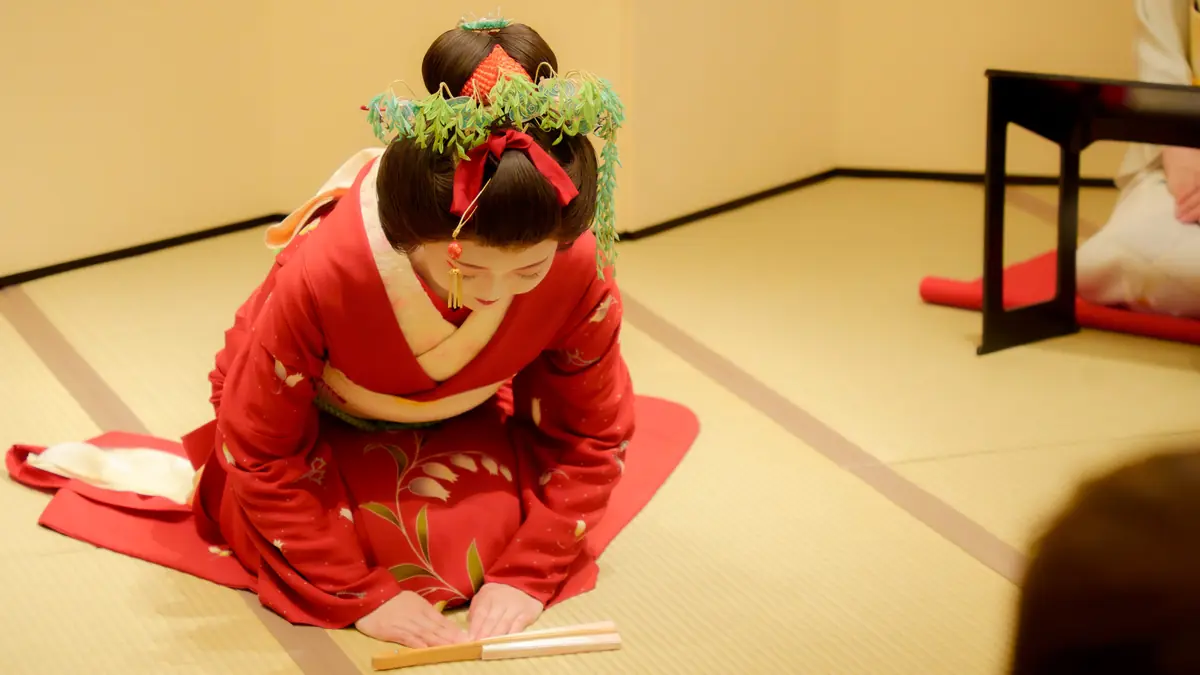
Meeting a geisha is a special honor, and following proper etiquette ensures that both you and the artists have an enjoyable time. First and foremost, always treat the geisha with the highest level of respect. While most geisha are happy to pose for a picture, always ask for permission first. Avoid stopping them on the street for a photo, as they are often on their way to a strict appointment.
During an ozashiki dinner, feel free to engage in conversation. Even if there is a language barrier, your effort to communicate is appreciated. Geisha are masters of reading the room and will use music, dance, and games to keep the atmosphere lively. When playing games, remember they are for fun and lighthearted entertainment; avoid becoming overly competitive or aggressive. Most importantly, respect the privacy of the establishment. The teahouse is a sanctuary of tradition, and maintaining a calm and polite demeanor is the best way to show your appreciation for the art. By following these simple terms, you’ll ensure a smooth and beautiful experience that respects the deep history of the profession and the people who keep it alive. For a full etiquette guide covering tatami room manners and ozashiki customs, see Geisha Tea House Etiquette: A Practical Guide.
Why an Authentic Establishment is Essential
In recent years, the popularity of Japanese culture has led to a rise in entertainment shows that mimic the appearance of geisha without the true substance. These performances might look the part for a quick social media photo, but they often lack the depth of training and the historical context that define a true artist. To truly experience the heart of Japan, it is essential to visit an authentic establishment. A real geisha has spent years perfecting her skills in dance, music, and social etiquette under a strict master. By choosing a traditional teahouse or a historic restaurant; you are supporting a 400-year-old living tradition. These establishments maintain high standards of privacy and service that cannot be found in modern tourist theaters. Supporting authentic culture ensures that future generations can continue to learn these arts and that the high level of hospitality remains a part of Tokyo’s identity.
Discover Authentic Tokyo Geisha Culture with Miyakodori
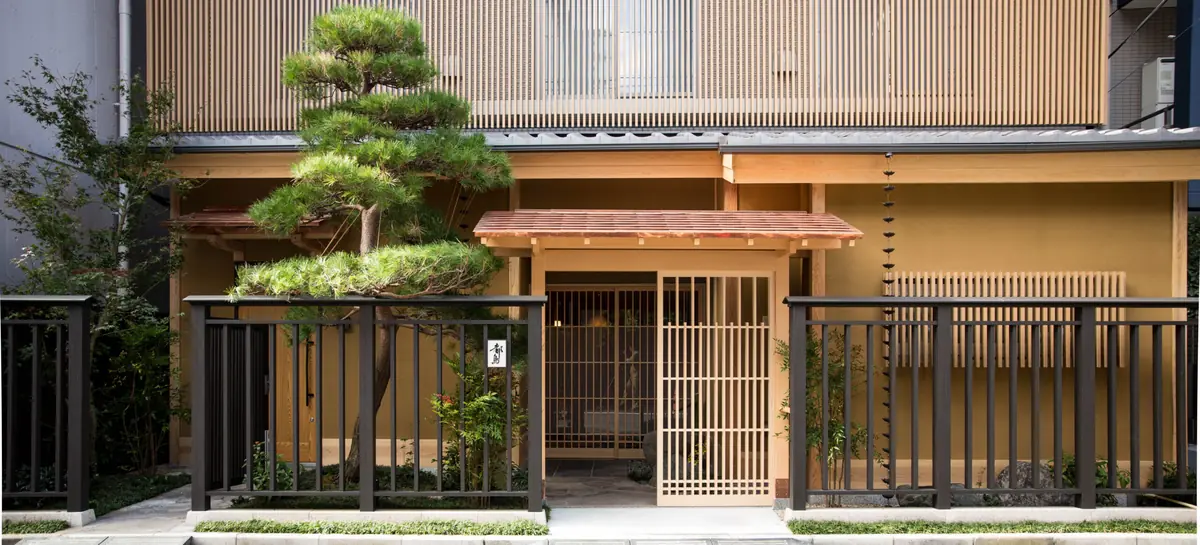
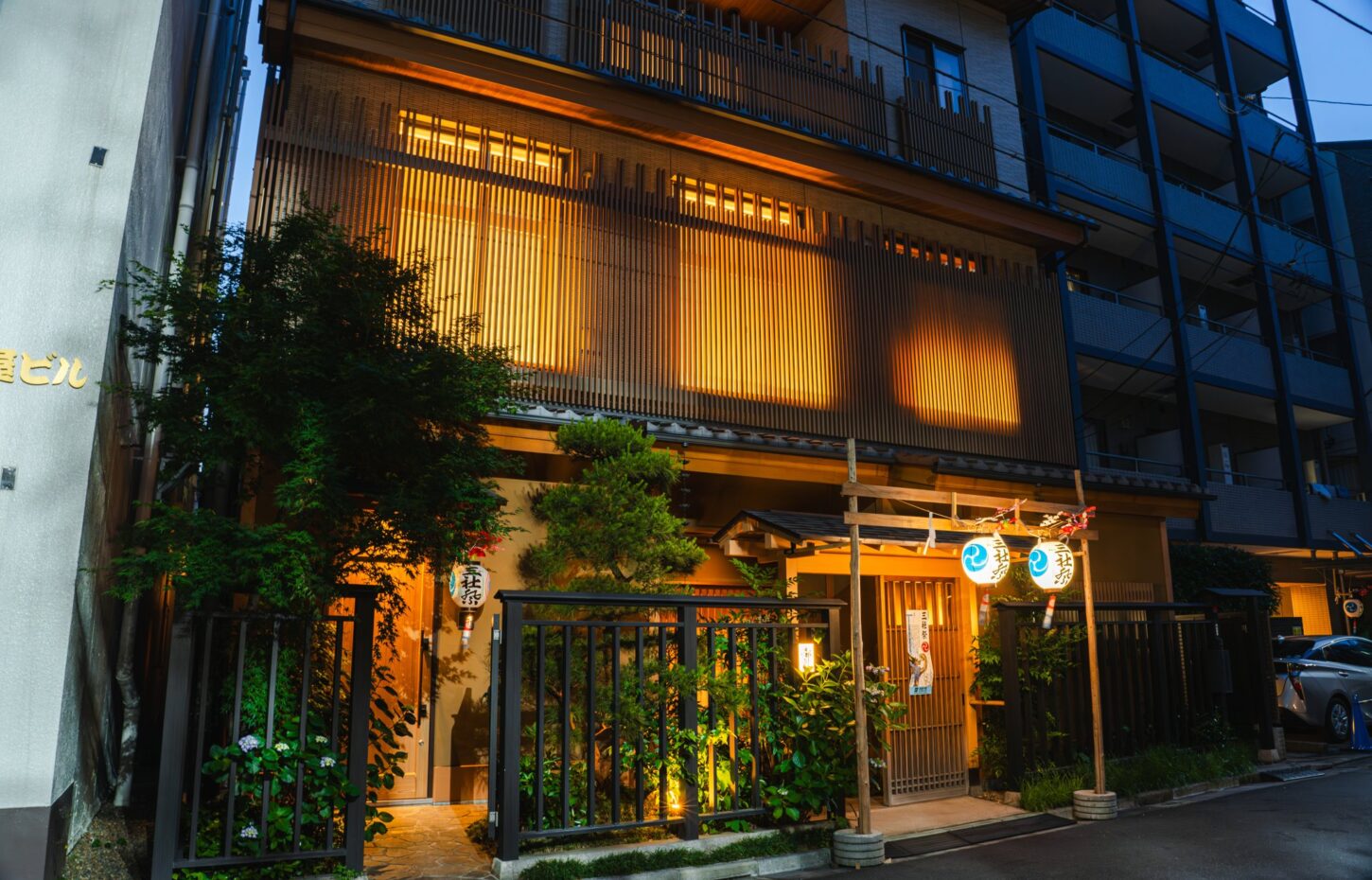
If you are looking for the pinnacle of this tradition, look no further than Miyakodori. Nestled in the historic backstreets of Asakusa, an area known as Kannon-ura, our establishment has been a cornerstone of the community since its founding in 1950. The name Miyakodori is inspired by a famous poem by Ariwara no Narihira in The Tales of Ise, which asks a bird if a loved one is still well in the capital. This reflects our deep philosophy: to remain a place where we and our guests feel a lasting, mutual affection. As the only remaining machiai-chaya in Asakusa, Miyakodori offers a unique experience focused primarily on the enjoyment of geisha arts and the true spirit of the flower and willow world.
Here, you can escape the noise of the modern city and step into a setting where time seems to stand still. You will be greeted by geisha who provide the most authentic omotenashi. Whether you are visiting for a special anniversary, a business meeting with international VIPs, or a once in a lifetime cultural exploration, we provide elegant private rooms where you can enjoy captivating dances, the beautiful melody of the shamisen, and seasonal Japanese cuisine options (kaiseki course included in the 3-hour plan; available as an option for shorter plans).
Frequently Asked Questions about Tokyo Geisha
Q: Is there a language barrier when booking a geisha experience in Tokyo?
We understand you may have questions before booking your first geisha experience. One common concern is the language barrier. While the arts of dance and music are universal, our staff and geisha are very welcoming to international guests and will do their best to ensure you feel at home.
Q: How much does an authentic ozashiki experience cost?
While an authentic ozashiki experience is a luxury investment, the value lies in the exclusive access to elite artists and private settings that are not available elsewhere.
Q: Can I take photos during a geisha experience?
Regarding photography, personal photos are usually welcome within your private room, but please always ask the geisha for permission first.
Q: How do I get to Miyakodori in Asakusa?
For those concerned about access, Miyakodori is conveniently located in the Asakusa area, making it easy to include in your day of sightseeing at Senso-ji Temple.
Q: Can Miyakodori accommodate special dietary needs?
If you have any specific dietary needs or questions, please contact us directly. We are here to help you plan a perfect evening that respects tradition while meeting your modern needs.
Reserve an Authentic Ozashiki (Geisha Banquet) at Asakusa Miyakodori
Miyakodori — Asakusa’s only remaining machiai-chaya, founded in 1950 — is the authentic geisha tea house welcoming international visitors to Tokyo’s most intimate cultural experience. Enjoy a private ozashiki (geisha banquet) with live shamisen, classical dance, parlor games, and English support throughout. Direct booking — no introduction required.
Sources & References
- Asakusa Kenban — About Asakusa Geisha: asakusakenban.com
- PR TIMES — About Ozashiki-chaya and Miyakodori: prtimes.jp
- Asakusa Sightseeing Guide — Miyakodori: asakusa.gr.jp
- Tokyo Metropolitan Government — Traditional Culture in Tokyo: my.metro.tokyo.lg.jp


- How to Book a Geisha Experience in Tokyo: Step-by-Step Guide (2026)
- Traditional Geisha Makeup: History, Artistry, and Symbolism
Tips for Livening Up an Oseki Play? Rules and How to Play Explained ~Tora Tora Edition~
What Is a Taikomochi? Japan’s Hokan Tradition Guide
Asakusa Geisha: Where to Meet Real Geisha in Tokyo
The Best Tokyo Geisha Shows and Dinner Experiences: Your Guide to Authentic Private Performances
What Is a Hanamachi? Meaning, Structure & Japan’s Geisha Districts Explained
Asakusa Japanese Restaurant: Miyakodori Geisha Dining
Comment ( 0 )
Trackbacks are closed.
No comments yet.