



The Ultimate Asakusa Experience: A Complete Guide to Tokyo’s Historic Heart
Welcome to Asakusa, the place where the soul of old Edo still breathes amidst the neon glow of modern Tokyo. As we navigate through 2026, Asakusa remains the most iconic destination for those seeking an authentic Japanese experience. Whether you are a first-time visitor or a seasoned traveler, this district offers a unique blend of spiritual landmarks, lively shopping streets, and deep-rooted traditions that you simply cannot find elsewhere in the city.
Experience an Authentic Ozashiki (Geisha Banquet) in Asakusa
Asakusa Miyakodori — founded in 1950 — is the only machiai-chaya (geisha waiting house) in Asakusa. Private rooms, live shamisen, and English-speaking staff. No introduction required. Halal and vegetarian options available.
Request a ReservationIconic Landmarks You Can’t Miss
Kaminarimon Gate: The Symbol of Asakusa
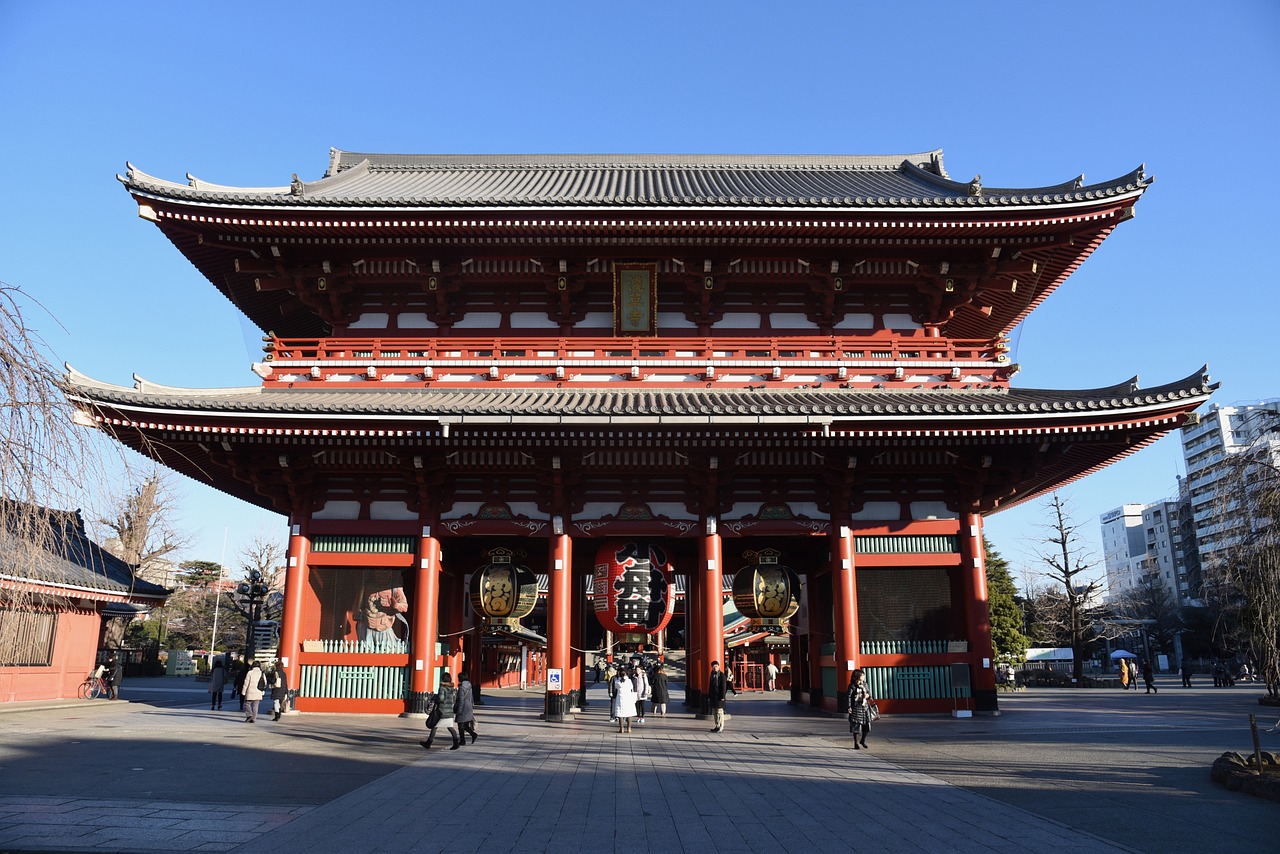
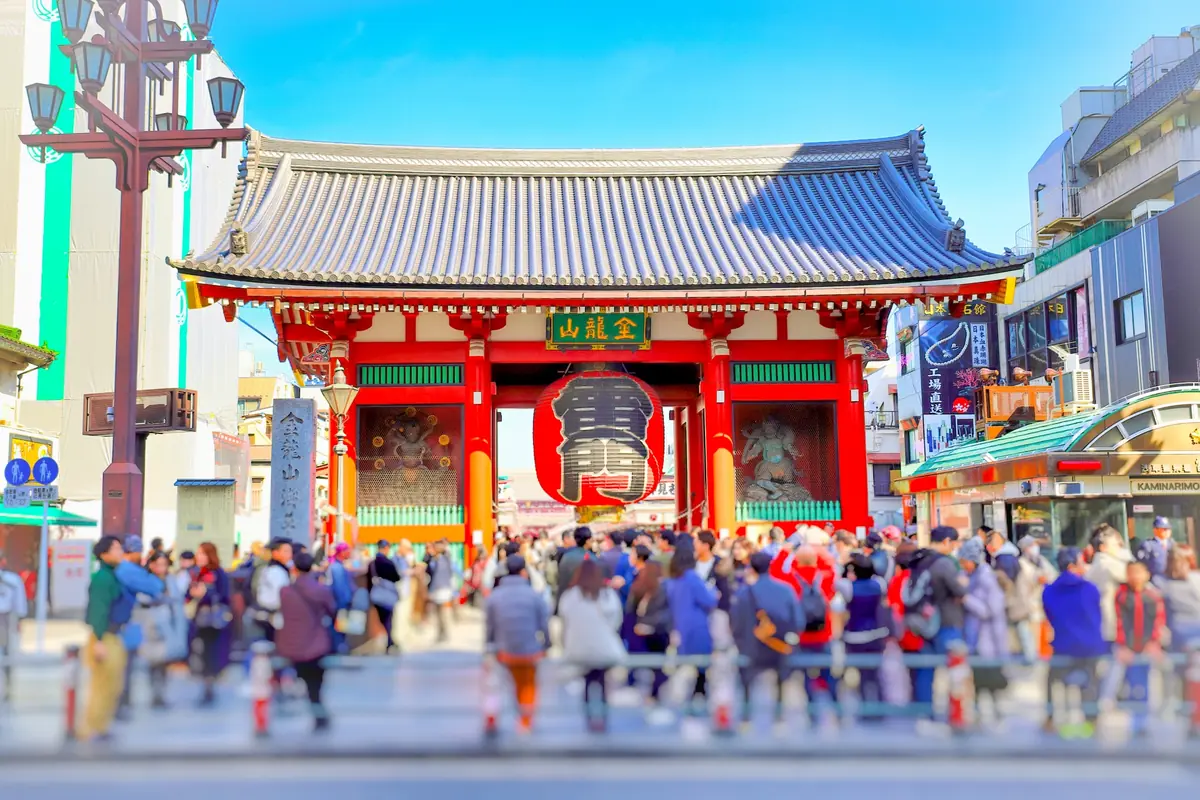
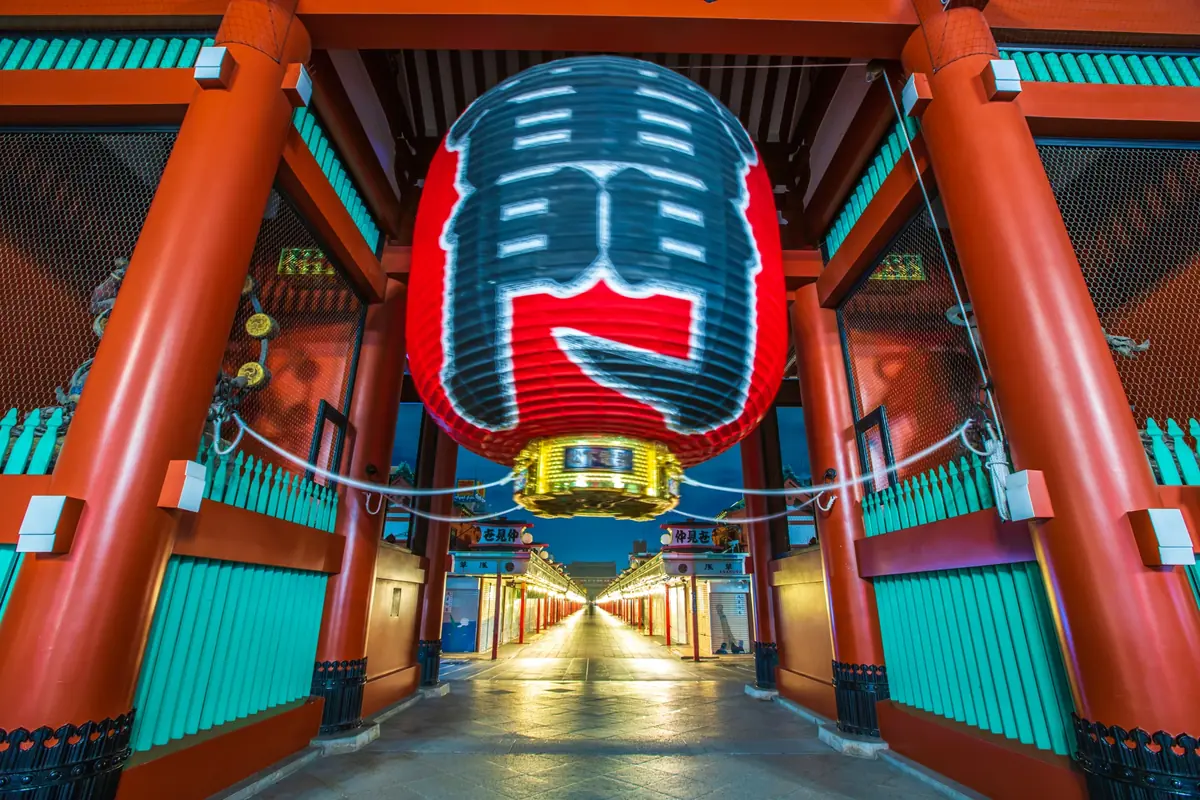
Your journey begins at the Kaminarimon, or Thunder Gate. This massive red structure, featuring a giant paper lantern, serves as the grand entrance to the Senso-ji Temple complex. Built over a thousand years ago, it has been destroyed and rebuilt several times, standing today as a symbol of protection and prosperity. As you stand beneath the lantern, take a moment to look at the intricate carvings on the bottom. It is a popular spot for photos, especially in the early morning or late evening when the crowds are thinner and the light creates a dramatic view.
Senso-ji Temple: Tokyo’s Oldest Buddhist Temple
Walking through the gate leads you toward Senso-ji, the oldest temple in Tokyo. Dedicated to Kannon, the goddess of mercy, this site attracts millions of visitors every year. The air is often thick with the scent of incense from the large burner in front of the main hall. It is local tradition to waft the smoke toward yourself, as it is believed to have healing powers. Inside the main hall, you can offer a small prayer and try your luck with omikuji, or paper fortunes. If you draw a bad luck slip, do not worry — simply tie it to the nearby wire racks to leave the bad luck behind.
Nakamise Shopping Street: A Feast of Snacks and Souvenirs
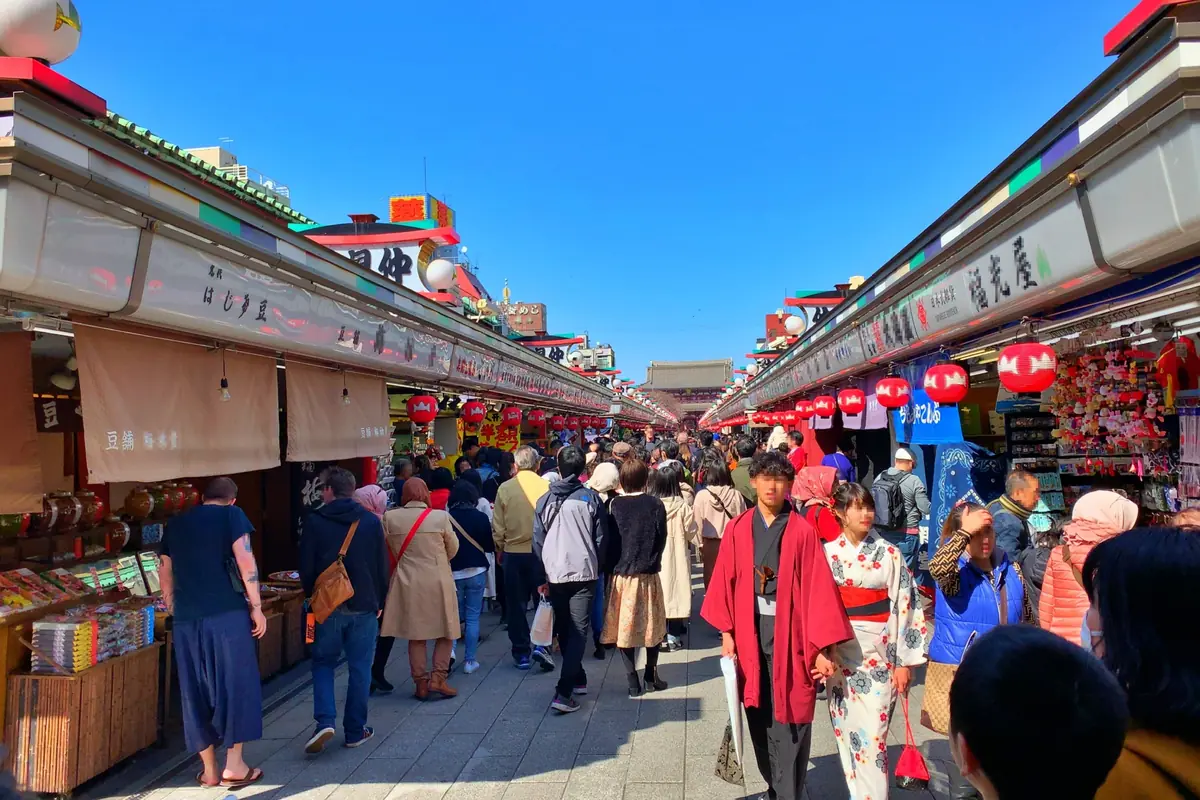
Connecting the Kaminarimon Gate to the temple is Nakamise-dori, one of the oldest shopping streets in Japan. This bustling 250-meter path is lined with nearly 90 shops selling traditional crafts, yukata, and an endless variety of snacks. This is the perfect place to pick up unique souvenirs such as handmade fans or kokeshi dolls. Be sure to try the freshly baked senbei (rice crackers) or the famous ningyo-yaki (small cakes filled with sweet red bean paste). The lively atmosphere here captures the true spirit of a Japanese festival day.
Traditional Cultural Experiences to Try
Exploring in a Kimono or Yukata
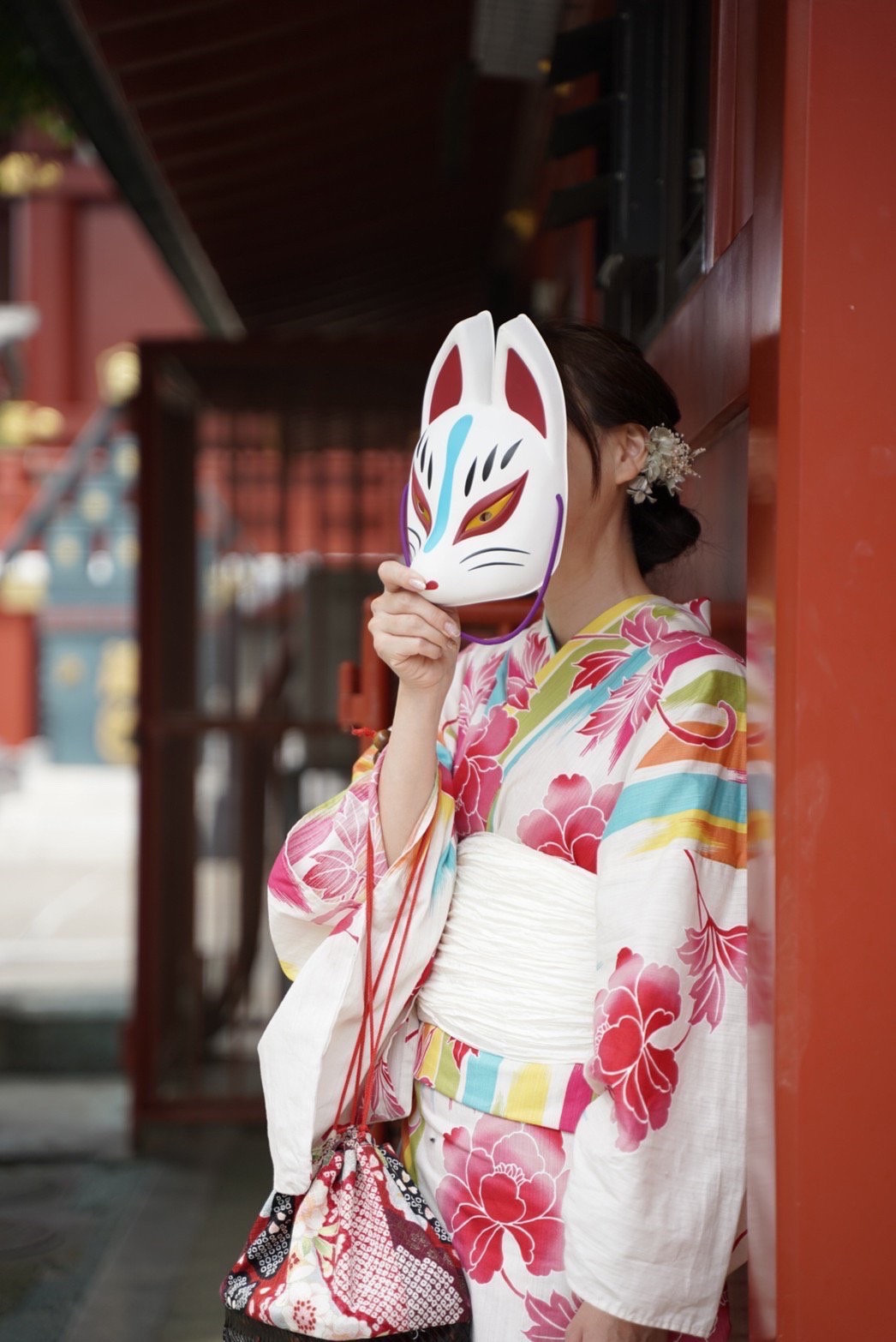
To truly immerse yourself in the culture, consider renting a kimono or yukata for the day. Numerous shops near Asakusa Station provide professional fitting and hair styling services. Walking through the historic streets in traditional attire changes your perspective and makes for incredible photos near the red temples and shrines. It is a respectful and fun way to connect with the local heritage. Most rental services offer a wide range of designs, from classic patterns to modern interpretations, ensuring you find something that fits your personal style.
Rickshaw Tours: A Classic Way to See the Town
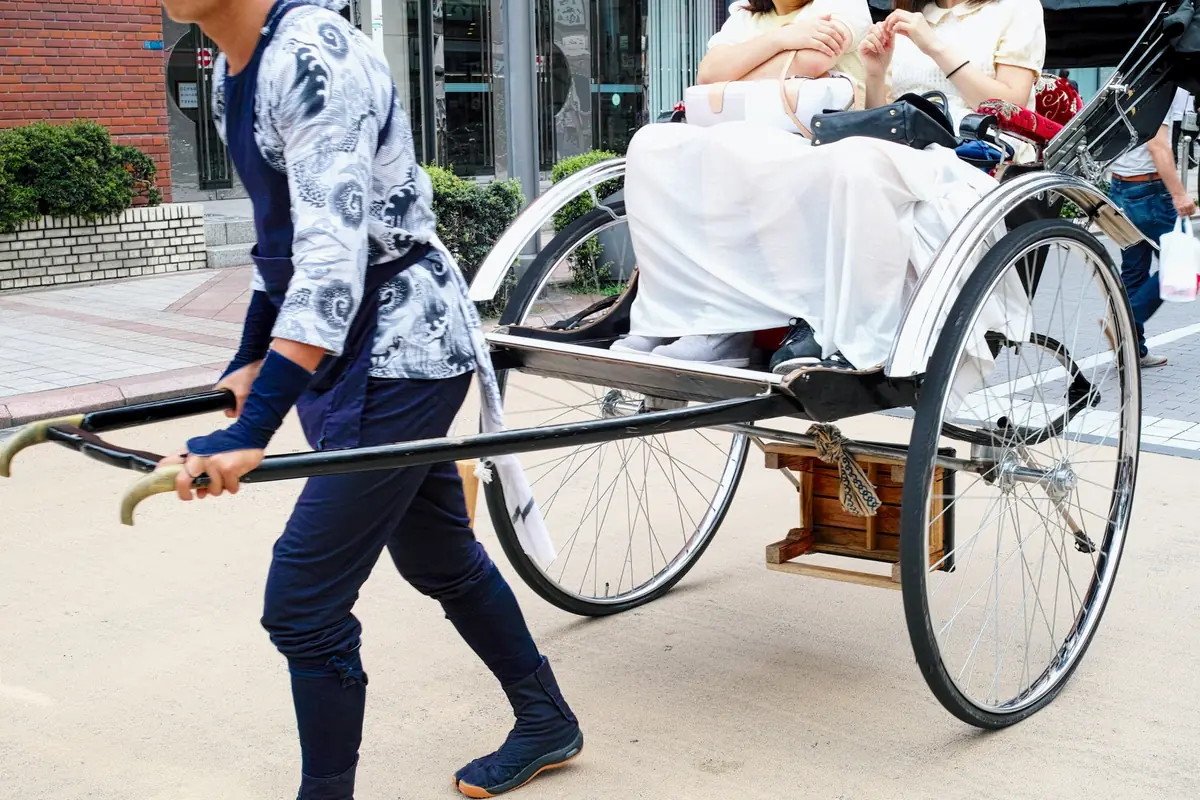
If you want to see the area without tiring your feet, a rickshaw ride is a must. The drivers, known as shafu, are not only incredibly strong but also serve as expert local guides. They know the quiet backstreets and historical anecdotes that most tourists miss. A 30-minute or one-hour tour can take you past hidden shrines, retro theaters, and the scenic Sumida River. It is a nostalgic way to travel that feels like stepping back into the Meiji era.
Traditional Tea Ceremonies and Matcha
For a moment of calm, participate in a traditional tea ceremony. Several dedicated tea-ceremony venues in the area offer sessions where you can learn the art of preparing matcha. This experience is about more than just drinking tea; it is a ritual of mindfulness and hospitality. The bitter taste of the powdered green tea is perfectly balanced by the delicate sweetness of wagashi (Japanese sweets). It is a refreshing break from the bustling crowds of the main temple grounds.
Asakusa’s Culinary Adventure: From Street Food to Fine Dining
Must-Try Snacks on Nakamise-dori
The food culture in Asakusa is legendary. Beyond the cakes and crackers on the main street, look for agemanju (deep-fried bean cakes). The contrast between the crunchy exterior and the soft, sweet filling is addictive. If you are visiting in the summer, look for matcha-flavored ice cream or refreshing shaved ice. Most stalls are open daily from morning until around 5:00 PM, so make sure to arrive early to sample everything.
Hoppy Street: The Nostalgic Nightlife Experience
As the sun sets, head over to Hoppy Street, located on the west side of Senso-ji. This area is famous for its casual, open-air bars that serve nikomi (stewed beef tendon) and Hoppy, a low-alcohol beer-flavored drink that was popular in the post-war era. The atmosphere here is loud, friendly, and deeply nostalgic. It is a great place to rub shoulders with locals and enjoy a side of Tokyo that feels far removed from the high-end bars of Shibuya or Roppongi. For a complete guide to Asakusa after dark, see our Asakusa Nightlife 2026 guide.
Sushi and Local Delicacies
Asakusa is also home to some of the city’s best sushi and unagi (eel) restaurants. Since the area is close to the river, seafood has always played a major role in the local diet. You can find everything from high-end dining rooms to cozy, family-run shops that have been serving the same recipes for generations. For those with dietary restrictions, many restaurants now offer English menus and vegetarian or halal options, reflecting the area’s history as an open and welcoming district for all visitors. For a deeper look at Tokyo’s exceptional dining scene, see our guide to Japanese fine dining in Tokyo.
The Secret Heart of Asakusa: The Geisha Culture and Miyakodori
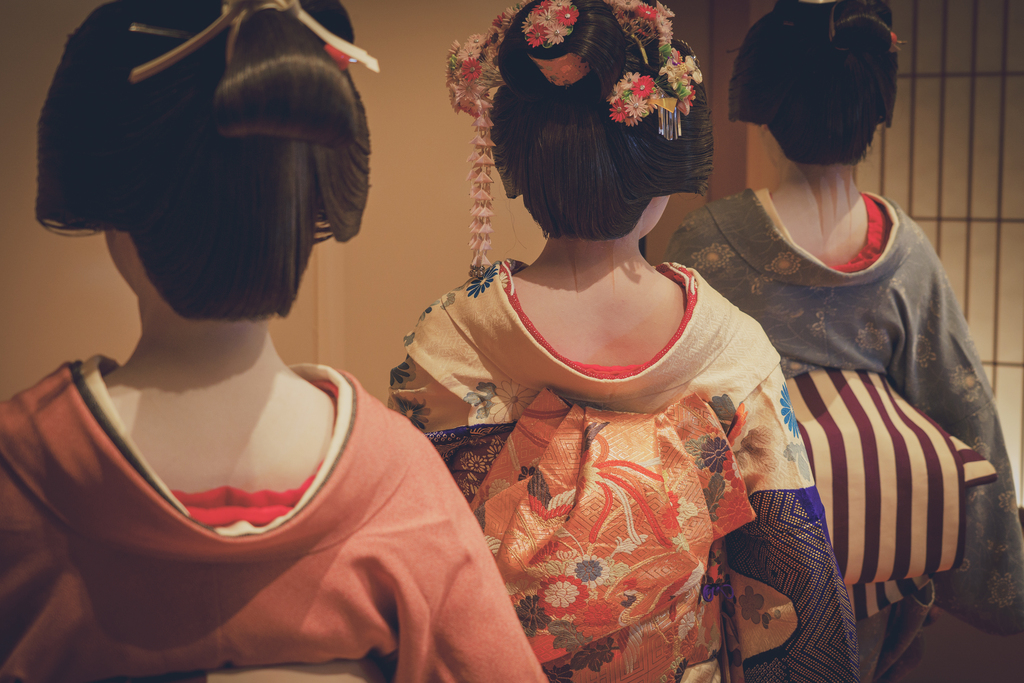
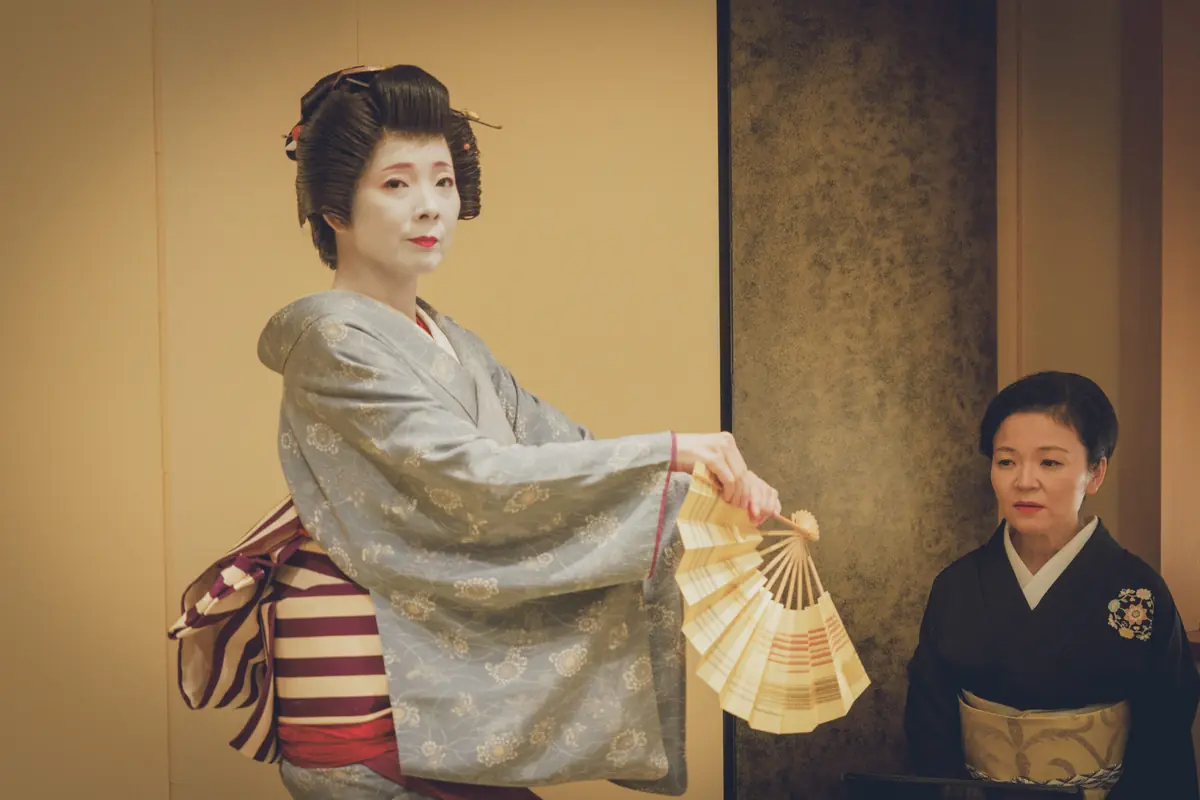
While many visitors see the temple and the shops, the true essence of Asakusa’s history lies in its “Hanamachi” or flower town. Unlike the more reserved and aristocratic geisha culture of Kyoto, Asakusa’s geisha — including the hangyoku geisha unique to this district — are known for their “Iki” style — a sophisticated, sharp, and spirited elegance born from the merchant and warrior classes of old Tokyo.
In the quiet area known as Kannon-ura, behind the temple, you will find Asakusa Miyakodori. Established in 1950, Miyakodori is a historic establishment and is currently the only remaining “Machiai-chaya” in Asakusa. A Machiai-chaya is a special type of establishment that focuses primarily on providing a space for guests to enjoy the company and entertainment of geisha. To understand the full history behind this remarkable district, read our deep-dive into the Asakusa geisha district.
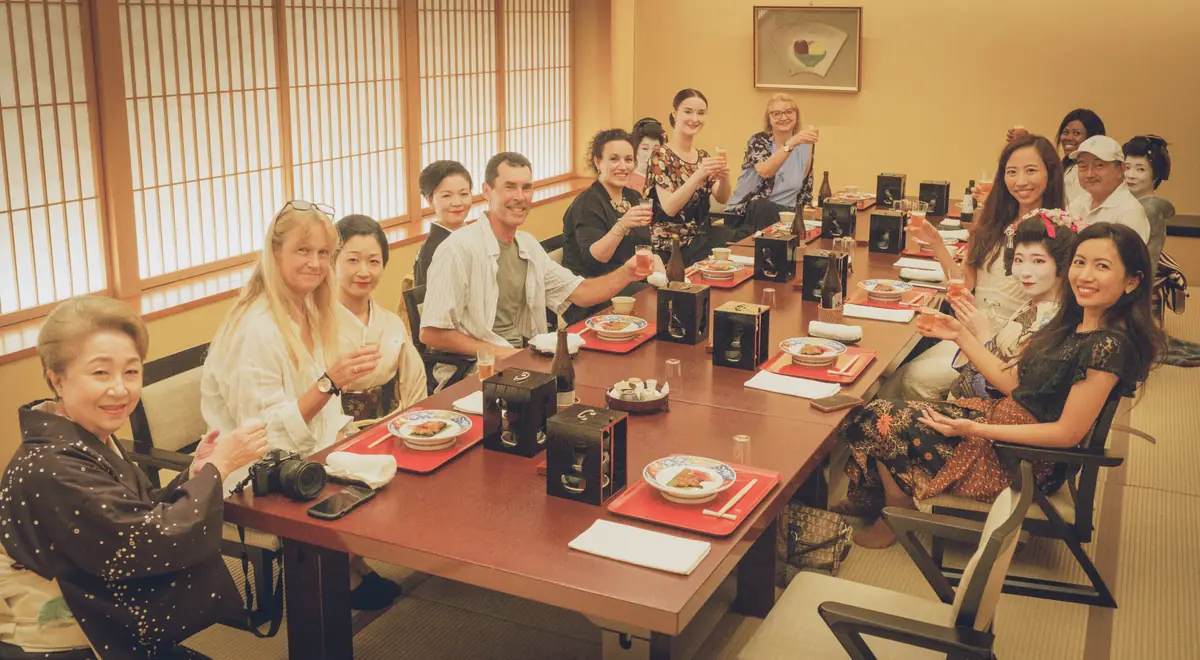
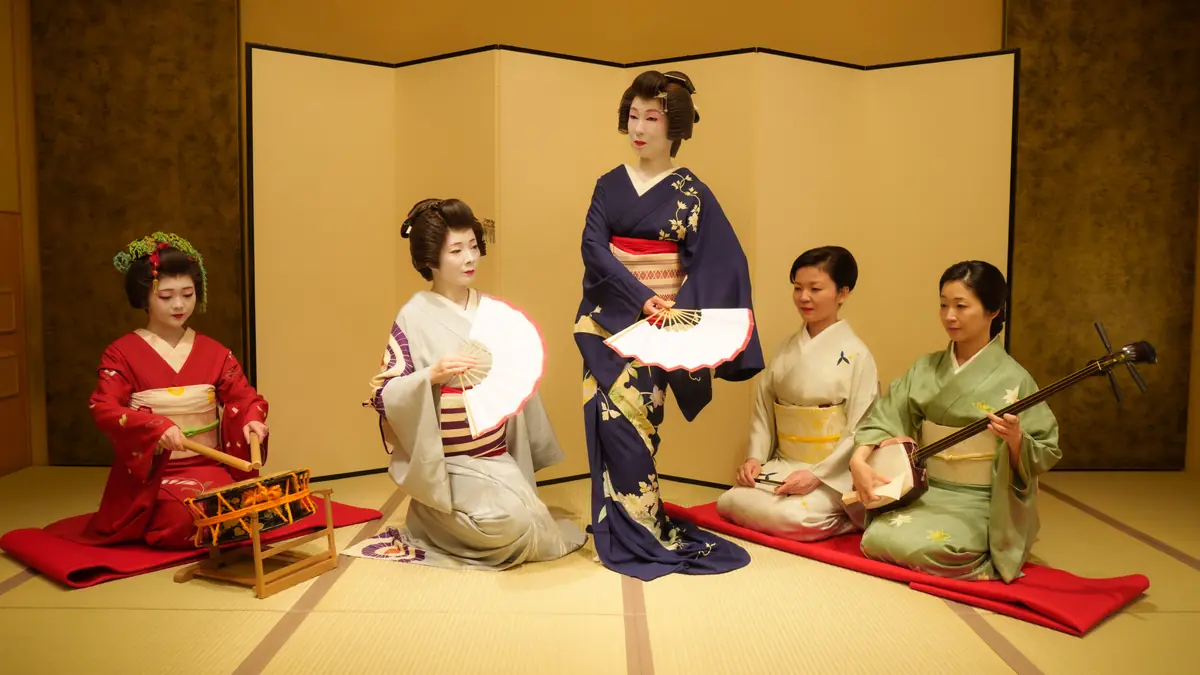
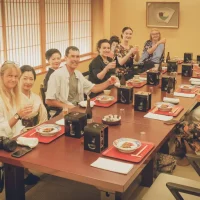
At Miyakodori, the experience is designed to transport you out of your daily life. You can enjoy seasonal kaiseki cuisine, where every dish is a work of art representing the four seasons of Japan. While you dine in a private, elegant room, you will be treated to traditional dances and the beautiful sounds of the shamisen — a three-stringed lute that is the soul of geisha music.
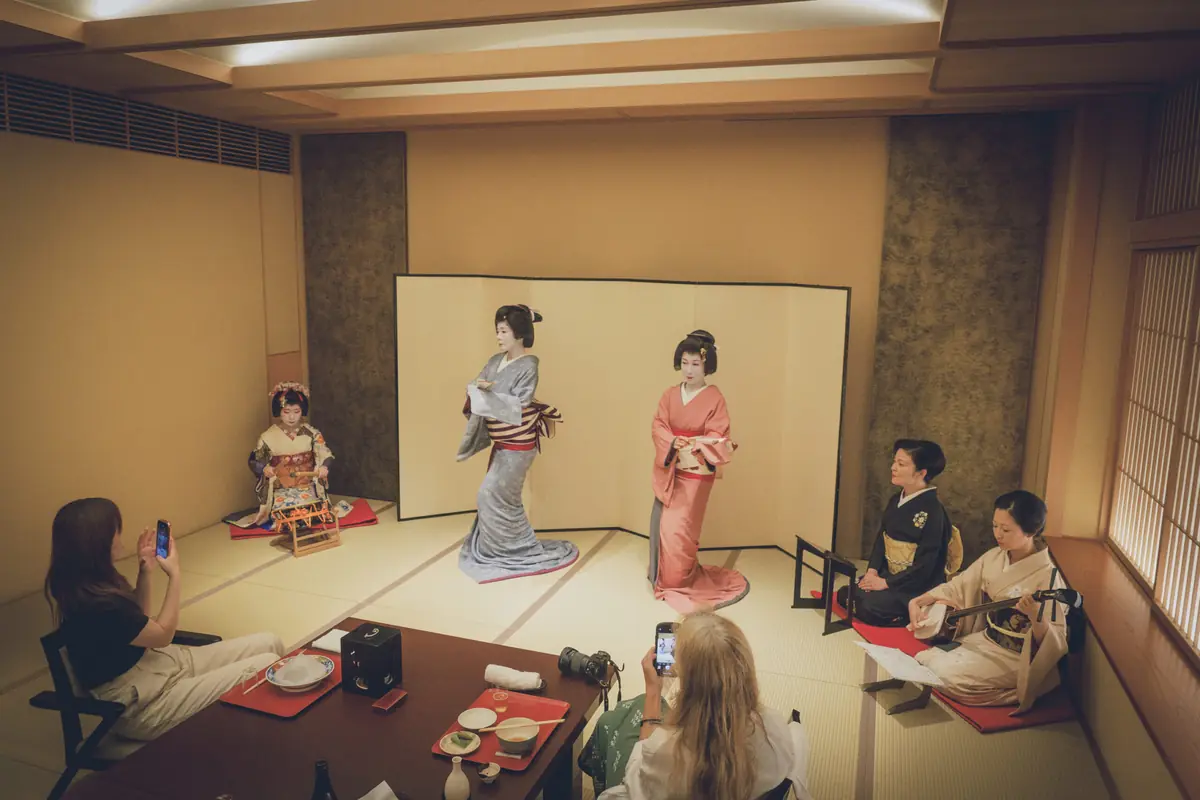
Whether you are hosting a business dinner for VIPs or celebrating a special anniversary with family, Miyakodori offers an exclusive window into a world that most tourists and even Japanese locals never see. They also provide halal and vegetarian options, ensuring that guests from all over the world can enjoy this cultural treasure without worry.
For a step-by-step guide to what happens inside a private ozashiki (geisha banquet), see our Complete Experience Guide. To discover the entertaining games that geisha play with their guests, explore our guide to ozashiki games (geisha banquet games).
Related Guides
Related Guides
- how to experience authentic Japan in Asakusa
- Asakusa Shitamachi: the old Tokyo neighborhood guide
- the complete Asakusa Japan travel guide for 2026
Step Inside an Ozashiki (Geisha Banquet) in Asakusa
Asakusa Miyakodori is the only machiai-chaya remaining in Asakusa. Founded in 1950. Private rooms, live shamisen, and English-speaking staff. Halal and vegetarian options available upon request.
Request a ReservationShopping for the Unique: From Souvenirs to Kitchenware
Kappabashi Kitchen Town: A Culinary Professional’s Dream
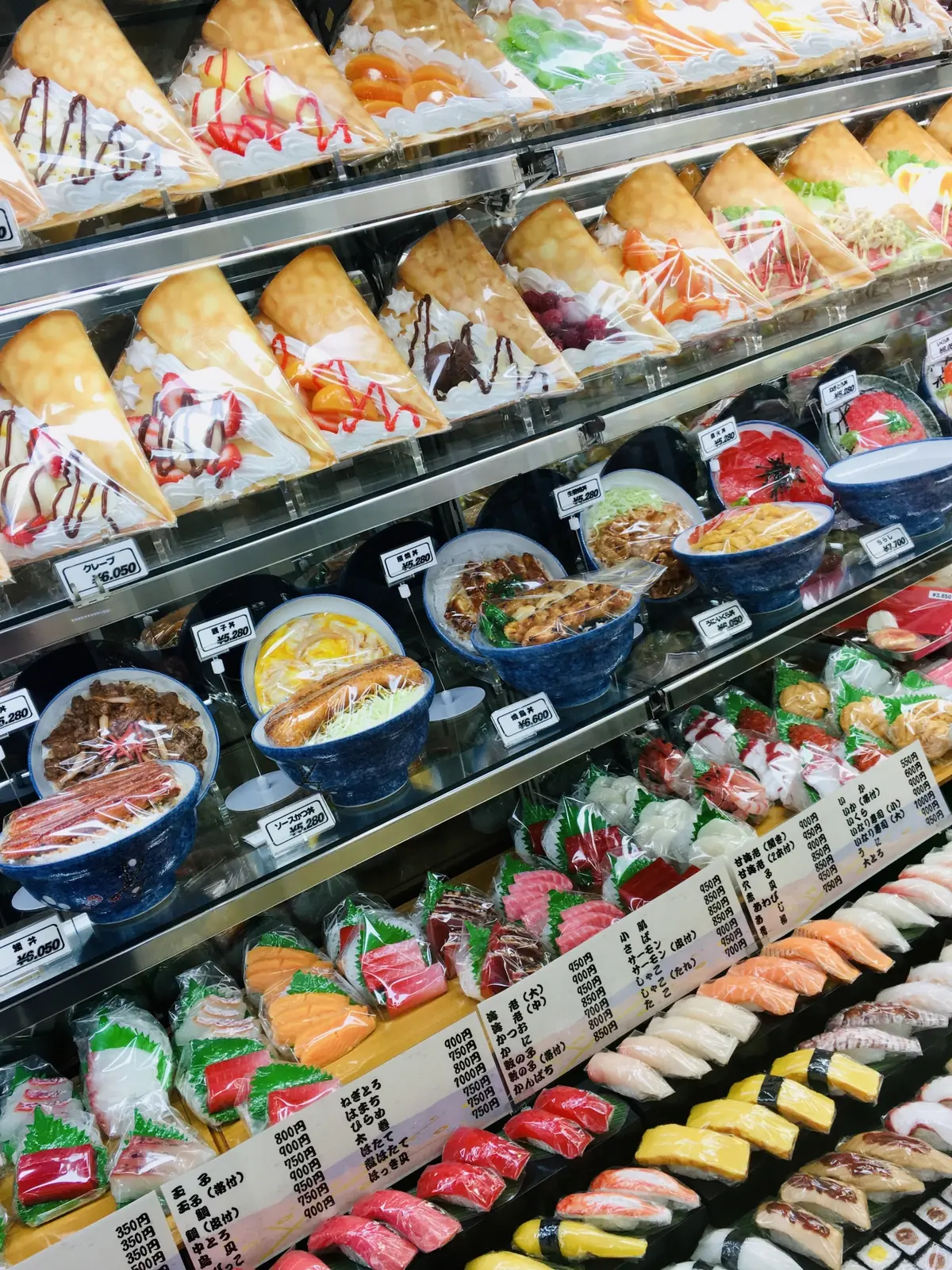
Just a short walk from the main temple area is Kappabashi, a street dedicated entirely to kitchenware. From professional-grade Japanese knives to incredibly realistic plastic food samples, this is a paradise for chefs and foodies alike. Even if you don’t cook, the shop windows filled with model sushi and ramen are a sight to behold. It is a great place to buy a high-quality souvenir that is both beautiful and functional.
Traditional Crafts and Artisanal Goods
Asakusa has long been a hub for craftsmen. Look for stores selling Edo Kiriko (cut glass), traditional combs, and hand-dyed textiles. These items are often made by artisans whose families have practiced the same craft for centuries. Purchasing these goods helps support the local economy and ensures that these traditional skills are passed down to future generations.
Exploring Beyond the Temple: Sumida River and Tokyo Skytree
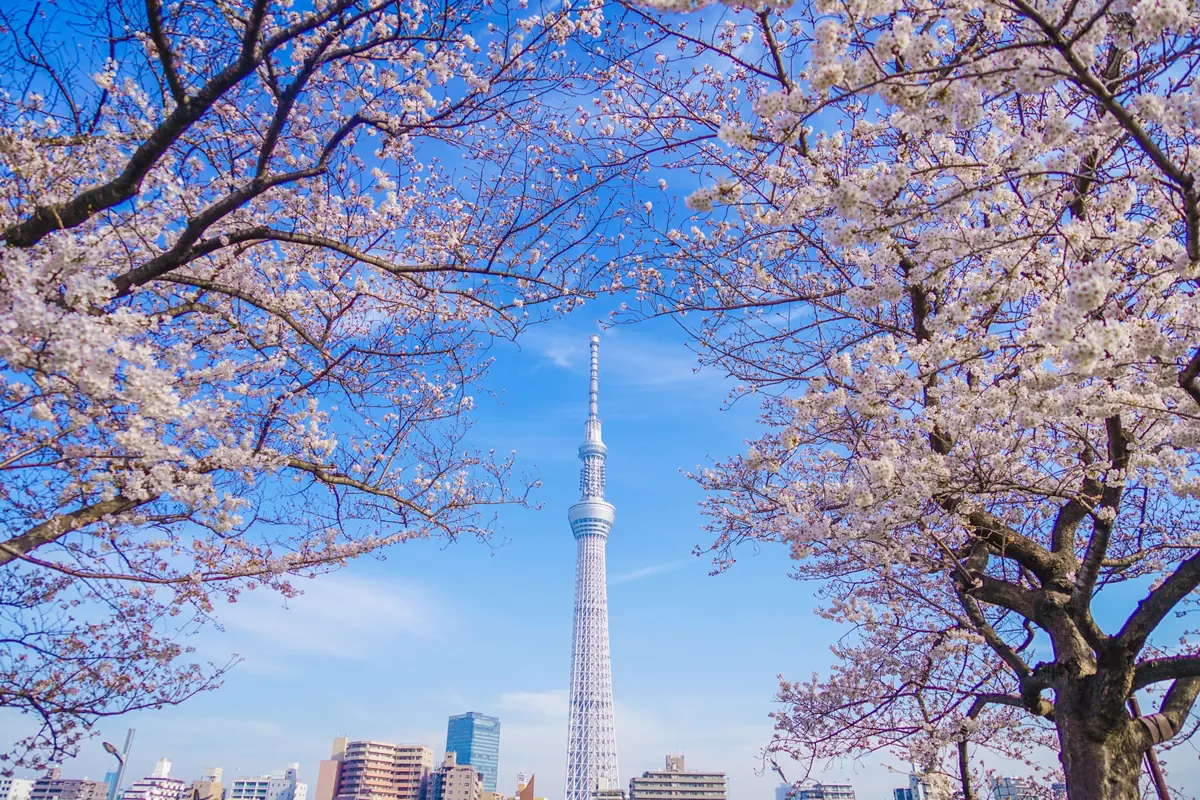
After exploring the historic center, take a stroll toward the Sumida River. The riverside park offers stunning views of the Tokyo Skytree, the tallest structure in Japan. You can also see the famous Asahi Beer Hall with its golden flame sculpture. For a different perspective, board a water bus cruise from the pier near Azumabashi Bridge. These boats travel down the river to Odaiba or Hama-rikyu Gardens, offering a refreshing view of the city’s skyline from the water.
Practical Travel Information for Visitors
How to Get to Asakusa Station
Asakusa is easily accessible via several train lines. The Tokyo Metro Ginza Line, the Toei Asakusa Line, and the Tobu Skytree Line all stop at Asakusa Station. If you are coming from Narita or Haneda Airport, the Asakusa Line provides direct access through the Keikyu and Keisei private lines. The station is well-signed in English, making it easy for international travelers to navigate.
Best Times to Visit and Annual Festivals (Sanja Matsuri)
While Asakusa is beautiful year-round, the atmosphere is most electric during festivals. The most famous is the Sanja Matsuri, held in May. This massive event features portable shrines (mikoshi) being carried through the streets, accompanied by music and dancing. March is also a wonderful time to visit for the cherry blossoms along the Sumida River. To avoid the biggest crowds, aim to visit on a weekday morning or stay until the evening when the temple is beautifully illuminated.
Recommended Itinerary: 48 Hours in Asakusa
Day 1: Start early at Kaminarimon to beat the crowds. Explore Senso-ji and Nakamise-dori. In the afternoon, rent a kimono and take a rickshaw tour. End your evening with a nostalgic dinner on Hoppy Street.
Day 2: Visit Kappabashi Kitchen Town in the morning. For lunch, enjoy some local sushi or unagi. Spend your afternoon at the Sumida River or climb the Tokyo Skytree. For the grand finale of your trip, book a private room at Miyakodori to experience the ultimate traditional Japanese dinner with geisha entertainment. To make the most of your evening, read our guide to experiencing an authentic geisha show in Asakusa so you know exactly what to expect.
Why Asakusa Is the Heart of Tokyo
Boasting a variety of iconic attractions, Asakusa is a place where you can touch the history of the 7th century at a temple and then experience the refined hospitality of the 21st century at a premier ryotei. The warmth of the local people and the incredible depth of its cultural content make every visit special. Whether you come for the food, the sights, or the tradition, Asakusa will leave a lasting impression on your heart.
To go deeper into the history of this extraordinary district, explore our Complete History Guide to geisha in Tokyo.
Frequently Asked Questions about the Asakusa Experience
Is Asakusa safe for solo travelers?
Yes, Asakusa is extremely safe, even at night. Like most of Tokyo, it is a welcoming environment for solo visitors.
Can I see geisha in Asakusa without a reservation?
While you might spot a geisha walking to an appointment in the Kannon-ura area, the only way to truly experience their performance and hospitality is to book a session at a reputable establishment like Miyakodori. For details on how to arrange an authentic geisha show, see our dedicated guide to geisha shows in Asakusa.
Are there vegetarian options in Asakusa?
Yes, many restaurants now cater to vegetarians. Traditional Buddhist temple food (Shojin Ryori) is also available in some areas. At Miyakodori, halal and vegetarian options are available upon request.
Footnotes
- Asakusa Miyakodori Official Information: asakusa.gr.jp
- PR Times — Asakusa Geisha and Culture: prtimes.jp
- Tokyo Metropolitan Government — Cultural Features: my.metro.tokyo.lg.jp
- Asakusa Kenban — Geisha Association: asakusakenban.com
Ready to Experience the Real Asakusa?
Asakusa Miyakodori is the only remaining machiai-chaya in Asakusa — and the only place in the district where you can book a private ozashiki (geisha banquet) directly online, in English. Founded in 1950. No introduction required.
Request a Reservation


- 2026 Best Tokyo Geisha Dinner Guide: Top Recommendations for an Authentic Evening in Asakusa
- The Ultimate Guide to Tokyo Dinner Reservations in 2026: How to Secure the Best Tables
Japanese Fine Dining Tokyo: The 2026 Guide to Extraordinary Culinary Experiences
The Ultimate Guide to Geisha Lunch Specials: Sushi, Hibachi, and More
Yoshiwara: History, Location & Legacy of Japan’s Famous District
26 Unique Things to Do in Tokyo Japan 2026 Guide
The Ultimate Guide to Tokyo Dinner Shows 2026
26 Cool Things to Do in Tokyo, Japan (2026 Guide)
Comment ( 0 )
Trackbacks are closed.
No comments yet.