



26 Cool Things to Do in Tokyo, Japan (2026 Guide)
Introduction and the Vibe of Tokyo in 2026
Tokyo is not just a city; it is a living, breathing paradox that seems to reinvent itself every time the sun rises over the horizon. If you are planning to visit Japan in 2026, you are in for an amazing treat that transcends the typical tourist experience. The city has evolved into something truly special over the last few years, masterfully blending the hyper-efficiency of the future with a deep, soulful respect for its ancient past. I have spent countless hours wandering through these neon-drenched streets and quiet, narrow back alleys, and I can tell you that the vibe right now is absolutely electric. People often ask me if Tokyo is still worth the trip in 2026, and my answer is always a resounding yes. It is cooler, more vibrant, and more accessible than it has ever been in its long history.
When you arrive for your Tokyo trip, the first thing you will notice is the incredible design that defines almost every aspect of daily life. From the sleek, silent trains gliding into the station to the meticulous way a simple tea cup is served in a local neighborhood cafe, Japanese aesthetics permeate every single corner of the city. In 2026, Tokyo has fully embraced its role as a global leader in both high-end technology and carefully preserved culture. You will see more international faces than ever before, hear a diverse range of languages in the shopping districts, and find that navigating the city’s complex layers is easier than ever, yet the city has not lost an ounce of its unique Japanese identity.
This guide is carefully designed to help you plan your perfect day-by-day itinerary. Whether you are coming here for the depth of the food scene, the high-energy nightlife of Shinjuku, or the quiet, meditative moments in a hidden shrine in Asakusa, Tokyo offers a personalized experience that you simply cannot find anywhere else on the planet. We are going to explore 26 cool things to do, including everything from the digital art wonderlands that define modern Japan to the secret spots where the spirit of the Edo period still thrives in its purest form.
One of the biggest shifts I have seen recently is a move toward more authentic travel. People are no longer just looking for the usual crowded places; they want a deep dive into the local life and traditions. They want to understand the history behind the geisha culture or discover why a certain garden was built centuries ago. That is exactly what we are going to dive into together. So, grab your walking shoes and get ready to explore the world’s most exciting metropolis. Your 2026 adventure starts right here, and I promise it will be an unforgettable journey.
Fun and Modern Things to Do in Tokyo (Digital Art and Pop Culture)
When people think of Tokyo in 2026, the first image that often comes to mind is a neon-lit wonderland where the future is already happening. This city has always been at the forefront of technology, but the way it integrates digital art and pop culture into the urban landscape is truly something you have to see to believe. If you want to experience the coolest side of modern Japan, you need to dive headfirst into the immersive worlds and vibrant neighborhoods that define Tokyo today.
One of the most iconic experiences you can have right now is visiting teamLab Borderless, located in the impressive Mori Building at Azabudai Hills. This is not your typical art museum where you stand back and look at a painting on a wall. It is a world of art without boundaries, where digital projections move from room to room, interacting with each other and, more importantly, with you. You might find yourself standing in a forest of resonating lamps or walking through a digital stream where flowers bloom under your feet. The transition of art across the borderline of different spaces makes you feel like you are part of the canvas. It is incredibly popular, so I highly recommend booking your tickets in advance. Every time I visit, I find a new hidden corner or a different pattern that I missed before. It is easily one of the most amazing places to visit in Japan in 2026.
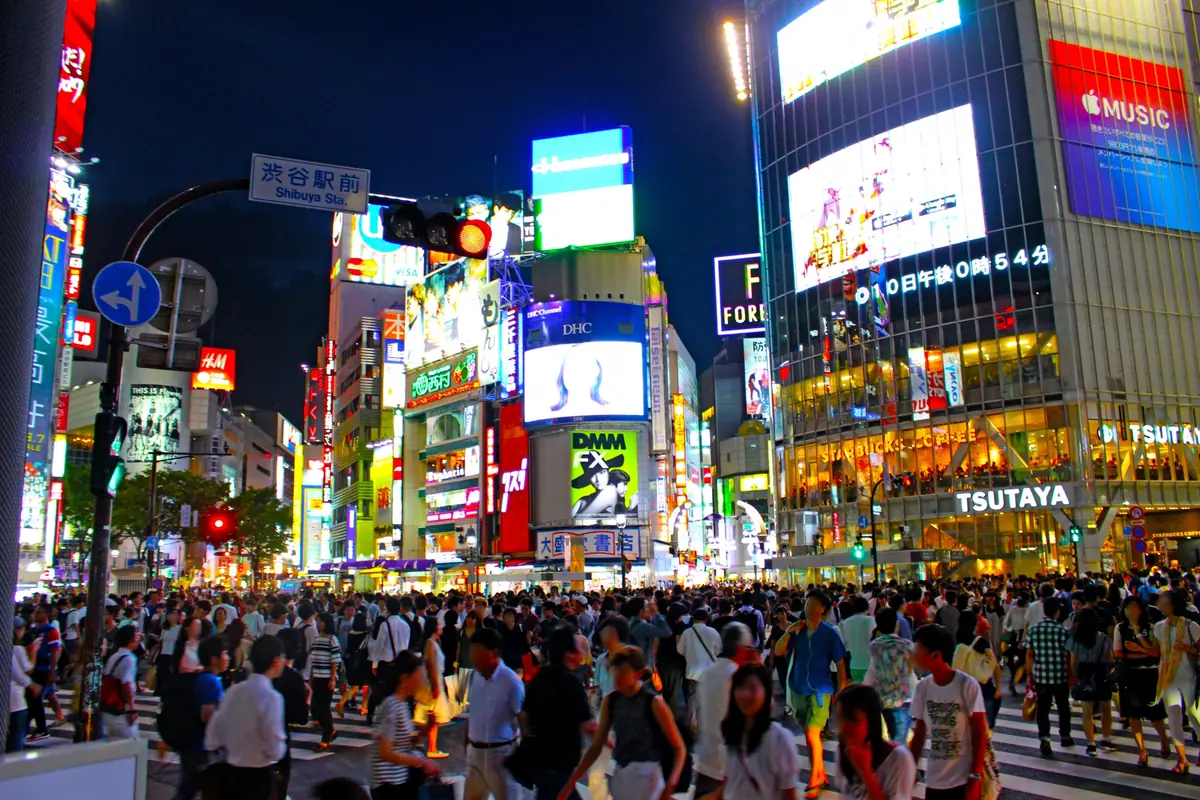
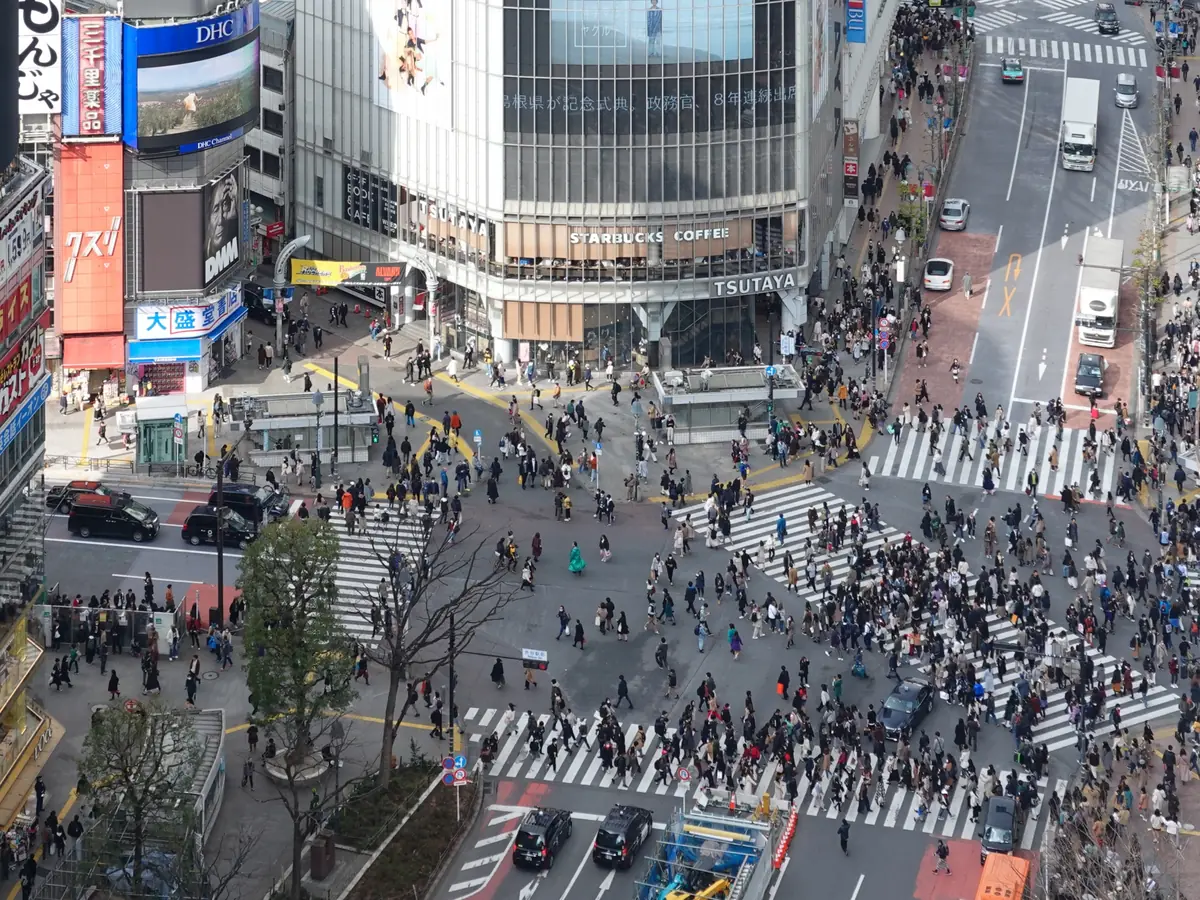
After losing yourself in digital art, head over to Shibuya to witness the energy of the world’s busiest intersection, the Shibuya Crossing. While the crossing itself is worth experiencing at street level, the real magic happens when you go up. Shibuya Sky, the observation deck atop the Shibuya Scramble Square building, offers a breathtaking 360-degree view of the city. Standing on the glass floor at the edge of the rooftop, looking down at the tiny figures below or out toward the distant Tokyo Tower and even Mt. Fuji on a clear day, is an unforgettable experience. It is the perfect spot for a photo that will make your Instagram followers jealous. While you are in the area, don’t forget to say hello to the Hachiko statue near the station, a local landmark that represents loyalty and has been a favorite meeting spot for decades.
For those who love stories and cinema, the Warner Bros. Studio Tour Tokyo – The Making of Harry Potter is an absolute highlight. Located on the former site of Toshimaen, this is the largest indoor Harry Potter attraction in the world. Even if you are only a casual fan, the level of detail in the sets, costumes, and props is staggering. Walking through the Great Hall or exploring Diagon Alley makes you feel like you have stepped right into the film. It is a fantastic day trip within the city that appeals to families and solo travelers alike.
If your idea of cool involves a deep dive into subcultures, then Akihabara and Harajuku are your twin destinations. Akihabara, often called Electric Town, is the undisputed center of video games, anime, and electronics. The multi-story game centers are filled with the sounds of international players competing in everything from retro classics to the latest VR titles. You can spend hours browsing through stores filled with rare collectibles or visiting a themed cafe where the staff treats you like royalty.
On the other side of the cultural spectrum is Harajuku. Walk down Takeshita Street and you will be surrounded by a colorful explosion of kawaii culture. From boutiques selling experimental fashion to stalls offering towering rainbow-colored cotton candy and artistic crepes, the creativity here is infectious. Just a short walk from the neon noise of Takeshita Street, you can find quiet backstreets filled with high-end design stores and sophisticated cafes that show a more mature side of Harajuku’s fashion scene.
What makes Tokyo so unique in 2026 is that these modern attractions do not feel isolated. They are part of the daily rhythm of the city. You might grab a coffee with 3D latte art in a tiny cafe in Shinjuku, then hop on a sleek train to see a giant Godzilla head peering over a building. The city is full of these playful, creative surprises. Whether you are exploring a digital forest or a high-tech shopping mall, the sense of wonder is constant. Tokyo remains the ultimate playground for anyone who loves innovation and fun. For a curated list of top experiences across the city, the Best Experiences in Tokyo 2026 guide covers the full spectrum from modern to traditional.

Traditional and Spiritual Experiences (Shrines, Temples, and Geisha Culture)
While the neon lights of Shibuya and the digital art of Mori Building draw the biggest crowds, the true soul of Tokyo lies in its ability to preserve the sacred and the traditional amidst the constant motion of progress. In 2026, finding a moment of zen or a connection to the past is one of the most rewarding parts of any trip. To truly understand the heart of Japan, you must explore its spiritual landmarks and, perhaps most importantly, engage with the living history found in the world of the geisha.
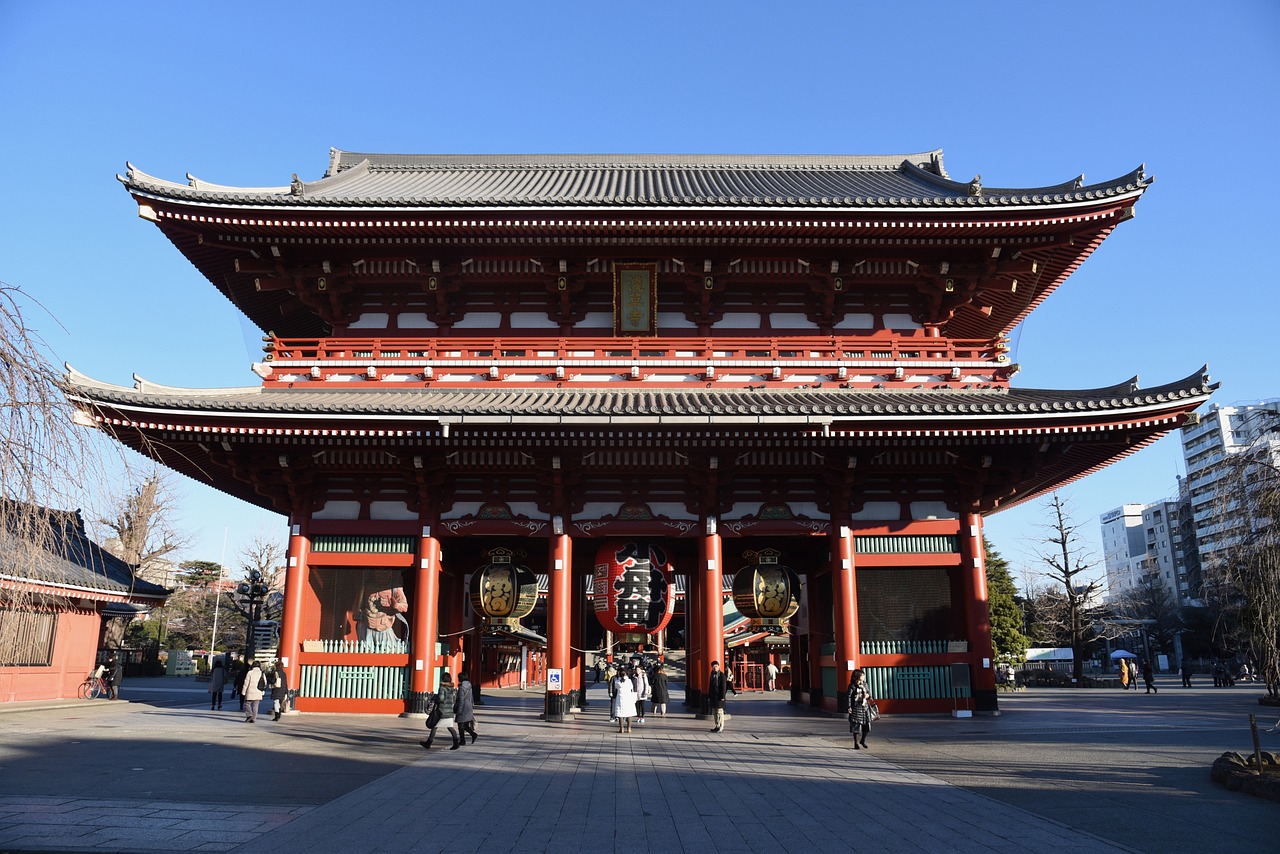
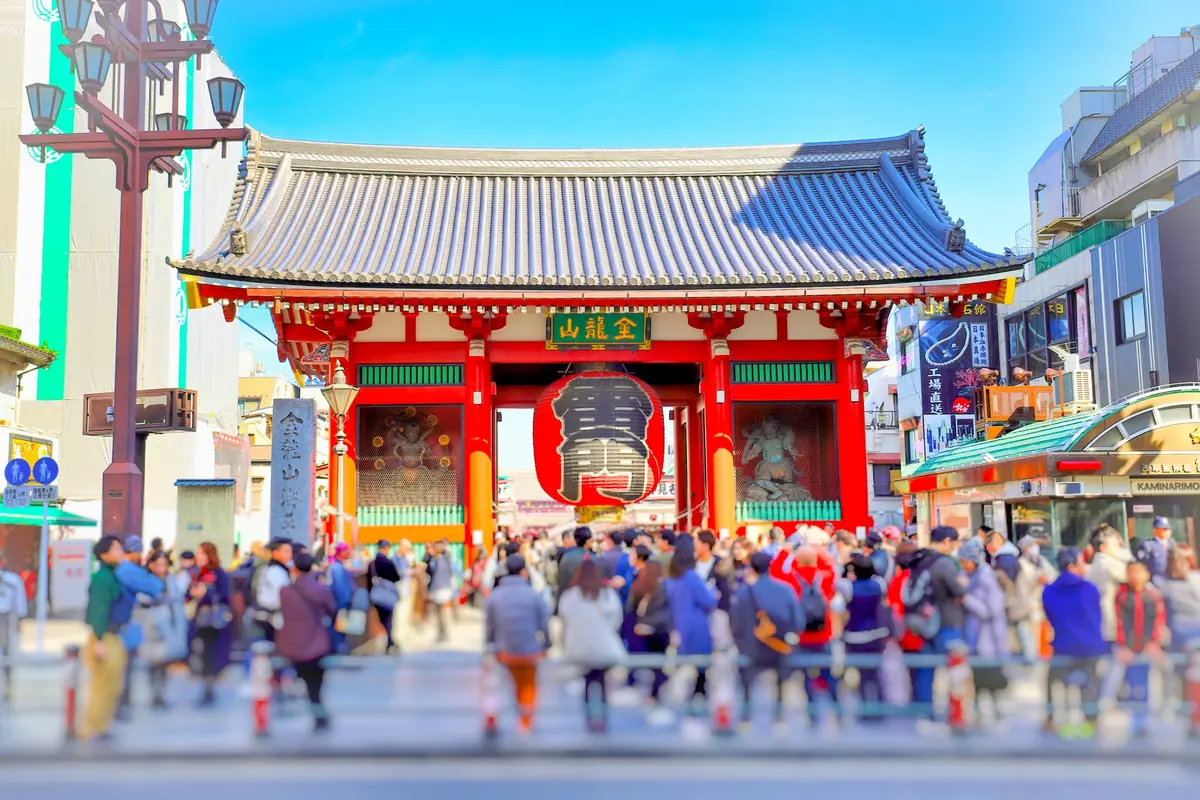
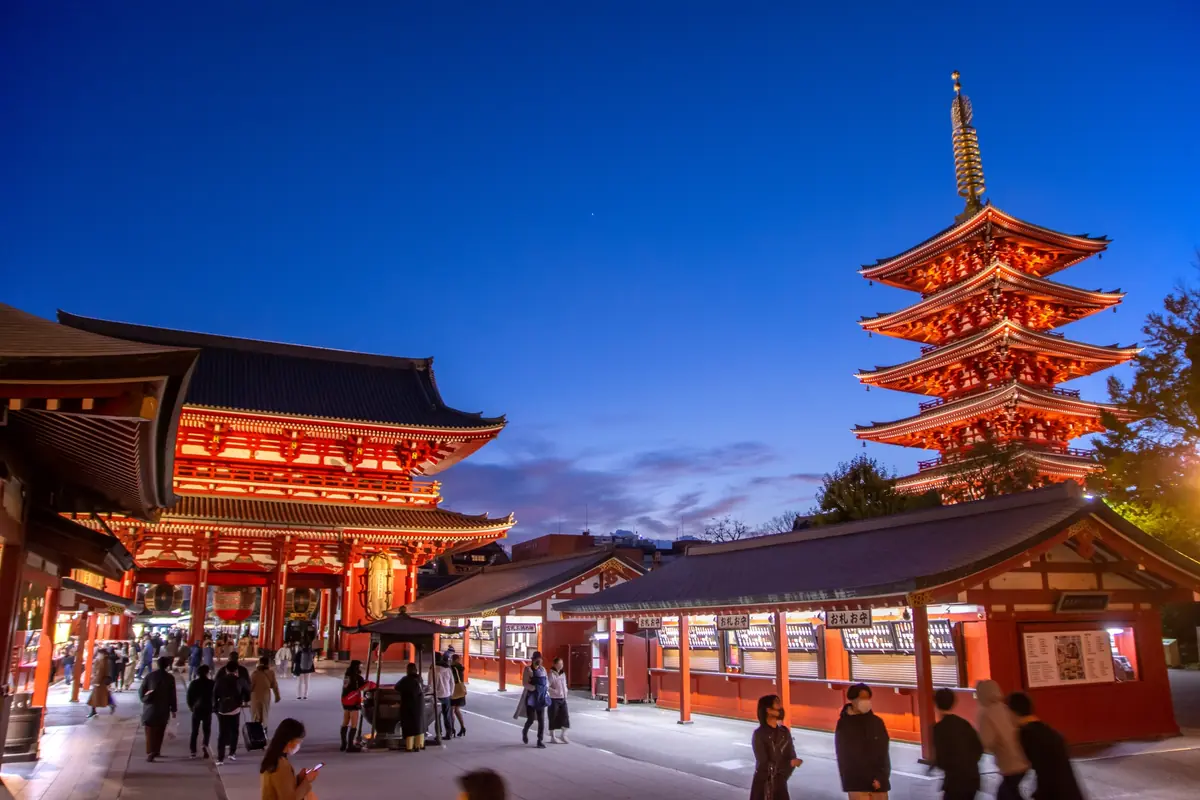
Your journey into the past should begin at Senso-ji, the oldest and most significant temple in Tokyo, located in the heart of Asakusa. As you walk through the massive Kaminari-mon (Thunder Gate) with its iconic giant red lantern, you are stepping into an area that has been a center of culture and commerce for over 400 years, dating back to the start of the Edo period. The bustling Nakamise-dori street leading to the main hall is lined with local shops selling traditional snacks and handmade souvenirs. It is a busy, vibrant place that perfectly captures the energy of old Tokyo. I recommend visiting early in the morning to experience the quiet majesty of the temple before the crowds arrive, or at night when the structures are beautifully illuminated and the atmosphere becomes deeply spiritual.
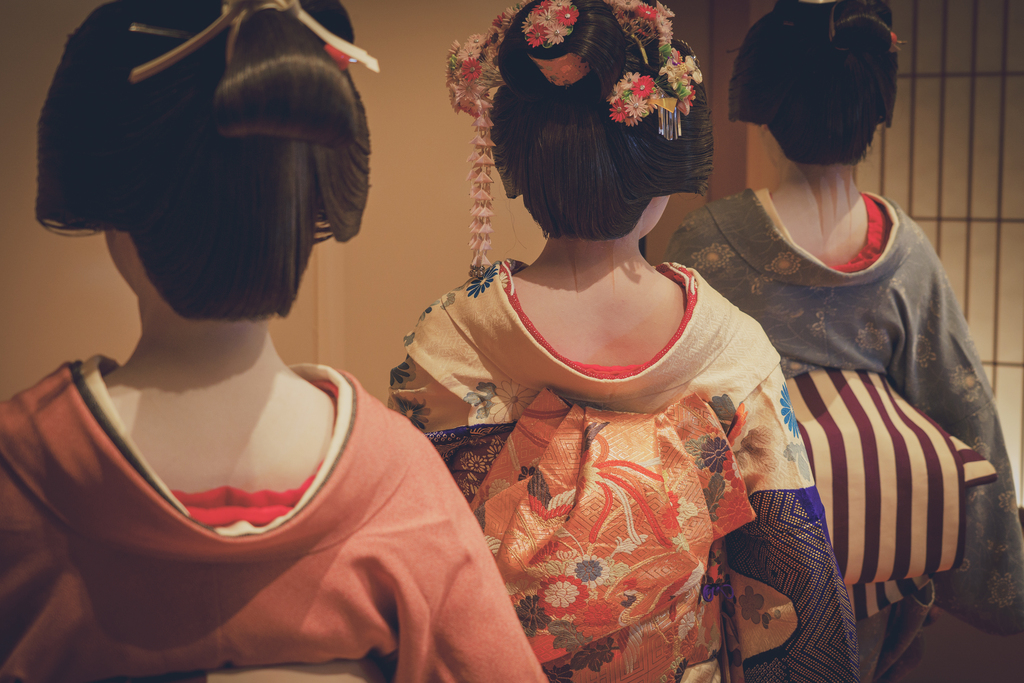
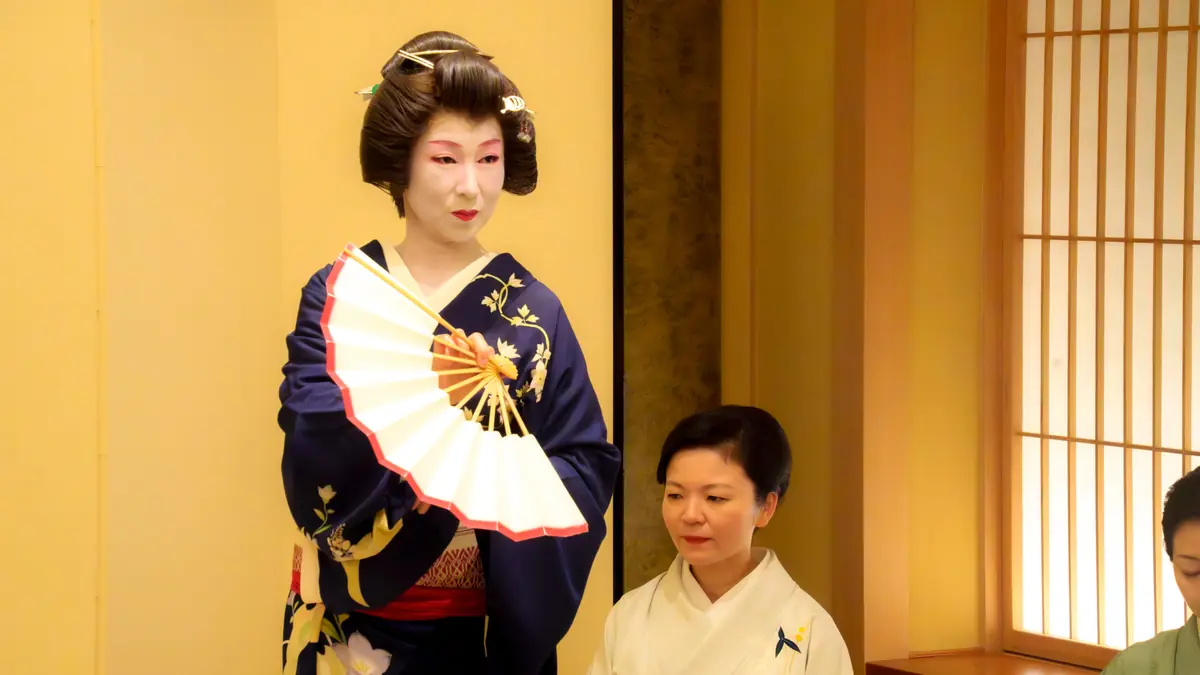
Just a short distance from the temple crowds lies a hidden world that many tourists only see from afar: the Asakusa Hanamachi, or geisha district. Unlike some other parts of Japan where these traditions are extremely closed to outsiders, Asakusa has long been known as an open and welcoming community. This is where you can find one of the most authentic and cool experiences in the entire city at a place called Miyakodori. Founded in 1950, Miyakodori is a historic machiai-chaya (traditional tea house) that carries on the legacy of the Edo period in a way that feels incredibly personal and genuine.
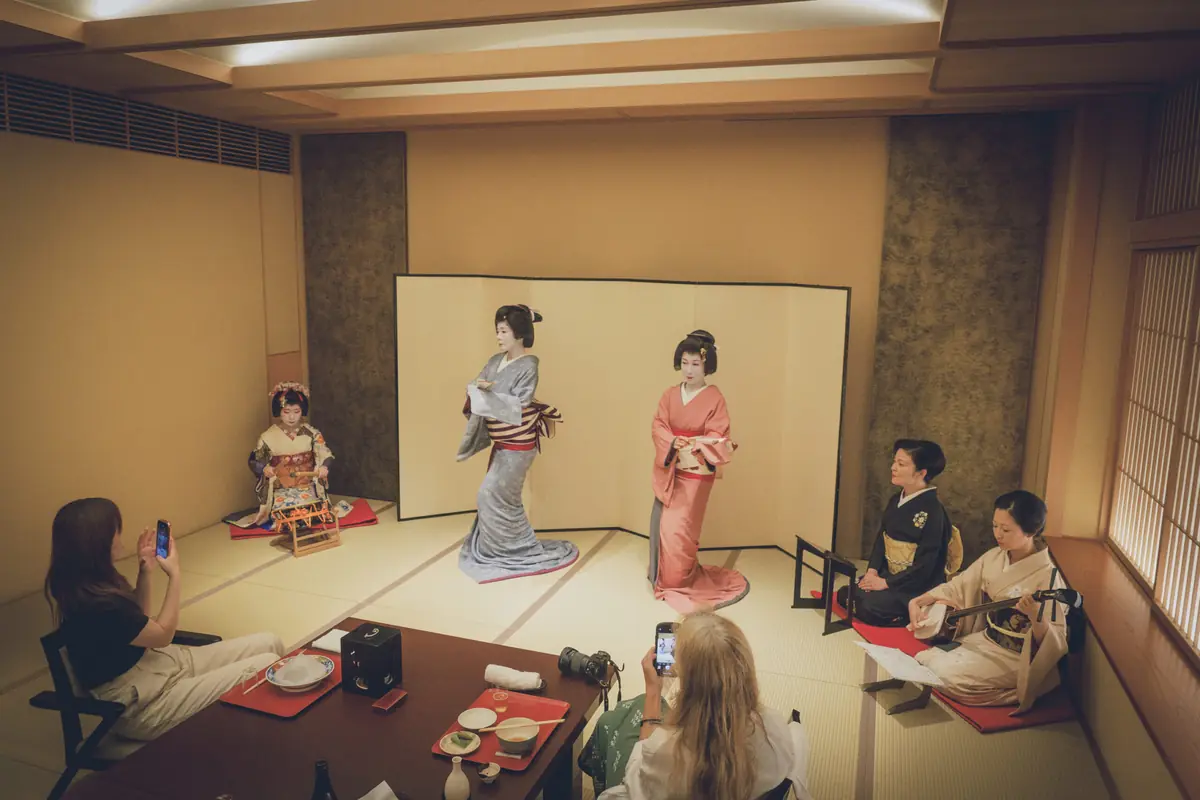
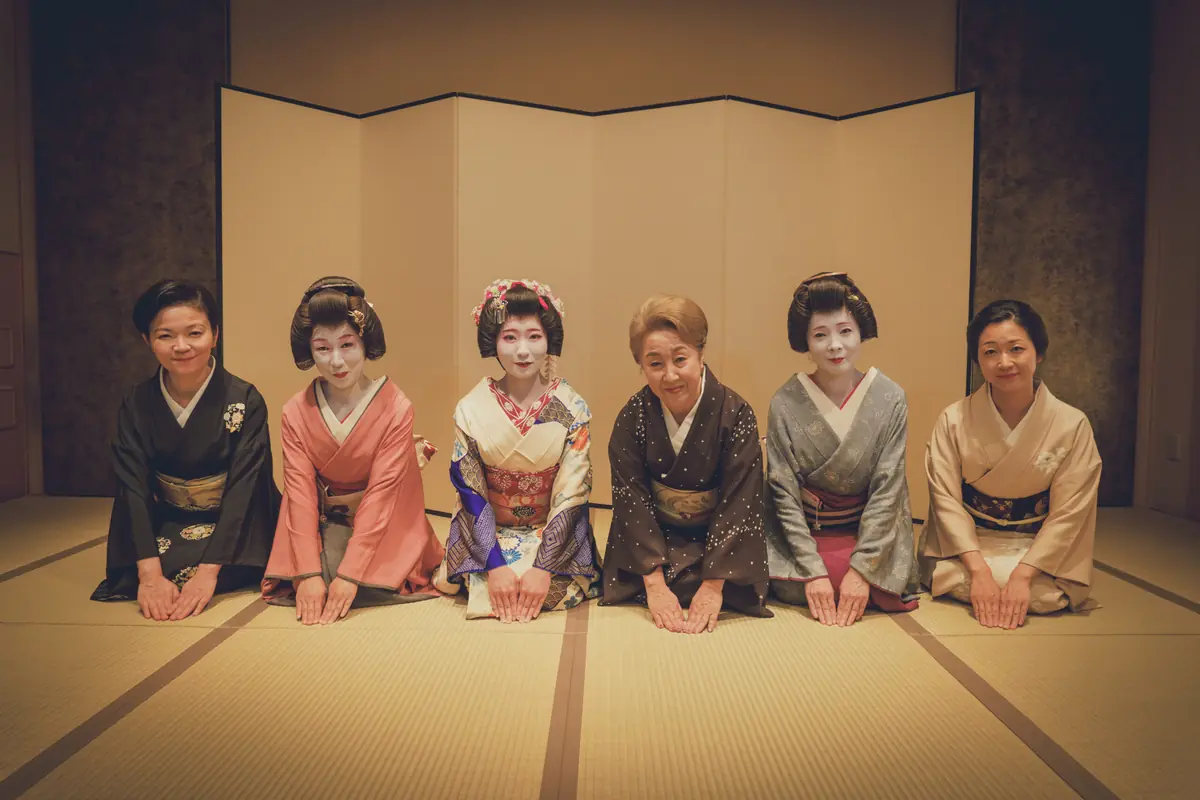
The name Miyakodori itself comes from a beautiful poem in the Ise Monogatari, which asks the birds of the capital if they have news of a loved one. This spirit of longing and deep connection defines the hospitality here. When you step inside Miyakodori, you are not just a customer; you are an honored guest in a space where time seems to stand still. This is the only remaining machiai-chaya in Asakusa, a specific type of establishment that focuses primarily on the joy of geisha entertainment. While many places offer geisha-themed shows, Miyakodori provides the real thing—highly trained artists who have dedicated their lives to the mastery of traditional dance, music, and the subtle art of conversation.
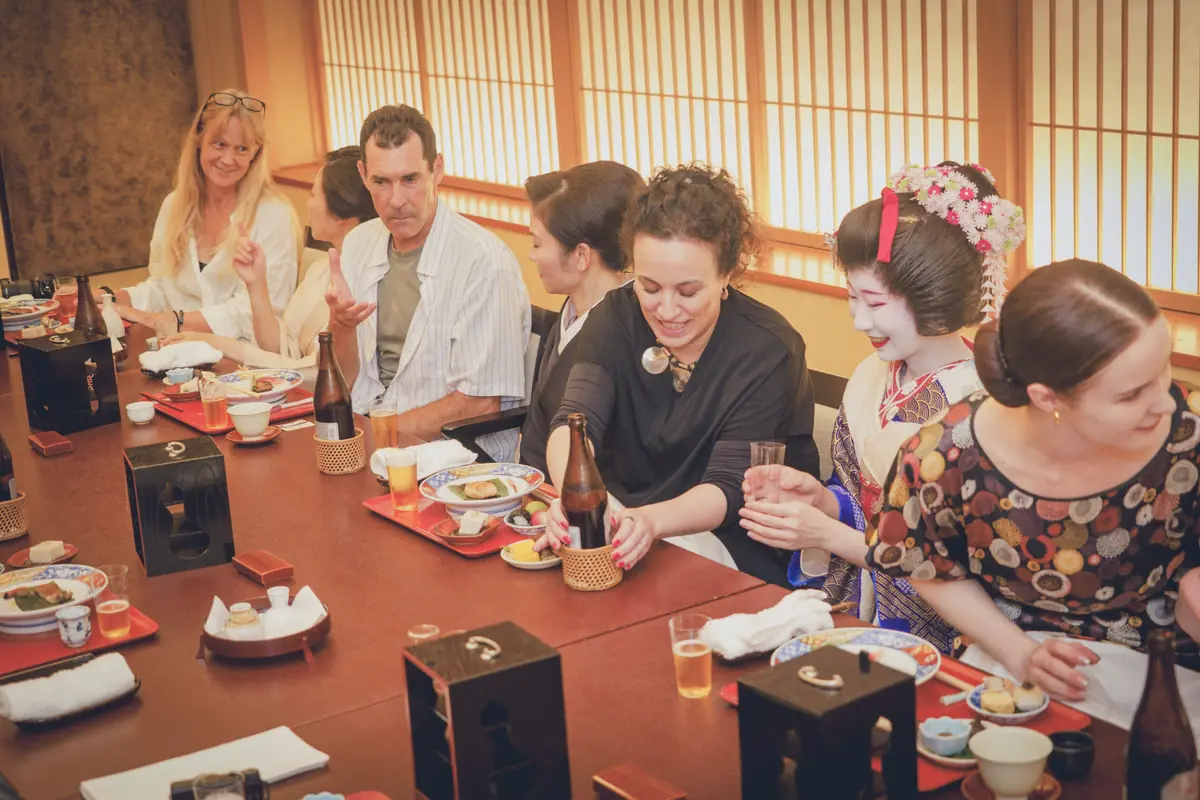
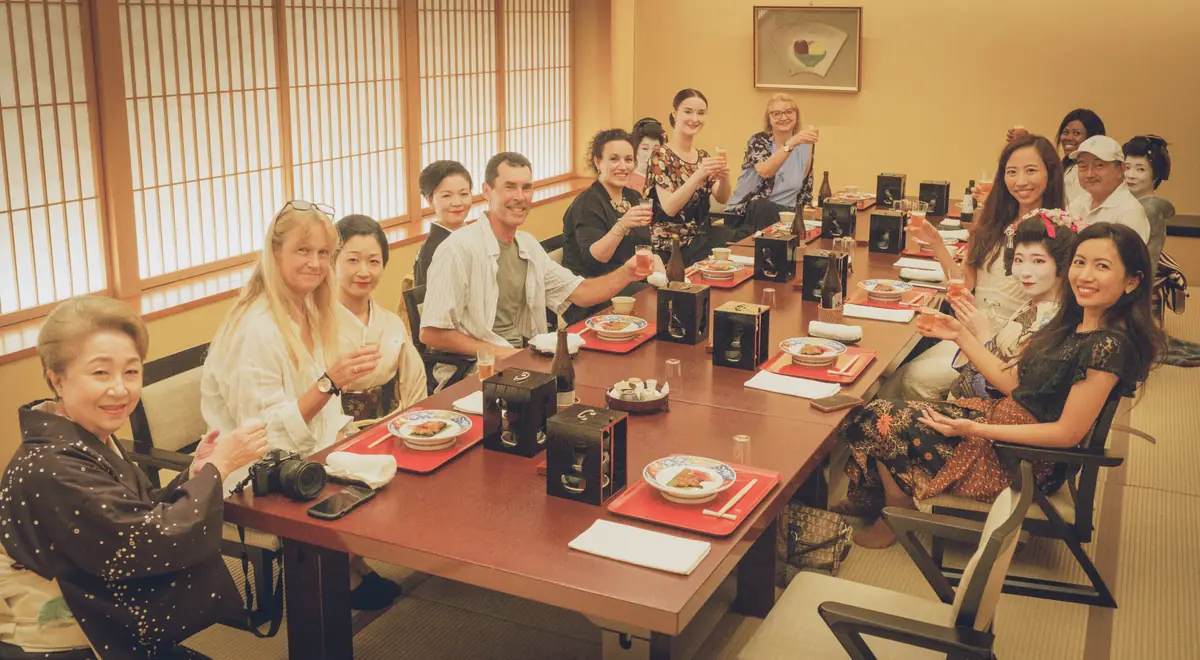
An evening at an ozashiki (geisha banquet, a private room with tatami mats) centers on the mesmerizing movements of geisha dance and the evocative sounds of the shamisen. In the 3-hour Twilight Gathering, the evening also includes a multi-course kaiseki dinner, where seasonal ingredients are prepared with such precision that each dish looks like a work of art. The beauty of the Asakusa geisha culture is its refined yet approachable style. While Kyoto is known for its aristocratic elegance, Tokyo’s culture is defined by the concept of iki—a sophisticated, chic, and slightly understated sense of cool that was born in the streets of Edo. Engaging in traditional ozashiki-asobi (parlor games) with the geisha is not only fun but also a unique way to bridge the gap between cultures. Miyakodori even offers halal options, ensuring that international guests from all backgrounds can participate in this cultural immersion.
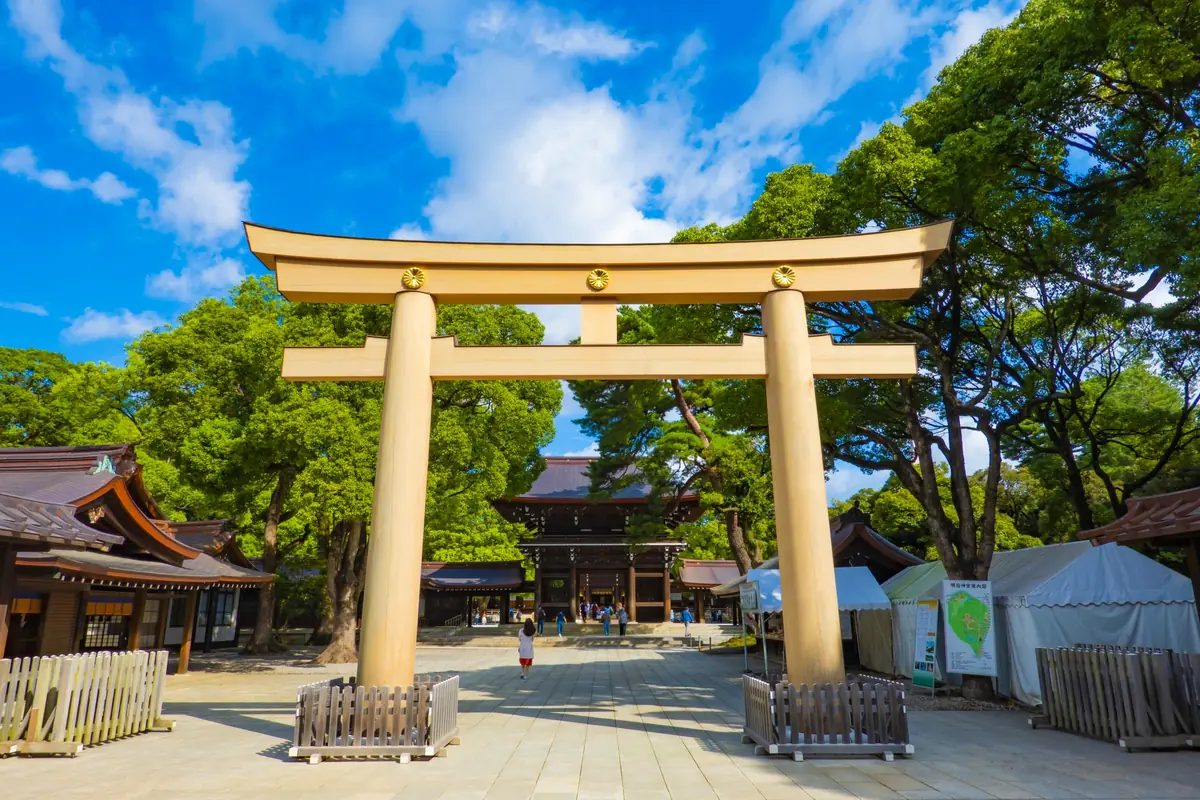
If you are looking for a different kind of spiritual experience, make your way to Meiji Jingu, a massive shrine dedicated to Emperor Meiji and Empress Shoken. Located within a dense forest of over 100,000 trees in the middle of the city, the walk through the towering torii gates provides an immediate sense of peace. It is a stark and wonderful contrast to the high-energy streets of nearby Harajuku. It is a popular spot for traditional weddings, and if you are lucky, you might see a procession of the bride and groom in stunning traditional attire.
For something truly unique and a bit more quirky, a visit to Gotokuji Temple in the Setagaya area is a must. This temple is famous for being the legendary birthplace of the maneki-neko, or beckoning cat. You will find thousands of white cat statues of all sizes placed throughout the grounds, creating a visual that is both surreal and undeniably kawaii. It is a quiet, local spot that feels like a hidden treasure, perfect for those who want to see a side of Tokyo that is off the beaten path.
Whether you are offering a prayer at Senso-ji, laughing during a game with a geisha at Miyakodori, or exploring the cat-filled corners of Gotokuji, these experiences are what give a Tokyo trip its depth. The traditional side of the city isn’t just about looking at old buildings; it is about the people who keep these customs alive with passion and grace. It is this balance of the old and the new that makes Tokyo the most fascinating destination to visit in 2026. The Geisha Experience in Tokyo guide walks through everything from booking a session to what to expect during your evening at a machiai-chaya.
Step Inside Asakusa’s Only Remaining Machiai-chaya
Miyakodori — founded in 1950 — offers private ozashiki (geisha banquet) experiences with live shamisen, traditional dance, and seasonal kaiseki. The only machiai-chaya in Asakusa, open to international visitors. Book online in English. No introduction required.
Foodie Adventures: From Vending Machines to Kaiseki
If there is one thing that defines a trip to Tokyo in 2026, it is the food. This city is a culinary titan, boasting more Michelin stars than any other place on earth, but the real magic lies in the sheer variety of dining experiences available. From the lightning-fast service of a ramen vending machine to the slow, meditative pace of a multi-course kaiseki meal, your taste buds are in for the adventure of a lifetime. To truly eat like a local, you have to be willing to explore everything from the polished department store basements to the smoke-filled alleys of Shinjuku.
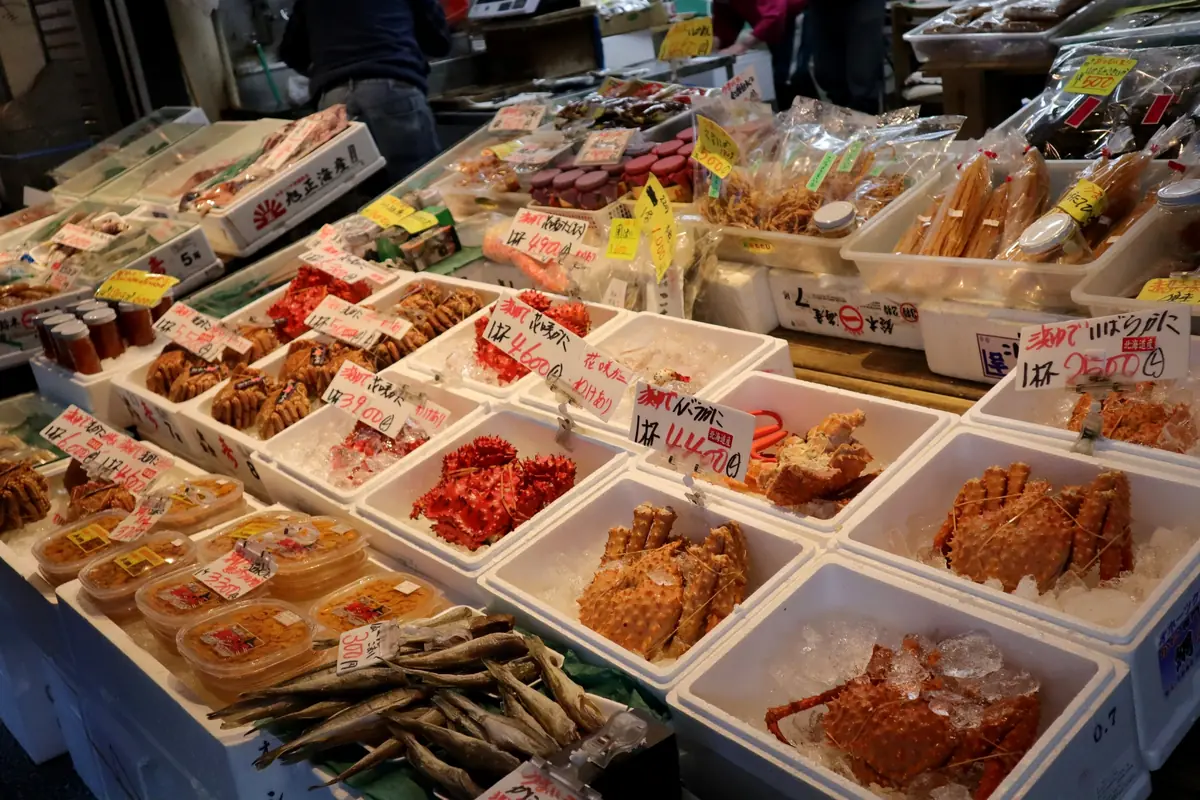
Let’s start with the most iconic food destination: the Tsukiji Outer Market. Even though the famous inner wholesale market moved to Toyosu, the outer market remains the beating heart of Tokyo’s seafood scene. Wandering through these narrow lanes early in the morning is a sensory overload in the best way possible. You can find stalls selling everything from giant grilled scallops topped with butter to sweet tamagoyaki (rolled omelets) on a stick. Of course, you cannot visit Tsukiji without sitting down for a sushi breakfast. Finding a small, unassuming restaurant where the chef prepares nigiri right in front of you using the morning’s freshest catch is a quintessential Tokyo experience. The quality of the fish is so high that it often ruins sushi for you back home, but it is a price well worth paying.
For a completely different vibe, head to Shinjuku in the evening and look for Omoide Yokocho, often referred to as Piss Alley. Don’t let the name scare you off; this narrow strip of tiny bars and restaurants is one of the most atmospheric places to eat in the city. Most of the shops here specialize in yakitori (grilled chicken skewers) and other izakaya staples. As you sit on a cramped stool, surrounded by local salarymen and the enticing smell of charcoal smoke, you feel the gritty, authentic pulse of the city. It is the perfect place to grab a cold drink and share a few plates of food while soaking in the nostalgic architecture that has remained largely unchanged since the post-war era.
Of course, Tokyo is also famous for its obsession with convenience and technology, which brings us to the wonderful world of Japanese vending machines and convenience stores, or konbini. In 2026, these machines are more advanced than ever. You can find machines that dispense hot cans of corn soup, fresh bags of rice, or even hot meals like curry and ramen. The quality is surprisingly good, and it is a fun, cheap way to fuel your explorations. And speaking of convenience stores, places like 7-Eleven, Lawson, and FamilyMart are local institutions. Do not miss out on their egg salad sandwiches, which have gained a cult following globally, or their seasonal limited-edition snacks.
On the high-end side of the spectrum, you must experience the art of kaiseki. This traditional multi-course dinner is the pinnacle of Japanese cuisine, emphasizing seasonal ingredients, meticulous preparation, and beautiful presentation. As we touched upon with the dining experience at Miyakodori in Asakusa, kaiseki is more than just a meal; it is a reflection of the Japanese changing seasons. Each dish is served on carefully chosen ceramic or lacquerware that complements the colors and textures of the food. In 2026, many high-end restaurants are also embracing international dietary needs, offering vegetarian or halal versions of these traditional feasts without sacrificing an ounce of flavor or authenticity. For a deeper look at Tokyo’s fine dining scene, the Japanese Fine Dining Tokyo guide covers the full range of kaiseki, omakase, and specialty restaurants the city has to offer.
Finally, for something a bit more playful, Tokyo’s cafe culture offers endless creativity. You can visit cafes in Harajuku or Shinjuku that specialize in 3D latte art, where skilled baristas create adorable foam animals that literally stand up in your cup. It is almost too cute to drink, but it makes for a perfect photo. Whether you are standing at a busy standing-only noodle shop in a train station or enjoying a quiet tea ceremony in a landscaped garden, the food in Tokyo is a testament to the city’s dedication to quality and craftsmanship. Every meal is an opportunity to discover something new and delicious.
Tokyo at Night: Hidden Bars and Iconic Views
When the sun dips below the horizon in 2026, Tokyo transforms into a shimmering landscape of light and shadow. The city’s energy doesn’t fade; it simply shifts gears. Exploring Tokyo at night is an absolute must for any visitor, as it offers some of the most iconic and amazing views you will ever see. Whether you are looking for a sophisticated rooftop lounge or a gritty, hidden bar in a narrow alley, the nighttime personality of this city is endlessly fascinating.
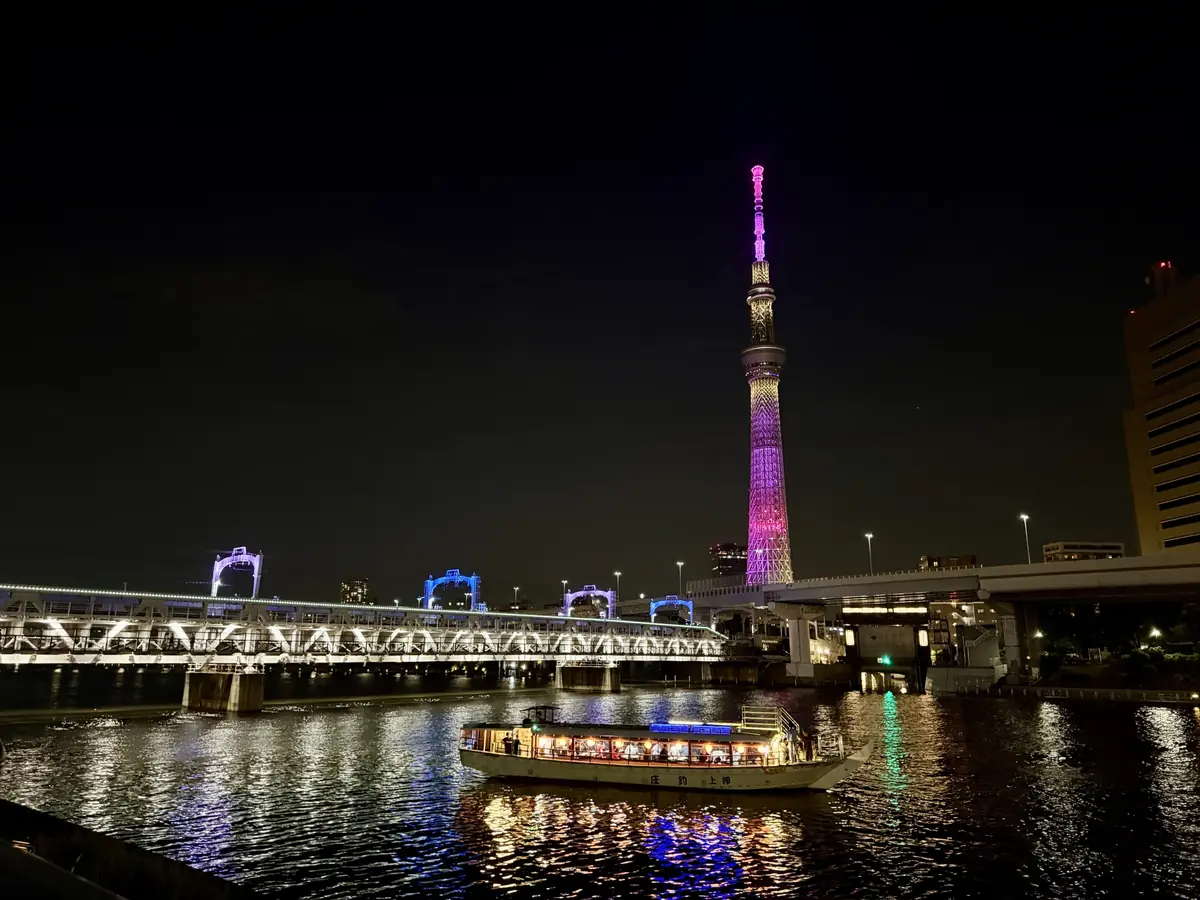
One of the first things you should do is find a high vantage point to appreciate the sheer scale of the metropolis. Tokyo Tower, with its classic orange glow, remains a beloved symbol of the city’s post-war rebirth. In 2026, it stands as a nostalgic landmark amidst a sea of modern skyscrapers. For a different perspective, head to the Tokyo Skytree in Sumida. As the tallest structure in Japan, it offers a view that seems to stretch on forever. The way the city lights twinkle like a vast field of diamonds is something you will never forget. Both spots offer unique photography opportunities, but I personally love the view from the Mori Building or Shibuya Sky at twilight, when the sky turns a deep indigo and the neon signs begin to flicker to life.
If you want to experience the cool and quirky side of Tokyo’s drinking culture, Shinjuku is the place to be. Shinjuku Golden Gai is a legendary area consisting of six tiny alleys packed with over 200 miniature bars. Each bar has its own unique theme and personality, some catering to jazz lovers, others to film buffs, and some just to those looking for a friendly conversation. These spaces are incredibly intimate, often seating only five or six people at a time. It is the perfect place to meet local residents and fellow travelers from around the world. The sense of community in these small spaces is a vital part of Tokyo’s social fabric.
For those who prefer a more elevated experience, the city has seen a surge in sophisticated rooftop bars by 2026. Places like the bars in the Toranomon Hills or the new developments in Shibuya offer craft cocktails paired with stunning views of the skyline. Sipping a drink while looking out over the glowing ribbons of the highway and the illuminated landmarks is the ultimate way to cap off a busy day of sightseeing.
Beyond the bars, simply walking through the streets of areas like Ginza or Akihabara at night is an experience in itself. The way the light reflects off the glass buildings and the sound of the city hums around you creates a cinematic atmosphere. Tokyo is famously safe, which means you can explore these neon-lit wonders late into the night without a worry. Whether you are hunting for a late-night ramen shop or just soaking in the view from a bridge over the Sumida River, Tokyo at night is a world of its own, waiting to be discovered.
Practical Tips for Your Tokyo Trip (Transportation, Cash vs Cards)
To make your 2026 visit to Tokyo as smooth as possible, there are a few practical tips you should keep in mind. Navigating one of the world’s most efficient cities is easy once you know the basics, but a little bit of advance planning goes a long way. The city is designed to be explored, and with the right tools, you will spend less time worrying about logistics and more time enjoying the incredible culture and food.
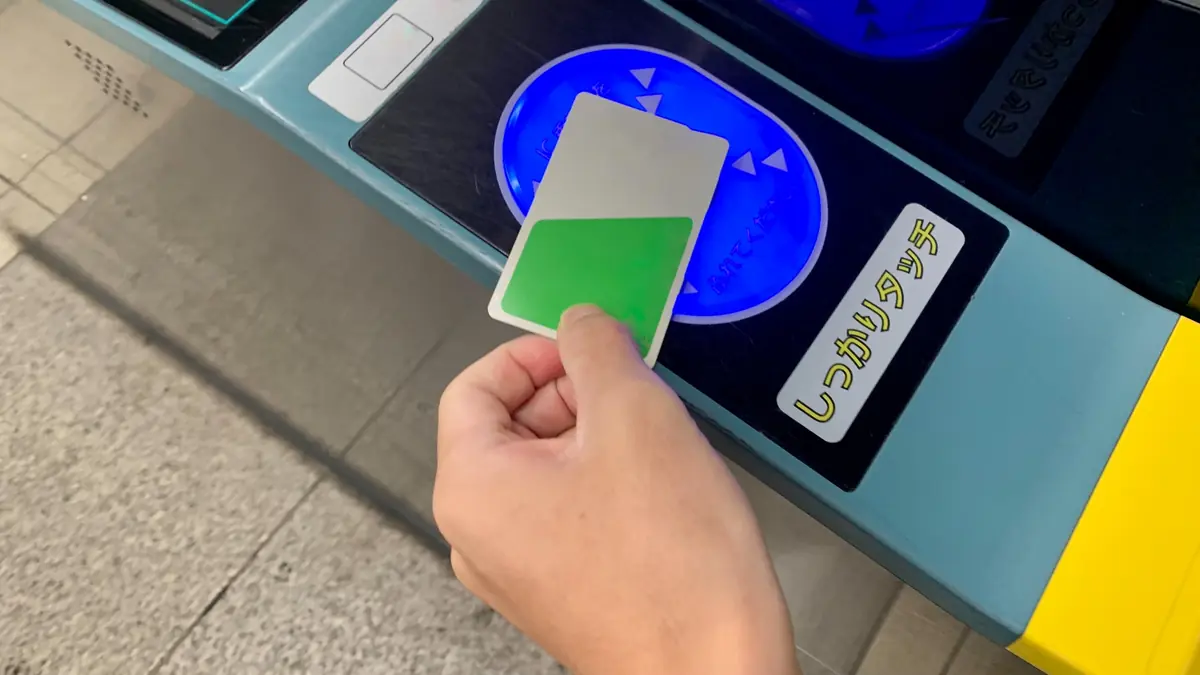
First, let’s talk about transportation. The train system in Tokyo is legendary, and for good reason. It is the lifeblood of the city. To travel like a local, you must get an IC card, such as a Suica or Pasmo. While many visitors now prefer using digital versions on their smartphones, having a physical card or a properly set up mobile wallet is essential. These cards are not just for the train or subway; you can use them to buy a drink from a vending machine, pay for a taxi, or even buy snacks at a convenience store. If your 2026 itinerary includes a day trip out of the city, such as a ride on the Shinkansen (bullet train) to Kyoto or toward Mt. Fuji, I highly recommend booking your tickets in advance. This is especially important during busy seasons like the cherry blossoms or New Year holidays.
When it comes to money, Japan has become much more credit card friendly by 2026. Most major hotels, department stores, and popular restaurants in areas like Shinjuku or Ginza will accept international credit cards without any issues. However, Tokyo still maintains a deep-rooted tradition of using cash. If you are visiting a small, local shrine, eating at a hidden ramen shop in a narrow alley, or visiting an authentic traditional establishment like Miyakodori in Asakusa, you will definitely want to have some yen on hand. It is a good idea to withdraw cash at the airport or at the 7-Eleven ATMs, which are easy to find and generally accept international bank cards.
Connectivity is another essential for any modern traveler. I always recommend booking a pocket Wi-Fi or an eSIM before you arrive in Japan. Having access to a map makes walking through the busy streets of Shibuya or finding a specific hidden cafe in Harajuku so much easier. Also, remember that many of the most popular attractions, including teamLab Borderless and the Warner Bros. Studio Tour, require you to book your tickets weeks or even months in advance. The same applies to high-end dining and traditional geisha experiences.
Lastly, don’t be afraid to explore on foot. Tokyo is an incredibly safe and walkable city. Some of the most unique and iconic spots are found when you wander away from the main station area. Whether you are walking through a quiet residential garden or a busy shopping street, the city’s design will constantly surprise you. With these practical tips, your Tokyo trip in 2026 will be a seamless and unforgettable experience.
Final Thoughts and Footnotes
Is Tokyo worth visiting in 2026? Without a single doubt, the answer is a resounding yes. This city has spent centuries perfecting the art of balance, and today, it stands as the ultimate destination for anyone seeking a travel experience that is both cool and deeply meaningful. Whether you are chasing the digital dreams of the future at teamLab or seeking the silent, steady heartbeat of the past in the private rooms of Miyakodori in Asakusa, Tokyo offers a depth of experience that stays with you long after you fly home.
From the dizzying heights of Shibuya Sky to the intimate, historical elegance of an evening with authentic geisha, Tokyo invites you to be more than just a spectator. It invites you to be a part of its ongoing story. The true magic of the city is found when you look beyond the neon and discover the people who carry on the traditions of Edo with pride and grace. Don’t settle for the superficial; seek out the authentic, embrace the unique, and let the incredible spirit of Japan’s capital inspire you. Your perfect 2026 adventure is waiting, and it promises to be nothing short of extraordinary.
Add an Unforgettable Night to Your Tokyo Itinerary
A private ozashiki (geisha banquet) at Miyakodori is the kind of experience that defines a trip. Live shamisen, traditional dance, seasonal kaiseki, and authentic ozashiki-asobi games — all in a historic tatami room in the heart of Asakusa. Book online in English. No introduction required.
Q&A: Your Tokyo Travel Questions Answered
I’m starting to plan my 2026 trip. Where is the best place to stay?
Choosing the right hotel depends on your style. If you want to be close to the action, Shinjuku or Shibuya are super popular. For a more peaceful, traditional neighborhood, I’d recommend looking at a guest house or a small hotel in Asakusa. It’s convenient for exploring temples and finding authentic eats. You’ve got to check the location on Google Maps before you book to ensure it’s near JR stations or public transport stops.
How do I handle tickets for big attractions like Tokyo Disney sea or the Ghibli Museum?
You’ll want to move fast. Tickets for the Ghibli park and museum, featuring the films of Totoro and other magical characters, often sell out in minutes. Sales usually start a month or two in advance, sometimes on the first day of the month. The same applies to Disneyland and Disneysea. If you didn’t get yours, keep clicking the refresh button on the official site, but don’t wait until you arrive in the country. It’s hard to find last-minute tickets during busy times like March or August.
Is a visit to a traditional restaurant like Miyakodori expensive?
While high-end kaiseki can be a bit more expensive, the memory of seeing geisha dancing and singing is priceless. There is usually a set fee for the ozashiki experience, which includes your multi-course meal and the entertainment. It isn’t just a regular dinner; it’s a spectacular piece of history. Compared to a random robot show or a noisy theme park, this is a deep, honest cultural immersion. If you’re curious about the cost, you can contact them via email or check their website for the latest menu and pricing info.
Can I visit Shinto shrines and Buddhist temples if I’m not religious?
Absolutely. Everyone is welcome to enter and enjoy the peaceful scenery. Places like Meiji Jingu (Shinto) and Senso-ji (Buddhist) are national treasures. Just remember to be respectful. You don’t need to be dressed in formal clothes, but it’s nice to follow the local customs. You might even want to buy a lucky fortune paper or a wooden plaque to leave your wishes at the shrine.
What are some good day trips from the central city?
Kamakura is a fantastic option if you love beaches and the big Buddha statue. If you prefer mountains and bamboo gardens, a trip toward Mt. Fuji is spectacular. Most of these trips take a couple of hours by train. Even if you’ve stayed in Tokyo for a week, these separate excursions add a lot of variety to your series of photos.
Do you have tips for eating out as a group or family?
Many restaurants in Japan are small with limited seats at a booth or table. If you have a large family with kids, look for family restaurants or larger cafes in malls. It’s also common to order via a tablet at the table in some modern spots. Don’t forget to try the local sake or a nice green tea. If you’re looking for a quick lunch, the basement floors of department stores have dozens of options, from meat dishes to fresh sushi.
Where can I learn more about authentic Asakusa and Miyakodori’s geisha culture?
For more in-depth guides on Tokyo’s traditional cultural experiences, explore our other articles such as the Asakusa Geisha District guide, the Complete Geisha Experience guide, or the Shamisen guide. You can also visit our main site to learn more about booking a private ozashiki (geisha banquet) at Miyakodori and experience Asakusa’s only remaining machiai-chaya firsthand.
Is there anything else I shouldn’t forget to bring?
A good camera is required to capture the scenery, but a reliable power bank for your phone is just as important for navigation. Tokyo is a mix of high-tech robots and traditional paper fans. Whether it’s January or July, you’ll find ways to be excited by this city. If you have more questions, feel free to leave a comment on the latest article post!
Are there any recommended spots to experience nature if I am traveling in June?
If you are traveling in June, I highly recommend that you visit places like Shinjuku Gyoen or other national parks. The nature during this month is beautiful, and you will find the lush greenery and surrounding scenery very interesting. While some gardens require a ticket to enter, they offer a peaceful escape even on busy weekends. Many locations provide English guides or information boards, making it easy for international guests to navigate and enjoy the quiet activity of the season. It is a great way to feel the spirit of the country without the loud noise of the central city.
Experience the Best of Old Tokyo — Miyakodori Geisha Banquet
Founded in 1950, Asakusa Miyakodori is the only remaining machiai-chaya in Asakusa. Enjoy a private ozashiki (geisha banquet) with live shamisen, traditional dance, seasonal kaiseki, and authentic geisha games — in a historic tatami room. Open to international visitors. Book online in English. No introduction required. Learn more from the Asakusa Geisha District guide or explore The Complete Geisha Experience Guide.
References


- The Ultimate Guide to Geisha Lunch Specials: Sushi, Hibachi, and More
- Konpira Fune Fune: The Geisha Game Explained (Rules & History)
The Geisha Experience in Tokyo: Planning Your Visit to Asakusa
Best Private Room Restaurant in Tokyo: A Guide to Exclusive Dining at Asakusa Miyakodori
Geisha in Tokyo: The Complete History Guide
The Ultimate Guide to Tokyo Dinner Reservations in 2026: How to Secure the Best Tables
Experiencing an Authentic Geisha Show in Asakusa, Tokyo
The Ultimate Guide to Geisha Lunch Specials: Sushi, Hibachi, and More
Comment ( 0 )
Trackbacks are closed.

No comments yet.