




The Ultimate Asakusa Japan Travel Guide: Exploring Tokyo’s Heart of Tradition (2026 Edition)
Introduction
Welcome to the heart and soul of Tokyo. If you are planning your trip to Japan for 2026, Asakusa is likely already a top priority on your itinerary, and for excellent reasons. As a travel writer who has spent years navigating the hidden alleyways and grand avenues of this city, I can tell you that Asakusa is one of the few places where the past and future do not just coexist—they dance together.
While the neon lights of Shibuya and the high fashion of Ginza represent modern Tokyo, Asakusa remains the definitive guardian of the traditional Japanese spirit. As you step out of the station, the atmosphere shifts instantly. You are greeted by the scent of burning incense from Sensoji Temple and the rhythmic sound of rickshaws clicking against the pavement. This is the district of the people, born from the vibrant culture of the Edo period and nurtured by generations of locals who refuse to let their heritage fade.
In this guide, I will take you on a deep dive into everything this iconic neighborhood offers. We will walk through the Kaminarimon gate, explore the oldest shopping streets, and uncover the exclusive, mysterious world of the Geisha at the historic tea house, Miyakodori. Whether you are looking for the best sushi, a quiet garden to escape the city noise, or a view from the towering Tokyo Skytree, this guide is your key to unlocking Asakusa.
Asakusa is an open district. It welcomes every visitor with warmth, regardless of where they come from. It is a place of stories, from the legendary origin of its temples to the modern resilience of its residents. Let us begin our journey through the streets where history lives and breathes, ensuring your visit to Japan is truly unforgettable.
The History of Asakusa: From Edo Era to Modern Day
The historical narrative of Asakusa is a profound journey that spans over thirteen centuries. It all began in the year 628 during the reign of Empress Suiko, when two brothers fishing in the Sumida River pulled a golden statue of Kannon, the Goddess of Mercy, from the water. Despite their repeated attempts to return the statue to the river, it kept returning to them. Recognizing the divine nature of this event, the local headman converted his own home into a small temple so that the people could worship the goddess. This humble beginning eventually grew into Sensoji, the oldest and most significant Buddhist temple in Tokyo.
During the Edo period, spanning from 1603 to 1868, Asakusa underwent a massive transformation. While the shogunate established Tokyo as the political capital for the samurai class, Asakusa became the cultural and entertainment center for the common townspeople. While other parts of the city were strictly controlled by samurai discipline and Zen philosophy, Asakusa was a place of freedom and iki—a specific Japanese aesthetic of chic, sophisticated, and urban style. It was the site of the first kabuki theaters and the legendary entertainment quarters. This era cemented Asakusa as a place where the arts, performance, and social gatherings thrived.
Unlike the geisha districts of Kyoto, which were traditionally reserved for the nobility and high-ranking officials with a very formal atmosphere, the flower districts known as hanamachi in Asakusa were famously open. They were integrated into the daily life of the temple town, making traditional arts and the company of geisha accessible to a wider variety of people, regardless of their social rank. This inclusive and lively atmosphere is a heritage that the district still carries proudly in 2026.
In the 20th century, Asakusa faced immense challenges, including the Great Kanto Earthquake and the air raids of World War II. Most of the traditional wooden buildings were lost to the flames. However, the resilient spirit of the local community ensured that the district was rebuilt every time, preserving the layout and the soul of the old town. Today, Asakusa serves as a living museum where you can experience the deep roots of Japanese history while standing in the shadow of the modern city skyline.
Top Attractions in Asakusa You Can’t Miss
Kaminarimon Gate and the Giant Red Lantern
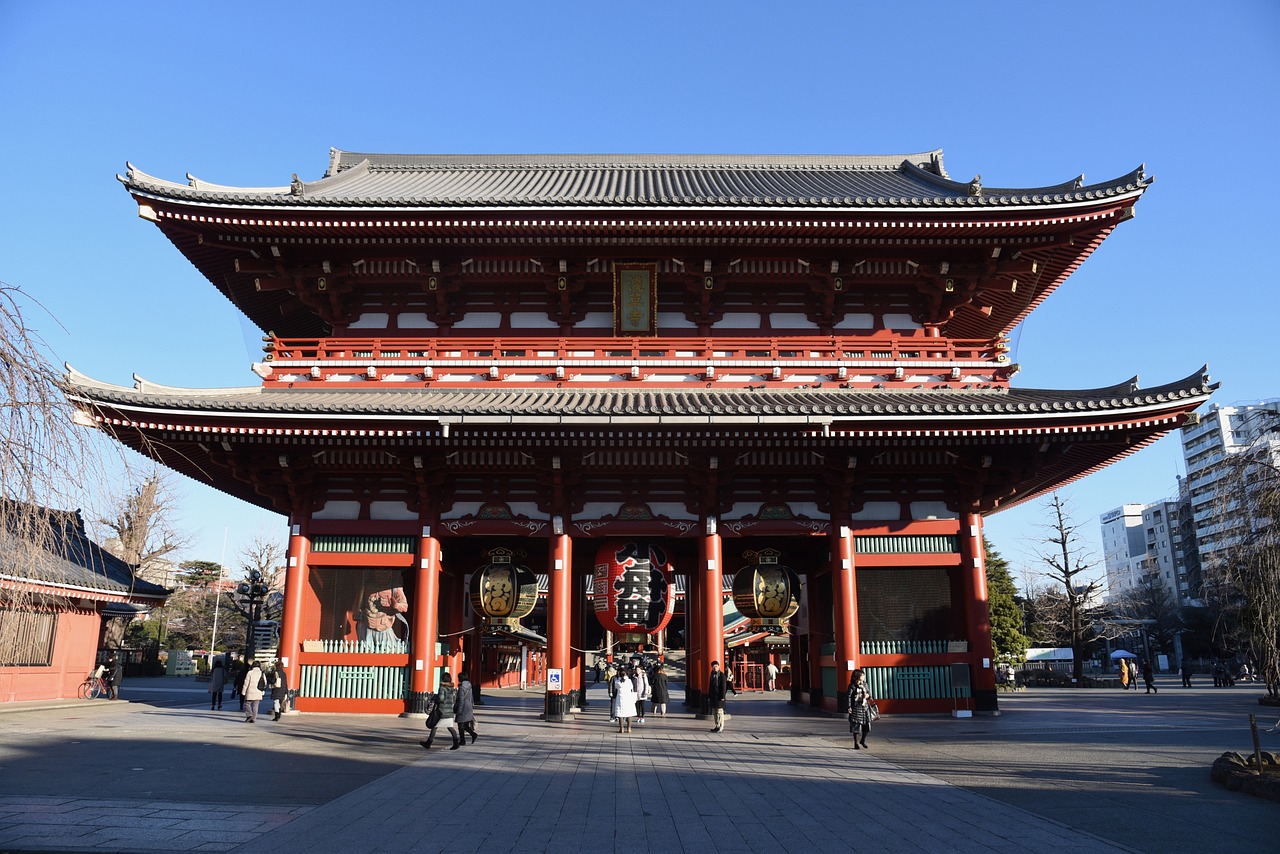
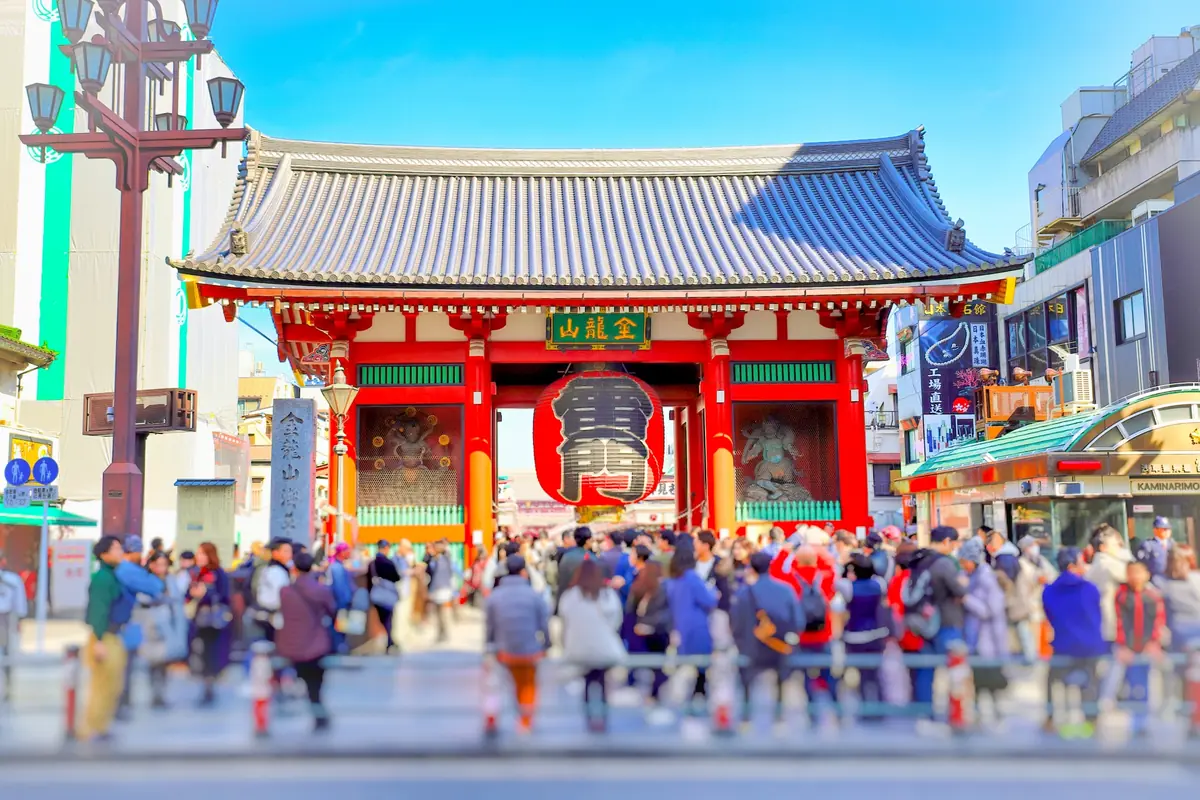
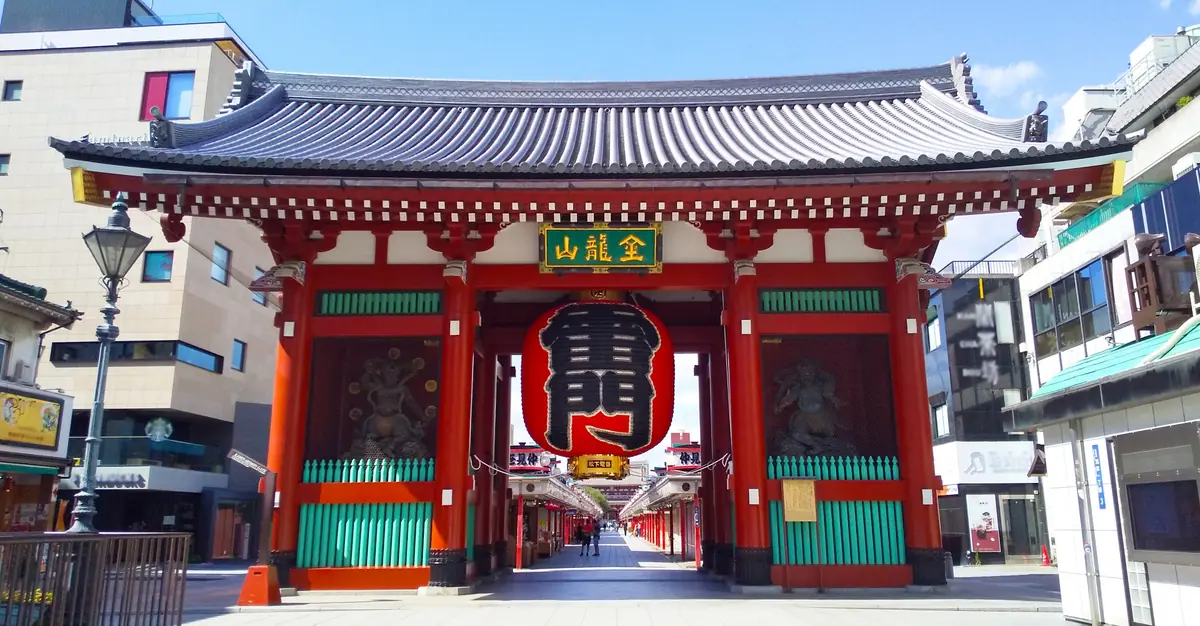
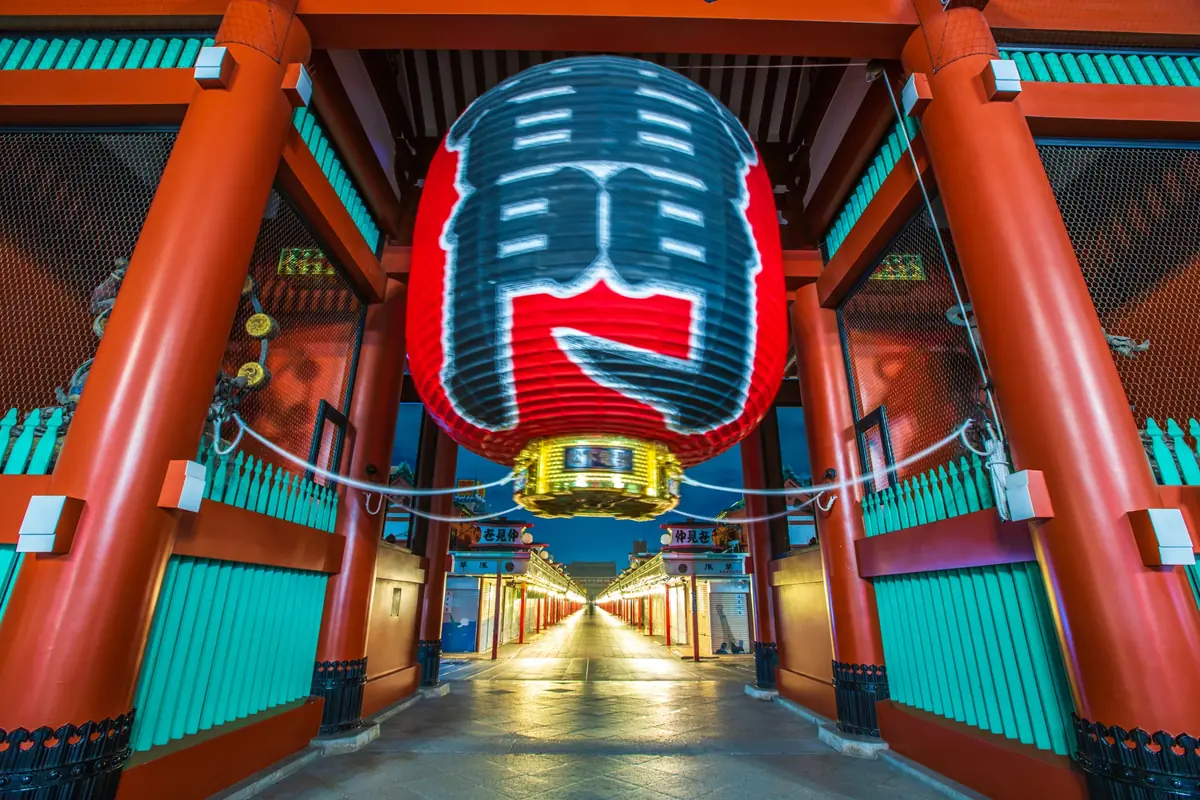
Your exploration of Asakusa truly begins at the Kaminarimon, or Thunder Gate. Standing at the entrance of the temple grounds, this gate is the undisputed symbol of the district and perhaps all of Tokyo. As you approach, the first thing that strikes you is the sheer scale of the giant red lantern hanging in the center. It weighs over 700 kilograms and is replaced every decade to keep its color vibrant and its presence commanding. On either side of the gate, the fierce statues of Fujin, the god of wind, and Raijin, the god of thunder, stand guard. In 2026, this site remains a primary photo spot where visitors from across the globe gather to capture the start of their journey. Passing under the lantern, look up to see the intricate dragon carving on its base—a hidden detail that many tourists overlook.
Nakamise Shopping Street: A Traditional Treat Paradise
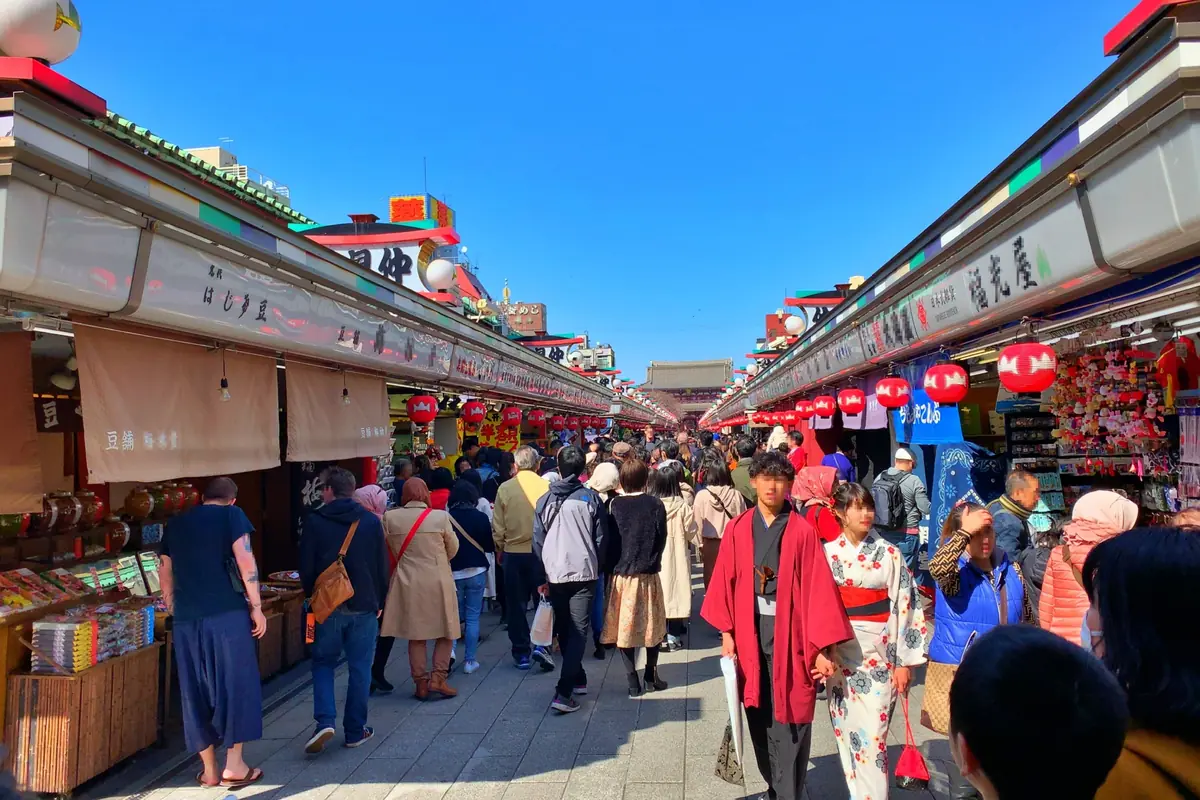
Once you pass through the gate, you are greeted by Nakamise-dori. This is one of the oldest shopping streets in Japan, stretching approximately 250 meters toward the main temple. Lined with nearly 90 small shops, the street is a sensory explosion. The air is filled with the sweet scent of freshly baked ningyo-yaki, which are small cakes shaped like local landmarks and filled with red bean paste. You can also hear the rhythmic crunch of people enjoying senbei, or toasted rice crackers. This street offers everything from traditional fans and folding umbrellas to high-quality kimono and local crafts. It is the perfect place to find original souvenirs that tell a story of Japanese culture. Walking here feels like a trip back in time, even as modern travelers check their digital maps to find the best matcha sweets.
Senso-ji Temple: Tokyo’s Oldest and Most Iconic Site
At the end of Nakamise stands the majestic Senso-ji Temple. As a Buddhist site with over 1,300 years of history, it serves as the spiritual heart of the city. Before entering the main hall, follow the local tradition and stop at the large bronze incense burner called the jokoro. You will see visitors fanning the aromatic smoke toward their bodies, a practice believed to provide healing and protection. Nearby, the chozuya water pavilion offers a chance to purify your hands and mouth before approaching the goddess Kannon. The main hall itself is a grand structure where the atmosphere is thick with devotion. Here, you can offer a small coin, bow twice, and pray. Do not forget to try your luck with omikuji, the traditional paper fortunes. Even if you draw a bad luck slip, you can tie it to a metal rack to leave the misfortune behind at the temple.
Asakusa Shrine and the Five-Story Pagoda
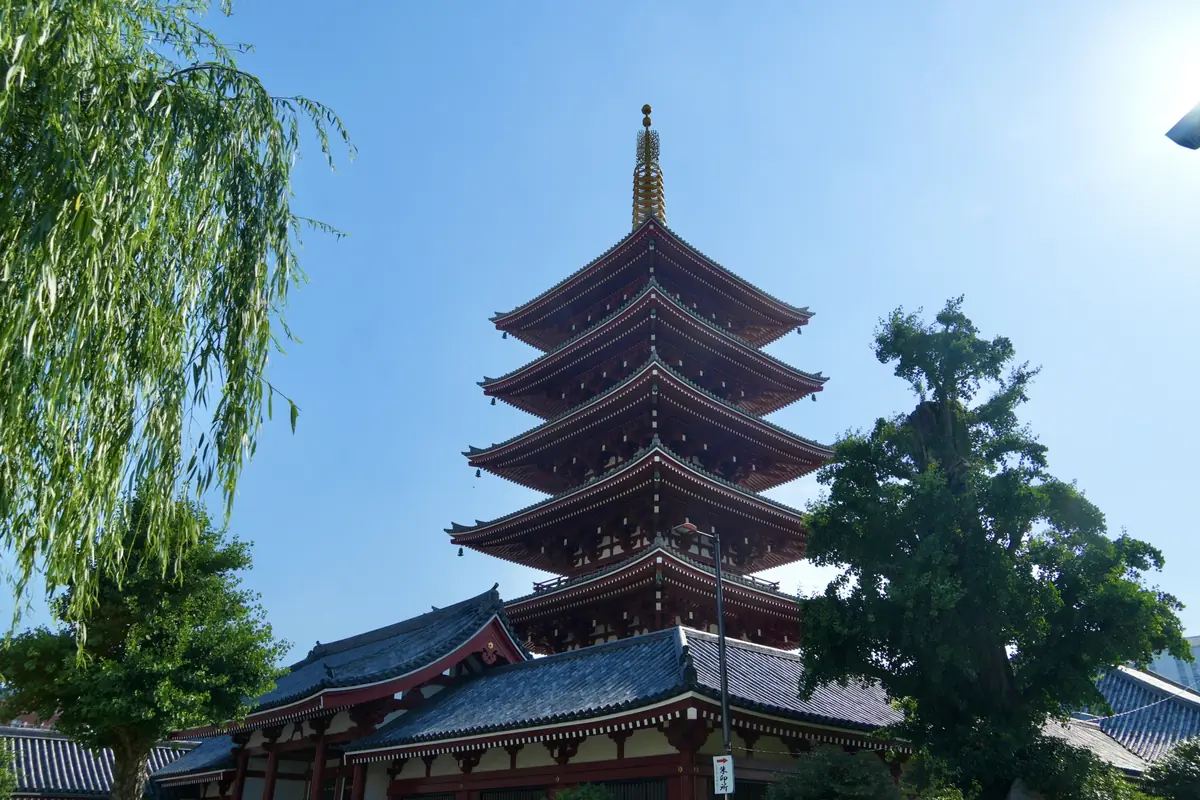
To the left of the main hall, the five-story pagoda reaches toward the sky. It is particularly beautiful at night when it is illuminated, casting a golden glow over the temple grounds. While the pagoda represents the Buddhist influence, the adjacent Asakusa Shrine represents the Shinto traditions of Japan. This shrine is dedicated to the three men who founded Senso-ji, showcasing the unique Japanese harmony between two different religions. The shrine grounds are often quieter and offer a moment of peace away from the main tourist flow. It is the site of the famous Sanja Matsuri festival, where the neighborhood comes alive with energy every spring. Exploring these buildings allows you to see the architectural brilliance of ancient Japan, with vibrant red pillars and intricate roof tiles that have watched over the city for centuries.
Experience Traditional Culture in Asakusa
Geisha Culture and the Art of Omotenashi
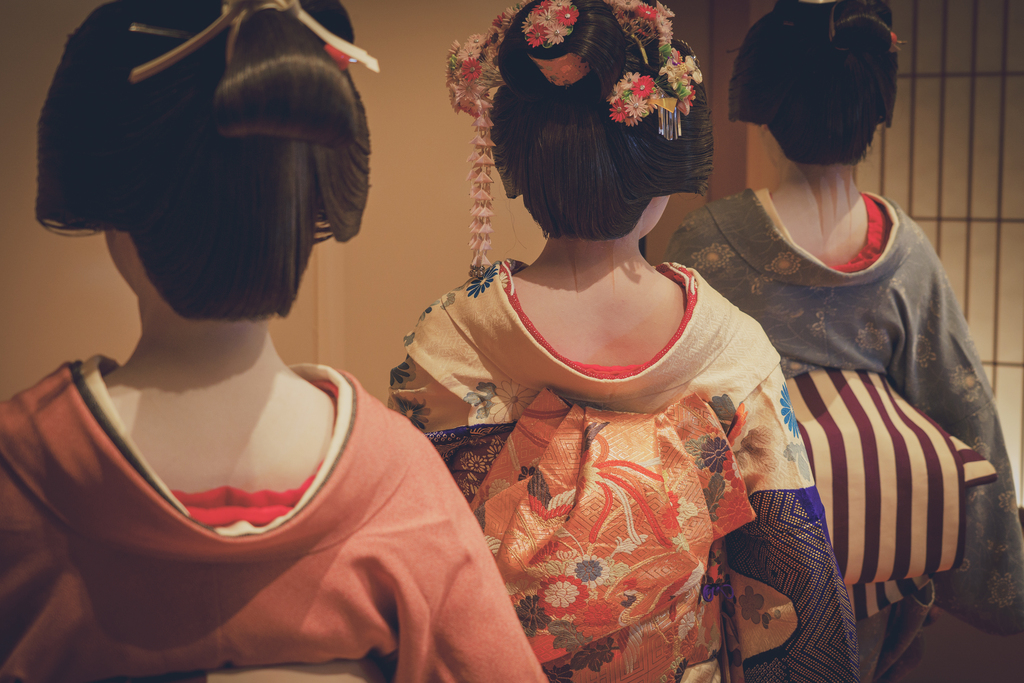
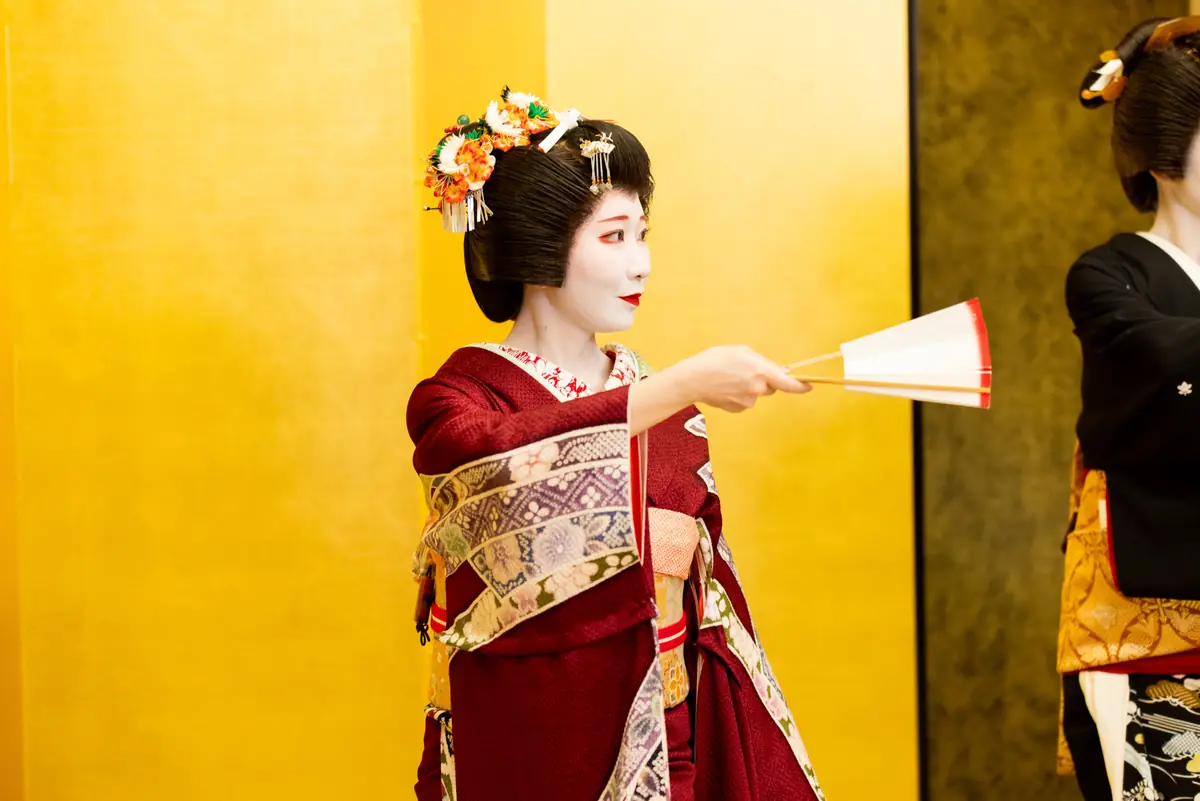
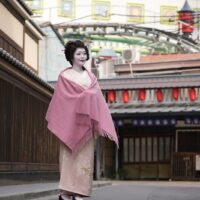
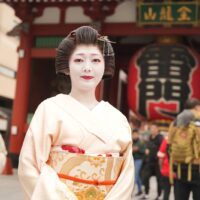
To visit Asakusa without exploring the world of the geisha is to miss the very soul of the district. For centuries, geisha have been the guardians of Japanese traditional arts, including music, dance, and the intricate art of conversation. The word geisha itself translates to person of the arts, and these women spend years in rigorous training to perfect their skills. In the Kannon-ura area, located just behind Senso-ji Temple, you will find the heart of the Asakusa geisha district. Unlike some other more exclusive districts in Japan, Asakusa has historically been an open flower town, welcoming people from all walks of life to experience its refined beauty. This culture is not a performance for tourists; it is a living history that continues to be nurtured by those who value authentic Japanese hospitality, or omotenashi.
Miyakodori: The Legacy of the Only Machiai-chaya
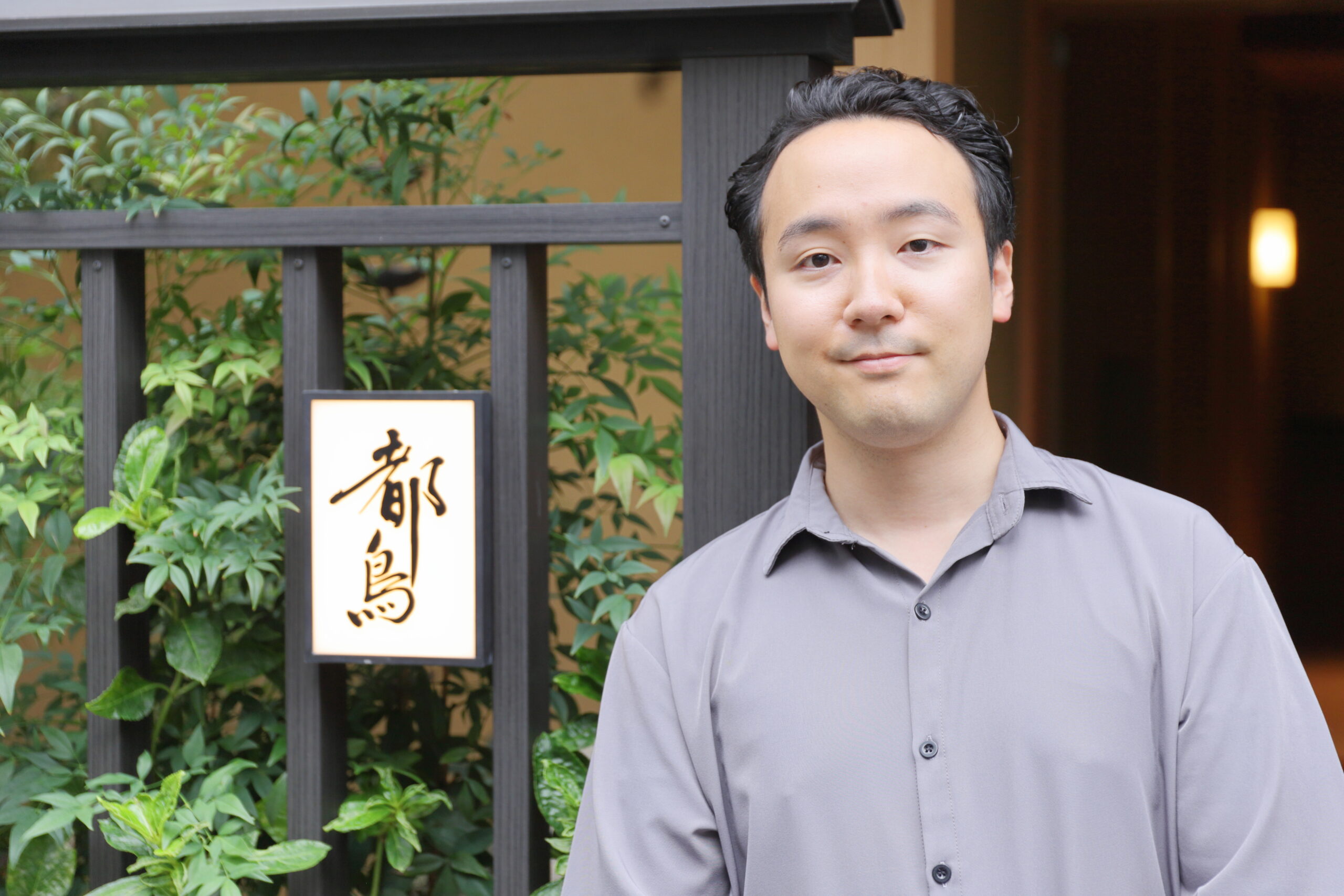
In the center of this cultural preservation stands Miyakodori, a legendary establishment founded in 1950. Miyakodori is unique as the only remaining machiai-chaya in Asakusa. Traditionally, a machiai-chaya is a waiting house—a specialized venue designed specifically for guests to meet and be entertained by geisha while enjoying exquisite food. The current owner, or Okami, is a former geisha herself, bringing a lifetime of expertise and a deep love for the craft to every guest’s experience. Now run by Okami Chikage together with the third-generation successor, this machiai-chaya offers a level of authenticity that is increasingly rare in the modern world.
The name Miyakodori is derived from a famous poem by Ariwara no Narihira in the Tales of Ise. The poem asks the bird of the capital if the one the poet loves is still well and alive. This sentiment of longing and deep, heartfelt connection is the foundation of Miyakodori’s service. They strive to be a place where guests and hosts share a mutual bond of care and respect. In an age where superficial entertainment can sometimes mimic the appearance of geisha, Miyakodori remains committed to the real culture—the 400-year-old traditions of the Edo period brought to life in the present day.
The Ozashiki Experience: An Evening to Remember
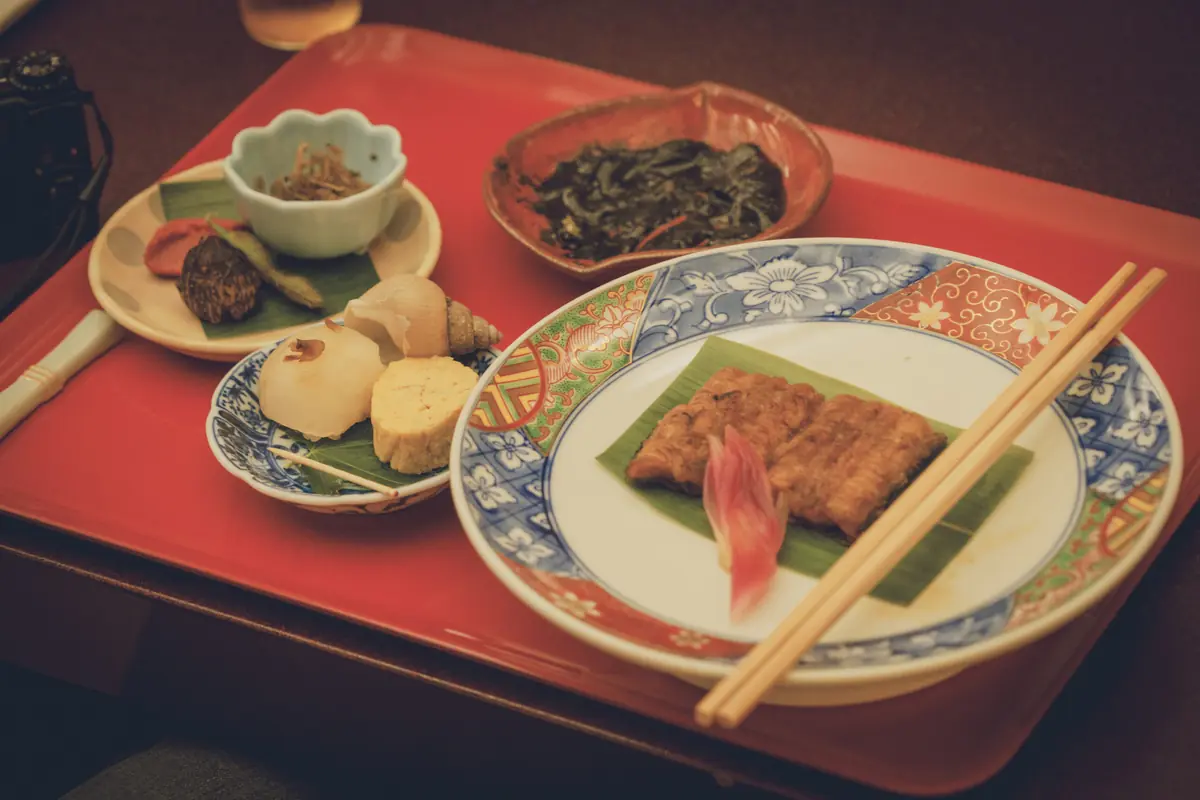
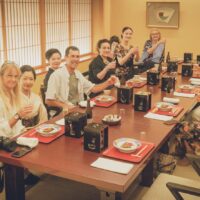
An evening at Miyakodori is a journey into an extraordinary world. Guests are welcomed into elegant private rooms where every detail, from the seasonal flowers to the scroll paintings, is carefully chosen. The 3-hour plan includes a multi-course kaiseki dinner, where seasonal ingredients are transformed into edible art; the 2-hour plan offers kaiseki as an optional add-on. As you dine, geisha perform traditional dances accompanied by the evocative sound of the shamisen, a three-stringed instrument. These performances are not just visual; they are emotional stories told through movement and melody.
What makes the experience at Miyakodori truly special is the interaction. Geisha are masters of the social arts, ensuring that every guest feels comfortable and engaged. You might participate in traditional ozashiki (geisha banquet) games, which are simple yet lively activities that have brought laughter to these rooms for generations. For international visitors, Miyakodori offers a welcoming atmosphere that bridges cultural gaps. They even provide halal options, ensuring that dietary needs do not prevent anyone from enjoying this cultural treasure. Whether you are celebrating a family anniversary, hosting a VIP business reception, or simply seeking a deep connection with Japanese history, an evening here is a memory that will stay with you forever. It is a chance to step away from the modern world and breathe in the timeless elegance of Asakusa. To learn more about what to expect during an ozashiki (geisha banquet) evening, the Complete Geisha Experience Guide walks you through every detail.
Step into Asakusa’s Geisha World at Miyakodori
Miyakodori — founded in 1950, the only machiai-chaya in Asakusa — offers private ozashiki (geisha banquet) experiences with live shamisen, traditional dance, and seasonal kaiseki. Open to international visitors. Book online in English. No introduction required.
Modern Asakusa and Surrounding Wonders
While the heart of Asakusa is rooted in the Edo era, a short walk toward the Sumida River brings you face-to-face with the futuristic side of Tokyo. This area serves as a perfect bridge between the old and the new. In 2026, the contrast is more striking than ever, as modern engineering stands side-by-side with ancient traditions.
The most dominant feature of the skyline is the Tokyo Skytree. Standing at 634 meters, it is the tallest structure in Japan and a marvel of modern design. Even though the tower looks ultra-modern, its design incorporates traditional Japanese aesthetics, such as the sori or concave curve found in samurai swords. From its observation decks, visitors can enjoy a 360-degree view that stretches across the entire Kanto plain, and on clear days, you can see the majestic Mount Fuji. Visiting at night is highly recommended, as the tower is illuminated in rotating colors that represent traditional Japanese themes like Edo purple or gold.
Connecting Asakusa to the Skytree is the Sumida River, a historic waterway that has defined the city for centuries. Sumida Park, which stretches along both banks of the river, is a popular destination for locals and tourists alike. If you visit during the spring, usually around late March or early April, the park is transformed into a sea of pink as hundreds of cherry blossom trees reach full bloom. This is one of the best spots in the city for hanami, or flower viewing, where you can see the delicate blossoms framed against the metallic silhouette of the Skytree.
Near the riverbank stands another iconic building: the Asahi Beer Hall. Known for its unique architecture, the main building is designed to look like a giant glass of beer with a white foam roof. Next to it is the Super Dry Hall, topped with a massive golden sculpture known as the Flamme d’Or. While locals have many colorful nicknames for it, it remains a landmark of modern Japanese art. Recently, the Sumida River Walk, a scenic pedestrian bridge, and the Asakusa Mizumachi shopping complex under the elevated railway have created a lively new path for exploring. This neighborhood proves that Tokyo does not have to choose between its history and its future; it can celebrate both in a single, beautiful space. For those who want to explore Asakusa after the sun goes down, the Asakusa Nightlife 2026 guide covers the best evening experiences in the district.
The Culinary Scene: What to Eat in Asakusa
Food in Asakusa is an essential journey into the flavors of old Tokyo. This district is the birthplace of Edomae cuisine, where traditional techniques are still perfected in 2026. For a classic lunch, seek out one of the century-old shops serving crispy tempura or handmade buckwheat soba. If you are exploring the streets, do not miss the legendary melon-pan—a sweet bread with a crunchy cookie crust—or the warm ningyo-yaki cakes filled with smooth red bean paste. Matcha sweets remain incredibly popular, offering a perfect green tea fix between temple visits.
As evening falls, the atmosphere shifts to Hoppy Street, a lively outdoor area where you can enjoy local stews and retro drinks alongside residents. However, for those seeking the pinnacle of Japanese culinary art, the seasonal kaiseki at Miyakodori offers an unmatched experience. Here, every dish is a poetic expression of the current season, prepared with the highest quality ingredients and served with the grace that only a traditional machiai-chaya can provide. Whether you are snacking on the street or dining in an elegant private room, Asakusa ensures your palate is as enriched as your spirit during your Japan trip. For a broader view of Tokyo’s food culture, the Ultimate Tokyo Food Experience Guide is an excellent companion resource.
Shopping Guide: Beyond the Souvenirs
Shopping in Asakusa extends far beyond the typical trinkets found along Nakamise. For a truly unique experience, head to Kappabashi Kitchen Street, located just a short walk away. This district is a paradise for professional chefs and home cooks alike, world-famous for its high-quality Japanese knives and incredibly realistic plastic food models known as sampuru. These items are not just tools; they represent the meticulous craftsmanship that defines Japanese culture. If you are looking for a variety of goods in one place, Don Quijote Asakusa offers a dizzying array of products, from Japanese snacks and cosmetics to quirky electronics, making it a favorite for late-night explorers. For those who appreciate traditional aesthetics, the local streets are lined with specialized shops selling handmade paper, incense, and exquisite textiles. Every purchase here supports a legacy of artisanal skill that has survived for generations. As you collect these treasures, you carry a piece of Asakusa history back home with you. This blend of practical utility and artistic beauty is exactly what makes the neighborhood a shopping destination unlike any other in the world. It is the perfect way to conclude your day of cultural discovery before heading to a refined dinner.
Make Your Asakusa Evening Unforgettable
After a day of exploring Asakusa’s temples and streets, conclude your journey with an ozashiki (geisha banquet) at Miyakodori — the only machiai-chaya in Asakusa since 1950. Private rooms, live shamisen, seasonal kaiseki, and English support. Reserve directly online.
Practical Information for Visitors
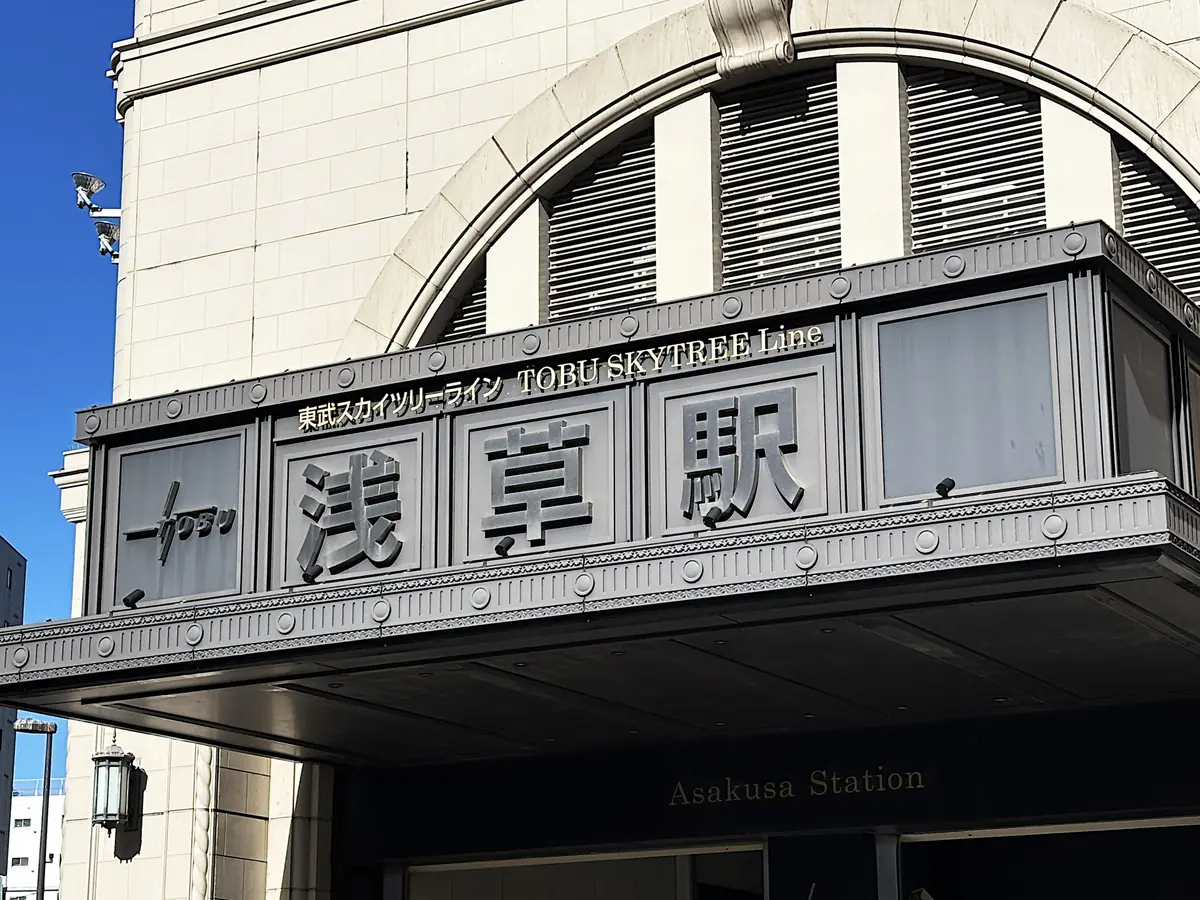
Reaching Asakusa is remarkably simple, making it a perfect access hub for your 2026 trip to Japan. From Tokyo Station, a quick transfer at Kanda or Ueno will bring you to Asakusa Station in about 20 minutes. If you are coming from Shinjuku, the Toei Shinjuku Line and a transfer to the Asakusa Line will get you there in 30 minutes. Travelers arriving at Narita or Haneda airports can utilize direct express rail services that link straight to the heart of the district. When it comes to where to stay, the area offers a beautiful mix of options. Choosing a traditional ryokan allows you to enjoy an original atmosphere with tatami floors, while modern luxury hotel buildings provide stunning night views of the Skytree and Sumida River. The best time to visit depends on your interests. May is particularly exciting for the Sanja Matsuri, one of the grandest shrines festivals, where portable shrines are carried through the streets. For a quieter atmosphere, late autumn or early spring offers mild weather for a stroll through the park gardens. Regardless of when you arrive, checking the website for seasonal events ensures you do not miss any popular local experiences.
Conclusion
Asakusa is much more than a simple stop on a tourist map; it is a vibrant, breathing testament to the enduring spirit of Japan. From the ancient stones of Sensoji Temple to the rhythmic music of the shamisen at Miyakodori, this district invites you to slow down and truly connect with the heart of Tokyo. Whether you are wandering through the morning mist of the temple grounds or enjoying a refined evening of geisha entertainment, the memories you create here will stay with you long after you return home.
In 2026, as the world moves faster than ever, Asakusa offers a sanctuary where history and hospitality remain unchanged. We invite you to experience the authentic beauty of the flower district and the timeless grace of the geisha. For those seeking a deep, personal connection with Japanese tradition, an evening at Miyakodori is the perfect way to conclude your journey. We look forward to welcoming you to our neighborhood and sharing the soul of Asakusa with you.
Question and Answer Section
Q: How should I plan my visit to Asakusa’s central area and what are the open hours?
When you plan your itineraries, you’ll find that Asakusa is very close to other parts of Tokyo’s center. You can take the train or subway to reach the station in just a few minutes. It’s a good idea to search our blog for sightseeing tips or check our previous articles for budget advice. Most stores and the main temple grounds are open during daylight hours, but the neighborhood vibe truly changes at night when the lanterns are lit. Whether you are traveling in the heat of July or the cool of October, you can always find a tour that fits your schedule.
Q: How can I book a geisha experience and is there a privacy policy for guests?
To book a private room at our restaurant, please submit a reservation request via our online reservation form on the official website. We have a strict privacy policy to ensure you feel relaxed and secure during your visit. You’ll have the chance to learn about the traditional dress and arts of the geisha while you enjoy a drink of high-quality sake. It is a true cultural experience situated in the heart of the district. We recommend making a reservation early, especially during busy months like April or November, to ensure you can pick your preferred date.
Q: What kind of food and nightlife do you recommend in the local neighborhood?
The local market and streets offer many delicious dishes. You can taste original snacks from street vendors or enjoy a full menu prepared by a professional chef. We recommend visiting a riverside bar for a drink or exploring the nightlife at Rokku. If you’re traveling in winter months like December or January, trying some hot fried snacks or seasonal soup is a great way to feel the local culture. From casual shops to a refined lounge, Asakusa offers a wide variety of destinations for every kind of traveler.
Q: Can I easily discover other destinations like Akihabara, Harajuku, or Ryogoku from Asakusa?
Absolutely. Asakusa is perfectly situated for day trips. You can take a short ride on the JR or subway to reach Akihabara for anime and electronics, or head to Harajuku for unique fashion. You can also visit Ryogoku for sumo or Odaiba for a modern aquarium. If you have extra time, destinations like Yokohama or even the snow in Akita are accessible by the extensive rail network. Tokyo’s transport system makes it easy to explore numerous areas and find your favorites.
Footnotes / Sources
Sources & References
- Miyakodori Official Website: https://en.miyakodori-geisha.com/
- PR Times – Understanding the Ozashiki Chaya Experience: https://prtimes.jp/main/html/rd/p/000000001.000165250.html
- Asakusa Tourism Federation – History of Miyakodori: https://asakusa.gr.jp/jp/?p=385
- Tokyo Metropolitan Government – Cultural Features of Asakusa: https://www.my.metro.tokyo.lg.jp/w/000-20240711-43128106
- Asakusa Kenban – Official Geisha Association Information: https://asakusakenban.com/
Experience the Soul of Asakusa — Request Your Evening at Miyakodori
Miyakodori is the only remaining machiai-chaya in Asakusa — a historic geisha waiting house founded in 1950. Enjoy a private ozashiki (geisha banquet) with seasonal kaiseki, live shamisen, traditional dance, and ozashiki games. Halal options available. English support provided. Reserve online — no introduction required.


- The Ultimate Guide to Geisha Lunch Specials: Sushi, Hibachi, and More
- 26 Cool Things to Do in Tokyo, Japan (2026 Guide)
The Ultimate Asakusa Travel Guide: 15+ Best Places to Go and Things to Do in Tokyo (2025-2026)
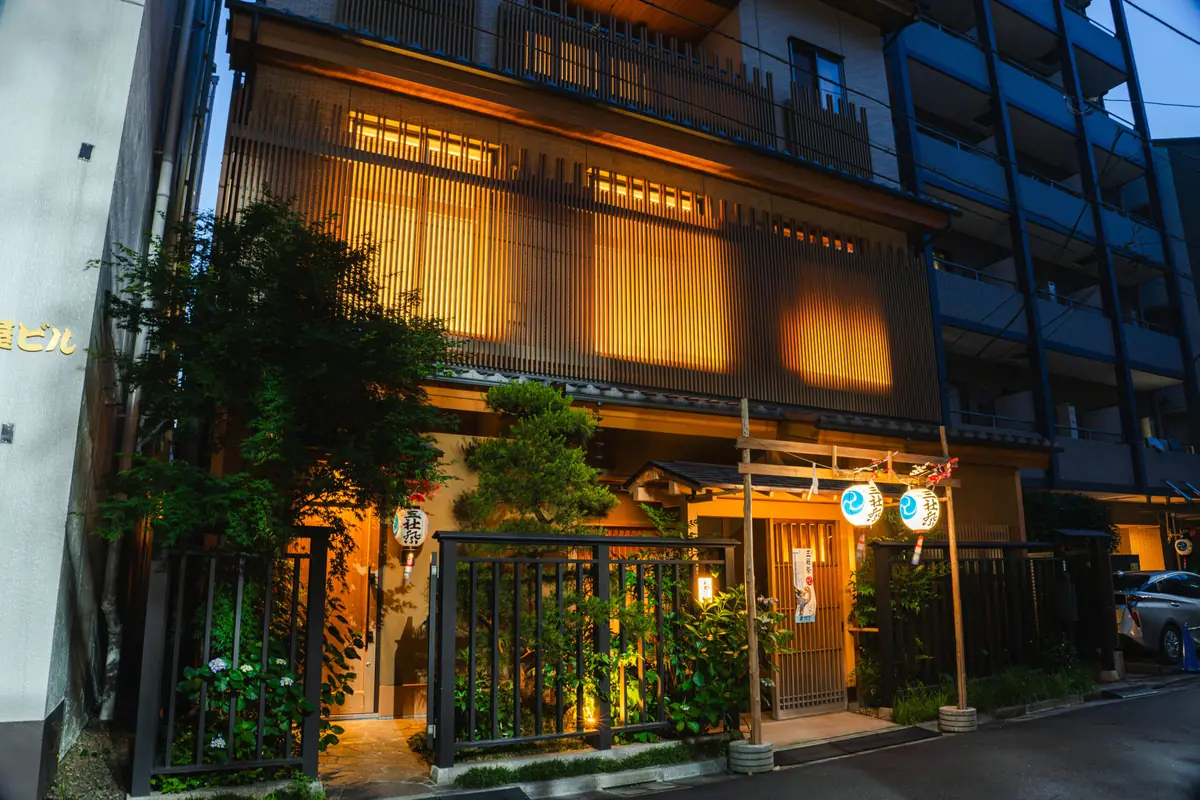
Geisha Restaurant Near Me in Tokyo: Authentic Ozashiki at Miyakodori Asakusa
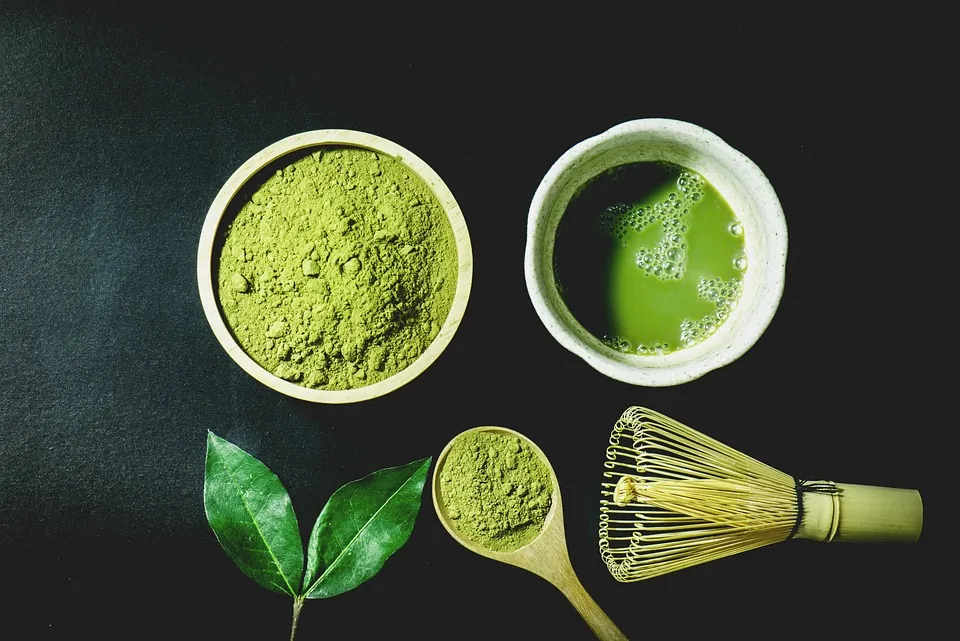
【Wish Come True】Complete List of Benefits at Senso-ji Temple! Also Introducing the Correct Worship Methods
Popular Spots to Go Out in Kimono! Introducing Areas like Asakusa, Kamakura, Kyoto, and More
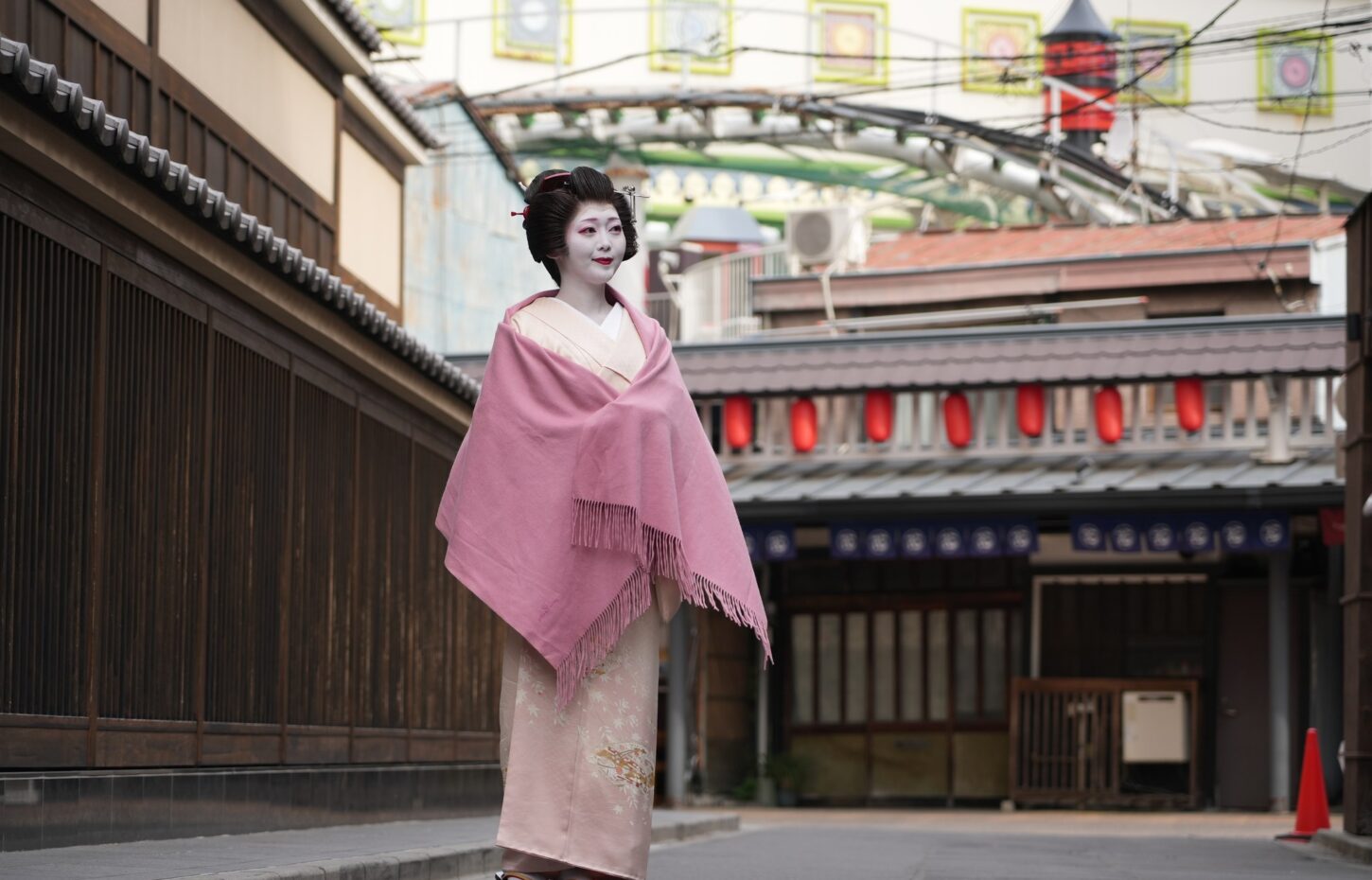
Japanese Culture: Traditions, Arts and Living Heritage — Complete Guide
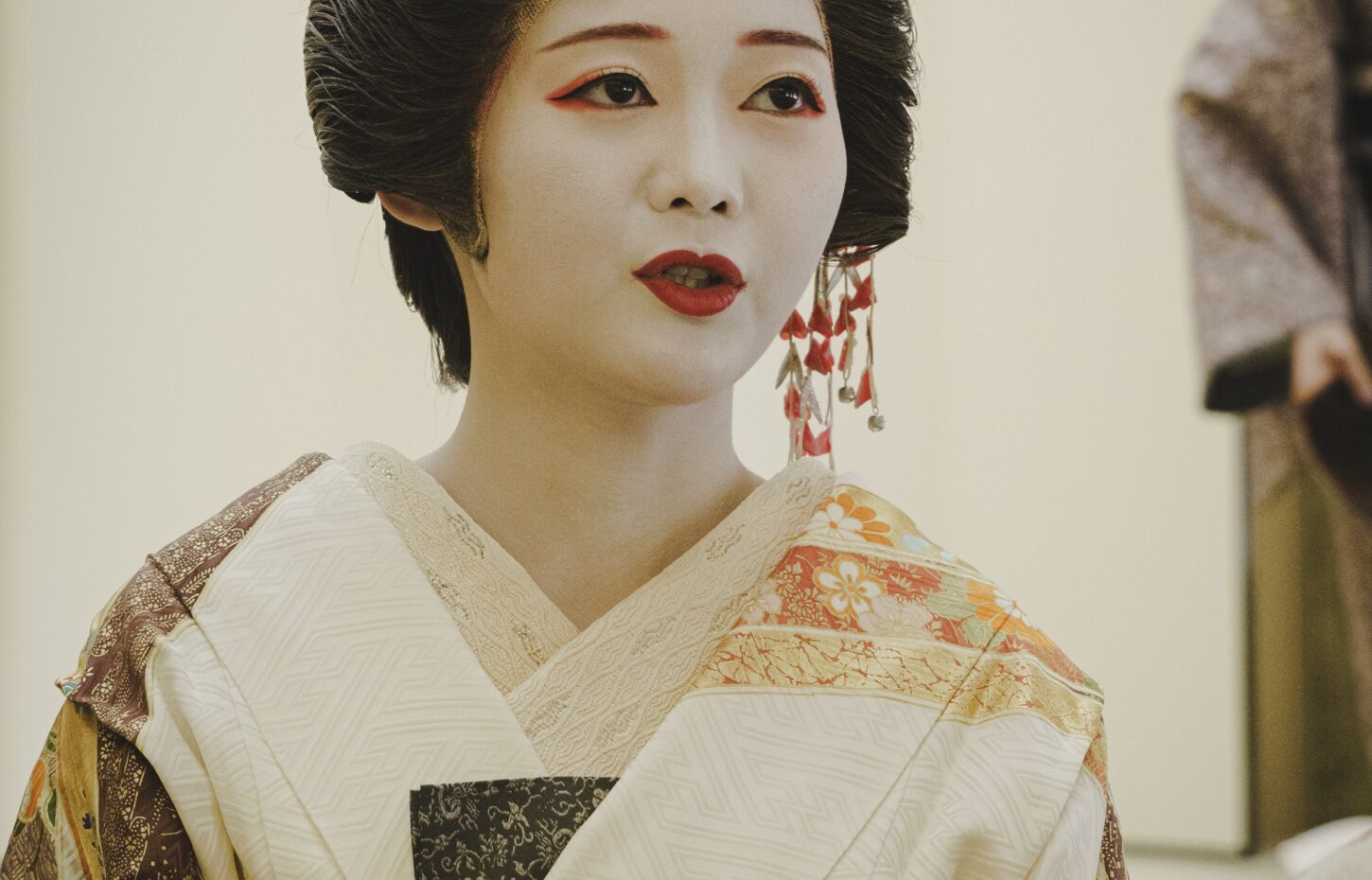
Authentic Geisha Outfit Guide: Traditional Japan Costume Arts
Comment ( 0 )
Trackbacks are closed.
No comments yet.