




The Ultimate Tokyo Food Experience 2026: A Guide to the Best Tours, Restaurants, and Local Eats
Let’s navigate the culinary landscape of Japan’s capital, Tokyo, together. Tokyo is a city that you can visit in any season, even winter. The air is sharp, the sky is often a clear, brilliant blue, and the appetite for a hot bowl of soup or a plate of freshly fried snacks is at an all-time high.
Food is a cultural language. Whether you are traveling with your family or you are on a solo sightseeing mission, your itinerary should be centered around the joy of discovery. Tokyo is a city that has completely opened its heart to the world, there is an energy in the air that you can feel the moment you step off the plane or the train.
Let’s look at where to find the best Michelin starred restaurants, and also the small vendors in a back alley where the tasty smell of dashi has been drifting through the air for decades.
Why Tokyo is the World’s Ultimate Food Destination
You might search for the best food cities in the world and find that Tokyo is certainly in those lists. What is amazing about this city is the blend of ancient traditions and modern innovation. It is a place where a chef might spend forty years perfecting a single dish, like a piece of raw fish on a small bed of rice, or a perfectly cooked bowl of ramen noodles. The variety is vast.
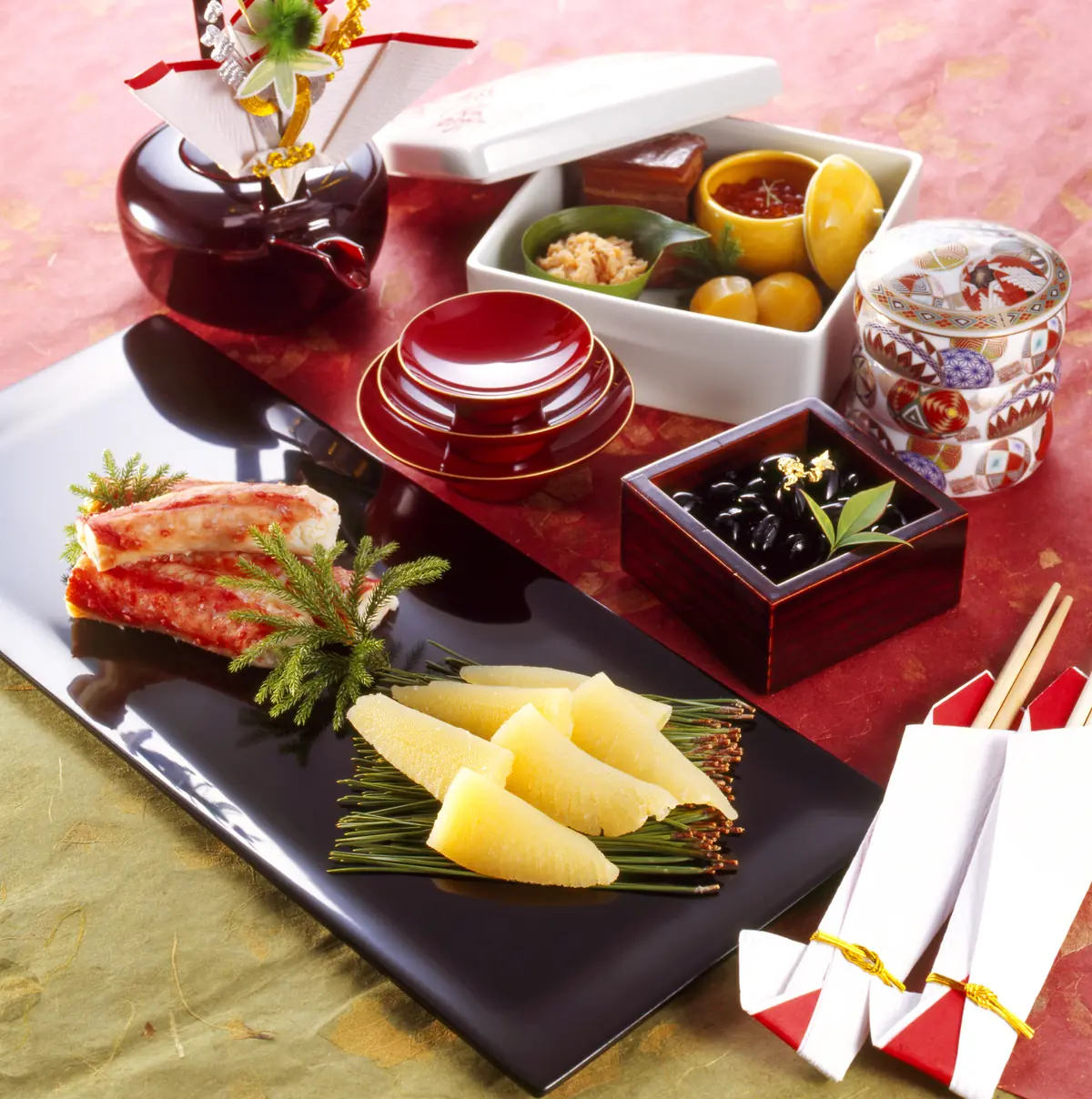
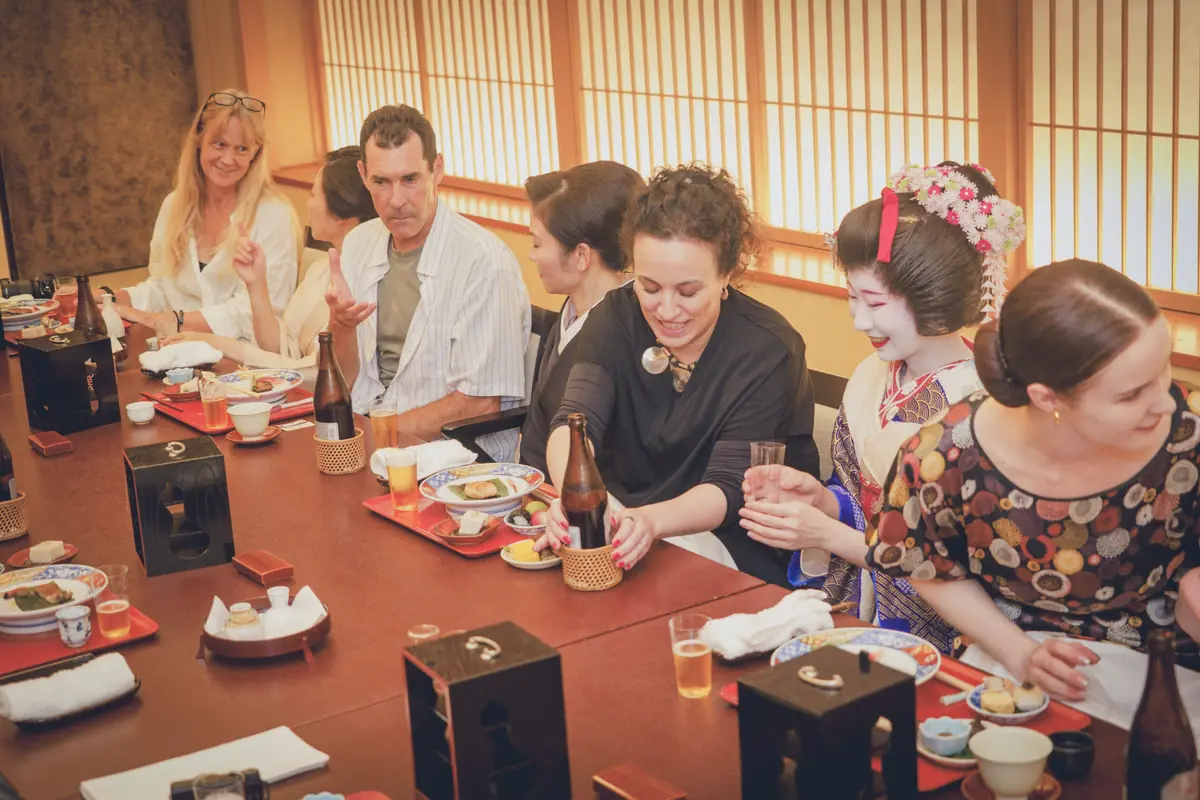
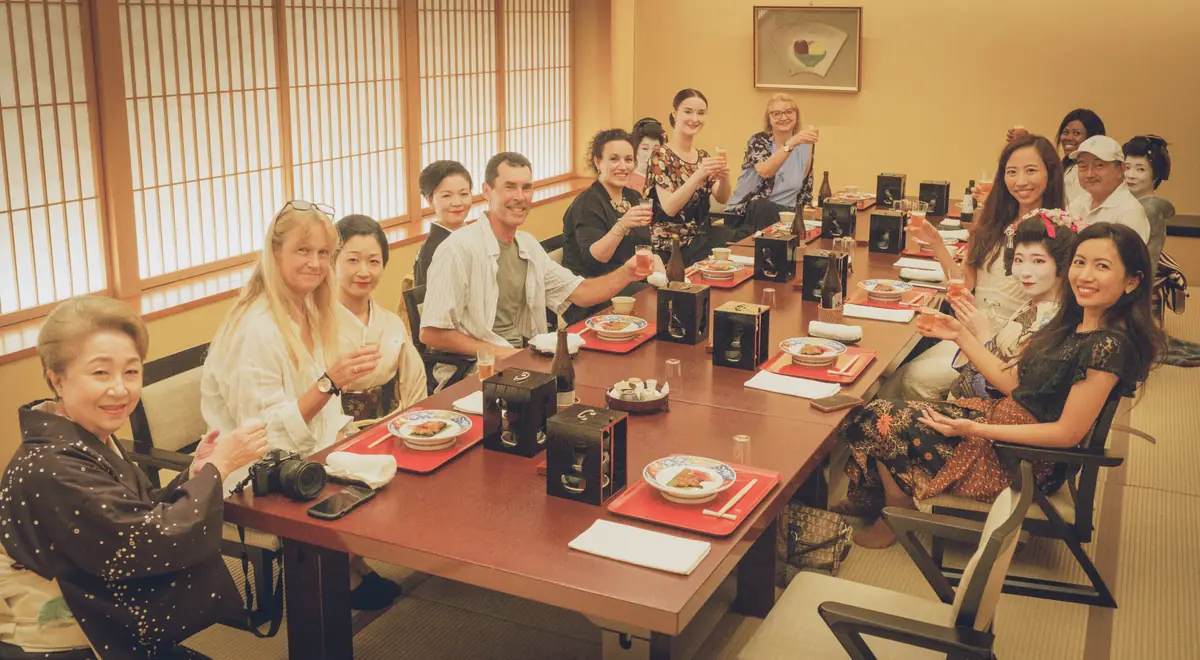
Seasonal kaiseki — served on the three-hour Geisha Kaiseki Dinner plan
The dining standards here are incredibly high. Even in the local convenience stores, the quality of an onigiri or a simple sandwich made with fluffy white bread is pretty incredible. You will find that everything is presented with an eye for detail. Japanese culture places a rich emphasis on the seasons, a concept known as shun. For example, in February, you’ll find specialties like winter yellowtail and the first strawberries of the year.
Tokyo has worked hard to make its food scene more accessible to tourists. You will find more English menus, better support for dietary choices like vegetarian or gluten-free, and a general warmth toward visitors. The best way to find a great spot to eat is to follow your curiosity. If you see a line of people waiting outside a small shop at 1:00 pm, it’s usually worth the wait. Don’t fear the language barrier; a simple smile and a nod are often all the communication required.
Exploring the Hanamachi: A Tale of Three Cities
When talking about traditional Japanese dining, people often bring up Kyoto and Osaka. Kyoto is the ancient capital, known for its imperial and aristocratic traditions. The culture there is often described as miyabi, or courtly elegance. In contrast, Osaka is the merchant’s city, famous for its outgoing personality and soul food like takoyaki and okonomiyaki.
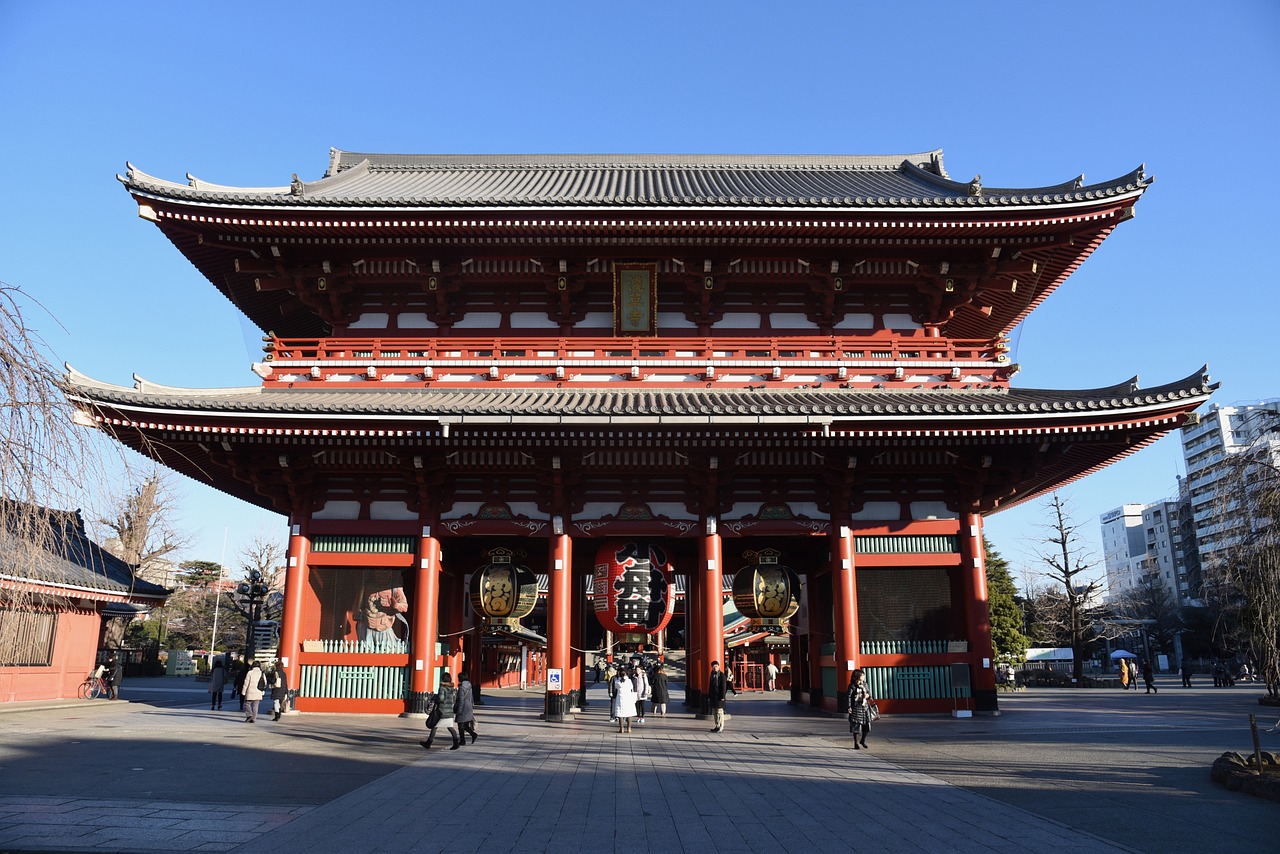
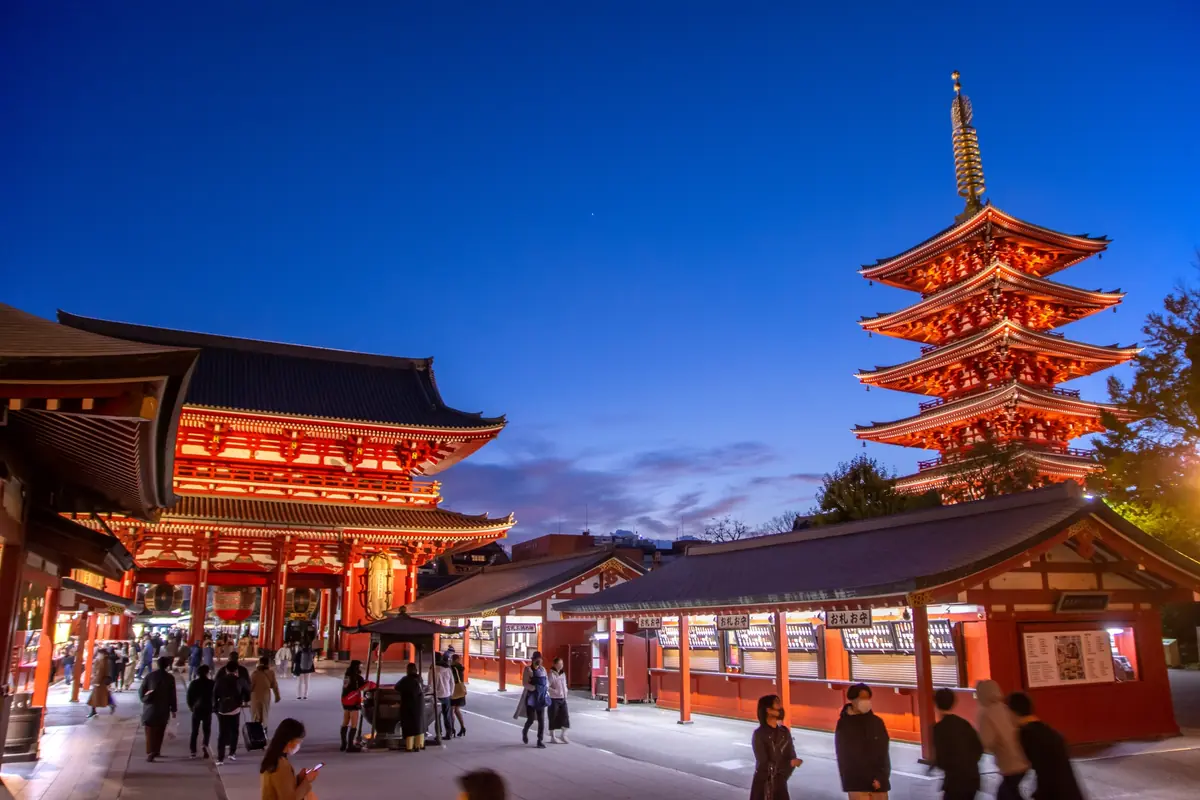
However, Tokyo’s own traditional districts, known as Hanamachi (flower districts), have a unique character all their own. Asakusa, in particular, is the historic heart of Tokyo. It was a place for the common people, the samurai, and the merchants. Unlike the more reserved atmosphere you might find in some parts of Kyoto, Asakusa has always been an open town. It was a central hub where people from all walks of life could meet and share a lovely evening.
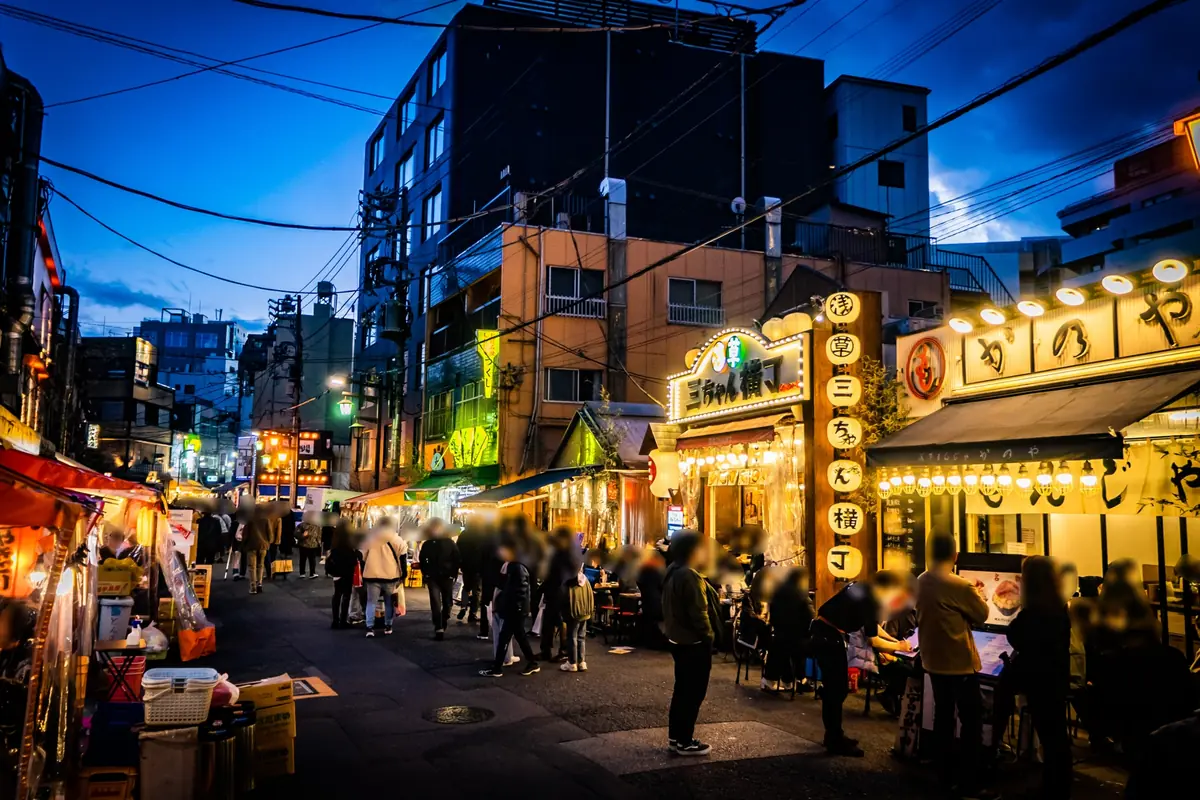
Asakusa — where tradition meets culinary discovery
The culture here is defined by iki. It refers to a sense of chic, understated elegance and a spirited, straightforward character. It is about being cool without trying too hard. You can see it in the way the local stores are kept and in the way the festivals are celebrated. It is a beautiful blend of the old and the new that you won’t find anywhere else in the country.
Asakusa Miyakodori: An Authentic Encounter with History
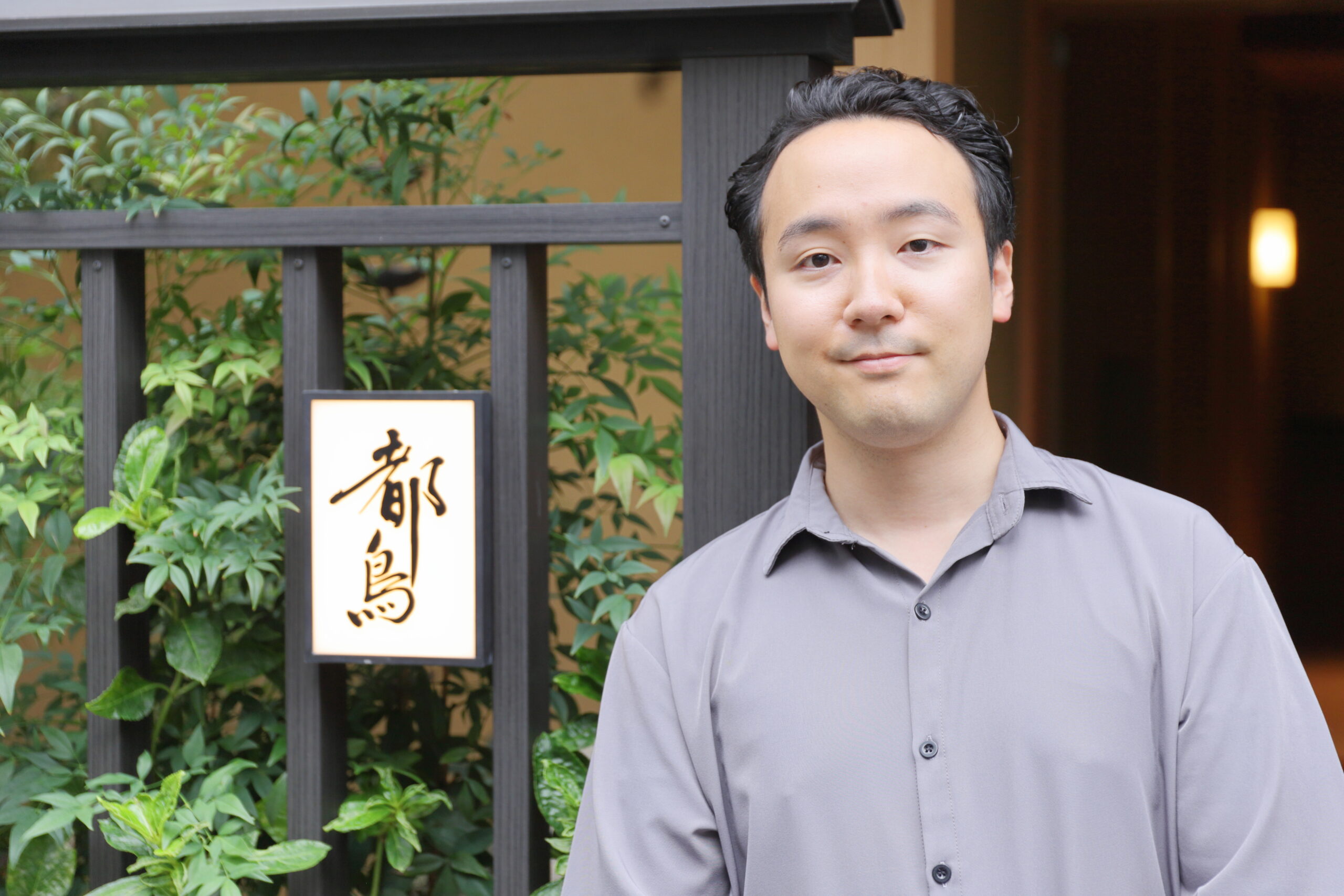
In the quiet district of Kannon-ura, tucked away behind the main sightseeing path of Senso-ji Temple, you will find a place called Miyakodori. Founded in 1950, this machiai-chaya has been a pillar of Asakusa’s hospitality for generations[1]. Miyakodori is unique because it is the only remaining Machiai-chaya in the area[2]. Historically, a Machiai-chaya was a place where people would meet to enjoy the company of geisha while sharing a delicious lunch or dinner.
We’re often asked if such experiences are accessible to tourists. The answer is a resounding yes. Miyakodori has decided to open its doors to the world, offering a bridge between traditional Japanese culture and international guests.
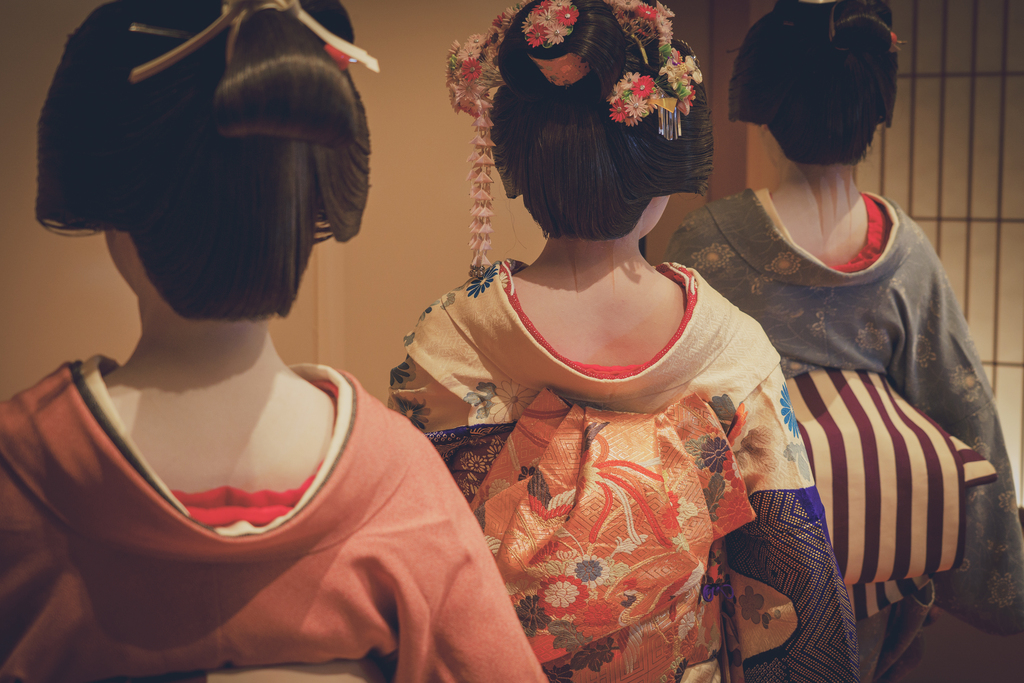
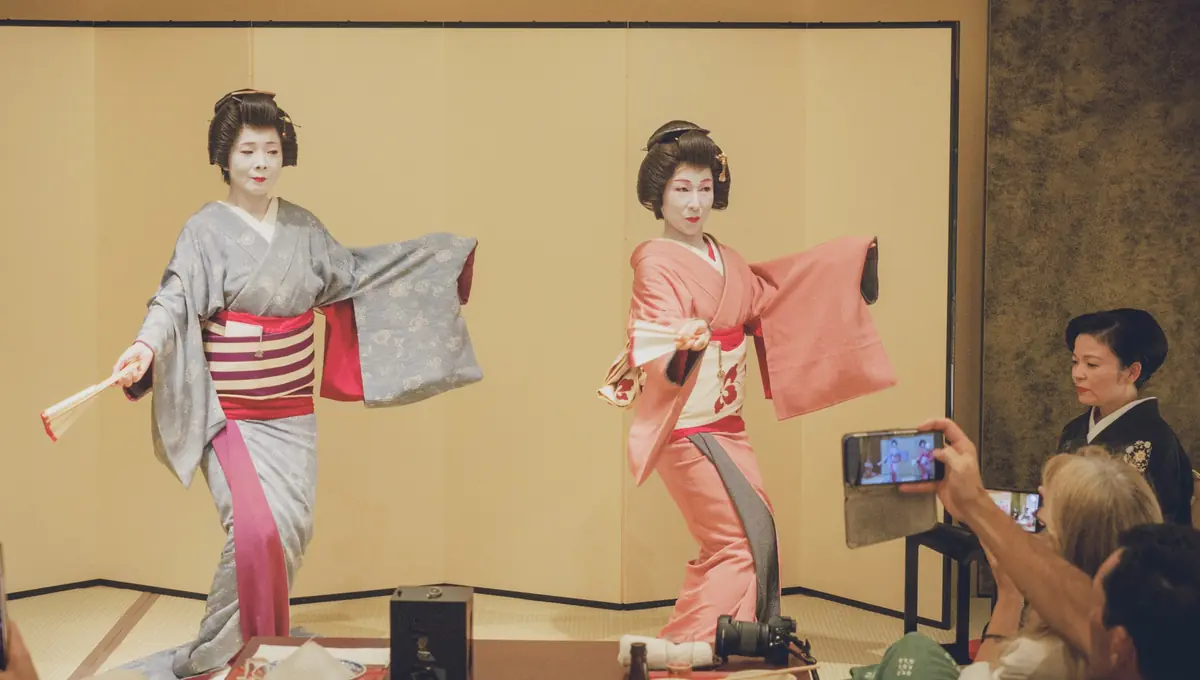
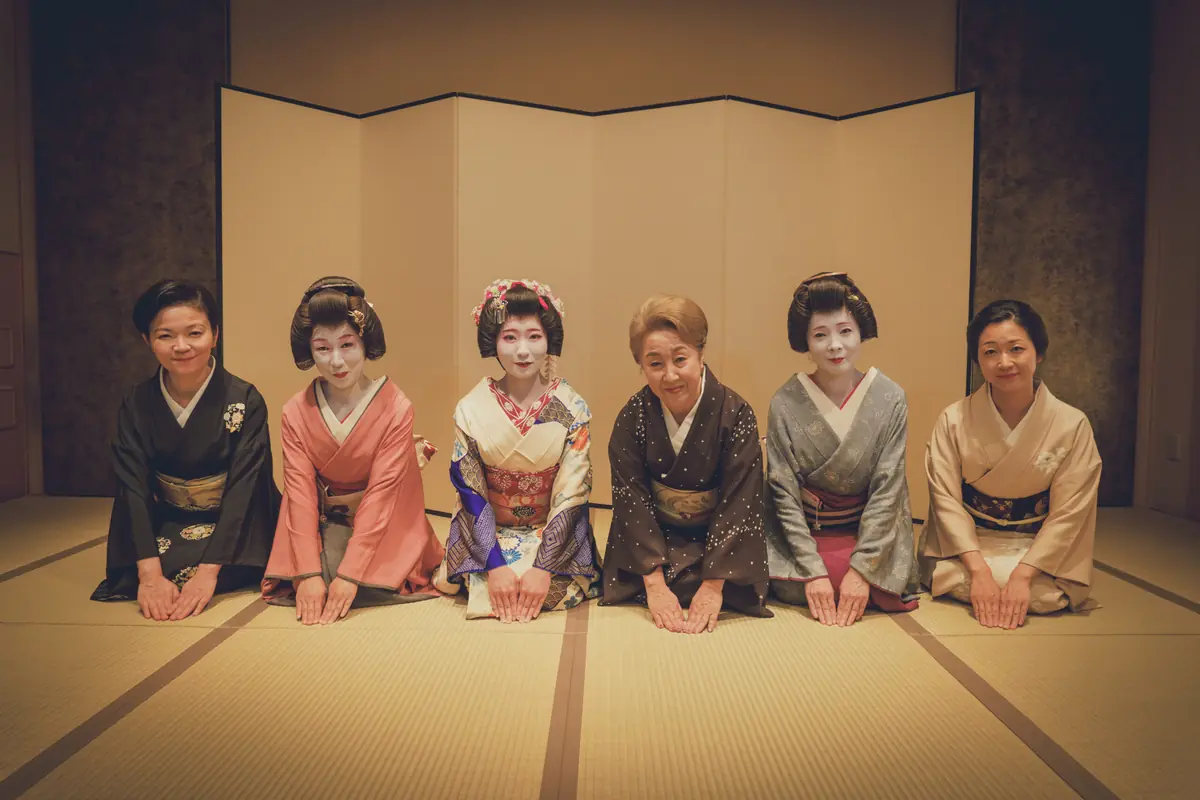
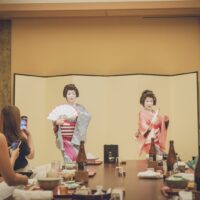
The main attraction here is, of course, the geisha. These are women who have experienced a life of rigorous training. They have learned the art of dance, the mastery of the shamisen, and the delicate skill of conversation[4]. Watching them perform is like seeing a living piece of art. The way they move and the way they ensure every guest feels completely at home is incredibly moving.
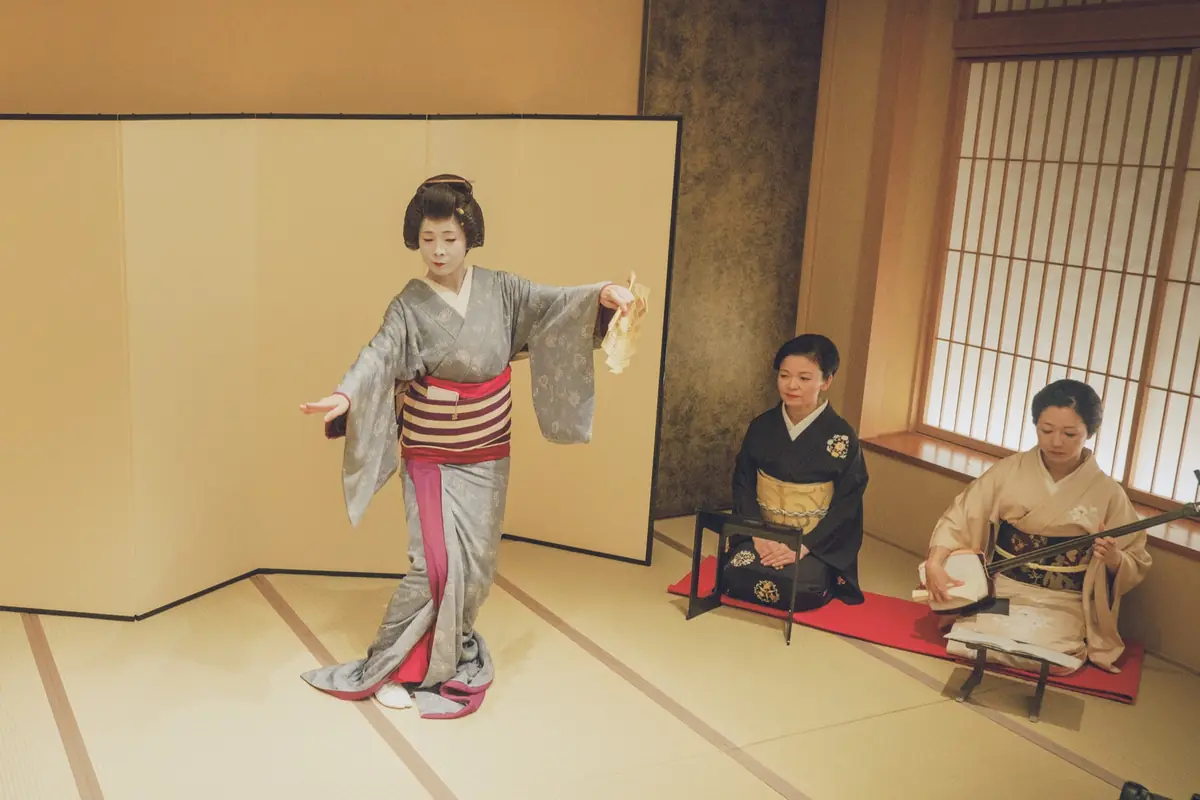
A geisha performs at Miyakodori, Asakusa’s only remaining machiai-chaya
For those with specific needs, Miyakodori also offers impressive support. They provide halal and vegetarian options, ensuring that guests from around the world can fully enjoy this cultural experience without concern. It is a place where you can relax, enjoy a drink of sake, and admire the beauty of a world that wouldn’t typically be seen by the casual traveler.
Unmissable Neighborhoods and Their Flavors
Tokyo is a collection of districts, each with its own personality. To get a full view of the city’s flavors, you need to explore different hubs.
Shibuya: The Modern Pulse
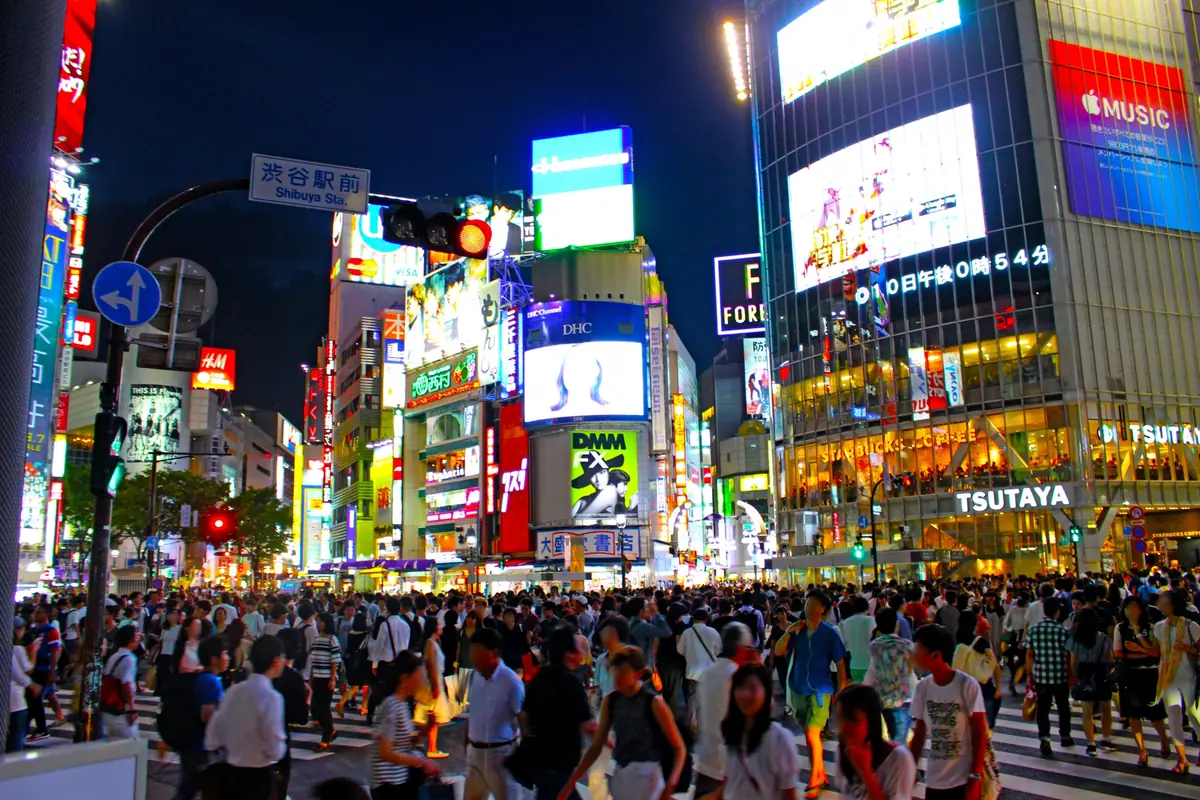
Shibuya is the center of youth culture and innovation. While you are there for the famous crossing and the tall buildings, make sure to add a food tour to your itinerary. You will find lots of trendy spots serving everything from fluffy pancakes to adventurous fusion dishes. A popular thing to do in Shibuya is to visit a depachika—the food hall in the basement of a large department store. You will see rows of beautiful bento boxes, fresh fruit, and delicious sweets.
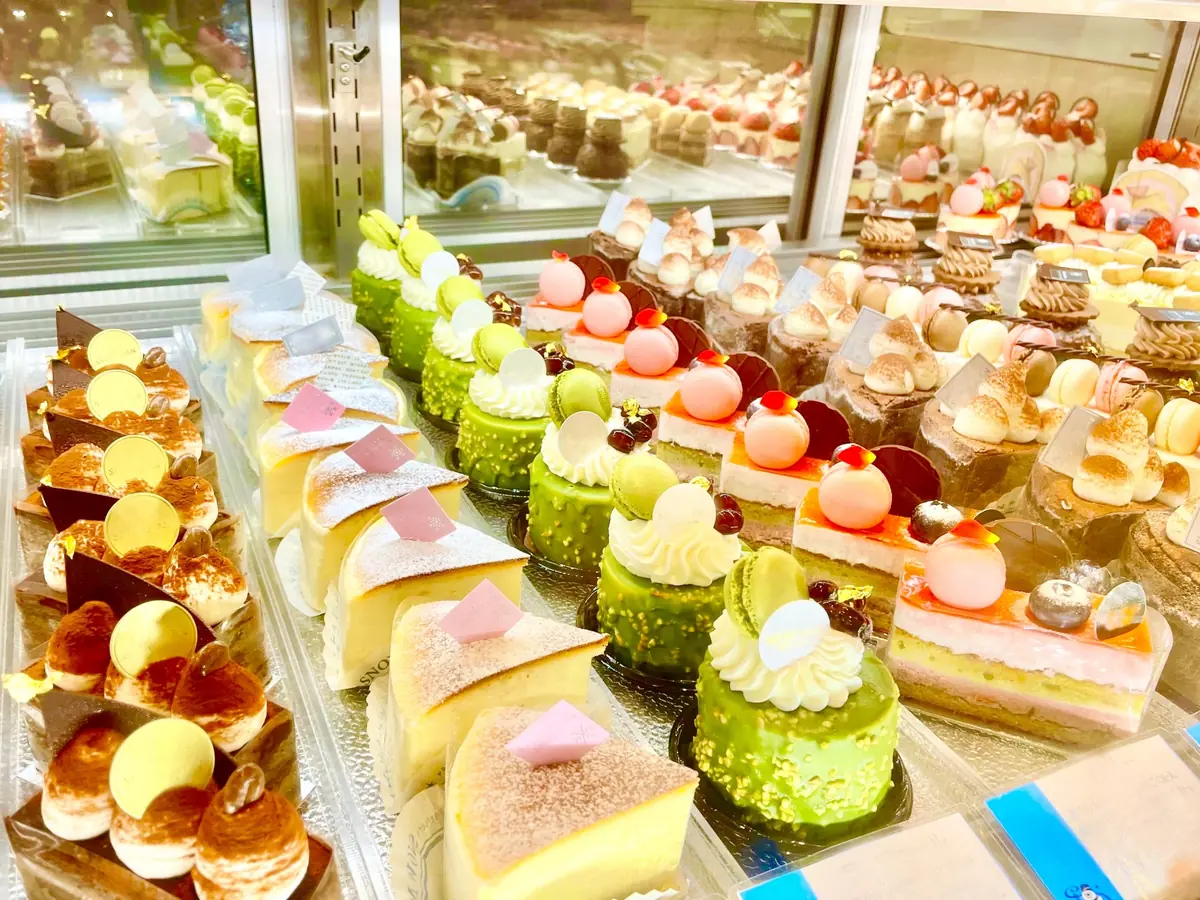
Depachika — Tokyo’s underground food paradise
Shinjuku: The Nightlife Hub
When the sun goes down, Shinjuku is one of the top destinations. You can explore the narrow alleys of Omoide Yokocho. The smell of grilled chicken skewers and the sound of people laughing over a cold beer is incredibly inviting. Shinjuku is also home to some of the best cocktail bars in the world. Many of them are hidden away on the upper floors of non-descript locations. It takes a bit of a search to find them, but the reward is a perfectly balanced drink in a cool, intimate setting.
Harajuku: Sweets and Street Food
Harajuku is famous for its colorful fashion, but it is also a paradise for those who love sweets. You can’t leave without trying a Harajuku crepe or some colorful cotton candy. These are the perfect snack to devour while you people-watch.
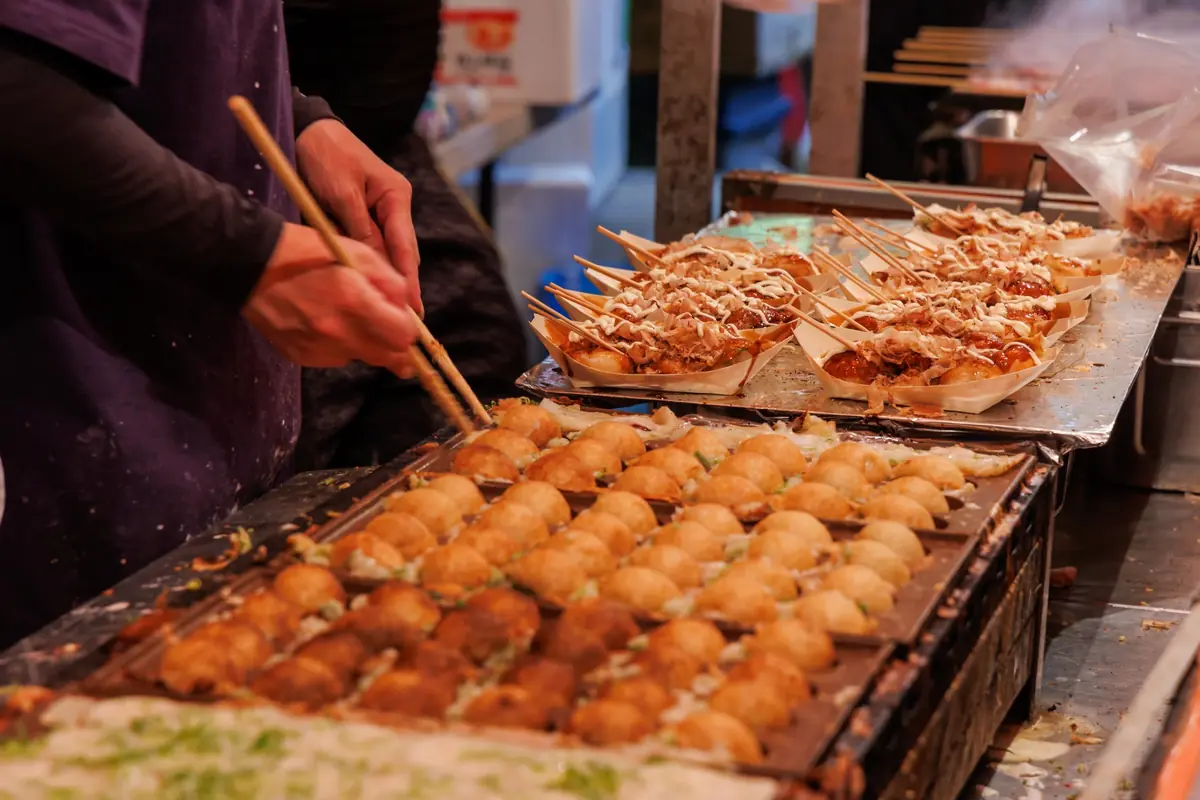
Tokyo’s vibrant street food culture
Iconic Experiences: Beyond the Restaurant Table
To truly understand Japanese food, you should try your hand at cooking it. There are many classes across the city where you can learn the secrets of the pros.
Ramen Masterclasses
Ramen is much more than just noodles and soup. It is a complex cuisine that requires hours of work and preparation. In a masterclass, you will learn how to make the broth from scratch, how to perfectly season the meat, and how to achieve the right texture for the noodles. It is a fun, hands-on experience that gives you a new appreciation for every bowl you devour.
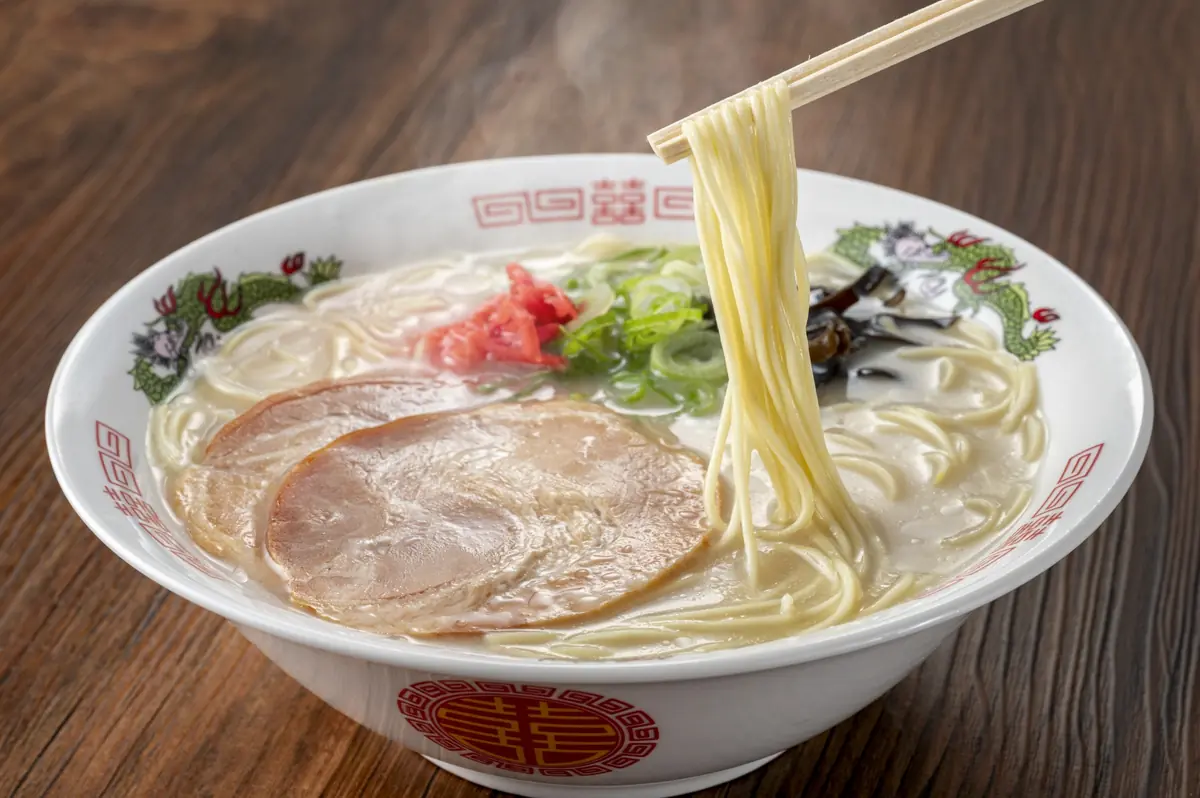
A perfectly crafted bowl of Tokyo ramen
Sushi Making in Asakusa
Since you are already in Asakusa to visit Miyakodori, why not take a sushi class? You will learn how to handle the raw fish, how to press the rice just right, and how to present your creation on the plate. It is harder than it looks, but the delicious results are worth the effort. Plus, it is a great skill to take home and share with your friends.
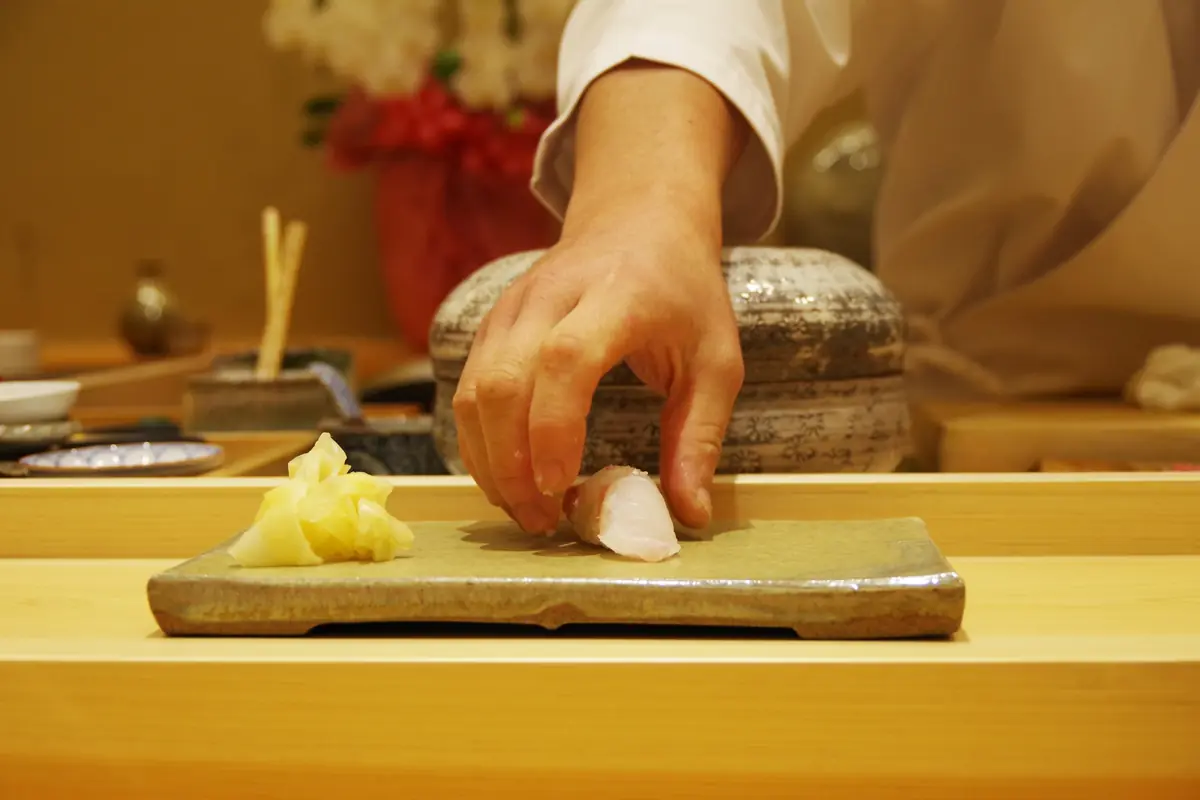
The art of sushi — precision and tradition
The Way of Tea
The tea ceremony is a cultural cornerstone. It is about the ritual, the mindfulness, and the respect between the host and the guest. Sitting on the tatami mat in a quiet tea house, you will learn how to whisk the matcha until it is perfectly frothy. It is a moment of calm in a city that never stops.
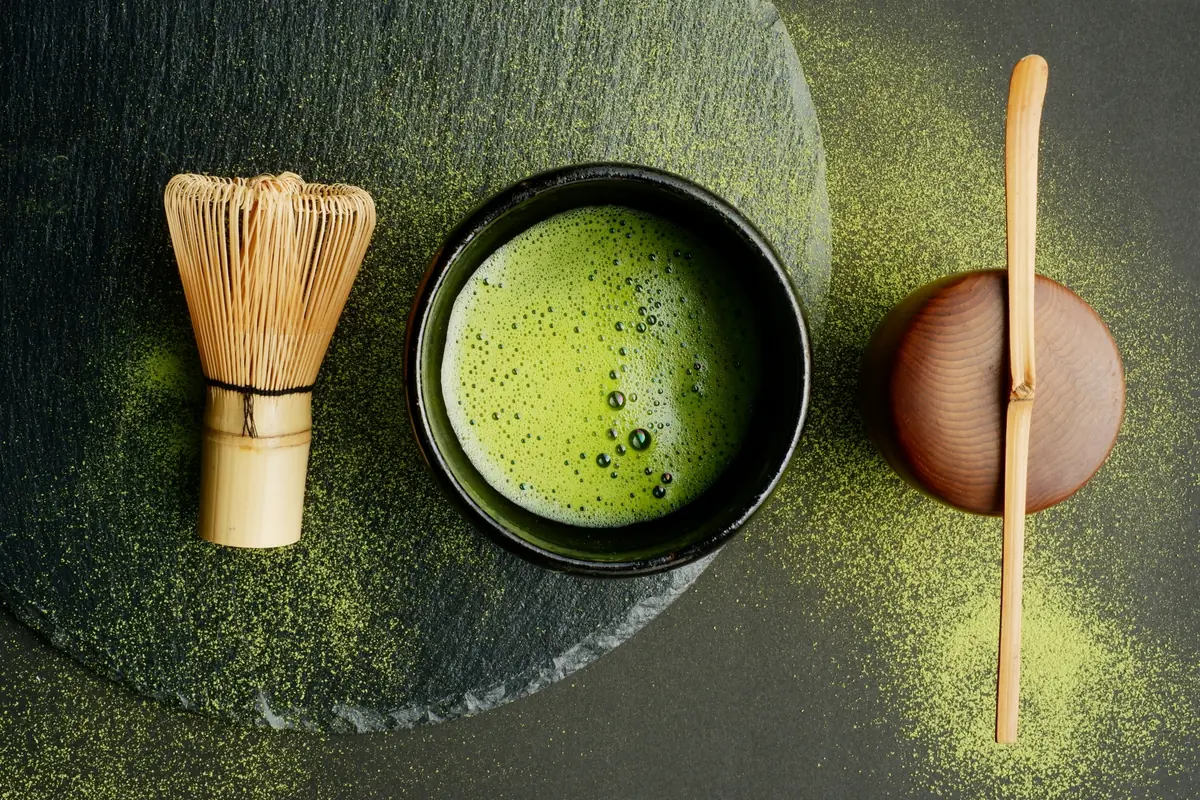
The Way of Tea — matcha and wagashi
Navigating the Markets: Tsukiji and Beyond
No foodie itinerary is complete without a visit to the market. While the inner market moved to Toyosu, the Tsukiji Outer Market is still a vibrant place to explore.
We suggest arriving early in the morning, around 8:00 am, to avoid the biggest crowds. You can wander through the rows of vendors, trying bits of fried fish, fresh oysters, and sweet tamagoyaki. If you see something you like, buy a piece and enjoy it right there on the street. The energy of the market is contagious, and it is one of the best places to see the incredible variety of seafood that Japan has to offer.
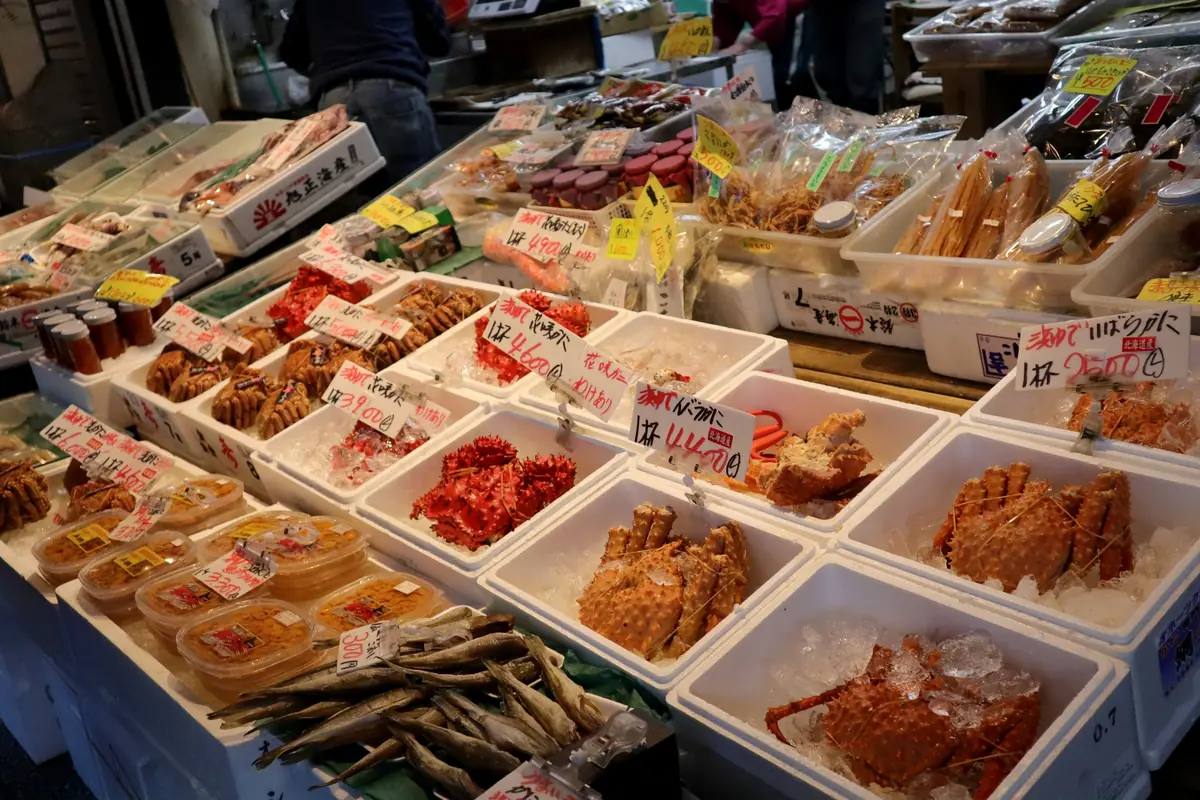
Tsukiji Outer Market — Tokyo’s iconic seafood destination
Practical Tips for Your Adventure
To make the most of your trip, here are a few things to keep in mind:
- Reservations: For popular spots and unique machiai-chaya like Miyakodori, reservations are required. It is best to book at least two weeks in advance. Our Ultimate Guide to Geisha Dinner in Tokyo covers the full process.
- Cash and Cards: While more places are taking cards now, many small shops and market vendors are still cash-only. Keep some yen on you at all times.
- Etiquette: Try to say “itadakimasu” before you eat and “gochisousama deshita” when you finish. It is a sign of respect for the food and the person who cooked it.
- Dietary Needs: If you have a serious allergy, it is a good idea to have a card written in Japanese to show the waiter to avoid communication errors.
- Water: Most restaurants will provide a glass of free water or green tea as soon as you sit down.
- Planning: Use the train system to get around. It is fast, clean, and efficient.
Extended FAQ: Your Tokyo Food Questions Answered
Is Tokyo expensive for food?
It’s a common question. It can be, but it does not have to be. You can find an incredible bowl of noodles for 1,000 yen, or you can spend 50,000 yen on a Michelin starred dining experience. The choice is yours!
Can I find vegetarian food easily?
It’s getting much easier. While traditional Japanese dashi often uses fish, many modern spots now offer a completely plant-based version. Look for “shojin ryori” if you want a traditional Buddhist vegetarian feast.
What should I eat for breakfast in Tokyo?
A traditional Japanese breakfast typically consists of rice, miso soup, grilled fish, and pickles. However, many locals also enjoy a quick onigiri or a pastry from a bakery. If you are in Tsukiji, a seafood bowl is the ultimate breakfast.
Is chicken a common ingredient in Japanese cuisine?
Yes, chicken is very popular. You will find it in yakitori (grilled skewers), karaage (fried chicken), and as a topping in various ramen bowls. The quality of chicken in Japan is exceptionally high, you can even find raw chicken sashimi at some izakaya.
What is the difference between okonomiyaki and monjayaki?
Okonomiyaki is a savory pancake where the ingredients are mixed into a thick batter and grilled until firm. Monjayaki, a Tokyo specialty, uses a much runnier batter, resulting in a thin, crispy, and somewhat gooey texture.
Is it safe to eat raw fish in Japan?
Absolutely. The standards for handling fish in Japan are the highest in the world. Whether it’s at a high-end sushi bar or a market stall, you can eat with confidence.
How do I find the best destinations for street food?
Tsukiji, Harajuku, and the Nakamise street in Asakusa are the most famous. However, look for local festivals (matsuri) where you will find rows of temporary stalls serving all kinds of delicious treats.
Can I visit a geisha house like Miyakodori alone?
Yes, solo travelers are welcome too. However, since the rooms are private, the price per person might be higher than for a group. It’s a wonderful way to treat yourself to an unforgettable cultural experience.
What is the best way to describe the taste of matcha?
Matcha has a unique flavor profile that is earthy, slightly bitter, and has a rich umami undertone. It’s often paired with sweet wagashi to balance the bitterness.
Are there any specific table manners I should follow?
Avoid sticking your chopsticks upright in your rice. Also, do not pass food directly from your chopsticks to someone else’s. Use the small plates provided to share dishes.
How long should I wait in line for a famous restaurant?
Some people wait for over an hour for the best spots. If the line is moving and the smell is good, it’s usually worth the wait.
What are the best snacks to buy at a convenience store?
Try the egg salad sandwiches, the onigiri (rice balls), and the seasonal ice cream flavors. The quality will completely surprise you.
What is the best way to get around the city for a food tour?
The subway is your best friend. It’s fast and efficient. However, within a neighborhood like Asakusa or Shibuya, walking is the best way to stumble upon hidden gems.
What is the most adventurous thing I can eat?
You might want to try “shirako” (fish milt) or “natto” (fermented soybeans). Both have strong textures and flavors that are an acquired taste, but they are highly prized by local foodies.
Is it possible to find gluten-free okonomiyaki?
It’s difficult because the traditional batter is wheat-based. However, some modern restaurants now offer a version made with yam flour or rice flour. It’s best to search for specialized locations in advance.
What should I wear to a dinner at Asakusa Miyakodori?
While there is no strict dress code, smart-casual is recommended. Our rooms are tatami, so shoes come off at the entrance — wear socks. You’ll be seated at a table with chairs or a sunken kotatsu, not on the floor.
How do I handle a long day of sightseeing and eating?
Pace yourself! Don’t try to eat a heavy lunch every day if you have a big dinner planned. Drink plenty of water and take breaks in lovely parks or quiet temples.
Is there a specific point where I can see the whole city?
Yes, places like Tokyo Skytree or Tokyo Metropolitan Government Building offer a great view. You can even see Mt. Fuji on a clear day.
What should I do if I’d like to try something specific not on the menu?
At most places, it’s best to stick to the menu. However, at a high-end place like Miyakodori, if you have a special request based on a dietary need, you can contact them a few weeks in advance.
Why are there so many black sesame desserts?
Black sesame has a rich, nutty flavor that is much loved in Japan. It’s often used in ice cream, puddings, and traditional sweets.
Is there any specific bread I should try?
Try “Melon-pan.” It’s a sweet bread with a crispy, cookie-like top. It doesn’t actually taste like melon, but it’s delicious!
What happens if I don’t book a place?
You’ll still find plenty of great spots! Many izakayas and casual ramen shops don’t require bookings. Just look for a place that looks inviting and join the locals.
Conclusion: Your Culinary Journey Awaits
Tokyo is a city that will never stop surprising you. Whether you are devouring a bowl of hot noodles in a busy station or enjoying a quiet, refined feast with geisha in Asakusa, every meal is an opportunity to learn something new about this incredible culture.
Remember, the best travel experiences are the ones where you let your heart and your stomach lead the way. Don’t be afraid to try something new, even if it looks a bit strange at first. You might just find your new favorite dish among the many destinations this city has to offer.
Further Reading: Explore Tokyo Dining & Asakusa Culture
- Japanese Fine Dining Tokyo: The 2026 Guide to Extraordinary Culinary Experiences
- Best Kaiseki Tokyo: Japan’s Ultimate Culinary Art Form
- Asakusa Unveiled: The 2026 Essential Guide to Tokyo’s Heart
- Finding the Best Geisha Shows in Japan
- Tokyo Geisha Tea Ceremony: A Traditional Experience in Japan
- The Shamisen: Japan’s Three-Stringed Lute & the Soul of Geisha Music
- Best Restaurants in Asakusa for Dinner
- Asakusa Japanese Restaurant
Sources:
Experience graceful performances, warm hospitality, and a timeless atmosphere where Japan’s living traditions come to life.

- Private Ozashiki :An intimate, refined encounter with authentic Asakusa geisha.
- Traditional Geisha Artistry:Graceful dance, live shamisen, and interactive ozashiki games.
- Historic Hanamachi Setting:A timeless cultural experience in the heart of Asakusa.
- English Support Available :Attentive assistance for international guests throughout your visit.


26 Best Experiences in Tokyo: Unique Guide (2026)
The Ultimate Guide to Tokyo Dinner Reservations in 2026: How to Secure the Best Tables
Top Rated Traditional Japanese Restaurants Near Me: Authentic Flavors and Sushi
What’s New in Tokyo 2026: New Attractions & Openings Guide
Best Private Room Restaurant in Tokyo: A Guide to Exclusive Dining at Asakusa Miyakodori
The Ultimate Guide to Geisha Lunch Specials: Sushi, Hibachi, and More
Comment ( 0 )
Trackbacks are closed.

No comments yet.