



Best Kaiseki Tokyo: Japan’s Ultimate Culinary Art Form
Introduction: Stepping Into the World of Kaiseki
When you visit Tokyo, the neon lights of Shinjuku and the modern skyscrapers of Shibuya often take center stage. However, tucked away in the quiet, atmospheric alleys of historic districts like Asakusa, Roppongi, and Akasaka lies a centuries-old tradition that represents the pinnacle of Japanese hospitality and gastronomy: Kaiseki.
Kaiseki is a multi-course culinary journey that harmonizes taste, texture, appearance, and colors into a single, cohesive narrative. Originating from the humble and simple meals served during traditional tea ceremonies (known as cha-kaiseki), it has evolved over centuries into a highly sophisticated art form that celebrates the fleeting essence of nature. In 2026, Tokyo remains the global heart of this cuisine, home to legendary Michelin-starred venues and hidden local gems that keep the spirit of old Japan alive. Whether you are a first-time traveler to Japan or a seasoned foodie looking for the next exceptional bite, finding the best kaiseki Tokyo has to offer is essential for a true and deep connection to the Japanese soul.
What is Kaiseki? Understanding the Deep Philosophy of Haute Cuisine
Before you book your reservation, it is helpful to understand the profound philosophy behind this traditional dining style. At its core, kaiseki is centered on the concept of Shun (seasonal peaks). This is the Japanese belief that every ingredient—whether it is a specific fish, a mountain vegetable, or a type of rice—has a very brief window of time when it reaches its absolute peak of freshness and flavor.
The Meticulous Sequence of a Multi-Course Meal
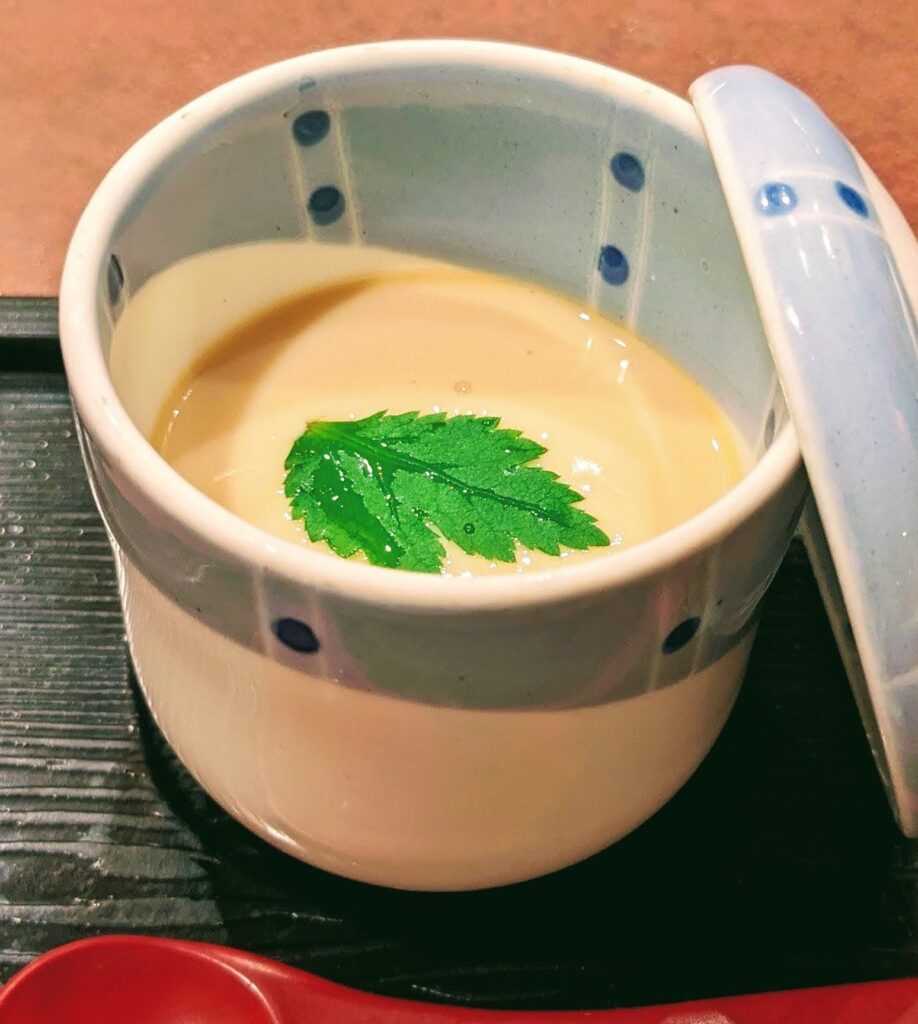
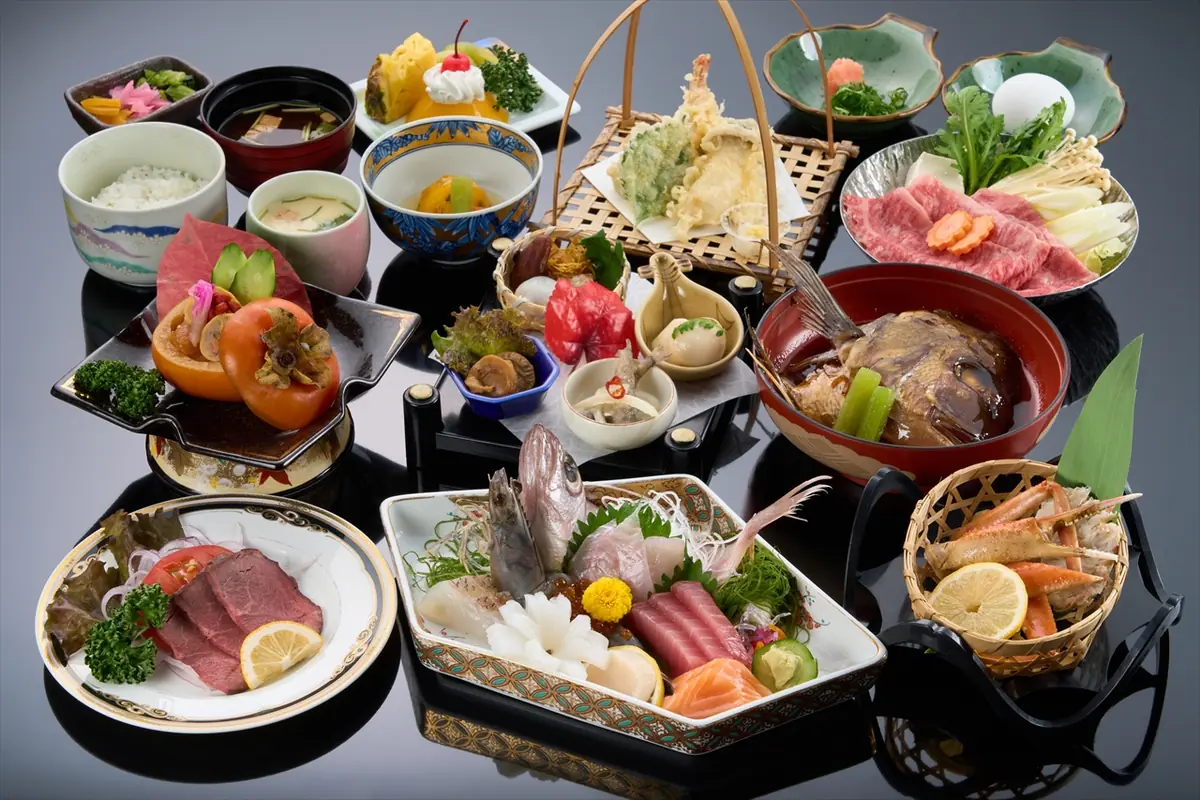
A standard kaiseki menu is prepared by a master chef who personally selects the finest ingredients of the day from local markets like Toyosu. The meal typically follows a specific, elegant order, moving from light, refreshing flavors to richer, savory dishes, ensuring that the palate is never overwhelmed:
- Sakizuke: A small appetizer similar to an amuse-bouche, designed to wake up the taste buds.
- Hassun: A visually stunning course that sets the seasonal theme, usually featuring a mix of small items from both the mountains and the sea, served on a beautiful wooden platter.
- Mukozuke: A dish of seasonal sashimi (sliced raw fish) served with high-quality, aged soy sauce and freshly grated wasabi.
- Takiawase: Simmered vegetables served with fish or meat, emphasizing the delicate and subtle balance of umami in the clear broth.
- Futamono: A “lidded dish,” often a soup or a savory custard. The act of opening the lid allows the steam and aroma to reach your senses before you take your first bite.
- Yakimono: A grilled course, often featuring seasonal fish or premium Wagyu beef, traditionally cooked over binchotan charcoal to add a refined, smoky depth.
- Gohan, Ko-no-mono, and Tome-wan: A rice dish (often cooked in a clay pot), served with house-made pickles and a final bowl of miso soup to anchor the meal.
- Mizumono: A delicate seasonal dessert, such as sweet local fruits, a light jelly, or a hand-crafted matcha treat to provide a refreshing close to the feast.
Kaiseki vs. Omakase: Distinct Differences

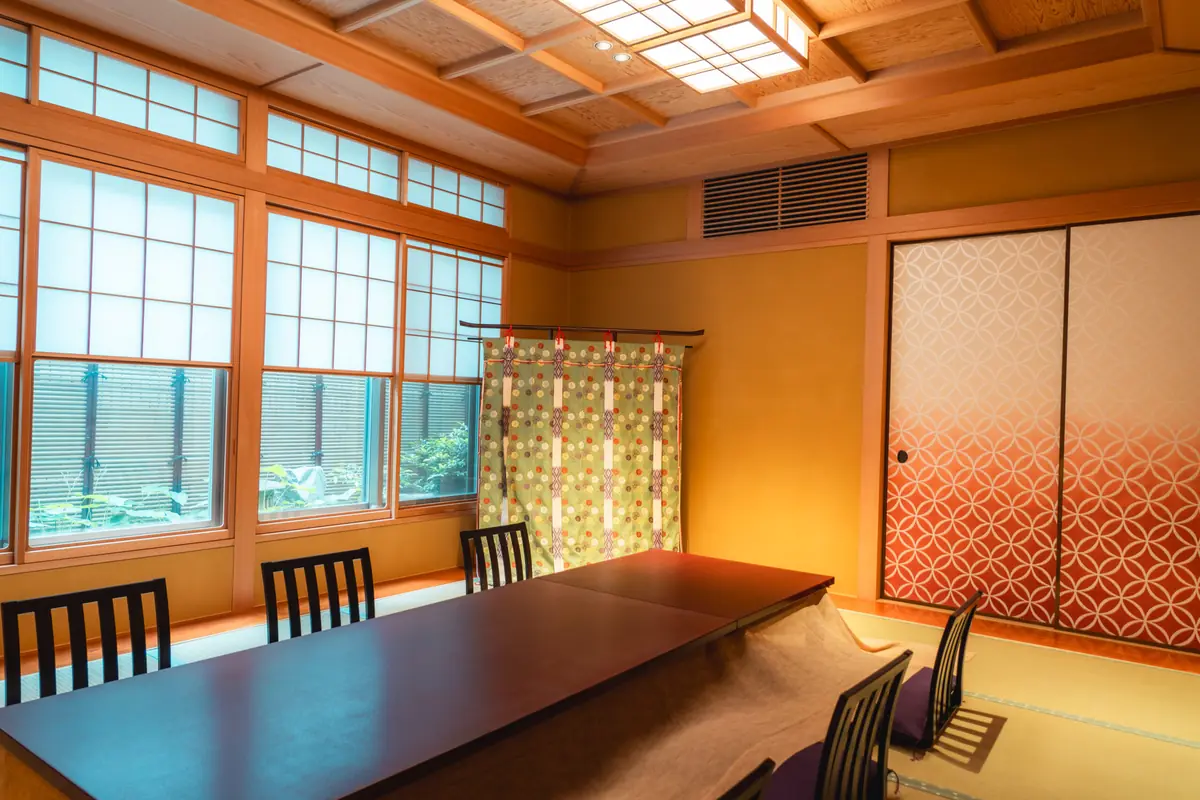
While both styles involve leaving the specific menu choices to the chef, there is a distinct difference in the environment and structure. Omakase is most common in sushi restaurants where you sit at a wooden counter and interact directly with the chef as they hand you each piece. Kaiseki, however, is much more structured and expansive. It is typically served in a private room (washitsu) with a view of a tranquil Zen garden. It focuses on a balance of diverse cooking techniques—simmering, grilling, steaming, and raw preparation—to create a complete and holistic feast for the senses.
Top Kaiseki Experiences in Tokyo 2026
Tokyo’s culinary landscape is vast and can be overwhelming for travelers. From the ultra-refined elegance of Ginza to the innovative and modern approaches found in Roppongi, here are the key areas to search for your best culinary journey.
Michelin Stars and Global Excellence
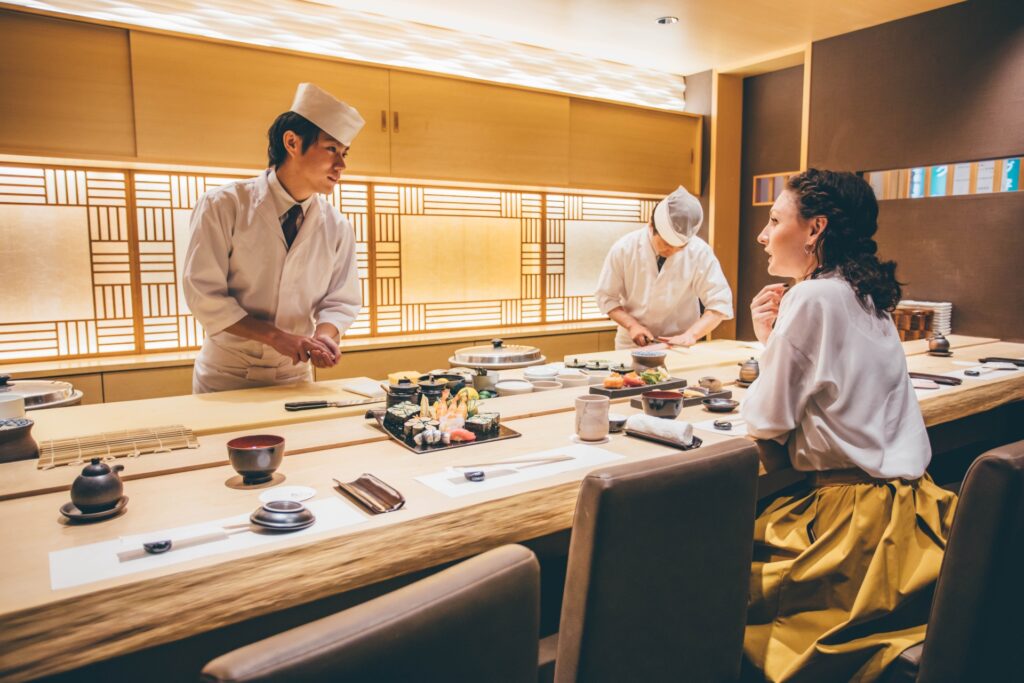
For those seeking the highest level of culinary art, Tokyo’s Michelin-starred restaurants like Ishikawa, Kohaku, or Ryugin set the global standard for excellence. These venues require booking months in advance, as they are extremely famous and popular. The price of a meal at these locations reflects the exceptional quality of the ingredients, the artistry of the presentation, and the years of rigorous training required to achieve such prestigious stars. Each dish is served with professional precision, offering a level of refinement that is rare to find anywhere else in the world.
Authentic and Accessible: The Asakusa Shitamachi Tradition
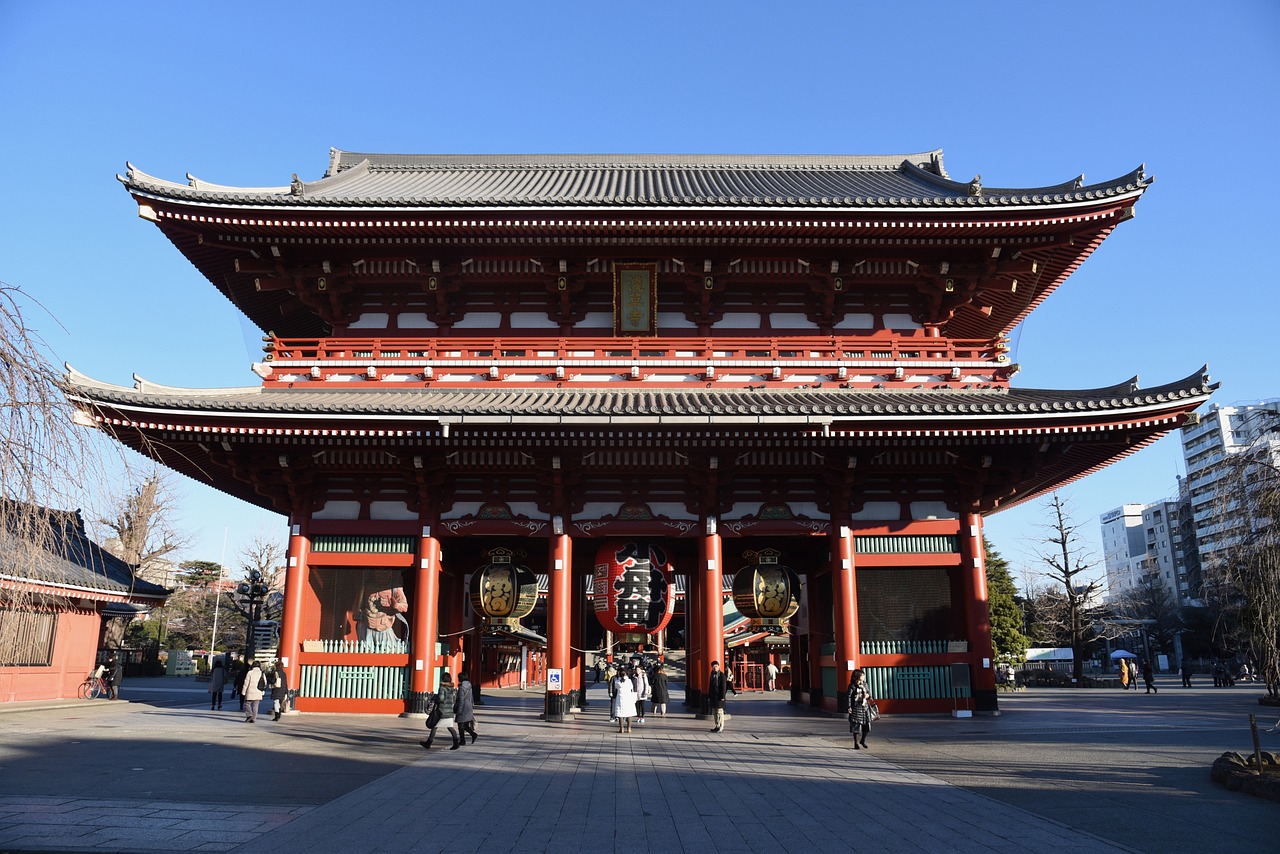
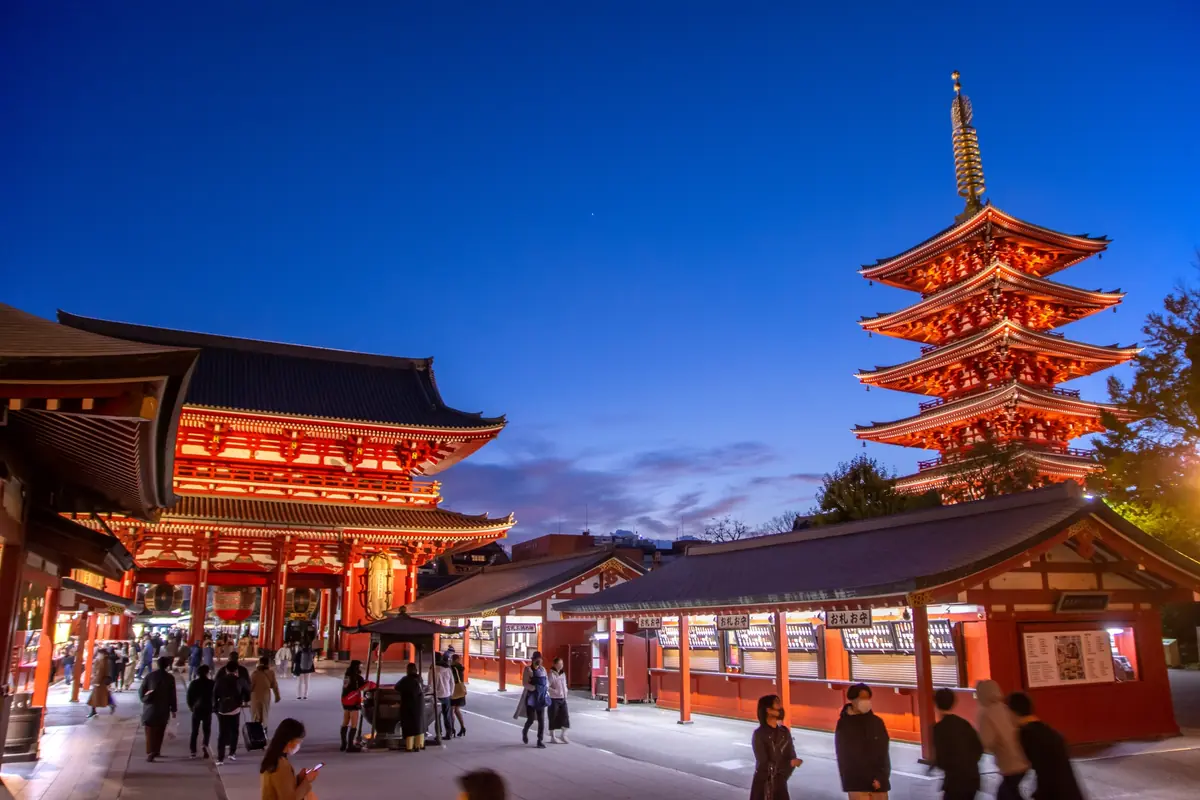
If you want to experience the true “soul” of old Tokyo, the Asakusa district is the place to be. Known for its deep history and the iconic Senso-ji Temple, the area is home to traditional tea houses and family-run kaiseki restaurants that have operated for many generations. The atmosphere in Asakusa is often warmer and less formal than in the luxury high-rises of the city center, making it perfect for travelers who want to feel at home while enjoying a truly refined and historic meal. Here, the hospitality is personal, and the connection to the past is visible in every wooden beam and sliding paper door.
Discover the Heart of Asakusa: An Evening with Geisha at Asakusa Miyakodori
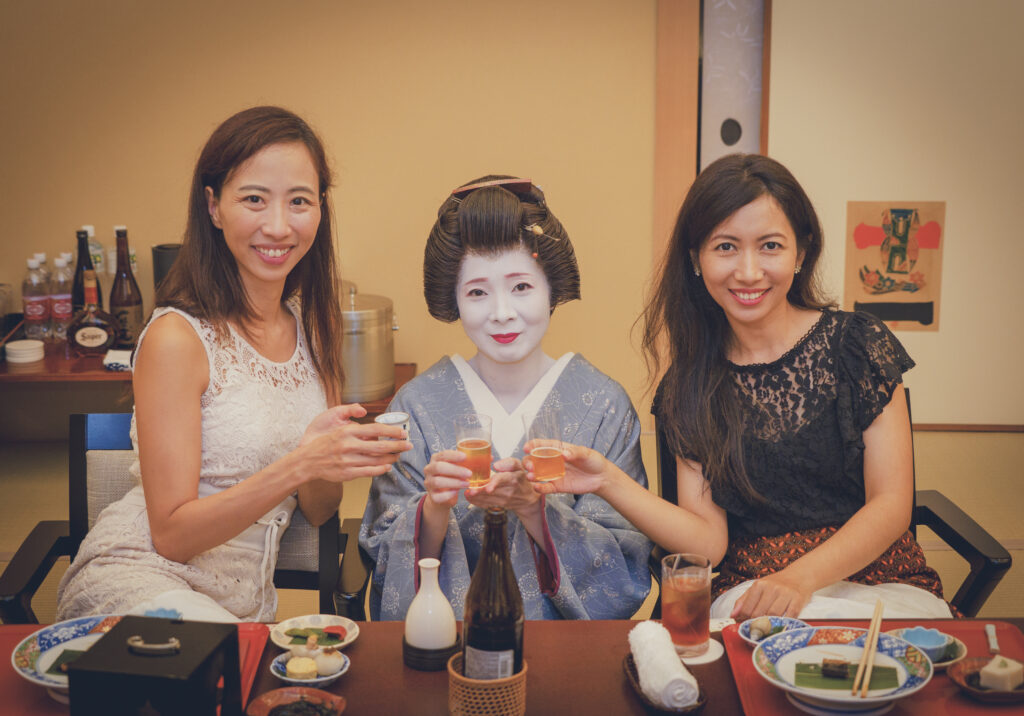
While many travelers head to the modern hubs of Shinjuku or Roppongi, a truly unique and authentic experience can be found in Asakusa’s Kannon-ura district at Asakusa Miyakodori. This area is the “backstage” of Asakusa, where the real culture of the flower district still lives.
The Historic Legacy of the Machiai-Chaya
Miyakodori is a legendary establishment with a story to tell. Founded in 1950, it is the only remaining Machiai-Chaya (tea house for meeting with geisha) in Asakusa. This traditional format, which dates back to the Edo period, means the restaurant is designed specifically as a space to enjoy geisha entertainment and cultural socialization. Over the decades, it has been a sanctuary for famous Japanese celebrities, and international VIPs, including legendary stars like Hibari Misora and Shintaro Katsu. When you dine here, you are participating in a living history that few other restaurants can offer.
Geisha Hospitality: A Rare Multi-Sensory Journey
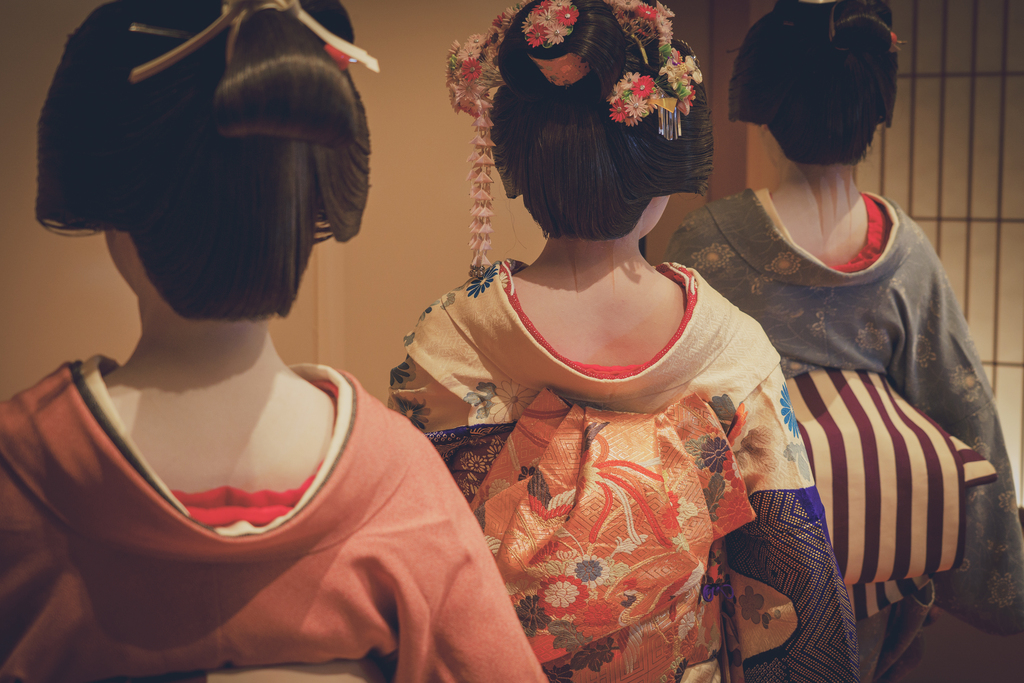
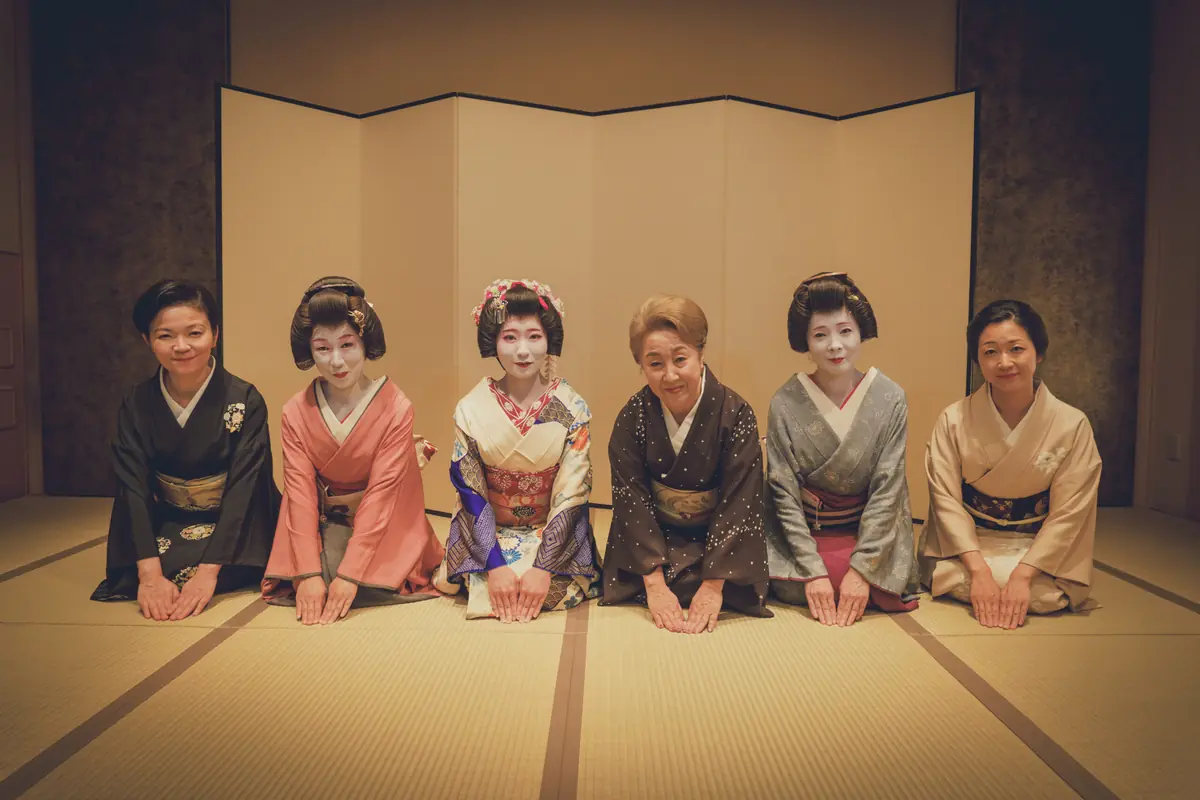
What truly sets Miyakodori apart from any other dining destination in the city is our exclusive geisha hospitality. In our elegant private rooms, you can enjoy your dinner while being entertained by the professional geisha of Asakusa.
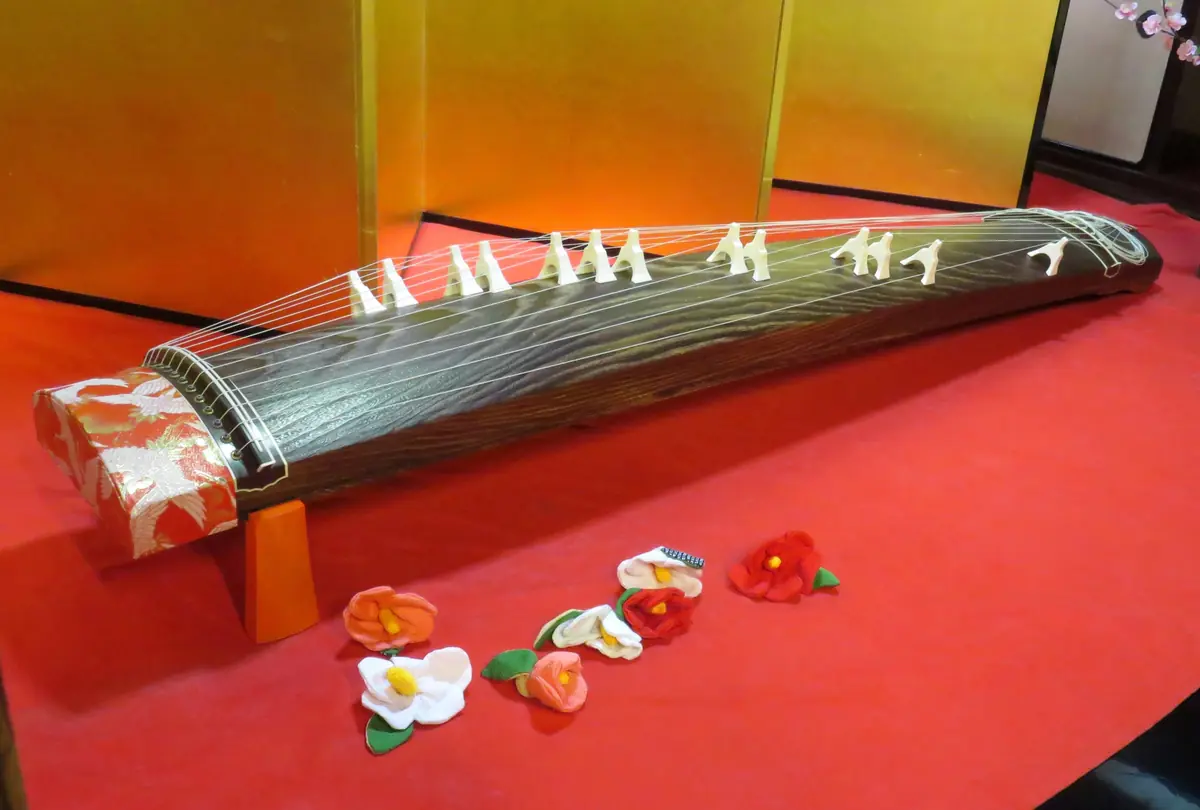
- The Art: Watch traditional dances performed to the live, haunting music of the shamisen and participate in ozashiki games—traditional parlor games that have been enjoyed for centuries.
- The Expertise: Our landlady (Okami) is a former geisha herself. Her deep knowledge and personal experience ensure that every detail of the service, from the angle of the fan to the timing of the soup, is handled with absolute grace.
- The Privacy: Our traditional rooms provide an intimate and quiet environment, making Miyakodori a highly recommended choice for high-end business meetings, special anniversaries, and meaningful family gatherings.
- The Memory: Commemorative photos with the geisha are a standard and cherished part of our service, allowing you to take a piece of Asakusa’s cultural heart back home with you to share with friends and family.
Planning Your Kaiseki Journey: FAQ and Essential Tips
How do I make a reservation for such an exclusive experience?
Most top-tier restaurants in Tokyo require reservations weeks or months in advance. For a popular and unique venue like Miyakodori, we recommend checking availability and booking through our official online site as early as possible. We offer specialized support for international guests to ensure that the reservation process is smooth and that all your needs are met before you even arrive in Japan.
What about the dress code and proper etiquette?
While not all restaurants require a formal suit and tie, “elegant casual” is the standard sign of respect for the chef and the traditional setting. It is also very important to remember that you will be required to remove your shoes before entering a room with tatami mats. We recommend wearing clean, nice socks, as this is a small but important detail in Japanese etiquette. Throughout the meal, the staff will guide you on how to enjoy each dish, so there is no need to worry if you are unfamiliar with the customs.
Are there vegetarian, vegan, or halal options available?
Traditional kaiseki is heavily focused on fish and seasonal seafood, but vegan (Shojin Ryori) or vegetarian versions are becoming much more common in Tokyo as the city becomes more international. At Miyakodori, we are happy to accommodate various dietary terms and requirements if we are informed during the reservation process. Whether you have allergies or specific cultural dietary needs, please feel free to contact us so we can prepare a menu that is perfect for you.
How much should I expect to spend on a high-end dinner?
A high-quality kaiseki dinner in Tokyo usually ranges from 15,000 to 50,000 yen per person, depending on the ingredients and the level of entertainment. Lunch is often available at a more affordable price while maintaining the same refined standards of quality, offering a great way to experience the flavors of Japan’s finest cuisine if you are on a tighter budget.
Summary: An Unforgettable Connection to the Heart of Japan
Choosing a kaiseki Tokyo experience is undoubtedly the best way to celebrate a special occasion or simply dive deep into the heart of Japanese culture. From the first delicate taste of seasonal sashimi to the final, savory bite of premium Wagyu beef, it is a sensory journey that involves the eyes, the palate, and the soul. It is an opportunity to slow down and appreciate the craftsmanship that defines Japanese life.
We warmly invite you to step out of the busy, modern city and into the timeless elegance of Asakusa Miyakodori. Let us show you the true art of Japanese hospitality and the incredible flavors of our seasonal kaiseki. We are dedicated to making your evening in Tokyo one of the most beautiful memories of your life.
Welcome to Asakusa. We look forward to welcoming you to Miyakodori soon.
Footnotes & Sources:
- Japan National Tourism Organization (JNTO) Kaiseki Guide: https://www.japan.travel/en/guide/japanese-kaiseki-cuisine/
- Asakusa Tourism Federation – Cultural Heritage: https://asakusa.gr.jp/jp/?p=385
- PR Times – Miyakodori Traditional Dining and Geisha: https://prtimes.jp/main/html/rd/p/000000001.000165250.html
- Tokyo Metropolitan Government Cultural Information: https://www.my.metro.tokyo.lg.jp/w/000-20240711-43128106
Experience graceful performances, warm hospitality, and a timeless atmosphere where Japan’s living traditions come to life.
- Private Ozashiki: An intimate, refined encounter with authentic Asakusa geisha.
- Traditional Geisha Artistry: Elegant dance, live shamisen music, and interactive ozashiki games.
- Historic Machiai-chaya Setting: A sophisticated cultural experience in a traditional machiai-chaya setting.
- English Support Available: Assistance for international guests throughout your visit.


- Geisha Photoshoots in Tokyo: Asakusa's Best Experiences
- Best Private Room Restaurant in Tokyo: A Guide to Exclusive Dining at Asakusa Miyakodori
Best Restaurants for a Birthday Dinner in Tokyo | Memorable Dining Experiences
Japanese Fine Dining Tokyo: The 2026 Guide to Extraordinary Culinary Experiences
The Ultimate Traditional Japanese Dining Experience Guide 2026
12 Best Tokyo Dinner Places: A Complete Guide (2026)
Best Private Room Restaurant in Tokyo: A Guide to Exclusive Dining at Asakusa Miyakodori
The Ultimate Guide to Tokyo Dinner Reservations in 2026: How to Secure the Best Tables
Comment ( 0 )
Trackbacks are closed.

No comments yet.