Asakusa, Tokyo · Since 1950
Meet the people of Miyakodori.
Miyakodori is the only machiai chaya in Asakusa: a geisha teahouse where, in a private room, Asakusa’s geisha dance, play the shamisen and share games you can join. On private plans, an English-speaking interpreter joins your party. No referral is required.
01 / The okami
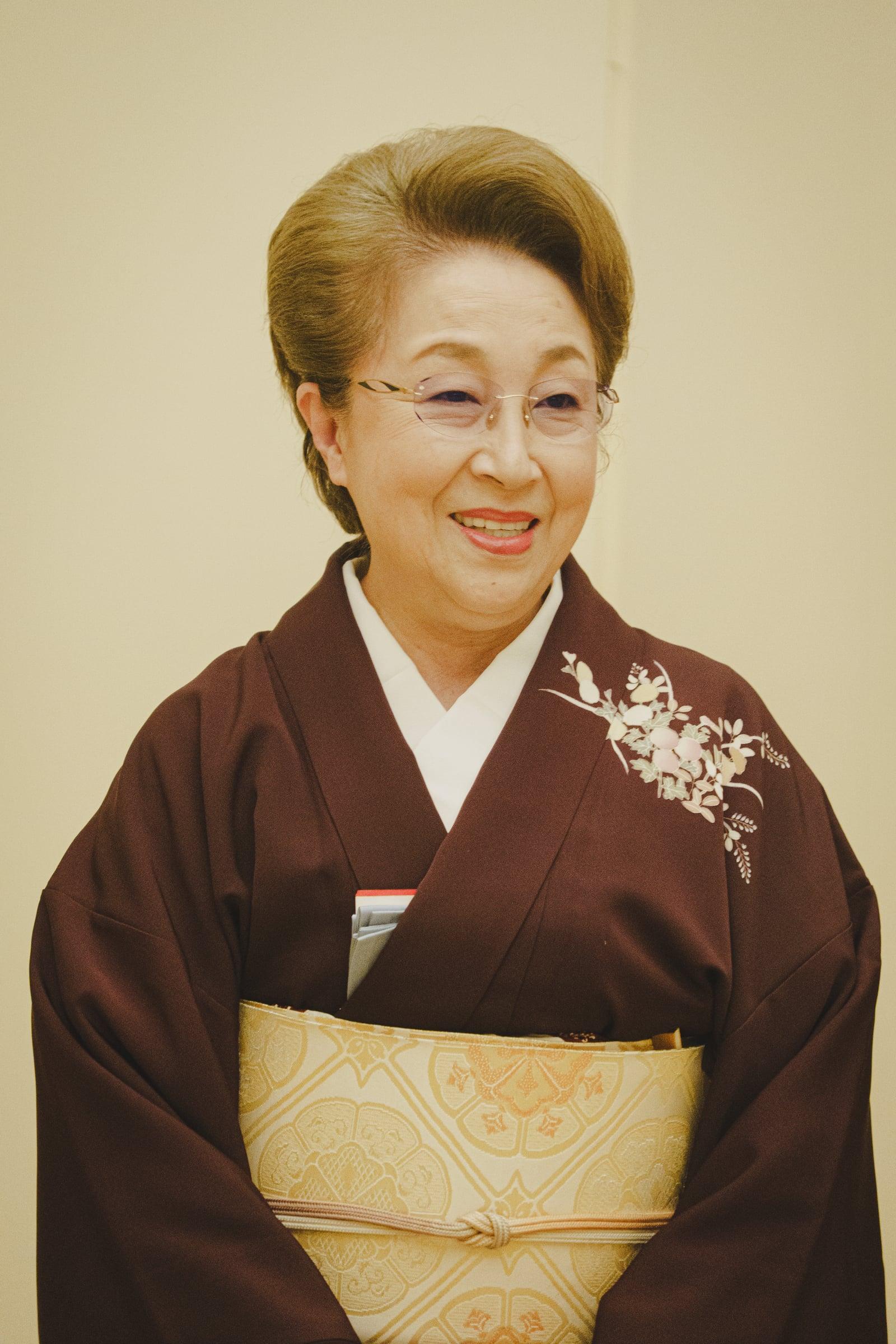
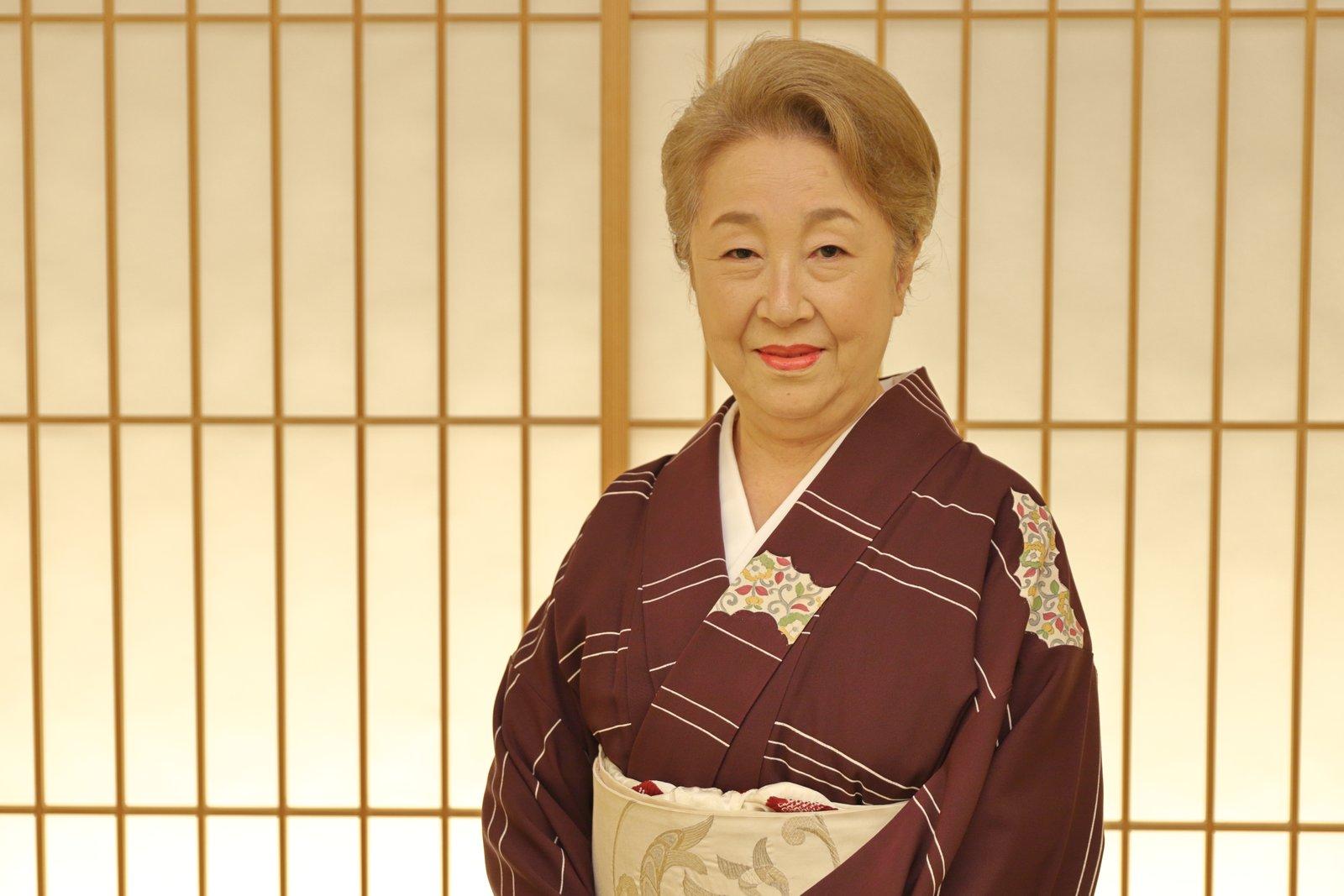
Chikage, the okami of Miyakodori.
Chikage, Miyakodori’s second-generation proprietress (okami), was born and raised in Asakusa. As a little girl, she was taken by her grandmother to her first dance and music lessons.
She went on to spend 27 years as a geisha. Today she is the only okami in Asakusa who was herself a geisha, and those years shape the way she runs Miyakodori.
- Age5first lessons in dance and song
- Age15apprentice geisha (hangyoku), 1969
- Age18full geisha (ippon)
- Years27as a geisha
- Years30as okami
Take away, don’t add.
A geisha’s makeup, she says, is an art of taking away. Nothing fashionable is added; she keeps only what suits the traditional hairstyle.
Still in training.
After more than fifty years in the arts, she still calls herself a student. She is studying English, too.
I want Miyakodori to always be a place where guests and hosts care about one another.
Chikage · Okami of Miyakodori
Her story, in her own words
02 / The geisha
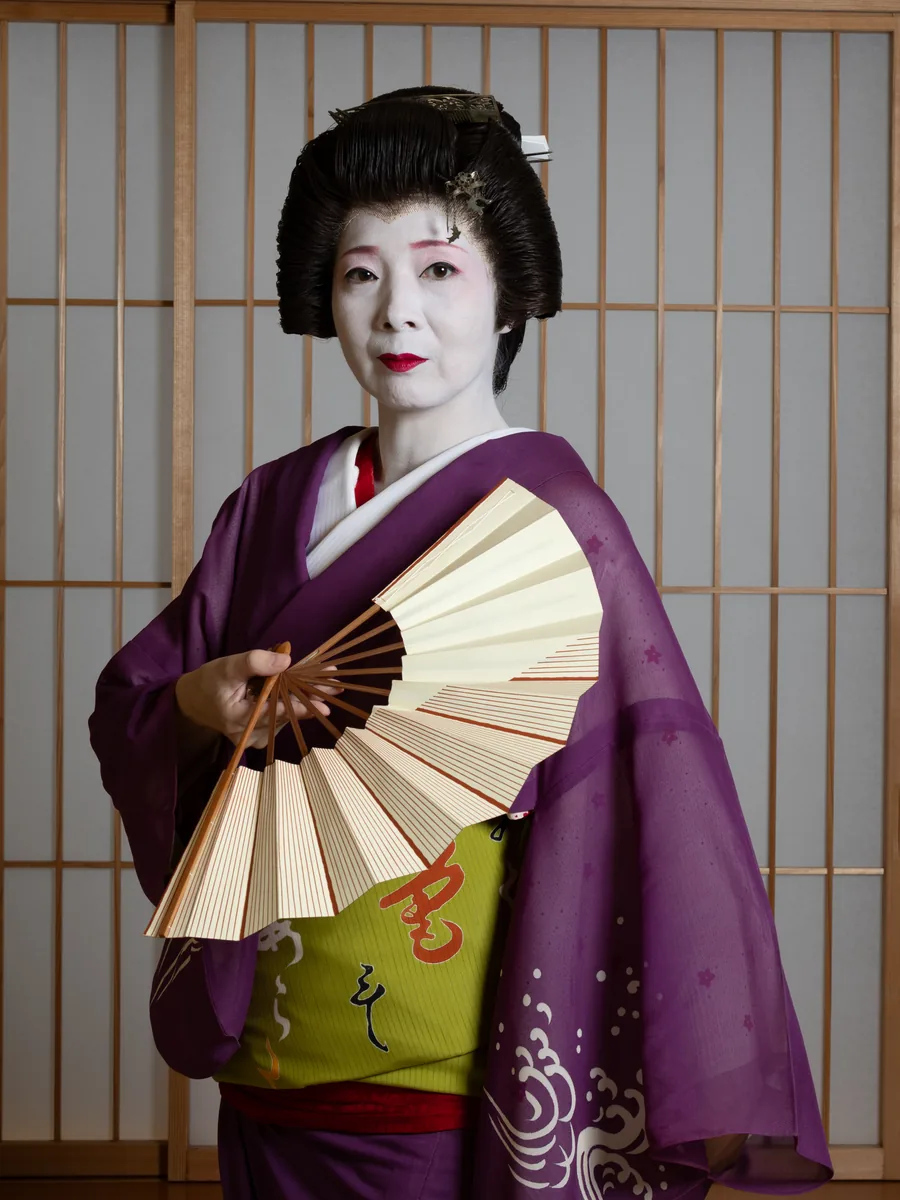
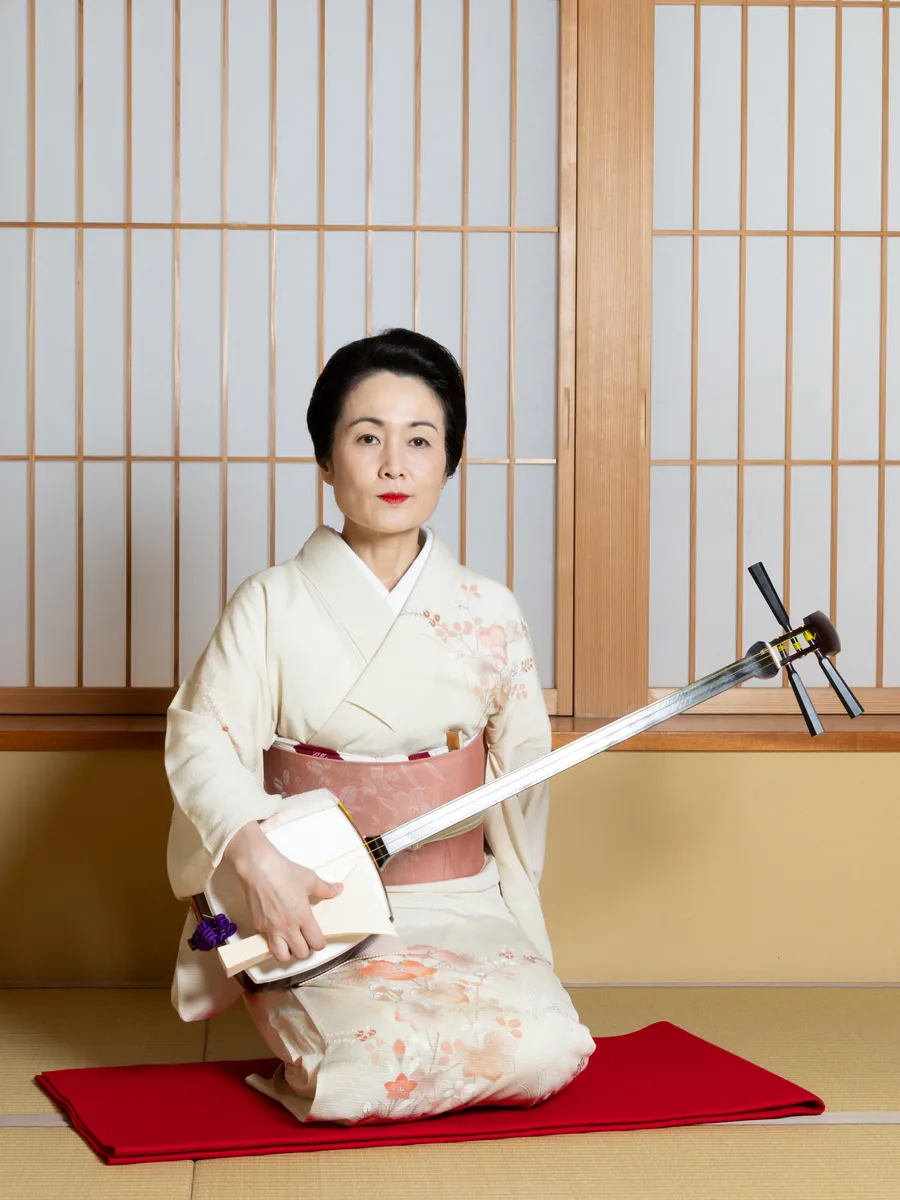
The geisha of Asakusa, in their own words.
The geisha are independent professionals registered with the Asakusa kenban, the district’s geisha office. We arrange for them to join each visit; they are not Miyakodori employees.
About twenty geisha work in Asakusa today. At an ozashiki, a private gathering with geisha, they take one of two roles.
Tachikata the geisha who dance
Each gesture brings the song’s story to life. Watch the hands and the fan.
Jikata the geisha who play the shamisen and sing
Live shamisen and singing accompany the dance.
You can also invite a hōkan (taikomochi), long known as Japan’s only male geisha: an entertainer with an art of their own, who plays alongside the geisha and lifts the mood of the gathering. Today one of Asakusa’s hōkan is a woman, a fresh wind in the tradition. Hōkan fees are on the pricing page.
Three voices
As a child I admired the maiko of Kyoto, but I didn’t know Tokyo had a geisha world of its own. One day, on a Tokyo street, I happened to see geisha walking in their formal black kuro-no-de. That was the moment I realized this world existed here too — and that I wanted in.
Maiko: the Kyoto word for a young geisha. Kuro-no-de: a black kimono with crests, the most formal kimono a geisha wears.
KomaakiGeisha · shamisen and song (jikata)
People often imagine the training is hard. For me, it wasn’t. I had wanted this since our preschool recital, where the children who took Japanese dance lessons performed. When I turned eighteen, it was as if a seed that had been dormant for years suddenly sprouted. There was so much to learn, but it never felt like a burden — I had wanted it for so long.
ChinoGeisha · dancer (tachikata)
The guests who have asked for me since my very first days stay closest to my heart. I work hard at my lessons, and in everything I do, so that they can feel, “I’m glad I supported her.” They have watched me grow, and I hope they can see that I really have improved.
ChizuruGeisha · dancer (tachikata)
Edited and translated from Japanese interviews.
03 / Play along
Games you play
with the geisha.
Every private plan includes ozashiki games. No experience is needed: the geisha show you how to play. In konpira fune fune and tora tora, whoever loses a round drinks one small cup (tea or a soft drink is fine). Turn on the sound to hear the games.
Konpira fune fune
Follow the music: place an open hand on the small piece while it sits on the armrest, and strike the empty armrest with a fist once it has been taken. The geisha show you how.
How to play
A small piece called the hakama sits on the kyōsoku, an armrest set between two players. Taking turns in time with the shamisen and the song, you place an open hand on the hakama while it is there, and strike the empty armrest with a fist once it has been taken. The player who shows the wrong hand shape loses.
Tora tora
Dance behind a folding screen, then step out and strike a pose as a tiger, an old woman or a warrior. It is like rock, paper, scissors, played with your whole body.
How to play
Two players stand on either side of a folding screen and dance to the song. As it ends, each steps out and strikes a pose as a tiger, an old woman or the warrior Watōnai. The tiger beats the old woman, the old woman beats Watōnai, and Watōnai beats the tiger.
Tōsenkyō
Toss an open fan at a small target on a stand. The first throw rarely hits, but the geisha show you how.
How to play
Toss an open fan at a small target on a wooden stand. Your score depends on how the fan and the target land. Each pattern has a name taken from The Tale of Genji, a classic Japanese novel, and the geisha call out the name and the score. The first throw rarely hits, but the geisha show you how.
04 / At your side
An interpreter joins your party.
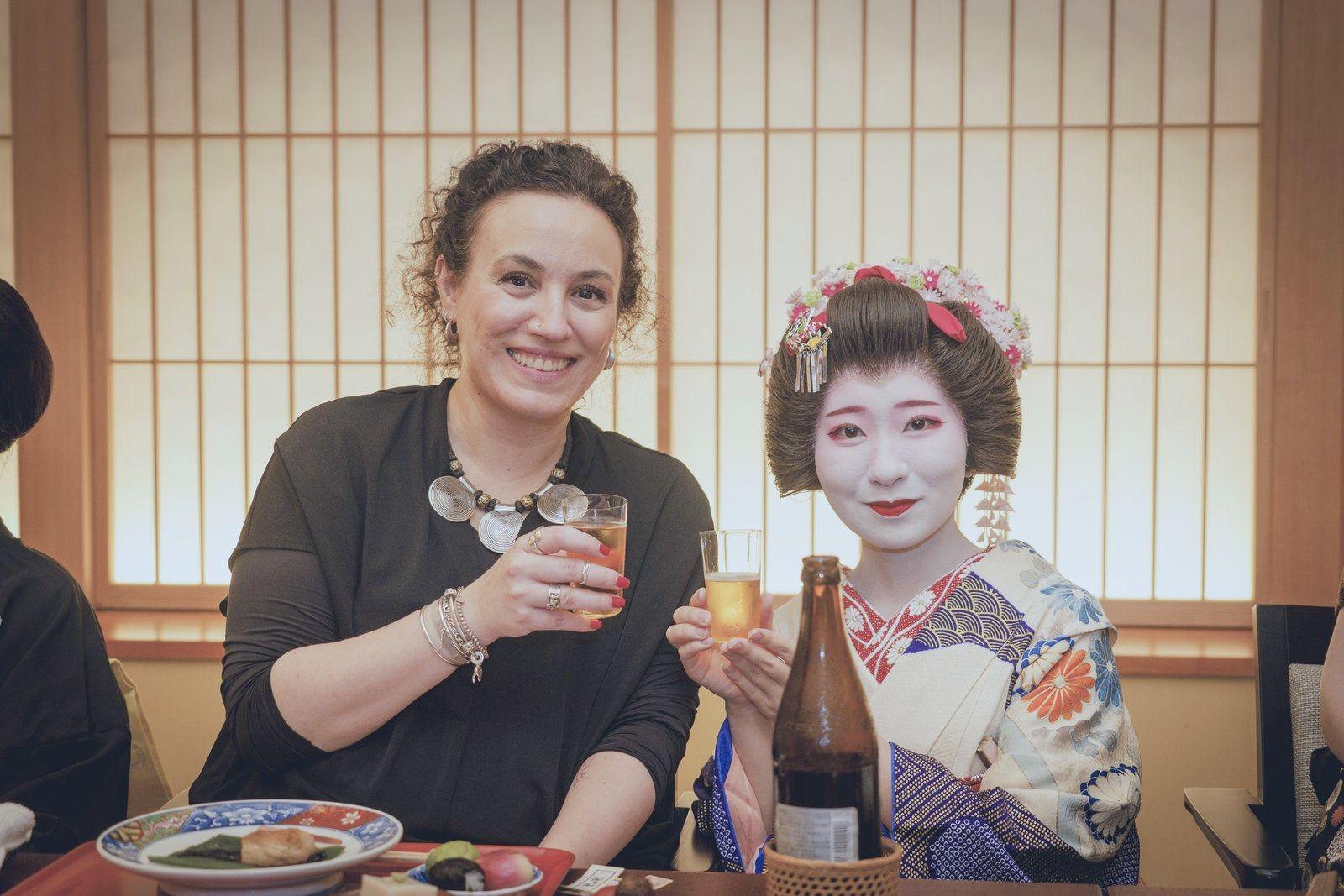
On every private plan, an English-speaking interpreter joins your party, so you can talk freely with the geisha. No knowledge of geisha culture is needed.
You sit at a table with chairs, or at a low table with a well beneath it for your legs, so there is no need to kneel. Some guests come in kimono, rented earlier in the day; everyday clothes are just as welcome.
Your visit follows a general order: a welcome, the dance and music, then games and conversation.
What to expect at a private ozashikiSee plans and what each includes
05 / The family
Since 1950, three generations.
1950
Miyakodori opens in Asakusa. Our founder names the house after a poem more than a thousand years old.
Second generation
Chikage, a geisha for 27 years, becomes okami.
Today
The third generation carries Miyakodori forward, with its door open to first-time guests.
The poem behind the name
If you are true to your name,
bird of the capital, tell me:
is the one I love
safe and well?
Miyakodori means “bird of the capital.” In the tale, the poem is composed while crossing the Sumida River, which runs past Asakusa.
06 / And you
The last person in the room is you.
A gathering needs its guests. Each visit gives Asakusa’s geisha one more ozashiki to perform, and makes you part of how this art is carried forward.
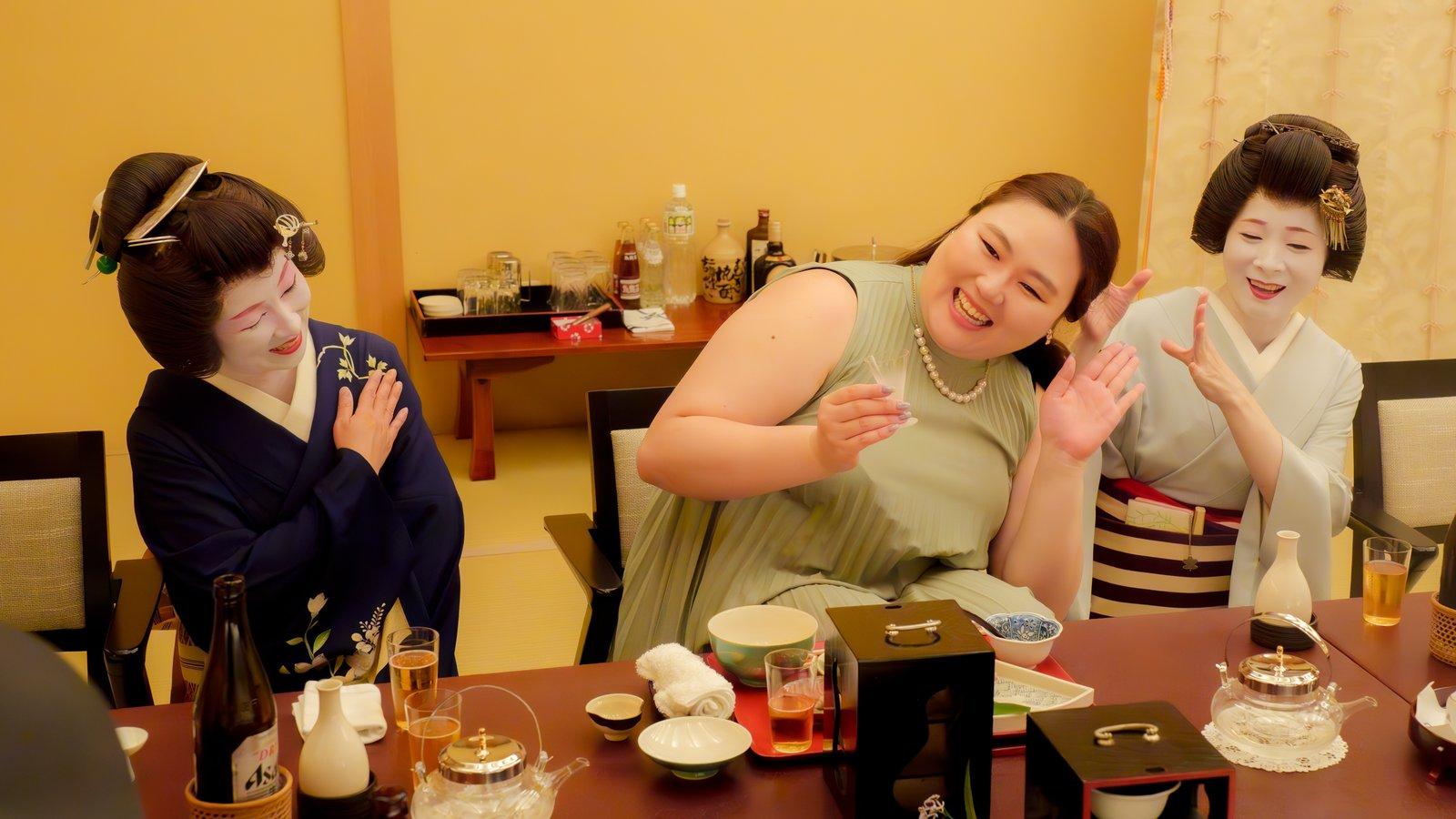
This wasn’t a staged or “tourist” version of geisha culture. This was the real thing. … If you’re in Tokyo and want to learn about geisha culture in an authentic and respectful setting, this is truly the place to go.
Sarah S · Google review · December 2025 Read the full review by Sarah S on Google (opens in a new tab)
It was intimate, authentic, and so much more personal than we could have imagined. You could really feel the pride and passion they have for sharing their traditions. … If you’re visiting Tokyo and looking for something truly special beyond the typical tourist activities, please do yourself a favor and book this experience. Worth every yen!
Paul Nelson · Google review · October 2026 Read the full review by Paul Nelson on Google (opens in a new tab)
Plan your visit
Visit us
in Asakusa.
Compare the plans and prices, and find the visit that suits your party.
View plans & pricing