




BestRestaurants in Asakusa for Dinner: A Complete Guide (2026 Edition)
As we move through 2026, the travel landscape has changed, but the soul of Asakusa remains as vibrant as ever. If you are reading this article, you are likely looking for more than just a place to eat. You are searching for an experience that combines the deep history of Japan with the modern convenience and high quality standards of today. Whether you are staying in a hotel near Ueno, visiting from the bright lights of Shinjuku, or coming directly from the airport, Asakusa offers a variety of dining options that cater to every taste and price point.
Here, we will explore why Asakusa is the top destination for dinner in Tokyo. We will delve into twelve must-try restaurants, ranging from historic tempura shops to modern wagyu spots. Most importantly, we will introduce you to the pinnacle of traditional Japanese hospitality at Asakusa Miyakodori, a place where the history of the Edo period is still very much alive. We will also provide practical advice on reservations, dietary needs including vegan and halal options, and how to make the most of your time in this beautiful town.
Why Asakusa Is Tokyo’s Top Dinner Destination
Asakusa is often referred to as the heart of the shitamachi, which literally translates to “downtown” but carries a much deeper cultural meaning. It refers to the area inhabited by commoners during the Edo period, characterized by a friendly, community-oriented spirit and a love for tradition. While districts like Harajuku and Roppongi focus on the latest trends and international flair, Asakusa focuses on the roots.
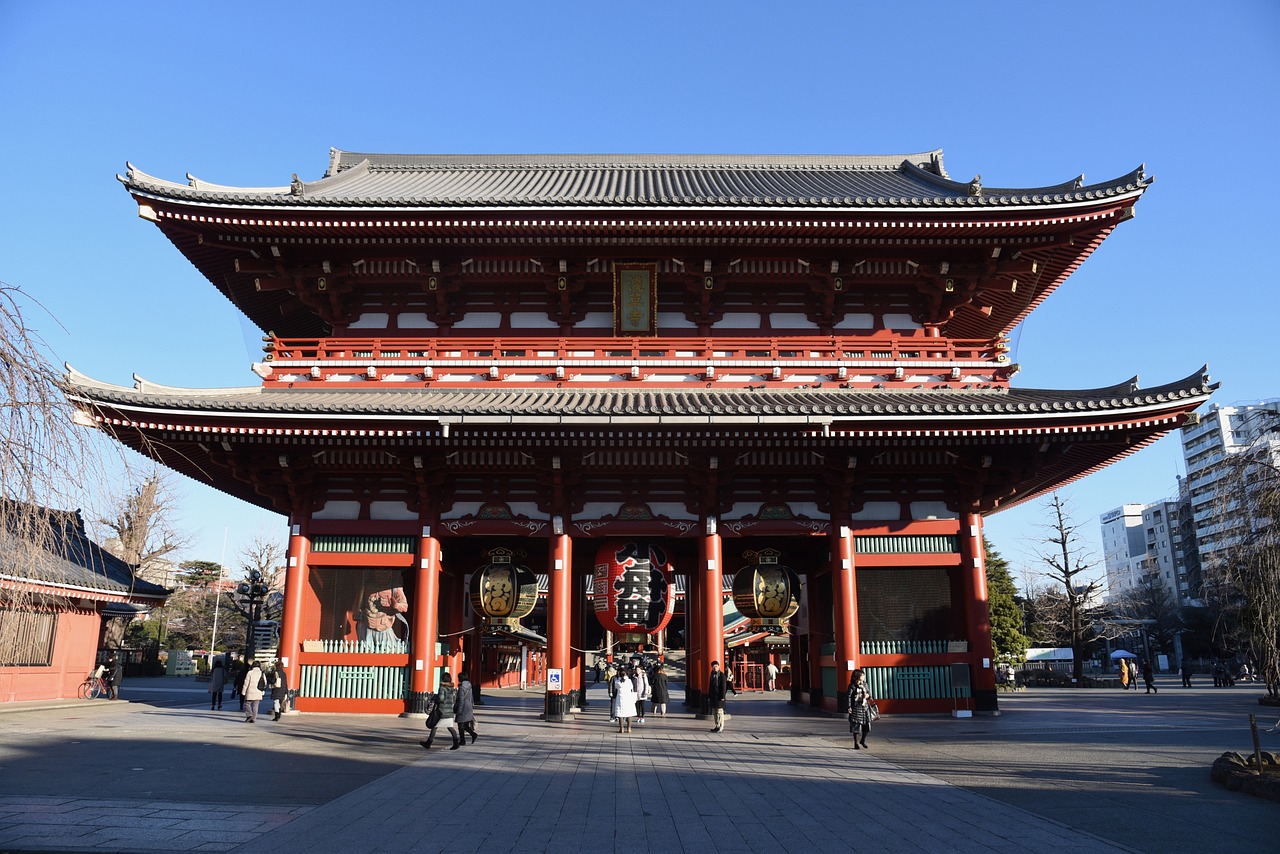
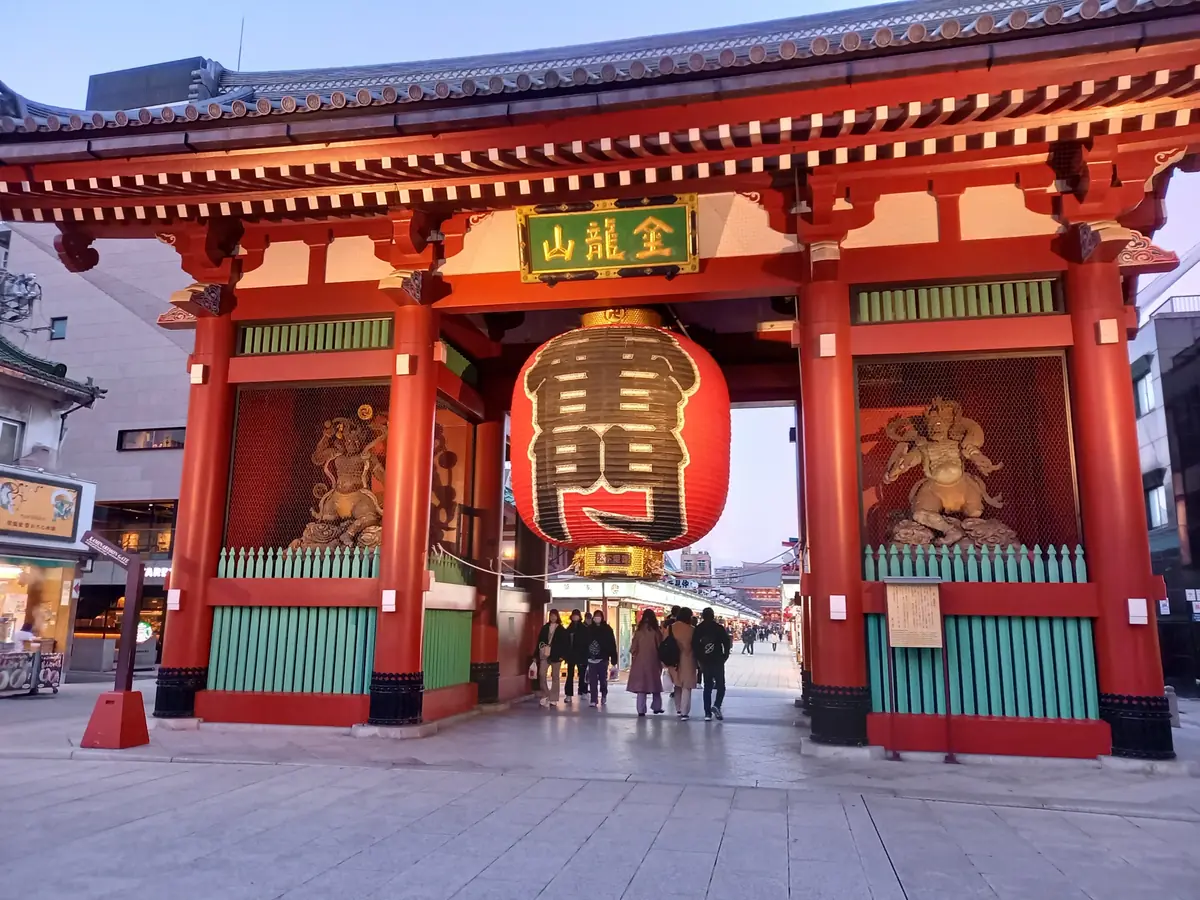
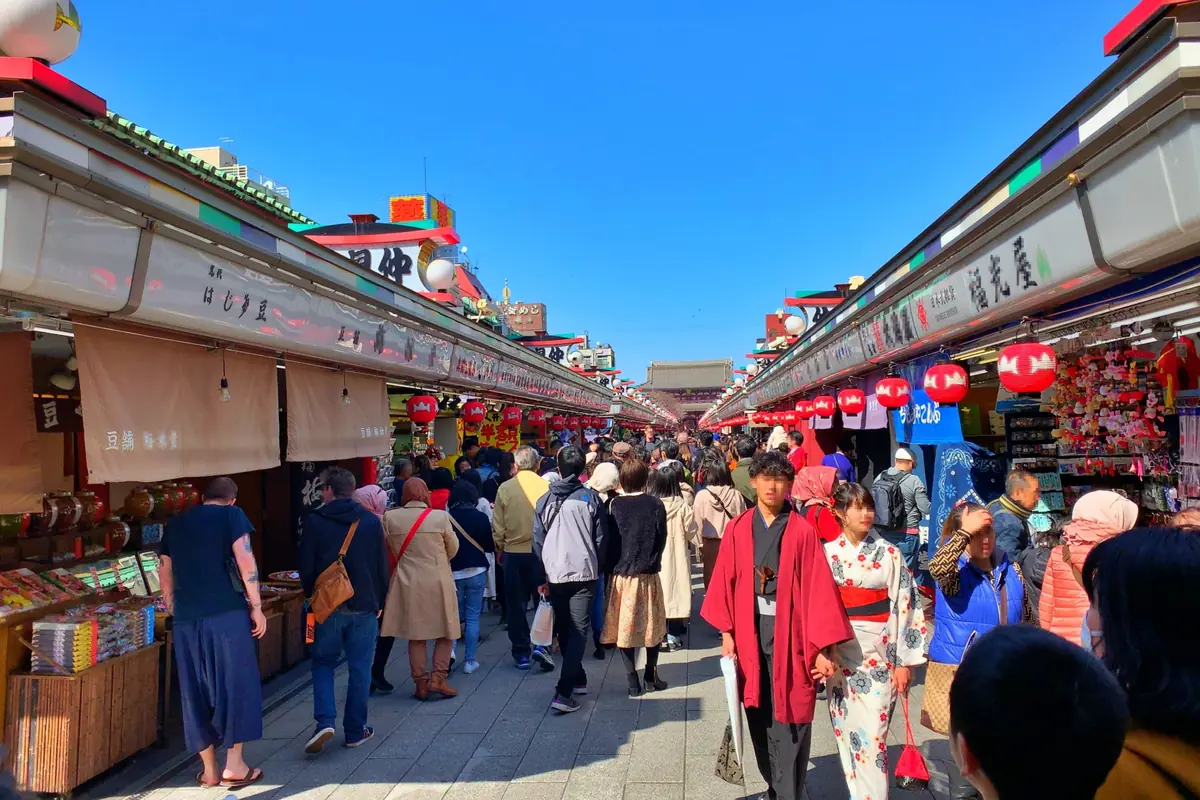
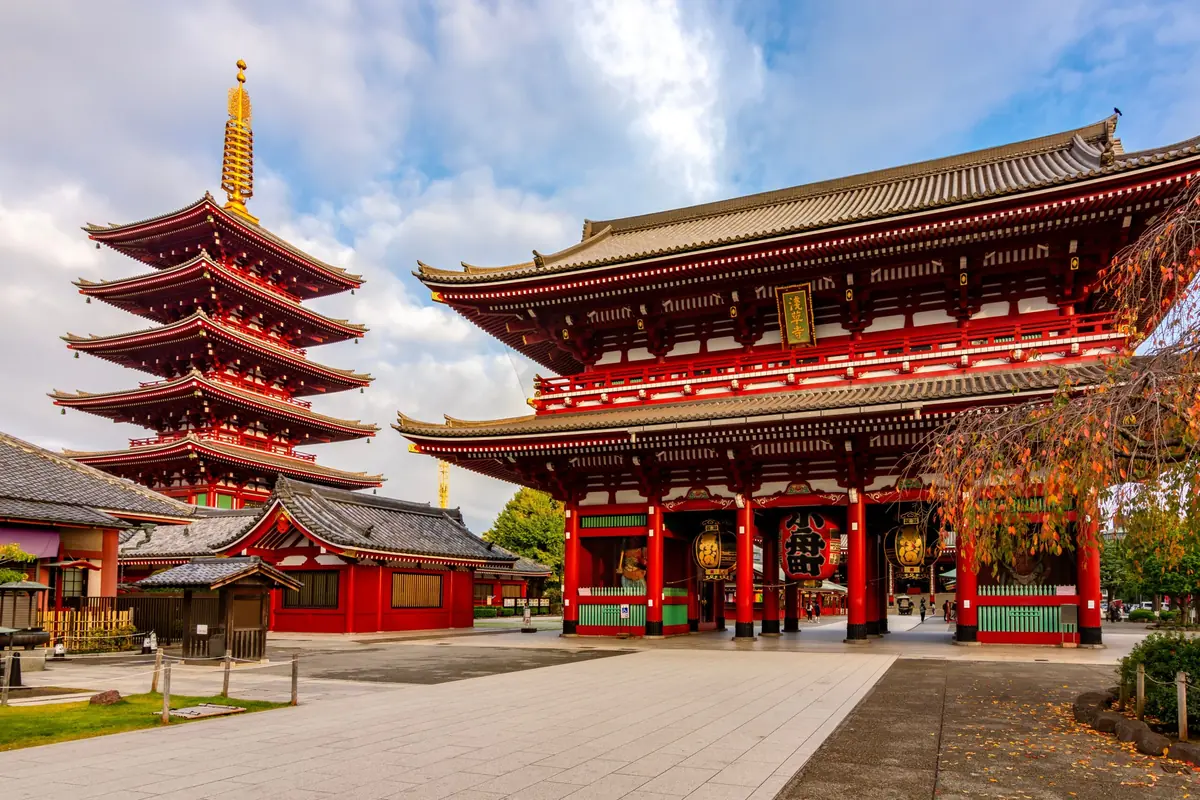
In 2026, this authenticity is what travelers crave. When you walk through the Kaminarimon gate and approach the Sensoji temple, you feel like you are stepping back in time. The air is filled with the scent of incense and the sound of people exploring the market stalls of Nakamise Street. As the sun sets and the crowds thin out, the district takes on a mystical quality. The lanterns glow, and the side streets become a maze of hidden gems waiting to be discovered.
Unlike other cities in Japan like Osaka or Kobe, which have their own unique food cultures, Asakusa represents the quintessence of Tokyo-style dining. It is where you find the best Edomae sushi, the most flavorful tempura, and the birthplaces of various noodle dishes. It isn’t just about feeding your hunger; it’s about connecting with a lineage of chefs who have perfected their craft over generations.
Top 12 Recommended Restaurants and Must-Try Dishes in Asakusa
Daikokuya: Historic Tempura Since 1887
Walk from station: 4 min
Budget: 2,000 – 4,000 yen
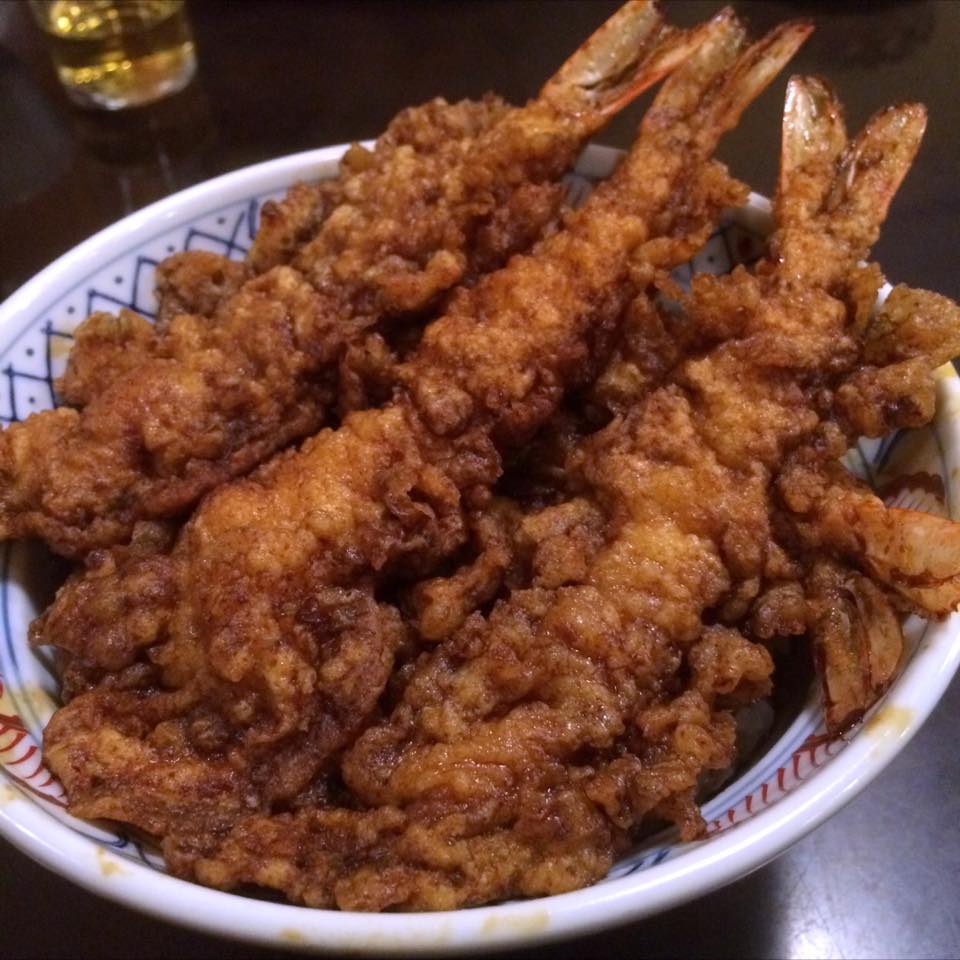
Daikokuya is a living museum. Since 1887, they have been serving tempura that defies the standard light and airy expectations. Their secret lies in the use of high quality sesame oil for frying, which results in a dark, rich batter that is incredibly savory. Their signature dish is the tendon, a bowl of rice topped with large, succulent shrimp and vegetables, all drizzled with a secret soy-based sauce. The interior of the store reflects its long history, with wooden finishes and a sense of timelessness. Even in 2026, it remains one of the most popular spots for locals and tourists alike. Be prepared for a wait, as they don’t always take reservations for small groups, especially on Sundays and holidays.
Asakusa Gyukatsu: Grill Your Own Beef Cutlets
Walk from station: 2 min
Budget: 2,000 – 3,000 yen
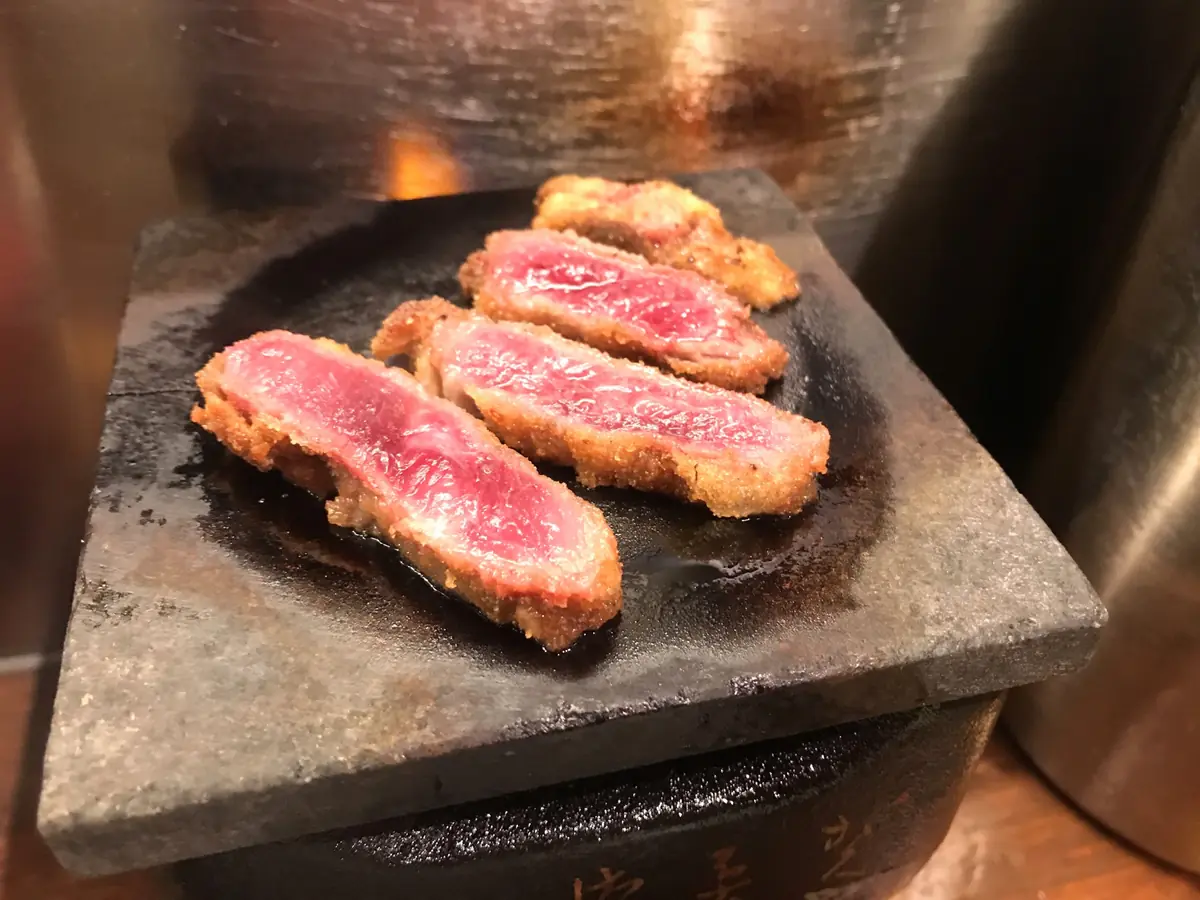
If you enjoy a meal that is both delicious and interactive, Asakusa Gyukatsu is a fantastic choice. This restaurant specializes in beef cutlets that are breaded and flash fried for only sixty seconds, leaving the inside rare and tender. Each person is provided with a small stone grill at their table, allowing you to sear each slice to your desired level of perfection. It’s an amazing experience that has become a staple of many travel guides. The staff are very friendly and usually speak some English to help you with the order process. Because the seating is limited, you’ll often see a line forming outside the door.
Magurobito: High Quality Conveyor Belt Sushi
Walk from station: 3 min
Budget: 3,000 – 5,000 yen
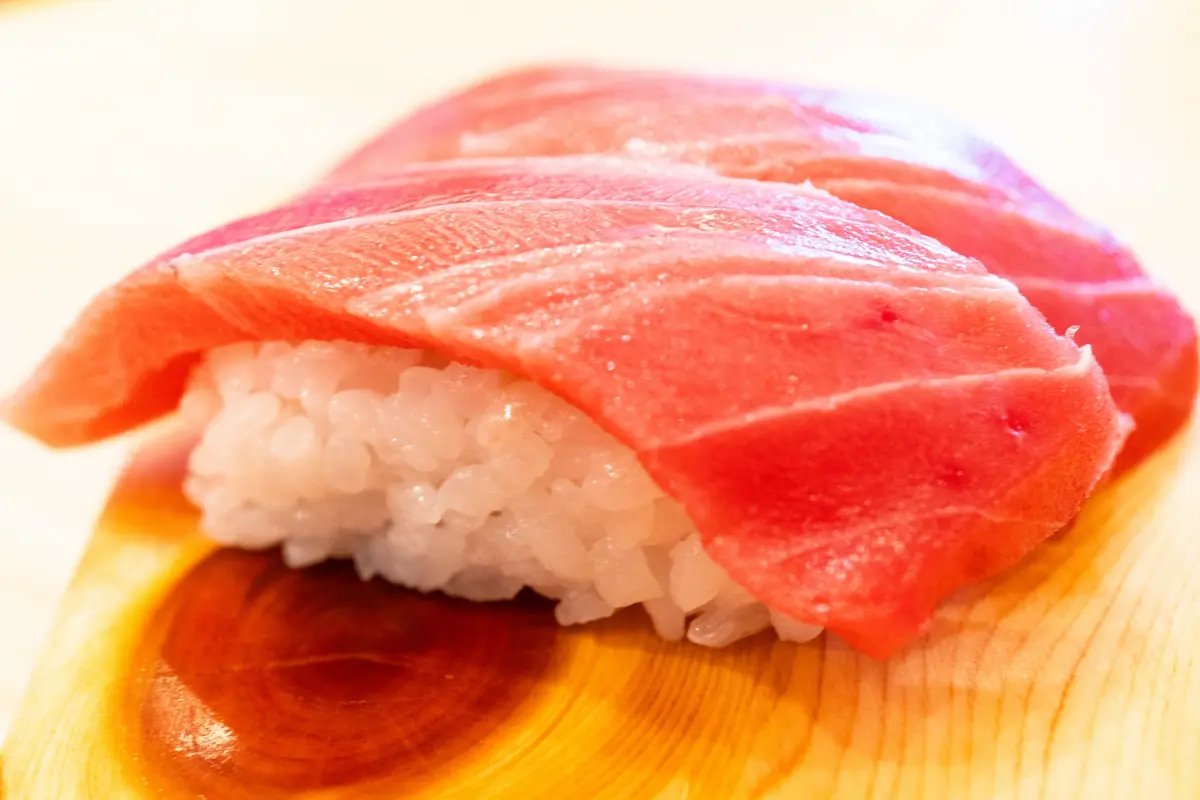
For many, a trip to Japan isn’t complete without sushi. While there are many expensive omakase spots in areas like Akasaka or Ginza, Magurobito offers a more casual yet high quality alternative. As a conveyor belt sushi shop, it allows you to see the fresh ingredients moving past you on plates. They are particularly famous for their tuna (maguro), which they source with the same care as high end establishments. It’s a great place to explore different types of fish at your own pace. The counter seats offer a front row view of the chef skillfully preparing each piece.
Sometaro: Classic Okonomiyaki Experience
Walk from station: 7 min
Budget: 2,000 – 3,000 yen
Sometaro provides an atmosphere that is purely nostalgic. This okonomiyaki house has been around since the pre-war era, and the building itself is a rustic treasure. You are asked to take off your shoes and sit on tatami mats. Each table has a hot iron pan where the savory pancakes are cooked. Whether you choose to cook it yourself or ask the staff for help, it’s a fun and social way to enjoy a meal. The menu includes various ingredients like pork, shrimp, and seasonal vegetables. It’s especially cozy during the colder months like February or March.
Unatoto: Affordable High Quality Eel (Unagi)
Walk from station: 1 min
Budget: 1,000 – 2,000 yen
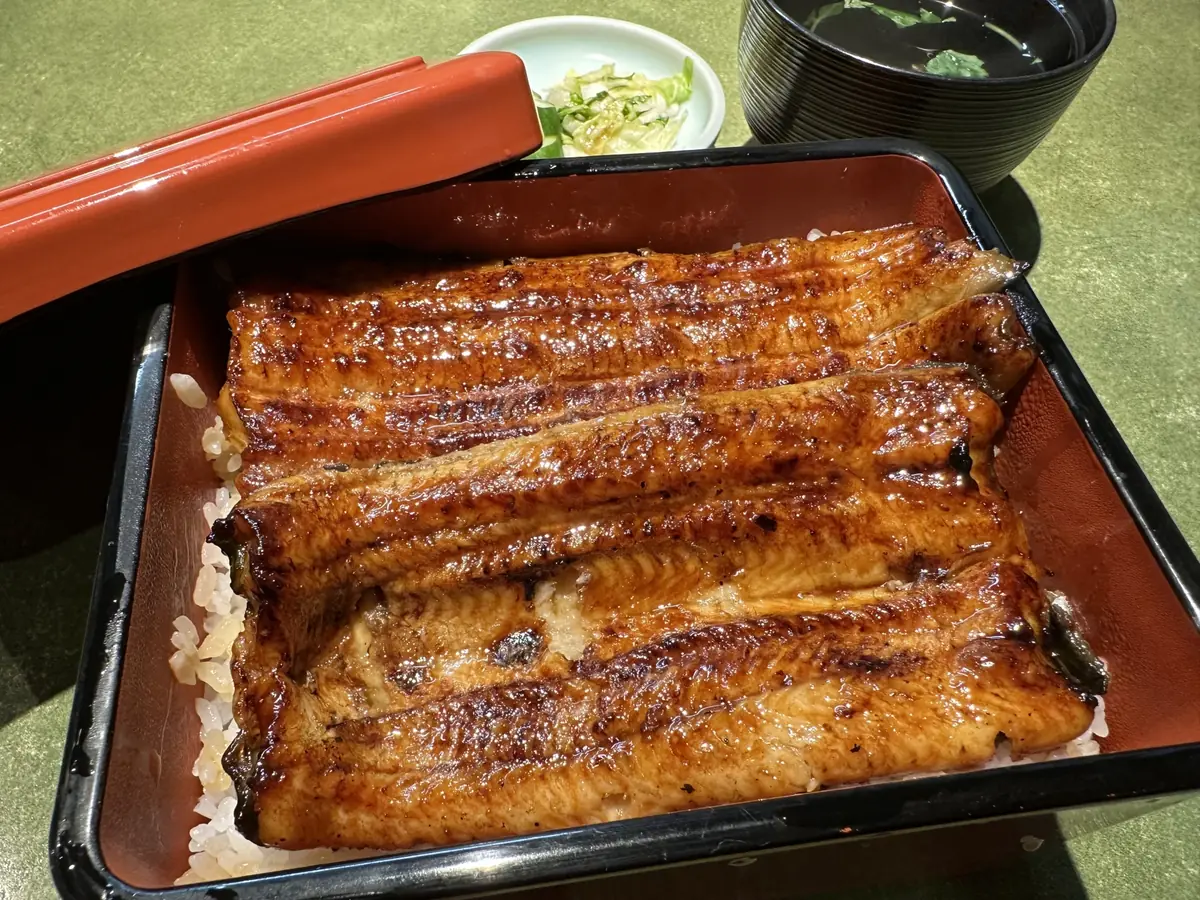
Unagi, or freshwater eel, is traditionally an expensive delicacy. However, Unatoto has made it accessible to everyone. Their motto is to provide high quality eel at a price that won’t break your budget. The eel is charcoal grilled to give it a smoky flavor and served over a bed of fluffy rice. It’s a fast and satisfying meal that is perfect for a quick dinner after a long day of shopping and sightseeing.
Hitsumabushi Bincho Tokyo Solamachi
Walk from station: 15 min from Asakusa or 1 min from Oshiage Station
Budget: 4,000 – 6,000 yen
For a more refined unagi experience, head over to the Tokyo Solamachi building near the Skytree. Hitsumabushi is a style of eating eel that originated in Nagoya. You are encouraged to eat the dish in three stages: first plain, second with condiments like green onions and wasabi, and third by pouring a savory dashi broth over it to create a sort of soup. The view of the sky from this location is stunning, especially at night when the city lights are twinkling.
Asakusa Monja Monroe: Authentic Monjayaki
Walk from station: 3 min
Budget: 2,000 – 3,000 yen
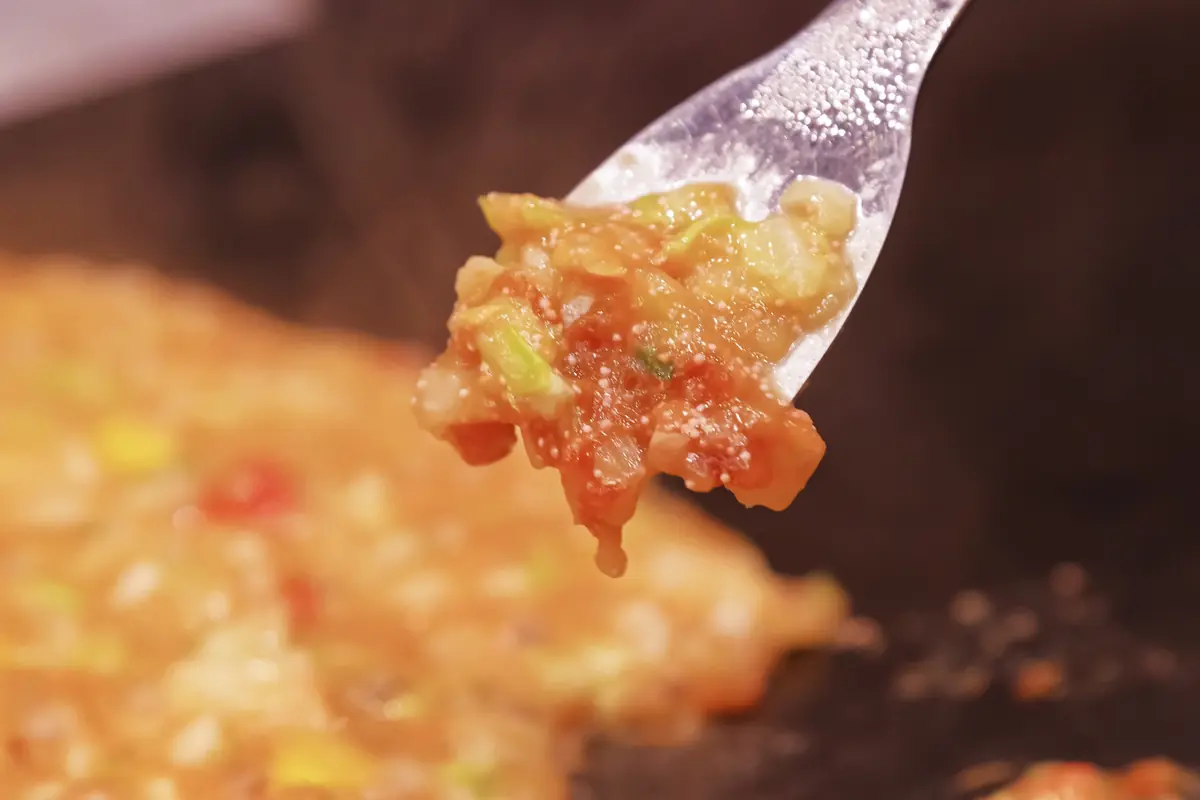
While okonomiyaki is famous in Osaka, monjayaki is the true soul food of Tokyo. It has a runnier consistency and is often packed with flavorful ingredients like mentaiko (spicy cod roe) and cheese. Monroe offers a modern and clean space to try this local specialty. It’s a great place to bring a group of friends, as sharing a monja over a hot griddle is a classic Tokyo social activity.
Tempura Akimitsu
Walk from station: 5 min
Budget: 3,000 – 5,000 yen
Akimitsu has won numerous awards for its tempura and for good reason. Their portions are generous, and the variety of ingredients they use is impressive. They offer a more spacious and modern dining environment compared to some of the older shops in the area. It’s an excellent choice if you want high quality tempura without the long lines of Daikokuya.
BAR SMOKED Kotobuki Ibushi Kobo
Walk from station: 8 min
Budget: 4,000 – 6,000 yen
For something a bit different, this restaurant specializes in smoked foods. They smoke everything from meat and fish to cheese and even salt. The result is a deep, complex flavor that pairs beautifully with their selection of Japanese spirits, wine, and beer. It’s a cozy spot that is perfect for a more intimate dinner.
Yoroiya: Birthplace of Tokyo-Style Ramen
Walk from station: 3 min
Budget: 1,000 – 1,500 yen
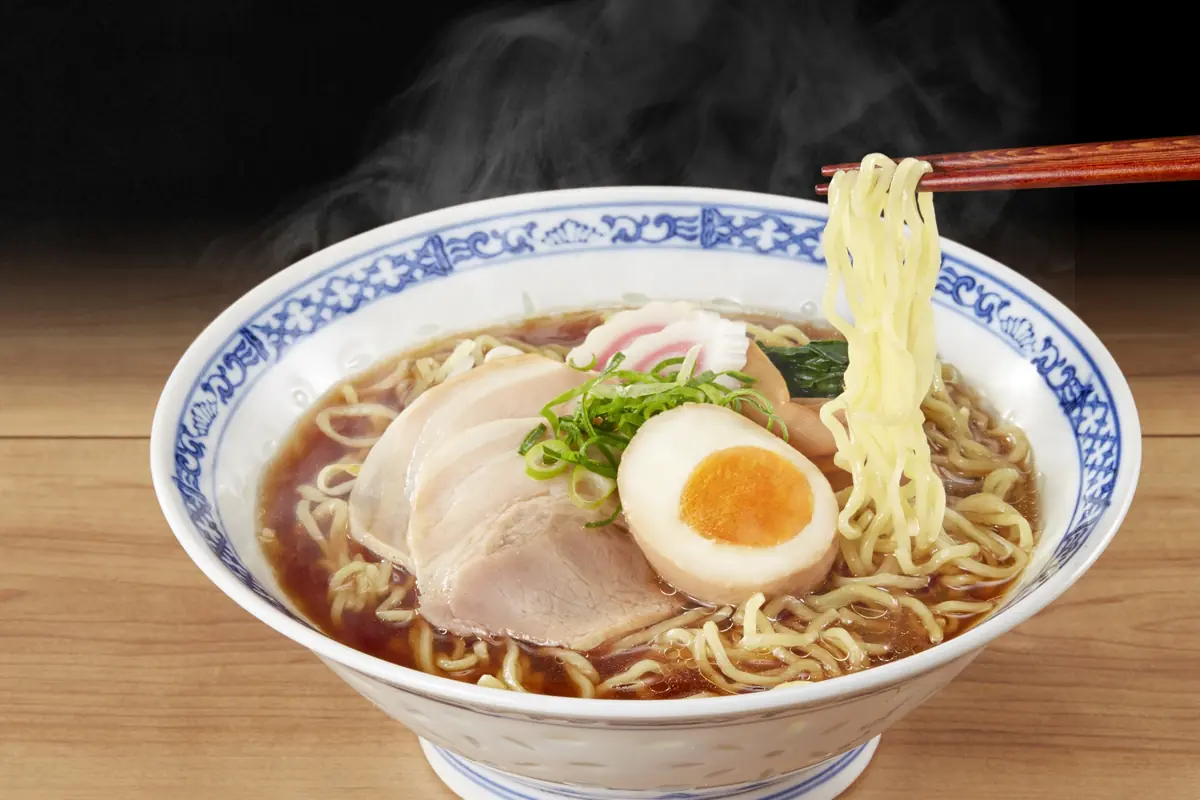
Ramen is a global phenomenon, but Yoroiya brings it back to its Tokyo roots. Their shoyu (soy sauce) ramen features a light broth made from chicken, pork, and dried sardines, with a hint of yuzu citrus for a refreshing finish. Their eggs often have double yolks, which locals consider a sign of good luck. It’s a simple, comforting meal that is easy on the wallet.
Azumabashi Yabusoba: Traditional Edo-Style Soba
Walk from station: 5 min
Budget: 1,500 – 3,000 yen
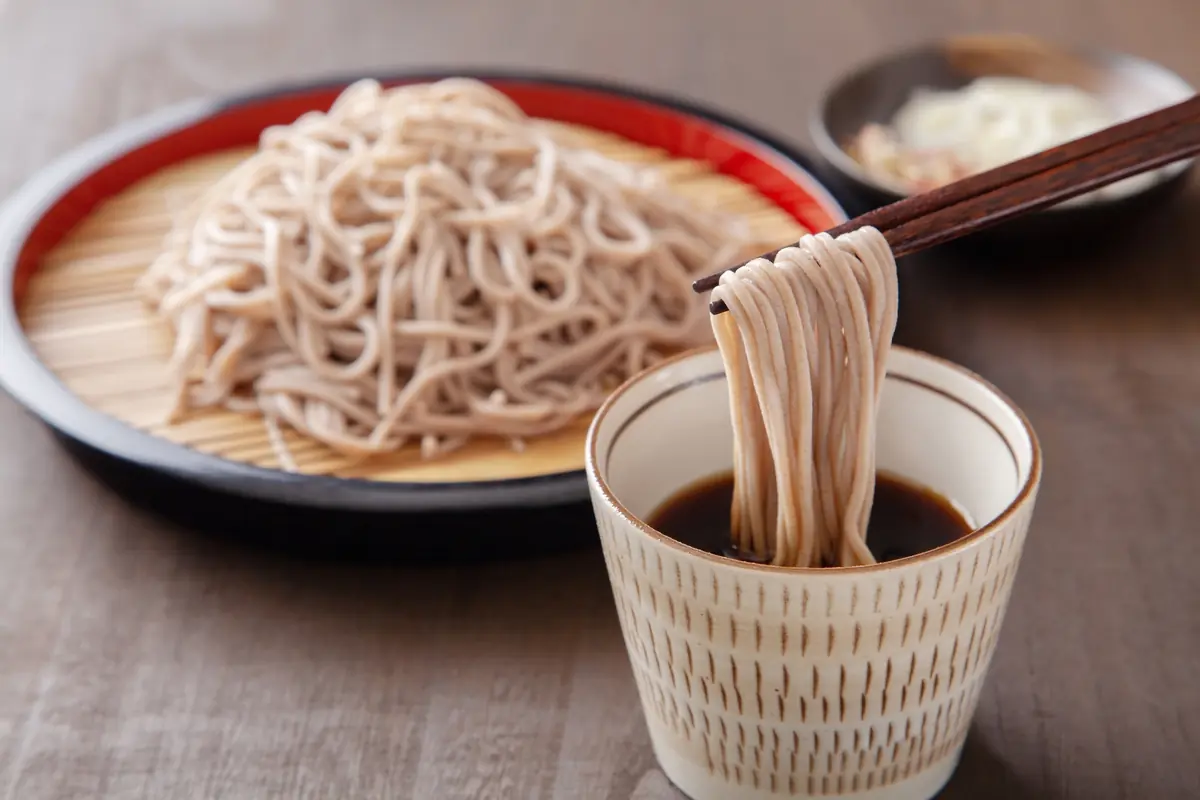
Soba, or buckwheat noodles, is a pillar of Japanese cuisine. Yabusoba is one of the most prestigious names in the soba world. The noodles here have a high buckwheat content and are served with a dipping sauce that is famously salty and intense. The minimalist wooden interior provides a peaceful sanctuary from the busy streets outside.
Sukiyaki and Shabu Shabu Options
Asakusa is home to several famous sukiyaki houses like Imahan and Chinyu. These establishments offer the chance to taste premium wagyu beef cooked in a sweet and savory soy-based broth (sukiyaki) or quickly boiled in a light dashi (shabu shabu). These meals are often served in private rooms with attentive service, making them ideal for celebrating a special day or hosting international guests.
Special Feature: The Soul of Tokyo at Asakusa Miyakodori
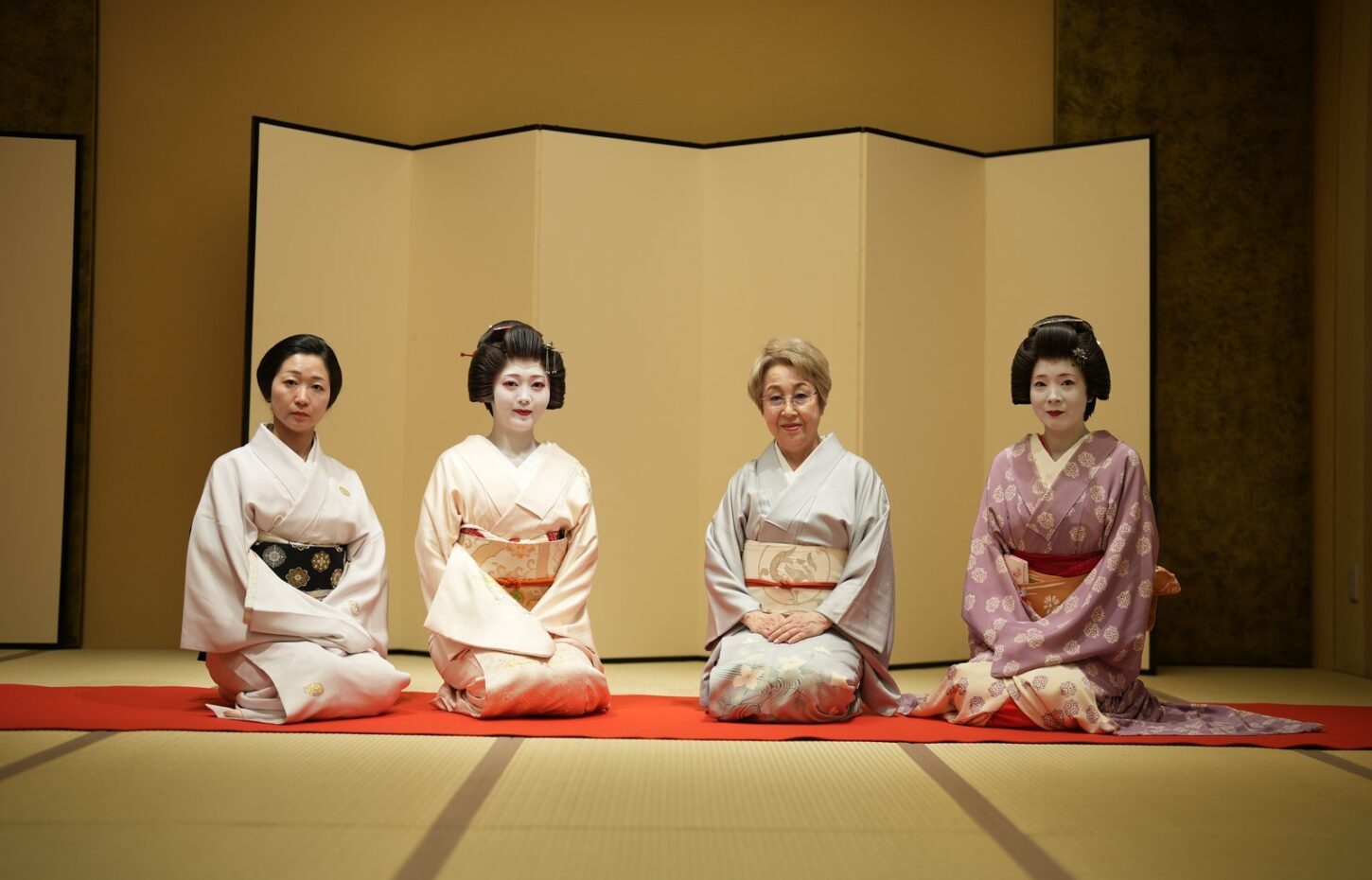
If you are looking for an experience that transcends a standard dinner, you must visit Asakusa Miyakodori. Located in the quiet area known as Asakusa Kannon-ura, this establishment is a hidden treasure that offers a deep dive into the traditions of the Edo period. Founded in 1950, Miyakodori is a traditional machiai-chaya — a tea house dedicated to geisha entertainment.
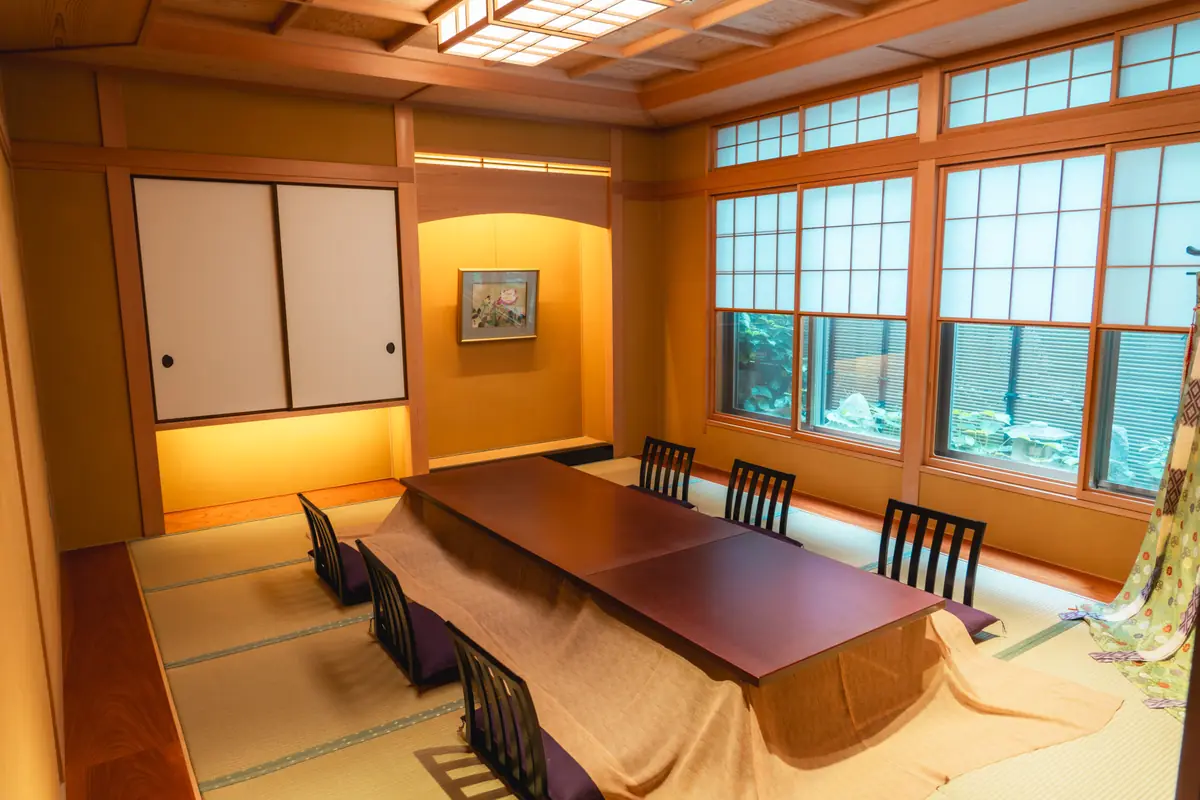
What Is a Machiai Chaya?
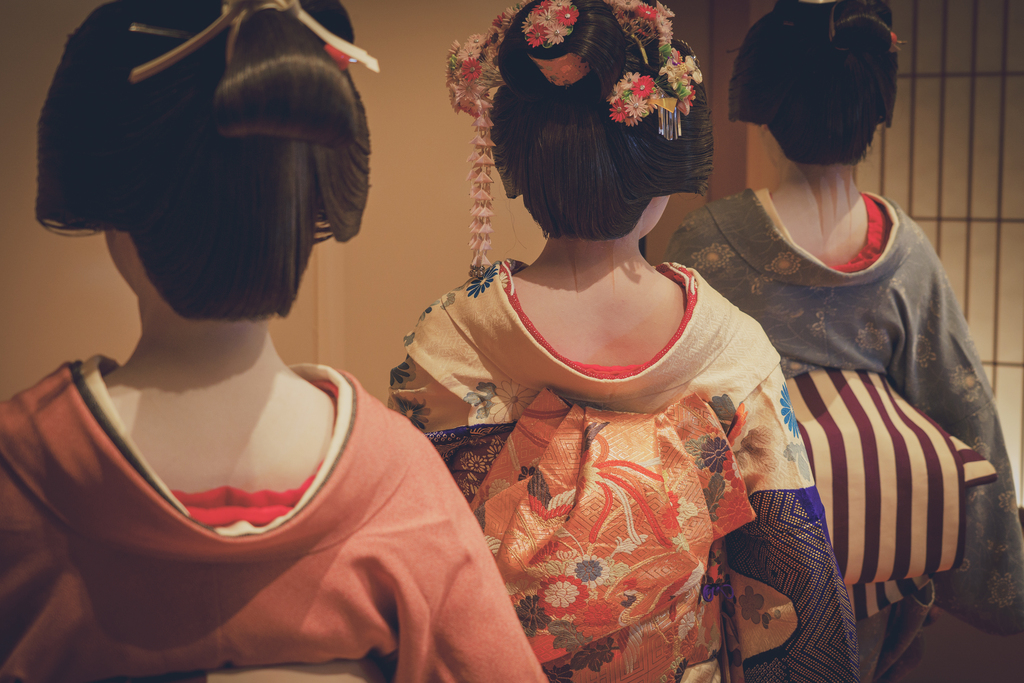
In the history of Japanese entertainment, a machiai-chaya was a place where people would gather to wait for their appointments or to enjoy the company of geisha. While many such places have disappeared over the years, Miyakodori has preserved this culture, making it the only place of its kind remaining in Asakusa. It is a space where you can escape the noise of the modern world and immerse yourself in the beauty of traditional arts.
The Iki Culture of Asakusa Geisha
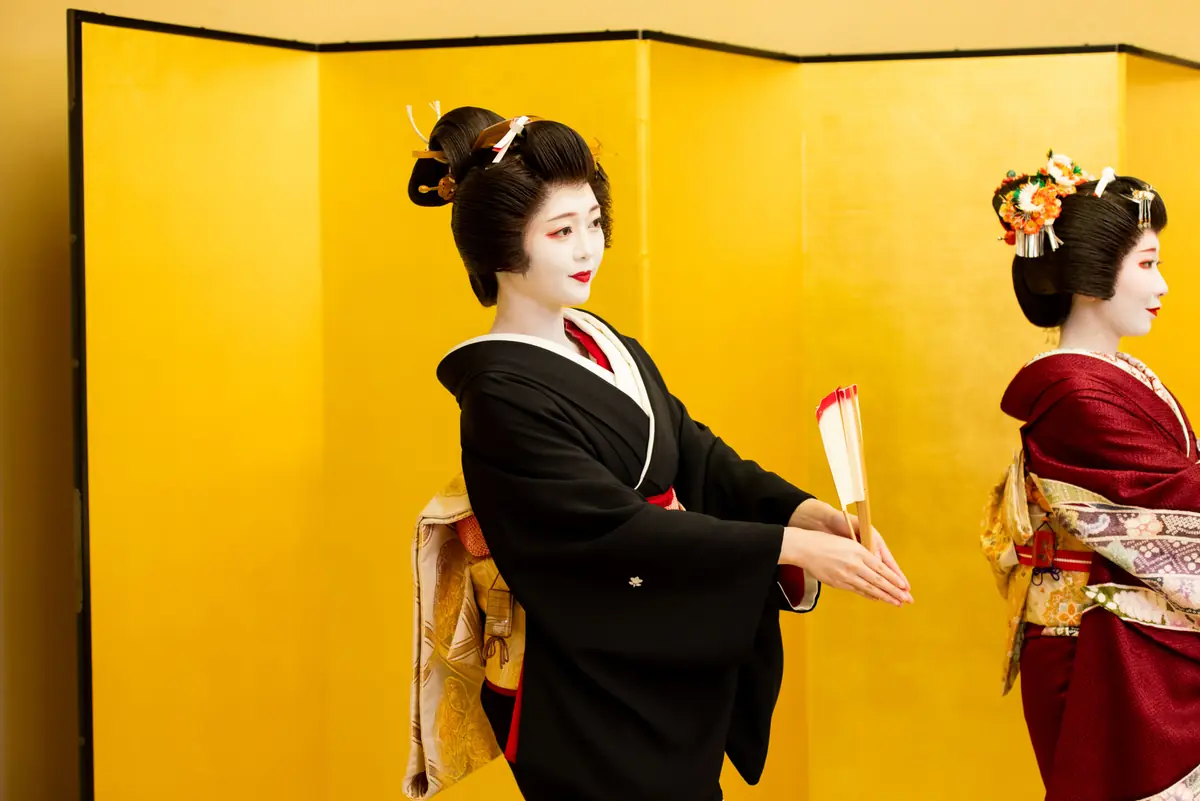
When people think of geisha, they often think of Kyoto. However, the geisha of Asakusa have their own distinct identity. In Kyoto, the culture is often described as miyabi, or aristocratic elegance. In Asakusa, the culture is defined by iki. This term is difficult to translate directly into English, but it refers to a sense of refined, understated chic. It is about being stylish, witty, and sophisticated without being arrogant.
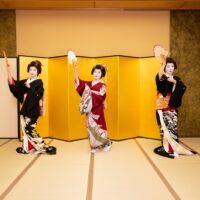
The geisha at Miyakodori are masters of hospitality. They undergo years of rigorous training in dance, music, and the art of conversation. An evening at Miyakodori consists of a meal accompanied by a performance that has been refined over centuries. The sound of the shamisen and the graceful movements of the dancers create an atmosphere that is truly magical.
A Culinary Journey Through the Seasons
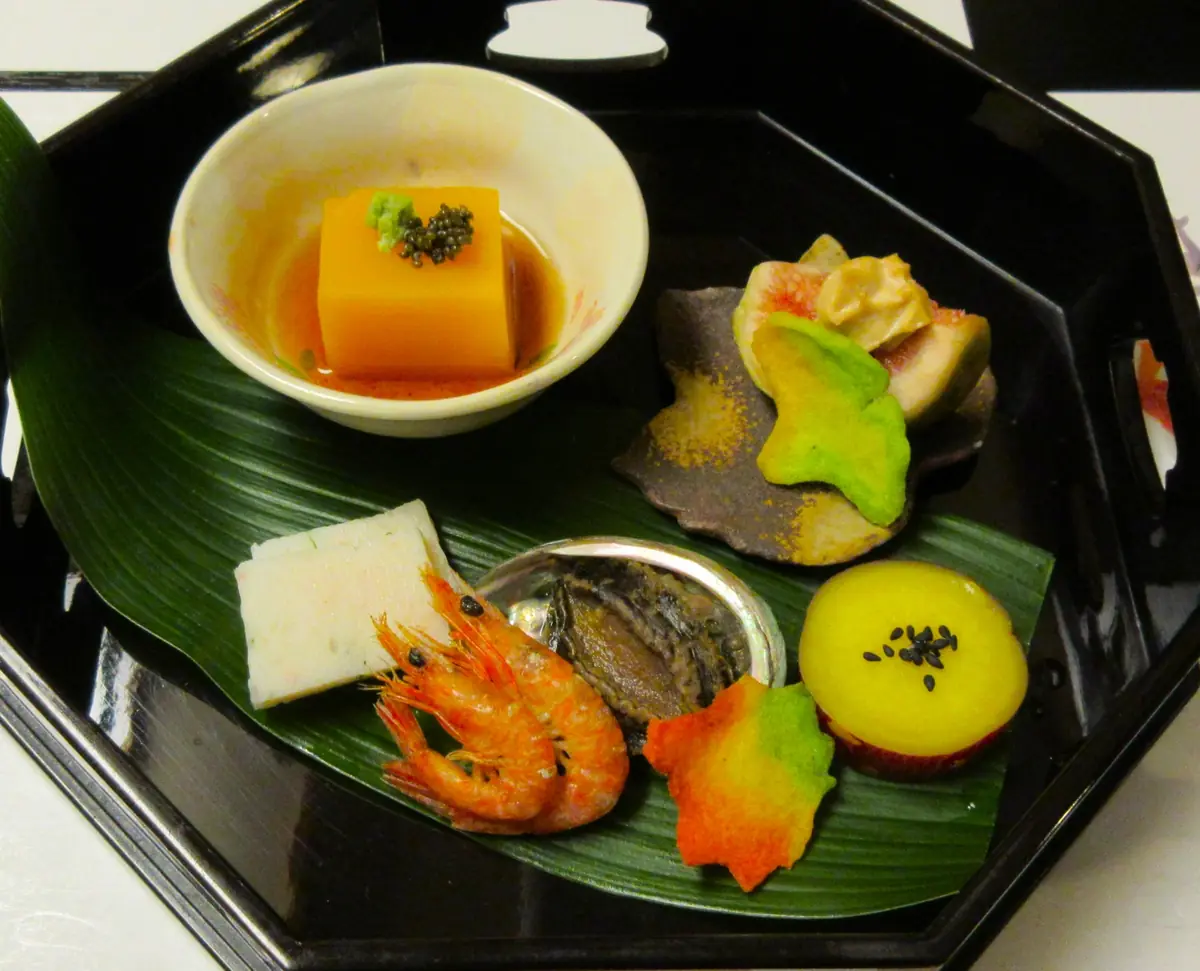
The food at Asakusa Miyakodori is as impressive as the entertainment. Serving traditional kaiseki cuisine on the three-hour Twilight Gathering plan, which is a multi-course meal that emphasizes seasonal ingredients. The chef carefully selects the best fish, vegetables, and meats to create a menu that reflects the current time of year. Each dish is served on beautiful ceramic plates and bowls, making the meal a feast for the eyes as well as the palate.
In 2026, Miyakodori continues to be a pioneer in making traditional culture accessible. They offer private rooms that provide a high level of privacy for your group. Furthermore, they are one of the few traditional venues in Asakusa that offer halal and vegetarian options, ensuring that guests from all over the world can enjoy this unique experience without any dietary concerns. Whether it’s a business meeting with VIPs or a special family gathering, Miyakodori provides a level of service and atmosphere that is unmatched.
Experience the Pinnacle of Asakusa Dining
A private ozashiki (geisha banquet) at Miyakodori — only 2 licensed venues remain in Asakusa.
Request a ReservationExploring Hoppy Street: The Casual Side of Asakusa
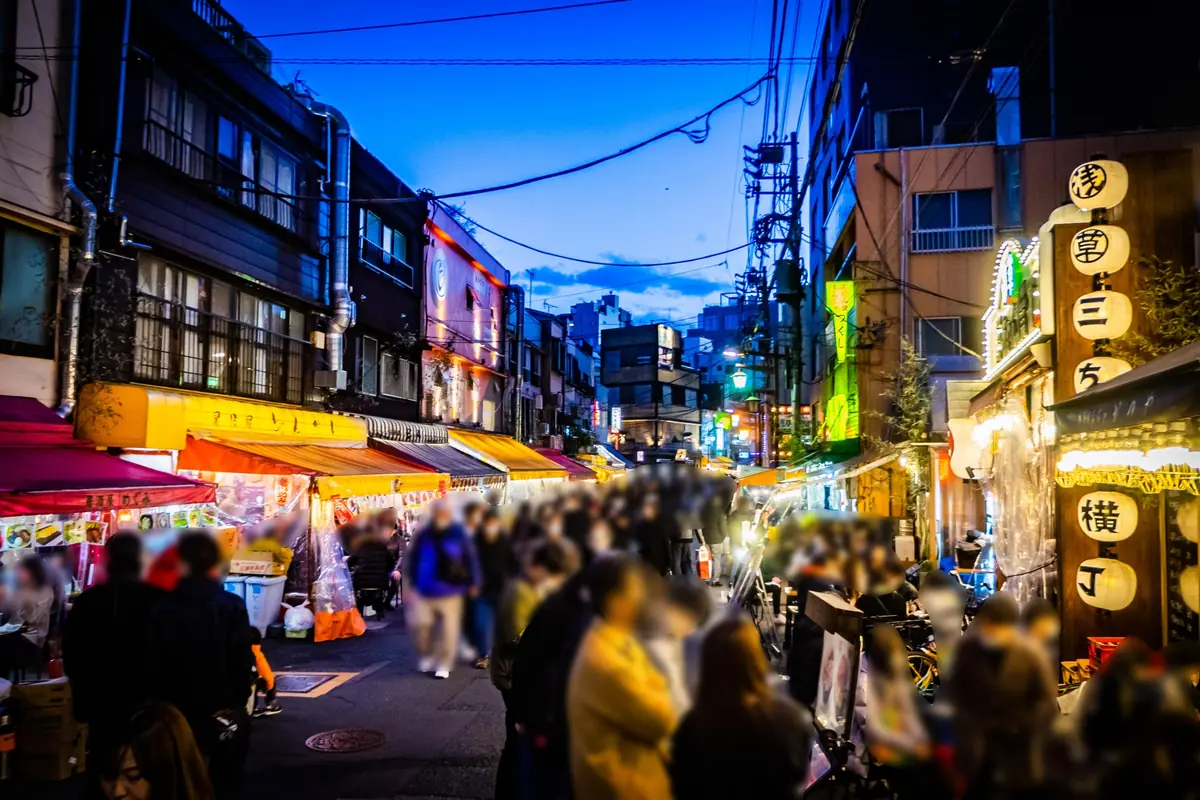
After a more formal dinner, or if you are looking for a very casual night out, Hoppy Street is the place to go. Located just west of the Sensoji shrine area, this street is lined with small izakayas that spill out onto the sidewalk. People sit on plastic crates and enjoy simple dishes like stewed beef tendon (nikomi) and grilled skewers (yakitori).
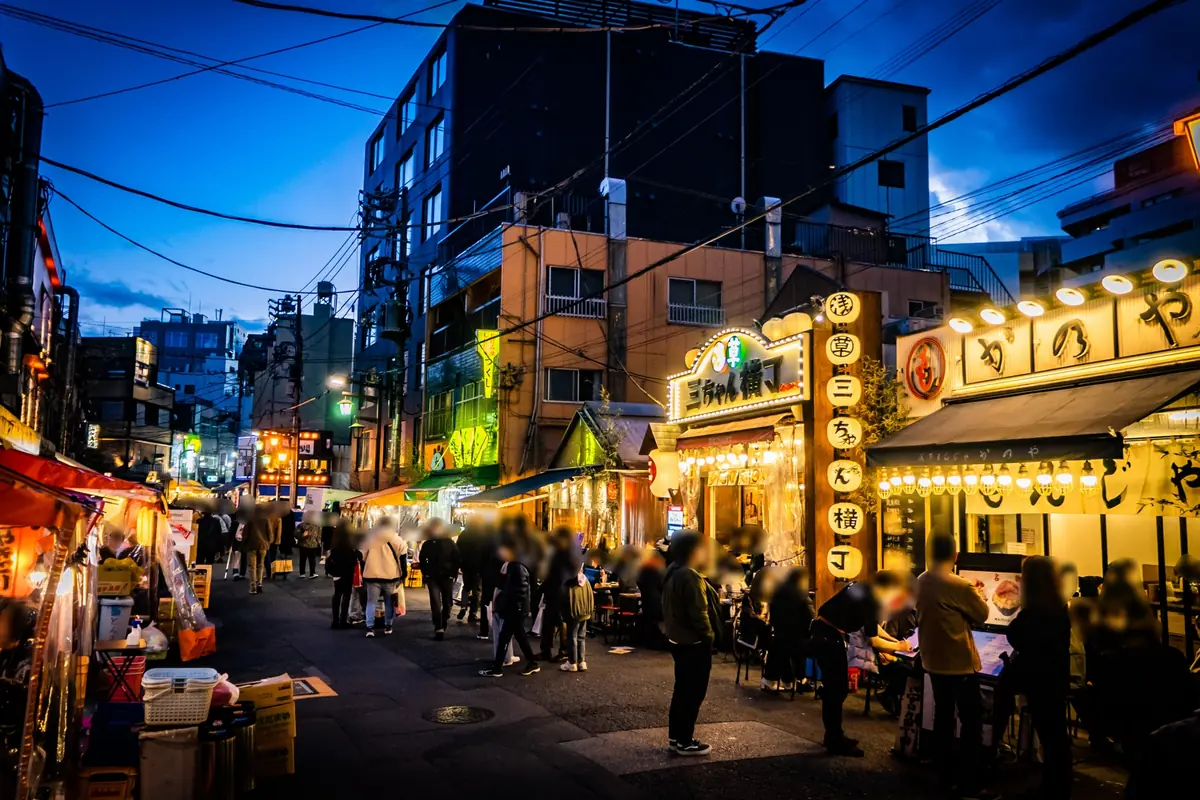
The street gets its name from Hoppy, a drink that was created as a cheaper alternative to beer during the post-war era. It is a non-alcoholic malt beverage that you mix with shochu (a Japanese spirit). It’s a great place to experience the local life and chat with friendly residents. The atmosphere is always lively, even on a Monday night.
Practical Tips for Your Asakusa Dinner Experience
Making a Reservation
For many of the popular restaurants mentioned in this article, a reservation is highly recommended. You can book most places online through their website or international booking platforms. For high-end spots like Miyakodori, it is best to book well in advance to ensure you can secure your desired night and arrange for any special dietary needs like vegetarian or halal meals.
Price and Payment
Prices for dinner in Asakusa can range from 1,000 yen for a bowl of ramen to a few 10,000 yen for a full kaiseki experience with geisha entertainment. Most major restaurants now accept credit cards, but it is always wise to carry some cash, especially if you plan on visiting the smaller stalls in the market or the izakayas on Hoppy Street.
Accessibility and Transport
Asakusa is very easy to reach from other parts of Tokyo. You can take the Ginza Line, the Asakusa Line, or the Tobu Skytree Line. If you are coming from Ueno, it is only a few minutes by train or a pleasant twenty-minute walk. If you are staying in Shinjuku or Shibuya, the journey takes about thirty to forty minutes. For those coming from the airport, there are express trains that stop directly at Asakusa Station.
Dietary Needs: Vegan, Halal, and More
Japan has become much more aware of diverse dietary needs. In Asakusa, you can find several restaurants that offer vegan and vegetarian options. For example, Sekai Cafe near the Kaminarimon gate is famous for its inclusive menu. As mentioned earlier, Asakusa Miyakodori provides high quality halal kaiseki, making it a top choice for Muslim travelers looking for an authentic traditional experience.
Language and Service
Most restaurants in the tourist areas of Asakusa have English menus and staff who can communicate basic terms. However, learning a few simple Japanese phrases can go a long way in making your experience even more enjoyable. The level of service in Asakusa is generally very high, reflecting the Japanese philosophy of omotenashi, or wholehearted hospitality.
FAQ for Asakusa Dining
Is it okay to visit Asakusa for dinner on a Monday?
Yes, many restaurants are open, although some smaller family-owned shops might take their day off on Monday or Tuesday. It is always best to check the business hours on their site before you visit.
What is the best time to arrive for dinner without a reservation?
Arriving early, around 5:00 PM or 5:30 PM, is your best bet for getting a table at popular spots like Gyukatsu or Daikokuya.
Can I see geisha walking in the street?
While you might occasionally see a geisha in full dress walking to an appointment in the Kannon-ura area, the best way to see them is to book a dinner at a machiai-chaya like Miyakodori. For everything involved — etiquette, the flow of the evening, and how to book — see our Ultimate Guide to Geisha Dinner in Tokyo.
Are children welcome in these restaurants?
Most casual spots and family-owned restaurants are very welcoming to children. For high-end venues like Miyakodori, it is best to inform them in advance so they can prepare a suitable space and menu for your family.
What should I wear for dinner at a ryotei?
There isn’t a strict dress code, but smart casual is generally recommended. Since you will likely be taking off your shoes to sit on tatami mats, make sure you are wearing socks.
Can I find international food in Asakusa?
While the focus is on Japanese cuisine, you can find western-style cafes, Chinese restaurants, and even French-influenced bistros in the area. Some shops also offer yoshoku, which is Japanese-style western food like curry and rice or tomato-based pasta.
What is the significance of the double yolk eggs at Yoroiya?
They are simply a natural occurrence that the shop has become famous for. In Japanese culture, finding a double yolk is often seen as a sign of good luck, adding a little extra joy to your meal.
Conclusion: Creating Memories in Asakusa
Asakusa leaves a lasting impression. Its combination of deep history, friendly people, and incredible food makes it a highlight of any trip to Tokyo. Whether you are slurping a hot bowl of noodles in a crowded shop, sharing a laugh over hoppy and skewers on a plastic crate, or witnessing the timeless beauty of a geisha dance at Asakusa Miyakodori, every moment is an opportunity to connect with the heart of Japan.
We hope this guide has been helpful in your search for the perfect dinner experience. Remember that the best way to explore Asakusa is with an open mind and a hungry stomach. Take the time to wander, to try something new, and to appreciate the centuries of tradition that go into every dish. Your journey through the flavors of Asakusa is sure to be one of the most memorable parts of your travel adventure.
Sources and Footnotes:
- Asakusa Miyakodori Official Guide: asakusa.gr.jp
- Information on Machiai Chaya: prtimes.jp
- Tokyo Metropolitan Cultural Insights: metro.tokyo.lg.jp
- Asakusa Geisha Association: asakusakenban.com
Experience graceful performances, warm hospitality, and a timeless atmosphere where Japan’s living traditions come to life.

- Private Ozashiki Banquets: An intimate, refined encounter with authentic Asakusa geisha.
- Traditional Geisha Artistry: Elegant dance, live shamisen music, and interactive ozashiki games.
- Historic Ryotei Setting: A sophisticated cultural experience in a traditional ryotei setting.
- English Support Available: Assistance for international guests throughout your visit.


- Top Rated Traditional Japanese Restaurants Near Me: Authentic Flavors and Sushi
- The Ultimate Guide to Tokyo Dinner Shows 2026
When is the Least Crowded Time in Asakusa? The Complete Guide to Avoid Crowds and Enjoy Comfortably
The Ultimate Guide to the Best Things to Do in Asakusa Tokyo Japan for Your 2026 Travel
Meet Real Geisha in Tokyo: An Evening on the Geisha Streets of Asakusa
Autumn in Asakusa: A Complete Guide to Enjoying Fall Foliage from Senso-ji Temple to Sumida River
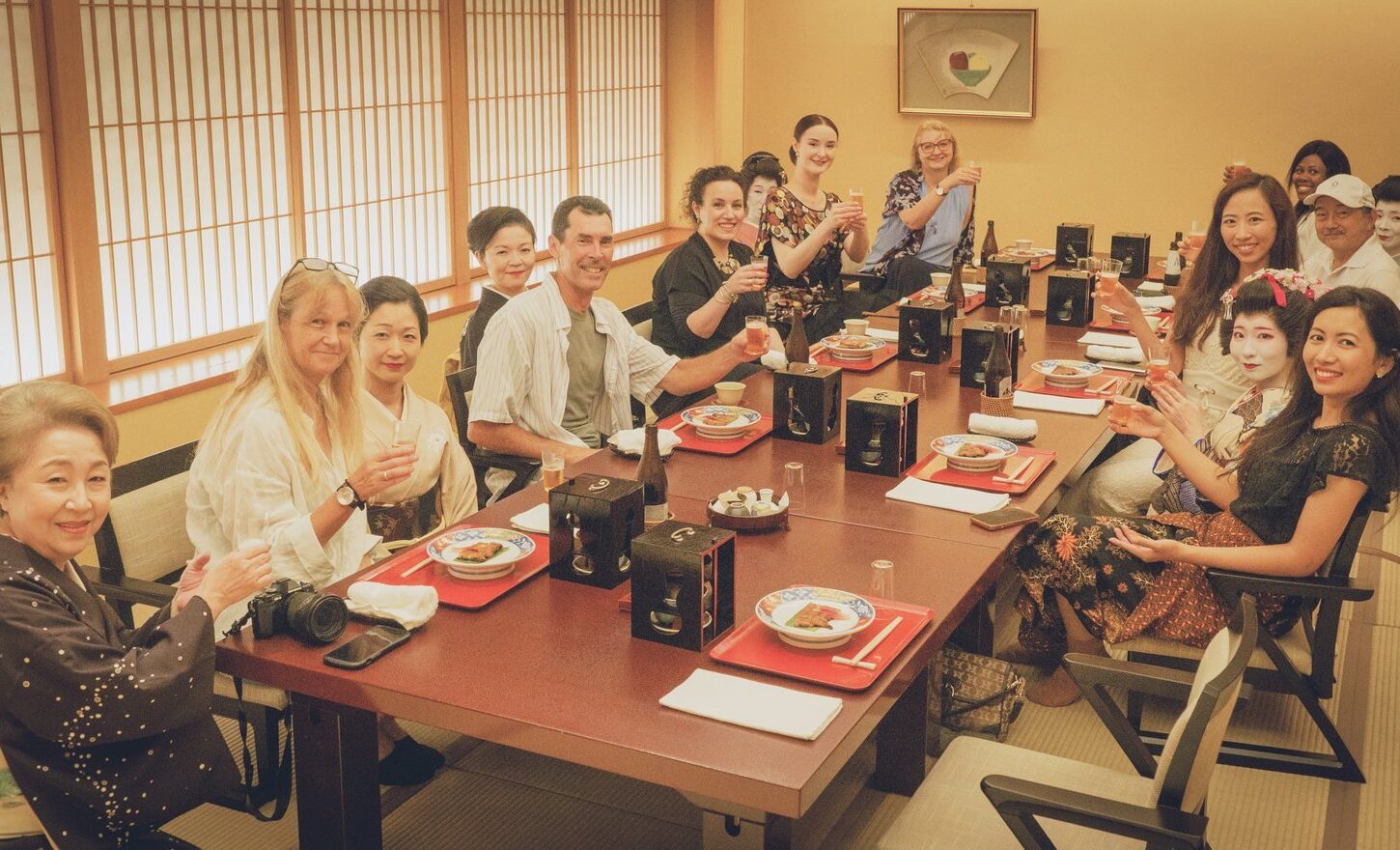
Planning a Group Dinner in Tokyo: A Private, Unforgettable Evening in Asakusa
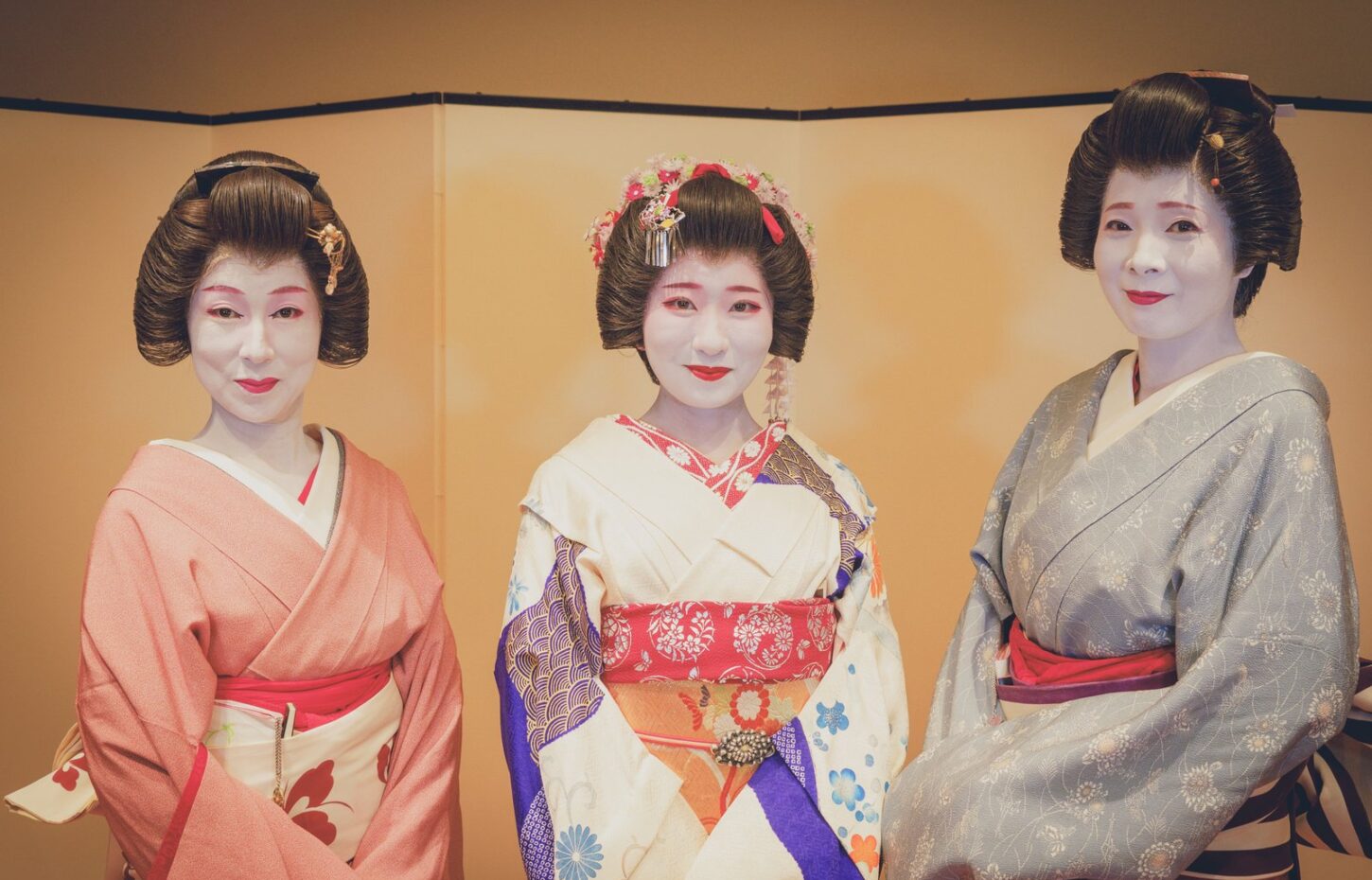
The Poems of Ariwara no Narihira — and the One Behind Our Name
Comment ( 0 )
Trackbacks are closed.
No comments yet.