



Japanese Cultural Experiences in Tokyo You Can Book as a Visitor
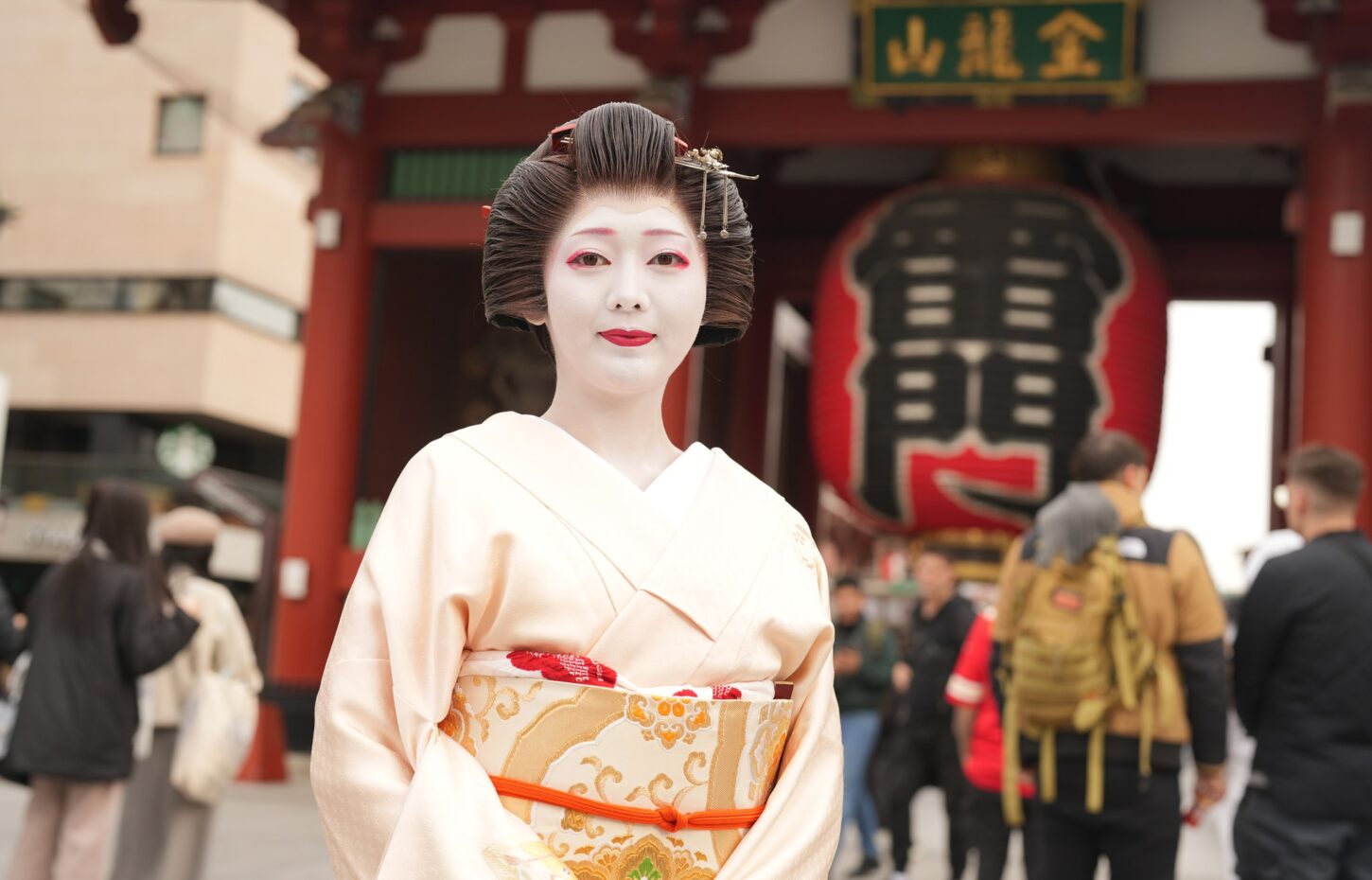
Five Japanese cultural experiences you can book in Tokyo as a visitor are a tea ceremony, a kimono rental, sumo, a craft workshop and a geisha ozashiki (a private gathering where geisha dance to live shamisen, play games with you and talk with your party). Choose by two questions: do you want to watch or take part, and do you want something short or a meal as well? A tea ceremony takes about an hour and you whisk your own tea. A kimono rental fills a day of walking. Sumo is something you watch, and a tournament in Tokyo happens only in January, May and September. A craft workshop puts a tool in your hands. An ozashiki is the one where you take part and have dinner in the same room. The table below puts them side by side.
We are Miyakodori, a machiai-chaya in Asakusa founded in 1950. A machiai-chaya is a traditional teahouse where guests spend time with geisha; the food comes from outside caterers and the house prepares the room. The ozashiki is the only experience on this page that we host. We have not joined the tea ceremony, the kimono rental, the sumo or the workshops below as guests, so those rows come from pages we read on 15 November 2026, and each section links to its source. Most are the operators’ own pages. Three are not: the sumo show row follows LIVE JAPAN, a travel guide; the crafts center’s hours come from GO TOKYO, the city’s official tourism site; and what the garden teahouse serves comes from Time Out Tokyo, through our tea houses guide. Times and rules change, so check again before you book.
Japanese Cultural Experiences in Tokyo Compared
The rows are sorted by kind of experience. Where a kind has many operators, such as kimono shops or craft studios, the row names one example so the hours are real numbers rather than a guess.
| Experience | Watch or take part | Time it takes | Booking | Food |
|---|---|---|---|---|
| Tea ceremony at a hotel tea room (Chosho-an, The Okura Tokyo) | Take part: you whisk your own matcha with the tea masters | About 60 minutes; Tuesday, Thursday and Saturday at 12:00, 1:30 pm or 3 pm | Online, at least 7 days ahead, for two people or more | Matcha and a seasonal sweet |
| Matcha at a garden teahouse (Nakajima-no-ochaya, Hama-rikyu Gardens) | Sit down with a bowl of matcha; no ceremony | As long as you like; the garden opens 9 am to 5 pm, last entry 4:30 pm | No booking; pay the garden entry and walk in | Matcha with a sweet, priced at the teahouse |
| Kimono rental (example: Rikawafuku, Asakusa) | Take part: you wear it while you walk around | 45 to 70 minutes to get dressed; open 9 am to 6 pm, last dressing 4 pm, back by 5:30 pm | Online until 10 minutes before your slot, or by phone on the day | None |
| Sumo grand tournament (Ryogoku Kokugikan) | Watch | Each tournament runs 15 days; a ticket is for one day | Tokyo only in January, May and September; tickets for 10 to 24 January 2027 go on sale on 5 December 2026 | Not covered here; see our sumo guide |
| Sumo show (private venues) | Watch retired wrestlers demonstrate bouts, with English commentary at most venues | About 90 minutes to 2 hours | Online, almost all year | Depends on the venue: chanko hot pot at some, a drink only at others |
| Craft workshop (example: Edo Kiriko cut glass) | Take part: you cut a pattern into glass yourself | Set by each studio | With the studio; the Edo Kiriko cooperative lists its members | None |
| Crafts on show (Edo Taito Traditional Crafts Center, Asakusa) | Watch: traditional crafts on display | 10 am to 6 pm; closed on the second and fourth Tuesday | Check GO TOKYO or the center before you go | None |
| Private geisha ozashiki (Miyakodori, Asakusa) | Take part: dance a few steps away, games and conversation with the geisha | 1, 2 or 3 hours, starting between 2 pm and 8 pm, Monday to Friday except public holidays | Usually up to 2 to 3 days ahead; call us for later requests | The 3-hour plan includes a kaiseki course and free-flowing drinks; a bento or kaiseki can be added to the 2-hour plan |
| Ozashiki Tea House (Miyakodori, shared room) | Take part: a dance, a game and questions for the geisha | 75 minutes | A seat online on the listed dates, until 2 pm on the day | Matcha and a Japanese sweet; each guest orders one drink, paid separately |
Quick Picks
- Short and hands-on: a tea ceremony. The Okura’s runs about an hour and you prepare your own bowl.
- Short with no booking at all: matcha at a garden teahouse, between other sights.
- All day, outdoors: a kimono rental in Asakusa, with Senso-ji in the background of your photos.
- Something to watch: a sumo tournament if your dates fall in January, May or September, and a sumo show on other days.
- Something to take home: a craft workshop such as Edo Kiriko.
- Taking part and dinner in one room: a geisha ozashiki.
Tea: A Ceremony You Take Part In, or Matcha in a Garden
A tea ceremony is a set sequence in which tea is prepared and served in a tea room. At the Chosho-an tea room on the fourth floor of the Okura Heritage Wing, the hotel’s tea masters guide you as you whisk your own matcha, served with a seasonal sweet. The session lasts about 60 minutes and runs on Tuesdays, Thursdays and Saturdays, starting at 12:00, 1:30 pm or 3 pm. It needs at least two people and a booking at least 7 days ahead. The page does not say which language the explanation is in, or whether you need to be staying at the hotel, so ask both when you book.
If you only want to sit in a teahouse with a bowl of matcha, a garden teahouse is simpler. The Nakajima-no-ochaya stands on an island in the pond of Hama-rikyu Gardens. The garden is open from 9 am to 5 pm, with last entry at 4:30 pm, and closes from 29 December to 1 January. Our guide to tea houses in Tokyo compares the garden teahouses, and our guide to the Japanese tea ceremony explains the steps and what you drink and eat.
Our teahouse is a different kind. Matcha and a sweet come with our Ozashiki Tea House and can be added to a private ozashiki, but nobody performs a tea ceremony or teaches its steps.
Kimono: Wearing It for a Day in Asakusa
Asakusa has many kimono rental shops, and each sets its own plans and hours. As one example, Rikawafuku’s Asakusa shop is open from 9 am to 6 pm, year-round. The last dressing is at 4 pm and the kimono goes back by 5:30 pm. Getting dressed takes 45 to 70 minutes from check-in, so book an early slot if you want the whole day. You can book online until 10 minutes before your time, or by phone on the day. The basic plan does not include a hairstyle. Other shops keep different hours, so check the shop you choose.
For the difference between a kimono and a yukata, and which suits the season, see our guide to kimono vs yukata. A kimono is welcome at an ozashiki. Rental shops set a return time, so ask about a late return if you plan to wear it to one.
Sumo: Tournament, Practice or Show
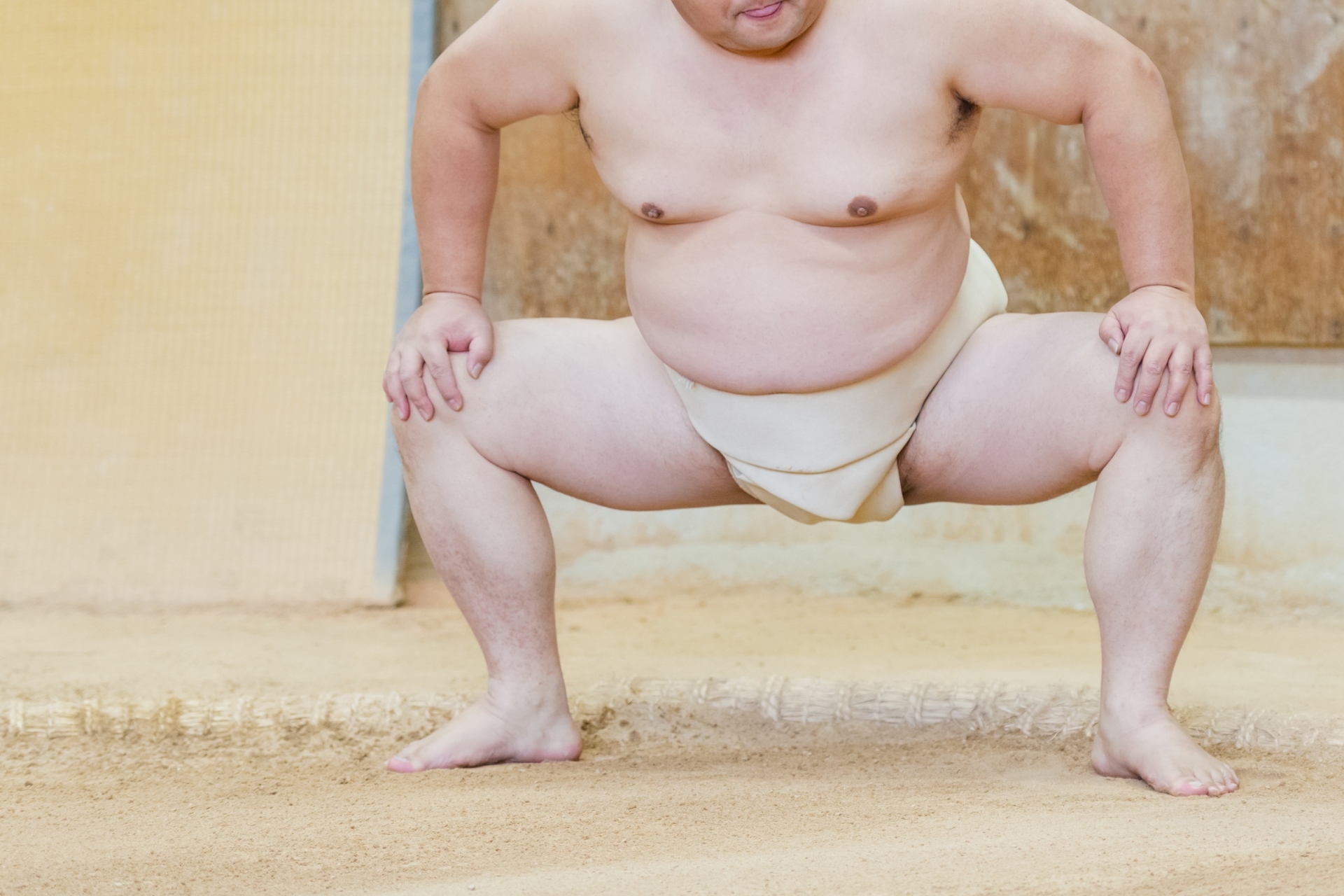
A grand tournament (basho) is the real competition, held at the Ryogoku Kokugikan. Tokyo hosts three a year. According to the official ticket service, the 2027 Tokyo tournaments run from 10 to 24 January, 9 to 23 May and 12 to 26 September, and advance tickets for January go on sale on 5 December 2026.
On other dates, a sumo show is the easier choice. LIVE JAPAN, a travel guide that compares the Tokyo shows, says retired wrestlers demonstrate bouts and explain the rules, most venues give English commentary, and a show lasts about 90 minutes to 2 hours. Some shows include a meal such as chanko hot pot, and others only a drink. Morning practice at a stable is the third way to see sumo, through a tour. Our guide to sumo in Tokyo compares all three, and our guide to traditional entertainment in Tokyo sets sumo next to kabuki and rakugo.
Crafts: Watch Them Made, or Make One Yourself
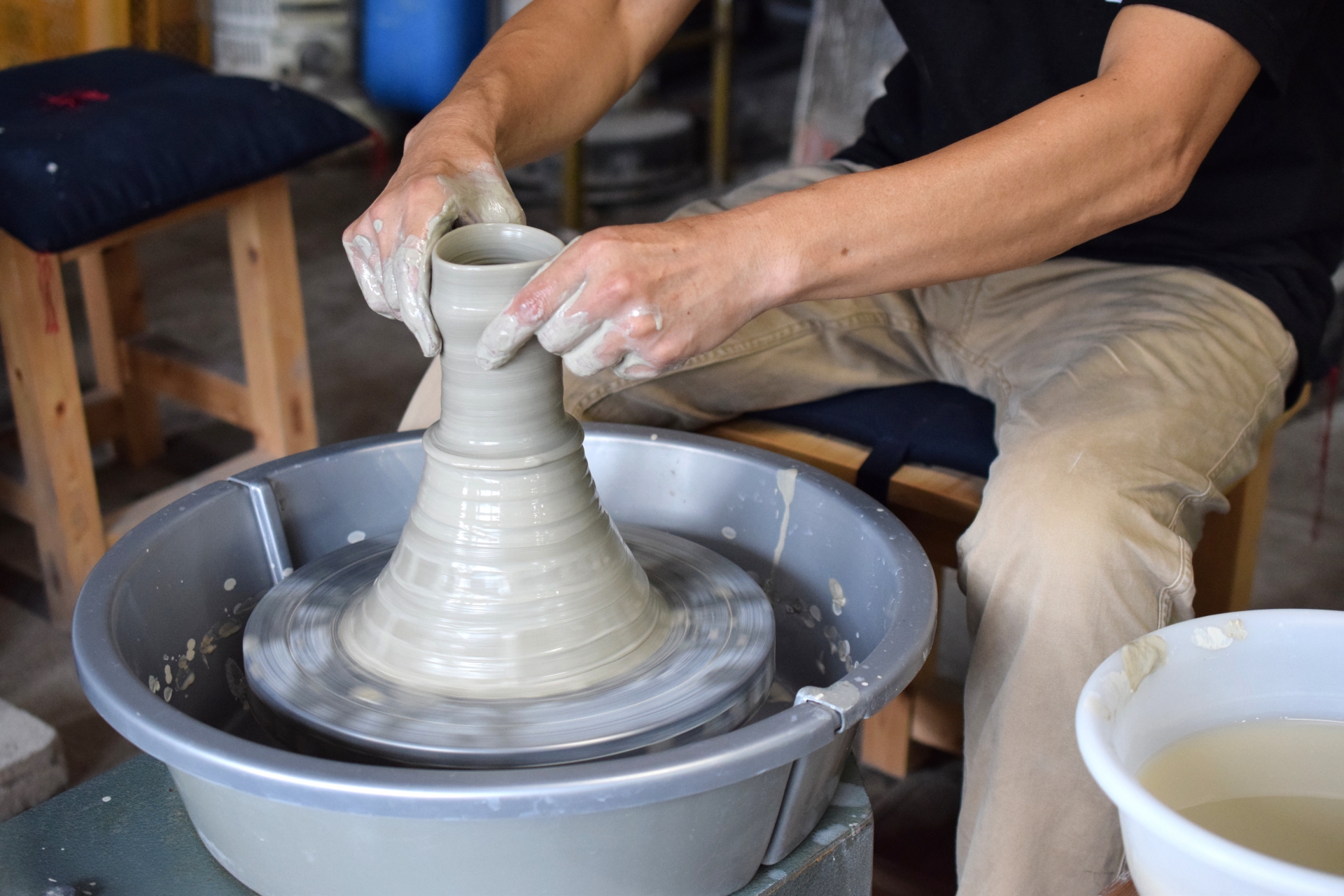
Edo Kiriko is cut glass that began in Edo, the old name for Tokyo, in 1834, according to the Edo Kiriko Cooperative. The cooperative runs hands-on sessions at its events, and some of its members teach classes or offer them as part of their business. Each studio sets its own times, so book with the studio itself; the cooperative’s site lists its members. The Tokyo Metropolitan Government also keeps a list, in Japanese, of places where you can buy or try Tokyo’s traditional crafts.
To see crafts without making one, the Edo Taito Traditional Crafts Center in Asakusa has traditional crafts on display. GO TOKYO, the city’s official tourism site, lists it as open from 10 am to 6 pm and closed on the second and fourth Tuesday of each month. For the objects themselves, see our guide to Japanese culture items.
A Geisha Ozashiki: Taking Part, with Dinner in the Same Room
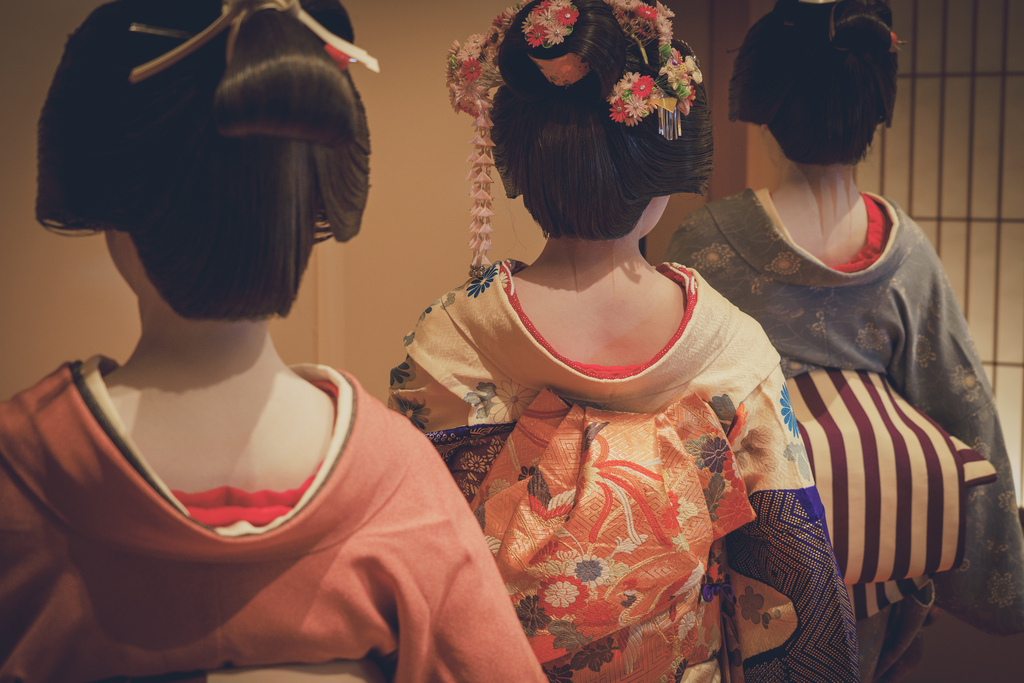
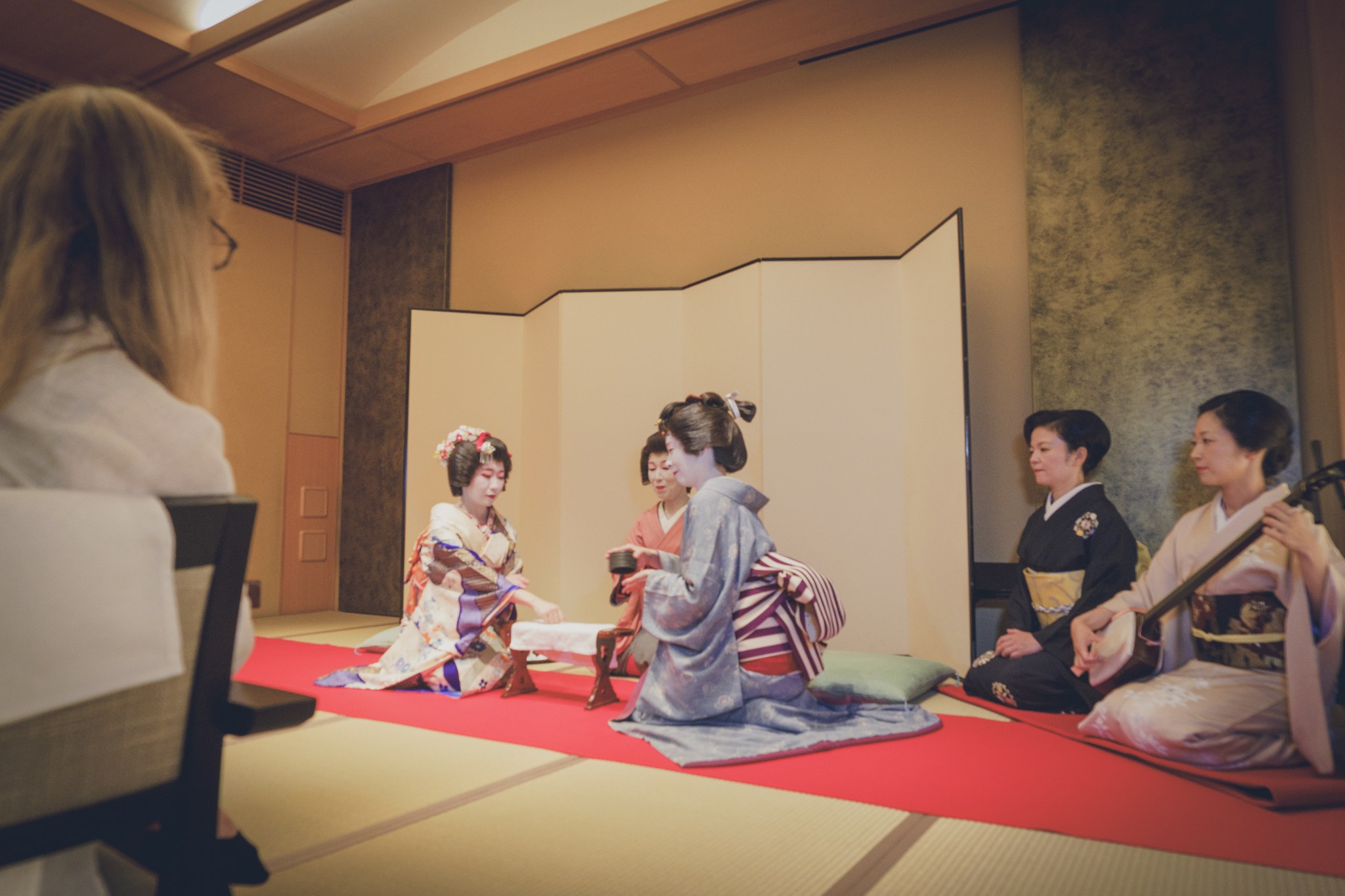
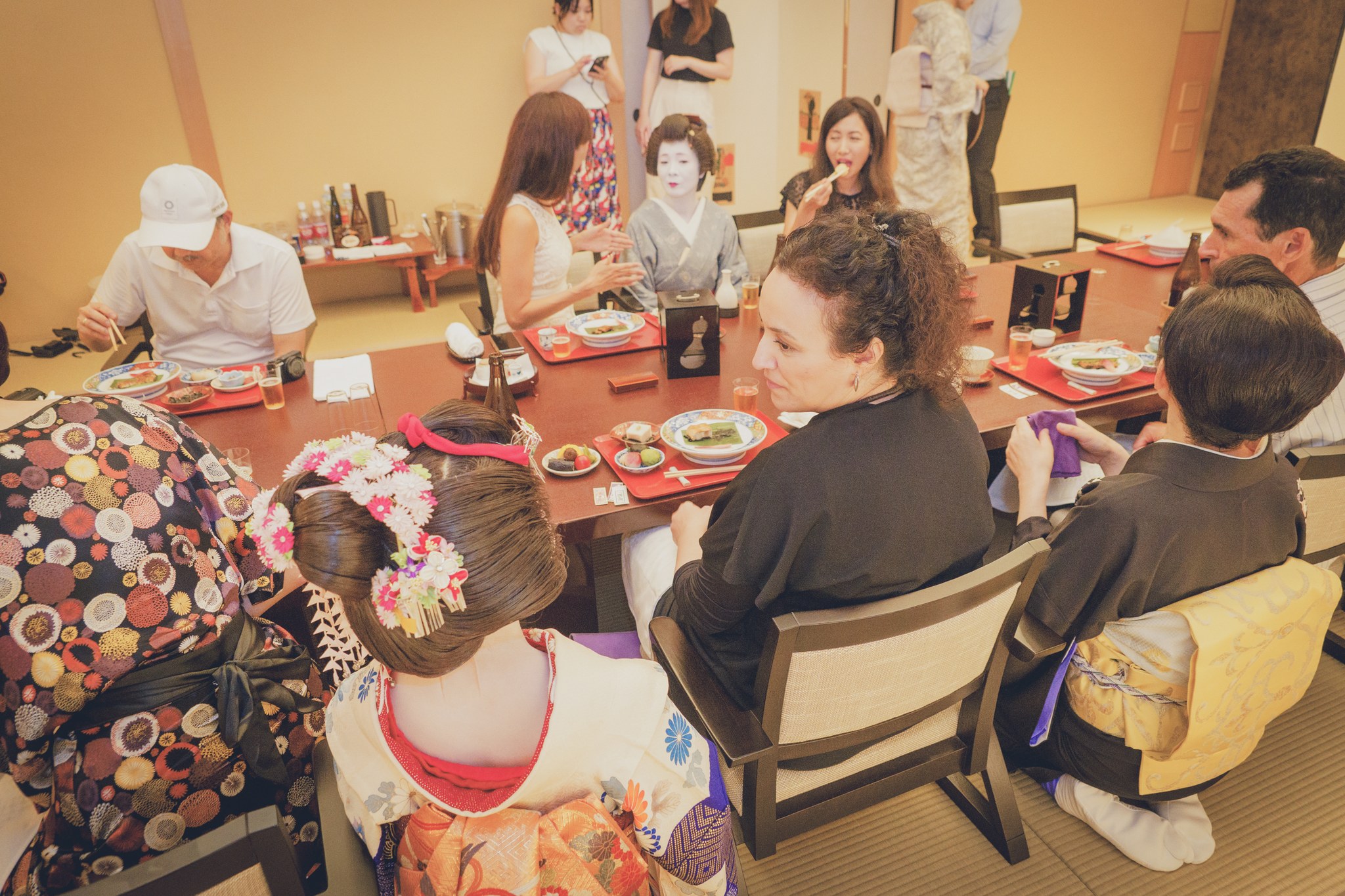
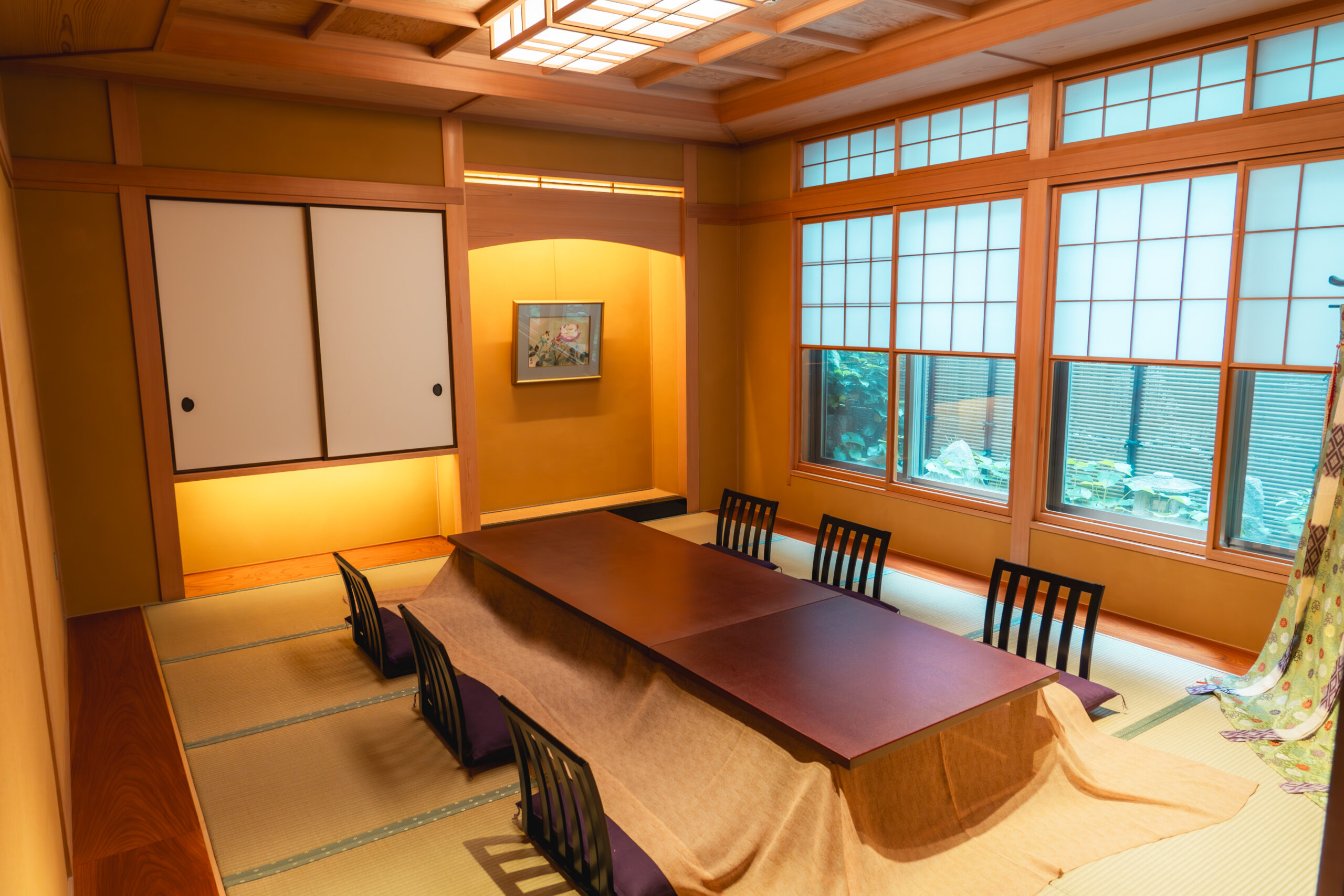
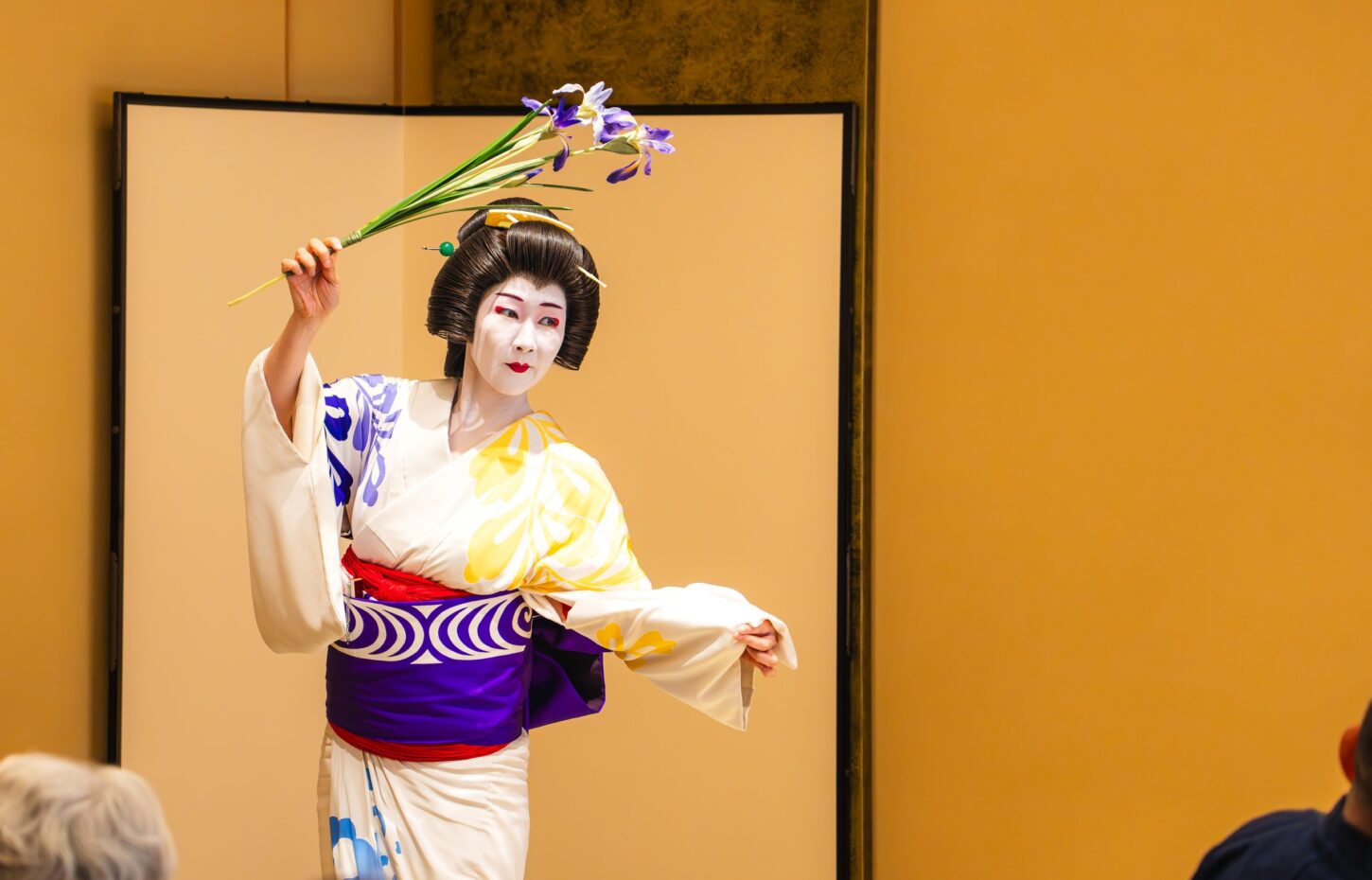
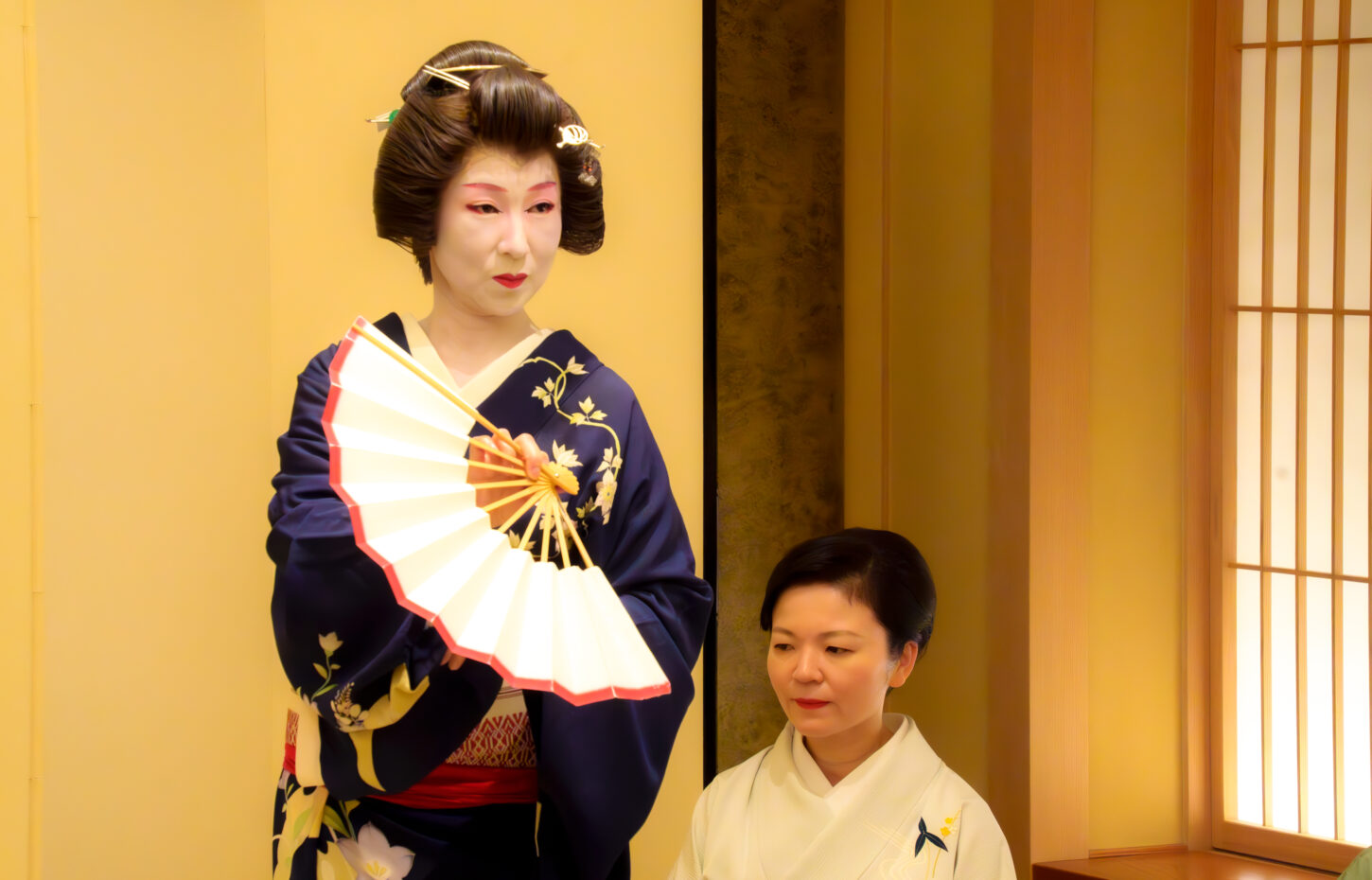
At an ozashiki, geisha dance to live shamisen a few steps from your table, then pour drinks, talk with you and lead ozashiki games such as Konpira Fune Fune. The geisha stay in the room for the whole visit, so it is not a show with a set ending. At Miyakodori, private visits last 1, 2 or 3 hours in a tatami room reserved for your group, and a single guest can book. Every private plan includes an English-speaking interpreter.
For a meal, the 3-hour Geisha Kaiseki Dinner includes a kaiseki course and free-flowing drinks, and starts between 5:30 pm and 8 pm. On the 2-hour plan, a bento or a kaiseki course can be added; kaiseki needs a start of 5:30 pm or later. Allergies and diets such as vegan can be catered for, and fully halal or kosher meals are served as a bento, booked 5 days ahead. Our guide to kaiseki with geisha goes through the courses.
Our okami (proprietress), Chikage, who began as a geisha in Asakusa in 1969, has noticed that international guests change from one part of the visit to the next: “During the dance they watch intently, while we talk they listen with real interest, and at the games they are simply enjoying themselves.” (Translated from Japanese.) That is the difference from the other experiences on this page. You watch, you talk and you play, in the same room.
Asakusa has far fewer geisha than it once did. They are independent professionals, registered with the local geisha office, and each booking pays the geisha who perform, which keeps the dances and the games in practice.
Book a Private Ozashiki in Asakusa
Geisha dance to live shamisen, play games with your party and stay for the whole visit. Plans run 1 to 3 hours, with dinner on the 3-hour plan. Current rates are on our pricing page.
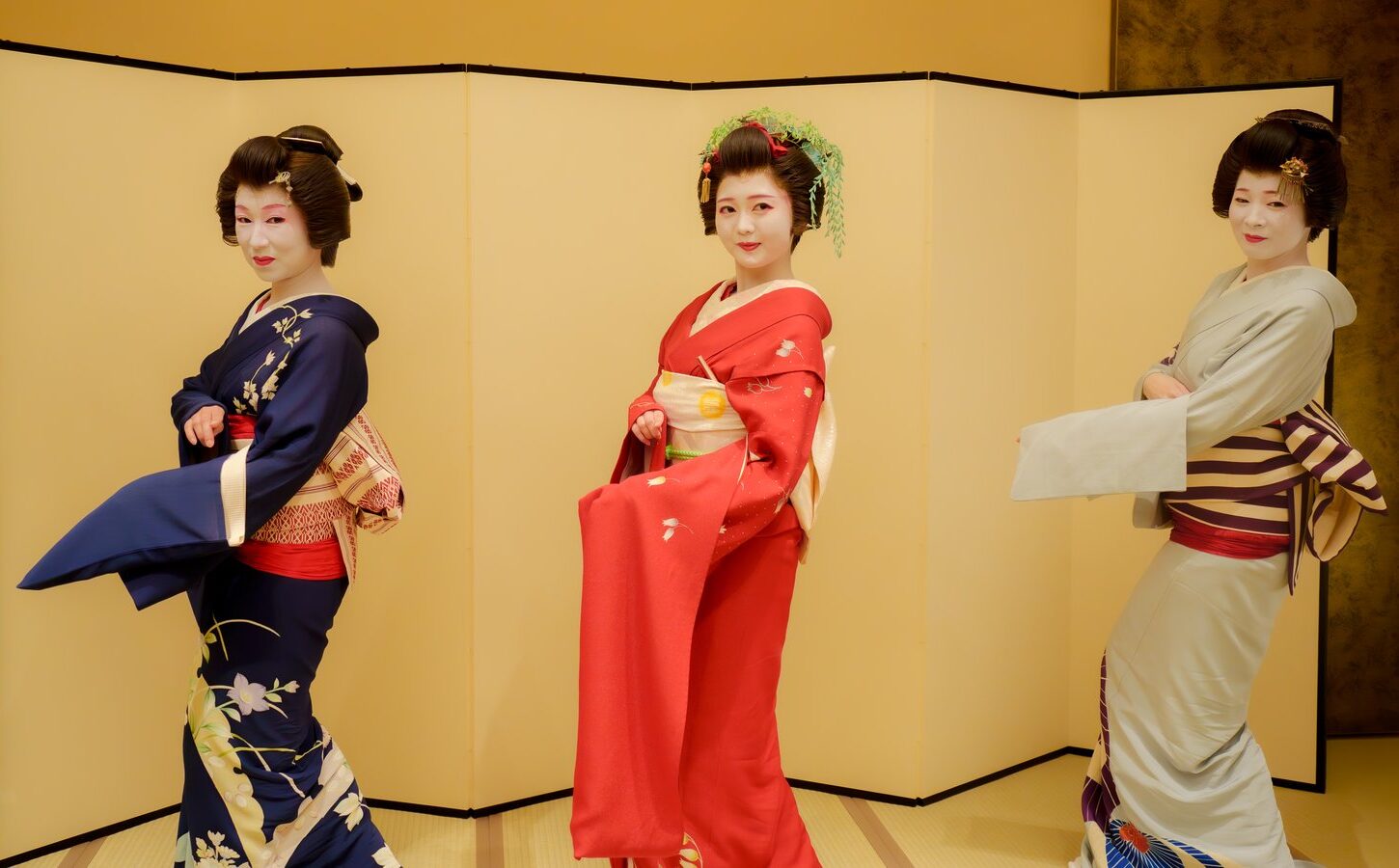
Request a ReservationFor a shorter first look, the Ozashiki Tea House is a 75-minute session in a shared room with three geisha, two who dance and one on the shamisen. It includes matcha and a Japanese sweet, and each guest orders one drink, paid separately. English support is available.
Putting Two or Three Together in Asakusa
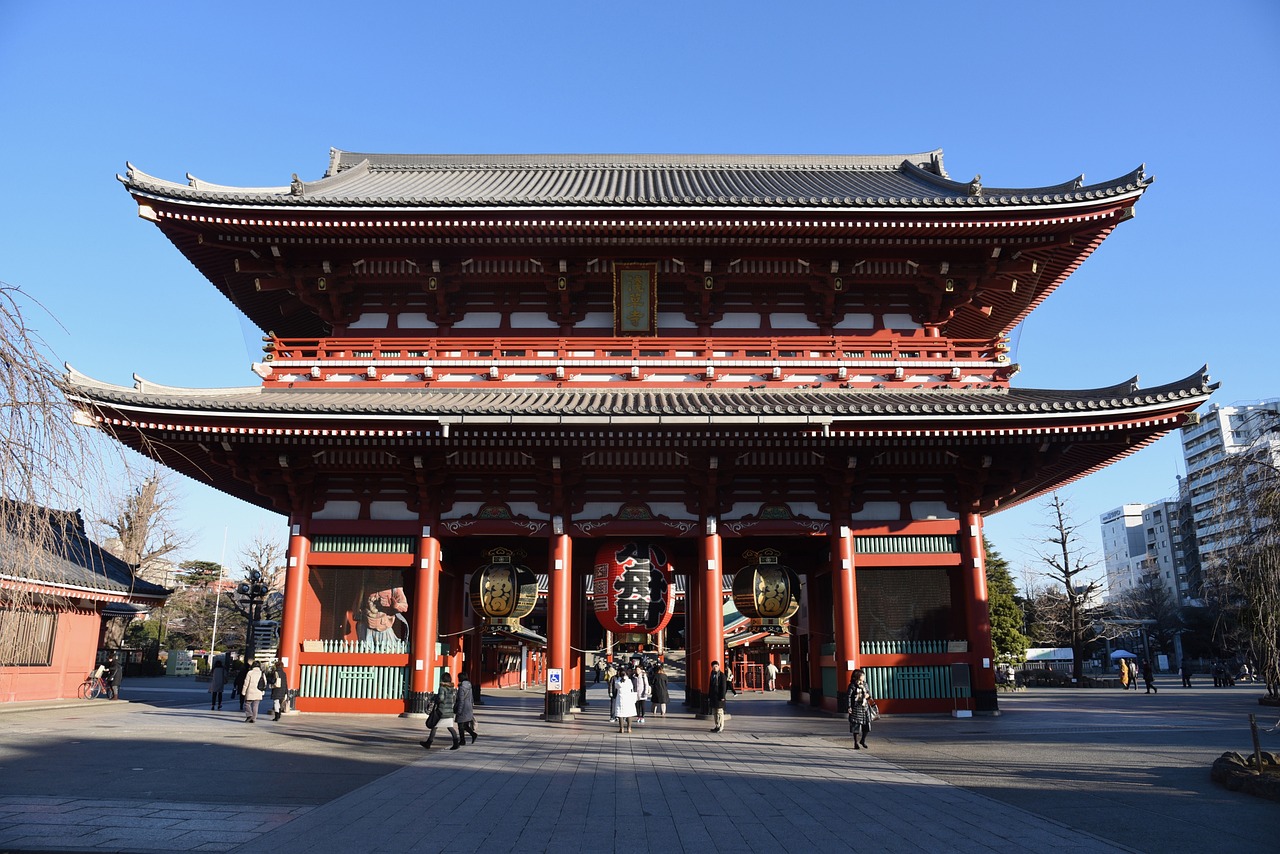
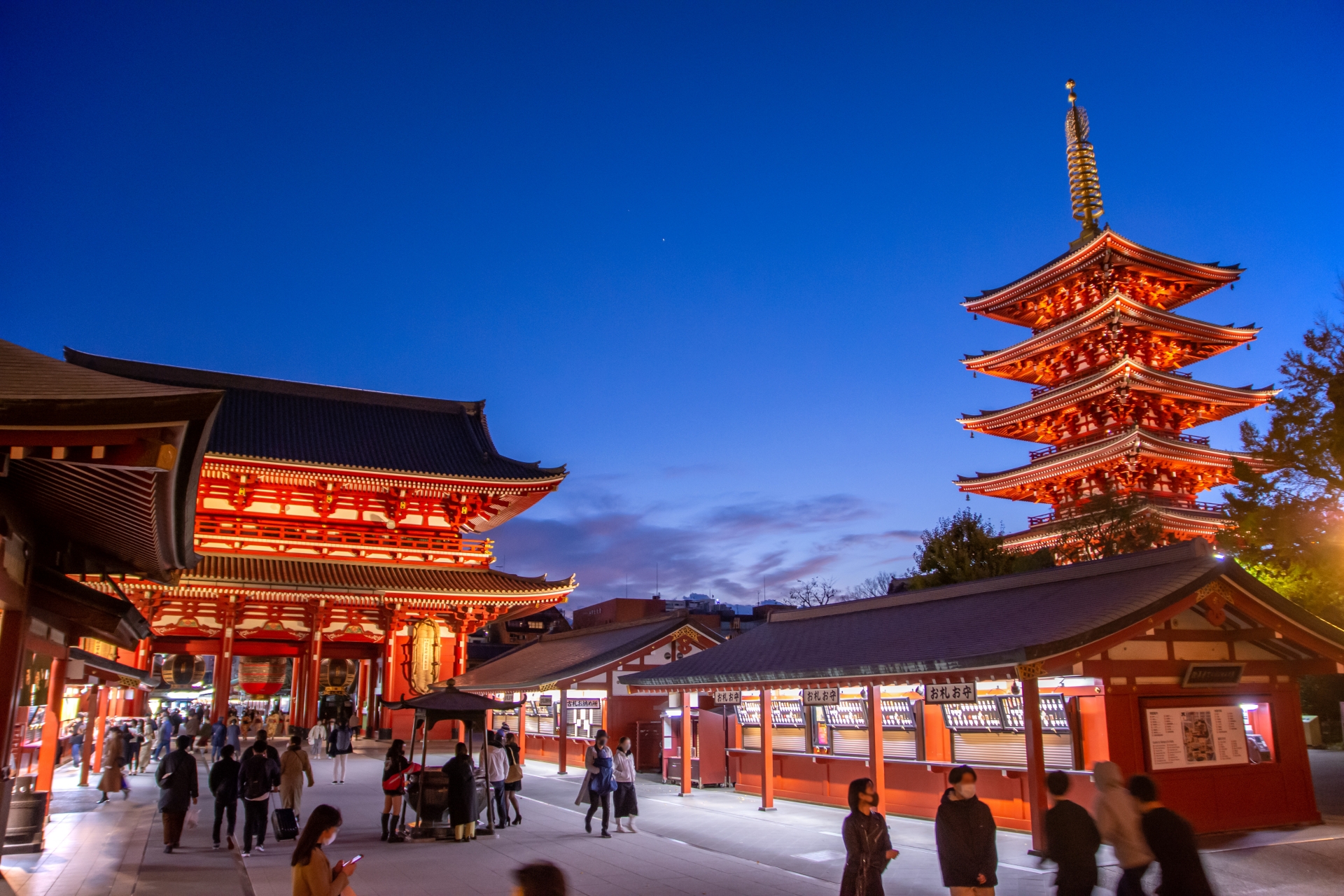
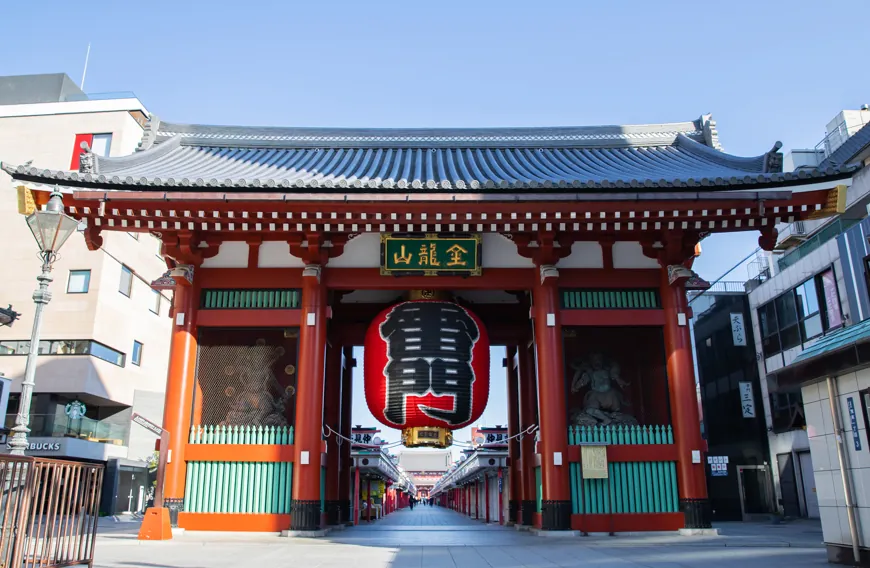
Asakusa is the easiest place to stack these. A kimono shop, the crafts center and Senso-ji are all in the same neighbourhood. Miyakodori is on the north side of Senso-ji, about 3 minutes’ walk after you leave the temple grounds, and 13 minutes on foot from Asakusa Station on the Ginza, Tobu and Tsukuba Express lines. A day might run like this:
- Morning: get dressed at a kimono shop and walk to Senso-ji.
- Midday: the Edo Taito Traditional Crafts Center, or a workshop booked in advance.
- Afternoon: an ozashiki starting from 2 pm, with time to return the kimono afterwards. A visit with kaiseki starts at 5:30 pm or later, so plan the kimono return before it.
Frequently Asked Questions
- What Japanese cultural experiences can you book in Tokyo?
- Five common kinds are a tea ceremony, a kimono rental, sumo, a craft workshop and a geisha ozashiki. They differ in whether you watch or take part, how long they take and whether a meal is included, so choose by those two questions and check each operator’s official page before you book.
- Which cultural experiences in Tokyo include dinner?
- A geisha ozashiki is the one where dinner and the performance share one room: at Miyakodori in Asakusa, the 3-hour Geisha Kaiseki Dinner includes a kaiseki course and free-flowing drinks while geisha dance, play games and talk with your party, and many sumo shows also include a meal such as chanko hot pot.
- Where can you try a tea ceremony in Tokyo?
- Hotel tea rooms and tea schools run sessions for visitors. At the Chosho-an tea room in The Okura Tokyo, you whisk your own matcha in a session of about 60 minutes on Tuesdays, Thursdays and Saturdays, booked at least 7 days ahead for two people or more. For matcha without a ceremony, the garden teahouses such as the Nakajima-no-ochaya in Hama-rikyu Gardens need no booking.
- Can you see sumo in Tokyo in any month?
- Not a tournament. Tokyo holds grand tournaments only in January, May and September at the Ryogoku Kokugikan, and the 2027 dates are 10 to 24 January, 9 to 23 May and 12 to 26 September. On other dates, a sumo show by retired wrestlers runs almost all year, or a tour can take you to morning practice at a stable.
- Can you combine a kimono rental with a geisha ozashiki?
- Yes. A kimono is welcome at an ozashiki. Rental shops set a return time, such as 5:30 pm at Rikawafuku in Asakusa, so an ozashiki starting in the afternoon fits best, or ask the shop about a late return.
- Do you need to speak Japanese for these experiences?
- Not for all of them. Most sumo shows give English commentary, and every private plan at Miyakodori includes an English-speaking interpreter. The Okura’s tea ceremony page does not say which language is used, so for the tea ceremony and the craft workshops, ask when you book.
Add an Ozashiki to Your Tokyo Plans
A private ozashiki at our teahouse in Asakusa, in the afternoon or with dinner. First-time and overseas guests are welcome, without an introduction.
Request a ReservationSources
- The Okura Tokyo: Tea ceremony (Chosho-an) (checked 15 November 2026)
- Tokyo Metropolitan Park Association: Hama-rikyu Gardens, Outline (checked 15 November 2026)
- Rikawafuku Asakusa: Basic kimono plan (checked 15 November 2026)
- Official sumo ticket service: tournament schedule and sale dates (checked 15 November 2026)
- LIVE JAPAN: Sumo shows in Tokyo compared (updated 28 September 2026, read 15 November 2026)
- Edo Kiriko Cooperative (in Japanese) (checked 15 November 2026)
- Tokyo Metropolitan Government: Places to buy or try Tokyo’s traditional crafts (in Japanese) (checked 15 November 2026)
- GO TOKYO: Edo Taito Traditional Crafts Center (checked 15 November 2026)


- Asakusa Geisha: Where to Meet Real Geisha in Tokyo
- Japanese vs Korean Culture: Social Differences, Arts and Traditions
Japanese Culture: Traditions, Arts and Living Heritage — Complete Guide
Why Geisha Are Special: An Art Refined for 200 Years, Explained by a Third-Generation Owner
The Real Meaning of Geisha in Japan: History, Life, and Modern Traditions
Asakusa in Winter: A Local Guide to Senso-ji, Seasonal Events and Warm Food
Asakusa Geisha Encyclopedia: Inside Tokyo’s Hanamachi
Complete Guide to Asakusa: Tourist Spots, Food & Hidden Gems
Comment ( 0 )
Trackbacks are closed.
No comments yet.