




Kabuki in Tokyo for First-Timers: One Act, English Help and Tickets
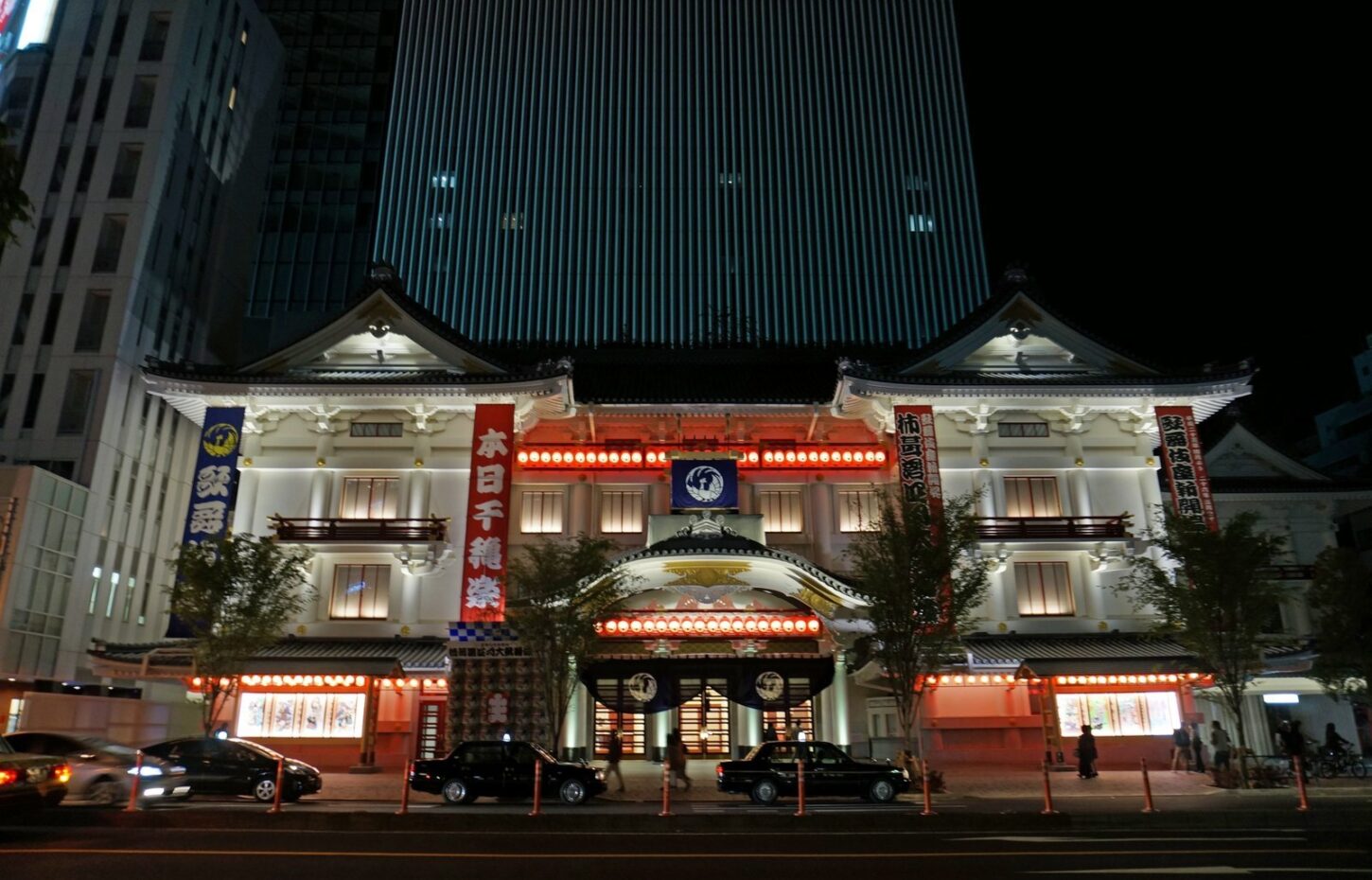
A single-act ticket at the Kabukiza is the shortest and lowest-priced way into kabuki among the Tokyo programs compared here. In November 2026 a seat on the 4th level costs ¥1,600 to ¥3,000 for one act, and the acts run from 39 minutes to 2 hours 28 minutes, while a full show takes about 4 hours 40 minutes. What you give up is the view: Kabuki Web says the 4th level is the farthest from the stage, and the hanamichi, the raised passageway through the auditorium, cannot be seen from there. An upgraded single act on the 2nd level sits closer and costs ¥5,800 to ¥10,800 in November, and English captions are rented at the theater for ¥1,000 per act.
Miyakodori is a machiai-chaya in Asakusa, a traditional teahouse where geisha gatherings are held, and it was founded in 1950. We are not a theater, so the dates and prices below come from the theaters’ own pages, as do the ticket rules. We read them again on 14 November 2026 and have not queued at a box office or rented the captioning device ourselves. The pages disagree in a few places, and the section on English help says which to follow. For how kabuki compares with sumo, rakugo and an ozashiki, a private gathering with geisha, see our guide to traditional entertainment in Tokyo.
Where to See Kabuki in Tokyo Through January 2027
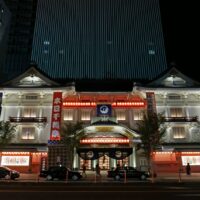
Four theaters in Tokyo have kabuki programs posted through January 2027, and they differ most in the English help they list. The Kabukiza in Ginza is the one of the four that lists English captions, so the rest of this guide is about its tickets. The Japan Arts Council’s National Theatre is closed for redevelopment, and its January kabuki program is staged at the Playhouse of the New National Theatre, Tokyo.
| Theater | Run and times | English help listed | Seat prices |
|---|---|---|---|
| Kabukiza, Ginza | 1 to 25 November and 2 to 25 December 2026, with no shows on the 9th and 17th of either month, and 2 to 26 January 2027, with no shows on 8 and 18 January. November and January have programs at 11:00 am and 4:30 pm, and December at 11:00 am, 2:30 pm and 6:00 pm. January tickets go on sale on 14 December. | A captioning device in English or Simplified Chinese. A free English flyer is available, and the Japanese program carries an English synopsis in its back pages. | Full shows ¥5,000 to ¥20,000 in November and January, and ¥4,500 to ¥17,000 in December. Single acts from ¥1,600 in November. |
| Shinbashi Enbujo | 3 to 27 January 2027, at 11:00 am and 4:00 pm, with no shows on 7, 14 and 21 January. Tickets go on sale on 25 November. | None. Kabuki Web lists no English supporting guide. | ¥3,000 to ¥17,000. |
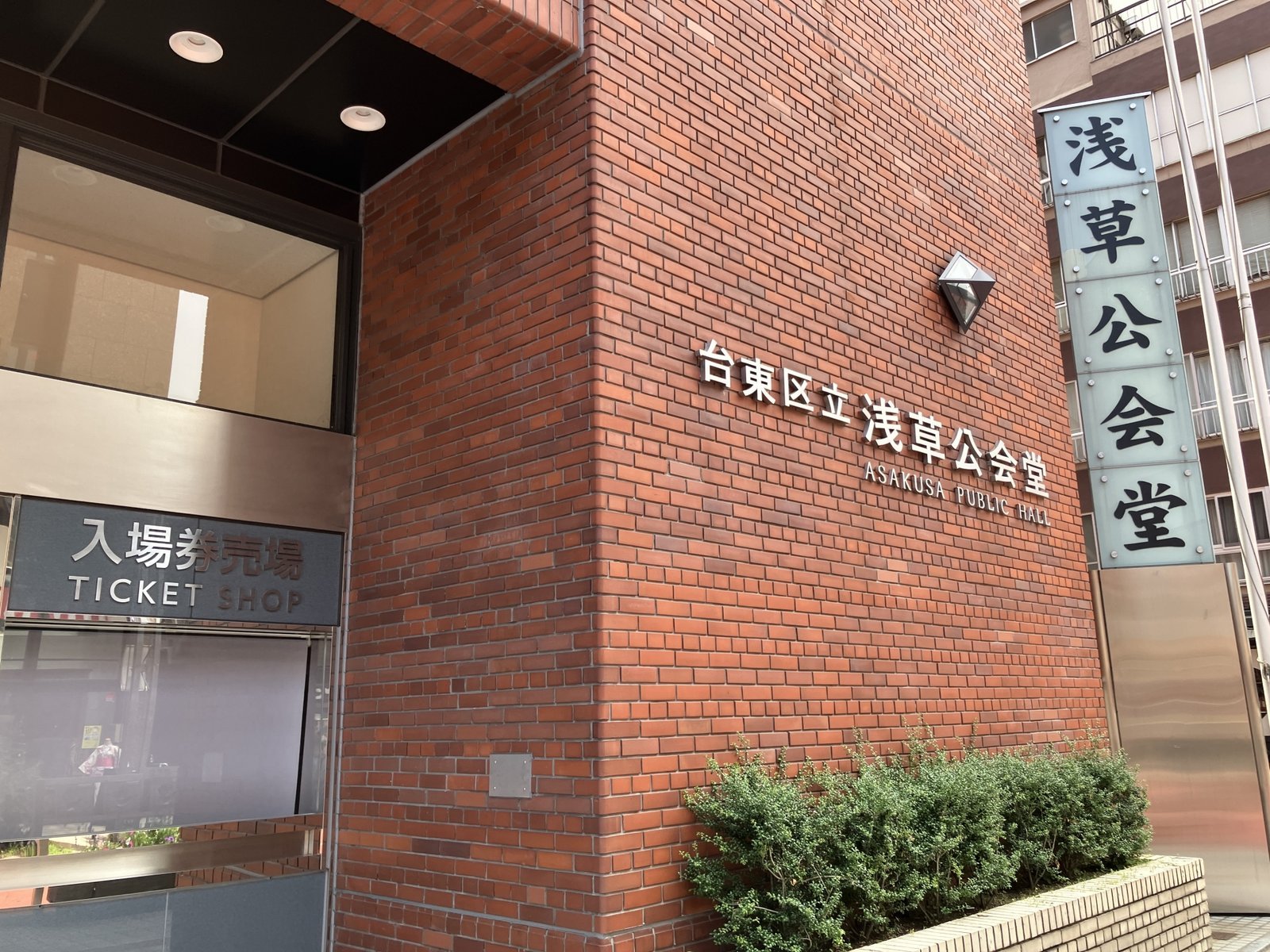
| Asakusa Public Hall | 2 to 26 January 2027, at 11:00 am and 3:00 pm, with no shows on 11 and 18 January, and 22 January is booked by a group. Tickets go on sale on 21 November. | No English supporting guide. A free English flyer and a program with an English synopsis are available. | ¥3,500 to ¥10,000. Visitors from overseas can buy first-class seats at ¥7,000 or second-class seats at ¥4,500 at the hall’s box office on the day, with a passport. These cannot be reserved. |
| New National Theatre, Tokyo (Playhouse) | 8 to 26 January 2027, from 12:00 pm to about 4:30 pm, with no show on 15 January. Booking opens on 13 December. | English and Japanese audio guides for rent, for a fee. Subtitles are not available. An English synopsis comes with the paid Japanese brochure. | ¥4,000 to ¥20,000 for adults. |
Checked on 14 November 2026 on Kabuki Web, the English kabuki guide that Shochiku runs, and on the Japan Arts Council’s site. Programs, times and prices change, so confirm them on the theater’s own page before you book.
In January, Asakusa Public Hall puts kabuki in Asakusa itself. Kabuki Web describes that program as shorter than other kabuki performances and suited to tourists and first-time viewers. It lists no English guide, so read the synopsis of each play before you go.
Which Kabukiza Ticket Suits a First Visit
The Kabukiza sells three kinds of ticket. They differ in how much of the program you see, where you sit and when sales open. The prices below are for November 2026 and change every month.
| Detail | Full show | Upgraded single act (2nd level) | Single act (4th level) |
|---|---|---|---|
| What you buy | Every act of the program, in a seat on the 1st to 3rd level. | One act, in one of 23 seats on the 2nd level, right side, rows 3 to 5. | One act, in a seat on the 4th level. About 70 seats are sold online and about 20 at the box office. |
| Price in November 2026 | ¥5,000 to ¥18,000 online. The Special Seat and Box Seat, at ¥20,000, are not sold online. | ¥5,800 to ¥10,800 per act. | ¥1,600 to ¥3,000 per act. |
| On sale | About two and a half weeks ahead: 10:00 am on 14 October for November, and on 14 November for December. | Online from 12:00 noon the day before. Sales on the day end at 5:00 pm, and some dates are not offered. | Online from 12:00 noon the day before. About 20 seats are kept for the single-act box office, which sells them from 10:00 am on the day. |
| How to buy | Online, or by phone with English-speaking staff. Seats left over can also be bought at the box office on the 2nd basement floor up to curtain time. | Online by credit card, up to 6 tickets per person. Not sold at the box office. | Online by credit card, up to 4 tickets per person. Or at the single-act box office on the left side of the theater, with cash or card and 1 ticket per person. |
| The view | Depends on the seat you choose. | Closer to the stage than the 4th level. The seats are in a corner of the area normally sold as first-class seats and are roomier than the 4th level. | The farthest from the stage. The hanamichi cannot be seen and the main stage may be partly out of sight. The first row is close to a railing that may show. |
| Inside the theater | Intermissions, usually 20 to 30 minutes, with restaurants and snack counters on the 1st to 3rd levels. | You enter through the main entrance and lobby, not the separate single-act entrance that the 4th level uses. A neck-strap entry pass carries your seat number, and seats cannot be changed. | You enter by the door on the left of the main entrance. There is no intermission between acts and no shop or restaurant on the 4th level, but it has vending machines, lockers and a counter for programs and opera glasses. |
| English help | Captioning device for ¥1,500 in cash, or added to the online ticket for ¥1,500. | Captioning device, ¥1,000 per act in cash, rented on the ground floor before you go up. | Captioning device, ¥1,000 per act in cash, rented on the 4th level. |
| Good for | A half day at the theater. | A closer seat without the full program. | A first taste at the lowest price. |
Checked on 14 November 2026 on Kabuki Web and on Shochiku’s online ticket pages for single acts. The 4th-level online page says a system usage fee of ¥110 applies to each ticket, and both pages say online tickets cannot be changed or refunded after purchase. Your QR code is checked at the door, and children aged 4 and over need their own ticket.
The 4th level is the choice for a first taste. Kabuki Web’s seat plan shows two rows, with the middle seats sold online and the seats at both ends sold at the box office, where you can pick yours. Sales end as soon as the seats are gone, and the box office asks you to queue, so a popular act can sell out.
The upgraded 2nd-level seat is the step up in view. You walk in through the main lobby, which Kabuki Web says lets you enjoy the atmosphere of the theater. Some dates are not offered, so check the month’s page first. The online ticket page for these seats warns that the separate single-act entrance is for the 4th level alone, so follow the entrance directions on your own ticket page.
A full-show seat is the choice for the whole program. Kabuki Web marks full-show reserved seats as sold out on a few November dates, which Shochiku’s Japanese site lists as booked by a group, and says the 4th-level single-act seats are still on sale on those dates. For dates shown as sold out online, it adds that tickets may remain with the promoter, which you can check by phone or at the box office. A single act is therefore also the fallback when a date has sold out.
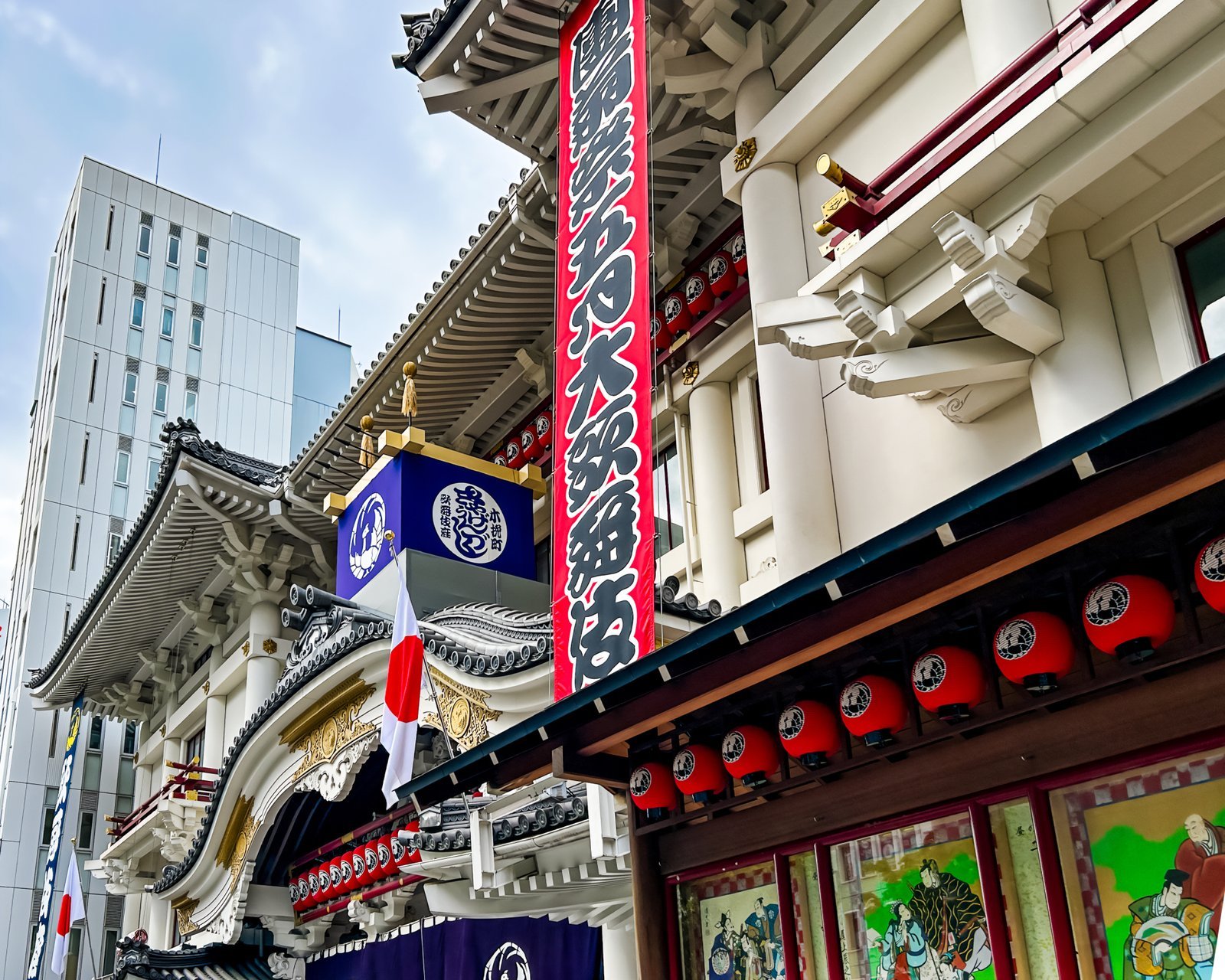
One Act, Priced: Single Acts at the Kabukiza in November 2026
Each month the Kabukiza posts its single-act times and prices on a news page of Kabuki Web. November’s run, from 1 to 25 November, splits the 11:00 am program, which Kabuki Web calls the Matinee, and the 4:30 pm program, which it calls the Evening Show, into five single acts.
| Single act | Time | Length | 4th level | Upgraded 2nd level |
|---|---|---|---|---|
| Act 1: acts 1 and 3 of the play (11:00 am program) | 11:00 am to 12:36 pm | 1 hour 36 minutes, with a short intermission | ¥2,200 | ¥7,900 |
| Act 2: act 4 of the play | 1:11 pm to 2:43 pm | 1 hour 32 minutes | ¥2,200 | ¥7,900 |
| Act 3: the Joururi, “Lover’s Journey” | 3:03 pm to 3:42 pm | 39 minutes | ¥1,600 | ¥5,800 |
| Act 4: acts 5 and 6 of the play (4:30 pm program) | 4:30 pm to 6:13 pm | 1 hour 43 minutes | ¥3,000 | ¥10,800 |
| Act 5: acts 7 and 11 of the play | 6:43 pm to 9:11 pm | 2 hours 28 minutes, with a 15-minute intermission | ¥3,000 | ¥10,800 |
Checked on 14 November 2026. The prices are from Kabuki Web’s single-act news page of 29 October 2026. The times follow Kabuki Web’s November program page and Shochiku’s Japanese site, which gives them as the plan on 12 November; the news page still shows the 4th act ending at 6:15 and the 5th act running from 6:45 to 9:17, and asks visitors to check again on the day. The online ticket page for the upgraded 2nd-level seats lists planned starts of 1:13 pm, 3:01 pm and 6:34 pm for acts 2, 3 and 5, a few minutes off the other pages. Upgraded 2nd-level seats are not offered for the 11:00 am program on 1, 14 and 18 November or for the 4:30 pm program on 1 and 22 November.
The prices follow the length of the act, from ¥1,600 for the 39-minute act to ¥3,000 for the two longest, with ¥2,200 for the two acts of about an hour and a half. The longest act, at 2 hours 28 minutes, costs ¥3,000, so the minutes per yen favor the long acts. The 39-minute act is the one to pick for a short taste.
November’s program is one long play, Kanadehon Chushingura, which Kabuki Web translates as The Treasury of Loyal Retainers. Kabuki Web calls it one of the three great classics of kabuki and says it dramatizes the famous revenge of the 47 masterless samurai of Ako domain. Each single act is therefore a slice of one story, and the synopsis on Kabuki Web’s program page is worth reading first. If you arrive after the 1:11 pm act has begun, Kabuki Web warns that you may not be shown to your seat for a while.
Full shows run longer than Kabuki Web’s general guide suggests. The guide says a full show lasts 3 to 4 hours, but November’s 11:00 am program ends at 3:42 pm and the 4:30 pm program at 9:11 pm, each about 4 hours 40 minutes with intermissions. The guide’s range for a single act, about 20 to 90 minutes, is also passed by November’s 2 hour 28 minute act. Read the month’s news page before you plan around either figure.
December’s run, from 2 to 25 December, has three programs a day, at 11:00 am, 2:30 pm and 6:00 pm. Its full-show tickets went on sale at 10:00 am on 14 November. Kabuki Web’s single-act page still listed November alone on 14 November, so December’s acts, times and single-act prices were not yet posted. Treat this table as a worked example of how the numbers behave, and read the month’s page for yours.
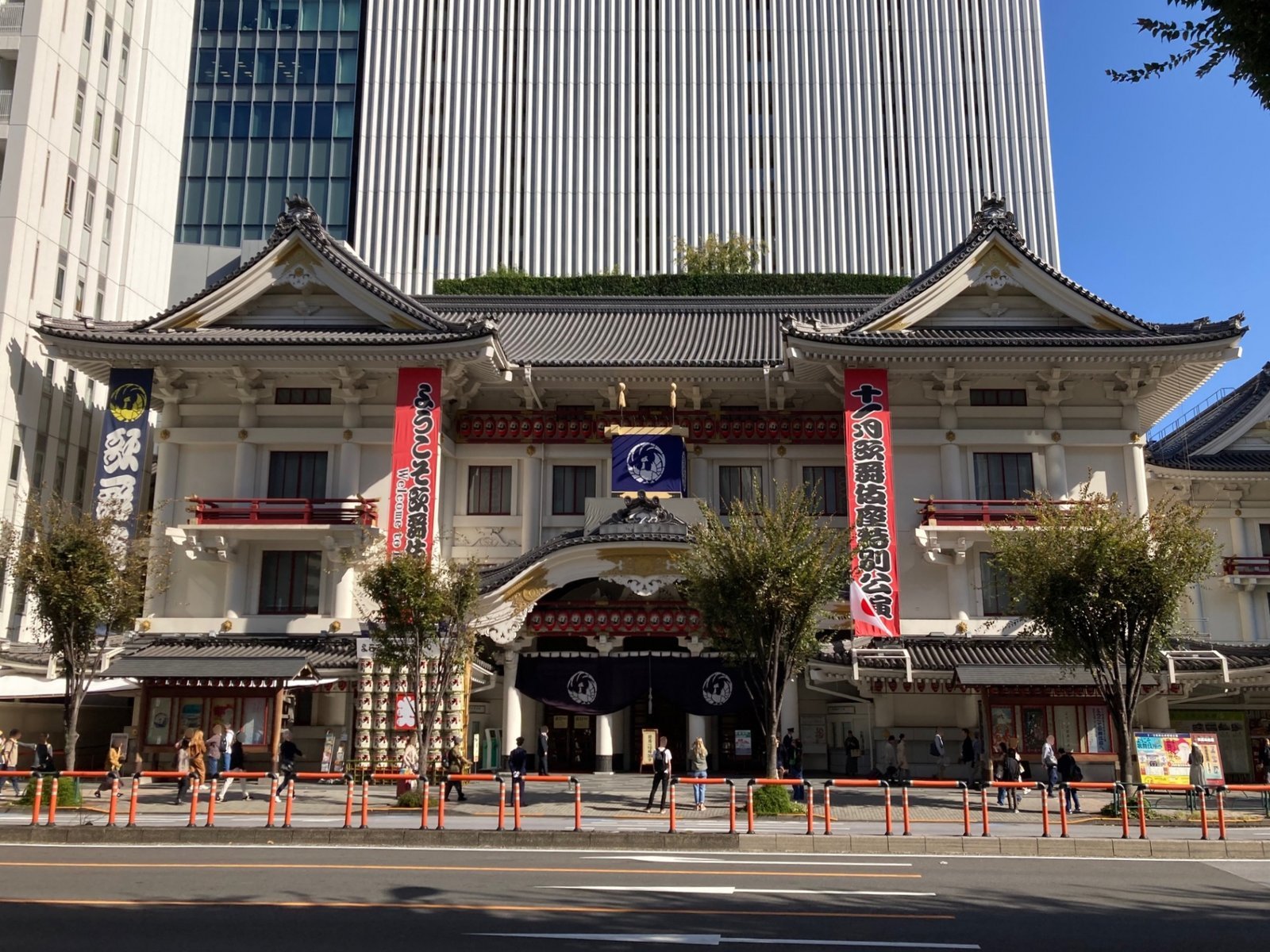
English Help at the Kabukiza, and the Numbers That Get Mixed Up
If you do not read Japanese, the help you will use is a captioning device. Kabuki Web says it shows the essential translations of the dialogue and lyrics, with explanations about kabuki, in English or Simplified Chinese. You rent it at the theater: ¥1,500 for a full show and ¥1,000 for a single act, in cash. For a full show you can instead choose Ticket with Captioning Service when you book online, which adds ¥1,500 to the price.
Kabuki Web adds that a very short act may not offer captions. If you hold several single-act tickets for the same program, such as the 11:00 am program, you can keep using the same device across them. For a 4th-level ticket the device is rented on the 4th level. For an upgraded 2nd-level seat, Kabuki Web’s notice says there is no rental counter on the 2nd floor, so rent it on the ground floor before you go up. A free English flyer is available, and the English synopsis is in the back pages of the Japanese program.
Three numbers get mixed up in guides, and each means something different.
| Number | What it is | Where it comes from |
|---|---|---|
| ¥1,500 | The captioning device for a full show, and the amount added to a full-show ticket if you choose the captioning option online. | Kabuki Web, service page and the November and December program pages |
| ¥1,000 | The captioning device for one single act, on the 4th level or the upgraded 2nd level. | Kabuki Web, service page and single-act pages |
| ¥800 | Not a ticket price. It was the single-act price of the simplified English audio guide, which cost ¥1,000 for a full program. Kabuki Web’s Kabukiza page dates that guide to before July 2024. | Kabuki Web, Kabukiza information page, and Shochiku’s corporate pages |
Pages from the same company disagree here, so ask at the rental counter on the day. Kabuki Web’s Kabukiza page lists the audio guide as running until June 2024 and the captioning device from July 2024. A Shochiku corporate page that we read on the same day still lists the audio guide at ¥1,000 and ¥800, says audio guides may be unavailable depending on the performance, and says English caption guides, called G-marc guides there, are currently not available. The same corporate FAQ describes single-act tickets as bought at the theater on the day, while Kabuki Web adds online sales from 12:00 noon the day before. Kabuki Web’s page for international visitors lists the captioning service with prices and keeps a heading for the audio guide without a price. We follow the Kabuki Web pages for the Kabukiza because they describe the theater itself and carry dates.
Getting to the Kabukiza, and an Option for Afterward
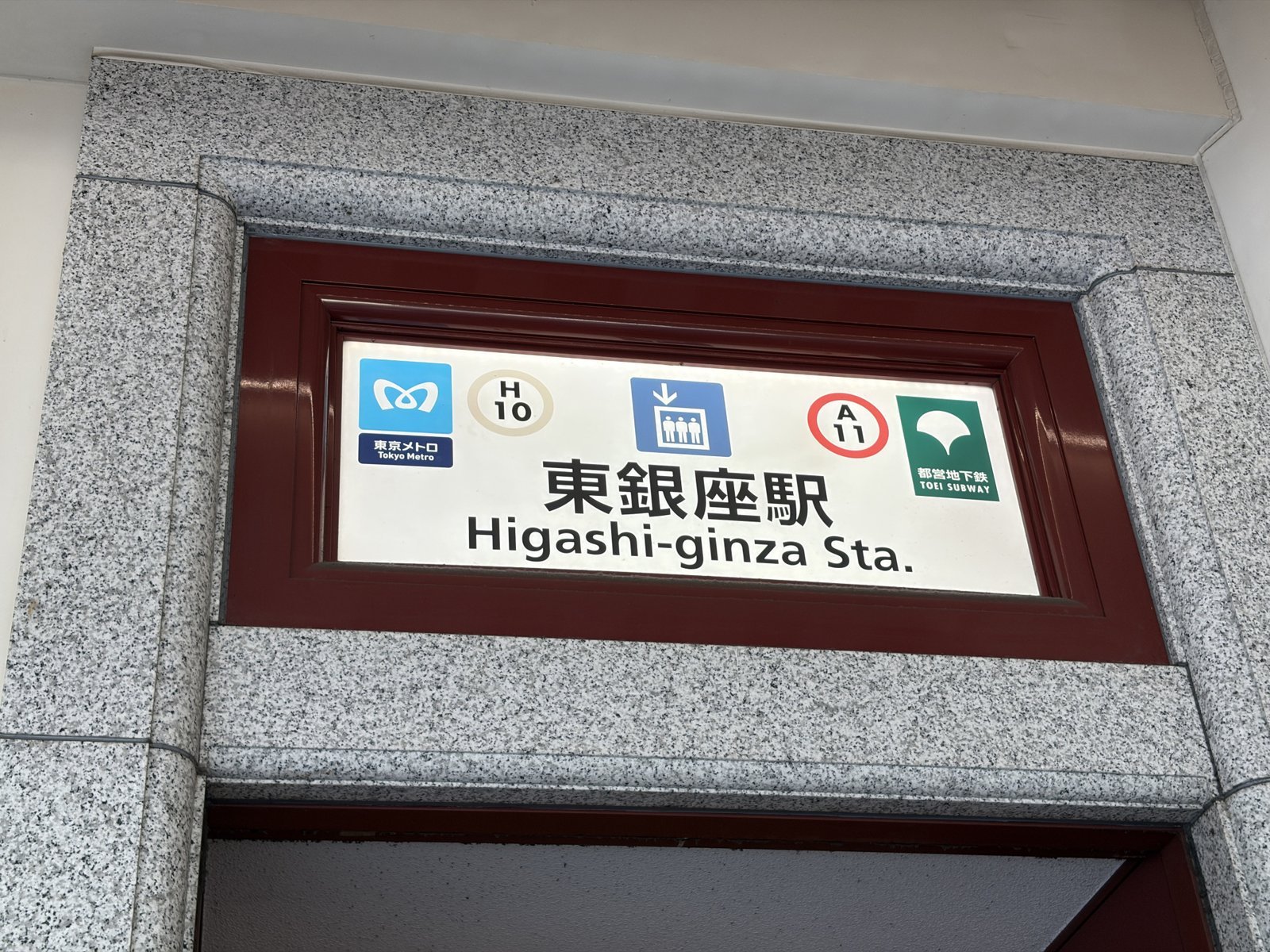
The Kabukiza is in Ginza. Kabuki Web gives Exit 3 of Higashi-ginza Station, on the Hibiya Line and the Toei Asakusa Line, as a direct connection to the theater, and Ginza Station as about a five-minute walk. For a weekday departure in November 2026, Tokyo Metro’s route search gave about 15 minutes from Asakusa Station to the Kabukiza with no change on the Toei Asakusa Line, at ¥220 by IC card. That is the search’s figure, not a time we measured ourselves.
Doors open about 30 minutes before a performance, and Kabuki Web’s notice for upgraded seats says admission opens about 20 minutes before the act and that start times may change. Take your seat about 5 minutes before the start. There is no dress code, though hats come off and phones go off. Photographs, video and recording are not allowed during a performance. A single-act ticket covers one act, and Kabuki Web asks holders of tickets for consecutive acts to leave their seats as soon as the act they paid for ends, so plan your hours around that.
To fit a Kabukiza act into a longer trip, our 3 day Tokyo itinerary shows where an act sits in a day, and our guide to seven cultural experiences in Tokyo at night covers what else to try after dark.
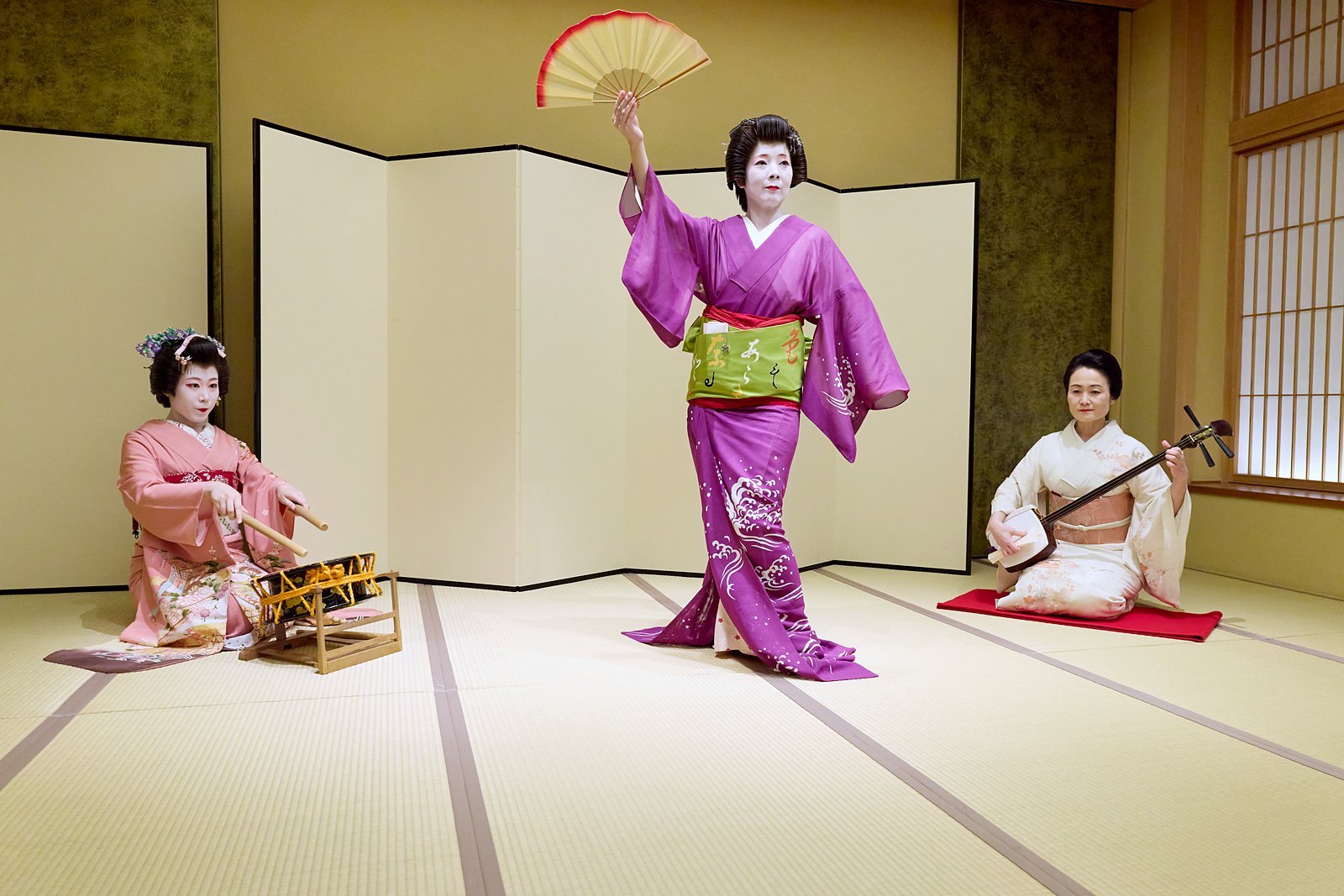
Miyakodori stands north of Senso-ji in Asakusa, and some guests pair kabuki with an ozashiki, a private gathering with geisha in a tatami room, with dances to live shamisen music and traditional games. In our experience, guests who combine the two usually go to the theater first and come to us afterward, and a few reverse the order. The trip from the Kabukiza to us is about 15 minutes by train to Asakusa Station and then 13 to 15 minutes on foot from the Asakusa stations. Our visits start between 2:00 and 8:00 pm, subject to availability. In November the last act of the 11:00 am program ends at 3:42 pm and the first act of the 4:30 pm program ends at 6:13 pm, so either leaves room for a start the same day. We are normally open Monday to Friday, except public holidays.
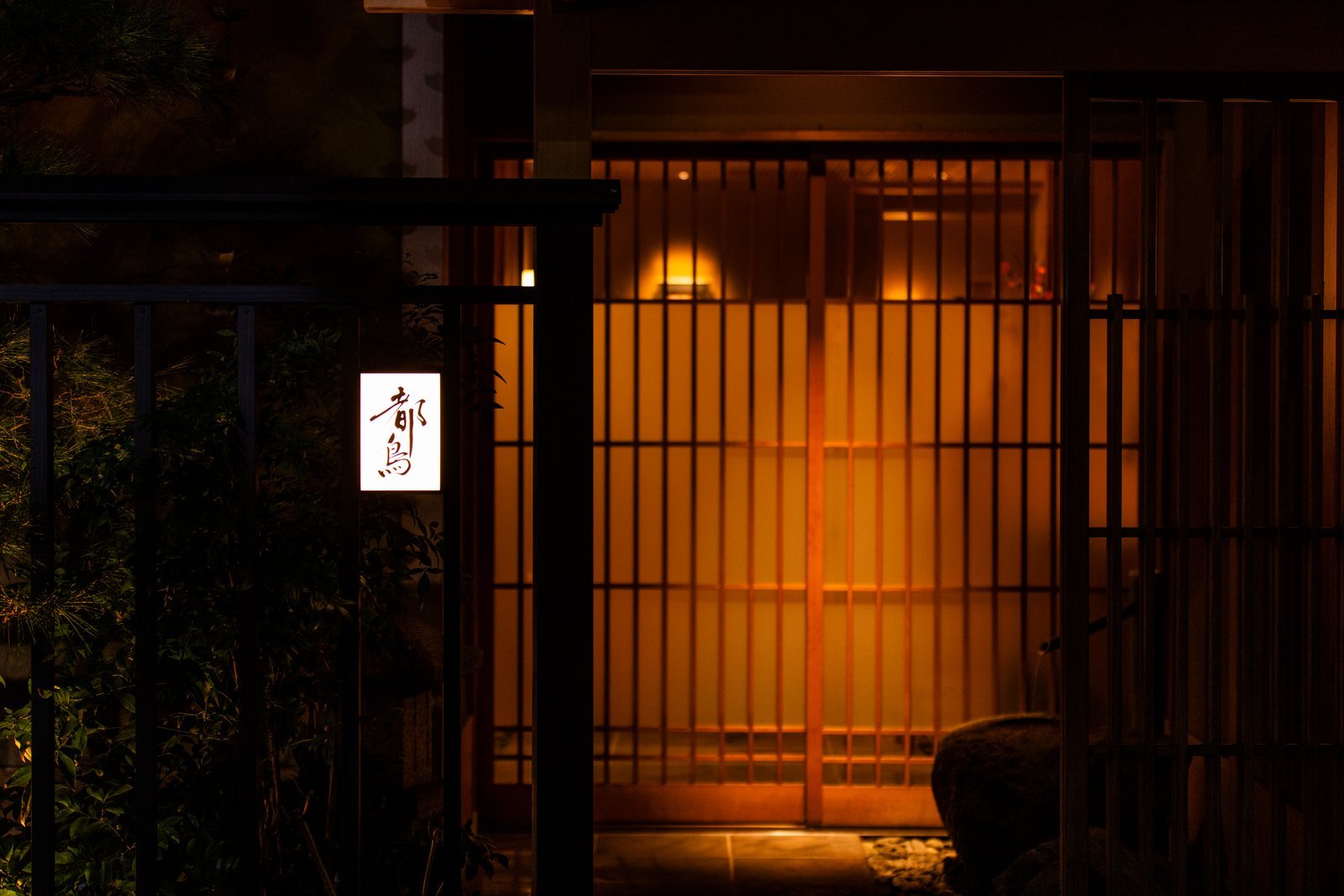
The rooms are shown on our ozashiki page, and current rates are on the pricing page. A guest travelling alone is welcome to book.
Plan a Private Ozashiki Before or After Kabuki
A private gathering with geisha in a tatami room for your party alone, with dances to live shamisen music and traditional games. Choose a visit of one, two or three hours, starting between 2:00 and 8:00 pm. English plans come with an interpreter, and a guest travelling alone can book.
Request a ReservationFrequently Asked Questions
How much does a kabuki ticket cost in Tokyo?
At the Kabukiza in November 2026, a full-show seat costs ¥5,000 to ¥20,000. A single act costs ¥1,600 to ¥3,000 on the 4th level and ¥5,800 to ¥10,800 in an upgraded seat on the 2nd level. Prices change every month. In January 2027, seats at Asakusa Public Hall cost ¥3,500 to ¥10,000, with reduced-price seats for visitors from overseas sold at its box office on the day.
Can you buy a single-act kabuki ticket online?
Yes. Kabuki Web says 4th-level and upgraded 2nd-level single-act seats go on sale online at 12:00 noon the day before, and about 20 seats on the 4th level are kept for the single-act box office, which sells them from 10:00 am on the day. Online tickets are paid by credit card, with up to 4 tickets per person on the 4th level and 6 on the 2nd. A Shochiku corporate FAQ still describes single-act tickets as sold at the theater on the day, so confirm the sale time on Kabuki Web’s single-act page.
How long is a single act of kabuki?
It depends on the month. Kabuki Web’s general guide says about 20 to 90 minutes, but the acts at the Kabukiza in November 2026 run from 39 minutes to 2 hours 28 minutes. Each month’s news page on Kabuki Web gives the exact times.
Can you watch kabuki in Tokyo without speaking Japanese?
Yes, at the Kabukiza. It rents a captioning device that shows translations of the dialogue and lyrics in English, for ¥1,500 for a full show and ¥1,000 for a single act, in cash. The English synopsis is in the back of the Japanese program, and a free English flyer is available. A very short act may not offer captions, and Shinbashi Enbujo and Asakusa Public Hall list no English guide.
What can you see from a 4th-level single-act seat?
Less than from the lower levels. Kabuki Web says the 4th level is the farthest from the stage, the hanamichi cannot be seen and the main stage may be partly out of sight. The first row is close to a railing that may show. The upgraded single act on the 2nd level, at ¥5,800 to ¥10,800 in November 2026, is a closer seat.
Is there kabuki in Tokyo outside the Kabukiza?
Yes. In January 2027 kabuki runs at the Kabukiza and Asakusa Public Hall from 2 to 26 January, at Shinbashi Enbujo from 3 to 27 January and at the New National Theatre, Tokyo, from 8 to 26 January. Of the four theaters, the Kabukiza is the one that lists English captions.
Sources
Pages checked on 14 November 2026. Programs, prices and rules change, so use these for orientation and confirm with each theater. The Japan Arts Council page is in English, and Kabuki Web is Shochiku’s English-language kabuki guide.
- Kabuki Web, ticket rules: How to buy tickets, Single Act Tickets, 4th level and upgraded 2nd level: the ticket types, seats, sale times, purchase limits, view, fees, cancellation and the notices for ticket holders, some of which the pages show as pictures.
- Shochiku Multilingual Online Ticket, the single-act sale pages for the 4th level and the upgraded 2nd level: the purchase limits, the system usage fee, no changes or refunds, the entry notes and the planned start times.
- Kabuki Web, Single Act Tickets: Kabukiza (Tokyo) November 2026 (news of 29 October 2026): the acts, times and prices, and the dates the upgraded seats are not offered.
- Kabuki Web, the Kabukiza programs for November 2026 and December 2026: run dates, full-show prices, sale dates, the captioning option and the sold-out dates.
- Kabuki Web, Kabukiza Theatre Information: the stations and exits, the intermission, and the dated list of English help.
- Kabuki Web, Service for International Visitors and Enjoy your theatregoing: the captioning prices and rules, the doors, the manners and the lockers. Kabuki Web’s page on stage structures describes the hanamichi.
- Kabuki Web, other theaters: Shinbashi Enbujo, January 2027 and Asakusa Public Hall, January 2027: dates, prices, sale dates and the English help listed.
- Japan Arts Council, Kabuki Performance in January 2027 and the National Theatre page: the January dates, prices, audio guide and subtitles, and the closure of the National Theatre for redevelopment.
- Shochiku, Going to a theatre, FAQ and Reserving tickets: the audio guide that is still listed, the line on G-marc guides, the description of single-act sales and the ticket phone line.
- Tokyo Metro, route search: the Asakusa Station to Kabukiza time and fare for a weekday departure on 9 November 2026, searched on 6 November 2026.
- Miyakodori, pricing: opening days and start times.


- Shrines in Asakusa: What Each Is Prayed For, and a Walk North of Senso-ji
- Traditional Japanese Architecture: What You Find Inside a Japanese House, and How to Behave There
Omotenashi Meaning: The Idea Behind Japanese Hospitality
Unique Things to Do in Tokyo: Choosing the Right Experience
Best Private Room Restaurant in Tokyo: A Guide to Exclusive Dining at Asakusa Miyakodori
Best Kaiseki Tokyo: Japan’s Ultimate Culinary Art Form

Best Restaurants for a Birthday Dinner in Tokyo | Memorable Dining Experiences
The Ultimate Guide to Tokyo Dinner Reservations in 2026: How to Secure the Best Tables
Comment ( 0 )
Trackbacks are closed.
No comments yet.