Miyakodori Archive
How geisha live and work, how an ozashiki runs, and how Tokyo's geisha differ from Kyoto's, recorded entry by entry from what we have heard in Asakusa and from books on the geisha world, each with its source.
Themes
Read from 1 for the whole picture, or start with the theme you are curious about.
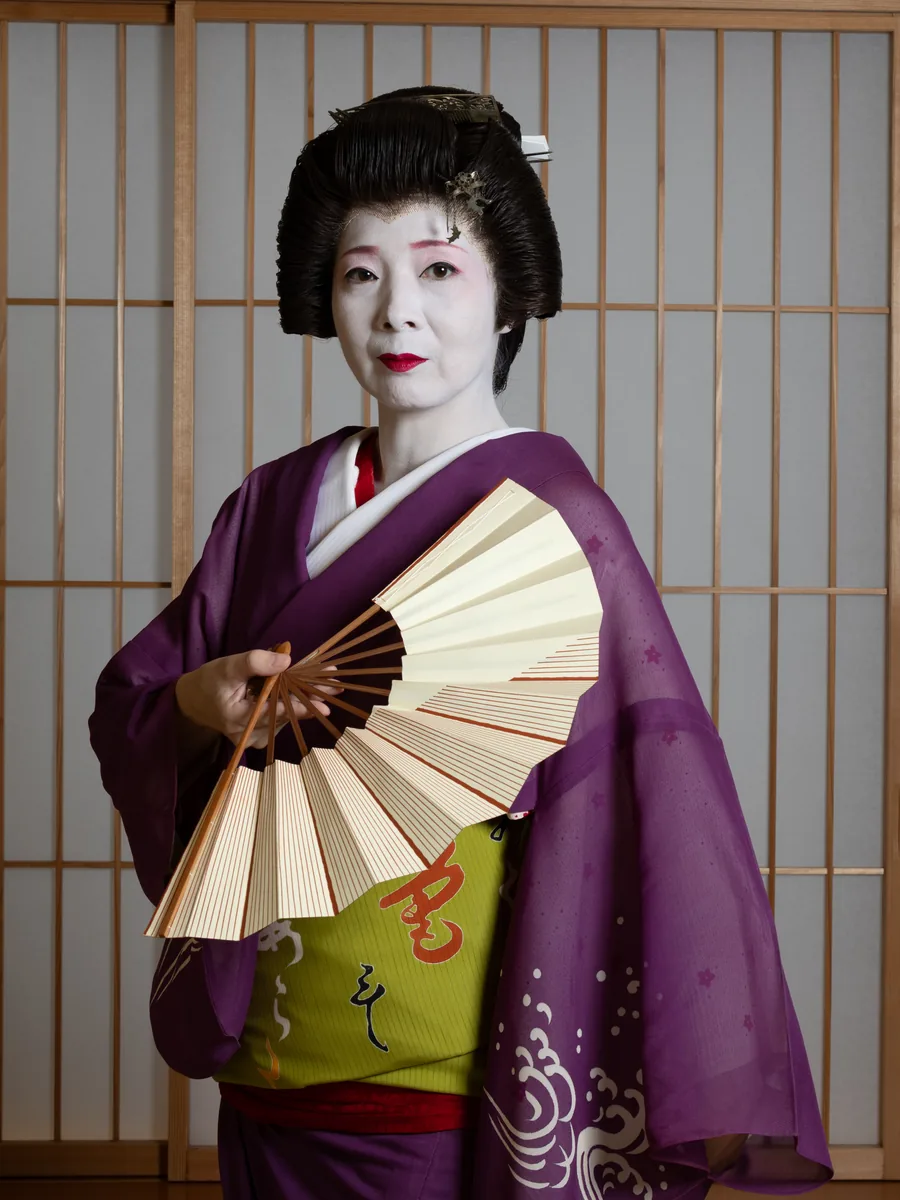 1IntroductionWhat a geisha is · dancers and musicians · hangyoku and ipponRead →
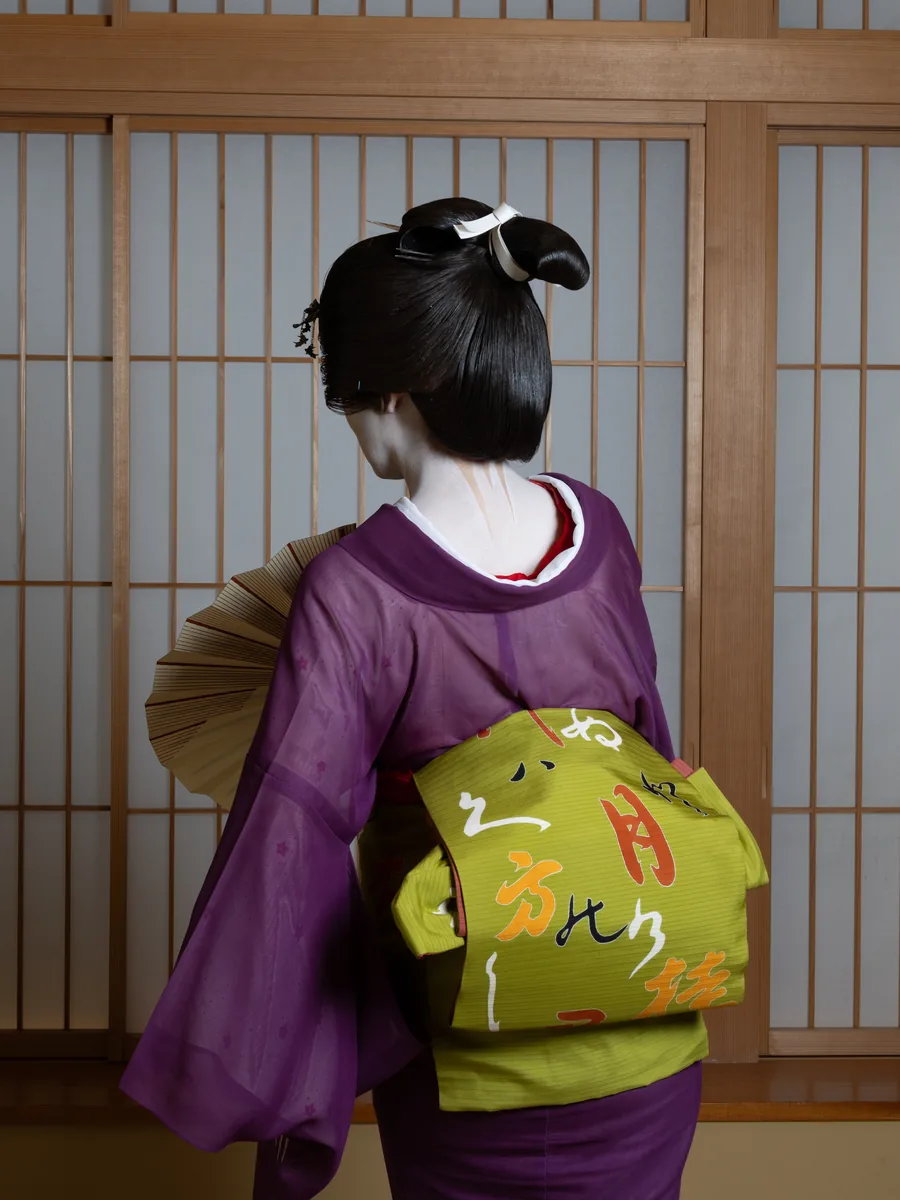 2Geisha and courtesansA common mix-up, from books and accountsRead →
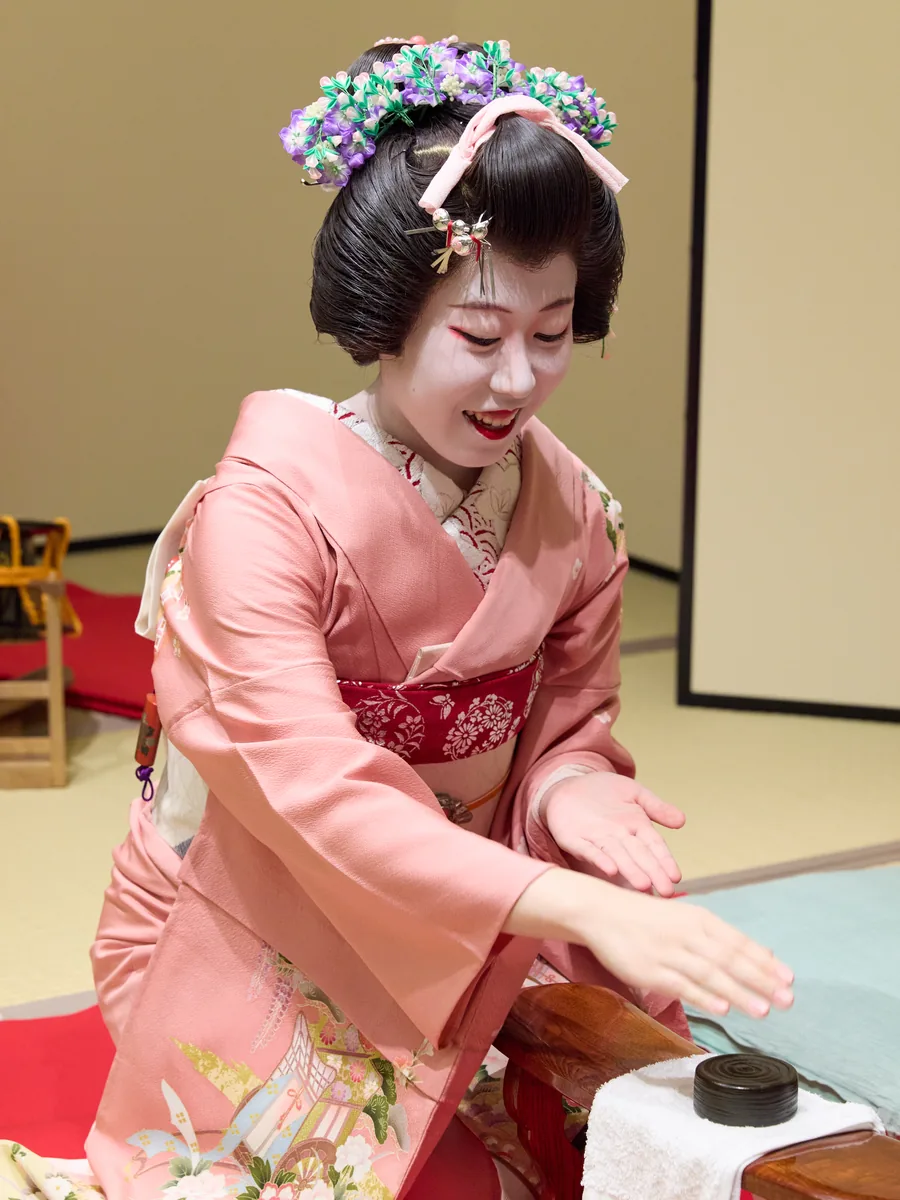 3The ozashikiHow a party with geisha runs, and its gamesRead →
- 4Tokyo geisha and Kyoto geikoNames, dress and dance schools comparedRead →
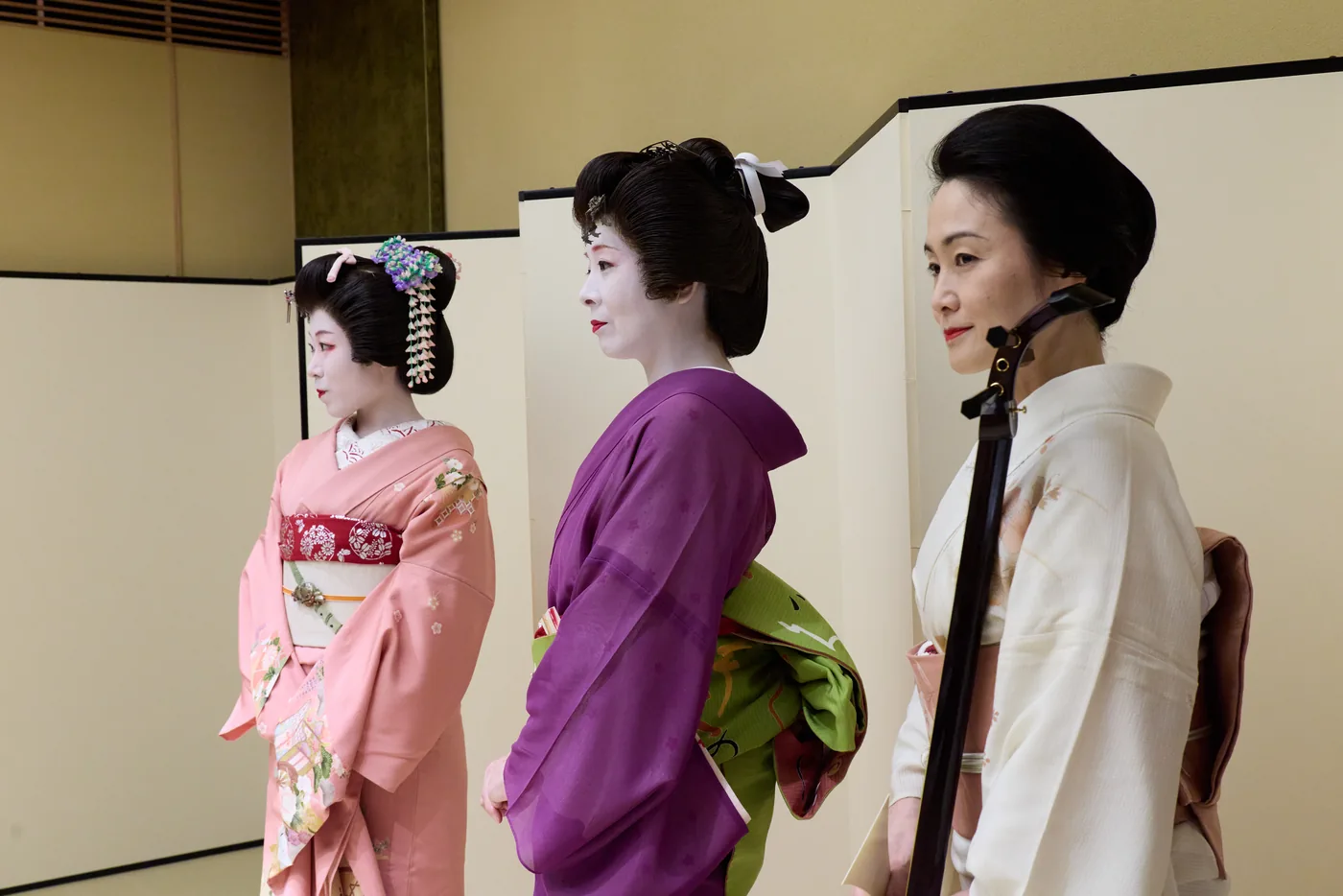 5Kenban, okiya and ryoteiWho a geisha works for, and how she is calledRead →
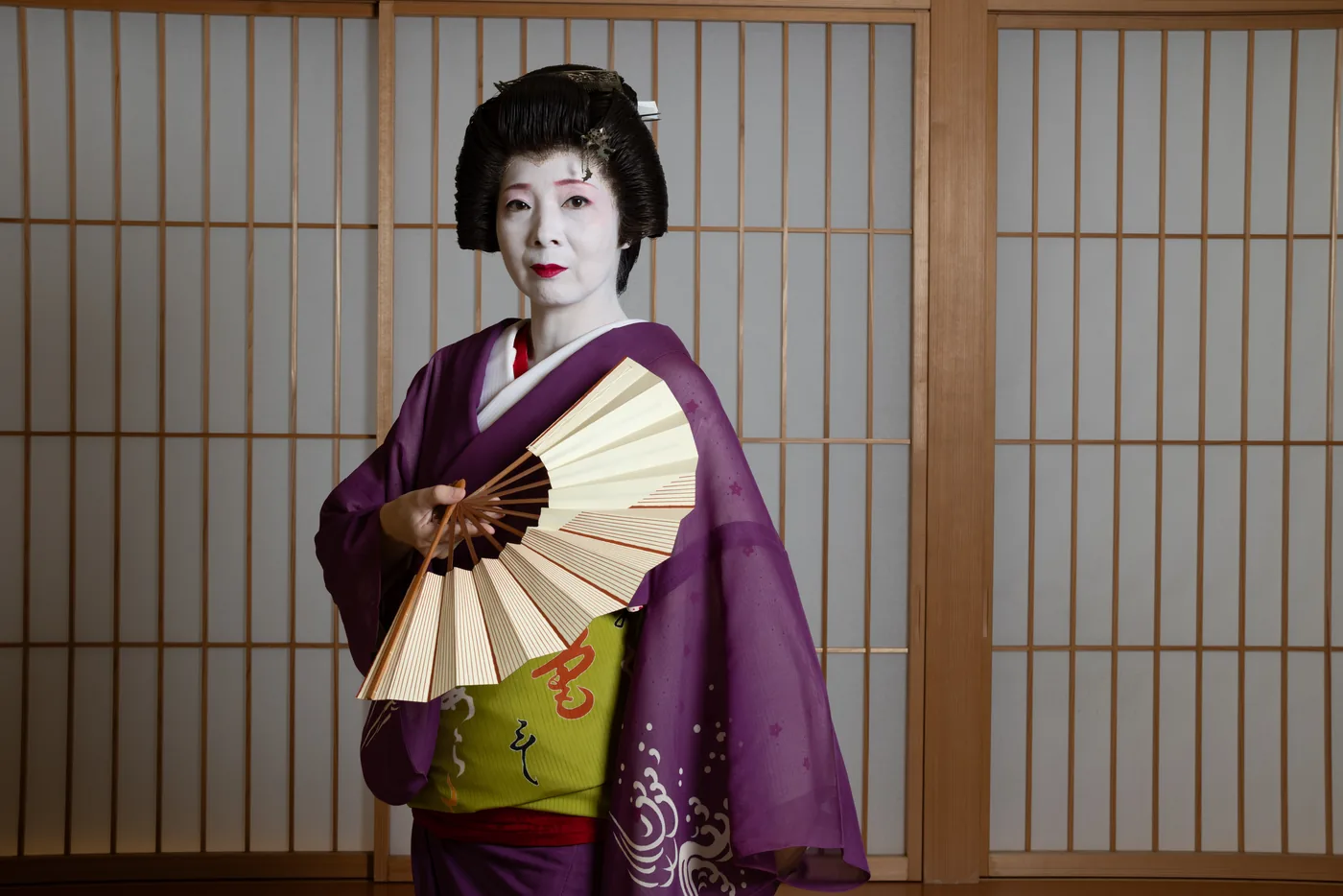 6How geisha dressHair, kimono and obi, white makeupRead →
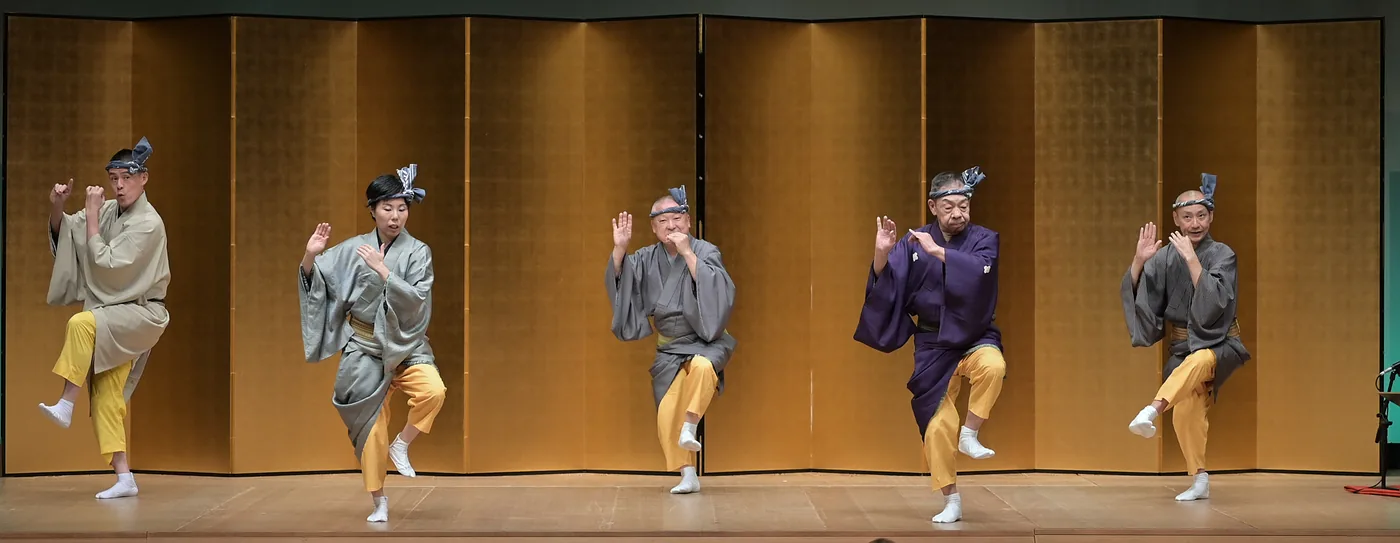 7HōkanThe entertainer who brings the party togetherRead →
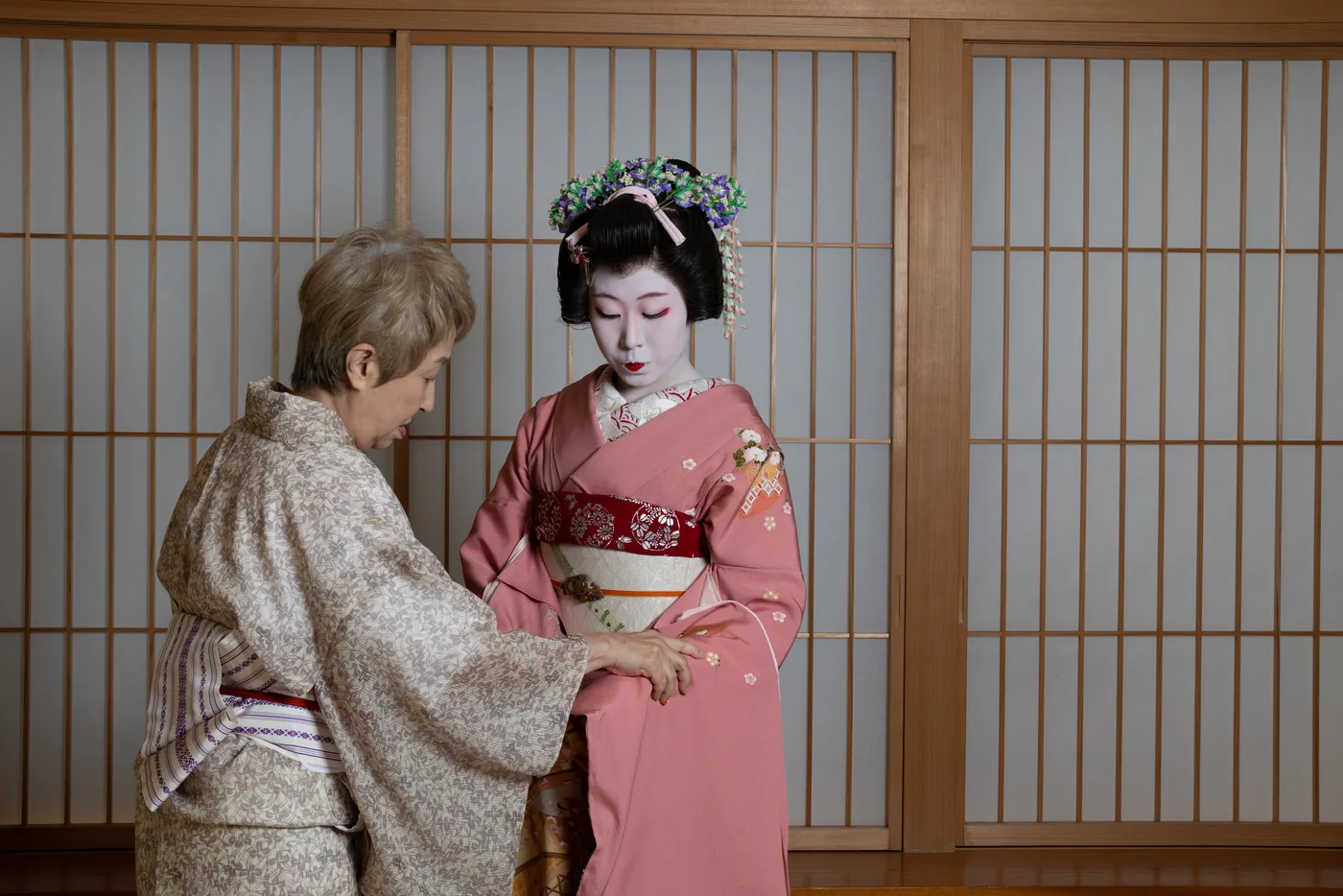 8The okami of MiyakodoriAsakusa seen by a former geishaRead →
All entries
Introduction
What a geisha is
- Intro-01A geisha is a "person of the arts" who always performs for her guests
- Intro-02An ozashiki is a party for watching the geisha's arts and enjoying conversation and games with them
- Intro-03Geisha do not sleep with their guests
- Intro-04A geisha is not a hostess, and the difference is her art
- Intro-05Weekly lessons pass on forms refined by earlier generations
- Intro-06A Tokyo geisha is registered with the kenban of her own district
Dancers and musicians
Geisha and courtesans
Two different roles
Which came first, and Yoshiwara
- Courtesan-04Courtesans came first; geisha became a separate profession later
- Courtesan-05The first people called geisha were men
- Courtesan-06In the Edo period, only the geisha of Yoshiwara were officially geisha
- Courtesan-07Yoshiwara is close to Asakusa, and its history comes before Asakusa's geisha district
- Courtesan-08The kenban, the geisha registry office, began in Yoshiwara
From 1872 to today
- Courtesan-09From 1872, Tokyo separated geisha and courtesans by law
- Courtesan-10The name geisha was born in Edo and grew up in Tokyo
- Courtesan-11In the confusion after World War II, Asakusa kept geisha who sold their art
- Courtesan-12The oiran parade is a courtesans' procession, not an event of today's Asakusa geisha
Ozashiki: how a geisha party runs, its manners and its games
How an ozashiki runs
- Ozashiki-01Geisha enter with a bow, and the dance comes partway through the meal
- Ozashiki-02The seat nearest the alcove is the highest, and things are handed over while seated
- Ozashiki-03Guests do not need to know any of these manners
- Ozashiki-04The end of an ozashiki is called "ohiraki," and there is no fixed way to close it
Ozashiki games
- Ozashiki-05In konpira fune fune, two players take turns over a small cover set on an armrest
- Ozashiki-06Tora tora is a three-way game of tiger, old woman and the hero Watōnai
- Ozashiki-07In tosenkyo, players throw an open fan to knock down a target and score by how it falls
- Ozashiki-08The loser drinks one small cup, and the geisha cheer them on
- Ozashiki-21Guests from abroad enjoy the games just as Japanese guests do
Tokyo geisha and Kyoto geiko and maiko
Names and roots
- TokyoKyoto-01Tokyo says "geisha" and Kyoto says "geiko" for the same profession
- TokyoKyoto-02In Tokyo, a hangyoku is already a geisha, not a trainee
- TokyoKyoto-03The word "geisha" was born in Edo and passed down to Tokyo
- TokyoKyoto-04Kyoto's geiko and Tokyo's geisha share one root but grew in different ways
Dress
Dance and how geisha are seen
- TokyoKyoto-08Gion in Kyoto dances in the Inoue school, a style of its own
- TokyoKyoto-09Asakusa geisha dance in the Hanayagi and Fujima schools
- TokyoKyoto-10Many people, in Japan too, picture a Kyoto maiko when they hear "geisha"
- TokyoKyoto-11Some guests arrive with a picture of geisha from the film SAYURI
- TokyoKyoto-12Edo means iki and Kyoto means hin, in the okami's own "personal image"
Kenban, okiya and ryotei
Who a geisha works for
- Kenban-01Asakusa geisha belong to an okiya, register with the kenban, and work for themselves
- Kenban-02A geisha is paid by the union, not by the ryotei: guest, ryotei, union, geisha
- Kenban-03Every geisha belongs to an okiya, and its head is like a mother to her
- Kenban-04After a set number of years with her okiya, a geisha can become independent as a jimae
- Kenban-05To become an Asakusa geisha, contact the kenban; some people contact an okiya directly through social media
How geisha come to an ozashiki
- Kenban-06Guests reach geisha through the ryotei, not directly
- Kenban-07Unless a guest asks for particular geisha, the okami of the ryotei chooses who comes
- Kenban-08A ryotei phones the kenban, and the call used to reach the geisha by a hakoya on foot or bicycle
- Kenban-09The word ryotei became official only after the war, in 1948
The hakoya and the kenban
- Kenban-10The "box" in hakoya is the long box that holds a shamisen
- Kenban-11When a geisha could not go to an ozashiki, the hakoya carried her answer to the ryotei
- Kenban-12Hakoya once lived in at the kenban and came at any hour of the night
- Kenban-13Today kenban staff carry the shamisen, and geisha often bring their own
How geisha dress: hair, kimono and makeup
Hair and hair ornaments
- Dress-01A geisha's topknot takes one of three shapes: momoware, takashimada or tsubushi
- Dress-02In Asakusa, geisha wear their nihongami as a wig, and whether they wear it at all depends on the guests
- Dress-03With the black hikigi, the hair carries a tortoiseshell comb, kōgai and kanzashi, tied with a red and white cord
Kimono and obi
- Dress-04A geisha's most formal dress is a black kimono with five crests
- Dress-05The hikigi is a kimono whose hem trails along the floor as the geisha walks
- Dress-06Tokyo geisha tie the obi of the black hikigi in the yanagi knot
- Dress-07A hangyoku wears a long-sleeved furisode with the shoulders tucked, does not trail her hem, and wears pokkuri clogs
White makeup
- Dress-08Makeup with nihongami uses only three colors: white, red and black
- Dress-09White makeup goes on over a base of binzuke oil, and powder is patted on to finish
- Dress-10The nape is left unpainted on purpose, in a drawn shape called mitsueri
- Dress-11The okami thinks the face was painted white so it would stand out by candlelight
Hōkan
The name and its origins
What hōkan did in Edo
Hōkan at an ozashiki in Asakusa today
- Hokan-08Registered hōkan work only in Asakusa, and today one of the six is a woman
- Hokan-09A hōkan enters with the geisha and does not start performing right away
- Hokan-10A hōkan's real work is lifting the whole party, more than any single act
- Hokan-11In January hōkan perform the lion dance, and a group of hōkan takes part in the Sanja Festival
- Hokan-12Guests who have called a hōkan once almost always call one again
The okami of Miyakodori: Asakusa seen by a former geisha
Growing up in Asakusa
Life as a hangyoku and a geisha
- Okami-04A hangyoku's day ran from morning lessons to parties in the evening
- Okami-05She became an ippon geisha and worked as a geisha for 27 years from age 15
- Okami-06When she debuted, the geisha world was at its busiest since the war
- Okami-07"My guests raised me"
- Okami-08She kept up hard lessons because she wanted to catch up with the senior geisha she admired
Terms
- Geisha (芸者)
- A woman of the arts who performs dance, shamisen and song, and entertains guests at an ozashiki.
- Ozashiki (お座敷)
- A private party where guests watch geisha perform and enjoy conversation and games with them.
- Kagai (花街)
- A geisha district. Asakusa geisha and okami read the characters "kagai."
- Karyukai (花柳界)
- The world of geisha and everything around them.
- Keiko (お稽古)
- Lessons with a teacher in shamisen, ohayashi, dance, song and movement. Geisha go every week.
- Kata (型)
- A set form of an art, refined over generations, that anyone can practice.
- Kenban (見番)
- The registry office of a geisha district. Each Tokyo geisha is registered with the kenban of her district.
- Tachikata (立方)
- A geisha who dances at an ozashiki.
- Jikata (地方)
- A geisha who plays the shamisen and sings.
- Yohatsu (洋髪)
- A modern, non-traditional hairstyle. Jikata appear at an ozashiki with this hair.
- Narimono (鳴り物)
- Percussion instruments such as the tsuzumi and taiko.
- Shikomikko (仕込みっ子)
- In Tokyo, a trainee before her debut as a geisha. The training lasts about six months to a year.
- Hangyoku (半玉)
- Tokyo's young geisha in training, in a furisode with flowered hairpins. Kyoto calls this stage maiko.
- Ippon (一本)
- A full-fledged geisha. A hangyoku becomes an ippon after some years.
- Hōkan (幇間)
- An entertainer, long a men's role, who sets off the geisha and livens up the ozashiki. Also called otoko geisha or taikomochi.
- Yujo (遊女)
- A courtesan: a woman of the pleasure quarters whose work included intimate services. A different profession from geisha.
- Oiran (花魁)
- One of the names for courtesans.
- Yoshiwara (吉原)
- The only officially licensed pleasure quarter in Edo, licensed in 1617.
- Yoshiwara geisha (吉原芸者)
- The geisha of Yoshiwara, the only geisha officially recognized in the Edo period.
- Machi geisha (町芸者)
- "Town geisha": women outside Yoshiwara who called themselves geisha, in districts such as Fukagawa and Yanagibashi.
- Shakunin (酌人)
- A woman who poured drinks. On paper, geisha outside Yoshiwara had this status in the Edo period.
- Otoko geisha (男芸者)
- "Male geisha": what the original male entertainers came to be called once women geisha outnumbered them.
- Shōgi (娼妓)
- The name for courtesans under the licensed system from 1872.
- Kashizashiki (貸座敷)
- The name for courtesan houses from 1872.
- Kansatsu (鑑札)
- A license issued by the authorities. From 1872, Tokyo geisha worked under one.
- Oiran dōchū (花魁道中)
- An oiran's procession. In Asakusa today it is staged as a reenactment at festivals.
- Ozashiki o tsukeru (お座敷をつける)
- The geisha's term for performing a dance at the party.
- Kamiza (上座)
- The top seat, nearest the decorative alcove.
- Shimoza (下座)
- The bottom seat, nearest the door, taken by the most junior person.
- Takaagari (高上がり)
- Sitting above an older geisha. A younger geisha asks pardon before she does.
- Ohiraki (お開き)
- The end of an ozashiki. There is no fixed way to close it.
- Nakajime (中締め)
- A pause to close a banquet partway through. Not the name for the end of an ozashiki.
- Kyōsoku (脇息)
- An armrest used when sitting on tatami. In konpira fune fune it is placed between the two players.
- Hakama (袴)
- Here, a cover placed under a beer bottle to catch drips. The piece players take in konpira fune fune.
- Watōnai (和藤内)
- The hero of the puppet play Kokusen'ya Kassen and one of the three figures in tora tora.
- Tosenkyo (投扇興)
- A game of throwing a fan to knock down a target, scored by how they land.
- Bappai (罰杯)
- The one small cup a loser drinks in a party game. It need not be sake.
- Obake (お化け)
- The Setsubun custom of geisha performing in costume.
- Hirezake (ヒレ酒)
- Hot sake with a toasted pufferfish fin in it.
- Geiko (芸妓 / 芸子)
- Kyoto's word for a full geisha.
- Maiko (舞妓)
- Kyoto's word for an apprentice geisha. Tokyo's equivalent is the hangyoku.
- Minarai (見習い)
- The trainee period before debuting as a hangyoku.
- Okiya (置屋)
- The house a Tokyo geisha belongs to.
- Yakata (屋形)
- Kyoto's word for the house a geisha belongs to. Tokyo's equivalent is the okiya.
- Darari obi (だらりの帯)
- The long hanging sash worn by a Kyoto maiko.
- Edo komon (江戸小紋)
- Kimono with a fine all-over pattern. The hikizuri of Tokyo geisha.
- Tsukesage (付け下げ) and irokawari (色変わり)
- Kimono patterned at the hem. Common among Kyoto geisha; Asakusa geisha wear irokawari in some seasons.
- Inoue school (井上流)
- An old school of Japanese dance handed down in Gion, Kyoto.
- Hanayagi and Fujima schools (花柳流・藤間流)
- Schools of Japanese dance. Asakusa geisha learn these two.
- Jimae (自前)
- A geisha who has become independent of her okiya.
- Ryotei (料亭)
- A restaurant where guests call geisha. The name became official in 1948.
- Machiai (待合)
- A house where guests met and called geisha, with food ordered from a restaurant. Merged with restaurants under the name ryotei in 1948.
- Hakoya (箱屋)
- A geisha's dresser and attendant, who carried her shamisen box and ran her errands. The hakoya does not appear at the party.
- Tōde (遠出)
- Calling geisha to a place without a license to call them, such as a hotel banquet hall, or to another district.
- Geisha o kakeru (芸者をかける)
- To call geisha to an ozashiki. The Asakusa phrase.
- Nihongami (日本髪)
- Traditional Japanese hairstyle built around a topknot. In Asakusa today, geisha basically wear it as a wig.
- Momoware (桃割れ)
- The topknot of a hangyoku.
- Takashimada (高島田)
- The topknot of an ippon. Not the same as the bride's bunkin takashimada.
- Tsubushi (つぶし)
- A lower, lighter topknot than the takashimada, worn by some older geisha.
- Kōgai (笄)
- A hair ornament that runs through the topknot from side to side.
- Mottoi (元結)
- The cord that ties the base of the topknot, red and white with the black hikigi. Usually read "motoyui".
- Hikigi (引き着)
- A kimono with a long hem that trails along the floor. Also called ohikizuri.
- Irogawari (色変わり)
- A hikigi that is not black, with three crests, worn after the black hikigi in January.
- Yanagi-musubi (柳結び)
- The way Tokyo geisha tie the obi with the black hikigi.
- Kataage (肩上げ)
- A tuck sewn at the shoulders, as on children's kimono. A hangyoku's furisode has it.
- Hashori (はしょり)
- Wearing a kimono with the length taken up at the waist, so the hem does not trail.
- Pokkuri (ぽっくり)
- Tall wooden clogs a hangyoku wears outdoors, with a bell inside.
- Binzuke abura (鬢付け油)
- Hair oil used for nihongami, also the base for white makeup.
- Mitsueri (三つ襟)
- The shape of the nape left unpainted in white makeup.
- Taikomochi (太鼓持ち)
- Another name for a hōkan. In Asakusa people say hōkan.
- Hōkan wo kakeru (幇間をかける)
- To call a hōkan for an ozashiki. The same phrase is used for calling a geisha.
- Tayu-shu (太夫衆)
- What ryotei and geisha once called hōkan. Books explain the origin of the name differently.
- Ki-bataraki (気働き)
- Sensing what others feel and need, and acting before being asked. Books on Edo say it was the first thing asked of a hōkan.
- Katobushi, Itchubushi (河東節・一中節)
- Old styles of Edo shamisen narrative song. A book says hōkan kept them alive in Yoshiwara's banquet rooms.
- Okami (女将)
- The proprietress of a ryotei or teahouse. She runs the house and calls the geisha for each ozashiki.
- Ippon hirome (一本披露目)
- The celebration at which a hangyoku becomes an ippon.
- Nagauta (長唄)
- A style of shamisen music from the Edo period.
- Kiyomoto (清元)
- A school of narrative singing to the shamisen, born in the late Edo period.
- Kouta (小唄)
- Short songs sung to the shamisen at ozashiki.
- Hanayagi school (花柳流)
- A school of Japanese dance; the main school of dance in the Asakusa geisha district.
- Shihandai (師範代)
- A license from a dance school recognizing someone as qualified to teach.
- Shinpa (新派)
- A Japanese theater born in the Meiji era, named as a new kind of drama in contrast to kabuki.
- Ichigen-san okotowari (一見さんお断り)
- Turning away first-time guests who have no introduction. Miyakodori stopped doing this.
About this archive
Asakusa’s geisha world is much quieter than it once was. Yet the kenban still runs, young geisha still train, and the ozashiki goes on. We record how it works and what we hear, so that readers can explain it to others in their own words.
This archive is kept by Miyakodori, a ryotei in Asakusa since 1950 that keeps the form of a machiai (a house where guests call geisha for a private party). It rests on what we have heard directly in Asakusa (accounts), checked against books on the geisha world. Memories differ from person to person and from one era to another, so not everything here is certain. If you find something that differs, please tell us with “Ask the archive”; we will check and correct it.
Sources: Accountheard directly in Asakusa Bookwritten in books on the geisha world