




The Ultimate Guide to Tokyo Dinner Reservations in 2026: How to Secure the Best Tables
Introduction: The New Era of Tokyo Dining
Planning a trip to Japan’s capital in 2026 is an exercise in excitement and, let’s be honest, a little bit of strategic planning. Wherever you are coming from, you likely already know that food is the heart of the Tokyo experience. However, the landscape of Tokyo dinner reservations isn’t one to be underestimated. It’s not a case of simply walking into a high end restaurant in Ginza or a popular sushi spot in Roppongi and expecting a table. Today, the city is a vibrant, bustling hub where digital booking and early planning are the keys to a successful evening. Even if you are just steps away from a major subway station, you will find that the best spots require a bit of foresight to explore.
Whether you are looking for the delicate artistry of kaiseki, the smoky allure of yakitori, or the marbled perfection of wagyu beef, securing your spot in advance is essential. This guide is designed to solve your biggest dining headaches. We will walk through the best platforms to use, the etiquette you need to know, and a special recommendation for an authentic cultural experience in the historic Asakusa area that most tourists completely miss.
Why Tokyo Dinner Reservations Are Essential in 2026
In 2026, Tokyo remains the world capital of Michelin stars. But it is not just the high end places that are full. Even the local izakaya and specialized soba shops have moved toward a reservation based model to manage the sheer volume of international and domestic diners. The city has seen a massive influx of travelers seeking authentic Japanese flavors, making the competition for a table quite fierce. It’s not unusual to find that waiting times for walk-ins can often exceed two hours during peak seasons.

If you are looking for sushi, for instance, many of the top omakase spots are booked out months in advance. The same goes for premium yakiniku and teppanyaki restaurants. The reason is simple: privacy and quality. Many Japanese restaurants are small, intimate spaces with only a few seats. To maintain their high standard of service and the zen atmosphere that diners expect, they strictly limit the number of guests. You will find this kind of dedication to quality throughout the city, regardless of the price point.
Furthermore, the shift toward online booking has made it easier for people worldwide to search for and book tables, which means you are competing with everyone else who has a smartphone. This is why understanding the reservation policy of your chosen restaurant is the first step toward a perfect meal. In 2026, most places have a clear set of terms that include strict arrival times to ensure the flow of the kitchen is never interrupted.
For a broader overview of Tokyo’s extraordinary dining scene, see our guide to Japanese fine dining in Tokyo.
Top Recommended Platforms for Online Reservations
For travelers now, the language barrier is less of an issue than it used to be. Many reservation sites now offer robust English support, and it is common to find interfaces with many language options to cater to the diverse international crowd. Here are the most reliable platforms to use when you want to reserve a table in the city.
TableCheck
This has become the gold standard for many restaurants in Tokyo. It is very user friendly for international visitors. You can search by area, cuisine, and time. Most importantly, it handles the reservation policy clearly, so you know exactly what the cancellation terms are.
Omakase
If you are after high end sushi or exclusive kaiseki, this is the site you need. It features a curated list of some of the most difficult to book restaurants in Japan. Be prepared to create an account and be ready the moment a booking window opens.
Tabelog
While the full version is in Japanese, their English interface has improved significantly. It is great for discovering hidden gems that might not be on the more international sites. It helps to look at the ratings, but remember that a 3.5 on Tabelog is actually a very high score.
Pocket Concierge
Now owned by American Express, this site is excellent for those who want a seamless experience where the payment is often handled at the time of booking, allowing you to enjoy your dinner without worrying about the bill at the end. It is a premium way to explore the city’s food scene.
How to Book Hard-to-Get Restaurants
Sometimes, online a restaurant may show no availability. There are still a few tricks to get into those popular spots, especially if you choose to stay in a central location.
Hotel Concierge
If you are staying at a high end hotel in areas like Shinjuku or Marunouchi, the concierge is your best friend. They often have personal relationships with restaurant owners and can sometimes secure a table that appears full online. Always reach out to them as soon as your hotel booking is confirmed. They are experts at navigating the city near the hotel.
Credit Card Services
Many premium credit cards offer a dining concierge service. This can be a lifesaver for securing reservations at places like Sukiyaki or Tempura joints that are popular with international crowds. They can help you find a spot near a beautiful park or a major subway entrance for convenience.
The 100 Day Rule
Many restaurants open their booking window exactly 30, 60, or 100 days in advance. Mark your calendar and account for the time difference between your home and Tokyo. This is the best way to ensure you get to eat at your top-choice location.
Best Restaurants by Cuisine Type
Tokyo is a city of specialists. While you can find a bit of everything everywhere, certain areas are known for specific types of food.
Sushi and Crab
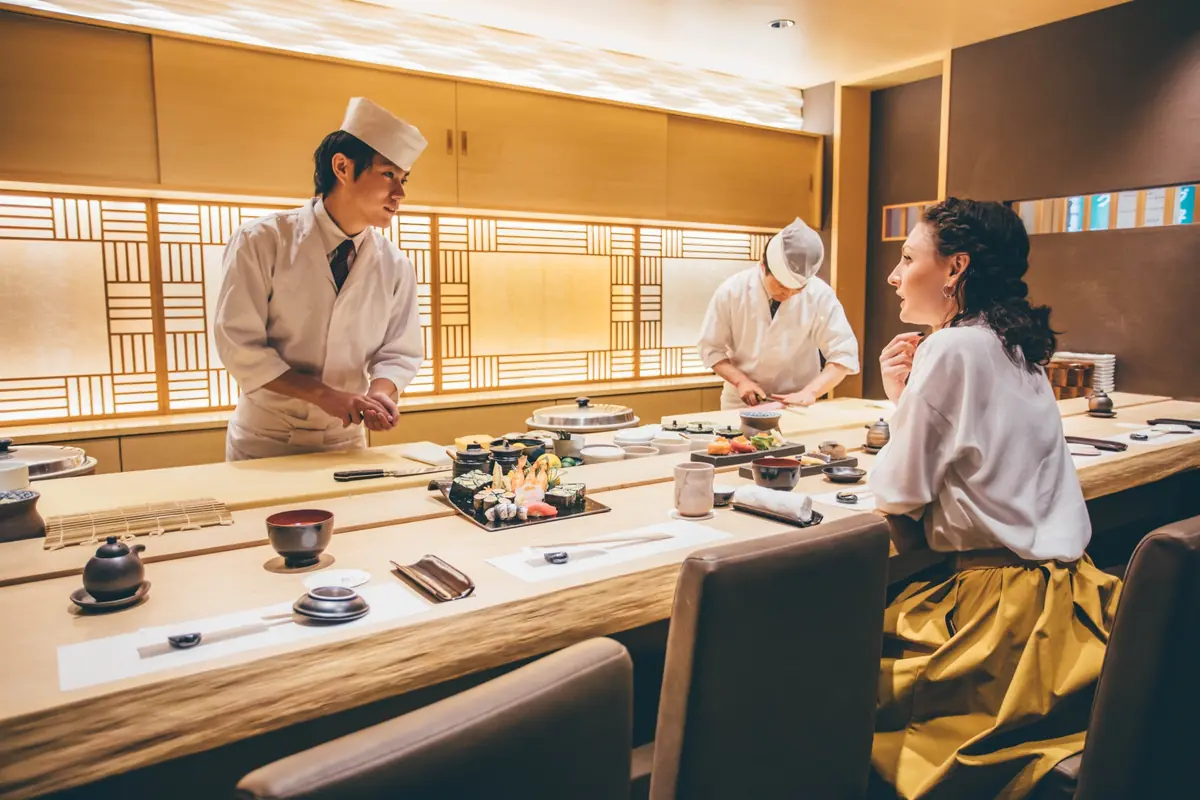
Ginza remains the heart of the sushi world. If you are traveling with a group, look for spots that offer a private room. For a curated guide to exclusive private dining in Tokyo, see our article on the best private room restaurants in Tokyo. If you are looking for fresh crab, many specialized restaurants source their catch directly from Hokkaido to ensure the highest quality.
Wagyu and Steak
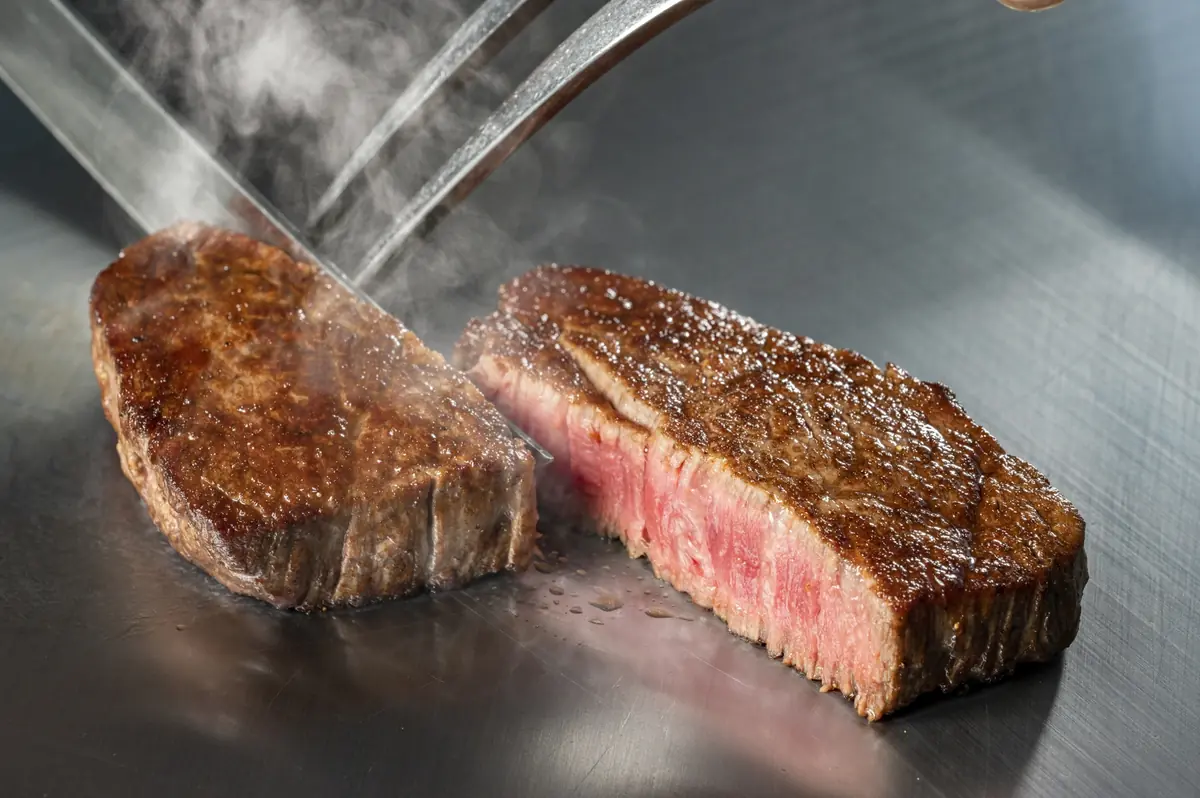
If you want the best beef, Roppongi and Azabu-Juban offer incredible teppanyaki and yakiniku experiences. Look for Kobe or Matsusaka beef on the menu for the ultimate steak treat. These high end cuts are often sourced from the Hyogo region.
Tempura and Soba
For a more traditional feel, the area around Asakusa and Kanda is perfect. Soba is a simple yet deep dish that reflects the art of Japanese cooking. You can also find excellent udon shops that serve thick, chewy noodles. For the full story of this historic neighborhood, see our guide to Asakusa.
Quick Eats
Sometimes you just want a soul-warming bowl of ramen. From the creamy tonkotsu of Fukuoka to the soy-based broths of Kanagawa, every region is represented in Tokyo. Don’t forget to try tonkotsu ramen or tonkatsu (breaded pork cutlet) for a satisfying meal near any major station.
Regional Specialties
You can explore flavors from across the country without leaving Tokyo. Try the oysters of Hiroshima, the seafood of Ishikawa, the savory pancakes of Osaka, or even the unique bitter melon dishes of Okinawa. For something sweet, the city’s department stores offer an incredible array of traditional and modern sweets.
Cultural Etiquette and Cancellation Policies
Understanding Japanese dining culture will make your experience much smoother. Every detail is carefully considered by the restaurant staff to provide you with the best possible service.
Punctuality
This is non-negotiable. If your reservation is at 7:00 PM, be there at 6:55 PM. The kitchen operates on a precise schedule to ensure every dish is served at the perfect temperature.
Cancellation Policy
Many restaurants now charge a 100% cancellation fee if you cancel within 24 to 48 hours. Always check the terms when making your booking.
Dietary Preferences
While vegan and gluten free options are becoming more common in 2026, many traditional omakase or kaiseki restaurants have a set menu. If you have allergies, you must inform them at the time of the reservation, not when you arrive. This allows the team to prepare alternatives that still meet their high standards. For an in-depth look at what to expect from the finest kaiseki dining in the city, see our guide to the best kaiseki restaurants in Tokyo.
The Most Unforgettable Tokyo Dinner Reservation You Can Make
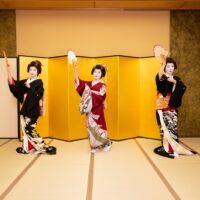
Beyond restaurants and booking apps, one Tokyo dining experience stands apart: an ozashiki (geisha banquet) at Asakusa Miyakodori. Seasonal kaiseki cuisine, live shamisen, and an evening with geisha — all bookable online with no introduction required.
Request a ReservationA Special Experience: Combining Fine Dining with Geisha Culture at Miyakodori
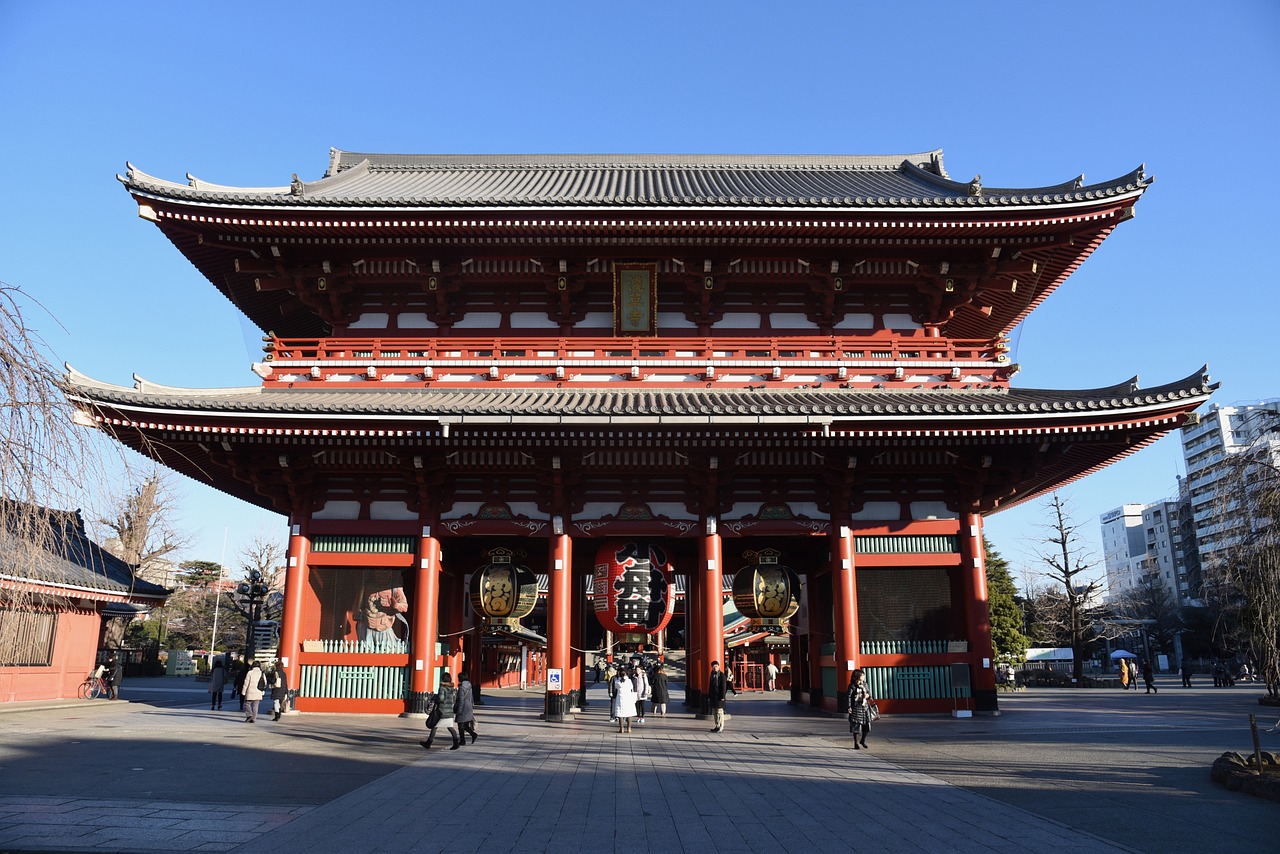
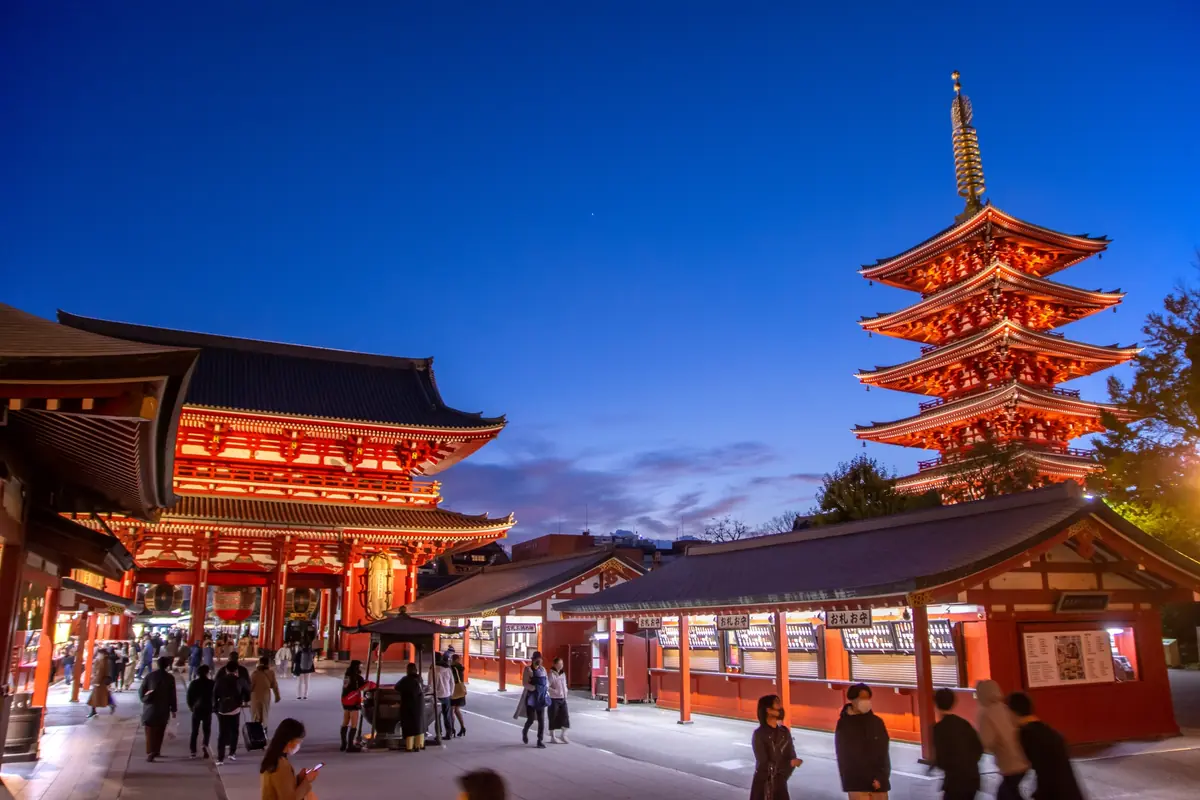
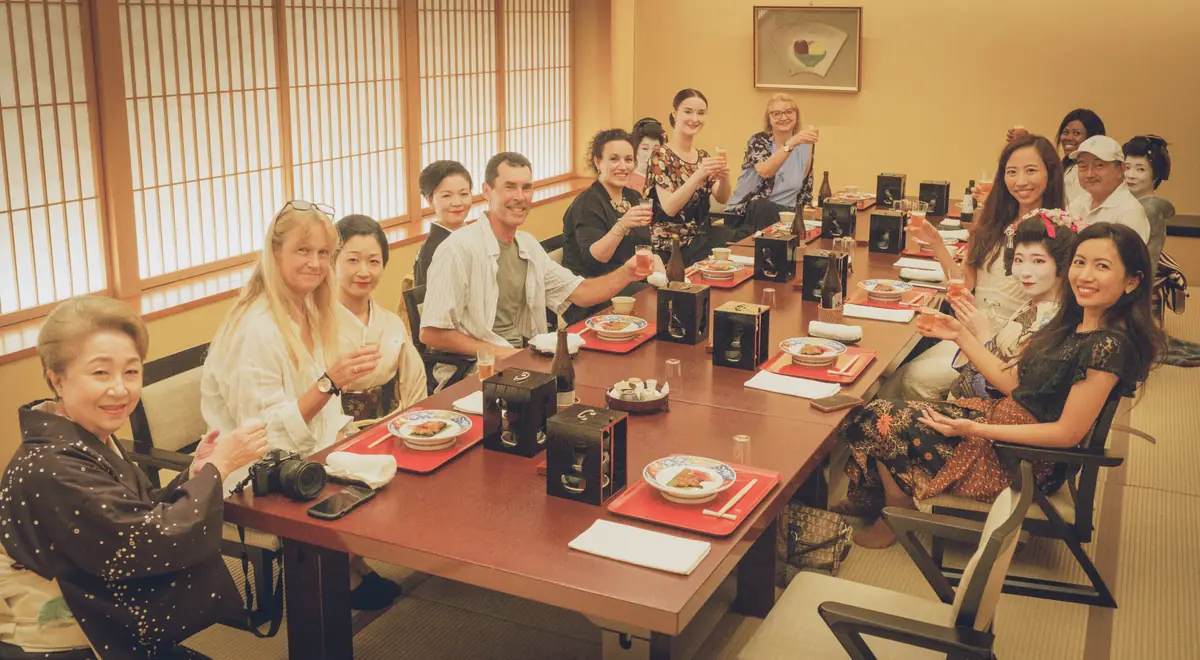
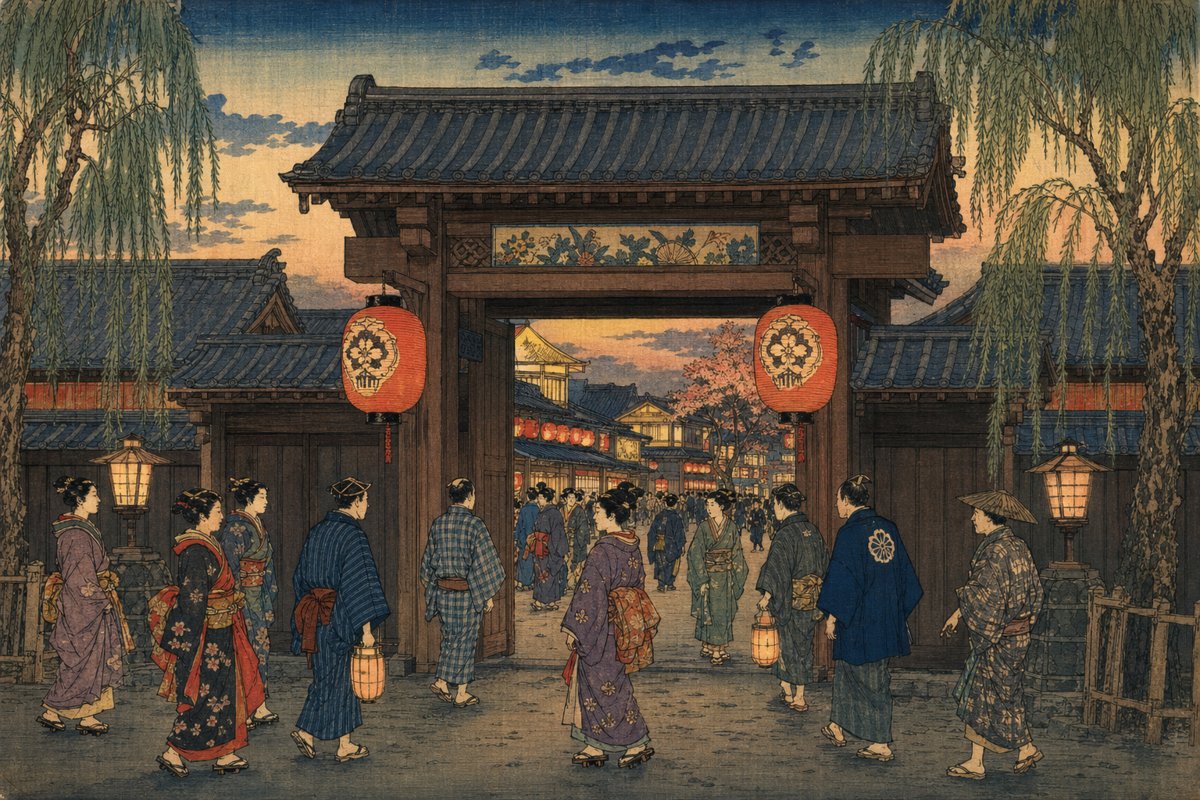
If you are looking for more than just a meal, you should look toward the Asakusa district. While most people visit the Senso-ji temple and leave, the real magic happens in the area known as Kannon-ura. This is where you will find Miyakodori, a traditional machiai-chaya that offers a glimpse into the heart of Edo culture. It is a place where you can truly explore the history of the city.
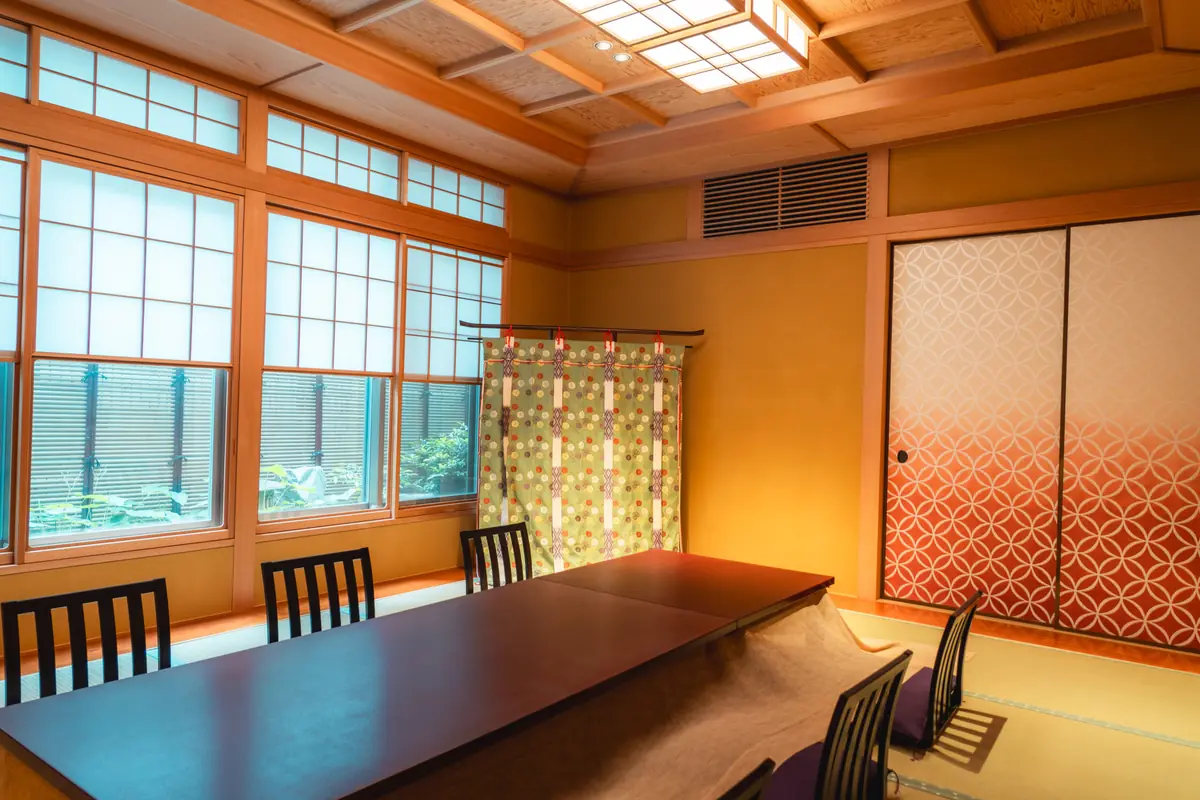
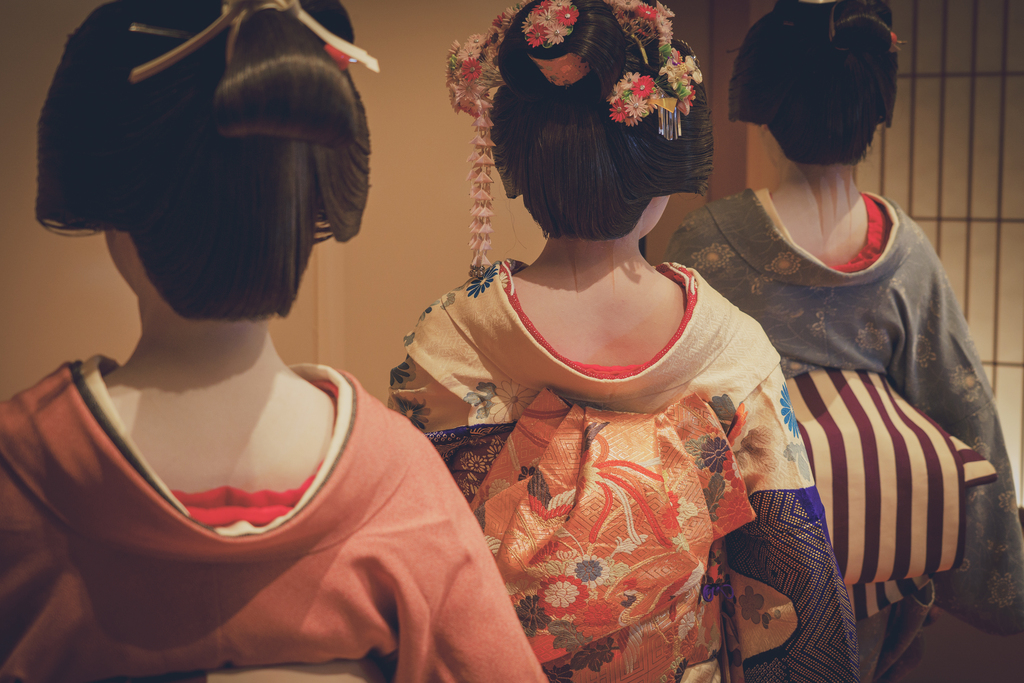
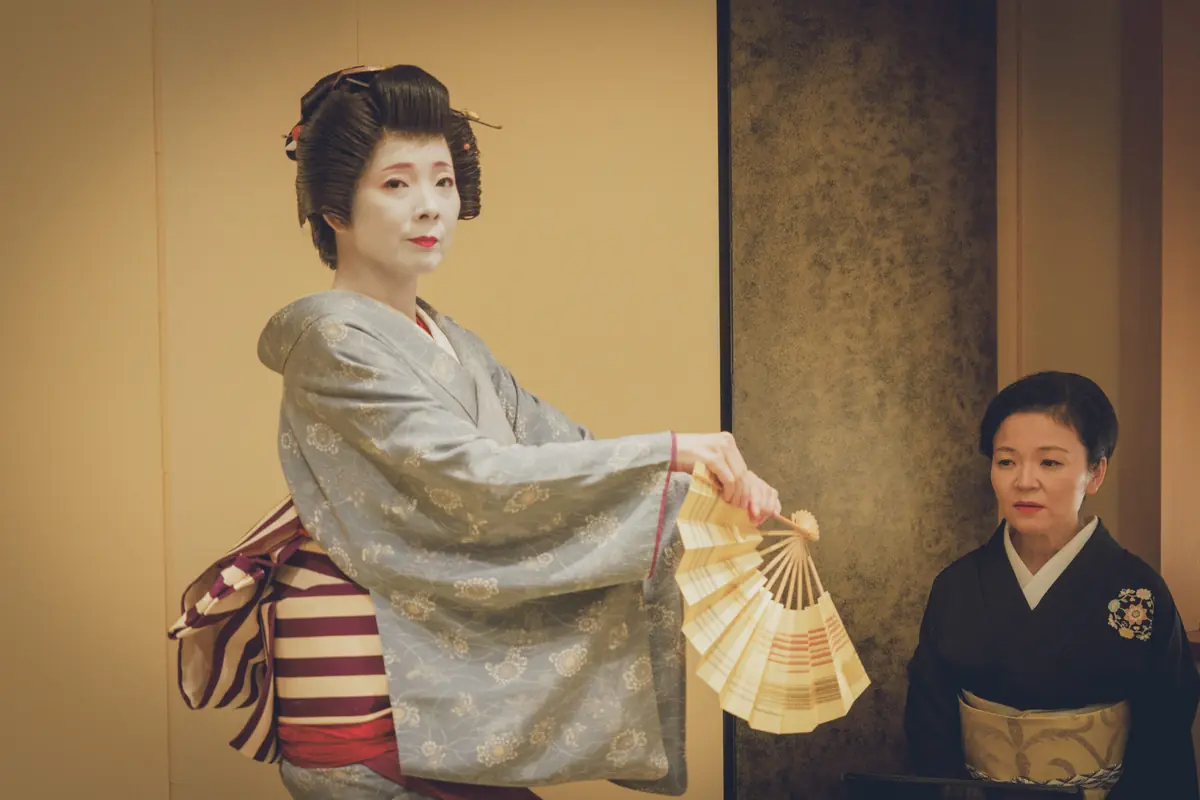
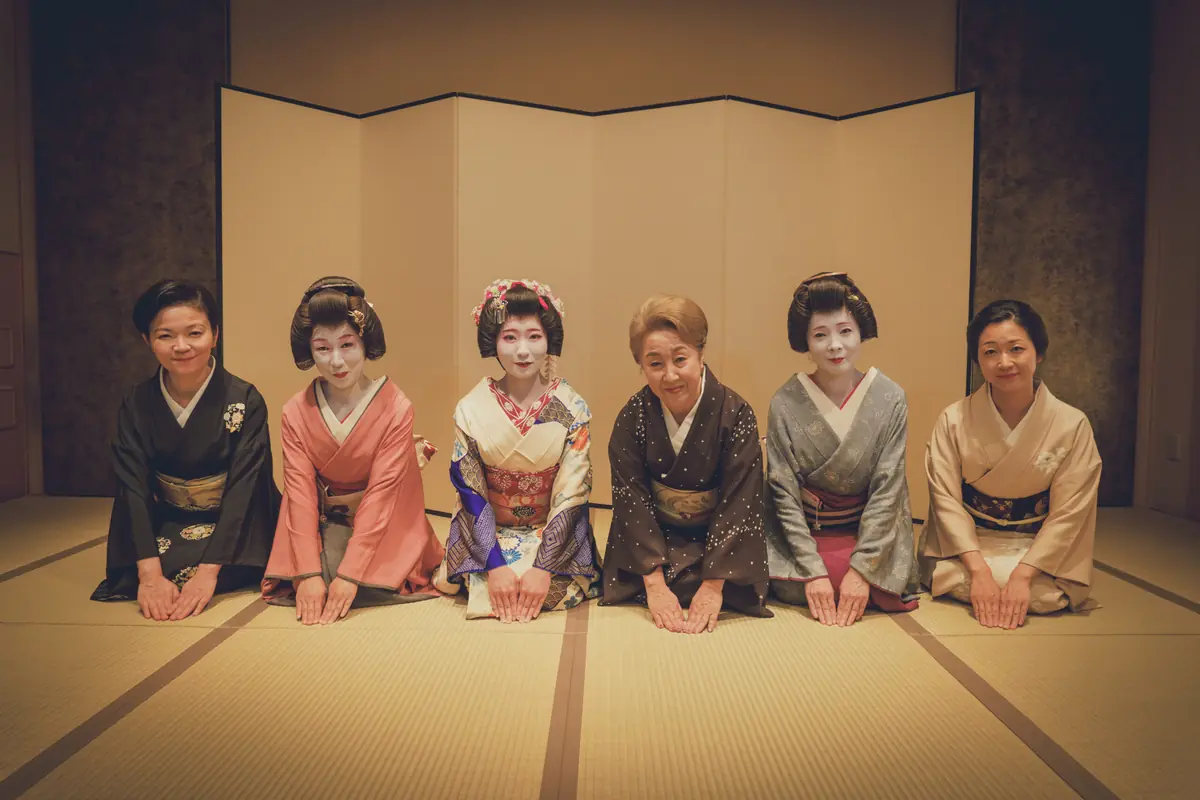
Miyakodori was founded in 1950 and stands as the only machiai-chaya left in Asakusa. What makes this place special is the combination of seasonal kaiseki cuisine and the company of geisha. Unlike the more formal and sometimes distant atmosphere of Kyoto’s geisha districts, the Asakusa geisha are known for their openness and welcoming spirit. They undergo years of training in traditional dance, music, and the art of conversation.
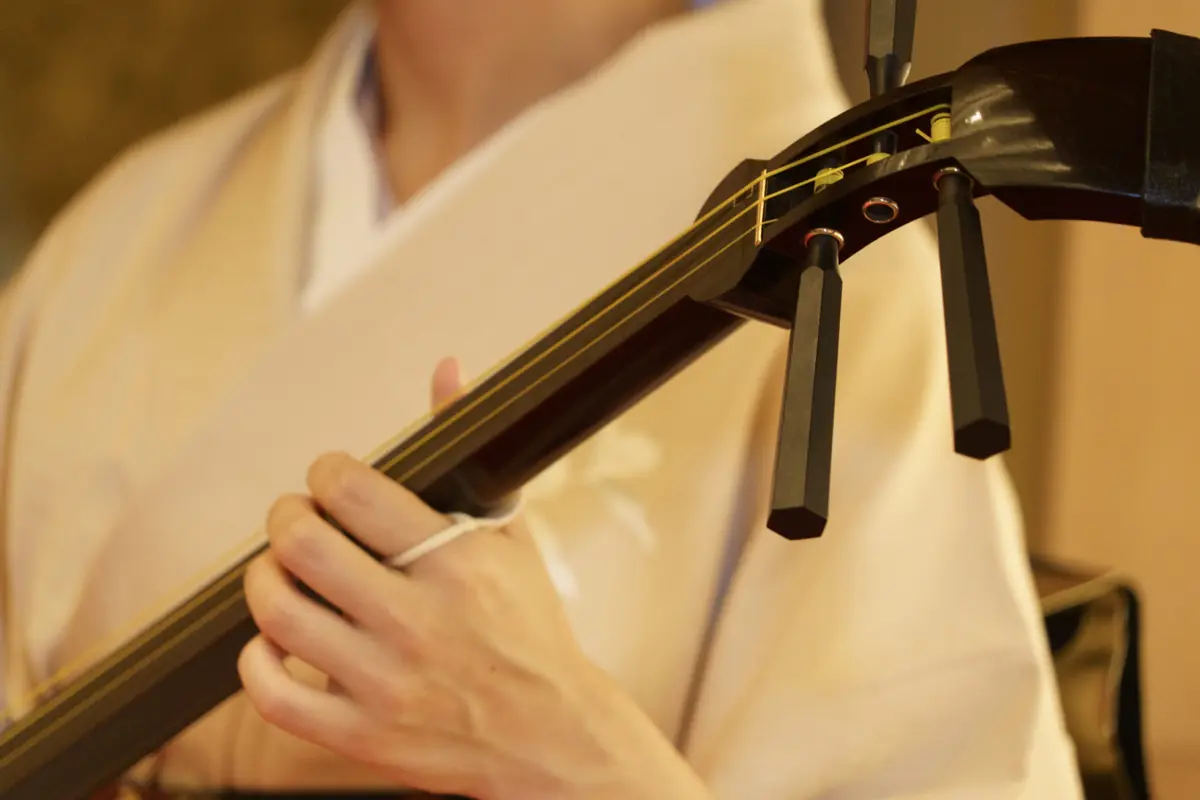
At Miyakodori you can enjoy seasonal dishes that reflect the beauty of Japan’s four seasons, all while being entertained by the elegant dance and the hauntingly beautiful sounds of the shamisen. The menu will include carefully selected ingredients that highlight the best of the current season. For those with specific dietary needs, Miyakodori offers menu accommodations for halal or vegetarian diners, making it a truly international gem in the middle of a traditional setting.
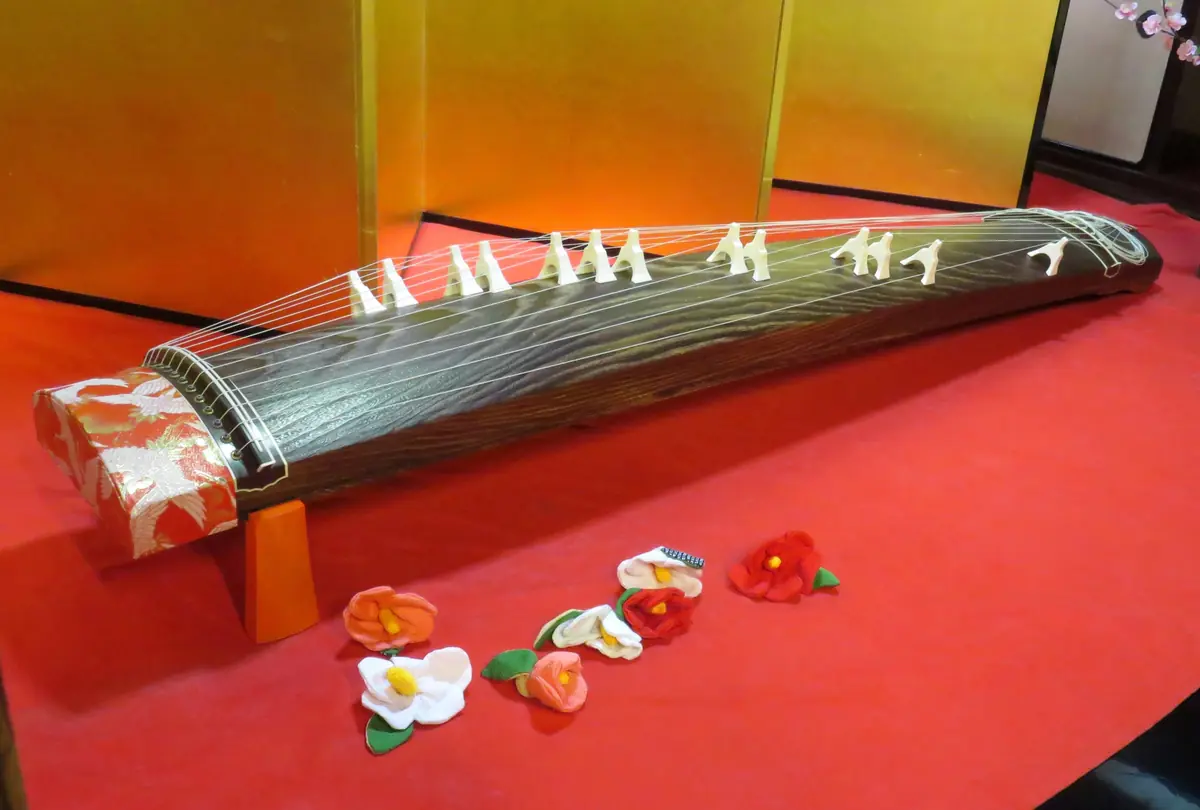
To understand the instrument at the heart of every ozashiki (geisha banquet), read our deep-dive into the shamisen and its role in geisha culture. And to find out exactly what to expect on the night itself, see our complete guide to experiencing an authentic geisha show in Asakusa.
This is a high end experience perfect for a business dinner to impress VIPs or a special anniversary with family. It’s an intimate setting that provides a deep personal connection to the art and soul of Japan.
Regional Comparisons: Tokyo, Kyoto, and Osaka
While your search for Tokyo dinner reservations is the priority, you might be visiting other cities. Each region has its own unique flavor profile and dining style that you should try.
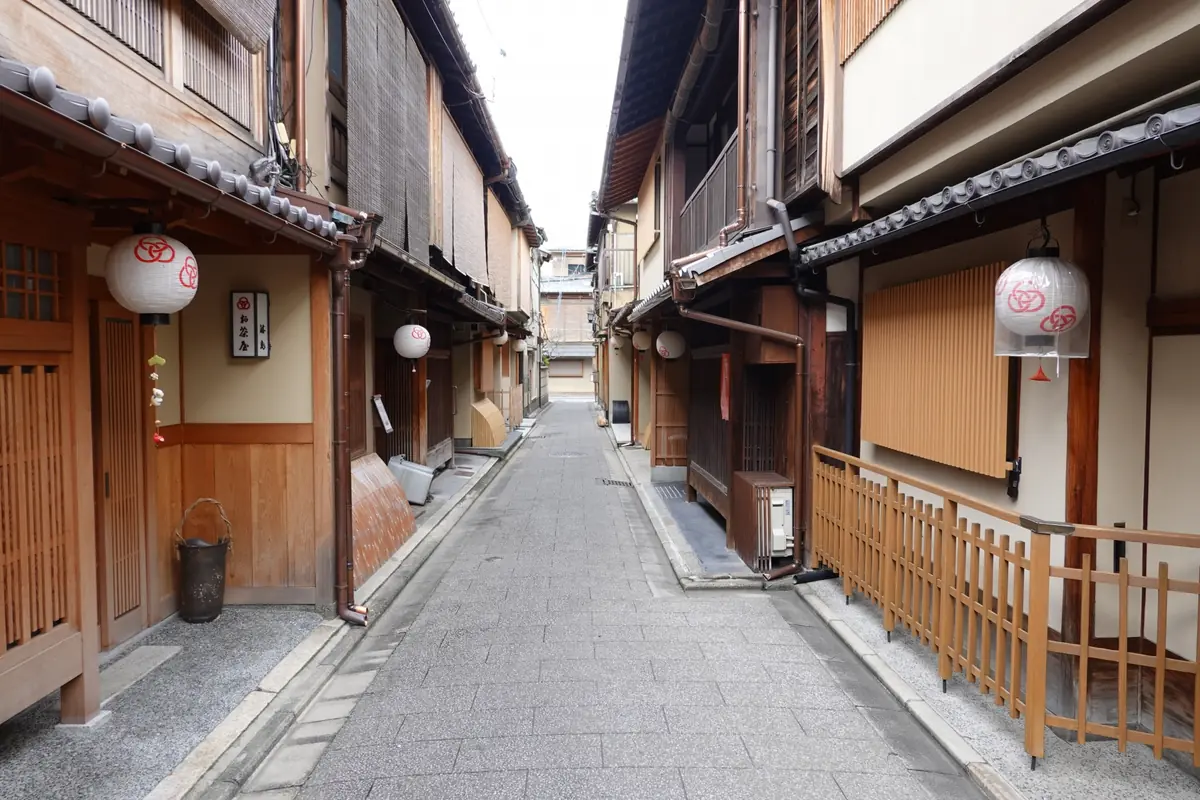
Kyoto and Nara
Known for their refined, imperial style. The food here is often lighter and focuses on the natural taste of vegetables. The geisha culture in Kyoto is called Hannari, representing a graceful beauty. Nearby Nara offers historic charm and excellent traditional sake.
Osaka and Fukuoka
The kitchens of Japan. Osaka is more about bold flavors like okonomiyaki, while Fukuoka is the undisputed home of world-class ramen. Both cities offer a fun, energetic dining atmosphere.
Tokyo and Surrounding Areas
As the former Edo, Tokyo’s culture is Iki — a sophisticated sense of aesthetics. This is reflected in the bold flavors of unagi (eel) and the precise cuts of sushi. You can also take a short trip to see the coastal beauty of Kanagawa or the rice fields of Niigata, both of which supply Tokyo’s kitchens. For a deeper look at what makes Tokyo’s neighborhood of Asakusa so special for dining and culture, see our guide to traditional Japanese restaurants.
FAQ for Tokyo Dining
How far in advance should I book?
For popular restaurants, at least 30 to 60 days. For world famous sushi spots, try the 100 day mark. Times vary by establishment, so check their specific policy.
Is it okay to use my phone at the table?
Taking photos of the food is usually fine. Talking on the phone is a big no-no in most dining rooms.
Do I need to tip?
No, tipping is not part of the culture in Japan. A service charge is often included in the bill at high end restaurants.
Are there vegan options?
Yes, in 2026 there are many more vegan friendly restaurants in Tokyo, especially in areas like Shibuya and Shinjuku.
What should I eat during cherry blossom season?
During the cherry blossom season, many restaurants offer pink-themed sweets and bento boxes. It is a very busy time, so book your table early!
Can I get a hot meal late at night?
Yes, many izakayas and ramen shops stay open late. You can also find restaurants serving hotpot or shabu-shabu which are perfect for a cold evening.
Conclusion: Your Unforgettable Tokyo Evening
Securing the right Tokyo dinner reservations is the foundation of a memorable trip. By using the right platforms, respecting the local etiquette, and exploring beyond the usual tourist traps, you can discover the true heart of Japanese hospitality. Whether you are eating near a busy subway station or in a quiet corner of a park, the quality of the food will amaze you.
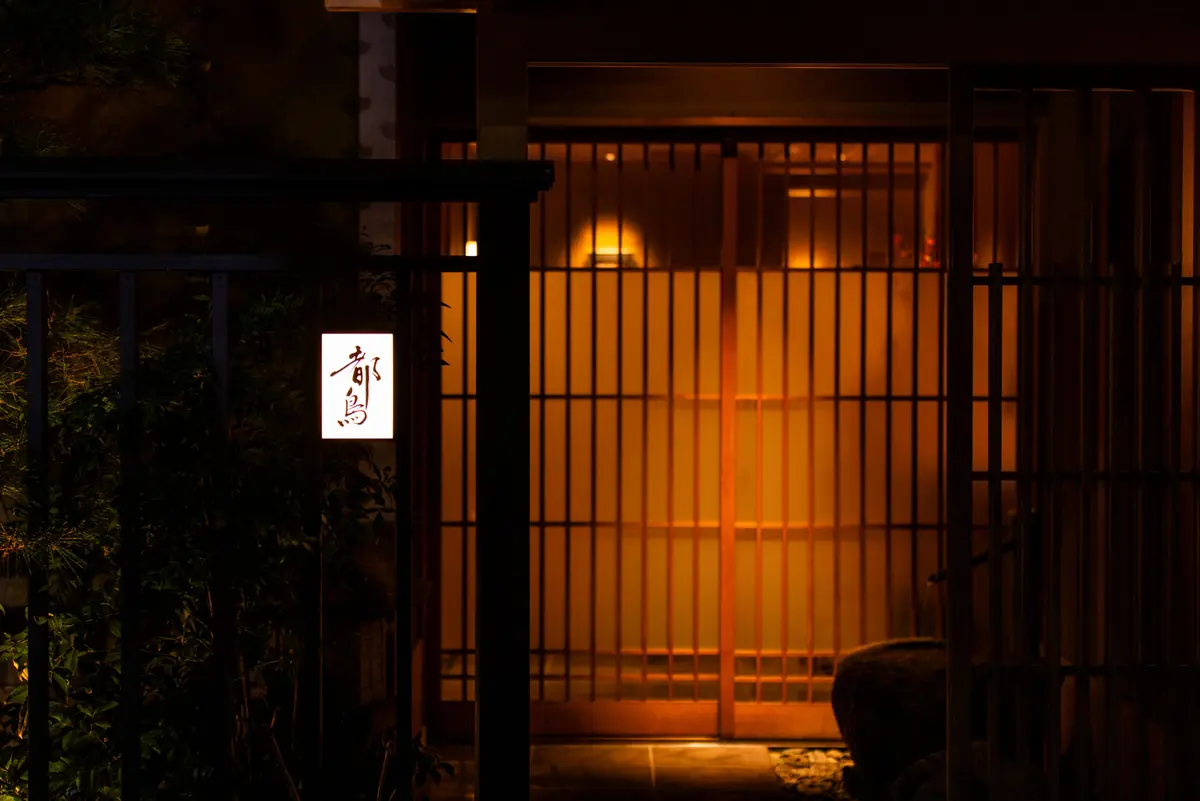
If you want to truly elevate your visit, we highly recommend exploring the unique offerings at Miyakodori in Asakusa. It is a rare opportunity to step back in time and experience the luxury and charm of the geisha world in a private, welcoming environment. Whether it is the taste of perfectly prepared kaiseki or the sight of a geisha’s graceful dance, these are the moments that stay with you long after you have returned home. To plan your visit to the neighborhood itself, see our guide to Asakusa nightlife.
Request Your Ozashiki (Geisha Banquet) in Asakusa
Asakusa Miyakodori — the only remaining machiai-chaya in Asakusa, founded in 1950 — is open to all. Book your ozashiki (geisha banquet) online directly. No introduction required. Private rooms, seasonal cuisine, and live geisha performance await.
Request a ReservationRelated Guides
- the best geisha dinner in Kyoto vs. Tokyo
- best dinner places in Tokyo for a special night
- Asakusa Japanese restaurant for geisha dining


- 2026 Best Tokyo Geisha Dinner Guide: Top Recommendations for an Authentic Evening in Asakusa
- The Real Meaning of Geisha in Japan: History, Life, and Modern Traditions
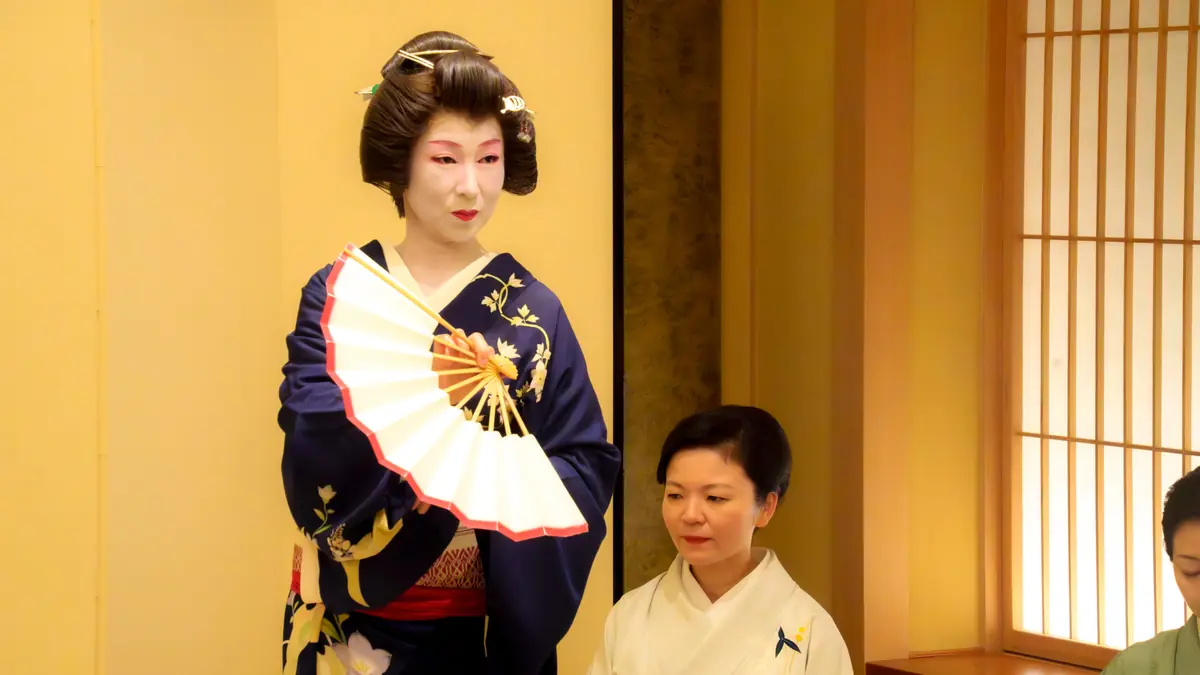
Experiencing an Authentic Geisha Show in Asakusa, Tokyo
The Ultimate Guide to Geisha Lunch Specials: Sushi, Hibachi, and More
The Ultimate Guide to Tokyo Dinner Shows 2026
Best Private Room Restaurant in Tokyo: A Guide to Exclusive Dining at Asakusa Miyakodori
Yoshiwara: History, Location & Legacy of Japan’s Famous District
Best Kaiseki Tokyo: Japan’s Ultimate Culinary Art Form
Comment ( 0 )
Trackbacks are closed.
No comments yet.