




12 Best Tokyo Dinner Places: A Complete Guide (2026)
Welcome to the vibrant heart of Japan. As we move through 2026, Tokyo continues to redefine the global culinary landscape, offering a spectrum of flavors that captivate every traveler. If you are planning to visit this neon-lit metropolis, you likely have one primary question in mind: where should I eat tonight? Finding the right restaurant among thousands can feel overwhelming, but this guide is designed to help you search for the perfect tokyo dinner places with ease.
Tokyo is a city where tradition meets innovation on every plate. From the humble bowl of rice served in a back-alley eatery to the most sophisticated Japanese tasting menu in a skyscraper, the quality remains consistently exceptional. For those who love food, a trip to Japan is essentially a pilgrimage. Whether you are looking for world-class sushi, savory pork dishes, or a unique seasonal experience, Tokyo is always open to sharing its secrets.
In this guide, we will explore the best restaurants the city has to offer this year. We will provide you with essential information on how to navigate the city, understand the local policy on reservations, and contact the most exclusive spots. Our goal is to ensure your dining time is not just a meal, but a highlight of your travel. Tokyo’s food scene is more than just ingredients; it is a story of culture, hospitality, and a deep respect for nature. Let us begin our journey through the best dishes and dining spots that define Tokyo in 2026.
Iconic Dining Districts: Where to Eat in Tokyo
Tokyo is not just one city but a collection of unique neighborhoods, each offering a distinct flavor and atmosphere. When you search for the best tokyo dinner places, understanding the character of these districts is essential. Whether you are staying at a luxury hotel or a cozy guesthouse, navigating the city street by street will lead you to unforgettable culinary discoveries. In 2026, these areas remain the beating heart of the Japanese food scene.
Shinjuku is a massive hub that never sleeps. It is home to the busiest train station in the world, making it a central location for many travelers. For an authentic night out, head to Omoide Yokocho, a narrow street lined with tiny stalls serving grilled chicken and vegetables. If you prefer something more refined, the basement levels of major department stores or high-rise building complexes offer premium dining with views of the park or the city. Shinjuku is a place where you can find everything from cheap ramen to high-end beef, ensuring every visit is a new experience.
Ginza is synonymous with luxury and sophisticated taste. This district is where you will find many of the city’s michelin-starred gems and historic restaurants. Walking through Ginza feels like stepping into a world of elegance. Many prestigious restaurants are tucked away inside an unassuming building or a quiet basement, rewarding those who know where to look. Ginza Kagari is a must-visit here, famous for its creamy chicken-based ramen broth that has captivated foodies worldwide. The area is perfect for those who want to experience the peak of Japanese culinary craftsmanship and premium quality flavors.
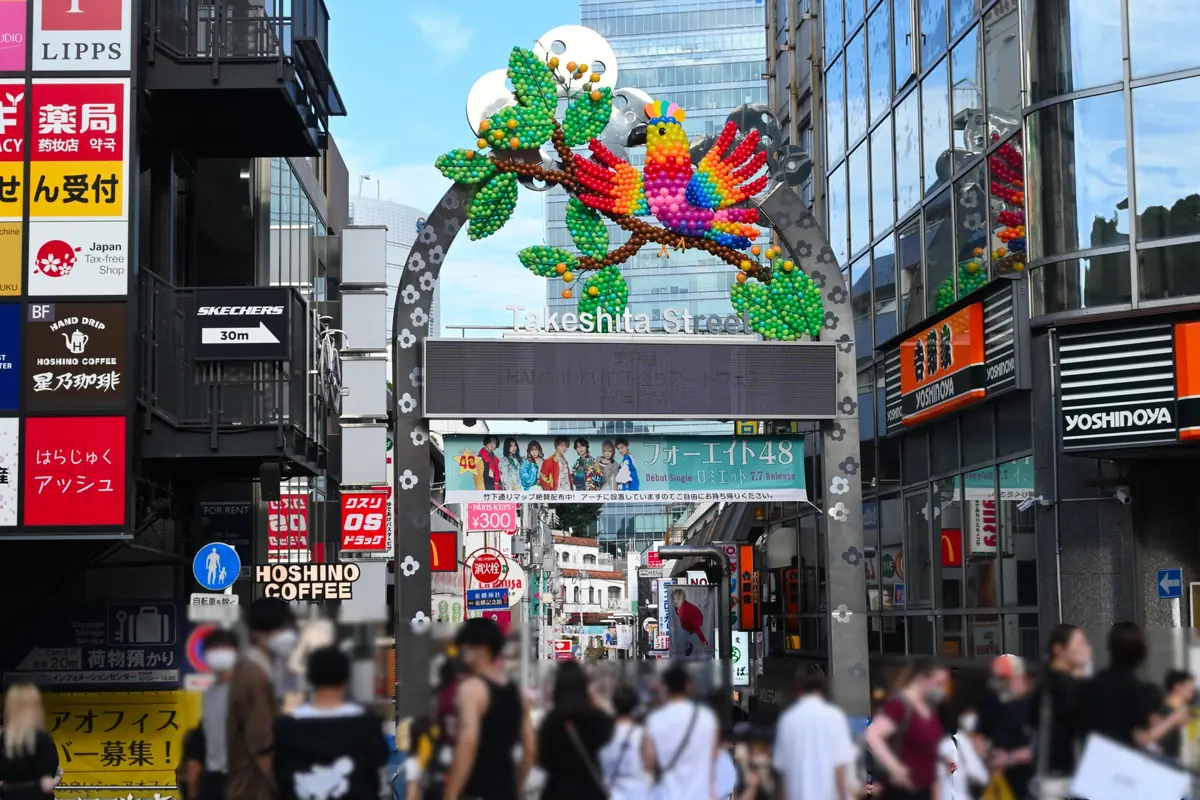
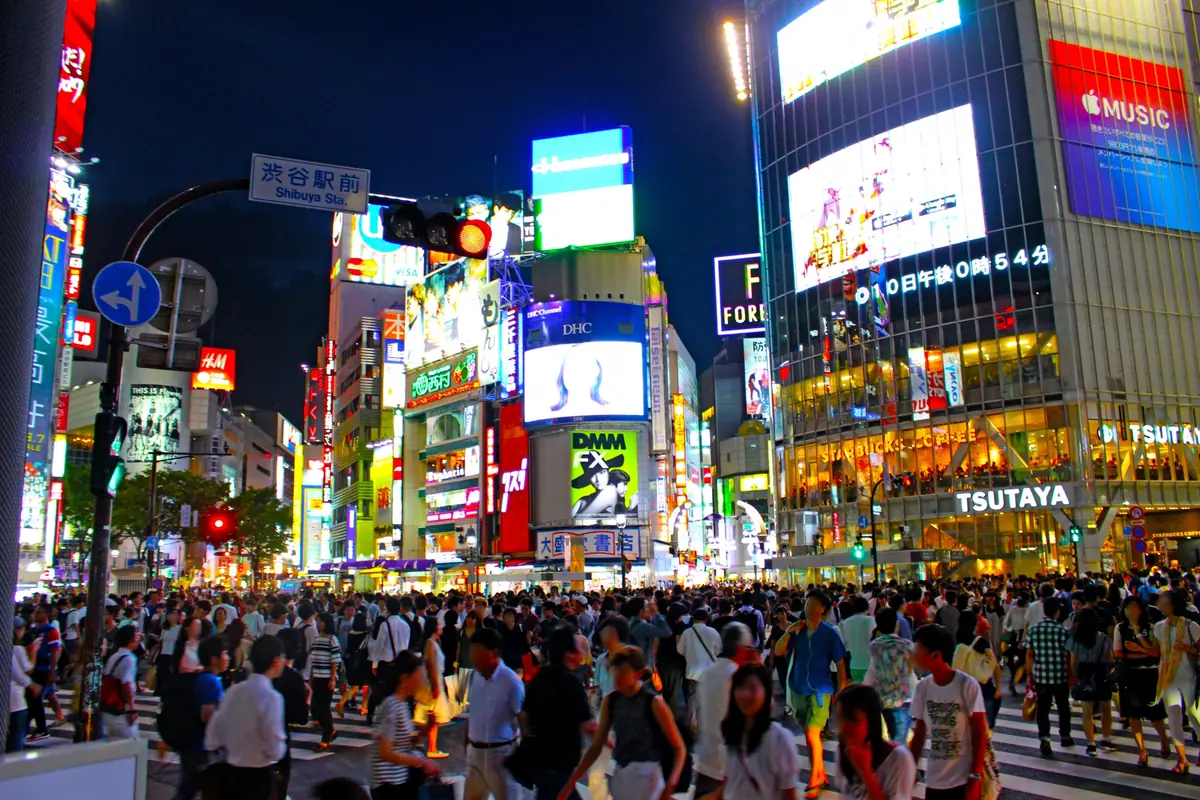
Shibuya offers a more energetic and modern vibe. Known for its famous scramble crossing, this district is a favorite for younger crowds and international visitors. Beyond the neon lights, Shibuya has a growing reputation for high-quality dining. You can find exceptional pizza at Savoy, where the crust is perfected in a wood-fired oven with tomato and cheese, or queue up for the famous noodles at Udon Shin. Many restaurants here are located in trendy buildings with rooftop views or hidden spots away from the main station. Whether you are looking for a quick bite after shopping or a sit-down dinner with a great night view, Shibuya provides endless options.
Experience Tokyo’s Most Extraordinary Dinner
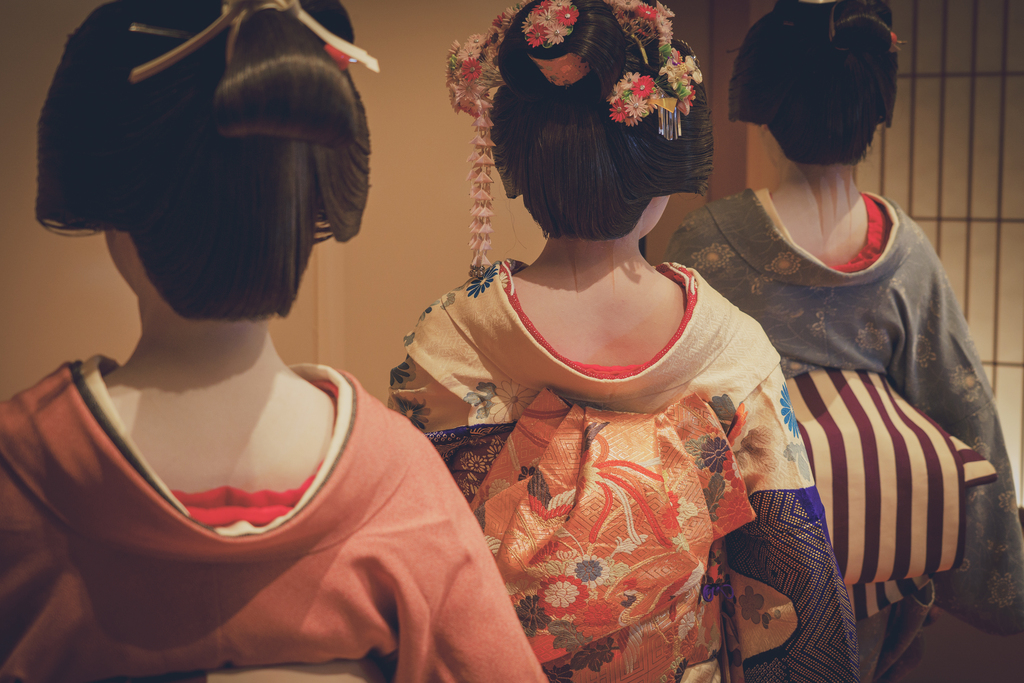
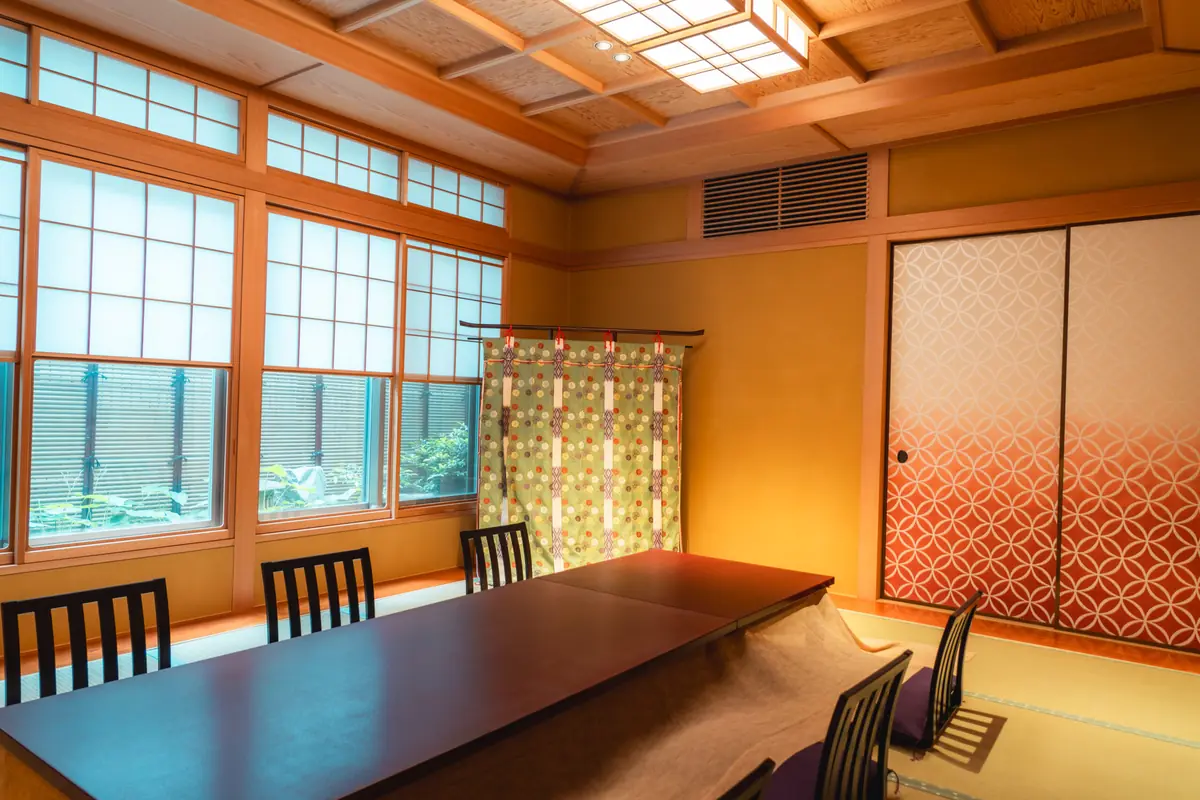
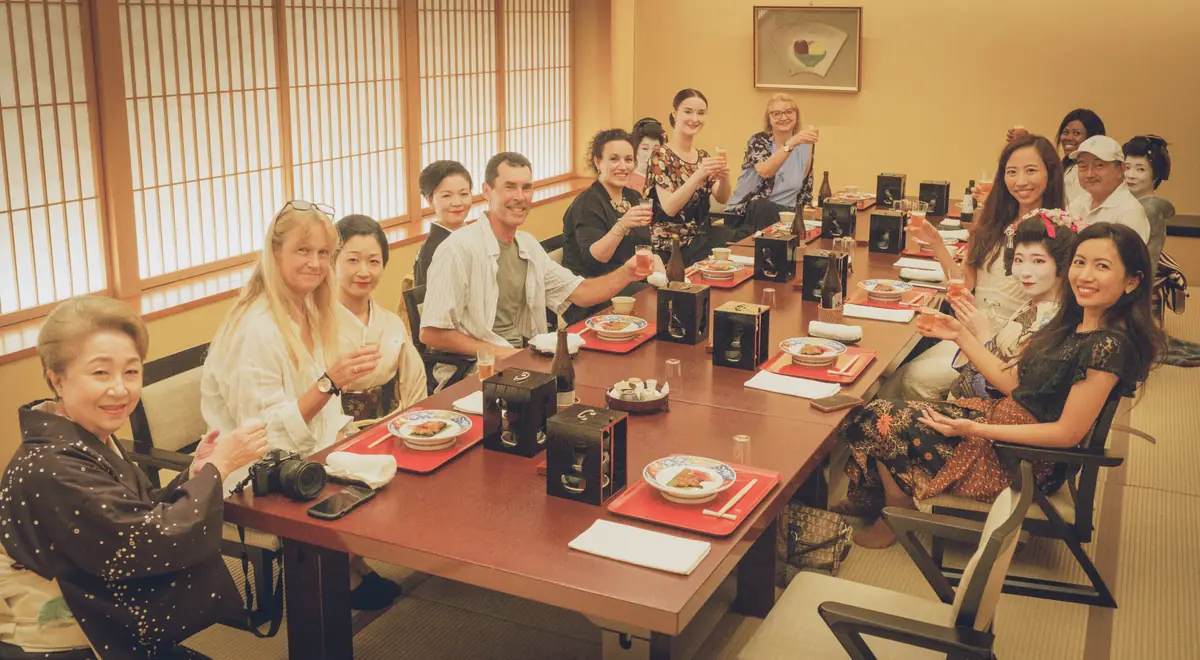
Go beyond restaurants. At Asakusa Miyakodori, an ozashiki (a private gathering with geisha) combines kaiseki cuisine with authentic geisha arts in a private room — a Tokyo dinner unlike any other.
Must-Try Japanese Dishes for Dinner
When you sit down for dinner in Tokyo, the menu reflects a deep harmony between season and technique. Each restaurant prides itself on sourcing the finest ingredients, from the morning catch of fish to the precisely polished rice that forms the foundation of the meal. To truly experience the food culture of Japan in 2026, you must explore the diverse range of dishes that have made this city a global culinary capital.
Sushi remains the crown jewel of Japanese cuisine. Whether you visit a high-end counter in Ginza or a lively shop near the Tsukiji outer market, the focus is always on the quality of the raw fish and the temperature of the rice. A master chef will often brush a light soy-based sauce over the nigiri, ensuring each piece is seasoned to perfection before it reaches your plate. For a more modern experience, many restaurants now offer a tasting menu that pairs traditional sushi with fine wine or locally brewed sake.
Ramen has evolved into a sophisticated art form with endless varieties of broth. You can choose from a rich pork bone soup, a clear salt-based broth, or a hearty chicken-based soup like the one found at Ginza Kagari. The noodles are crafted to match the weight of the soup, often topped with a soft-boiled egg, tender slices of meat, and a dash of pepper for extra depth. It is a comforting meal that captures the essence of soul food in Tokyo.
Tempura and Udon are other essential experiences for any traveler. Authentic tempura is lightly fried in high-quality oil, creating a delicate crunch that enhances the natural sweetness of shrimp and seasonal vegetables. Meanwhile, a bowl of udon or soba offers a refreshing simplicity. Whether served hot in a dashi-based broth or cold with a dipping sauce, these noodles highlight the subtle flavors of buckwheat and wheat. For those who prefer meat, Japanese beef or a crispy breaded pork cutlet (tonkatsu) provides a satisfying and premium dinner option.
During your time in Japan, do not hesitate to try different styles of cooking. From the steam rising off a pot of vegetables to the intricate presentation of a kaiseki meal, the attention to detail is remarkable. Most places are open late, allowing you to search for your favorite spot at your own pace. Always check the restaurant policy regarding reservations, as the most popular locations tend to fill up quickly.
Michelin-Starred Experiences and Fine Dining
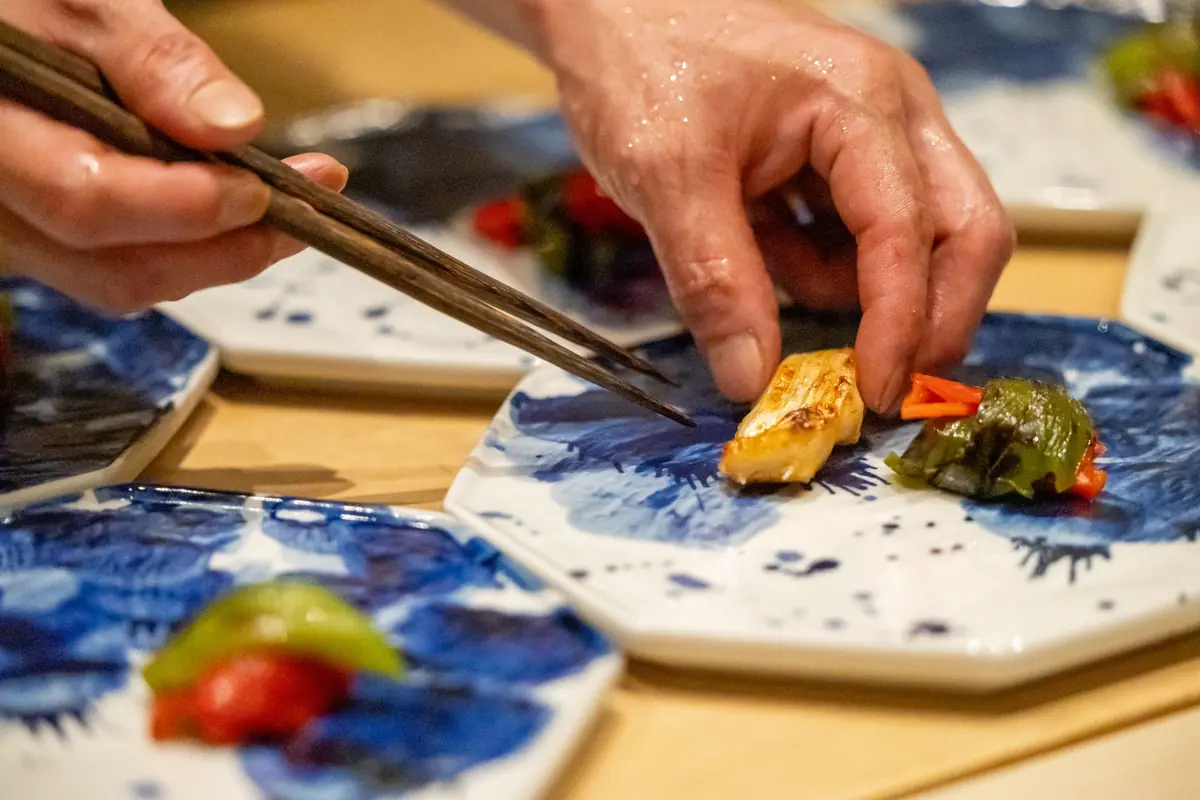
For those seeking the pinnacle of gastronomy, Tokyo offers an array of Michelin-starred establishments that define the city’s luxury food scene. Here, the relationship between the chef and the guest is central to the experience. Often featuring a fixed tasting menu, these restaurants allow you to sit back and enjoy a curated journey through the finest flavors of 2026.
One of the most legendary names in the world of sushi is Sukiyabashi Jiro. While difficult to book, securing a seat here is a life-changing event for any food lover. The focus is entirely on the sushi, with each piece served at the precise moment it reaches peak flavor. The simplicity of the setting belies the incredible complexity and skill involved in preparing the rice and fish. It remains a favorite spot for global travelers who appreciate the raw discipline of Japanese craftsmanship.
If you are looking for a more playful yet equally sophisticated experience, Den in Jimbocho is exceptional. The chef here is known for his innovative approach to traditional Japanese cuisine, often blending humor with high-end technique. The menu changes with the seasons, ensuring that every visit offers something new. For those who enjoy a modern twist, L’Effervescence in Nishi-Azabu combines French techniques with indigenous Japanese ingredients. Their extensive wine list and meticulous staff provide a dining atmosphere that is both elegant and welcoming.
In these fine-dining temples, the service policy is world-class. From the moment you contact the restaurant to the final bow as you leave, you are treated with the utmost respect. Whether you are pairing your meal with a rare vintage wine or a premium sake, these spots represent the exceptional quality that makes Tokyo the most Michelin-starred city in the world.
Local Favorites and Hidden Gems
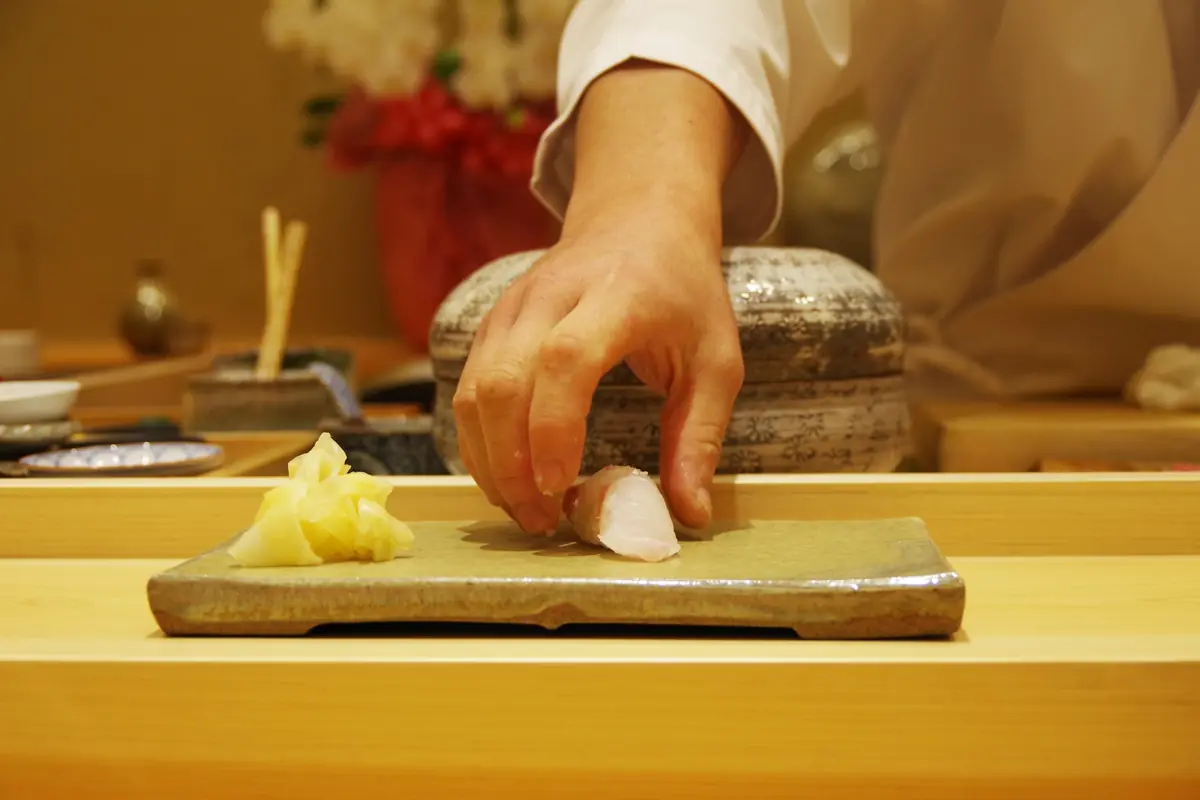
While Tokyo is famous for its expensive towers, the real soul of the city lies in its local favorites. These are the spots where salarymen, students, and travelers gather to eat honest food. In 2026, finding a small local restaurant on your own is often the most rewarding part of your travel to Japan. Whether you are wandering near a major station or tucked away in a quiet alley, these restaurants offer a sense of privacy and authenticity that defines the local lifestyle.
If you find yourself in Shinjuku, search for “Nakajima”. This underground restaurant is a favorite for many because it offers Michelin-quality Japanese dishes at a very accessible price. They are famous for their sardines, prepared in several ways including fried with a crispy texture or simmered in a rich soy sauce broth. Served with a bowl of hot rice and traditional soup, it is a perfect example of a balanced Japanese dinner. It is recommended to check their open hours before you visit, as they remain a popular spot for both locals and tourists alike.
For a legendary experience, a visit to the Tsukiji market area is mandatory. Although the inner market moved, the outer market remains a hub for the freshest fish in the world. Sushidai is an iconic name here. To eat at this shop, you often need to arrive during the early morning hours, but the taste of the seasonal sushi is exceptional. The staff are welcoming, and the atmosphere is electric with the energy of the city. It is one of those places you will love and remember long after your trip.
If you prefer noodles, Kanda Matsuya is a historic treasure. This soba restaurant is housed in a beautiful wooden building that has stood the test of time. Inside, you can enjoy authentic buckwheat noodles paired with a glass of cold sake or beer and small plates of meat or vegetables. Their menu also includes tempura fried to perfection. It is a place where time seems to slow down, offering a peaceful escape from the busy streets. When you contact these local spots, remember that some do not take reservations, so a short wait might be part of the experience. These three locations represent the heart of Tokyo’s culinary culture and are essential tokyo dinner places for any foodie.
Traditional Experiences in Asakusa: The Heart of Old Tokyo
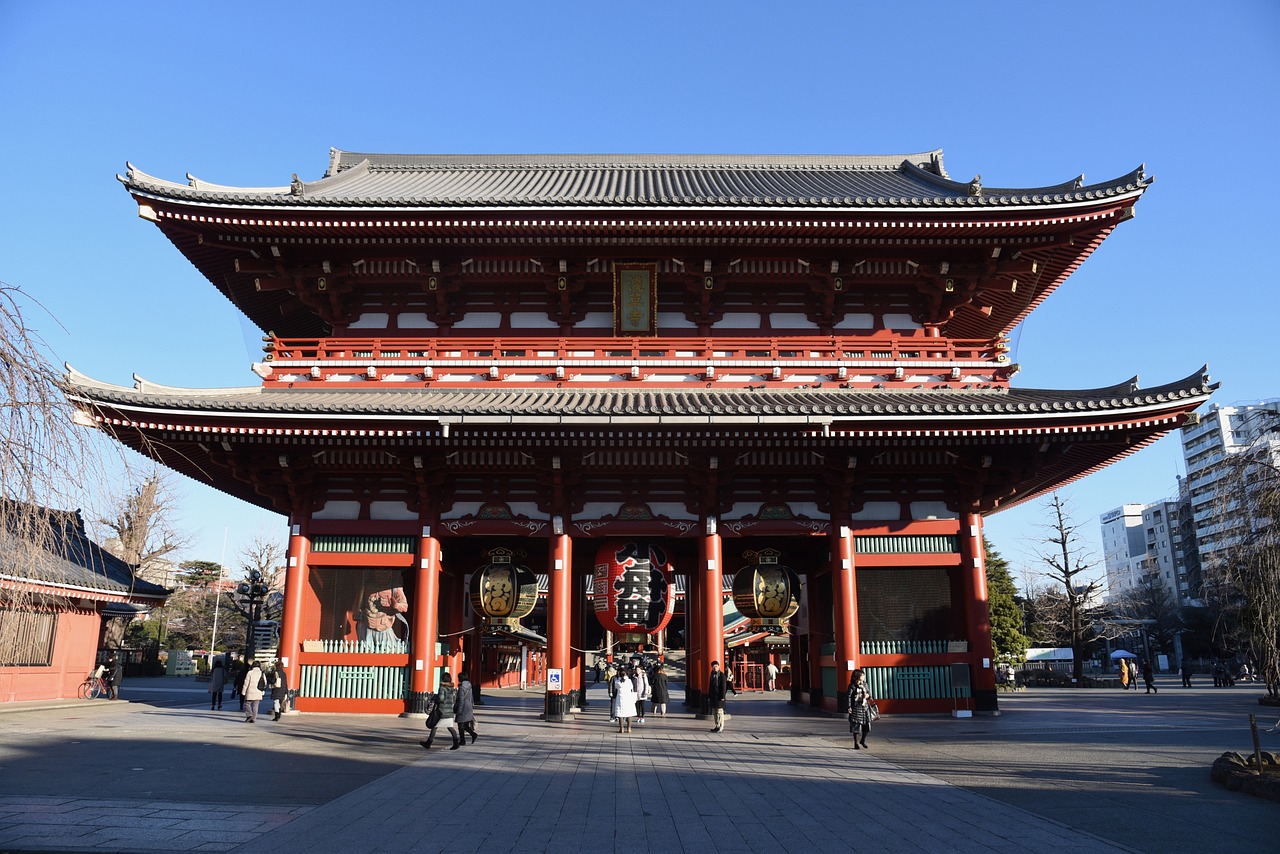
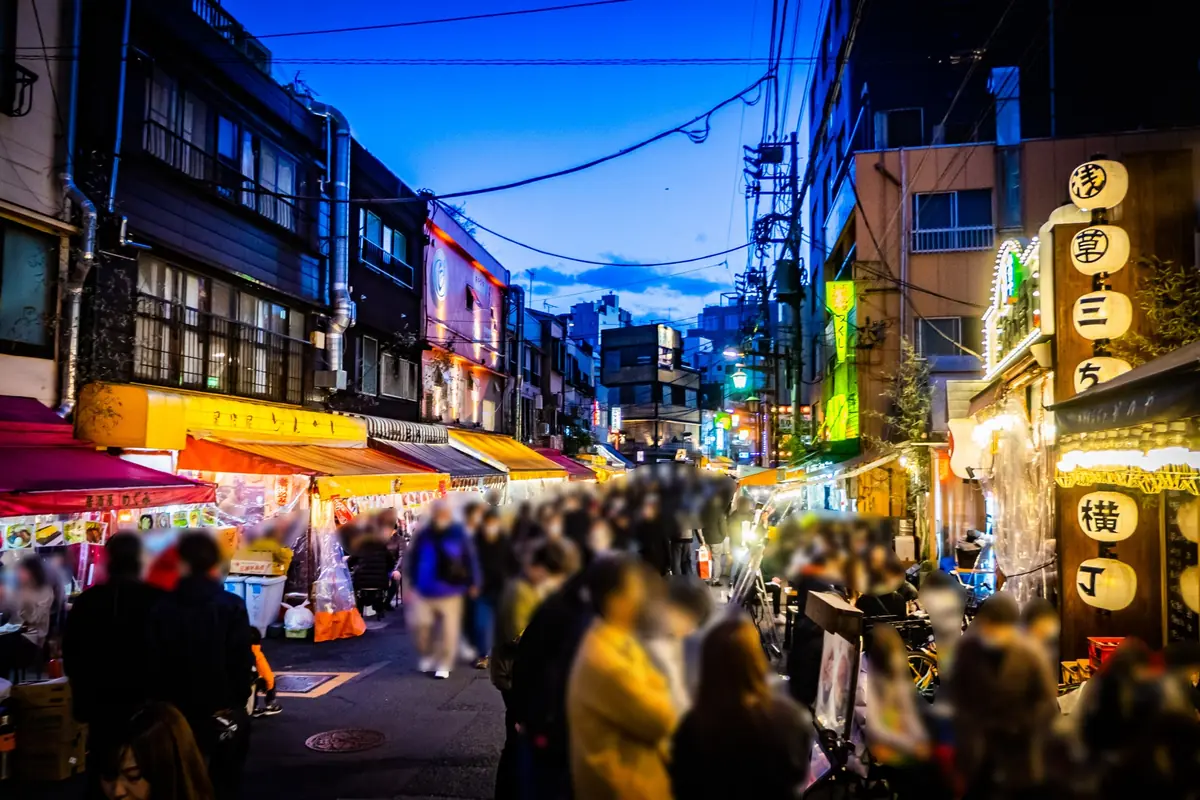
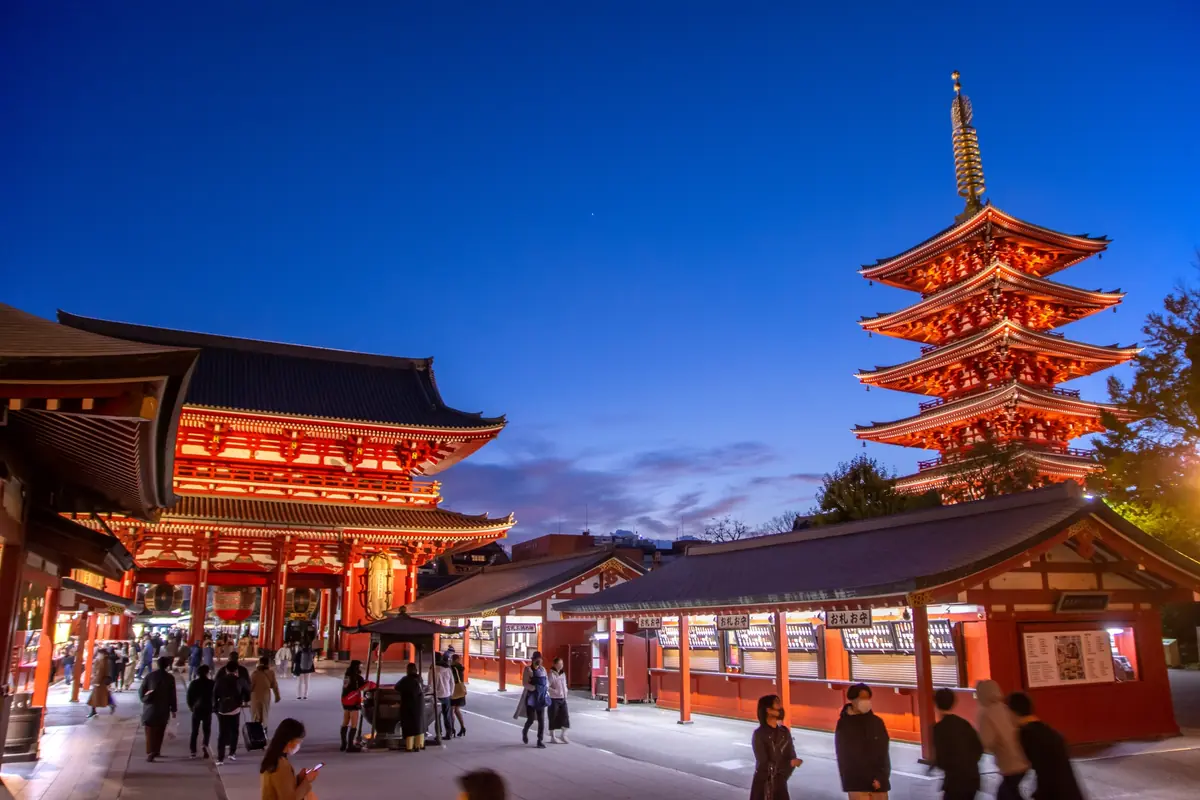
Asakusa is where the soul of Tokyo resides. This district has flourished for over 400 years since the start of the Edo period, centered around the iconic Senso-ji Temple. Unlike the neon lights of Shinjuku, Asakusa offers a journey back in time. In 2026, it remains the best place to experience the authentic spirit of Japanese hospitality and the beauty of the traditional flower and willow world.
Our tenth recommendation is Asakusa Imahan. Established in the Meiji era, this restaurant has long been known for its sukiyaki and shabu-shabu. Using premium Japanese beef, the meat is simmered in a delicate soy-based sauce with fresh vegetables. It is a meal that highlights the rich culinary history of the city. The staff provide exceptional service, ensuring your dining time is comfortable and memorable.
For something truly unique to the Edo spirit, our eleventh spot is Dojo Iidaya. This historic restaurant specializes in loach, a small fish that has been a favorite of Tokyoites for centuries. Cooked in a savory broth with plenty of green onions and served over rice, it offers flavors that are rare to find elsewhere. It is a true taste of old-world Japan, tucked away in the backstreets of Asakusa.
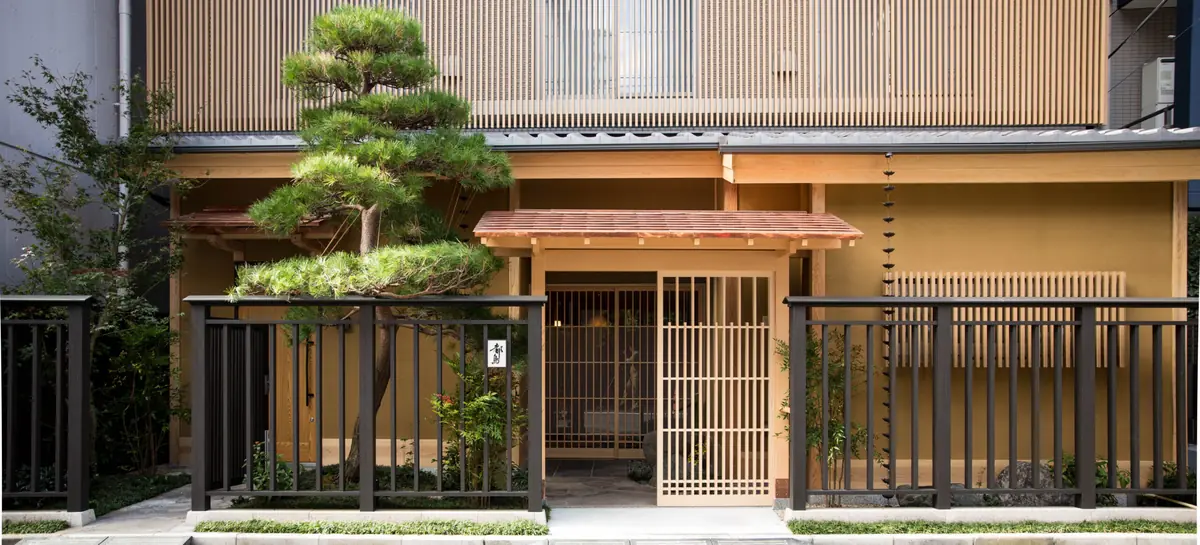
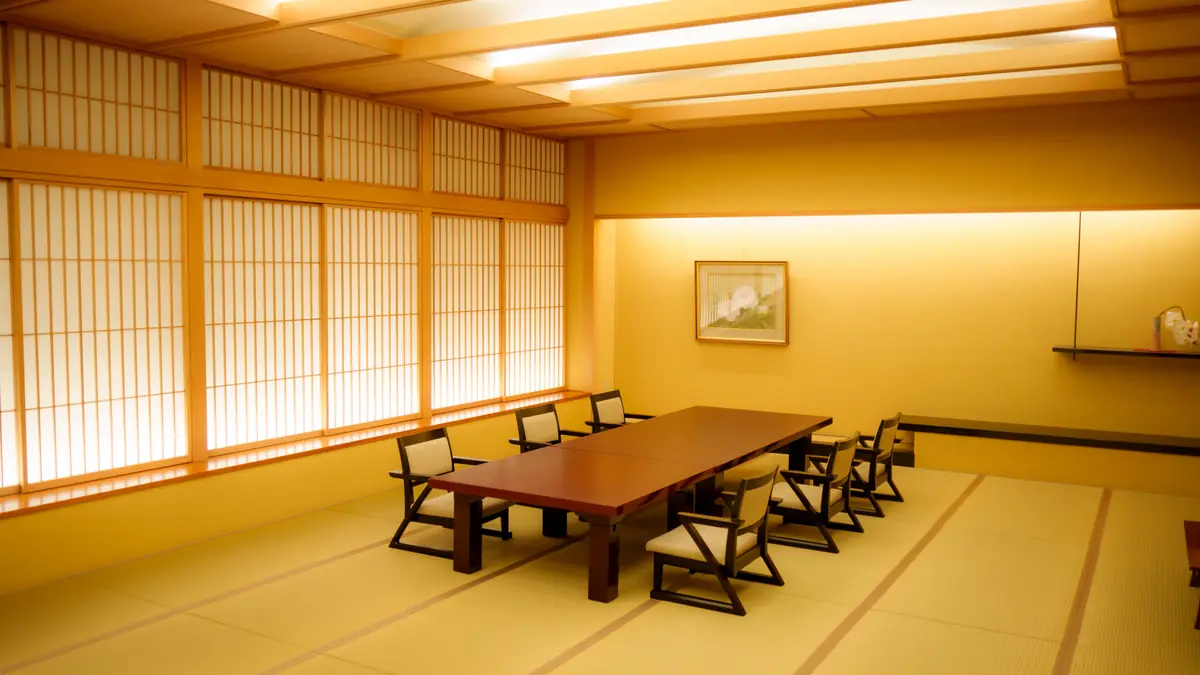
The twelfth and most extraordinary destination on our list is Asakusa Miyakodori. Founded in 1950, this historic establishment is the only remaining machiai-chaya in Asakusa. The name Miyakodori comes from a famous poem in The Tales of Ise by Ariwara no Narihira: If you are indeed worthy of your name, O bird of the Capital, let me ask you: Does the one I love still live? This sentiment of longing and deep connection with guests defines their policy of hospitality.
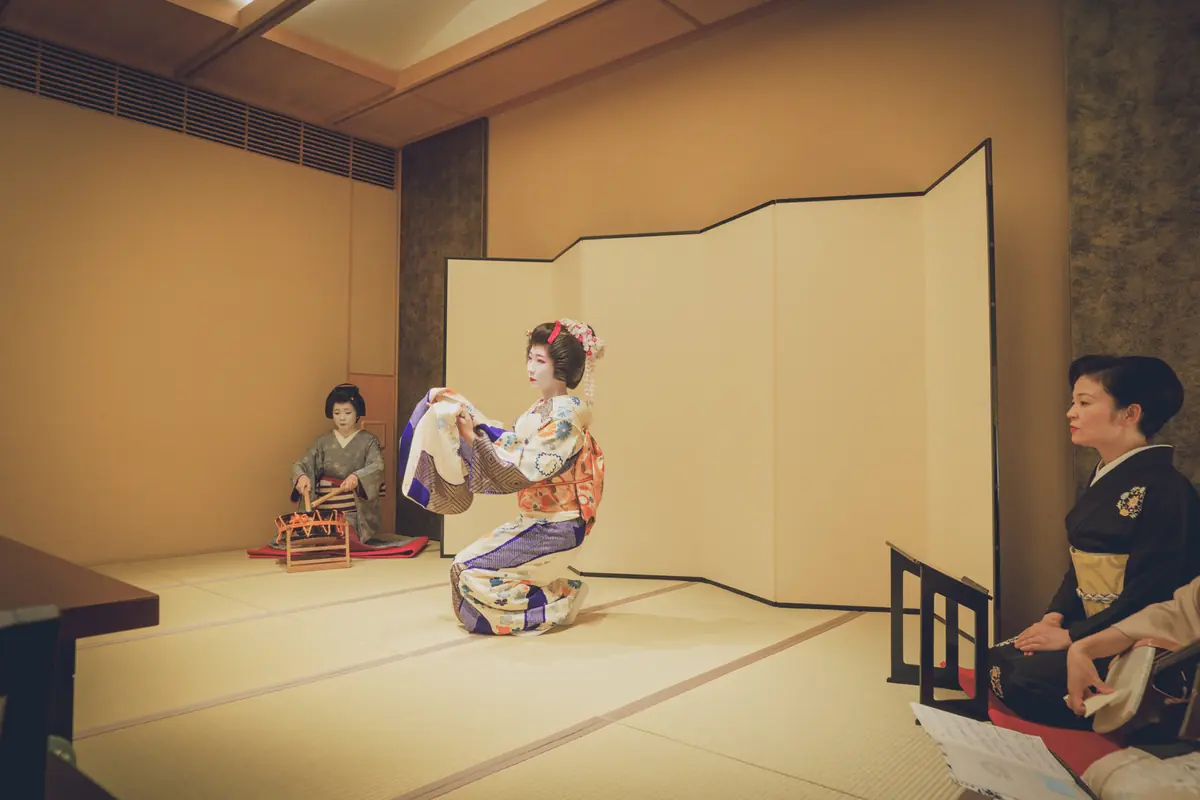
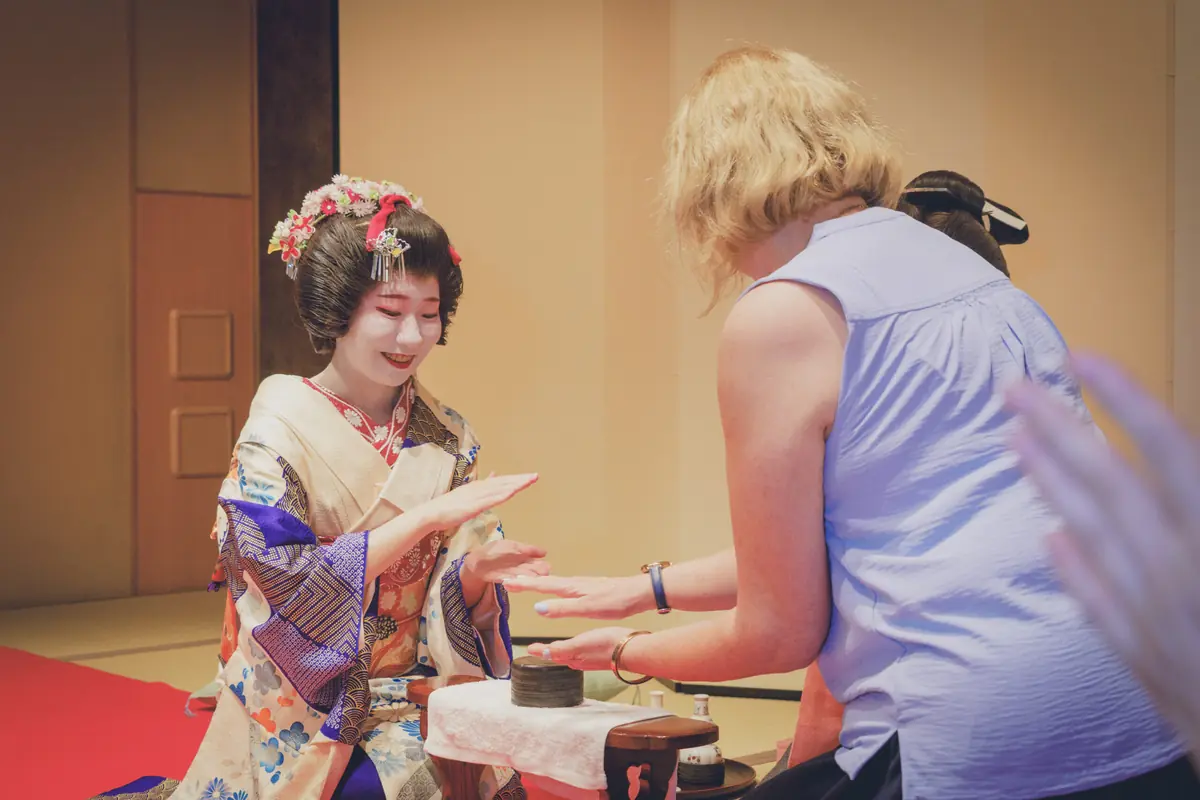
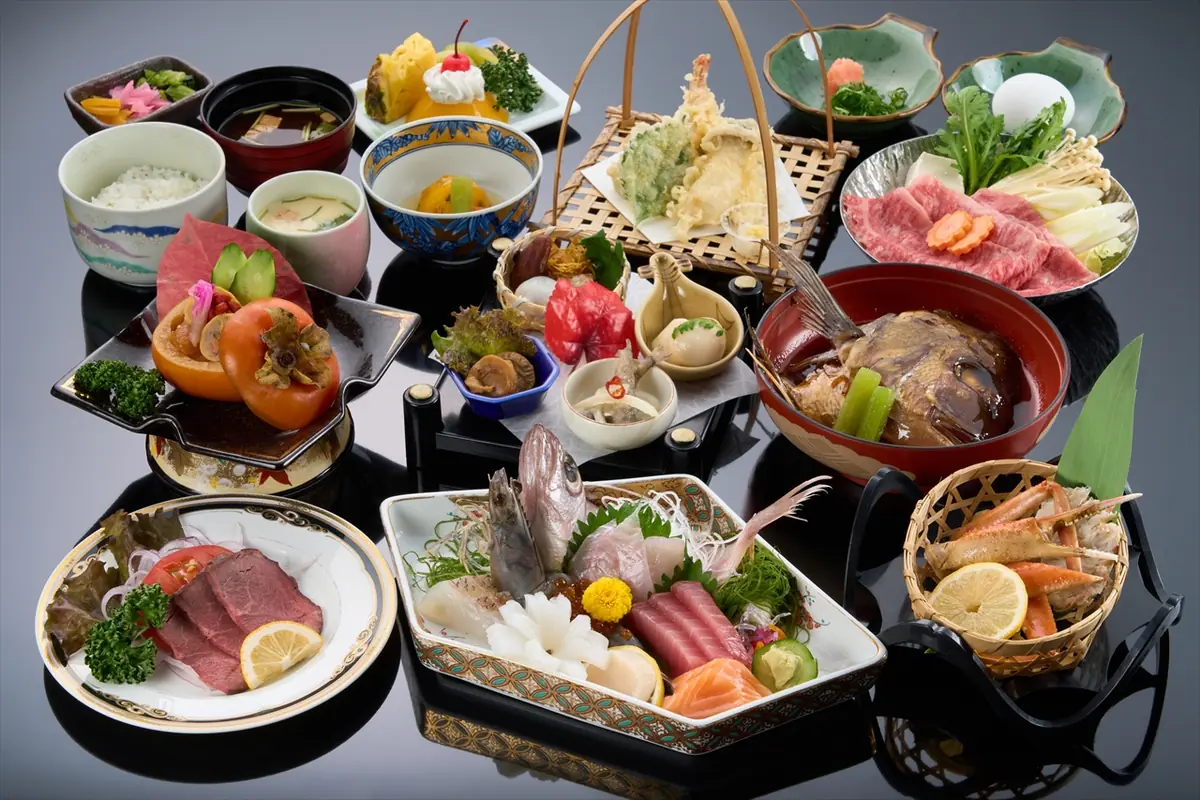
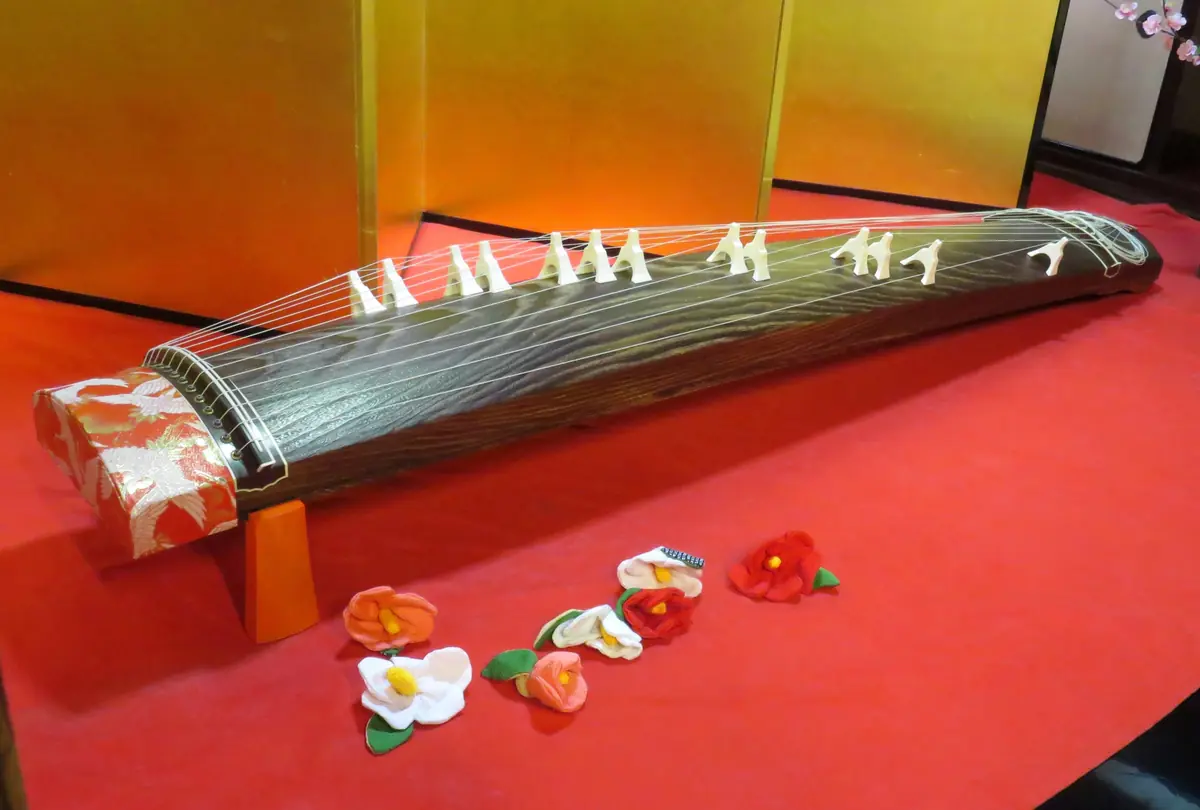
At Miyakodori, you can enjoy a luxurious dinner in a private room while being entertained by real geisha. These women are masters of traditional arts, including dance and the music of the shamisen. Unlike modern entertainment, this is a living culture passed down through generations. You can participate in Ozashiki games (geisha banquet games), a playful tradition that has delighted guests for hundreds of years. The menu features kaiseki cuisine, where seasonal ingredients are transformed into edible art. From fresh fish to delicate vegetable dishes, every plate reflects the beauty of the four seasons. Whether you are hosting a business contact or celebrating a special travel anniversary, Miyakodori provides a unique and premium experience that you will love forever. It is the ultimate way to conclude your search for the best tokyo dinner places.
Practical Tips for Dining in Tokyo and Conclusion
As you prepare for your dinner journey in 2026, a few practical tips will ensure a smooth travel experience. Most premium restaurants in Tokyo have a strict reservation policy, so it is wise to contact them well in advance via their website or a hotel concierge. Always check the privacy policy when providing your information for booking. While many modern spots are open to casual visits, the most authentic Japanese experiences often require planning. Whether you are navigating the busy station at Shinjuku or searching for a quiet alley in Asakusa, remember that punctuality is a sign of respect in Japan.
In conclusion, Tokyo is a city that offers a thousand different flavors, but the most meaningful memories are made when food is paired with culture and history. Among all the exceptional spots we have discussed, Asakusa Miyakodori stands out as a bridge between the past and the present. It is more than just a place to eat; it is a place where the hospitality of the geisha and the traditions of the Edo period come to life. We invite you to step away from the modern noise and immerse yourself in an evening of elegance and genuine human connection. Your search for the ultimate Tokyo dinner ends here, where every guest is treated like a cherished friend. We look forward to welcoming you to the heart of Asakusa.
Quick Summary of the 12 Best Tokyo Dinner Places (2026)
To help you decide where to go, here is a quick overview of the 12 featured spots and their signature offerings:
- Ginza Kagari (Ginza): Creamy chicken-based ramen (Tori Paitan) broth.
- Savoy (Shibuya): Authentic wood-fired pizza with fresh tomato and cheese.
- Udon Shin (Shibuya): Artisanal handmade udon noodles served in various styles.
- Sukiyabashi Jiro (Ginza): Legendary Michelin-starred sushi focused on pure craftsmanship.
- Den (Jimbocho): Innovative and playful modern Japanese tasting menu.
- L’Effervescence (Nishi-Azabu): High-end French-Japanese fusion paired with fine wine.
- Nakajima (Shinjuku): Affordable Michelin-level sardine specialties and traditional sets.
- Sushidai (Tsukiji): Fresh-off-the-market seasonal sushi in a lively atmosphere.
- Kanda Matsuya (Kanda): Traditional buckwheat soba and crispy tempura in a historic building.
- Asakusa Imahan (Asakusa): Historic sukiyaki and shabu-shabu featuring premium beef.
- Dojo Iidaya (Asakusa): Edo-style loach dishes for a true taste of old Tokyo.
- Asakusa Miyakodori (Asakusa): The ultimate traditional experience with authentic geisha entertainment and luxury kaiseki cuisine.
Q&A: Making the Most of Your Tokyo Dinner
Q: With so many michelin shops in major cities, is visiting a traditional house like Miyakodori highly worth it?
Absolutely. While many people search for eating spots online, the experience in a traditional house is incredibly unique. Here, you can engage with the culture in a way that feels genuinely impressive and difficult to find elsewhere. There’s a depth of history that you’ll only find in such a special place. It is a world where the artistry of the geisha and seasonal kaiseki creates a memory that won’t be forgotten. It is absolutely worth the hour you spend here. If you are hungry for real culture, you will find this kind of unfiltered authenticity has a timeless beauty all its own.
Q: What sort of menus and drinks can we expect at the table, and is it suitable for a family or a couple?
The menus offer a variety of delicious pieces, from sea-fresh fish to duck seasoned with aromatic peppers. Every dish is a simple yet refined work of art. In addition to classic tea and sweet treats, there is a large number of drinks like premium sake for the group, couple, or family to enjoy. You can order exactly what suits your taste, and the table service is incredibly professional. Whether you are a seasoned foodie or new to Japanese cuisine, this kaiseki experience offers a level of refinement and quality that lingers long after the evening ends. It won’t be like a regular store experience; it’s an exciting addition to your tour.
Q: How can we easily find the location on a map and share the content?
The location is close to a quiet corner south of the main temple area in Asakusa and you can easily find it on an online map. We encourage you to follow our blog and newsletter to save the best guides for your day. Sharing your content and your post on social media is a great way to share the exciting atmosphere with other people. If you follow our reservation policy and terms, you won’t have to worry about a long waiting time. You can save your time and enjoy an exciting tour of Japanese tradition without having to skip any of the best parts. We hope you’ll share your favorite moments on social media to inspire others to discover this living tradition.
Further Reading
Request Your Ozashiki (Geisha Banquet) at Asakusa Miyakodori
Make your Tokyo dinner unforgettable. Miyakodori offers a private ozashiki (a private gathering with geisha) experience with authentic geisha arts, seasonal kaiseki, and the warm hospitality of Asakusa’s only remaining machiai-chaya.
References
- PR TIMES: About Ozashiki Chaya — https://prtimes.jp/main/html/rd/p/000000001.000165250.html
- Asakusa Noren-kai: About Miyakodori — https://asakusa.gr.jp/jp/?p=385
- Tokyo Metropolitan Government MY TOKYO: Introduction to Tokyo’s Traditional Culture — https://www.my.metro.tokyo.lg.jp/w/000-20240711-43128106
- Asakusa Kenban: About Asakusa Geisha — https://asakusakenban.com/


- Japanese Geisha Cup Game: Rules and How to Play Konpira Fune Fune
- 2026 Best Geisha Dinner in Kyoto and Tokyo: Private Experience Review and Booking Guide
The Ultimate Guide to Tokyo Dinner Reservations in 2026: How to Secure the Best Tables
The Ultimate Tokyo Food Experience 2026: A Guide to the Best Tours, Restaurants, and Local Eats
The Ultimate Traditional Japanese Dining Experience Guide 2026
Best Kaiseki Tokyo: Japan’s Ultimate Culinary Art Form
The Ultimate Guide to Geisha Lunch Specials: Sushi, Hibachi, and More
What’s New in Tokyo 2026: New Attractions & Openings Guide
Comment ( 0 )
Trackbacks are closed.

No comments yet.