




The Ultimate Traditional Japanese Dining Experience Guide 2026
Introduction: The Soul of the Japanese Table
When you think of Japan, what comes to mind? Is it the towering neon lights of Shinjuku, the quiet rustle of bamboo in Arashiyama, or perhaps the precise slice of a chef’s knife through a piece of fatty tuna? For many travelers, the true heart of Japan is found not in its sights, but on its plates. Japanese cuisine, or Washoku, is more than just food; it is a philosophy, a seasonal dialogue, and a masterclass in hospitality.
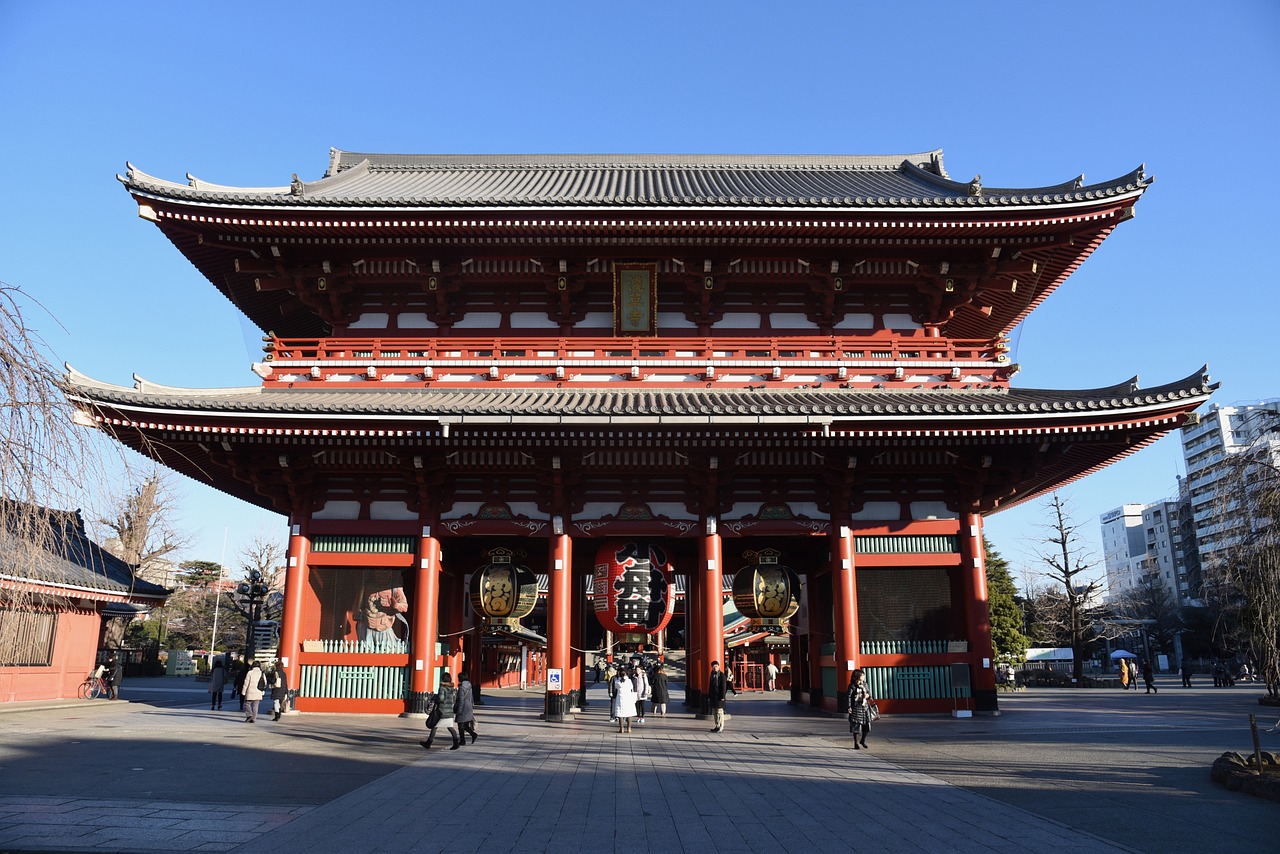
Let’s peel back the layers of the traditional Japanese dining experience. We will travel from the bustling ramen stalls of Tokyo to the refined, hidden machiai-chaya of Asakusa, where the traditions of the Edo period still breathe. Whether you are a first-time visitor or a seasoned Japanophile, understanding the depth of this culinary culture will transform your next meal into a lifelong memory. Discover the incredible stories behind every dish and learn how to navigate the diverse world of Japanese restaurants.
What Defines a Traditional Japanese Dining Experience?
Before we dive into specific dishes, we must understand the pillars that support every great Japanese meal: Omotenashi, Shun, and Presentation.
Together, these three pillars make up what many guides now call the traditional Japanese dining style — an approach to a meal where hospitality, seasonality, and visual balance carry as much weight as the food itself. Recognizing this dining style before your first meal in Japan changes how you read a menu: why a course arrives in a set order, why the plate changes with nearly every dish, and why a chef may spend more time arranging a single garnish than a Western kitchen spends plating an entire course.
Omotenashi: More Than Just Hospitality
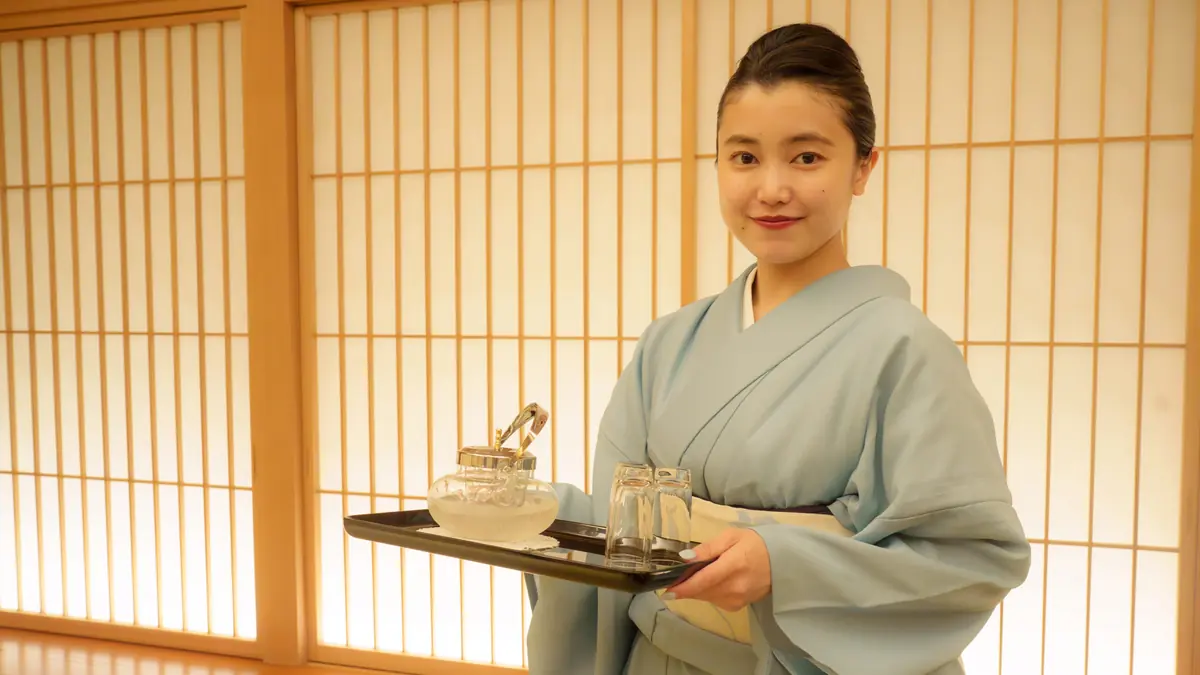
In the West, service is often seen as a transaction. In Japan, it is Omotenashi. This means wholehearted hospitality that anticipates a guest’s needs before the guest even realizes them. It is the reason your tea is refilled without you asking, and why a host might walk you all the way to the street to bow as you depart. This personal touch is what makes dining in Japan so special.
Shun: The Power of the Season
In Japanese culture, ingredients are at their absolute peak for only a few weeks a year. This is called Shun. A traditional menu in April will look entirely different from one in October. To eat in Japan is to eat the calendar. Fresh vegetables, seasonal fish, and even the type of rice used can change depending on the time of year.
Presentation: Eating with the Eyes
You have likely heard the phrase, we eat with our eyes first. In Japan, this is a literal rule. The choice of ceramic, the placement of a single green leaf, and the contrast of colors on the plate are just as important as the flavor of the fish. Even a simple bowl of soup is prepared with an eye for beauty.
Top 10 Must-Try Culinary Experiences in Japan
If you are planning your itinerary for 2026, make sure these ten experiences are on your list. Each offers a unique window into Japan’s rich history and modern preferences.
Sushi: The Global Icon
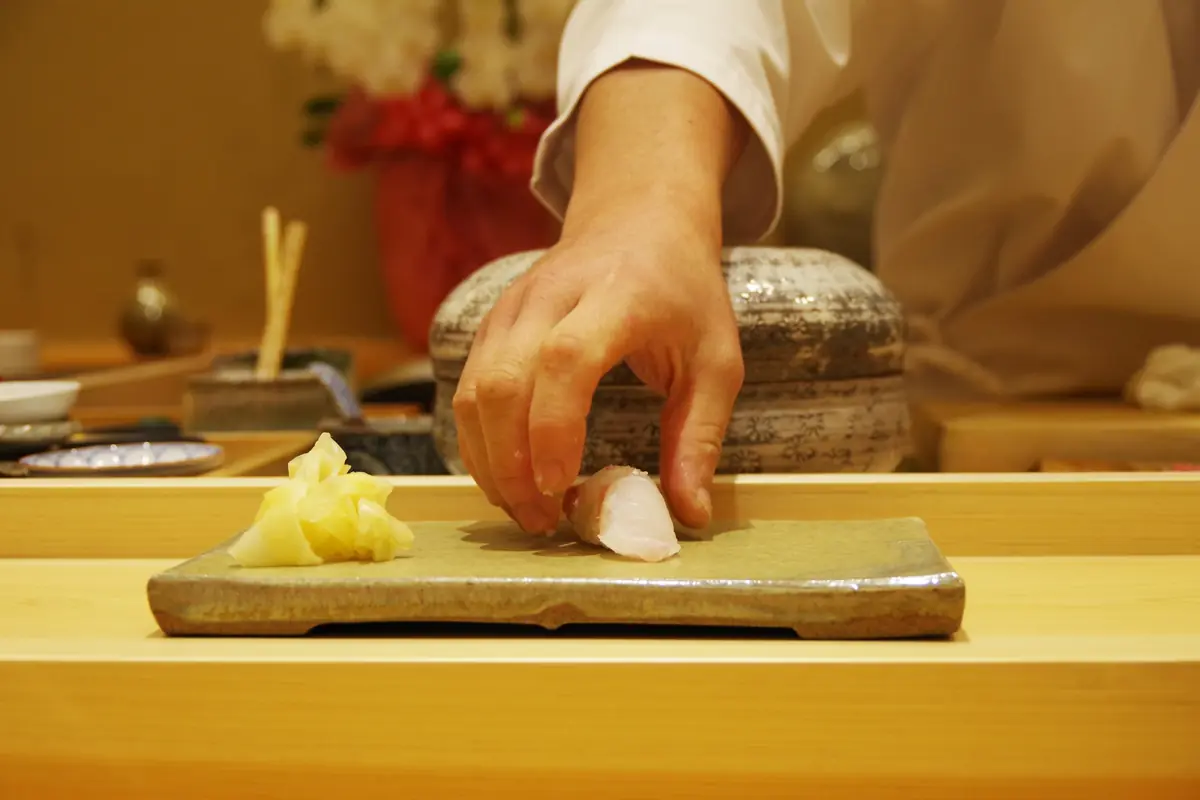
While you can find sushi everywhere, nothing compares to an Omakase (chef’s choice) experience in a high-end Tokyo bar. Here, the chef prepares each piece one by one, seasoning the rice with specific vinegars to match the fat content of the fish. The fish is always fresh, often sourced from the market that very morning.
Kaiseki: The Pinnacle of Haute Cuisine
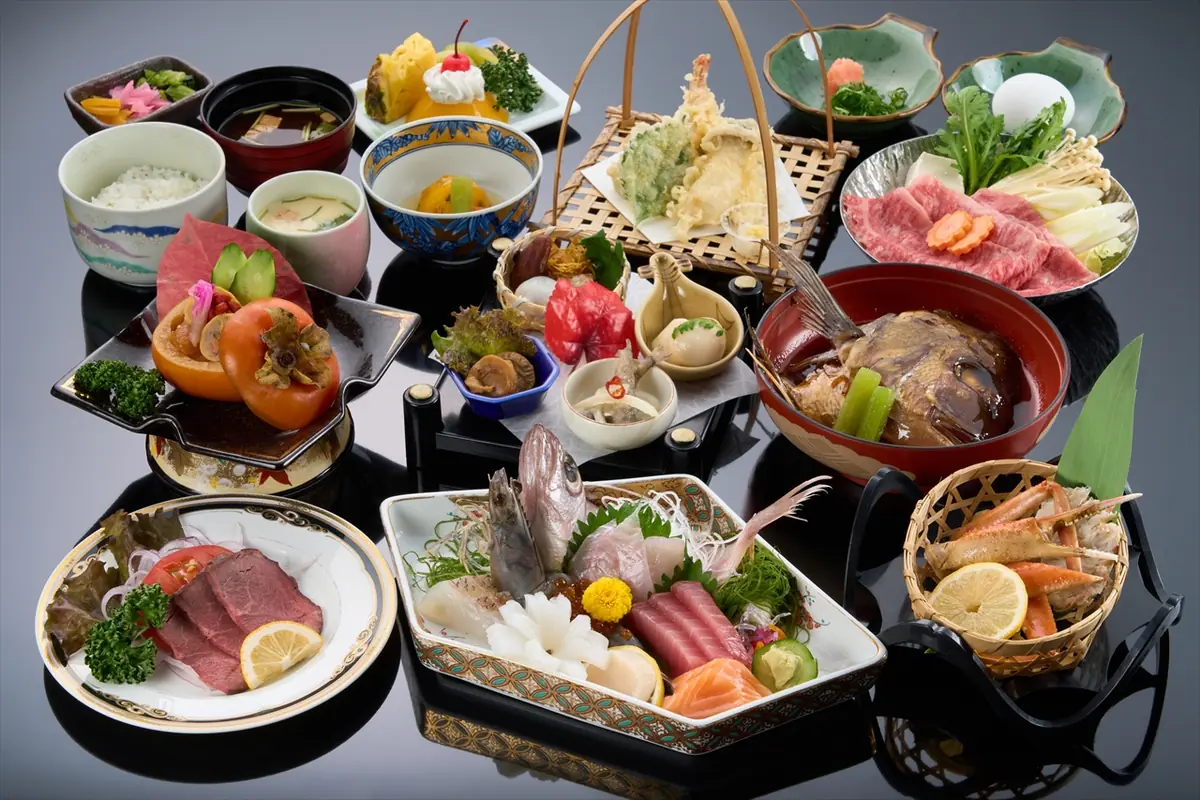
Imagine a multi-course meal where every dish is a work of art. Kaiseki is the Japanese equivalent of Western fine dining, originally born from the tea ceremony. It represents the height of culinary skill and seasonal storytelling. The preparation takes hours, if not days, to ensure every flavor is perfectly balanced. To explore this tradition in depth, see our guide to the best kaiseki experiences in Tokyo.
Izakaya: The Japanese Gastropub
For a more casual night, head to an Izakaya. These are popular bars where people share small plates of yakitori, sashimi, and fried dishes over cold beer or drinks. It is the best place to observe the local culture after work hours. You might even find modern twists like cheese-filled mochi or black sesame starters.
Ramen: The Soulful Bowl
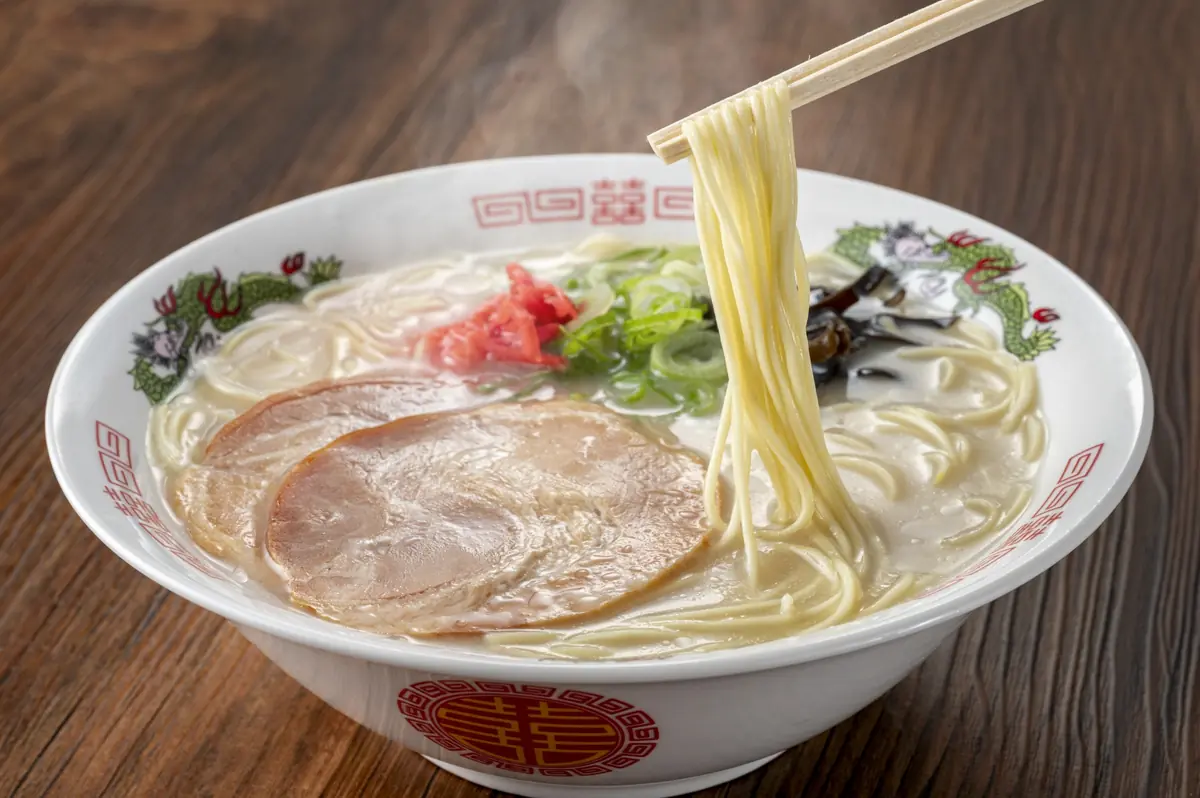
Ramen is the ultimate comfort food. Each region has its own specialty, from the creamy Tonkotsu (pork bone) broth of the South (Kyushu) to the salty Shio broth of the North. The rich broth and chewy noodles make it a favorite for a quick day-time meal.
Tempura: The Art of Fried Food
Authentic tempura is light, crispy, and never greasy. In a dedicated tempura restaurant, the chef fries each ingredient—from delicate prawns to seasonal mountain vegetables—right in front of you. It is a simple concept prepared with incredibly complex techniques.
Sukiyaki and Shabu-shabu: The Communal Pot
These hot-pot dishes are perfect for sharing with family. Sukiyaki involves simmering thin slices of beef in a sweet soy-based sauce, while Shabu-shabu is a lighter version where you swish the meat in a boiling broth for just a few seconds. High-quality Wagyu beef is often used, providing a melt-in-your-mouth taste.
Okonomiyaki: The Savory Pancake
Often called Japanese pizza, this dish is a crowd-pleaser for locals and tourists alike. Made with cabbage, flour, and a variety of toppings like pork or seafood, it is typically grilled on a flat iron plate at your table. It is a fun, interactive way to eat.
Wagyu Beef: Meltingly Tender
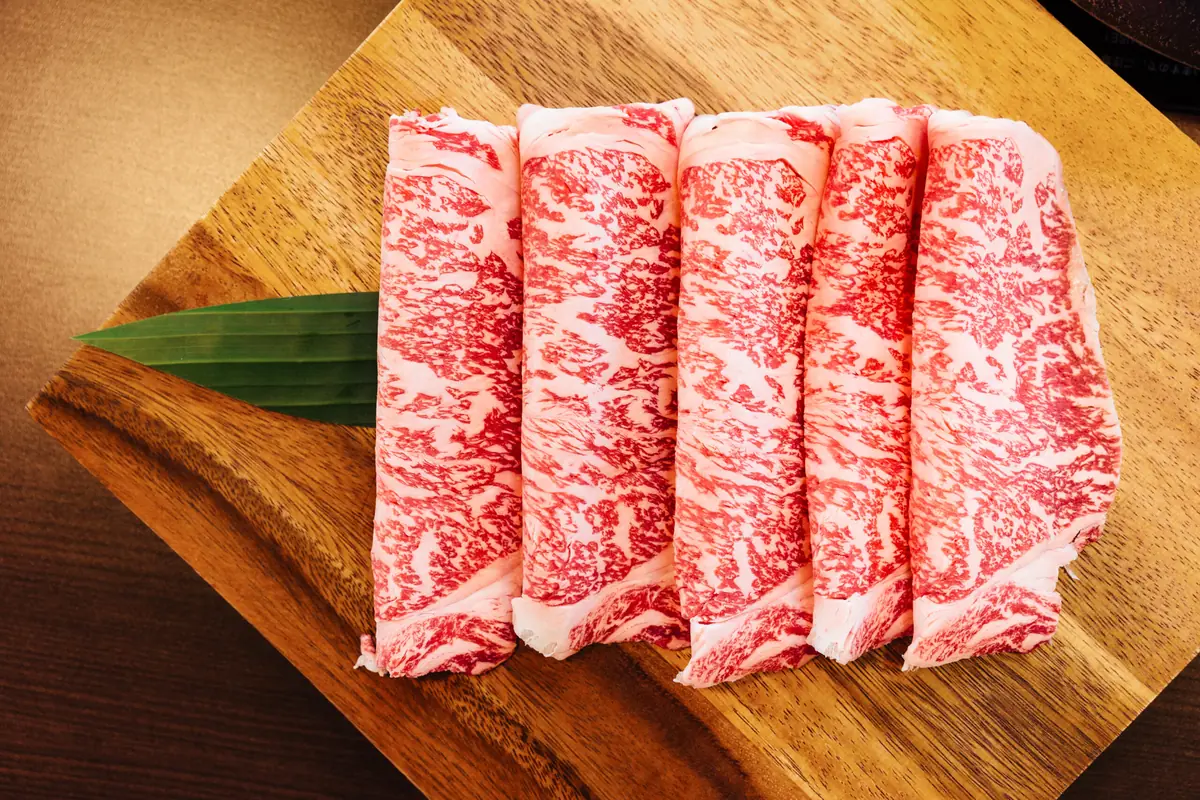
Whether it is Kobe beef from Hyogo prefecture or other regional varieties, trying high-grade Wagyu is a special experience. The intense marbling creates a texture that simply takes your breath away.
Soba and Udon: The Noodle Heritage
Soba (buckwheat) and Udon (thick wheat) noodles are staples of the Japanese diet. They can be served hot in a broth or cold with a dipping sauce. This is a popular choice for a light breakfast or a quick lunch during a busy day of sightseeing.
Teppanyaki: Dinner and a Show
Watch as skilled chefs grill premium ingredients on a large iron griddle. It is a sensory experience involving the sizzle of the meat, the aroma of garlic, and the visual flair of the chef’s movements.
Elevate Your Tokyo Dining with a Geisha Banquet
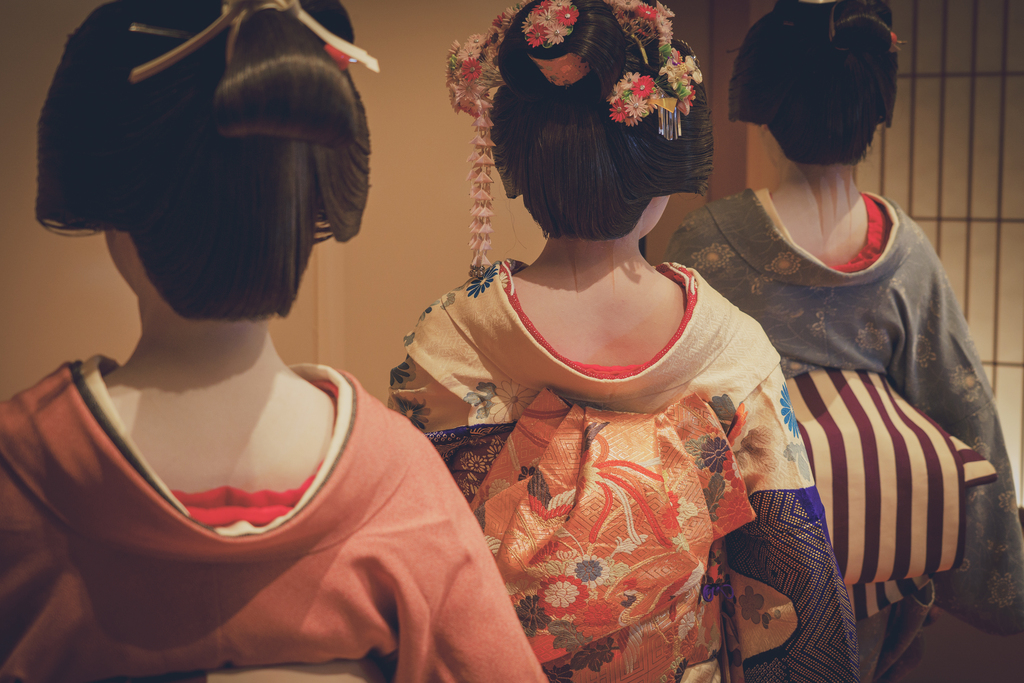
Beyond kaiseki and sushi, the ultimate traditional dining experience combines seasonal cuisine with live geisha performance. At Asakusa Miyakodori, you can request a private ozashiki (a private gathering with geisha) online — no introduction required.
Request a ReservationExploring Kaiseki: The Pinnacle of Japanese Haute Cuisine
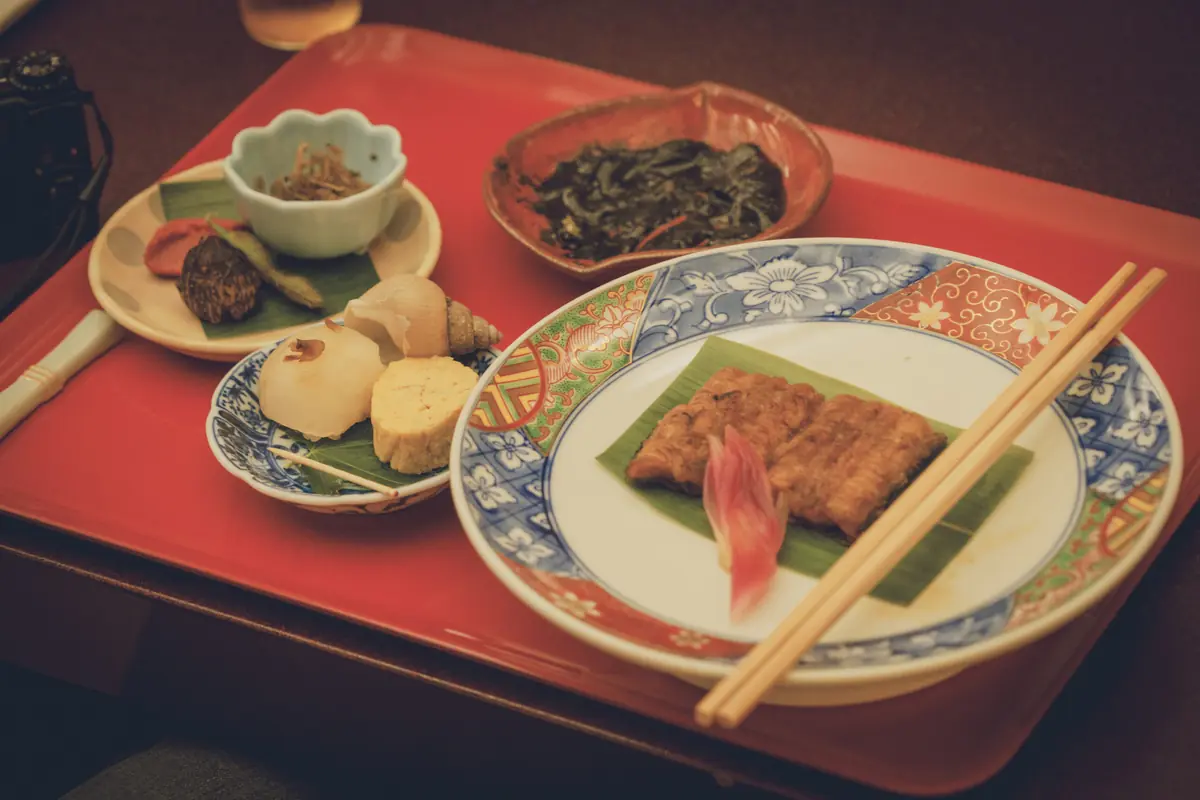
To truly understand the Japanese palate, one must experience Kaiseki. However, there are actually two types of Kaiseki, which sound the same but are written differently in Japanese. One refers to the simple meal served with tea, and the other refers to the elaborate banquet meals served at a ryotei.
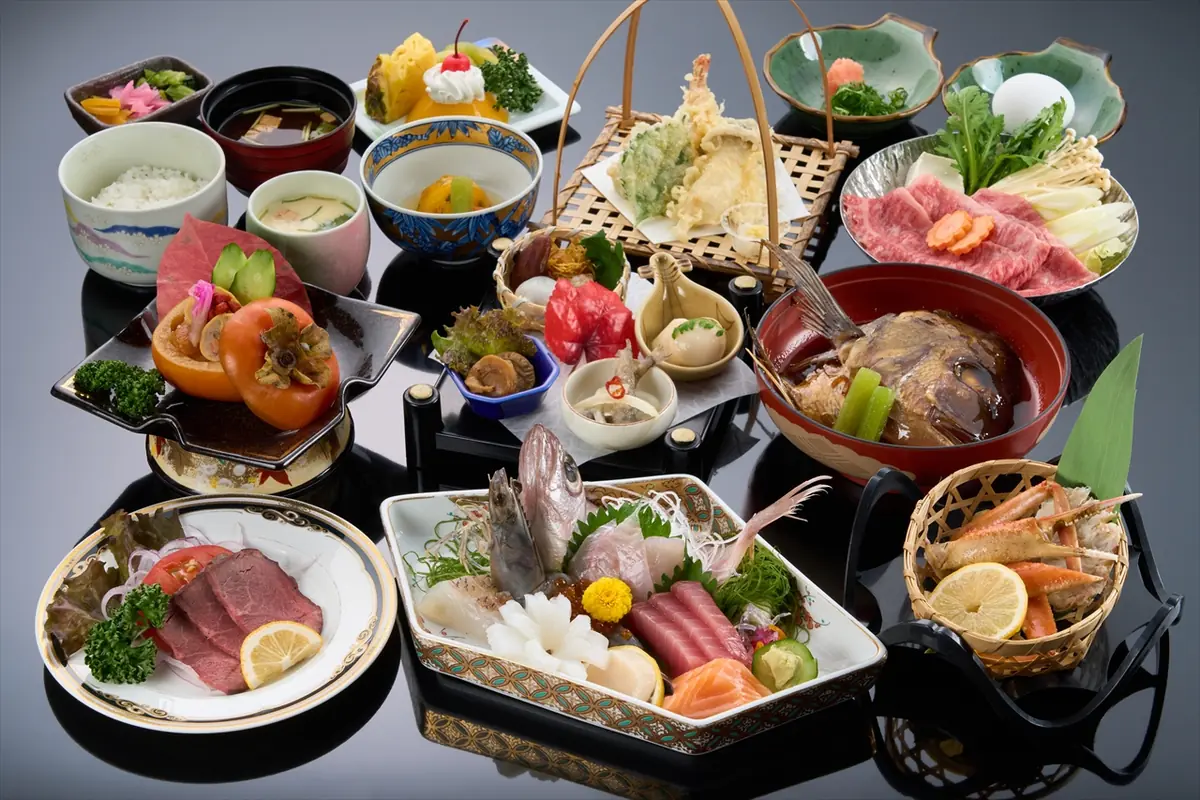
In a modern Ryotei, you will likely enjoy a sequence of meals that highlight the chef’s personal style and the best ingredients from across Japan’s prefectures. A typical Kaiseki meal follows a strict order, including:
- Sakizuke: A small appetizer to start the journey.
- Hassun: A dish that sets the seasonal theme of the day.
- Mukozuke: A selection of fresh sashimi.
- Futamono: A lidded dish, usually a delicate soup.
- Yakimono: A grilled dish, often serving fish or beef.
- Takiawase: Simmered vegetables that show off the chef’s cooking skills.
- Gohan and Mizumono: The final course of rice followed by a beautiful dessert.
The preparation and serving of these dishes require multiple staff and years of training. This is not just eating; it is a ceremony that celebrates the time and effort put into the culinary arts.
Regional Food Guides: Tokyo, Kyoto, and Beyond
Japan is a country of diverse tastes. While Tokyo is the main hub, each prefecture offers something unique to discover.
Kyoto: The Heart of Tradition
Kyoto is famous for its refined vegetarian cooking, known as Shojin Ryori, and its elegant Kaiseki. The water in Kyoto is said to be incredibly soft, which makes the local tofu and tea taste better than anywhere else. If you visit Kyoto, checking out the traditional tofu restaurants is a must.
Tokyo: The Culinary Melting Pot
In Tokyo, you can find every type of food imaginable. From Michelin-starred restaurants to tiny street food stalls, the options are endless. Tokyo is particularly famous for Edomae sushi and its rich variety of ramen. For a deeper dive into Tokyo’s extraordinary dining scene, see our guide to Japanese fine dining in Tokyo.
The South and Other Destinations
As you travel south towards Kyushu, the flavors become bolder and the broths become richer. In these regions, you might find more influence from neighboring cultures, including Korean-style preparations and unique seafood dishes. Exploring these local spots allows you to see a different side of Japan’s story.
Essential Japanese Dining Etiquette for Travelers
Navigating a Japanese restaurant can be intimidating, but following a few simple terms and rules will make your experience much better.
Etiquette, in other words, is simply the Japanese dining style put into practice at the table: a small set of learnable habits — how you hold your chopsticks, when you say itadakimasu before the first bite, how you receive a poured drink with both hands — that let you eat sushi, kaiseki, or an izakaya spread the way locals do, without a second thought.
- Chopstick Rules: Never stick your sticks upright in a bowl of rice. This is a sign of bad luck. Also, do not use them to point at people or pull dishes closer to you.
- Tipping: There is no tipping in Japan. The service is already included in the price. Simply saying thank you is enough.
- Reservations: For popular restaurants, making reservations in advance is essential. You can often do this online or through your hotel.
- Privacy and Terms: When you book, you might be asked to provide personal information. Most reputable restaurants have a strict privacy policy to protect your data.
Spotlight: Asakusa Miyakodori — A Journey Back to Edo
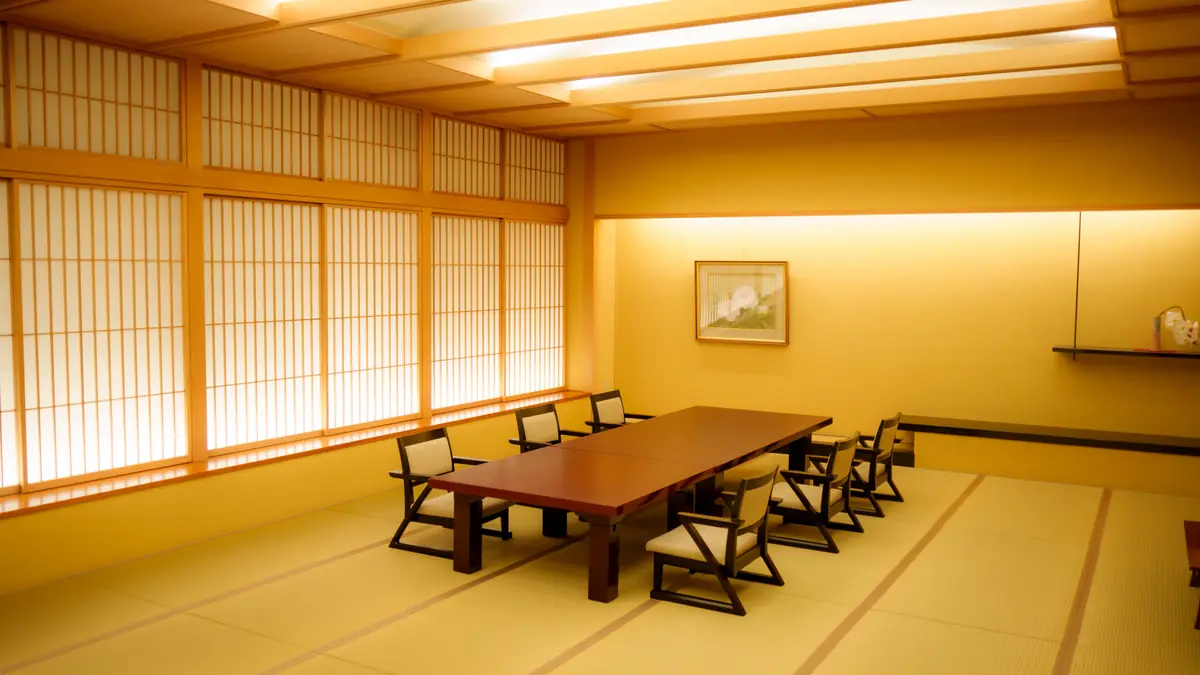
In the heart of Asakusa’s historic district, behind the famous Senso-ji Temple, lies a special place called Miyakodori. Founded in 1950, this establishment is a living piece of history. Asakusa has over 400 years of history since the Edo period, and Miyakodori was created to help people discover the joy of the Hanamachi (geisha district).
Miyakodori is the only remaining Machiai-chaya in Asakusa — a unique type of banquet venue distinct from a standard ryotei. As a Machiai-chaya, it does not cook in-house; instead, it sources its cuisine from some of the finest kitchens in the city. This arrangement is precisely what allows Miyakodori to accommodate a wide range of dietary requirements — including Halal, vegan, and gluten-free menus. For the full picture — etiquette, the flow of the evening, and how to request a reservation — see our Ultimate Guide to Geisha Dinner in Tokyo.
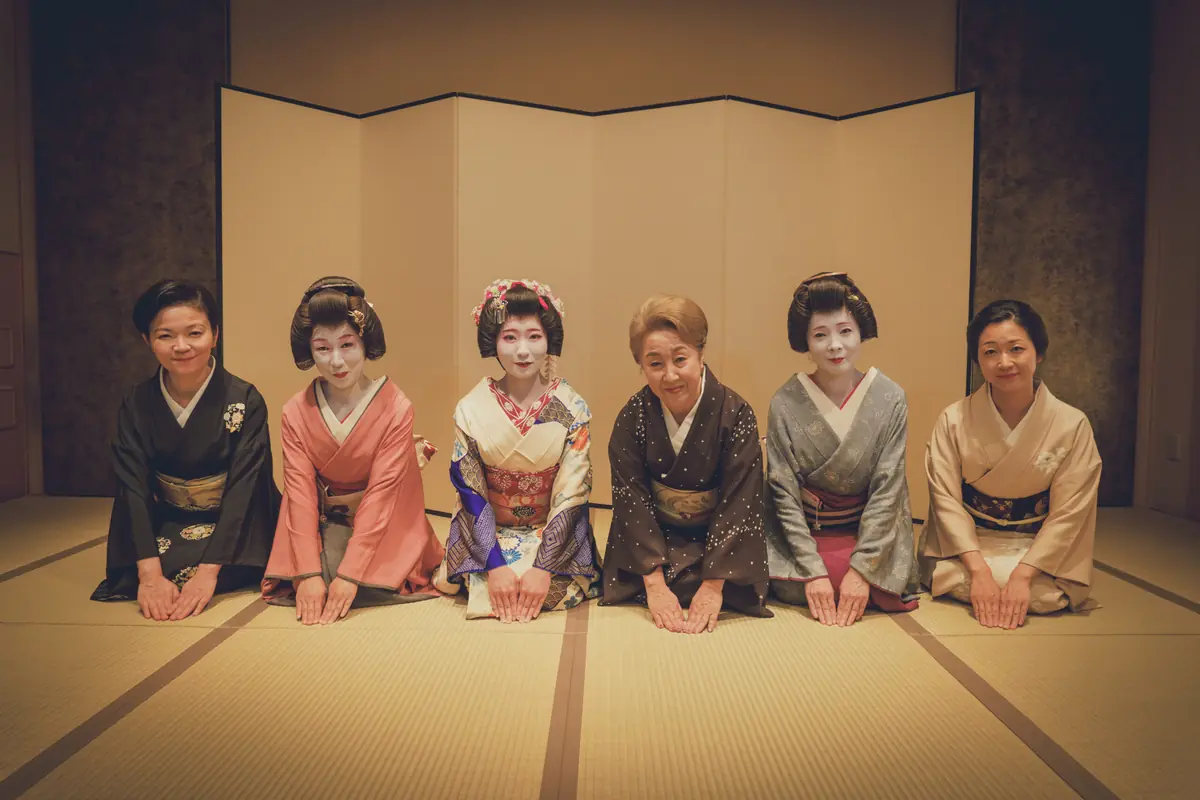
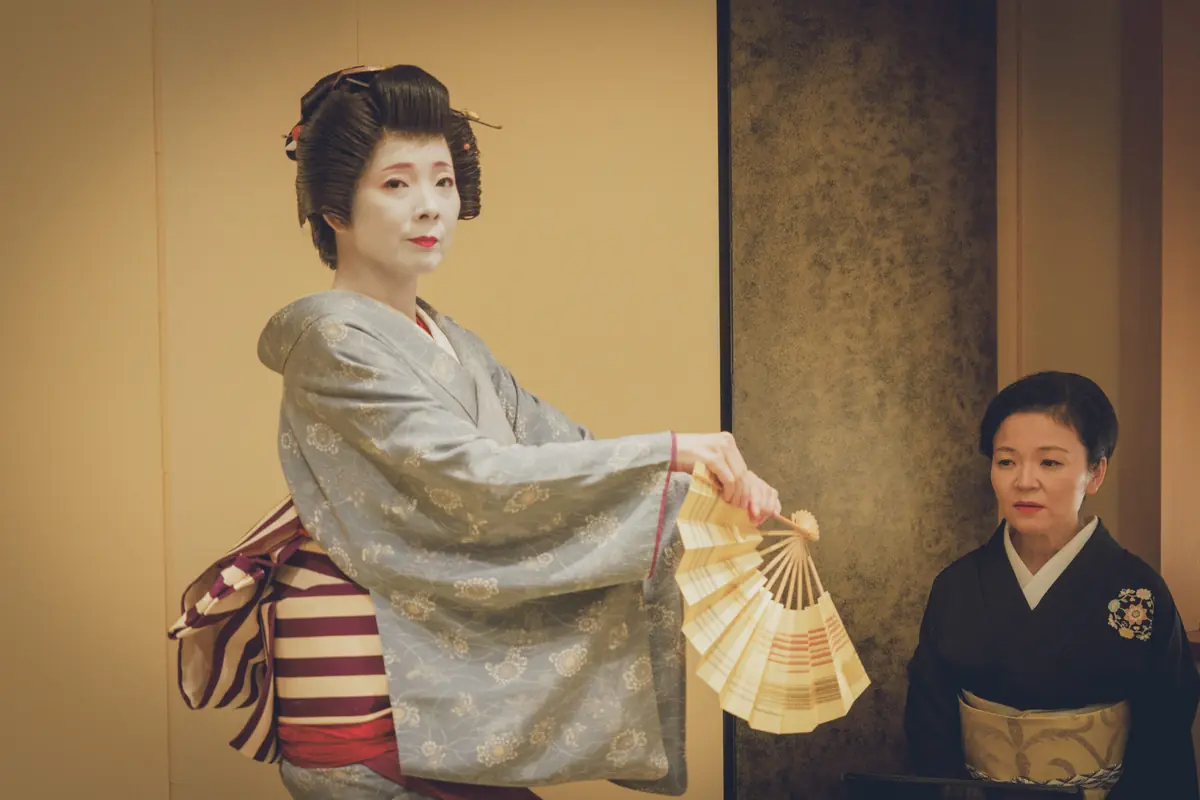
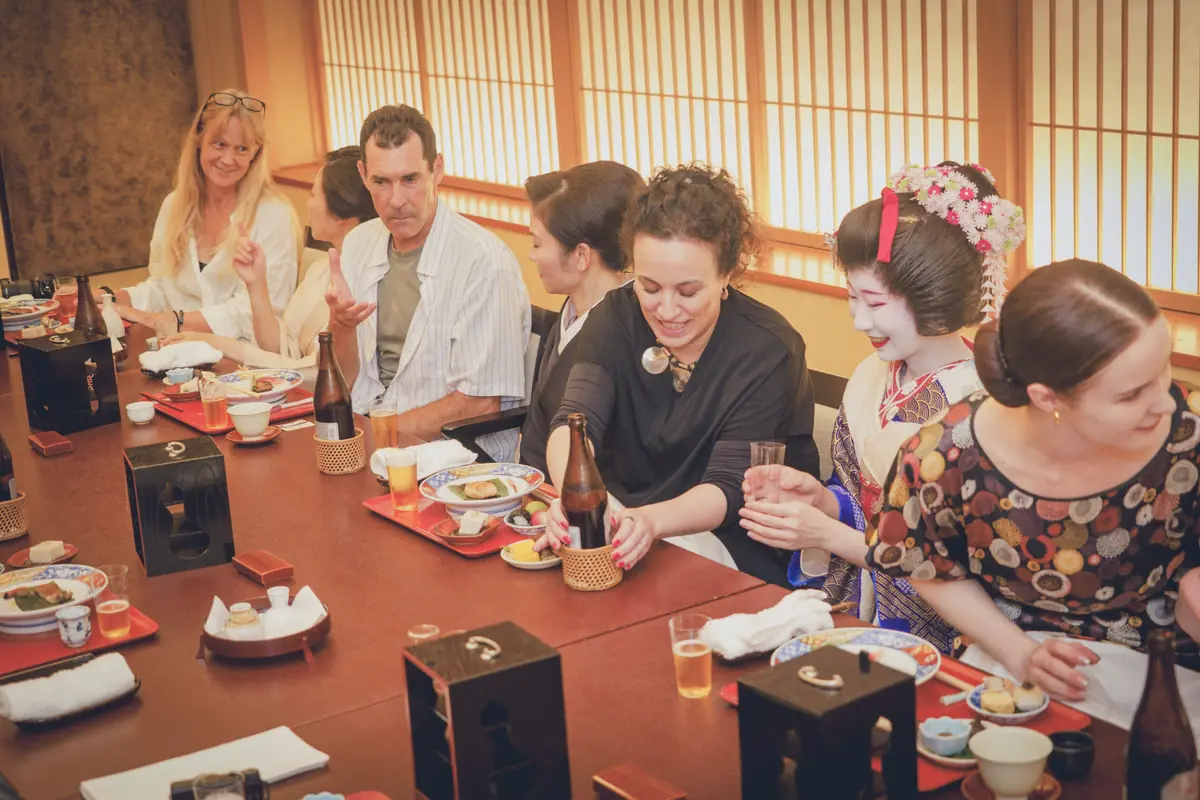
This is where you can enjoy traditional meals while being entertained by highly trained Geisha. This is not a common experience; it is a very special opportunity to see the art of Japan up close. Crucially, Miyakodori has opened its doors to all guests: no introduction or referral is required, and reservations can be made directly online.
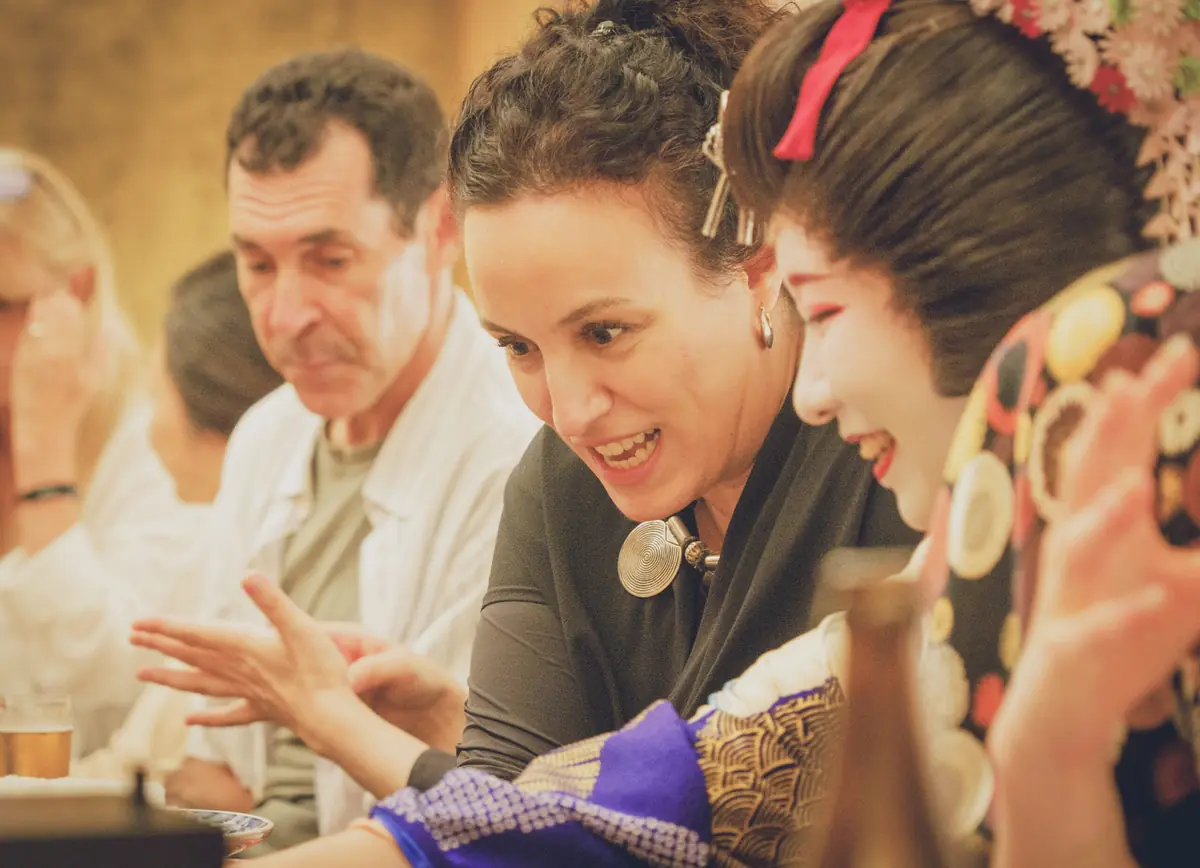
What to Expect at Miyakodori
- Authentic Geisha Entertainment: Watch beautiful dances and listen to the rich sounds of the shamisen.
- Seasonal Menus: Cuisine prepared by partner kitchens, sourced to match the finest standards of traditional Japanese dining.
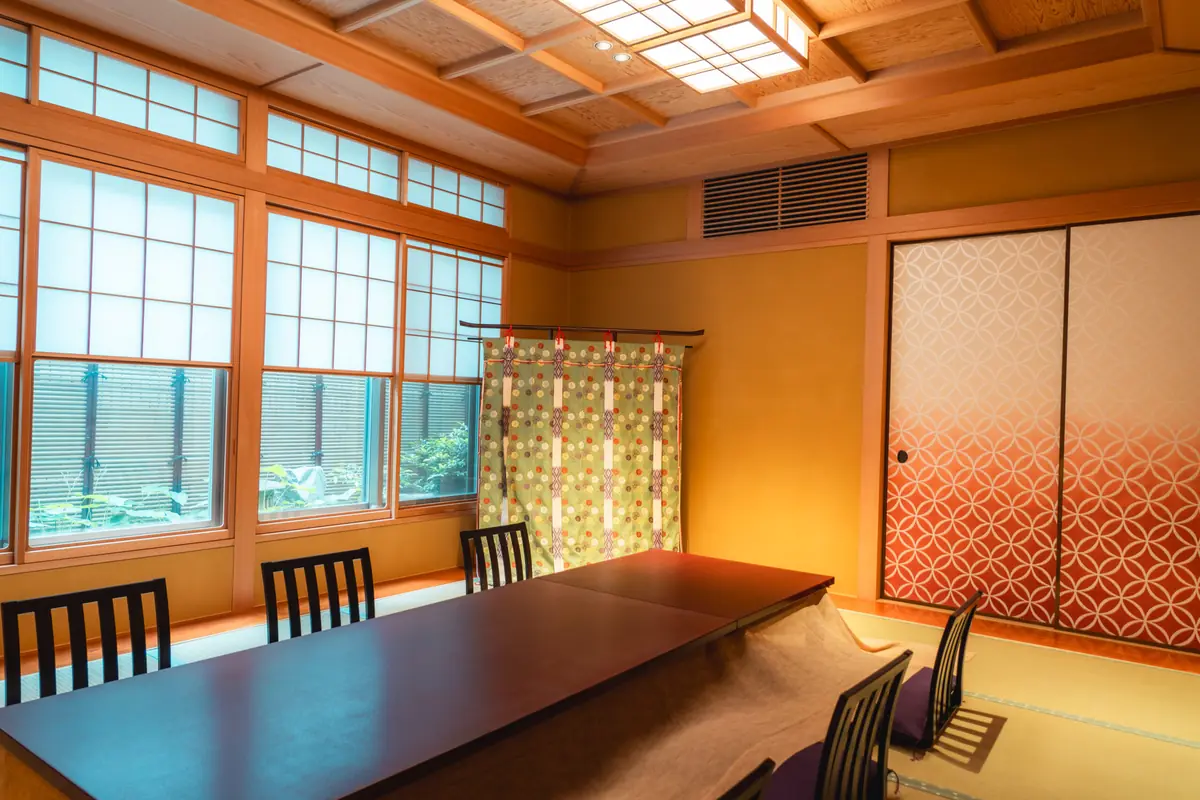
- Private Rooms: Enjoy your meal in a beautiful, private space, perfect for families or business meetings.
- Global Preferences: Miyakodori understands that guests come from all over the world, including American and European travelers. They offer Halal options and can accommodate various dietary preferences if you contact them in advance.
This is a place where you can forget the busy world outside and simply enjoy the time. Whether you are celebrating a family event or hosting a VIP, the service at Miyakodori is designed to make you feel at home. To learn more about what to expect inside the ozashiki (a private gathering with geisha) room, read our complete guide to experiencing an authentic geisha show in Asakusa.
How to Make Reservations
If you are ready to explore the world of Asakusa geisha and traditional dining, here is how you can get in touch with Miyakodori.
Contact and Reservations: To ensure you have a table, it is best to make reservations at least a few weeks before your visit. Reservations can be made online through the official website — no introduction is required. When you make a booking, the staff will provide you with all the necessary details.
- Website: en.miyakodori-geisha.com
- Location: Asakusa, Taito-ku, Tokyo (near Senso-ji Temple). For the full story of this historic neighborhood, see our guide to Asakusa.
Miyakodori is open to everyone who wishes to learn about the deep culture of Japan. They take pride in serving delicious foods that represent the best of Tokyo’s traditions.
Related Guides
Request Your Ozashiki (Geisha Banquet) Experience
Asakusa Miyakodori — the only remaining machiai-chaya in Asakusa — is open to all. Request your experience online directly — no referral required. Private rooms, seasonal cuisine, and live geisha performance await.
Request a ReservationConclusion: Embracing the Art of Japanese Dining
A meal in Japan is never just about the food. It is about the connection between the people, the land, and the traditions that have been passed down for generations. From the fresh sashimi of a Tokyo market to the elegant dances at Miyakodori, every experience tells a part of Japan’s story.
As you plan your travel in 2026, we encourage you to step off the main path and explore the local restaurants and historical districts. Choose to try something new, whether it is a bowl of ramen in a quiet alley or a full Kaiseki dinner. The memories you make at the table will stay with you forever.
Frequently Asked Questions
What defines traditional Japanese dining style?
It comes down to the three ideas covered above: omotenashi (hospitality that anticipates a guest’s needs before they are spoken), shun (a menu built around what is in season rather than a fixed year-round list), and presentation (the plate and its arrangement treated as part of the dish). In practice that also means a set sequence of courses rather than one large plate, shared dishes at a casual izakaya, and quiet etiquette — like never standing chopsticks upright in a bowl of rice — that keeps the meal running smoothly for everyone at the table.
What is the best time of day to visit a traditional restaurant?
Lunch is often a great time to try high-quality food at a lower price. However, for the full Geisha experience at a place like Miyakodori, dinner is the best option to see the performances.
Are there vegetarian or Halal options in traditional restaurants?
While traditional Japanese food often uses fish stock, many modern restaurants are beginning to offer more options. Miyakodori, for example, offers Halal and vegetarian meals to meet the preferences of global travelers.
How do I check the news for new restaurant openings?
Many food blogs and travel websites provide the latest news on popular dining destinations in Japan. It is always a good idea to check recent reviews before you visit.
Do I need an introduction or referral to visit Miyakodori?
No. Unlike traditional ryotei that once required a personal introduction, Miyakodori has opened its doors to all guests. You can make a reservation directly online — no referral required.


- Best Restaurants for a Birthday Dinner in Tokyo | Memorable Dining Experiences
- 2026 Best Tokyo Geisha Dinner Guide: Top Recommendations for an Authentic Evening in Asakusa
The Ultimate Tokyo Food Experience 2026: A Guide to the Best Tours, Restaurants, and Local Eats
Best Private Room Restaurant in Tokyo: A Guide to Exclusive Dining at Asakusa Miyakodori
Japanese Fine Dining Tokyo: The 2026 Guide to Extraordinary Culinary Experiences
The Ultimate Guide to Tokyo Dinner Shows 2026
Top Rated Traditional Japanese Restaurants Near Me: Authentic Flavors and Sushi
12 Best Tokyo Dinner Places: A Complete Guide (2026)
Comment ( 0 )
Trackbacks are closed.

No comments yet.