




The Ultimate Guide to the Best Things to Do in Asakusa Tokyo Japan for Your 2026 Travel
Asakusa’s top attractions: Senso-ji Temple, Nakamise-dori, Kaminarimon Gate, Sumida River cruise, rickshaw rides, and authentic geisha experiences at Miyakodori — Asakusa’s only machiai-chaya (geisha teahouse).
As the morning mist lifts over the Sumida River, a symphony of temple bells and the gentle chatter of early visitors fills the air. This is Asakusa, a district where the soul of old Tokyo breathes through every wooden gate and narrow alleyway. If you are planning a trip to Japan in 2026, finding the most authentic things to do in Asakusa is likely at the top of your list. This vibrant neighborhood offers a unique blend of ancient traditions and modern energy that you simply cannot find anywhere else in the city. From the iconic red lanterns of Senso-ji to the hidden world of the geisha, Asakusa invites you to step back in time while staying firmly rooted in the excitement of the present.
Many travelers search for a guide that goes beyond the typical tourist traps to discover the true heart of Japanese culture. Whether you are visiting for a single day or planning a longer stay, your itinerary should be more than just a list of places to see; it should be an experience that stays with you forever. In 2026, Asakusa continues to be a popular destination for those who appreciate history, art, and incredible food. Our travel guide is designed to help you navigate this beautiful area, ensuring you don’t miss the secret spots and traditional activities that make this part of Tokyo so special.
As you walk through the streets, you will feel the weight of centuries of history. Asakusa has survived and thrived, evolving from a bustling entertainment district in the Edo period to a global cultural hub. In this post, we will explore the best shopping, the most delicious meals, and the spiritual atmosphere of the local shrines. Most importantly, we will introduce you to the exclusive experience of the geisha culture at Miyakodori, where history comes alive through dance and hospitality. Let’s start your journey into the heart of Japan.
What to See in Asakusa, and What Is Near Senso-ji
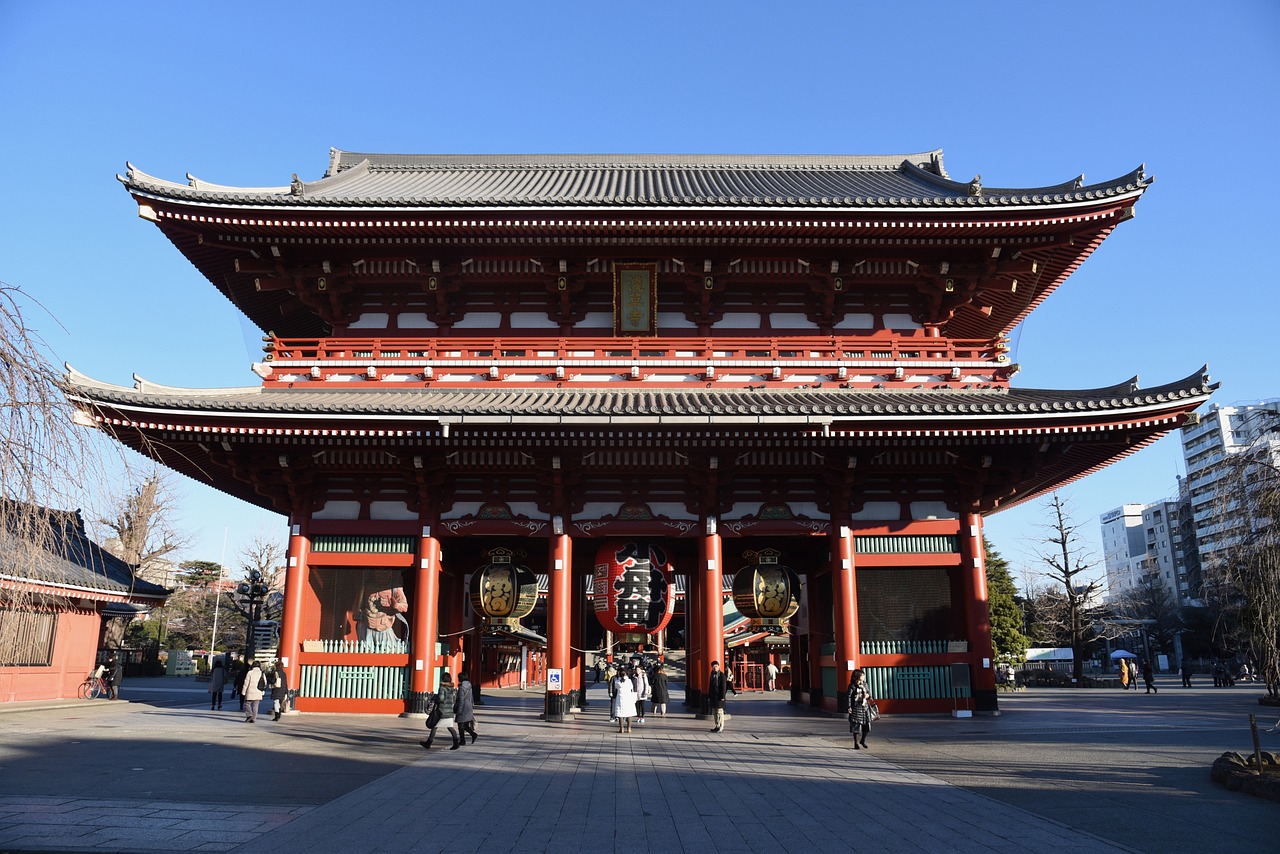
If you only have a morning, see Kaminarimon, Nakamise-dori, and Senso-ji’s main hall and five-story pagoda, with Asakusa Shrine standing beside them; then walk east to the Sumida River for the view of Tokyo Skytree. Almost everything else in Asakusa is a short walk from that line, which is why this list is ordered by distance from the temple rather than by theme.
At the temple: the part everyone comes for
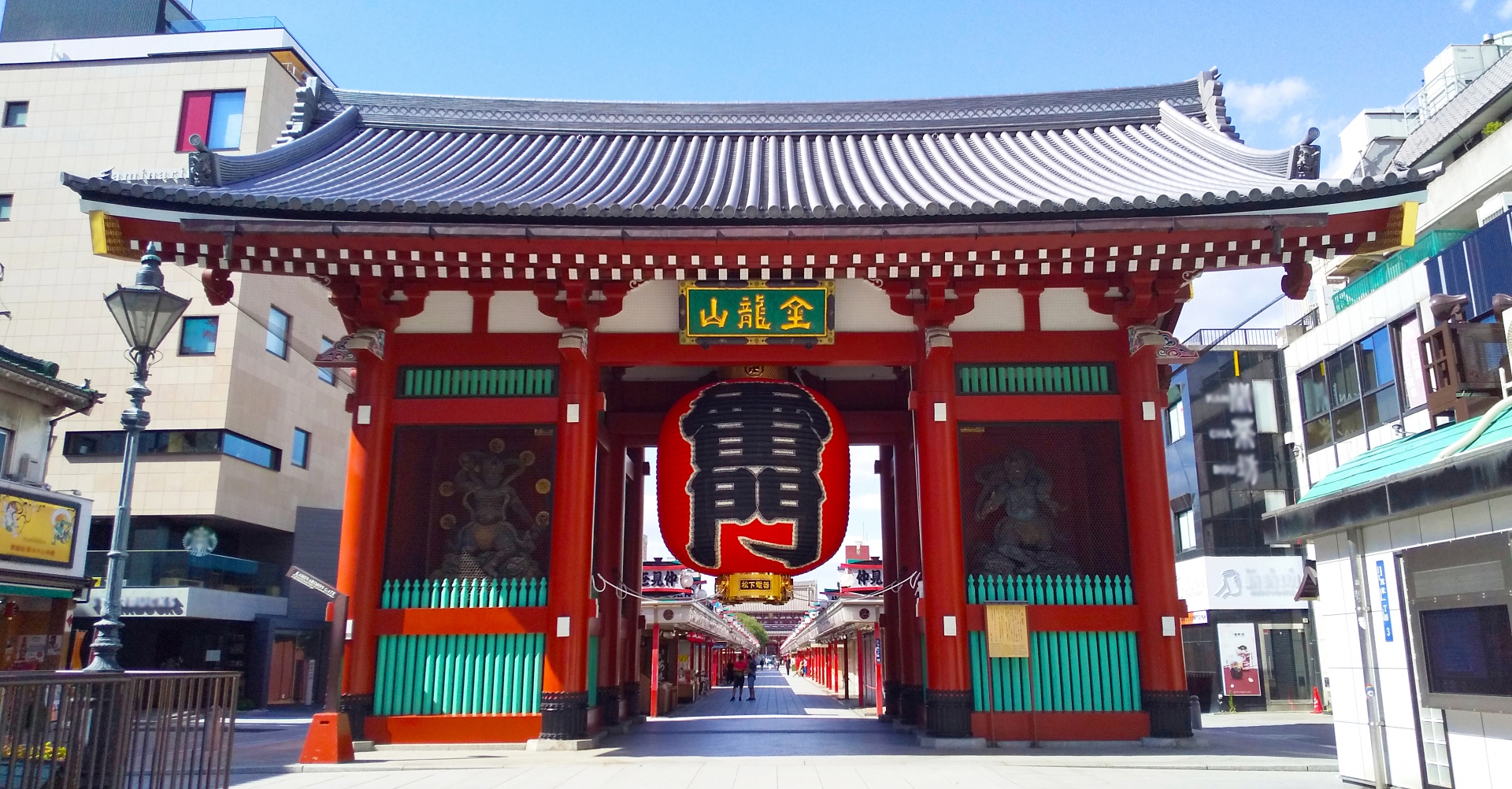
- Kaminarimon — the Thunder Gate and its giant red lantern. Go early, before the tour groups arrive.
- Nakamise-dori — the shopping street that runs from the gate to the temple. Snacks and souvenirs on the main street, quieter shops on the side streets.
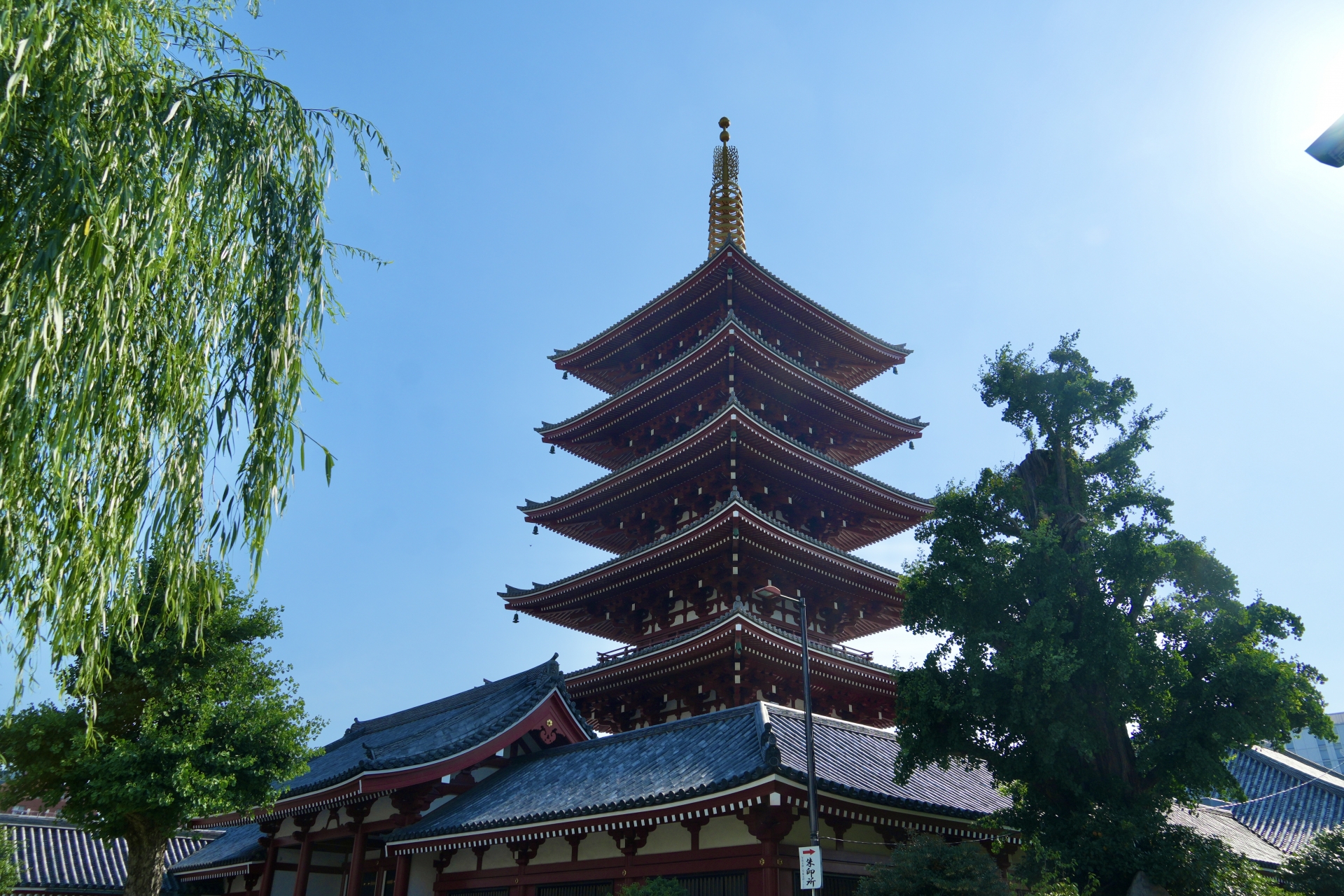
- Senso-ji’s main hall and five-story pagoda — Tokyo’s oldest Buddhist temple, and the one stop worth slowing down for.
- Asakusa Shrine — right beside the temple, honoring the temple’s three founders, and easy to walk past on the way to the main hall. The lanes behind the temple are where Sanja Matsuri fills the streets each May.
A short walk from the temple
- The Sumida River terrace — east of the temple, with Tokyo Skytree rising across the water on one side and the golden flame sculpture of the Asahi Beer Hall on the other. Best near sunset.
- Hoppy Street — the retro izakaya street west of the temple, at its best after dark. We have a separate guide to Asakusa after dark.
- Rokku — the old entertainment street west of the temple. It was Tokyo’s original theater and cinema district a century ago, and it still has a faded, cinematic charm.
- Hanayashiki — a small, long-established amusement park near the temple, and a good stop if you are traveling with children.
Further out, still on foot
- Kappabashi — Kitchen Town, about a ten-minute walk west of the temple: plastic-food shops, knife sellers and kitchenware stores that Tokyo’s chefs shop at.
- Kannon-ura — the quiet lanes behind the temple, and Asakusa’s old geisha quarter. Miyakodori, the only machiai-chaya in Asakusa, is here, about three minutes’ walk north of Senso-ji once you are through the temple grounds. The geisha’s evenings happen indoors, so a walk through shows you the setting rather than the performance; meeting them is what a private ozashiki is for. Our guide to Asakusa’s geisha district explains how it works.
How long to give it. Half a day covers the temple, the approach and the riverbank. Add Kappabashi and an evening and it becomes a full day, which we have laid out in our full-day Asakusa guide. The sections below take each stop in more detail.
Walking Through the Icons: A Deep Dive into Kaminarimon and Senso-ji
As you begin your morning in Asakusa, the first thing that will likely catch your eye is the massive red lantern hanging from the Kaminarimon, or Thunder Gate. This gate serves as the grand entrance to the heart of the district and is one of the most famous sights in all of Japan. When you visit in 2026, standing before this gate will feel like a rite of passage for any traveler. The sheer size of the lantern, flanked by the statues of the wind and thunder gods, creates a sense of awe that words can barely describe. It is the perfect place to start your day and snap a few photos before the crowds arrive.
Passing through the gate, you will feel the energy of the city shift. While the surrounding streets of Tokyo are known for their modern skyscrapers, this area feels like a preserved piece of history. Senso-ji is the oldest temple in the city, founded in the year 628, and it remains a vital center for Japanese culture and spirituality. For many families traveling together, including those with kids, exploring the temple grounds is an educational and sensory experience. The air is often thick with the sweet, woody scent of incense rising from the large bronze burner known as the jokoro. Many people waft the smoke over themselves, believing it brings good health and luck for the year ahead.
As you head further into the complex, the majestic five-story pagoda will tower over you to the left. This building is a beautiful example of traditional architecture, and its striking red color against the blue sky is a sight to behold. Take your time to walk around the main hall, where you can hear the soft chanting of monks and the rhythmic sound of coins being tossed into the offering box. If you are looking for a unique memory, I highly recommend trying the omikuji, or paper fortunes. For a small fee of 100 yen, you can shake a metal box to receive a stick with a number that corresponds to a wooden drawer. Inside, you will find a message in both Japanese and English that might give you a glimpse into your future.
Whether you are following a strict itinerary or simply wandering where the path leads, Senso-ji offers a peaceful atmosphere that contrasts beautifully with the bustling shopping stalls nearby. It is a place where time slows down, allowing you to connect with the traditions that have shaped this island nation for centuries. Make sure to check your map and explore the smaller shrines tucked away in the corners of the grounds, as they often provide a quiet moment of reflection away from the main tourist trail.
Nakamise Dori: A Shopping Experience Where Tradition Meets Modernity
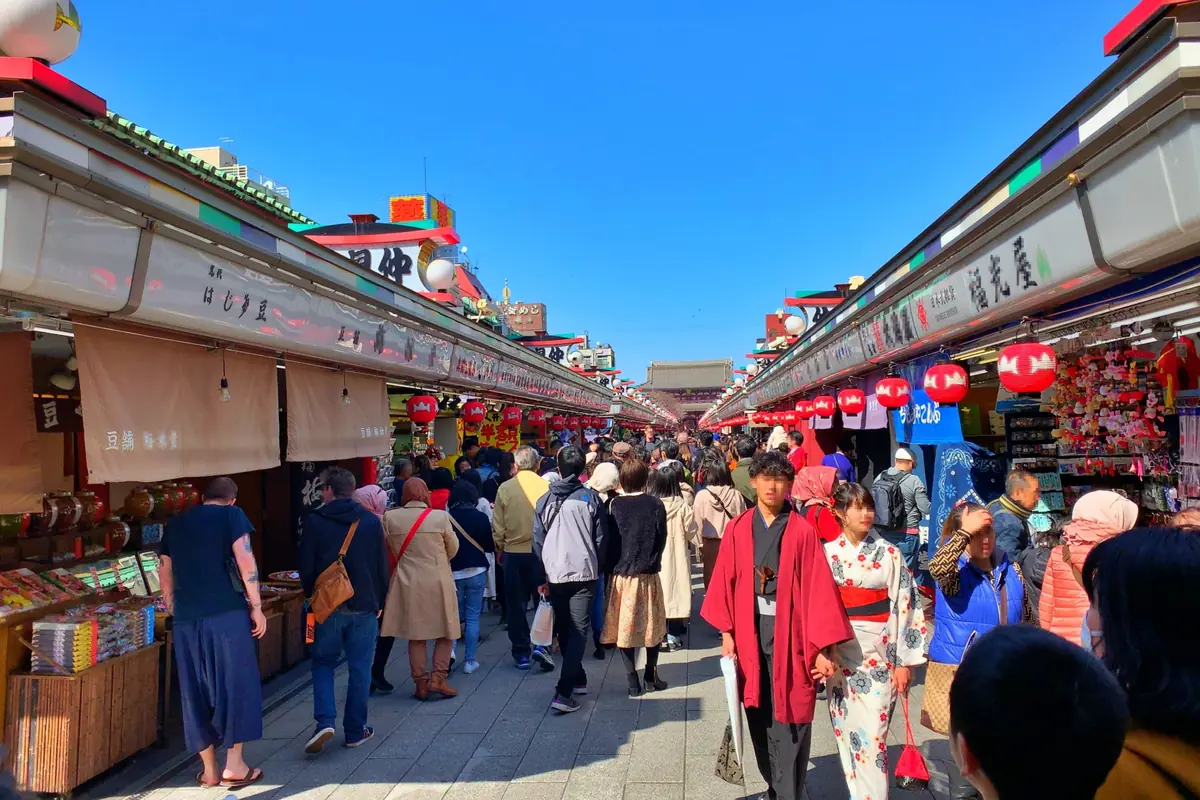
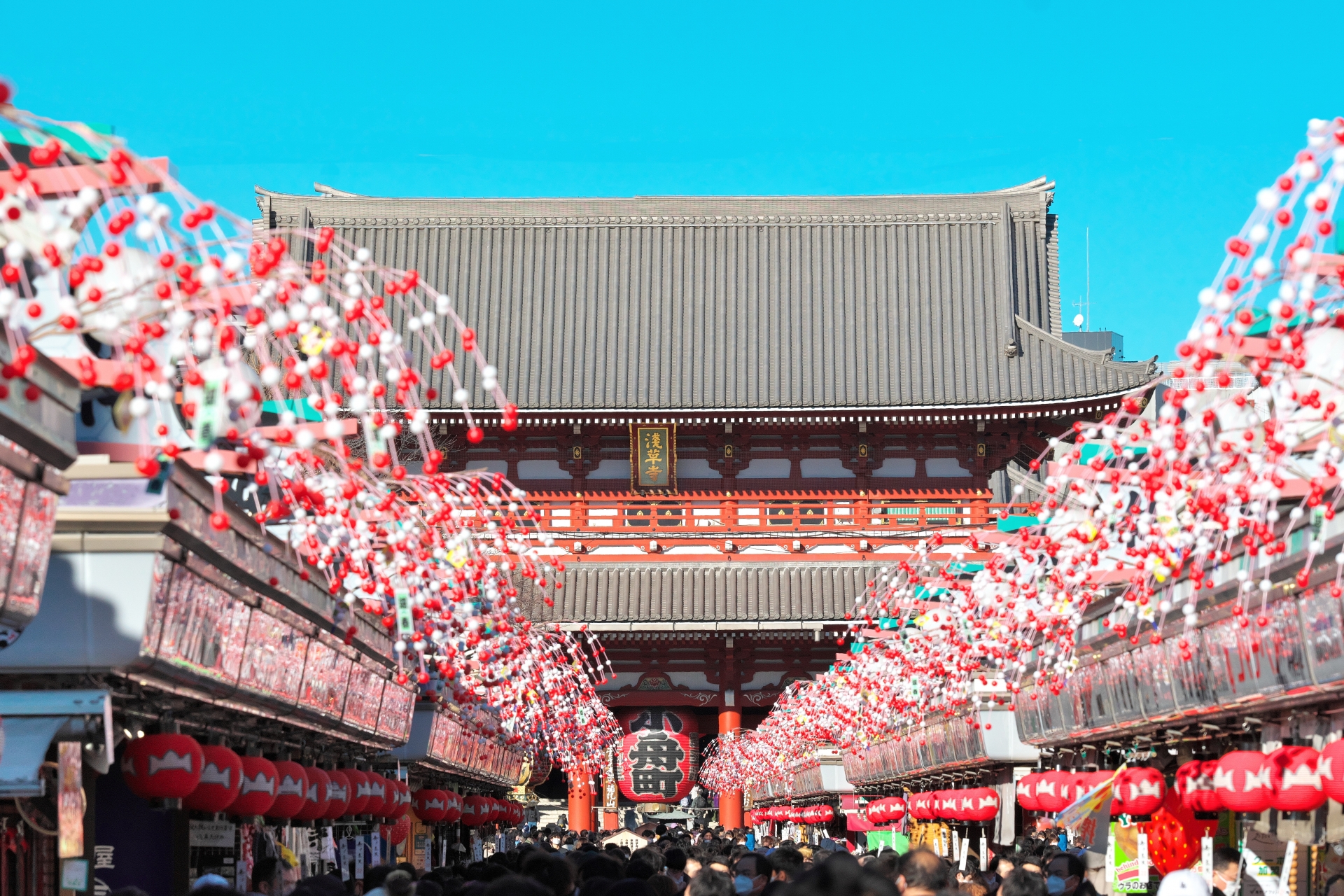
Once you have paid your respects at the main hall of the temple, it is time to head back toward the massive lanterns and immerse yourself in the vibrant energy of Nakamise Dori. This famous shopping street is one of the oldest in Japan, with a history that stretches back to the Edo period. Extending about 250 meters from Kaminarimon to the inner gate, the street is lined with nearly 90 small shops and stalls that offer everything from traditional crafts to yummy street food. The atmosphere here is electric, especially during the busy morning hours when the air is filled with the scent of freshly grilled rice crackers and sweet treats.
For many visitors, this is the ultimate place to find a unique souvenir to bring home. You will find a large number of items such as beautiful folding fans, authentic yukata clothing, and intricate paper umbrellas. Whether you are looking for a small lucky cat figurine or a high quality piece of Japanese art, the vendors here have been serving tourists and locals alike for generations. It is a great spot to spend an hour or two exploring the various options, even if you are just there for the window shopping. The stalls are decorated according to the season, featuring pink cherry blossoms in the spring and bright red maple leaves in the autumn, making every stroll down this street feel like a special event.
Of course, no trip to Nakamise Dori is complete without trying the local snacks. Asakusa is famous for its fried treats and traditional sweets. You must try the ningyo yaki, which are small cakes filled with sweet red bean paste and shaped like local landmarks or characters. Another popular choice is age manju, a deep fried bun that is crunchy on the outside and warm on the inside. If you have a sweet tooth, look for stalls selling fresh mochi or the legendary melon bread, which is a soft bun with a crispy, cookie like crust. Please remember a quick etiquette tip: in Japan, it is generally considered impolite to eat while walking. Most shops will have a small area nearby where you can stand and enjoy your snack before continuing your journey.
As you wander through the crowds, take a moment to look at the side streets branching off from the main path. These smaller alleys often house quiet coffee shops and rare craft stores that offer a more personal shopping experience. Whether you are buying a gift for a friend or a treat for yourself, Nakamise Dori provides a stunning look into the living history of Tokyo. It is a place where you can literally feel the pulse of the neighborhood and discover stories hidden behind every wooden storefront. For a deeper look at Tokyo’s food scene beyond these streets, the Ultimate Tokyo Food Experience Guide covers the full range of culinary discoveries the city has to offer.
Savoring the Flavors of Edo: Asakusa Gourmet Guide
After walking the historic grounds of the temple and shopping along the busy street, your appetite will surely lead you to explore the incredible culinary landscape of Asakusa. This district is a paradise for food lovers, offering a menu that reflects the deep history of Tokyo, formerly known as Edo. The air here is often filled with the savory aroma of soy sauce, toasted sesame oil, and simmering dashi broth, drawing you into small restaurants that have been serving the same delicious recipes for generations. For many travelers, dining in Asakusa is not just about the meal itself; it is a profound way to taste the local tradition and culture through every bite.
One of the most famous choices is Edomae sushi. Originally developed as a quick, nutritious meal for busy laborers and travelers, this style of sushi uses fresh fish that was traditionally caught in the nearby bay. Unlike modern fusion sushi, authentic Edomae sushi emphasizes the skill of the chef in curing, marinating, and seasoning each piece to perfection. Sitting at a clean wooden counter and watching a master shokunin prepare each hand pressed piece with focused precision is a quintessential Japanese experience. The subtle taste of vinegared rice combined with the rich flavor of the fish creates a balance that you will remember long after your trip.
If you prefer something warm and comforting, look for a traditional tempura restaurant. The sound of light, crispy batter hitting the hot oil is a delightful melody that promises a satisfying lunch. Many places in Asakusa serve their golden fried shrimp and seasonal vegetables over a steaming bowl of rice, drizzled with a rich, dark, and sweet sauce. This dish, known as tendon, has been a favorite since the Edo period and remains a staple of the local diet. For those who enjoy noodles, soba is another local specialty. These buckwheat noodles are often served cold on a bamboo mat with a dipping sauce that perfectly balances salty and sweet notes, providing a refreshing break from your explorations.
For a more casual and social experience, the ramen shops and izakaya in the area are legendary. Whether you crave a simple soy based broth or a hearty bowl with slices of tender pork meat, you will find plenty of amazing options tucked away in the narrow, lantern lit streets. In an izakaya, you can enjoy a cold beer or a glass of premium sake while sharing small plates of grilled skewers, fresh sashimi, and seasonal mountain vegetables. This relaxed dining style allows you to feel the true pulse of the neighborhood as locals gather to unwind after a long day.
As evening approaches, the dining scene transforms into something truly elegant and special. For those seeking the ultimate authentic Japanese experience, a kaiseki dinner is the peak of culinary art. This multi course meal uses the finest seasonal ingredients to create dishes that are as beautiful to look at as they are to eat. While many restaurants offer high quality meals, the true heart of Asakusa hospitality can be found in its traditional ryotei. In the following sections, we will explore how this kaiseki cuisine is paired with the timeless grace of geisha entertainment, creating a night that you will treasure forever. If you are curious about Tokyo’s broader fine dining landscape, the guide to Japanese fine dining in Tokyo offers a helpful overview of what the city has to offer.
Experience Authentic Geisha Culture in the Heart of Asakusa
Miyakodori — founded in 1950, the only machiai-chaya (geisha waiting house) in Asakusa — offers private ozashiki (a private gathering with geisha) experiences with live shamisen, traditional dance, and seasonal kaiseki. Open to international visitors. Book online in English. No introduction required.
The Soul of Asakusa: Authentic Geisha Culture and the Magic of Miyakodori
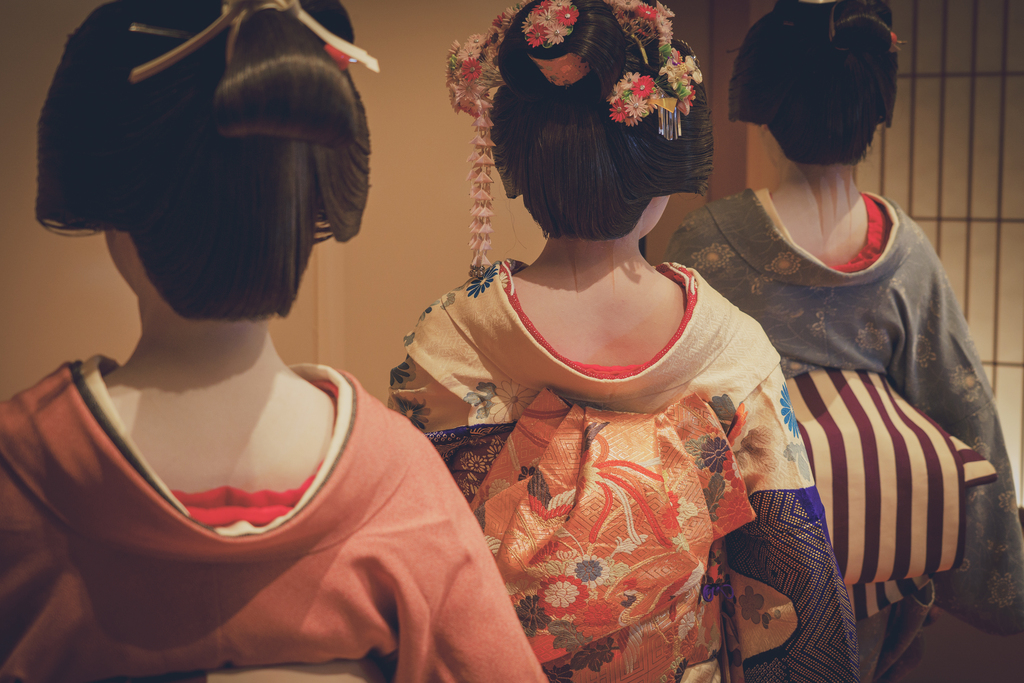
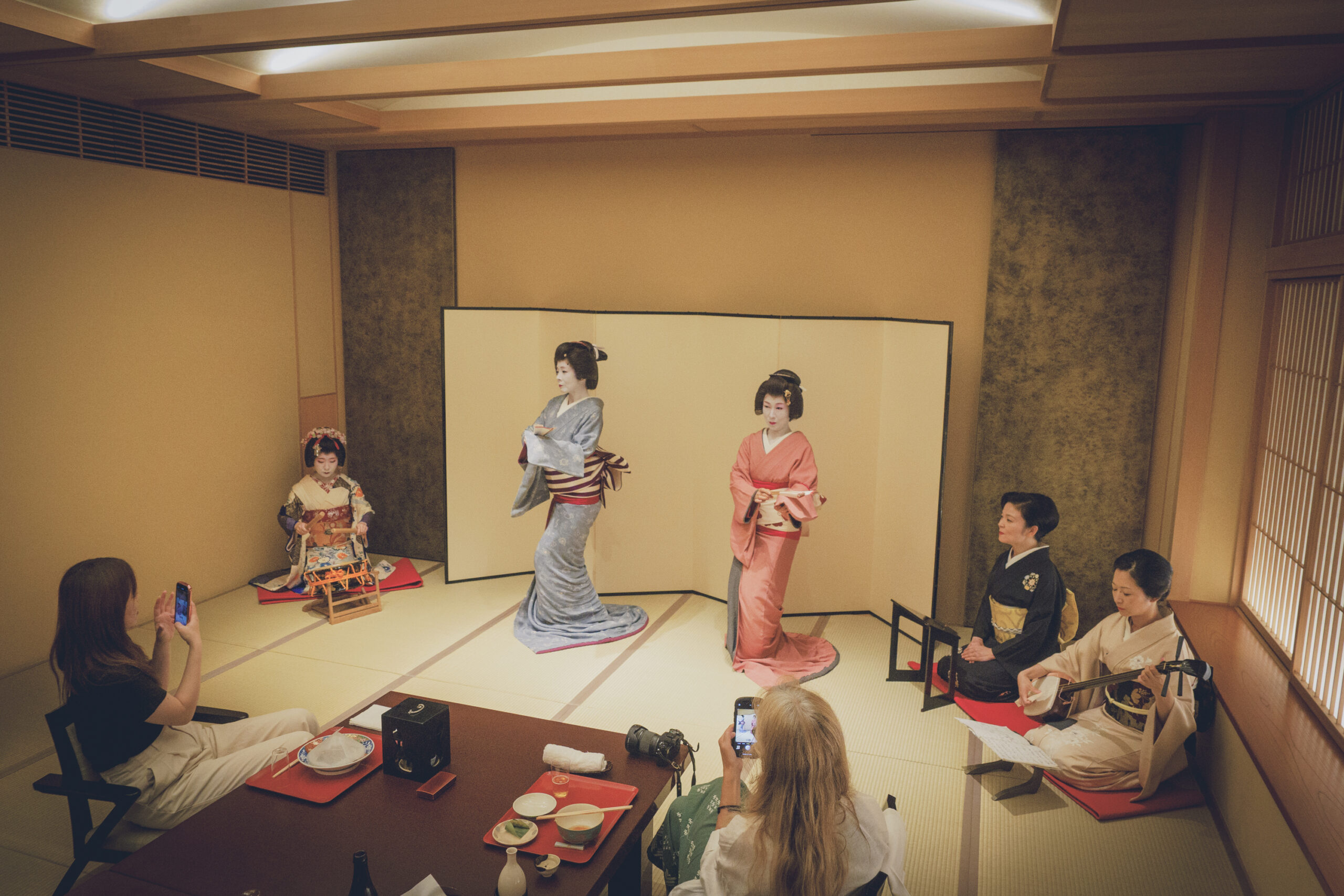
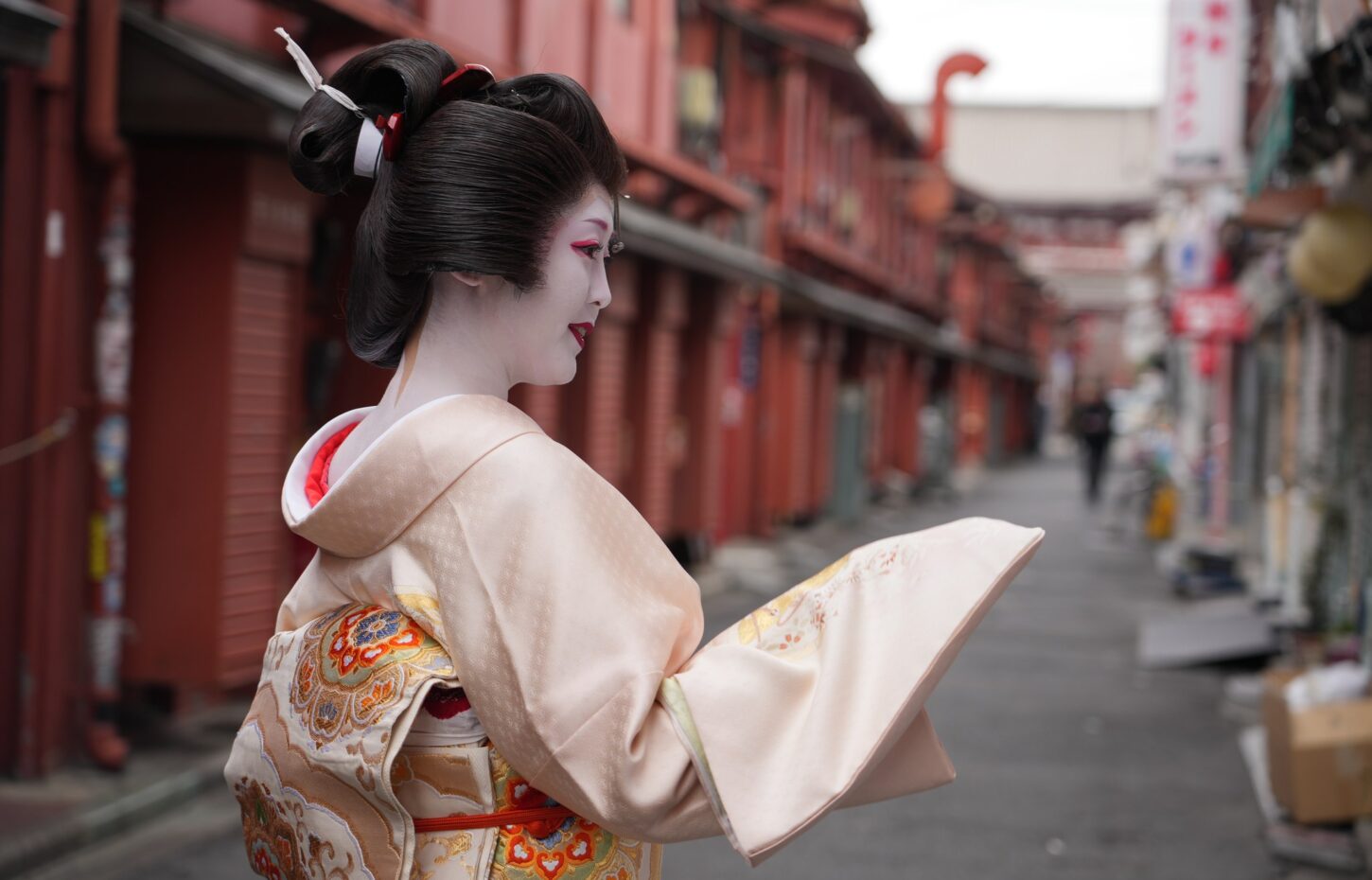
To truly understand the heart of Tokyo, one must look beyond the neon lights and into the quiet, refined world of the geisha. In the historic district of Asakusa, this ancient culture is not a museum piece but a living, breathing tradition that continues to thrive. While many tourists might see street performers dressed in costumes, the real, authentic experience lies in the quiet teahouse streets of the Kannon-ura area, located just north of the main temple grounds. Here, you will find Miyakodori, a legendary establishment founded in 1950 that stands as the only machiai-chaya in Asakusa. This unique status means it is a place specifically designed for guests to enjoy the company of geisha while savoring the finest hospitality Japan has to offer.
The name Miyakodori itself carries a deep poetic meaning, inspired by a famous verse from the Tales of Ise by the poet Ariwara no Narihira. The poem speaks of the miyakodori bird, or the bird of the capital, asking it if a loved one far away in the city is still safe and well. This spirit of longing, care, and deep connection defines the omotenashi, or selfless hospitality, you will find within these walls. The owners, who have been part of the Asakusa geisha world for generations, ensure that every guest feels a genuine link to the local history. Whether you are visiting for a special anniversary, hosting a business VIP for an important meeting, or celebrating a milestone with your family, the private rooms at Miyakodori provide a sanctuary where you can forget the outside world and immerse yourself in the beauty of the Edo period.
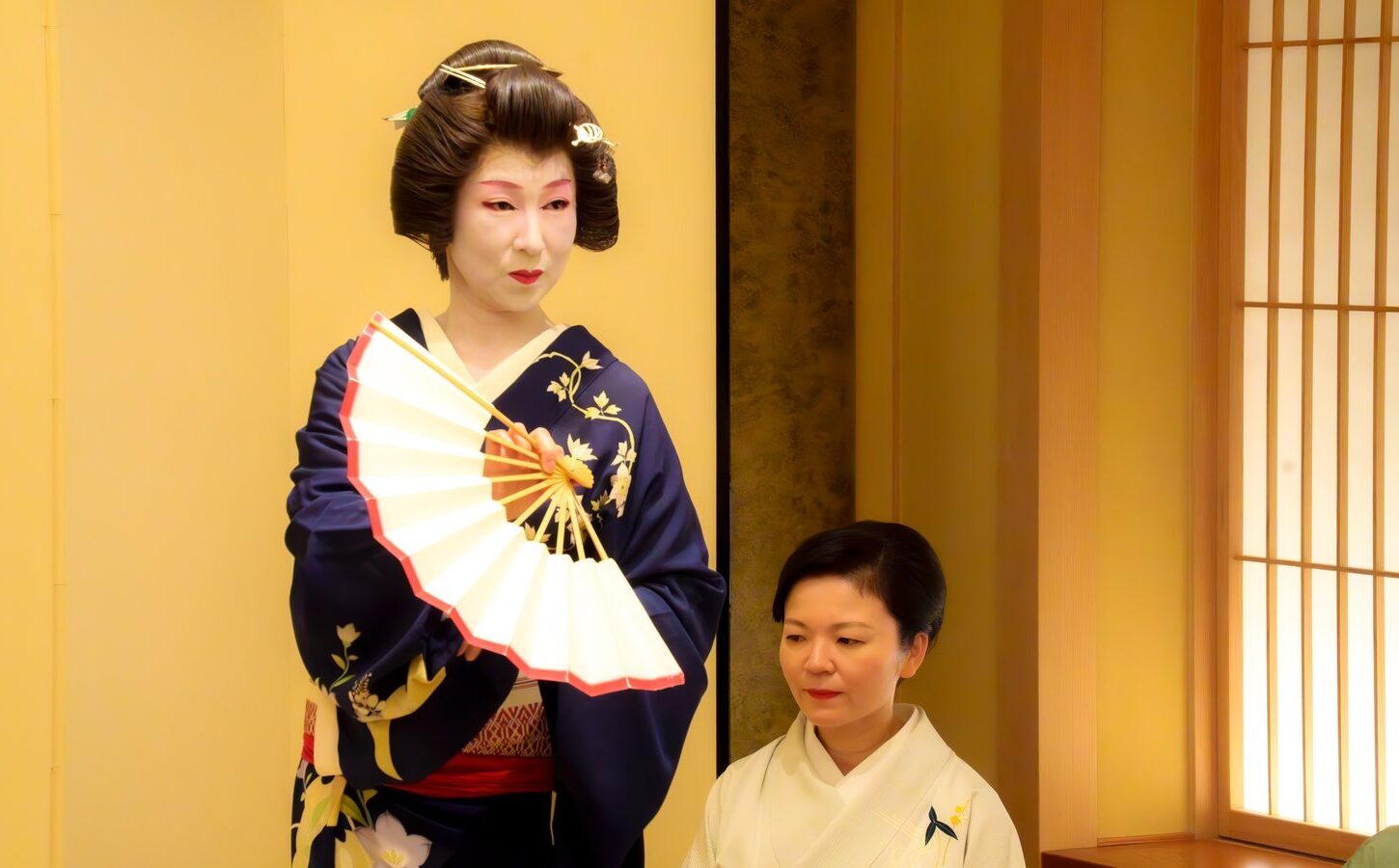
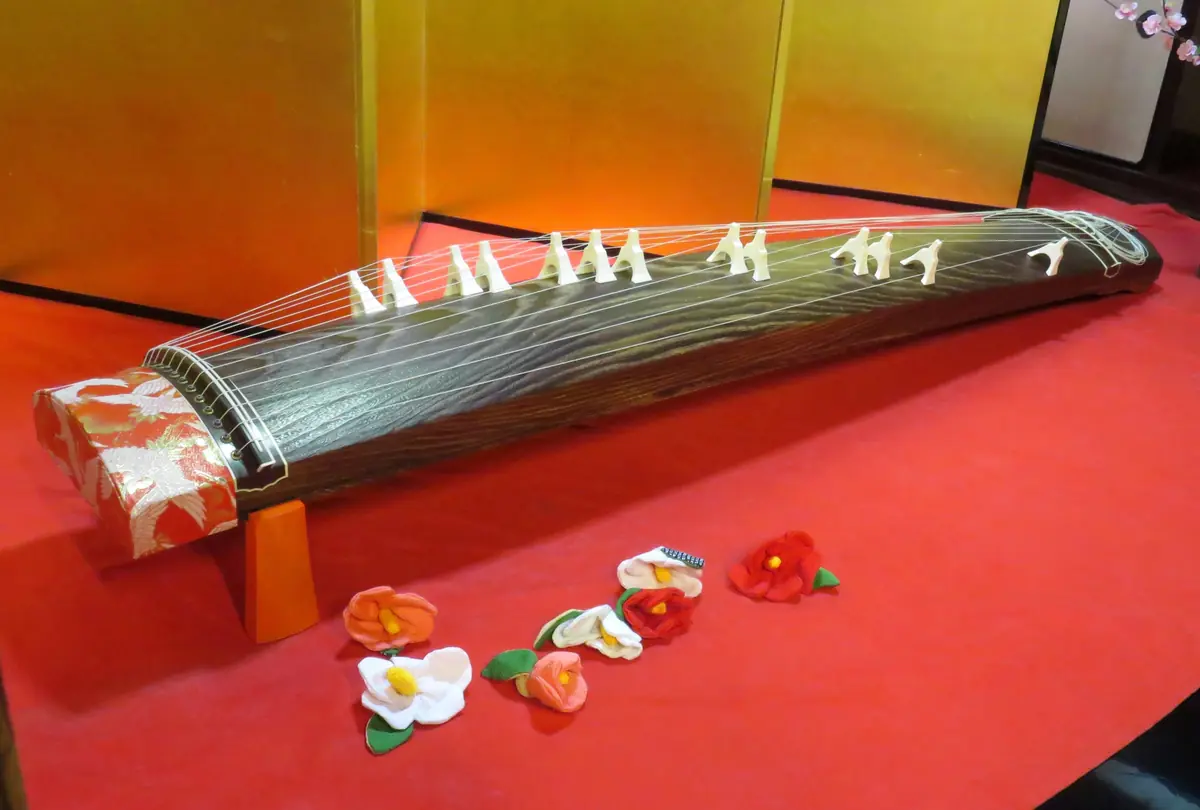
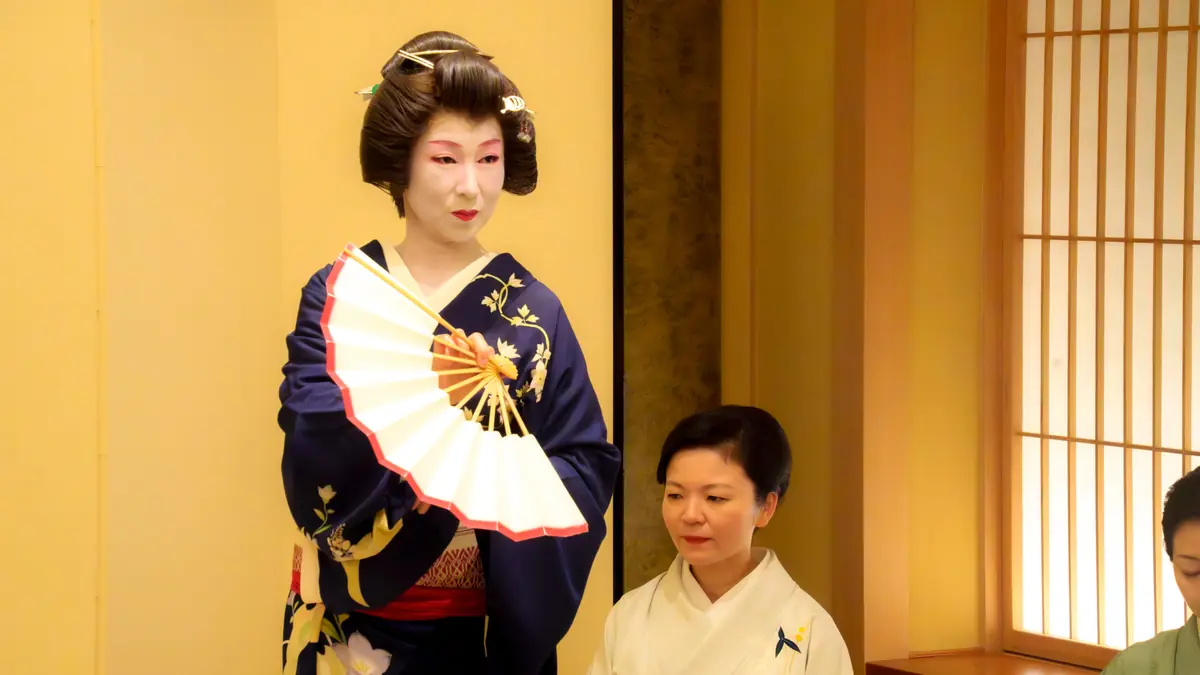
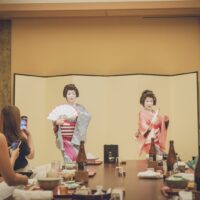
A night at Miyakodori is a feast for all the senses. You will be greeted by geisha who have spent years in rigorous training to perfect their arts, including traditional dance and the beautiful melodies of the shamisen. Their grace and skill are the result of a lifelong commitment to their craft, and their primary goal is to make your evening feel personal and unforgettable. As you watch the dance and shamisen performance in the privacy of your room, you will be served kaiseki cuisine. This multi-course meal is a masterpiece of seasonal ingredients, where the flavors and colors of Japan’s four seasons are artfully arranged on each plate. For those with specific dietary needs, such as halal options, Miyakodori is proud to provide inclusive dining so that everyone can enjoy this authentic cultural journey without worry.
Asakusa has always been known as an open hanamachi, or geisha district. Unlike some of the more exclusive or restrictive areas in other cities, Asakusa has a long history of protecting and nurturing its culture through the support of the entire community. This makes it a place that welcomes visitors from all backgrounds, ages, and professions with open arms. Miyakodori continues this tradition of being an open door to the wonders of the flower and willow world. In 2026, as you plan your trip to Japan, booking a session at this historic tea house is the ultimate way to support the preservation of true geisha culture. It is more than just a dinner; it is an opportunity to step into a centuries-old tradition and create a memory that will be deeply etched into your heart forever. Discover the true soul of Asakusa and experience a level of service and art that defines the very essence of Japanese grace. To plan your evening in detail, the Geisha Experience in Tokyo guide walks you through everything from booking to etiquette. For a current comparison of geisha experience options in Tokyo — covering different venue formats, pricing, and how to evaluate them — see our dedicated overview.
The Fusion of Sumida River Views and Tokyo Skytree
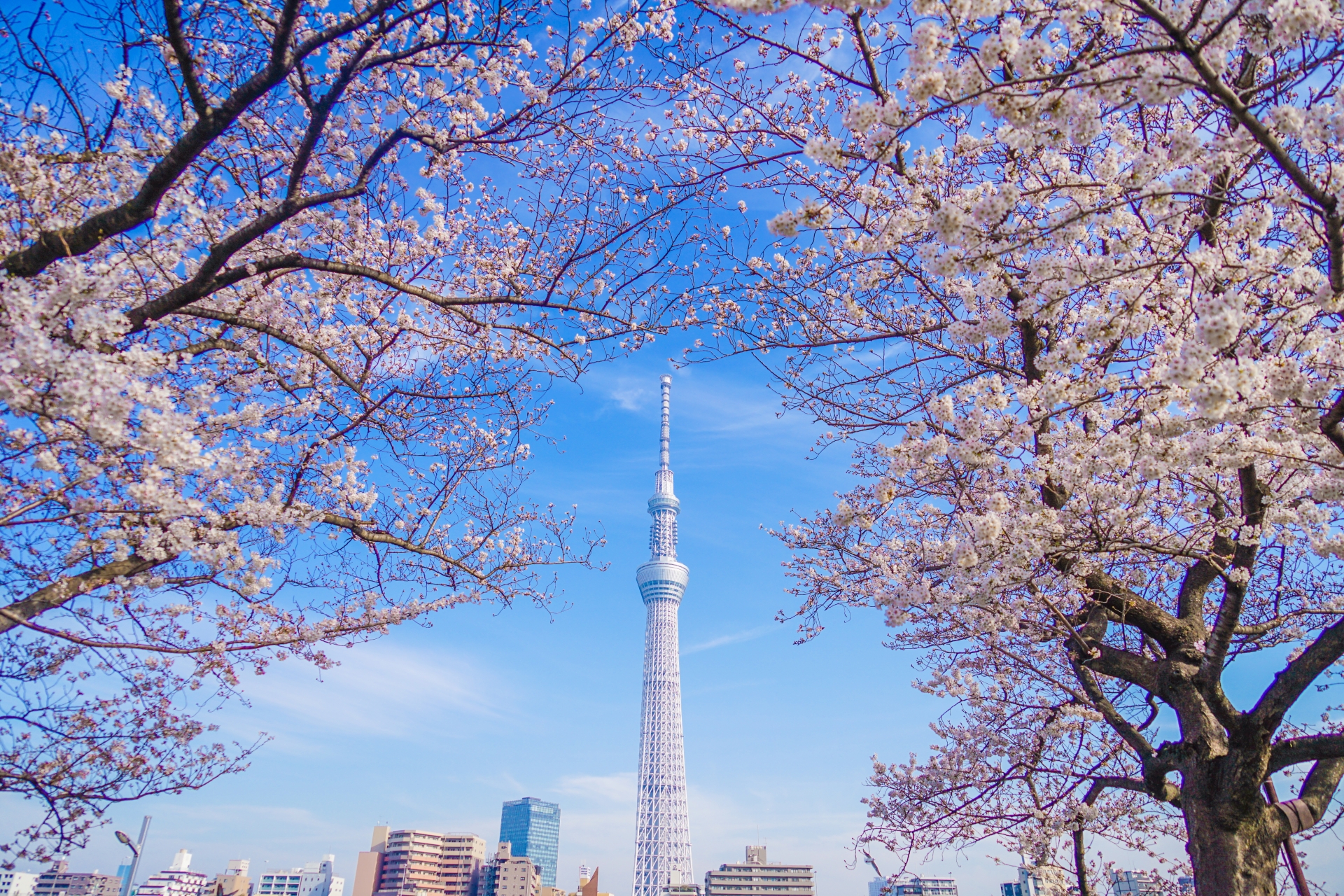
After immersing yourself in the historic heart of Asakusa, a short walk toward the east will bring you to the banks of the Sumida River. This area offers a breath of fresh air and a stunning visual contrast that perfectly captures the essence of modern Tokyo. While the temple grounds feel like a step back into the Edo period, the riverfront provides a front row seat to the futuristic skyline of the city. Dominating this view is the Tokyo Skytree, which stands as the tallest structure in Japan and one of the most iconic landmarks in the world. In 2026, the view from the river remains a favorite spot for photographers and travelers looking to capture the perfect blend of old and new.
Walking along the Sumida River terrace is a peaceful experience that allows you to see a different side of the neighborhood. The wide, paved paths are perfect for a morning stroll or a romantic evening wander. You will cross several famous bridges, including the bright red Azuma Bridge, which provides a striking contrast against the blue water and the metallic silver of the Skytree. Nearby, you cannot miss the Asahi Beer Hall, famous for its unique golden flame sculpture designed by Philippe Starck. This cluster of modern architecture creates a skyline that is both bold and artistic, making it a must see destination on your itinerary.
For a unique perspective of the city, I highly recommend taking a river boat cruise. Several companies operate water buses from the Asakusa pier, offering trips that take you south toward the beautiful Hamarikyu Gardens or the futuristic entertainment district of Odaiba. Feeling the cool breeze on your face as you slide under the many bridges of the Sumida River is a highlight of any trip to Tokyo. The view of the city from the water provides a sense of scale that is hard to appreciate from the street level. It is also an excellent way to see the cherry blossoms in the spring or the vibrant autumn leaves that line the Sumida Park during the changing seasons.
As the sun begins to set, the entire district is bathed in a warm, orange glow, and the lights of the Tokyo Skytree begin to sparkle. The tower often changes its illumination colors based on the season or special events, adding a dynamic element to the night sky. Many visitors choose to head across the river to the observation decks of the Skytree for a bird’s eye view of the entire Kanto plain, but there is something truly special about staying on the ground in Asakusa and watching the tower rise above the traditional rooftops. Whether you are enjoying a quiet moment on a park bench or capturing a high quality photo for your travel blog, the fusion of the ancient river and the modern tower is a sight you will never forget. For a full guide to what Asakusa looks like after sunset, the Asakusa Nightlife 2026 guide covers evening highlights in detail.
Experience Asakusa Like a Local: Kimono Rentals and Rickshaw Adventures
To truly feel the magic of Asakusa, you should consider stepping out of your everyday clothing and into a piece of Japanese history. Wearing a traditional kimono is one of the most popular things to do for visitors who want to create lasting memories of their trip. In 2026, the local rental shops have become even more accessible to international guests, offering a wide range of beautiful patterns and colors to suit every personality. When you enter a shop, professional stylists will help you choose the perfect garment and expertly wrap the layers of fabric to ensure you look and feel like a local. Walking through the temple grounds in a kimono changes your perspective; the rhythmic sound of your wooden sandals on the stone path and the weight of the silk against your skin make you feel deeply connected to the surroundings.
Once you are dressed in your finest attire, there is no better way to explore the district than by taking a rickshaw ride. Known as jinrikisha, these traditional carriages are pulled by athletic and friendly drivers called shafu. These guides are more than just transport; they are local experts who know the secret history of every building and alleyway. As you sit back and enjoy the smooth ride, your driver will navigate the narrow streets, pointing out hidden gems that most tourists miss. They are also masters of photography and will gladly help you take high quality photos with the stunning architecture as your backdrop. It is a fun and luxurious experience that makes you feel like royalty as you glide through the neighborhood.
A rickshaw tour can be customized to your interests, whether you want to see the famous landmarks or the quiet residential areas where the spirit of old Edo is most visible. Many travelers find that this is the best way to spend an hour away from the busy crowds. For those planning a visit to the exclusive world of the geisha at Miyakodori, arriving at the machiai-chaya in a kimono via rickshaw is the ultimate way to start your evening. It sets a formal and respectful tone for the evening ahead, allowing you to fully embrace the culture of hospitality. This immersive experience is something that kids and adults alike will enjoy, making it a highlight of any family itinerary. As you head back to your hotel at the end of the day, the feeling of the soft fabric and the memories of the wind in your hair will stay with you as a true highlight of your time in Japan.
Hidden Gems: Tanuki Street and Quiet Shrines
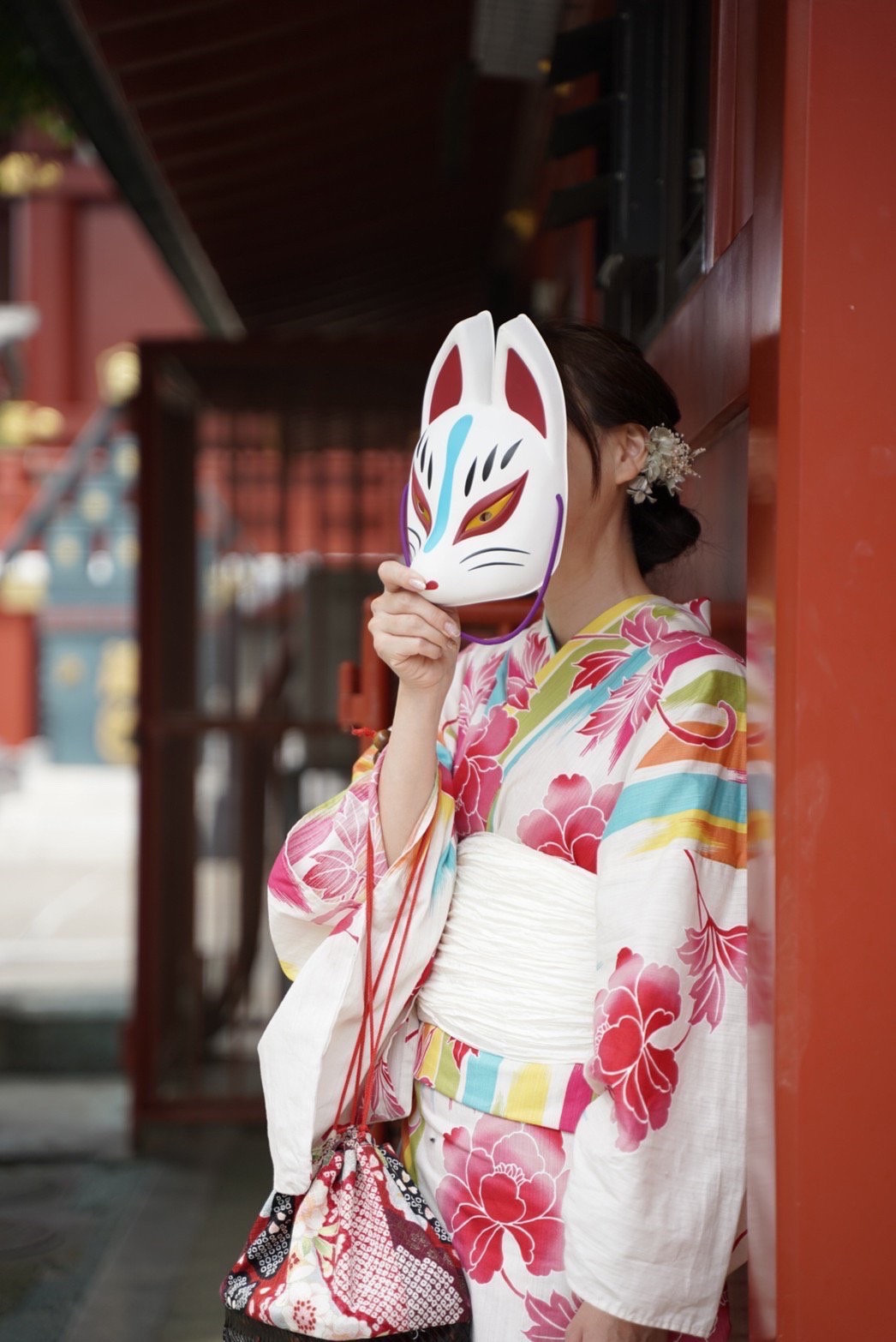
Beyond the grand gates of the main temple, Asakusa hides secrets that most tour buses simply drive past. If you want a truly authentic experience in this historic district, you have to leave the main road and wander into the smaller streets to the west and north. One of my favorite spots is Tanuki Street. Here, you will find twelve small statues of Japanese raccoon dogs, or tanuki, each representing a different kind of luck, such as financial success or safety for your family. It is a unique and fun part of the city that is perfect for kids and adults who enjoy a little mystery on their trip. Each shop along this street has a personality of its own, offering a more quiet and local shopping experience compared to the busy Nakamise dori.
As you explore further, you might stumble upon a small shrine tucked between modern buildings. These shrines are the heart of the local community. For example, the Yoshiwara Jinja or the local shrines in the north of the district are beautiful places to visit. These sacred spots offer a peaceful break from the energy of the city. Unlike the famous Senso-ji, these smaller temples allow you to feel the genuine spiritual culture of Japan without the crowds. I highly recommend spending an hour just getting lost in these narrow lanes. You will discover old wooden houses, small family run restaurants where you can eat delicious and authentic food at lower prices, and secret gardens that feel like a world away from the hustle of Tokyo. This is where the true character of Asakusa lives, waiting for those who are willing to explore. Exploring these hidden gems gives you a sense of the daily life in this district, making your 2026 trip feel personal and grounded in reality. The area around Kannon-ura — where Miyakodori is located — is also part of this quiet, historic side of Asakusa, and the Asakusa Geisha District guide tells the full story of this neighborhood.
Asakusa After Dark: Hoppy Street and Izakaya Culture
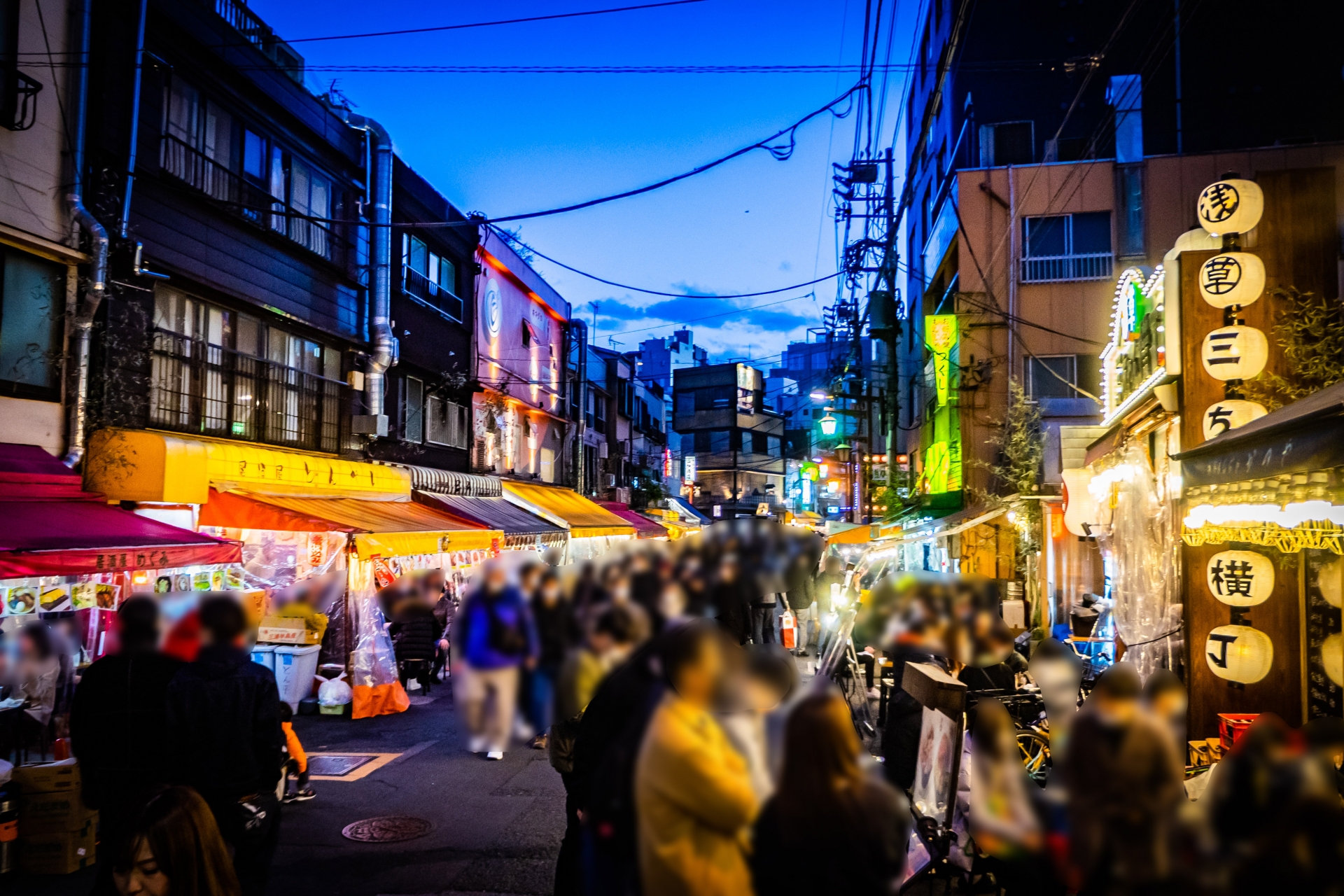
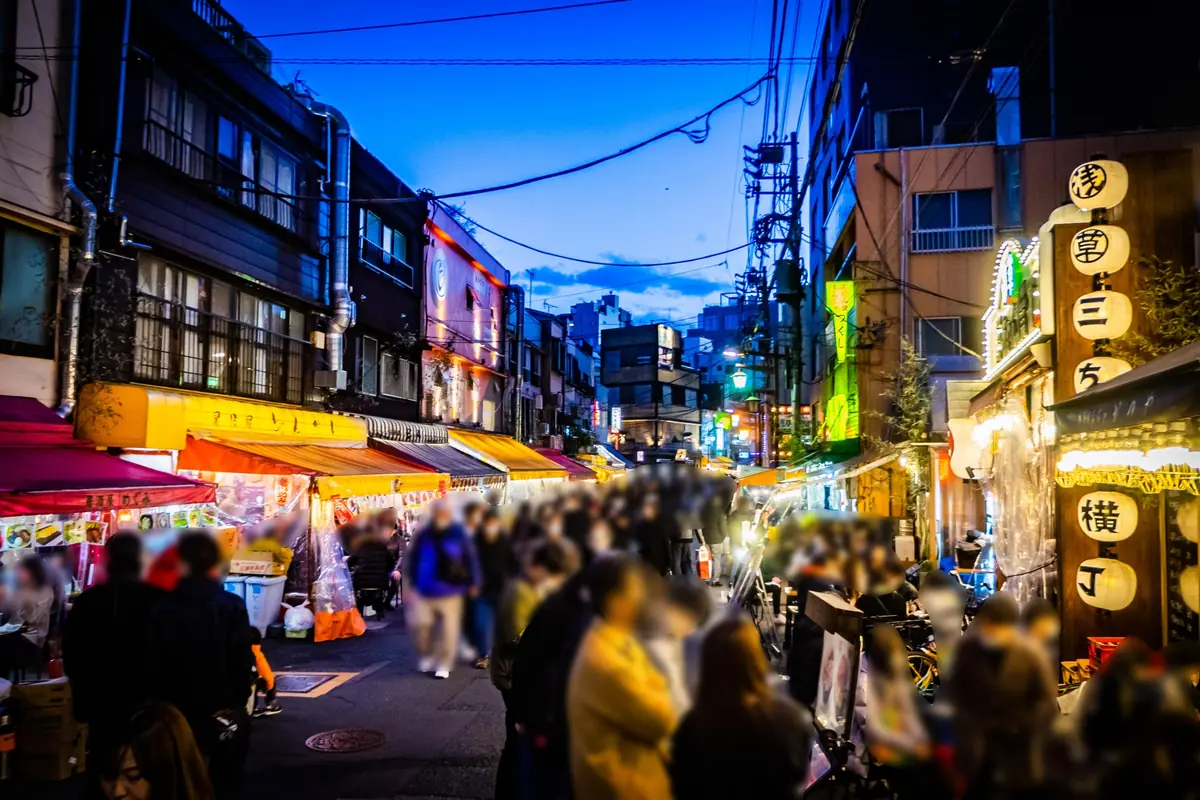
As the sun sets and the lanterns of the temple begin to glow with a soft light, a different side of Asakusa awakens. While the daytime is dedicated to exploring history and shopping for souvenirs, the night belongs to the lively and communal culture of the local izakaya. For a full evening itinerary, see our guide to 5 ways to enjoy the night in Asakusa. If you want to experience the authentic energy of Tokyo after dark, head straight to Hoppy Street, also known as Nikomi Street. This stretch of road to the west of Senso-ji is famous for its retro atmosphere and outdoor seating. Here, small tables spill out onto the sidewalk, and the air is filled with the sound of laughter and clinking glasses. It is a place where salarymen, locals, and world travelers all come together to enjoy a cold drink and a simple, hearty meal.
The street gets its unique name from Hoppy, a non alcoholic beverage that tastes remarkably like beer. During the lean years after the war, when real beer was expensive and hard to find, locals would mix Hoppy with shochu to create an affordable substitute. Today, drinking a glass of Hoppy on this street is a nostalgic tradition that keeps the spirit of the Showa era alive. To go with your drink, you must try the signature dish of the area: motsunikomi. This slow cooked beef or pork stew is rich in flavor and is the perfect comfort food for a cool evening. The many small izakayas also serve grilled yakitori skewers, fresh seasonal vegetables, and crispy fried snacks. Sitting on a plastic crate at a small table, you will feel like you have stepped into a scene from a classic Japanese film.
Beyond the noise of Hoppy Street, the narrow alleys of Asakusa house countless hidden bars and cozy pubs. Some of these places are so small that they only have room for five or six people at the counter. This intimate setting is perfect for trying a variety of premium sake from different regions of Japan. Whether you are a connoisseur or a beginner, the friendly bartenders are usually happy to share their personal recommendations. The nighttime entertainment in Asakusa is less about loud clubs and more about meaningful conversations and shared experiences. It is an environment where you can easily make a new friend or simply enjoy the unique, quiet vibes of the district. As you walk back to your stay under the stars, the warm feeling of the local hospitality will remind you why this neighborhood is such a special destination for 2026. For a complete evening itinerary, the Asakusa Nightlife guide covers everything from the Sumida River cruise to late-night sake bars.
Make Your 2026 Asakusa Visit Unforgettable
Add a private ozashiki (a private gathering with geisha) at Miyakodori to your itinerary. Founded in 1950, Asakusa’s only machiai-chaya welcomes international guests with English interpreter, seasonal kaiseki, and live shamisen and dance. No introduction required.
Questions and Answers: Everything You Need to Know
As you get ready for your big adventure to Japan, it’s normal to have several questions. Here’s a detailed guide to ensure your trip is absolutely smooth and memorable.
How easy is it to get to Asakusa from the airport or other central hubs?
It is very convenient. From Narita airport, you can take a direct train that arrives at Asakusa station in about sixty minutes. If you are coming from Haneda, it’s even faster. For those staying in other popular areas like Shinjuku, Shibuya, or Akihabara, the public transport network makes the transfer simple. Even if you are traveling from distant cities like Kyoto or Osaka using the JR lines, you can easily reach us via Ueno station. The station signs are clearly marked in English, so you won’t get lost.
What are the best months for a visit and are there seasonal attractions?
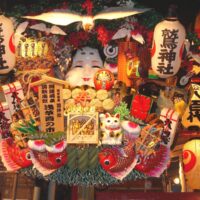
March and April are perfect for seeing the cherry blossoms in the local parks. May brings the Sanja Matsuri, the biggest festival in Asakusa: for three days the neighborhood carries portable shrines (mikoshi) through the streets, and the whole district is loud from morning until night. July is famous for the big fireworks display by the riverside. If you visit in winter, the air is dry and clear, often providing a great view of Mt Fuji from the Tokyo Skytree observation deck. Standing high above any rooftop in the city, you can see for miles. Whether it is the historical charm of a buddhist temple or the fun rides at Hanayashiki, there is something to love in every season.
What other goods or activities do you recommend nearby?
You should absolutely visit Kappabashi street if you want to buy high quality kitchenware. It is a famous store district for chefs and enthusiasts. You can also find numerous shops selling matcha green tea and delicious ice cream at every corner. If you have time, you can join a sumo tour or head to the Ginza district for high end shopping. For a nice day trip, exploring the nature around the western mountains is worth the effort.
How can I learn more about the geisha experience and book a spot at Miyakodori?
You can find numerous posts and comments online about our services. It is best to check our current website for the exact address and a map. To save your preferred date, we recommend you order your private room session well in advance, especially during the busy months of march and april. If your plans change, you can usually cancel based on our updated policy found on the site. Don’t hesitate to leave a comment or reply to our social media posts if you have specific requests.
Conclusion
Asakusa remains the historical heart of Tokyo, a place where the 21st century meets the tradition of the Edo period. From the golden fields of rice in ancient stories to the modern skyline of today, this district is packed with wonder. We hope this guide helps you skip the stress and enjoy a super authentic stay. Whether you are visiting with friends or family, the hospitality at Miyakodori will be the highlight of your journey. We started this mission to preserve the beauty of the geisha world, and we are proud to share it with you. See you in Asakusa in 2026.
Experience the Heart of Asakusa — Miyakodori Geisha Banquet
Founded in 1950, Asakusa Miyakodori is the only machiai-chaya in Asakusa. Enjoy a private ozashiki (a private gathering with geisha) with live shamisen, traditional dance, seasonal kaiseki, and authentic geisha games — in a historic private room. Book online in English. No introduction required. Read our Geisha Experience guide or explore the Asakusa Geisha District for more.


- Where to See Geisha in Tokyo, Japan: A Guide to the Best Hanamachi & Experiences
- The Ultimate Guide to Geisha Districts in Tokyo
Asakusa Geisha: Where to Meet Real Geisha in Tokyo
BestRestaurants in Asakusa for Dinner: A Complete Guide (2026 Edition)
Geisha Show in Tokyo: Where to See an Authentic Geisha Performance in Asakusa
Enjoying Exquisite Shaved Ice in Asakusa! Top 6 Local Favorites Part 2
Experiencing an Authentic Geisha Show in Asakusa, Tokyo
The Best Kakigori in Asakusa: Top Shaved Ice Shops & Visitor Guide
Comment ( 0 )
Trackbacks are closed.

No comments yet.