



Top Rated Traditional Japanese Restaurants Near Me: Authentic Flavors and Sushi
Finding the right place when searching for a traditional Japanese restaurant can feel like a quest for hidden treasure. Whether you live in a bustling city or are planning a trip to the heart of Japan, the craving for genuine Japanese food and culture is universal. It is about the experience, not just the meal: the steam rising from a bowl of miso soup, a chef’s knife moving with precision over fresh fish, a private room designed with centuries of history in mind.
When you look for a place to dine today, you are looking for more than a menu. You want atmosphere. A connection to a culture that honors the seasons, values hospitality, and treats every meal as an art form. In this guide, we explore what makes a Japanese restaurant truly authentic and why places like Asakusa Miyakodori represent the pinnacle of this culinary journey — an experience that pairs seasonal cuisine with a live geisha banquet (ozashiki) inside a private room.
What Defines an Authentic Traditional Japanese Restaurant?
To understand what you should look for when searching for a traditional Japanese restaurant, you must first understand authenticity. It goes far beyond serving sushi or hanging Japanese decor. True authenticity rests on three pillars: seasonal ingredients, refined technique, and the spirit of service known as omotenashi.
Seasonal Ingredients
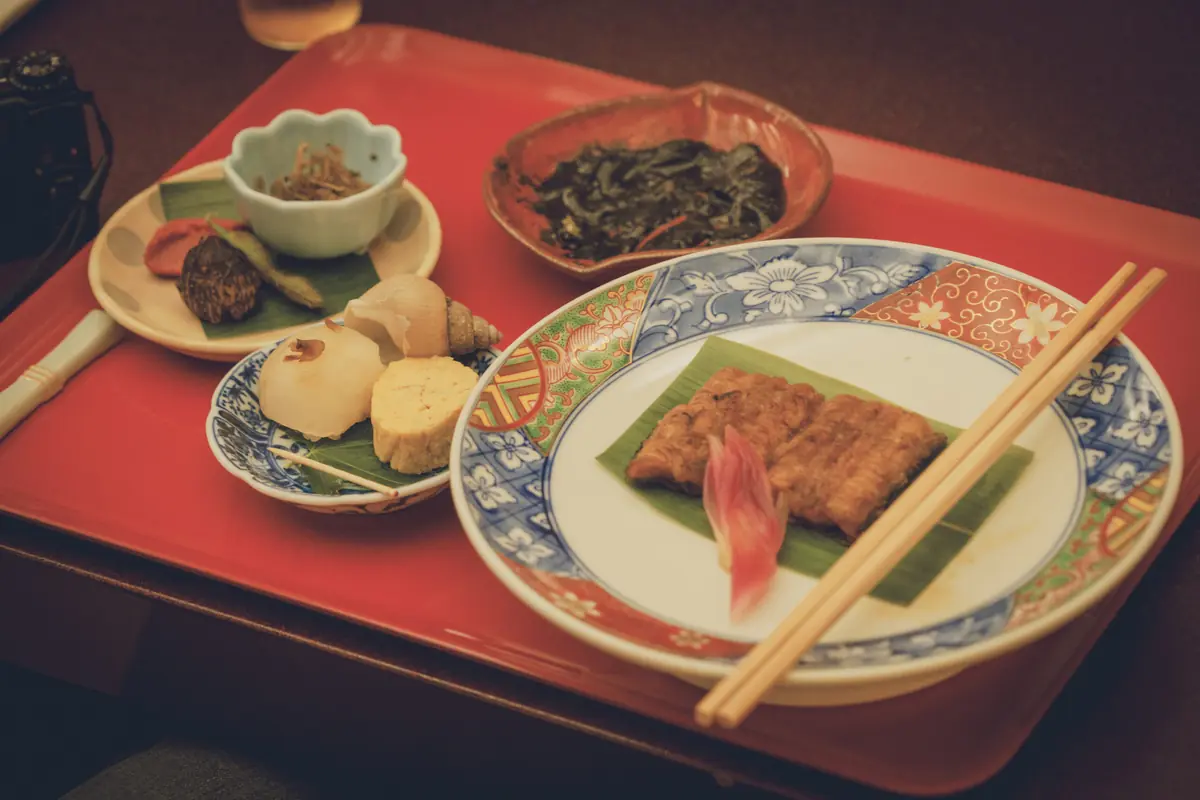
Authentic Japanese cuisine is built on respect for the seasons. A great chef highlights peak-season flavors available only for a short window each year. When you step into a high-quality establishment, you should sense the craftsman’s care in every detail — from the temperature of the rice to the way tea is poured.
Technique Honed Over Years
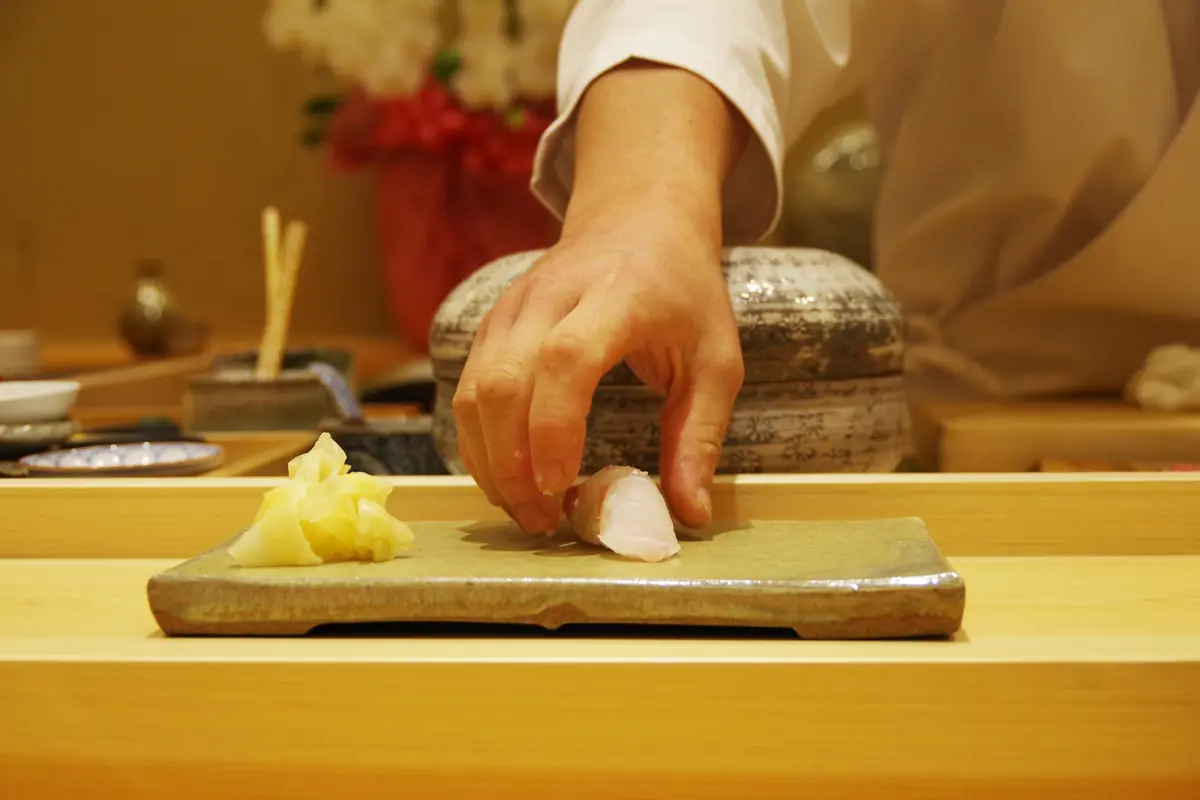
The knife skills alone can take a decade to master. The way a chef handles fish preserves texture and flavor at a cellular level. This discipline is what ensures every bite delivers the highest quality.
Privacy and Cultural Immersion
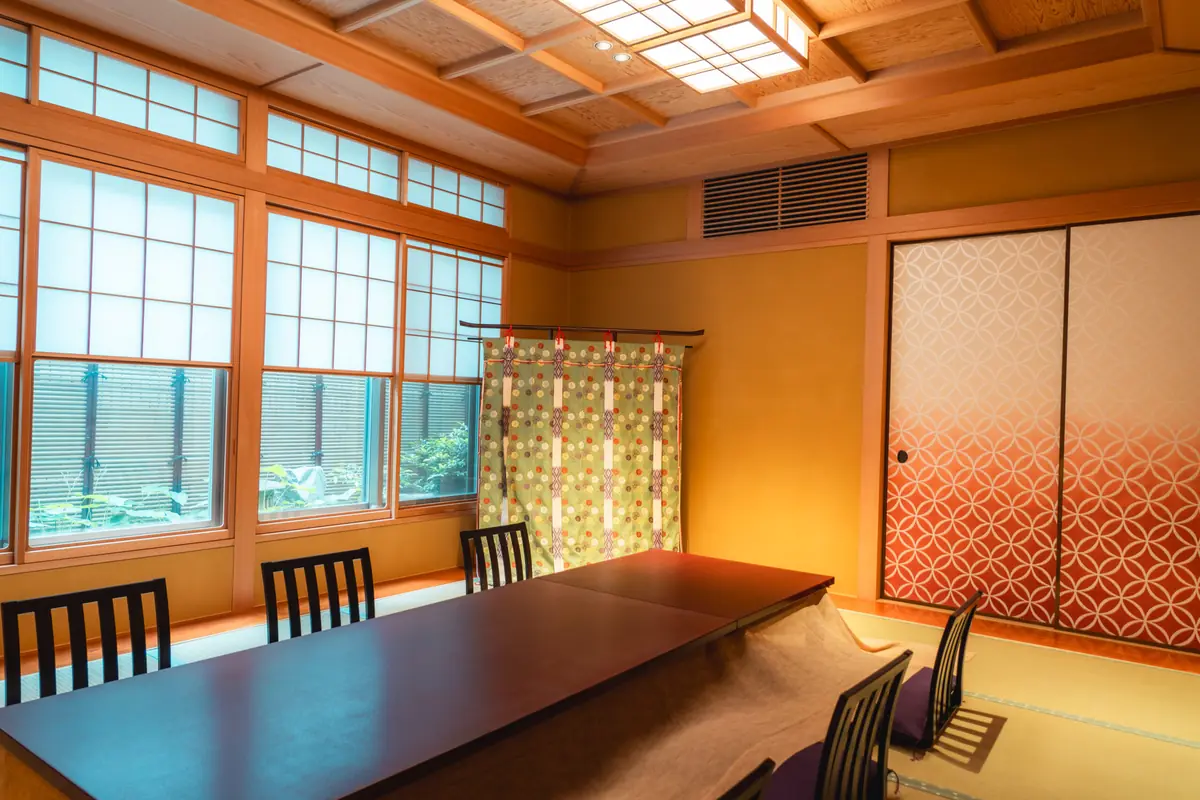
In a traditional setting — especially a machiai-chaya or ryotei — dining is elevated by cultural performances and a sense of private escape. Exceptional service means your needs are anticipated before you have to ask. This is the quality that separates a standard eatery from a genuine cultural destination.
Types of Traditional Japanese Dining Experiences
While your search may yield many results, it helps to categorize them by experience type so you can choose what fits your occasion.
Sushi and Sashimi Bars
For many, the first thought of Japanese food is sushi. A top sushi bar centers on the quality of the fish and the skill of the chef. Sitting at the counter, you watch the chef transform premium seafood into edible art and learn the origin of each cut. Sashimi — sliced raw fish without rice — lets the natural sweetness and texture shine on its own. Common varieties include tuna, yellowtail, and sea bream, each with a distinct flavor profile.
Teppanyaki and Grilled Dishes
Teppanyaki cooks wagyu beef, lobster, and seasonal vegetables on an iron griddle in front of you, combining high-quality ingredients with live entertainment. The sizzle and aroma create an immediate sensory experience well-suited for groups or families.
Kaiseki and Ryotei
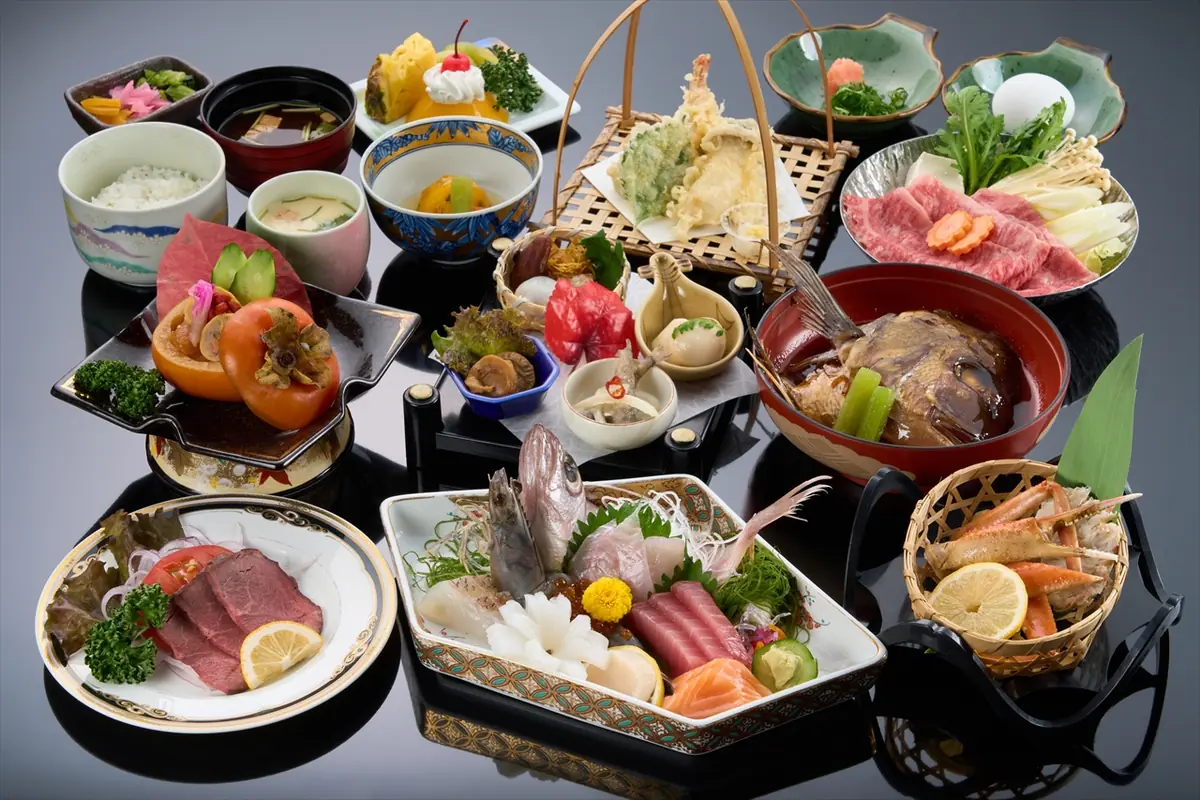
Kaiseki is a multi-course dinner that showcases the best seasonal ingredients in small, beautifully presented dishes designed to reflect the mood of the current season. In Asakusa, Tokyo, a kaiseki meal can be paired with a live geisha banquet (ozashiki) — this is where you encounter the true soul of Japanese hospitality. If you want to go deeper into this style of dining, our guide to the best kaiseki Tokyo has everything you need.
Machiai-Chaya: A Category Apart
A machiai-chaya occupies a unique position in traditional Japanese dining. Unlike a ryotei that operates its own kitchen, a machiai-chaya arranges meals from outside caterers — which means it can accommodate halal, vegan, gluten-free, and other dietary requirements. The primary focus is on the company of geisha and the art of the gathering itself.
Experience a Genuine Geisha Banquet in Asakusa
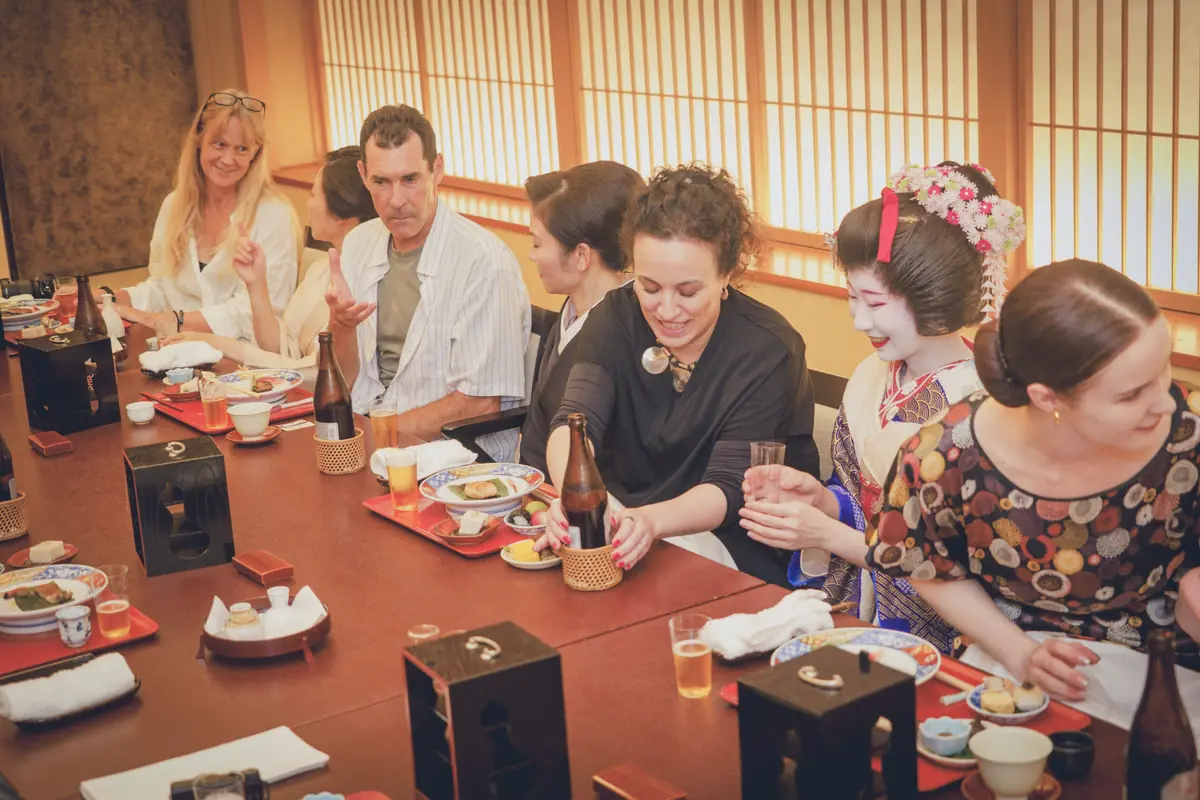
Asakusa Miyakodori is the only machiai-chaya still in operation in Asakusa — combining seasonal cuisine, live shamisen music, and a private ozashiki (a private gathering with geisha) in one unforgettable evening. English interpretation included.
Request a ReservationBeyond Sushi: The Diverse Flavors of Japanese Cuisine
Many visitors focus on sushi and miss the broader landscape of Japanese food. To truly explore the flavors of Japan, you must venture into hot dishes and diverse preparations of seafood.
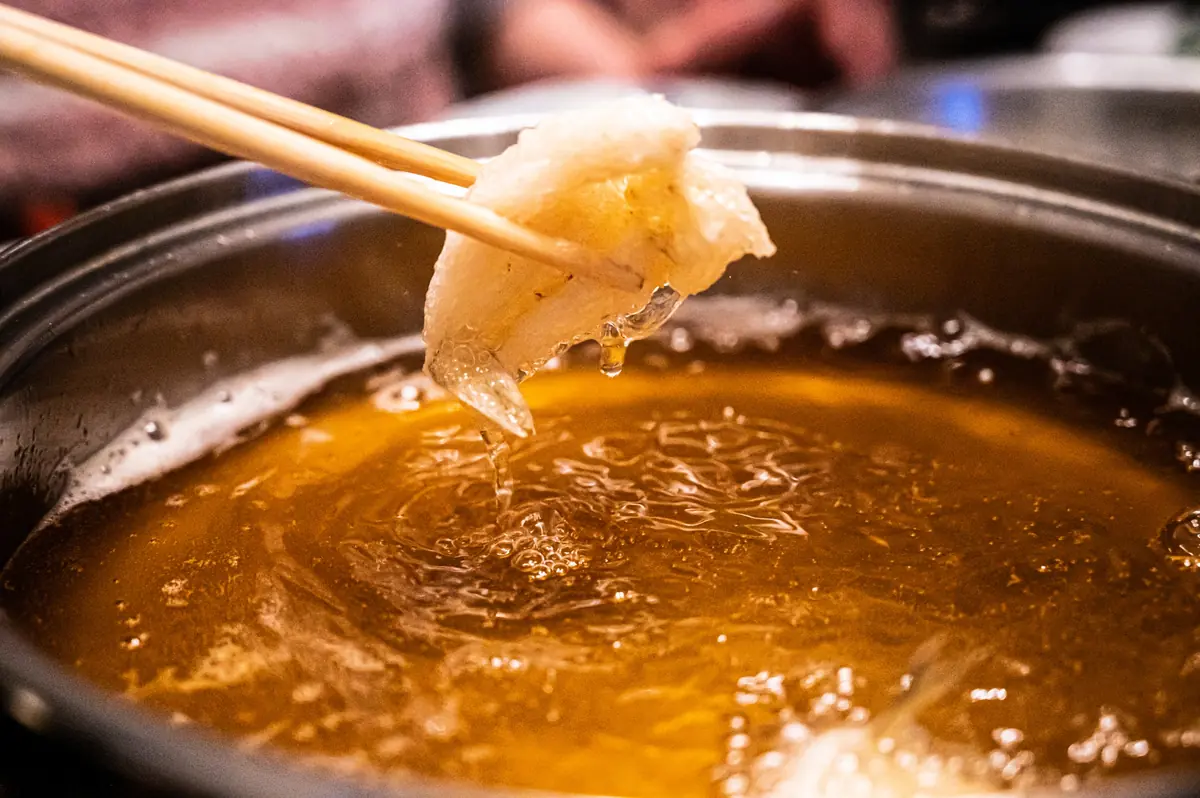
Tempura, for example, is not simply fried food. It is a delicate balance of fresh vegetables or seafood enclosed in a light, airy batter, with the goal of steaming the ingredient inside to preserve its natural moisture and flavor.
In a traditional setting, each dish is served on specific tableware chosen to complement the food’s color and shape. The visual is inseparable from the taste. A spring menu might feature bamboo shoots and cherry-blossom motifs; a winter menu centers on warming broths and fatty fish. This seasonal narrative is what makes Japanese dining exceptional. For a full look at Tokyo’s fine dining landscape, see our Japanese fine dining Tokyo guide.
Asakusa Miyakodori: Tokyo’s Most Authentic Traditional Experience
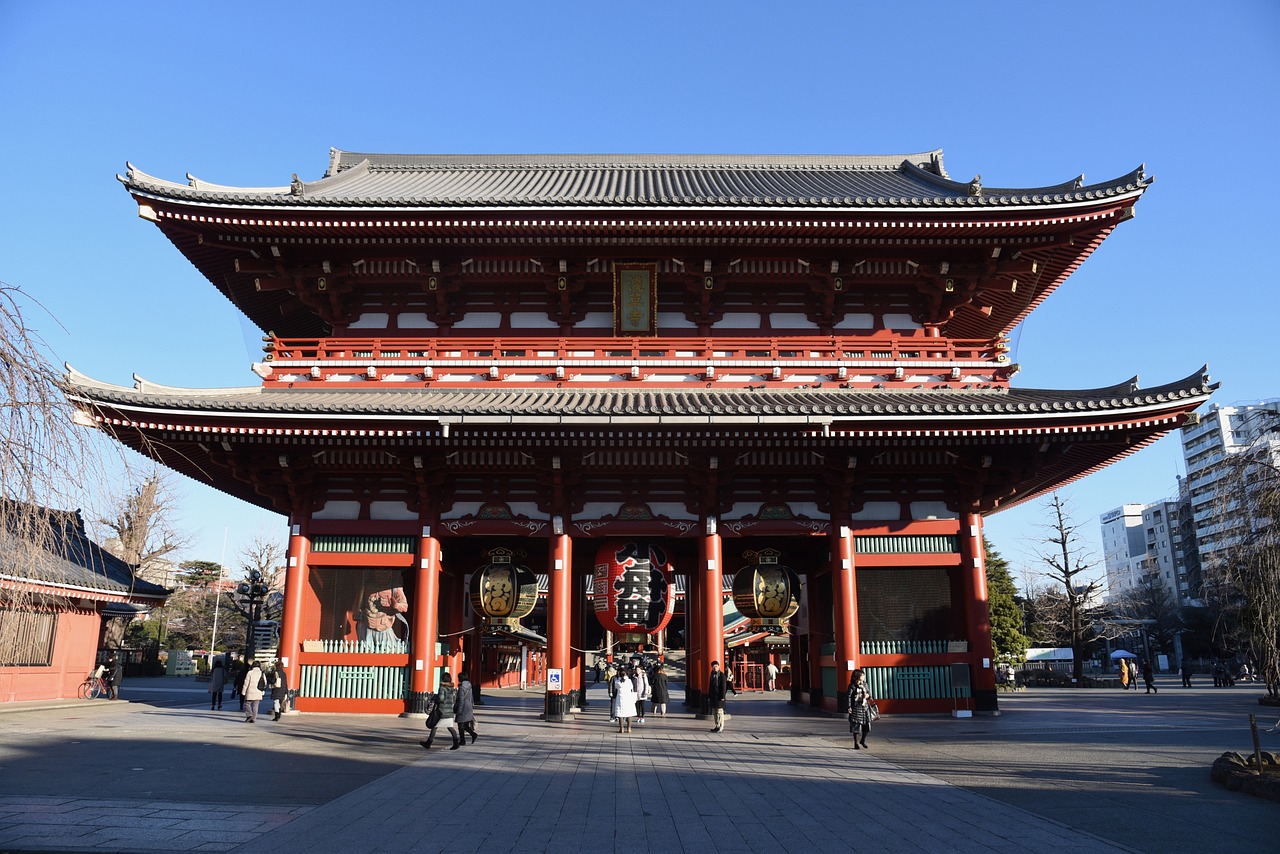
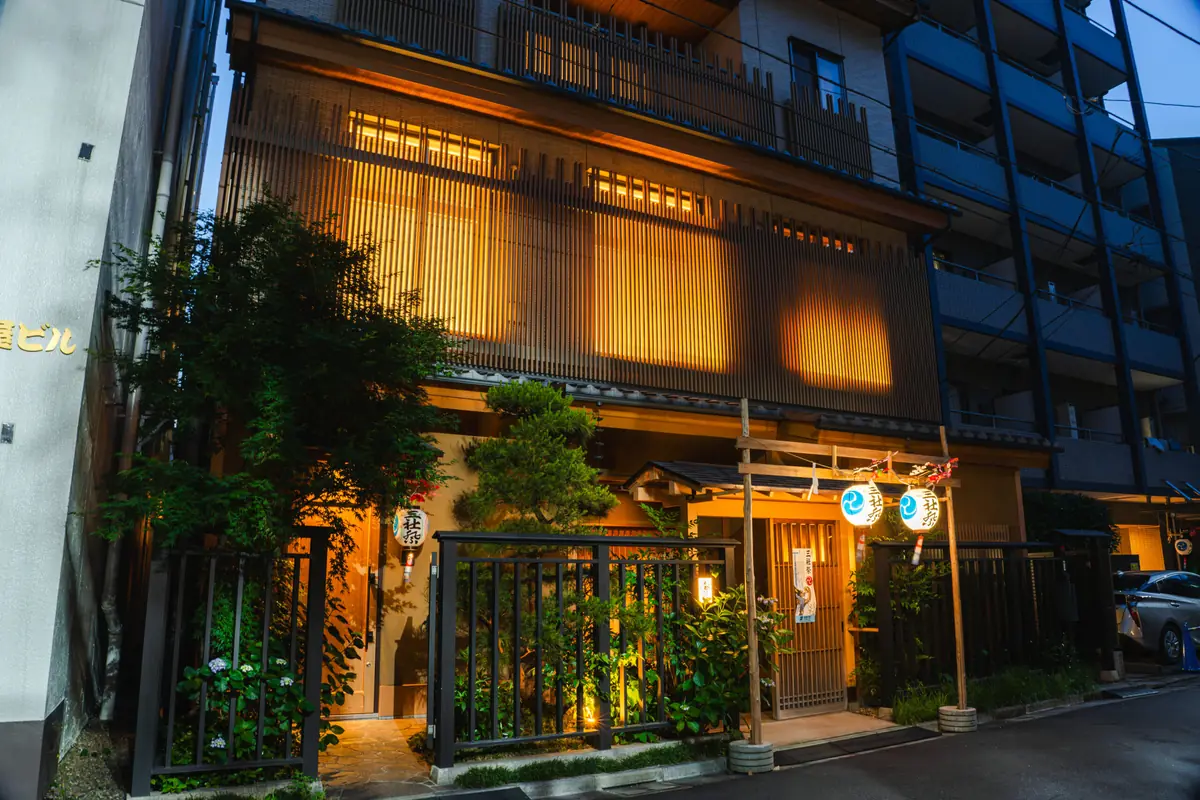
Among traditional Japanese restaurants, one Asakusa establishment stands in its own category: Miyakodori. Located in the historic Kannon-ura district of Asakusa, Miyakodori has been a pillar of the community since its founding in 1950.
The Last Machiai-Chaya in Asakusa
Asakusa’s history spans more than 400 years to the Edo period, when merchants, artists, and samurai gathered here to enjoy the finer things. At its peak, the Asakusa flower district was home to more than 1,000 geisha and around 300 traditional establishments. Today, roughly 20 geisha remain active, and Miyakodori stands as the only machiai-chaya still operating in Asakusa. Visiting means stepping into a living piece of Edo history that cannot be replicated anywhere else.
A Geisha Banquet (Ozashiki) Unlike Any Other
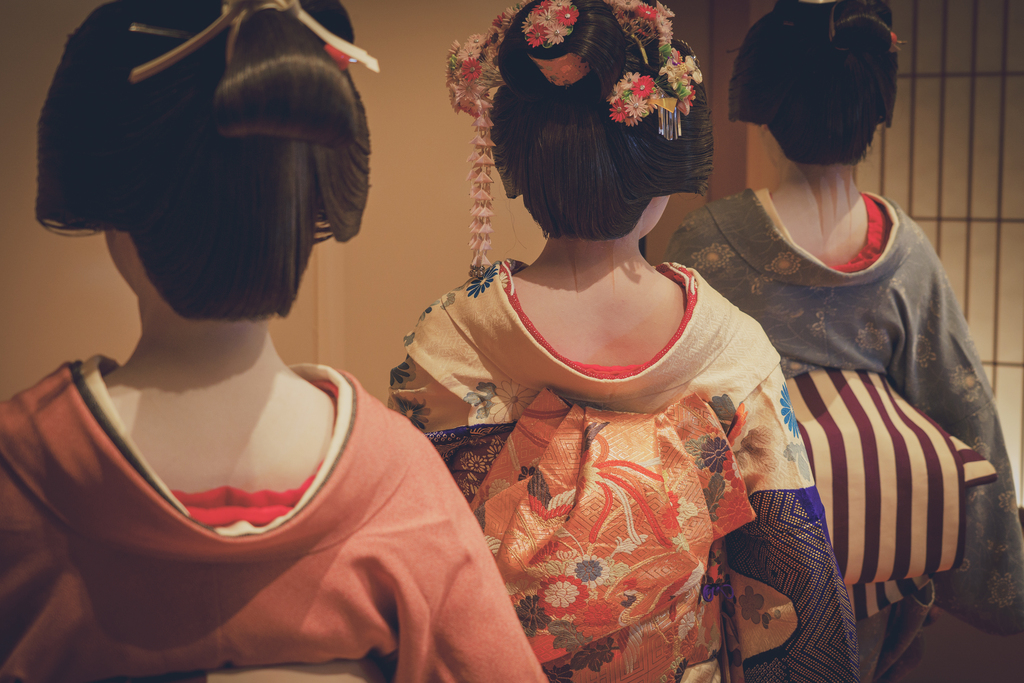
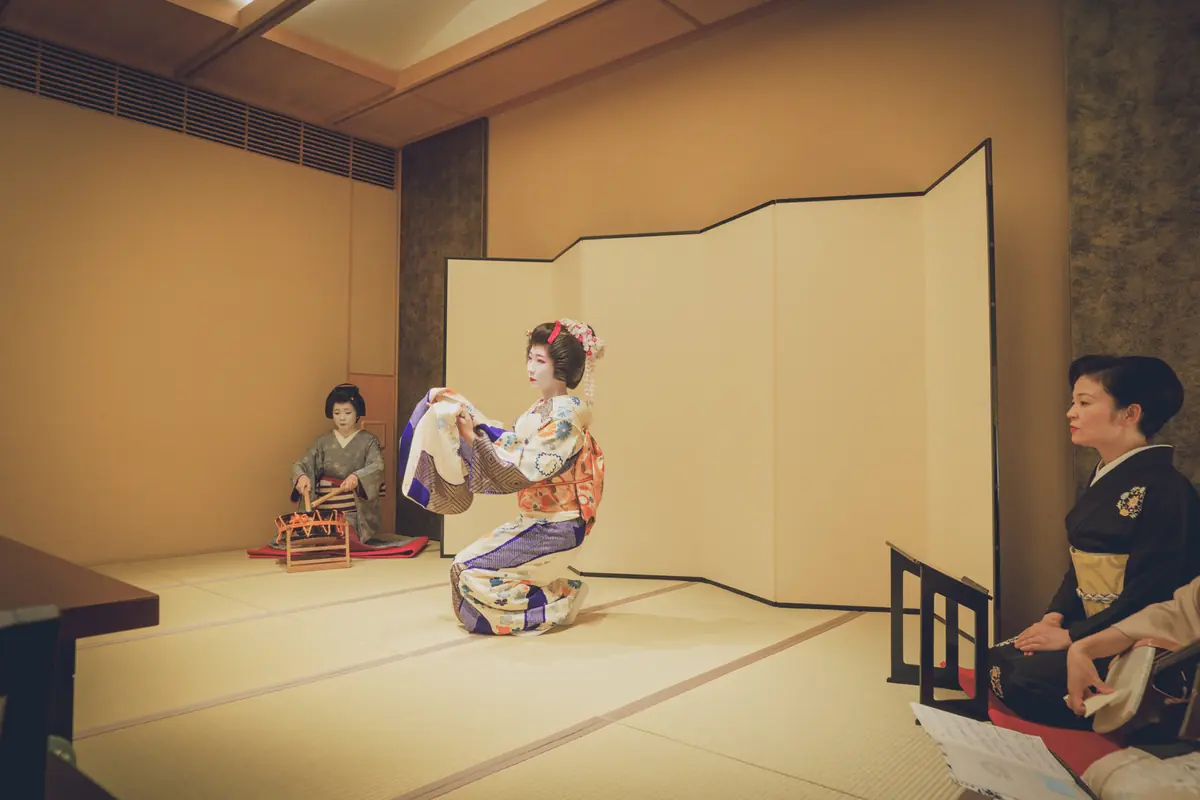
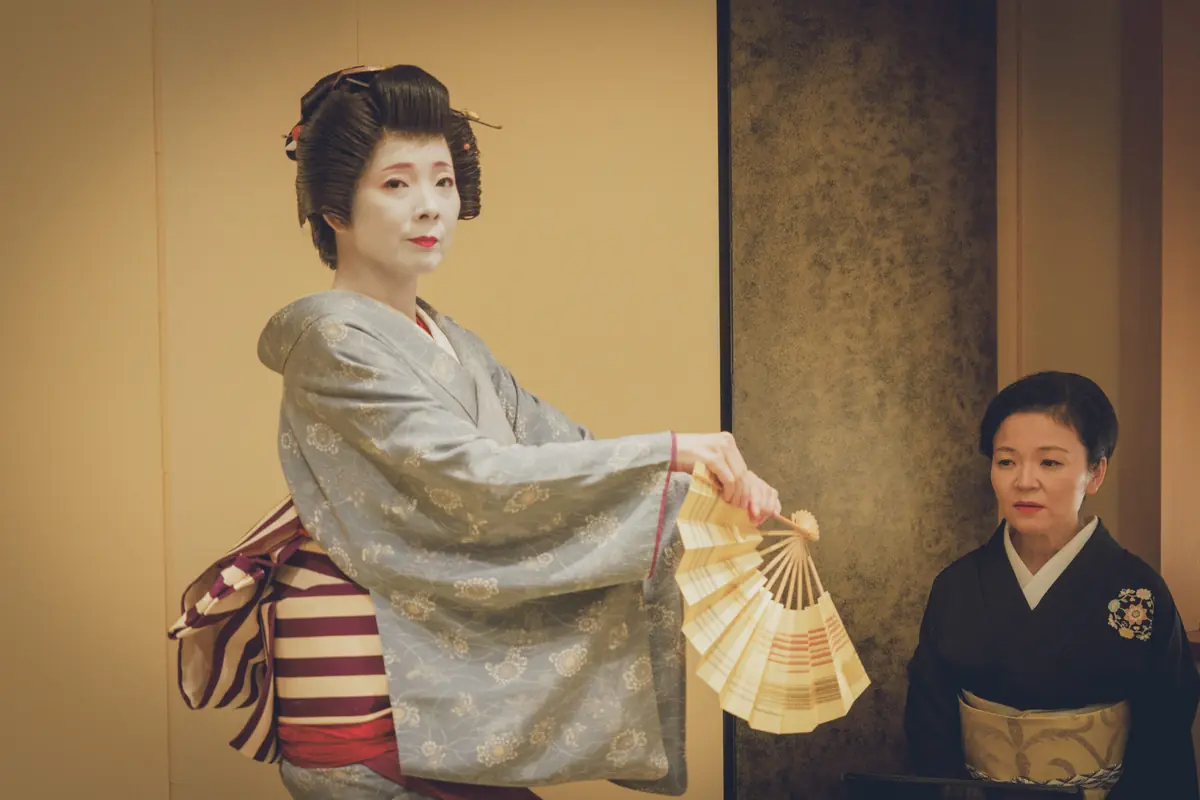
At Miyakodori, you can enjoy a private room where you are treated to geisha dances accompanied by the live sounds of the shamisen. This is a rare opportunity to experience the iki — the chic, sophisticated aesthetic of Edo culture — that defines the Asakusa flower district. If you are curious about the instrument at the heart of these performances, our guide to the shamisen explains its history and role in geisha music.
Open to International Guests — No Introduction Required
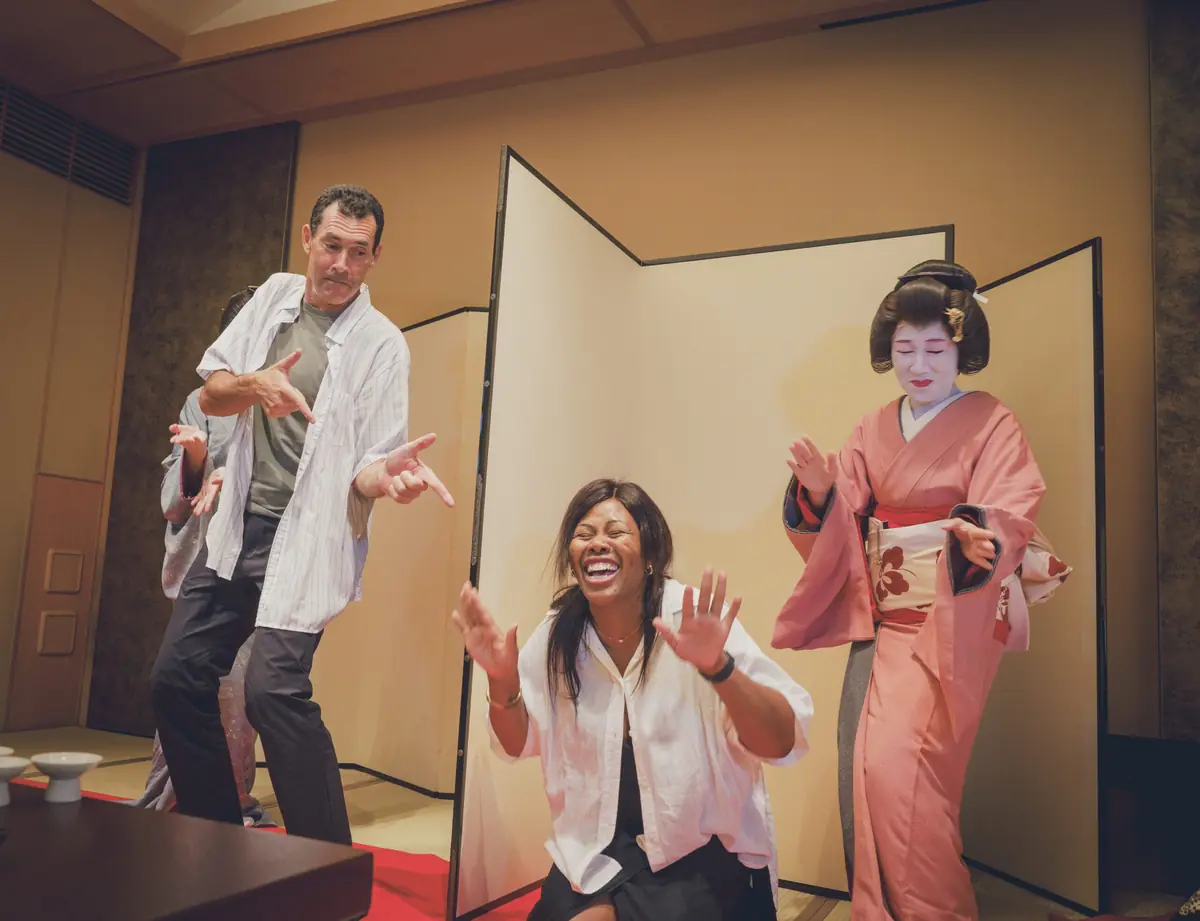
Unlike some exclusive venues that require a personal introduction, Miyakodori has made a deliberate choice to open its doors to international visitors. This decision was driven by a commitment to cultural preservation: with so few active geisha remaining, sharing this world with guests from around the globe is essential to keeping it alive. Whether you are celebrating a special anniversary, hosting a business event, or simply seeking an extraordinary evening in Tokyo, the geisha here are skilled at making every guest feel immediately at ease. To understand more about what an authentic geisha show involves, see our guide to experiencing an authentic geisha show in Asakusa.
Exceptional Flexibility for Every Dietary Need
Because Miyakodori is a machiai-chaya — not a restaurant that cooks its own food — the kitchen arrangements come from top-tier outside caterers. This means the establishment can fulfill halal, vegan, gluten-free, vegetarian, and other dietary requirements. A meal without food is also an option for groups that prefer drinks and entertainment only.
What to Expect: Quality, Service, and the Art of Omotenashi
When you visit a high-end traditional experience like Miyakodori, quality extends far beyond the food. The philosophy of omotenashi — anticipatory hospitality — means you are cared for at every step, from the moment you arrive. Private rooms let you fully immerse yourself without distraction.
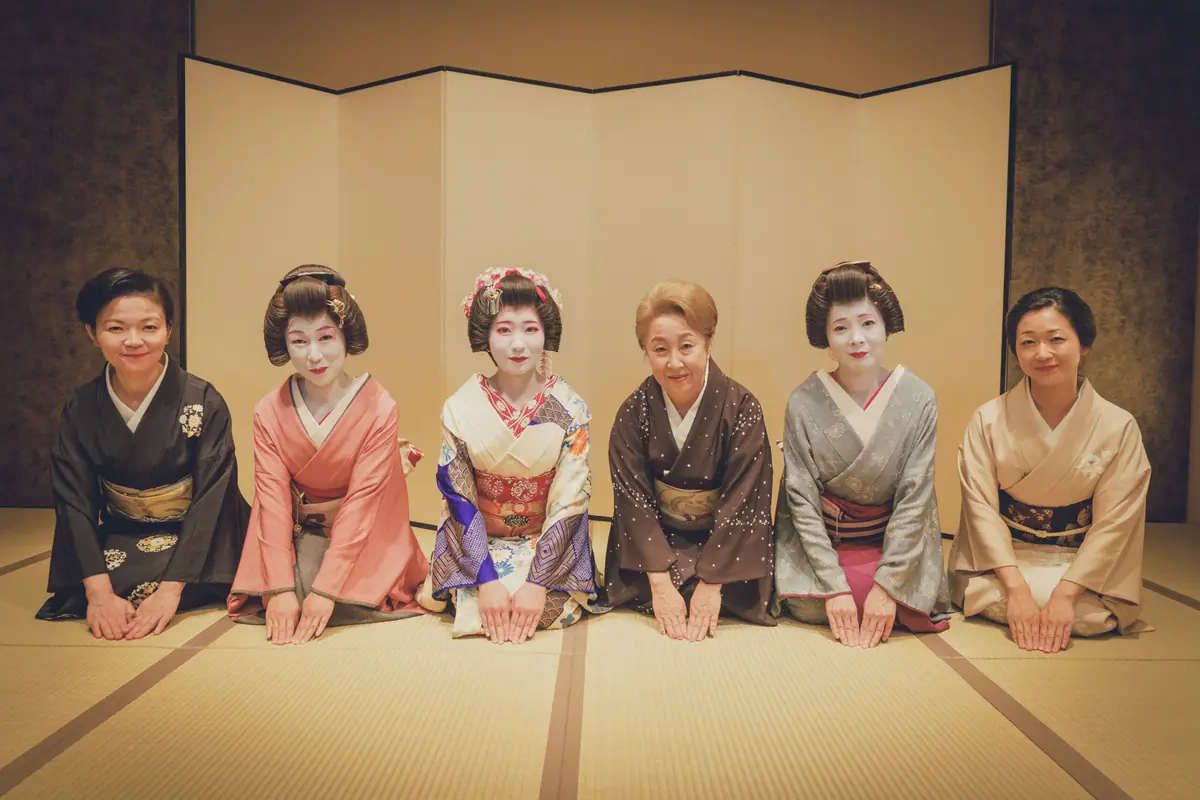
The ozashiki (a private gathering with geisha) typically includes a traditional dance performed to live shamisen accompaniment, followed by ozashiki games — interactive parlor activities played with geisha that are as entertaining as they are culturally illuminating. To see what these games involve, read our guide to ozashiki games. English interpretation is provided throughout, so no Japanese language ability is required. For a full picture of what an ozashiki (a private gathering with geisha) evening looks like end-to-end, the complete ozashiki experience guide covers every detail.
Planning Your Visit: Reservations and Practical Information
Reservations
For any traditional ryotei or high-end experience in Tokyo, advance reservations are essential. These venues are intentionally small, designed for private gatherings rather than walk-in dining. Miyakodori accepts reservations through its online booking system — no personal introduction or Japanese-speaking agent is required. Book as far in advance as possible, particularly for plans that include geisha entertainment on evenings or weekends. For a broader overview of private dining options in the area, our guide to the best private room restaurant in Tokyo provides useful context.
Hours and Location
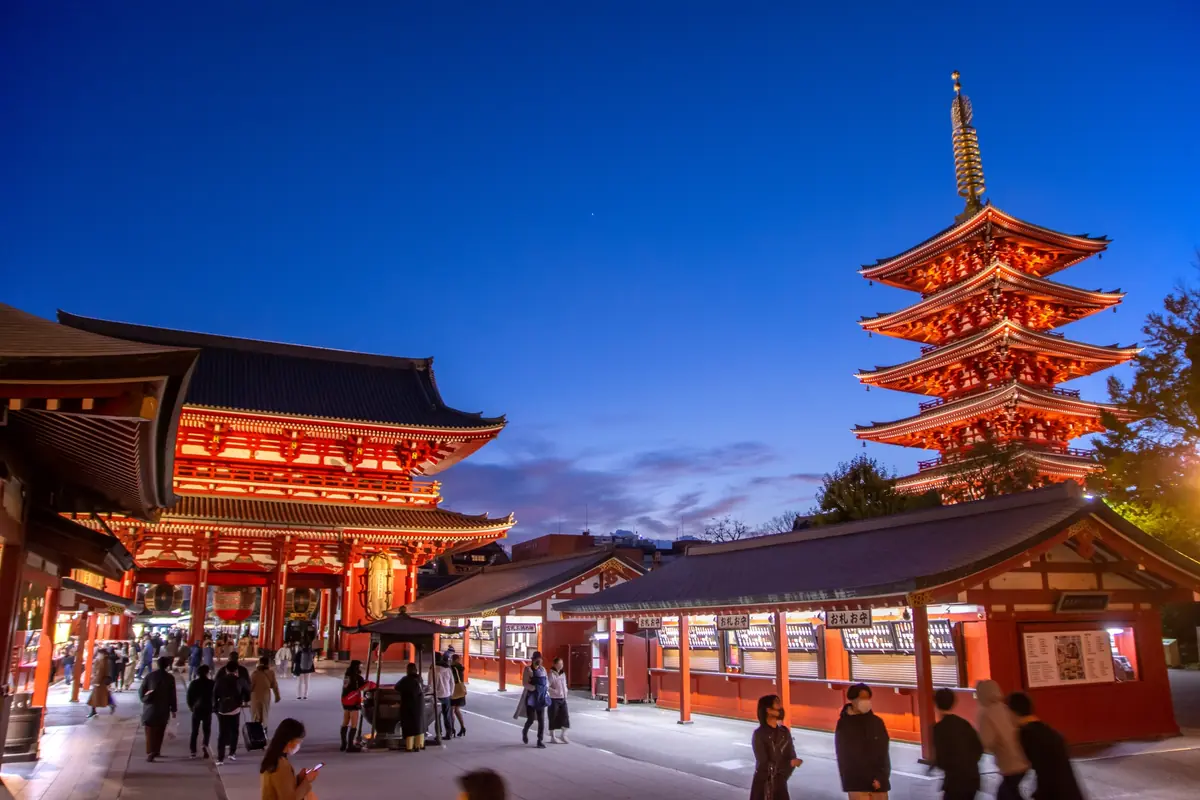
Miyakodori is nestled near the famous Senso-ji Temple in the Kannon-ura district of Asakusa — an area filled with centuries of history and one of the most vibrant corners of Tokyo. Daytime sessions begin from 14:00; evening sessions from 17:30. Exploring the streets of Asakusa before your session is an excellent way to absorb the neighborhood’s atmosphere and arrive in the right frame of mind. For a full tour of the area, see our Asakusa guide.
Choosing Your Plan
Miyakodori offers plans ranging from a one-hour introduction (the Geisha Highlights plan) to a full three-hour evening (the Geisha Kaiseki Dinner, which includes kaiseki cuisine and free-flow drinks). Groups generally find the per-person price more accessible as numbers increase. Check the available plans and pricing directly on the reservation page.
Related Guides
Request Your Table at Tokyo’s Most Authentic Traditional Experience
Asakusa Miyakodori is the only machiai-chaya in Asakusa — open to international guests, with English interpretation, halal and vegan options, and live geisha entertainment. Seats are limited. Reserve early to secure your preferred date.
Request a ReservationPhone inquiries: +81-50-1793-5252 (English AI receptionist, 24 hours. Our team follows up with you.)
Frequently Asked Questions
What is the difference between a geisha and a maiko?
A maiko is a junior geisha in the Kyoto tradition — she has already made her debut and performs at banquets while refining her art. In Tokyo, particularly in Asakusa, junior geisha are called hangyoku. Fully independent senior geisha lead entertainment, dance, and conversation during the banquet. Learn more in our Ultimate Guide to Geisha Dinner in Tokyo.
Do traditional Japanese restaurants accommodate dietary restrictions?
Many modern ryotei offer halal or vegetarian options when notified in advance. Miyakodori, as a machiai-chaya, has an exceptional level of flexibility because meals are arranged from specialist outside caterers rather than prepared in-house. Please mention dietary requirements when making your reservation.
Is there a dress code for dining at a traditional ryotei?
There is no strict dress code, but smart casual attire is respectful. You will typically sit on tatami mats and remove your shoes at the entrance, so wearing socks is recommended.
Do I need to speak Japanese to enjoy the experience at Miyakodori?
No. English interpretation is provided throughout the ozashiki (a private gathering with geisha) at Miyakodori, including during the geisha’s introduction, the interactive games, and the cultural Q&A. The experience is designed to be fully accessible to international guests.
How far in advance should I reserve?
We recommend reserving at least one to two weeks in advance. Evening slots and larger group bookings fill up quickly, especially around Japanese national holidays and cherry blossom season. Reservations are accepted online through the Miyakodori booking page.


- Oiran Meaning: Who Were Japan's Highest-Ranking Courtesans?
- BestRestaurants in Asakusa for Dinner: A Complete Guide (2026 Edition)
12 Best Tokyo Dinner Places: A Complete Guide (2026)
Best Restaurants for a Birthday Dinner in Tokyo | Memorable Dining Experiences
The Ultimate Guide to Tokyo Dinner Reservations in 2026: How to Secure the Best Tables
The Ultimate Guide to Tokyo Dinner Shows 2026
The Ultimate Traditional Japanese Dining Experience Guide 2026
What’s New in Tokyo 2026: New Attractions & Openings Guide
Comment ( 0 )
Trackbacks are closed.

No comments yet.