



Geisha in Tokyo: The Complete Experience Guide
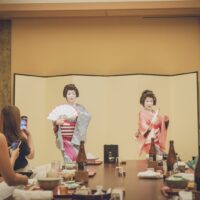
An ozashiki is a private gathering with geisha held in a traditional tatami room — featuring classical dance, live shamisen, parlor games, and intimate conversation with working geisha.
The Ozashiki Experience: What Happens at a Geisha Banquet and Why the Tradition Endures
What is the typical flow of an evening with Geisha?
A geisha banquet (ozashiki) follows six stages: greeting, toast, kaiseki dinner, classical dance & live shamisen, parlor games, and a photo & farewell session — all within a private tatami room.
A traditional ozashiki follows this progression: arrival and greeting from the geisha, a kanpai (celebratory toast), dining with conversation, traditional performance with classical dance and shamisen music, ozashiki asobi (parlor games), and concluding with photos and farewells.
- Arrival & greeting from the geisha
- Kanpai (celebratory toast)
- Dining & conversation (kaiseki included in the 3-hour plan; optional for shorter plans)
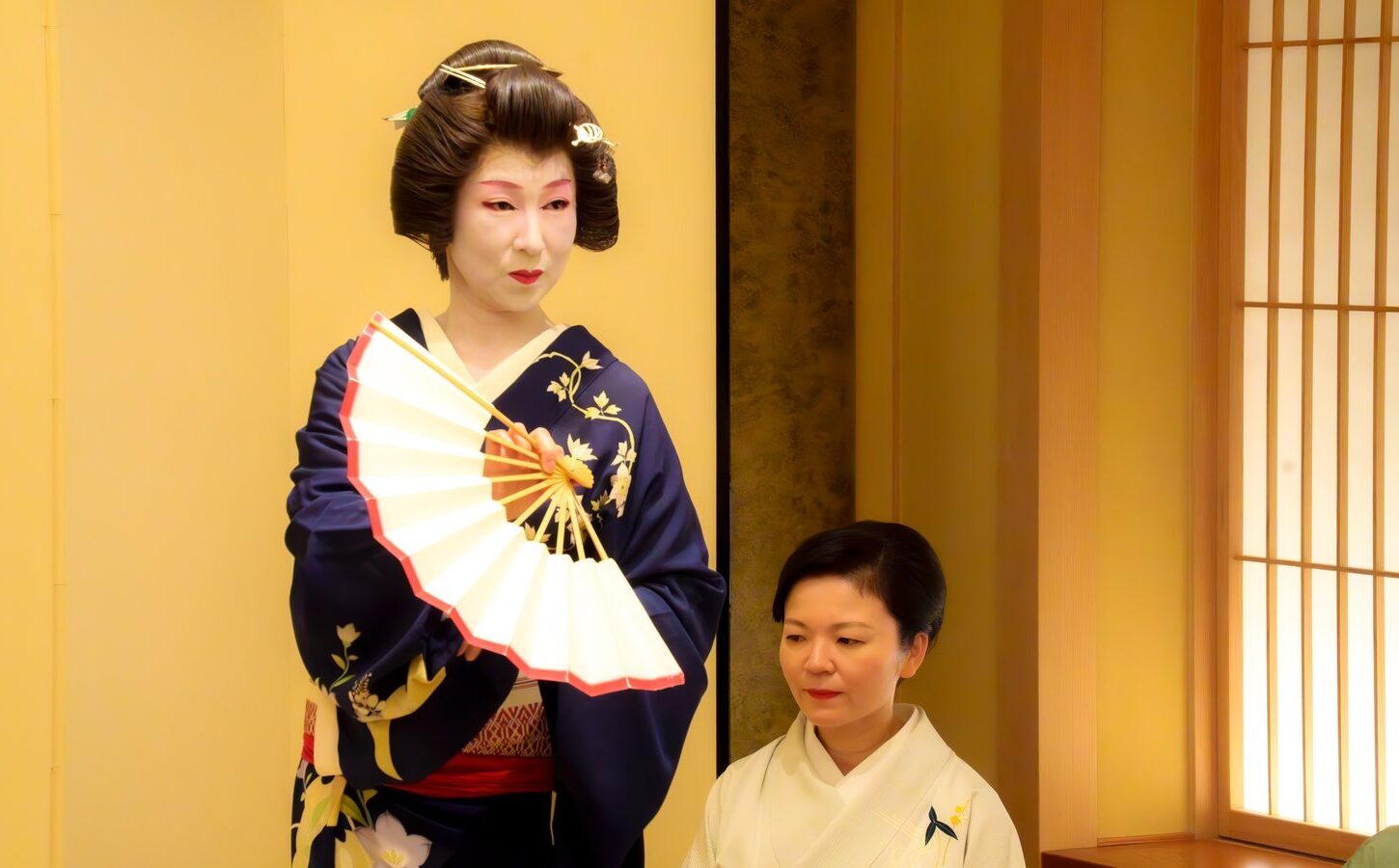
- Classical dance & live shamisen performance
- Ozashiki asobi (parlor games)
- Photos & farewells
For a deeper look at what makes each stage special, see our ultimate guide to geisha dinner in Tokyo.
How long does a Geisha banquet last?
Most geisha banquets last 2 to 3 hours, with 2 hours being the standard minimum in Asakusa.
Most banquets run 2 to 3 hours. In Asakusa’s hanamachi, two hours is the standard minimum, allowing time for the complete dinner, dance, and games experience without rushing.
How much does a Geisha experience cost in Tokyo?
At Miyakodori in Asakusa, a private geisha banquet (ozashiki) ranges from ¥34,000 to ¥179,000 per person, depending on plan duration and group size — with the 2-hour More Time with Geisha plan the most popular choice.
Pricing varies by duration, group size, and plan. The 1-hour Geisha Highlights plan starts at ¥34,000 per person (groups of four, daytime). The 2-hour More Time with Geisha plan — which includes free-flow drinks and extended ozashiki games — starts at ¥45,000 per person for groups of four. The 3-hour Geisha Kaiseki Dinner, which includes a full kaiseki dinner, starts at ¥106,000 per person for groups of four or more. Solo bookings carry a higher per-person rate, as the minimum geisha attendance (two geisha for 1- and 2-hour plans) is fixed regardless of guest count.
- 1-hour plan (Geisha Highlights): from ¥34,000 per person (groups of 4+, daytime)
- 2-hour plan (More Time with Geisha): from ¥45,000 per person (groups of 4+) — free-flow drinks included
- 3-hour plan (Geisha Kaiseki Dinner): from ¥106,000 per person (groups of 4+) — kaiseki dinner & free-flow included
- All prices: tax included / per person / evening sessions from 17:30, daytime from 14:00
What kind of traditional games (Ozashiki Asobi) will we play?
The two most popular ozashiki games are Konpira Fune Fune (a fast-paced hand game) and Tora Tora (full-body rock-paper-scissors with geisha) — both are easy to learn and require no Japanese.
Games are designed as simple, rhythmic entertainment requiring no Japanese language. Konpira Fune Fune involves rapid hand placement over a small wooden hakama on a kyōsoku armrest while shamisen plays—the hesitant player loses. Tora Tora is theatrical full-body rock-paper-scissors performed synchronously with geisha. Both create genuine laughter across every language barrier, as geisha guide participants warmly through each step.
The names carry surprising depths of history. Konpira Fune Fune takes its name from Kotohira-gu shrine in Kagawa Prefecture—but trace the etymology further back and you reach the Sanskrit word Kumpira, meaning the crocodile of the Ganges River, venerated as a deity of water and maritime safety. A game played over drinks in a Tokyo tea house carries a thread of history stretching back to ancient India.
Tora Tora draws from the 18th-century bunraku puppet play Kokusenya Kassen, depicting the warrior Watōnai’s battle against a tiger. Historians note that Edo-period restrictions on depicting real military figures—such as Katō Kiyomasa, famed for his tiger hunts in Korea—may have caused the two figures to blur across centuries of retelling. The result is a game in which player and geisha become, in turn, warrior, tiger, and old woman—and collapse into laughter when instinct fails.
In our experience hosting international guests, ozashiki asobi is the moment where any remaining shyness melts away — the games are deliberately designed to put everyone on equal footing. For the complete rules and history behind each game, see our guide to ozashiki games.
What is the Shamisen — and will I hear it live?
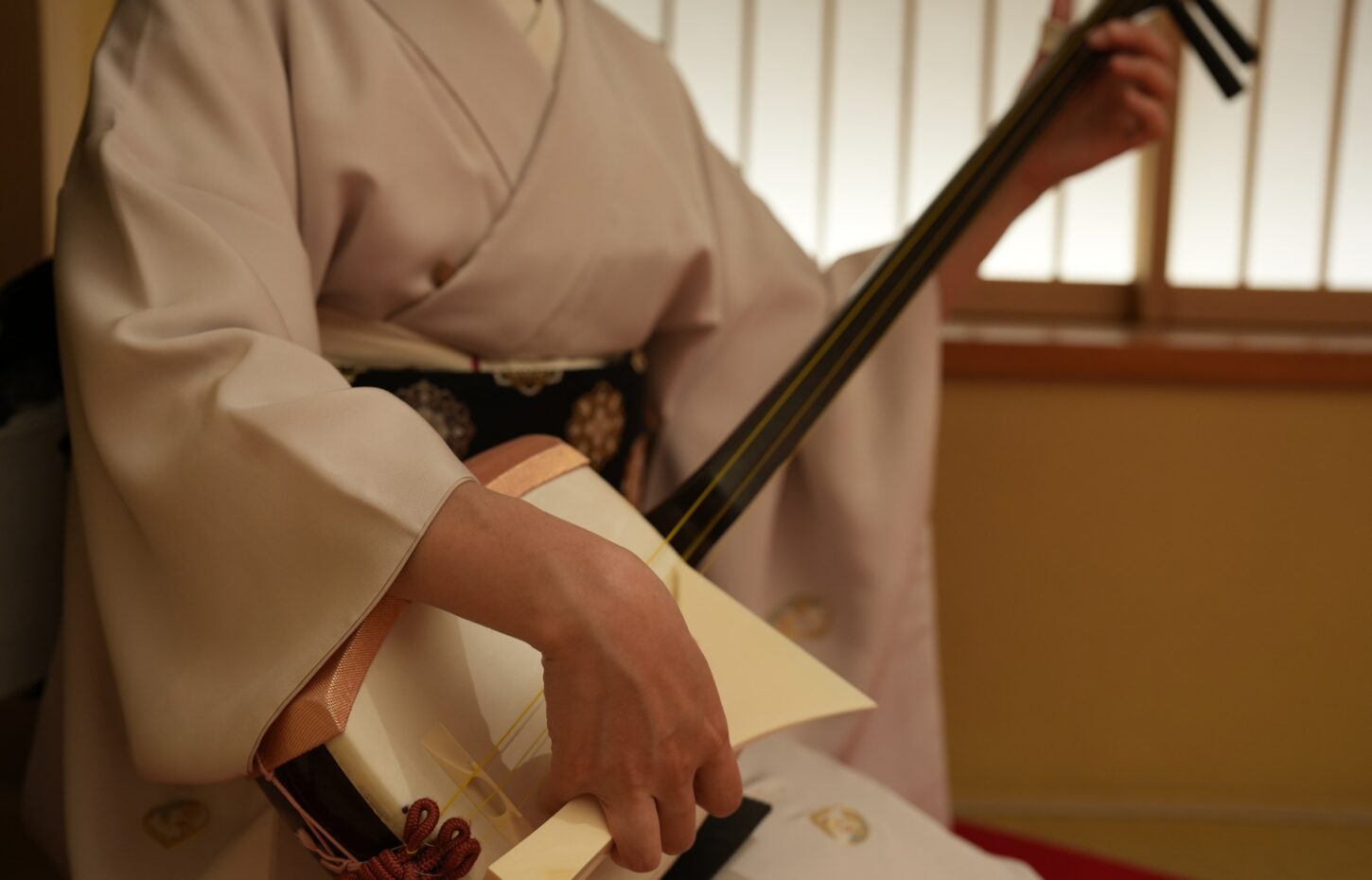
The shamisen is a three-stringed Japanese lute and the signature instrument of geisha culture — yes, you will hear it played live at every ozashiki (a private gathering with geisha).
The shamisen is a three-stringed Japanese lute — the defining instrument of geisha culture. Played with a large plectrum (bachi), it produces simultaneously percussive and melodic tones. Live shamisen performance by a jikata (musician geisha) creates an unforgettable experience, with vibrations resonating through tatami floors that recordings cannot replicate.
To learn more about the instrument’s 400-year history and its role in geisha performance, read our detailed shamisen guide.
How does a Geisha banquet compare to a tea ceremony?
Tea ceremony is meditative and silent; a geisha banquet (ozashiki) is warm and social, filled with live music, classical dance, conversation, and laughter.
Tea ceremony is meditative and largely silent, focused on matcha preparation and aesthetic contemplation. Geisha banquets are warm, social, alive with music, dance, conversation, and laughter. Both represent authentic Japanese culture but from different perspectives—introspective versus joyful and generously human.
Curious about combining both experiences? Our geisha & tea ceremony guide explains how the two traditions complement each other.
I don’t speak Japanese. Can I still enjoy the experience?
Yes — geisha dance, shamisen music, and ozashiki (a private gathering with geisha) parlor games transcend language barriers, and English support is available at Miyakodori.
Yes. Dance, music, and ozashiki games transcend language barriers. Geisha master omotenashi (wholehearted hospitality)—the anticipation of needs before they are expressed, the creation of an atmosphere in which every guest feels genuinely seen. English support is available at Miyakodori. Only a smile and willingness to participate are needed.
How many Geisha should I invite?
For first-timers, the 1- and 2-hour plans include two geisha for smaller groups — one jikata (shamisen musician) and one tachikata (dancer) — and we recommend adding a third, so that two geisha dance. For what changes with a third geisha, see How Many Geisha Should You Book?.
No strict rules apply. For first-timers, Miyakodori recommends leaving arrangement decisions to the machiai-chaya. Standard introductory packages include one tachikata (dancer) and one jikata (shamisen musician), ensuring experience of both visual and musical traditions. Our okami says one hour goes by in a flash — she recommends at least two hours to truly take in the dance, music, and conversation. With more time, the evening deepens: another dance, the chance to try shamisen, and the kind of unhurried exchange that makes the experience memorable.
Our complete guide to geisha dance covers the different styles of performance you may encounter during the evening.
Geisha Etiquette: Dress Code, Manners, and What Not to Do
What is the dress code for a Geisha dinner?
Smart casual attire is appropriate — no tuxedo or gown required, but wear clean socks, as shoes are removed before entering the tatami room.
Formal tuxedos or gowns aren’t required, but smart casual attire shows respect for the refined setting. Most importantly: wear clean socks, as guests remove shoes before stepping onto traditional tatami mats. Bare feet are inappropriate in tea house settings.
Can I wear a Kimono or traditional Japanese costume to the banquet?
Yes — wearing kimono or traditional Japanese attire to a geisha banquet (ozashiki) is warmly welcomed and considered a respectful gesture.
Yes—wearing kimono or traditional Japanese attire is warmly welcomed as a respectful gesture. Coordinating kimono experiences with ozashiki reservations creates deeply memorable evenings for many visitors.
Are there any strict rules or taboos I should be aware of?
The three key rules: do not touch the geisha or their kimono, do not handle room décor (scrolls, flowers, antiques), and avoid wearing strong perfume or cologne.
Avoid touching geisha, as their kimonos, obi sashes, and hair ornaments are delicate museum-quality artworks requiring considerable preparation time. Don’t touch room décor like hanging scrolls, flower arrangements, or antiques—these are seasonally curated and fragile. Avoid strong perfumes or colognes, as they interfere with subtle cuisine aromas and tatami’s natural fragrance. In our ozashiki, the rule is to sit before handing anything to a guest — standing would feel like looking down on someone. As our guest, you’ll be guided to your seat by the host; there’s no need to remember any of this in advance.
For more on the cultural context behind these customs, see our complete geisha knowledge guide.
Can I take photos and videos of the Geisha?
Yes — and how much freedom you have depends on your plan. On private plans, photos and videos are entirely up to you. The Tea House has a dedicated photo time at the end. Live-streaming only is asked to be avoided on all plans.
On private plans (1-hour and longer), photos and videos are entirely up to you — capture anything, anytime during the session. The Tea House (75-minute, shared seating) is guided by a simple host (MC) who coordinates the flow; filming during the session is also welcome, and there is a dedicated photo time near the end with around two photos per group. On all plans, please avoid live-streaming out of respect for the geisha and other guests.
Should I pour for the geisha?
Yes — pour for your geisha. Reciprocal pouring is one of the warmest threads of ozashiki communication, and foreign guests are warmly expected to join in.
Pour for your geisha — yes, really. Reciprocal pouring is at the heart of an ozashiki evening: the geisha pours for you, then you pour for her. Foreign guests sometimes hesitate, but pouring back is welcomed, expected, and one of the small pleasures the evening is built around. It’s one of our favorite moments of connection across any language barrier.
Do I need to tip the Geisha?
Tipping is not customary or required in Japan. A goshugi (gift envelope) is an optional gesture of appreciation for exceptional artistry.
Tipping isn’t customary in Japan and isn’t obligatory. However, offering a goshugi (gift envelope) expresses sincere appreciation for exceptional artistry or hospitality—a refined gesture embodying Japanese iki (understated elegance).
Can Anyone Book a Geisha Experience? Families, Couples, and Solo Travelers
Can women, couples, and families book a Geisha experience?
Yes — geisha banquets (ozashiki) welcome everyone: women, couples, families, and solo travelers of all nationalities.
Yes—geisha banquets celebrate traditional art and culture, welcoming female travelers, couples marking special occasions, and cultural enthusiasts. Many memorable evenings feature groups of women appreciating the artistry.
At Miyakodori, we have welcomed guests from about 20 countries — and some of the liveliest ozashiki (a private gathering with geisha) evenings we have seen are all-women groups who arrive curious and leave inspired.
Is a Geisha banquet right for a honeymoon or anniversary?
Yes — a private ozashiki (a private gathering with geisha) offers an intimate setting with live music, dance, and personal attention that couples consistently describe as a trip highlight.
Absolutely. An ozashiki offers complete privacy, personal attention from master artists, live music, and an atmosphere that exists nowhere else on earth. Couples consistently describe these experiences as trip highlights.
Are children allowed to attend?
Yes, children are welcome at Miyakodori — notify staff when booking so appropriate arrangements can be made.
Policies vary by establishment. Miyakodori warmly welcomes families with children—notify staff during booking for appropriate preparations.
Is a Geisha experience in Tokyo easier to book than in Kyoto?
Yes — Tokyo’s Asakusa geisha district is significantly more accessible than Kyoto’s Gion, with direct online booking available and no personal introduction required.
Significantly easier—and the reasons run deeper than logistics. Kyoto’s Gion district faces enormous international demand, often requiring personal introductions and months-advance reservations.
At Miyakodori, that door was deliberately opened. The geisha world has long observed ichigen-san okotowari—the tradition of accepting only guests introduced by an established patron. Miyakodori’s decision to welcome first-time international visitors directly was a conscious act of cultural stewardship: with Asakusa’s geisha community having contracted from over 1,000 practitioners to approximately 20, and licensed venues from 300 to just 2, maintaining exclusivity would mean choosing silence over survival. The door is open because it had to be—and because the culture deserves to be witnessed.
Reservations can be made directly online. No introduction required, no waiting list.
Our geisha often say that the most rewarding part of welcoming international guests is seeing their surprise at how warm and joyful an ozashiki (a private gathering with geisha) truly is. For the full story of how Asakusa’s geisha tradition evolved, read our complete history of geisha in Tokyo.
How do I get to Miyakodori from central Tokyo?
Miyakodori is in Asakusa — 15 to 25 minutes from Shibuya, Shinjuku, or Tokyo Station via Tokyo Metro Ginza Line, Toei Asakusa Line, or Tsukuba Express.
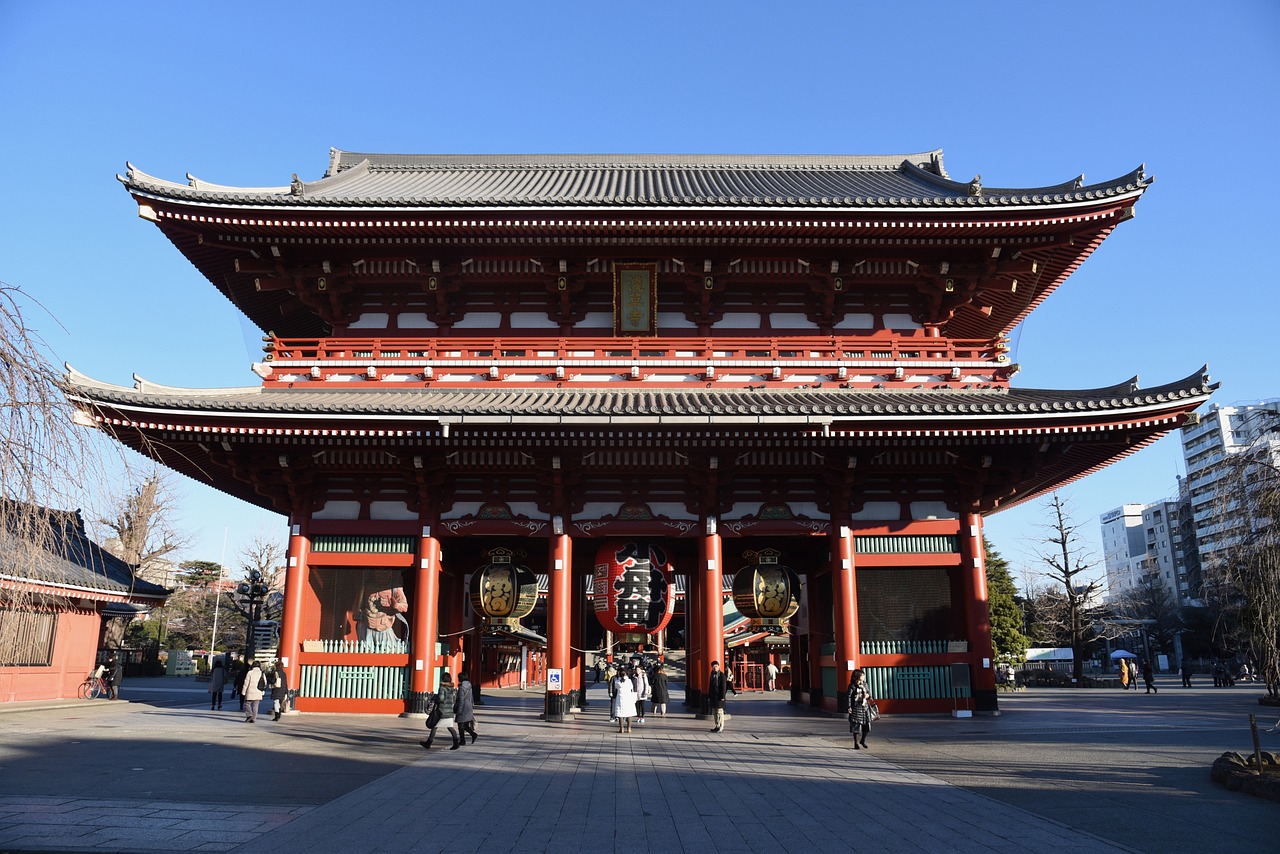
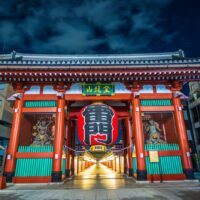
Miyakodori is in Asakusa, easily accessible via Tokyo Metro’s Ginza Line, Toei’s Asakusa Line, or Tsukuba Express—typically 15-25 minutes from Shibuya, Shinjuku, or Tokyo Station. Arriving early to explore streets around Senso-ji temple before your banquet enriches the experience.
- Tokyo Metro Ginza Line: Asakusa Station
- Toei Asakusa Line: Asakusa Station
- Tsukuba Express: Asakusa Station
- Travel time: 15–25 minutes from Shibuya, Shinjuku, or Tokyo Station
Geisha Experience in Tokyo: Prices, Duration & What to Expect
How much does a geisha experience in Tokyo cost?
At Miyakodori in Asakusa, prices range from ¥34,000 to ¥179,000 per person depending on the plan and group size — the 2-hour More Time with Geisha plan is the most popular entry point.
The 1-hour Geisha Highlights plan starts at ¥34,000 per person for groups of four or more (daytime). The 2-hour More Time with Geisha plan — the most popular choice — runs from ¥45,000 per person (groups of four) to ¥153,000 for a solo booking, including free-flow drinks. The 3-hour Geisha Kaiseki Dinner includes a full kaiseki dinner and starts at ¥106,000 per person for groups of four or more. All prices are per person, tax included. Rates are higher for solo or two-person bookings because geisha attendance (minimum two geisha for 1- and 2-hour plans) is fixed regardless of guest count.
How long does a geisha experience in Tokyo typically last?
A geisha banquet (ozashiki) at Miyakodori runs 1, 2, or 3 hours — with the 2-hour plan the standard choice for first-time international visitors.
The 1-hour Geisha Highlights plan covers a traditional dance performance, live shamisen music, and ozashiki parlor games. The 2-hour More Time with Geisha adds extended conversation time with English interpretation and free-flow drinks. The 3-hour Geisha Kaiseki Dinner is the most immersive: a full kaiseki dinner, two dance performances, extended ozashiki games, and a cultural exchange session — all in a private tatami room. Evening sessions begin at 17:30; daytime sessions are available from 14:00 for the 1- and 2-hour plans.
What actually happens at a geisha banquet (ozashiki) in Tokyo?
A geisha banquet at Miyakodori follows a structured sequence: entrance and greeting, classical dance to live shamisen, ozashiki asobi parlor games, conversation through an English interpreter, and a tejime closing ceremony.
Geisha enter and greet guests in the private tatami room, then perform a classical dance to live shamisen music. The evening’s centrepiece is ozashiki asobi — traditional parlor games played between geisha and guests, including coin-tossing contests, word games, and interactive drinking games that require no Japanese language skill to enjoy. In the 2- and 3-hour plans, free-flow drinks accompany the experience; the 3-hour plan adds a full kaiseki dinner. The evening closes with a group photo and a tejime — a traditional rhythmic hand-clap ceremony that marks a joyful shared occasion. An English-speaking interpreter accompanies every session.
Where exactly is the geisha experience located in Tokyo?
Miyakodori is in the Asakusa hanamachi (geisha district) of Taito, Tokyo — 15 to 25 minutes from Shibuya, Shinjuku, or Tokyo Station, and operating at this address since 1950.
The address is 3-23-10 Asakusa, Taito-ku, Tokyo — in the heart of Asakusa’s surviving hanamachi, or geisha district. Asakusa is easily reached via the Tokyo Metro Ginza Line, Toei Asakusa Line, or Tsukuba Express, all stopping at Asakusa Station. Unlike most geisha experiences offered through tour operators in rented spaces, Miyakodori is the actual venue — a machiai-chaya (banquet tea house) that has operated continuously in Asakusa since 1950, making it one of only two remaining licensed ozashiki venues in the district.
Do I need to speak Japanese to enjoy a geisha banquet in Tokyo?
No Japanese is required — every session at Miyakodori includes a dedicated English-speaking interpreter, and ozashiki parlor games are designed to be enjoyed across any language barrier.
Every session at Miyakodori includes an English-speaking interpreter who facilitates conversation between guests and geisha, explains the cultural significance of each part of the evening, and guides guests through ozashiki games. The geisha’s dance and shamisen performance are non-verbal art forms that transcend language entirely. Most international guests find that the ozashiki games communicate warmth and laughter without a single word of translation. “Watching kids, parents, and grandparents all playing games together at our ozashiki — that’s when I realized: a sense of joy is universal,” says the okami of Miyakodori. “When people think of Asakusa, I want them to think of Miyakodori — whether they’re from Japan or anywhere in the world,” she adds, reflecting on 27 years as an Asakusa geisha before becoming proprietress of the tea house.
Geisha Performance or Geisha Banquet? How to Choose the Right Experience in Asakusa
Asakusa offers two distinct ways to encounter geisha culture — and knowing the difference helps you choose the experience that fits your visit.
| Feature | Geisha Performance | Geisha Banquet (Ozashiki) at Miyakodori |
|---|---|---|
| Duration | Approx. 60 minutes | 1, 2, or 3 hours |
| Format | Seated stage performance | Private tatami room — fully interactive |
| Food & drinks | Not included | Free-flow drinks (2–3 hr plans); kaiseki dinner (3 hr plan) |
| Geisha interaction | Watch & photograph | Play traditional games, converse through interpreter |
| Ozashiki games (asobi) | Not included | Included in all plans |
| Language support | Japanese | English interpreter in every session |
| Suitable for | First-time visitors, short stopovers | Guests seeking an immersive cultural experience |
| Price range (per person) | Fixed rate | From ¥34,000 (groups of 4+, 1 hr) |
| Setting | Public stage performances (dates announced by the Asakusa kenban) | Machiai-chaya (private banquet house), est. 1950 |
Asakusa offers two distinct ways to encounter geisha culture. Asakusa’s geisha also give public performances from time to time; the Asakusa kenban’s own announcements list upcoming dates. A geisha banquet (ozashiki), as hosted at Miyakodori since 1950, is a different kind of experience: you are not an audience, you are a guest. Geisha sit at your table, pour drinks, lead you through ozashiki asobi parlor games, and — through an English interpreter — share stories of a world that has existed in Asakusa for over three centuries. If you have one afternoon to meet geisha, a performance is a fine beginning. If you have an evening and want to understand why ozashiki culture has endured, a banquet is where that answer lives.
Further Reading: Explore Geisha Culture in Depth
- The Complete History of Geisha in Tokyo — from Edo-period origins to Asakusa today
- The Complete Geisha Knowledge Guide — training, hierarchy, kimono, and daily life
- The Shamisen: Japan’s Three-Stringed Lute & the Soul of Geisha Music
- Ozashiki Games: Unlocking the Secrets of Geisha Parlor Games
- The Complete Guide to Geisha Dance
- Ultimate Guide to Geisha Dinner in Tokyo
- Tokyo Geisha & Tea Ceremony Experience
- How to Book a Geisha Experience in Tokyo
- How Long Is a Geisha Experience?
- Real Geisha Stories
- Geisha Experience in Tokyo
- authentic geisha experience vs. tourist makeover
- best geisha experiences in Tokyo
- geisha etiquette guide for the tatami room
- Geisha performance in Tokyo: the complete guide to ozashiki
- Traditional Japanese culture experience: a 2026 travel guide
- Tokyo experience gifts: unforgettable cultural gift ideas in Japan
- The Real Meaning of Geisha in Japan: History, Life, and Modern Traditions
Private Geisha Experience in Asakusa, Tokyo
Now that you know what to expect — experience it for yourself. Book a private ozashiki banquet and step into the living tradition of Asakusa’s hanamachi.
At Miyakodori, an intimate evening of graceful dance, live shamisen, and warm geisha hospitality awaits — in a setting that has remained unchanged for generations.
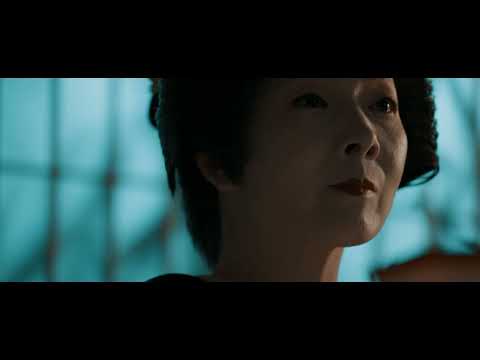
Watch: A Geisha Evening at Miyakodori (Official PV)
Request Your Private Ozashiki
Secure online booking through our reservation form. First-time guests welcome.
- Private Ozashiki :An intimate, refined encounter with authentic Asakusa geisha.
- Traditional Geisha Artistry:Graceful dance, live shamisen, and interactive ozashiki games.
- Historic Hanamachi Setting:A timeless cultural experience in the heart of Asakusa.
- English Support Available :Attentive assistance for international guests throughout your visit.
Only 2 licensed venues remain in Asakusa — early reservation is recommended.


- Geisha in Tokyo: The Complete History Guide
- The Shamisen: Japan's Three-Stringed Lute and the Soul of Geisha Music
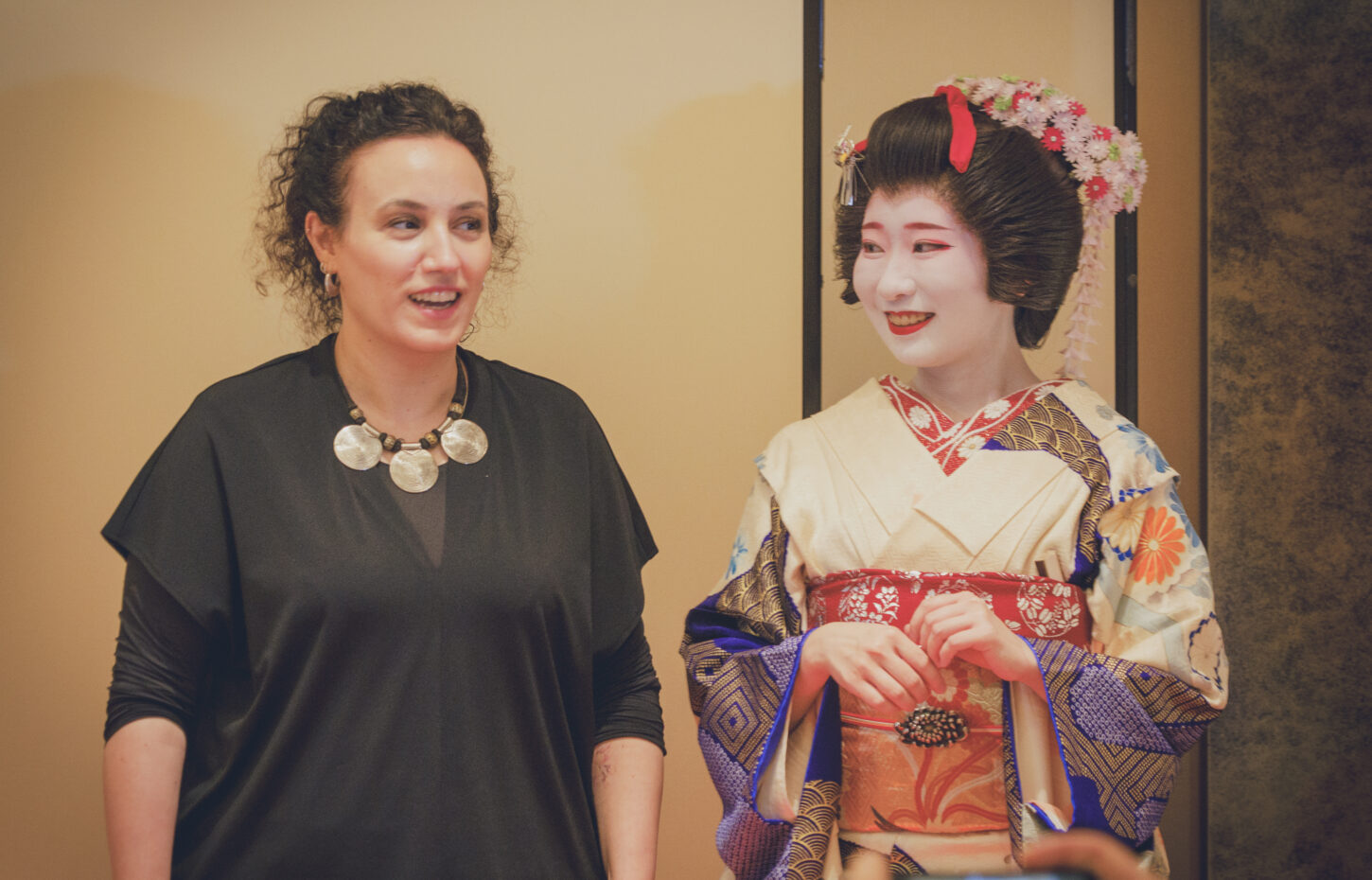
1,060 to 20: A Third-Generation Owner on What Changed in Asakusa’s Geisha World
Japanese Culture vs American Culture: A Traveler’s Guide
Geisha Show in Tokyo: Where to See an Authentic Geisha Performance in Asakusa
Geisha Hairstyles: Nihongami, Wigs, and What Asakusa Geisha Wear Today
Geisha Instruments: The Music Behind the Ozashiki
Asakusa Geisha Culture: How-to & Etiquette Q&A【Miyakodori】
Comment ( 0 )
Trackbacks are closed.

No comments yet.