



Beyond “Geisha Girls”: Understanding Japan’s Traditional Artists of the Flower and Willow World
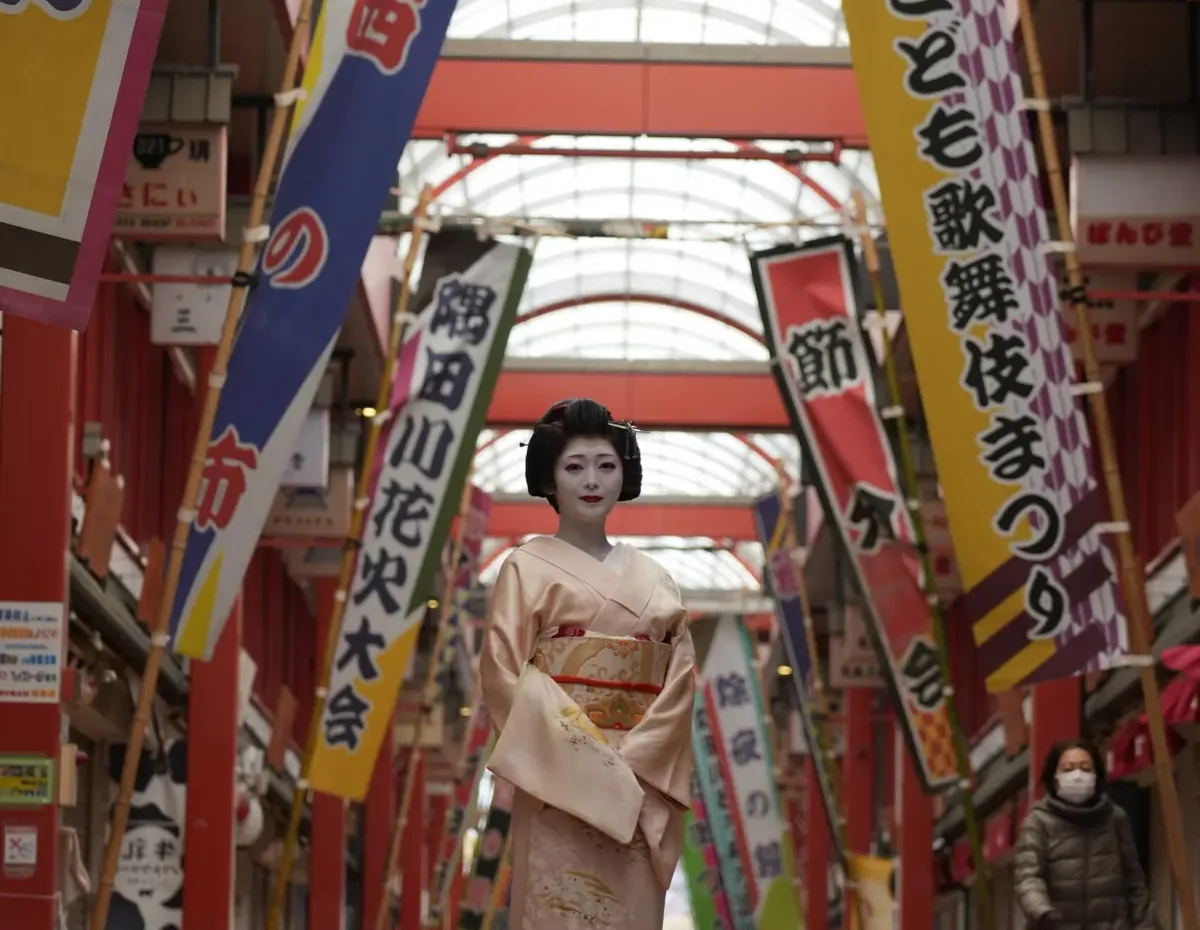
When international travelers plan a trip to Japan, one cultural icon stands out above the rest: the geisha. Images of white-painted faces, silk kimono, and elaborate hairstyles capture the imagination. However, a common search term used by visitors—”geisha girls”—often reveals a gap in understanding regarding who these women truly are.
To the uninitiated, the term “geisha girls” might seem like a harmless descriptor. However, within the world of Japanese tradition, it is a phrase loaded with historical misconceptions. In reality, these women are highly trained artisans, masters of music and dance, and custodians of centuries-old hospitality.
In this comprehensive guide, we will peel back the layers of myth to reveal the true geisha experience. We will explore their rigorous training, the true meaning of their profession, and how to appreciate their art form during your visit to Tokyo and beyond.
1. De-mystifying the Term: Why “Geisha,” Not “Geisha Girls” 🎭
If you search for “geisha girls” online, you are likely looking for the traditional female entertainers of Japan. It is important to correct the terminology to fully respect the culture.
The Meaning of the Word
The word geisha consists of two Japanese characters: Gei (Art) and Sha (Person). Therefore, the literal translation is “Artist” or “Person of the Arts.”
- Geisha: The most common term used in Tokyo and eastern Japan.
- Geiko: The term used in Kyoto, meaning “Woman of Art.”
The phrase “geisha girls” is an English-language invention that became popular in the mid-20th century. It often led to a misunderstanding of their role. True geisha are not casual entertainers; they are professionals who have dedicated their lives to the perfection of traditional arts. When you meet them, you are meeting masters of conversation and performance.
2. The Path of Discipline: The Making of an Artist
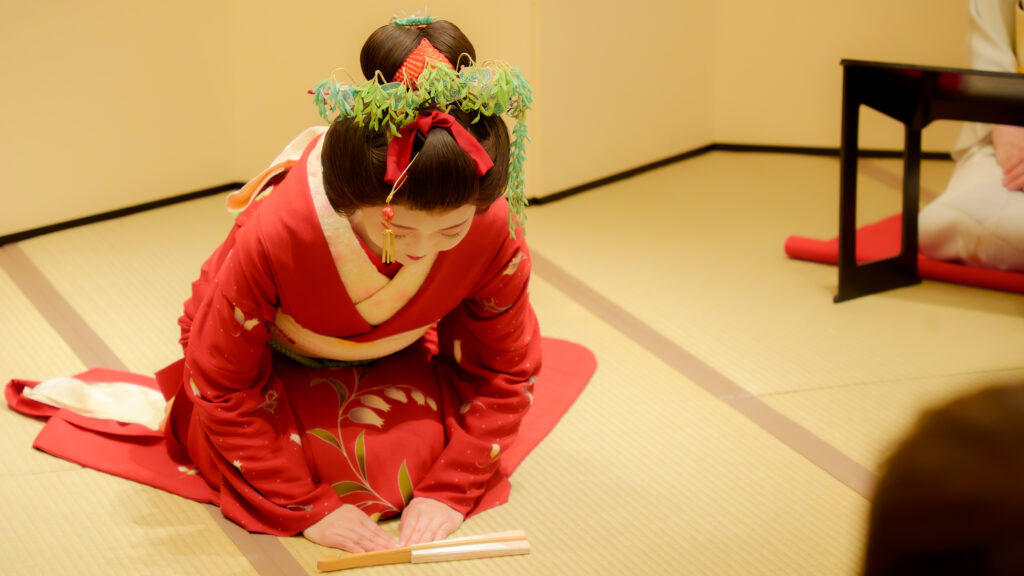
The career path to becoming a geisha is one of the most grueling in the arts world. It is not a hobby; it is a profession that requires total dedication.
The Stages of Training
Training begins at a young age. In the past, it started as early as age six. Today, in modern Tokyo, young women usually begin their journey after completing junior high school or high school.
- Shikomi (Preparation): The first stage involves learning the basics of etiquette, comportment, and daily life in the Okiya (geisha house). It is a period of observation and discipline.
- Minarai (Learning by Watching): The apprentice begins to observe banquets. She learns how to serve tea or beverages and how to interact with guests gracefully.
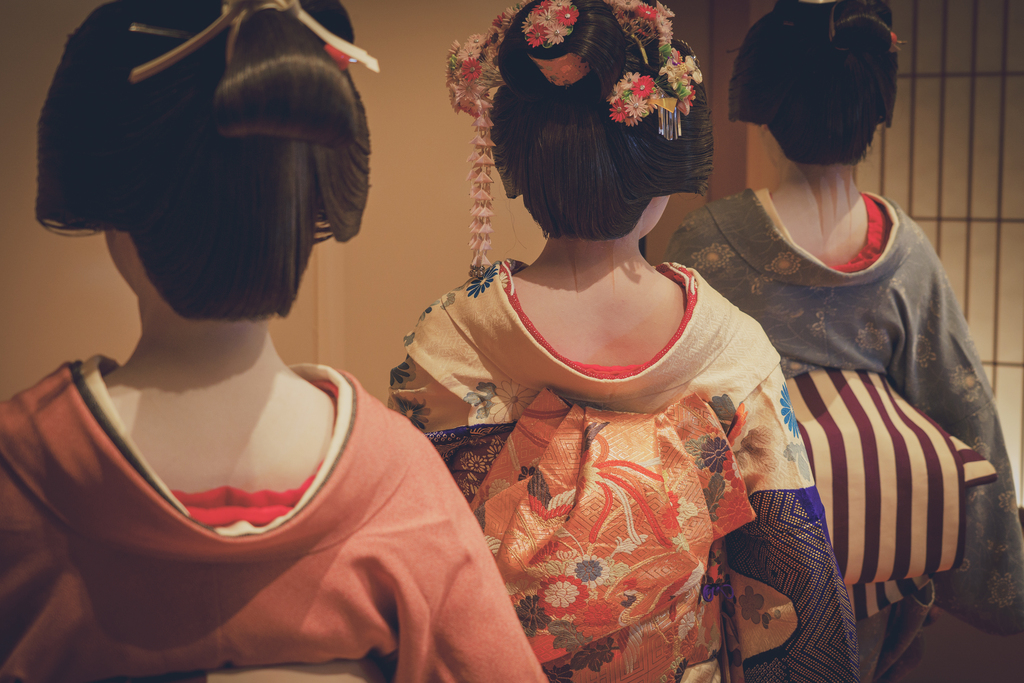
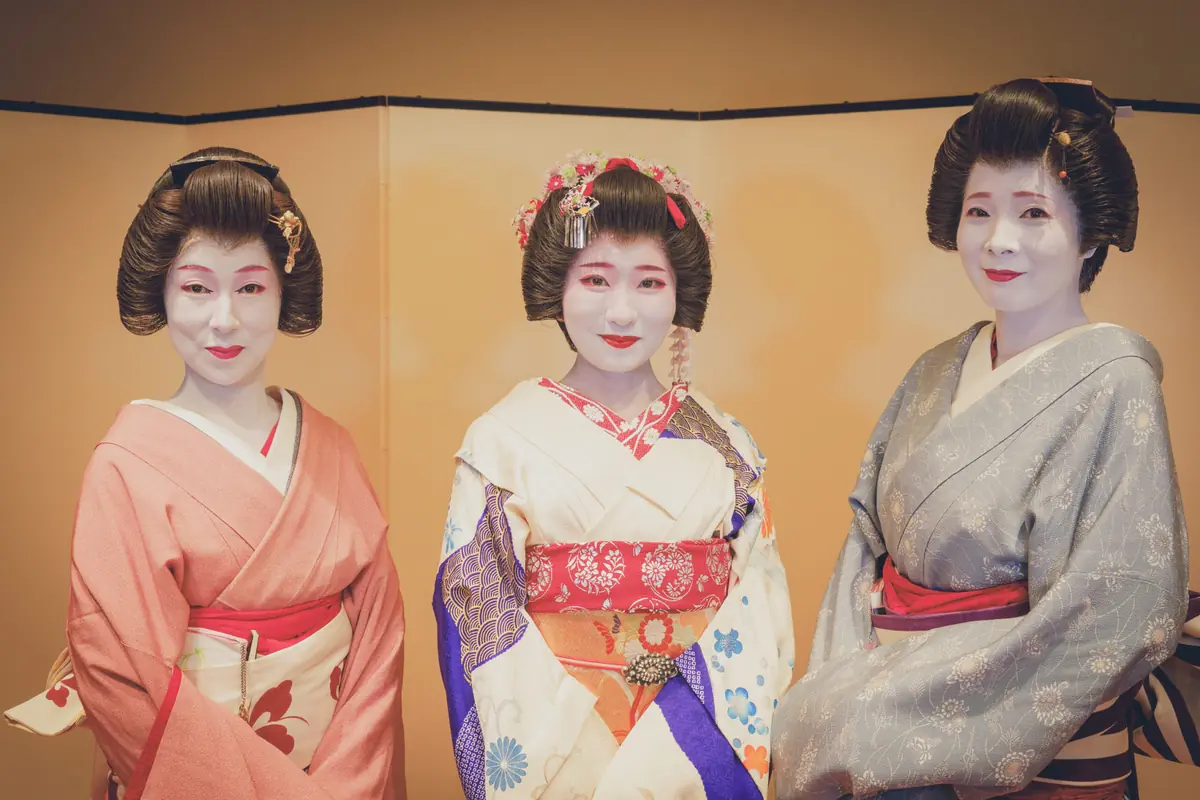
- Hangyoku / Maiko (Junior Geisha): In Tokyo, a junior geisha is called a Hangyoku (half-jewel). She wears a colorful, long-sleeved kimono (furisode) and distinctive makeup. Her focus is on intensive learning of dance and instruments.
- Geisha (Professional): With years of experience — and no exam — the hangyoku becomes a full geisha; in Tokyo this step is simply called “becoming ippon.” Her appearance changes to a more subtle, sophisticated style. She wears a wig (katsura) and a chic kimono. Her conversation becomes her most powerful tool for hospitality.
3. The Arts of the Geisha: Music, Dance, and Conversation
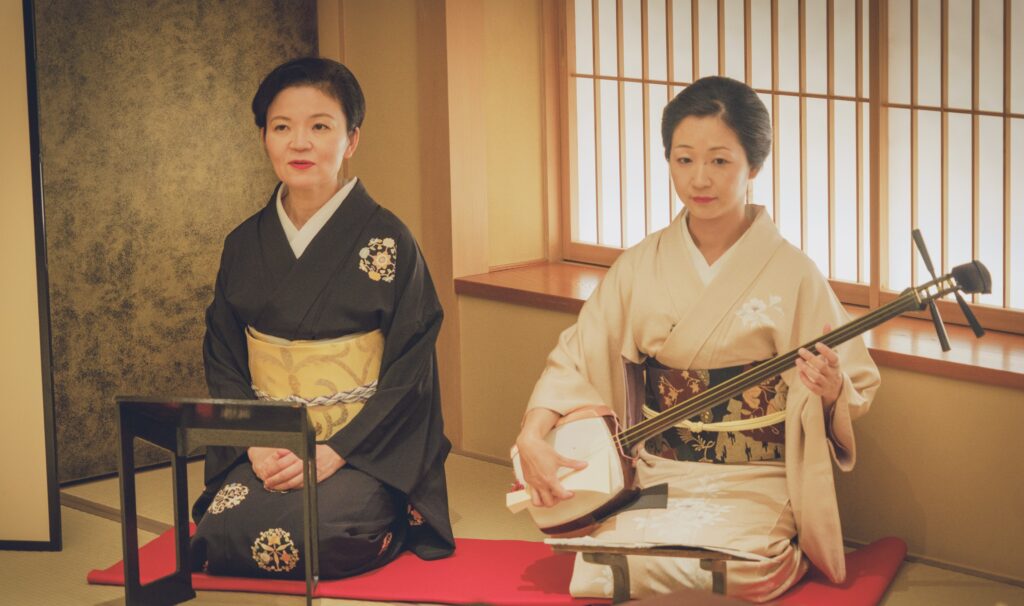
A geisha is a living repository of traditional Japanese culture. Her value lies in her ability to perform specific arts to a professional standard.
Traditional Dance (Nihon Buyo)
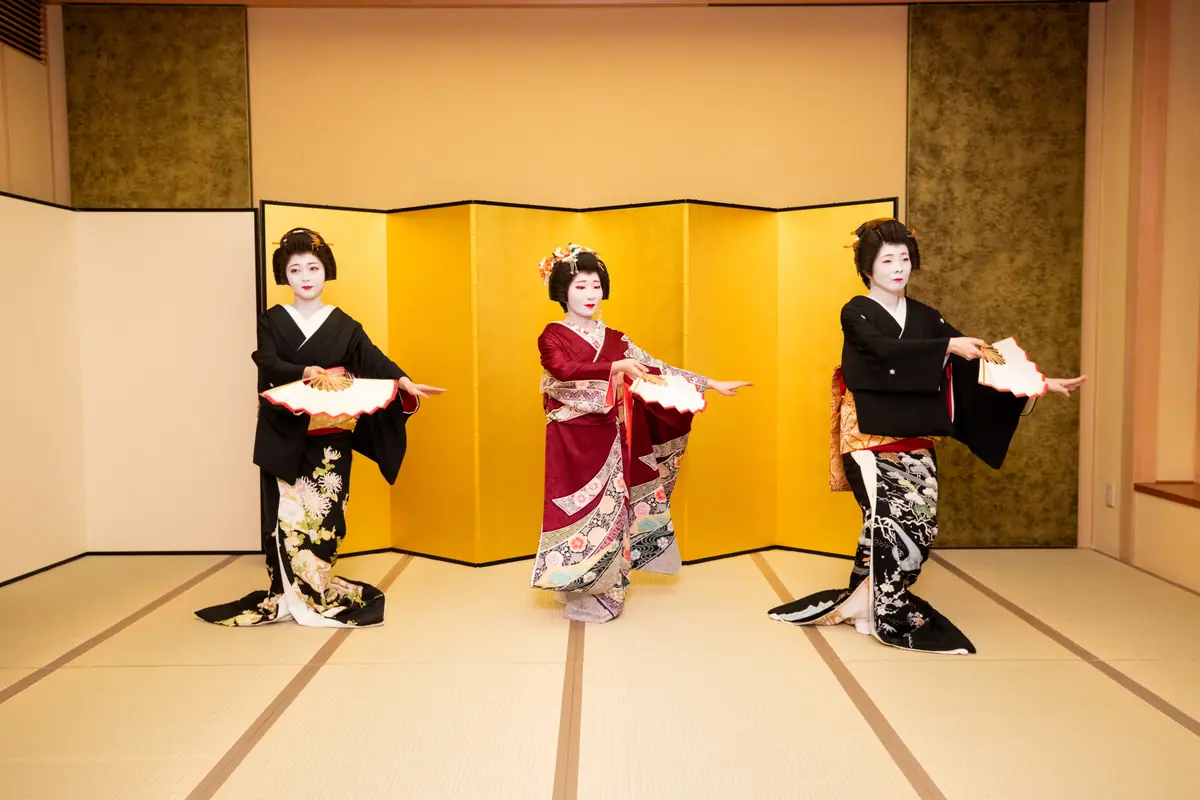
Dance is the heart of the profession. Geisha perform classical dances that have been passed down for generations. These dances use fans and subtle gestures to tell stories of the seasons, nature, and folklore.
Music (Shamisen and Uta)
Every geisha must master traditional instruments. The most important is the shamisen, a three-stringed instrument played with a plectrum. The sound of the shamisen defines the atmosphere of a traditional banquet. They also learn traditional singing (uta) and percussion instruments like the taiko drum.
The Art of Conversation
Perhaps the most underrated skill is conversation. A geisha must be well-read and witty. She must be able to entertain diverse groups of people, ensuring that conversation flows smoothly and everyone feels welcome. This social intelligence is what separates a true geisha from a simple performer.
4. The Male Origins: The Taikomochi
It surprises many people to learn that the first “geisha” were actually men. In the 1600s, during the early Edo period, male entertainers called Taikomochi (drum bearers) or Hokan worked to entertain guests with jokes, storytelling, and artistic performances.
Female geisha appeared later. They became so popular that they eventually took over the term. Today, there are very few Taikomochi left in Japan, making them a rare and treasured part of the tradition in Tokyo.
5. The “Ozashiki” Experience: The Private Banquet
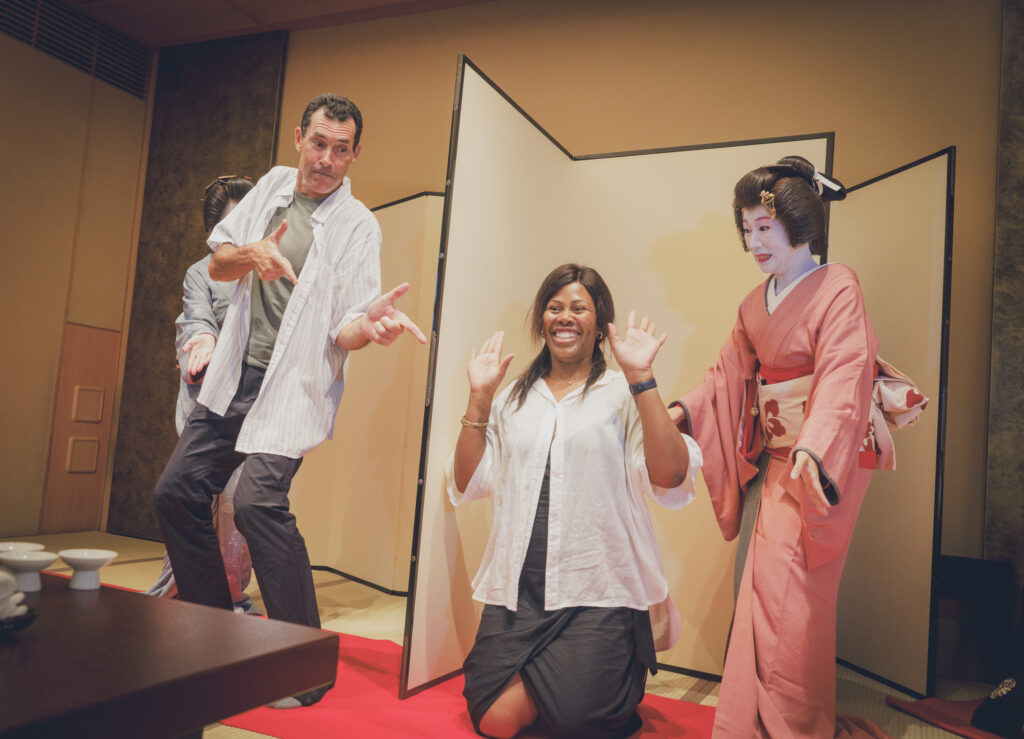
The primary workplace of a geisha is the Ozashiki. This term refers to a traditional tatami room, usually within a high-end restaurant known as a Ryotei.
A World of Omotenashi
An Ozashiki is a private gathering where geisha perform and share conversation and games with you.
- Kaiseki Cuisine: Guests are served a seasonal multi-course meal, which is an art form in itself.
- Performance: As guests dine, the geisha will perform dances accompanied by live music. This is not a recording; it is a private concert.
- Play: After the formal performance, the atmosphere relaxes. Geisha lead guests in traditional parlor games (ozashiki asobi). These games are simple, rhythmic, and designed to induce laughter and camaraderie.
Exclusivity Today
Historically, these banquets were strictly “invitation only.” However, in modern Tokyo, the culture is evolving. Many establishments now welcome international visitors who wish to experience this tradition respectfully, allowing a wider audience to appreciate the art form.
6. Etiquette: How to Respect the Tradition
If you are lucky enough to encounter a geisha or attend a banquet, knowing the proper etiquette is essential.
- Photography: In a private room, you are usually welcome to take photos with the geisha after asking for permission. However, on the street, never stop a geisha or block her path to take a photo. She is a professional on her way to work.
- Touching: Never touch a geisha’s kimono, wig, or hair ornaments. These are incredibly expensive and fragile items.
- Respect: Treat them as the highly skilled professionals they are. The term “geisha girls” should be avoided in conversation, as “Geisha-san” or “Geiko-san” is the respectful form of address.
7. Conclusion: Preserving the Soul of Japan
The term “geisha girls” belongs to the past. Today, we recognize these women as artists, musicians, and the keepers of Japanese tradition.
Whether you see a dance performance on a stage or experience a private dinner in Tokyo, you are witnessing a living history. By understanding their training and respecting their art, you help ensure that this beautiful aspect of Japanese culture continues to thrive for generations to come.
Experience graceful performances, warm hospitality, and a timeless atmosphere where Japan’s living traditions come to life.
- Private Ozashiki: An intimate, refined encounter with authentic Asakusa geisha.
- Traditional Geisha Artistry: Elegant dance, live shamisen music, and interactive ozashiki games.
- Historic Machiai-chaya Setting: A sophisticated cultural experience in a traditional machiai-chaya setting.
- English Support Available: Assistance for international guests throughout your visit.


- The Ultimate Guide to Geisha Dinner in Tokyo: Experience Authentic Japanese Culture, Cuisine, and Entertainment in 2026
- The Asakusa Geisha District: A Journey Through Time, Tradition, and Authentic Experiences
1,060 to 20: A Third-Generation Owner on What Changed in Asakusa’s Geisha World
Traditional Japanese Games: From Shogi to Geisha Parlor Play

Asakusa Geisha Culture: Knowledge Q&A【Miyakodori】
Geisha Shows in Tokyo: Where to See Geisha, and How Tokyo Compares with Kyoto
The Ultimate Guide to Geisha Districts in Tokyo
Geisha Photoshoots in Tokyo: Asakusa’s Best Experiences
Comment ( 0 )
Trackbacks are closed.

No comments yet.