



Geisha Performance in Tokyo: The Complete Guide to Ozashiki
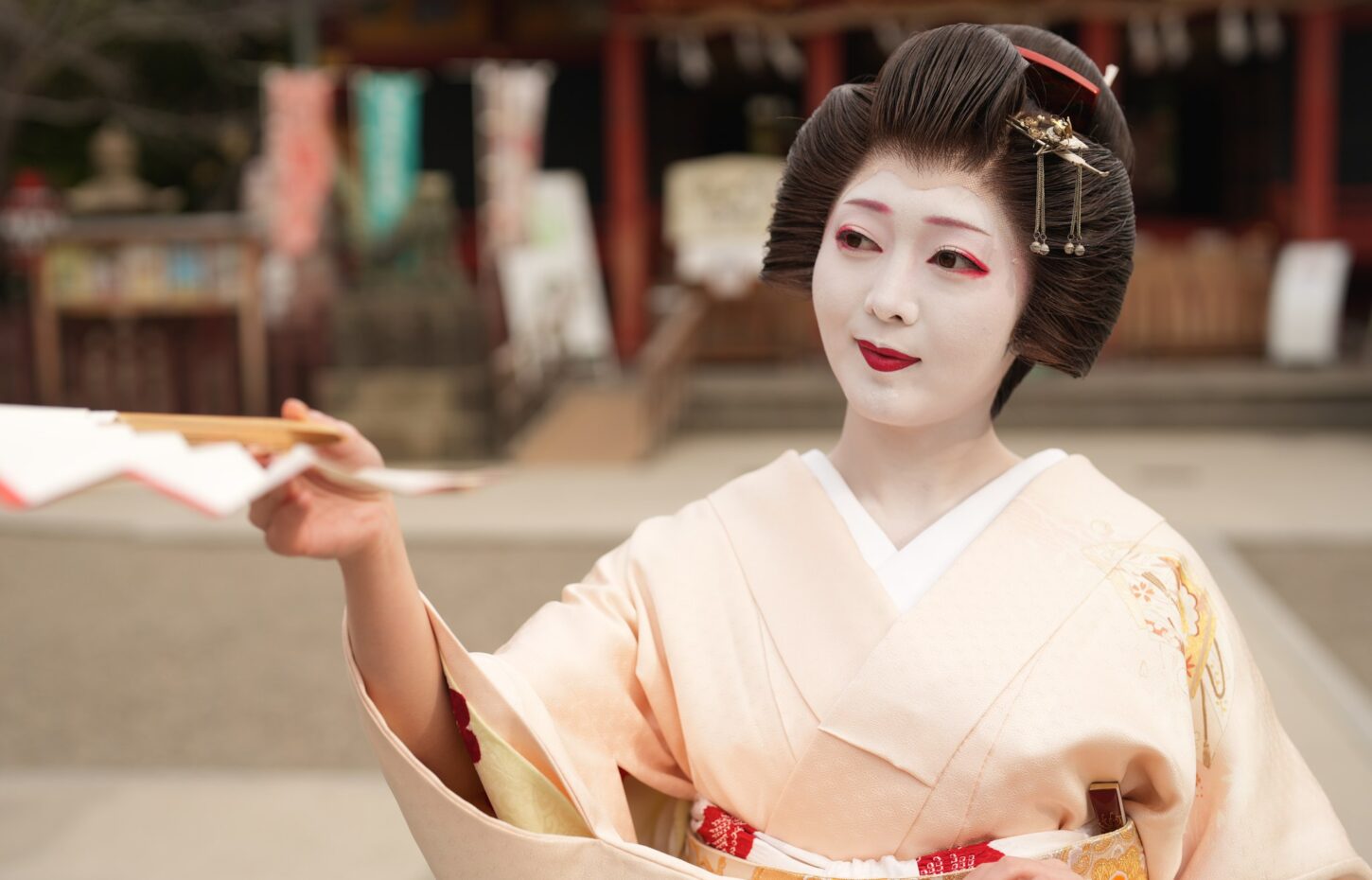
When people think of traditional Japan, their minds often drift to the historic streets of Kyoto, filled with ancient temples and the fleeting sight of a woman in a gorgeous kimono. However, you don’t have to travel all the way to Kyoto to witness this living art form. Tokyo, the bustling modern capital, holds a deeply rooted and vibrant geisha culture that dates back over a century. For international travelers, a geisha performance in Tokyo offers an unmatched window into the elegant world of traditional Japanese hospitality and performing arts.
Finding an authentic experience can feel overwhelming. With so many options available today, it is easy to encounter experiences that only scratch the surface of this culture. This guide will help you understand the history, the cultural nuances, and the practical steps to book a genuine encounter with Tokyo’s premier traditional entertainers. You’ll learn what to expect during a private performance, how to respect local etiquette, and where to find the most welcoming venues for an unforgettable evening.
What is a Geisha? History, Art, and Lifetime Dedication
To truly appreciate a geisha performance, one must first understand what the term literally means. In Japanese, the word is composed of two characters: gei, meaning art or talent, and sha, meaning person. A geisha is literally a person of art — a highly trained professional entertainer who dedicates her career to mastering traditional Japanese arts, including classical dance, singing, and playing the shamisen, a three-stringed musical instrument.
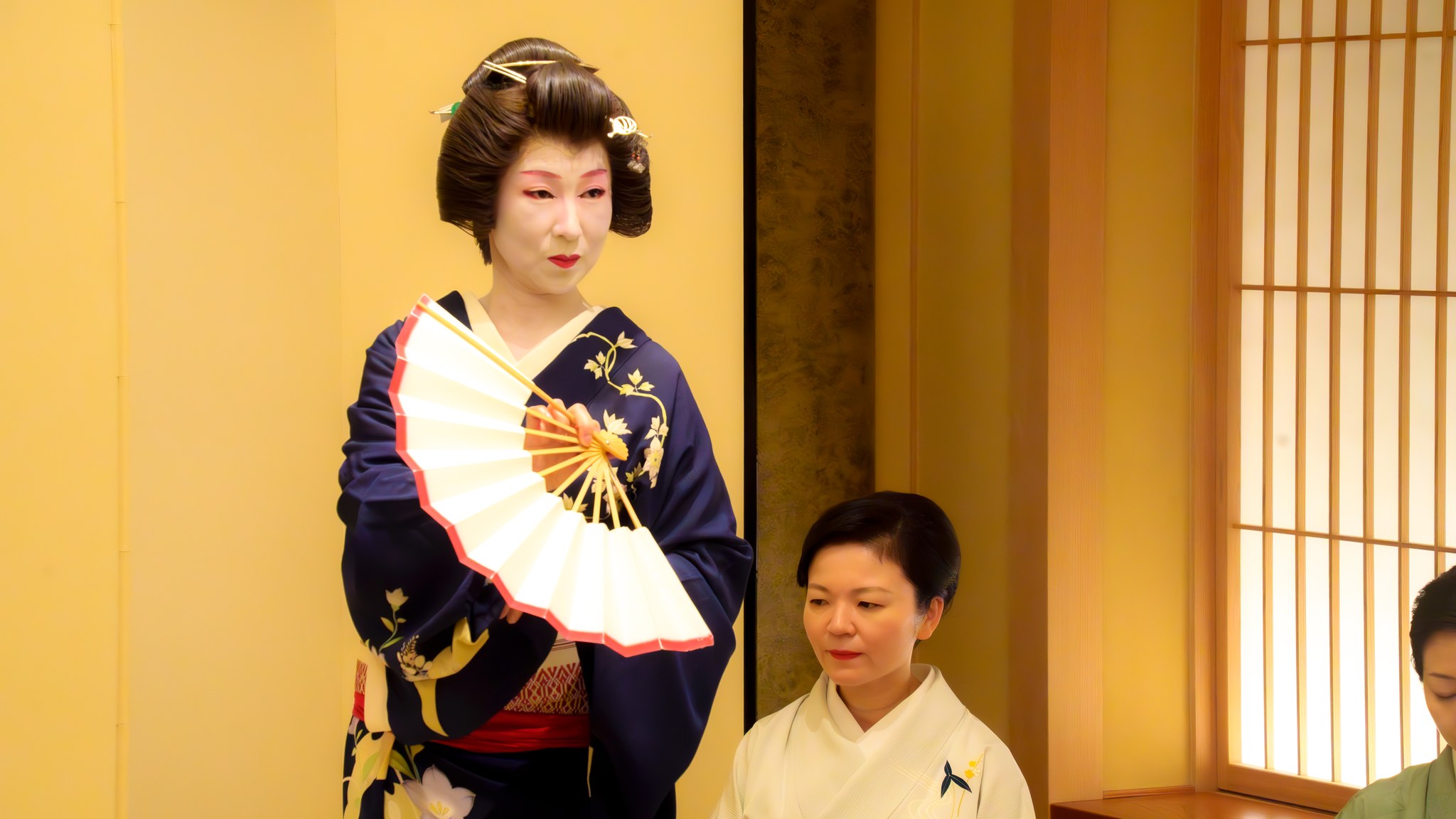
The history of this unique profession began during the Edo period, when Tokyo was known as Edo and served as the political center of Japan. In the 18th century, the first performers who called themselves geisha were actually men who entertained guests at tea houses and local festivals with music and conversation. Over time, women took over the profession, transforming it into the highly refined cultural institution we know today.
Becoming a fully qualified professional requires years of rigorous training. Young women enter the community and live in a specialized building called an okiya. Here, they learn the strict rules of etiquette, the proper way to wear a traditional kimono, and the delicate art of conversation. Their daily schedule involves hours of practice, perfecting their dancing and musical skills. This dedication ensures that every movement on stage or inside a private room carries the weight of history — separating a true geisha from casual performers found in tourist shows.
Tokyo Geisha vs. Kyoto Geiko and Maiko
Many visitors use the terms geisha and maiko interchangeably, but there are distinct differences depending on the region and stage of training. In Kyoto, fully trained professionals are called geiko, while their young apprentices are known as maiko. Kyoto’s culture developed around the imperial court, resulting in a performance style that is gentle, elegant, and deeply traditional — reflecting the aesthetic known as miyabi.
In contrast, Tokyo’s geisha culture evolved in a samurai society. This background created a style that values independence, wit, and a sharp, stylish aesthetic called iki. Tokyo performers are known for being approachable, engaging, and excellent at maintaining a lively conversation with guests from all backgrounds. Young apprentices in Tokyo are called hangyoku — meaning “half-jewel” — referring to the traditional practice where they received half the entertainment fee of a fully trained professional.
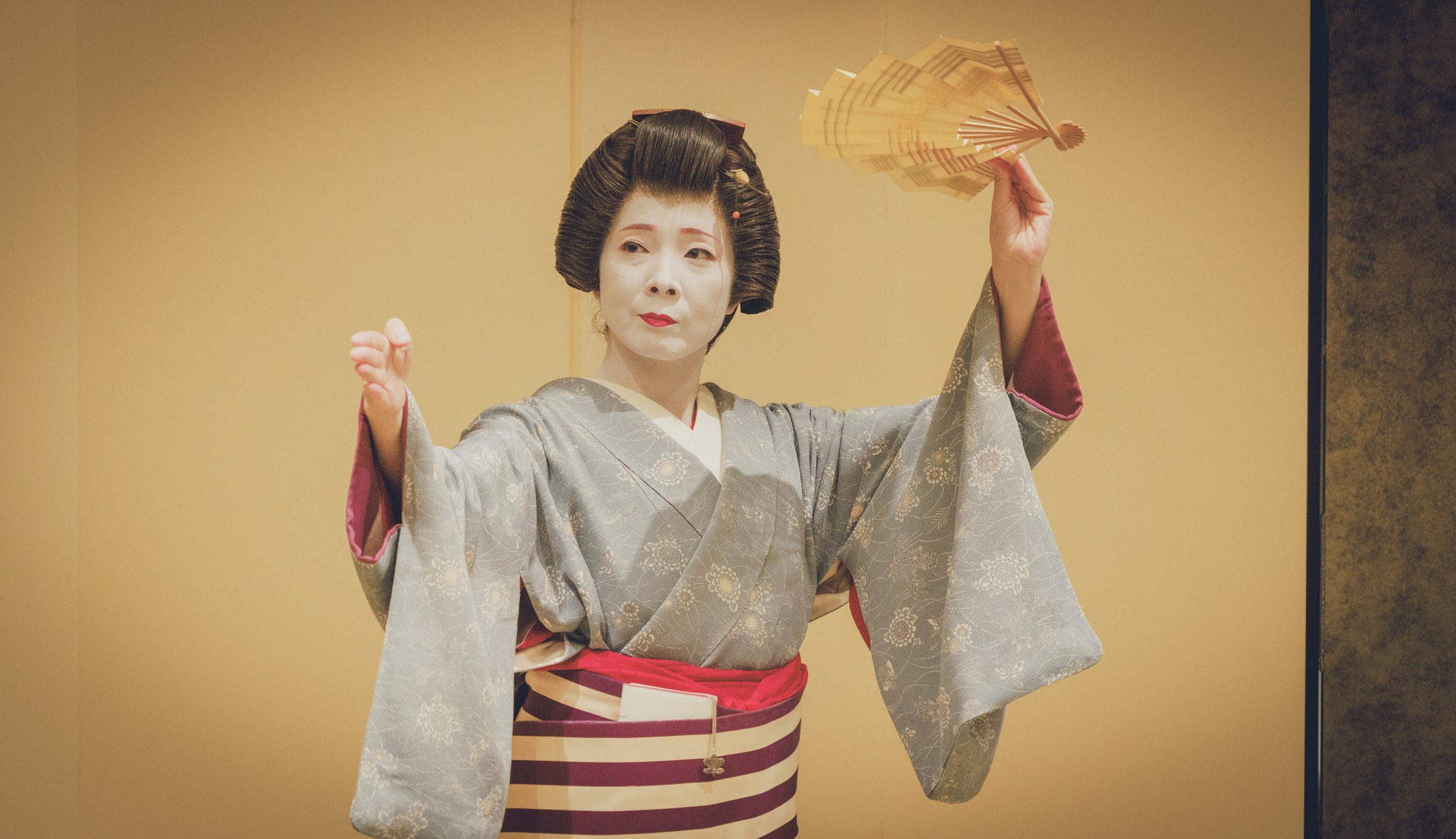
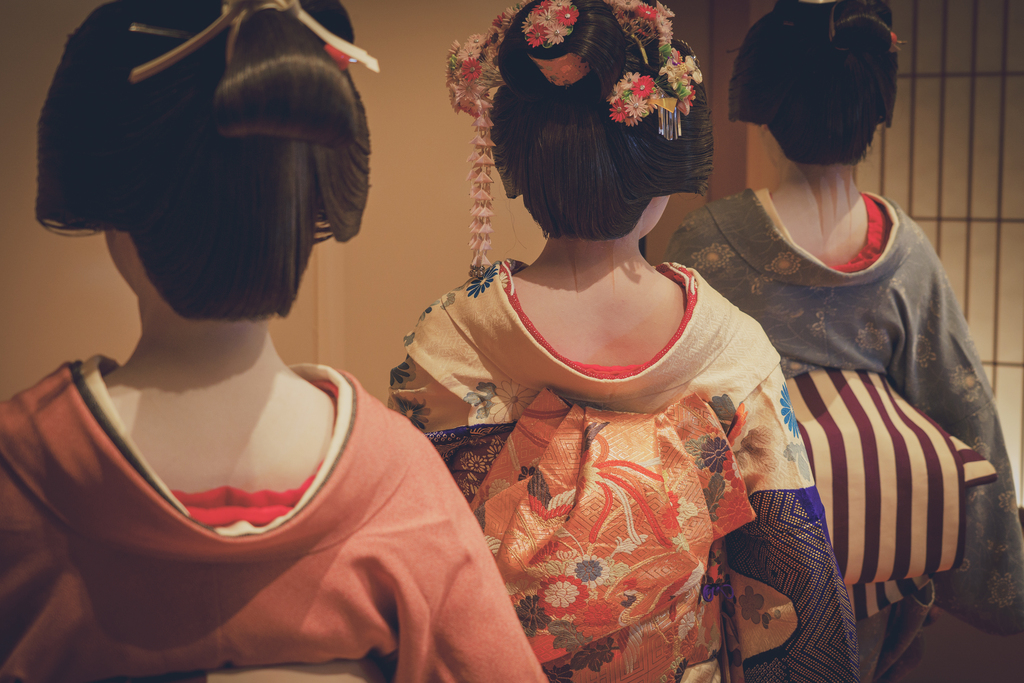
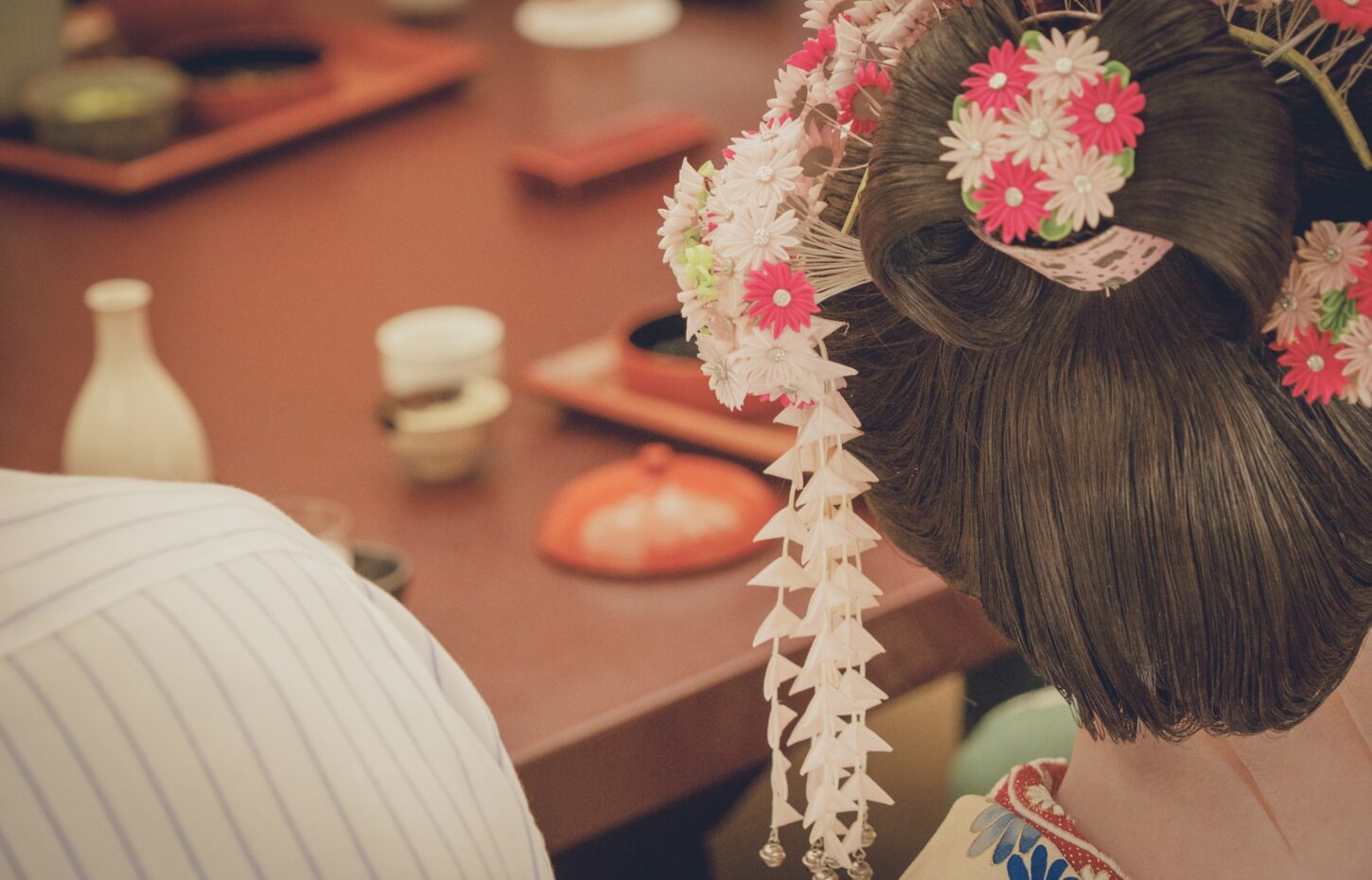
While a maiko in Kyoto wears an elaborate kimono with long sleeves and natural hair styled into intricate shapes, a hangyoku in Tokyo displays a vibrant appearance with subtle differences in attire and performance style. Understanding these regional identities enriches the experience and reveals Japan’s diverse cultural landscape. To learn more about the distinctions, see our guide on geisha appearance and training.
Exploring Tokyo’s Six Hanamachi (Flower Towns)
The areas where geisha live, train, and work are known as hanamachi — literally “flower towns.” Today, Tokyo preserves six historic hanamachi where the tradition continues to thrive: Shimbashi, Akasaka, Kagurazaka, Mukojima, Yoshicho, and Asakusa. Each has developed its own unique atmosphere and historical relationship with the city.
Shimbashi and Akasaka have historically been close to government and business quarters, becoming popular among politicians and corporate leaders who required privacy for high-level meetings. Kagurazaka, with its stone-paved alleys, maintains a sophisticated and artistic atmosphere.
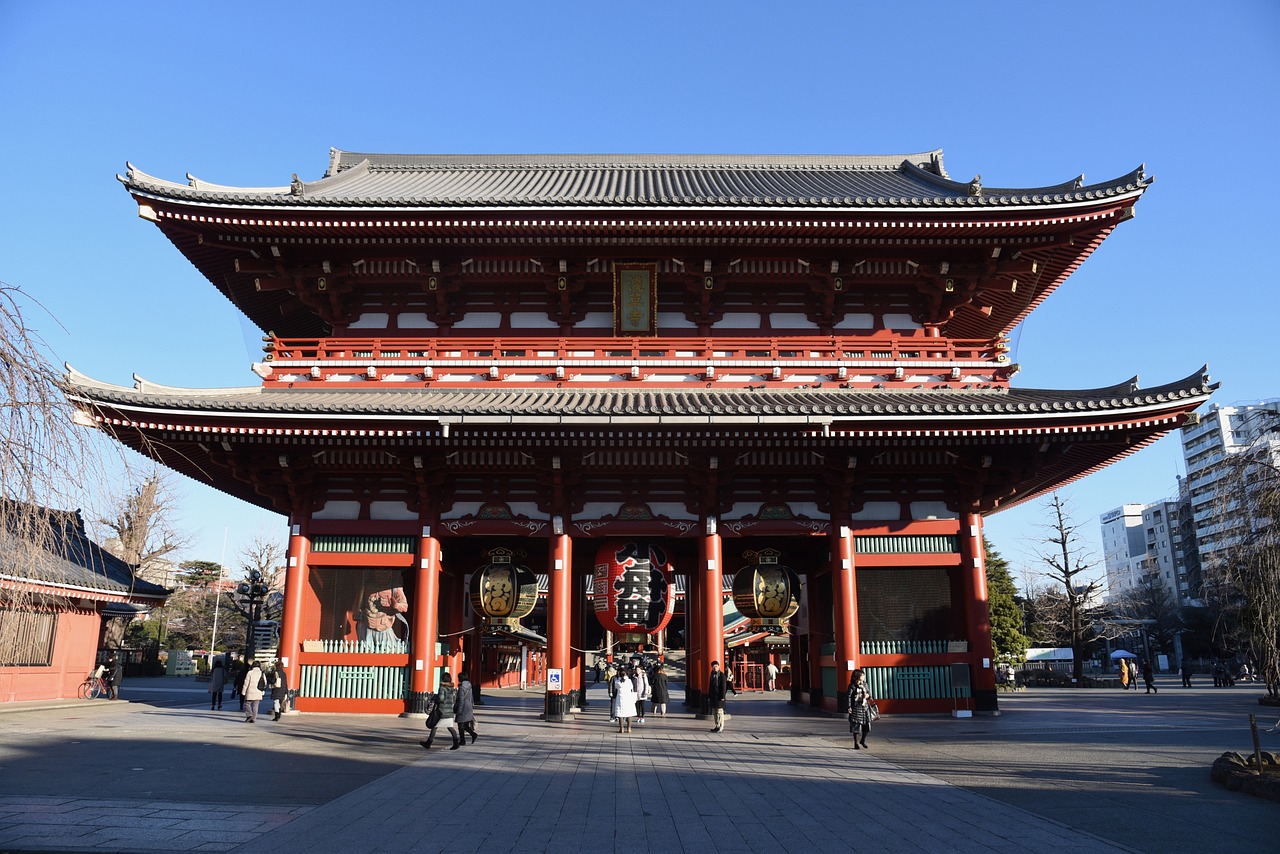
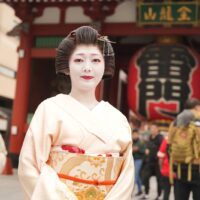
Among these six areas, Asakusa stands out as a uniquely welcoming location. Centered around Senso-ji, Tokyo’s oldest Buddhist temple, Asakusa has long been a center of popular culture and community life. Unlike more exclusive districts that catered primarily to a political elite, the Asakusa hanamachi grew alongside the local community — developing an open, inclusive atmosphere where people of various backgrounds could gather to enjoy traditional arts. This makes Asakusa the ideal location for international visitors seeking a genuine cultural experience. For a deeper dive into the district’s history, see our Asakusa Geisha District guide.
What to Expect: Inside an Authentic Tokyo Geisha Performance
An evening featuring a geisha performance is much more than a stage show — it is an immersive cultural event inside an intimate setting called an ozashiki. An ozashiki banquet takes place in a private room with tatami flooring, where guests enjoy premium food and drinks while interacting directly with the performers.
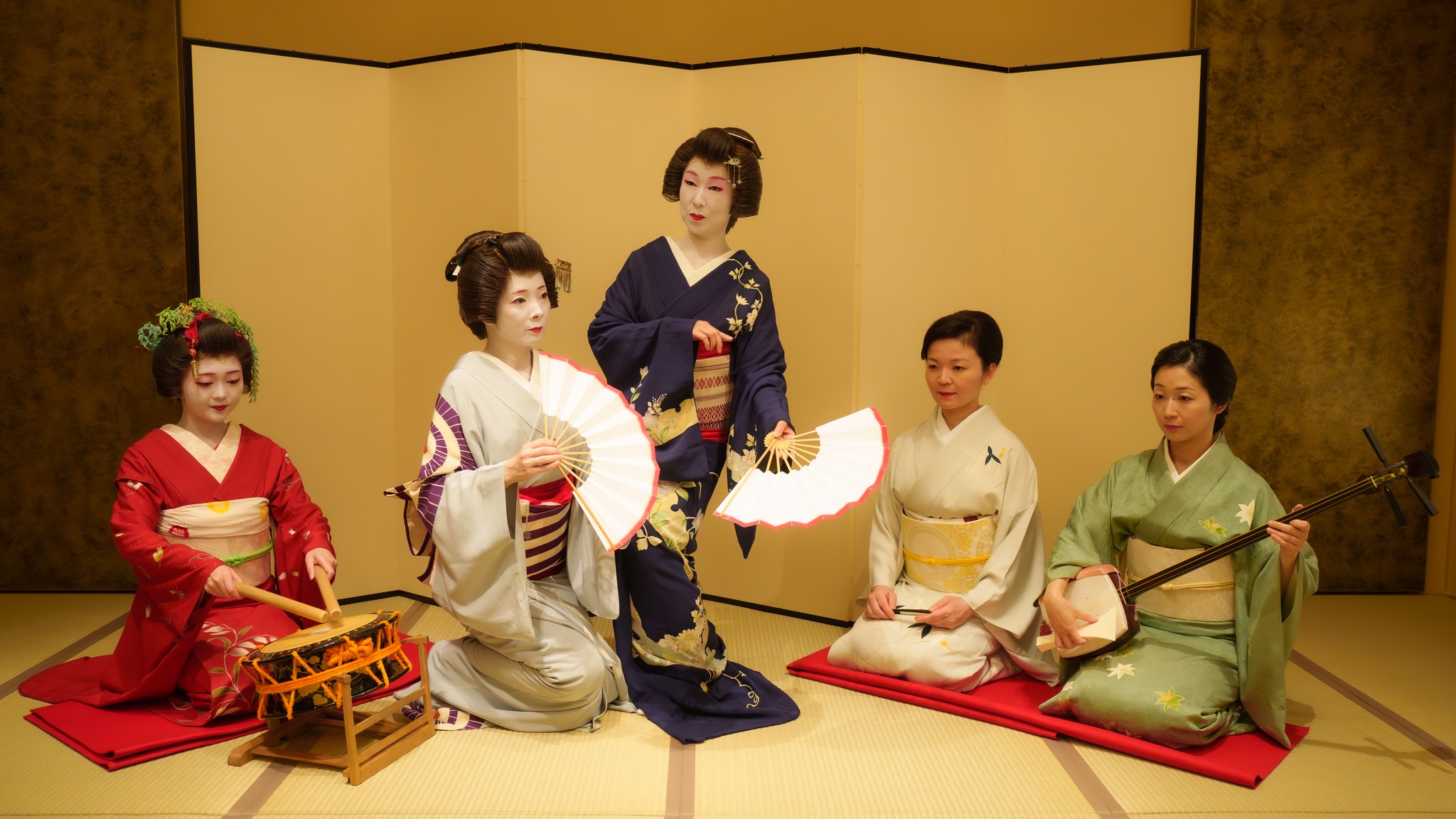
When you book a private session, the experience follows a time-honored structure. Upon arrival at a machiai-chaya — a traditional banquet house — you will be welcomed into a beautiful private room. The geisha join you immediately, serving seasonal drinks and engaging you in warm conversation. If you don’t speak Japanese, their expert training allows them to put guests at ease through hospitality and gestures, often with the assistance of an English guide or translator. The geisha remain in your room for the entire duration of your plan, ensuring a deeply personal experience.
Classical Dance and Shamisen Music
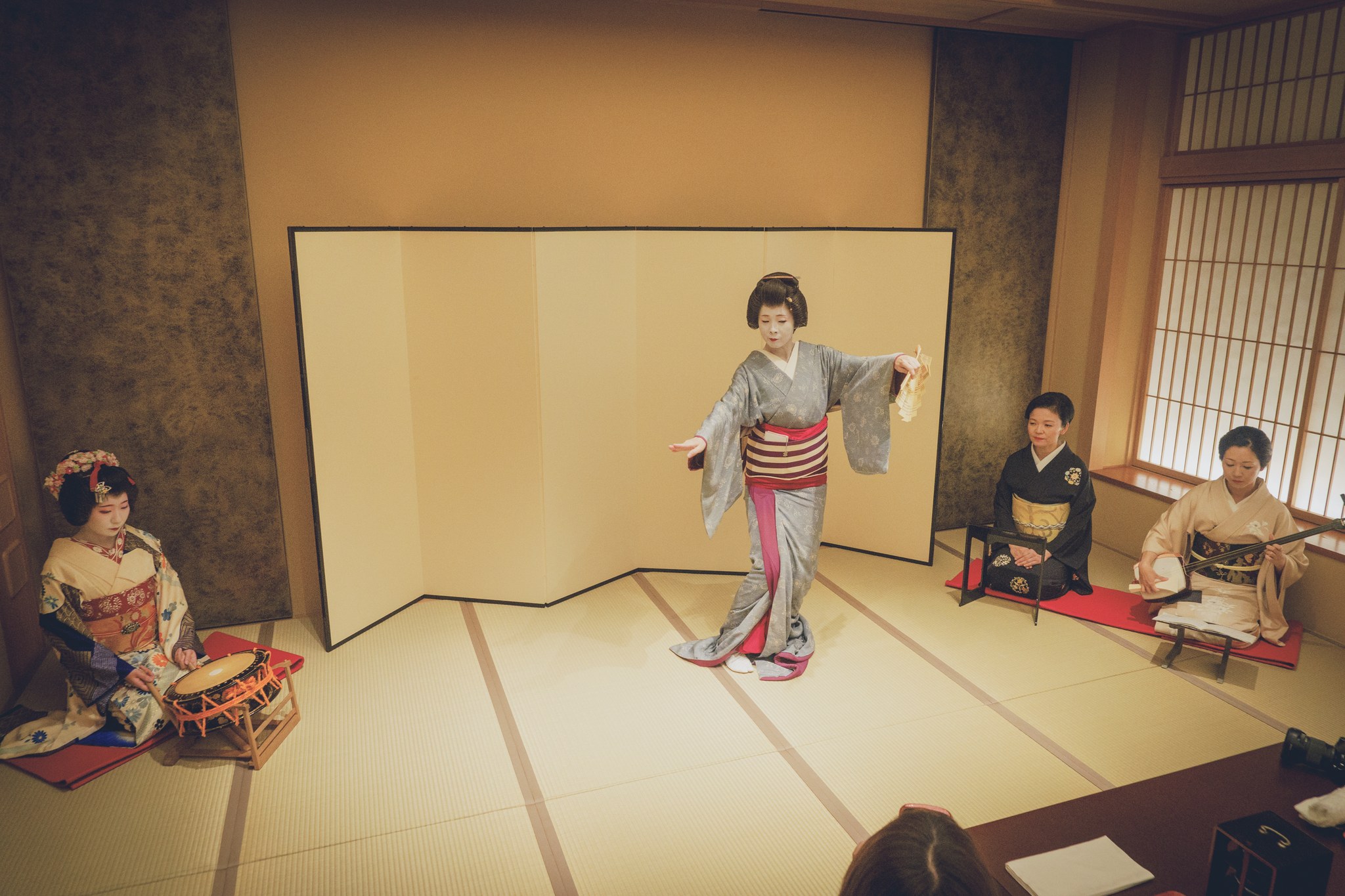
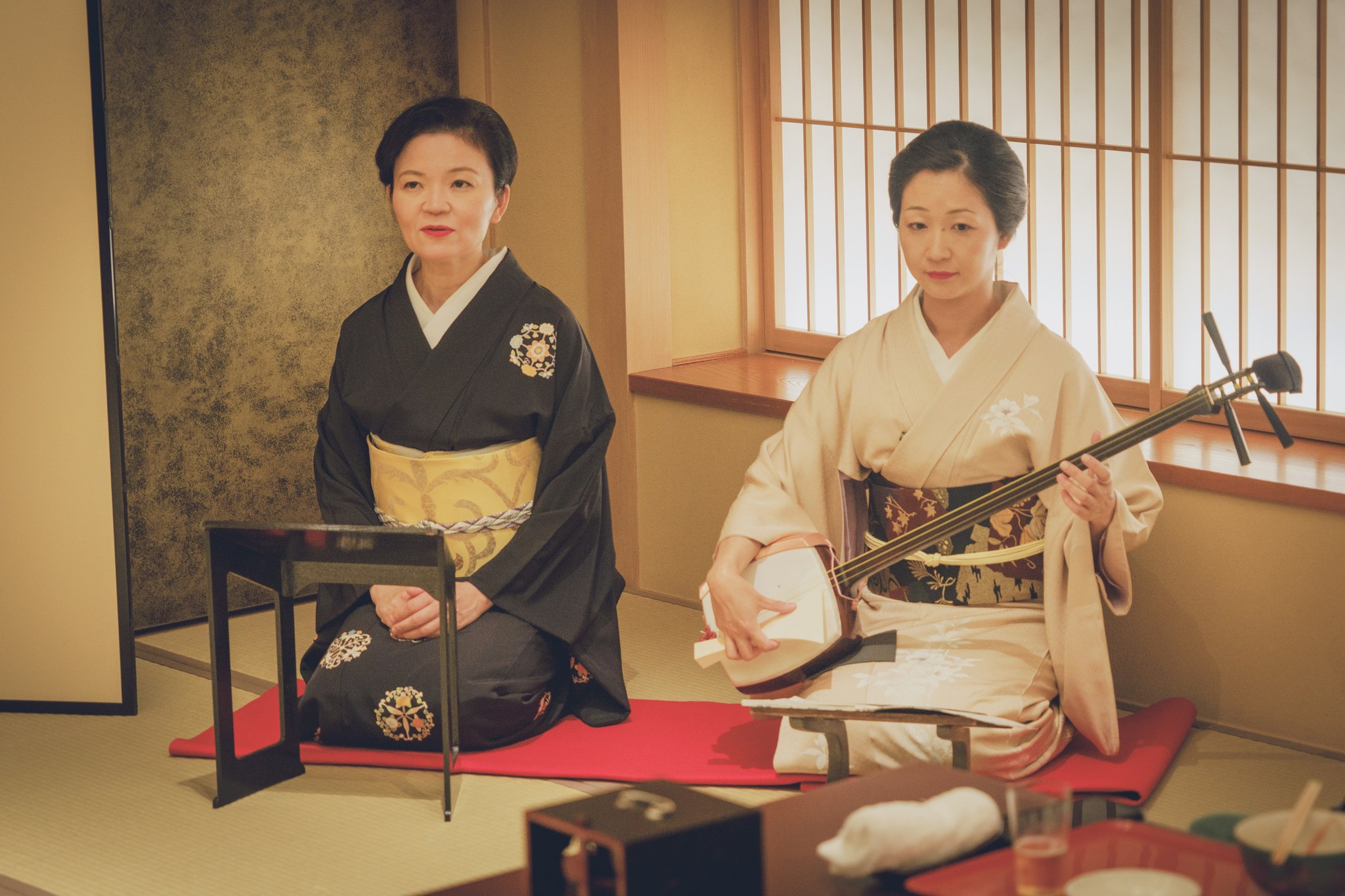
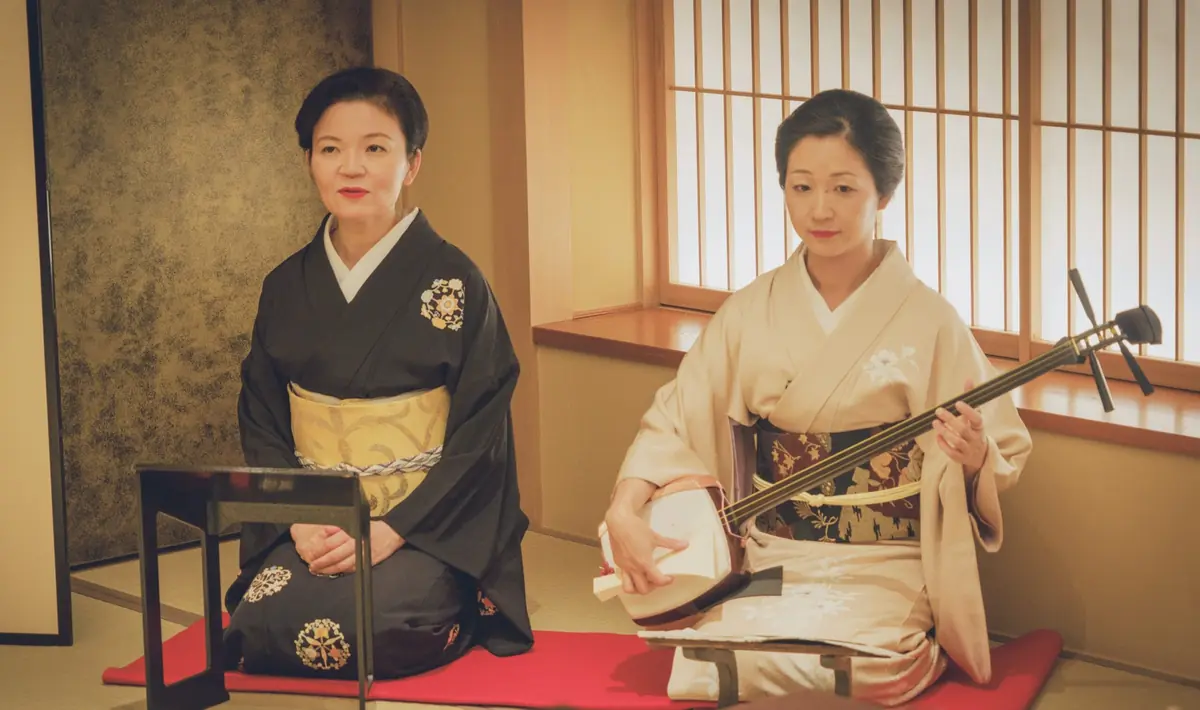
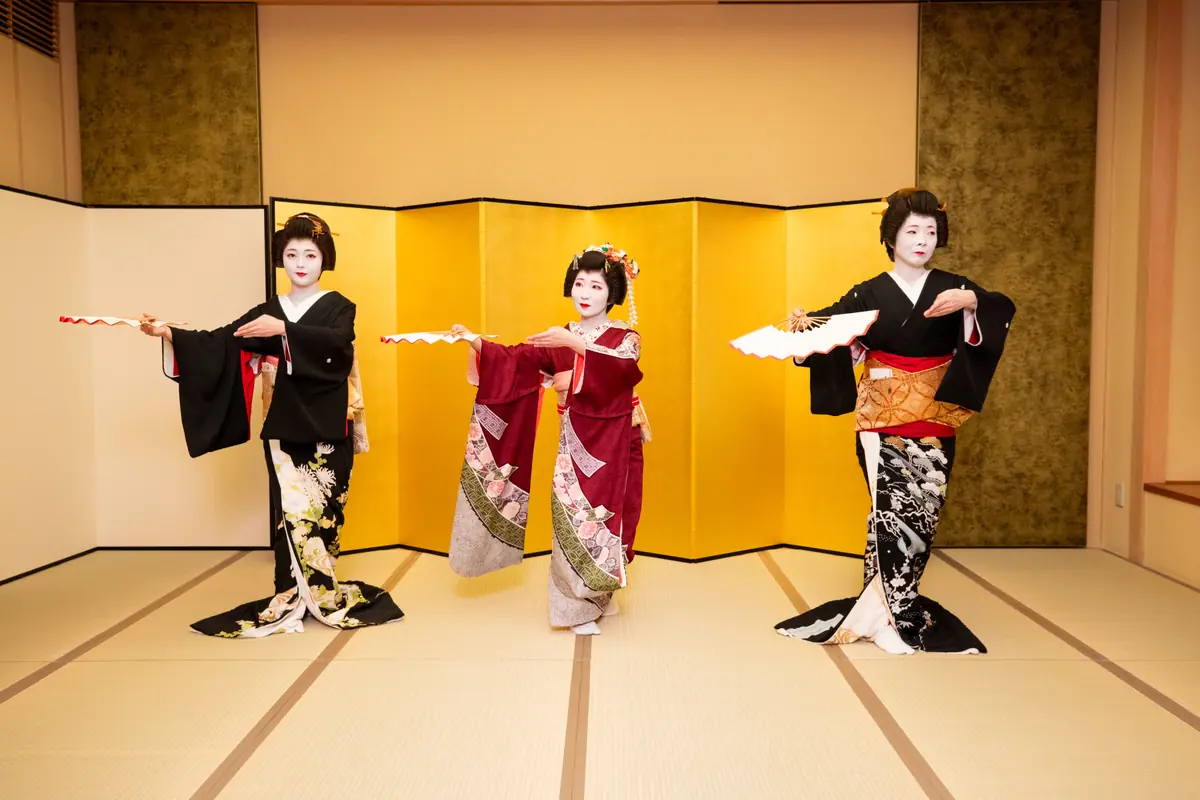
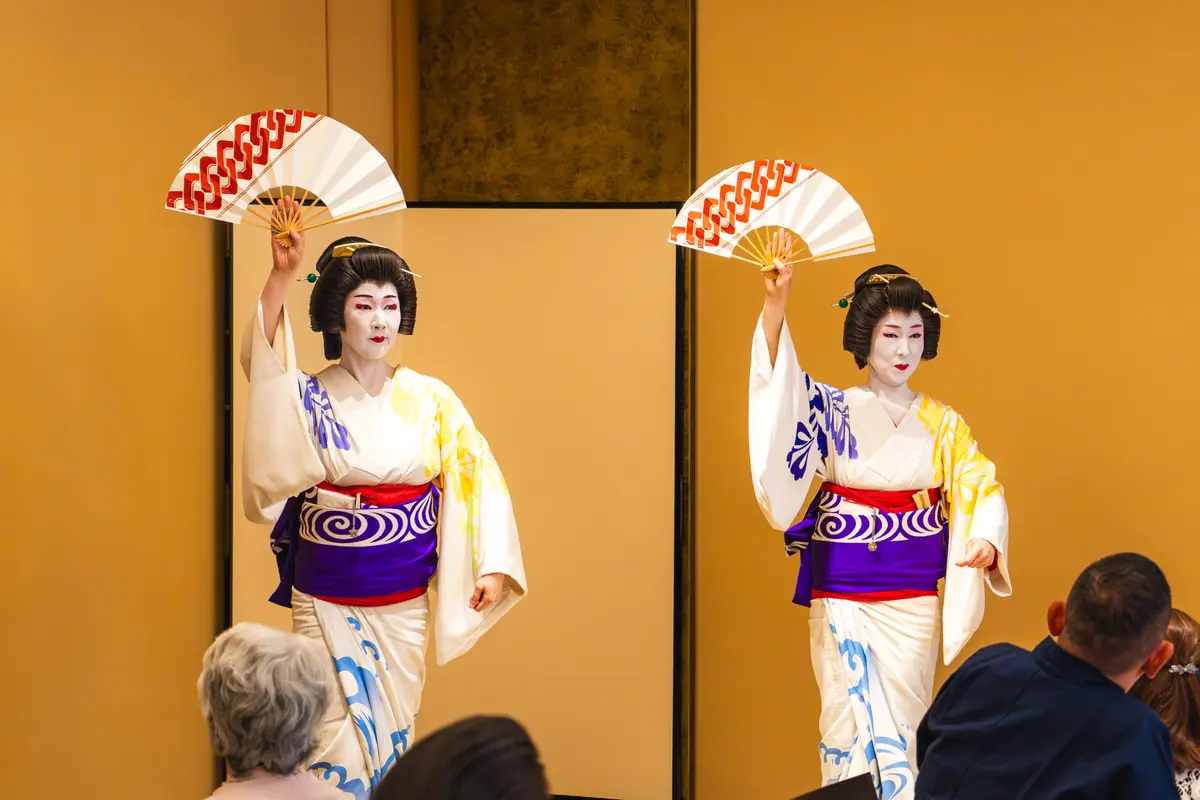
As the evening progresses, the main performance begins. The room transforms into an intimate stage. One or more performers play the shamisen and provide live singing, while others perform classical dances depicting the changing seasons or local folklore. The fluid movements of traditional dance and the resonant chords of the shamisen up close create an experience that cannot be captured through online videos or photos.
Ozashiki Asobi: Traditional Party Games
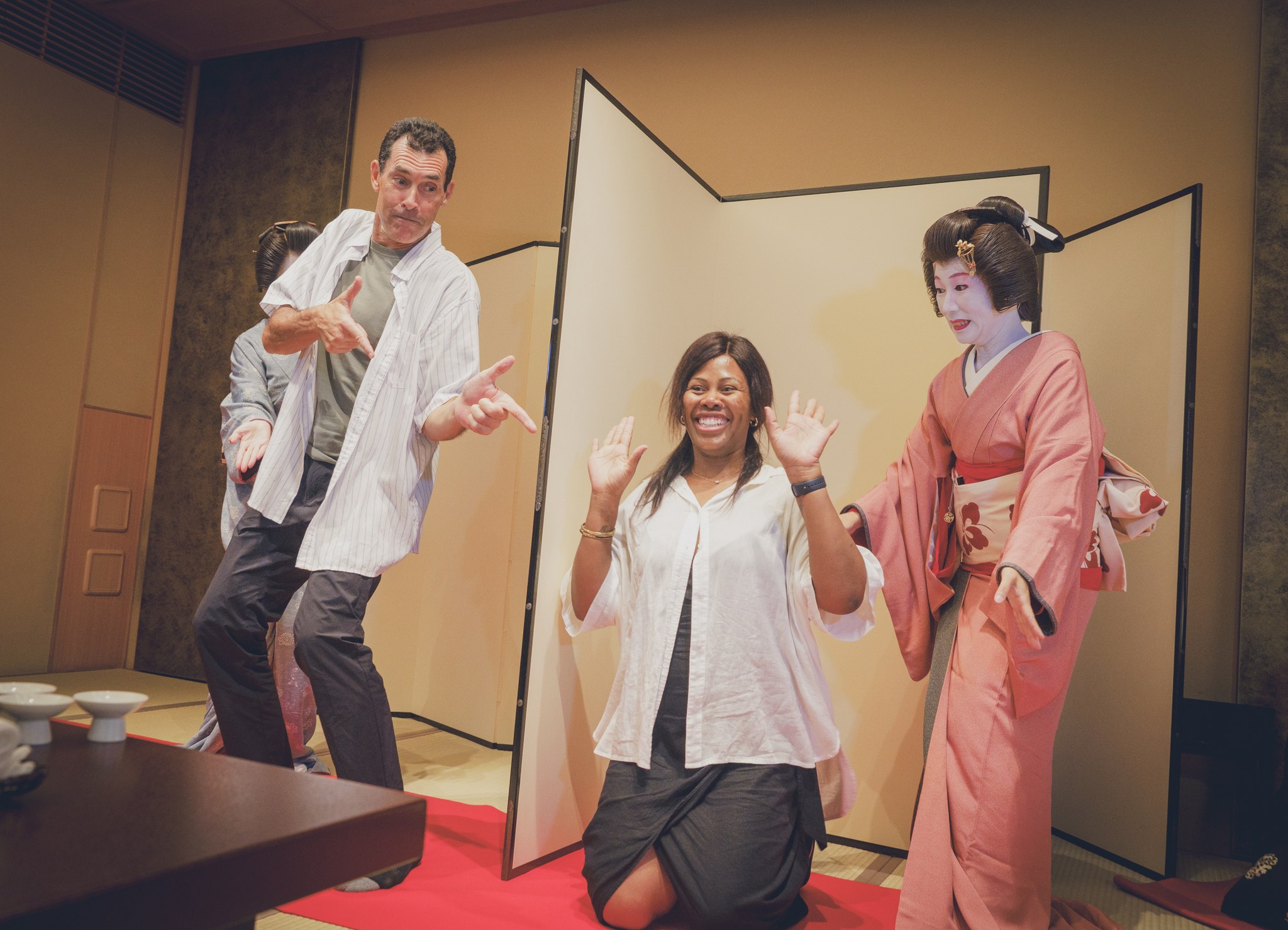
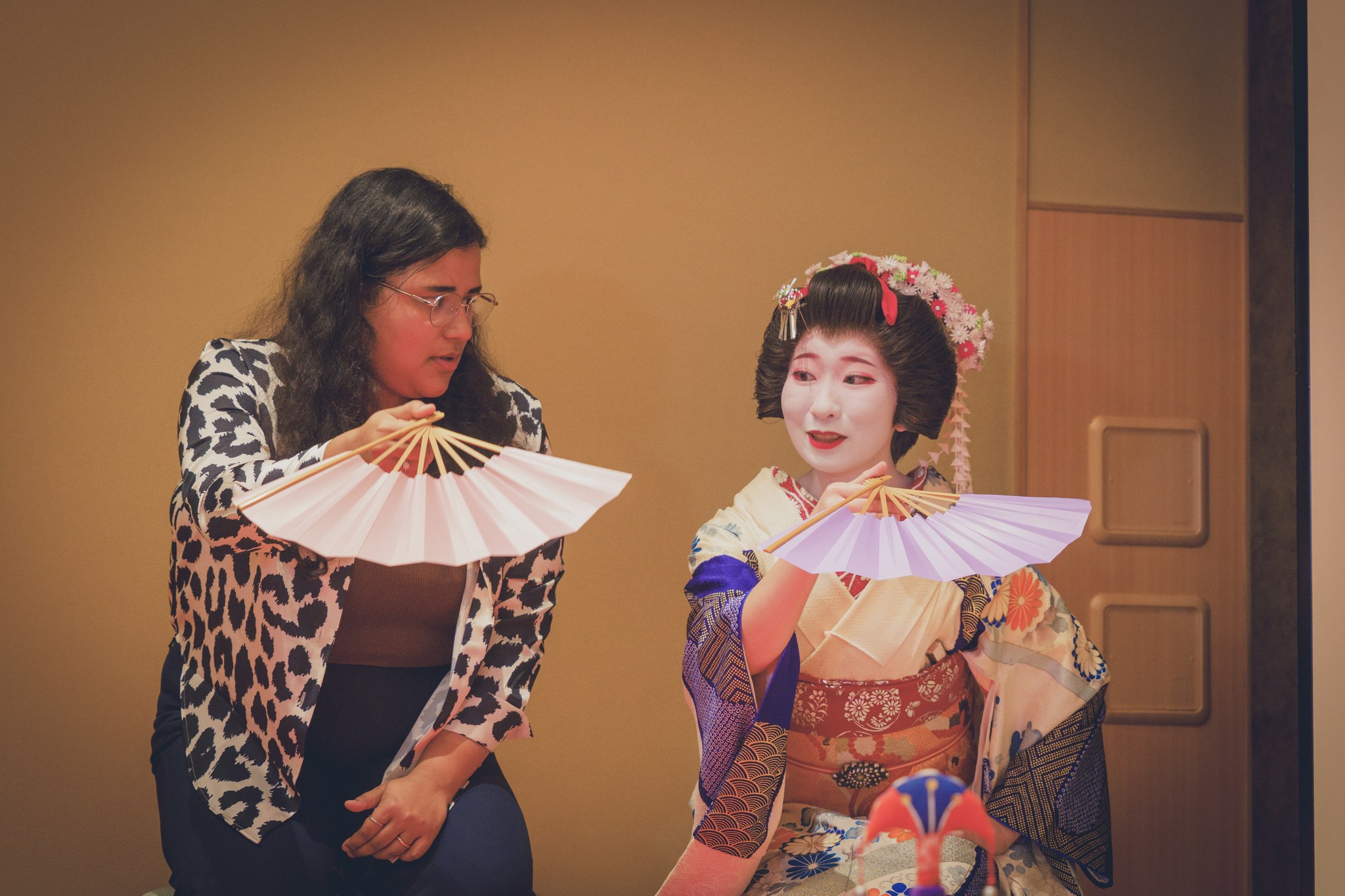
Following the musical performances comes ozashiki asobi — traditional party games played to the rhythm of a shamisen. Popular games include Konpira Fune Fune, a game of rhythm and speed involving a tea cup holder placed on a table, and Tora Tora, a living version of rock-paper-scissors based on a story about a tiger and a samurai. These games are simple to learn and provide a wonderful opportunity for laughter and connection, breaking down cultural barriers between host and guests. For the full rules and history of these games, see our ozashiki asobi experience guide.
Kaiseki Cuisine
To complete the evening, a kaiseki meal is served — a traditional multi-course dinner showcasing the finest seasonal ingredients and local culinary arts. Every dish is a visual masterpiece, reflecting Japan’s changing seasons. From fresh seafood to beautifully prepared vegetables, the menu harmonizes perfectly with the refined atmosphere of the room.
Experience an Authentic Geisha Evening in Asakusa
Miyakodori is the only machiai-chaya in Asakusa welcoming first-time international guests. Enjoy live shamisen, classical dance, and ozashiki games in a private tatami room.
Request a ReservationHow to Book an Authentic Geisha Experience in Tokyo
For decades, accessing the world of the hanamachi was incredibly difficult for outsiders due to a strict policy known as Ichigensan Okotowari — no first-time guests allowed without a personal introduction from an existing client. This rule was established to protect the privacy and intimate atmosphere of traditional banquet houses. However, this barrier made it nearly impossible for foreign tourists to experience the culture.
Times are changing. Miyakodori, a historic machiai-chaya founded in 1950 and located in the historic Asakusa Kannonura area, has adjusted its policy to welcome first-time guests without a referral. The name Miyakodori is inspired by a famous poem from the Tales of Ise by Ariwara no Narihira — expressing a deep desire to connect with and care for guests, a philosophy the venue maintains to this day. Miyakodori focuses entirely on providing a space where guests can enjoy the company and performance of authentic Asakusa geisha, making it the only establishment of this kind still operating in the district.
Miyakodori offers a variety of plan options tailored to different group sizes and preferences, including services for family celebrations, business entertainment, and private tourists. It is recommended to book well in advance, as available hours fill up quickly. By choosing a reputable and historic venue, your investment directly supports artists who have committed their careers to preserving Japan’s cultural heritage. For guidance on what questions to ask when booking, see our geisha experience planning guide.
Etiquette and FAQ
- Q: What is the dress code for a geisha performance?
- Smart-casual dress is recommended. Shoes are removed at the entrance, so clean socks are essential since you will sit on traditional tatami mats. Avoid gym wear or sandals. During summer festival season, a casual cotton yukata is a fun and acceptable option, but a neat Western outfit is perfectly appropriate year-round.
- Q: Are photos and videos allowed during the performance?
- Photography is generally permitted during specific moments — such as after the dances or during ozashiki games. Always ask for permission before taking close-up photos or recording video. Protecting the privacy of both guests and performers is a core value of hanamachi culture. Your host or English guide will indicate when photos are appropriate.
- Q: How long does a typical session last?
- A standard ozashiki dinner experience runs approximately two hours (120 minutes). This provides time to enjoy live music and classical dance, participate in traditional games with the geisha, savor the full kaiseki meal, and engage in comfortable conversation throughout the evening.
- Q: Is English-language assistance available?
- Yes. Miyakodori welcomes international guests, and an English-speaking guide or translator can help you follow the conversation, understand the performance, and join in the ozashiki games.
Plan Your Visit
Witnessing a geisha performance in Tokyo is a singular opportunity to experience the pinnacle of Japanese hospitality and performing arts. The intricate dances, the soulful melodies of the shamisen, and the laughter shared during traditional games combine to create an evening you will remember for years.
Whether you are visiting this year or planning a future trip, a night at Miyakodori in Asakusa offers the ideal setting for an authentic encounter with this living tradition. Contact us to discuss plans, group sizes, and availability.
Book Your Geisha Banquet in Asakusa
Private ozashiki rooms available for 2–20 guests. Live shamisen, classical dance, ozashiki games, and kaiseki cuisine. Inquire to check availability and plan options.
Request a ReservationSources
- Miyakodori Official Information — en.miyakodori-geisha.com
- Asakusa Kenban (浅草見番) — Official Geisha Registry, Asakusa Hanamachi
- Tokyo Metropolitan Foundation for History and Culture — Edo-Tokyo Museum Archives


- Traditional Japanese Culture Experience: A 2026 Travel Guide
- Japanese vs Korean Culture: Social Differences, Arts and Traditions
The Shamisen: Japan’s Three-Stringed Lute and the Soul of Geisha Music
The Ultimate Guide to the Best Things to Do in Asakusa Tokyo Japan for Your 2026 Travel
Geisha: Japanese Artistry, Culture, and Modern Experiences in 2026
【Must-See for Families】Rain or Shine! Indoor Playgrounds & Tourist Spots in Asakusa That Kids Will Absolutely Love
Kanzashi: A Guide to Japanese Hair Ornaments
A Guide to Tokyo’s Geisha Districts: Finding Authentic Experiences and Cultural Immersion
Comment ( 0 )
Trackbacks are closed.
No comments yet.