



How to See a Geisha in Tokyo: 5 Ways Compared (2026)
How to See a Geisha in Tokyo: The Short Answer
There are five realistic ways to see a geisha in Tokyo: catching a glimpse on the street or at a festival (free, but never guaranteed), attending a free public performance in Asakusa (free, on scheduled dates), buying a ticket to a geisha show or cultural event (low cost, but you watch from a seat), joining a shared-table ozashiki tea house session where you sit with other guests (mid-range, guaranteed, a fixed 75-minute program), or reserving a private ozashiki (geisha banquet) where the room is yours and the geisha are there for your party alone (from ¥34,000). The further down that list you go, the more certain — and the more personal — the encounter becomes. The last two deserve care, because travelers often assume they are the same thing at two prices. They are not: one is a shared introduction on a set program, the other is an evening built around your party.
Swipe the table sideways to see every column.
| Method | Cost | Certainty | Who else is in the room | Interaction | Food & drink |
|---|---|---|---|---|---|
| Street sightings & festivals | Free | Low — luck and timing | The public | None | — |
| Free public performances | Free | High on event dates | An audience | Watching only | — |
| Ticketed geisha shows | Low | High | An audience | Watching, some Q&A | Varies |
| Ozashiki tea house | Mid | Guaranteed | Other guests — shared table | Set program: one game, group Q&A, photo time | Matcha and a Japanese sweet included; one drink ordered separately |
| Private ozashiki (geisha banquet) | From ¥34,000 | Guaranteed | Your party only | Your pace: dance, several games, open conversation | By plan — from a drink and optional dishes to free-flow drinks, up to a full kaiseki course |
Step 1: Know What You’re Actually Looking For
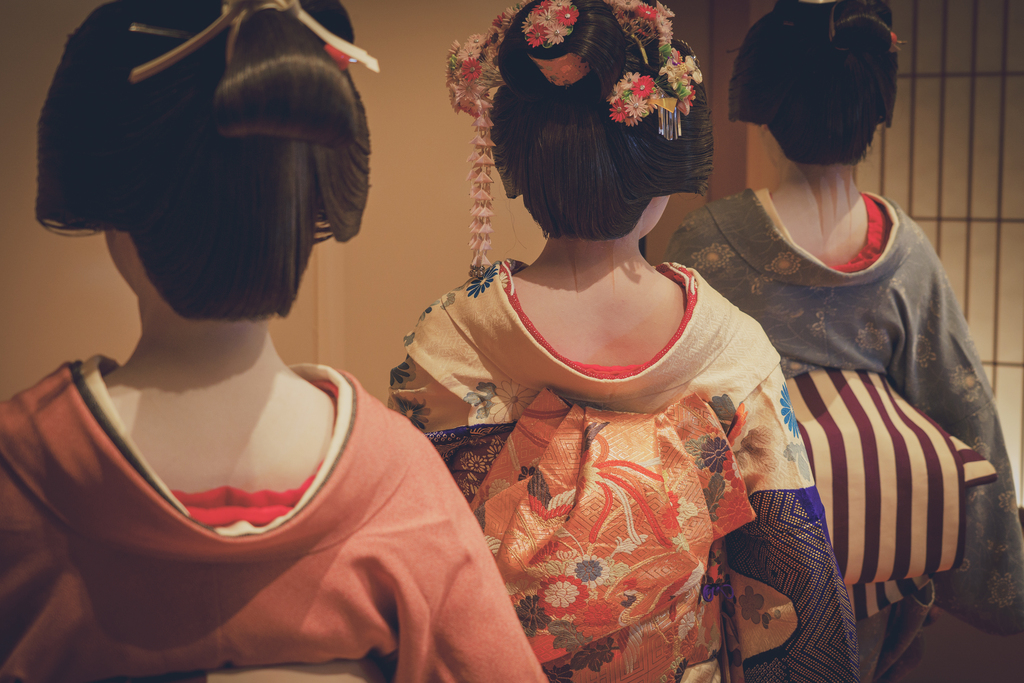
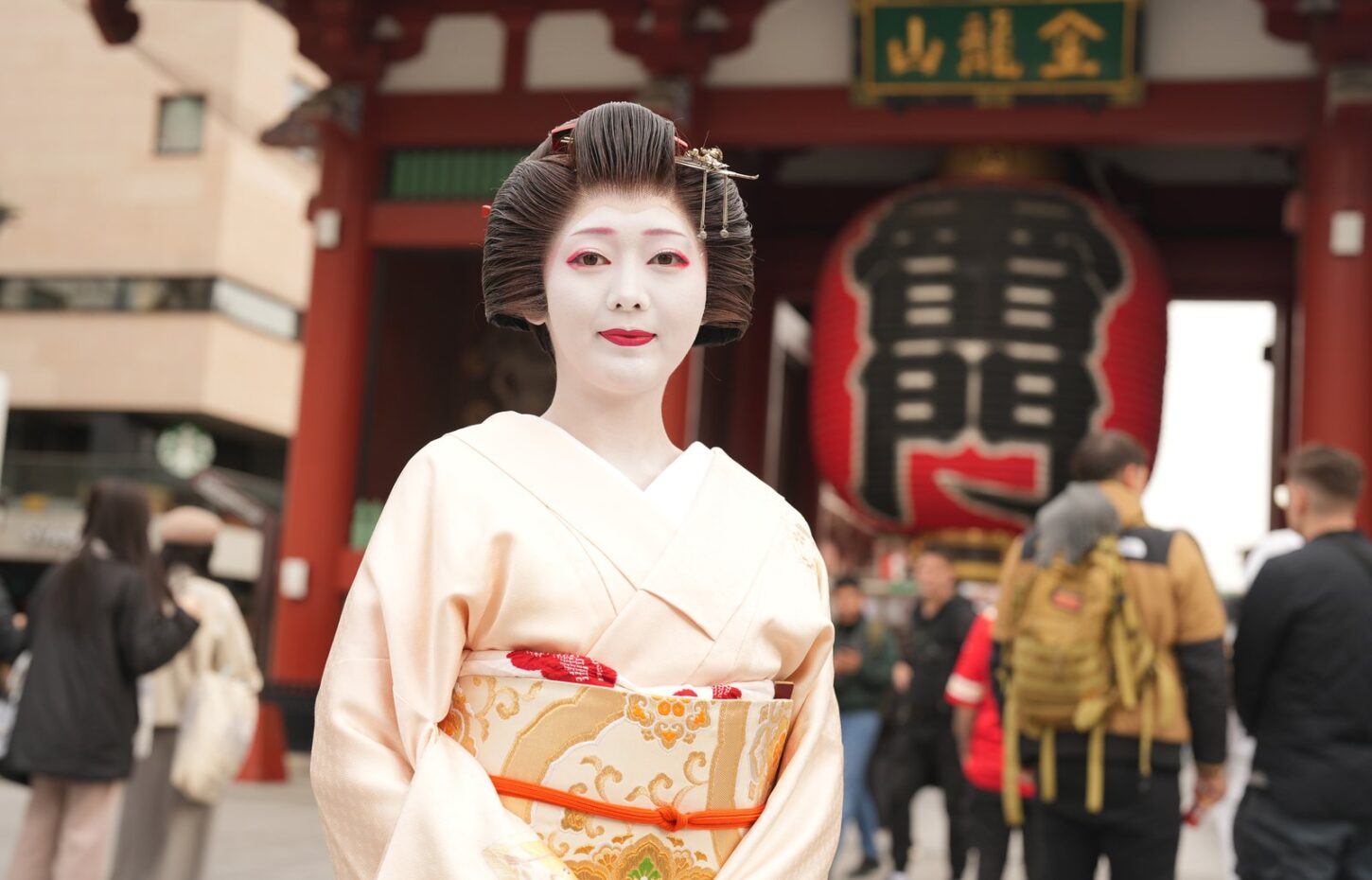
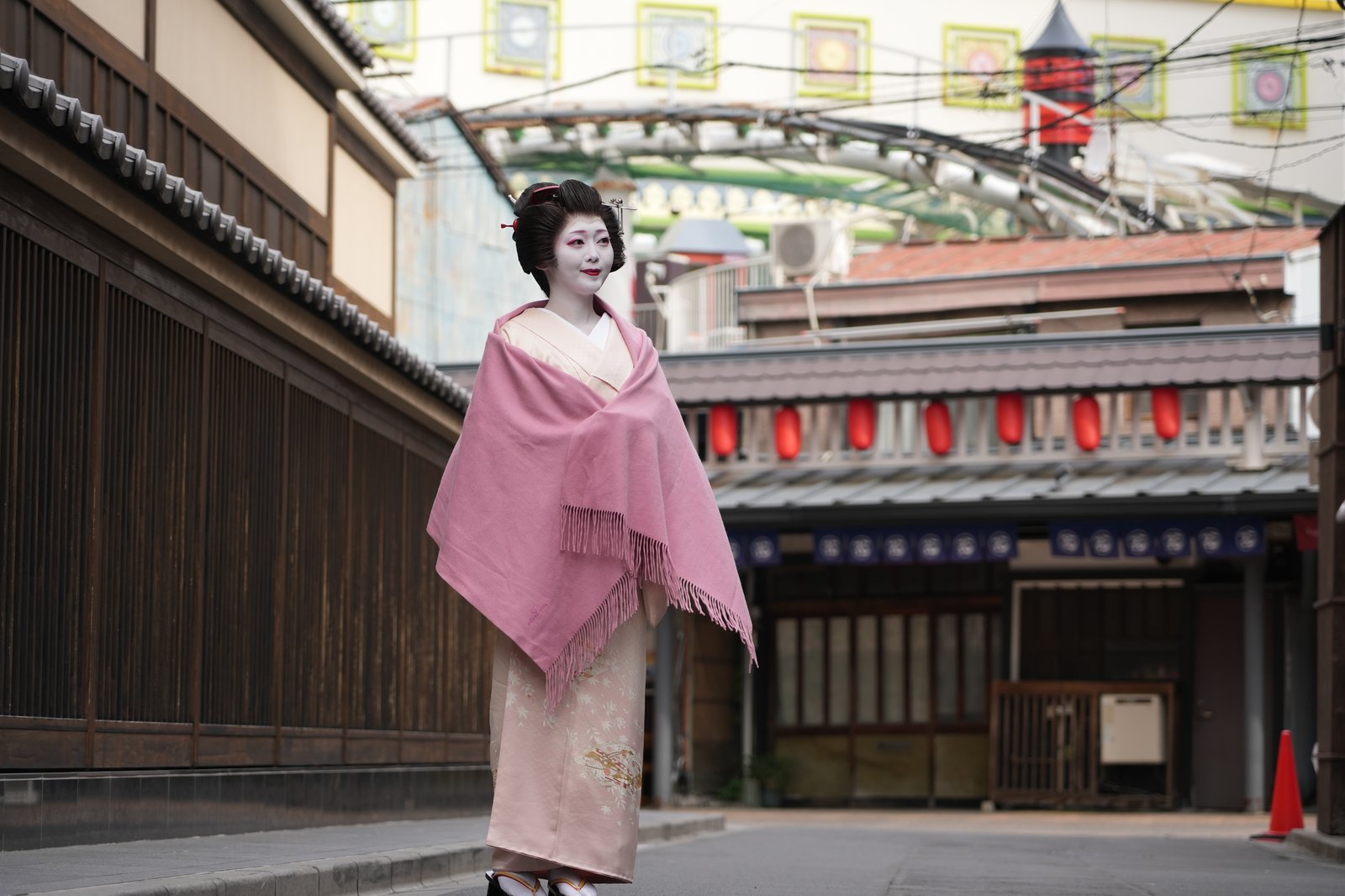
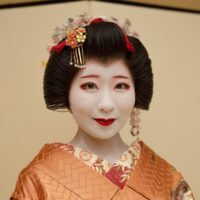
A geisha is a professional performing artist trained in classical Japanese dance, music, and the art of hospitality. That includes both hangyoku — young geisha in the first years of their career — and ippon, fully qualified geisha; both are geisha, performing at real engagements today. In Tokyo the word is “geisha” (in Kyoto you will hear “geiko”), and Tokyo’s geisha work from several historic districts called hanamachi. This article deliberately doesn’t tour those districts — our guide to Tokyo’s geisha districts covers the map. Here, the question is different: not where geisha are, but how you, as a visitor, actually get to see one.
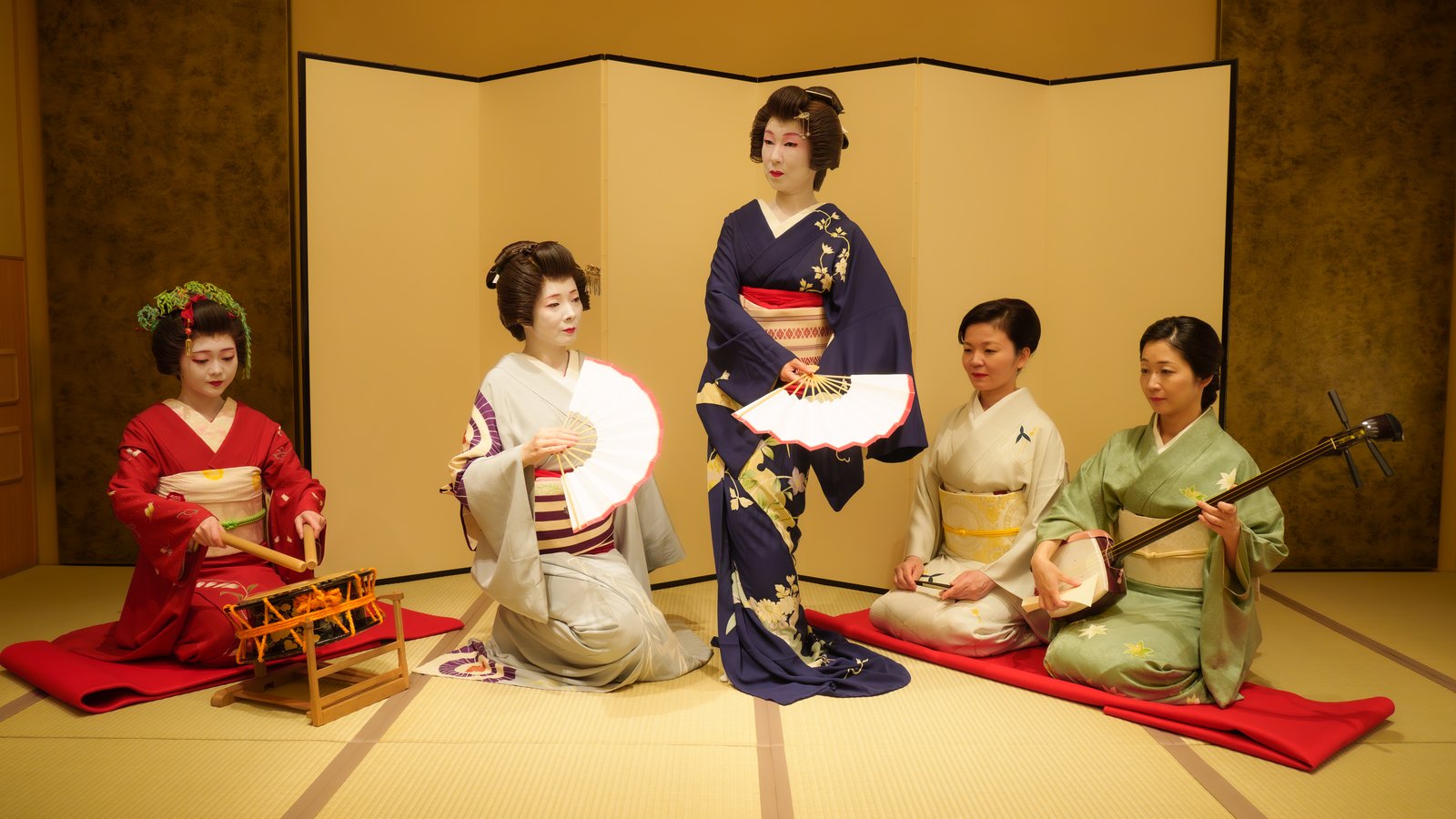
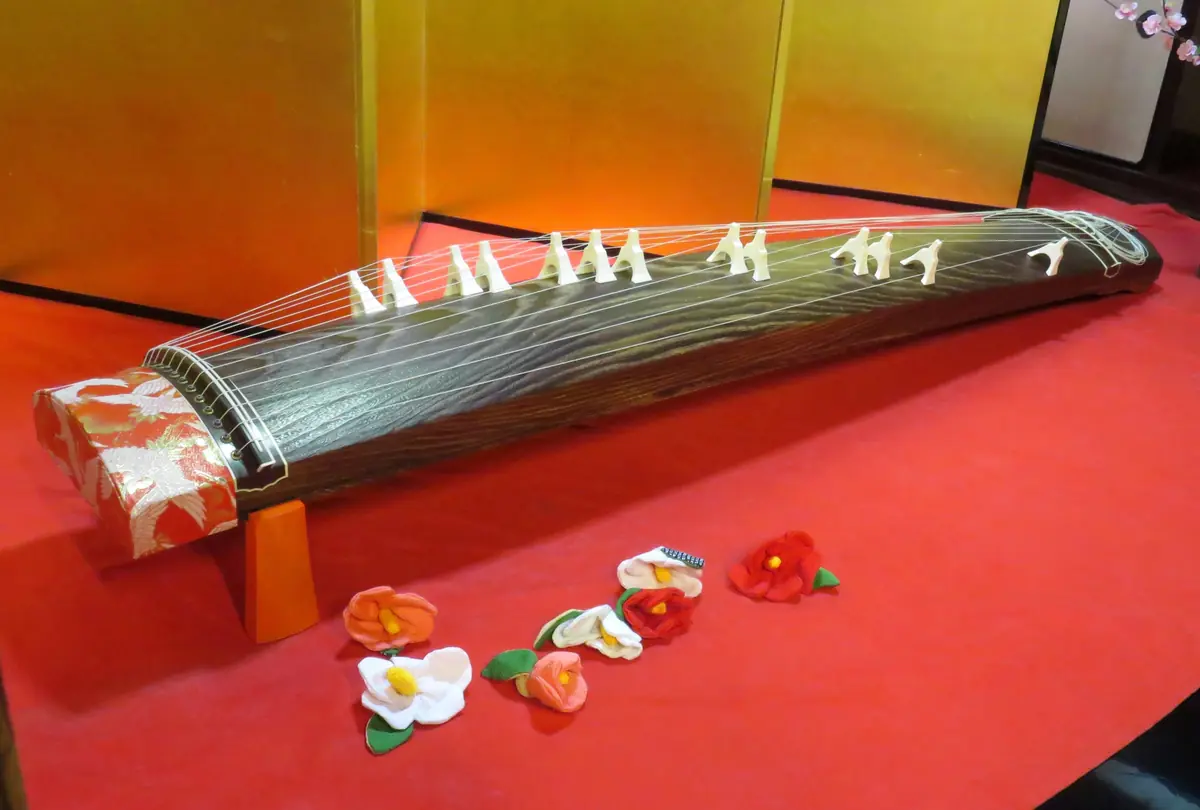
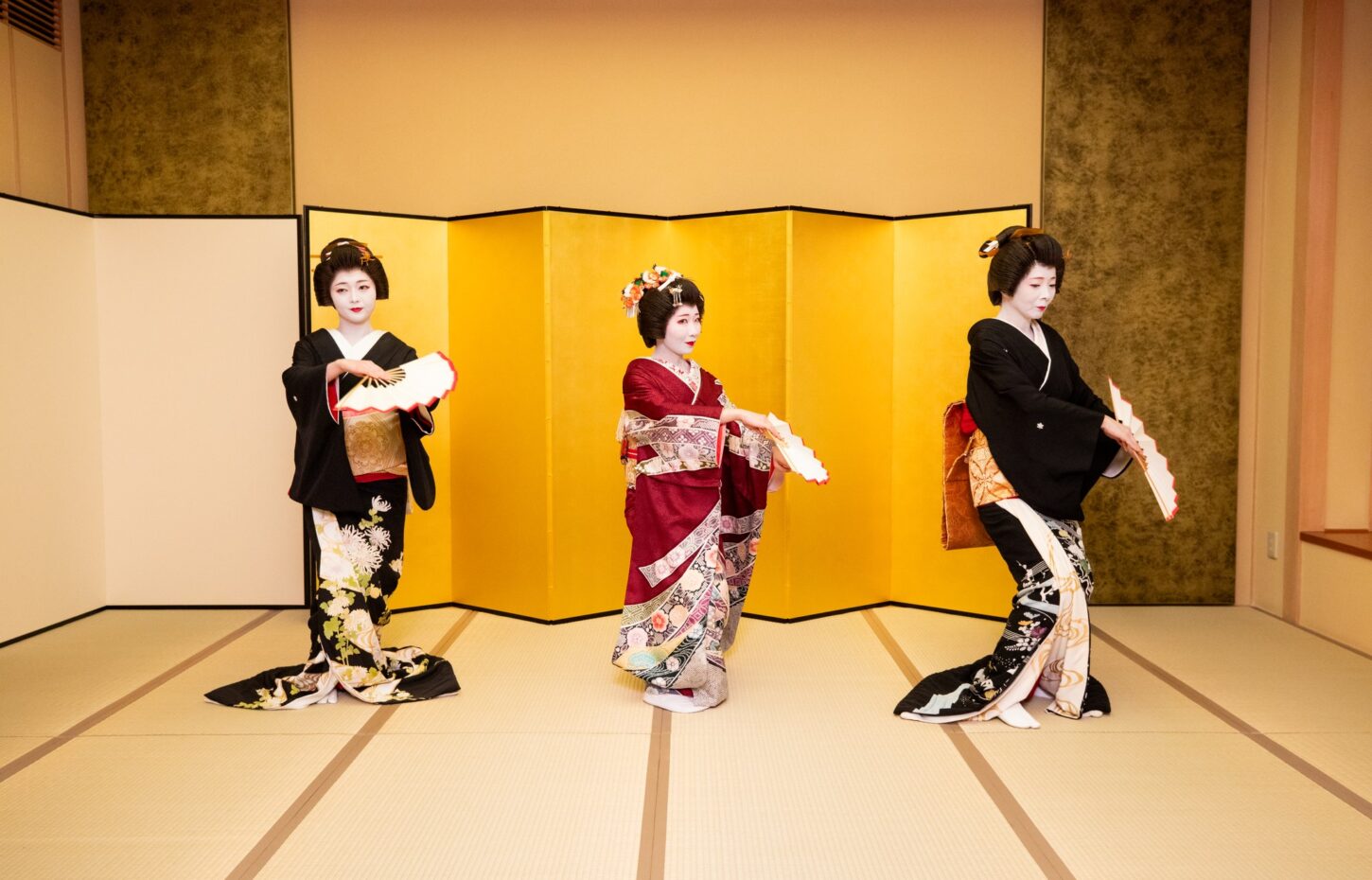
One distinction worth knowing before you choose a method: on the tatami, geisha perform in two roles. The tachikata dance, in full white makeup and traditional hair; the jikata play shamisen and sing, usually in modern hairstyles without the white makeup. Seeing both together — live music and live dance in the same small room — is part of what separates a real engagement from a stage show.
Step 2: Choose Your Method — 5 Ways Ranked by Cost and Certainty
The short version, if you already know what you want:
- Curious, on a budget, or just passing through Asakusa? → a free public performance, or a ticketed show.
- Travelling solo, short on time, or want a first look before committing? → the ozashiki tea house, seated with other guests (¥22,000 per person, currently ¥17,600).
- Marking an occasion, travelling as a group, or after the real evening? → a private ozashiki, your party alone (from ¥34,000 per person).
1. Street Sightings and Festivals (Free, Not Guaranteed)
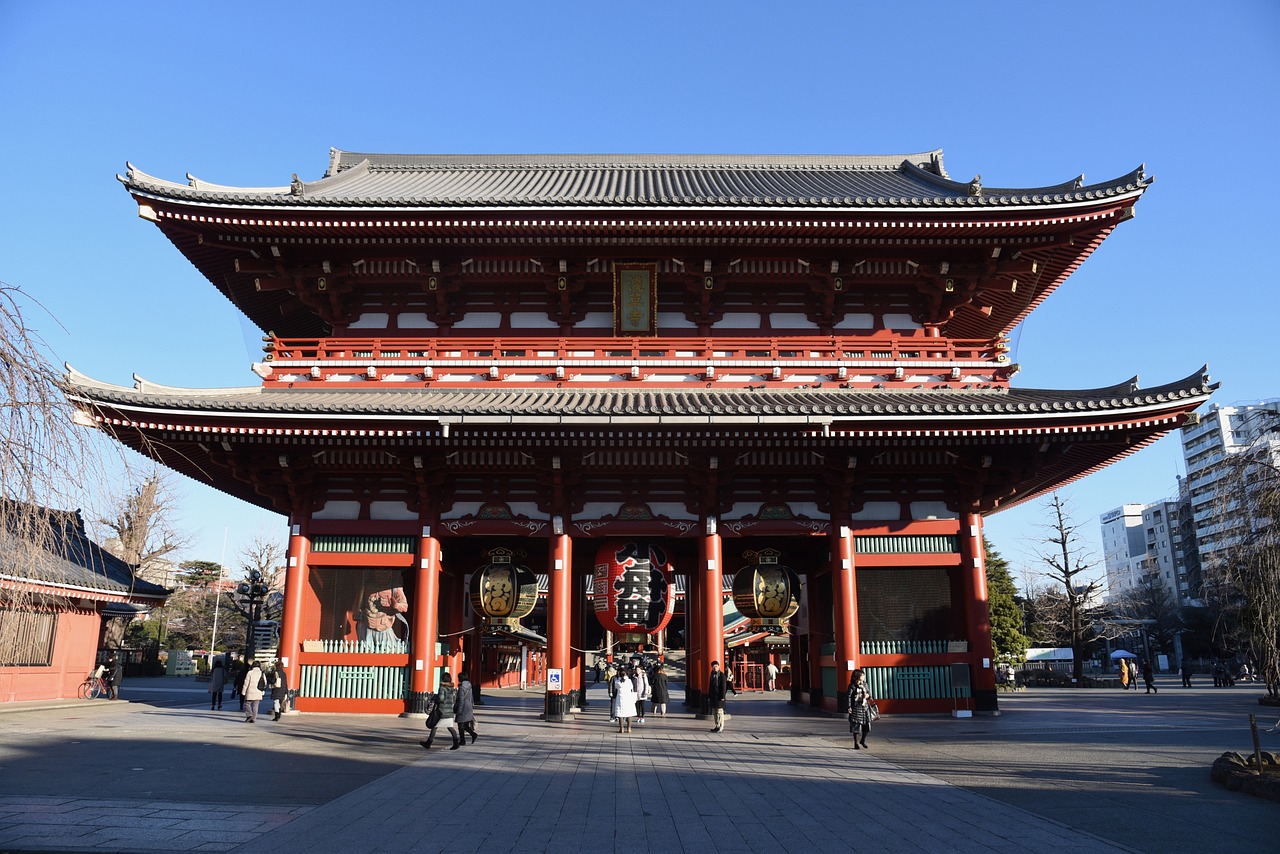
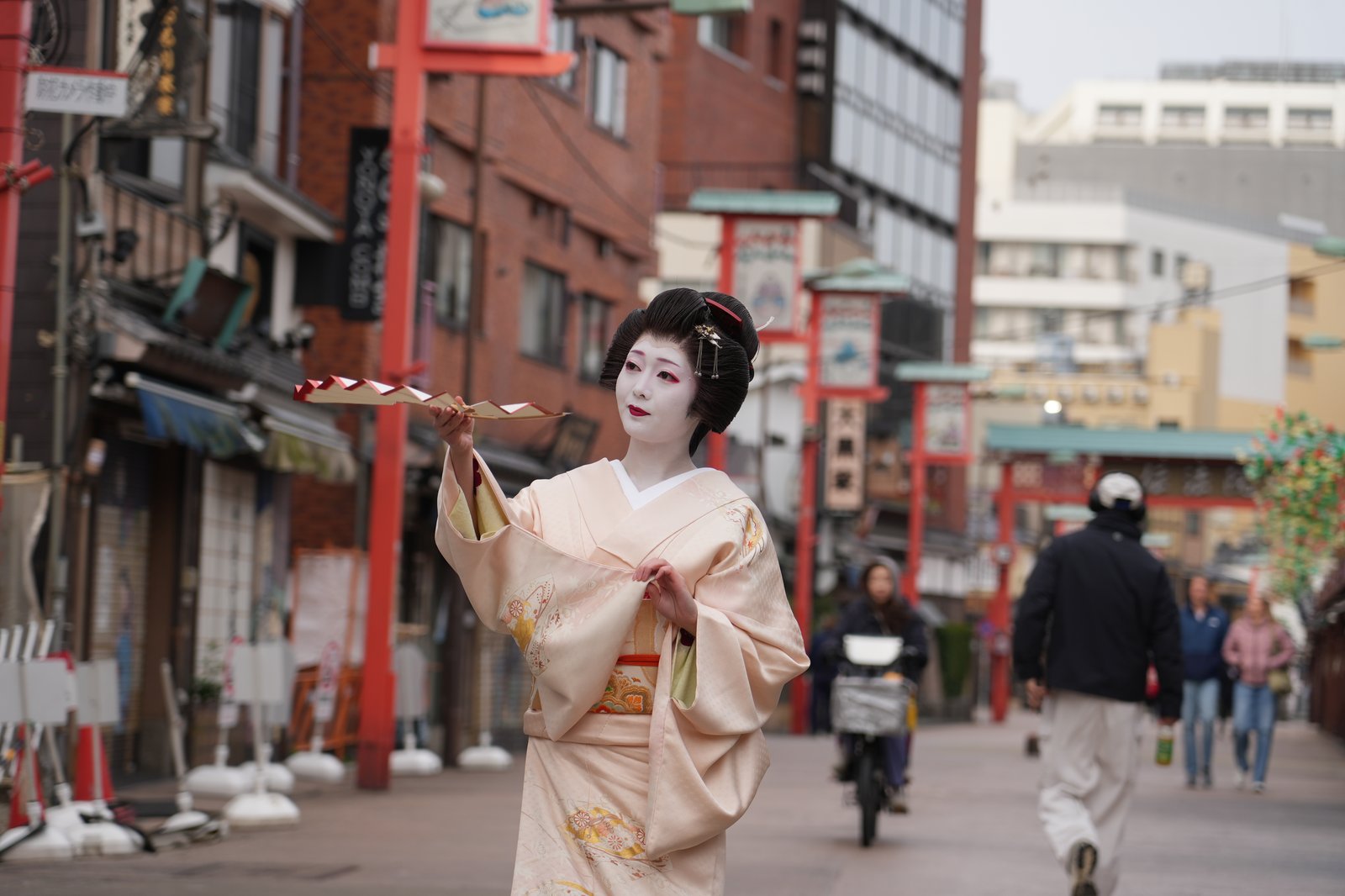
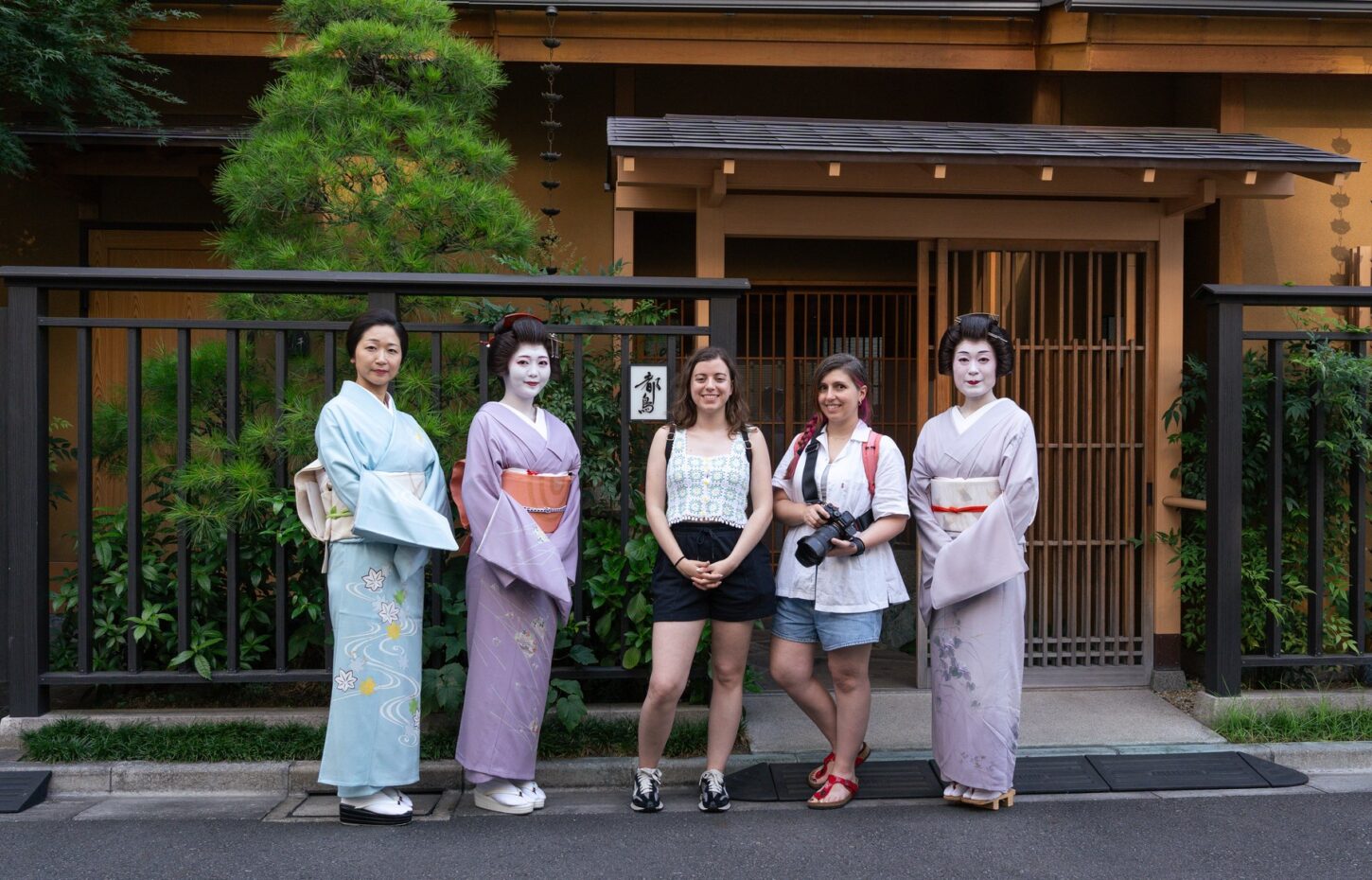
You can sometimes see geisha in Asakusa’s Kannon-ura backstreets on their way to evening engagements, and major festivals such as the Sanja Matsuri in May bring the hanamachi into public view. It costs nothing — but it is luck, not a plan. Geisha on the street are commuting professionals, so a sighting lasts seconds. If your trip has a fixed itinerary, treat this as a bonus, not a method.
2. Free Public Performances in Asakusa (Free, Scheduled)
Asakusa hosts free geisha dance performances on selected dates, most notably at the Asakusa Culture Tourist Information Center opposite Kaminarimon. These are real performances by working Asakusa geisha, seated-audience style, and they cost nothing beyond arriving early enough for a seat. Dates vary through the year, so check the current schedule before you build your day around one. For the flavor of what you might see, our guide to the Asakusa Ozashiki Odori covers Asakusa’s signature public dance event.
3. Ticketed Geisha Shows and Cultural Events (Low Cost, Seated View)
A step up in certainty: ticketed shows and cultural programs where geisha perform on a schedule. These are reliable and inexpensive, and some include a short Q&A segment. The trade-off is the format — you are in an audience, the program is fixed, and the geisha leave when the curtain falls. A show answers “what does geisha dance look like?” It cannot answer “what is it like to spend an evening with geisha?” — that question belongs to the ozashiki.
4. Ozashiki Tea House — A Shared-Table Introduction (Mid Cost, Guaranteed)
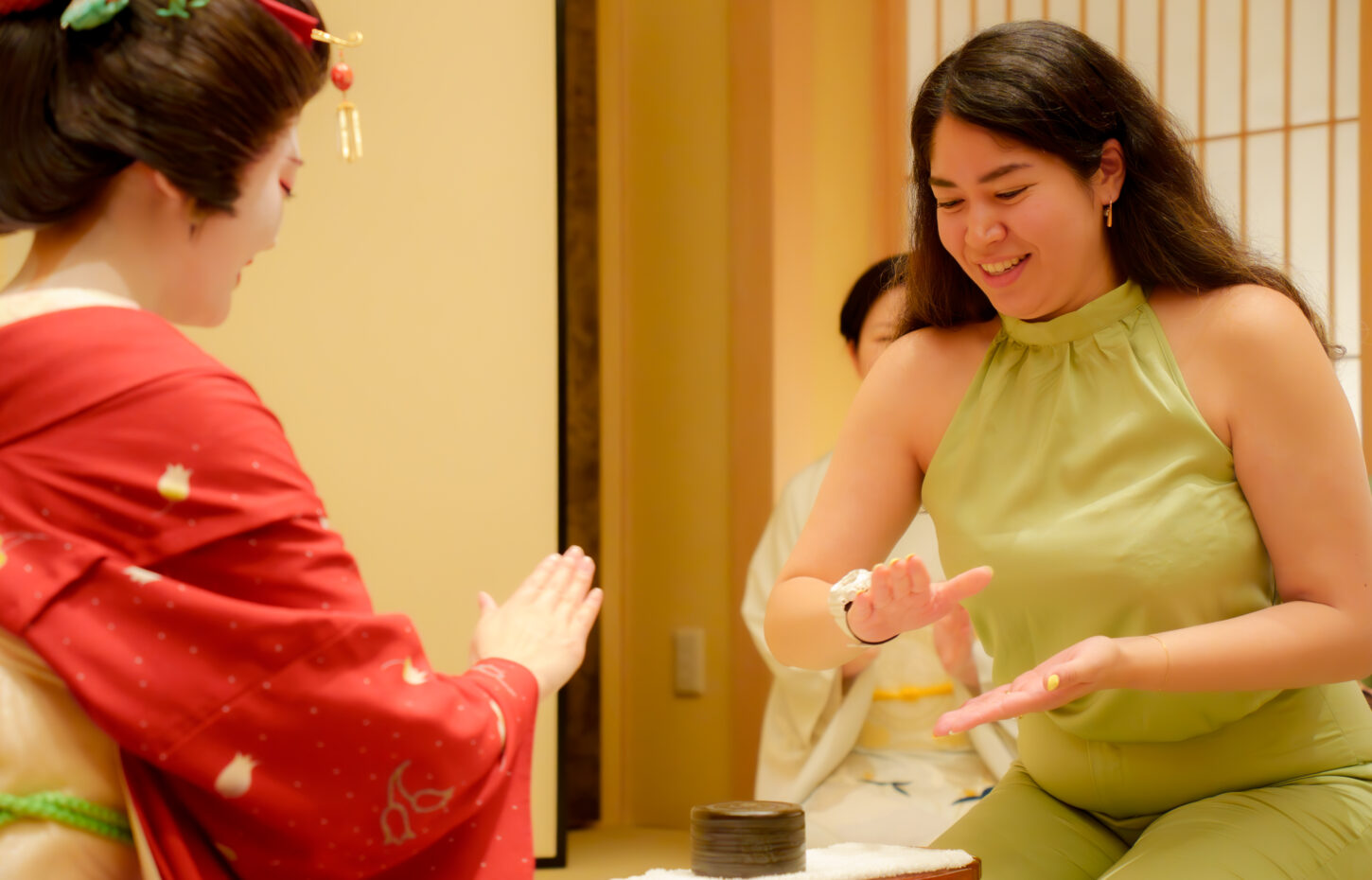
The ozashiki tea house format is the newest of the five, built so that first-time visitors can meet real geisha without booking a full private banquet. At Miyakodori’s Ozashiki Tea House in Asakusa, sessions run about 75 minutes on scheduled afternoons (mainly Monday, Wednesday, and Friday from 3pm) with three geisha: classical dance with live shamisen, a Q&A with the geisha through English support, the Konpira Fune Fune game played together, matcha and a Japanese sweet, and a photo time at the end. It is ¥22,000 per person (currently ¥17,600 on campaign pricing), with instant online booking — no introduction, no request forms.
Be clear about what this format is, because the price gap misleads people. You are seated with other guests at a shared table, and the 75 minutes follow a set program: one game rather than a repertoire, a group Q&A rather than a conversation of your own, and a photo time at the end rather than a room you can relax into. Everything in it is real — real Asakusa geisha, real live shamisen, real ozashiki-asobi. What you don’t get is the thing an ozashiki actually is: an evening that belongs to your party. Think of the tea house as the door, not the room. It is the right choice for a first visit to Asakusa, a tight schedule, a solo traveler, or a budget — and many guests who start there come back for the private version.
5. Private Ozashiki (Geisha Banquet) — The Real Thing (From ¥34,000)
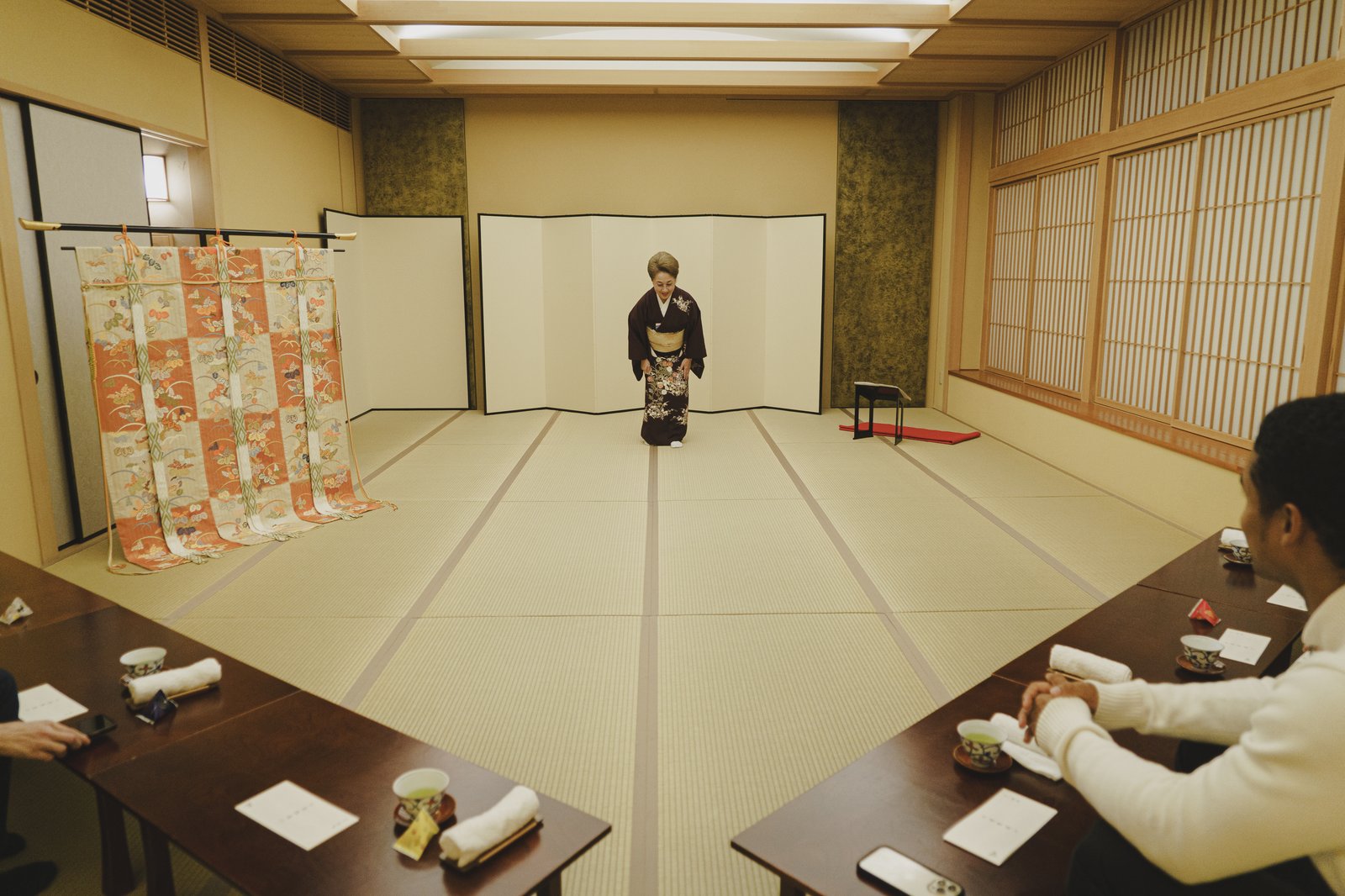
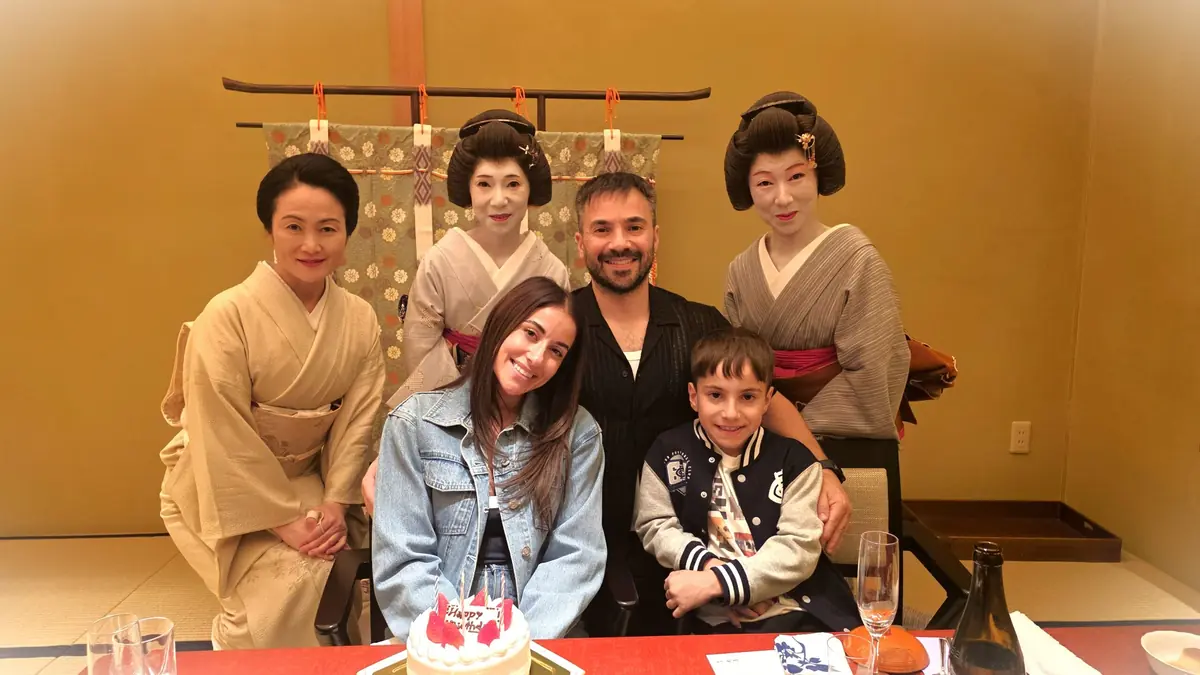
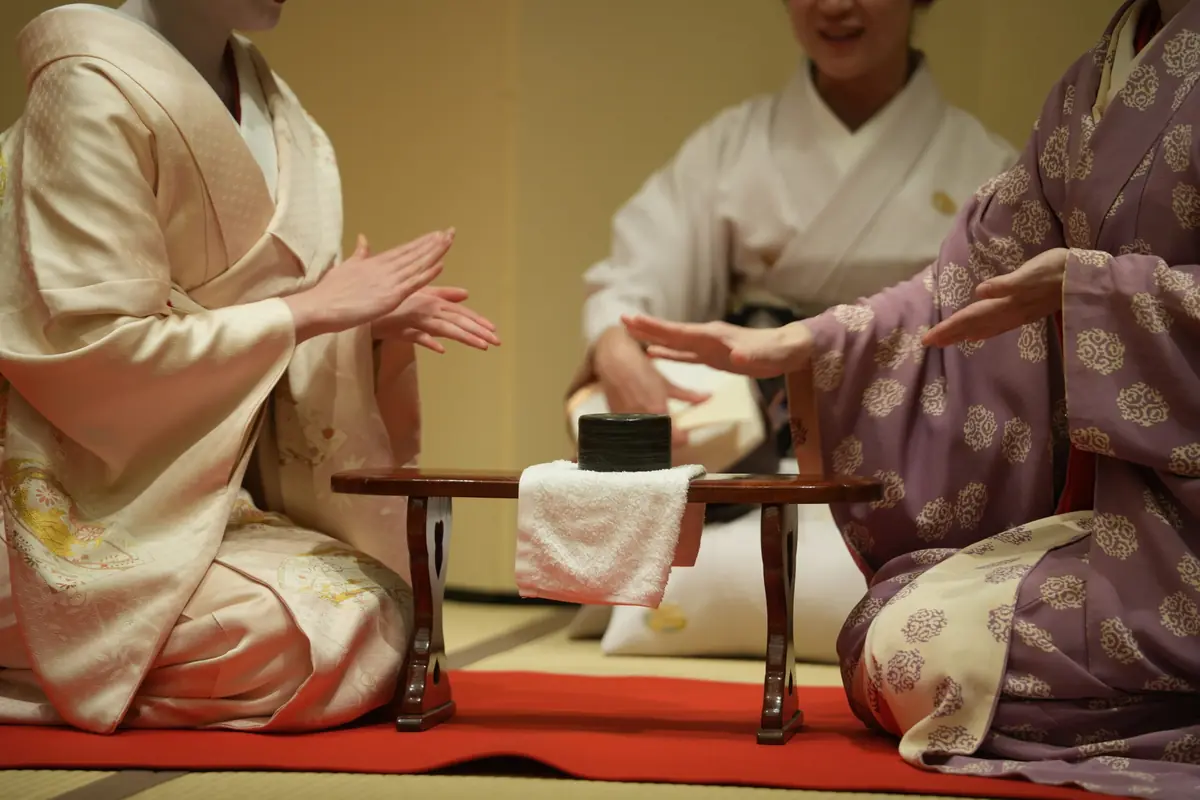
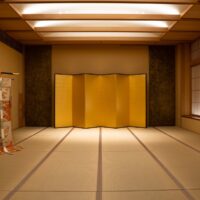
An ozashiki is a banquet-room gathering where geisha perform, host traditional games, and keep the evening flowing. The private ozashiki (geisha banquet) is the original form — the one every other method above is an abbreviation of. The tatami room is yours; the geisha are engaged for your party alone; nobody else is seated with you. That single difference changes everything downstream: the evening runs at your pace rather than a program’s, the geisha play several of the ozashiki-asobi games with you rather than one, as many as the plan’s length allows, conversation happens throughout instead of in a scheduled Q&A slot, and photos are yours to take across an evening that belongs to your party alone. At Miyakodori, private plans start from ¥34,000 per person (1-hour daytime plan, groups of four or more), with longer evening plans, kaiseki dining, and options built on request — and the two-hour plan (Geisha Elegance) is our signature choice. Couples and solo travelers are welcome too: the 1-hour and 2-hour plans can be booked for a single guest (the 3-hour evening plan starts at two). The per-person price is simply higher for a small party, because the number of geisha engaged doesn’t shrink with your group — which is also why the cost per person falls as the group grows. See current plans and pricing for the full structure.
If your goal is not just to see a geisha but to spend an evening with one — talking, playing, asking every question you’ve ever had — this is the method the other four are pointing at. The tea house shows you what a geisha does. A private ozashiki lets you spend time with her.
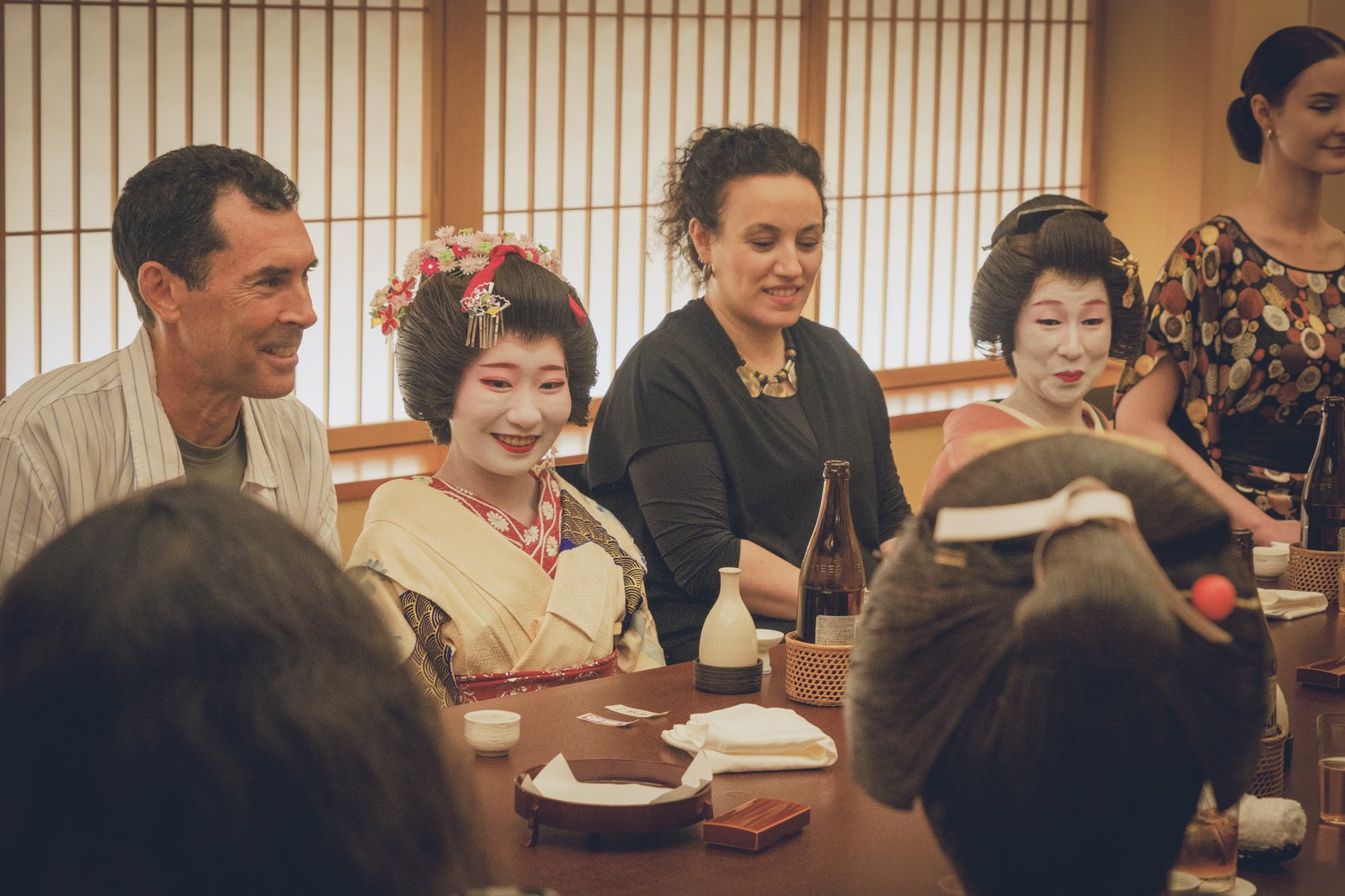
Where can you actually meet a geisha in Japan today? A short answer from Asakusa, subtitled on screen.
Step 3: Book It — No Introduction Needed in Asakusa
What actually separates the certain methods from the uncertain ones is a reservation. And here Tokyo has a quirk of history worth understanding: all of Tokyo’s hanamachi — Asakusa included — traditionally operated on ichigen-san okotowari, “no first-time guests.” You could not simply book an evening with geisha; you needed an introduction from an existing patron. To this day, that introduction requirement remains the norm across Asakusa’s hanamachi.
Miyakodori is the house that opened that door. We were the first machiai-chaya in Asakusa to accept direct bookings from new guests — online reservation, English support, transparent pricing, no introduction required. It is why a visitor reading this in English can go from this page to a booking request in a few clicks and have the evening confirmed by reply, something that was structurally impossible in this district for most of its history.
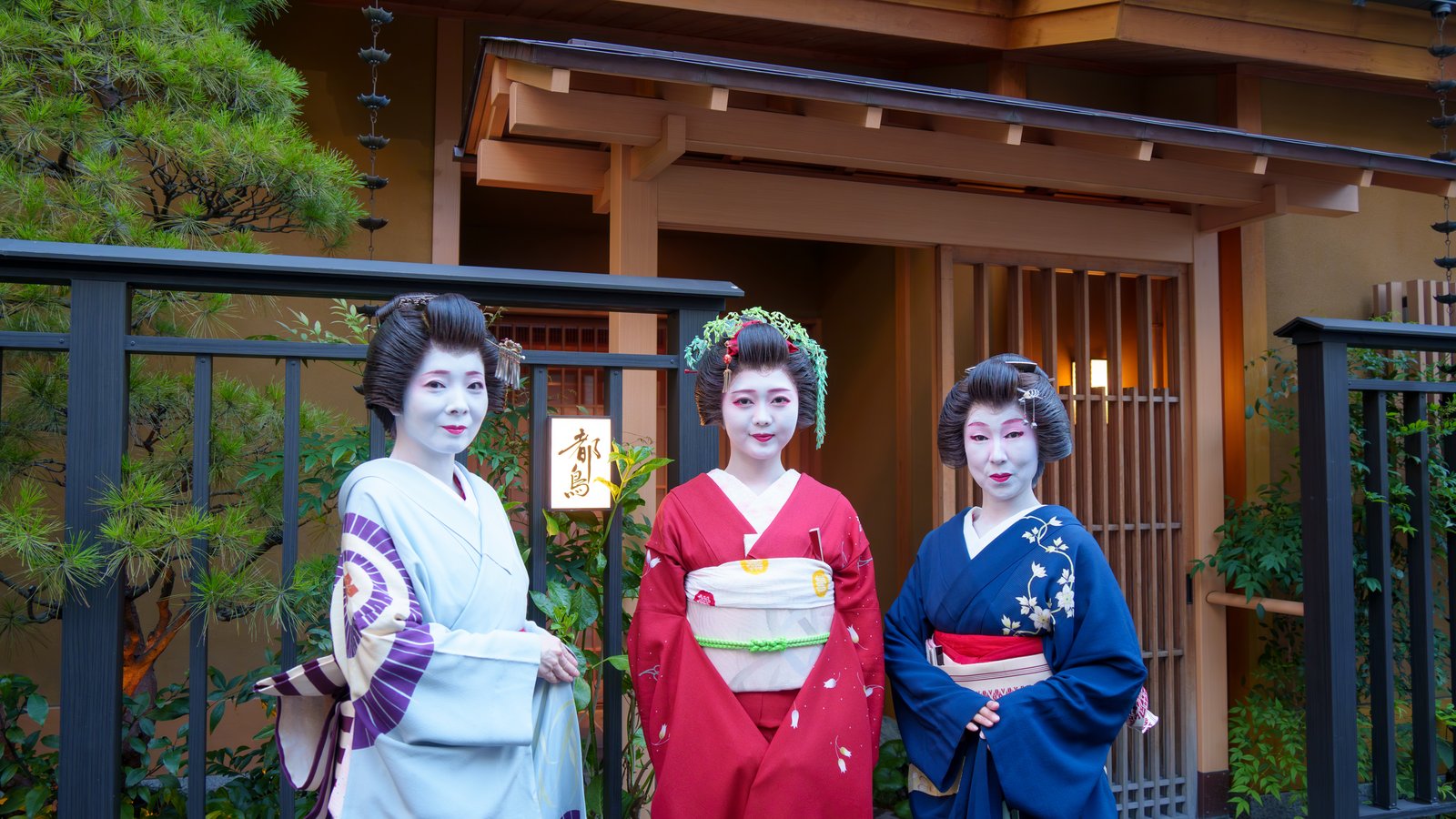
The two booking paths work differently:
| Comparison point | Ozashiki Tea House | Private Ozashiki |
|---|---|---|
| The room | Shared table with other guests | Your party alone |
| Format | Set 75-minute program | Your own evening, at your pace |
| Games | One (Konpira Fune Fune) | Several, as the plan’s length allows |
| Talking with the geisha | Group Q&A segment | Throughout the evening |
| Photos | Free throughout, plus a photo time at the end (about two per group) | Whenever you like |
| Booking | Instant online confirmation | Request reservation |
| Response | Immediate | Usually within 2 business days |
| Best for | A first look, solo travelers, tight schedules | Occasions, groups, the actual experience |
For the step-by-step of forms, timing, and what happens after you submit a request, see our booking guide — this article’s job ends at helping you choose the method.
Ready to Choose Your Evening?
Miyakodori is the house that opened Asakusa to first-time guests — book a shared-table Ozashiki Tea House session instantly, or request a private ozashiki (geisha banquet) for your party alone.
Request a ReservationStep 4: What Actually Happens When You Meet a Geisha
The biggest reason travelers hesitate is simple: it’s hard to book an evening you can’t picture. So here is the shape of a private ozashiki at Miyakodori — the full form, with the room to your party. (A tea house session covers the same elements in compressed form, on a set program, at a table shared with other guests.)
The geisha greet your group and pour the first drink — conversation starts immediately, with interpretation carrying it in English. Then the performance: the tachikata dances Asakusa’s signature pieces to the jikata’s live shamisen and song, a repertoire that includes Asakusa Meibutsu, the dance unique to this district. After the formal performance, the room loosens into ozashiki-asobi — traditional party games like Konpira Fune Fune, played with the geisha, that need no Japanese and no experience. The evening closes with photos together.
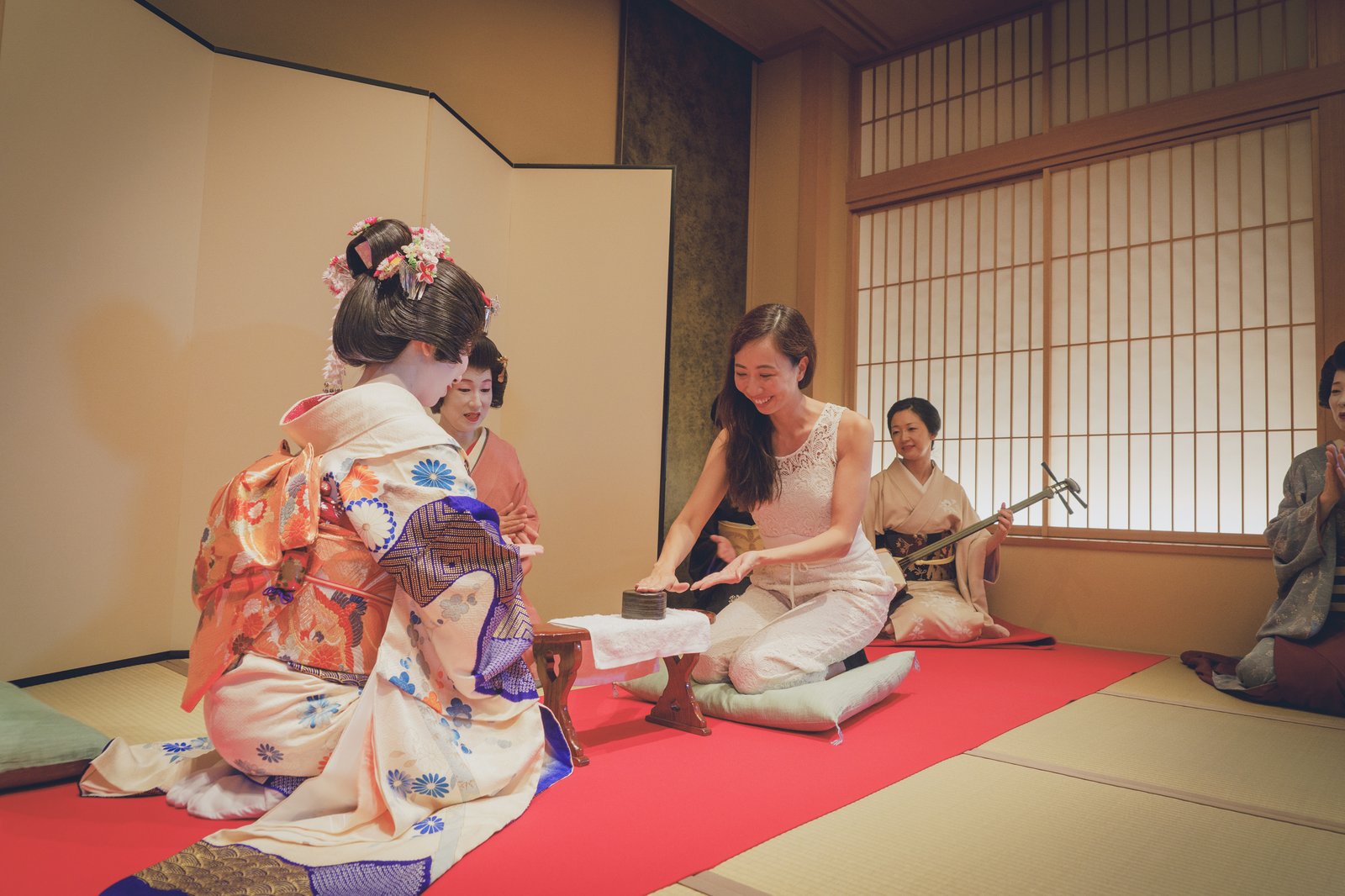
At our ozashiki, we watch guests’ expressions change three times in one evening: they watch the dance seriously, lean in during the conversation, and laugh hardest during the games. Our okami puts it simply — families come with children and grandparents, everyone ends up playing the same game together, and “you realize it’s universal.” The questions guests ask the geisha are universal too; the most common one, in our experience, is “how long does it take to become a geisha?” — and at an ozashiki, you can ask it directly and hear the answer from the person herself.
Step 5: Mind the Basic Etiquette
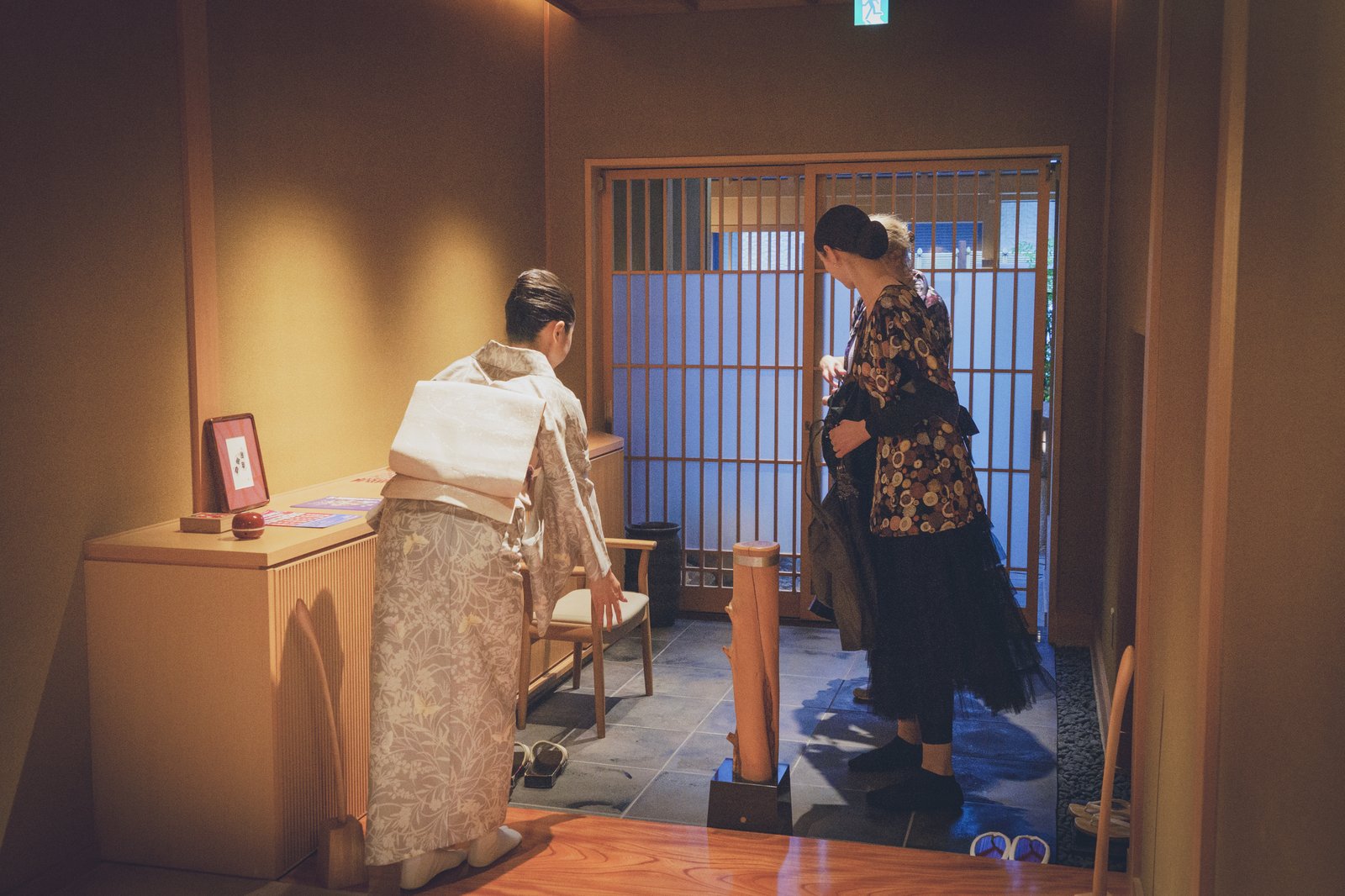
Three points cover most of it. First, on the street: geisha you pass in Kannon-ura are professionals on their way to work — admire, but don’t block their path, and ask before photographing. Second, in the room: photography at Miyakodori is welcome — on private plans, photos and video are free to take whenever you like (live streaming is the one exception), and tea house sessions include photography during the session plus a photo time at the end. Third, dress: there is no formal dress code — casual to smart-casual is fine, and guests who arrive in kimono are always a welcome sight. One practical note, since shoes come off at the entrance: wear or bring socks. Bare feet on tatami read as impolite in Japan, and it is the single easiest thing for a visitor to get right. Arrive on time; the evening is choreographed more carefully than it looks. For the fuller etiquette picture, our geisha experience guide goes deeper.
Frequently Asked Questions
Where can I see real geisha in Tokyo?
The most reliable places are Asakusa’s scheduled public performances (free, selected dates) and reserved ozashiki settings — either a shared-table tea house session or a private ozashiki (geisha banquet) for your party alone. Street sightings around Asakusa’s Kannon-ura district happen, but only by luck.
What is the difference between an ozashiki tea house and a private ozashiki?
The room. A tea house session seats you with other guests for a fixed 75-minute program — one game, a group Q&A, and a photo time at the end (photography is welcome throughout, not only in that window). A private ozashiki gives your party the tatami room to itself, with the geisha engaged for your evening alone — several games, conversation throughout, and no set schedule. Both feature real Asakusa geisha; only one of them is an evening of your own. The tea house is ¥22,000 per person (campaign pricing ¥17,600); private plans start from ¥34,000 per person for the 1-hour daytime plan.
Can you see a geisha in Tokyo for free?
Yes, two ways: free public dance performances on selected dates in Asakusa, and chance street sightings near the hanamachi in the early evening. Neither includes interaction — for conversation and games with geisha, you need a reserved seat at an ozashiki.
How much do you need to spend to see a geisha in Tokyo?
From ¥0 for public performances, to ¥22,000 per person (campaign pricing ¥17,600) for a 75-minute shared-table tea house session with three geisha, to private ozashiki plans from ¥34,000 per person, where the room is your party’s alone. The price buys certainty first, and then privacy — which is what separates a look at geisha culture from an evening inside it.
Is it OK to approach or photograph a geisha on the street?
Keep it brief and courteous: don’t block her way, and ask before taking photos — she is commuting to an engagement. Inside an ozashiki it’s the opposite: photography is welcome, and on private plans you can shoot photos and video freely throughout.
Tokyo or Kyoto — which city is better for seeing geisha?
Kyoto has more districts and more pageantry; Tokyo — Asakusa in particular — is where a first-time international visitor can actually book an evening with geisha directly, because Miyakodori accepts reservations without an introduction. If your goal is meeting geisha rather than glimpsing them, Tokyo is the practical answer.
What is the difference between a geisha show and an ozashiki?
A show is watched: you sit in an audience while geisha perform on a schedule. At an ozashiki the geisha are in the room with you — performing, talking, and playing games at the same table. A show is a view of the culture; an ozashiki is an evening inside it. Within the ozashiki side there is one more distinction worth keeping straight: a tea house session is shared with other guests on a set program, while a private ozashiki is your party’s own evening.
See a Geisha the Certain Way — at Miyakodori in Asakusa
Miyakodori is a machiai-chaya in Asakusa’s Kannon-ura, operating since 1950 — and the first house in the district to openly welcome guests without an introduction. If you want a first look on a tight schedule, a tea house session seats you with other guests for 75 minutes and books instantly. If you want the real thing, a private ozashiki (geisha banquet) gives your party the room and the evening to itself, with the geisha engaged for you alone — with English interpretation throughout and dietary needs accommodated — vegan and vegetarian across the menu, and fully halal or kosher meals in bento form with five days’ notice. If you have an evening to give it, the second is the one worth planning around.
See a Geisha the Certain Way in Asakusa
Miyakodori accepts reservations without an introduction — book a shared-table Ozashiki Tea House session instantly, or request a private ozashiki (geisha banquet) for your party alone.
Request a Reservation


- Asakusa Geisha Encyclopedia: Inside Tokyo's Hanamachi
- Asakusa Tourist Guide: A Full Day in Tokyo’s Most Traditional Neighbourhood
Konpira Fune Fune: The Geisha Game Explained (Rules & History)
Enjoy Delicious Kakigōri in Asakusa! 6 Recommended Local Shops Part②
Geisha Experience in Tokyo: Private Ozashiki in Asakusa
Geisha Show on Netflix: The Makanai and the Real World of Geisha
Japanese vs Korean Culture: Social Differences, Arts and Traditions
No comments yet.