



Geisha in Tokyo: The Complete History Guide
A geisha is a professionally trained performing artist — not a courtesan — who masters classical Japanese dance, shamisen music, and the social arts of ozashiki hospitality.
Tokyo’s geisha history spans three centuries, from the Edo-period entertainment districts of Yoshiwara and Asakusa to the intimate machiai-chaya banquet houses that host private ozashiki (geisha banquets) today.
The part of the origin story that surprises most guests: geisha were originally men. That line has not disappeared. It survives in Asakusa today as the hokan. Subtitled on screen.
The Origins of Geisha: From Entertainers to Artists
When did Geisha first appear in Japanese history?
Geisha culture took shape in Edo in the late 17th century, when the earliest geisha were men, alongside the odoriko dancers of the day — and women were already performing as geisha within that same century.
The word geisha (芸者) means “person of the arts.” The profession emerged in Japan’s urban entertainment districts during the mid-Edo period, with male practitioners (called houkan or taikomochi) preceding their female counterparts. By the Meiji era, female geisha had become the definitive form of the tradition.
The distinction between geisha and the tayuu courtesans of Yoshiwara is frequently misunderstood. While geisha were employed in the same entertainment districts, their role was strictly as performing artists — musicians, dancers, and conversationalists — not as companions in the manner of tayuu. The geisha profession was legally and socially separated from the pleasure quarters, a distinction enforced throughout the Edo and Meiji periods.
What is the historical connection between Geisha and the city of Tokyo (Edo)?
Tokyo’s hanamachi (geisha districts) developed from the 1770s onward, with Asakusa, Shimbashi, Akasaka, and Yanagibashi becoming the city’s most celebrated geisha neighborhoods by the Meiji era.
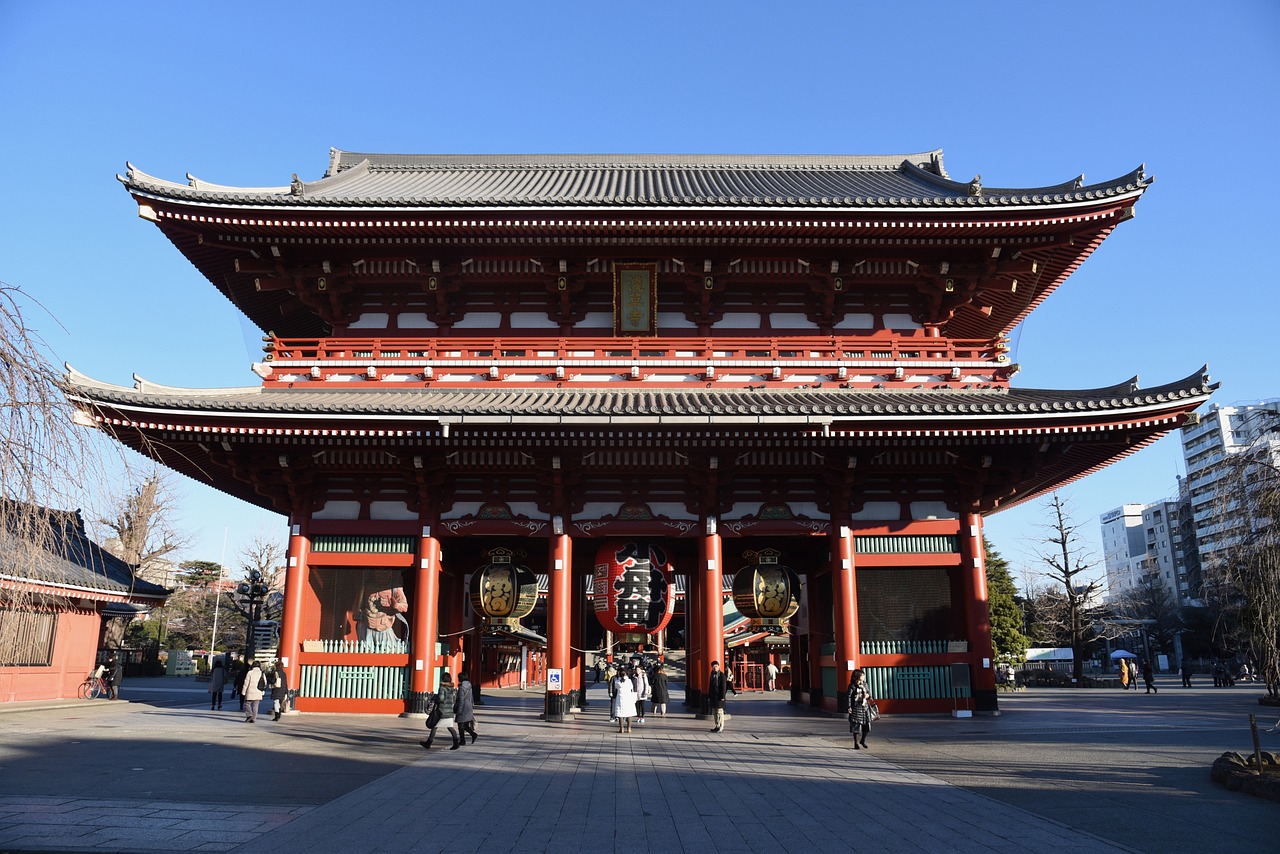
The Asakusa hanamachi, centered around Senso-ji temple’s entertainment zone, emerged as one of Edo’s most vibrant geisha communities. Unlike Kyoto’s rigidly hierarchical hanamachi system — where young trainees debut as maiko and spend years building experience before advancing to geiko (senior geisha) status — Tokyo’s tradition developed differently, with a more direct entry into the profession and a reputation for wit and cosmopolitan sophistication rather than formal ceremonial elegance.
Tokyo geisha became known for their quick humor (called hanashijutsu — the art of conversation), their skill at ozashiki asobi (banquet parlor games), and their ability to entertain guests from the new merchant and political classes reshaping Meiji-era Japan.
How did Geisha culture develop during the Meiji and Taisho eras?
The Meiji and Taisho eras (1868–1926) were the golden age of Tokyo’s geisha culture, when the profession attracted the most celebrated artists, intellectuals, and politicians of the era to the hanamachi banquet houses.
The opening of Japan to international trade and the modernization project of the Meiji government created enormous new wealth concentrated in Tokyo. The hanamachi — particularly Shimbashi and Akasaka — became the preferred venues for the political and business negotiations of the new era, conducted over kaiseki meals with geisha providing music, conversation, and the rituals of ozashiki hospitality.
This period saw the formalization of the geisha training system: the natori (name-conferral ceremony), the elaborate kimono and obi hierarchy, and the specialized division between tachikata (dancer geisha) and jikata (musician geisha). Many of the formal ozashiki games and musical repertoire performed today date from this period.
Geisha in Asakusa: A Distinct Tokyo Tradition
What makes Asakusa’s Geisha tradition different from Kyoto’s?
Asakusa’s geisha tradition is distinctly Tokyo in character — more direct, more humorous, and historically more accessible to visitors without personal introductions than Kyoto’s Gion district.
Kyoto’s Gion hanamachi is governed by the principle of ichigen-san okotowari — new guests are accepted only through personal introduction by an established patron. This tradition developed from Kyoto’s centuries as Japan’s imperial capital, where geisha entertainment was woven into the court hierarchy.
Asakusa’s tradition emerged from Edo’s merchant culture, where the emphasis was on quick wit, genuine warmth, and entertaining guests efficiently. The Asakusa geisha developed a reputation for being approachable, funny, and skilled at making strangers feel immediately welcome — qualities that make the tradition particularly accessible to international visitors today.
How has Asakusa’s Geisha community changed over the past century?
Asakusa once supported over 1,000 geisha and 300 licensed venues; today, approximately 20 geisha remain active, and Miyakodori is the only machiai-chaya still operating in the district.
The contraction reflects broader social and economic shifts: the disruption of World War II, postwar economic rebuilding that redirected entertainment culture, and the emergence of new entertainment industries in the late 20th century. The geisha who remain in Asakusa today represent both the continuation of a living tradition and the concentrated expertise of practitioners who have dedicated decades to mastering their arts.
Miyakodori’s okami, who trained as a geisha in Asakusa before becoming the proprietress of one of the district’s last licensed banquet houses, describes the current situation not as decline but as concentration: the practitioners who remain are those for whom the art is a genuine vocation.
What is a machiai-chaya, and what role does it play in Geisha culture?
A machiai-chaya (literally “waiting tea house”) is a licensed banquet venue that employs geisha from the local kenban (geisha registry) for private ozashiki — it is the institutional heart of the hanamachi system.
The machiai-chaya functions as the intermediary between guests and geisha: the proprietress (okami) arranges which geisha will attend, coordinates the kaiseki kitchen, manages the tatami room, and ensures the evening proceeds according to the traditions of the hanamachi. Guests do not hire geisha directly — they book through the machiai-chaya, which maintains the relationship with the kenban and handles all arrangements.
Miyakodori has operated as a licensed machiai-chaya in Asakusa since 1950, making it one of the longest-continuously-operating banquet houses in the district.
Asked what the hardest part of the training was, an Asakusa geisha answers that the apprenticeship lasted about a month and never felt hard at all — there was only impatience to debut and dance. Subtitled on screen.
What the training actually felt like, from a geisha who went through it here. She says the trainee years never felt hard because she simply did as she was told. The fear arrived as her debut approached, when she realised she would be performing at other teahouses and meeting guests she had never met.
The Training and Career of a Tokyo Geisha
How does someone become a Geisha in Tokyo?
In Tokyo’s tradition, aspiring geisha typically begin training after completing formal education, entering directly as a hangyoku (a junior geisha, using the half-jewel term) before formal debut celebrations such as erikae — unlike Kyoto, where training toward a maiko debut can begin in mid-adolescence.
The training covers shamisen (three-stringed lute), traditional dance styles (primarily Nihon buyo), nagauta singing, ozashiki games, and the precise protocols of geisha hospitality. In Asakusa, a hangyoku simply becomes ippon — there is no formal examination, and the Kyoto word erikae is not used here.
The kenban registers the district’s geisha and coordinates their booking for ozashiki engagements.
What is the difference between a tachikata and a jikata Geisha?
Tachikata geisha specialize in classical dance performance, while jikata geisha are musicians who play the shamisen and sing to accompany the dance — both roles are present at most formal ozashiki.
The division reflects the complexity of traditional Japanese performing arts: classical dance (Nihon buyo) and live shamisen music require distinct years-long specialization. At a standard ozashiki, the tachikata performs the formal dance set while the jikata provides live musical accompaniment — together creating the distinctive atmosphere of a geisha banquet that no recorded music can replicate.
What is the kenban, and how does it regulate Geisha culture in Asakusa?
The kenban is the official geisha registry and professional union that certifies practitioners, manages bookings, sets fee structures, and maintains the standards of the hanamachi tradition.
In Asakusa, the kenban has operated since the Meiji era, maintaining continuous records of practitioners, training requirements, and the formal protocols of ozashiki entertainment. The machiai-chaya books geisha through the kenban rather than directly — a system that protects both the practitioners and the standards of the tradition.
The kenban fee structure (called hanadai or gyokudai — “flower money” or “jewel price”) determines the geisha’s professional compensation and is set according to time, type of engagement, and the practitioner’s seniority within the hanamachi.
What is the difference between a Geisha and a Maiko?
Maiko is the Kyoto term for a junior geisha who has completed her apprenticeship and formally debuted; in Tokyo, this same career stage is called hangyoku. Both are full geisha, not pre-geisha apprentices — the difference from a senior geisha (geiko in Kyoto, ippon in Tokyo) is one of experience and repertoire, not professional status.
A common misunderstanding assumes maiko and hangyoku are not yet geisha. They have already debuted and perform at ozashiki alongside senior geisha, continuing to build the years of training that define seniority in the profession. For the complete breakdown of geisha career stages, see our guide to the difference between geisha and maiko.
Why the practice never stops, in her own words. The best part of the work, she says, is meeting people she would never otherwise meet, and being told by them that she has improved. She keeps practising so that a guest can think: I am glad I supported her.
Geisha Arts: What They Master and Why It Matters
What traditional arts do Geisha in Tokyo practice?
Tokyo geisha master a broad curriculum: classical dance (Nihon buyo), shamisen, nagauta singing, hayashi percussion, tea ceremony, flower arrangement (ikebana), calligraphy, and the complex social arts of ozashiki hospitality.
The performing arts curriculum varies somewhat between hanamachi, but the core triad of dance, shamisen, and singing forms the foundation. The social arts — the ability to read a room, guide conversation, facilitate games, and create an atmosphere of genuine warmth — are equally important and equally trained, if less formally tested.
In Asakusa, the tradition emphasizes the ozashiki asobi (parlor games) particularly: the ability to play konpira fune fune (a rapid hand-placement game played over drink), tora tora (theatrical full-body rock-paper-scissors performed with a guest), and other games that create shared laughter across any language barrier.
What is the significance of the Geisha kimono?
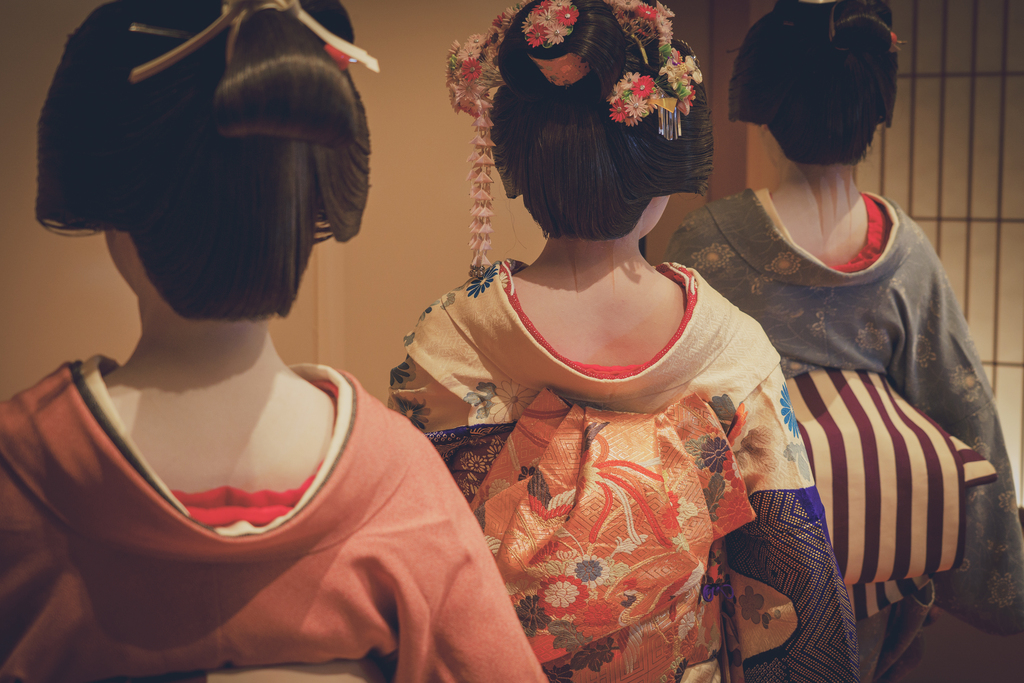
A geisha’s kimono is not decorative clothing but a precise semiotic system — every element (fabric, pattern, collar color, obi style, seasonal motif) communicates the wearer’s status, season, and occasion.
A formal geisha kimono ensemble requires hours of preparation and represents years of accumulated expertise in textile tradition. The obi (sash) alone requires specialized knowledge to tie correctly, and the seasonal rotation of kimono patterns — cherry blossoms for spring, maple leaves for autumn, snow patterns for winter — reflects the deep embedding of geisha culture in Japanese aesthetic traditions of seasonal awareness (mono no aware).
The shimada hairstyle worn by geisha, requiring traditional kanzashi (hair ornaments) specific to season and ceremony, adds further layers of meaning that trained practitioners can read immediately.
Geisha Culture Today: What Survives, What Has Changed
Is Geisha culture still active in Tokyo today?
Yes — Tokyo’s remaining hanamachi, including Asakusa, Shimbashi, and Akasaka, maintain active geisha communities where ozashiki banquets are held regularly for both Japanese and international guests.
The practitioners who remain active today are not performing a historical recreation but continuing a living tradition — the same shamisen styles, the same dance forms, the same ozashiki games that have evolved continuously since the Edo period. What has changed is accessibility: venues like Miyakodori have made the experience available to first-time international visitors without the traditional requirement of personal introduction.
How has the relationship between Geisha culture and international visitors evolved?
The past decade has seen deliberate outreach from hanamachi institutions to international visitors, with English-language support and direct online booking replacing the traditional introduction system at accessible venues.
The decision by Miyakodori’s okami to open the banquet house to international visitors without personal introduction — a significant departure from traditional hanamachi protocol — reflects a conscious philosophy of cultural stewardship. With Asakusa’s geisha community having contracted dramatically over the past century, maintaining the tradition requires engaging new audiences. The international guests who attend ozashiki today often become its most passionate advocates, carrying their experience back to about 20 countries.
What is the future of Geisha culture in Tokyo?
Tokyo’s geisha tradition continues under the stewardship of a smaller but deeply committed community of practitioners, with active efforts to train new geisha and introduce the tradition to domestic and international audiences.
The kenban continues to certify new practitioners. The machiai-chaya continue to operate. The shamisen continues to be played live in tatami rooms in Asakusa. The tradition endures not as a museum exhibit but as a genuinely practiced art form — different in scale from its Meiji-era peak, but unbroken in the essential chain of transmission between masters and students that defines any living art.
Further Reading
- The Complete Geisha Experience Guide — what happens at an ozashiki, etiquette, and booking
- The Complete Geisha Knowledge Guide — training, hierarchy, kimono, and daily life
- The Shamisen: Japan’s Three-Stringed Lute & the Soul of Geisha Music
- Ozashiki Games: Unlocking the Secrets of Geisha Parlor Games
- The Complete Guide to Geisha Dance
- Ultimate Guide to Geisha Dinner in Tokyo
- Tokyo Geisha & Tea Ceremony Experience
- How to Book a Geisha Experience in Tokyo
- How Long Is a Geisha Experience?
- Real Geisha Stories
- Geisha Experience in Tokyo
- authentic geisha experience vs. tourist makeover
- best geisha experiences in Tokyo
- Asakusa geisha: where to meet real geisha in Tokyo
- Japanese vs Korean culture: a comparative guide
- The Real Meaning of Geisha in Japan: History, Life, and Modern Traditions
- What Is a Geisha? A Direct Answer from Asakusa
- Japanese Culture vs American Culture: A Traveler’s Guide
- Why Geisha Are Special: An Art Refined for 200 Years, Explained by a Third-Generation Owner
- 1,060 to 20: A Third-Generation Owner on What Changed in Asakusa’s Geisha World
- Asakusa Geisha Encyclopedia — what a geisha is, how one is made, and what happens at an ozashiki, from inside the hanamachi
Private Geisha Experience in Asakusa, Tokyo
History lives in this room. Book a private ozashiki banquet at Miyakodori — the only machiai-chaya still operating in Asakusa — and step into three centuries of unbroken tradition.
An evening of graceful dance, live shamisen, and warm geisha hospitality awaits in a setting that has remained part of Asakusa’s cultural fabric since 1950.
Request Your Private Ozashiki
Secure online booking through our reservation form. First-time guests welcome.
- Private Ozashiki :An intimate, refined encounter with authentic Asakusa geisha.
- Traditional Geisha Artistry:Graceful dance, live shamisen, and interactive ozashiki games.
- Historic Hanamachi Setting:A timeless cultural experience in the heart of Asakusa.
- English Support Available :Attentive assistance for international guests throughout your visit.
Only 2 licensed venues remain in Asakusa — early reservation is recommended.
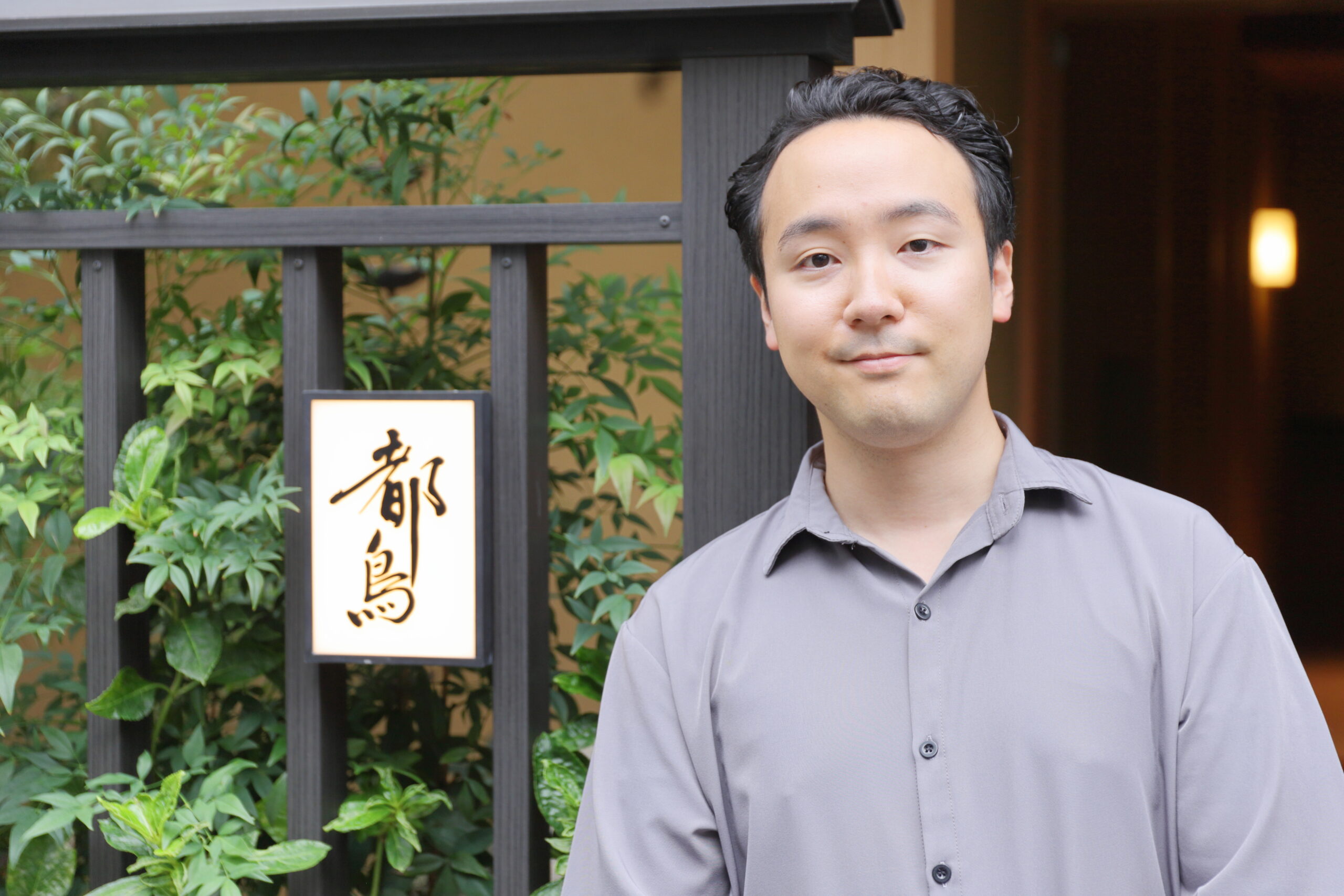


- Geisha in Tokyo: The Complete Knowledge Guide to the Karyukai
- Geisha in Tokyo: The Complete Experience Guide
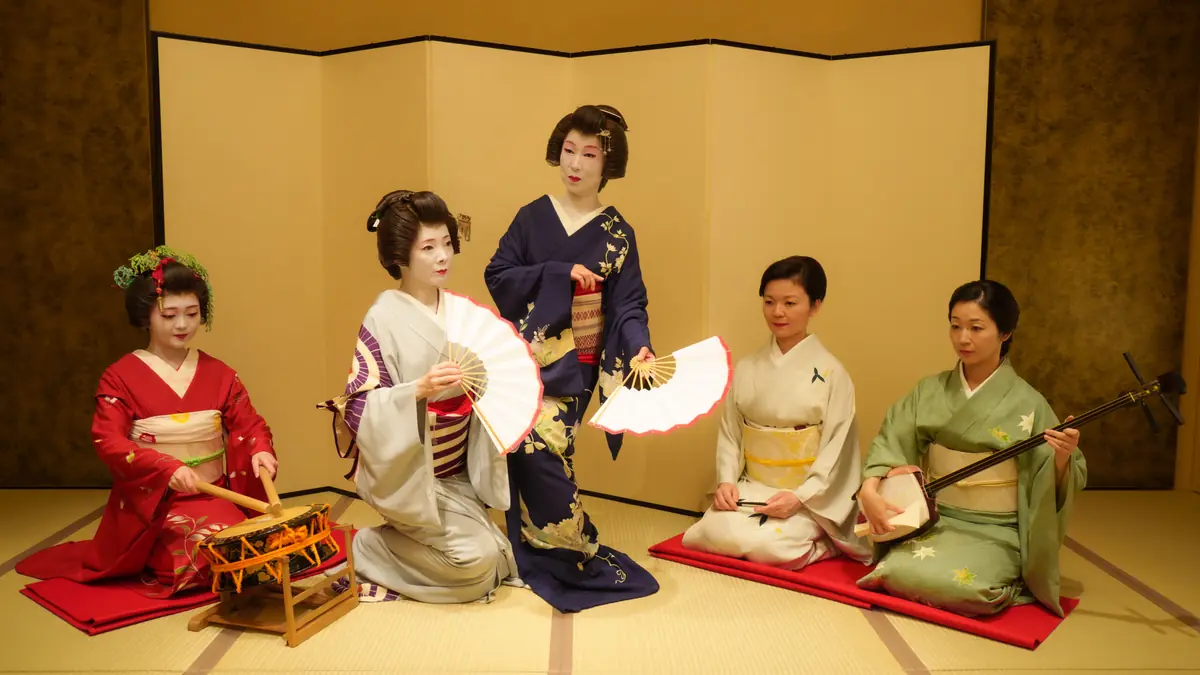
Best Geisha Experiences in Japan: A Complete Guide for 2026
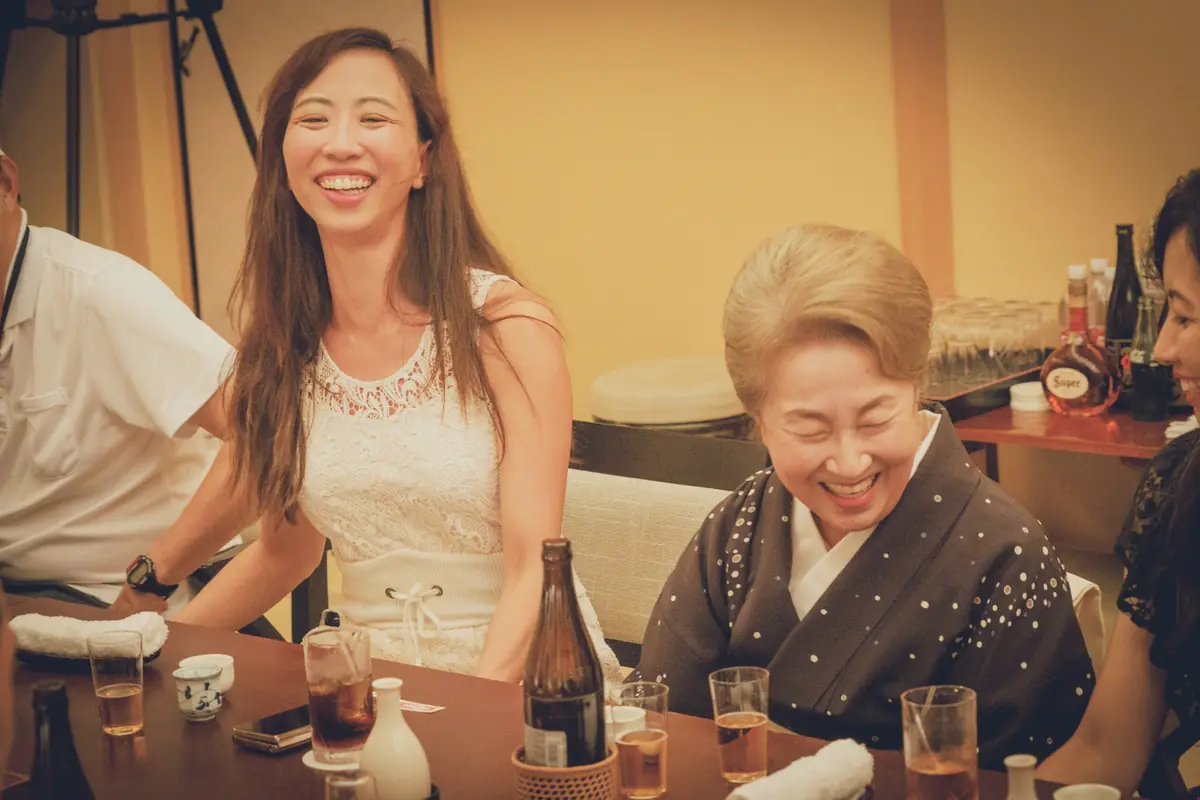
How Long Is a Geisha Experience? (Tokyo Ozashiki Guide)
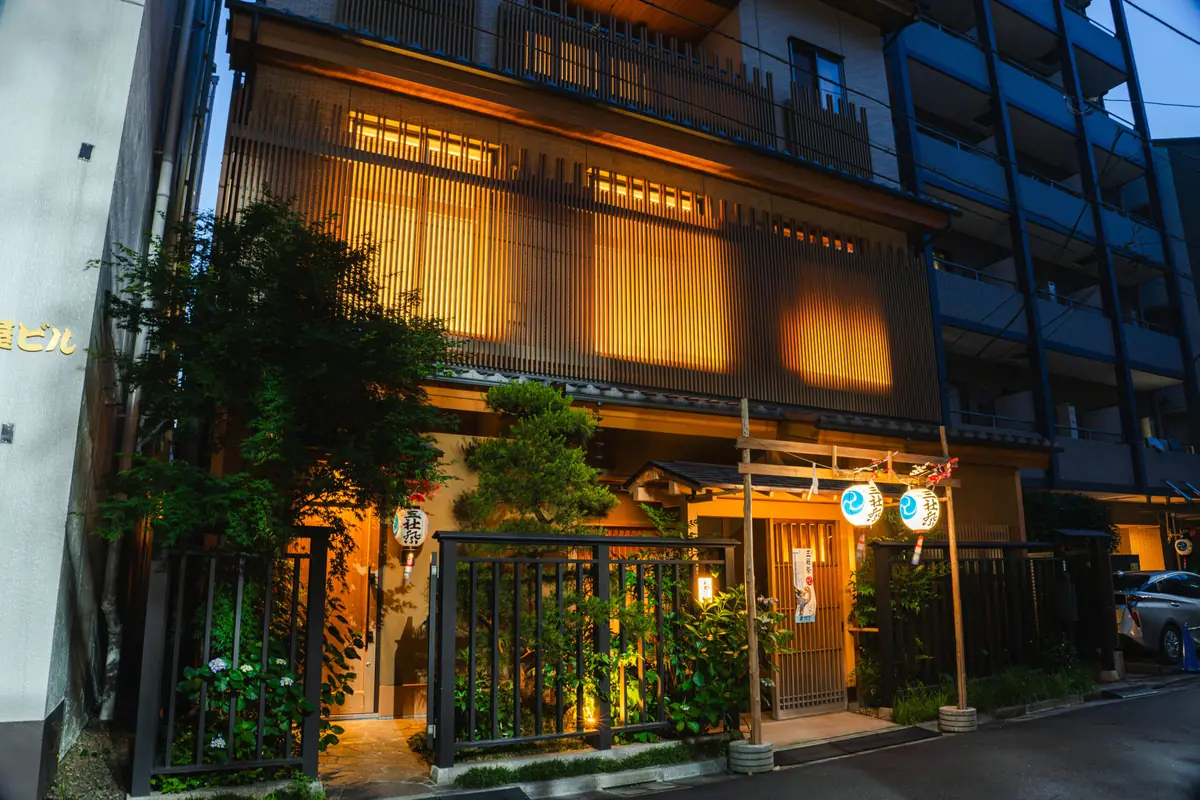
Geisha Restaurant Near Me in Tokyo: Authentic Ozashiki at Miyakodori Asakusa
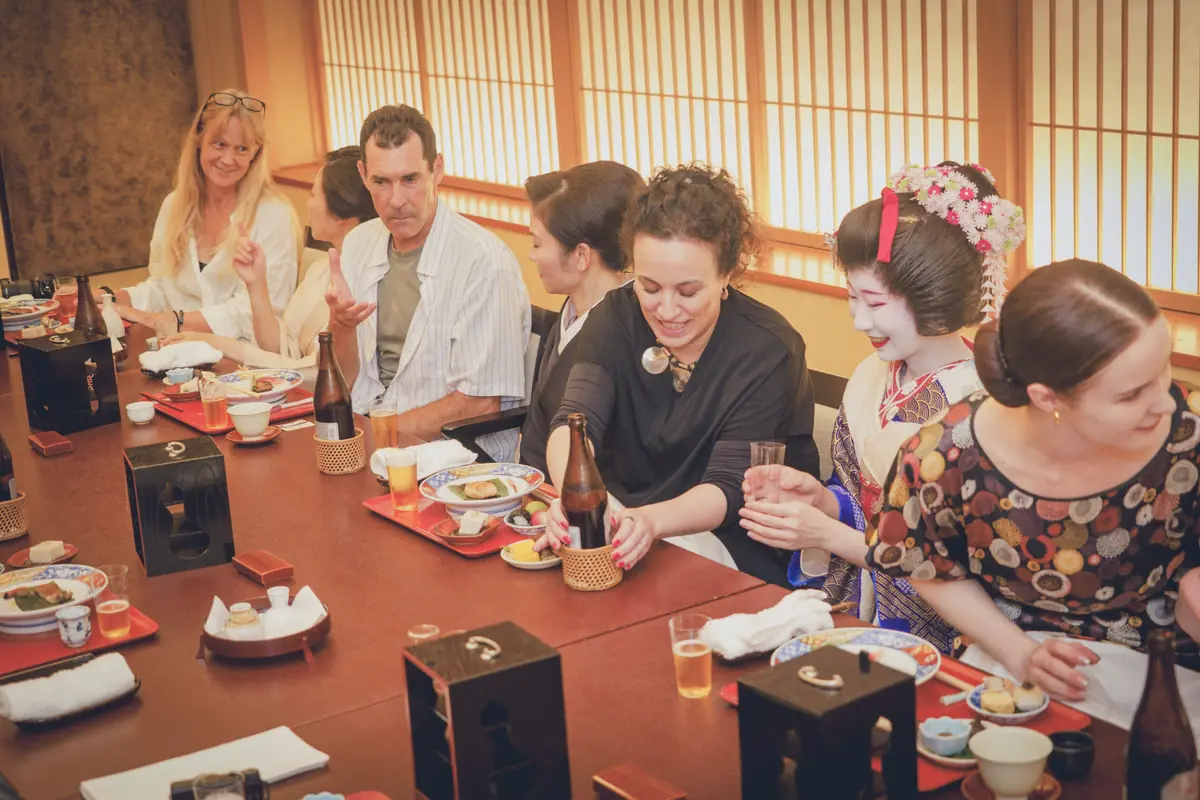
The Geisha Experience in Tokyo: Planning Your Visit to Asakusa
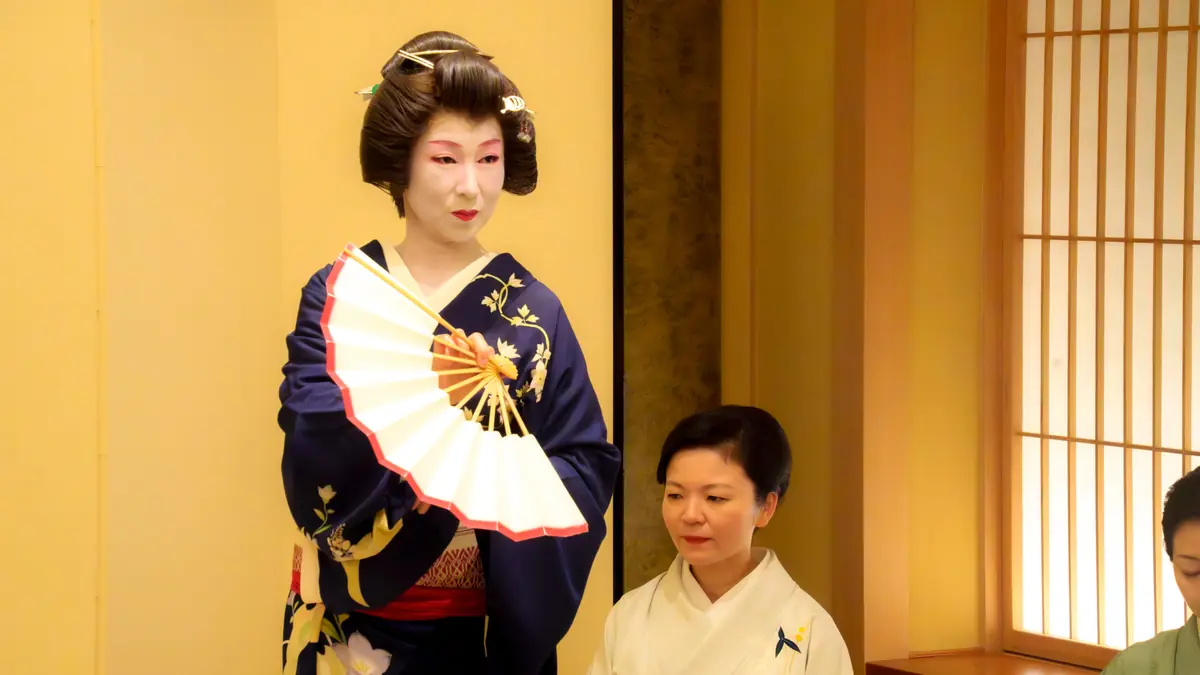
Experiencing an Authentic Geisha Show in Asakusa, Tokyo
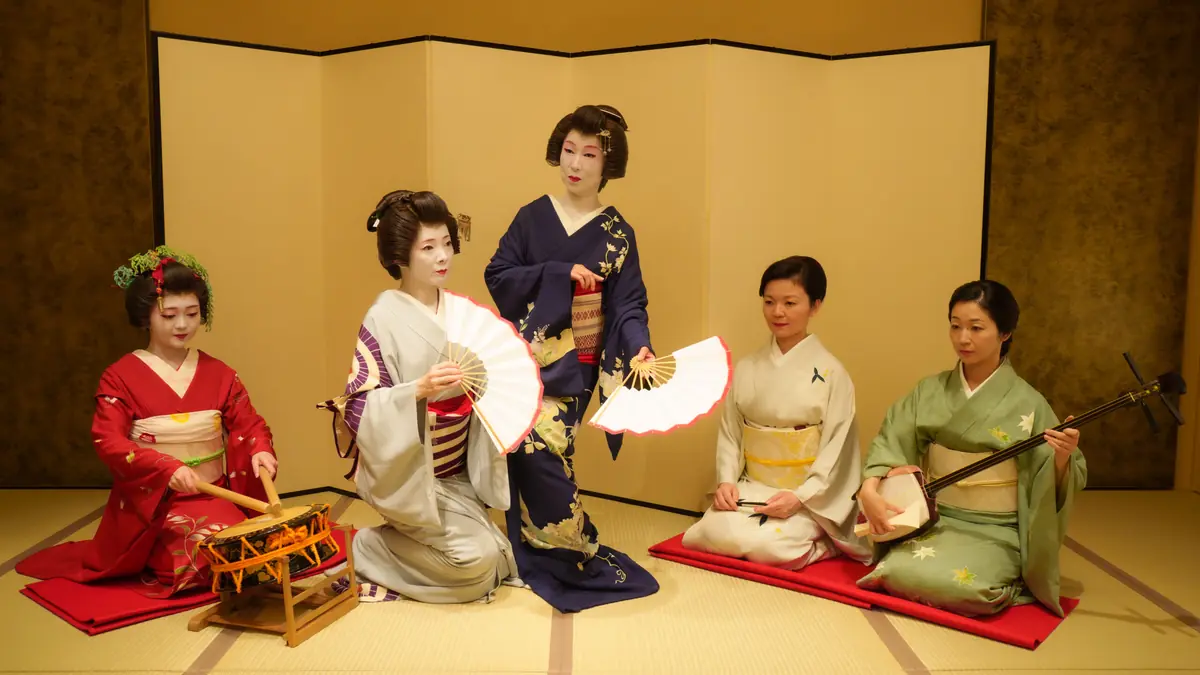
Real Geisha Stories: Tokyo — Komaaki, Chino & Chizuru of Asakusa
Comment ( 0 )
Trackbacks are closed.

No comments yet.