



Japanese Culture vs American Culture: A Traveler’s Guide
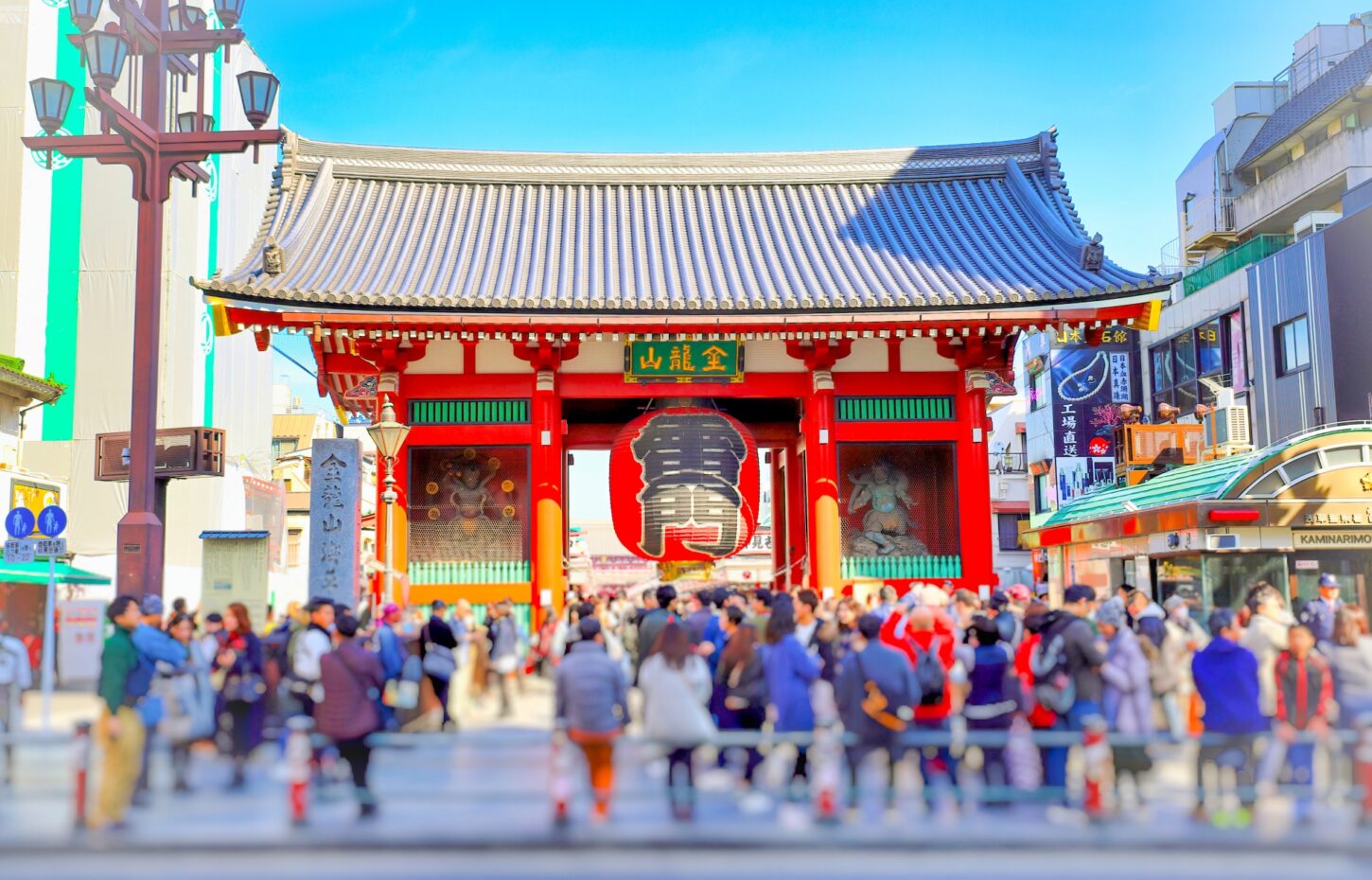
When travelers from the United States first arrive in Japan, the differences they notice are not just visual — they are felt in the rhythm of daily life itself. Trains run to the second. Quiet fills public spaces that would hum with conversation elsewhere. Strangers leave their belongings unattended and return to find everything exactly as they left it. Understanding why these moments happen — and what they reveal about the deeper values that shape Japanese society — is one of the most rewarding parts of exploring this country. In our experience welcoming international guests at Miyakodori in Asakusa, Americans often tell us that Japan surprises them in ways they never anticipated.
Public Etiquette: Silence, Order, and Consideration for Others
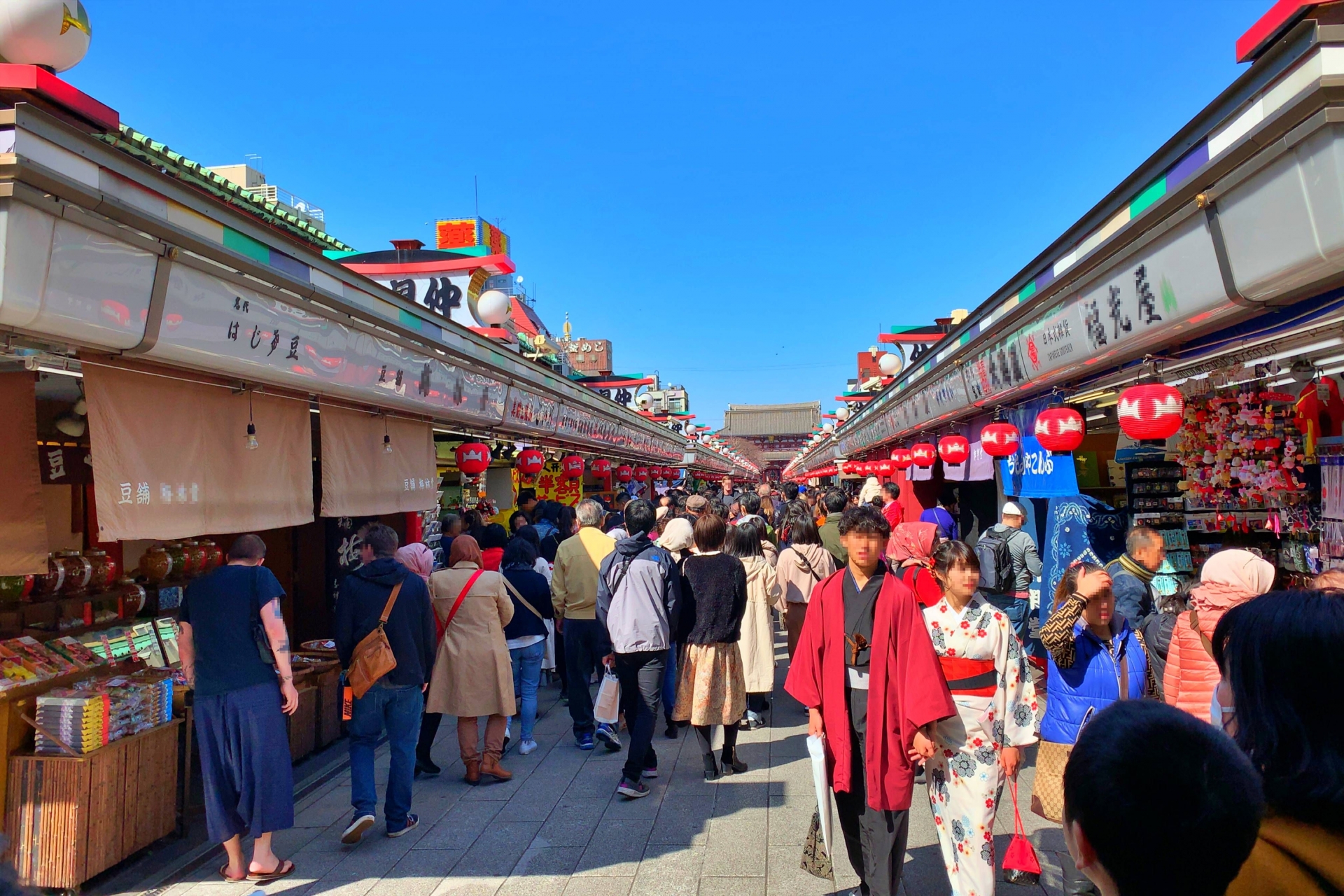
Japan’s approach to public behavior reflects a deeply held social value: the responsibility not to impose on others, expressed in the concept of meiwaku. In the United States, public spaces tend to be expressive environments — conversation, laughter, and movement are natural and expected. In Japan, the same spaces are governed by an unwritten but widely understood code of quiet consideration.
On Japanese trains and subways, passengers typically avoid phone calls, keep voices low, and refrain from eating. This is not a legal requirement but a social norm so well-established that violations are immediately noticeable. The near-silence of a crowded Tokyo commuter train can feel startling to first-time visitors from New York or Chicago, where subway noise is simply part of the urban texture.
Walking while eating — known colloquially as arukui-tabe — is similarly discouraged in many contexts, particularly near temples, traditional shopping streets, and residential areas. In American cities, eating on the go is a mundane convenience; in Japan, it is often seen as a sign of carelessness toward the shared environment.
Japan’s legendary cleanliness in public spaces — streets virtually free of litter despite a notable scarcity of public trash cans — reflects another aspect of this collective sensibility. Citizens are expected to carry their waste home, and they generally do. American cities, by contrast, rely heavily on public waste infrastructure and still contend with litter as a persistent urban challenge.
Communication Style: Harmony Over Directness
American communication tends toward directness. Expressing opinions clearly, stating disagreement openly, and advocating for oneself are qualities valued and encouraged from childhood through professional life. In Japan, communication is shaped by an equally powerful but very different ideal: the preservation of wa, or social harmony.
Japanese social interaction relies on high-context communication, where much of what matters is implied rather than stated. A polite deflection may be more meaningful than a direct refusal. Consensus is often built quietly, through a process called nemawashi — a word that literally means “going around the roots” — before any formal decision is announced. This makes Japanese professional settings appear slower to outsiders but often produces smoother implementation once direction is set.
For American visitors, this communication gap can be one of the most challenging adjustments. A Japanese “yes” may signal acknowledgment rather than agreement. Silence in a meeting is not awkwardness but contemplation. Understanding these differences does not require abandoning directness — it requires developing a second layer of attention to context, tone, and what is left unsaid.
Experience Japan’s Living Cultural Tradition
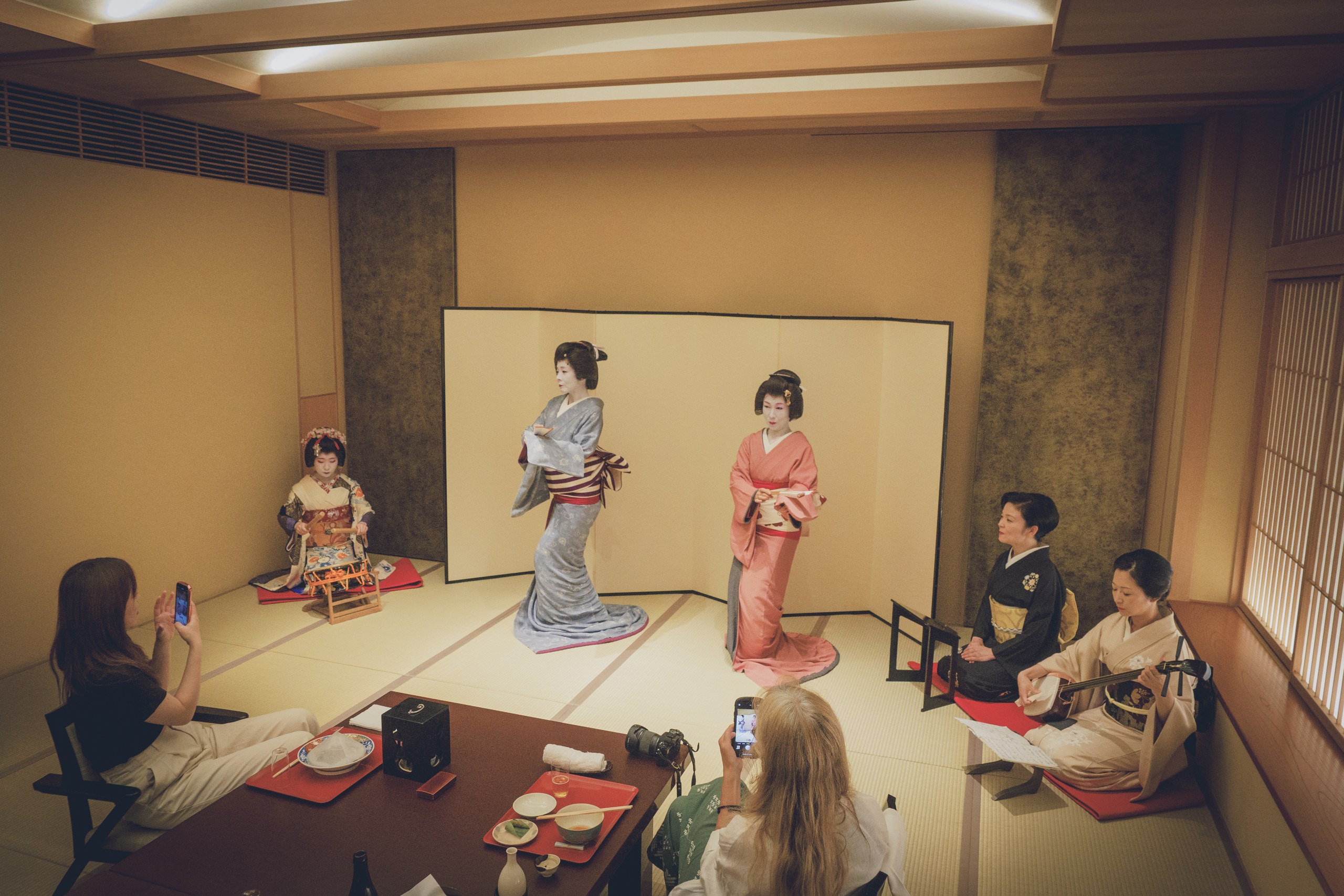
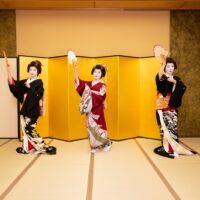
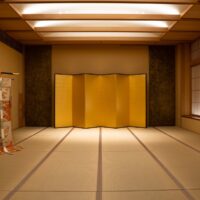
Miyakodori in Asakusa is the only machiai-chaya in the district — a private geisha banquet that remains a rare find in Tokyo. Witness skilled geisha performers in an intimate tatami setting.
Request a ReservationTipping and Omotenashi: Two Different Philosophies of Service
In the United States, tipping is central to the service economy. A 18–20% gratuity is standard practice at restaurants, and tipping extends to taxis, hotels, salons, and many other contexts. Service workers often depend on tips as a core component of their income, and failing to tip is perceived as a social transgression.
In Japan, tipping is generally not practiced in everyday service contexts. Rather than expecting gratuity, Japanese service culture is built around the concept of omotenashi — a philosophy of wholehearted hospitality that anticipates needs before they are expressed, without expectation of additional reward. At hotels, restaurants, and shops, exceptional service is simply the standard, delivered as a matter of professional pride.
For travelers accustomed to American tipping norms, this can require adjustment in both directions: resist the impulse to tip in casual settings where it may cause awkward confusion, and appreciate that the attentiveness you receive is already the complete expression of hospitality the establishment intends to offer.
Lifestyle, Work, and the 2026 Perspective
American work culture has long valorized individual ambition, entrepreneurship, and the idea that personal achievement is the primary measure of success. Long hours may be worn as a badge of dedication, but they coexist with a broader cultural expectation that personal identity is distinct from professional role.
Japanese work culture has historically placed the group — the company, the team, the department — at the center of professional identity. The concept of salaryman culture, in which long hours and loyalty to employer defined adult male life, dominated the second half of the twentieth century. However, Japan in 2026 is actively renegotiating this relationship. Government-led work-style reforms introduced in recent years aim to reduce overtime and encourage the use of paid leave. Remote and hybrid work arrangements have expanded significantly. Younger Japanese workers increasingly prioritize work-life balance and personal fulfillment, a shift visible in major urban centers like Tokyo.
Both cultures also share a 2026 reality: the tension between technological connectivity and the desire for genuine human presence. Japan’s vending machine density — among the highest in the world — reflects a society that optimizes for frictionless transaction. Yet the same society places extraordinary value on the quality of human interaction when it occurs. The tea ceremony, the ozashiki banquet, the kaiseki meal — these are intentionally slow, presence-rich experiences designed to resist the acceleration of daily life.
Privacy and Personal Space
Americans tend to have a direct, open relationship with personal information in social contexts. Introductory conversations often move quickly to questions about work, family, and personal background. Sharing opinions, achievements, and life events — even with relative strangers — is considered normal and connective.
Japanese social culture places considerable value on privacy and the careful management of what is shared and with whom. Personal questions about salary, relationship status, or family circumstances are rarely raised in professional or formal social settings. There is a well-understood distinction between tatemae — the face presented publicly — and honne — one’s genuine thoughts and feelings — and managing this distinction gracefully is a mark of social sophistication.
This does not indicate coldness or distance. Once trust is established, Japanese friendships and professional relationships can be characterized by extraordinary loyalty and depth. The path to intimacy simply travels through a different landscape than the one American social norms typically map.
Traditional Arts: Geisha and the Living Heritage of Japan
The United States, a nation formed largely through immigration and cultural synthesis, has developed its own vibrant popular culture — from jazz and blues to Hollywood cinema and contemporary art. These traditions are powerful and globally influential, but most are products of the modern era rather than continuous living traditions stretching back several centuries.
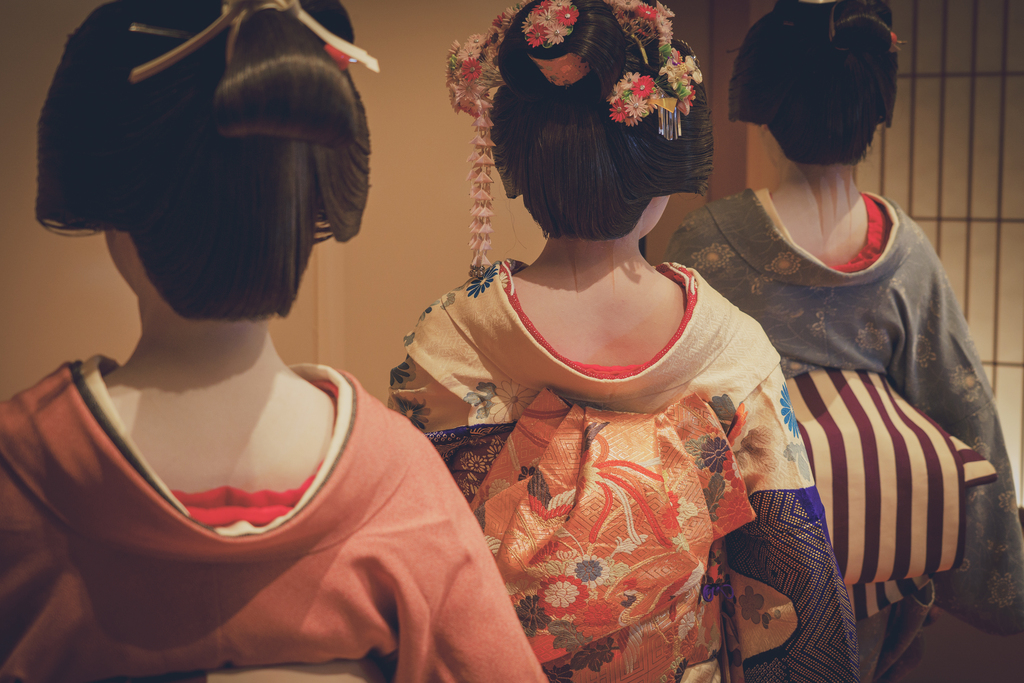
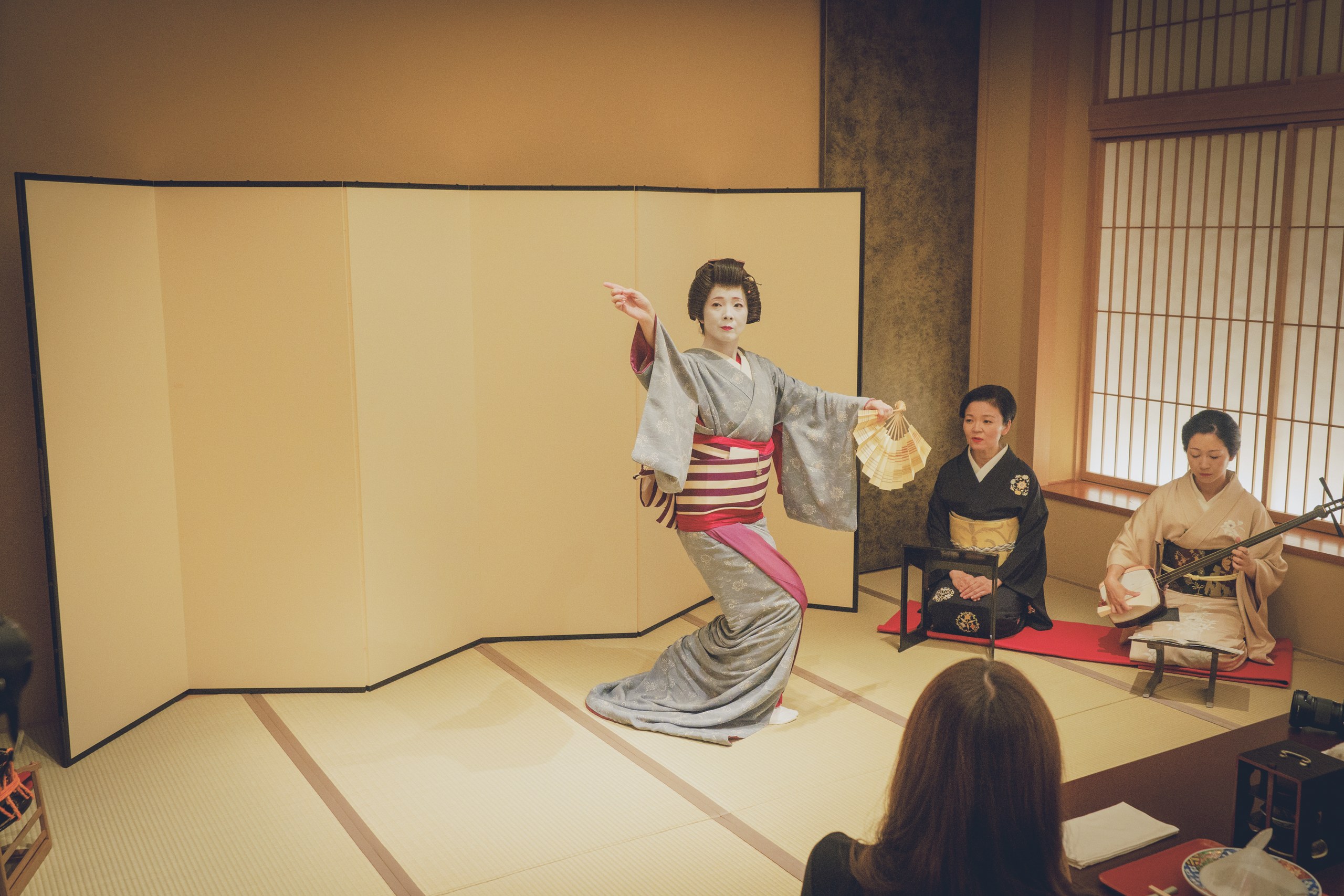
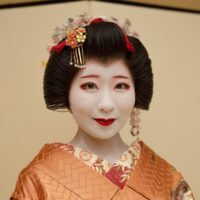
Japan’s classical arts represent a different kind of cultural inheritance. The geisha tradition — in Tokyo’s Asakusa district, encompassing both fully established geisha and hangyoku — is a performing arts institution that has continued without interruption for centuries. Geisha are classically trained artists specializing in music, dance, and the art of cultivating a convivial atmosphere. They entertain guests at ozashiki geisha banquets in traditional spaces called machiai-chaya. To explore this world in more depth, see our guide to hanamachi, Japan’s geisha districts.
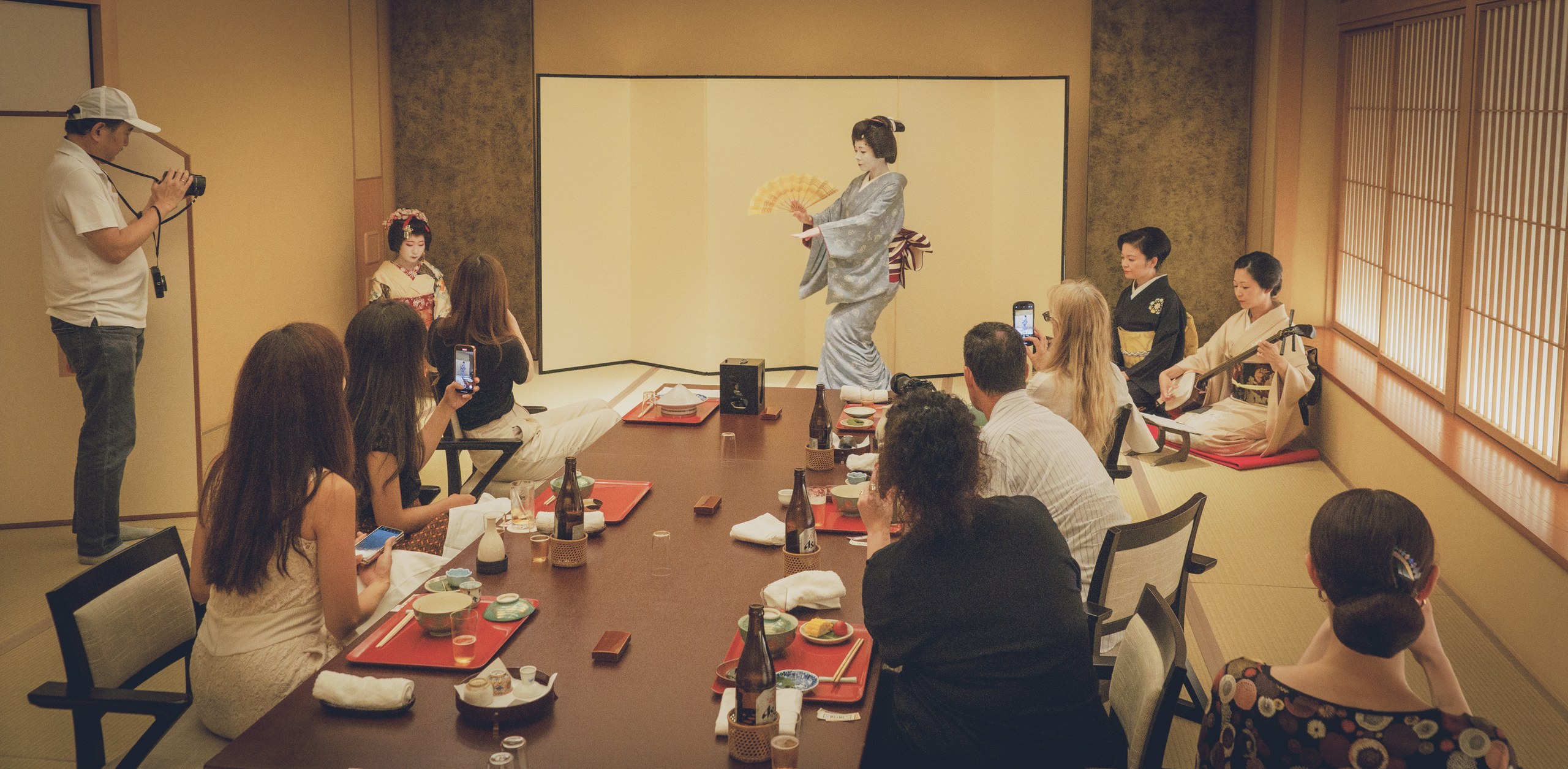
In Asakusa specifically, Miyakodori is the only machiai-chaya where guests can experience an authentic geisha banquet. Founded in 1950, Miyakodori offers a private dining and entertainment experience where skilled geisha perform traditional music and dance for guests. Meals are catered from renowned local restaurants, and English-speaking staff ensure that international visitors can fully participate in this remarkable cultural experience. Dietary options including halal-friendly bento are available with five days’ advance notice.
For those curious about how the geisha world is organized and sustained, the karyukai — the flower and willow world is the social and professional ecosystem that gives the geisha tradition its structure.
Conclusion
Japan and the United States are two of the world’s most globally influential cultures, and yet their underlying social philosophies could hardly be more different in their emphases. Where American culture prizes individual expression and directness, Japanese culture cultivates collective harmony and the discipline of understatement. Where American hospitality is often warm and immediate, Japanese hospitality runs deeper — built on anticipation, attention, and a commitment to craft that finds its fullest expression in experiences like the ozashiki.
For curious travelers, these differences are not obstacles but invitations. Japan’s public etiquette, communication rhythms, and traditional arts become far more meaningful once understood in context. And for those seeking to engage directly with Japan’s living cultural heritage, a private geisha banquet at Miyakodori in Asakusa offers one of the most immersive encounters available to international visitors. Learn more about what it means to be a traditional geisha in Japan, or explore the ultimate guide to geisha in Japan.
Book a Private Geisha Banquet in Asakusa
Step into the Japan you just read about. Miyakodori’s ozashiki is open to international visitors — geisha performance, traditional cuisine, English support, and an experience that remains a rare find in Tokyo.
Request a ReservationPrefer email? Reach us at [email protected]
Frequently Asked Questions
- Q: What is the biggest cultural difference between Japan and the United States?
- The most fundamental difference lies in the balance between individual and collective values. American culture emphasizes personal expression, directness, and individual achievement. Japanese culture prioritizes group harmony, indirect communication, and collective responsibility. This shapes everything from public behavior on trains to professional decision-making processes.
- Q: Is tipping expected in Japan?
- Tipping is generally not practiced in everyday Japanese service settings. Japanese hospitality is built around omotenashi — a philosophy of wholehearted, anticipatory service delivered as a professional standard rather than in expectation of gratuity. In most restaurants, taxis, and shops, leaving a tip can cause confusion and is not necessary.
- Q: Can American visitors experience traditional Japanese culture firsthand in Tokyo?
- Yes. Miyakodori in Asakusa is the only machiai-chaya in the district, founded in 1950, and welcomes international guests to authentic ozashiki geisha banquets. These private experiences feature geisha performing traditional music and dance, with meals catered from local restaurants. English support is available.
- Q: Why do Japanese people not eat or drink while walking?
- Walking while eating — arukui-tabe — is discouraged in many Japanese contexts as a reflection of the value placed on communal spaces and consideration for others. It is not a universal rule, and practices vary by location and occasion, but in traditional shopping streets, near temples, and in residential neighborhoods, eating on the go is generally seen as inconsiderate of the shared environment.


- Geisha Instruments: The Music Behind the Ozashiki
- How Much Is a Geisha Dinner in Tokyo? (Complete Pricing Guide)
【Reservation Required】Asakusa Christmas Dinner Definitive Guide! 3 Recommended Restaurants with Private Rooms
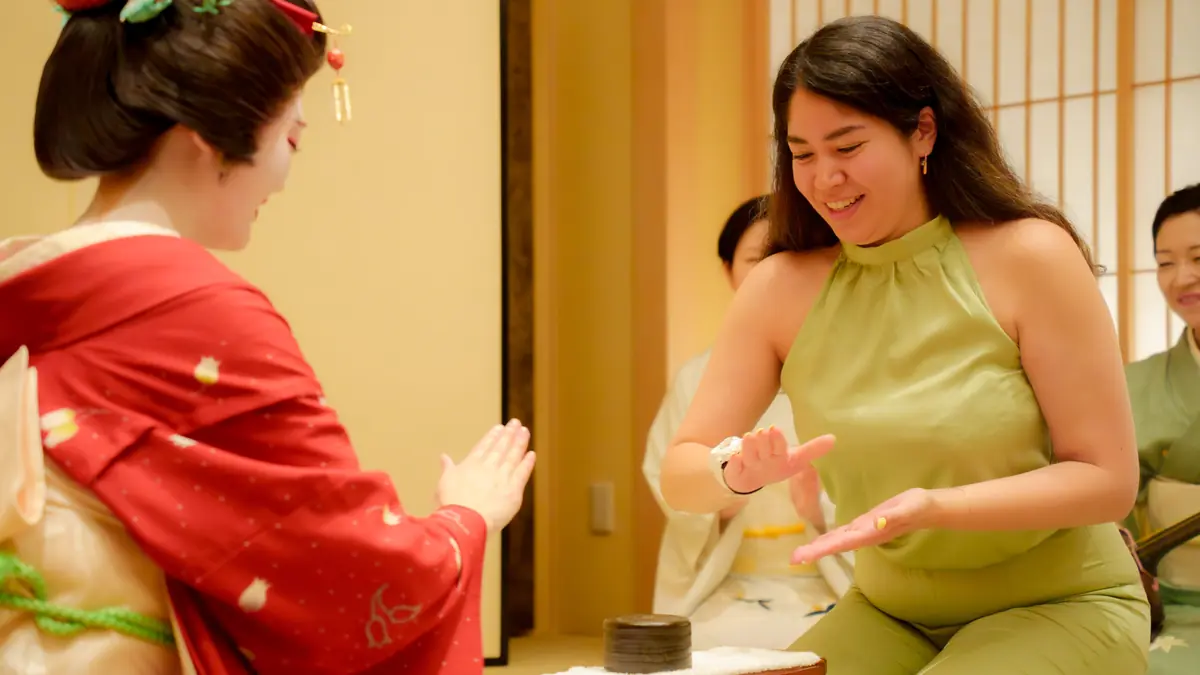
Japanese Geisha Cup Game: Rules and How to Play Konpira Fune Fune
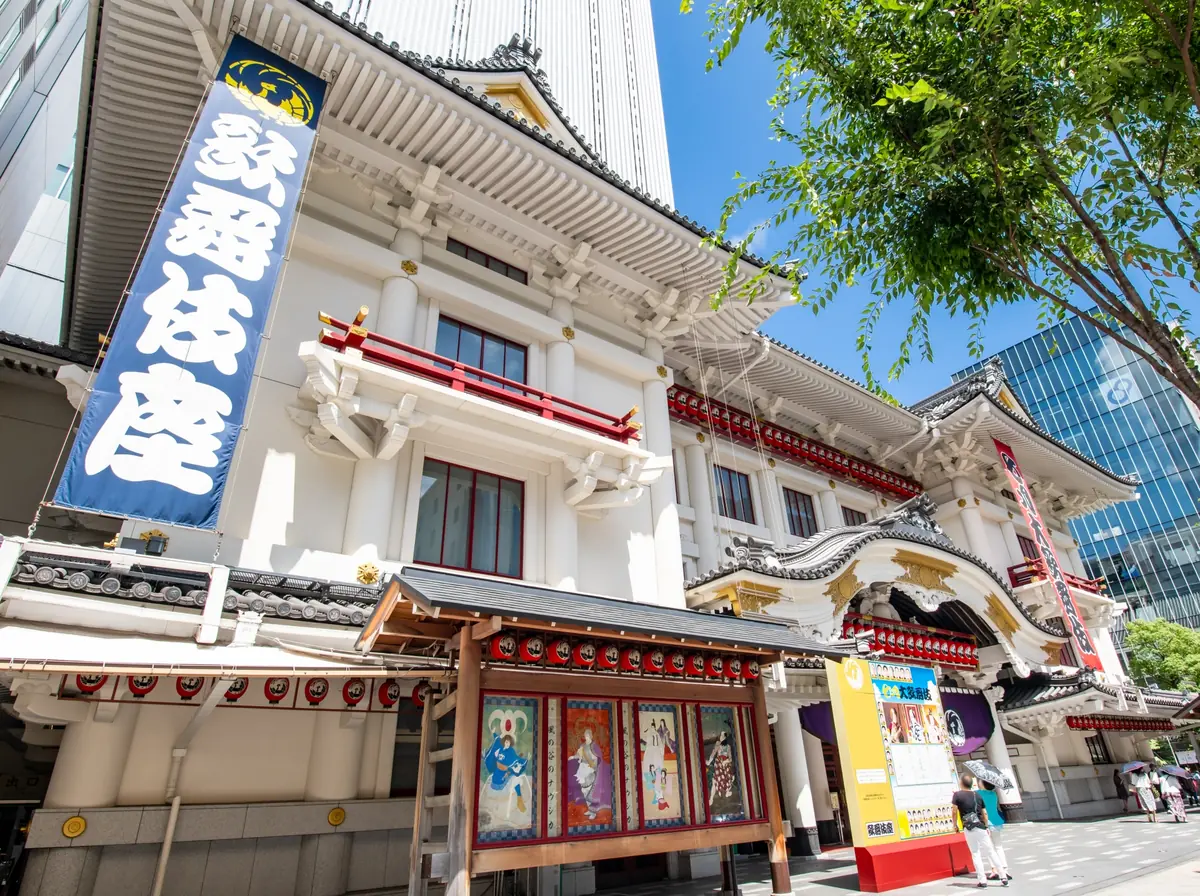
Asakusa Nightlife 2026: A Guide to Tokyo’s Historic Heart After Dark
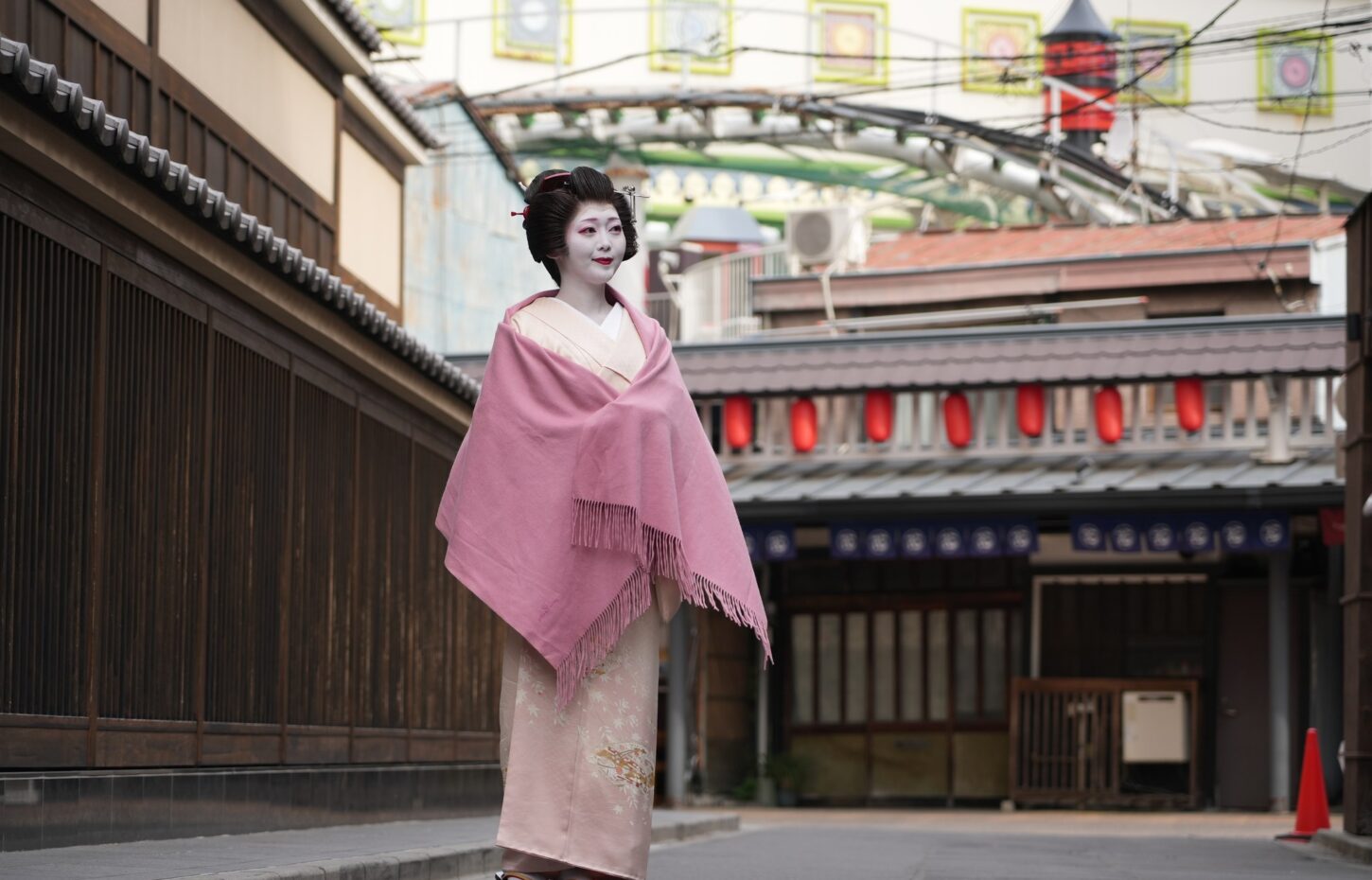
Japanese Culture: Traditions, Arts and Living Heritage — Complete Guide
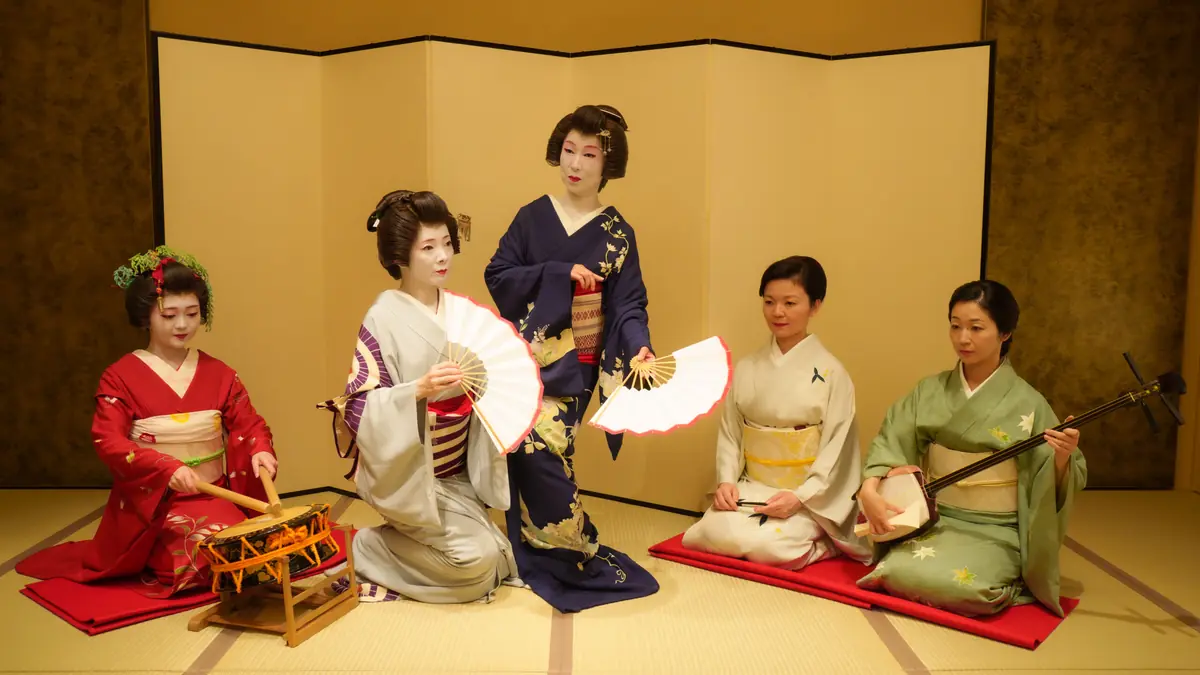
Authentic Geisha Experience vs. Geisha Makeover: What’s the Difference?

Discovering Asakusa You Didn’t Know | Hidden Gems! Authentic Japanese Culture and Craft Experiences
Comment ( 0 )
Trackbacks are closed.
No comments yet.