




Authentic Experience Touching Artisan Skills! Asakusa’s Traditional Culture Workshop
Are you looking to make your memories of Asakusa richer and more unique? Reading this article will introduce you to traditional culture workshops in Asakusa recommended even by tourism experts. The reason experiences are drawing attention now is that they offer an “authentic cultural engagement” with craftsmanship that mere observation cannot provide. By personally immersing yourself in the spirit of Edo through activities like Edo Kiriko glass cutting or Wagashi (Japanese sweets) making, your trip will be carved into your heart as an unforgettable memory. You are sure to find the perfect experience for you.
1. Why Cultural Workshops in Asakusa Are Attracting Attention
In recent years, many visitors to Asakusa seek not just to tour famous sites, but to engage in “experiences” that allow them to deeply savor the local culture. This is because the emotional impact and learning gained from hands-on activities enrich a trip far more than passive sightseeing alone. Here, we will unravel the source of the appeal that is driving the current popularity of Asakusa’s cultural workshops.
1.1 Touching Authentic Culture in Asakusa, Where the Spirit of Edo Lives On
Asakusa has thrived as the center of common people’s culture since the Edo period, and its historical character remains strong today. Scattered throughout the streets surrounding Senso-ji Temple, artisans who have inherited their skills across generations maintain workshops, keeping the flame of tradition alive. It is precisely due to this historical background that Asakusa offers genuine encounters with traditional culture, not just passing events. Experiencing a part of their craft firsthand, while feeling the artisan’s dedication up close, is a rare opportunity to truly grasp the “Iki” (chic spirit) of Edo.
1.2 The Special Memories Created by “Experiences,” Beyond Sightseeing
The style of travel is shifting from “Mono-Shōhi” (consuming goods)—simply visiting and viewing famous sites—to “Koto-Shōhi” (consuming experiences), which emphasizes unique, non-replicable experiences. Asakusa’s cultural workshops are prime examples of this “Koto-Shōhi.” The quality of emotion gained differs significantly between passive sightseeing and active participation.
| Category | Sightseeing (Viewing) | Cultural Workshop (Doing) |
| Main Activity | Visiting famous sites, viewing historical ruins, and taking photos. | Creating a work with your own hands under the guidance of an artisan. |
| What You Gain | Visual memories and historical knowledge. | Sensory realization, a sense of achievement, and your own unique creation. |
| Interaction | Often limited or one-sided. | Warm communication with the artisan and other participants. |
The workshop experience is more than just making memories. The depth of culture learned through dialogue with the artisan, and the sense of accomplishment from creating something through trial and error, remain with you long after the trip is over, becoming your own special treasure. The finished piece you take home will vividly bring your time in Asakusa back to life.
2. 【By Genre】5 Traditional Culture Workshops Recommended by Insiders
Asakusa offers a diverse array of cultural workshops where you can personally feel the traditions of Japan. Here are five workshops particularly highlighted by those in the know, categorized by genre. Choose the special experience that matches your interests.
2.1 Traditional Craft Workshops
Touch the hands-on work of artisans and create a one-of-a-kind piece. Workshops in traditional crafts are a valuable chance to connect with the very essence of Asakusa’s culture.
〇 Edo Kiriko Glass Cutting: Engraving Your Own Pattern
Edo Kiriko is a traditional Japanese glass craft dating back to the late Edo period. The process of applying a rotating whetstone to transparent glass to engrave delicate patterns requires high concentration and skill. In the workshop, even beginners can confidently try making their own original glass under the artisan’s instruction. Your own shimmering creation, catching the light, will be a cherished souvenir of your trip.
| Experience Summary | Estimated Time | What to Bring |
| Select a glass and engrave a traditional pattern. | Approx. 90 minutes | Nothing in particular (old clothes recommended). |
〇 Amezaiku (Candy Crafting): Japanese Traditional Confectionery Art
Amezaiku is the art of instantly transforming hot, soft candy into shapes like animals or plants using just a pair of scissors. This exquisite craftsmanship deserves to be called Japanese street art. In the workshop, you can experience both the challenge of handling hot candy and the joy of shaping it. As you can start with relatively simple motifs like a rabbit, it’s a workshop that captivates both children and adults.
| Experience Summary | Estimated Time | What to Bring |
| Use heated candy to form animal or other shapes. | Approx. 60–90 minutes | Nothing in particular (work gloves often provided). |
〇 Food Sample Making: A Unique Culture Born in Asakusa
The incredibly realistic food samples adorning restaurant windows are a unique Japanese culture that draws attention from abroad, with origins said to be near the Kappabashi tool district near Asakusa. In the workshop, you’ll use wax or resin to try making samples of classic items like tempura or parfaits. The process of pursuing realistic textures is full of surprises and discoveries.
| Experience Summary | Estimated Time | What to Bring |
| Use wax or resin to create samples of tempura, etc. | Approx. 60 minutes | Nothing in particular (aprons often provided). |
2.2 Japanese Food Culture Workshops
In Asakusa, a city that preserves the flavors of Edo, why not experience the depth of Japanese food culture? Creating and tasting the food with your own hands will etch its charm even deeper into your memory.
〇 Wagashi Making: The World of Seasonal Nerikiri Sweets
Nerikiri is a type of Japanese confectionery that expresses the beauty of Japan’s four seasons and nature within a small sweet. Its delicate beauty and refined taste symbolize the Japanese spirit of Omotenashi (hospitality). In the workshop, you can learn how to create seasonal motifs from an artisan, connecting with Japanese aesthetics. Enjoying your handmade wagashi with a bowl of matcha (green tea) will make your time in Asakusa even richer.
| Experience Summary | Estimated Time | What to Bring |
| Create 2–3 types of seasonal nerikiri. | Approx. 90 minutes | Apron, hand towel. |
〇 Soba Noodle Making: Authentic Flavor Taught by a Master
Soba (buckwheat noodles) is indispensable to Edo food culture. The sequence of kneading buckwheat flour with water, rolling the dough, and slicing it into thin noodles is simple yet requires profound skill. In the workshop, you will receive direct guidance from an artisan and challenge yourself to make authentic handmade soba. The rich aroma and smooth texture of freshly cut and boiled soba are exceptional. The taste of soba you made yourself will be an unforgettable memory.
| Experience Summary | Estimated Time | What to Bring |
| Knead noodles from buckwheat flour and immediately taste them. | Approx. 90–120 minutes | Apron, headscarf (bandana), towel. |
3. 3 Key Points for Choosing the Right Workshop
To fully enjoy your cultural experience in Asakusa, preparation is crucial. Here are three essential points to check to find the workshop that best suits you among the many options available.
3.1 Is Reservation Necessary? Ensure a Smooth Experience
Most popular traditional cultural workshops in Asakusa strongly recommend advance reservation. Especially during weekends and peak tourist seasons, early booking is essential to guarantee your spot. Many are small-group experiences led directly by artisans, so seating is often limited. While some facilities may accept same-day participation, availability is not guaranteed. Contacting the workshop ahead of time will help you plan your day effectively.
3.2 Check Time and Cost: Integrate it into Your Itinerary
When selecting a workshop, confirming the time required and the participation fee is crucial. Experiences vary widely, from quick ones that finish in about 30 minutes to serious ones that take over two hours. Choose an activity that fits comfortably within your sightseeing schedule and available time. It is also important to check exactly what is included in the participation fee. Confirm the following points to choose a satisfying experience:
| Check Item | Example Checkpoints |
| Duration | Does the time include the activity itself, as well as preparation and cleanup? |
| Included in Fee | Materials cost, instruction fee, and box/bag for taking home the finished product. |
| Required Items | Apron, old clothes, etc. Can you participate empty-handed? |
Choosing the optimal experience based on your trip schedule is key to maximizing satisfaction.
3.3 Suitable for Children or Foreigners? Confirming Participation Conditions
When planning an experience with family or friends from overseas, confirming the participation conditions is important. Some workshops may have age restrictions for safety reasons. It’s helpful to confirm in advance if small children can participate or if non-participating chaperones are allowed. For international visitors, foreign language support is a key factor. Checking for English-speaking staff or foreign language instruction sheets ensures that everyone can enjoy Japanese traditional culture without a language barrier. If you have special requests, such as wheelchair access or allergy considerations, it is recommended to discuss them when booking. You can also refer to reviews on travel sites like TripAdvisor to find an experience enjoyable for all participants.
4. Recommended Nearby Spots to Enjoy with Asakusa Cultural Workshops
With the emotional impact of the traditional culture workshop fresh in your mind, why not head out into the streets of Asakusa? Here are some recommended spots to visit before or after your experience to further enhance your day. Strolling with your own handmade creation in hand will allow you to discover a different kind of Asakusa charm.
4.1 Senso-ji Temple and Nakamise Street: A Must-Visit After the Experience
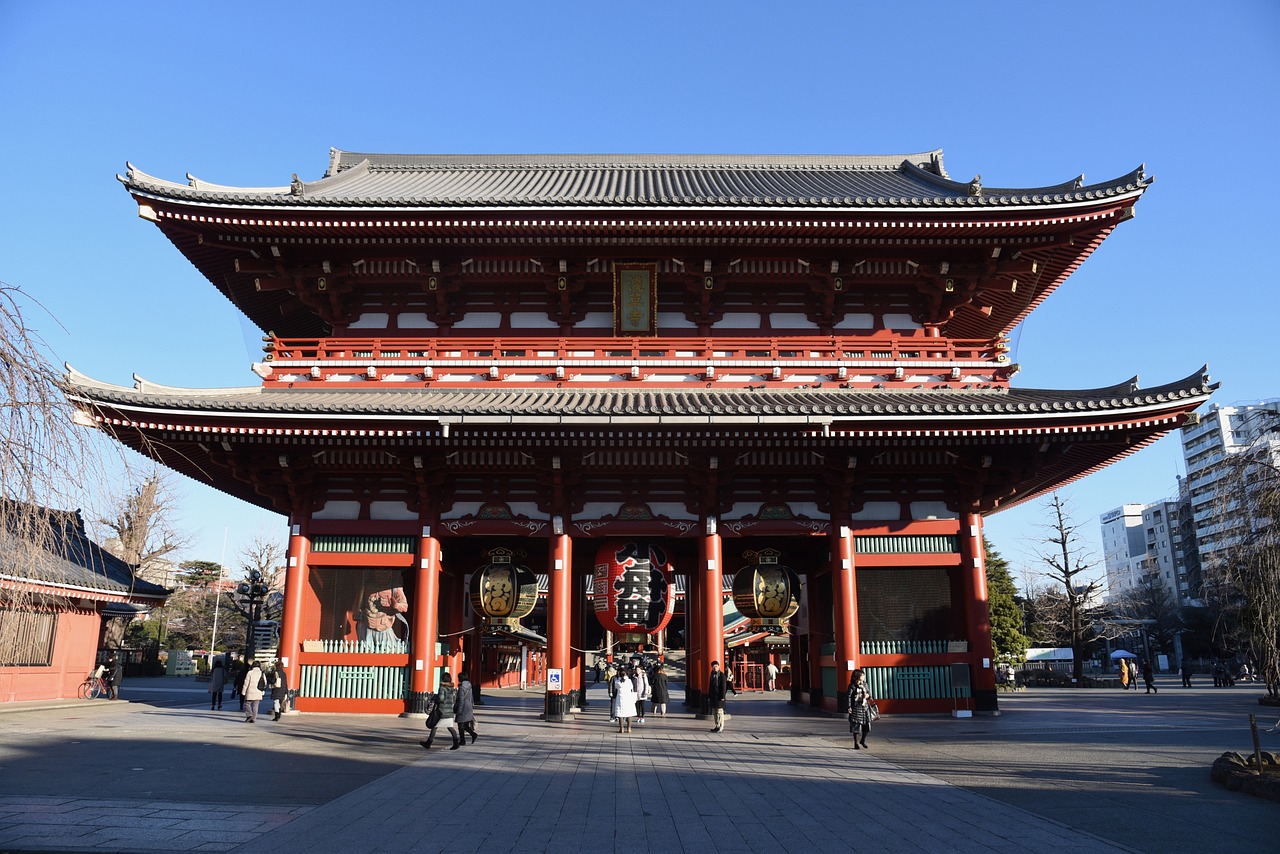
Senso-ji Temple, the symbol of Asakusa, is known as the oldest temple in Tokyo. After immersing yourself in Edo culture at a workshop, a walk through its historic grounds will provide an even deeper appreciation. Passing through the large Kaminarimon Gate and proceeding down the bustling Nakamise Street is an exhilarating experience in itself. Nakamise Street is lined with traditional souvenir and confectionery shops, making your stroll more enjoyable.
| Item | Detail |
| Location | 2-3-1 Asakusa, Taito-ku, Tokyo |
| Feature | Nearly 1,400 years of history. Highlights include Kaminarimon, Hozomon, and the Five-Storied Pagoda. |
| Official Site | Sōkan’non-shū Asakusa Kannon Senso-ji Official Website |
4.2 Explore Asakusa in Kimono Rental for a Different Perspective
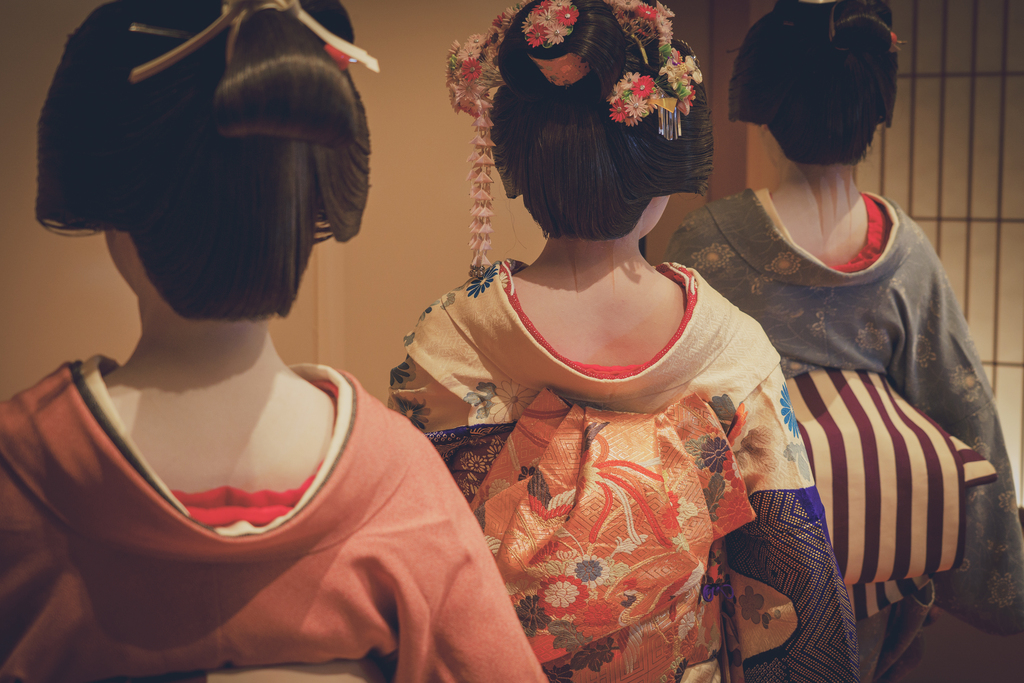
If you are already engaging with Asakusa culture, why not commit to the attire? Walking the streets in a rented kimono or yukata will reveal a completely different cityscape. A day spent tackling Edo craftsmanship while wearing a kimono becomes a unique and unforgettable memory. Many shops offer easy, “empty-handed” service, including dressing and hair-setting, making it worry-free for first-timers. The possibilities are endless: riding a rickshaw in kimono, taking photos against historical buildings, and more.
| Item | General Feature | How to Enjoy |
| Kimono Rental | Many shops allow “empty-handed” participation; plans generally include dressing and hair-setting. | Visiting Senso-ji in a kimono, food hopping on Nakamise Street, photoshoots, rickshaw experience, etc. Advance reservation is recommended. |
5. Conclusion
Asakusa is a town where the spirit of Edo still breathes. To savor its profound charm, a cultural workshop where you directly engage with the artisan’s skill is the optimal choice. Unlike mere sightseeing, experiences like Edo Kiriko or Wagashi making allow you to feel authentic culture with all five senses, elevating your trip into a special, unforgettable memory. Use the key selection points introduced in this article to plan your own wonderful experience in Asakusa.


- [2025 Edition] Complete Guide to Winter Events in Asakusa! From Traditional Festivities to Hatsumode
- Must-Visit Theaters in Asakusa Sightseeing! From Spotting Same-Day Tickets for Casual Enjoyment to Famous Long-Established Venues
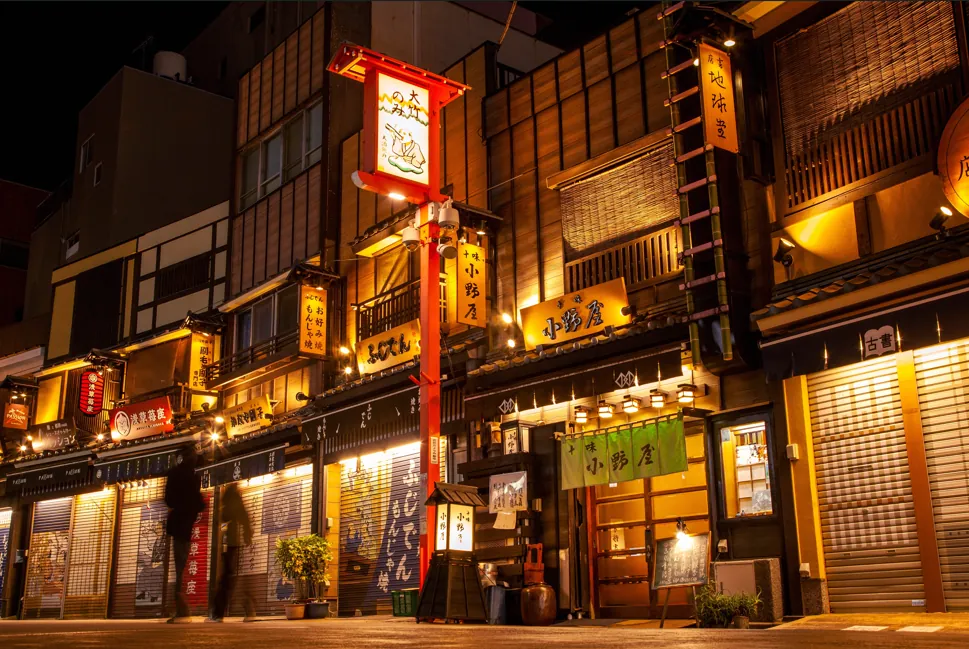
5 Ways to Enjoy the Night in Asakusa | Illumination, Houseboat Dinner, Hidden Izakaya
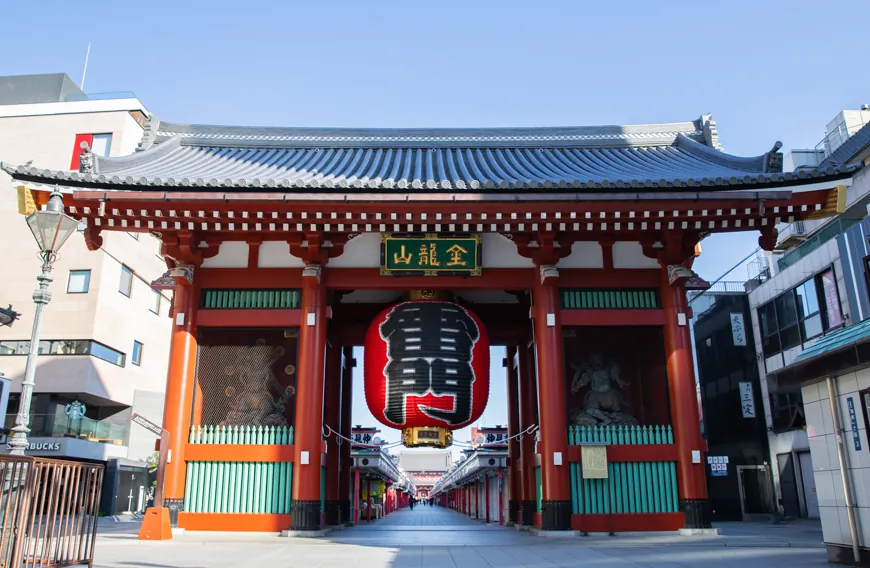
A Special Year-End in Asakusa! 5 Hidden Spots to Enjoy While Avoiding Crowds
Geisha Restaurant Near Me in Tokyo: Authentic Ozashiki at Miyakodori Asakusa
Geisha Experience in Tokyo: Private Ozashiki in Asakusa
Japanese Tea Ceremony in Tokyo: A Guide to Chadō — and the Geisha Tea House Few Travelers Know
Asakusa Geisha Encyclopedia: Inside Tokyo’s Hanamachi
Comment ( 0 )
Trackbacks are closed.

No comments yet.