




The Best Kakigori in Asakusa: Top Shaved Ice Shops & Visitor Guide
Asakusa is one of Tokyo’s most beloved historic neighborhoods — and it happens to be home to some of the city’s finest kakigori (shaved ice) shops. Whether you’re visiting in the heat of summer or on a crisp winter afternoon, Asakusa’s shaved ice scene is worth exploring. In this guide, we introduce the best kakigori shops in Asakusa, share practical tips for visiting, and point you toward nearby sights to make a full day of it.
1. Why Kakigori in Asakusa Is Worth Seeking Out
1.1 A Historic Setting That Makes Every Bite Special
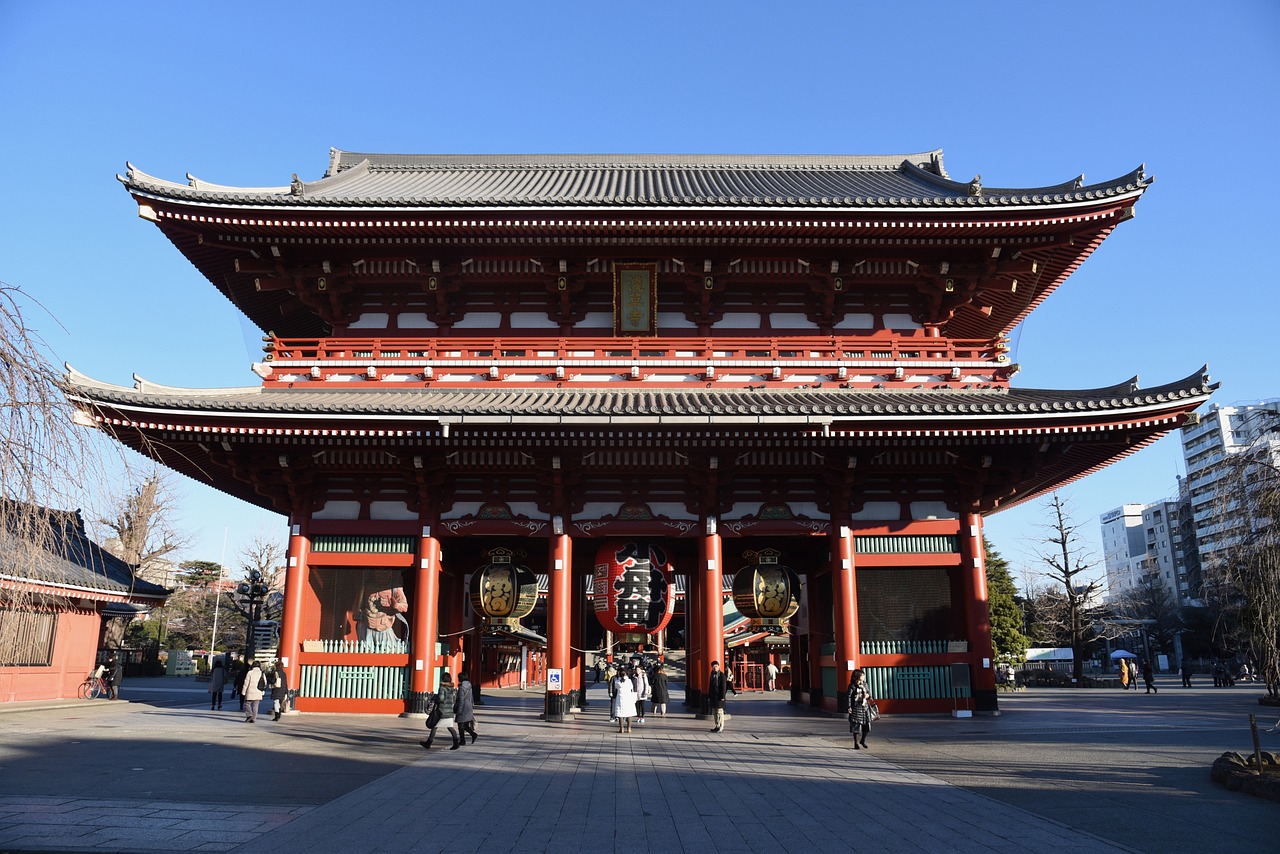
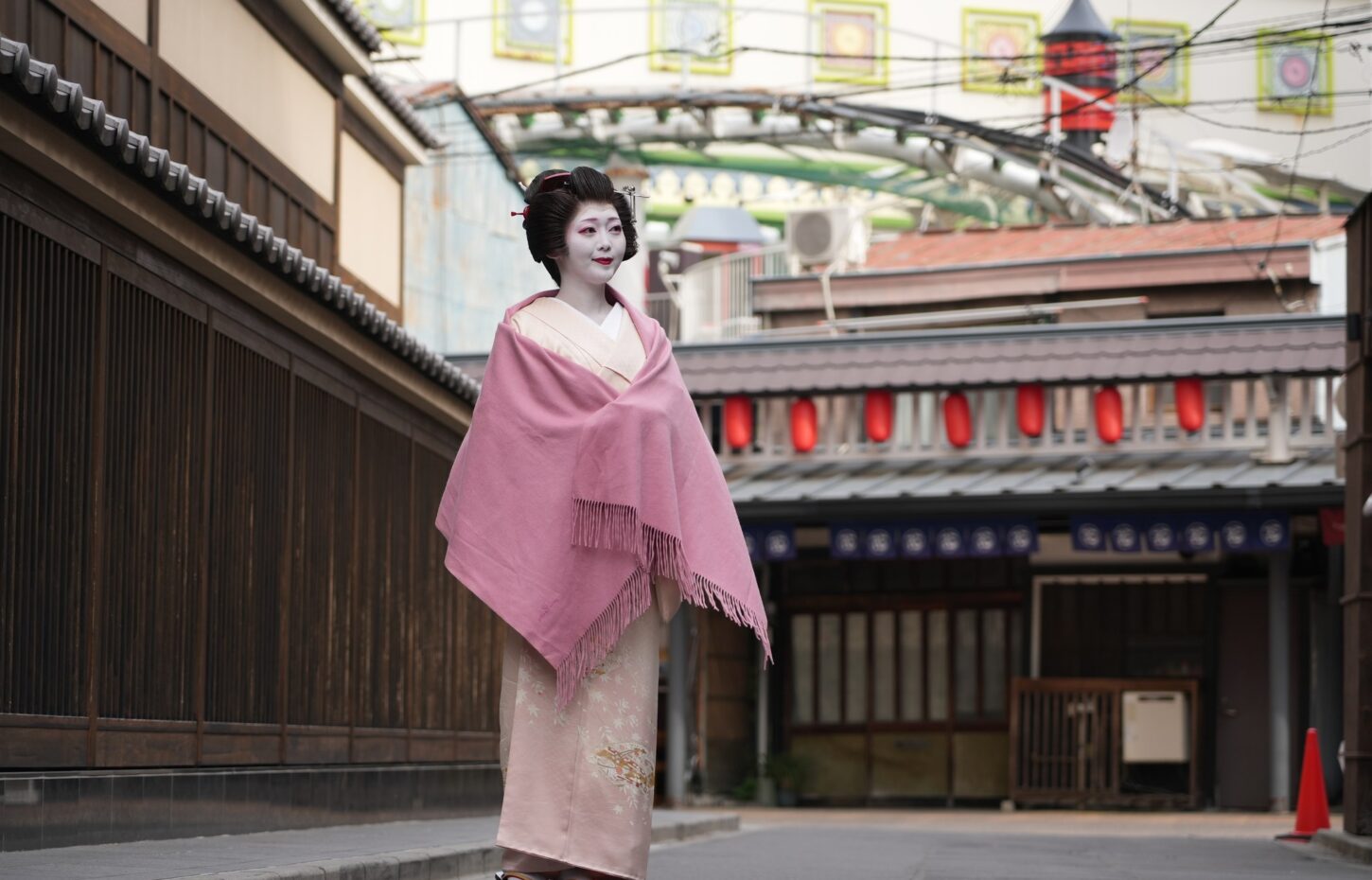
Asakusa carries the atmosphere of old Edo more vividly than almost anywhere else in Tokyo. Walking through the Kaminarimon Gate and down Nakamise Street, you pass souvenir stalls and century-old confectionery shops before finding a kakigori spot tucked into the neighborhood’s quieter lanes. Eating shaved ice here feels different from eating it anywhere else — the surroundings give it a sense of occasion.
1.2 A Year-Round Treat, Not Just a Summer Indulgence
While shaved ice is closely associated with summer in Japan, Asakusa’s best kakigori shops are open year-round. Shops using natural ice from Chichibu are so popular they draw lines even in winter — and it’s easy to understand why. The ultra-fine texture of naturally frozen ice, paired with toppings like matcha, black syrup, and sweet red beans, makes kakigori a compelling dessert in any season.
| Shop | Season | Highlight |
|---|---|---|
| Asakusa Naniwaya | Year-round | Natural ice from Chichibu; homemade syrup |
| Fruit Parlor Goto | Year-round | Seasonal fruit sauces; Taisho-era heritage |
| Sweet Shop Umezon | Year-round | Classic Japanese-style; Meiji-era confectionery |
1.3 Part of a Broader Asakusa Gourmet Scene
Asakusa’s food culture extends well beyond temples and souvenir snacks. Eel restaurants, tempura shops, and long-established wagashi (Japanese sweets) stores line its streets. Kakigori fits naturally into a food-focused afternoon in the area — a cool, sweet counterpoint to savory Edo-style dishes.
2. Top Kakigori Shops in Asakusa
2.1 Asakusa Naniwaya
Snow-Soft Shaved Ice from a Taiyaki Institution
Asakusa Naniwaya sits in a shopping arcade celebrated for its legendary taiyaki (fish-shaped cakes), but kakigori enthusiasts know it equally well. The ice is shaved to a snow-like consistency — light, fine, and almost weightless on the tongue.
Natural Ice from Chichibu
The shop sources its ice from Azami Refrigeration in Chichibu, where blocks are frozen slowly over time to achieve exceptional purity. The result is a smooth, mellow taste that commercially produced ice simply cannot replicate. Seasonal highlights include Uji Matcha Milk Kintoki and a Strawberry Special that changes with the time of year.
2.2 Fruit Parlor Goto
A Century of Fruit Expertise, Expressed in Shaved Ice
Goto has been a fruit specialty shop since the Taisho era, and the parlor upstairs translates that expertise directly into kakigori. The sauces — made from strawberries, melons, mangoes, and whatever else is in season — are handcrafted on-site and packed with real fruit flavor.
Seasonal Sauces, Handmade In-House
Every sauce is made in the kitchen from scratch. The balance between the cold, fine ice and the intensely fruity syrup is what keeps visitors coming back each season. If fresh fruit is what you’re after, this is the place.
2.3 Sweet Shop Umezon Asakusa Main Store
Meiji-Era Tradition in Every Bowl
Umezon is one of Asakusa’s most enduring sweets shops, tracing its roots to the Meiji era. Visitors come for anmitsu and dorayaki year-round, but the kakigori draws its own devoted following. There is a craftsmanship here — in the quality of ingredients and the care of preparation — that you can taste.
Uji Kintoki, Shiruko, and the Anmitsu Set
In summer, Uji Kintoki (matcha shaved ice with red beans) and ice shiruko (sweet red bean soup served over ice) are perennial favorites. Year-round, an anmitsu set lets you enjoy traditional confectionery alongside the kakigori — a combination that captures the essence of Asakusa’s sweets culture in a single sitting.
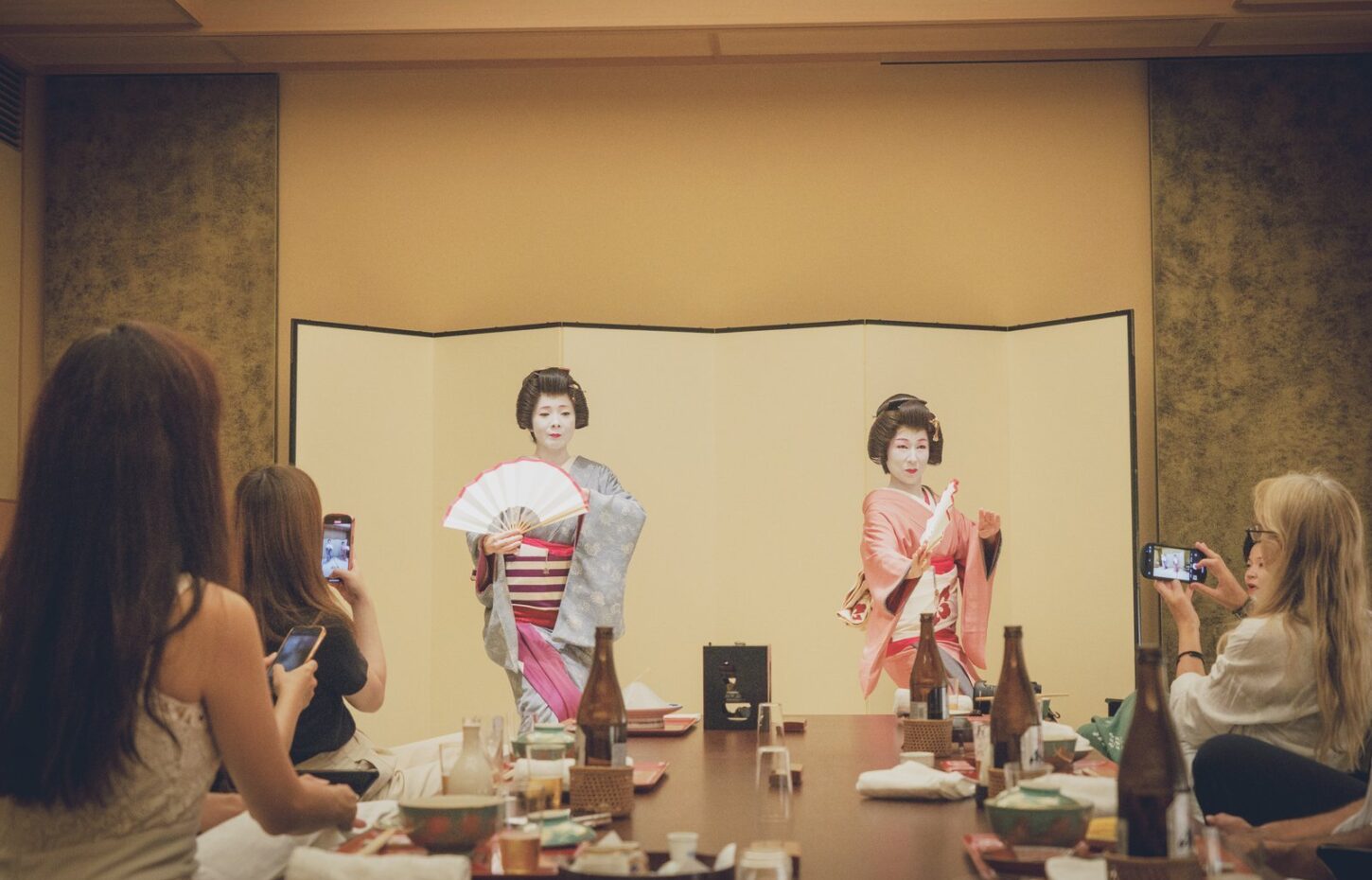
After kakigori, experience Asakusa’s living geisha tradition
A private geisha banquet at Miyakodori — established in Asakusa since 1950 — is one of the most distinctive evenings available to visitors in Tokyo.
3. When to Visit and How to Beat the Crowds
3.1 Best Time to Arrive: Morning to Early Afternoon
Asakusa’s kakigori shops attract both tourists and locals throughout the year. For a relaxed visit without long waits, aim to arrive between opening time and around 1 PM. Immediately after opening, seating is usually available and queues are minimal. From 2 PM onward — and especially during the peak summer months of July through September — lines at popular shops can exceed 30 minutes.
Visiting in autumn, winter, or spring on a weekday is the quietest option. Many shops are year-round destinations, so off-season visits are entirely worth planning.
3.2 Weekends and Holidays: Plan Ahead
Asakusa is one of Tokyo’s busiest tourist districts on weekends and public holidays. The streets around Nakamise and Kaminarimon fill quickly, and kakigori shops see their highest demand during these periods.
A practical strategy: identify two or three shops in advance so that if your first choice has a long queue, you can move efficiently to the next. Checking Google Maps for live crowd levels and recent reviews before you set out can also help you time your visit.
| Season | Day | Crowd Level | Tip |
|---|---|---|---|
| July–September | Weekends & Holidays | Very busy | Arrive before opening or target weekday mornings |
| July–September | Weekdays | Moderate | Morning to 1 PM is ideal |
| October–June | Weekends & Holidays | Manageable | Arriving early is generally sufficient |
| October–June | Weekdays | Quiet | Most relaxed time to visit; seating usually available |
3.3 Reservation and Ticketing Systems
A number of Asakusa’s kakigori shops — particularly smaller, hidden-gem establishments — have adopted reservation or daily ticketing systems in response to high demand. Rules vary: some distribute tickets from noon the day before, others are strictly first-come, first-served. Check the shop’s official website or Instagram account for the most current information before visiting.
4. Nearby Highlights to Pair with Your Kakigori Visit
Asakusa rewards unhurried exploration. These are the spots most worth combining with a kakigori stop:
| Spot | From Asakusa Station | Why Go | Allow |
|---|---|---|---|
| Senso-ji Temple & Nakamise Street | 3-min walk | Tokyo’s most visited temple; atmospheric shopping lane | 60 min |
| Sumida River & Skytree View | 10-min walk | Riverside walk with Tokyo Skytree views; cherry blossoms in spring | 40 min |
| Asakusa Rokku (Entertainment District) | 7-min walk | Historic theaters; rakugo and variety entertainment; retro cafes | 30–60 min |
| Hanayashiki Amusement Park | 5-min walk | Japan’s oldest amusement park; charmingly retro rides | 30–90 min |
| Hoppy Street | 3-min walk | Post-war atmosphere; lively izakaya with yakitori and local crowd | 20–60 min |
| Sumida Park | 8-min walk | Seasonal gardens; peaceful riverside bench seating | 20–40 min |
| Imado Shrine | 20-min walk | Birthplace of the Maneki-neko; matchmaking shrine; scenic riverside path | 30 min |
5. Make It a Full Asakusa Evening
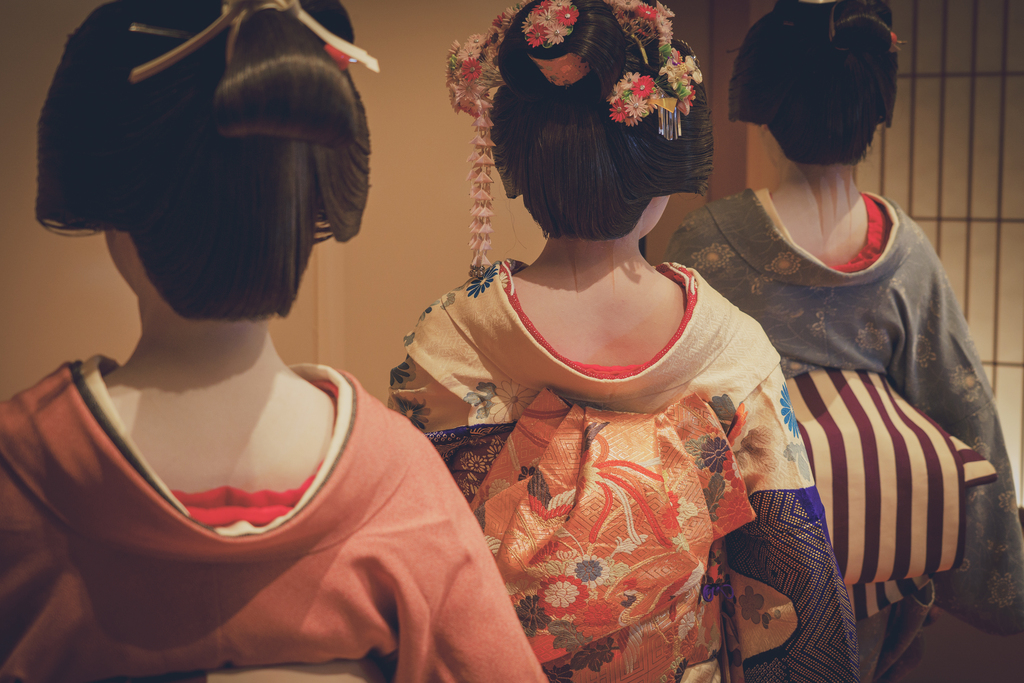
Asakusa is one of the few places in Tokyo where a visitor can move from modern cafes and ancient temples to a private geisha banquet — all within the same neighborhood. Miyakodori’s ozashiki (a private gathering with geisha) has been welcoming guests since 1950, and the experience — traditional geisha arts, sake games, and kaiseki-style cuisine served in a tatami room — is unlike anything else available to international visitors in the city. If you are planning an evening in Asakusa, it is worth considering alongside your kakigori itinerary.
For visitors curious about the tea house format — a quieter, shorter introduction to the ozashiki world — Miyakodori’s Ozashiki Tea House is also available to book directly online.
Summary
Asakusa’s kakigori scene is small but genuinely excellent. Whether you choose the natural-ice craftsmanship of Naniwaya, the seasonal fruit expertise of Fruit Parlor Goto, or the Meiji-era tradition of Umezon, each shop offers something distinctive. Visit in the morning to beat the crowds, combine it with a walk through the temple district or along the Sumida River, and — if the evening calls for something more memorable — consider finishing the day with a geisha banquet just around the corner.
Continued in Enjoying Exquisite Shaved Ice in Asakusa! Top 6 Local Favorites Part 2.
Experience Asakusa’s Geisha Culture at Miyakodori
A private ozashiki banquet with geisha — view plans and pricing — or inquire directly below.


How Many Geisha Should You Book for an Ozashiki?
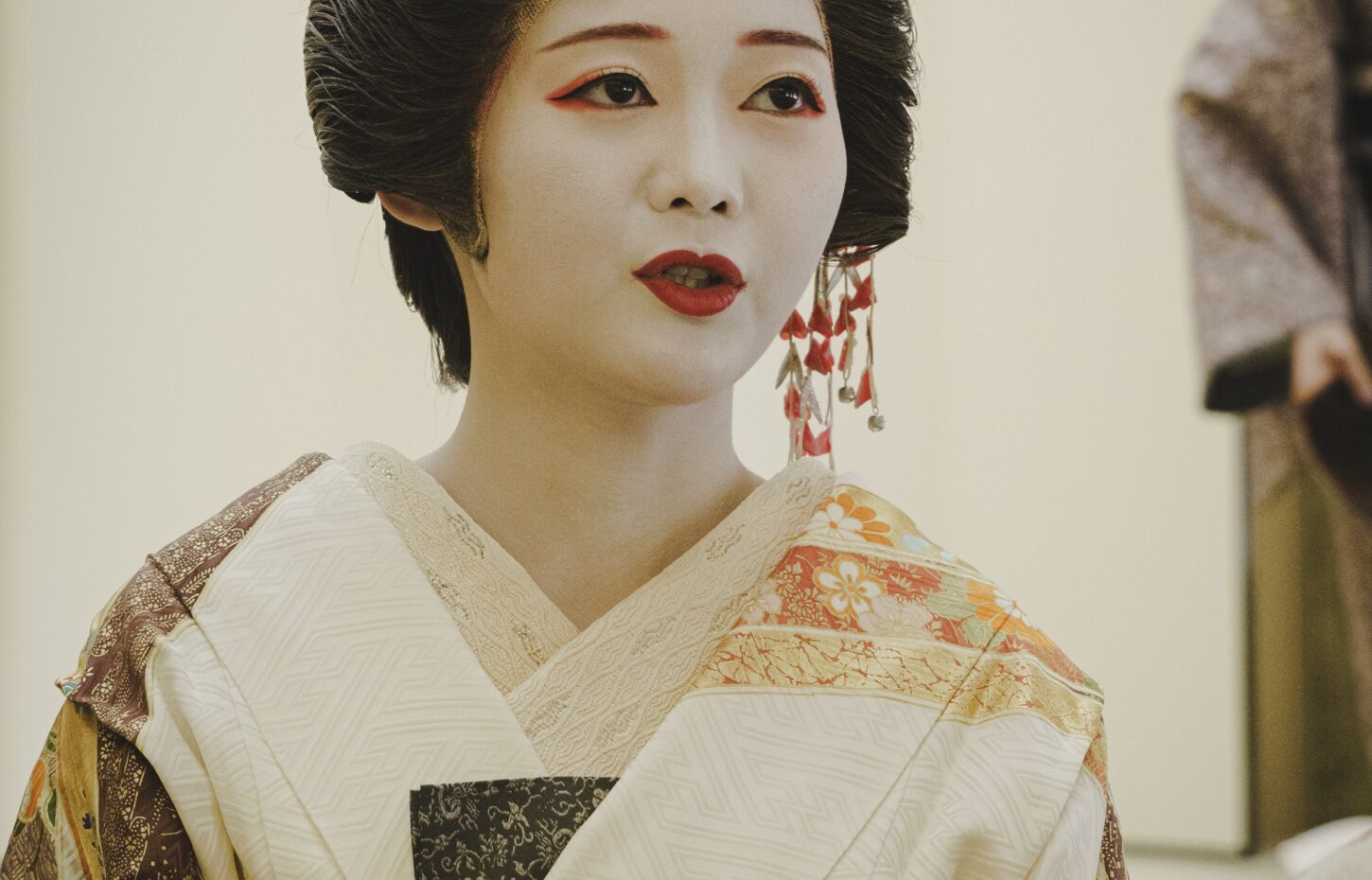
Authentic Geisha Outfit Guide: Traditional Japan Costume Arts
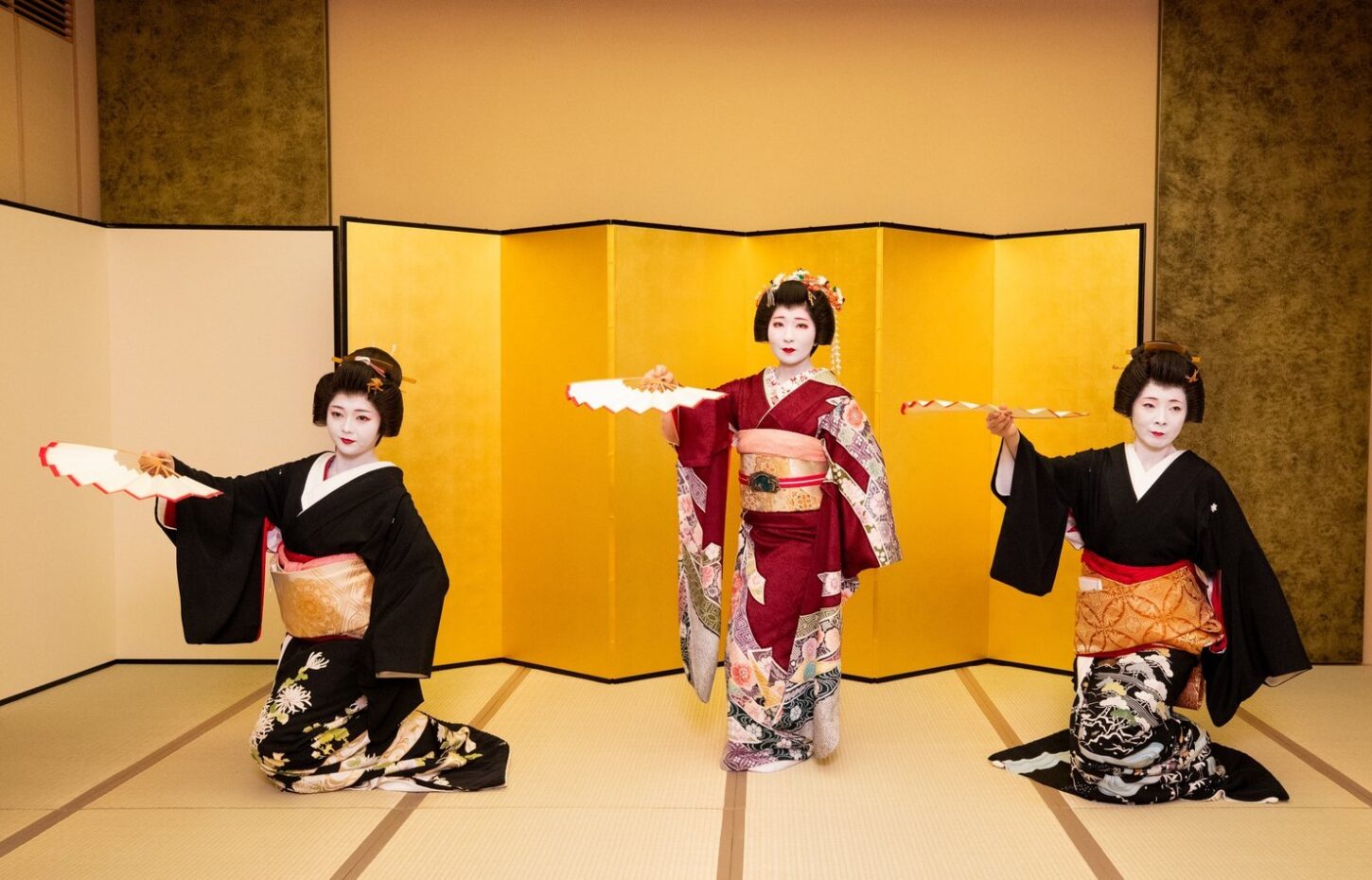
Geisha: What Do They Actually Do in Japan?
Japanese Culture: Traditions, Arts and Living Heritage — Complete Guide
Top 5 Must-Do Experiences in Asakusa — Including an Authentic Geisha Encounter
Winter Asakusa Gourmet: Food Stalls & Lunches to Warm You Up
Comment ( 0 )
Trackbacks are closed.

No comments yet.