



Autumn in Asakusa: A Complete Guide to Enjoying Fall Foliage from Senso-ji Temple to Sumida River
Your complete guide to fall foliage, seasonal events, and unforgettable experiences in Tokyo’s most historic district.
Autumn is one of the most rewarding times to visit Asakusa. The autumn foliage typically peaks between mid-November and early December, when golden ginkgo trees and crimson maples transform the temple grounds into a living painting. Beyond the leaves, the season brings a full calendar of traditional festivals, night illuminations, warm street food, and the chance to stroll the old-town lanes in a seasonal kimono.
This guide brings together everything you need — from the best foliage spots and festival dates to food walks and river cruises — so you can plan your perfect autumn day in Asakusa.
1. When to Visit — Peak Season & Weather Guide
Planning your trip around peak color is the single biggest factor in a memorable autumn visit. In Asakusa, the trees generally begin changing color in mid-November, reaching full peak between late November and early December.
1.1 Foliage Timing by Tree Type
Different trees around Asakusa reach their peak at slightly different times. Knowing which species to look for helps you appreciate the full seasonal palette.
| Tree Type | Start of Color | Peak Viewing | Where to Look |
|---|---|---|---|
| Ginkgo | Mid-November | Late Nov – Early Dec | Senso-ji grounds, parks |
| Maple (Momiji) | Mid-November | Late Nov – Early Dec | Temples, gardens |
| Cherry (autumn leaves) | Late October | Mid–Late November | Sumida Park |
The ginkgo trees on the Senso-ji grounds are especially striking — when they turn, the walkways become carpeted in gold. At Sumida Park, the cherry trees’ red autumn leaves (sakura momiji) offer a classic Edo-period aesthetic framed by Tokyo Skytree.
Tip: Leaf color intensity depends heavily on nighttime temperatures. When nights drop below 8°C (46°F), the leaves begin turning; colors intensify quickly once temperatures stay between 5–6°C (41–43°F).
1.2 Month-by-Month Weather & What to Wear
| Month | Avg Temp (Tokyo) | Conditions | What to Wear |
|---|---|---|---|
| September | 23.9°C (75°F) | Late summer heat fading; typhoon season — check forecasts | Light layers; T-shirt + cardigan for evenings |
| October | 18.5°C (65°F) | Ideal walking weather; festivals begin | Long sleeves, light jacket; bring a scarf |
| November | 12.5°C (55°F) | Foliage peak; cool, crisp days | Sweater + jacket + light coat; layers are key |
Source: Japan Meteorological Agency historical data (Tokyo average 1991–2020)
1.3 Checking Real-Time Foliage Forecasts
Because exact timing shifts with each year’s weather, check live updates before your visit. The Japan Meteorological Association publishes regional foliage forecasts and real-time maps updated throughout the season.
2. Top Autumn Foliage Spots in Asakusa
Asakusa’s historic streets and tranquil gardens offer a surprisingly rich variety of autumn scenery — from famous landmark views to quiet hidden corners. Here are seven spots worth seeking out.
2.1 Senso-ji Temple — The Classic Autumn Scene
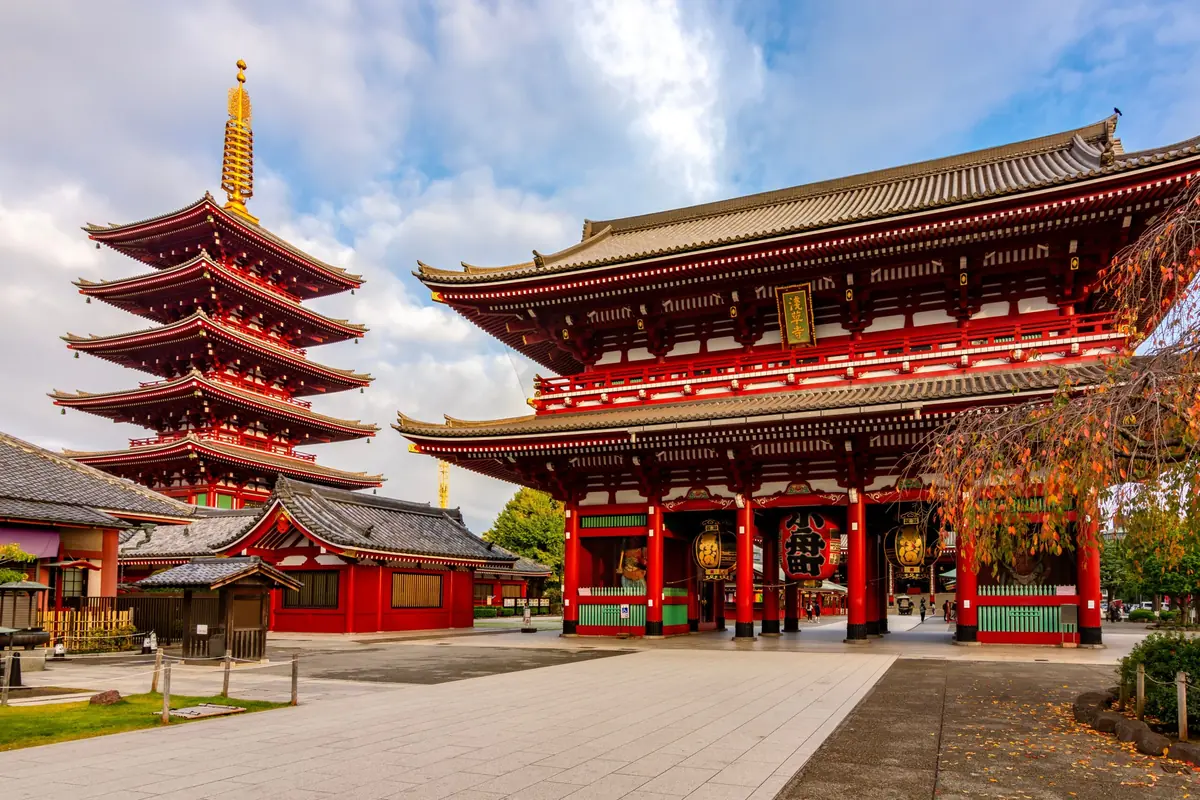
The heart of Asakusa, Senso-ji Temple, is most visitors’ first stop — and for good reason. The contrast between the temple’s vermilion buildings, the golden ginkgo leaves, and crimson maples is breathtaking. Head behind the Main Hall to quieter areas near Bentendo and Awashimado, where ginkgo and maple trees put on a less-crowded display.
Photo tip: The area near Nitenmon Gate (east side of the main hall) offers a striking contrast between pagoda and foliage — one of the best single-frame shots in the area.
| Peak | Trees | Highlights |
|---|---|---|
| Late Nov – Early Dec | Ginkgo, Maple, Cherry | Pagoda + foliage contrast; Nitenmon Gate photo spot |
Access: 5-minute walk from Asakusa Station (all lines) | Hours: Open at 9:00 AM — visiting on a weekday morning avoids peak crowds
2.2 Sumida Park — Riverside Foliage with Skytree Views
Running along both sides of the Sumida River, Sumida Park is famous for its spring cherry blossoms — but its autumn colors are just as stunning. The row of cherry trees turns red and gold, framed by views of Tokyo Skytree. Walk along the river, rent a bicycle, or take a water bus for a fresh perspective on the season.
| Peak | Trees | Highlights |
|---|---|---|
| Late Nov – Early Dec | Cherry, Ginkgo, Zelkova | Skytree backdrop; river reflection; open walking paths |
Access: 3–5 minutes from Asakusa Station
2.3 Matsuchiyama Shoden — A Quiet Hilltop Retreat
A branch temple of Senso-ji, Matsuchiyama Shoden sits on a small hill overlooking the Sumida River. Its calm, spiritual atmosphere makes it a perfect spot to take in the colors away from the main crowds. The elevated position also offers views toward Tokyo Skytree through the autumn canopy.
Access: ~10 minutes from Asakusa Station | Peak: Mid-November to Early December
2.4 Kyu-Yasuda Garden — An Edo-Era Garden in Ryogoku
A short trip to nearby Ryogoku, this former feudal garden is a gem. The pond reflects red and yellow leaves in a dreamlike “mirror effect.” Despite its central location, the garden offers a genuine escape into nature.
Access: 5–7 minutes from Ryogoku Station (JR or Toei Oedo Line) | Peak: Late Nov – Early Dec
2.5 Mukojima-Hyakkaen Garden — Edo Botanical Garden
Founded during the Edo period, this historic botanical garden showcases seasonal plants year-round. In autumn, maples, ginkgo, and plum trees are joined by autumn flowers like bush clover, creating the perfect blend of natural beauty and cultural heritage.
Access: 8–13 minutes from Higashi-Mukojima or Keisei-Hikifune Station | Peak: Mid-Nov – Mid-Dec
2.6 Denboin Garden — Hidden Edo Garden (Limited Opening)
Adjacent to Senso-ji’s main temple compound, this traditional strolling garden is normally closed to the public. Each autumn it opens for a special viewing period, offering a rare glimpse of Edo-period garden design with vivid leaves reflected in the pond — one of the most serene scenes in Tokyo.
Note: Check the official Senso-ji website for exact opening dates before visiting. | Peak: Late Nov – Early Dec
2.7 Ushijima Shrine — Sacred Ginkgo & the Healing Cow
Located near Sumida Park, Ushijima Shrine’s magnificent sacred ginkgo tree blazes yellow in late autumn. Be sure to visit the nade-ushi (healing cow statue) — a beloved local tradition where rubbing the statue is said to cure ailments.
Access: 3 minutes from Tokyo Skytree Station | Peak: Late Nov – Early Dec
Nearby bonus: Imado Shrine, a short walk along the Sumida River, is a beloved matchmaking power spot said to be one of the birthplaces of the beckoning cat (maneki-neko).
Experience Asakusa’s Autumn the Old Way
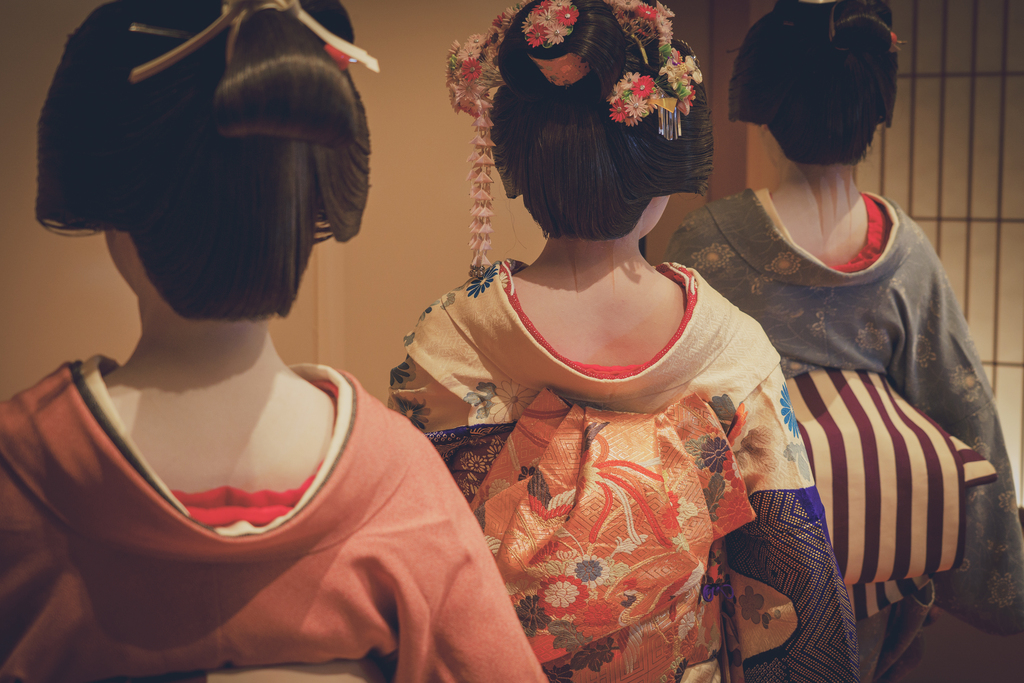
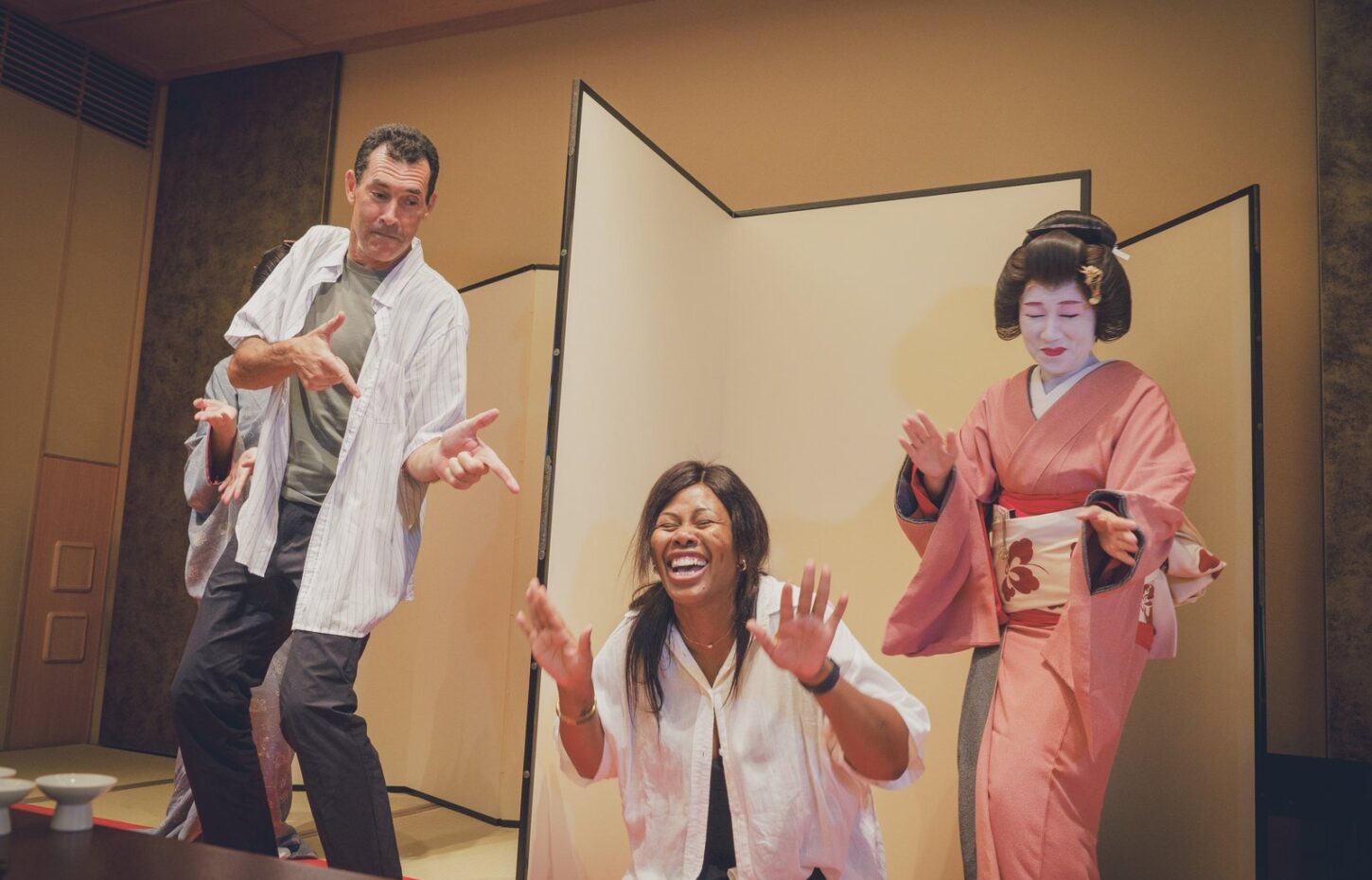
Imagine sipping sake as autumn leaves drift past a lantern-lit tatami room. Miyakodori’s ozashiki (a private gathering with geisha) offers an intimate evening with geisha in Asakusa’s oldest neighborhood — a memory that stays long after the leaves have fallen.
3. Autumn Events Calendar
Autumn in Asakusa is not just about foliage — the season brings some of the city’s most celebrated festivals and ceremonies. Below is a guide to what’s happening from September through November.
Note: Dates are based on past years. Official schedules are announced closer to each event — check organizers’ websites for confirmed 2026 dates.
| Approx. Date | Event | Location |
|---|---|---|
| Early September | Kaminarimon Bon Odori & Yume Toro | Near Nakamise Street |
| Mid September | Asakusa International Street Beat Festival | Asakusa Kokusai Street |
| Oct 4–11 | Asakusa Lantern Festival (Toro Matsuri) | Asakusa Shrine |
| Oct 18 | Kinryu no Mai (Golden Dragon Dance) | Senso-ji Temple grounds |
| Oct 18 | Kiku Kuyo-e (Chrysanthemum Ceremony) | Senso-ji Temple |
| Mid-Oct – Mid-Nov | Chrysanthemum Exhibition | Senso-ji Temple grounds |
| Nov 3 | Tokyo Jidai Matsuri (Historical Parade) | Senso-ji area |
| Nov 3 | Shirasagi no Mai (White Heron Dance) | Senso-ji Temple grounds |
| Nov 7 & 19 | Tori-no-Ichi Fair | Otori Shrine & Chokokuji Temple |
3.1 Asakusa Lantern Festival (Toro Matsuri)
Held in early October, this enchanting event sees approximately 300 lanterns light the streets around Asakusa Shrine, each hand-painted by local artists and children. The gentle glow transforms the neighborhood into a dreamlike landscape — a beautiful contrast to the usual daytime bustle.
3.2 Kinryu no Mai (Golden Dragon Dance) — October 18
Held on October 18 as part of the Buddhist festival Kiku Kuyoe, this traditional dance celebrates the origin story of Senso-ji’s “Golden Dragon Mountain.” A massive 15-meter, 80-kilogram dragon puppet is danced through the temple grounds to powerful music — a spectacle of spiritual tradition.
3.3 Kiku Kuyo-e (Chrysanthemum Memorial Ceremony) — October 18
Also on October 18, this ceremony stems from the Chinese legend of chrysanthemum and longevity. Visitors can exchange their own chrysanthemums with flowers offered at the main hall. Placing a dried chrysanthemum under your pillow is said to cure headaches. A special Chrysanthemum Amulet — available only on this day — is a popular seasonal keepsake.
3.4 Shirasagi no Mai (White Heron Dance) — November 3
Performed on November 3 as part of the Tokyo Jidai Matsuri (Historical Parade), the White Heron Dance was revived in 1970 from the Keian Emaki scrolls. Performers dressed in beautiful white costumes dance gracefully through the temple grounds — an elegant scene evoking the Heian period.
3.5 Tori-no-Ichi Fair — November 7 & 19, 2026
Held annually on the “Days of the Rooster” in November, the Tori-no-Ichi fair is one of the biggest autumn events in Tokyo — dating back to the Edo period and drawing enormous crowds to Otori Shrine to pray for good fortune and business prosperity.
What to expect:
- Dates: Set by the lunar calendar — the Days of the Rooster. In 2026: Saturday, November 7 and Thursday, November 19 (two fair days, not three)
- Hours: Early morning to midnight
- Location: Otori Shrine & Chokokuji Temple (7-minute walk from Iriya Station)
Buying a kumade rake: These ornate good-luck rakes, decorated in gold and auspicious symbols, are the heart of the fair. First-time visitors are encouraged to start with a small kumade and “upgrade” each year — symbolizing growing prosperity. When your purchase is complete, don’t miss the traditional tejime hand-clapping ceremony with the vendor. The surrounding streets transform into a street food paradise with over 750 stalls — warm up with festival treats and try kirizansho, a peppery sweet traditionally associated with the fair.
Crowd tip: The fair gets very crowded, especially evenings and weekends. Visit early in the day or on weekdays, and use public transport.
4. Night Illumination at Senso-ji
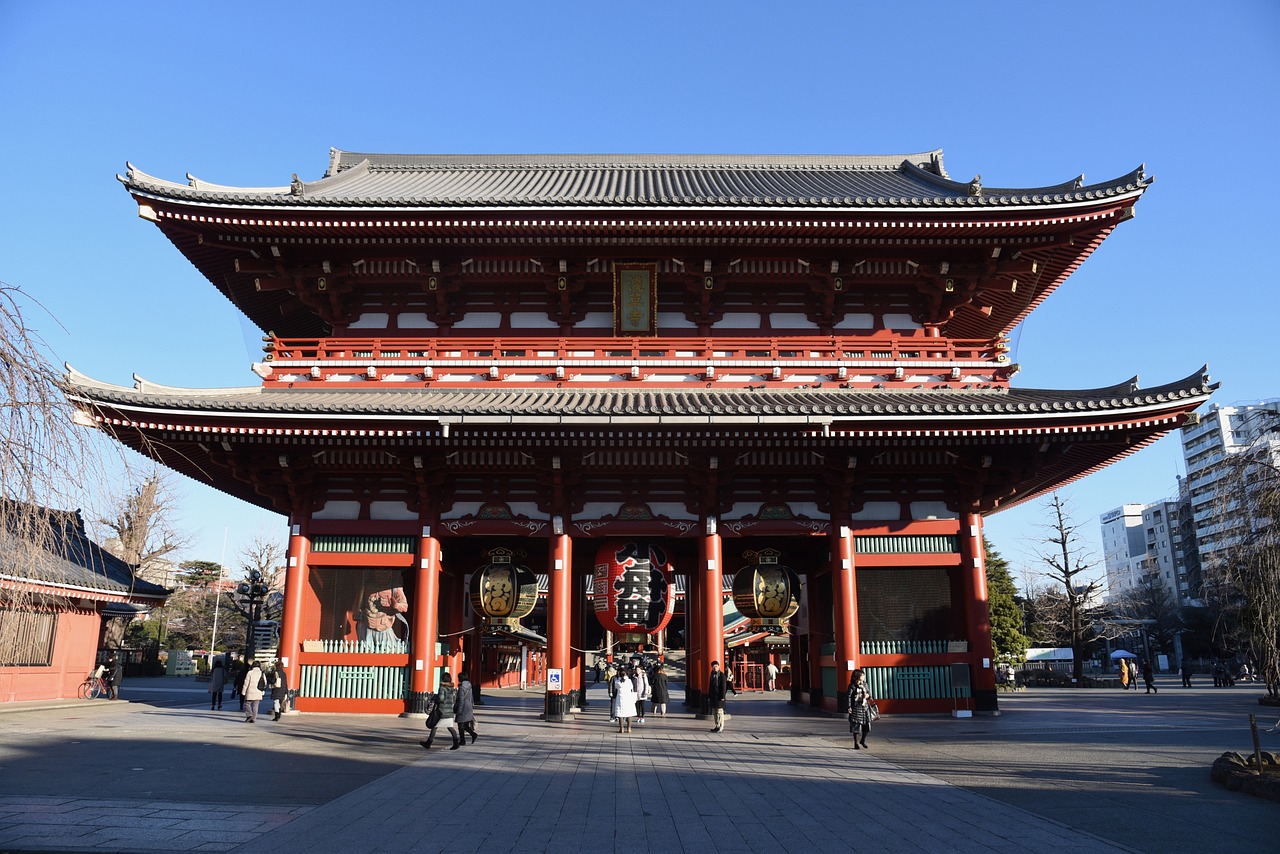
After sunset, Senso-ji transforms into a different world. The nightly illumination runs daily from sunset until around 11:00 PM, bathing the main hall, five-story pagoda, Hozomon Gate, and Kaminarimon in soft, golden light.
Best photography spots:
- Frame both Hozomon Gate and the five-story pagoda in a single shot from the approach
- Look for the view of Tokyo Skytree through the illuminated Hozomon Gate — old Tokyo meeting new Tokyo in one frame
- The Nakamise Street shutters are painted with the “Asakusa Picture Scroll” — worth strolling slowly after the shops close
The quiet, illuminated temple grounds at night carry a sacred atmosphere unlike anything during the day. Autumn’s cool air and long evenings make it one of the best times of year to experience Senso-ji after dark.
5. Unique Autumn Experiences in Asakusa
Beyond walking the temple grounds, Asakusa offers several ways to experience the season that you simply can’t replicate anywhere else.
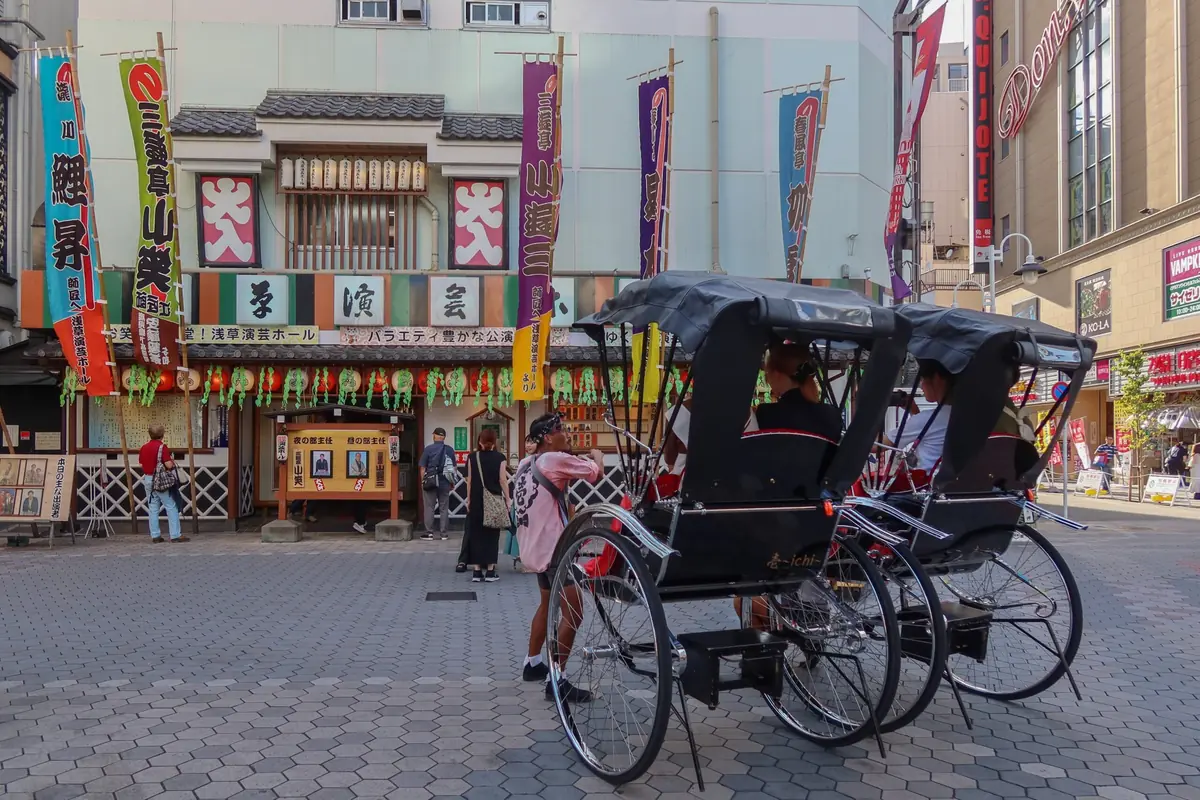
5.1 Rickshaw Tour — A Classy Route Through the Colors
Let a rickshaw driver guide you through scenic routes at a leisurely pace — no crowds, just you, the autumn views, and local commentary. From a slightly elevated position, you’ll catch hidden foliage spots and hear stories about Asakusa’s history.
Recommended routes:
- Senso-ji & Nitenmon Gate Loop: Ginkgo and maple trees framing temple architecture
- Sumida River & Skytree Course: Waterfront autumn colors with a skyline backdrop
Most operators allow you to customize your route — perfect for a private, photo-worthy experience.
5.2 Yakatabune River Cruise — Autumn Leaves from the Water
Viewing foliage from the Sumida River adds a layer of magic. Whether you take a traditional yakatabune (houseboat) with dinner, or hop on a Tokyo Water Bus, the riverside leaves look stunning reflected in the water.
Planning tips:
- Go around sunset — golden-hour light makes the leaves glow
- Book a yakatabune for a full-course dinner experience, or take a water bus for an affordable scenic cruise
5.3 Kimono Stroll — Edo-Era Autumn Elegance
Asakusa’s old-town lanes were made for kimono strolls. Choose a pattern in deep red, mustard yellow, or dark green to complement the autumn palette, and the historic backstreets become your personal photo backdrop. Rental shops near Asakusa Station offer full styling including hair accessories.
For a full guide to choosing autumn-color kimonos, staying comfortable in zori sandals, and keeping your look photo-ready all day, see: Strolling in Asakusa in Kimono →
5.4 Evening: Hoppy Street
As the evening settles in, Hoppy Street (also called Nikomidori) comes alive with Showa-era nostalgia. Red lanterns line the narrow street west of Senso-ji, and pub-style bars serve local classics like beef tendon stew alongside cold Hoppy or beer — a warm, convivial way to end an autumn day in Asakusa.
6. Autumn Food Walk in Asakusa
Autumn is harvest season, and Asakusa delivers. From chestnuts and sweet potatoes to seasonal soft-serve and limited-edition puddings, here are the shops worth seeking out on your autumn walk.
6.1 Japanese Sweets & Seasonal Treats
Long-established favorites:
- Funawa Main Store — Founded 1902. Their Sweet Potato Yokan Soft Serve captures the gentle sweetness of their signature yokan in a cool, creamy form. (1-22-10 Asakusa)
- Asakusa Kibidango Azuma (Nakamise Street) — Watch fresh kibidango (millet dumplings) made in front of you, coated generously with fragrant kinako. Best paired with cold matcha.
- Oimoyasan Koshin — Candied sweet potatoes (daigaku imo) with a secret glaze: crispy outside, soft and fluffy inside. (1-39-7 Asakusa)
Seasonal specialties:
- Kurihodo — Specialists in Mont Blanc made with domestic Japanese chestnuts. Their Asakusa-exclusive Rich Matcha Mont Blanc pairs bitter matcha with sweet chestnuts in a silky, 1mm-thin cream.
- Chiba-ya — In business since 1950, they handcraft candied sweet potatoes using seasonal varieties coated in a secret syrup. (Crispy outside, tender inside — worth the queue.)
- Asakusa Silk Pudding — Silky smooth pudding year-round, but in autumn (October 1–31) their Pumpkin Pudding appears — rich, creamy, and seasonal.
- Kotobuki Seian — A popular Japanese crepe shop tucked in a back alley. Try the Yasaka — matcha tiramisu and mascarpone cream in a crepe that melts in your mouth.
Classic street eats:
- Asakusa Menchi — Deep-fried meat patties (menchi-katsu): crispy batter, juicy interior, best without sauce. (2-3-3 Asakusa)
- Asakusa Kagetsudo — Their jumbo melon pan, right next to Senso-ji, is slow-fermented for an incredibly soft texture. (2-7-13 Asakusa)
Food walk tips: Choose one-handed, easy-to-eat foods for a smooth stroll. Note that eating while walking is generally discouraged on Nakamise Street — use the designated eating areas near each shop.
6.2 Suggested Half-Day Itinerary
| Time | Activity |
|---|---|
| 1:00 PM | Kimono fitting at a rental shop near Asakusa Station |
| 2:00 PM | Food walk along Nakamise-dori — seasonal treats en route to Senso-ji |
| 3:00 PM | Senso-ji Temple — autumn leaves, Nitenmon Gate photo spot, Denpoin area |
| 4:00 PM | Sumida Park — riverside leaves, Skytree views, optional Ushijima Shrine |
| 5:00 PM | Return kimono, souvenir shopping |
| Sunset– | Night illumination at Senso-ji (daily until ~11:00 PM) or Hoppy Street for dinner |
7. Getting to Asakusa’s Foliage Spots
Asakusa is one of the easiest destinations to reach in Tokyo. Most foliage spots are within walking distance of Asakusa Station, served by four train lines.
7.1 Quick Access Guide
| Spot | Nearest Station | Walk |
|---|---|---|
| Senso-ji Temple | Asakusa (all lines) | 5–10 min |
| Sumida Park | Asakusa (all lines) | 3–5 min |
| Matsuchiyama Shoden | Asakusa (all lines) | ~10 min |
| Denboin Garden | Asakusa (all lines) | 5 min (within Senso-ji grounds) |
| Ushijima Shrine | Tokyo Skytree Station | 3 min |
| Kyu-Yasuda Garden | Ryogoku (JR or Toei Oedo) | 5–7 min |
| Mukojima-Hyakkaen | Higashi-Mukojima or Keisei-Hikifune | 8–13 min |
7.2 From Major Tokyo Stations
- From Tokyo Station: JR or Keihin-Tohoku → transfer at Kanda → Tokyo Metro Ginza Line to Asakusa (~20 min)
- From Shinjuku Station: JR Chuo Line → Kanda → Ginza Line to Asakusa; or Toei Oedo Line to Kuramae (~10 min walk)
- From Shibuya Station: Direct on Tokyo Metro Ginza Line (~30 min)
7.3 From Airports
- Haneda Airport: Keikyu Line direct to Toei Asakusa Line → Asakusa Station (no transfer needed)
- Narita Airport: Keisei Line direct to Toei Asakusa Line → Asakusa Station (no transfer needed)
8. Conclusion
Autumn in Asakusa is a full sensory experience — golden ginkgo trees glowing against vermilion temple gates, the energy of Tori-no-Ichi, the glow of a lantern-lit night, and the warmth of sweet potato treats shared on a cool afternoon. Whether you arrive in October for the festivals or November for the peak leaves, this historic neighborhood rewards every visit with something irreplaceable.
Use this guide to shape your day — and let Asakusa’s autumn paint your memories in brilliant red and gold.
Complete Your Autumn Evening in Asakusa
After the temples and foliage, step inside a historic machiai-chaya for an ozashiki (a private gathering with geisha) — the seasonal finale that transforms a sightseeing day into a true Asakusa memory. Whether you come alone or with close friends, an evening like this leaves a mark.


- Complete Guide to Autumn in Asakusa! An In-Depth Report from Tori no Ichi to Autumn Foliage Festival
- Welcoming Autumn in Asakusa: Top Things to Do in September | Highlights & Seasonal Experiences
Asakusa vs Akasaka: Where to Stay in Tokyo, and How the Two Old Geisha Districts Compare

Watch the Sumida River Fireworks from Prime Seats – Restaurants with Stunning Views & Meals
Tokyo Tourist Guide: A Geisha Teahouse’s View of the City We Call Home
Oiran vs Geisha: What’s the Difference? (Answered in Asakusa)
What Is the Tora Tora Game? Rules, History, and How to Play
Must-Visit Theaters in Asakusa Sightseeing! From Spotting Same-Day Tickets for Casual Enjoyment to Famous Long-Established Venues
Comment ( 0 )
Trackbacks are closed.
No comments yet.