




Top 5 Must-Do Experiences in Asakusa — Including an Authentic Geisha Encounter
Asakusa is a top destination for visitors, perfectly blending Japanese tradition with a vibrant old-town atmosphere.
This guide highlights key experiences, including the majestic Senso-ji Temple, the lively Nakamise-dori street, and a scenic rickshaw ride. Beyond sightseeing, you can enjoy a Sumida River cruise and local street food.
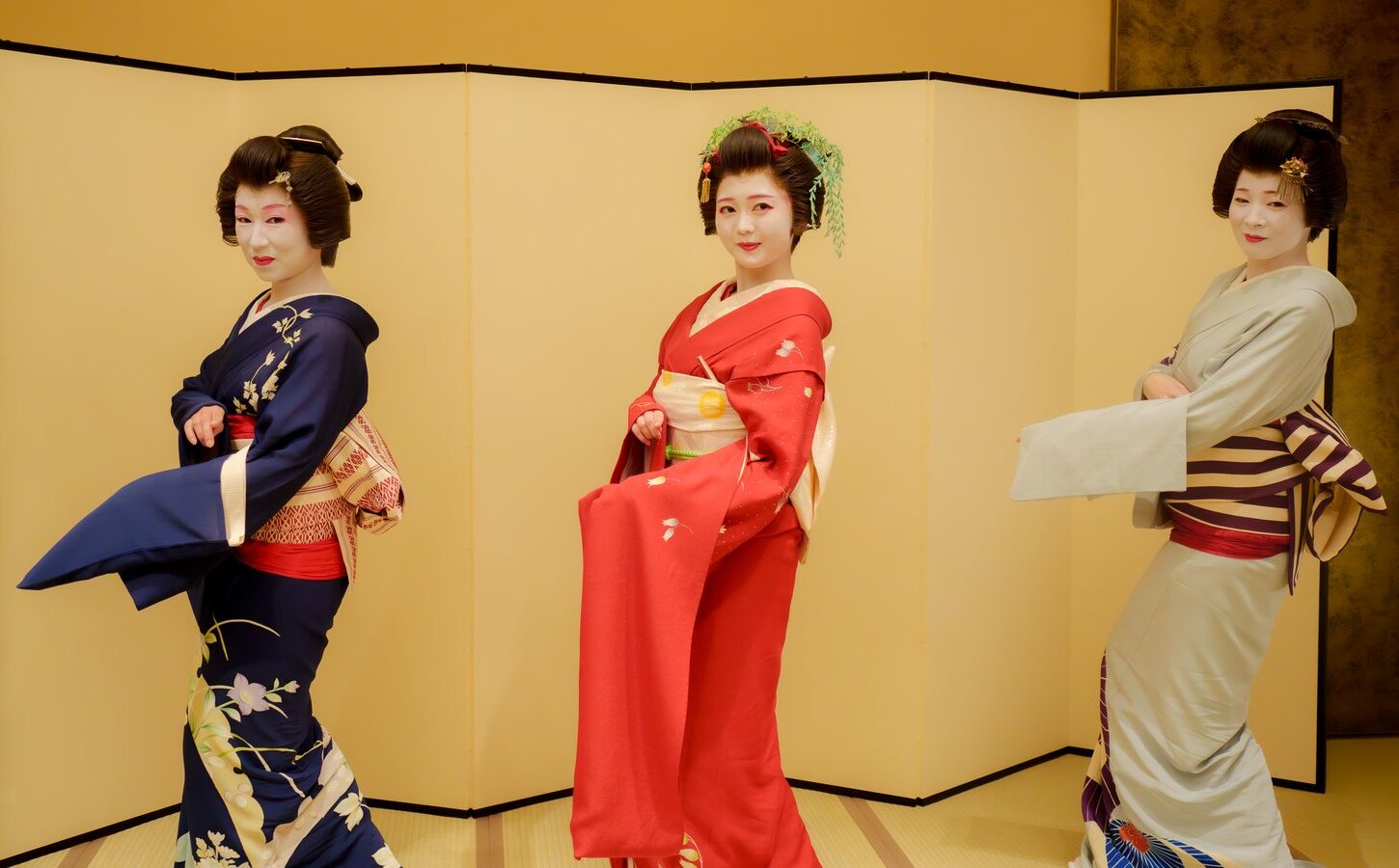
A special feature is the opportunity to experience the traditional ozashiki culture and witness the performing arts of authentic Geisha.
This guide helps you plan your perfect trip to this uniquely traditional district.
1. Why Asakusa is a Favorite Destination for Foreign Tourists
Asakusa is a district in Tokyo that captivates travelers from around the globe, offering a unique window into the city’s rich past while standing beside its modern present. The greatest charm of Asakusa is the coexistence of nostalgic, old-world Japan and contemporary architecture. This harmonious blend creates an atmosphere where visitors can experience the essence of Japanese culture. From the historic Senso-ji Temple, Tokyo’s oldest temple, to the towering Tokyo Skytree visible across the Sumida River, Asakusa presents a landscape of fascinating contrasts. This area allows you to immerse yourself in traditional experiences, savor authentic Japanese cuisine, and explore vibrant streets all in one accessible location.
The enduring popularity of Asakusa lies in its ability to offer a comprehensive cultural experience. Visitors can stroll down Nakamise-dori, a bustling street leading to Senso-ji that has served temple-goers for centuries, sampling traditional snacks and shopping for unique souvenirs. For many, Asakusa is the quintessential image of historic Tokyo, a place where you can ride in a traditional rickshaw, wander through lively streets in a rented kimono, and feel the spirit of the Edo period. Its reputation as a hub for both commerce and entertainment dates back centuries, cementing its status as a cultural heart of the city.
Furthermore, Asakusa’s excellent accessibility makes it a convenient and essential stop for international tourists. It is well-connected by multiple train lines, offering direct access from both Narita and Haneda airports, which is a significant advantage for travelers. This ease of access, combined with the sheer density of attractions, ensures that visitors can efficiently experience a wide array of what Tokyo has to offer.
| Traditional Attractions | Modern Landmarks |
|---|---|
| Senso-ji Temple | Tokyo Skytree |
| Nakamise-dori Street | Asahi Beer Tower |
| Kaminarimon Gate | Sumida River Cruise |
| Traditional Rickshaw Tours | Modern Shopping Arcades |
2. The Top 5 Must-Do Experiences in Asakusa
2.1 Explore the Majestic Senso-ji Temple
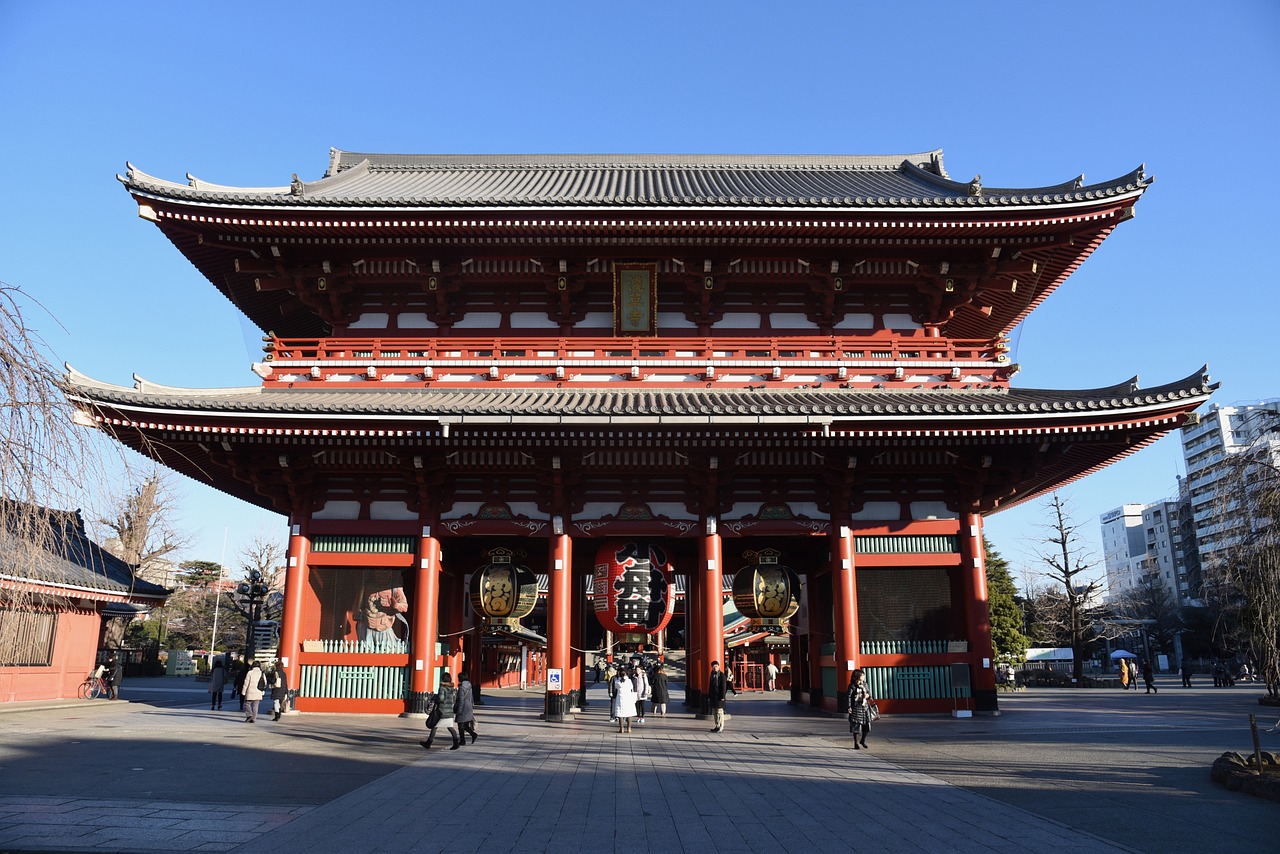
A visit to Asakusa is incomplete without exploring Senso-ji, Tokyo’s oldest temple. Your journey begins at the iconic Kaminarimon (Thunder Gate), with its massive red lantern, a symbol of Asakusa itself. Beyond the gate, you will find the main hall dedicated to Kannon, the goddess of mercy, and a stunning five-storied pagoda that looks especially beautiful when illuminated at night. A unique custom here is to bathe in the smoke from the large incense burner, called the Jokoro; it is believed to have healing properties. Immersing yourself in the spiritual atmosphere of this ancient site offers a profound glimpse into Japan’s rich Buddhist heritage.
2.2 Stroll and Shop Along Nakamise-dori Street
Leading from the Kaminarimon Gate to the temple’s main hall is Nakamise-dori, one of Japan’s oldest and most vibrant shopping streets, stretching for about 250 meters. This bustling promenade is lined with nearly 90 shops selling everything from traditional souvenirs to local snacks. Here, you can find Japanese fans, traditional garments, and unique trinkets. Don’t miss the chance to try local delicacies like Ningyo-yaki, small sponge cakes filled with red bean paste, and freshly toasted Senbei rice crackers. This lively street is the perfect place to find memorable souvenirs and experience the bustling energy of old Tokyo.
2.3 Take a Traditional Rickshaw Tour
For a unique and relaxing way to see the sights, consider a traditional rickshaw tour. A friendly and knowledgeable guide will pull you through the streets of Asakusa, offering a higher vantage point to view the bustling district. These tours often pass by major landmarks like the Kaminarimon Gate and provide excellent photo opportunities. The guides, known as “shafu,” share interesting stories and historical facts about the area, making it an entertaining and educational experience. A rickshaw ride is an unforgettable way to comfortably explore Asakusa’s historic charm, especially for those who want a break from walking.
2.4 Enjoy a Scenic Sumida River Cruise
Escape the crowds and see Tokyo from a different perspective with a cruise on the Sumida River. Boats depart from a pier just a short walk from Senso-ji Temple. During the cruise, you will pass under several uniquely designed bridges and enjoy panoramic views of the city skyline. A highlight of the journey is the unobstructed view of the Tokyo Skytree and the distinctive Asahi Beer Hall. These boat trips offer a relaxing and picturesque journey, connecting historic Asakusa with modern parts of Tokyo like Odaiba.
2.5 Indulge in Asakusa’s Unique Street Food
Asakusa is a paradise for food lovers, offering a wide array of delicious and photogenic street food. Many of these treats can be found along Nakamise-dori and the surrounding side streets. From sweet to savory, there is something to satisfy every palate. Be sure to sample a variety of local specialties for an authentic taste of the area.
| Street Food | Description |
|---|---|
| Melon-pan | A sweet bread with a crisp, cookie-like crust, often served warm. Some shops even offer it filled with ice cream. |
| Age Manju | Deep-fried buns, crispy on the outside and filled with smooth red bean paste. |
| Kibi Dango | Small, chewy dumplings made from millet flour, coated in roasted soybean powder (kinako). |
| Asakusa Menchi | A juicy, deep-fried minced meat croquette, best enjoyed fresh and hot. |
| Ningyo-yaki | Small, doll-shaped sponge cakes typically filled with sweet red bean paste, often made in the shape of Asakusa landmarks. |
3. Special Feature: An Authentic Geisha Encounter
Asakusa is one of the few remaining “hanamachi” (geisha districts) in Tokyo, offering a rare chance to experience the traditional world of Japanese arts and hospitality. An encounter with Asakusa geisha provides a glimpse into a culture refined over generations. This special feature will guide you through what to expect from this unique experience and how you can arrange it.
3.1 What to Expect from a Geisha Experience
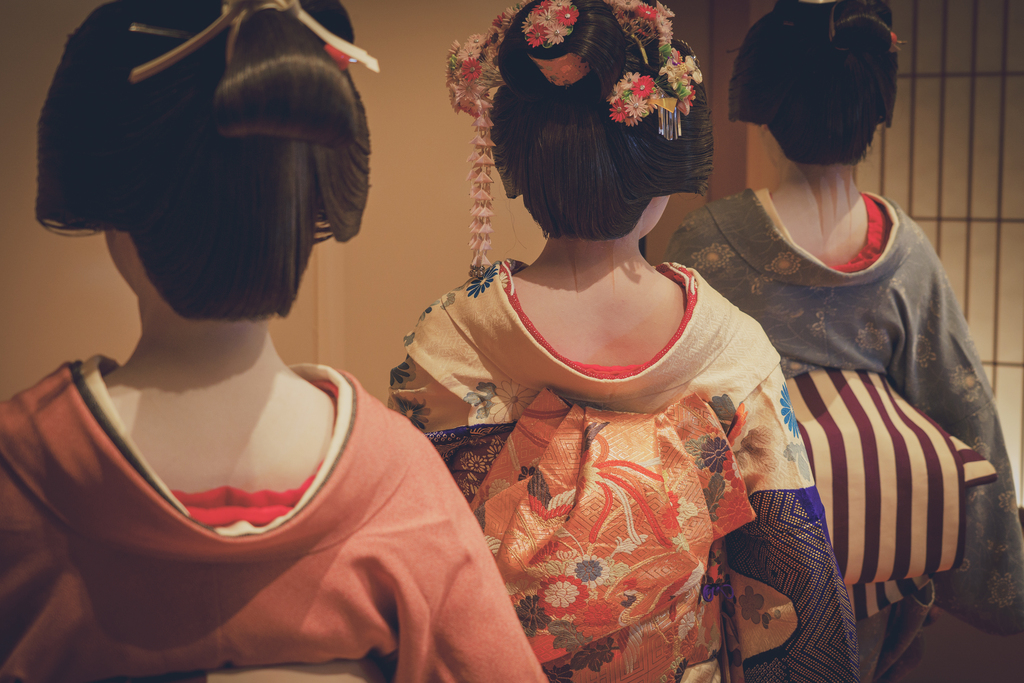
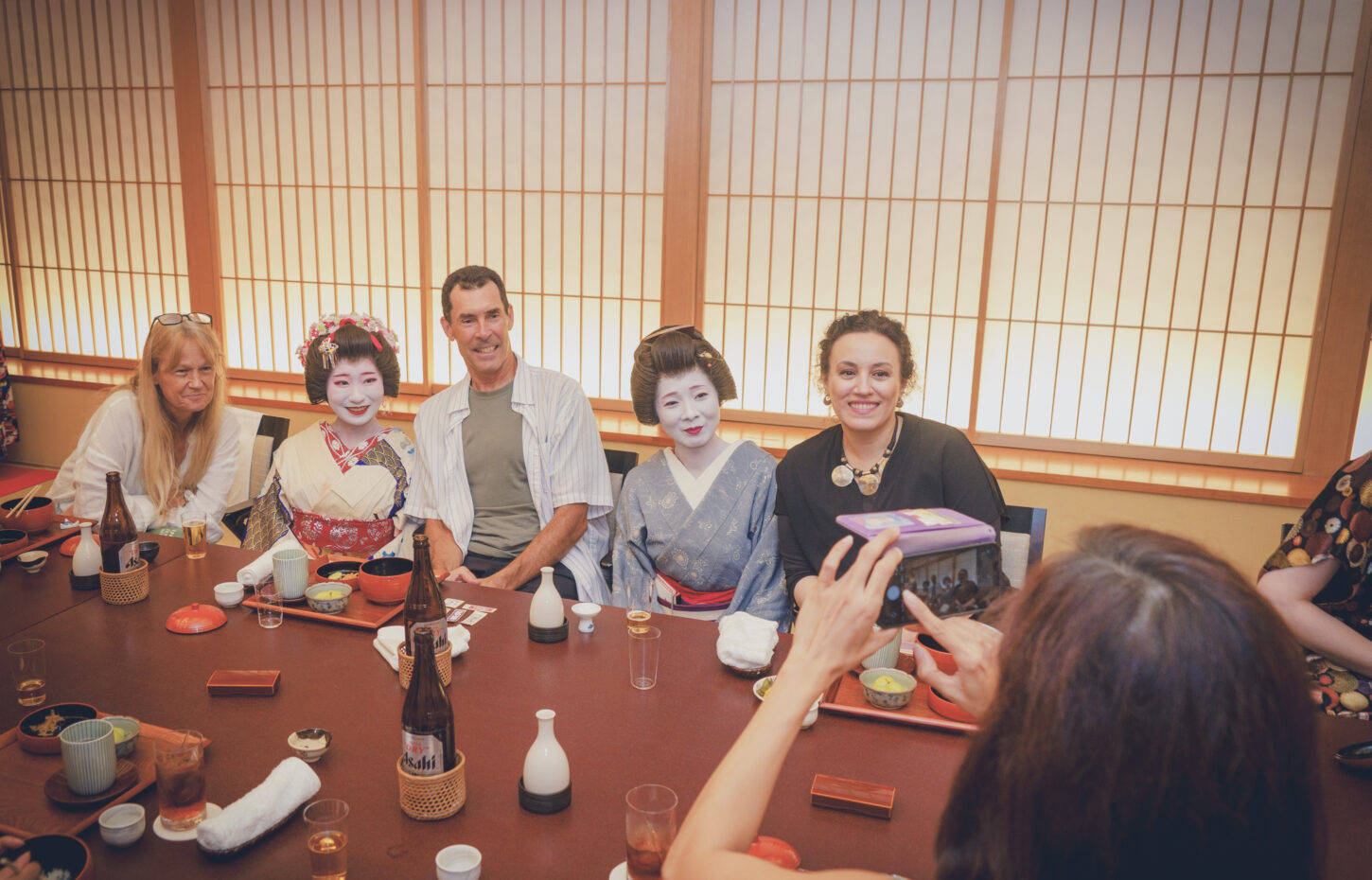
An authentic geisha experience, often referred to as “ozashiki,” is an exclusive gathering where guests are entertained by geisha through various traditional arts. While every encounter is unique, they share common elements of refined performance and hospitality. You will be introduced to geisha and junior geisha, who are known as “hangyoku” in Tokyo. The experience is not just a performance but an interactive cultural immersion.
Guests can anticipate a variety of traditional entertainments. This includes graceful dances performed to the live music of the shamisen (a three-stringed instrument), traditional songs, and engaging conversation. A highlight for many is the opportunity to play “ozashiki asobi,” which are traditional games played with the geisha, creating a lighthearted and memorable atmosphere.
| Activity | Description |
|---|---|
| Traditional Performance | Elegant dances and songs performed by geisha (“tachikata”) accompanied by shamisen music played by seasoned geisha (“jikata”). |
| Conversation | Engaging with the geisha and hangyoku, learning about their art, and experiencing Japanese “omotenashi” (hospitality). |
| Ozashiki Asobi (Games) | Participating in traditional parlor games like “Tora Tora” or “Konpira Fune Fune,” often involving music and friendly competition. |
| Photo Opportunities | A chance to take photos with the geisha as a memento of the special occasion. |
3.2 How to Book Your Unforgettable Encounter
Historically, gaining access to the world of geisha required a formal introduction. However, it is now more accessible to international visitors. Booking in advance is essential to secure an authentic experience.
There are several ways to arrange an encounter:
- Through Cultural Experience Providers: Many companies specialize in offering curated Japanese cultural experiences, including geisha encounters in Asakusa. These often come as packages that may include a meal and an English interpreter to facilitate communication.
- Via High-End Hotels: The concierge at select luxury hotels may be able to assist in making arrangements with trusted establishments.
- Direct Booking with Select Venues: Some traditional restaurants (“ryotei”) or teahouses in Asakusa now offer direct booking options online, making the process more straightforward for tourists.
When booking, it is important to inquire about the details of the program, such as the duration, the number of geisha present, and whether an interpreter will be available to ensure a smooth and enriching experience.
4. Essential Travel Tips for Tourists in Asakusa
4.1 How to Get to Asakusa
Asakusa is a major tourist hub with excellent transport links, making it easily accessible from various parts of Tokyo and its international airports. Several train and subway lines service the area, ensuring a convenient journey for visitors.
| Departure Point | Route | Approx. Time |
|---|---|---|
| Tokyo Station | Take the JR Yamanote Line to Kanda Station, then transfer to the Tokyo Metro Ginza Line for Asakusa. | 20 minutes |
| Shinjuku Station | Take the JR Chuo Line to Kanda Station and transfer to the Tokyo Metro Ginza Line for Asakusa. | 35 minutes |
| Haneda Airport | Direct trains are available on the Toei Asakusa Line. | 50 minutes |
| Narita Airport | Direct trains are available on the Toei Asakusa Line via the Keisei Narita Skyaccess Line. | 1 hour 25 minutes |
The main station, Asakusa Station, is served by the Tokyo Metro Ginza Line, Toei Asakusa Line, and Tobu Skytree Line. The Tsukuba Express line also has a station in Asakusa, located a bit further west of the main temple area. For a more scenic route, consider taking a Tokyo Water Bus cruise along the Sumida River, which has a pier just a short walk from Asakusa Station.
4.2 Best Times to Visit for a Great Experience
To make the most of your visit and avoid the largest crowds, timing is key. Asakusa is one of Tokyo’s most popular destinations and can get very busy, especially around Senso-ji Temple and Nakamise-dori.
4.2.1 For Fewer Crowds
The best time to explore Asakusa is on a weekday morning. Arriving early, between 6:00 AM and 7:00 AM, allows you to see landmarks like the Kaminarimon Gate and the temple grounds before the crowds descend. While the main hall of Senso-ji Temple opens at 6:00 AM (6:30 AM from October to March) and most shops on Nakamise-dori open later around 9:00 or 10:00 AM, the temple grounds themselves are always open.
4.2.2 For a Special Atmosphere
Visiting Asakusa in the evening offers a completely different, more tranquil experience. After the shops close, the crowds thin out, and from sunset until around 11:00 PM, Senso-ji Temple is beautifully illuminated, creating a magical and serene atmosphere perfect for a peaceful stroll.
4.2.3 Periods to Be Aware Of
Asakusa becomes exceptionally crowded during Japanese national holidays. Major holiday periods like Golden Week (late April to early May) and the New Year’s holidays (first few days of January) see a massive influx of visitors. Major festivals, such as the Sanja Matsuri in May and the Sumida River Fireworks in July, also draw huge crowds. While exciting, be prepared for significant congestion during these times.
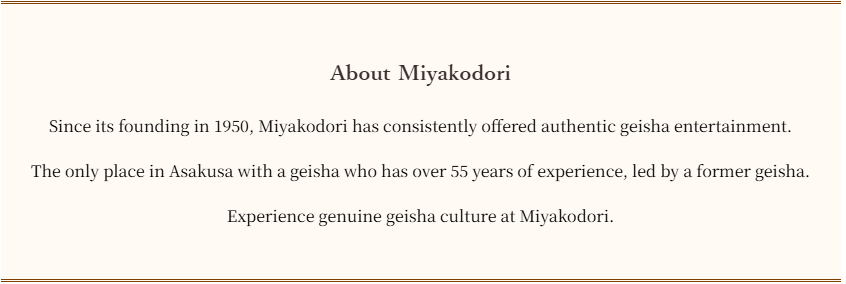
HOME – Authentic Geisha Experiences | Miyakodori


- Welcome the New Year at Tokyo Tower: The Complete 2026 First Sunrise Guide (Official Information Included)
- Celebrate the Start of 2026 in Asakusa — Your Complete Guide to a Perfect New Year’s Day
Enjoying Exquisite Shaved Ice in Asakusa! Top 6 Local Favorites Part 2
The Best Kakigori in Asakusa: Top Shaved Ice Shops & Visitor Guide
What is a Geisha House? An Ultimate Guide to the World of Okiya and Ochaya (2026 Edition)
Japanese Culture Items: A Complete Guide to Traditional Crafts and Objects
Asakusa Geisha Encyclopedia: Inside Tokyo’s Hanamachi
Complete Guide to Autumn in Asakusa! An In-Depth Report from Tori no Ichi to Autumn Foliage Festival
Comment ( 0 )
Trackbacks are closed.

No comments yet.