



[2025 Edition] Complete Guide to Winter Events in Asakusa! From Traditional Festivities to Hatsumode

In winter, Asakusa reaches its most atmospheric season, a beautiful fusion of traditional Edo-era customs and modern spectacle. Based on the latest available information for 2025, this article provides a comprehensive overview of major events held in winter: the Hagoita Market and illuminations in December, the New Year’s celebrations of Senso-ji Temple’s Hatsumode and the Asakusa Shichifukujin Meguri in January, and the Setsubun Festival in February.
We have compiled everything you need to know to fully enjoy winter in Asakusa, including highlights and dates of each event, tips for serene worship while avoiding crowds, delicious local gourmet recommendations to warm you up, and unique ways to enjoy Sumida River on a yakata-bune (houseboat). Reading this guide will ensure your winter trip planning goes smoothly, guaranteeing a truly memorable experience.
Table of Contents
1. Start Your Winter Asakusa Sightseeing Here
In winter, the air in Asakusa is clear and crisp, making it the season when the atmosphere of the Edo period is most palpable. The coexistence of the bracing cold with the festive energy and solemnity unique to the New Year’s season is a major draw of Asakusa during this time. While tourists from all over the world visit Asakusa, it reveals a special kind of charm in winter.
Historical events run continuously, starting with the Hagoita Fair, a traditional winter feature in December, followed by Hatsumode (first shrine/temple visit of the New Year), and the Setsubun Festival (calling in spring) in February. In this article, we will introduce the representative winter events of Asakusa month by month. First, take a look at the overview of the festivities.
1.1 Winter Asakusa Event Calendar
| Month | Representative Events | Main Highlights |
| December | Toshi-no-Ichi (Hagoita Fair), Illumination | Enjoy the year-end tradition dating back to the Edo period and the dazzling light display coloring the downtown nights. |
| January | Senso-ji Temple Hatsumode, Asakusa Shichifukujin Meguri | Celebrate the New Year at Tokyo’s oldest temple and pray for a year of good fortune by touring the Seven Lucky Gods. |
| February | Senso-ji Temple Setsubun-e | A traditional event marked by bean-throwing rituals, often performed by celebrities, drawing large crowds. |
These events offer invaluable opportunities to experience the history and culture of Asakusa firsthand. In the following sections, we will delve into the details, ways to enjoy, and recommended surrounding information for each event.
2. 【December】Events from Christmas to the Year-End
Asakusa in Shiwasu (the year-end month) is wrapped in the hustle and splendor typical of the closing year. From traditional markets dating back to the Edo period to light festivals coloring the winter night, there is a host of special events only available during this time. We will introduce the charm of December in Asakusa, where the sparkle of the Christmas season merges with the solemn atmosphere heading into the New Year.
2.1 The Edo-Era Year-End Vibe at the Hagoita Fair
The definitive year-end tradition in Asakusa is the “Toshi-no-Ichi (Hagoita Fair),” held annually from December 17th to 19th on the grounds of Senso-ji Temple. Originating as a market for New Year’s lucky charms, it became increasingly dominated by stalls selling hagoita (decorative paddles), earning its popular name.
Numerous hagoita stalls line the temple grounds, showcasing a diverse range of paddles, from extravagant ones depicting Kabuki actors to unique contemporary designs reflecting the current year’s trends. The spirited hand-clapping (tejime) exchanged by vendors announces the arrival of the year-end and creates a truly Edo-flavored hustle and bustle.
| Item | Detail |
| Date | Annually from December 17th to December 19th |
| Location | Senso-ji Temple Grounds |
| Time | Approx. 9:00 AM – 7:30 PM |
2.2 Asakusa Illumination Spots
While Asakusa is strongly associated with traditional Japanese culture, you can also enjoy beautiful illuminations on winter nights. The fantastic scenery created by the interplay of historical buildings and modern lights is exceptional.
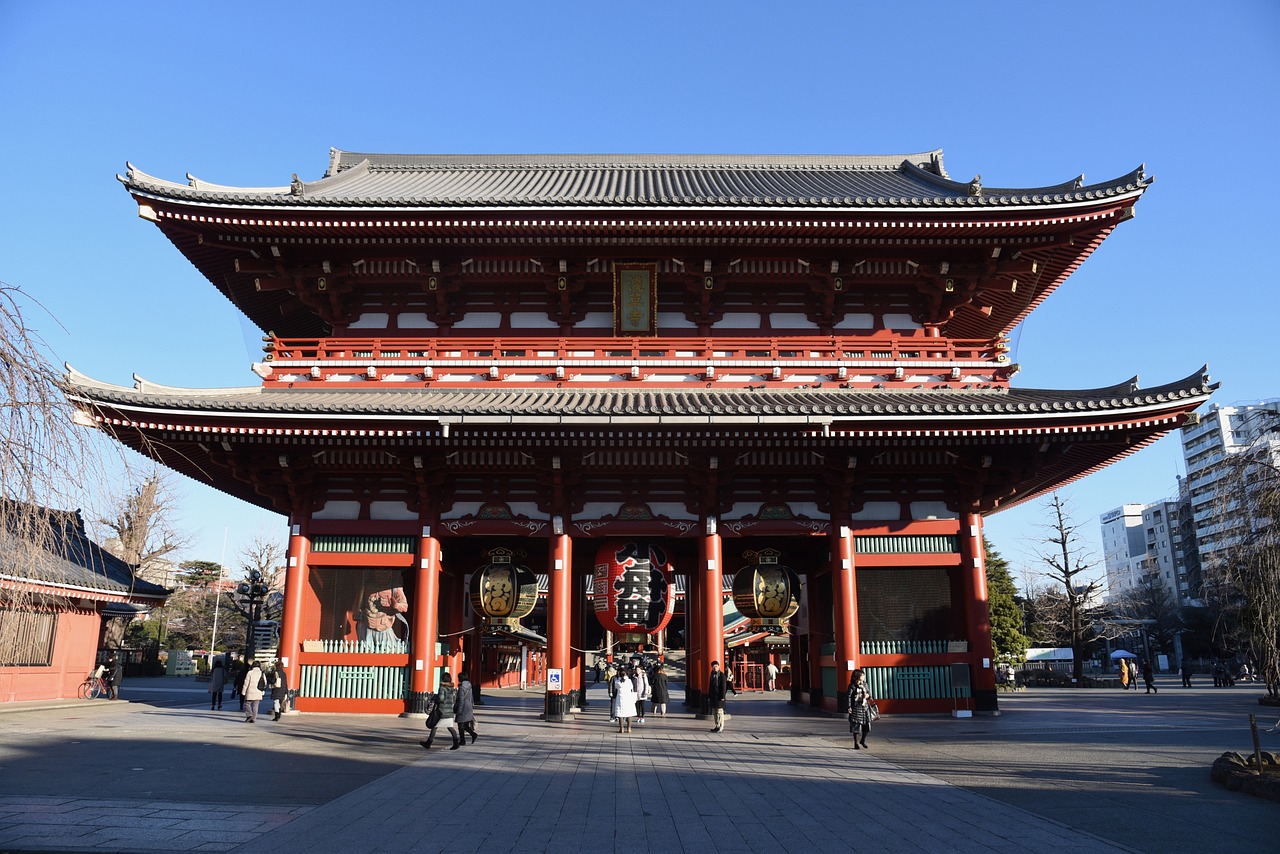
- Senso-ji Temple: The Main Hall, Five-Storied Pagoda, and Hozomon Gate are lit up daily from sunset until around 11:00 PM. Looming majestically in the clear winter air, the temple takes on a sacred atmosphere different from the daytime.
- Tokyo Skytree®: The tower, visible from Asakusa, shines with special Christmas lighting, adding extra color to the Asakusa nightscape.
3. 【January】Celebrating the New Year with Hatsumode
Asakusa in January, welcoming the New Year, is the most vibrant season of the year. Senso-ji Temple, Tokyo’s oldest temple, and the surrounding shrines attract countless worshippers, enveloping the entire town in a bright atmosphere. Why not spend the start of the New Year in Asakusa, a place steeped in history and tradition?
3.1 Complete Guide to Senso-ji Temple’s Hatsumode
Senso-ji Temple is one of Japan’s most popular Hatsumode spots, attracting about 3 million visitors every New Year. The activity is especially intense from New Year’s Eve through the morning of New Year’s Day, creating an overwhelming sense of shared celebration unique to Senso-ji.
〇 Worship Routes and Tips for Avoiding Crowds
Hatsumode at Senso-ji is expected to be heavily congested, but by noting a few key points, you can navigate your visit more smoothly. Finding the right time and route is essential, especially during the first three days of the New Year (Sanganichi).
The general worship route is from Kaminarimon Gate, through Nakamise Street, past Hozomon Gate, and up to the Main Hall. As this route is the most crowded, planning with ample time is necessary, as the wait to worship can take one to two hours or more.
Here are specific ways to minimize congestion:
| Item | Detail |
| Time Slot | The most severe congestion is late New Year’s Eve through early New Year’s Day, and during the daytime of Sanganichi (approx. 10:00 AM – 4:00 PM). Relatively less crowded times are: 4:00 AM – 7:00 AM on New Year’s Day, or early morning and after 4:00 PM on the 2nd and 3rd. |
| Route | Instead of the main route from Kaminarimon, you can often avoid the crowds by taking side streets parallel to Nakamise Street, or approaching the grounds from the Nitenmon or Nishi Sando entrances. |
| Date | If possible, avoiding Sanganichi and visiting on or after January 4th will allow for a less crowded and more relaxed visit. |
〇 Stall and Local Gourmet Information
One of the great pleasures of Hatsumode is the array of stalls lining the temple grounds and surroundings. Stalls start setting up on New Year’s Eve, offering a variety of hot treats like amazake (sweet sake), motsunikomi (stewed offal), and classics like takoyaki and yakisoba. Enjoying these piping hot foods amidst the lively calls of vendors will certainly ward off the winter chill. Stalls are typically open until around January 5th.
On Nakamise Street, snacks like agemanjū (deep-fried sweet buns) are popular for eating while strolling. The surrounding area also offers traditional sweet shops serving warm oshiruko (sweet bean soup) and long-established soba restaurants, perfect for warming up a chilled body.
3.2 Asakusa Shichifukujin Meguri (Seven Lucky Gods Pilgrimage) Course
As an event to usher in good fortune for the New Year, the “Asakusa Shichifukujin Meguri” is also highly recommended. Unlike the general Seven Lucky Gods pilgrimages, the Asakusa version is unique in that it visits 9 temples and shrines, believed to bring even greater blessings. The entire course takes about 4 hours and offers a pleasant stroll through various faces of Asakusa.
The temples/shrines and the enshrined deities are as follows:
| Temple/Shrine Name | Enshrined Deity |
| Senso-ji Temple | Daikokuten |
| Asakusa Shrine | Ebisu-ten |
| Matsuchiyama Shoden | Bishamonten |
| Imado Shrine | Fukurokuju |
| Hashiba Fudoson | Hoteison |
| Ishihama Shrine | Jurōjin |
| Yoshiwara Shrine | Benzaiten |
| Otori Shrine (Ōtori Jinja) | Jurōjin |
| Yakiba Inari Shrine | Fukurokuju |
The unique feature of this course is that Fukurokuju and Jurōjin are each enshrined in two locations. You can collect a Goshuin (red seal stamp) at each site while praying for good luck for the year.
〈Next page〉
February
4. 【February】Calling in Good Fortune with Setsubun
The busiest event in Asakusa in February is the Senso-ji Temple’s Setsubun-e (Setsubun Festival). It is said that Senso-ji was the first in Edo to hold a large-scale Setsubun event, a tradition that continues to this day. Why not visit in the clear winter air to pray for good health throughout the year?
4.1 Senso-ji Temple’s Setsubun-e: Bean Throwing Times and Location
A major characteristic of Senso-ji’s Setsubun-e is the absence of the chant “Oni wa soto” (Out with the demons). This stems from the belief that no demons exist before Kannon Bodhisattva (the main deity of the temple). Instead, good fortune is called in with the unique chant: “Senshū Banzei Fuku wa Uchi” (May eternal good fortune come in).
The bean throwing takes place from a special stage set up on the east side of the Main Hall, drawing large crowds of worshippers.
Before the bean throwing, the “Fukuju no Mai (Dance of the Seven Lucky Gods),” one of the three great temple dances of Senso-ji, is performed, which is another highlight. In the afternoon, cultural figures and celebrities associated with Asakusa participate as toshi-otoko (men of the year) to further enliven the bean-throwing ritual. It is recommended to allow ample time, as many people visit every year.
| Event | Time (Planned) | Location |
| Senso-ji Sponsored Bean Throwing | 12:00 PM | Special Stage on the East Side of Senso-ji Main Hall |
| Fukuju no Mai (Dance of the Seven Lucky Gods) | 12:30 PM | |
| Senso-ji Sponsored Bean Throwing | 2:00 PM | |
| Bean Throwing by Cultural Figures and Celebrities | 4:00 PM |
*Please Note: The times above are based on the annual schedule for 2025. Please check the official Senso-ji Temple website for the latest information and details.
5. Must-Do Activities to Enjoy with Winter Asakusa Events
In winter, Asakusa offers not only events but also a host of attractive experiences unique to the season. Here are some special ways to spend your time that are even more enjoyable in the cold.
5.1 Must-Ride: Yakata-bune and Rickshaws in Winter
The clear winter air enhances the beauty of the Asakusa scenery. Even activities usually associated with warmer weather are comfortable thanks to winter-specific hospitality.
- Yakata-bune (Houseboat): Cruising the Sumida River is charming, as you can enjoy the winter night view from the heated and warm cabin. Gathering around a warm nabe (hot pot) while gazing at the sparkling Tokyo Skytree® makes for a truly special memory.
- Rickshaw (Jinrikisha): Touring with the fun guidance of the shafu (rickshaw puller) has a unique winter charm. Blankets and other items are provided to keep your feet warm, ensuring you won’t feel the cold. Exploring the quieter winter back streets is an additional pleasure.
5.2 Seasonal Japanese Sweets (Wagashi) for Souvenirs
Asakusa is lined with long-established wagashi shops, and special seasonal items appear in winter. They make perfect gifts or treats for yourself.
| Shop Type | Recommended Winter Wagashi | Feature |
| Traditional Sweet Shop | Awa Zenzai | The chewy texture of awa (millet) and the warm, strained sweet bean paste will warm you up from the core. |
| Wagashi Shop | Ichigo Daifuku (Strawberry Mochi) | A popular treat featuring a whole fresh strawberry, available during its peak season from winter to spring. |
| Sweet Potato Shop | Imo Yōkan / Anko Dama | Characterized by a natural, rustic sweetness, it pairs perfectly with hot tea. |
| Dorayaki Shop | Dorayaki | The fluffy pancakes and subtly sweet anko (bean paste) create a long-loved masterpiece. |
5.3 Recommended Lunches to Warm Your Chilled Body
To warm up your body after touring the events in the cold, nothing beats the delicious lunches unique to Asakusa. Here are some perfect winter gourmet options that satisfy both the heart and the stomach.
| Dish Genre | Representative Dish | Feature |
| Dojō (Loach) Cuisine | Dojō Nabe (Loach Hot Pot) | A traditional flavor dating back to the Edo period; highly nutritious and ideal for warming the body. |
| Kamameshi (Rice Hot Pot) | Seasonal Kamameshi | Cooked after ordering, ensuring it is enjoyed piping hot. Seasonal options incorporating winter ingredients are also available. |
| Sukiyaki | Sukiyaki | Authentic sukiyaki enjoyed at a long-established restaurant is perfect for a special meal. |
| Soba | Tempura Soba | The warm broth and freshly fried tempura penetrate the chilled body, offering immediate comfort. |
6. Conclusion
In this article, we have introduced the events you can experience in Asakusa in the winter of 2025, detailing them month by month, from the Hagoita Fair in December to Hatsumode in January and the Setsubun Festival in February. These traditional events, which have continued since the Edo period, convey the solemn yet vibrant atmosphere unique to the Japanese year-end and New Year holidays.
The reason winter in Asakusa is so special is precisely because this cherished old culture breathes in every corner of the town. By utilizing the worship tips and recommended activities we introduced, you can experience the charm of Asakusa deeply and serenely, even amid the crowds.
Beyond the events, the winter scenery reflected on the yakata-bune, the warm seasonal cuisine, and the limited-edition wagashi will also enhance your journey. We sincerely invite you to visit Asakusa this winter—a city where tradition and novelty intersect—to enjoy a truly memorable time.


- A Special Year-End in Asakusa! 5 Hidden Spots to Enjoy While Avoiding Crowds
- Authentic Experience Touching Artisan Skills! Asakusa's Traditional Culture Workshop
Visiting Asakusa? Here Are the Best Places to Try Japanese Sake
How Much Do Geisha Make? How Geisha Are Paid in Tokyo, Then and Now
Asakusa Tourist Guide: A Full Day in Tokyo’s Most Traditional Neighbourhood
Types of Geisha: Tachikata, Jikata, Hangyoku, Ippon, and Tokyo’s Male Geisha
Geisha Instruments: The Music Behind the Ozashiki
Autumn Asakusa Temple Sightseeing Guide | Maple Viewing, Illumination, Events, and Recommended Gourmet Information Summary
Comment ( 0 )
Trackbacks are closed.
No comments yet.