




Asakusa Nightlife 2026: A Guide to Tokyo’s Historic Heart After Dark
As the sun sets over the Sumida River, Tokyo transforms into a city of dualities. While Shinjuku glows with neon chaos and Shibuya pulses with youthful energy, Asakusa offers something far more profound. It is the historic heart of the city, a place where the soul of Old Edo still breathes. Many travelers make the mistake of leaving Asakusa once the souvenir shops on Nakamise Street close their shutters at 5:00 pm. That is a missed opportunity to explore the real character of the district. Nighttime in Asakusa is when the magic truly begins, and this guide will show you how to discover its secrets. Let’s explore how to navigate this iconic district after dark, from the silent majesty of illuminated temples to the raucous cheers of Hoppy Street, and finally, to the most exclusive cultural experiences hidden behind discrete wooden doors. It’s a must see destination for anyone who wants to go beyond the surface level of Tokyo’s attractions.
Why Asakusa at Night Is a Must See Experience
The stillness of Asakusa after sunset gives a profound presence of history that you can feel. While the day is defined by the kinetic energy of global commerce and plenty of people, the night introduces a concept the Japanese call ma—the artistic use of empty space and silence. As you walk the stone paved paths, you will notice that the new lighting arrays breathe with them. This creates an interplay of shadow and light that reveals the true texture of the ancient cypress wood and the intricate metalwork of the temple gates, details that are often washed out in the midday sun.
Furthermore, this evening window offers a rare glimpse into the spiritual life of the locals. You might see a neighborhood resident, dressed in modern business attire, pausing for a silent prayer at the closed gates of the inner sanctum. This brief, quiet intersection of 21st century life and ancient devotion is the purest expression of Tokyo’s identity. It is in these moments that Asakusa becomes a living, breathing connection to the ancestors who walked these same stones centuries ago. The cool air carries the faint scent of incense that has soaked into the wooden pillars over generations, offering a sensory experience that no guide could fully capture.
Sensoji Temple and Nakamise Street After Dark
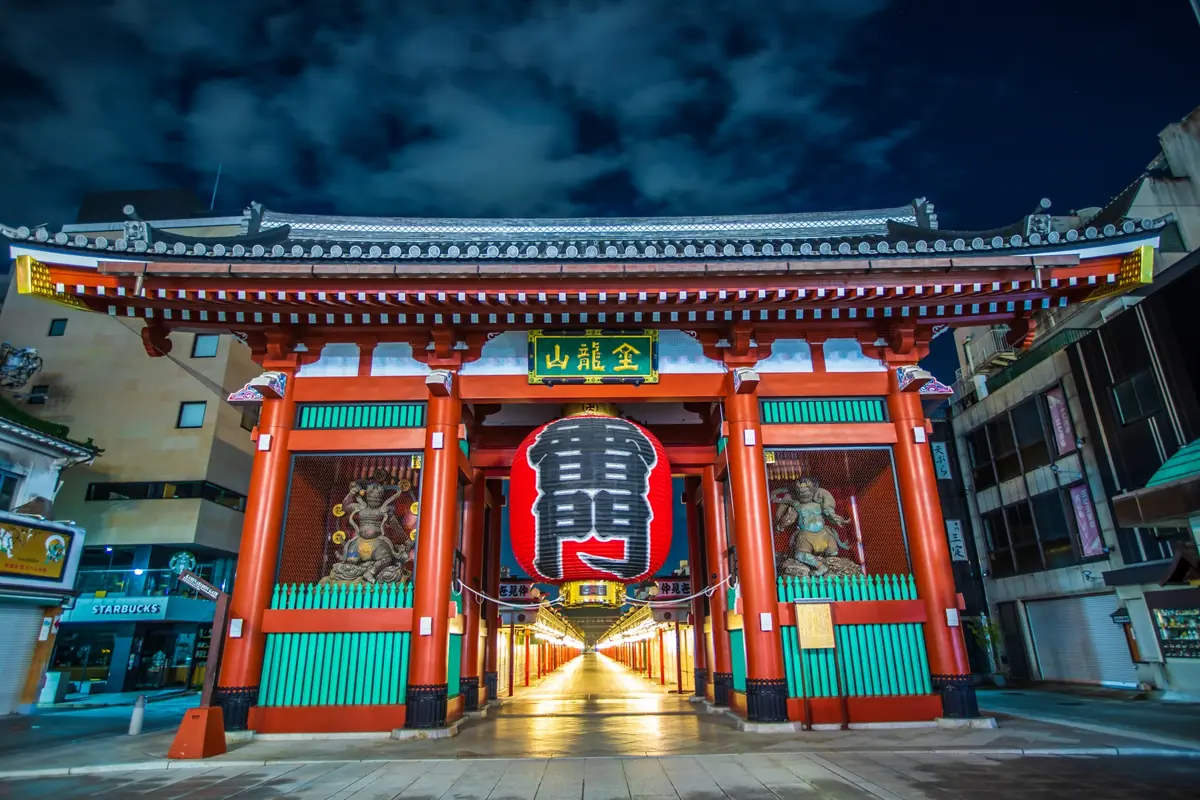
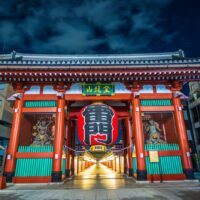
Beyond the visual appeal of the red lantern, the Kaminarimon serves as a spiritual portal that feels far more potent under the cover of night. As you move past the statues of Fujin and Raijin—the gods of wind and thunder—you enter a space where the commercial identity of Tokyo fades into a narrative of community pride. The series of mural paintings on the closed shop shutters, known as the Asakusa Emaki, stretches for 400 meters and functions as a silent, outdoor museum. These murals showcase the Sanja Matsuri and the historical evolution of the Sumida River banks. Each shutter tells a story, from the Edo period’s street performers to the modern festivals that define the district today. It is the perfect spot for a photo without the usual crowds.
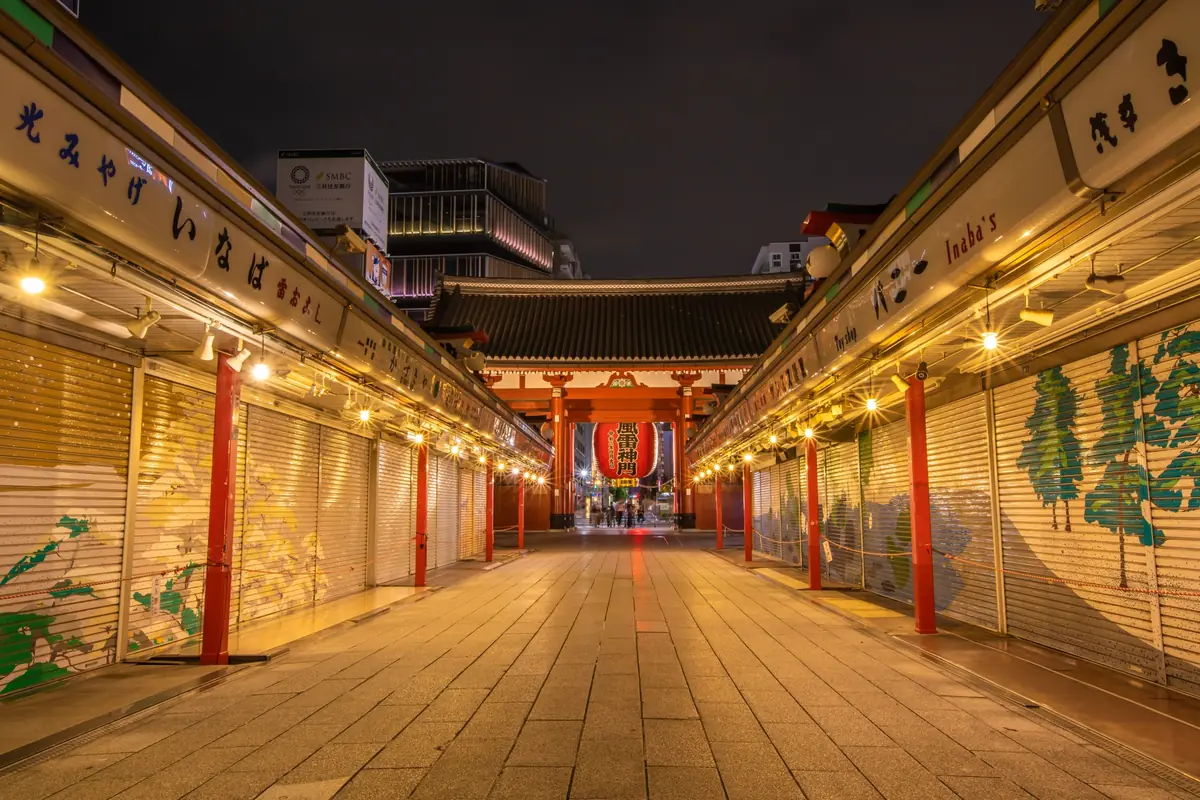
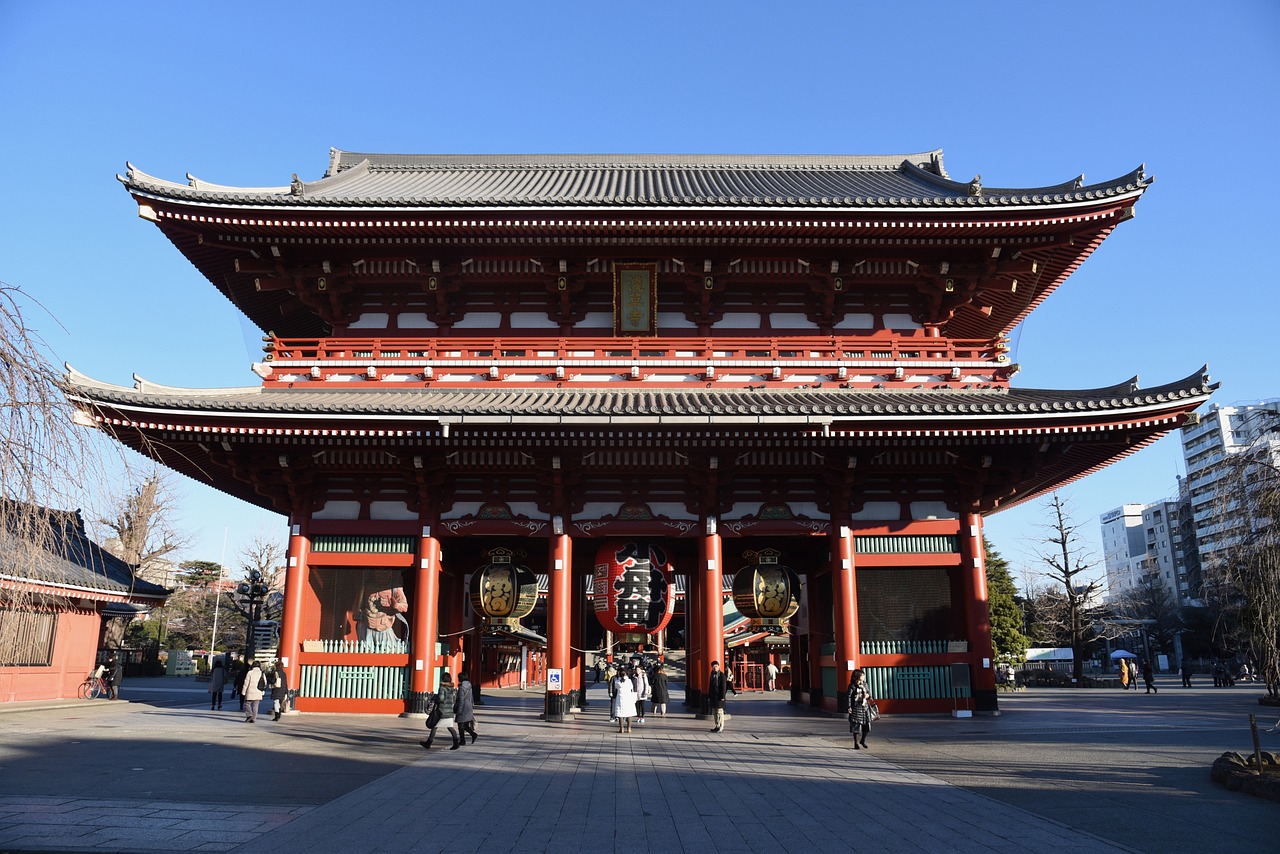
The lighting throughout Nakamise Street mimics the soft, warm temperature of traditional candlelight, which enhances the natural pigments of the murals and the rich vermilion of the temple structures. This light is gentle on the eyes and perfect for long-exposure photography, allowing the Hozomon Gate to stand out with crystal clarity against the night sky. This second gate houses the massive O-waraji—giant straw sandals dedicated to the guardian deities. At night, without the distractions of thousands of tourists, the sheer scale of these four-meter-long sandals becomes a powerful symbol of spiritual protection over the city.
Views from the Tokyo Skytree at Night
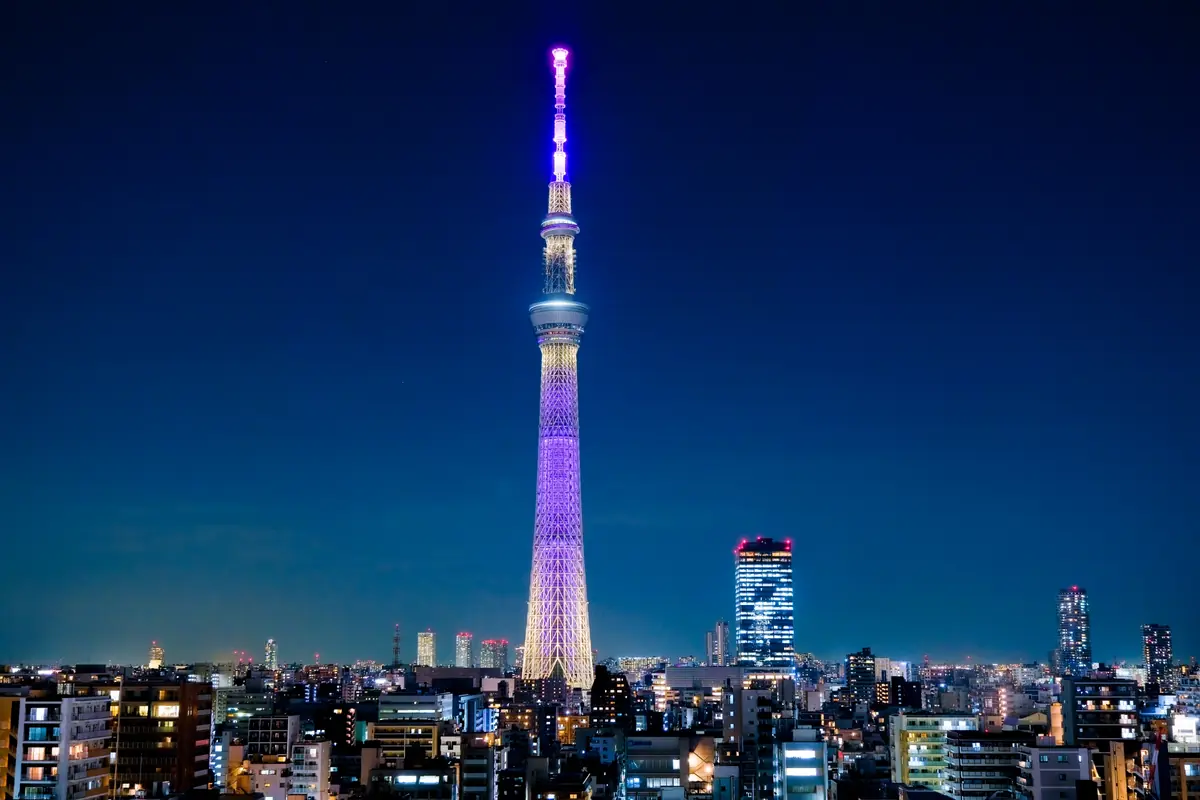
Ascending the Tokyo Skytree is an exercise in sensory shifting. The transition begins in the Tembo Shuttle, an elevator that whisks you 350 meters into the sky in just 50 seconds. During the climb, the subtle vibration and the digital art displays inside the car prepare you for a perspective that is entirely unmoored from the street level. Upon reaching the Tembo Deck, the true scale of the Kanto Plain reveals itself. The lighting of the tower itself changes through nuanced color transitions, often alternating between the chic blue of Iki and the elegant purple of Miyabi. These colors are reflections of the aesthetic values that have defined the nearby Asakusa district for centuries, now projected onto a futuristic needle of steel. This is one of the most popular destinations for tourists seeking a high view of the city.
For those who seek the peak of the experience, the Tembo Galleria offers a sloped, glass-enclosed walkway that spirals from floor 445 to 450. Walking here feels like stepping out onto a bridge of light. From this height, the Sumida River appears as a dark, velvet ribbon that carves a boundary between the low-rise, traditional blocks of the Kannon-ura area and the vertical steel forests of the financial districts. You can clearly see the void of darkness that marks the Senso-ji temple grounds, acting like a silent anchor amidst the surrounding neon tides. This vantage point allows you to appreciate the deliberate urban planning of Tokyo, where the preservation of historical pockets is protected even as the skyline continues to reach for the clouds. It is a surreal moment of clarity where the sheer density of human life becomes visible in every flickering window and headlight far below.
Sumida River Night Cruises
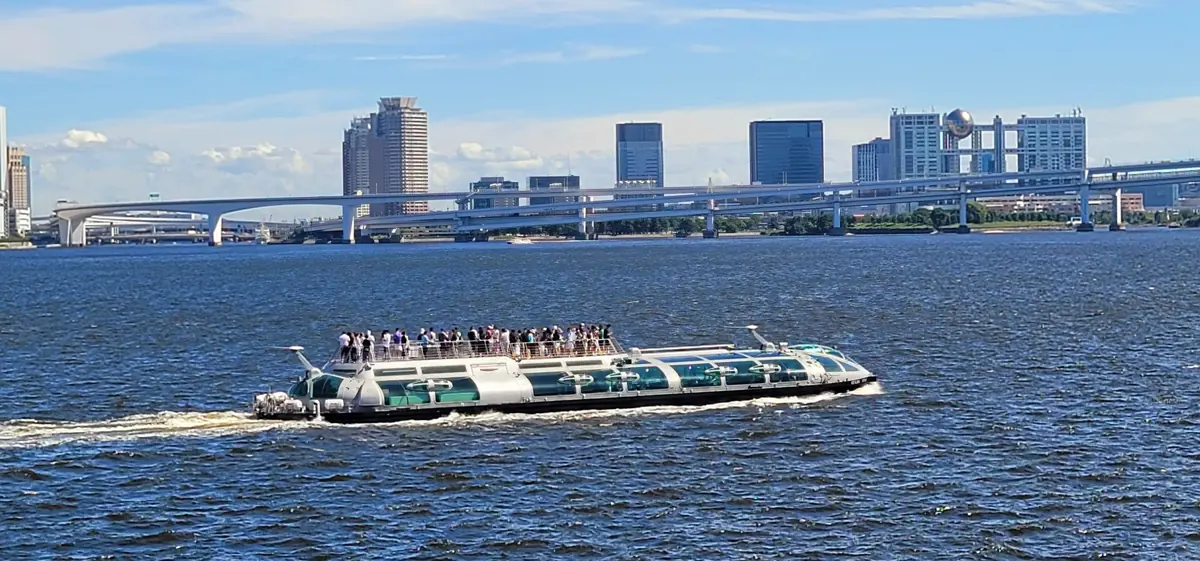
The Sumida River serves as a liquid timeline of Tokyo, and navigating it at night provides a visceral sense of the city’s dual identity. As your vessel glides away from the Asakusa pier, the temperature drops slightly, and the hum of the city is replaced by the rhythmic splashing of the wake against the hull. For a taste of the avant-garde, boarding the Hotaluna—a sleek, metallic cruiser designed by legendary manga artist Leiji Matsumoto—feels like drifting through a science fiction film. Its transparent canopy allows for an unobstructed, panoramic view of the Azumabashi Bridge.
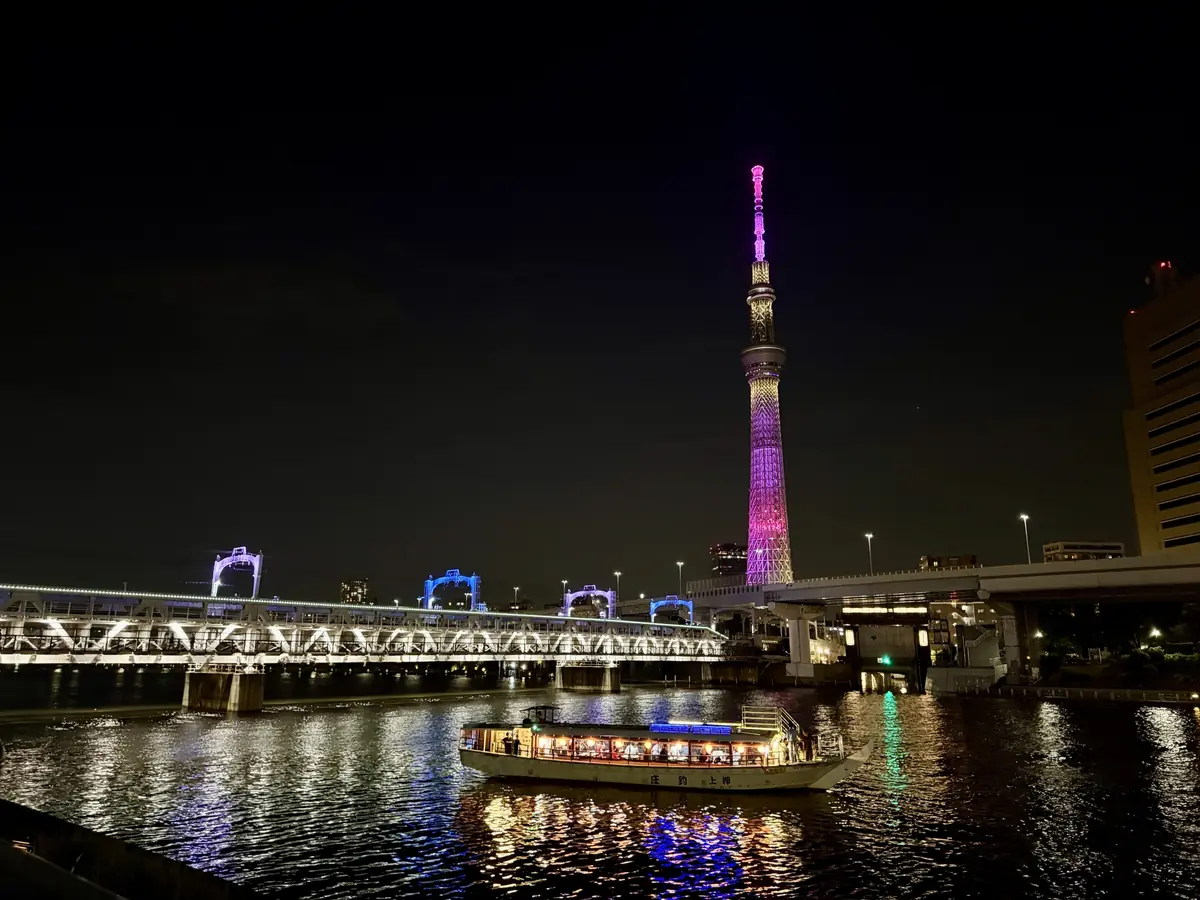
Conversely, for those seeking the warmth of nostalgia, the Yakatabune remains the ultimate choice. These low-slung, wooden pleasure boats are draped in traditional lanterns that cast a soft, dancing orange light across the water. Inside, the atmosphere is one of intimate conviviality. You are invited to sit on tatami mats at low tables, feasting on freshly fried tempura and local sake as the boat meanders toward Tokyo Bay. This is exactly how the wealthy merchants of the Edo period spent their summer evenings, and the experience remains remarkably unchanged. Each bridge you pass under tells a different story through its carefully curated illumination. These lights are often themed for local events and seasons.
Hoppy Street: The Pulse of Retro Tokyo
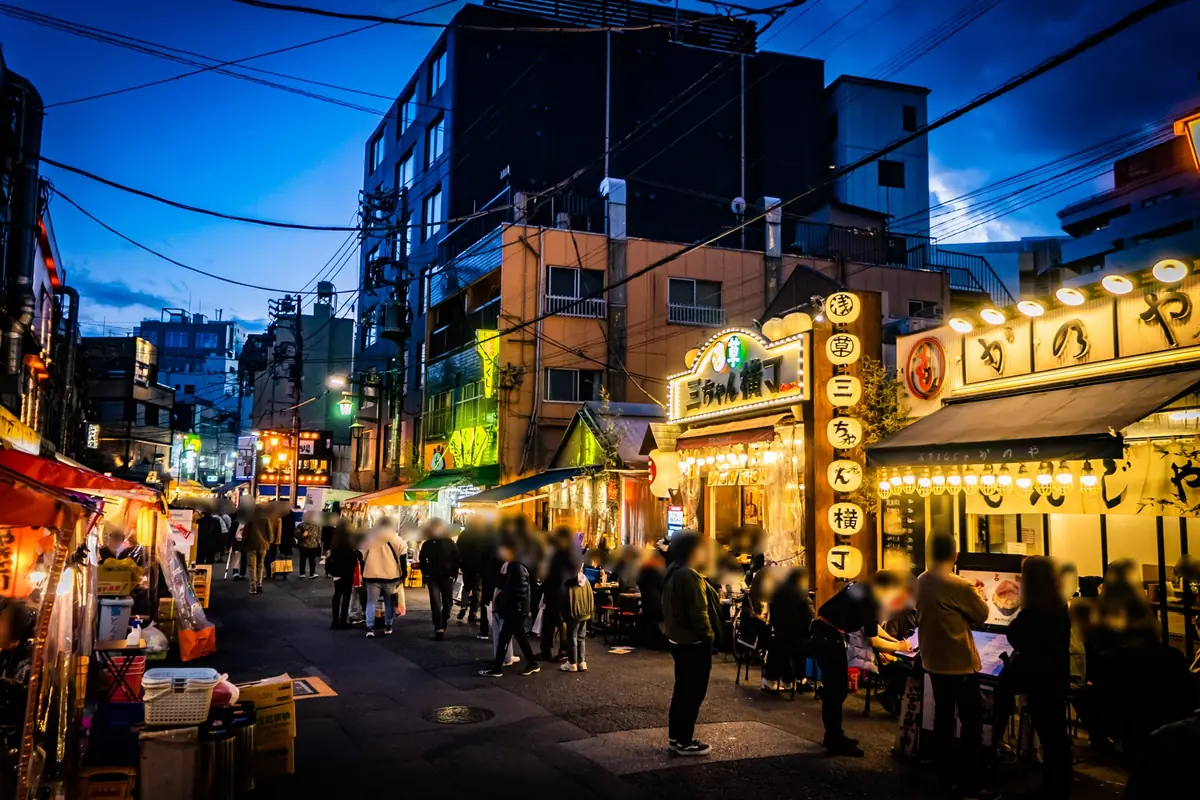
To enter Hoppy Street is to step into a living time capsule of Japan’s Showa era, preserved with defiant pride in the shadow of the digital age. The atmosphere here is defined by a specific sensory palette: the savory, umami-rich scent of slow-simmered beef tendon that has been bubbling since dawn, and the rhythmic clatter of heavy glass mugs meeting wooden tables. While much of modern Tokyo has moved toward sleek, automated service, Hoppy Street remains gloriously analog. The seating arrangement itself is a social experiment; there is no hierarchy here. A CEO might find themselves sharing a rickety plastic crate with a backpacker or a local craftsman, all united by the common language of the evening drinking session. If you are hungry for authentic local dishes, this is the place to be.
The ritual of the drink is where the real cultural education begins. For the uninitiated, ordering a Hoppy is a two-part process. You are served a glass with a measure of shochu—referred to by locals as the naka or inside—and a separate bottle of the carbonated malt beverage known as the soto or outside. In 2026, the art of the perfect mix has become a point of pride among younger Japanese patrons who take pleasure in teaching international visitors the ideal ratio to maintain the crisp, beer-like head. This interaction is the quintessential Asakusa experience. It breaks the reserved shell often associated with Japanese society, replacing it with the rowdy, warm-hearted spirit of the Shitamachi districts. The street is especially popular during the weekend, so you might want to arrive early to secure seats.
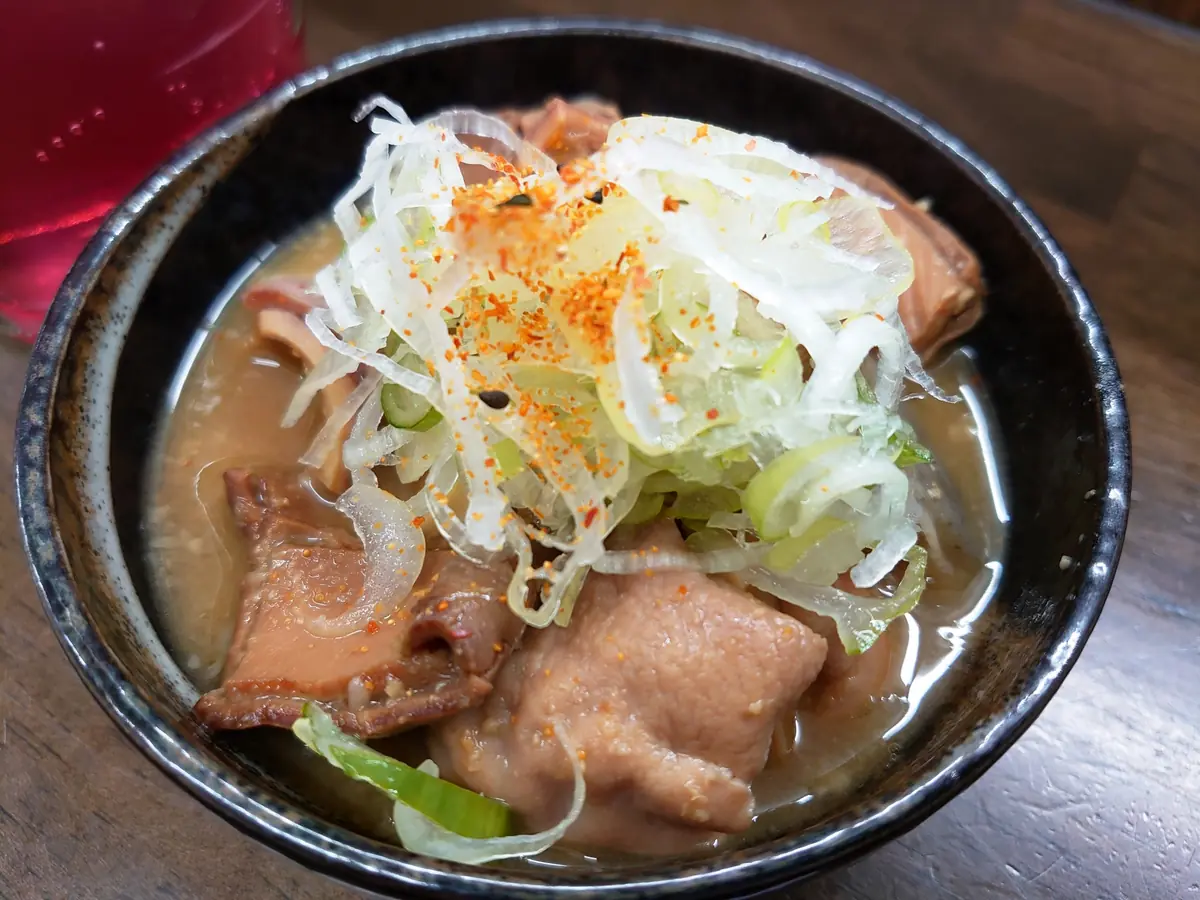
The culinary heart of the street is the Nikomi, or stew. Far from being a uniform dish, each stall guards a secret flavor profile. Some vendors utilize a light, salt-based broth that highlights the natural sweetness of the leeks and konjac, while others serve a dark, potent miso-based version that has a depth of flavor developed through continuous cooking. In the cooler months, these stalls are wrapped in heavy clear plastic curtains, creating a cozy, lantern-lit sanctuary where the steam from the stew pots creates a soft veil against the night air. It is a place of resilience and authenticity, reminding every visitor that the most memorable parts of travel are often found in the shared steam of a communal kitchen and the unscripted laughter of strangers.
The Duality of the Draught: Family Legacies and Revolutionary Brews
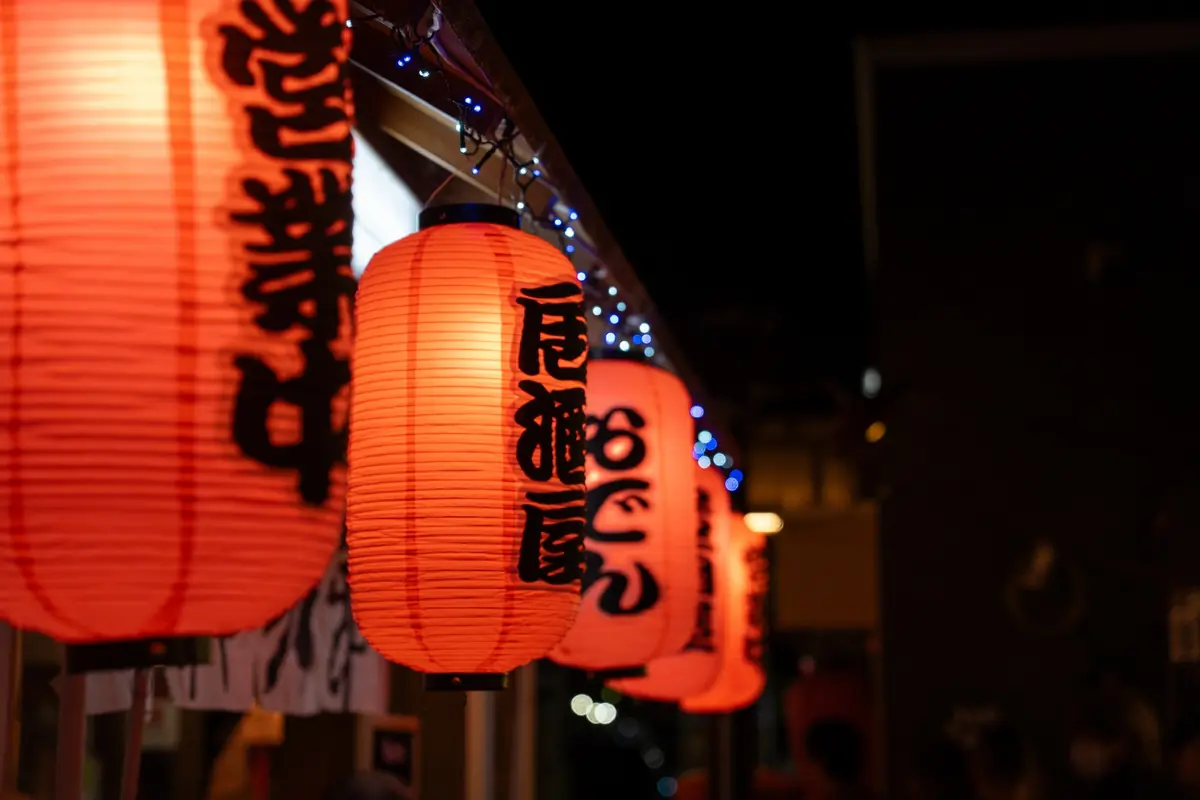
The architectural contrast between a 1950s izakaya and a 2026 craft beer taproom in Asakusa tells the story of a neighborhood that refuses to choose between its past and its future. In the traditional spots, often marked by a weathered red lantern, the experience is defined by the master’s rhythm. These masters, or Taisho, operate with a muscle memory honed over decades, flipping yakitori skewers over white-hot binchotan charcoal like a performance art. The air inside is thick with history and savory smoke, and the menu is often a simple, handwritten wooden board. Here, the hospitality is unhurried; it is about building a relationship over a small carafe of warmed sake and a shared understanding of the neighborhood’s roots. This house of tradition is a contrast to the high-energy areas like Shinjuku.
Conversely, the craft beer revolution that has swept through the backalleys of Asakusa represents a new kind of craftsmanship that is uniquely Japanese. These modern taprooms often occupy renovated warehouses or former residential garages, featuring minimalist aesthetics that highlight the gleaming stainless steel fermentation tanks. The innovation lies in the flavor profiles—brewers are experimenting with the Shitamachi terroir, using roasted green tea from local century-old tea shops or even a hint of miso to create savory, complex ales. This fusion creates a unique social space where the younger generation of Tokyoites and international travelers mingle, discussing the nuances of a Sansho-infused IPA. What makes Asakusa special is that these two worlds do not compete; they complement each other. It is common to see a group start their evening with traditional sake in a wood-paneled corner and end it with a flight of local stouts in a sleek, glass-fronted bar just a few doors down.
5 Recommended Bars to Check Out
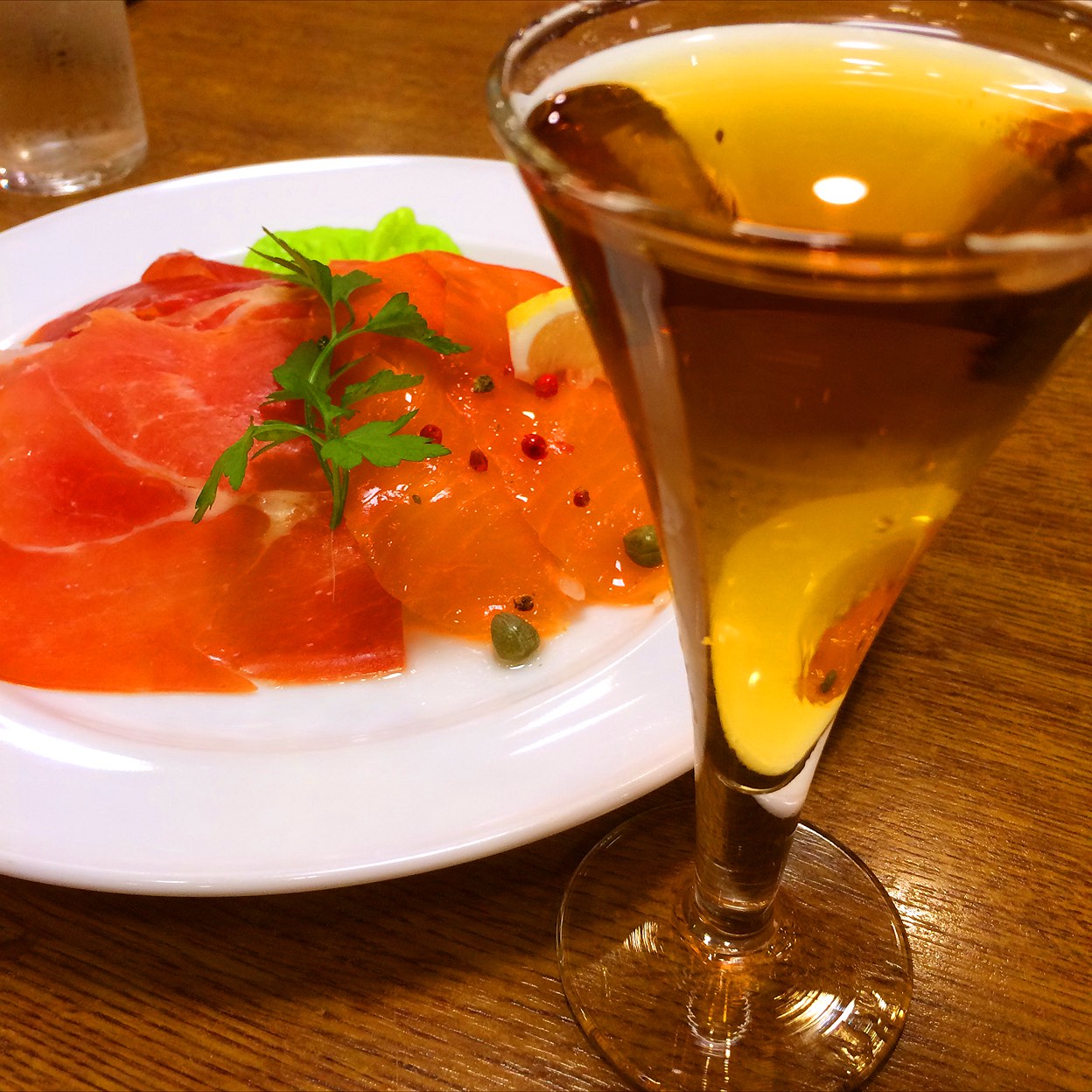
- Kamiya Bar: Established in 1880, this is the oldest Western-style bar in Japan. It is famous for Denki Bran (Electric Brandy), a potent cocktail that has been a local favorite for over a century. It’s a must see for history lovers.
- Bar Six: Located on the top floor of a building overlooking the temple, this bar offers sophisticated cocktails with a stunning view of the illuminated pagoda. It usually stays open until late at night.
- Asakusa Beer Bar: A great spot for those who want to try local Japanese craft beers in a modern, friendly setting with plenty of options.
- Hoppy Street Nikomi Stands: Any of the stalls along Hoppy Street will give you an authentic taste of local nightlife and delicious food.
- Sky Lounge Steller: For a more upscale evening, this lounge provides a panoramic view of the city lights near the Skytree. Mind the dress code if you plan to visit.
Dining Scene: From Ramen to Edomae Sushi
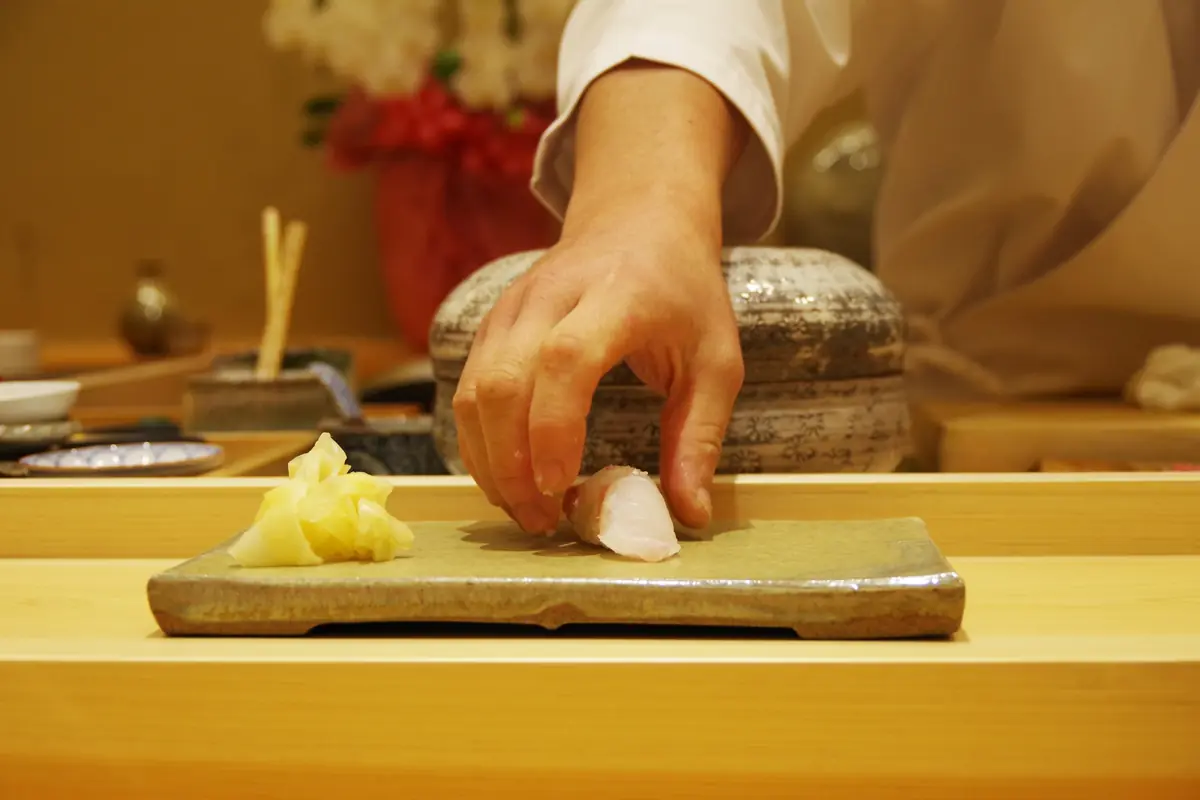
Asakusa is a food lover’s paradise with plenty of delicious options. For a late-night meal, you cannot go wrong with a steaming bowl of ramen. Asakusa-style ramen typically features a clear soy sauce broth with thin, curly noodles, reflecting the simple tastes of Old Tokyo. If you prefer something more formal, Edomae Sushi is a must. This style of sushi originated in the Edo period and emphasizes cured or marinated fish, a technique developed before refrigeration. While Tsukiji is famous for its market, Asakusa’s sushi houses offer a more intimate setting. Many sushi restaurants in Asakusa stay open late to cater to the theater and nightlife crowds. Don’t forget to save room for traditional Japanese sweets found in the local shops.
For those seeking a refined kaiseki dining experience in an intimate setting, Japanese fine dining in Tokyo offers options that range from Michelin-starred temples to hidden neighborhood gems — and Asakusa has some of the best.
Nightlife Activities: Shows and Cultural Entertainment
Beyond bars and restaurants, Asakusa is a hub for entertainment. Asakusa Kaguwa offers high-energy samurai and geisha-themed shows that combine traditional dance with modern stage effects. It is an accessible way for international visitors to see Japanese aesthetics in action and amuse themselves after a day of sightseeing. However, for those seeking the true heart of Japanese hospitality and the most refined form of entertainment, there is only one place to go. You can check for tickets and show times online.
If you’re curious about the artistry behind these performances, the complete guide to geisha dance explores the centuries-old tradition of Nihon Buyo and its role in the world of geisha.
The Ultimate Asakusa Evening: Discovering the World of Geisha at Miyakodori
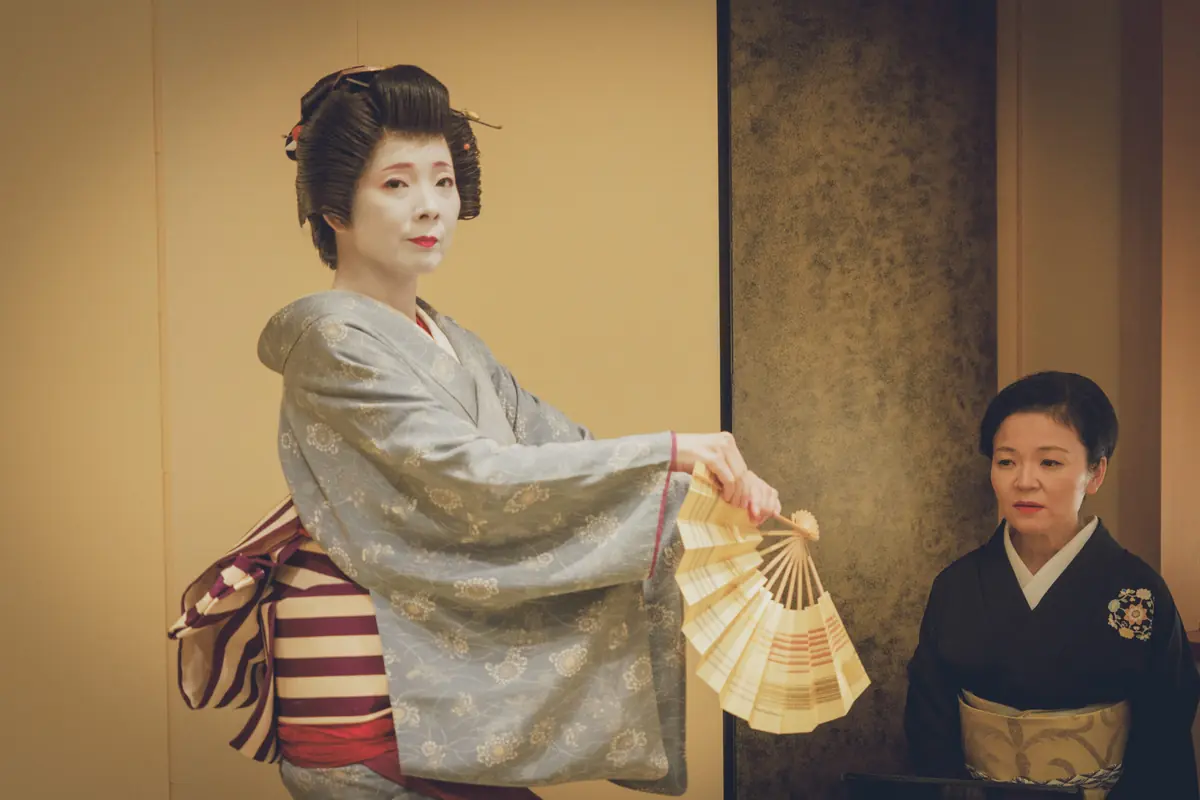
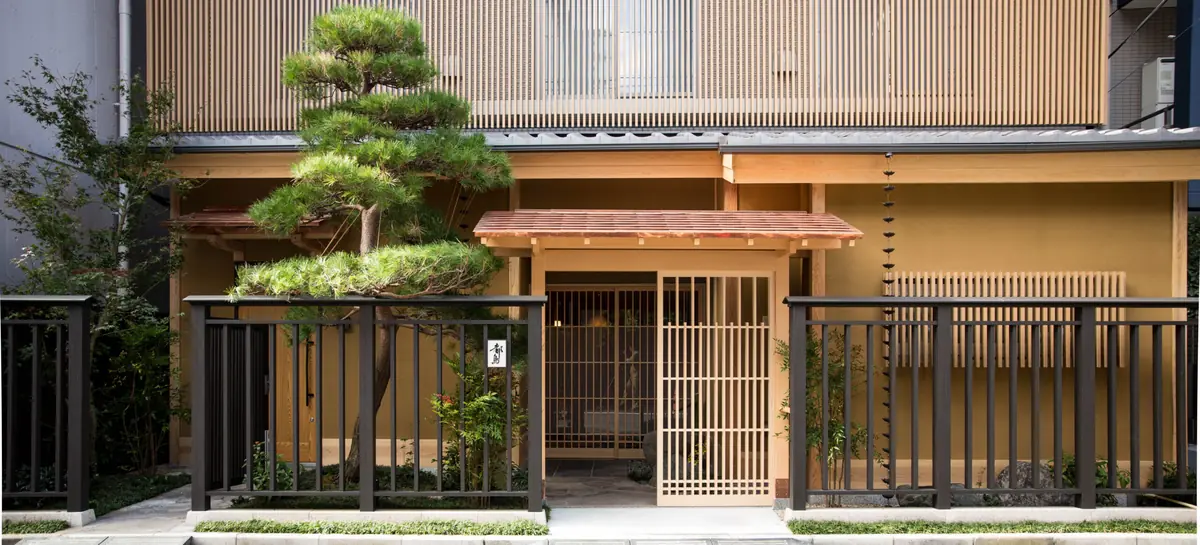
To truly understand the depth of Japanese culture, one must look toward the Kannon-ura district, the area behind Sensoji Temple. This is where the Asakusa Hanamachi (geisha district) thrives. Unlike the more guarded geisha districts of Kyoto, Asakusa is known for its open and welcoming atmosphere. It is here that you will find Miyakodori, a traditional machiai-chaya (geisha teahouse) founded in 1950. This place is a true gem and a highlight of any trip to Tokyo. For a complete guide to what to expect and how to book, see our Ultimate Guide to Geisha Dinner in Tokyo.
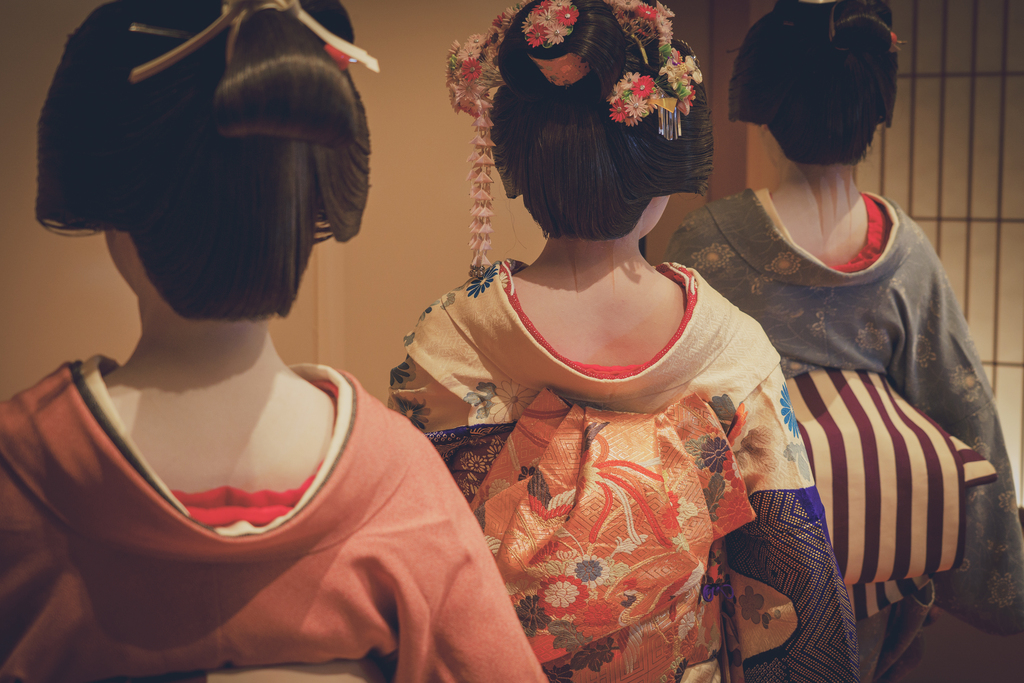
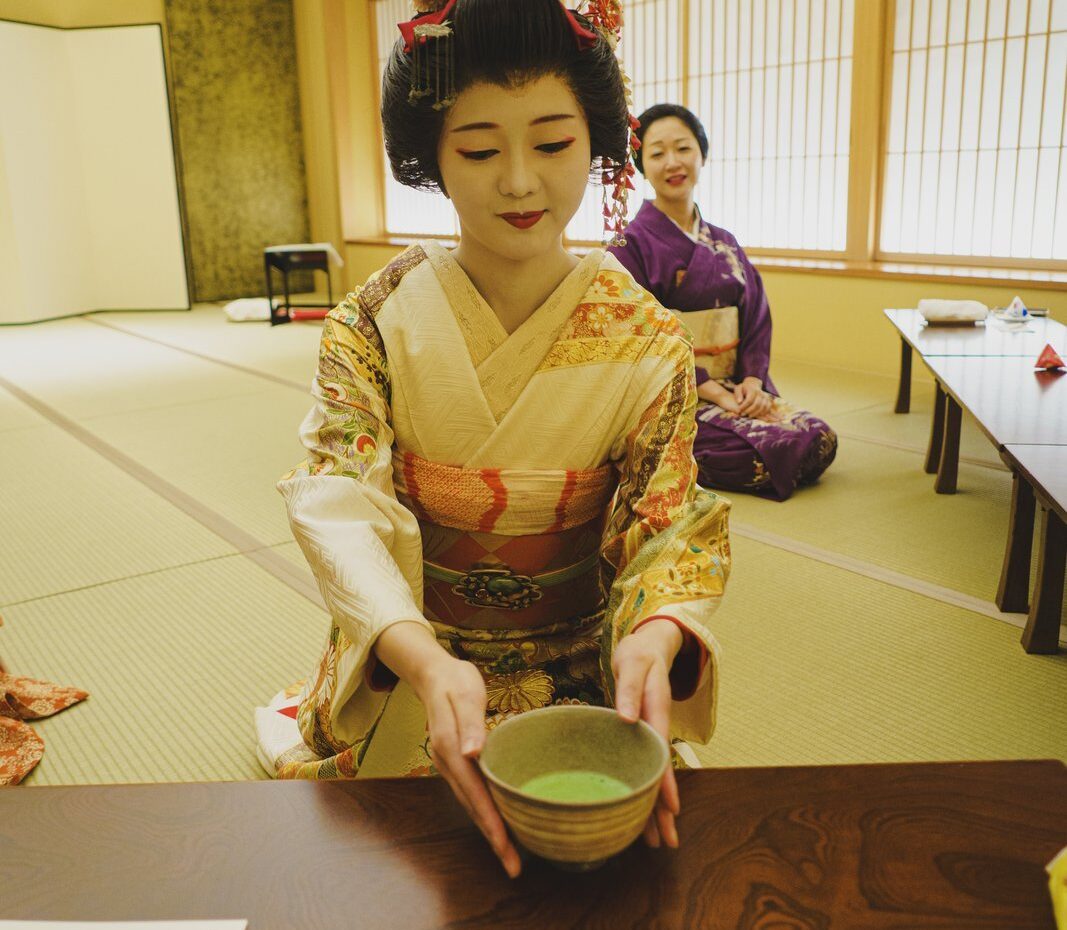
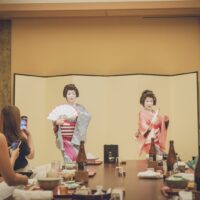
Miyakodori is unique because it is the only remaining Machiai-chaya in Asakusa. While many ryotei focus primarily on the food, a Machiai-chaya is a place specifically designed for the enjoyment of geisha entertainment. Here, the art of the geisha is the main attraction. The geishas of Asakusa are practitioners of Iki, a Japanese aesthetic of chic, understated elegance. Their performances of dance and music are a living link to the Edo period. You will love the personal attention and the refined atmosphere of the private room.
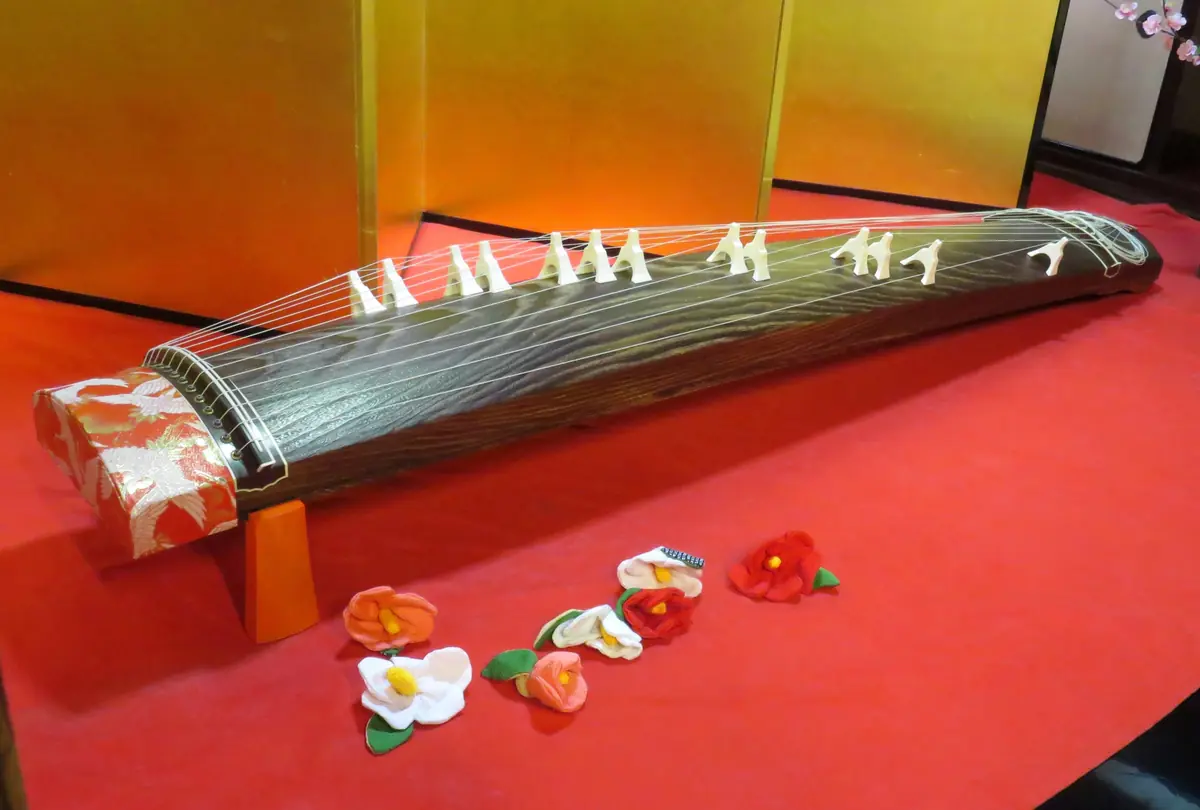
At Miyakodori, guests are welcomed into private, tatami-matted rooms where they can enjoy seasonal Kaiseki cuisine on the three-hour Geisha Kaiseki Dinner plan. Each of the dishes is a work of art, designed to reflect the subtle changes of the Japanese seasons. As you dine, the geisha will perform traditional dances accompanied by the haunting melodies of the shamisen. But the highlight of the evening is often the Ozashiki-asobi, or parlor games. These games are a fun, interactive way to engage with the geisha and experience the lighthearted side of traditional Japanese culture. It is an experience that will amuse and delight guests of all ages.
Whether you are hosting a business VIP or celebrating a special anniversary with family, Miyakodori provides a bridge across time. It allows you to step out of the busy streets of the modern world and into a world of timeless grace and hospitality. To manage your reservation, contact us via the website. Tourist friendly services are offered and we are happy to include special requests for your group.
Planning Your Asakusa Night Adventure: Tips for a Seamless Visit
- Transportation: Asakusa is well-connected by the Ginza Line, Asakusa Line, and Tobu Railway. However, note that trains generally stop running around midnight. If you plan to stay out late, ensure your hotels are within walking distance or be prepared to take a taxi.
- Safety: Asakusa is one of the safest neighborhoods in one of the safest cities in the world. Walking alone at night is generally perfectly fine, but keep your mind on your surroundings as you would in any major city.
- Weekdays vs Weekends: Hoppy Street is lively every night, but a weekend can be very crowded. If you want a more relaxed experience at the temples, Tuesday or Wednesday nights are ideal.
- Budgeting: A night in Asakusa can range from a 1,000 yen bowl of ramen to a premium geisha experience. It is best to have a mix of cash and card, as some smaller stalls on Hoppy Street still prefer cash.
Beyond Asakusa: Nearby Attractions
If you have more time, the nearby districts of Ueno and Ginza offer even more variety. Ueno is famous for its museums and Ameyoko market, while Ginza is the home of high-end shopping and luxury jazz clubs.
Conclusion
Asakusa remains a beacon of Japanese tradition in a rapidly changing world. It is a place where you can pray at an ancient temple, drink with locals in a crowded alley, and witness the refined arts of the geisha all in one evening. It is a district that solves the traveler’s dilemma of wanting both authenticity and excitement. Don’t miss the chance to explore this wonderful part of Tokyo.
We invite you to experience the true essence of Tokyo. Visit Miyakodori to witness the spirit of Edo hospitality firsthand. Let the music of the shamisen and the grace of the geisha create a memory that will stay with you forever. Contact us today to book your unforgettable night.
Further Reading: Explore Asakusa & Geisha Culture
- 5 Ways to Enjoy the Night in Asakusa — a broader evening itinerary for Asakusa at night
- Asakusa Unveiled: The 2026 Essential Guide to Tokyo’s Heart — the complete daytime companion to this guide
- Experiencing an Authentic Geisha Show in Asakusa, Tokyo — what to expect at a real ozashiki (a private gathering with geisha)
- The Shamisen: Japan’s Three-Stringed Lute & the Soul of Geisha Music
- Ozashiki Games: Unlocking the Secrets of Geisha Parlor Games
- The Asakusa Geisha District: A Journey Through Time & Authentic Experiences
- Japanese Fine Dining Tokyo: The 2026 Guide
- The Ultimate Guide to the Best Things to Do in Asakusa Tokyo Japan for Your 2026 Travel
- The Ultimate Asakusa Japan Travel Guide
- The Ultimate 2026 Asakusa Travel Guide
Sources:

- Private Ozashiki :An intimate, refined encounter with authentic Asakusa geisha.
- Traditional Geisha Artistry:Graceful dance, live shamisen, and interactive ozashiki games.
- Historic Hanamachi Setting:A timeless cultural experience in the heart of Asakusa.
- English Support Available :Attentive assistance for international guests throughout your visit.


- The Shamisen: Japan's Three-Stringed Lute and the Soul of Geisha Music
- Oiran Meaning: Who Were Japan's Highest-Ranking Courtesans?
How Much Do Geisha Make? How Geisha Are Paid in Tokyo, Then and Now
What is a Geisha House? An Ultimate Guide to the World of Okiya and Ochaya (2026 Edition)
Enjoy Autumn in Asakusa! Recommended Food Walk & Momiji Model Course with Kimono
Wagashi in Japan: A Guide to Traditional Japanese Sweets, Seen Through the Eyes of an Asakusa Geisha House
Enjoy Asakusa! Complete Year-Round Information on Seasonal Events, Festivals, and Sightseeing Activities
Top 5 Must-Do Experiences in Asakusa — Including an Authentic Geisha Encounter
Comment ( 0 )
Trackbacks are closed.

No comments yet.