



The Ultimate 2026 Asakusa Travel Guide: What to Do in Tokyo’s Oldest District
Imagine walking through a massive red gate into a world where time seems to have slowed down for four centuries. Welcome to Asakusa, the beating heart of old Tokyo. Even in 2026, as the rest of the city reaches higher into the clouds with glass and steel, this district remains a sanctuary of tradition. Since the Edo period began over 400 years ago, Asakusa has been a center of vibrant culture and profound spirituality. The centerpiece of your travel journey here is undoubtedly Senso-ji, the oldest and most significant Buddhist temple in the city. This is not just another stop on a generic Japan tour; it is an immersive dive into a living history that has survived through the ages.
As you wander through the bustling streets lined with small, family-owned shops, you can feel the authentic spirit of the ancient city. Whether you are a first-time visitor or a returning traveler, this 2026 guide will help you discover the hidden layers of this historic district. From the aromatic incense of the temple grounds to the quiet elegance of traditional hospitality, Asakusa offers a unique and beautiful contrast to the neon lights found elsewhere. In this comprehensive guide, we will explore the best things to do, ensuring your visit is both culturally rich and deeply personal. Let us begin our walk through the soul of Japan, where the past and future coexist in perfect harmony.
Essential Travel Information for Your Asakusa Visit
Planning a trip to Tokyo in 2026 requires a bit of foresight, especially when navigating one of the city’s most beloved districts. Asakusa is incredibly accessible, though it helps to understand the layout before you arrive. Most international travelers start their journey by landing at Haneda or Narita. From there, you can easily reach the heart of the district via the subway lines. While there is no dedicated JR station named Asakusa, those using a JR pass can take the Yamanote Line to Ueno Station and transfer to the Ginza Line for a quick five-minute ride. Alternatively, the Asakusa Line offers a direct link to the Keisei Line, making it a breeze for those coming straight from the airport.
Once you step out of the station, having digital maps on your phone is essential for wandering the narrow side streets. Fortunately, Tokyo is a very connected city, and you will find that most signage is clearly marked in English, making navigation simple for first-time visitors. When planning your visit, consider the time of day and the season. In 2026, tourism is expected to be at an all-time high. To beat the heavy crowds, arrive during the early morning, perhaps around 8:00 AM, before the main shops along Nakamise-dori open. This gives you a quiet moment to appreciate the architecture without the rush.
The best time for your 2026 trip depends on your weather preference. Spring in late March or April offers the iconic cherry blossoms, while July brings the heat and vibrant local festivals. If you prefer a cooler walk, the autumn months of October and November provide stunning foliage and comfortable temperatures. For a full guide to Asakusa’s atmosphere after dark, see our Asakusa nightlife guide.
Regarding your stay, choosing the right hotel is key to a memorable experience. There are numerous options ranging from luxury high-rise buildings with a view of the Skytree to traditional ryokans that offer a more authentic feel. If you plan to spend several days exploring the area, staying within walking distance of the main temple allows you to see the district change from a bustling market by day to a serene, illuminated sanctuary by night. Many hotels in the area now provide staff who are fluent in English to assist with any special requests or planning needs you might have.
When thinking about your itinerary, allocate at least four to six hours for a basic tour, though a full day is better if you wish to include a boat ride or a formal dinner. Make sure to check the operating hours for specific shrines and buildings, as some close their main gates in the late afternoon. Always remember to respect the local privacy of residents as you explore the charming residential pockets just off the main path.
Iconic Landmarks: The Heart of Asakusa
Kaminarimon Gate and Nakamise-dori
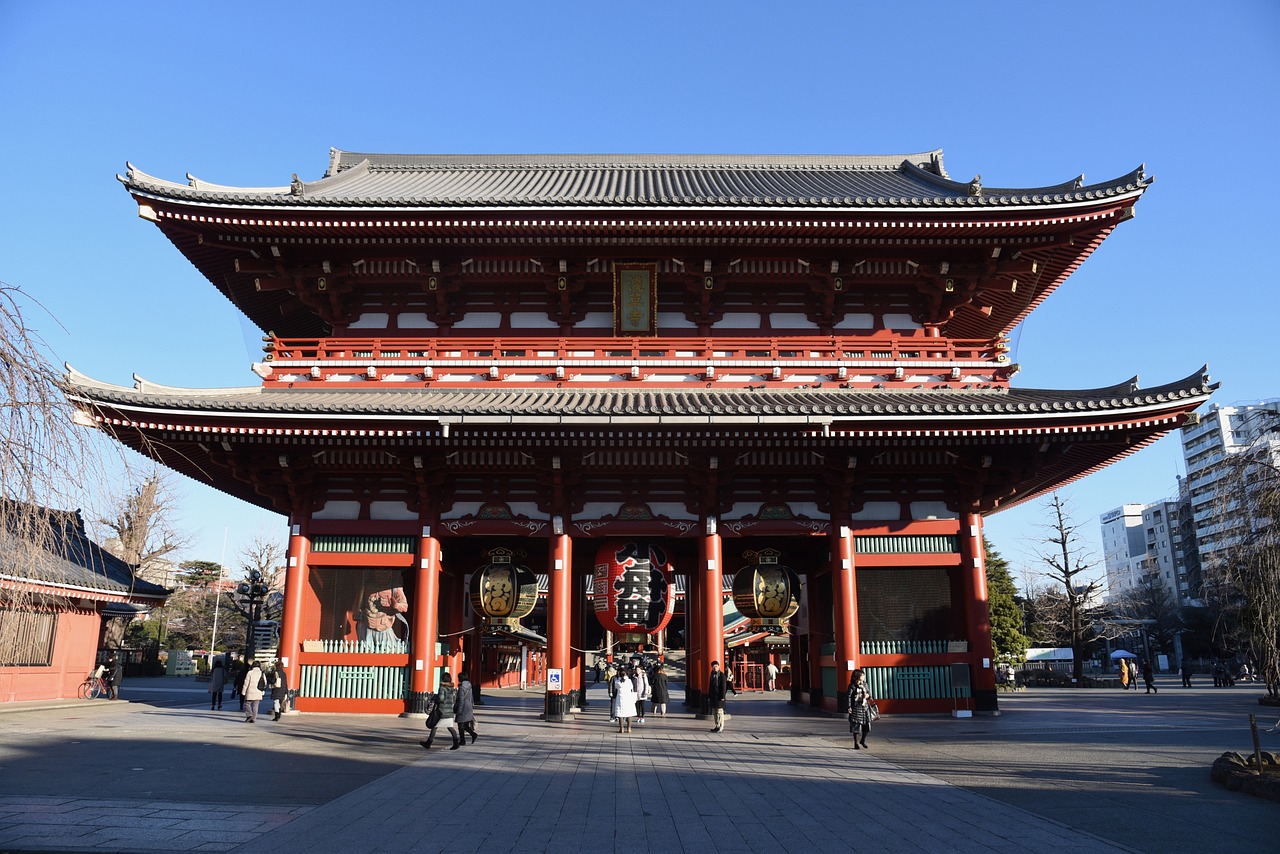
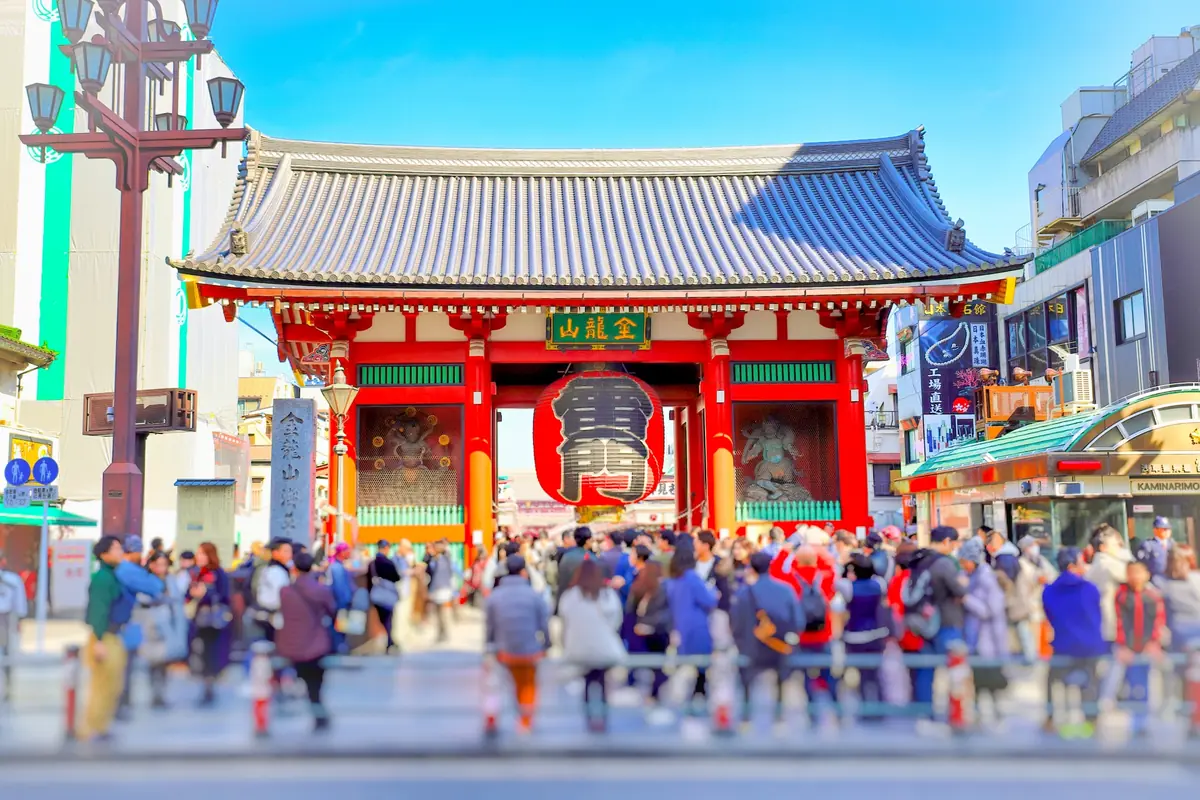
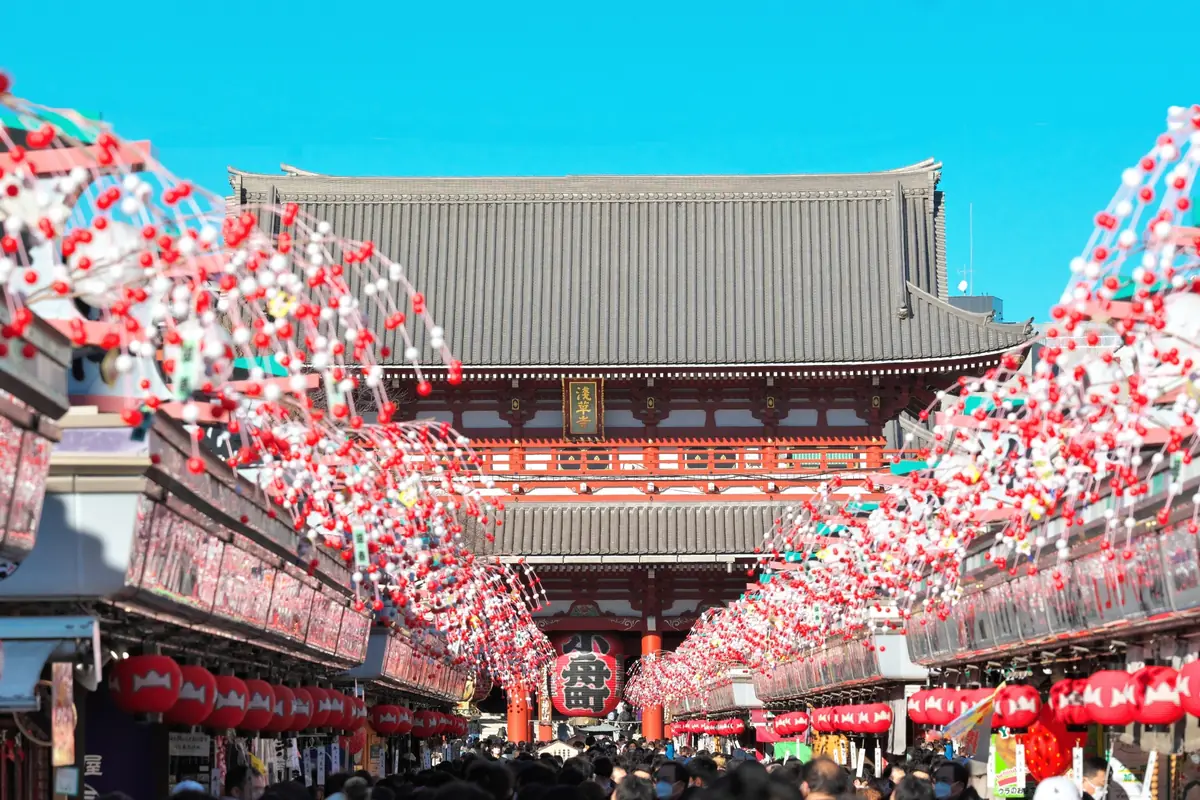
Start your morning early at the Kaminarimon Gate, also known as the Thunder Gate. This grand structure serves as the primary entrance to the temple grounds and is famous for its massive red lanterns. Even in 2026, it remains one of the most iconic spots in Tokyo for a photograph. As you walk through the gate, you find yourself on Nakamise-dori, a historic shopping street that has been the center of local commerce since the Edo period. This narrow street is lined with nearly 90 small stalls selling authentic souvenirs and traditional crafts. It is the perfect place to buy unique items like hand-painted fans or small charms.
Senso-ji Temple: Tokyo’s Oldest Sacred Site
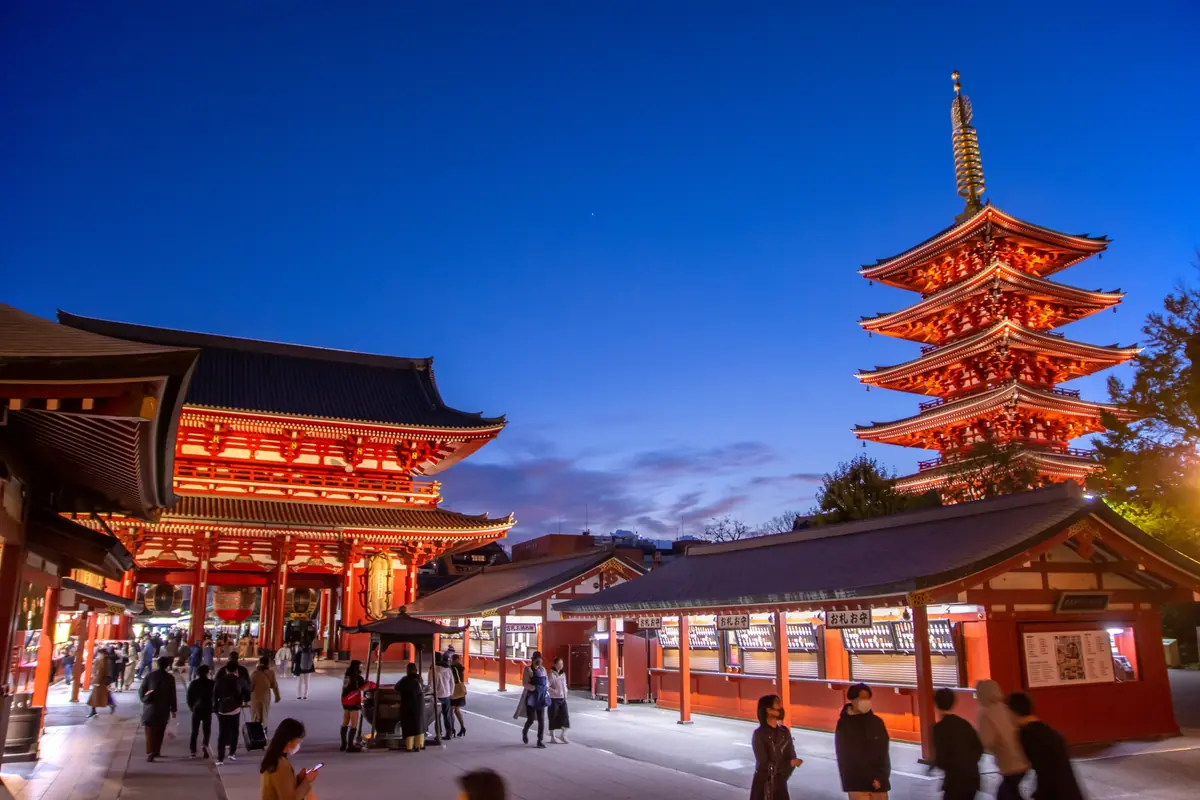
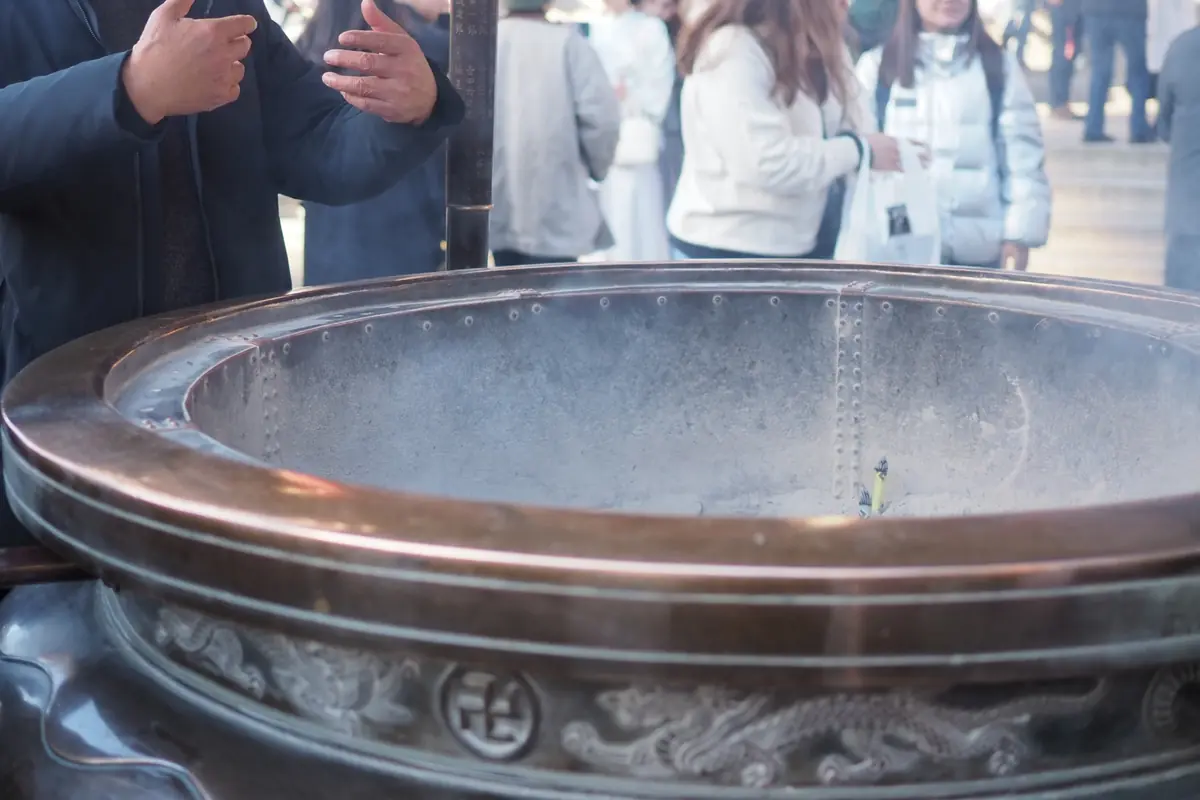
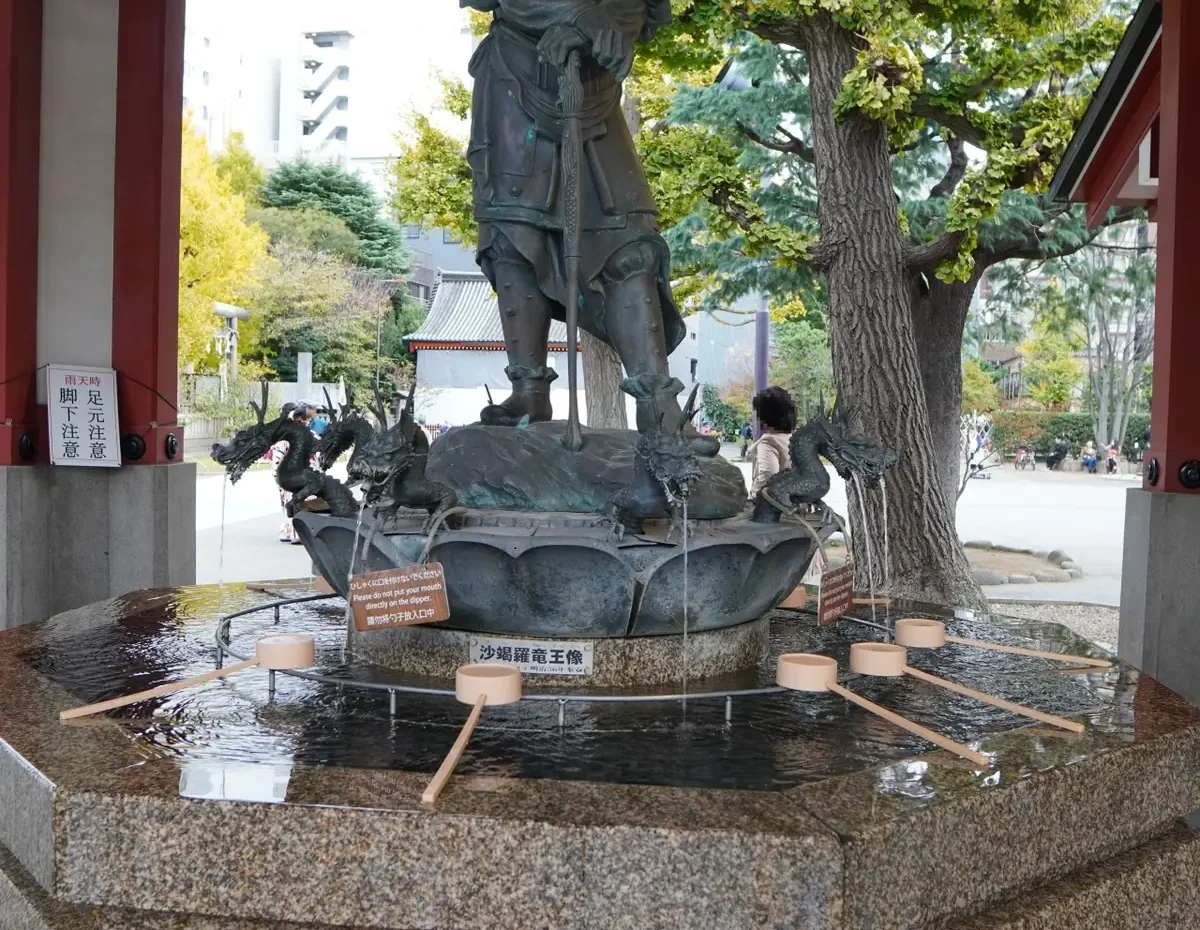
As you reach the end of the shopping path, you will face the Hozomon Gate, and to your left stands the magnificent five-story pagoda. Before you enter the main hall of Senso-ji, visit the chozuya, a stone water basin, to wash your hands as a symbolic act of purification. After that, join the crowd at the large incense burner located in front of the main temple — waving the aromatic smoke toward your body is a tradition many believe brings good luck and heals ailments.
The main hall itself is a grand Buddhist site where you can feel the deep history of the area. Inside, you can offer a small coin into the wooden box, bow your head, and offer a prayer. Many people also try omikuji — traditional paper fortune slips. You shake a metal box until a numbered stick falls out, which corresponds to a specific drawer containing your fortune. If you draw a bad luck slip, simply tie the paper to a nearby metal rack to leave the misfortune behind.
Beyond the Temple: Hidden Gems and Backstreets
After your spiritual visit to the main temple grounds, it is the perfect time to wander into the quiet backstreets that surround the center of the district. This is where the real soul of Asakusa hides, away from the busy crowds of the main gates. Just to the west of the temple, you will find Hanayashiki. Established in 1853, it is recognized as the oldest amusement park in Japan — a small, charming park that feels like a time capsule from a different era. For a few thousand yen, both kids and adults can enjoy vintage rides and a nostalgic atmosphere that you cannot find in a modern theme park.
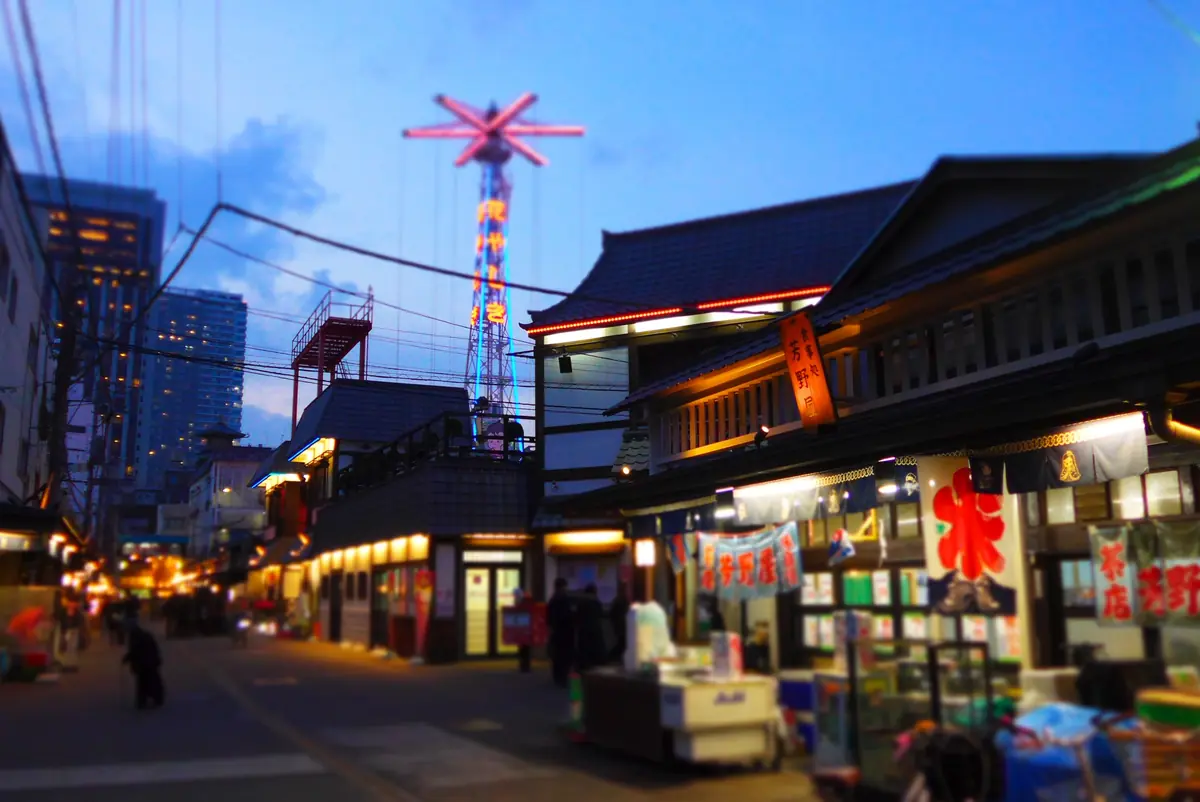
If you head further into the side streets, you will discover the famous Hoppy Street, also known as Nikomi Street. This area is a favorite spot for local people to gather for a drink and a quick bite. It is especially fun at night when the red lanterns light up the stalls and the air is filled with the sound of laughter. Here, you can sit at an outdoor bar and enjoy a cold beer or the namesake Hoppy drink, often served with a savory beef tendon stew.
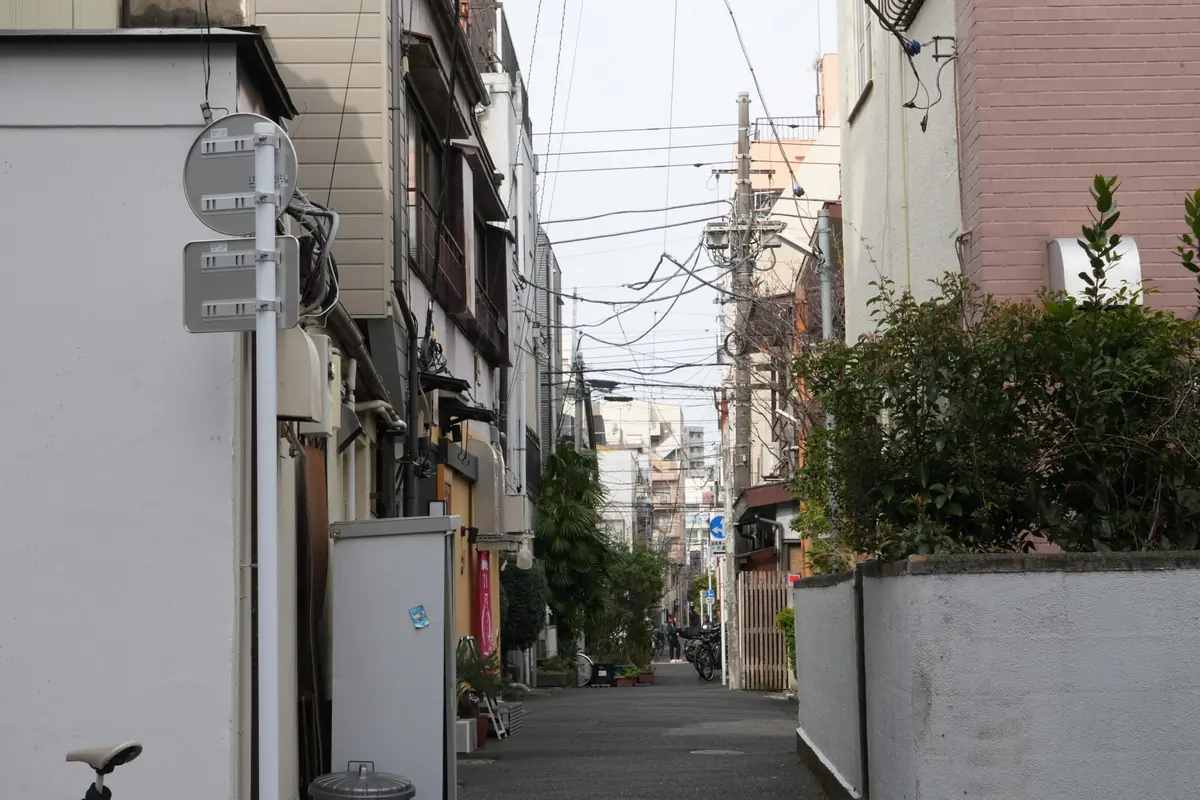
For those who prefer a more peaceful stroll, explore the area to the north of Senso-ji. This part of the district is much quieter and offers a glimpse into the daily lives of the residents. You might find a hidden shrine tucked between residential buildings or a small craft shop where an artisan is hard at work making traditional items. Wandering through these narrow streets allows you to escape the tourist rush and feel the lingering spirit of the Edo period. In 2026, as travel becomes more about personal connection, these hidden gems offer a way to see a side of Japan that feels both ancient and deeply human.
Modern Asakusa: Where History Meets the Sky
As you move from the ancient grounds of Senso-ji toward the water, you will witness a stunning transition. Asakusa is where the deep history of Japan meets the futuristic horizon of modern Tokyo. Standing tall across the Sumida River is the Tokyo Skytree, a magnificent structure that pierces the sky. In 2026, it remains an essential stop for any visit to the city. As the tallest structure in Japan, the Skytree offers multiple observation deck options where you can enjoy panoramic views of the entire metropolis. On a clear day, you can even see Mount Fuji in the distance.
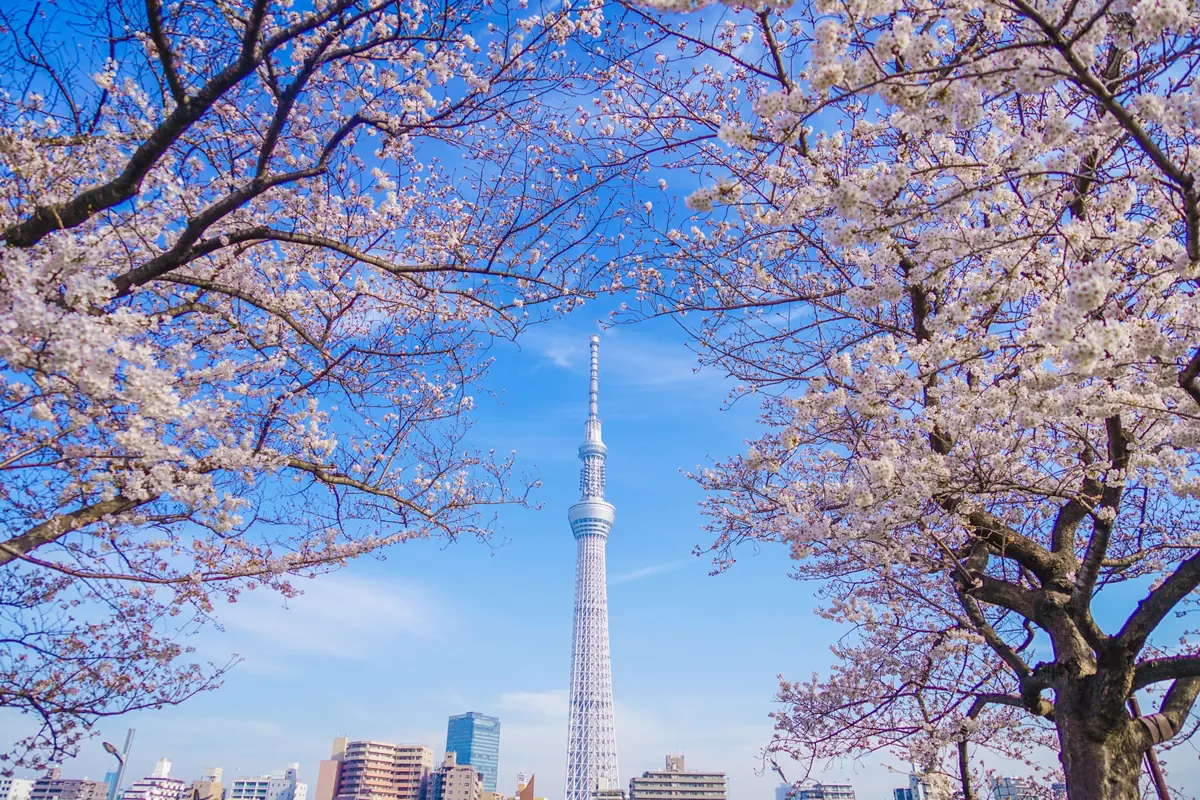
Between the temple and the tower flows the Sumida River, a historic waterway that has served the city for centuries. Taking a water bus or a river cruise is a popular way to spend an hour, offering a unique perspective of the city and its colorful bridges. Along the bank, you cannot miss the Asahi Beer Hall, famous for its unique architecture and the large golden flame sculpture on top. This area is perfect for a leisurely stroll, especially during the late afternoon as the sun begins to set.
The true magic of modern Asakusa happens at night. As the sun disappears, the traditional temples and the Skytree light up, creating a beautiful contrast between the old and the new. The reflection of the lights on the water creates a serene atmosphere that is worth the walk. Whether you are enjoying a drink at a nearby bar or simply taking in the view from a public park, this part of the district shows that Tokyo can honor its past while embracing the sky. It is a place where you can spend several hours just absorbing the energy of a city that never stops evolving. Many visitors find that this blend of history and modernity is their favorite part of the entire trip.
The Soul of the District: Authentic Geisha Culture
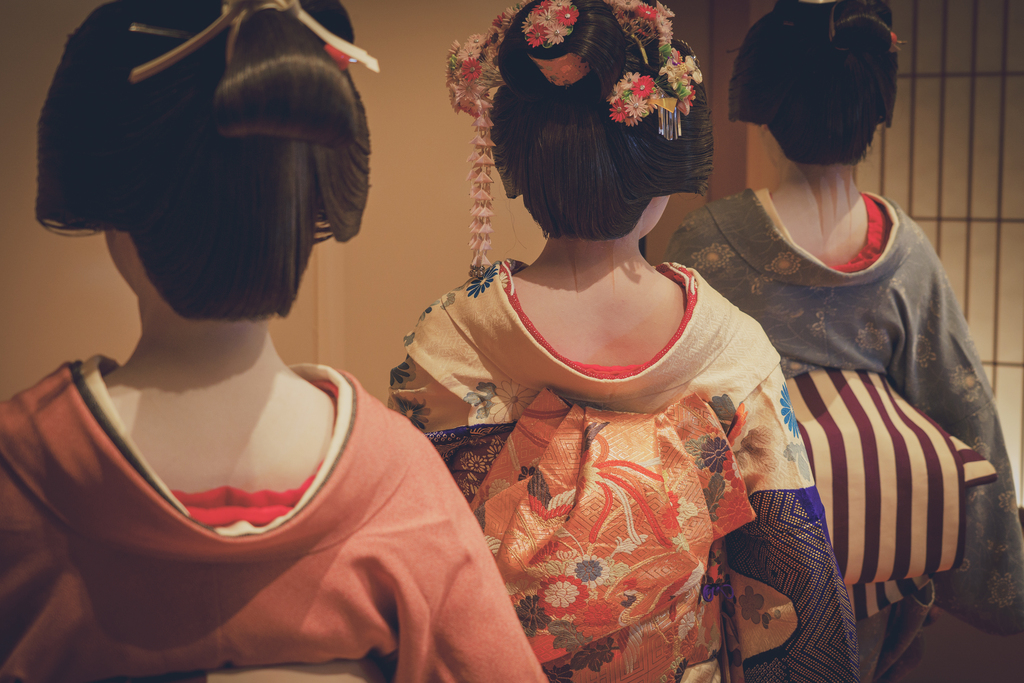
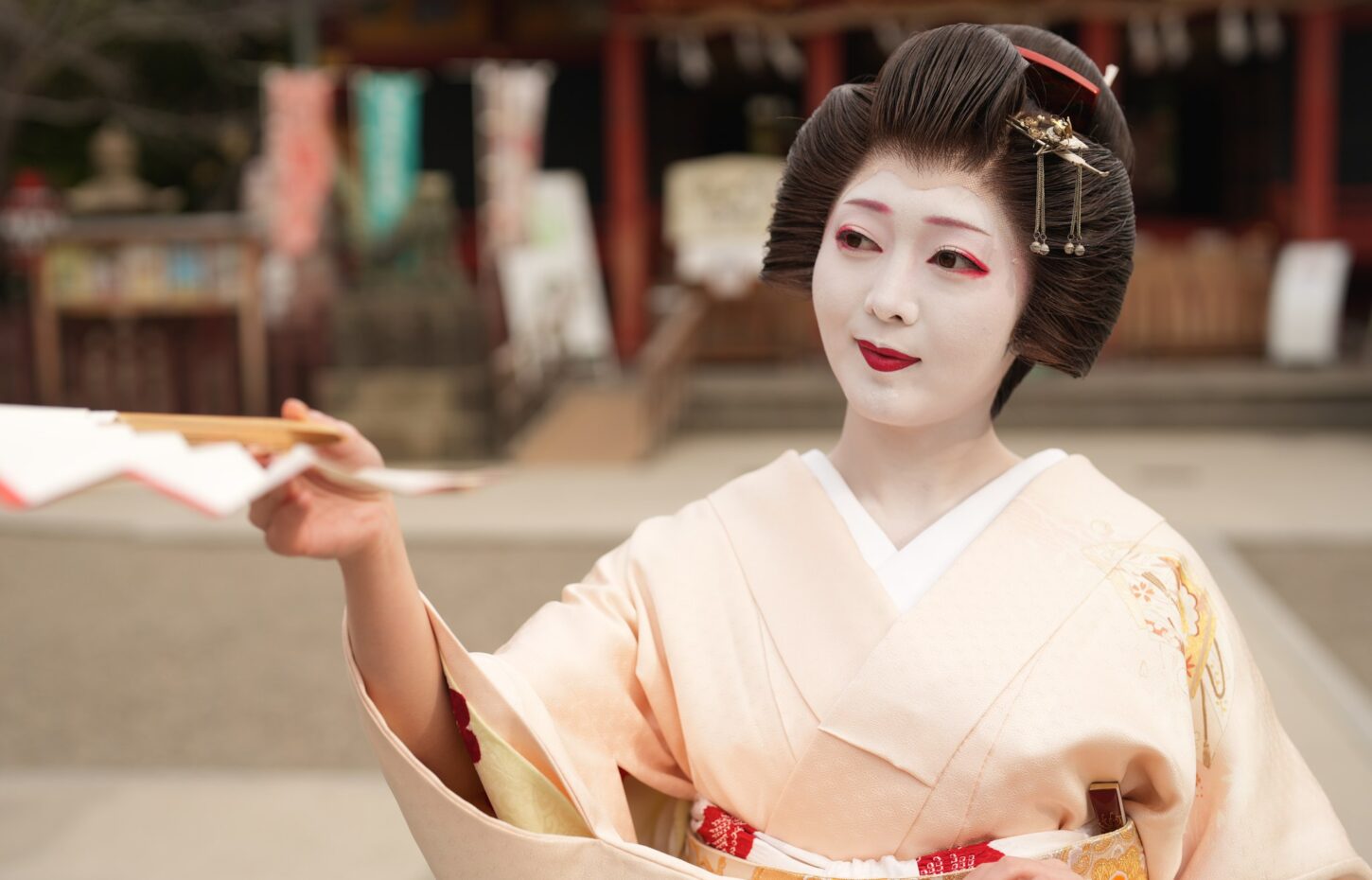
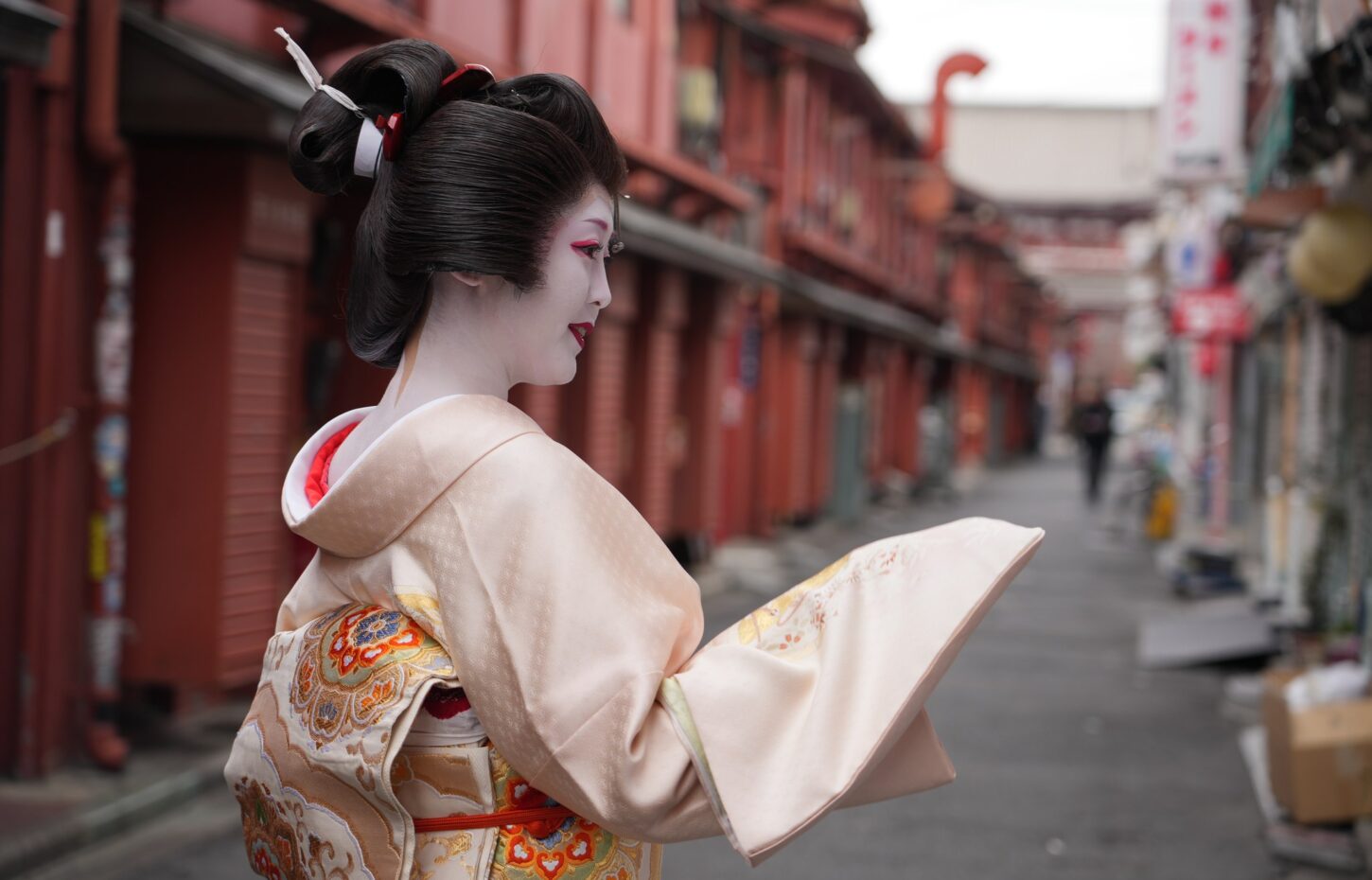
To truly understand the essence of this district, one must look beyond the buildings and into the living heart of its history: the geisha. For over 400 years, the Asakusa geisha have been the guardians of traditional Japanese culture. They are not merely performers; they are masters of art, music, and the delicate skill of hospitality. These artists spend their lives perfecting the dance, the shamisen, and the art of conversation. They represent a legacy that began when the Edo period started. Asakusa has always been an open district, welcoming people from all walks of life, from politicians to merchants and tourists. This openness is what makes the local culture so vibrant and enduring. To learn more about this extraordinary world, explore our deep-dive into the Asakusa geisha district.
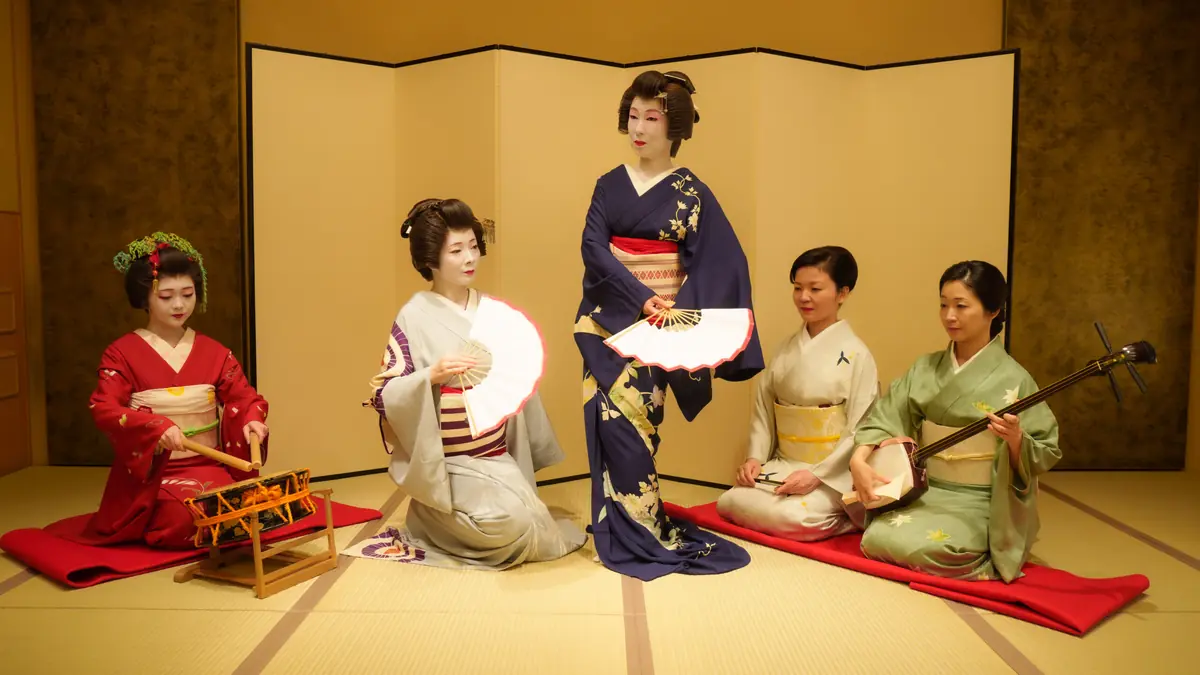
In the modern era of 2026, many visitors encounter geisha entertainment that mimics the appearance but lacks the depth of true training. To experience the authentic soul of the karyukai — the flower and willow world — is to witness a level of dedication that is rare in today’s world. When you learn about the life of a geisha, you are hearing stories of resilience. Even after the great air raids of the past, the geisha community rebuilt and continued to share their beautiful traditions. To understand the full sweep of that history, see our Complete History Guide to geisha in Tokyo.
At Miyakodori, a historic machiai-chaya founded in 1950, the tradition remains alive. This is the only place in the district that still follows this specific style of geisha waiting house where the focus is primarily on enjoying the company and art of geisha. Here, the experience is not just about watching a show; it is about entering a private world where you are treated with the utmost respect and care. The name Miyakodori itself is inspired by an ancient poem from the Ise Monogatari about longing and connection, reflecting the desire to build a true bond with every guest who walks through the door.
Asakusa is also one of the last places in Japan where you may encounter a taikomochi (hokan) — the rare male entertainer who performs alongside geisha at an ozashiki (geisha banquet). This alone makes the district extraordinary. For a guide to the interactive games played during these evenings, see our article on ozashiki games (geisha banquet entertainment). For a step-by-step walkthrough of the entire experience, see our Complete Experience Guide.
For any traveler looking to go deep into the culture of Japan, meeting an authentic geisha is a story you will tell for the rest of your life. It is a profound experience that connects you directly to the people who have kept the spirit of old Tokyo alive for centuries. In a world that is becoming increasingly digital, these face-to-face interactions with masters of tradition are truly priceless. Whether you are on a business trip or a family vacation, taking the time to engage with this history will change how you see Japan forever.
Experience an Authentic Ozashiki (Geisha Banquet) in Asakusa
Asakusa Miyakodori — founded in 1950 — is the only machiai-chaya (geisha waiting house) in Asakusa. Private rooms, live shamisen, and English-speaking staff. No introduction required. Halal and vegetarian options available.
Request a ReservationA Culinary Journey Through Tokyo Traditions
Exploring the culinary landscape of Asakusa in 2026 is like taking a delicious trip back to the Edo period. This district is famous for its diverse range of dining options, from quick street food snacks to elaborate sit-down meals. If you are starting your morning early, head straight to the stalls lined along Nakamise-dori. Here, the aroma of freshly fried melon pan and sweet potato treats will guide your senses. One highly recommended snack is the age-manju, a deep-fried sweet bean bun that has been a favorite for generations of visitors.
For lunch or a more substantial meal, Asakusa offers some of the most authentic sushi experiences in Tokyo. Many popular restaurants are located in the central area near the temple, where you can find a set menu that is both affordable and high quality. Do not forget to try tempura or sukiyaki, both of which are famous Edo-style dishes that originated in this very district. For a complete guide to Tokyo’s exceptional dining scene, see our article on the ultimate Tokyo food experience.
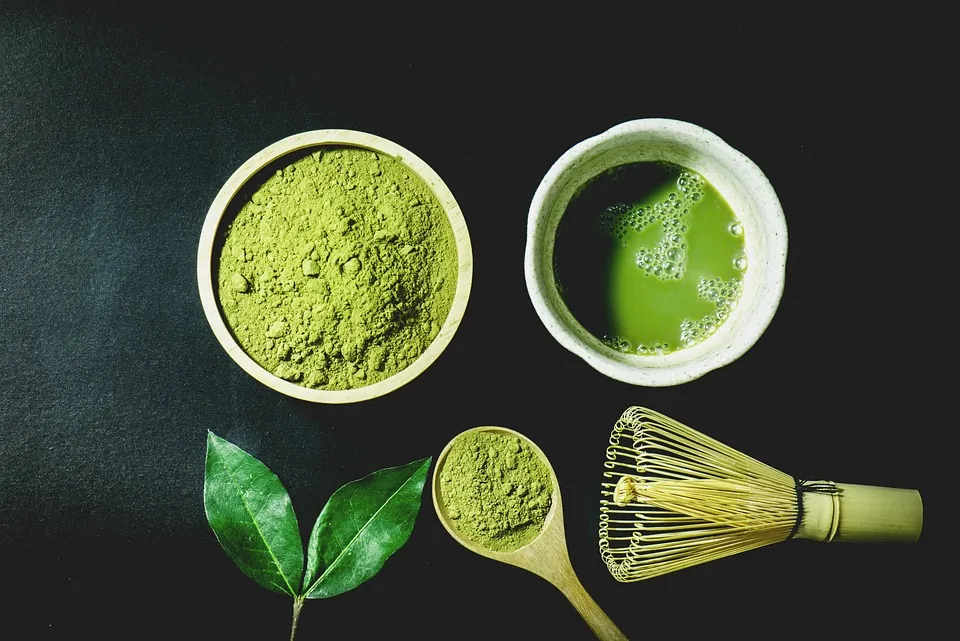
In 2026, many restaurants have updated their services to include English menus and online booking systems, making it simple for travelers from all over the world to plan their dining itinerary. If you love tea, spend some time in a traditional tea house near the gardens, where the art of making matcha is still practiced with precision.
While street food is ideal for a quick bite, a formal dinner in Asakusa is an experience worth the investment. Many high-end establishments require a reservation, especially during the busy spring and autumn seasons. These venues often feature a kitchen that uses the finest seasonal ingredients to create beautiful dishes that tell the stories of Japan’s changing seasons. For those interested in kaiseki cuisine — the pinnacle of Japanese fine dining — see our guide to the best kaiseki in Tokyo.
Dine with Geisha in a Private Room
At Asakusa Miyakodori, seasonal kaiseki cuisine is served alongside live shamisen and traditional dance in a private ozashiki (geisha banquet) setting. Halal and vegetarian options available. No introduction required — book directly online in English.
Request a ReservationThe Ultimate Hospitality: Discovering Asakusa Miyakodori
For the traveler who wants more than just a surface-level tour, there is one place that defines the heart of traditional hospitality in Tokyo: Asakusa Miyakodori. Tucked away in the quiet Kannon-ura district, just north of the busy temple grounds, this machiai-chaya is not just a place to eat; it is a sanctuary of the living arts. Founded in 1950, Miyakodori is unique because it is the only remaining machiai-chaya in Asakusa. This means its primary mission is to provide a dedicated space where you can truly engage with the world of the geisha, enjoying their music, dance, and company in an elegant, private setting. Unlike large commercial venues, here you find a deep connection to the soul of the city.
The name Miyakodori holds a beautiful meaning, rooted in a poem from the ancient Ise Monogatari. It speaks of a bird from the capital and reflects a deep desire to connect with and care for loved ones. This philosophy represents the establishment’s promise to cherish every guest. This level of authentic hospitality is rare to find in the modern world.
When you book a private room at Miyakodori, you are transported into the elegant atmosphere of the Edo period. These rooms are designed for absolute privacy, making them the ideal choice for a high-level business reception, a special wedding anniversary, or a significant family celebration. If you choose the 3-hour plan, seasonal kaiseki cuisine is included, showcasing the finest ingredients of the year. For international visitors, Miyakodori also provides halal options, ensuring that guests from all over the world can participate in this cultural tradition.
The true highlight of the evening is the ozashiki asobi, or traditional geisha banquet games, where you can interact directly with the geisha. These experiences are accompanied by the beautiful, haunting notes of the shamisen and the graceful movements of traditional dance. It is a fun, immersive way to learn about the playful and sophisticated side of Japanese history. Whether you are hosting a VIP from America or Europe, or simply celebrating a milestone with your family, the time spent here will be among the most memorable of your 2026 trip. To secure your place in this exclusive world, it is best to contact them through the website well in advance.
Planning Your Perfect 2026 Itinerary
To make the most of your travel in 2026, a well-structured itinerary is your best friend. Asakusa is a popular district, and it can become very busy by midday. Therefore, start your day as early as possible. A perfect morning begins around 8:00 AM at the Kaminarimon Gate. At this hour, the grounds are quiet, allowing you to take photos without the large crowds that arrive later. After passing through the gate, enjoy a peaceful walk along Nakamise-dori before the shops open their shutters.
By 9:00 AM, the main temple hall of Senso-ji is open for visitors. Spend about an hour here to experience the spiritual side of the city. If you are on a half-day tour, your next stop should be the nearby backstreets or a quick stroll to the river to see the Skytree. For those with a full-day plan, heading toward the north area of the temple will reveal hidden shrines and gardens that most tourists skip.
In the afternoon, focus on your shopping list. Nakamise-dori and the surrounding streets are the ideal place to buy authentic souvenirs. Look for items like traditional fans, hand-crafted kitchen tools, or lucky charms. Around 3:00 PM, take a break at a local tea house to enjoy some traditional sweets and a cup of matcha.
As evening approaches, prepare for a special dinner experience. If you have followed this guide, you should have a reservation at Miyakodori for an evening of ozashiki (geisha banquet) entertainment. This is the ultimate way to end your day, transitioning from the busy streets to the quiet elegance of a private room. Whether you are spending just a single day or several days in the city, planning ahead ensures you do not miss any of the unique experiences this district has to offer. Always remember to check the current hours and any required booking terms on the official website before you head out. With your map in hand and a sense of adventure, your 2026 visit to Asakusa will be truly unforgettable. For a complete immersive picture of what awaits you, read our Asakusa experience complete guide.
Conclusion
Asakusa remains the definitive heartbeat of Tokyo in 2026, offering a rare sanctuary where the 400-year history of the Edo period breathes alongside the futuristic sky. Whether you are visiting from America, Europe, or Asia, the district promises an experience that is both deeply traditional and warmly welcoming. From the massive red lanterns of Senso-ji to the quiet, private rooms of Miyakodori, there is something here for every traveler to love. We hope this updated guide helps you navigate the streets with ease.
Frequently Asked Questions about Asakusa
What are the typical prices for an Asakusa visit?
A day trip can be very affordable, with street food starting at just a few hundred yen. However, a premium geisha dinner — a private ozashiki (geisha banquet) — at a place like Miyakodori is an investment in authentic culture that reflects the high level of skill and hospitality provided. It is worth every yen for a special occasion.
How early should I book my trip and experiences?
For popular restaurants and authentic geisha experiences, it is highly recommended to book at least one to two months in advance through the official website, especially during the busy spring and autumn seasons. Miyakodori accepts online reservations directly in English — no introduction or intermediary required.
What are the 2026 travel trends for the area?
Travelers are increasingly seeking deep, human connections over surface-level sightseeing. Visitors now prefer exploring the quiet north side of the district and engaging in authentic cultural exchanges. Experiences like the ozashiki (geisha banquet) at Miyakodori sit at the center of this shift — offering something genuinely rare and personal in a world that is becoming increasingly digital.
Can I experience geisha culture in Asakusa without speaking Japanese?
Yes. Asakusa Miyakodori has English-speaking staff and provides English interpretation during ozashiki (geisha banquet) sessions. The experience is fully accessible to international guests, and the online reservation process is available entirely in English.
Footnotes & References
- [1] Asakusa Tourism Federation: asakusa.gr.jp
- [2] Tokyo Metropolitan Government Official Guide: my.metro.tokyo.lg.jp
- [3] PR TIMES — About Ozashiki-chaya and Miyakodori: prtimes.jp
- [4] Asakusa Kenban — The World of Asakusa Geisha: asakusakenban.com
Ready to Experience the Real Asakusa?
Asakusa Miyakodori is the only remaining machiai-chaya in Asakusa — and the only place in the district where you can book a private ozashiki (geisha banquet) directly online, in English. Founded in 1950. No introduction required. Halal and vegetarian options available.
Request a Reservation


- Where to See Geisha in Tokyo, Japan: A Guide to the Best Hanamachi & Experiences
- Where to See and Experience Geisha in Tokyo: An Insider's Guide (2026 Edition)
Geisha Performance in Tokyo: The Complete Guide to Ozashiki
Asakusa Geisha: Where to Meet Real Geisha in Tokyo
Asakusa Travel Guide: Exploring Tokyo’s Old Town and Timeless Traditions
【Wish Come True】Complete List of Benefits at Senso-ji Temple! Also Introducing the Correct Worship Methods
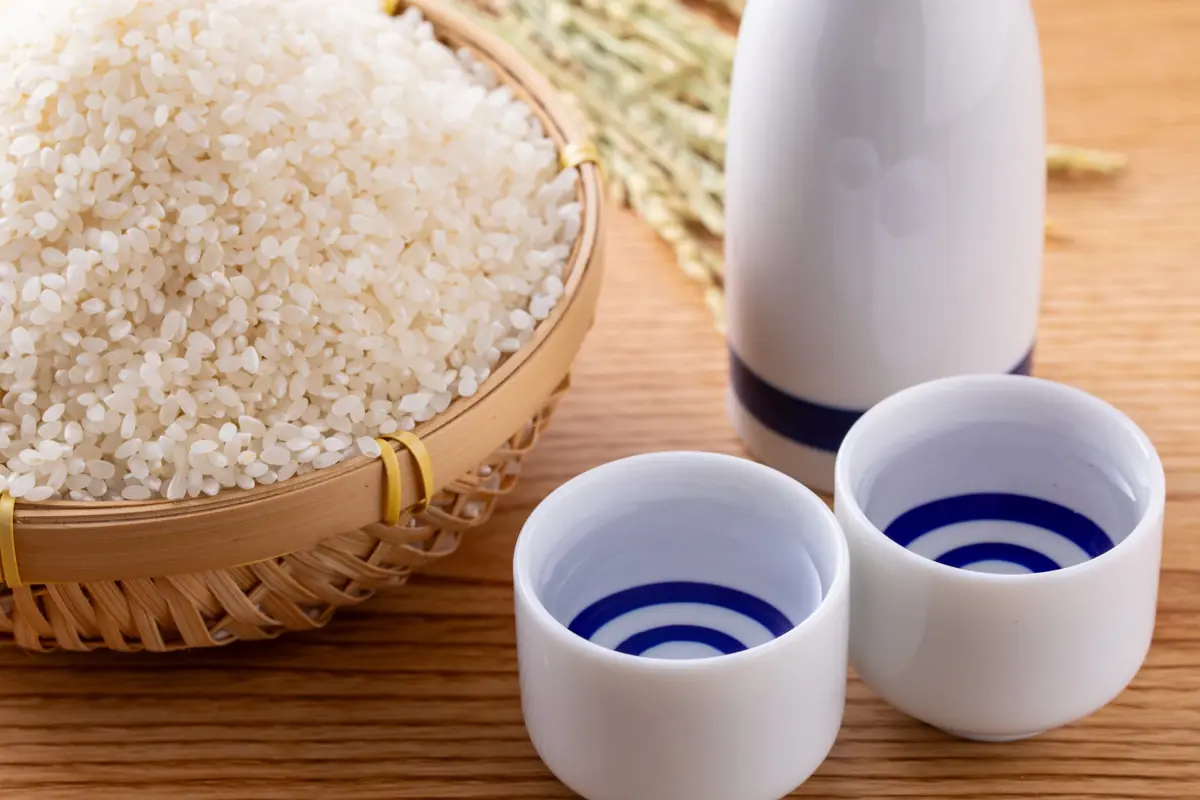
Visiting Asakusa? Here Are the Best Places to Try Japanese Sake
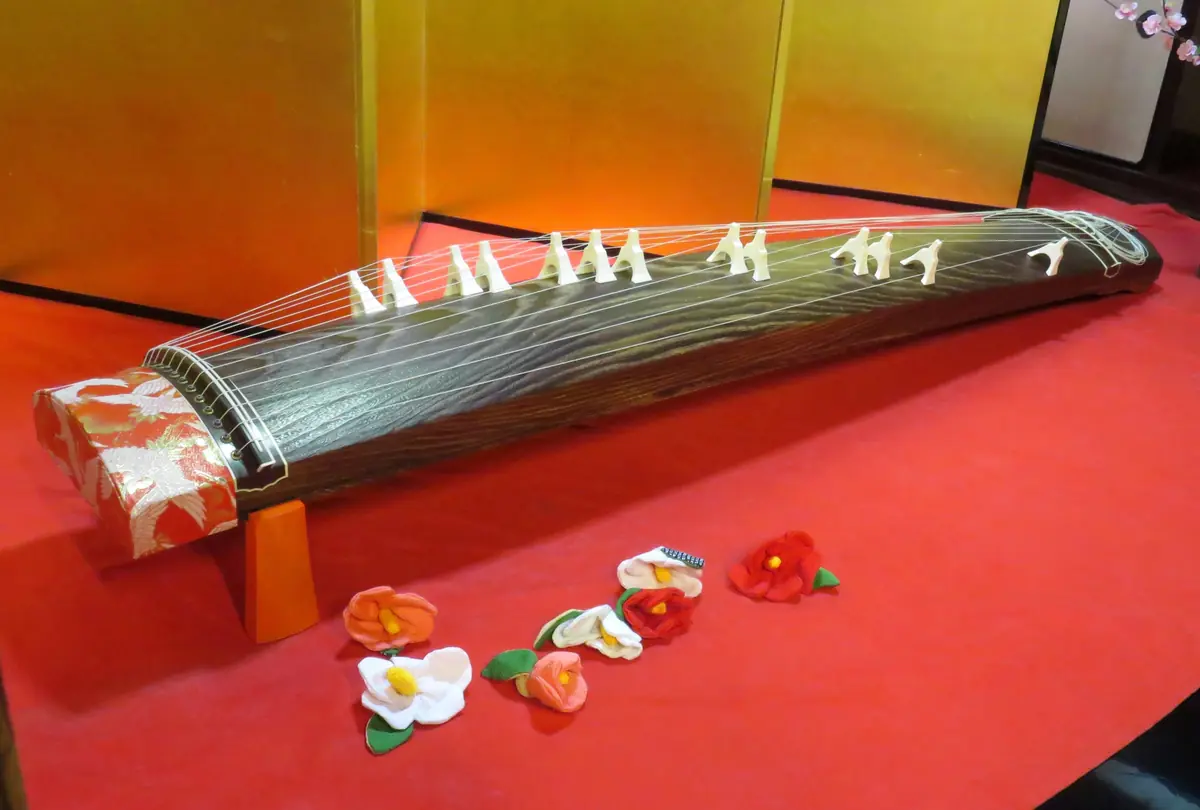
Authentic Experience Touching Artisan Skills! Asakusa’s Traditional Culture Workshop
Comment ( 0 )
Trackbacks are closed.

No comments yet.