



Where to See and Experience Geisha in Tokyo: An Insider’s Guide (2026 Edition)
Introduction: The Enigmatic World of Geisha in Tokyo
Tokyo has six surviving hanamachi (geisha districts): Asakusa, Shimbashi, Akasaka, Kagurazaka, Mukojima, and Yoshicho. Asakusa is the only one open to international visitors with online booking.
When travelers envision the timeless elegance of Japan, their minds often drift immediately to the narrow, lantern-lit alleys of Gion in Kyoto. There is a persistent myth that the living art of the geisha is a treasure exclusive to the old capital. However, as we move through 2026, Tokyo has emerged not just as a futuristic megalopolis of glass and steel, but as a vibrant guardian of geisha culture that offers an entirely different, and arguably more accessible, perspective on this ancient profession. For any visitor looking to truly understand the heartbeat of Japanese tradition, looking toward the eastern capital is essential.
Yes, geisha absolutely exist in Tokyo. In fact, they have been a vital part of the city’s social fabric since the days when it was known as Edo. While Kyoto is famous for its geiko (the local term for geisha), Tokyo’s practitioners carry a distinct spirit born from a different history. If Kyoto is the seat of the imperial court’s refined elegance, known as miyabi, then Tokyo is the home of iki. This concept of iki is difficult to translate but represents a certain chic, understated coolness, resilience, and sophisticated style that characterized the samurai and merchant classes of old Tokyo. It is an aesthetic that values being smart and spirited rather than just purely ornamental.
Understanding this distinction is key to your travel experience. In Tokyo, the geisha atmosphere is often described as more open and spirited. While the training is just as rigorous and the mastery of traditional arts like the shamisen and classical dance is just as profound, the interaction often feels less formal and more engaging for a modern visitor. Whether you are looking for a public cultural performance or an intimate dinner in a private room, the Tokyo districts—known as hanamachi or flower towns—provide a window into a world where history is not a museum piece, but a living, breathing performance that continues to evolve.
As you plan your trip, you might find yourself overwhelmed by the options. Where do you go to see a real geisha without falling into a tourist trap? How has the tradition evolved to welcome international guests in 2026? This guide is designed to navigate those questions, taking you beyond the surface level of Tokyo tourism and into the heart of authentic Japanese hospitality. Prepare to discover a side of the city that many visitors miss, where the pluck of a string and the glide of a silk kimono tell a story four centuries in the making. This journey into the heart of the capital’s entertainment history is more than just a sightseeing stop; it is an encounter with the pinnacle of Japanese service and artistic dedication.
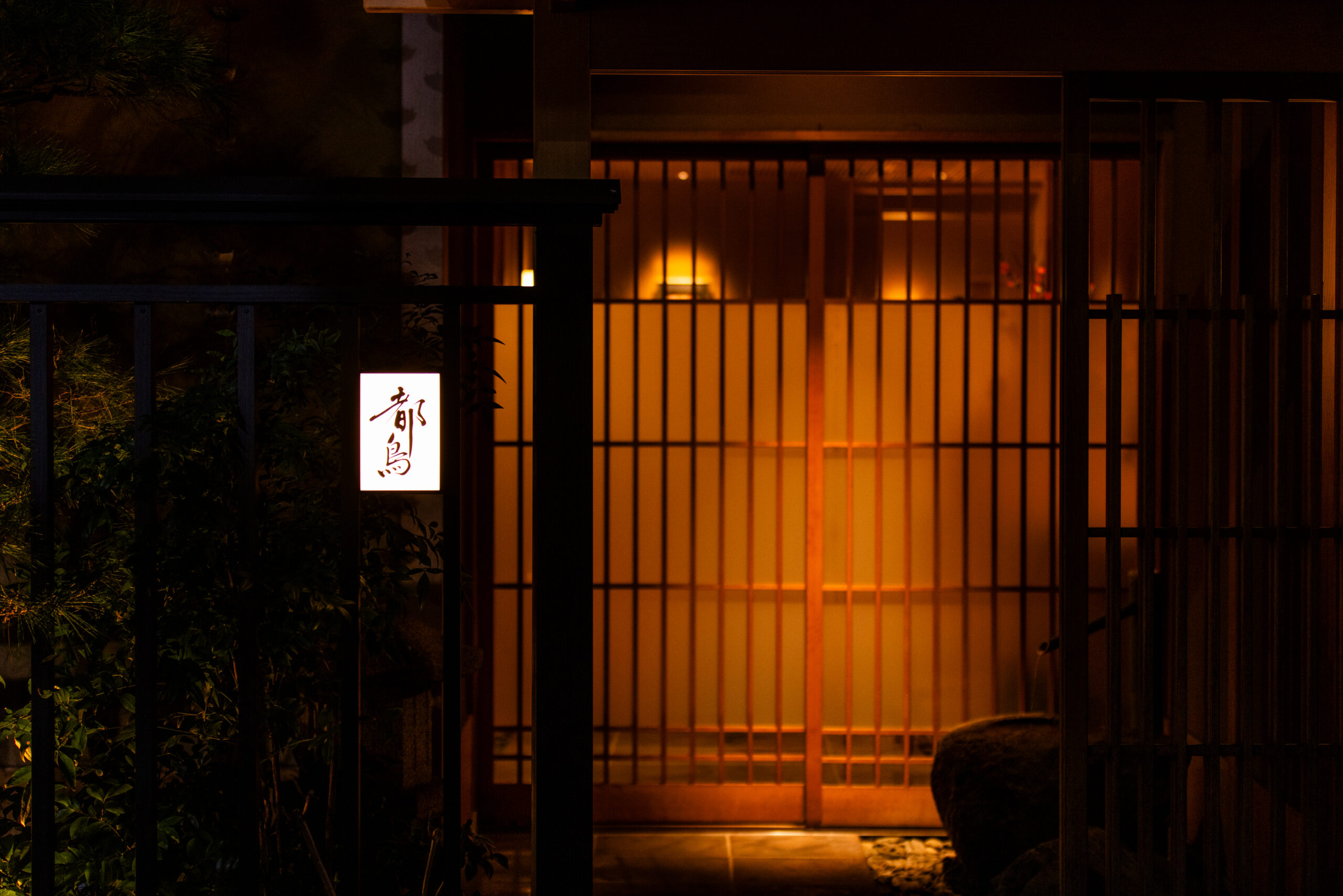
A Brief History of Tokyo’s Geisha Culture
The history of geisha in Tokyo is a story of resilience and artistic dedication that spans over four hundred years. While many associate the profession with Kyoto, the roots of Tokyo geisha culture are deeply embedded in the soil of old Edo. The profession actually began in the 17th century with men who were entertainers for the samurai and merchant classes, but women soon took over the spotlight. These women became the trendsetters of their time, defining what it meant to be stylish, intellectual, and artistically gifted in a rapidly growing city.
In the capital, the culture was shaped by the samurai spirit. This led to the development of the iki aesthetic, which favored a direct, sharp, and sophisticated charm. Unlike the more delicate and flowery style of the west, Tokyo performers practiced an art form that was grounded and powerful. Their training was, and remains, incredibly demanding. From a young age, a trainee must master the complex rhythms of the shamisen, the graceful movements of traditional dance, and the subtle art of conversation. These skills are not learned in a few months; they are refined through years of daily practice.
Throughout the decades, through wars and modernization, these women have remained the keepers of Japan’s cultural flame. To be a geisha today in 2026 is to be a professional artist who has dedicated years to perfecting a craft. This training is not just about the performance on stage; it is about the discipline of the mind and the preservation of an authentic heritage. When you visit a traditional district in Tokyo today, you are witnessing the result of centuries of passed-down wisdom. The music you hear and the dances you watch are links to a history that refuses to fade, offering a unique glimpse into the soul of Japan.
Exploring Tokyo’s Six Hanamachi
To truly appreciate the living art of the geisha, one must understand the geography of their world. These historical areas are known as hanamachi, which literally translates to flower towns. The tradition of the flower town has a long and storied lineage that traces back centuries. As the center of power shifted to Edo, the city we now call Tokyo, this culture flourished and adapted to the spirited and resilient nature of the new capital. Today, Tokyo preserves its heritage through six main districts: Asakusa, Shimbashi, Akasaka, Kagurazaka, Mukojima, and Yoshicho.
Each district carries its own unique personality, shaped by the guests who have historically frequented them. Shimbashi and Akasaka, located near the corridors of government and major business hubs, have traditionally hosted high-ranking politicians and captains of industry. Kagurazaka offers a chic, sophisticated atmosphere with its winding cobblestone slopes, while Mukojima stands as the large hanamachi of the city, nestled along the scenic banks of the Sumida River. Yoshicho, located in the historic Nihonbashi area, keeps the spirit of the old merchant classes alive.
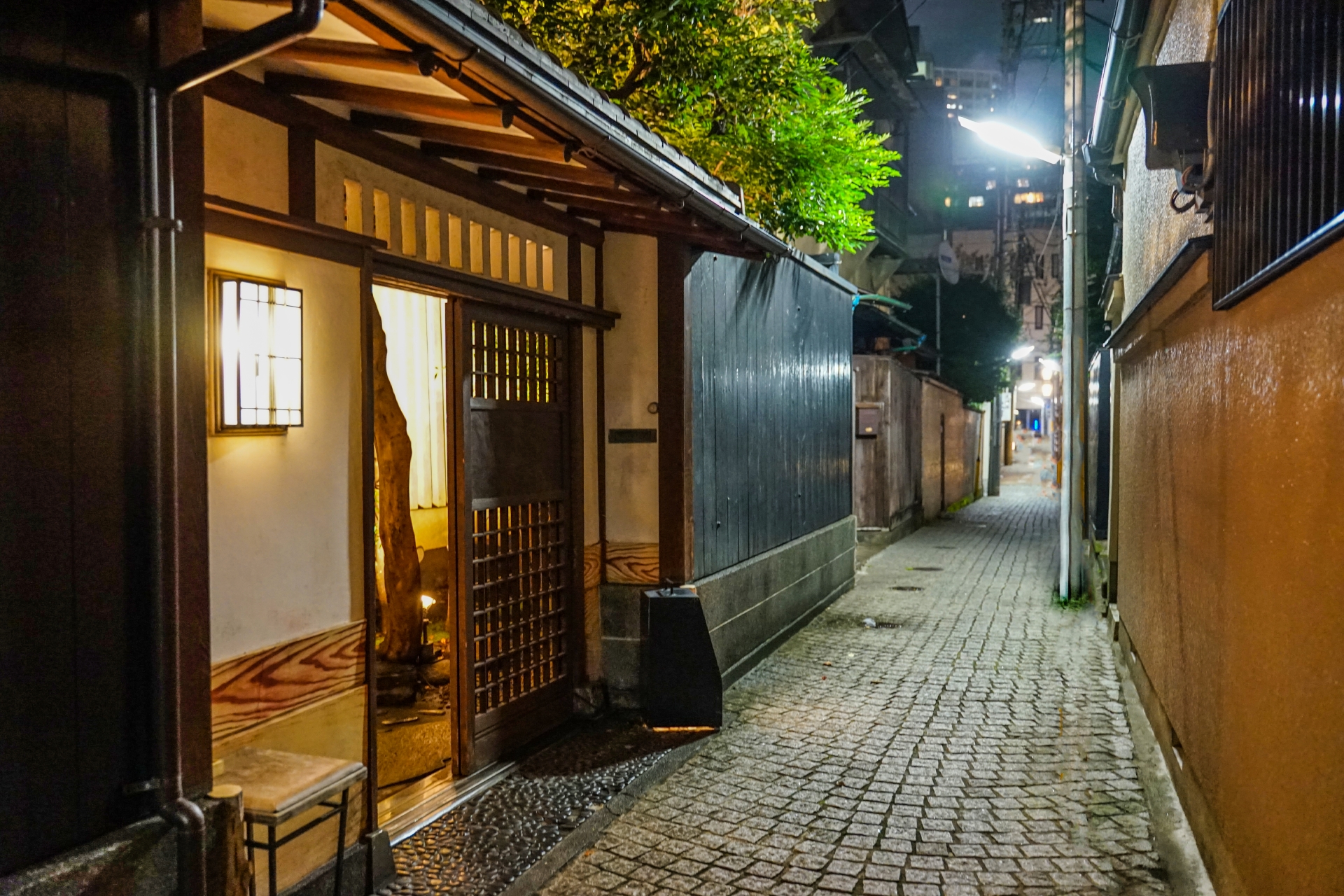
For modern travelers in 2026, navigating these districts is remarkably straightforward. Most are located within walking distance of major rail stations, ensuring that transportation across the city is efficient. This reliable transport network means you can easily move from the modern bustle of Shinjuku or Shibuya to the traditional atmosphere of these districts in a matter of minutes.
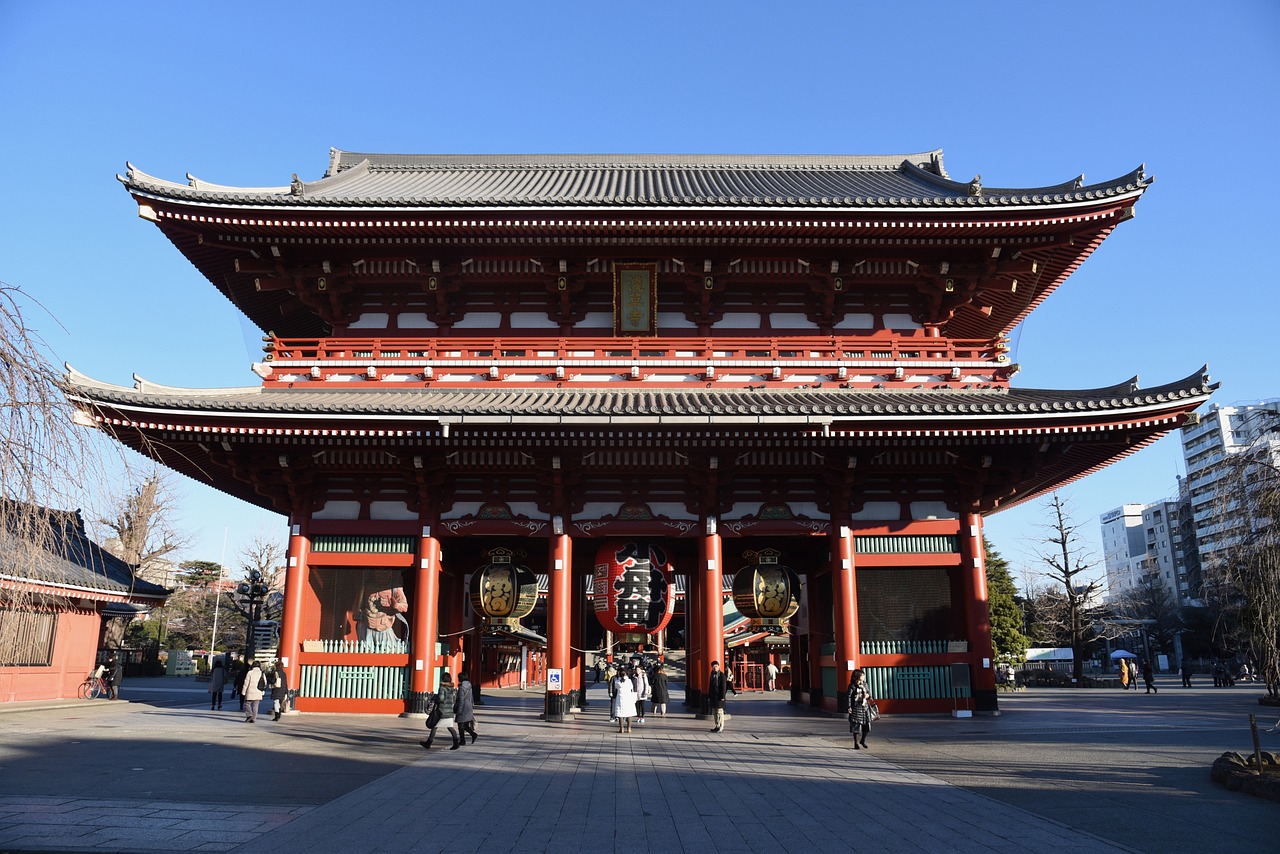
However, for a visitor seeking the most authentic and welcoming experience, Asakusa is often the shining jewel. While some districts can feel exclusive, Asakusa has always been a place for the people. Centered around the ancient Senso-ji Temple, this district has grown alongside a community of merchants and pilgrims. This history has fostered an open atmosphere that is unique to Asakusa. It is a place where the local community takes immense pride in protecting their traditions, making it incredibly accessible for newcomers.
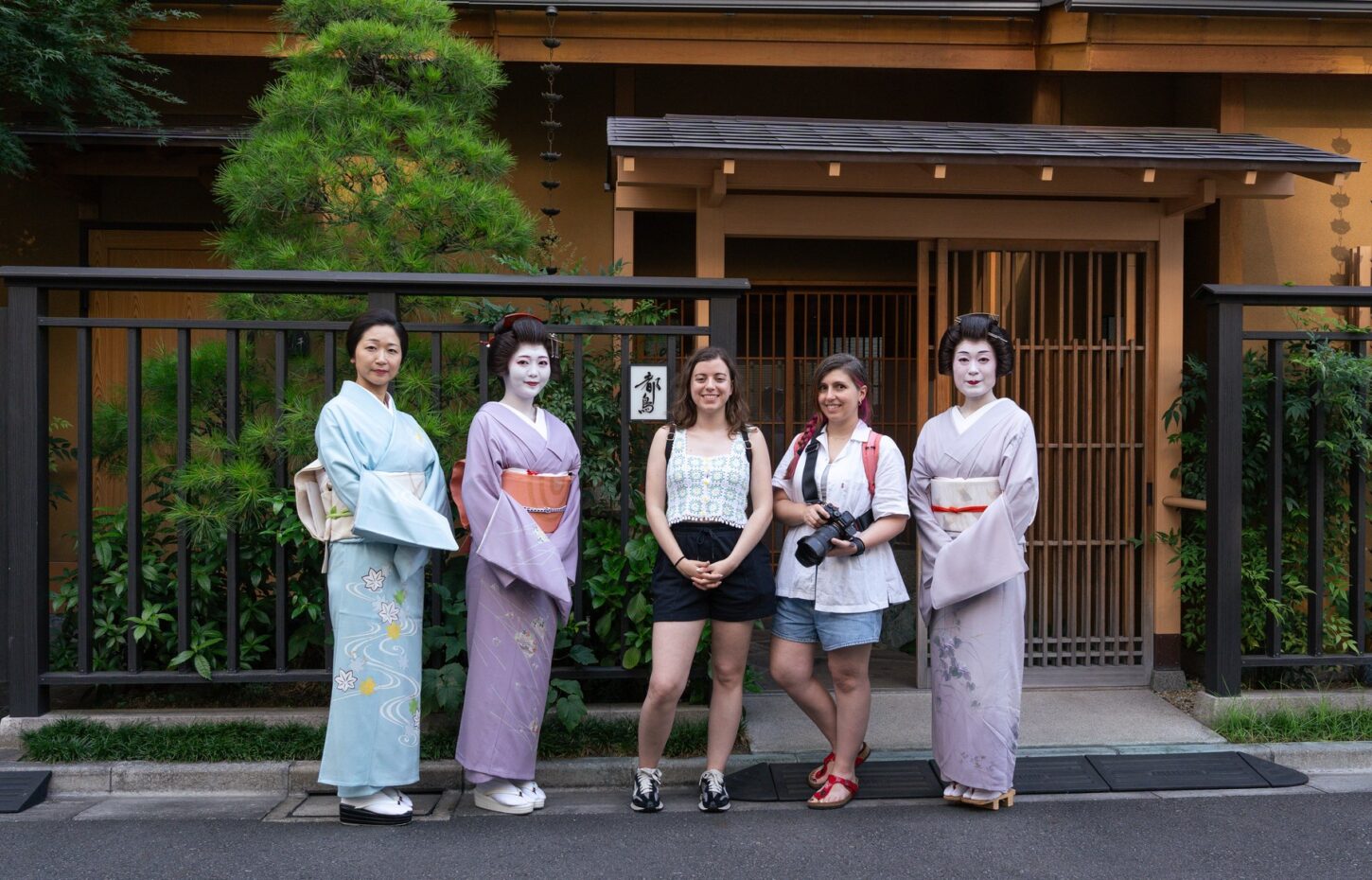
In the heart of this district, you will find Miyakodori. Established in 1950, this venerable establishment is a pillar of Asakusa’s cultural landscape. Notably, it is currently the only remaining machiai-chaya in the area. The building itself is an architectural treasure. From the welcoming entrance to the refined tatami rooms on the upper floor, every corner whispers stories of the past. While many traditional restaurants focus primarily on food, a machiai-chaya is specifically designed for the purpose of meeting and being entertained by geisha. Choosing Asakusa for your encounter allows you to step into a world that remains warm and inviting, ensuring that your first steps into this culture are truly memorable.
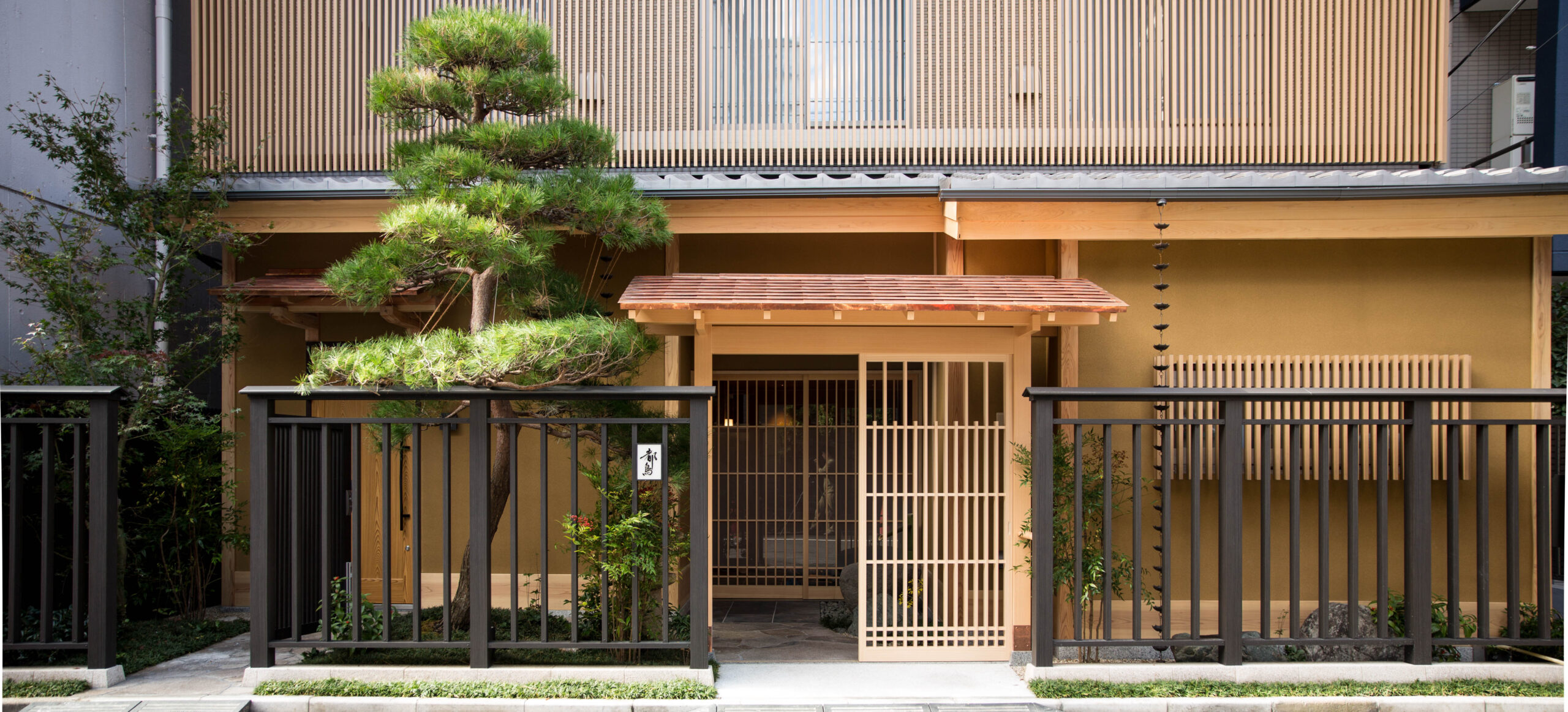
Discover the Only Remaining Machiai-chaya in Asakusa
Miyakodori — founded in 1950, Asakusa’s only machiai-chaya — opens its doors to international visitors. Experience a private ozashiki (geisha banquet) with live shamisen and traditional dance. Book online in English. No introduction required.
How to Experience Geisha in Tokyo: From Casual to Exclusive
In 2026, the ways to encounter geisha culture in Tokyo are more diverse than ever, catering to every level of interest and budget. Whether you have just an hour to spare or want to dedicate an entire evening to the arts, there is a path for you to witness this living tradition. For those seeking a casual introduction, public performances are an excellent starting point. The Asakusa Culture Tourist Information Center, located right across from the Kaminarimon Gate, frequently hosts geisha dance events. These programs offer a fantastic chance to watch traditional dances and listen to live shamisen music with the backdrop of the city skyline. It is a great way for visitors to see the elaborate kimono and stylized movements for free or a very low cost, without a significant time commitment.
Beyond these public events, several restaurants and venues across the city offer geisha dinner shows specifically tailored for international tourists. These events often include a multi-course meal and a performance featuring several geisha. They are designed to be accessible and often provide English explanations of the history and meaning behind the art forms. While these shows are a significant step up from public events, they still maintain a certain distance between the performers and the audience, as you are usually part of a larger group in a theater-style setting. These are perfect for those who want to see the spectacle while enjoying a standard dinner service. For a deeper look at what the best geisha experiences in Tokyo actually involve — and how to distinguish authentic encounters from tourist performances — see our curated guide.
However, for the traveler who wants a truly authentic and intimate encounter, the private ozashiki experience is the pinnacle of Japanese hospitality. Ozashiki refers to a meeting held in a private tatami room where the geisha entertain your specific group exclusively. Historically, these establishments, often referred to as teahouses or ryotei, operated under a strict policy of no first-time visitors without a personal introduction. This exclusive tradition ensured a high level of trust and privacy, but it also made it nearly impossible for foreign tourists to gain entry. Our guide on how to find a geisha house in Tokyo explains the different venue types and what to look for when booking.
This is where the open atmosphere of Asakusa and establishments like Miyakodori make a difference. Recognizing that the world is changing, Miyakodori offers specialized plans that allow international visitors to book a private ozashiki (geisha banquet) session directly through their website. This removes the traditional barriers and opens the door to the real world of geisha entertainment that was once hidden. In this setting, you are not just a spectator in a crowd; you are the guest of honor. You get to interact directly with the performers, learn about their daily lives and rigorous training, and participate in traditional drinking games that have been played for over 100 years. This level of personalized service provides a deep dive into Japanese culture that a simple stage show cannot match. By choosing a private room plan, you ensure that your time in Japan includes a profound and personal connection to its most guarded traditions. Whether it is your first trip or a return visit, moving from the casual street festivals to the quiet, refined atmosphere of a private teahouse is a journey through the heart of Tokyo itself.
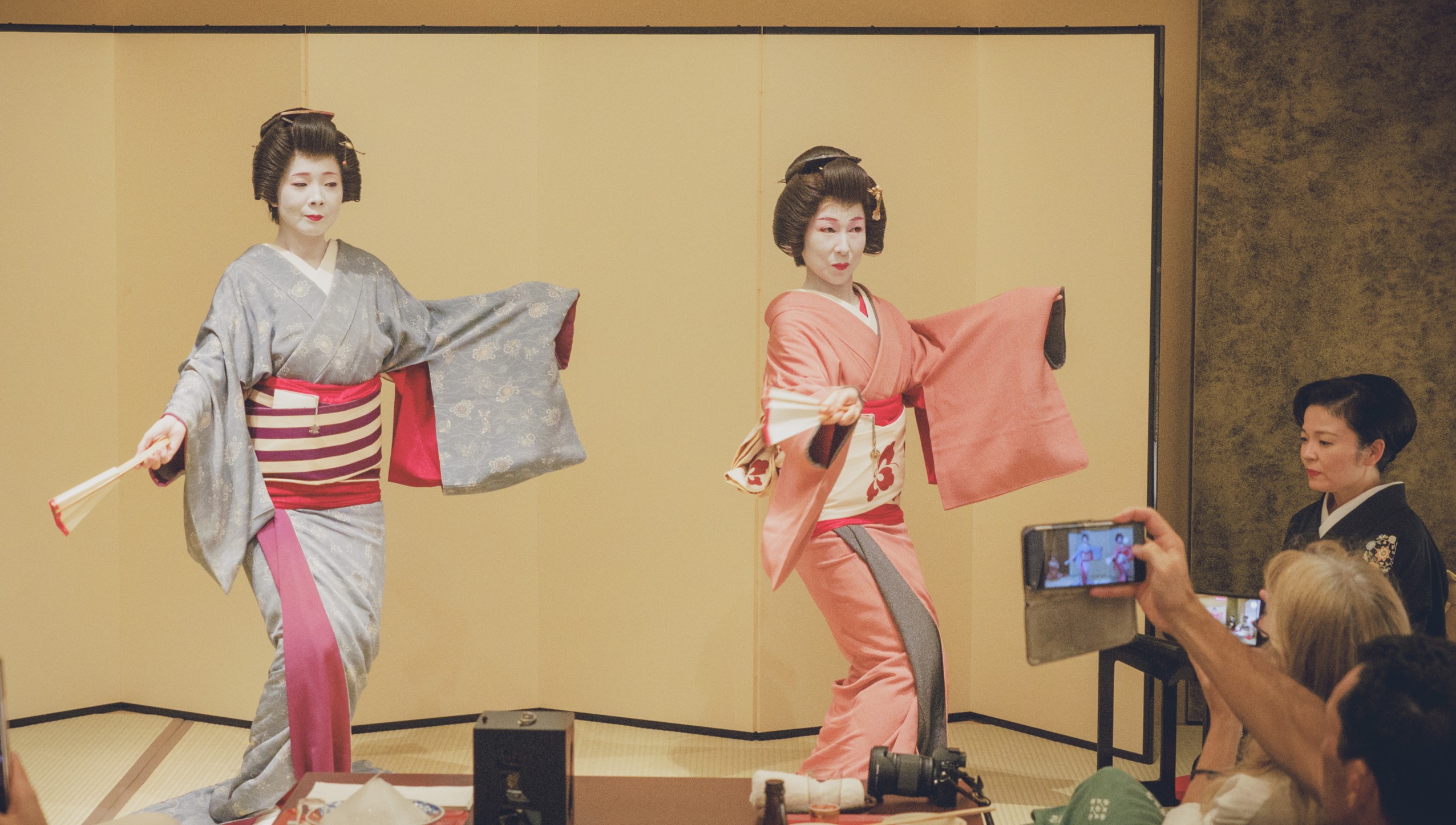
What to Expect During a Geisha Encounter
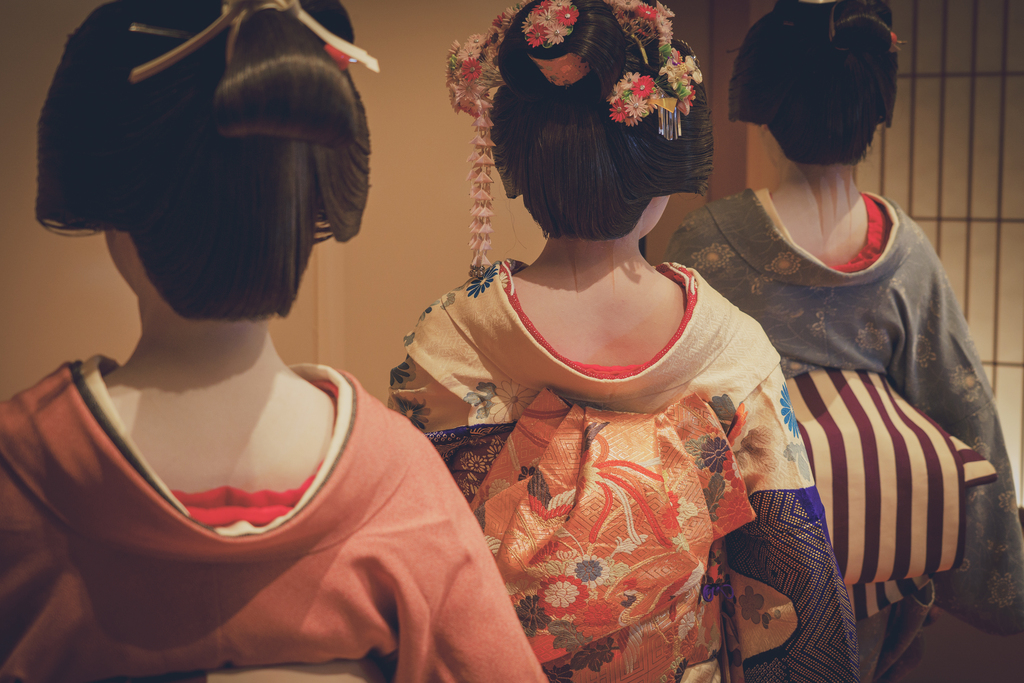
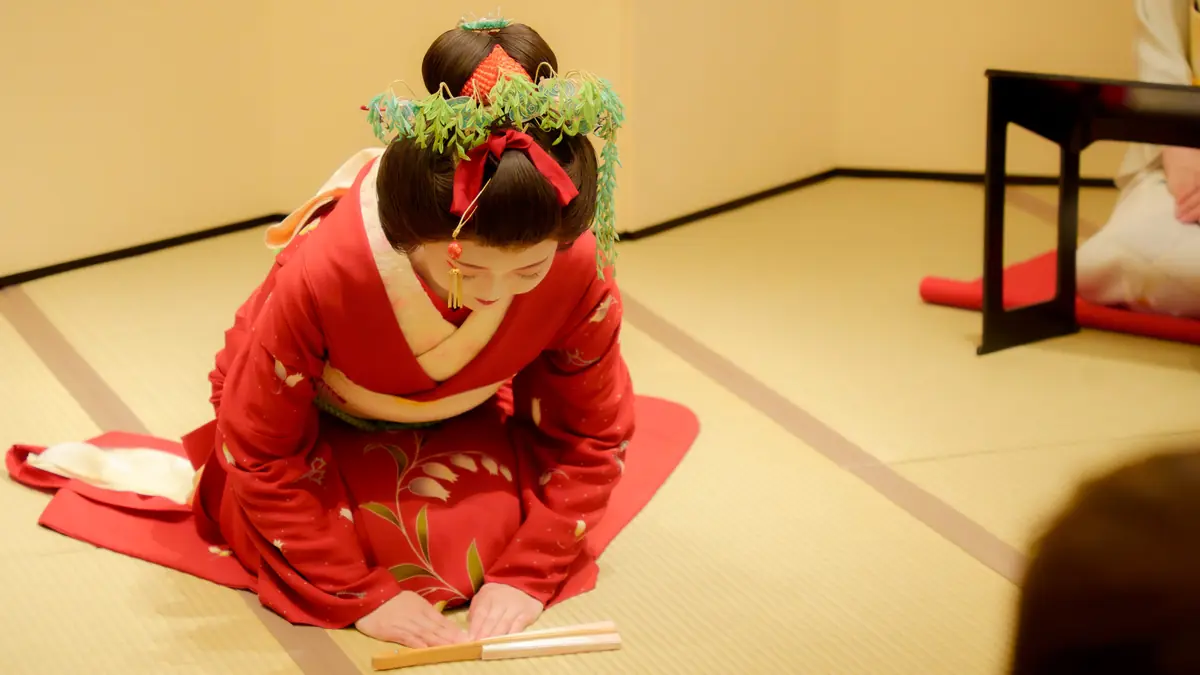
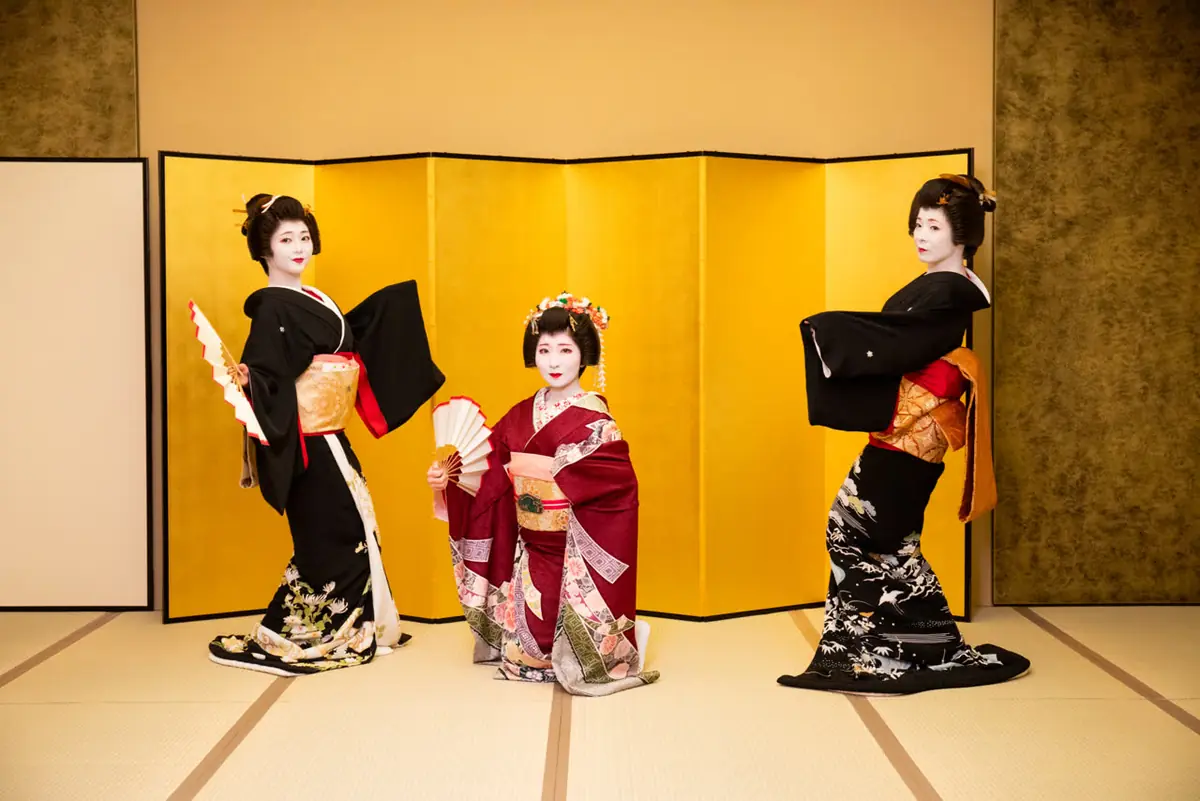
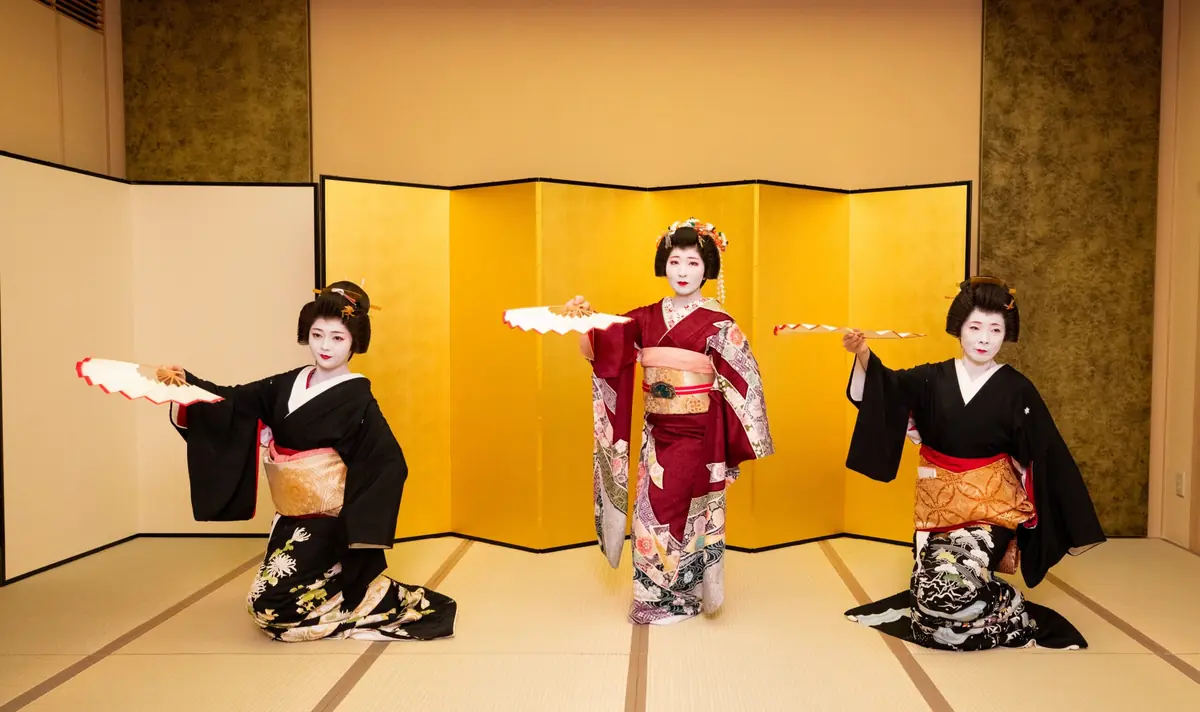
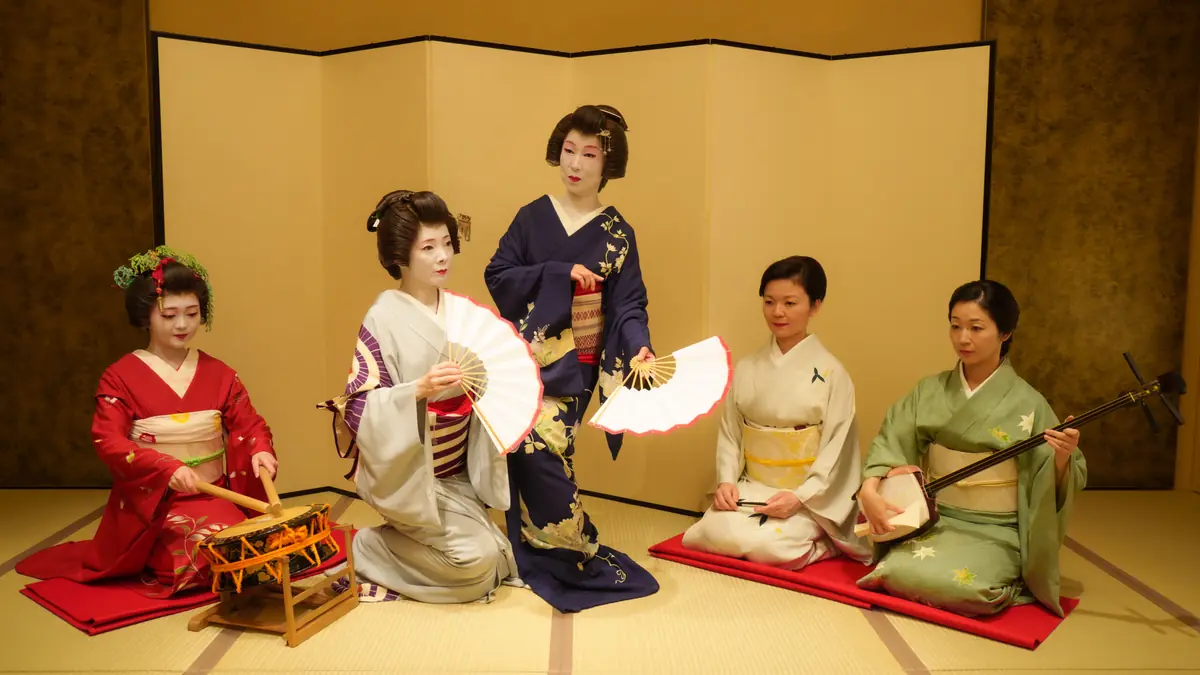
Entering a private tatami room for an authentic geisha encounter feels like stepping back into the Edo period. The atmosphere is quiet and respectful, yet filled with a sense of anticipation. The evening typically begins with the art form itself: traditional music and dance. You will witness the mastery of the shamisen, a three-stringed instrument that produces a hauntingly beautiful, percussive sound. Accompanied by refined singing, the geisha perform seasonal dances. Every movement, from the tilt of the head to the placement of a foot, is calculated to express a specific emotion or a scene from nature, such as cherry blossoms falling in spring or the moonlight reflecting on the water.
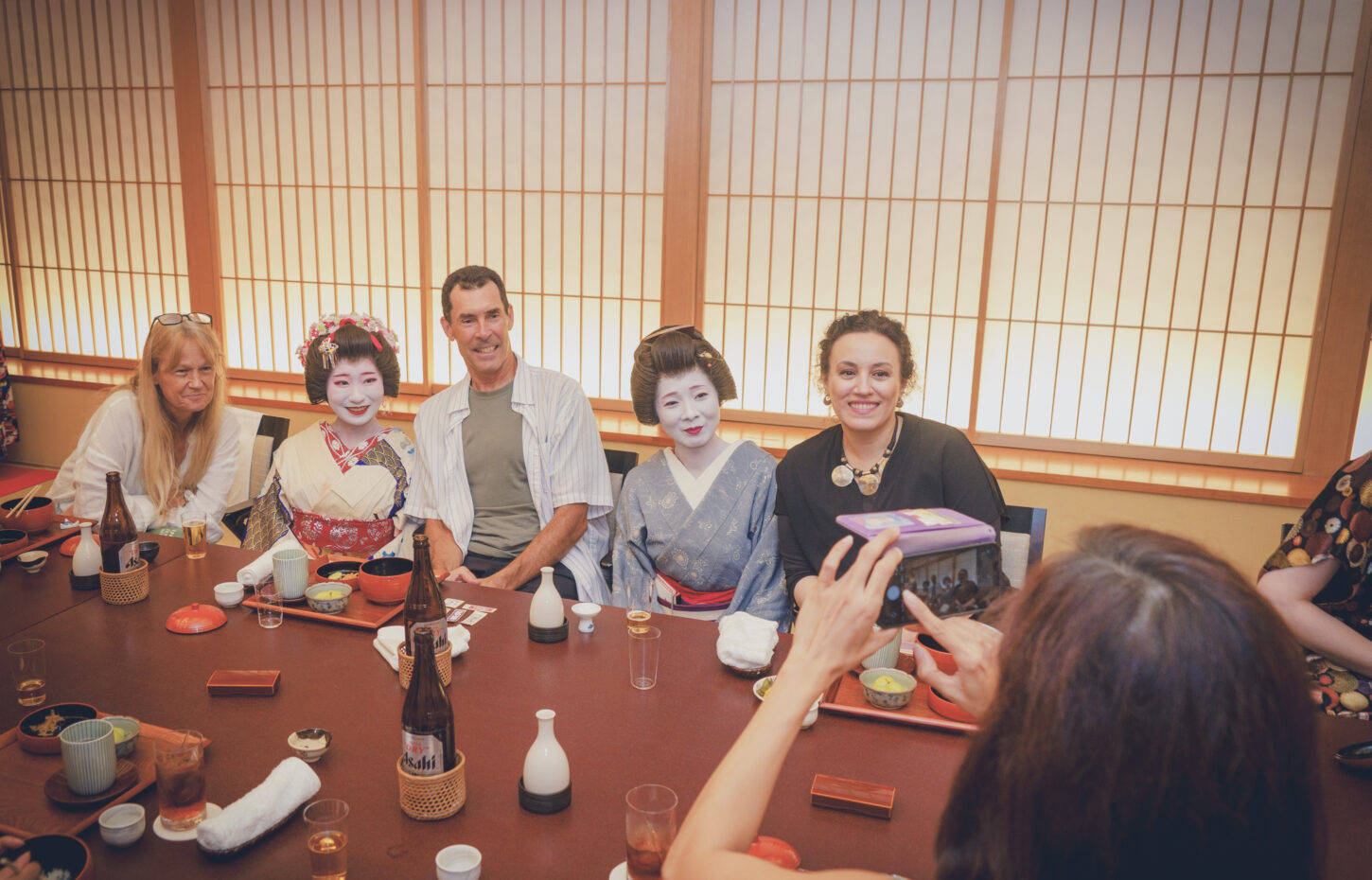
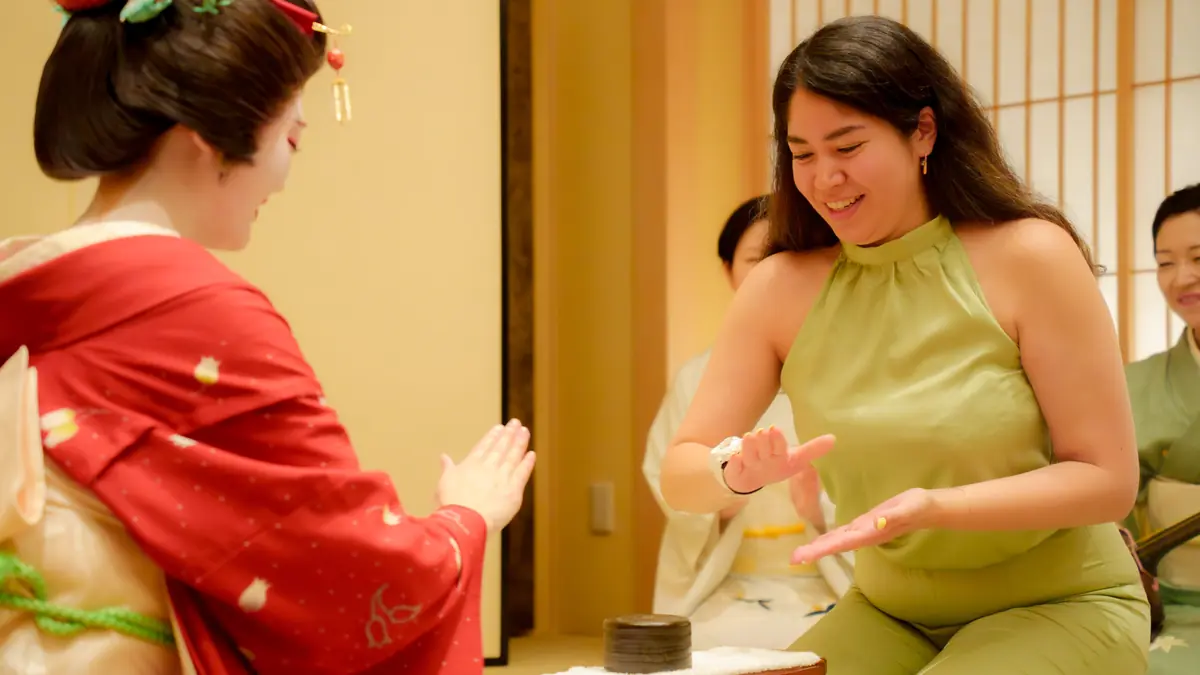
Once the formal performances conclude, the mood shifts to a more lighthearted and social one with ozashiki asobi, or traditional drinking games. These games, like Konpira Fune Fune or Tora Tora, rely on rhythm and quick reflexes. They are designed to break the ice and foster a sense of shared joy between the hostesses and the guests. It is during these moments that you see the true charm and wit of the geisha as they engage you in playful competition.
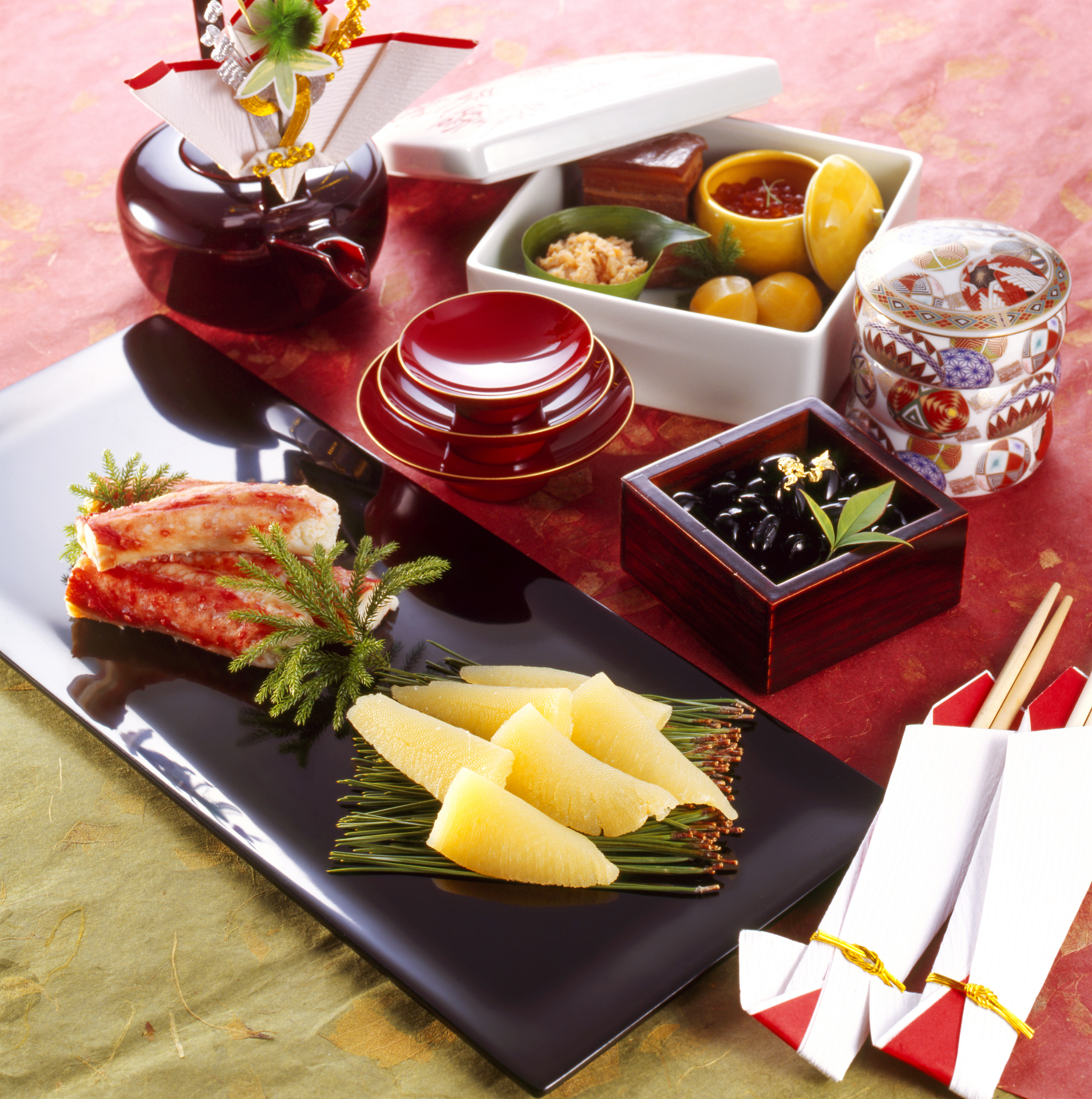
Complementing the entertainment is the meal, a centerpiece of the evening. Authentic kaiseki cuisine is served, representing the pinnacle of Japanese culinary art. This multi-course dinner is a sensory journey that changes with the months. Each dish is carefully prepared to highlight seasonal ingredients, served on exquisite ceramics that reflect the colors of the time of year. From delicate sashimi to perfectly grilled seasonal fish, the flavors are subtle and sophisticated. The combination of high art, playful games, and world-class dining creates a holistic cultural experience that leaves a lasting impression on every visitor, proving that the geisha world is as much about human connection as it is about artistic excellence.
Ready to Experience Shamisen, Dance & Ozashiki Games?
At Miyakodori, your private ozashiki (geisha banquet) evening includes live shamisen music, seasonal dance, and traditional games. English support available. Open to international guests with direct online booking.
Etiquette and Tips for Your First Geisha Meeting
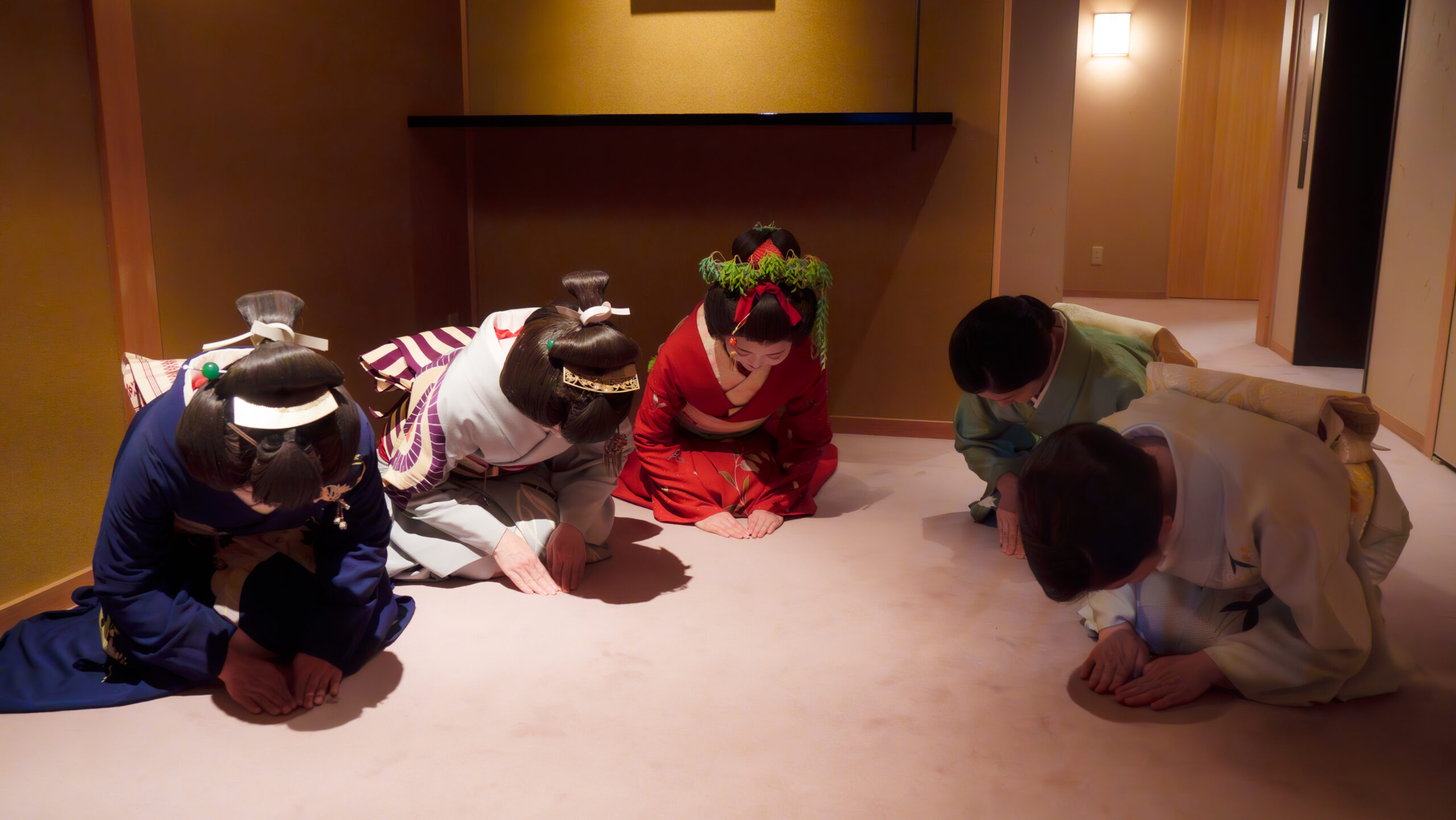
Attending your first geisha meeting is an exciting privilege that comes with a few essential rules of etiquette. Respect is the foundation of the encounter. When it comes to photography, always ask for permission before taking pictures or videos. Most performers are happy to pose for a commemorative shot at the appropriate time, but candid photography during a performance can be distracting. Regarding the language barrier, while many geisha focus on traditional arts rather than English, communication flows beautifully through music, dance, and shared smiles. At establishments like Miyakodori, the staff helps bridge this gap, ensuring you feel comfortable throughout the evening. Dress smartly—business casual is usually appropriate—and remember to remain seated on the tatami as directed. By showing genuine interest and politeness, you will find that the geisha are warm, witty, and eager to share their world with you, making for a truly seamless cultural exchange.
Why Choose a Tokyo Geisha Experience Over Kyoto?
Choosing Tokyo for your geisha experience offers several distinct advantages over Kyoto. While Kyoto is synonymous with tradition, Tokyo provides an atmosphere of iki—a spirited and approachable elegance that is unique to the capital. In districts like Asakusa, the culture is notably more open to international visitors. Unlike the strictly exclusive teahouses often found in Kyoto, Tokyo establishments are more accessible, making it easier for first-time guests to secure a genuine encounter without a personal introduction.
Furthermore, the logistical convenience of being in Tokyo allows you to integrate this profound cultural moment into a modern itinerary. You can transition from a high-tech skyscraper to a quiet tatami room in minutes. The omotenashi here is personalized and welcoming, focusing on making the tradition feel alive and relevant today. For those seeking an authentic, less intimidated entry into the world of Japanese arts, Tokyo offers the perfect blend of heritage and hospitality.
Conclusion: Making Your Tokyo Trip Unforgettable
As your journey through the vibrant, neon-lit streets of Tokyo unfolds, it is the quiet, hidden moments of profound connection that will truly stay with you long after you return home. Throughout this guide, we have explored the intricate history of the flower towns, the nuances of the iki aesthetic, and the disciplined art of the geisha. Now, the decision of where to experience this living tradition becomes the final, and perhaps most important, piece of your travel puzzle. If you are seeking a place that perfectly bridges the gap between the spirit of ancient Edo and the expectations of a modern traveler, look no further than the historic heart of Asakusa and the doors of Miyakodori.
Established in 1950, Miyakodori stands as a prestigious guardian of the Asakusa Kannon-ura district’s rich cultural heritage. As the only remaining machiai-chaya in the area, it offers a rare and precious opportunity to step into a space specifically designed for the joy of geisha entertainment. Here, you are not simply a spectator; you are a guest of honor in a legacy of hospitality that has thrived for generations. Whether you are welcoming global VIPs for a formal dinner or celebrating a special family milestone, their private rooms provide a setting of unmatched elegance and privacy.
At Miyakodori, the experience is a feast for the senses. You will be mesmerized by the graceful dances of geisha who have dedicated their lives to their craft. The resonant notes of the shamisen will speak to your soul, and the playful competition of ozashiki asobi will bring genuine laughter to your table. Each evening is elevated by seasonal kaiseki cuisine, where the flavors of Japan’s four seasons are beautifully presented on the plate. Don’t settle for a surface-level glimpse of Japanese culture. Secure your place in this timeless world and make your 2026 Tokyo visit truly extraordinary. To learn more and book your authentic encounter, visit Miyakodori at https://miyakodori-geisha.com/ and let the true spirit of Asakusa welcome you.
Request Your Private Geisha Banquet in Asakusa
Miyakodori — Asakusa’s only machiai-chaya, founded in 1950 — welcomes international guests to a private ozashiki (geisha banquet) experience. Live shamisen, traditional dance, and genuine cultural connection. No introduction required. Book directly online in English.
Sources & References
- お座敷茶屋について (About Ozashiki Chaya): https://prtimes.jp/main/html/rd/p/000000001.000165250.html
- 浅草の料亭と都鳥 (Asakusa Restaurants and Miyakodori): https://asakusa.gr.jp/jp/?p=385
- 浅草の伝統と文化 (Asakusa Tradition and Culture): https://www.my.metro.tokyo.lg.jp/w/000-20240711-43128106
- 浅草芸妓について (About Asakusa Geisha): https://asakusakenban.com/
- 浅草都鳥 公式サイト (Miyakodori Official Site): https://miyakodori-geisha.com/


- The Ultimate 2026 Asakusa Travel Guide: What to Do in Tokyo's Oldest District
- The Ultimate Guide to the Best Things to Do in Asakusa Tokyo Japan for Your 2026 Travel
THE ULTIMATE GUIDE TO JAPANESE GEISHA HISTORY: TRADITIONS, EVOLUTION, AND MODERN EXPERIENCE
Japanese vs Korean Culture: Social Differences, Arts and Traditions
2026 Best Tokyo Geisha Dinner Guide: Top Recommendations for an Authentic Evening in Asakusa
Best Geisha Experiences in Japan: A Complete Guide for 2026
Japanese Culture Items: A Complete Guide to Traditional Crafts and Objects
Japanese Geisha Cup Game: Rules and How to Play Konpira Fune Fune
Comment ( 0 )
Trackbacks are closed.
No comments yet.