



THE ULTIMATE GUIDE TO JAPANESE GEISHA HISTORY: TRADITIONS, EVOLUTION, AND MODERN EXPERIENCE
Understanding the Geisha Profession and Their Role in Society
To truly appreciate Japanese Geisha, one must first look past the layers of popular western stereotypes and cinematic romanticism that have obscured the reality of this profession for over a century. In modern society, the geisha continues to be a symbol of elegance, but their position in the social fabric of Japan has always been complex. For decades, the image of the geisha has been misunderstood as a mere decorative figure of the night or, in many unfortunate instances, confused with the prostitutes and courtesans of the old pleasure quarters. In reality, as a matter of historical fact, the geisha is a highly trained professional artist whose primary role is to provide sophisticated entertainment and serve as a living vessel for the traditional arts of Japan.
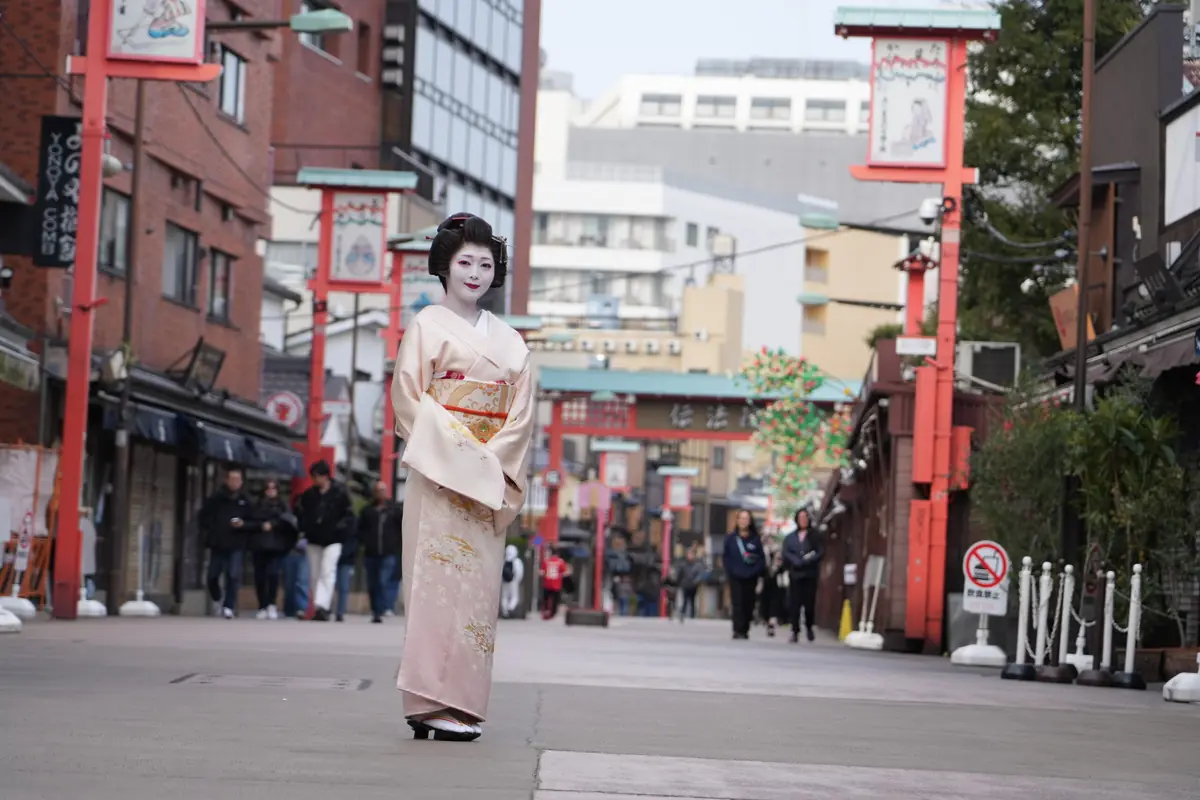
The word geisha is composed of two distinct characters: gei meaning art and sha meaning person. Therefore, a geisha is literally an artist. In regions like Kyoto, these women are referred to as geiko, which carries a similar meaning of a woman of art, while their young apprentices are called maiko. Their work is a complex and demanding blend of performing arts, including classical music, traditional dance, and the high art of social grace. This combination makes them some of the most respected and influential female figures in Japanese history. Their presence was a staple of life in major cities like Edo, Kyoto, and Osaka, where they navigated a world that was strictly separated by class and rules.
To understand their identity is to understand the concept of omotenashi, the Japanese spirit of selfless hospitality. A geisha anticipates the needs of her guests, creates an atmosphere of refined comfort, and ensures that every individual in the room feels respected. This is a profession built on years of observation, and relentless practice. In today’s world, they represent a living continuity of culture — and they continue to adapt to the modern day while keeping their core traditions set in stone.
The Historical Roots and the Samurai Connection
The story of the geisha began in a way that often surprises modern audiences: it did not start with women, but with men. In the 17th century, male entertainers known as taikomochi or hokan worked within the entertainment quarters of Japan. These men were the jesters, musicians, and storytellers of their time. They were hired to entertain customers who were waiting for their appointments with high-ranking oiran. These male performers were masters of wit and rhythm, keeping the atmosphere lively and the sake flowing in the main entertainment houses of the day.
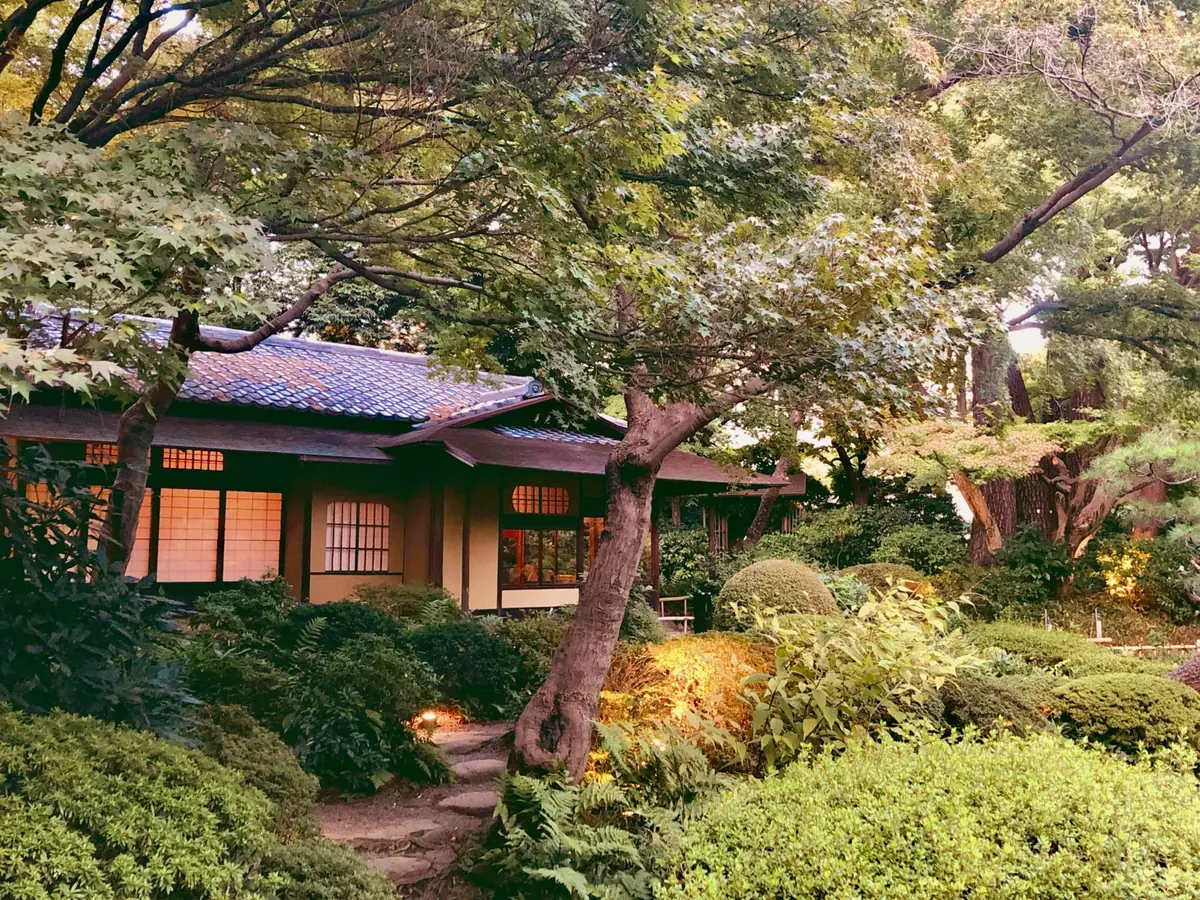
Women began entering the profession in the 17th century. As the samurai class sought more refined and intellectual forms of entertainment beyond the physical services of the pleasure quarters, female geishas started to fill this void. By the 1780s, female geishas had significantly outnumbered the male performers. The samurai, who were the elite of Japanese society at the time, became the primary clients of these talented women. The relationship between the geisha and the samurai was one of mutual artistic appreciation. Geishas were often the only women allowed to speak freely with men of high status about politics and philosophy.
During this era, the government established strict policies to maintain social order. It was vital for the government to distinguish geishas from the licensed prostitutes who lived in the pleasure quarters like Yoshiwara. Geishas were strictly prohibited from engaging in the sex trade. They were required to be registered and to belong to a registered okiya or geisha house. This legal separation allowed the geisha to develop into a prestigious professional class of artists, focused entirely on high-end entertainment. They became the main attraction in the teahouses of the growing cities, providing a service that was intellectual and artistic.
The Meiji Restoration and the Evolution of Clothing
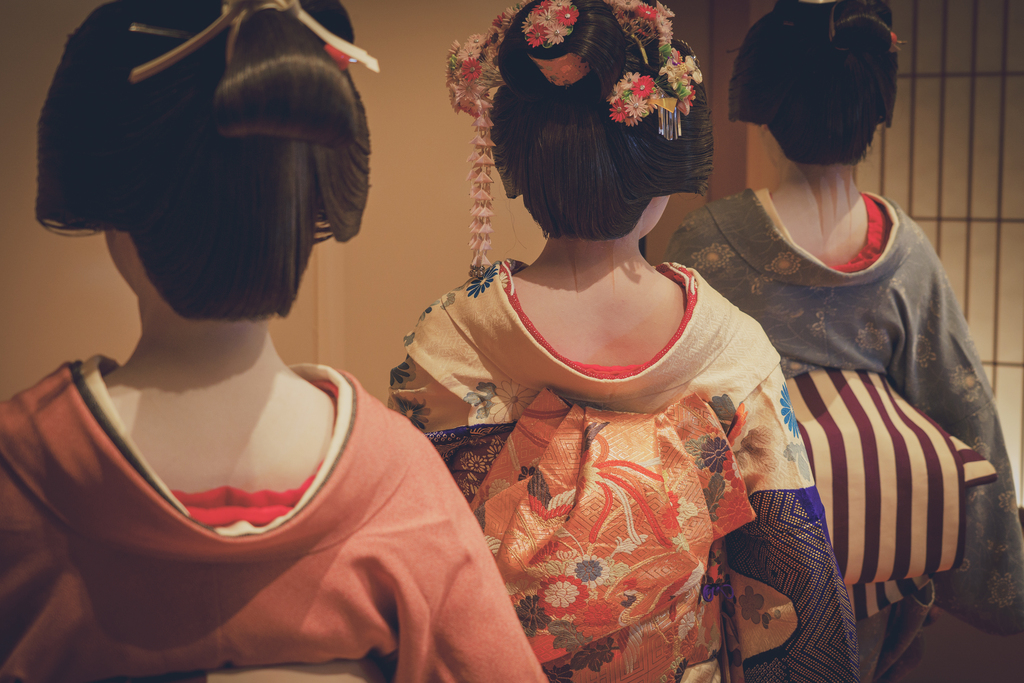
The Meiji period, which began in 1868, marked a massive shift in Japanese society. As the country opened its doors to the West, many aspects of daily life changed. However, the geisha world became a guardian of traditional clothing and aesthetics. While the general public started to adopt western suits and dresses, the geisha continued to wear the kimono, keeping the traditional styles alive for future generations to see.
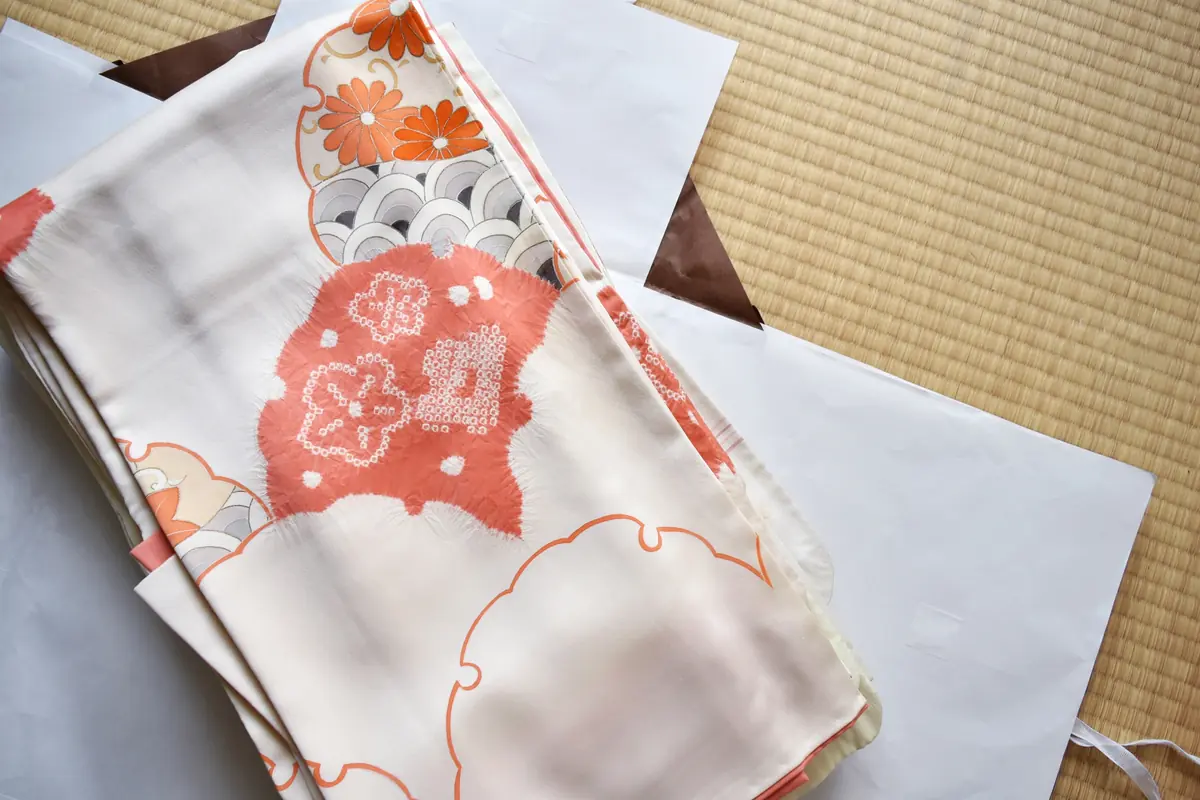
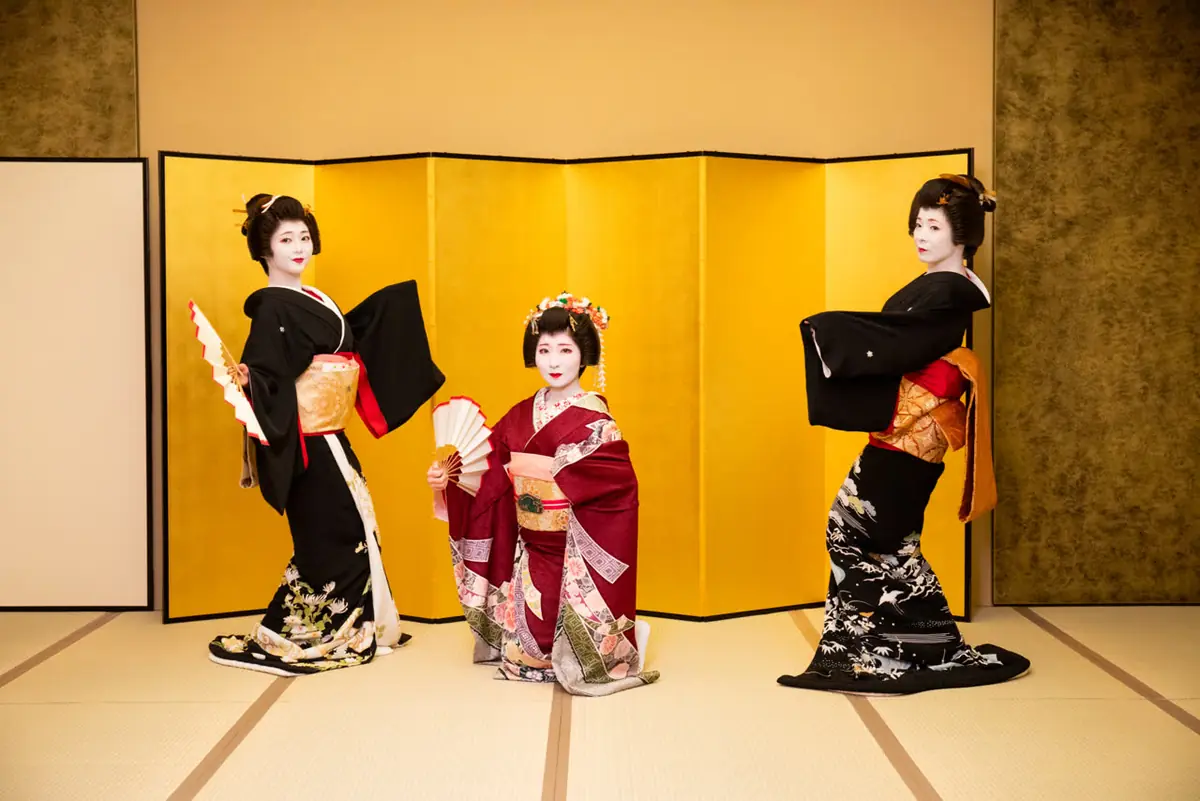
Their appearance is a meticulously crafted art form. Every element of her appearance, from the slope of her collar to the specific hairstyle, conveys a specific status and age. For example, the difference in the makeup and clothing of a maiko versus a seasoned geiko is a language that people in the hanamachi understand perfectly.
This era also saw geishas playing a role in the political life of the new Japan. Many influential leaders of the Meiji government had close relationships with geishas, and the teahouses became the secret meeting places where the future of the nation was decided. Despite the rapid modernization, geishas remained essential to the social life of the elite, proving that their skills in conversation and art were timeless.
The Rigorous Path of Training and Studies
Becoming a geisha is a life-long commitment to the mastery of Japanese traditional culture. A young girl entering the profession would traditionally start as a shikomi, performing household chores while observing her seniors. This period of training focuses on learning the nuances of etiquette and the basics of traditional performing.
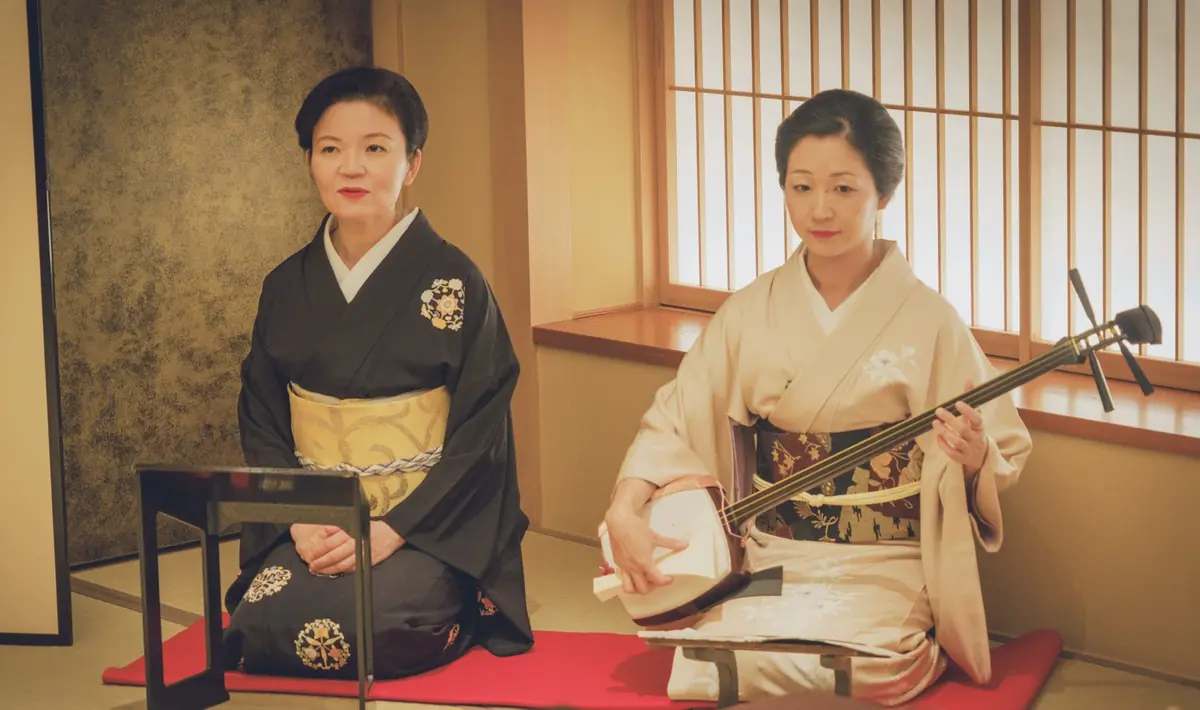
A geisha must master several instruments, the most prominent being the shamisen. This three-stringed instrument provides the musical foundation for their dances. They also spend hours in studies of traditional singing, the tea ceremony, and musical instruments. Their education also includes a deep understanding of Kabuki theater, as many of their dances and movements are influenced by the stylized performances of the Kabuki stage.
In cities across Japan, from the famous districts of Kyoto to the historic quarters of Kanazawa and the lively streets of Tokyo, the training process remains rigorous. The numbers of young women joining the profession have fluctuated over the years, but those who stay are dedicated to the highest standards of art. They are scholars of tradition who spend their entire life refining their skills to provide the best service possible to their guests.
Geisha Districts and the Modern Day Challenges
The world of the geisha thrives in specific districts known as hanamachi. While Kyoto’s Gion is world-famous, other cities like Kanazawa and Tokyo have maintained their own vibrant traditions. These districts are home to the houses where geisha live and the restaurants and teahouses where they work. The scale of the profession has changed greatly over the last century. In Asakusa alone, the hanamachi counted over 1,060 geisha and some 300 licensed venues at its peak in the early 20th century; today, approximately 20 geisha carry the tradition forward here, with 2 licensed venues still hosting ozashiki banquets. What remains is not a faded copy of the past — it is a concentrated essence, sustained by artists who chose to continue. To experience this world today, see our Ultimate Guide to Geisha Dinner in Tokyo.
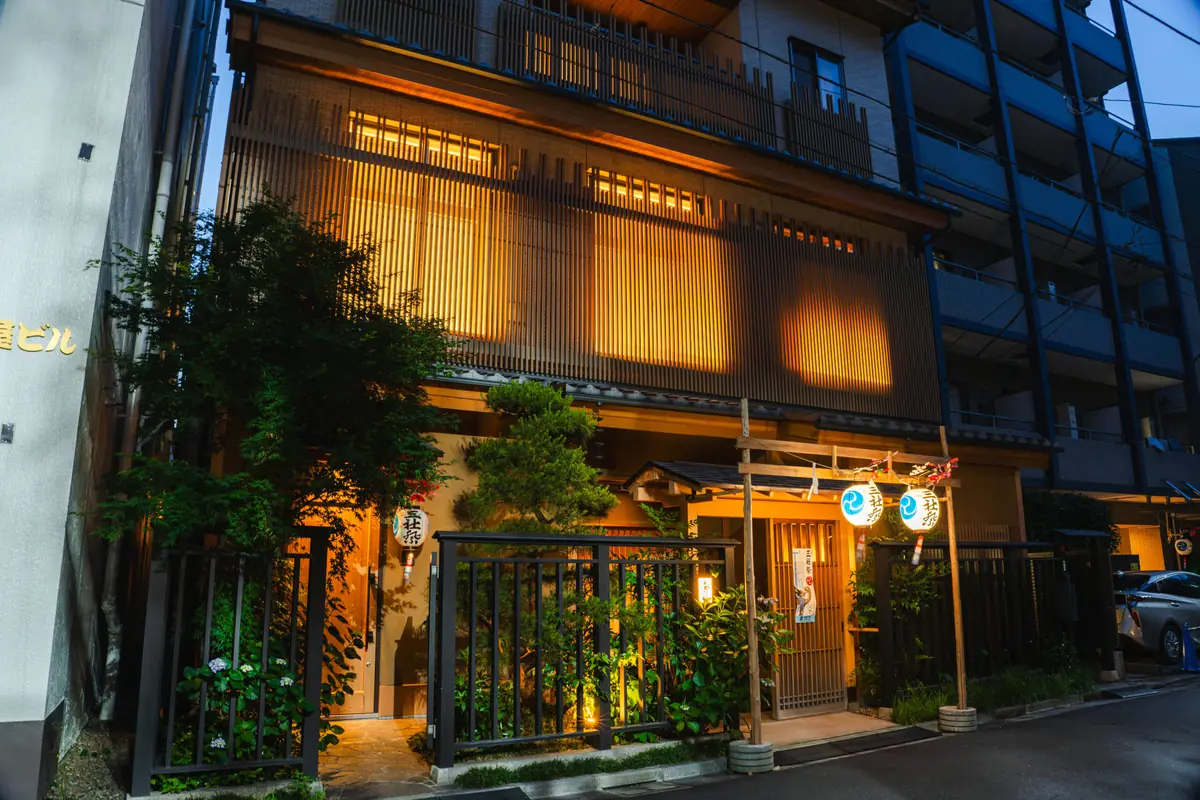
Today’s geishas have also found new ways to continue their legacy. Many houses and individual artists now have a presence on the internet, sharing the culture with a global audience. This has helped attract tourists who are looking for an authentic experience rather than a superficial one. Tourists often visit these districts hoping to catch a glimpse of a geisha, but the best way to understand the culture is to attend a special event or a dinner where they are performing.
Modern geisha have also adapted their services to meet the needs of a changing world. While they still serve the traditional elite, they also welcome international business clients and groups who are interested in Japanese history. The rules of the hanamachi are still respected, but there is a growing openness to sharing the beauty of the flower and willow world with anyone who shows genuine respect for the tradition.
The Art of Playing and Entertaining the Guests
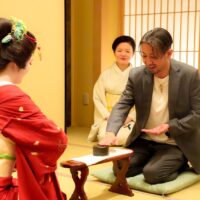
One of the highlights of an evening with geisha is the ozashiki-asobi, or teahouse games. These are traditional games played between the geisha and their customers to create a sense of fun and intimacy. Many of these games involve rhythmic hand-clapping, simple props, or variations of rock-paper-scissors, all played to the music of the shamisen.
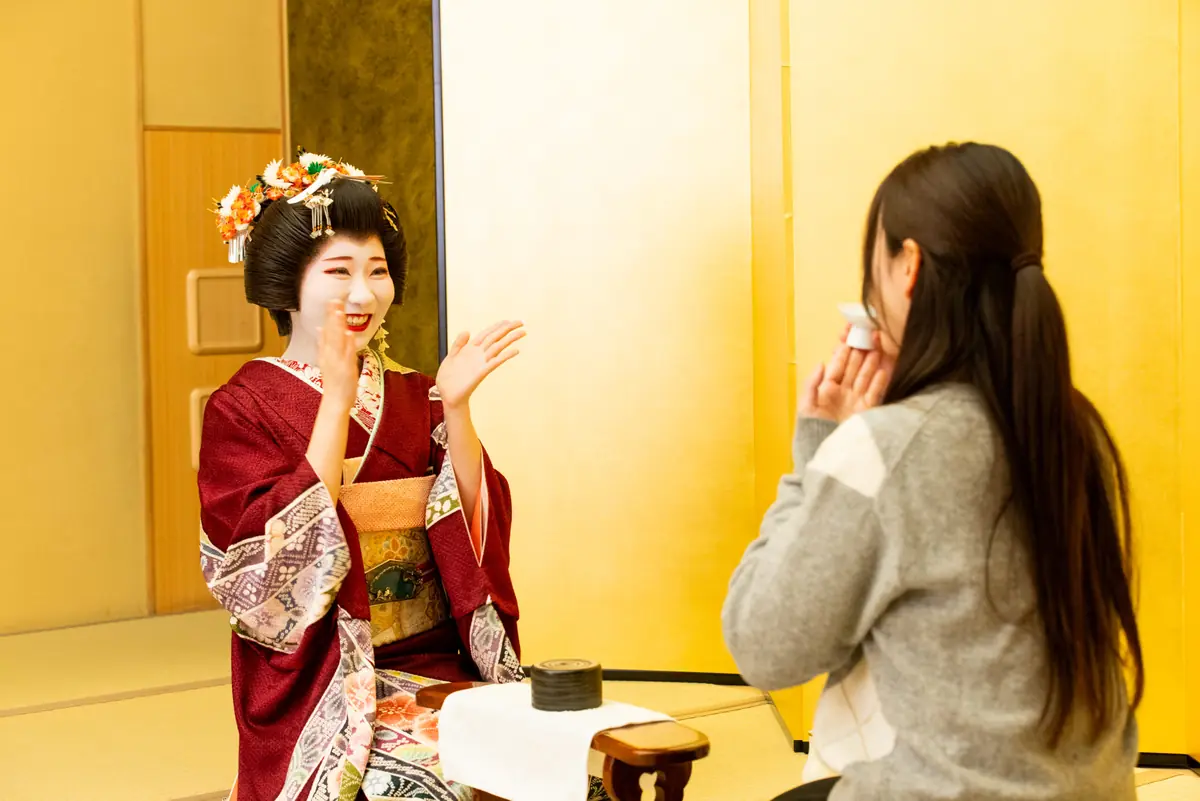
Playing these games requires the geisha to be incredibly observant. She must set the pace of the evening, ensuring that the guest is having fun without feeling overwhelmed. This skill in social management is what separates a true geisha from a simple performer. They are experts at reading the room and knowing when to tell a joke, when to pour more sake, and when to perform a quiet, soulful dance. These services are what make a night in a traditional restaurant so special and why customers continue to return year after year.
Kyoto vs. Tokyo: Different Styles of the Flower World
While the world often looks to Kyoto for geisha tradition, the Tokyo districts offer a distinct and equally important history. Kyoto geisha culture is defined by imperial refinement and a soft, graceful aesthetic. In contrast, the geisha of Tokyo, particularly in Asakusa, embody the spirit of iki. This style is more chic, spirited, and closely connected to the merchant classes of old Edo.
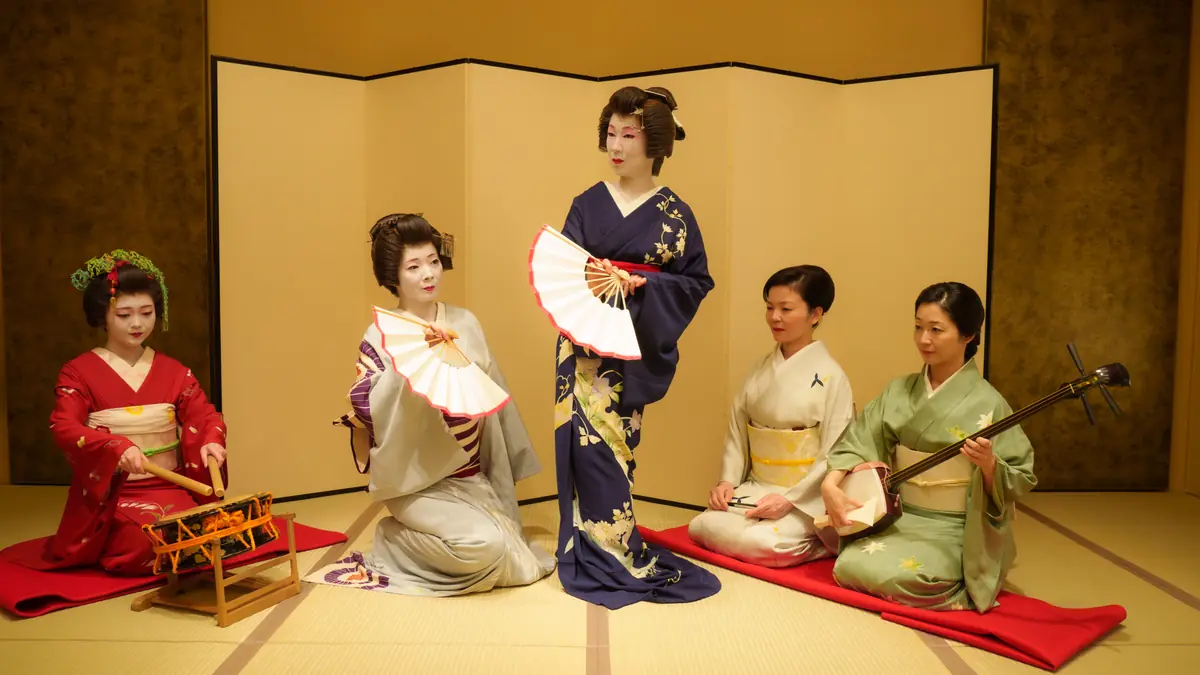
Asakusa remains one of the few places where the open and welcoming spirit of the old neighborhood still thrives. While some districts in other cities can be very closed to outsiders, Asakusa geisha have a tradition of being more approachable while still maintaining the highest levels of skill. This makes Asakusa a fantastic place for someone who wants to experience geisha culture for the first time.
Experience the Living History of Geisha in Asakusa
Step beyond the pages and into a private ozashiki (geisha banquet) at Miyakodori — Asakusa’s only machiai-chaya, welcoming first-time guests since 1950.
Request a ReservationAsakusa Miyakodori and the Authentic Experience
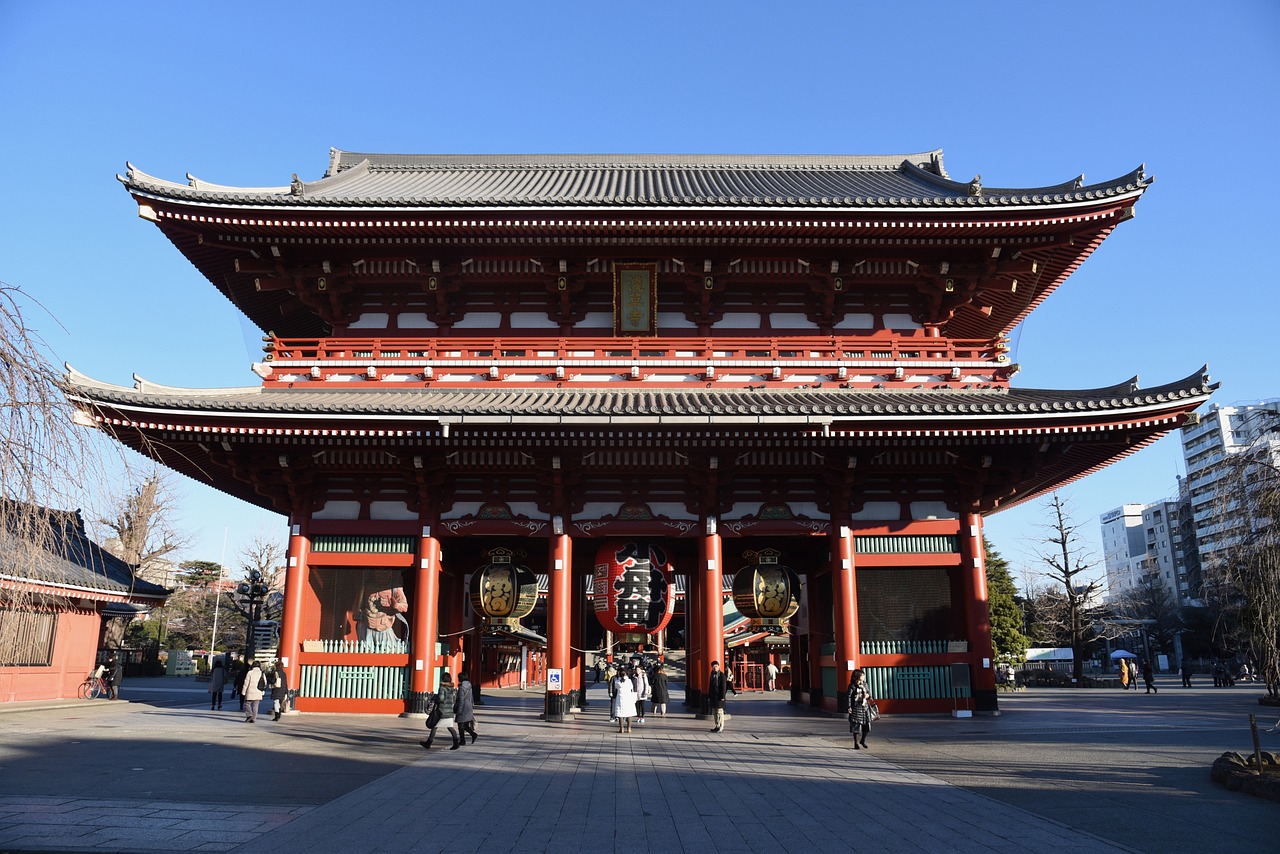
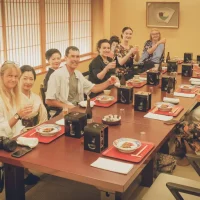
For those looking to stay in Tokyo and experience the pinnacle of this culture, Asakusa Miyakodori is a premier destination. Founded in 1950, it is the only remaining machiai-chaya in the Asakusa Kannon-ura district. This historic establishment allows you to host private parties in beautiful rooms where you can enjoy seasonal cuisine while being entertained by the skilled geisha of Asakusa.
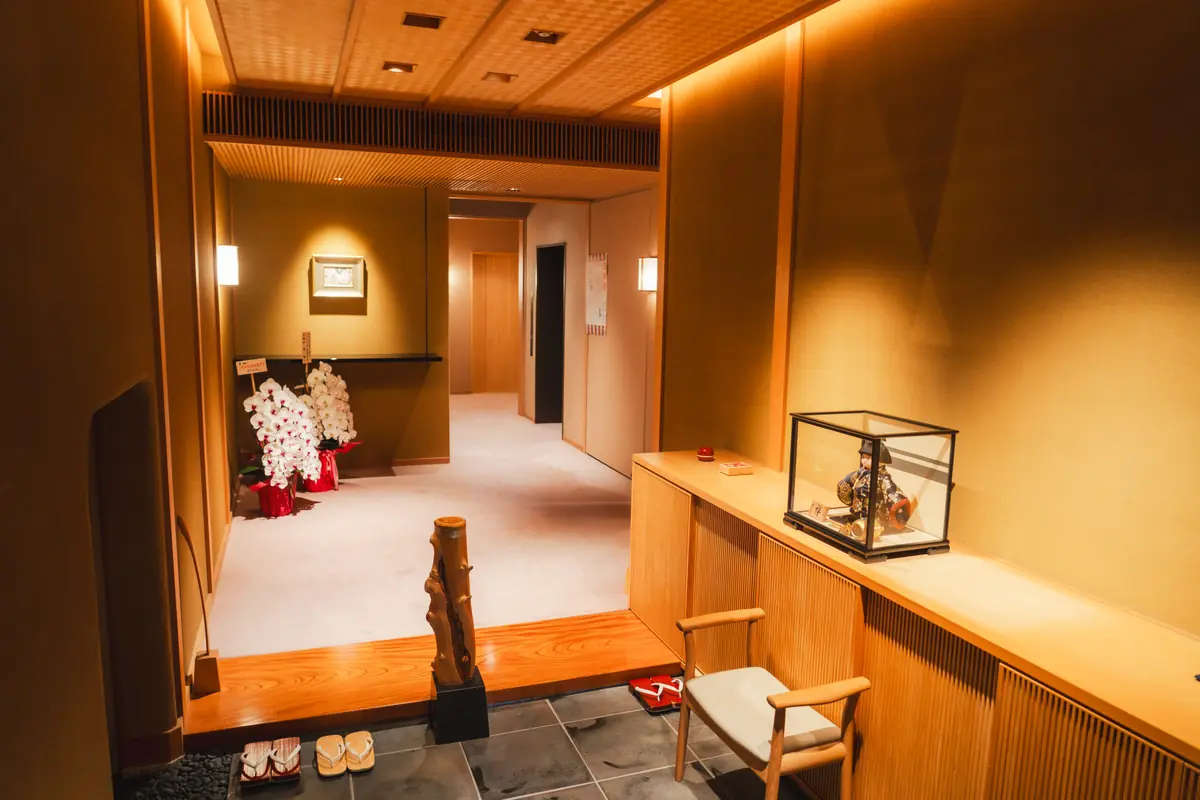
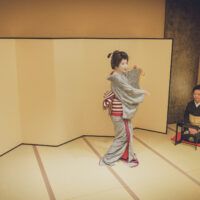
Asakusa Miyakodori is dedicated to providing an authentic experience for both local clients and international tourists. They offer a range of services, including halal-friendly meals, to ensure that everyone feels welcome. When you attend an evening at Miyakodori, you are a participant in a history that has survived for centuries. You can witness beautiful dances, listen to traditional instruments, and learn the rules of the house from the geisha themselves. It is a place where the past and present meet, ensuring that the traditions of the Edo period continue to flourish in the modern day.
The Future of a Living Tradition
Geisha are a testament to the resilience of Japanese culture. These artists have navigated the fall of the samurai, the modernization of the Meiji era, and the challenges of the modern day. They continue to be the main guardians of Japan’s aesthetic heart, proving that true art and hospitality never go out of style.
If you are planning a trip to Japan, don’t settle for just reading about these women. Take the time to attend a performance or book a dinner at a place like Asakusa Miyakodori. By doing so, you are supporting the people who work every day to keep this beautiful history alive.
Related Guides
Experience graceful performances, warm hospitality, and a timeless atmosphere where Japan’s living traditions come to life.
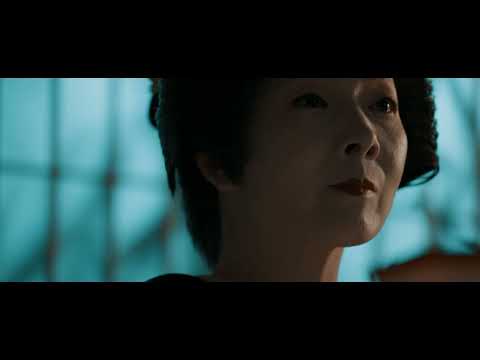
- Private Ozashiki Banquets: An intimate, refined encounter with authentic Asakusa geisha.
- Traditional Geisha Artistry: Graceful dance, live shamisen, and interactive ozashiki games.
- Historic Machiai-chaya Setting: A timeless cultural experience in a traditional teahouse established in 1950.
- English Support Available: Attentive assistance for international guests throughout your visit.
Common Questions About Geisha History and Culture
Are geishas and prostitutes the same thing?
No, this is a common misconception. In fact, geishas were historically and legally separate from prostitutes. Geishas are professional entertainers and artists who focus on dance, music, and conversation.
How can I attend a geisha performance?
The best way is to book a dinner at a traditional restaurant or teahouse like Asakusa Miyakodori. Some districts also hold public dances at certain times of the year.
What instruments do geishas play?
The main instrument is the shamisen, but they also learn to play various drums and the bamboo flute.
Can tourists meet geisha?
Yes, many districts now welcome tourists. Asakusa Miyakodori welcomes first timers and international guests.
What are the rules for interacting with a geisha?
The main rules are to show respect, avoid touching their expensive clothing, and follow the lead of the geisha during games and conversation.
Is geisha culture still alive today?
Yes — geisha culture is actively practiced today. In Asakusa, approximately 20 geisha continue to perform at private ozashiki banquets, the annual Asakusa Odori brings their artistry to a public stage, and venues like Miyakodori welcome international guests directly. The art form is smaller in scale than a century ago, but its quality and spirit remain remarkably high.


- BestRestaurants in Asakusa for Dinner: A Complete Guide (2026 Edition)
- The Ultimate Guide to Tokyo Dinner Shows 2026
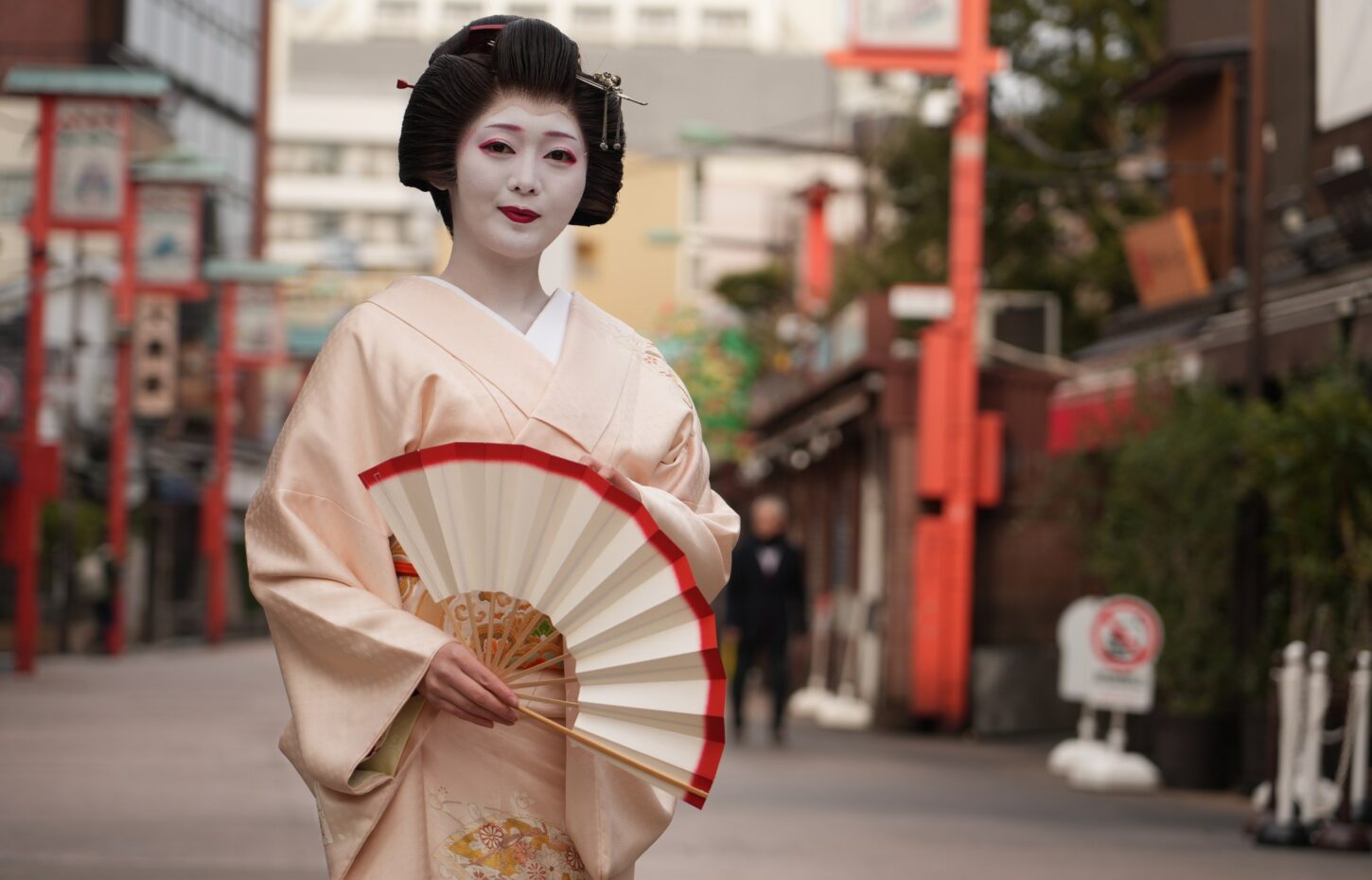
Japanese Culture and History: A Complete Guide for International Travelers
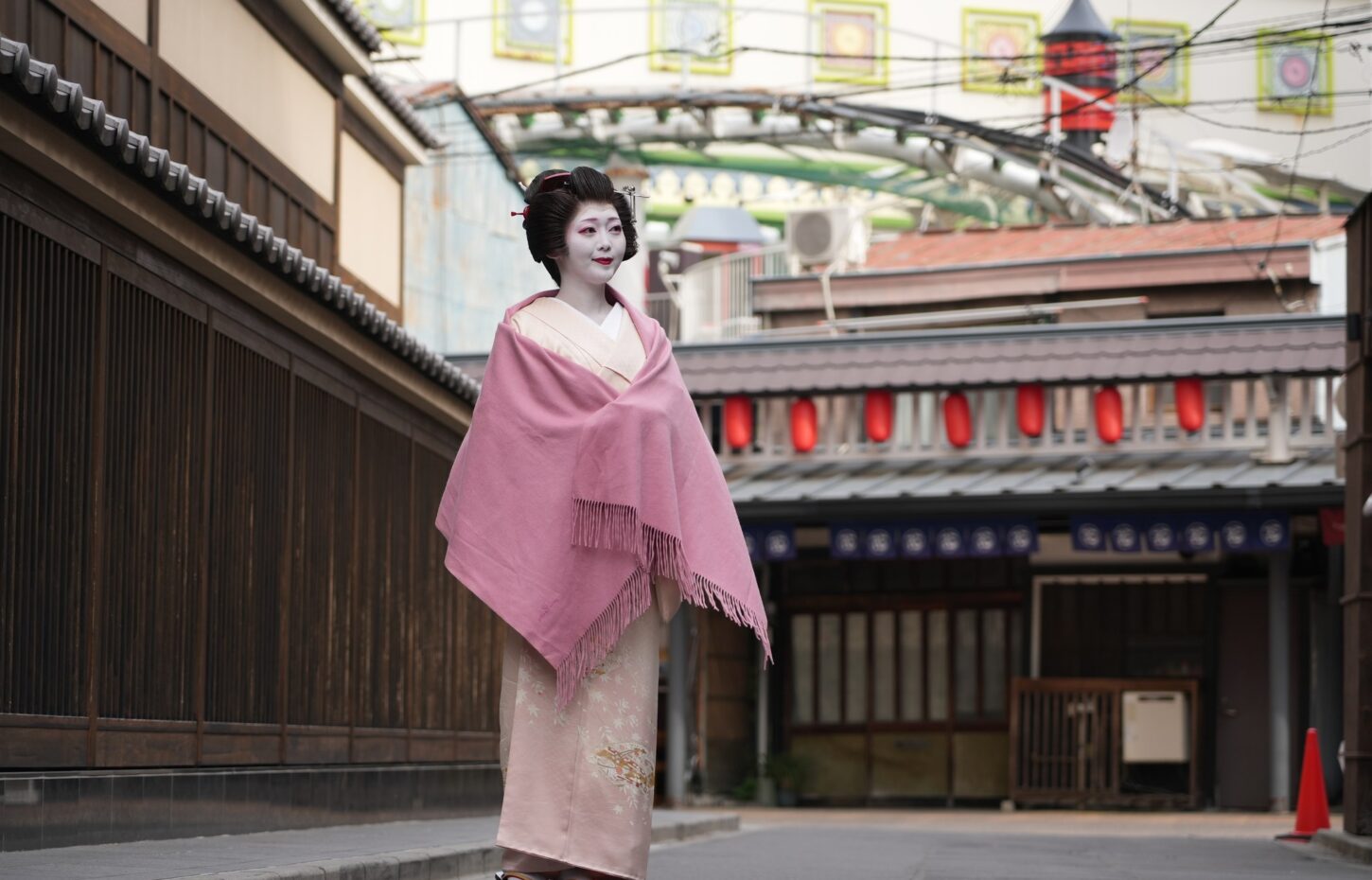
Japanese Culture: Traditions, Arts and Living Heritage — Complete Guide
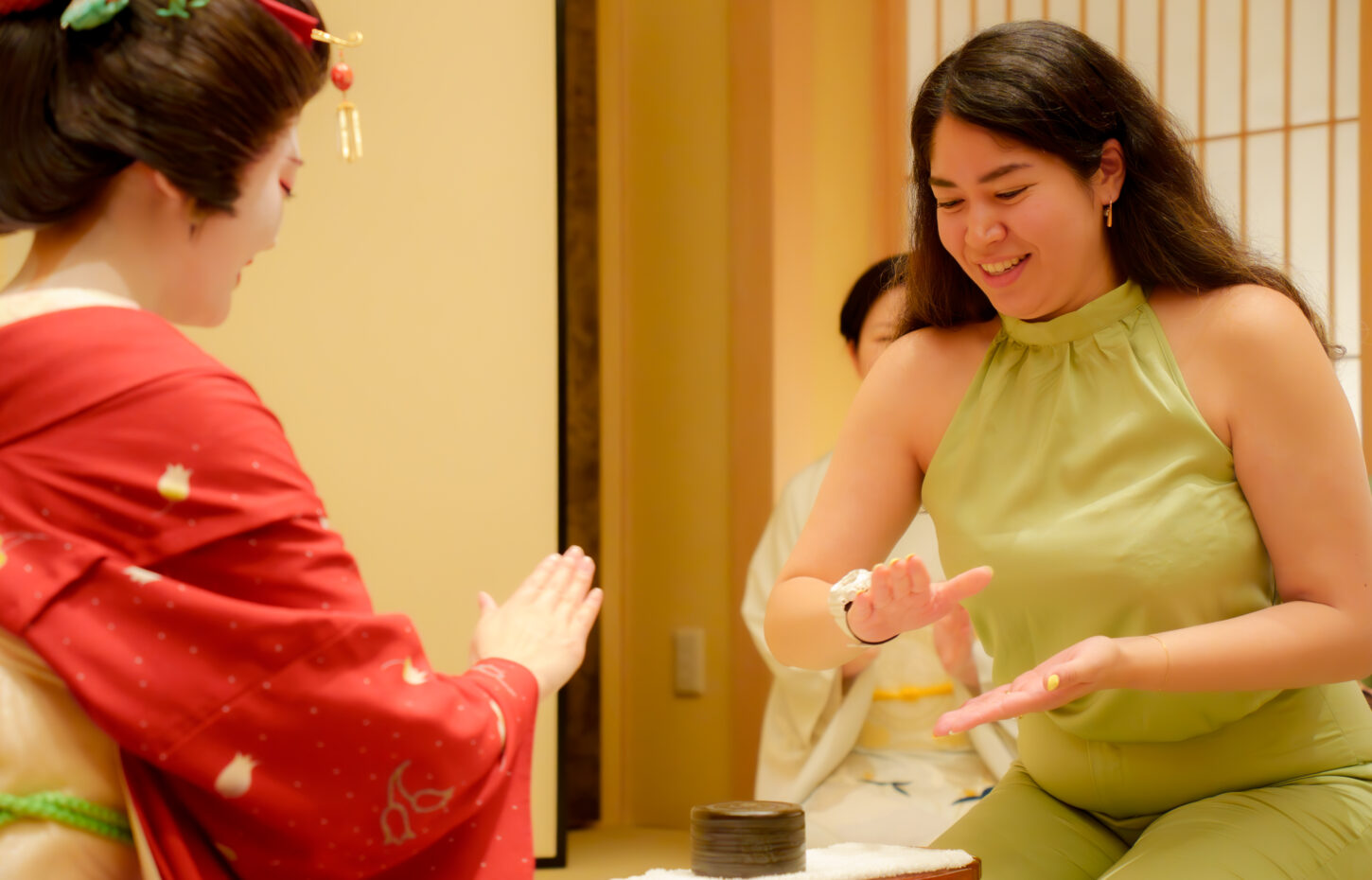
Konpira Fune Fune: The Geisha Game Explained (Rules & History)
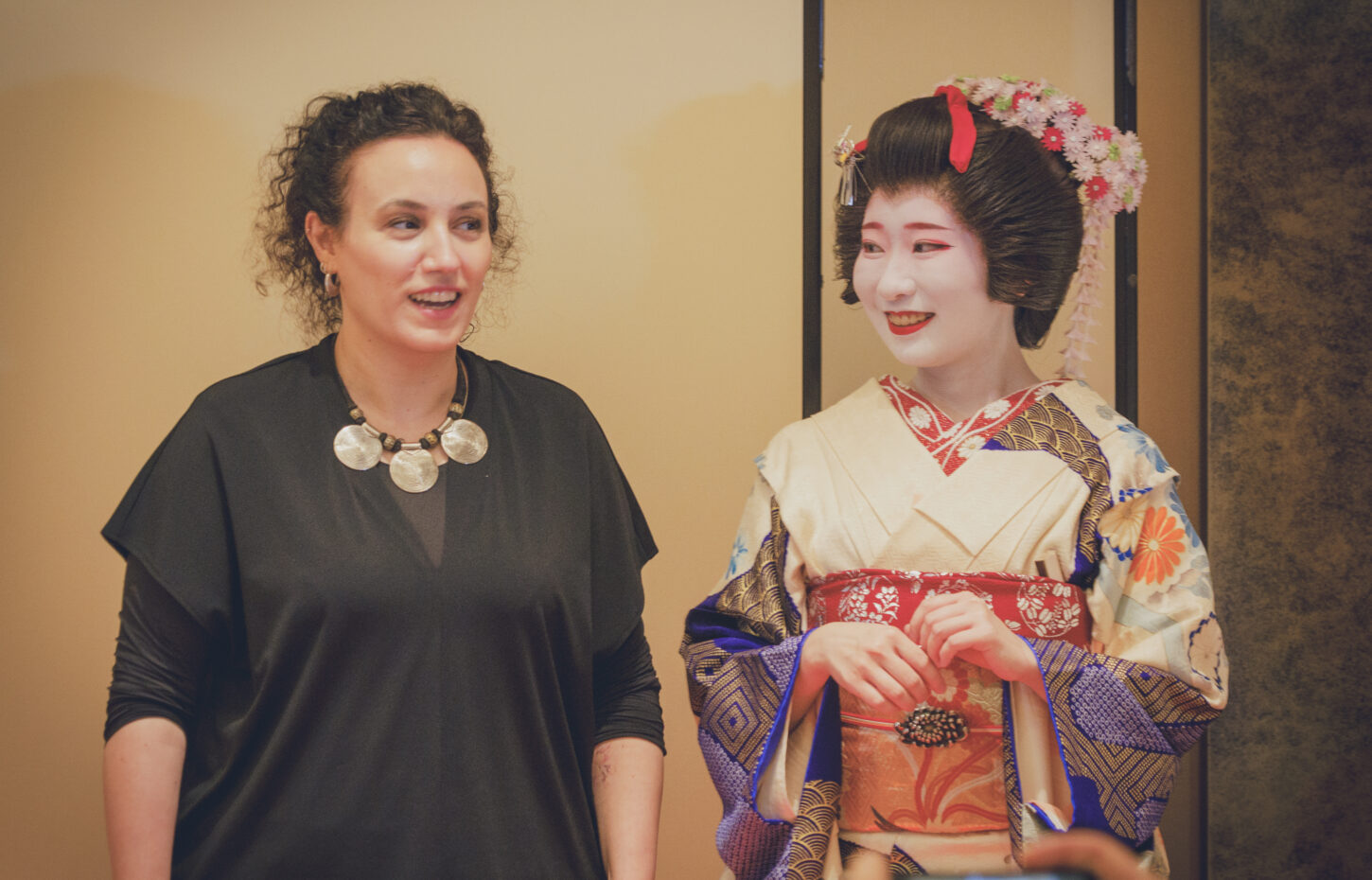
1,060 to 20: A Third-Generation Owner on What Changed in Asakusa’s Geisha World
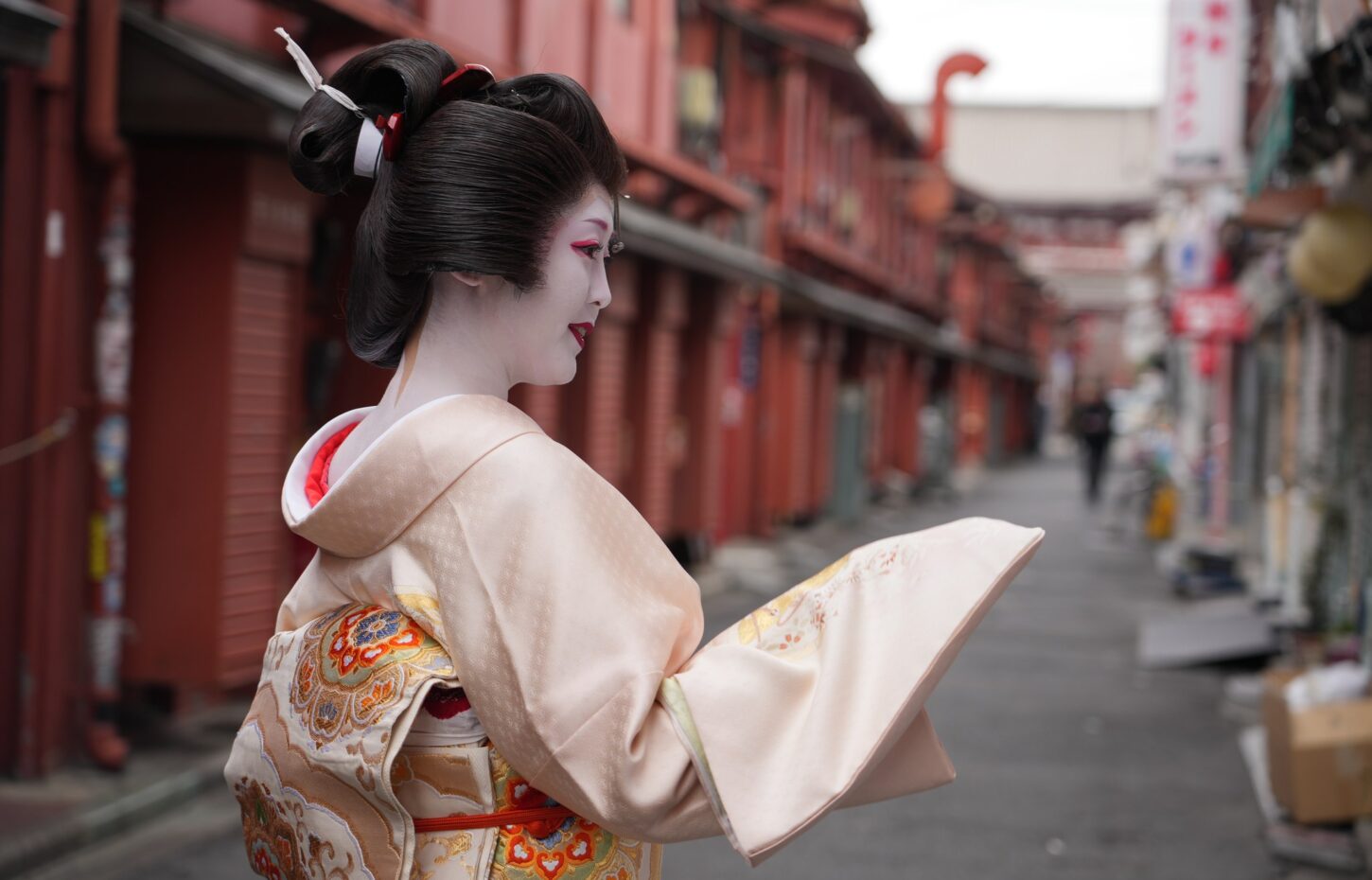
Asakusa Geisha: Where to Meet Real Geisha in Tokyo
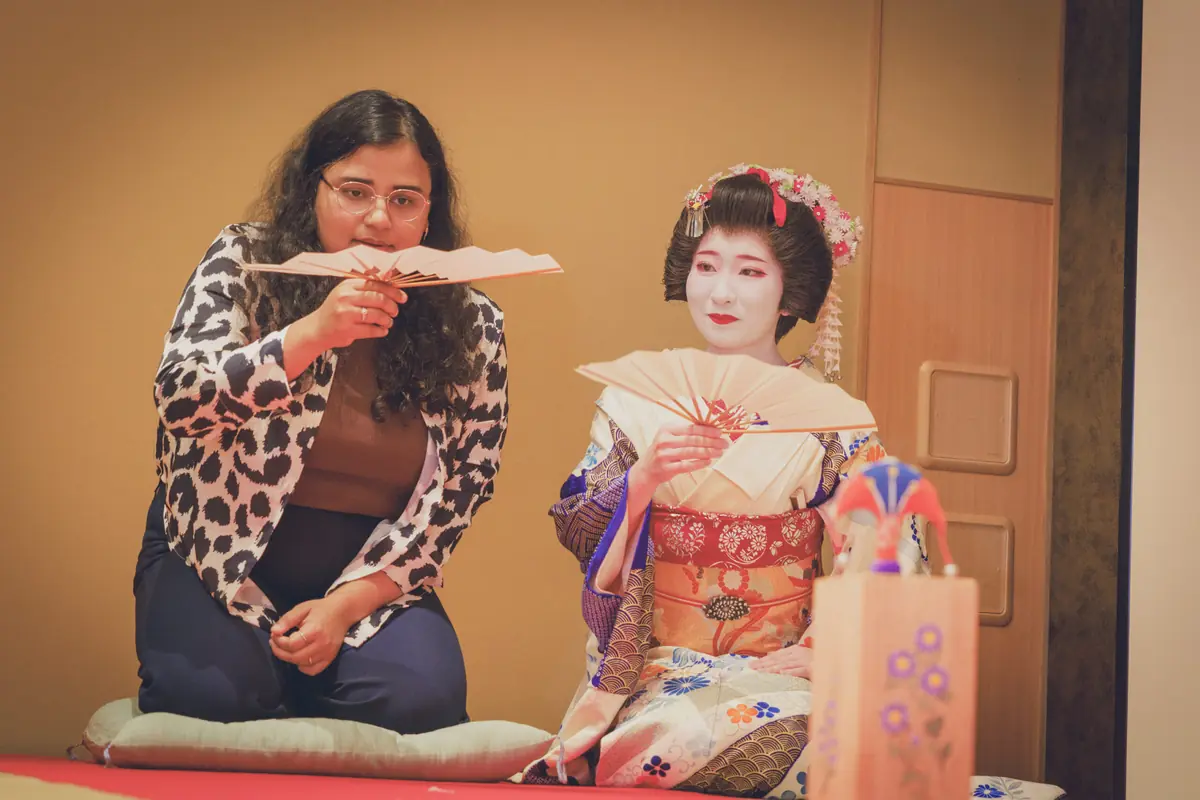
UNLOCKING THE SECRETS OF OZASHIKI GAMES: TRADITIONAL GEISHA PLAY
Comment ( 0 )
Trackbacks are closed.
No comments yet.