



Japanese Culture: Traditions, Arts and Living Heritage — Complete Guide
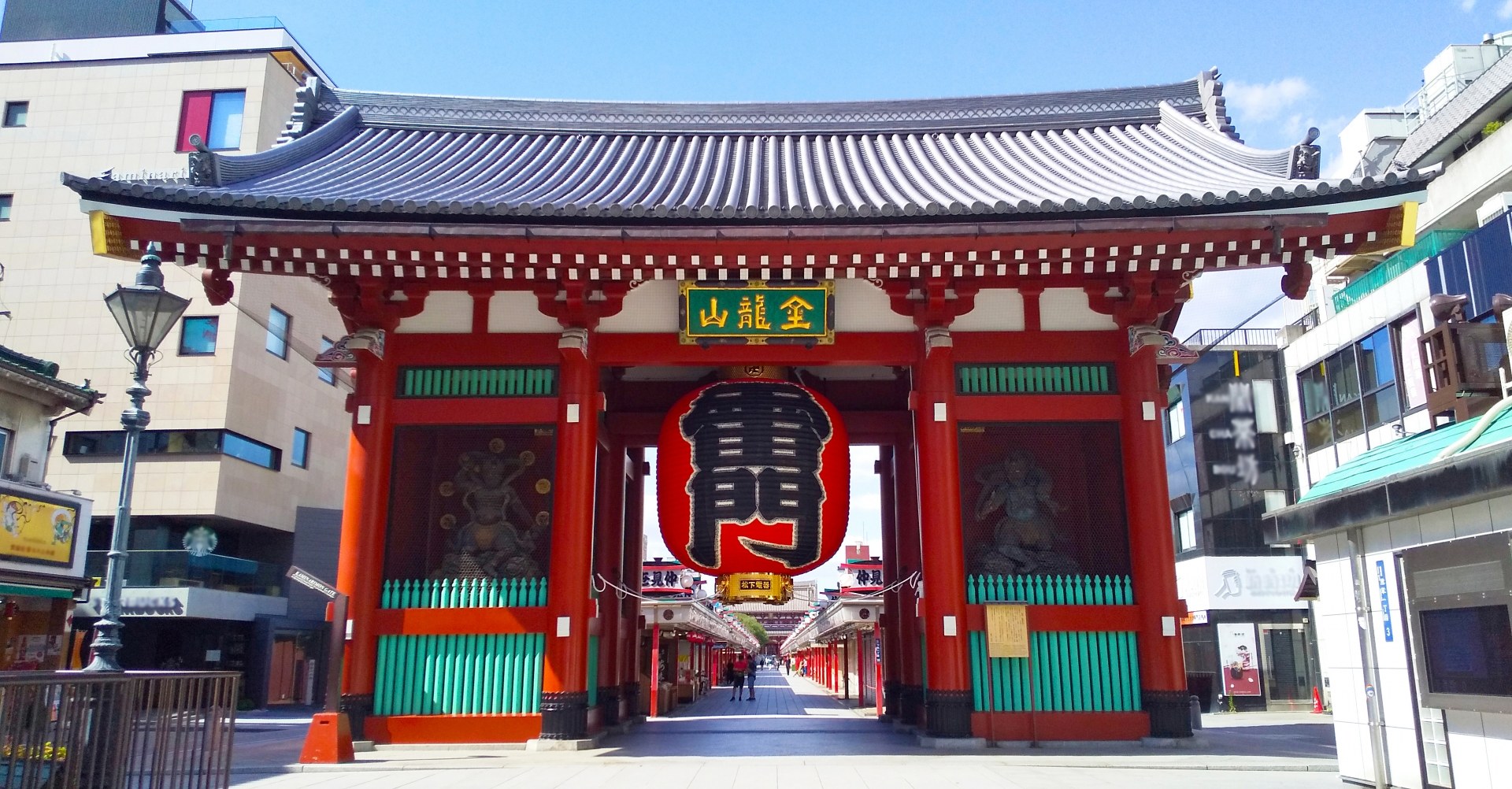
The global fascination with Japanese culture continues to grow as international travel reaches new heights in 2026. For centuries, this island nation in East Asia has managed a delicate balance between preserving its ancient traditions and embracing rapid modern change. In modern times, when people look at Japan, they see a country where western influence and technological progress exist alongside deep cultural roots. This unique combination makes the land a major point of interest for anyone exploring Asian heritage.
Understanding this cultural transformation requires looking beyond the surface of popular media to feel the actual rhythm of everyday life. From the quiet beauty of a tea ceremony to the busy streets of Tokyo, the country provides an experience that challenges and delights the mind at the same time. Traditional practices are not merely historical artifacts; they are living elements woven into the social fabric of contemporary society. As global communication connects different societies, the timeless values of harmony and respect remain at the heart of the nation.
Whether you are planning a trip or simply want to learn about this fascinating country, this comprehensive guide will open the door to a deeper understanding. By exploring these foundational pillars, you will discover the enduring spirit of a nation that continues to inspire the world.
Historical Foundations of Japanese Culture
The rich history of Japan is a magnificent tapestry woven over thousands of years, with major eras shaping the modern nation we see today. The early development of Japanese society can be traced back to the imperial courts of Nara and the long, elegant Heian period, which began in the year 794. During these foundational times, the emperor and the court nobility fostered a sophisticated cultural identity that was heavily influenced by continental Asia, including early connections with China and Korea. This early era established a deep appreciation for classical literature and architecture, creating a solid foundation for the country’s unique aesthetic values.
In the year 1185, a dramatic shift occurred as the samurai warrior class rose to political prominence, moving the central power away from the imperial court and establishing military rule. This transition changed the social landscape and introduced a strict code of conduct that still echoes in contemporary life. Centuries later, the famous Edo period brought a prolonged era of national stability under the Tokugawa shogunate. A key policy of this time was a strict isolation that severely restricted foreign trade and travel for over two hundred years. This deliberate separation allowed original Japanese arts, entertainment, and folk stories to flourish away from western influence.
Cities like Kyoto, the main historical capital, and Edo, which would become the great city of Tokyo, developed into vibrant cultural centers. Different social groups, from merchants to performing artists, contributed to the lively urban culture. Today, the historical development of the nation is preserved at every major site and castle across the country, serving as a primary link to a fascinating past. Anyone who takes the time to explore these regions can easily feel the presence of the past and understand how these diverse elements combined to form a unique cultural heritage.
Language and High-Context Communication Styles
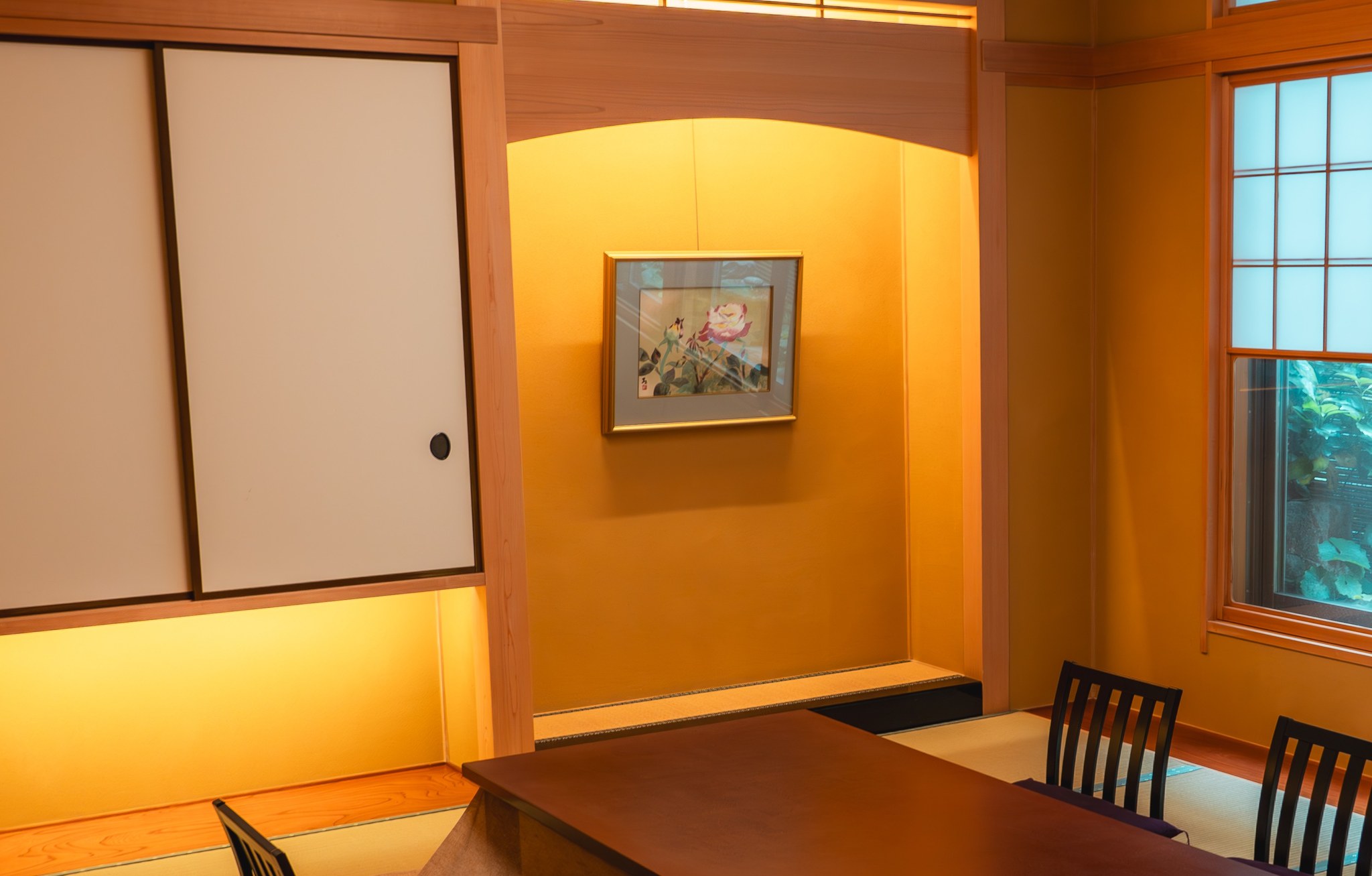
The Japanese language is a reflection of the intricate social structures and values that define the country. It consists of multiple writing systems, a complex feature that developed over centuries of linguistic evolution. The earliest form of written communication relied heavily on Chinese characters, known as kanji, which were introduced to the islands through trade and religious exchanges. Over time, the people created two additional phonetic alphabets, hiragana and katakana, to express native words and grammatical relationships. This combination allows for a highly nuanced form of written expression that requires students to spend years mastering the official language.
Beyond vocabulary and grammar, understanding communication in Japan requires a deep awareness of social context and etiquette. Unlike English, where meaning is usually explicit, Japanese is a high-context language where what is left unsaid is often as important as the spoken word. The concept of harmony is paramount, which means people generally choose their words carefully to maintain positive relations and avoid direct conflict. Subtle terms and polite expressions change depending on the status and relationship of the people involved in a talk.
Non-verbal communication, such as bowing and maintaining a respectful distance, plays a vital role in everyday interaction. A simple gesture or a brief silence can carry a deep statement of respect or agreement. When foreign visitors search for ways to connect with local people, learning basic terms and custom rules can make a major difference. By appreciating these subtle concepts, you can navigate public and private spaces with confidence and respect.
Spiritual Roots: Shinto Beliefs, Buddhism, and Zen Philosophy
To truly understand the character of the Japanese people, one must explore the spiritual environment that shapes their worldview. The religious landscape of the country is unique because it is not defined by a single doctrine; instead, it is a harmonious blend of Shinto and Buddhism. Shinto is the indigenous spirituality of the islands, an ancient belief system centered on the reverence for nature and natural spirits called kami. In this tradition, divine spirits are believed to reside in all things, including ancient trees, mountains, rivers, and even seasonal flowers. This deep connection to the natural world explains why environmental harmony is such an essential value in everyday living.
Thousands of sacred shrines are located throughout the nation, serving as places where people perform simple rituals to bring good fortune and show gratitude. Alongside Shinto, Buddhism was introduced to Japan in the sixth century and had a profound influence on the culture, philosophy, and arts. Over the centuries, Zen Buddhism developed into a major school of thought, emphasizing meditation, mindfulness, and the beauty of simplicity. This philosophy directly influenced samurai warrior discipline and architectural design, visible in the minimalist style of traditional houses and temples.
Today, most people do not view these religions as separate choices, but rather as complementary parts of a single cultural identity. It is common for a family to celebrate a birth at a Shinto shrine and hold a memorial service at a Buddhist temple. These traditions guide public behavior and personal values, fostering a strong sense of community and respect for the world. Whether observing the quiet atmosphere of a mountain temple or participating in a local festival, visitors can feel the enduring soul of these ancient beliefs.
Traditional Performing Arts and Geisha Heritage
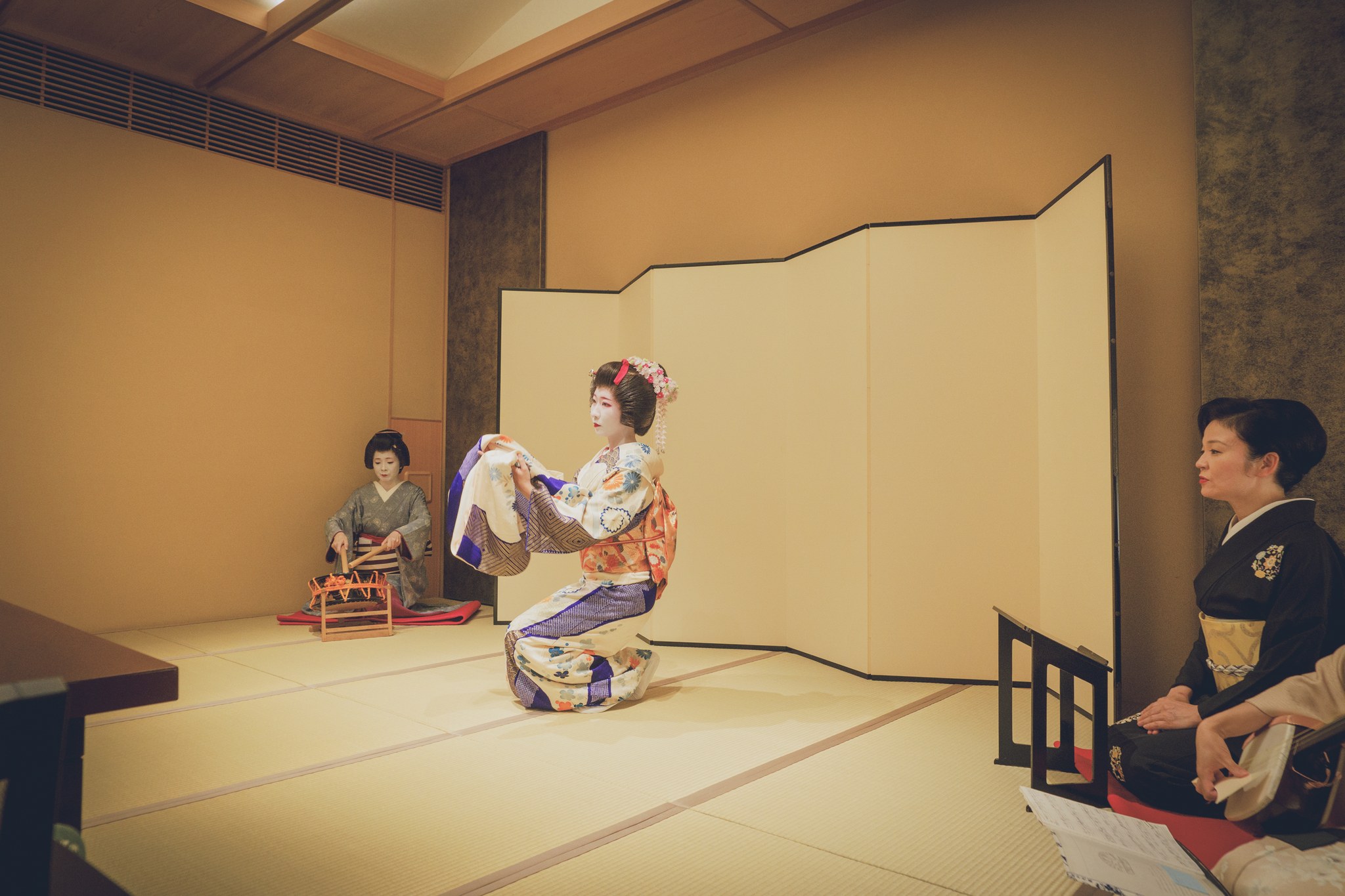
When exploring the traditional performing arts of Japan, one enters a world where history and creative expression merge perfectly. Over a long time, the nation has developed unique theatrical forms that captivate audiences with their visual beauty and emotional depth. Among these major arts, kabuki stands out as a highly stylized form of classical theater known for its dramatic makeup, energetic performance, and vibrant colors. Originating in the late sixteenth century, kabuki became a primary form of popular entertainment for urban residents during the Edo period. In contrast, noh represents an older, more subtle theatre tradition that dates back centuries. Noh consists of minimalist movements and beautifully carved masks, deeply reflecting Zen aesthetics and the value of restraint.
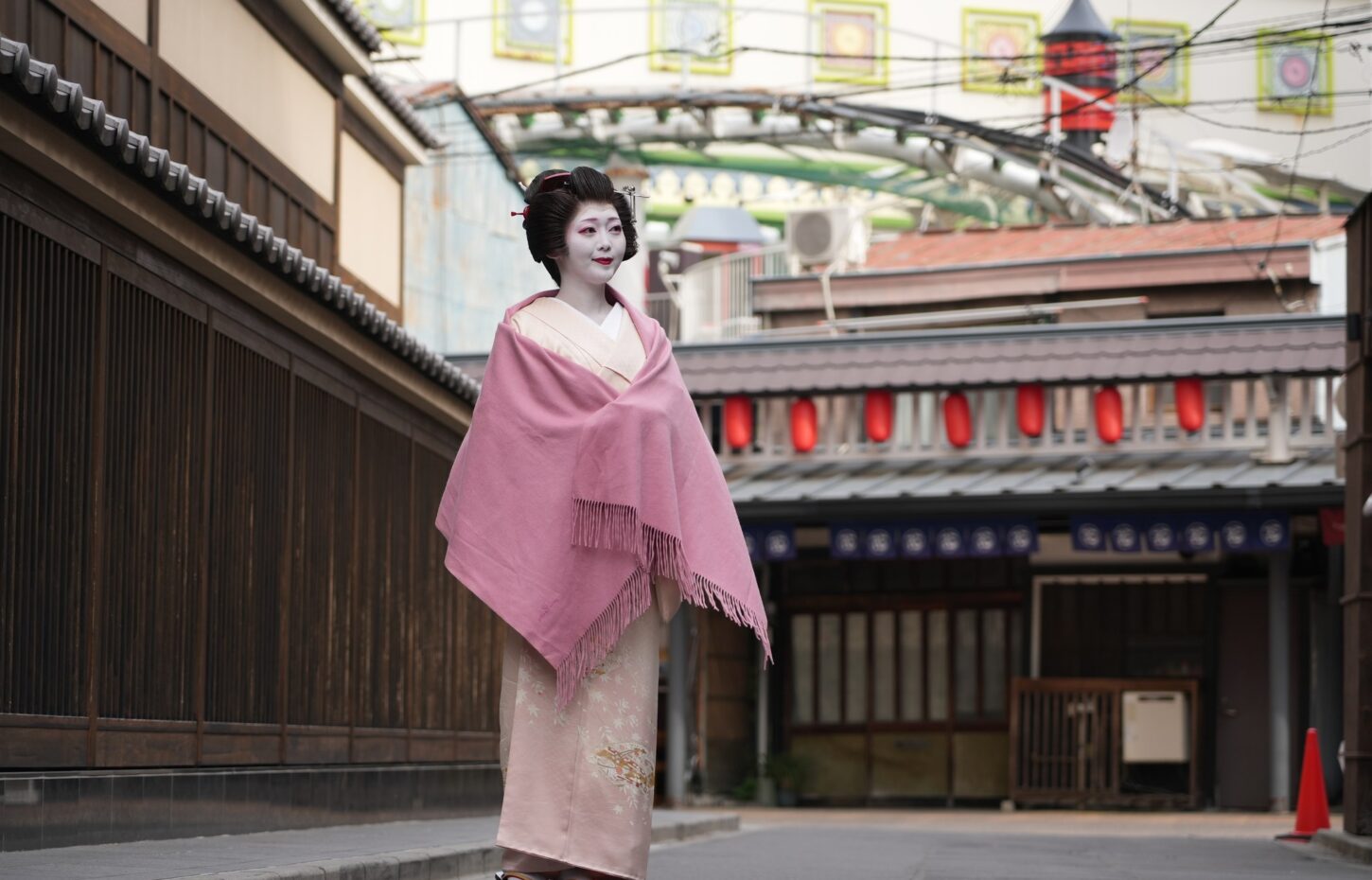
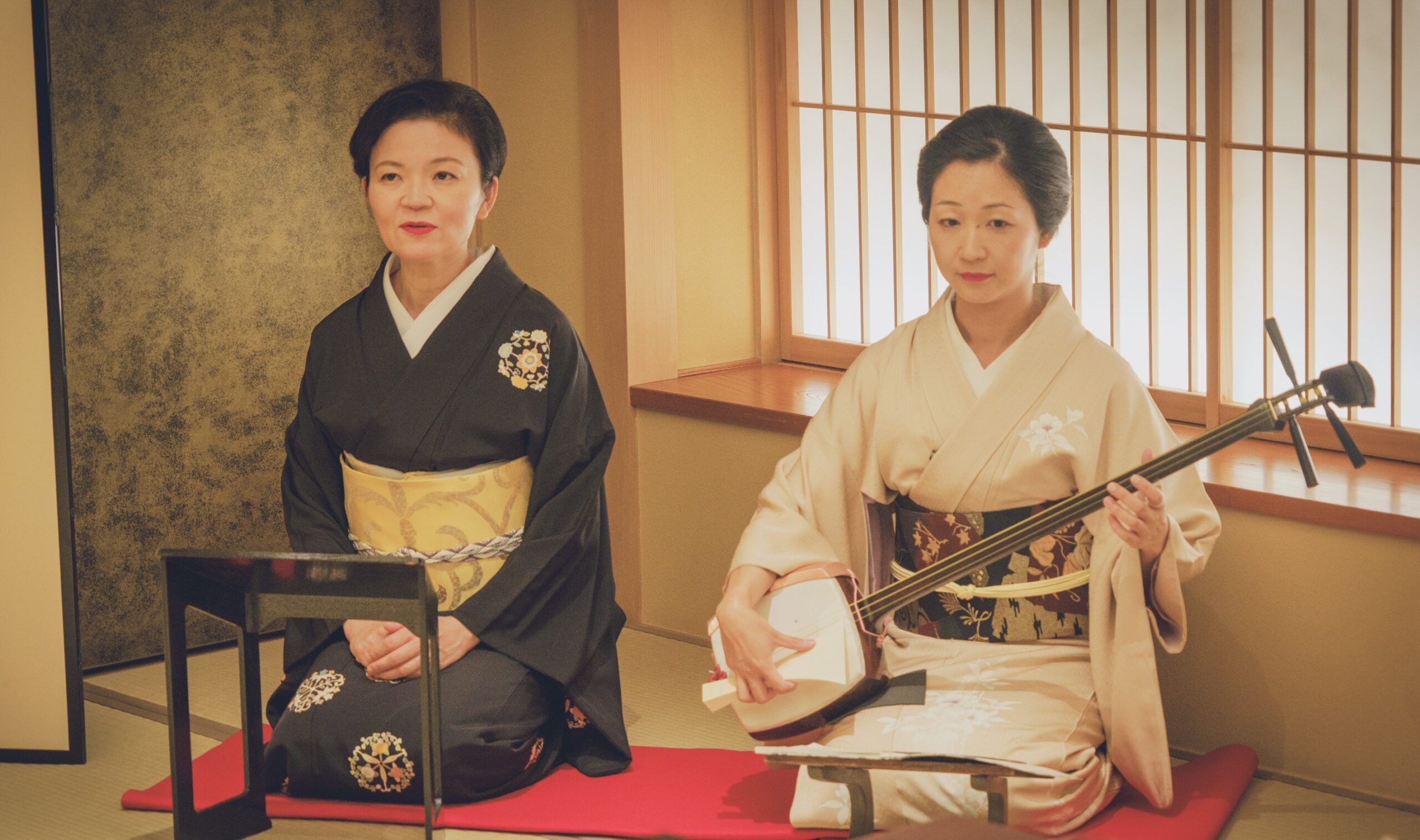
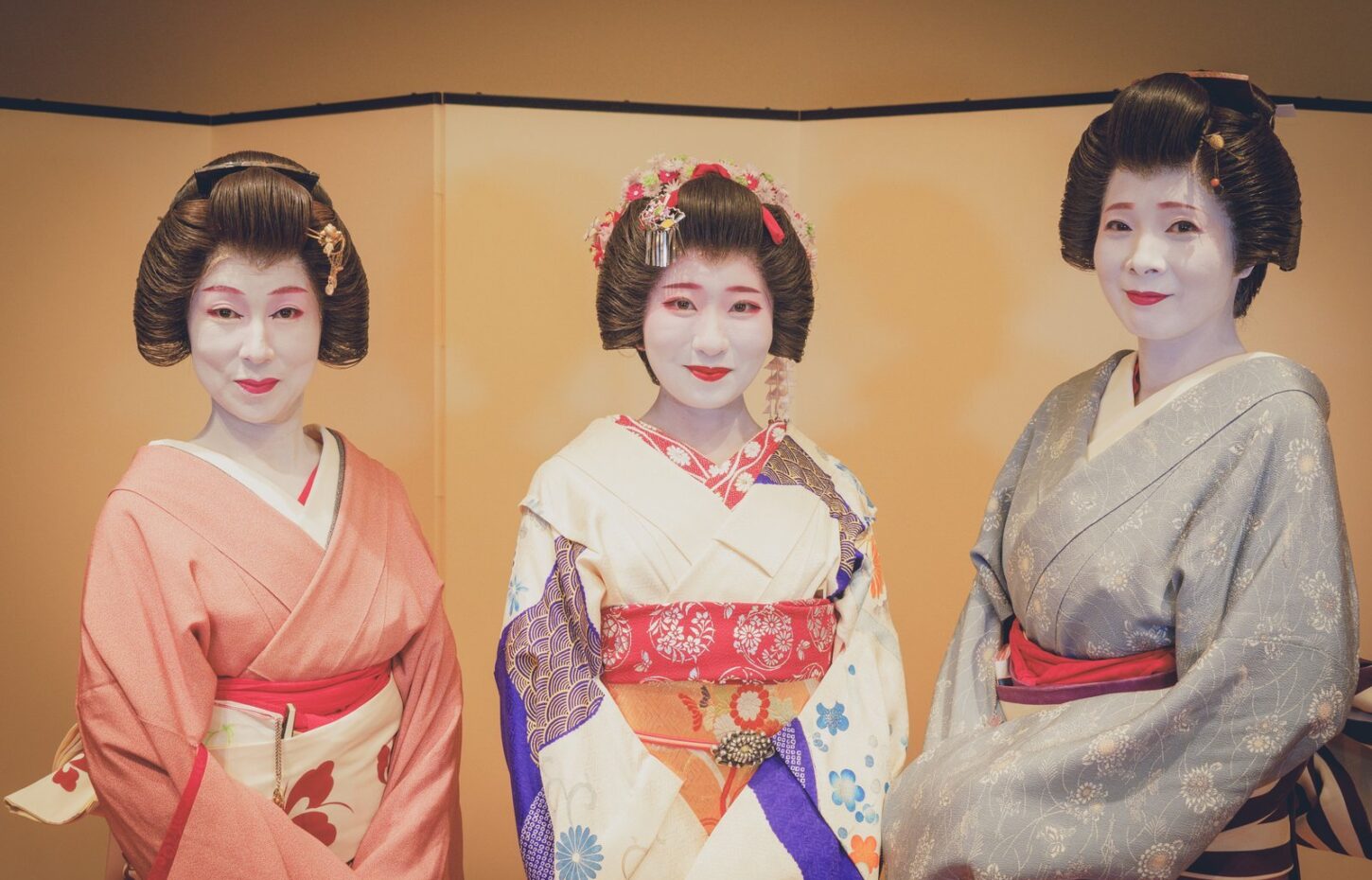
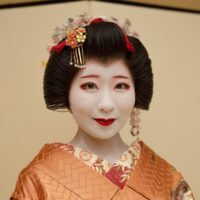
Another vital element of this cultural heritage is the tea ceremony, a ritualized practice that transforms the simple act of preparing green tea into a profound spiritual experience. This ceremony emphasizes harmony and respect, values that are central to the Japanese way of life. When evening comes, the city of Tokyo reveals another layer of performing arts within its historical districts. The local geisha culture represents the pinnacle of traditional hospitality and artistic dedication. These highly trained professionals spend years mastering classical music, dance, and the art of conversation.
While the historical roots of these arts can be traced back to different regions, the development of the entertainment culture took distinct paths. For instance, the traditional arts in Kyoto, which developed around the imperial court, possess an elegant and gentle quality known as hannari. On the other hand, the culture of Tokyo was heavily influenced by the samurai society, where Zen thought fostered a simple, direct, and sophisticated style called iki, which values a sharp and refined sense of chic.
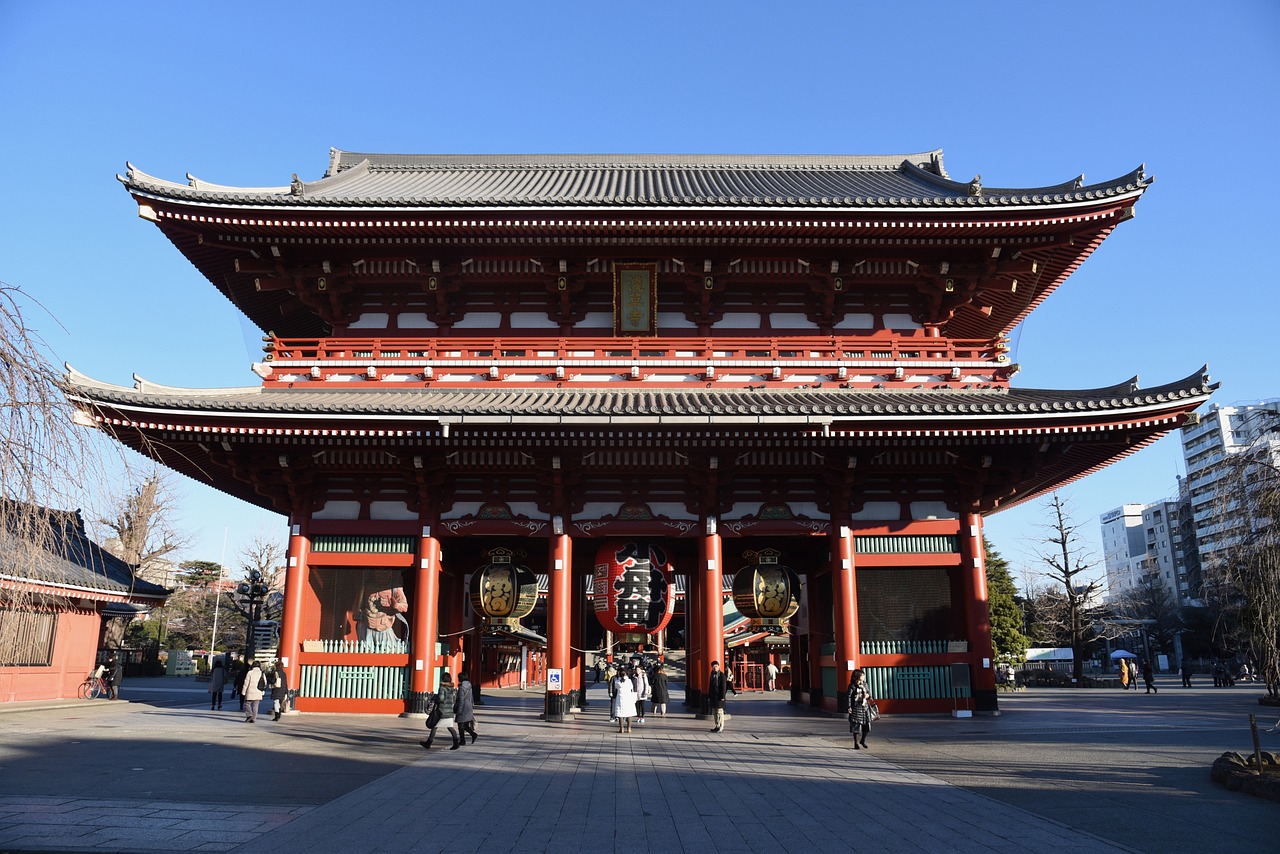
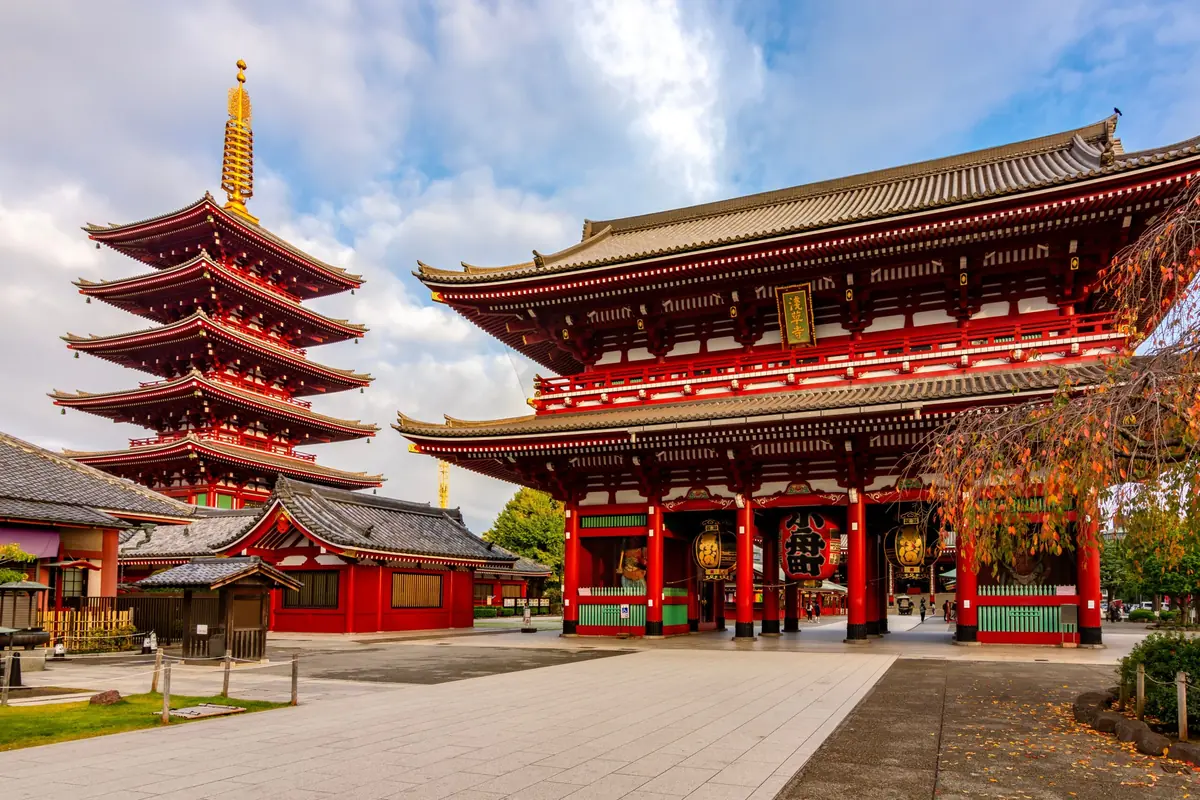
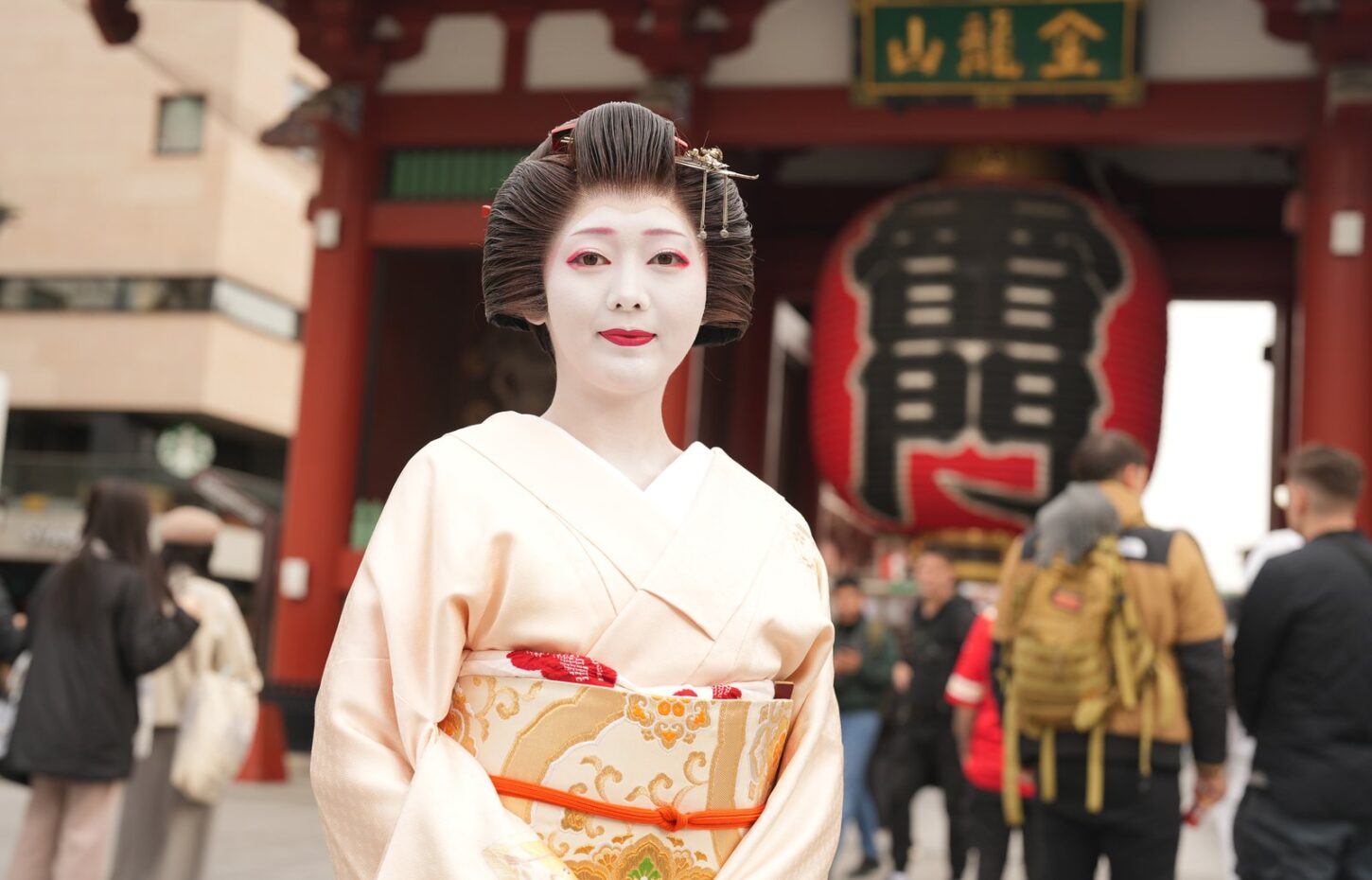
Within Tokyo, the historic district of Asakusa stands out as an exceptionally vibrant cultural hub. Developed around Senso-ji, the oldest temple in the city, Asakusa became a lively center for tourism and nightlife. Unlike more exclusive districts that catered strictly to politicians or corporate executives, Asakusa evolved into an open geisha community. This open atmosphere allowed the local community to support and nurture the traditional performing arts collectively, making it accessible to people of various ages, industries, and social positions.
Established in 1950, the historic establishment known as Miyakodori continues to preserve this proud heritage as the only remaining machiai-chaya, or traditional waiting teahouse, in Asakusa. These geisha are individuals who truly love their art and show immense dedication to entertaining guests with a professional resolve. Visitors can watch beautiful dances and listen to traditional music during an evening performance, the kind of night in this historic city that stays with you. Engaging in these entertainment activities provides a direct connection to a living heritage that influences modern architecture and art. To learn more about the flower district (hanamachi) that shaped this culture, explore our dedicated guide.
Experience Tokyo’s living cultural heritage — an ozashiki geisha banquet at Asakusa Miyakodori.
Reserve Your Ozashiki ExperienceCulinary Arts: Traditional Japanese Cuisine and Kaiseki Philosophy
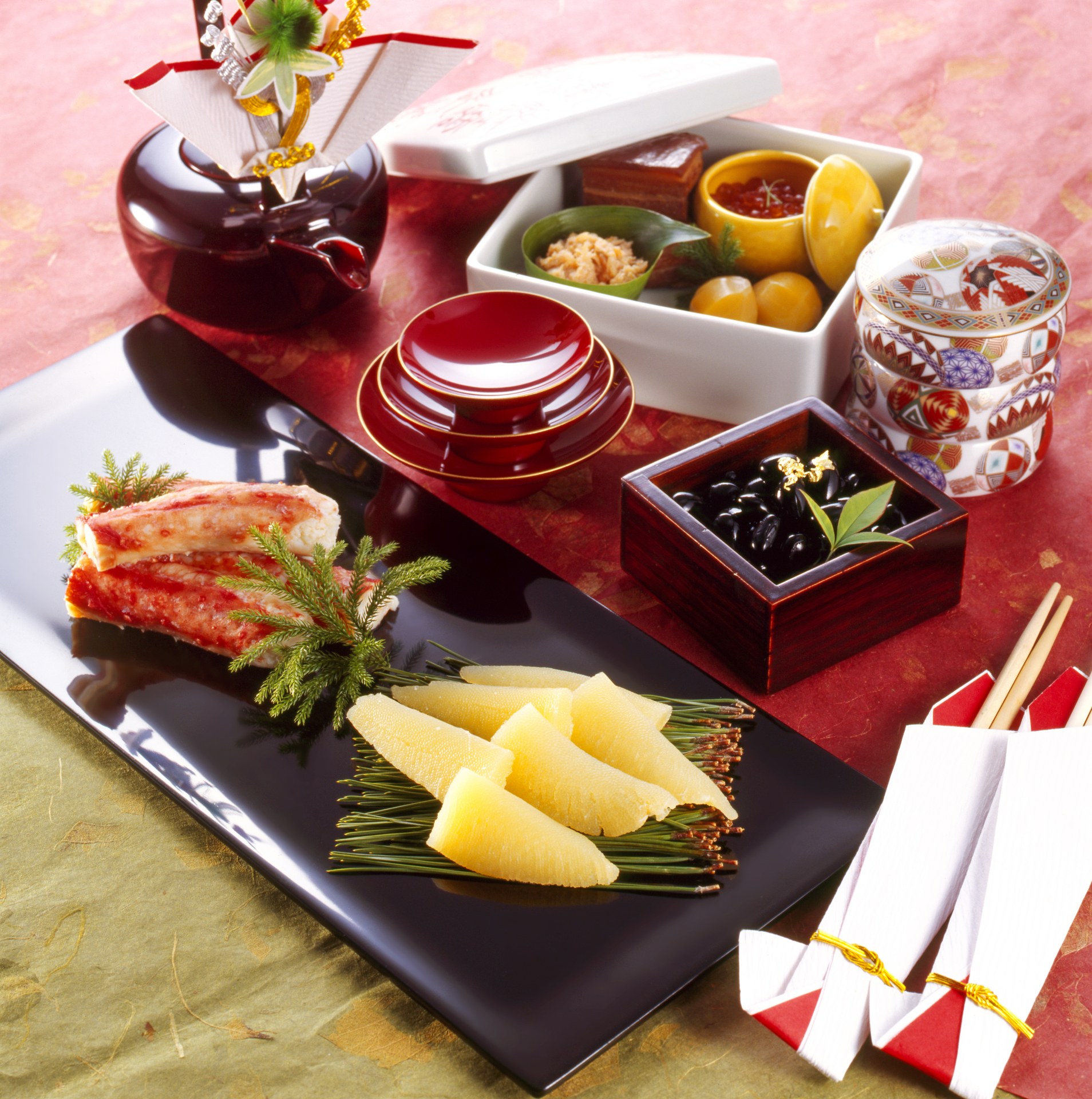
Japanese food culture is much more than a collection of recipes; it is a respected art form that celebrates the changing seasons and the natural flavors of high-quality ingredients. Known locally as washoku, traditional cuisine is deeply connected to the natural environment and is recognized globally for its health benefits. The foundation of every traditional meal relies on rice, a primary staple that holds deep cultural significance in the country. Alongside rice, fresh fish and a wide variety of seasonal vegetables form the core of the daily diet.
One of the most popular culinary creations known worldwide is sushi, a combination of seasoned rice and fresh seafood that requires precise training to master. Beyond sushi, local dining options include comforting bowls of noodles, such as buckwheat soba and thick wheat udon, which vary in style across different regions. For a more formal dining experience, kaiseki cuisine represents the highest level of Japanese culinary artistry. A traditional kaiseki menu consists of multiple small dishes, each carefully designed to showcase the best fresh produce of spring, summer, fall, or winter.
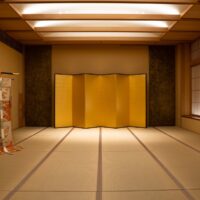
At historic establishments like Miyakodori in Asakusa, kaiseki meals are prepared using luxury seasonal ingredients, expressing the beauty of the four seasons directly on the tableware. The arrangement on the plate mirrors the exact beauty of nature at that specific time of year, providing guests with a dining experience that engages all five senses. To complement these dishes, people enjoy sake, a traditional rice wine that has been brewed for centuries using local water resources. Whether sipping a hot cup of green tea or sharing alcoholic drinks during evening parties, the combination of flavors creates a memorable sensory experience.
This meticulous culinary philosophy reflects a deep respect for the local environment and agricultural traditions. For international travelers, experiencing this authentic culinary tradition in a private dining room, complete with halal options upon request, is a direct way into the heart of Japanese hospitality. Discover more about the geisha banquet (ozashiki) experience and what to expect during your visit.
Material Culture, Daily Aesthetics, and Craftsmanship
The daily life and physical environment of Japan are deeply influenced by a refined aesthetic philosophy that values both functionality and subtle beauty. This artistic sensibility is visible in traditional architecture, where the classic Japanese house is built using natural materials like wood and paper to blend harmoniously with the surroundings. Traditional gardens are another masterpiece of design, creating miniature landscapes that invite quiet contemplation and a sense of peace. Within these spaces, the visual harmony of the garden design reflects a deep connection to nature.
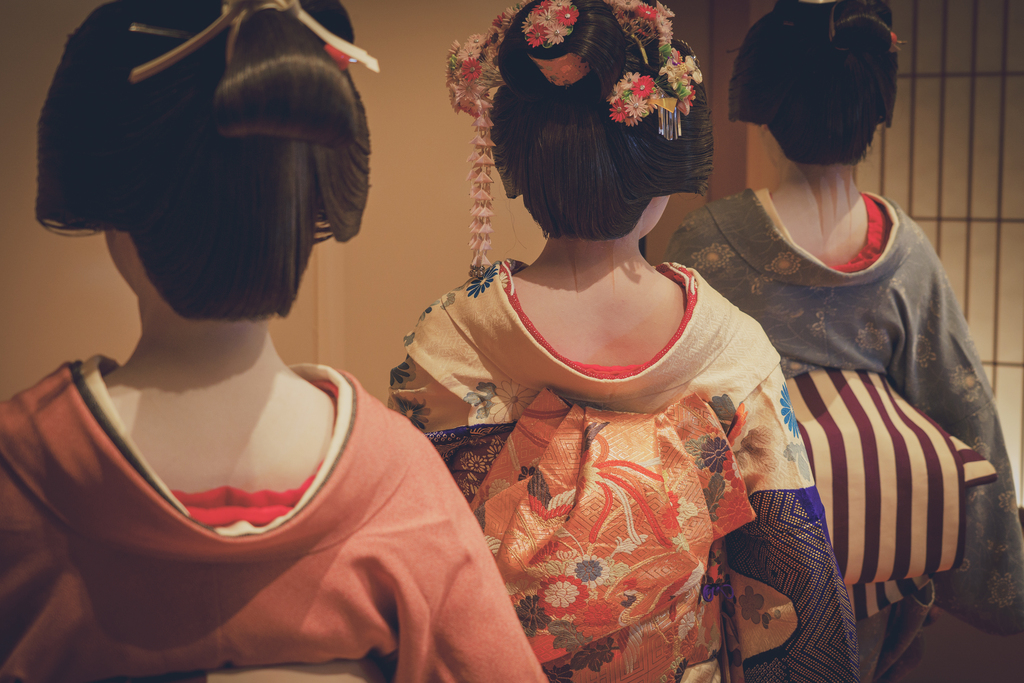
When considering personal attire, the kimono remains an enduring symbol of national identity and artistic craftsmanship. Although modern residents typically wear casual clothing for everyday activities, they continue to wear this traditional garment for special occasions, festivals, and formal ceremonies. The intricate patterns and rich colors of a kimono often change according to the seasons and the age of the wearer, making each piece a wearable work of art. The specific choice of color can convey deep cultural meanings.
Beyond textiles, the country is famous for its meticulous paper crafts, such as origami, the precise art of folding paper into intricate shapes. Calligraphy is another respected practice where writers use brushes and black ink to transform written words into expressive visual art, emphasizing the balance of lines and empty spaces. After a long day of work or travel, experiencing a traditional hot spring, known as an onsen, is an essential part of the local lifestyle. These daily practices, diverse design styles, and beautiful building structures represent cultural treasures that preserve ancient values in a modern world.
Modern Pop Culture, Technology, and Global Influence
The contemporary image of Japan is heavily defined by its global pop culture rise and rapid technological advancement. For the younger generation around the world, icons like anime and manga have become an essential part of everyday entertainment. These dynamic comics and animation styles have created a massive international following, transforming how people view the country. From the busy street districts of Tokyo to classrooms in the west, Japanese pop culture has become a global trend.
Today, millions of fans around the world eagerly read the latest book releases and watch animated programs online. Along with anime, the phenomenon of karaoke has become a favorite social activity worldwide, where friends gather to sing popular songs at parties. This unique form of entertainment highlights the fun and interactive side of modern lifestyle. At the same time, the nation is a leading force in technology and science, known for creating cutting-edge digital tools and highly efficient transport systems. The famous bullet train is a perfect example of this technological marvel, providing a fast and safe method to travel across various regions and prefectures.
Social media platforms have also become important tools for local businesses and cultural organizations to share news and images with a global audience. This seamless connection between old traditions and modern media keeps the country relevant and exciting on the international stage.
Social Values, Family Dynamics, and Contemporary Society
To fully understand how this complex nation operates, one must examine the underlying social values and rules that guide public and private life. The social structure places a strong emphasis on cooperation, collective responsibility, and mutual respect among community members. From an early age, children learn these essential concepts within the school system, where education focuses not only on academic science but also on proper etiquette and behavior. Students are taught to keep their classrooms clean and work together, fostering a deep understanding of harmony that continues into their adult lives.
Within the family, dynamics have evolved over the years, yet core traditional expectations remain influential. While older generations often maintained strict roles where men focused entirely on corporate work, the modern generation sees a more mixed approach to everyday responsibilities. Despite these changes, respect for parents and care for older family members are still deeply held principles. In the workplace, corporate life is guided by a clear code of conduct that values dedication and group decision making.
Whether interacting in formal business affairs or engaging in casual conversations during seasonal holidays, maintaining smooth relationships is always a primary goal. The calendar year includes various unique events and celebrations, where western traditions have been adopted alongside traditional custom events, showing how easily the culture can absorb new ideas. Even as the country faces contemporary challenges, the shared dedication to public manners and mutual support ensures that the society remains stable and safe for everyone.
Experiencing the Heart of Japan at Asakusa Miyakodori
Japanese culture is a magnificent example of a society that successfully balances ancient traditions with futuristic innovation. For international travelers planning a trip to East Asia, exploring this country provides a profound experience that stays in the heart forever. To discover the absolute best of this living heritage, a visit to the historic Asakusa district in Tokyo is essential. As an open flower district developed around the ancient Senso-ji temple, Asakusa has welcomed visitors from all industries and backgrounds for centuries.
Here, you can experience the true spirit of hospitality at Miyakodori, a venerable establishment founded in 1950 that stands as the only remaining traditional waiting teahouse in the area. At Miyakodori, guests can enjoy a spectacular evening performance of geisha dances and classical music, followed by a seasonal kaiseki dinner prepared in a luxury private room. The professional resolve and artistic dedication of these geisha ensure an unforgettable experience that perfectly expresses the timeless aesthetics of the country.
Whether celebrating a special anniversary or hosting international VIP guests, Miyakodori offers an evening grounded in Japan’s living geisha tradition. Explore our guides to the karyukai (flower and willow world) and the difference between geisha and maiko to deepen your understanding before your visit.
Ready to experience Japanese cultural heritage at its finest? Reserve your private ozashiki geisha banquet at Asakusa Miyakodori — the only remaining traditional waiting teahouse in Asakusa.
Reserve Your Geisha Banquet ExperiencePrivate dining rooms available • Seasonal kaiseki cuisine • Learn more about the experience
Frequently Asked Questions
What is the main difference between the geisha culture in Kyoto and Tokyo Asakusa?
The traditional arts in Kyoto developed around the imperial court, creating an elegant and gentle style known as hannari. In contrast, the culture in Tokyo was heavily influenced by the samurai society, where Zen philosophy fostered a simple, direct, and sophisticated style called iki. Furthermore, while some regions maintain exclusive rules, Asakusa evolved into an open community that welcomes people of various ages and industries, making its rich heritage accessible to a wider audience.
Can international visitors easily enjoy an evening at Miyakodori without knowing the language?
Yes, international visitors can fully enjoy the experience. The geisha and staff at Miyakodori are experts in hospitality and show immense dedication to entertaining guests through visual dances, classical music, and interactive traditional games. Even though the official language and social etiquette have deep historical roots, the universal language of art and warm hospitality ensures that every guest feels comfortable.
What kind of food is served during the geisha performance at Miyakodori?
Guests are served a luxury kaiseki dinner that consists of multiple small dishes designed to mirror the exact beauty of the seasons. The menu uses fresh, high quality local produce from spring, summer, fall, or winter, displaying the natural flavors on beautiful tableware. Traditional items like seasoned rice, fresh fish, and local vegetables are included, and special requests such as halal options can be provided if you contact the establishment in advance.
Sources and Further Reading
- Miyakodori official site: en.miyakodori-geisha.com
- Agency for Cultural Affairs (Japan): bunka.go.jp
- Japan National Tourism Organization: japan.travel


- Japanese Culture Items: A Complete Guide to Traditional Crafts and Objects
- Japanese Tea Ceremony in Tokyo: A Guide to Chadō — and the Geisha Tea House Few Travelers Know
1,060 to 20: A Third-Generation Owner on What Changed in Asakusa’s Geisha World
Asakusa Sightseeing with a Stroller: Family-Friendly Attractions & Gourmet Guide Part 2
【2025 Edition】Recommended for Foodie Walks! Autumn Asakusa Gourmet & Sweets
Tokyo Tourist Guide: A Geisha Teahouse’s View of the City We Call Home
How to See a Geisha in Tokyo: 5 Ways Compared (2026)
Asakusa Japanese Restaurant: Miyakodori Geisha Dining
Comment ( 0 )
Trackbacks are closed.
No comments yet.