



Japanese Culture Items: A Complete Guide to Traditional Crafts and Objects
Every culture leaves its mark on the objects people make and use — but few express identity through everyday items as vividly as Japan. From a hand-woven bamboo basket to a smooth ceramic tea bowl, Japanese craft turns ordinary objects into carriers of history, season, and spirit. For visitors, these items are one of the most tangible ways to understand the culture: things you can hold in your hands, use at home, and carry with you long after the journey ends.
Japanese cultural items are rarely just decorative. Each one — the paper, the lacquer, the cloth, the blade — reflects centuries of refinement and a distinct way of seeing nature and craftsmanship. This guide walks through the most meaningful traditional items of Japan: what they are, how they are used, and the ideas behind them.
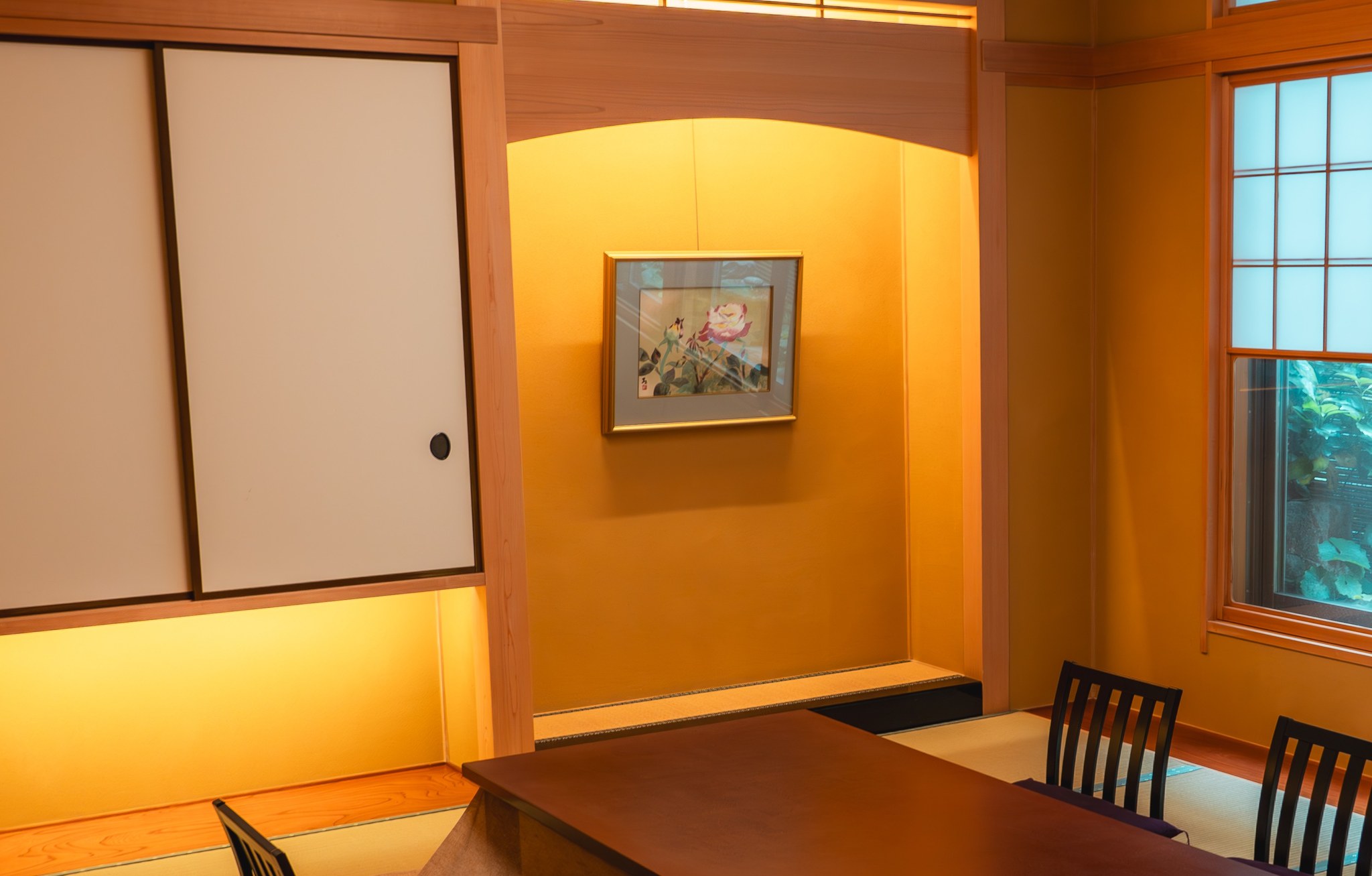
The Essence of Japanese Arts and Crafts
To understand the core of this nation, one must dive deep into the world of a traditional craft. Every item holds centuries of dedication. These cultural products are not mere decorations; they represent a bridge between history and modern daily life. For hundreds of years, artisans across the country have poured their energy into creating high quality arts that express a unique view of nature. From the bustling streets of Tokyo to the ancient, quiet lanes of Kyoto, the long lineage of these crafts remains strong and clear.
Washi Paper and the Art of Calligraphy (Shodo)
Washi paper is a beautiful example of how natural materials can be transformed into an elegant, noble medium. Unlike ordinary mass-produced sheets, authentic washi is made by hand from local plant fibers. It has a strong, textured surface that can survive for a century or more. In traditional Japanese houses, this paper was used to cover sliding doors, filtering soft light into wooden rooms and peaceful temples. Today, this paper is central to the art of shodo calligraphy. When a master dips a brush into black ink and moves it across a crisp white sheet, each word becomes a physical manifestation of a thought. The visual style reflects deep zen philosophy, turning simple text into an emotional experience.
Elegant Lacquerware (Urushi) and Ceramics
Another great achievement of Japanese craft is urushi lacquerware. Artisans spend many years mastering the precise work of applying layer after layer of natural sap onto wooden items. The result is a deep, lustrous shine that is incredibly strong yet smooth to the touch. These objects are often decorated with delicate cherry blossom designs, capturing a fleeting moment of seasonal beauty. Alongside lacquer, traditional ceramics display a deep respect for imperfection. Whether it is a rustic tea bowl or an elegant plate, these practical items are used in everyday life, reminding people to find beauty in the simple things.
Silk Textiles: Kimono, Yukata, and Furoshiki Fabric
Fabric arts showcase a rich tapestry of historical stories. The silk kimono represents the pinnacle of wearable art, with intricate patterns woven or painted by hand. While a full kimono is a formal set reserved for special occasions, the lighter cotton yukata is a popular garment people wear during a summer festival. Beyond clothing, the clever use of fabric is evident in furoshiki. This unique wrapping cloth is a highly practical item that people use to carry bottles, books, or gifts. By learning the different types of knots, you can transform a simple piece of cloth into a beautiful bag. These textile traditions continue to shine in modern times, showing the world how utility and elegance can exist as one.
Spiritual Objects and Cultural Icons
Shinto and Buddhist Influence (Temples, Zen Aesthetics, and Amulets)
To truly appreciate the material culture of Japan, one must understand the spiritual currents that run beneath the surface of daily life. Shintoism and Buddhism have coexisted harmoniously for centuries, shaping the way people interact with nature and objects. Shinto, the indigenous spirituality of the country, teaches that divine spirits reside in all things, from ancient trees to beautifully carved wooden structures. This belief instills a deep reverence for raw materials. When you visit historical shrines or a Buddhist temple in places like Kyoto or the historic districts of Tokyo, you immediately feel an atmosphere of quiet mindfulness. This spiritual foundation directly gave rise to Zen aesthetics, a philosophy that values simplicity, empty space, and the natural cycle of growth and decay. In the realm of physical items, this is beautifully expressed through religious amulets known as omamori. These small fabric pouches, woven with sacred characters and sold at temples, are carried by people to bring protection, health, or success. They are a tangible connection to a higher power, showing how spiritual belief is woven directly into everyday life.
Lucky Charms: Daruma Dolls and Beckoning Cats (Maneki-Neko)
Let us transition to the playful side of Japanese folklore, which is populated by an array of charming lucky icons that have become famous worldwide. The Daruma doll, a hollow, round ceramic or paper mache figure modeled after the founder of Zen Buddhism, represents resilience and dedication. When someone sets a major life goal, they paint one blank white eye of the Daruma. Only when the goal is achieved do they paint the second eye, celebrating their hard work. Another incredibly popular cultural icon is the beckoning cat, or maneki-neko. This cheerful feline figure, with one paw raised in a welcoming gesture, can be found guarding the entrances of local shops, restaurants, and homes. These iconic characters are powered by centuries of folk belief and are thought to attract wealth, good fortune, and prosperity. Whether crafted from traditional clay or modern materials, these items bring a touch of playful spiritual history into any modern room.
Performing Arts and Traditional Experiences
The World of Geisha and Traditional Hospitality (Omotenashi)
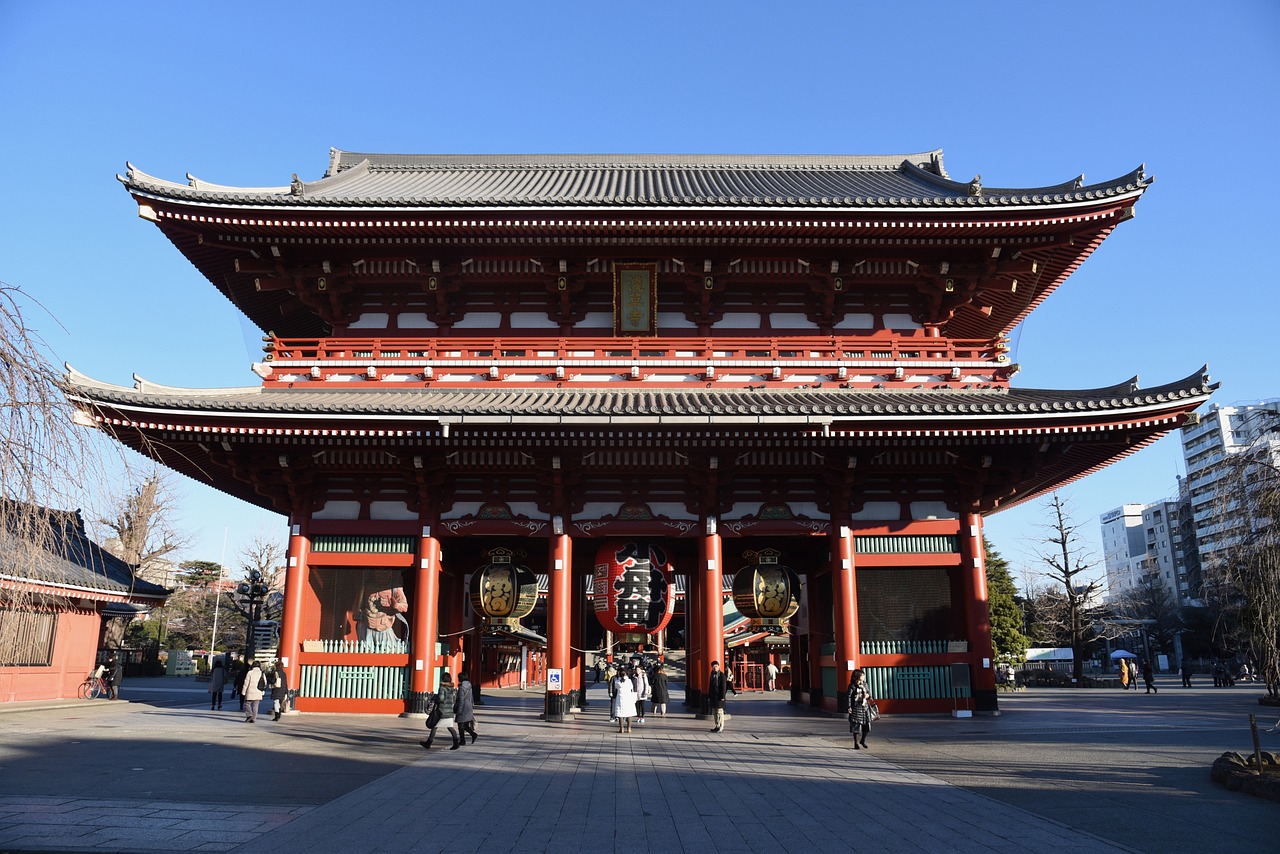
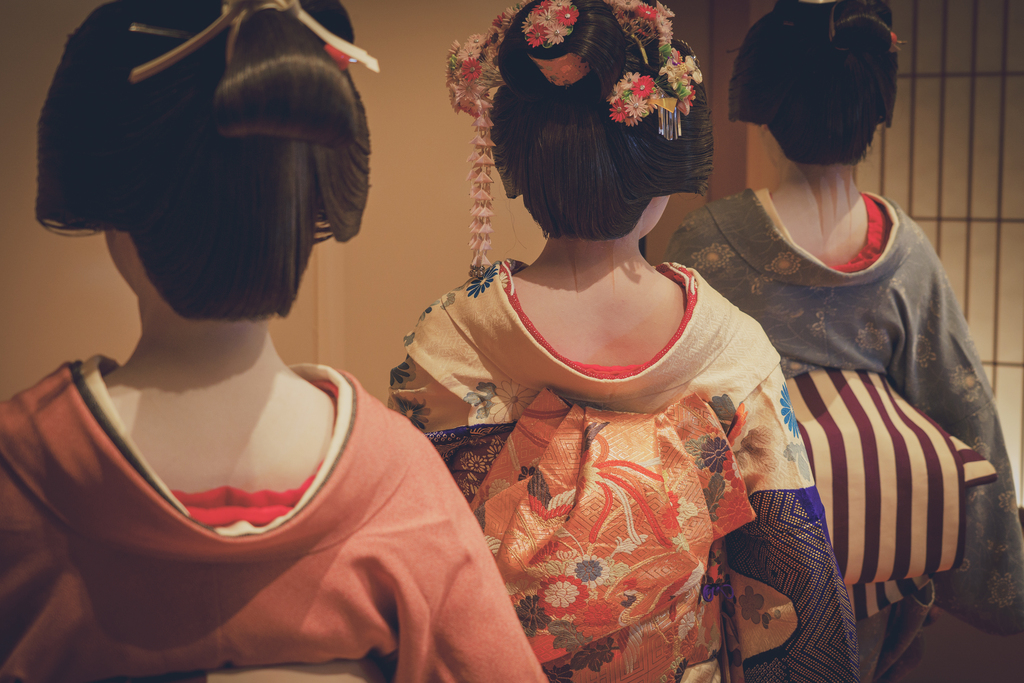
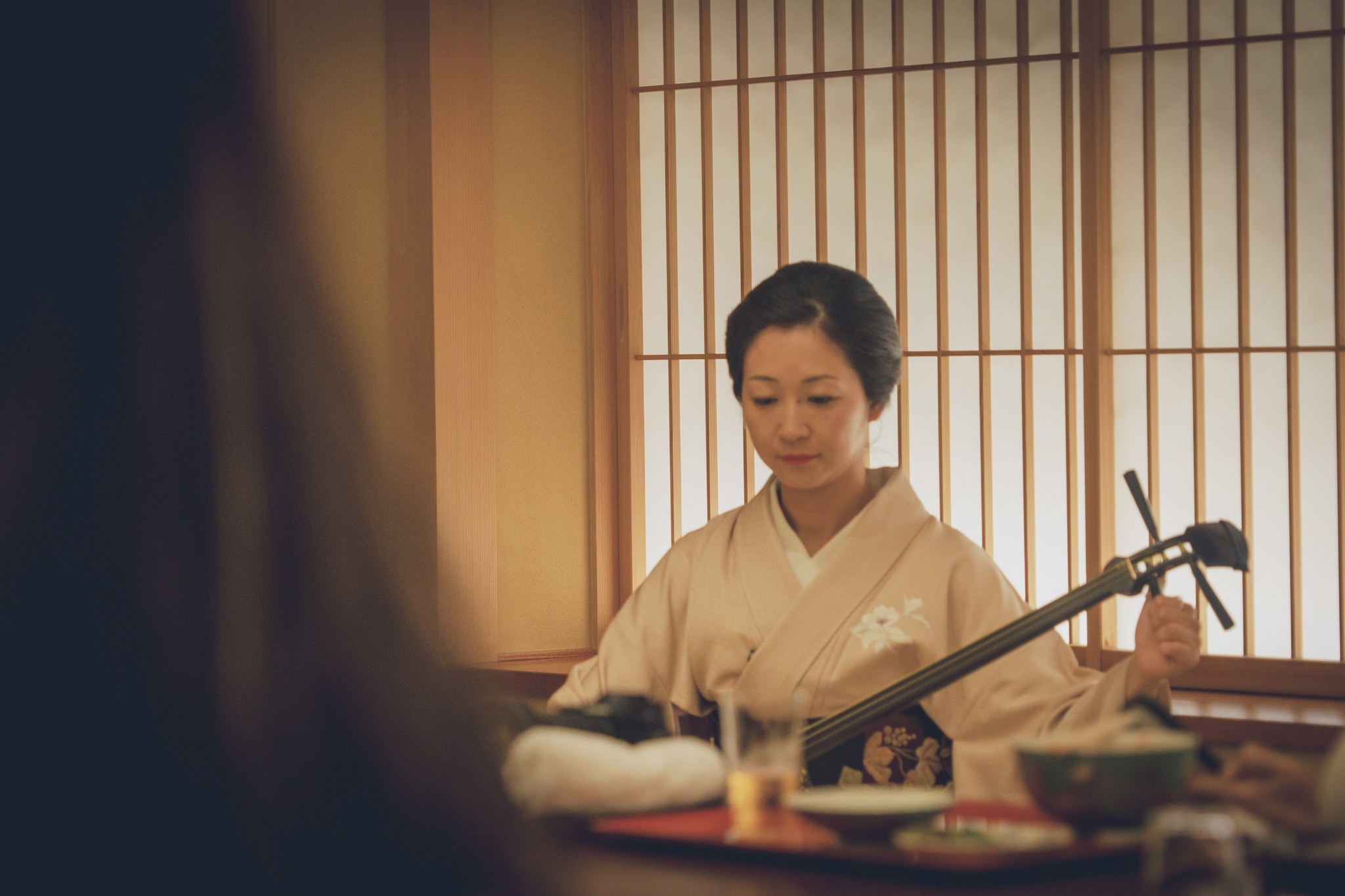
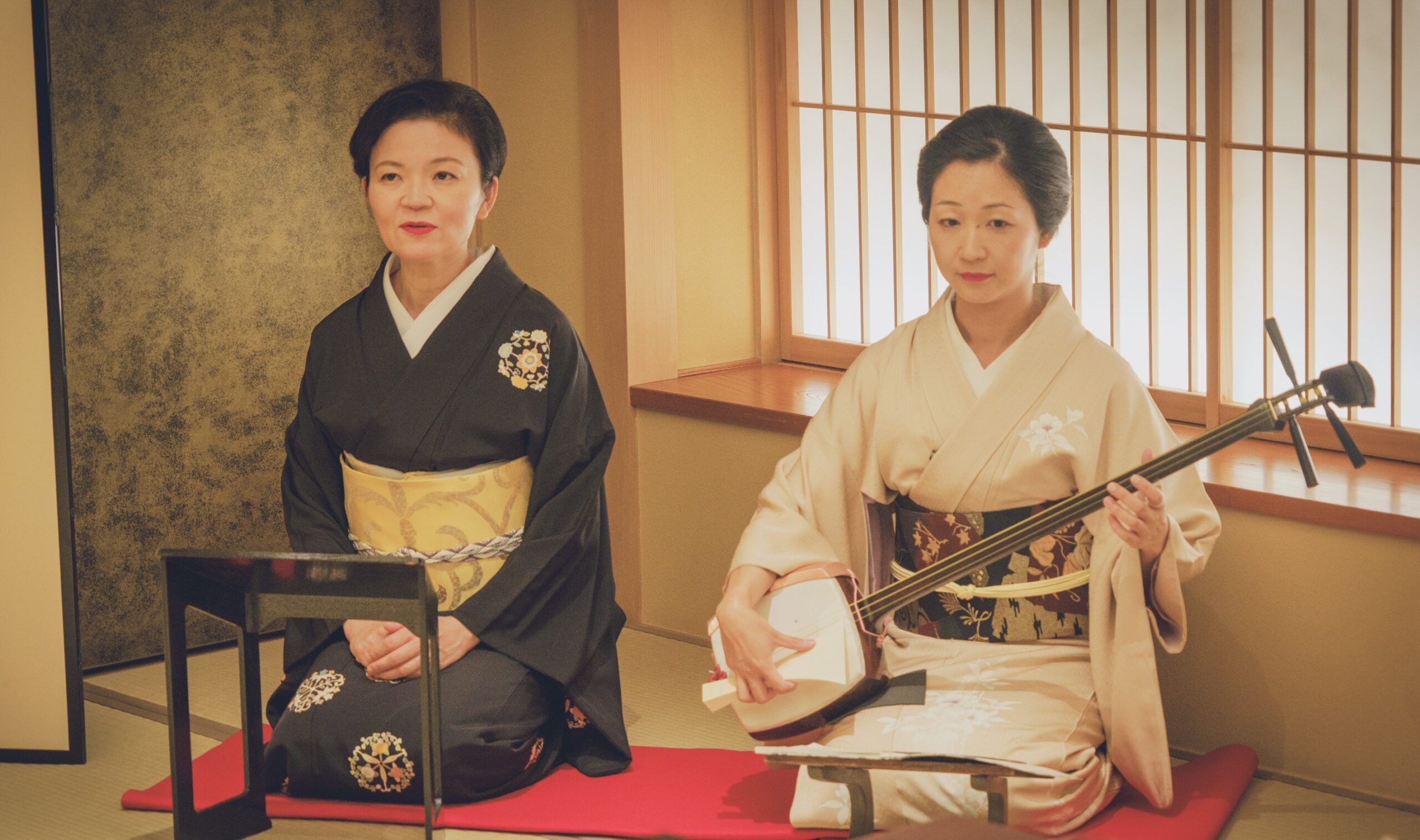
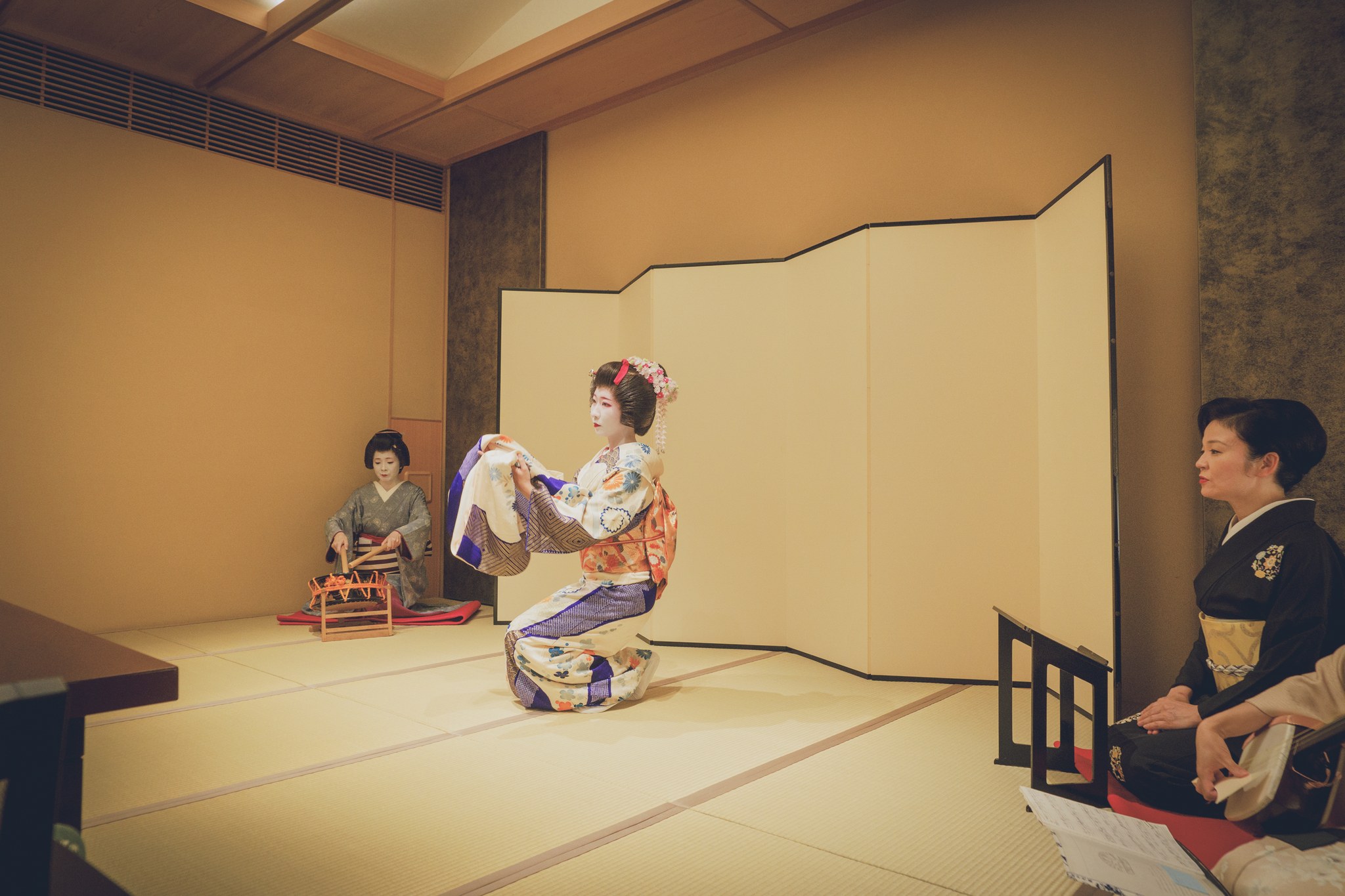
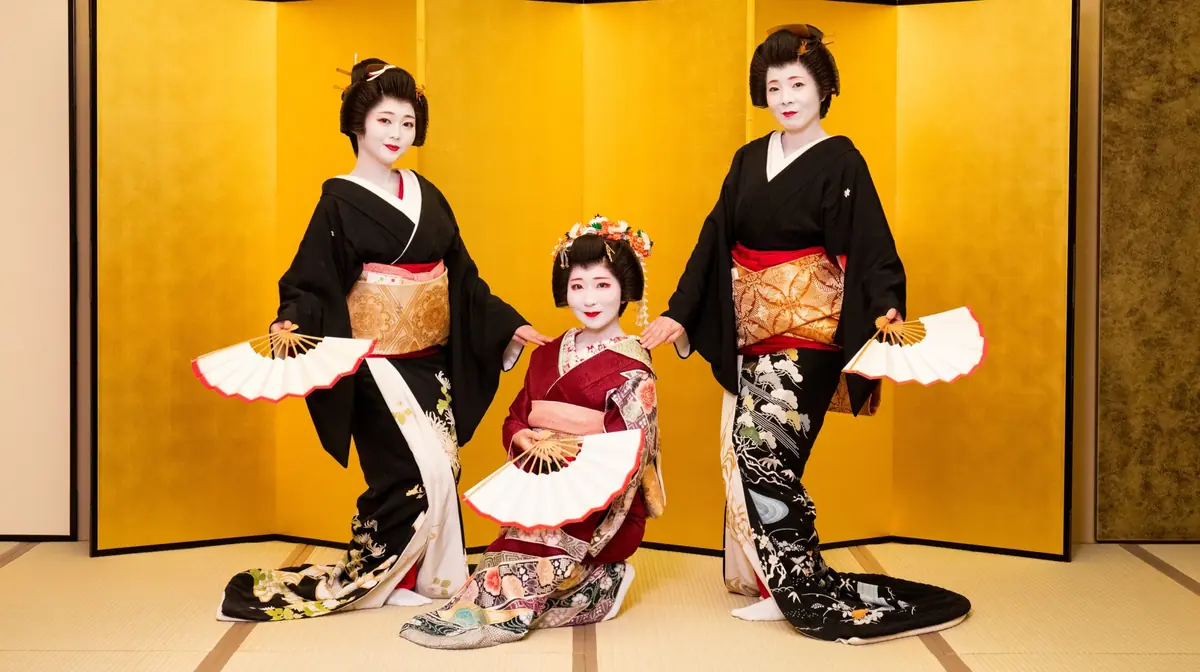
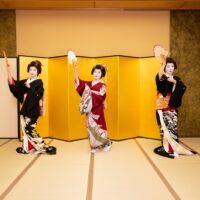
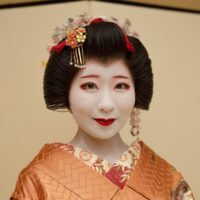
Among the many cultural treasures of Japan, the tradition of the geisha stands out as a living symbol of performing arts and refined hospitality, known as omotenashi. To truly understand this world, one must look past modern stereotypes and appreciate the deep dedication of these artists. A true geisha is a master of music, dance, and conversation, having spent years undergoing strict training to perfect her craft. While Kyoto is famous for its exclusive traditions, Tokyo offers a unique and open environment, particularly in the historic district of Asakusa. Asakusa is a vibrant area where the local community has actively protected and nurtured its traditional roots since the Edo period, making it a wonderful place for international visitors to discover authentic arts.
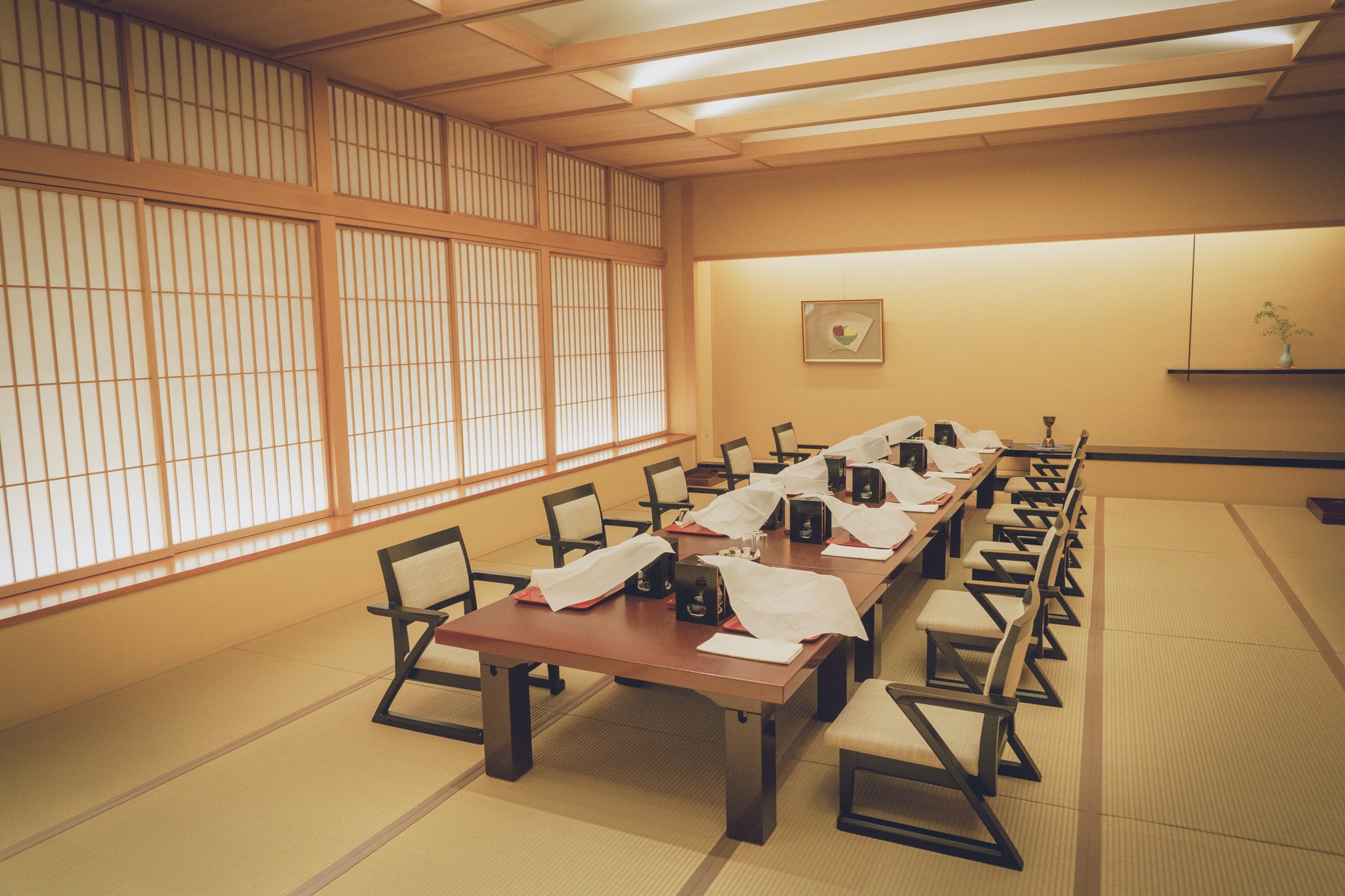
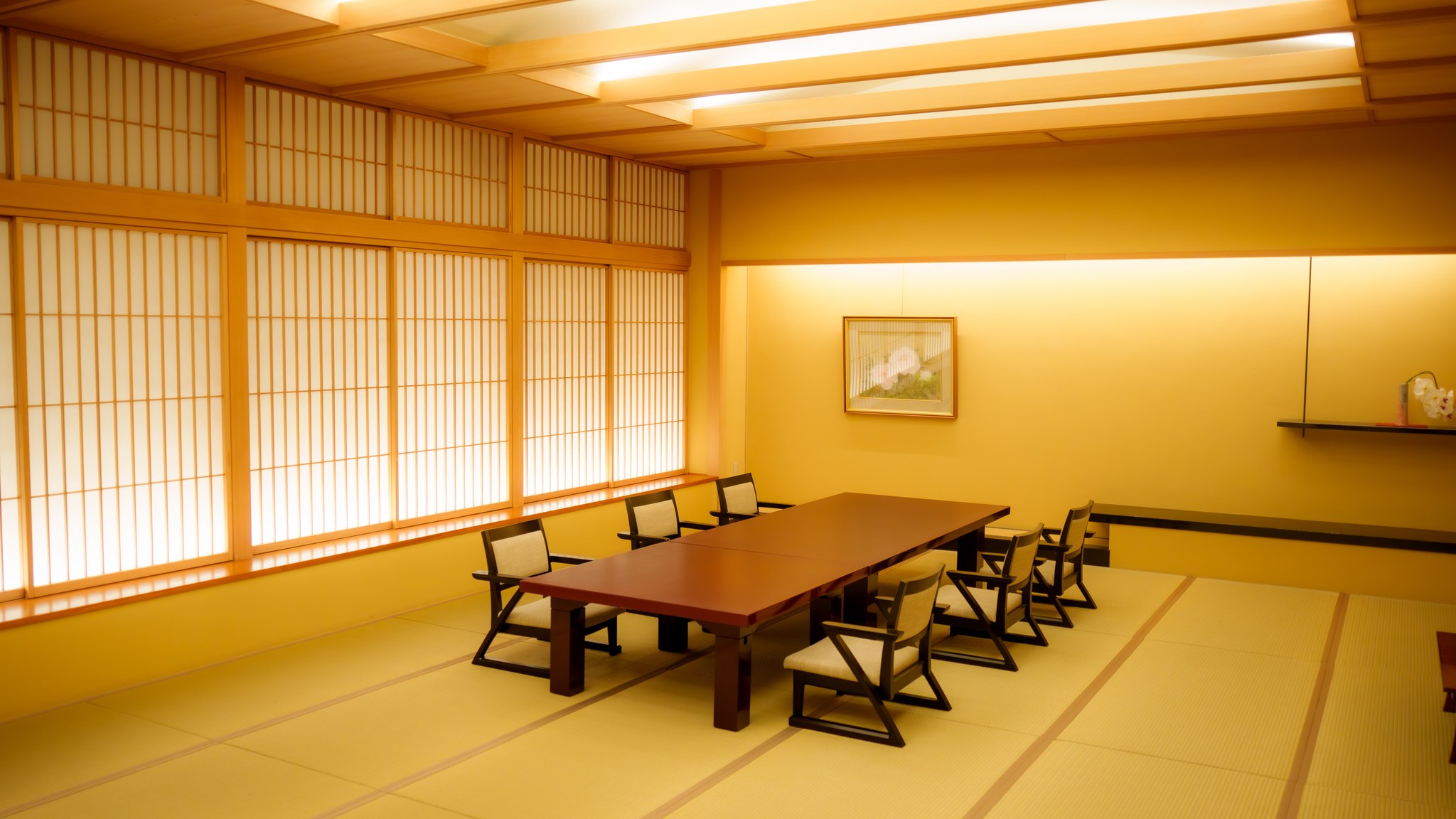
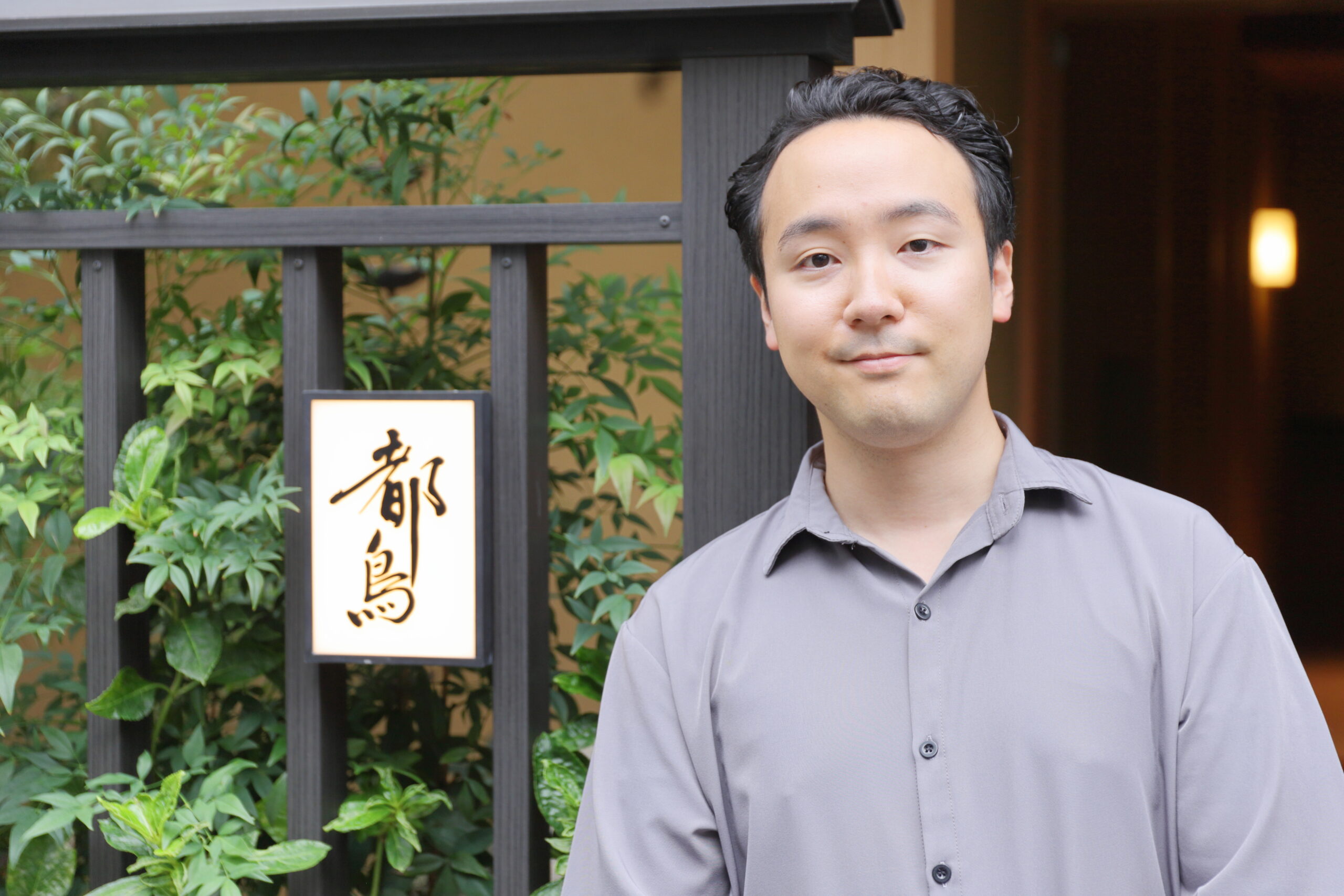
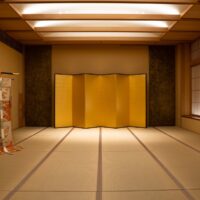
Nestled in this historic landscape is Miyakodori, a venerable establishment founded in 1950. Miyakodori holds a special place in the Asakusa flower town as the only remaining machiai chaya, a traditional establishment focused primarily on providing an authentic space to appreciate the arts of the geisha. The name Miyakodori itself carries deep romantic meaning, inspired by a classic poem from the Tales of Ise by Ariwara no Narihira, which asks the bird of the capital if a loved one far away is safe and well. This poetic spirit guides the hospitality of the house, fostering a deep emotional connection with every guest. Here, visitors can step inside a beautifully designed space that blends traditional Japanese aesthetics with modern comforts, including an elevator, ensuring a relaxed visit.
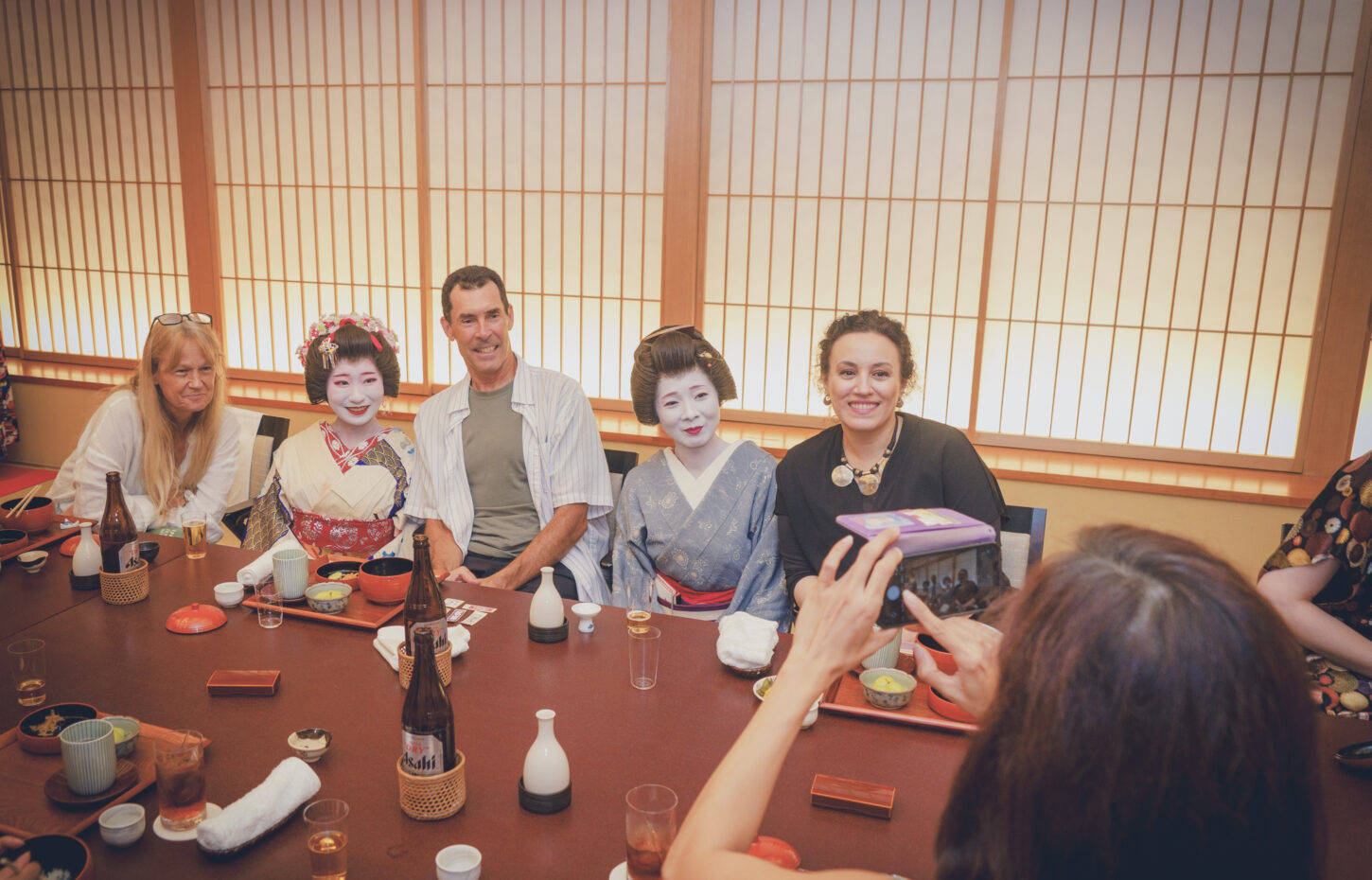
An evening at Miyakodori is a journey back in time, where you can experience live geisha arts that have been polished since the 1600s. Unlike viewing a recorded video or a photograph, hearing the live sound of the shamisen and watching the precise, elegant movements of the geisha right before your eyes is an unforgettable experience. Guests can enjoy seasonal kaiseki cuisine, which reflects the natural beauty of the changing months on beautifully arranged plates. Following the meal, guests participate in ozashiki asobi, traditional party games that have remained unchanged for over two hundred years. Games like Konpira Fune Fune, Tora Tora, and Tosenkyo dissolve any initial nervousness, creating shared laughter and closing the distance between the performers and the audience. It is an open, welcoming environment where even first-time visitors and younger generations can fully immerse themselves in high culture without anxiety.
Experience a live geisha banquet in Asakusa — book your ozashiki at Miyakodori
Book a Geisha ExperienceThe Way of Tea: Tea Ceremony and Matcha Culture
Another cornerstone of traditional Japanese hospitality is the tea ceremony, or chado. This ritualized preparation of powdered green tea, or matcha, is a meditative practice that transforms a simple drink into a profound spiritual experience. Every movement of the host, from the wiping of the ceramic bowl to the whisking of the bright green tea, is performed with absolute focus and grace. The ceremony is designed to foster a sense of harmony, respect, purity, and tranquility between the host and the guests. The items used in this ritual, such as the bamboo whisk, the carved tea scoop, and the rustic ceramic bowls, are celebrated for their natural, unpretentious beauty. Participating in a tea ceremony teaches visitors the value of ichigo ichie, the philosophy that every meeting is unique and should be treasured because it can never be repeated in exactly the same way.
The Big Beat: Taiko Drums and Summer Festivals (Matsuri)
In stark contrast to the quiet intimacy of the tea room, the vibrant energy of a Japanese summer festival brings communities together in a loud, joyous celebration. At the heart of every matsuri is the thunderous sound of the taiko drum. When these massive wooden instruments are played by a group of disciplined drummers, the deep vibrations can be felt directly in your chest. The music is a powerful expression of collective life and gratitude, originally performed to pray for a good harvest or to honor ancestral spirits. During these festivals, the streets come alive with color as locals and visitors wear a light cotton yukata, enjoy delicious street food, and dance together under the glow of paper lanterns. It is an experience that captures the festive, resilient spirit of the country.
Ikebana: The Spiritual Art of Flower Arrangement
Another beautiful discipline that expresses a deep love for nature is ikebana, the art of flower arrangement. Unlike Western floral design, which often emphasizes a dense, symmetrical collection of blossoms, ikebana places great value on minimalism, line, and empty space. An arrangement might consist of only a single wild flower, a twisted branch, and a few green leaves, yet it tells a complete story of the season. The practice requires quiet contemplation, allowing the creator to learn from the natural lines of the plants and express their inner thoughts through the arrangement. It is a living art form that brings a sense of peaceful nature into traditional rooms and modern homes alike, standing alongside other iconic cultural elements like the martial focus of the samurai or the historical discipline of sumo.
Everyday Japanese Lifestyle and Practical Items
Master Crafts: Kitchen Knives and Wooden Chopsticks
The dedication to high quality craftsmanship is not reserved only for museums or rare performances; it is fully integrated into the items used in daily life. A prime example is the world-renowned Japanese kitchen knife. Created by master blacksmiths who inherit the ancient sword-making techniques of the samurai, these knives are famous for their incredible sharpness, balance, and durability. Chefs around the world seek out these tools because they allow for precise, clean cuts that preserve the natural flavor and texture of fresh ingredients. Similarly, even a simple item like wooden chopsticks reflects a deep craft history. Often lacquered or carved from fragrant natural wood, a good set of chopsticks is designed to feel balanced and comfortable in the hand, turning every daily meal into a mindful ritual.
Seasonal Elements: Wind Chimes and Cherry Blossom Motifs
The lifestyle of Japan is also deeply attuned to the changing seasons, and specific items are used to celebrate these shifts. During the hot, humid summer months, you will often see delicate glass or bronze wind chimes hanging from the eaves of traditional houses and modern apartments. As a gentle wind blows, the chime produces a clear, ringing sound that creates a psychological feeling of coolness and relief. In the spring, the country is filled with cherry blossom motifs, which appear on everything from ceramic plates and silk fabric to modern stationery. These beautiful pink blossoms represent the beautiful yet fleeting nature of life, reminding everyone to appreciate the present moment before it slips away.
Modern Pop Culture and the Kawaii Phenomenon
From Anime and Manga to Cute Character Culture
While the ancient traditions of the country continue to command great respect, modern Japan has also captured the global imagination through its vibrant pop culture and the widespread phenomenon of kawaii, the cultural love for all things cute. From the colorful streets of Tokyo to online communities worldwide, modern artistic expressions like anime and manga have become a main source of entertainment and creative inspiration for millions of people. This unique creative energy has given rise to an endless collection of beloved anime characters, playful mascots, and iconic figures like the famous lucky cat reimagined for the modern age. These playful modern creations are not disconnected from history; instead, they often reinterprete ancient folklore and traditional character design through a fresh, accessible lens. Today, collecting these cute character items has become a globally popular hobby, showing how the creative spirit of the nation continues to evolve dynamically while maintaining its unique, recognizable identity across centuries.
Frequently Asked Questions About Japanese Cultural Items
What makes an item an authentic piece of Japanese craft compared to a mass-produced souvenir?
An authentic item is defined by its materials, its connection to a specific local region, and the traditional techniques used to create it. True crafts, such as handmade washi paper, hand-polished urushi lacquerware, or hand-forged kitchen knives, require years of dedicated training to master. They carry a unique human touch, subtle natural imperfections, and a long historical narrative that mass-produced plastic items simply cannot duplicate.
How can international visitors experience the true depth of geisha culture without feeling like an outsider?
The best way to experience this authentic culture is to choose an open, welcoming establishment that values international friendship and cultural education. While some traditional circles remain closed to newcomers, historic districts like Asakusa in Tokyo are famous for their open, community-minded atmosphere. Establishments like Miyakodori warmly welcome first-time guests, providing a comfortable, modern environment where anyone can learn about the arts, enjoy live music, and play traditional games alongside professional geisha. Learn more about the geisha experience in Tokyo.
Why are seasonal motifs like the cherry blossom or the summer wind chime so important in daily items?
In Japanese culture, daily life is viewed as an extension of nature. Seasonal items help people stay connected to the natural rhythm of the earth. Motifs like the spring cherry blossom remind people of the beautiful transience of time, while items like the summer wind chime use sound to bring comfort during hot weather. This practice encourages mindfulness and gratitude in everyday life.
Bringing Authentic Japanese Tradition Into Your Life
Discovering the world of Japanese culture items is a deeply rewarding journey that reveals how art, daily utility, and spiritual mindfulness can intertwine beautifully within a single object. From the sacred, ancient lines of shodo calligraphy written on handmade washi paper to the thunderous, communal rhythm of taiko drums at a summer festival, these rich traditions offer valuable lessons in patience, beauty, and respect for the natural world. Whether you choose to bring these traditions into your own home through fine ceramics, elegant fabrics, or a beautifully crafted lucky charm, you are participating in a living history that has been carefully protected for hundreds of years.
If you desire to move beyond physical objects and truly immerse your senses in the ultimate expression of this living culture, there is no substitute for a live, authentic experience. When planning your next journey to Japan, look past the superficial tourist attractions and step into the open, historic world of the Asakusa geisha district. Inside a historic machiai chaya, surrounded by the live music of the shamisen and the attentive hospitality of professional geisha, you will discover the true, beating heart of Japanese tradition.
Reserve your geisha banquet (ozashiki) experience at Miyakodori — Founded in 1950, Asakusa’s only machiai chaya
Book Your Ozashiki ExperienceOr contact us: [email protected]
Explore more about geisha culture in Japan and the ultimate guide to geisha in Japan.
Sources
- Historical Context of Asakusa Machiai Chaya: https://prtimes.jp/main/html/rd/p/000000001.000165250.html
- Asakusa Traditional District and Tourism Information: https://asakusa.gr.jp/jp/?p=385
- Tokyo Cultural Preservation and Metro Features: https://www.my.metro.tokyo.lg.jp/w/000-20240711-43128106
- Official Records of the Asakusa Geisha Association: https://asakusakenban.com/


- Kanzashi: A Guide to Japanese Hair Ornaments
- Japanese Culture: Traditions, Arts and Living Heritage — Complete Guide
Where to See Geisha in Tokyo, Japan: A Guide to the Best Hanamachi & Experiences
Asakusa Area Hot Springs & Sauna Guide | 3 Local Spas to Heal Tourist Fatigue
Traditional Geisha Makeup: History, Artistry, and Symbolism
The Complete Guide to Geisha Dance: Unveiling the Art of Nihon Buyo in Japan
A Guide to Tokyo’s Geisha Districts: Finding Authentic Experiences and Cultural Immersion
Asakusa Geisha Culture: History Q&A【Miyakodori】
Comment ( 0 )
Trackbacks are closed.
No comments yet.