




Asakusa Travel Guide: Exploring Tokyo’s Old Town and Timeless Traditions
When you first arrive in Tokyo, the sheer scale of the city can be overwhelming. You see the neon lights of Shinjuku, the high-speed trains at Tokyo Station, and the towering skyscrapers that define the modern Japanese skyline. However, there is a special place where the frantic pace of the modern world slows down, and the spirit of old Japan begins to breathe. Welcome to Asakusa. As a traveler visiting in 2026, you might expect every corner of this city to be high-tech, but Asakusa remains the proud heart of Tokyo’s old town.
This area, often referred to as Shitamachi, offers a unique atmosphere that feels like a step back into the Edo period. Here, history is not just kept in a museum; it is lived every day. Whether it is the smell of incense floating from a historic temple, the sound of wooden sandals on the pavement, or the sight of a traditional geisha disappearing into a quiet side street, Asakusa provides an authentic cultural experience. This guide will help you navigate the beautiful streets, explore ancient shrines, and discover the hidden traditions that make this district the most popular destination for those seeking the true soul of Japan.
1. Where is Asakusa? Understanding the Shitamachi Geography
Asakusa is located in the northeast part of central Tokyo, nestled within the Taito district. For those planning their trip in 2026, finding this area is simple as it sits right along the iconic Sumida River. While modern districts like Shinjuku or Ginza represent the high-tech face of Japan, Asakusa is the undisputed heart of Shitamachi. This term literally translates to lower town, referring to the low-lying areas of the city that were traditionally home to the merchant and artisan classes during the Edo period.
This unique geography heavily influences the local atmosphere. As you walk through the streets, you will notice a striking contrast between historic buildings and the massive Tokyo Skytree soaring into the sky just across the water. It is a very short journey from other major stations like Ueno or Akihabara, making it an easy addition to any travel guide. The district is relatively compact and pedestrian-friendly, offering a perfect place for a stroll through the public gardens or along the riverbanks. Understanding this cultural geography helps visitors appreciate how Asakusa has preserved its original charm despite the rapid modernization seen throughout the rest of Tokyo over the last century.
2. The Iconic Heart: Senso-ji Temple and the Kaminarimon Gate
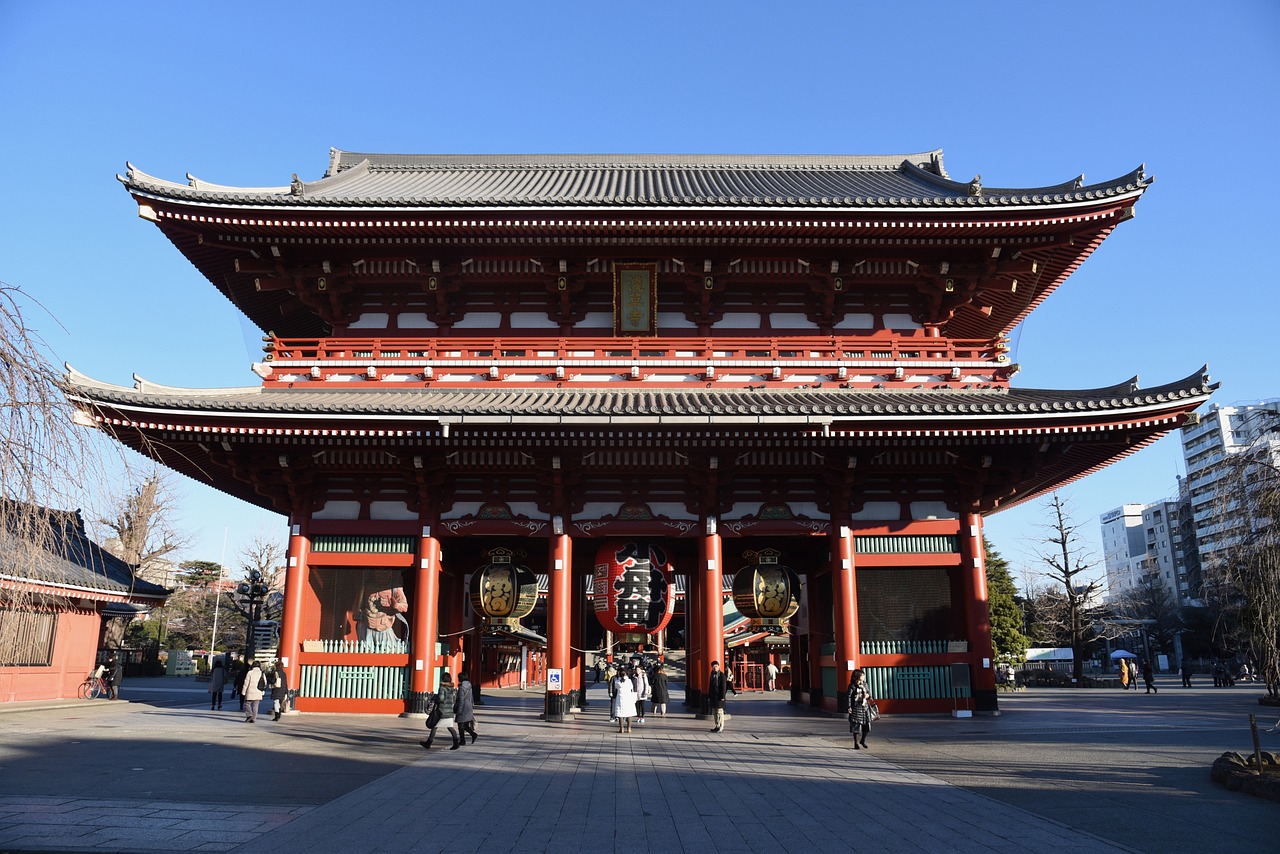
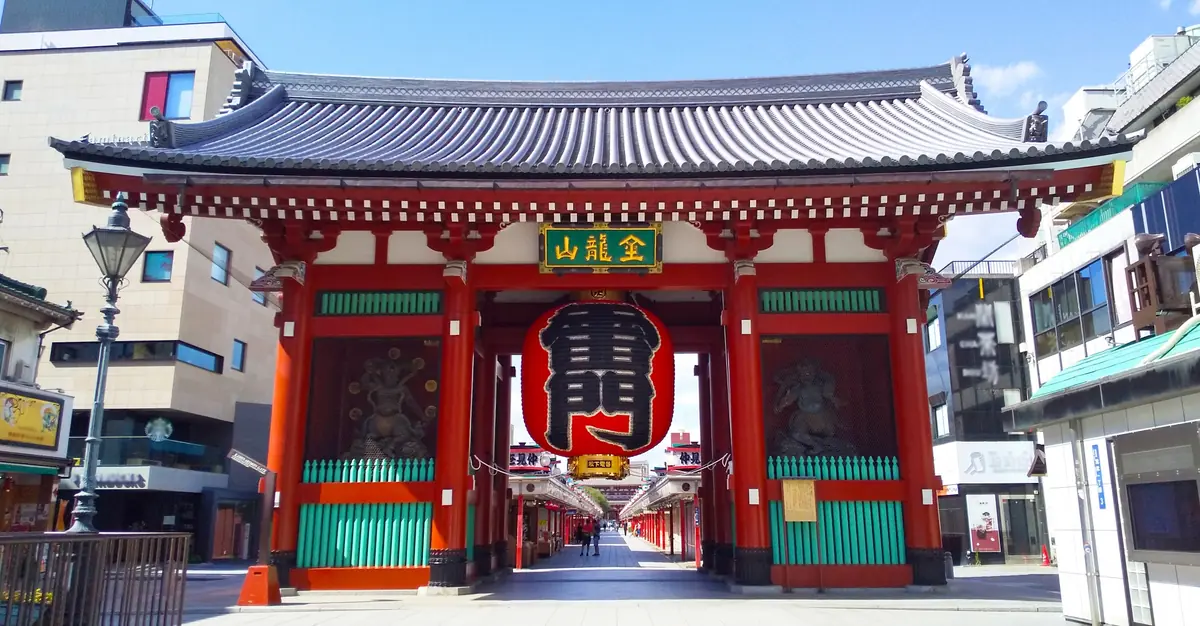
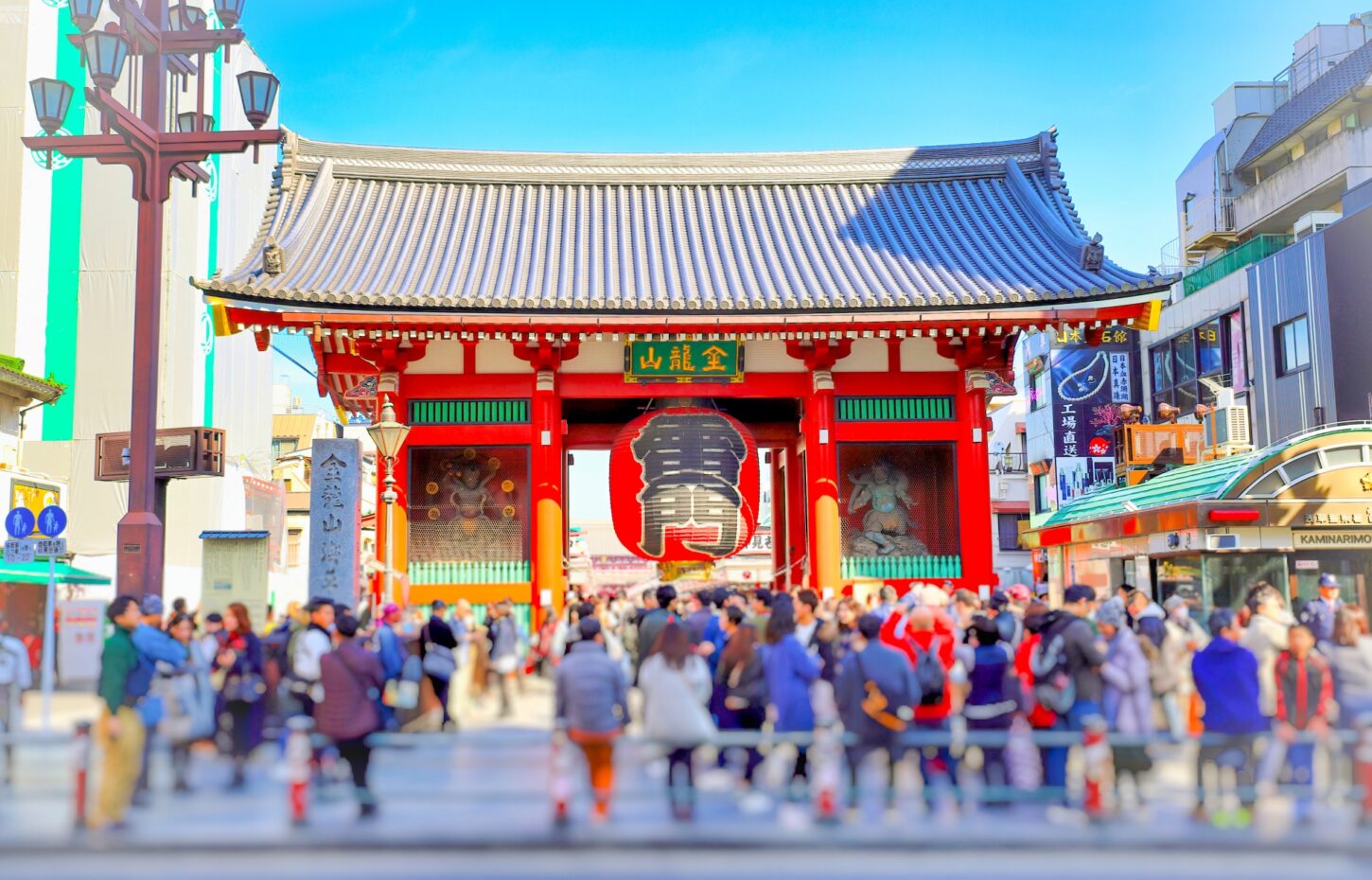
No trip to Tokyo is complete without visiting Senso-ji, the city’s oldest and most famous Buddhist temple. Your journey begins at the Kaminarimon Gate, or Thunder Gate, which serves as the main entrance to this sacred site. This iconic landmark is instantly recognizable by its giant red lantern, a popular place for every tourist to take a photo. As you walk through the gate, you are following in the footsteps of millions who have visited this traditional district over the centuries.
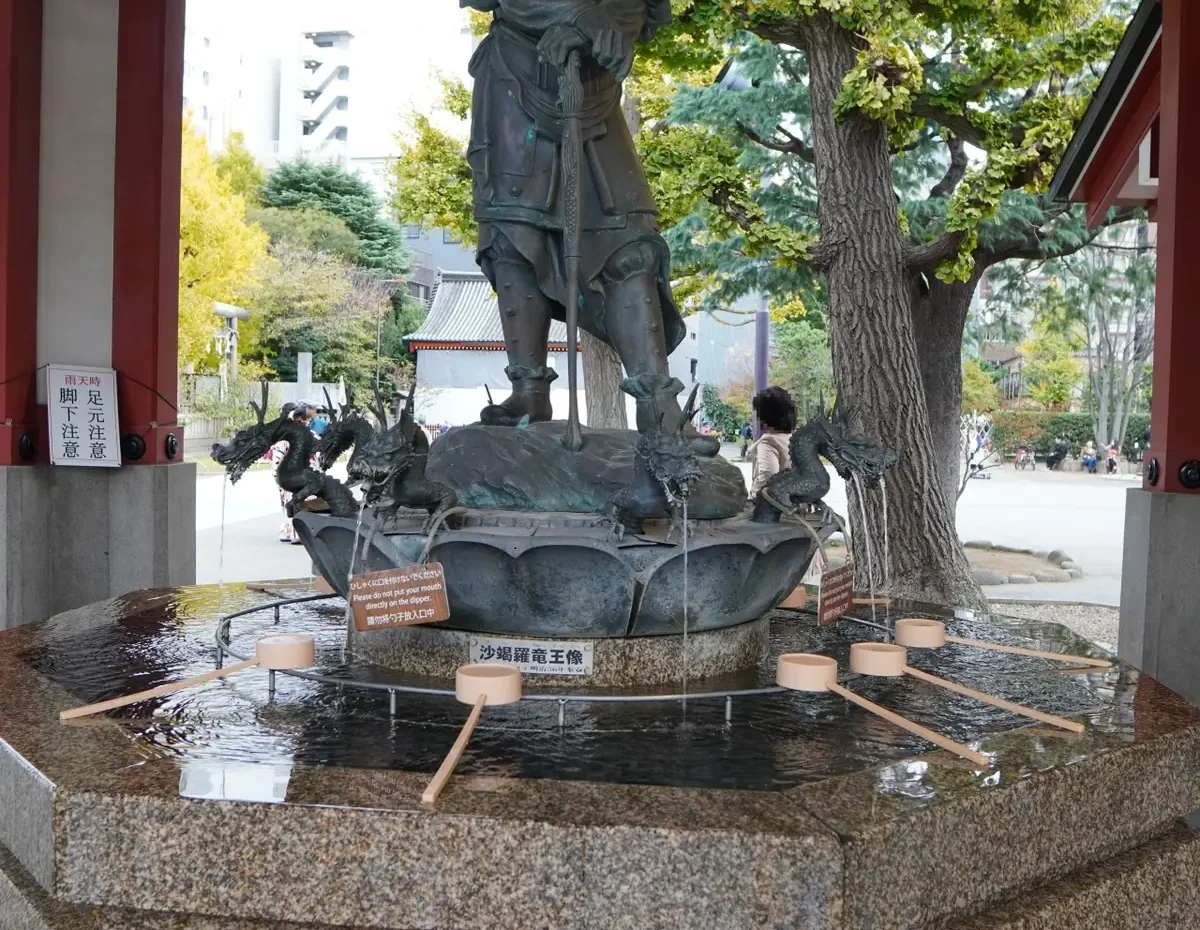
The temple grounds are always full of energy. In 2026, it remains a central hub for Japanese culture and spirituality. Visitors often stop at the large incense burner to bathe themselves in the smoke, which is believed to have healing powers. Inside the main hall of Senso-ji, the atmosphere is quiet and respectful, providing a peaceful contrast to the busy shopping streets outside. Taking the time to draw an omikuji, or fortune slip, is a local tradition that adds a personal touch to your trip. Whether you are coming for the history or the beautiful architecture, Senso-ji stands as a testament to the enduring spirit of Japan. It is a must-visit location on any Asakusa travel guide.
3. Shopping Through History: Nakamise Street and Unique Souvenirs
Connecting the Kaminarimon gate to the main temple hall is Nakamise-dori, a shopping street that has served visitors for hundreds of years. This historic path is lined with nearly 90 small stores, each selling a variety of traditional Japanese goods. It is undoubtedly the most popular place in the district to find authentic souvenirs. As you stroll down this vibrant street, the atmosphere is electric, filled with the enticing scents of local sweets being prepared right before your eyes.
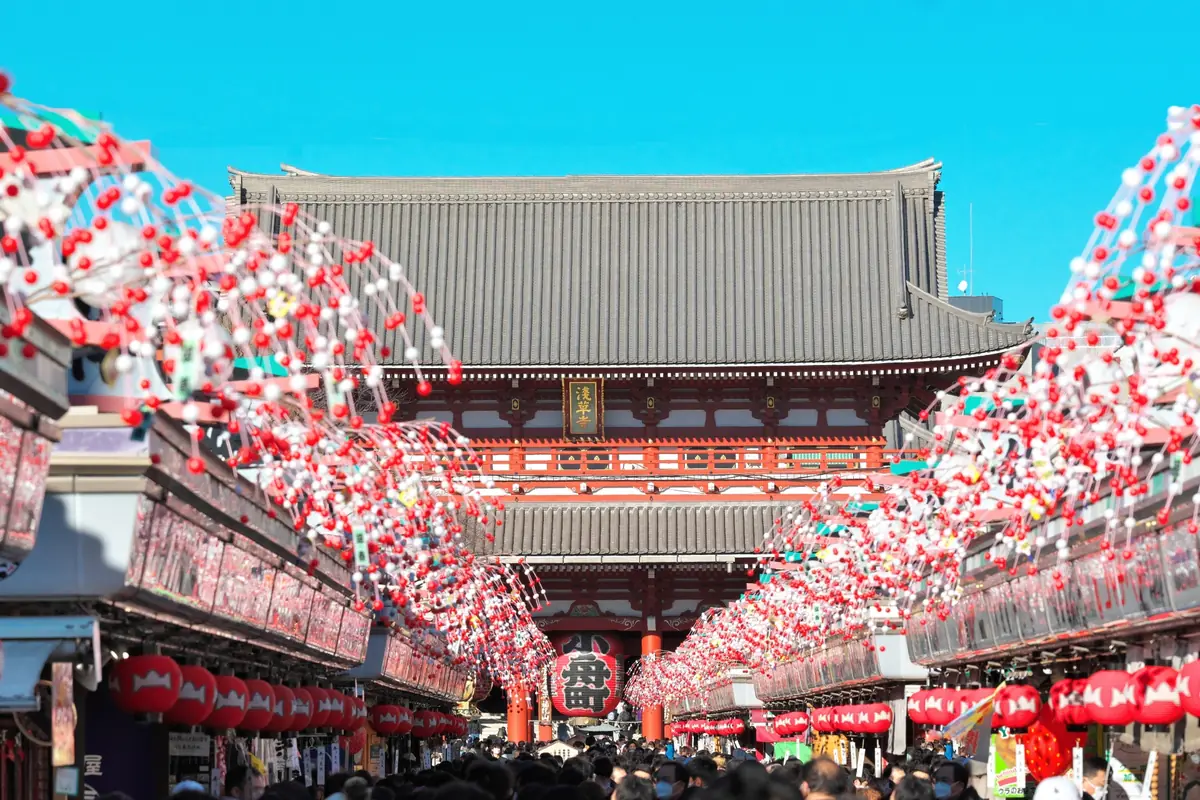
You must try the freshly baked senbei or rice crackers and the famous age-manju, which is a fried sweet bun. These treats offer a truly delicious taste of old Tokyo that you cannot find in the modern malls of Shinjuku. Many of these stores have been run by the same families for generations, preserving techniques that started deep in the Edo period. Beyond food, you can find beautiful handcrafted items like folding fans, cotton kimonos, and lucky charms. For a traveler in 2026, shopping here is more than just buying a gift; it is a cultural experience. Despite the crowds of tourists, the sense of history remains strong. Each of the red-pillared stores contributes to the timeless charm of Asakusa. Taking a short walk here allows you to pick up high quality items while immersing yourself in the lively merchant spirit of the Shitamachi area.
4. The Spirit of Hospitality: Traditional Geisha Culture and Miyakodori
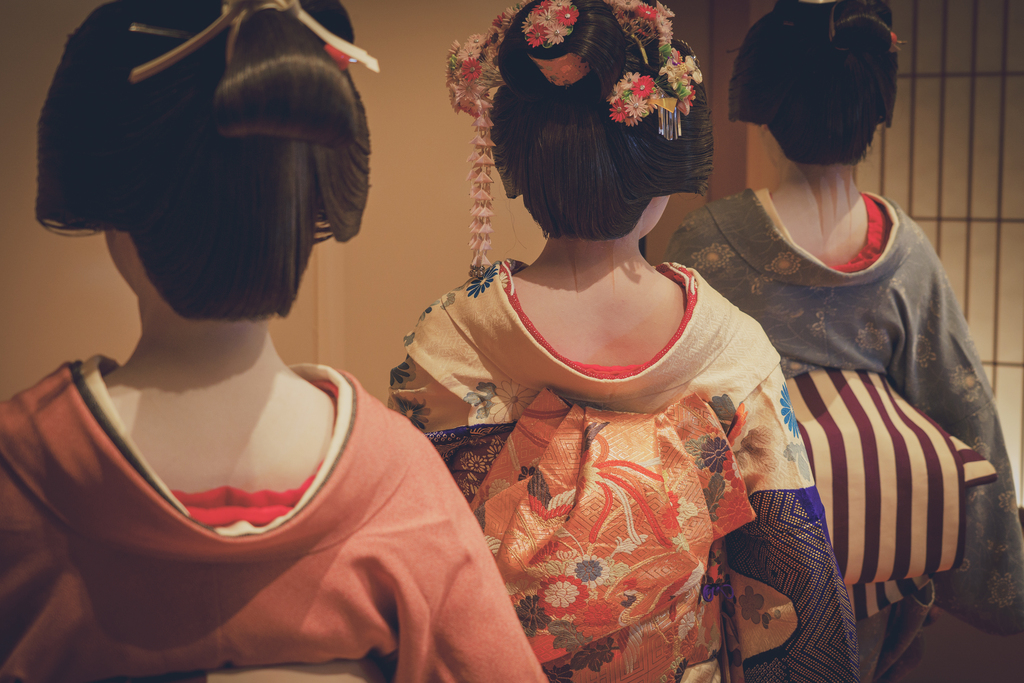
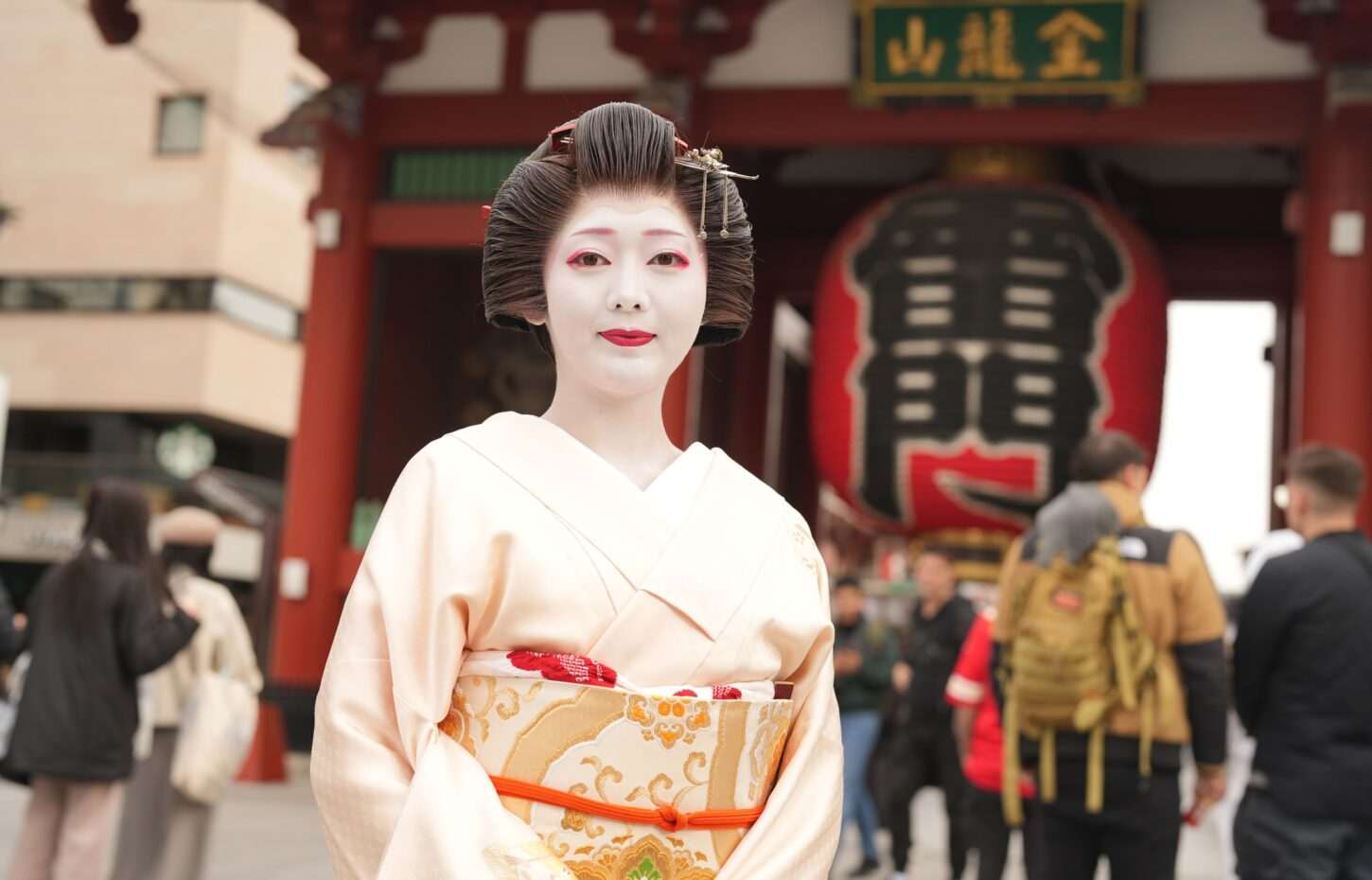
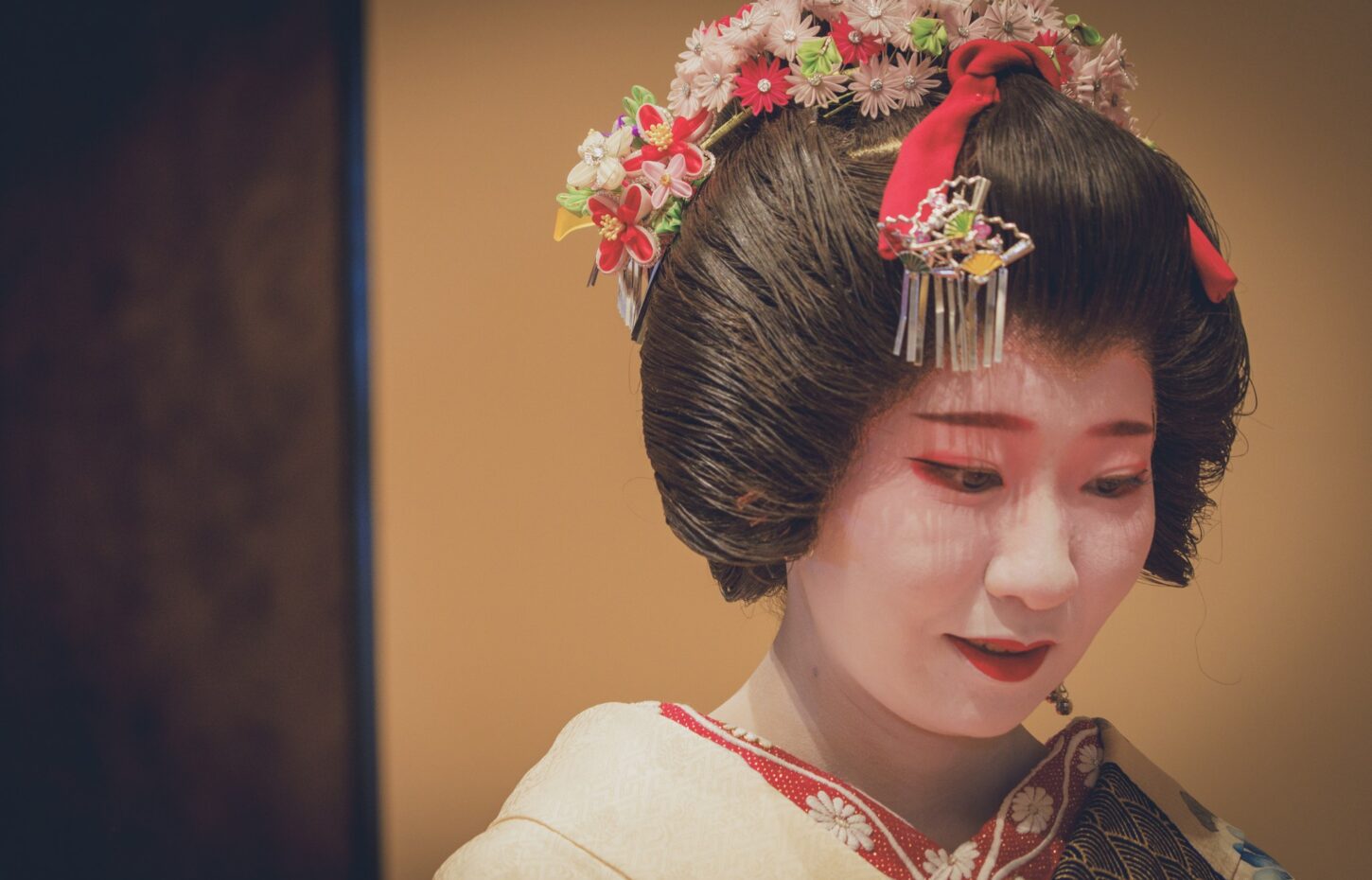
Asakusa is not just about the buildings; it is about the living arts that have survived for centuries. One of the most misunderstood and fascinating aspects of Japanese culture is the world of the geisha. While many people associate geisha primarily with Kyoto, the geisha of Asakusa have a distinct and vibrant history that reflects the spirited character of Tokyo. In the old days, the culture of Kyoto was centered around the imperial court, leading to a refined and elegant style. In contrast, the geisha culture in Tokyo was born from the samurai and merchant society of the Edo period. This created a culture defined by iki, a sense of chic, sophisticated, and spirited style that is unique to the city.
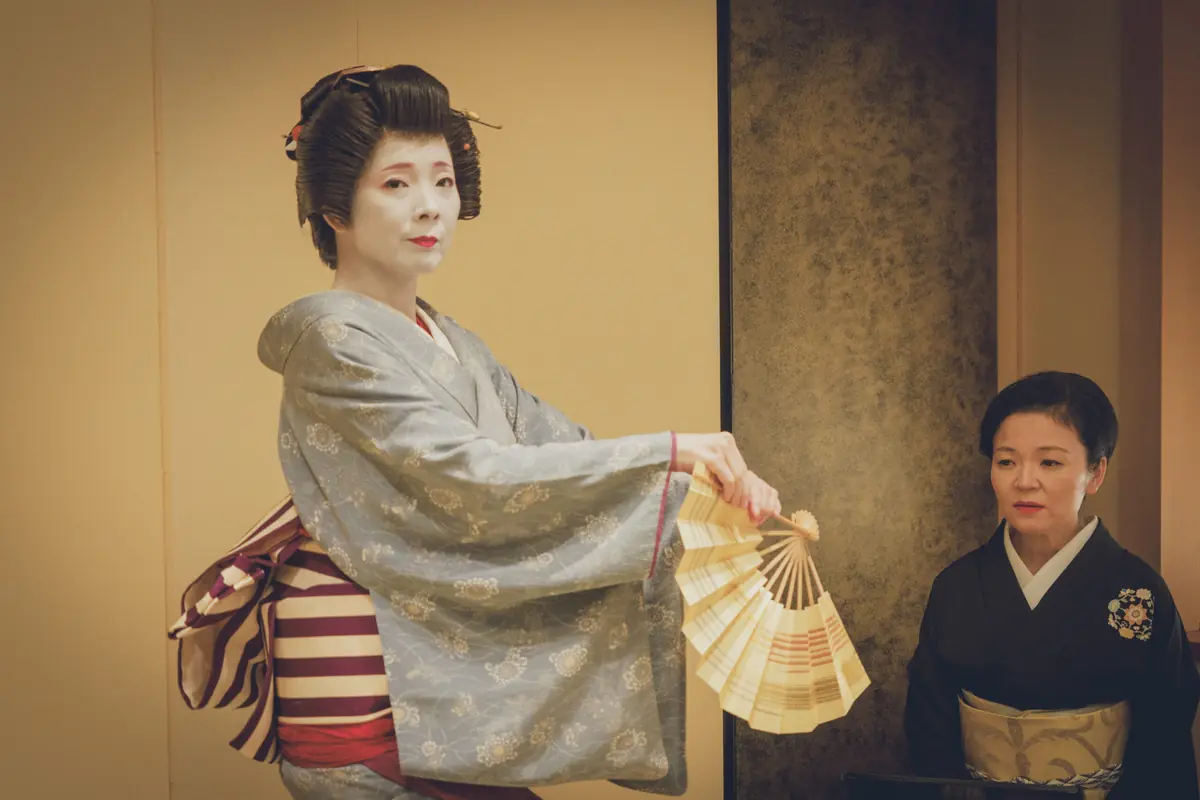
For a traveler seeking the true heart of this tradition in 2026, there is no better place to visit than Miyakodori. Located in the quiet area behind Senso-ji temple, known as Asakusa Kannon-ura, this establishment has been a cornerstone of the local community since its founding in 1950. While there were once many such places throughout the district, Miyakodori is currently the only remaining machiai-chaya in Asakusa. This is a special type of traditional restaurant where the primary focus is not just the high-quality meal, but the entertainment and interaction provided by highly trained geisha.
Entering Miyakodori feels like stepping into a private world of luxury and history. Guests are welcomed into beautiful private rooms where seasonal Japanese cuisine options are available — the 3-hour Twilight Gathering plan includes a full kaiseki course, while shorter plans offer cuisine as an optional addition. Each dish is a work of art, meticulously designed to represent the changing seasons of Japan on a plate, using the freshest local ingredients. However, the true essence of the evening begins when the geisha arrive. You will be mesmerized by the elegant dances and the beautiful sounds of traditional music performed on the shamisen. Beyond the performance, guests are invited to participate in ozashiki-asobi, or traditional parlor games. These games are a fun and interactive way to engage with the geisha, creating a shared sense of joy and relaxation.
What makes Miyakodori truly special is its open and welcoming atmosphere. Historically, some geisha districts could be very exclusive, but Asakusa has always been a more accessible and friendly area. Whether you are hosting a business meeting for international VIPs or celebrating a special anniversary with family and friends, Miyakodori provides a level of hospitality that is both profound and personal. The geisha here undergo years of rigorous training to ensure they provide the best possible experience for every guest. By spending an evening here, you are not just observing history; you are participating in a living tradition that has been carefully preserved for centuries. It is the ultimate way to experience the sophisticated nightlife of the Edo period in modern Tokyo. Asakusa is also one of the few places where you may encounter a taikomochi (hokan) — the rare male entertainer who performs alongside geisha at an ozashiki (geisha banquet).
Experience an Authentic Ozashiki (Geisha Banquet) in Asakusa
Asakusa Miyakodori — founded in 1950 — is the only machiai-chaya (geisha waiting house) in Asakusa. Private rooms, live shamisen, and English-speaking staff. No introduction required. Halal and vegetarian options available.
Request a Reservation5. Culinary Delights: From Michelin Stars to Hoppy Street Izakayas
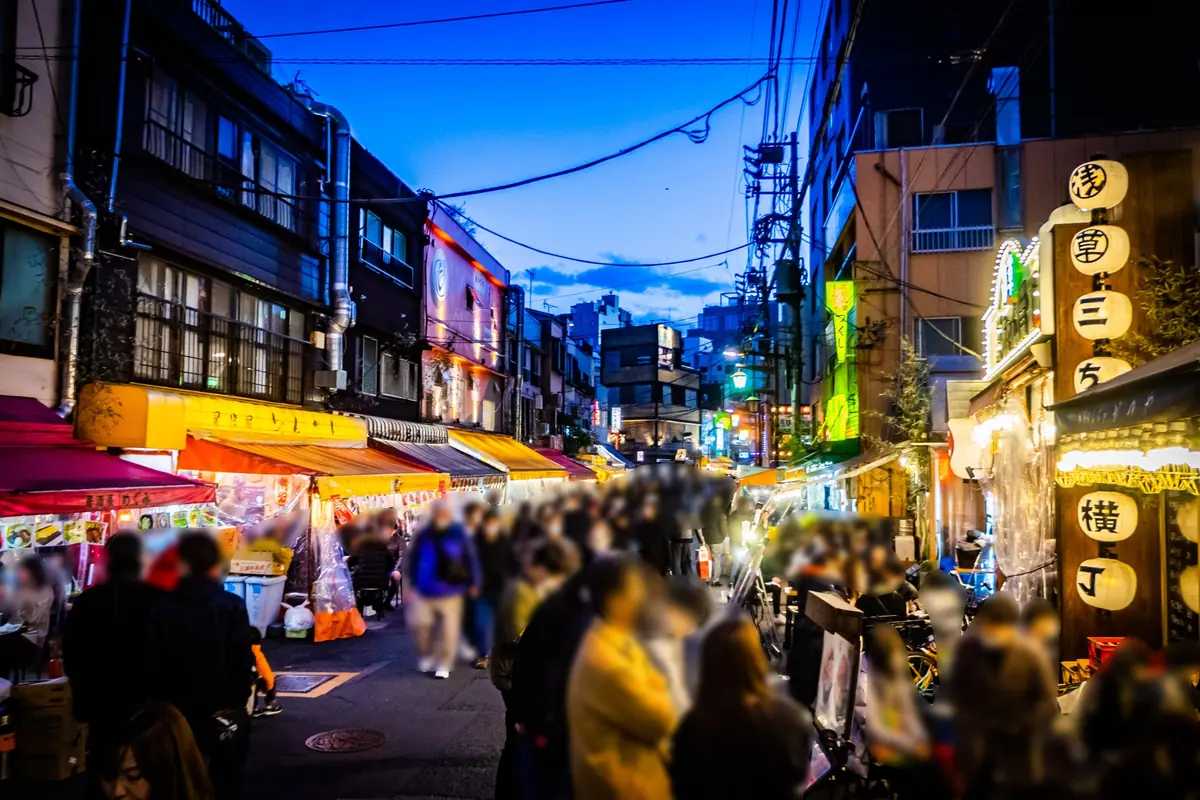
Food is an essential part of any travel guide, and in Asakusa, the culinary scene is a perfect reflection of the city’s history. When you visit in 2026, you will find that the local restaurants offer a delicious taste of Japan that spans from affordable street food to high-end dining. One of the most famous areas for a casual drink and local food is Hoppy Street. This lively outdoor area is famous for its izakayas, where you can enjoy a drink of Hoppy — a near-beer beverage often mixed with shochu — and stewed beef tendon. It is a popular spot for both locals and tourists to gather, especially in the evening.
If you are looking for a more traditional meal, Asakusa is the birthplace of many famous Japanese dishes. Sushi lovers should look for edomae sushi restaurants, which specialize in the style of sushi that originated in the Edo period when fish was caught right in the nearby Sumida River. For those who enjoy something crispy, the district is also known for some of the best tempura in Tokyo. You can find historic shops that have been serving perfectly fried seafood and vegetables for over a century. For a more modern experience, head toward the river to see the iconic Asahi Beer Hall, known for its unique golden flame architecture. Here, you can enjoy a cold beer while taking in a stunning view of the water and the Tokyo Skytree. Whether you are on a budget or looking for a Michelin-starred experience, the food culture here is a central part of the Asakusa experience. For a broader overview of Tokyo’s exceptional food experiences, see our dedicated guide. Those seeking the pinnacle of Japanese dining will also enjoy our guide to the best kaiseki in Tokyo.
Dine with Geisha in a Private Room
At Asakusa Miyakodori, live shamisen and traditional dance are performed in a private ozashiki (geisha banquet) setting. Japanese cuisine options are available, with a full kaiseki course included in the 3-hour plan. Halal and vegetarian options available. No introduction required — book directly online in English.
Request a Reservation6. Asakusa’s Hidden Gems: Kappabashi Kitchen Town and Hanayashiki
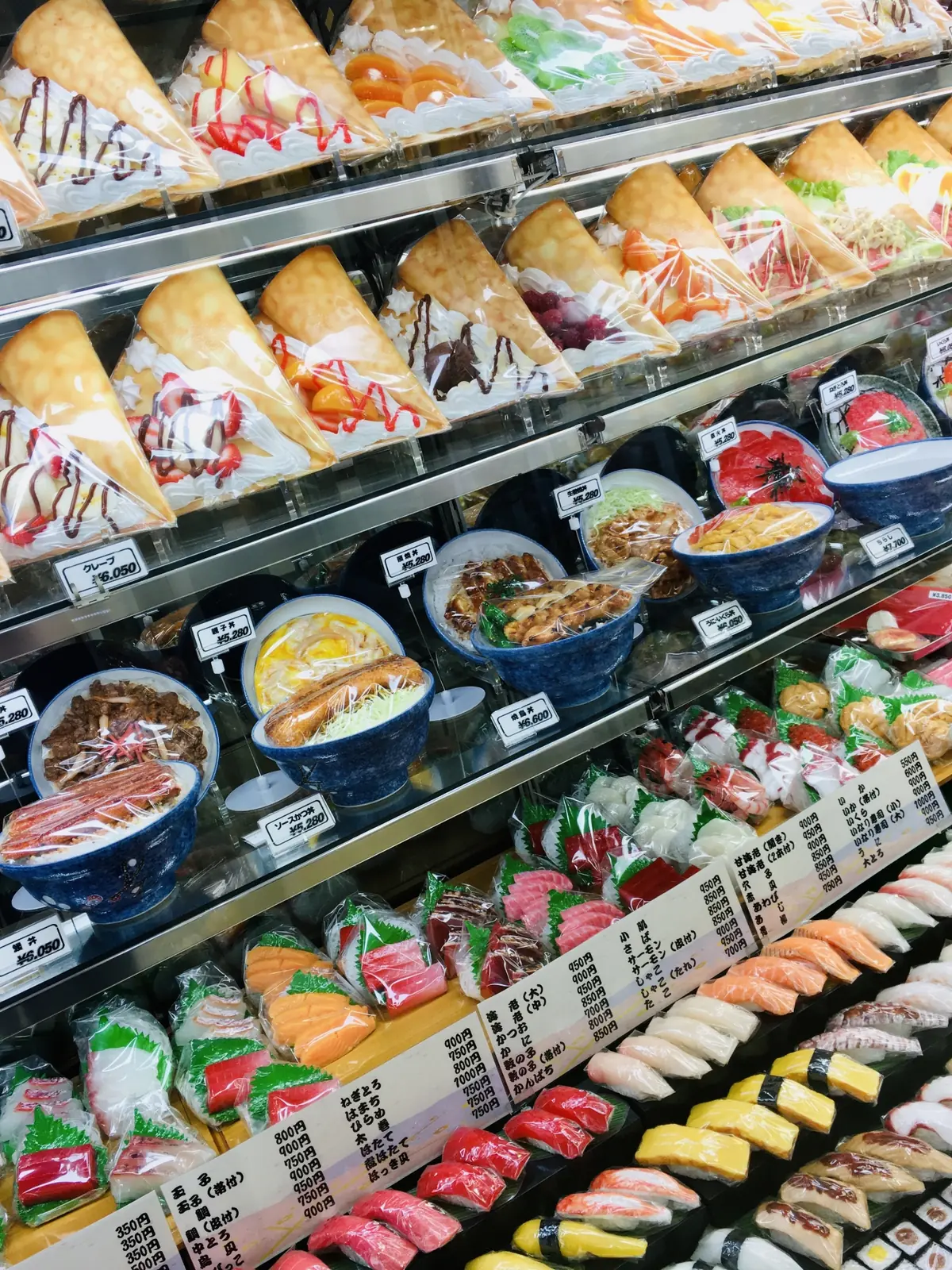
While the main shrines and temples draw the largest crowds, exploring the hidden gems of the area reveals the true diversity of Tokyo. A short walk from the central district brings you to Kappabashi, often called Kitchen Town. This unique street is a paradise for food lovers and professional chefs, selling everything from high quality Japanese knives to incredibly realistic plastic food samples. It is the perfect place to pick up functional souvenirs that represent the art of Japanese craftsmanship. Not far from here is Hanayashiki, which opened in the 1850s and remains Japan’s oldest amusement park. For a tourist in 2026, Hanayashiki offers a nostalgic, retro atmosphere that stands in stark contrast to the modern theme parks of the city. These sites offer a quieter, more local look at the history and entertainment culture of Asakusa, making them essential stops on any comprehensive guide to the Shitamachi area.
7. Asakusa After Dark: Night Illuminations and Quiet Streets
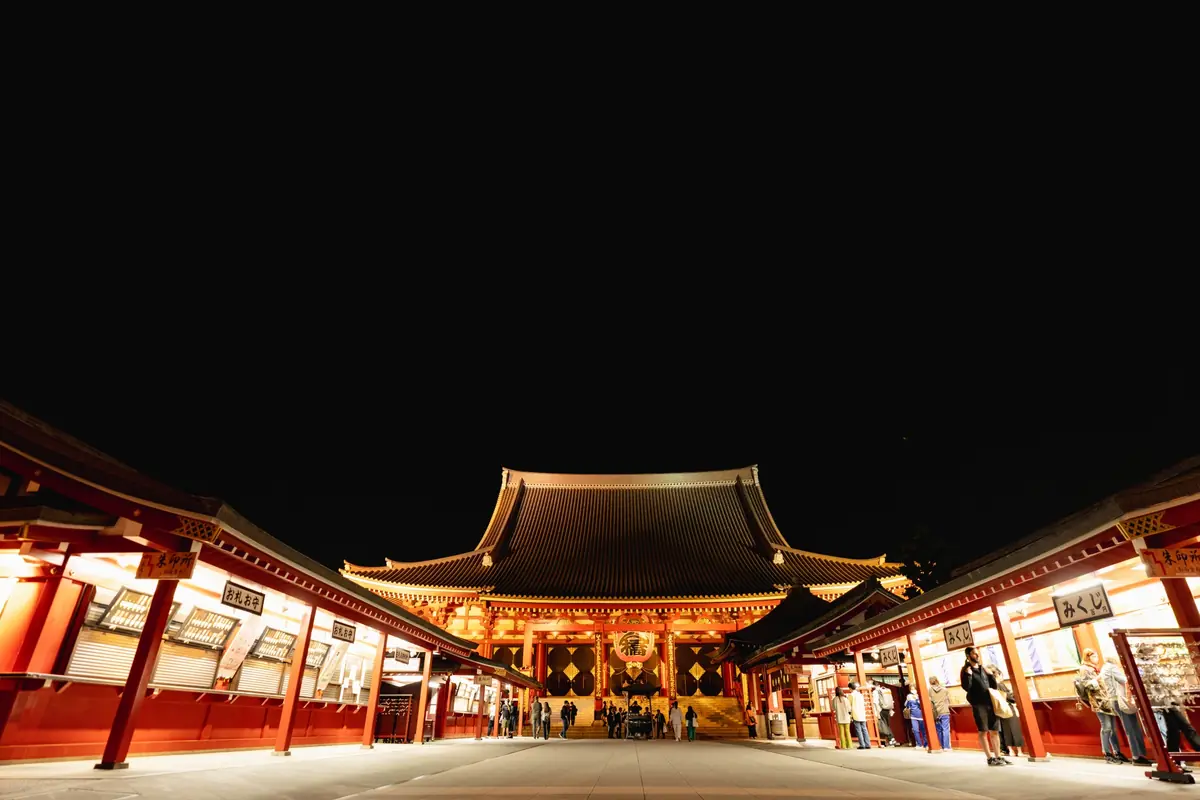
As the sun sets over Tokyo, the atmosphere in Asakusa shifts from a bustling tourist hub to a serene and magical landscape. One of the best experiences in 2026 is seeing the night illumination of Senso-ji temple. The red lanterns and the grand gate are beautifully lit, creating a glow that highlights the classic architecture without the daytime crowds. Walking through the quiet streets at night allows you to appreciate the Shitamachi spirit in a fresh light. After exploring the temple grounds, you can find small, local bars tucked away in the narrow alleys. These places offer a warm and welcoming space to enjoy a drink and connect with the community. Whether you are looking for a peaceful stroll or a cozy spot for nightlife in Asakusa, the district after dark provides a romantic and authentic view of the city that many travelers miss. It is the perfect way to wrap up your exploration.
8. A Year of Celebration: 2026 Seasonal Events and Festivals
Timing your visit to coincide with a local festival is the best way to see Asakusa at its most vibrant. In 2026, the calendar is packed with events that highlight the community spirit of the Shitamachi area. Spring begins with the beautiful cherry blossoms (sakura) in late March and early April. Sumida Park, located along the river, becomes a popular spot for hanami, where thousands gather under the pink trees with a view of the Tokyo Skytree.
The highlight of the year is the Sanja Matsuri, held from May 15th to 17th, 2026. This massive festival features a grand parade of priests, geisha, and locals carrying over a hundred portable shrines (mikoshi) through the streets. If you visit in July, do not miss the Sumida River Fireworks Festival on July 25th, a tradition dating back to the Edo period. These events offer a unique chance to see traditional arts and local pride on full display.
9. Exploring the Neighborhood: Sumida River Cruises and Tokyo Skytree
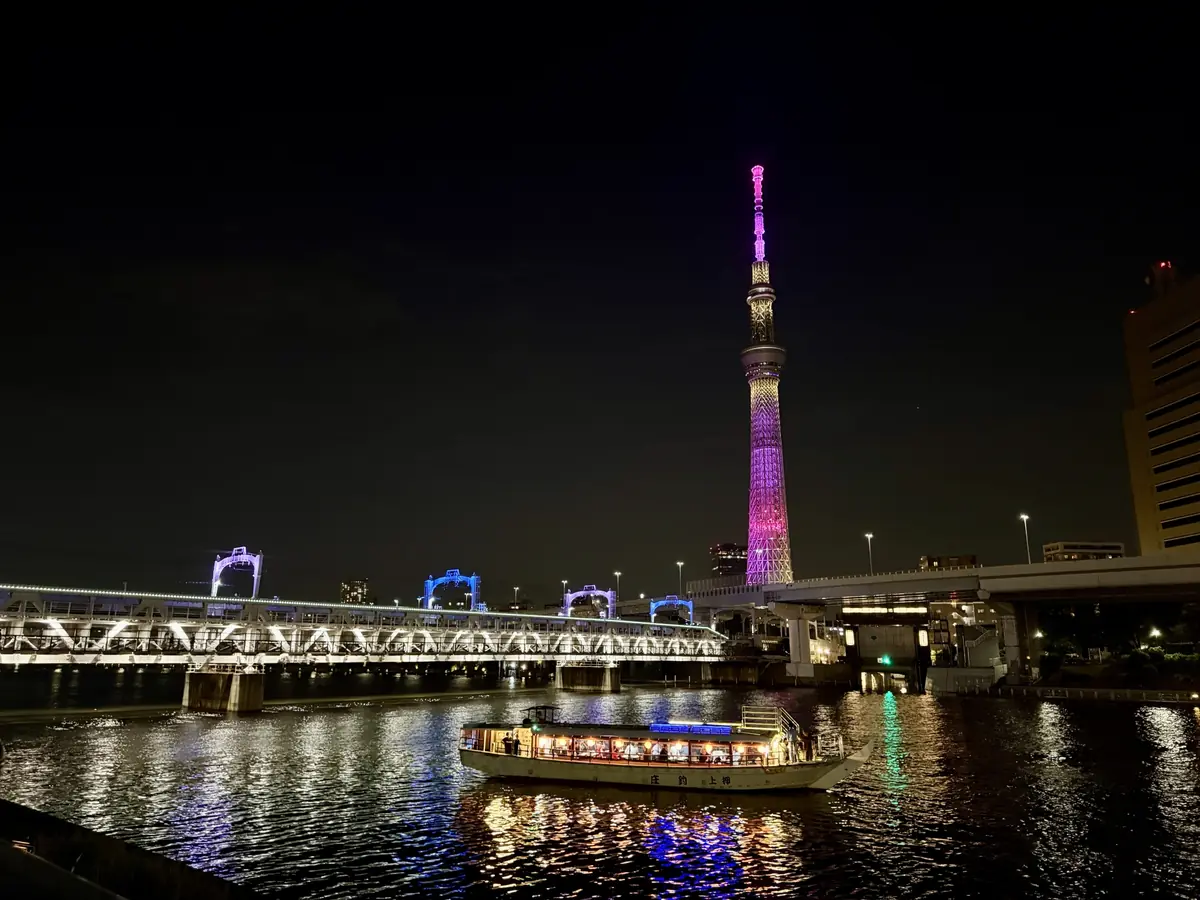
While Asakusa is defined by its deep history, it also serves as a perfect starting point to explore the modern side of the city. Just across the Sumida River stands the Tokyo Skytree, a massive tower that dominates the skyline. Visiting the observation deck in 2026 offers a stunning view of the entire Tokyo metropolis, stretching all the way to Mount Fuji on clear days. For a more relaxed experience, many tourists enjoy the Sumida River cruises. These water buses depart from the pier near the red Azuma Bridge, taking you on a scenic journey toward the futuristic Odaiba district or the beautiful Hamarikyu Gardens. Watching the traditional buildings of the old town fade into the distance as you glide past modern skyscrapers provides a unique perspective on how Japan balances its original roots with high-tech growth. It is a beautiful way to see the city from the water.
10. Where to Stay: Finding Your Home in the Old Town
Choosing where to stay is a key part of your trip planning. In 2026, Asakusa offers a diverse range of accommodations that cater to every budget. If you want a deep dive into Japanese culture, I highly recommend booking a traditional ryokan. These inns provide an authentic experience with tatami mats and communal baths, allowing you to feel the local Shitamachi spirit. For those who prefer modern comforts, there are many stylish boutique hotels and high-end options that offer a stunning view of the temple grounds or the river. Unlike the loud and crowded districts of Shinjuku or Shibuya, staying in Asakusa allows you to wake up in a quiet neighborhood and visit the popular shrines before the tour buses arrive. Whether you are looking for luxury or a budget-friendly hostel, finding your home in this historic area ensures your stay in Tokyo is both comfortable and culturally rich.
11. Conclusion: Why Asakusa Miyakodori is Your Gateway to Authentic Japan
Asakusa remains the ultimate destination for anyone seeking the original heart of Tokyo. While the city continues to evolve toward the future, this historic district preserves the timeless beauty of Japanese culture. To truly elevate your trip in 2026, a visit to Miyakodori is essential. As the only remaining machiai-chaya in the area, it offers a rare bridge to the sophisticated world of the Edo period. Here, the refined arts of the geisha — live shamisen, traditional dance, and ozashiki games — create a memory that will stay with you forever. The 3-hour plan adds a full kaiseki course for the complete experience. Whether you are hosting important guests or celebrating a life milestone, the deep sense of hospitality found at Miyakodori provides a profound connection to the spirit of Japan. We invite you to step away from the modern crowds and discover the true essence of Shitamachi. Your journey into authentic tradition begins right here in the quiet streets of Asakusa.
Begin Your Asakusa Ozashiki (Geisha Banquet) Experience
Asakusa Miyakodori is the only remaining machiai-chaya in Asakusa — founded in 1950. Live shamisen, traditional dance, and ozashiki games in a private room. A full kaiseki course is included in the 3-hour plan. English-speaking staff. No introduction required.
Request a ReservationFrequently Asked Questions
Q1: How can I start planning my trip to the Asakusa area, and where can I find current information in English?
To start your journey, you should search the official website to read the latest content and check the current privacy policy. You can easily add various links to your digital maps to help you find every specific shrine, temple, or historic building within minutes of arriving. Most people arrive via the JR lines or the local metro. If you want to learn more about the district, many sites offer English guides. Whether you are looking for a small shop to buy souvenirs or a large department store near the station, the center of the old town is very easy to navigate. If you have specific questions about a booking, you can use the contact form on the restaurant website to get an answer within an hour during business times.
Q2: How has Asakusa changed over the long history of Tokyo, especially compared to areas like Roppongi or Harajuku?
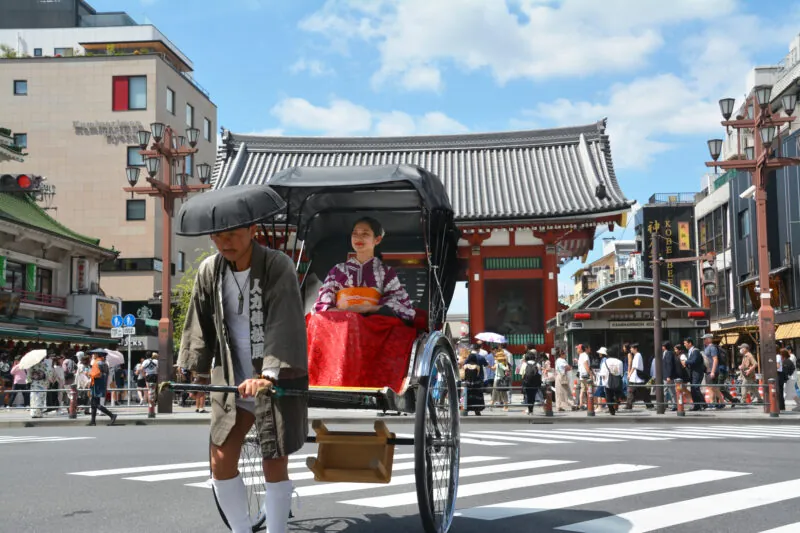
Asakusa has a very long history and was famously rebuilt after the destruction of the war. While modern areas like Roppongi, Marunouchi, or Harajuku focus on high-end fashion and business, Asakusa remains a kind of cultural heart. You can explore the Rokku district, which was once the center of entertainment filled with many theaters and cinemas. The stories of this era are fascinating to read. Unlike the busy atmosphere of Tsukiji or the quiet garden views of Yanaka and Sugamo, Asakusa offers a unique mix of energy and tradition. Whether you visit in October for the autumn colors or take a short rickshaw ride through the streets, you will find a different side of the city. It is a place where you can still feel the spirit of old Japan even as the current world moves forward.
Related Guides


- Best Geisha Experiences in Japan: A Complete Guide for 2026
- Japanese Geisha Cup Game: Rules and How to Play Konpira Fune Fune
If You Buy in Asakusa, This Is It! Recommended Souvenir Guide
【Reservation Required】Asakusa Christmas Dinner Definitive Guide! 3 Recommended Restaurants with Private Rooms
Japanese Culture vs American Culture: A Traveler’s Guide
Asakusa’s Complete Sightseeing Guide | 10 Carefully Selected Spots from Kaminarimon to Hidden Gems Part①
Traditional Japanese Culture Experience: A 2026 Travel Guide
Japanese Culture Events: A 2026 Guide to Festivals and Traditions for International Travelers
Comment ( 0 )
Trackbacks are closed.

No comments yet.