



Authentic Japan Travel Guide 2026: Discover the Real Culture Beyond Social Media
Beyond the Tourist Traps: A Guide to Experiencing Authentic Japan in 2026
If you are planning a trip to Japan in 2026, you probably have lots of saves full of neon signs in Shinjuku, the same specific street view in Kyoto, and maybe a viral fluffy pancake. But here is the thing: those clips only show you the surface. They give you the image of Japan, but they often miss the heart. Finding an authentic Japanese experience in this digital age requires a bit of digging and a willingness to step away from the algorithm. This guide is about moving past the noise and finding the stories, the people, and the culture that make this place truly special.
What Does Authentic Japan Truly Mean?
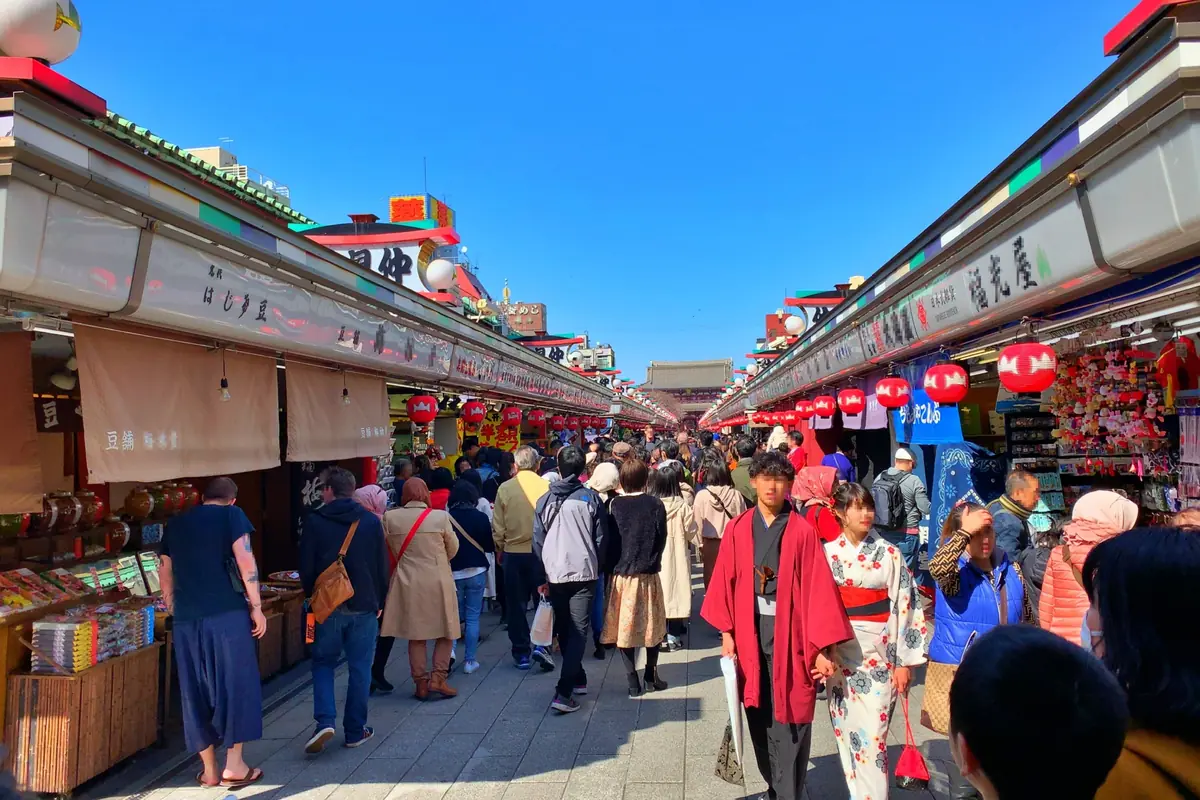
The term authentic is thrown around a lot in travel blog posts, but what does it look like in a Japanese context? It is more than just eating sushi or seeing a shrine. Authentic Japan is found in the concept of Iki, a word used to describe a certain type of sophisticated, understated chic that originated in the merchant class of old Tokyo. While Kyoto is often associated with Miyabi, or imperial elegance, Tokyo—and specifically areas like Asakusa—carries the spirit of the samurai and the commoner. It is a culture that values spiritual straightness, simplicity, and a quiet sense of pride. When you seek an authentic experience, you are looking for those moments where time seems to slow down, where the hospitality feels personal rather than programmed, and where you can feel the 400 years of history beneath your feet. It is about connecting with the local soul of the country.
Why Following Instagram Itineraries Might Lead to Disappointment
We have all seen it. A quiet alleyway becomes a crowded photo op because it went viral. By the time you get there in 2026, the local charm might be replaced by a line of people holding phones. The problem with social media tourism is that it treats Japan like a museum of backgrounds rather than a living, breathing place. To find the real Japan, you need to look for destinations that have preserved their traditions for the local community, not just for the camera. This means looking for places where locals actually live, work, and celebrate. Authentic travel means being a participant in the culture, not just a spectator.
Essential Destinations for Cultural Immersion
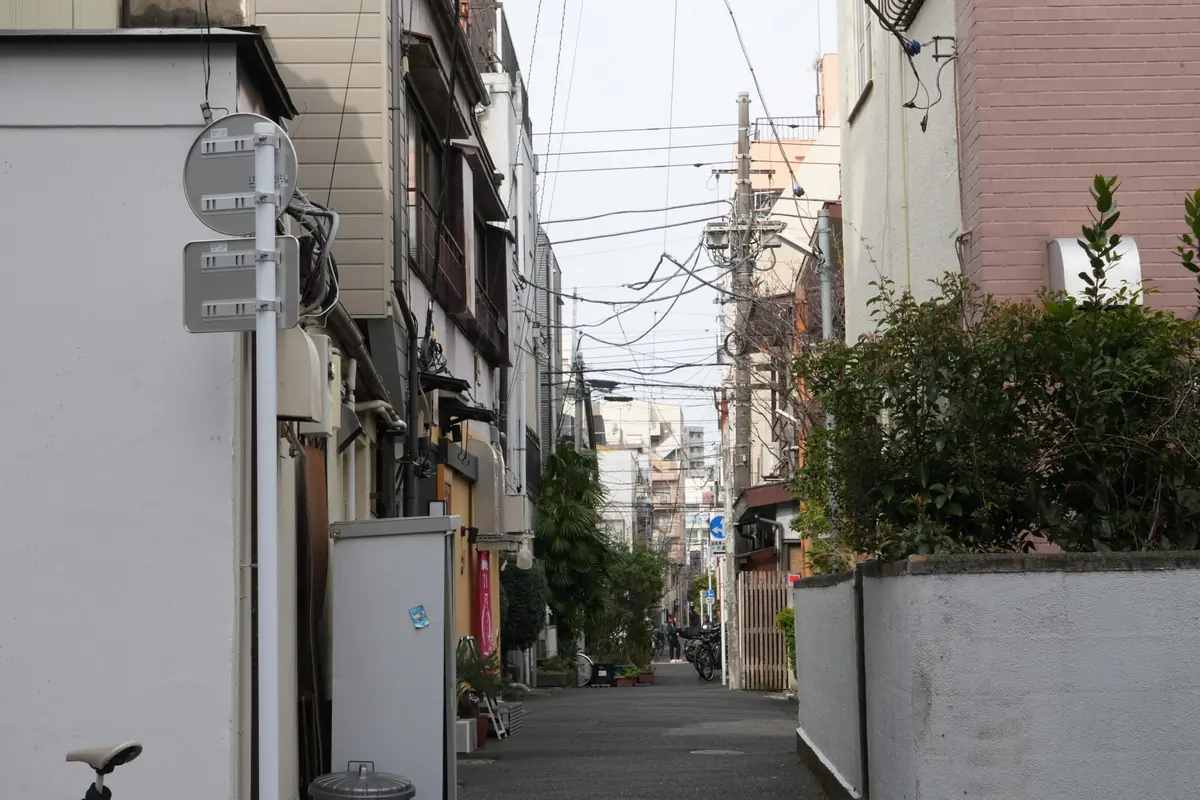
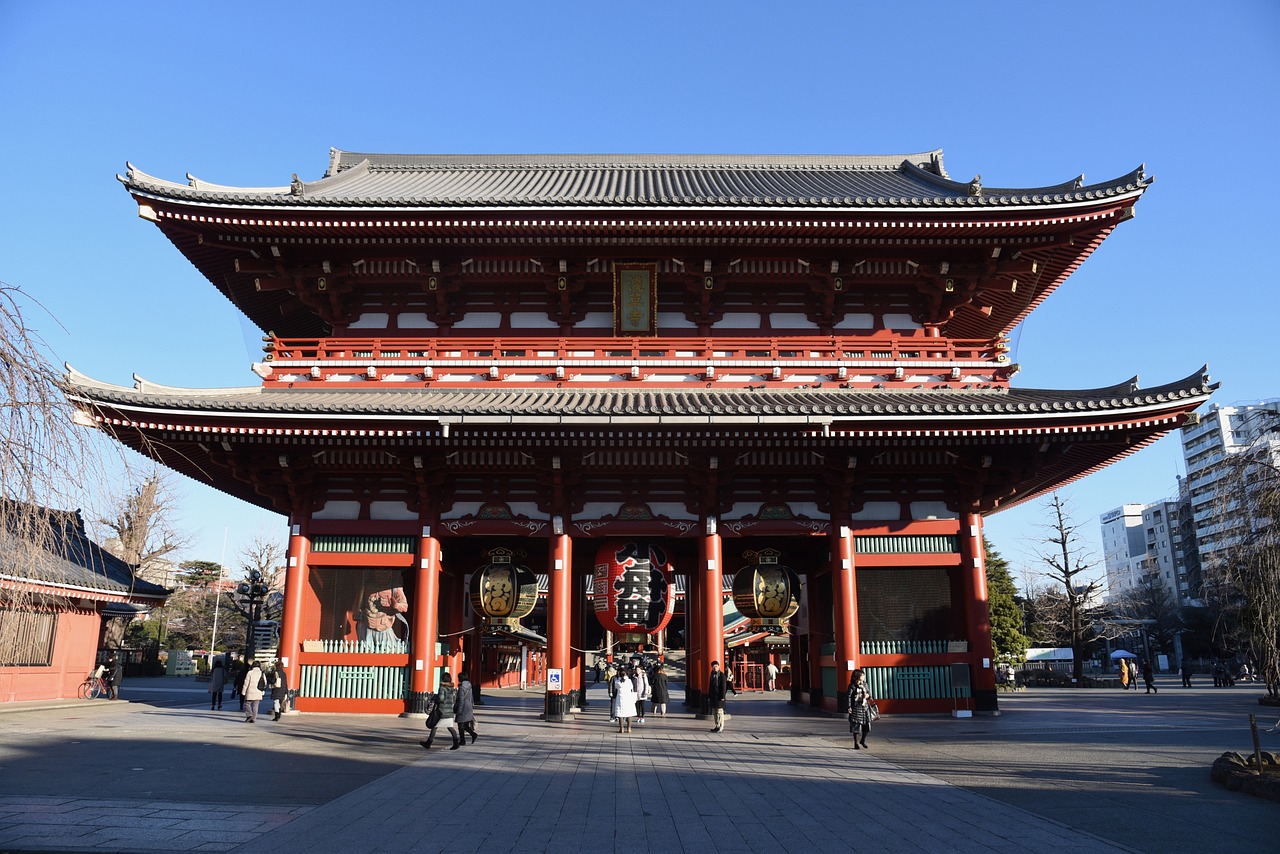
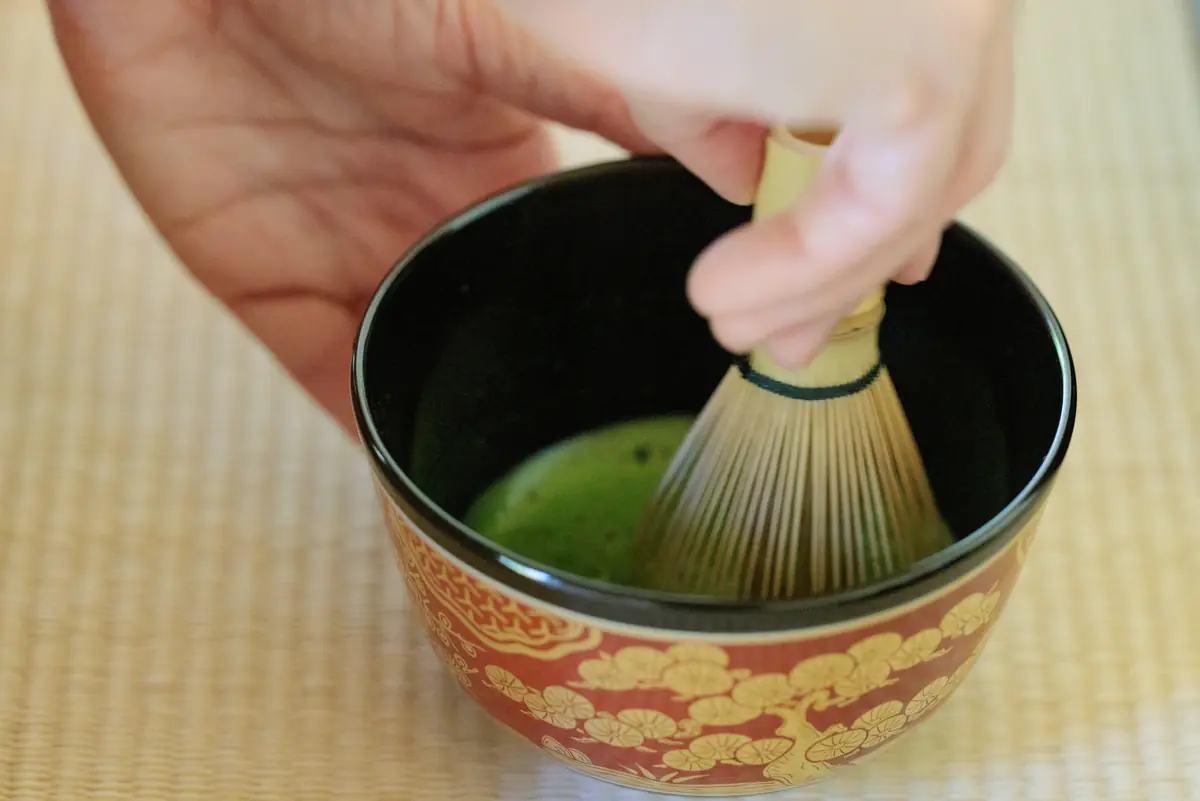
While Tokyo, Kyoto, and Osaka remain the big three, how you experience them makes all the difference. In Tokyo, forget the crowded crossings for a moment and head to the Kannon-ura area of Asakusa. This is the oldest part of the city, where the spirit of the Edo period still lingers. In Kyoto, look beyond the main temples and explore the tea-growing regions of Uji or the quieter residential areas where the tradition of the tea ceremony is a way of life. If you are looking for something truly off the beaten path, consider places like Awaji Island, where ancient Japanese myths come to life amidst beautiful coastal scenery. These areas offer a chance to see Japan’s beauty without the heavy curtain of mass tourism. You can discover quiet sites and local stories that never make it to the front page of travel magazines.
Connecting with Locals: The Heart of Japanese Hospitality
The secret to a great trip isn’t the monuments you see; it is the people you meet. Japanese hospitality, known as Omotenashi, is often described as providing service that anticipates a guest’s needs before they even realize them. But on a deeper level, it is about a genuine heart-to-heart connection. To experience this, try to visit smaller, family-run establishments. Whether it is a tiny bar in an alley or a traditional ryokan, these are the places where you can engage with locals. Don’t be afraid to use a few Japanese terms or ask for recommendations. Most people are proud of their culture and are happy to share their favorite spots or stories about their town. This human element is what turns a good trip into a life-changing experience.
Experience the Heart of Asakusa — an Ozashiki (Geisha Banquet) at Miyakodori
Skip the tourist traps and step into a private ozashiki (geisha banquet) at Asakusa Miyakodori — the only machiai-chaya in Asakusa. Founded in 1950, this is authentic Japan at its most intimate. English-speaking support is available for international guests.
Request a ReservationDeep Culture Experiences: From Tea Ceremonies to the World of Geisha
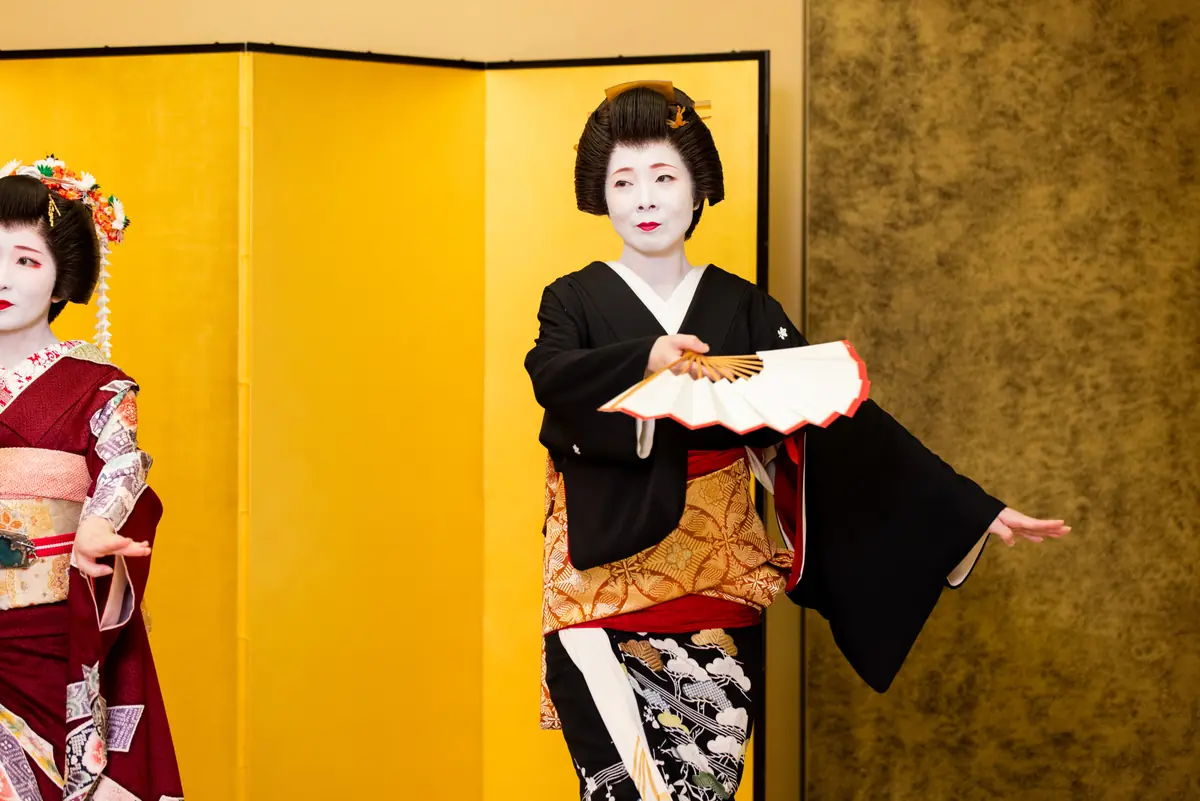
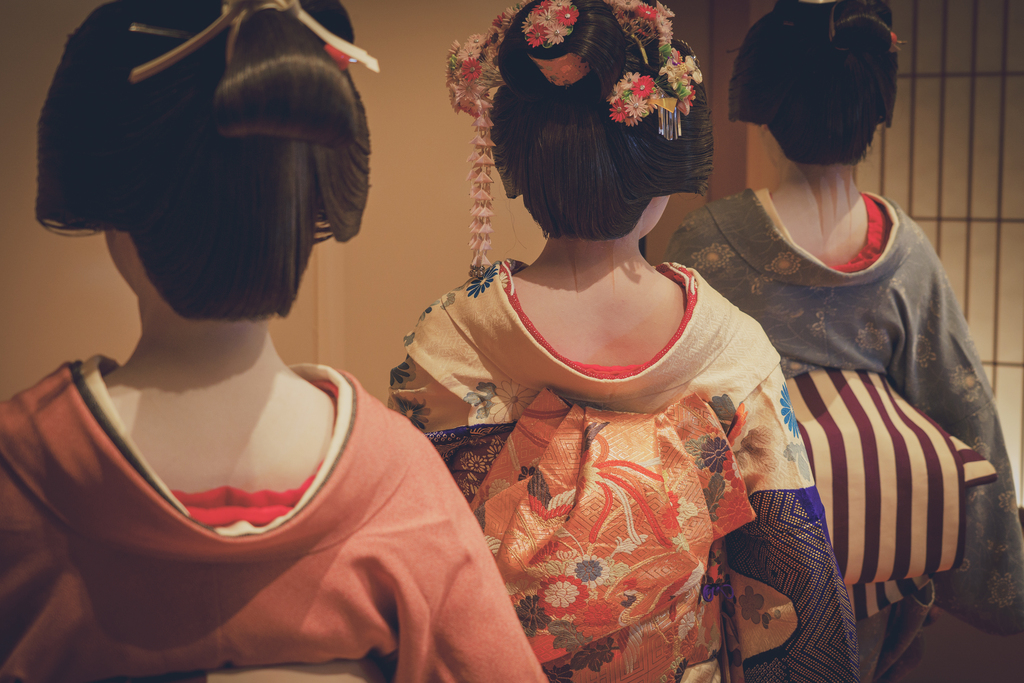
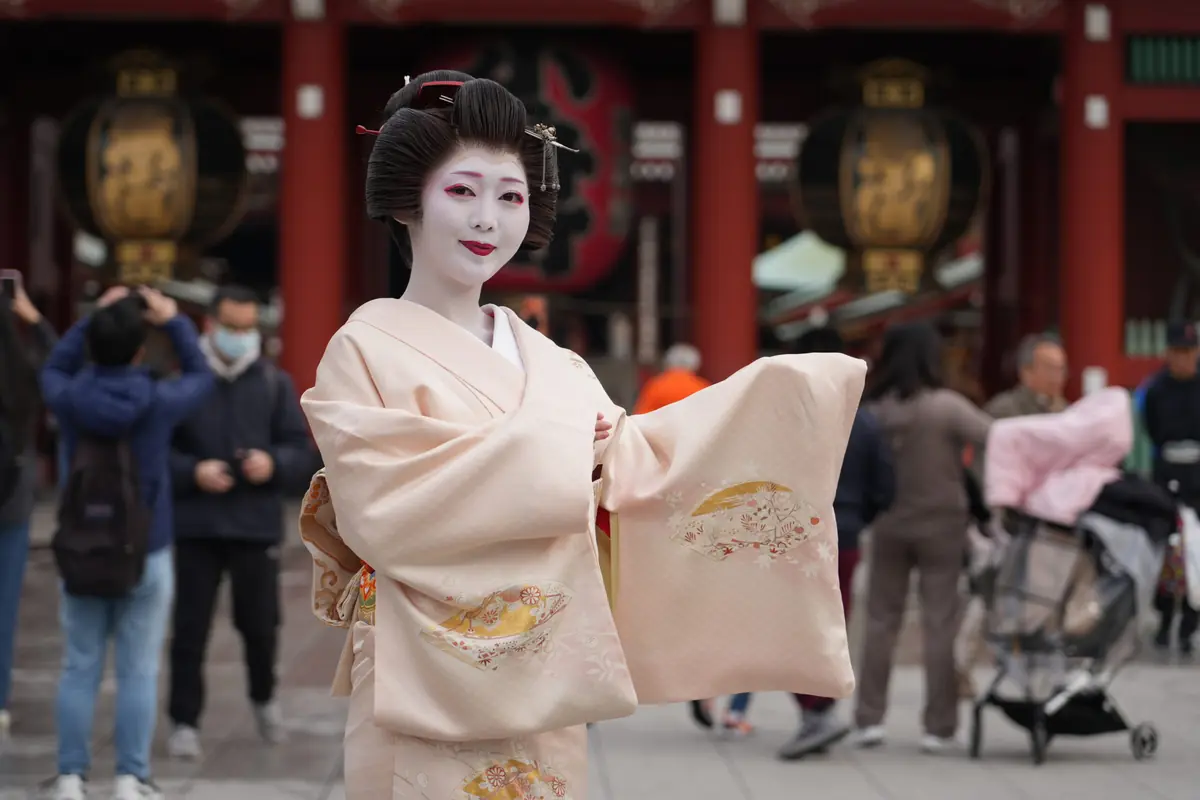
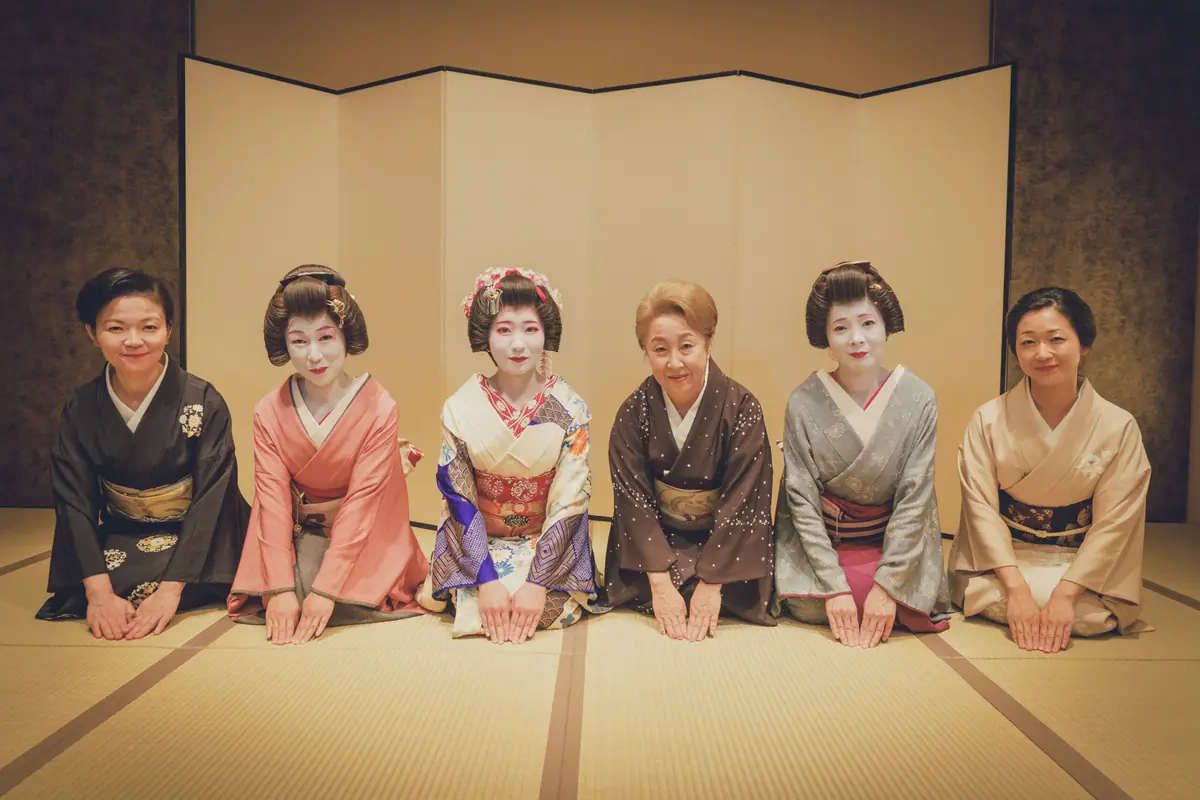
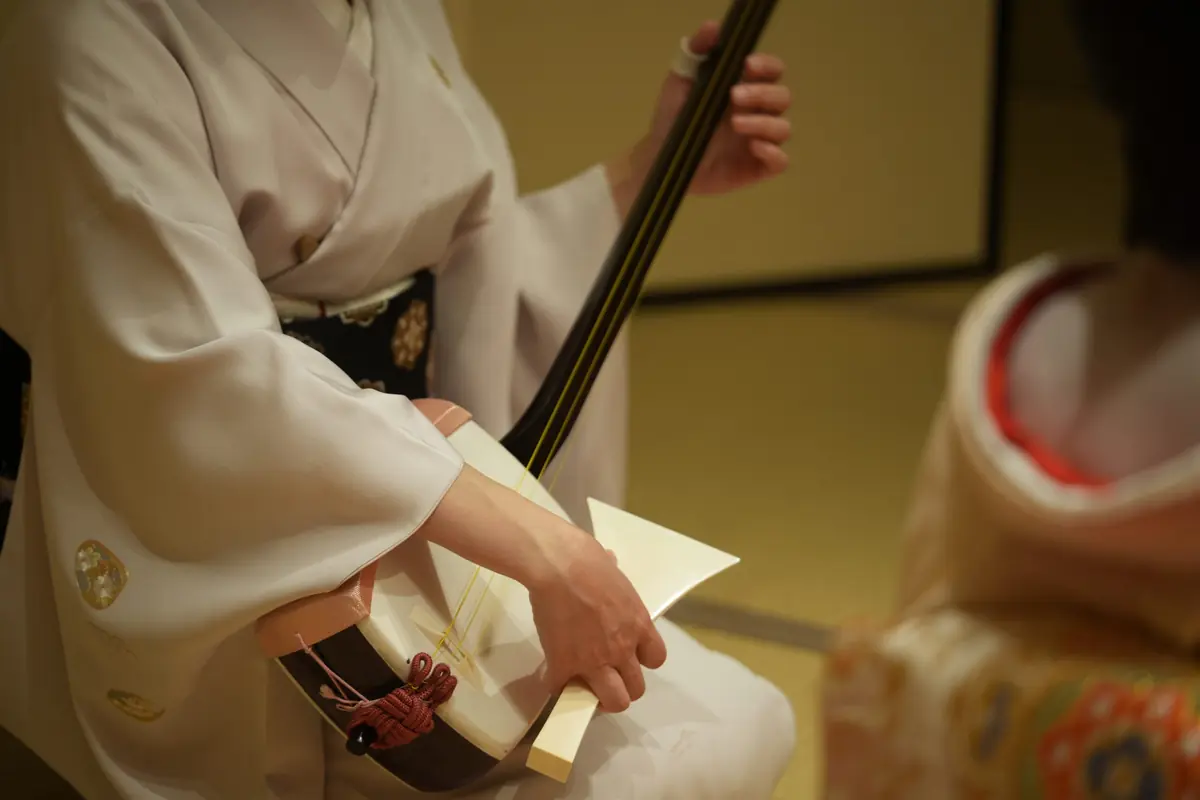
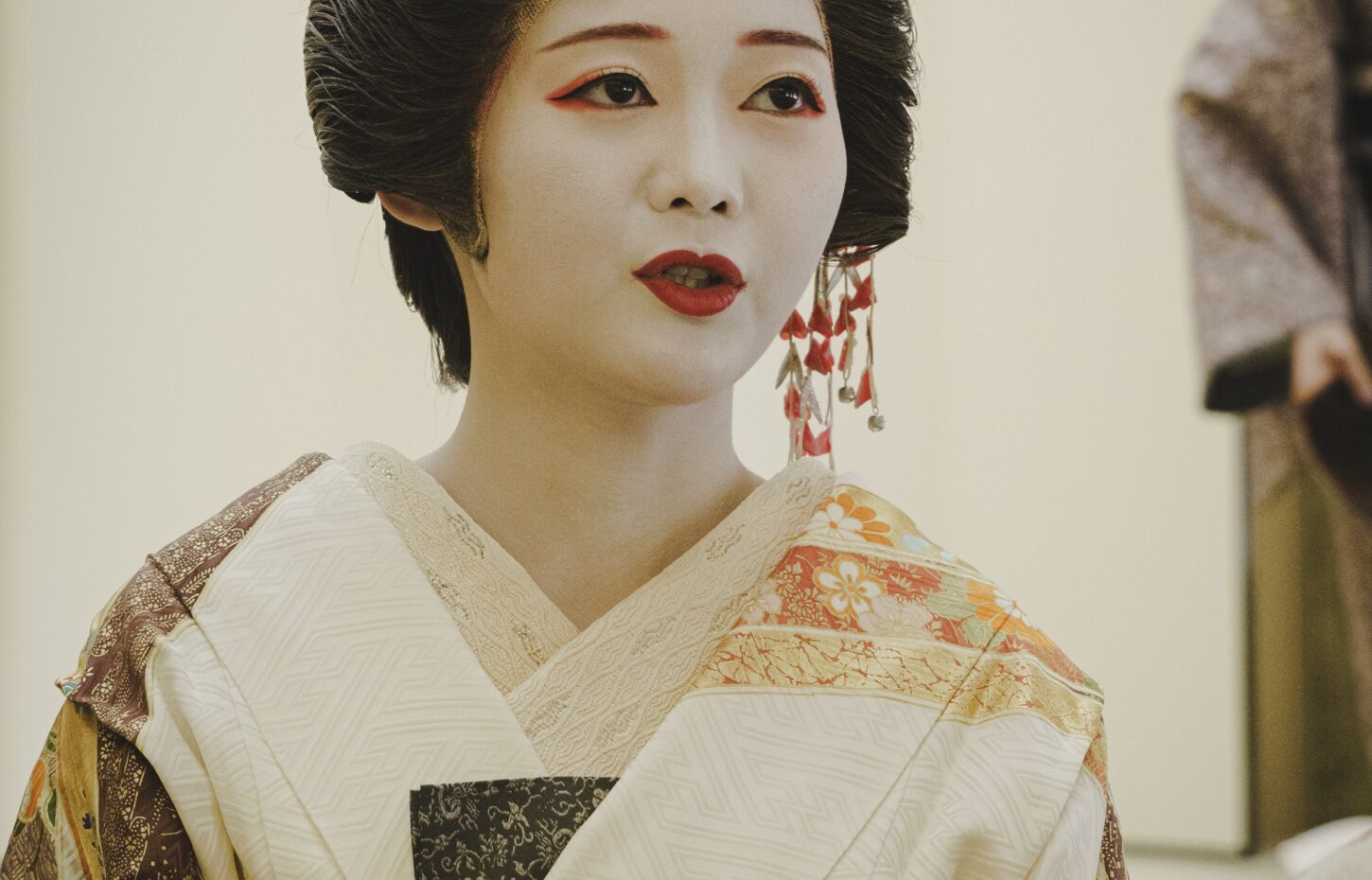
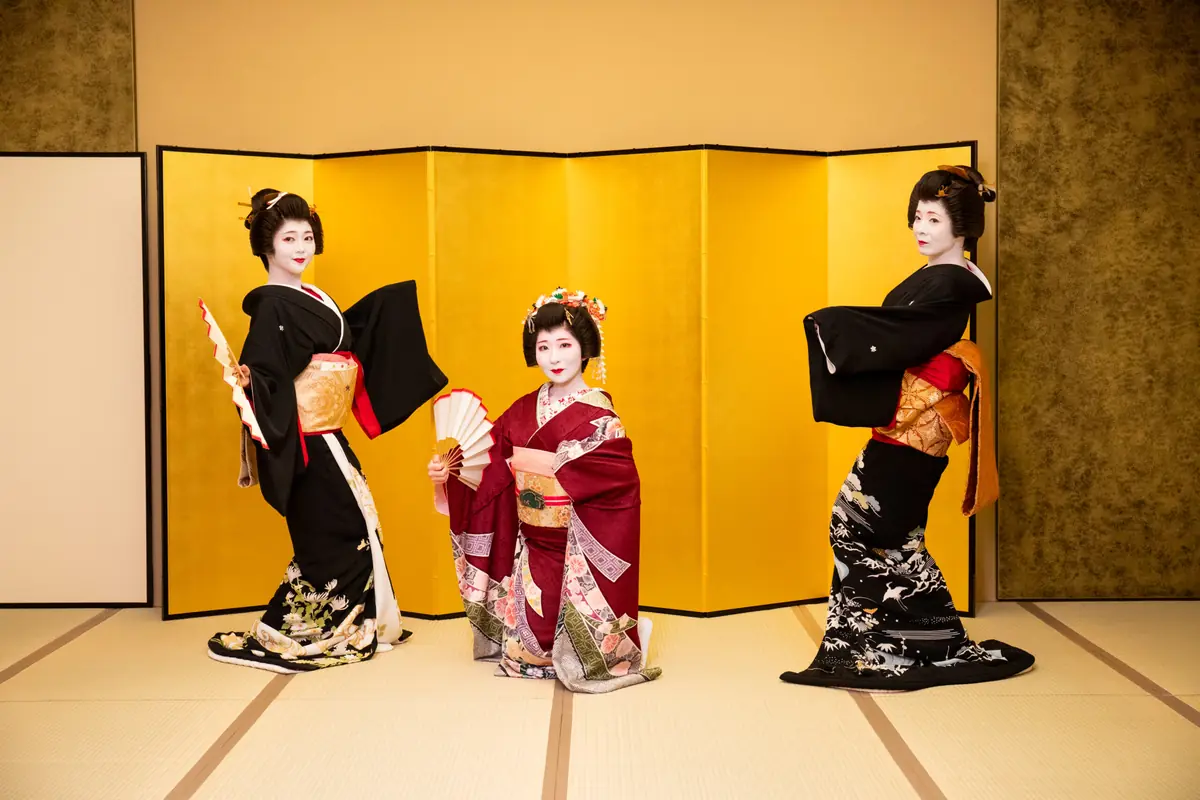
To truly understand the essence of Japanese culture, you have to engage with its traditional arts. Many travelers think that the world of the Geisha is a closed society, especially in Kyoto where the rules are very strict. However, Tokyo offers a different perspective. Asakusa has a long history as an open district. Unlike the more formal and aristocratic atmosphere of Kyoto, the Geisha of Asakusa are known for their spirited, approachable, and refined style. This is where you can experience the true joy of the Hanamachi, or flower town. Engaging in an ozashiki (geisha banquet) experience—where you can watch traditional dances and play games with Geisha—is perhaps one of the most profound ways to connect with Japan’s past. These performers undergo years of rigorous training to master music, dance, and the art of conversation, all to ensure your time with them is unforgettable.
How to Plan Your Authentic Trip: Practical Tips
Planning a trip that focuses on depth rather than surface takes a bit of intention. First, consider the timing. While the cherry blossom season is famous, every season in Japan has its own charm and specific food. Winter offers a quiet, meditative view of the country, while autumn brings vibrant colors and harvest festivals. Second, book your experiences in advance. High-quality, authentic experiences often have limited space because they prioritize intimacy over volume. Third, look up travel blogs to find news about local events and festivals that might not be widely advertised in English. Finally, give yourself permission to get lost. Some of the best places to be found are the ones you might stumble upon while taking a wrong turn.
Conclusion: Embracing the Real Spirit of Japan
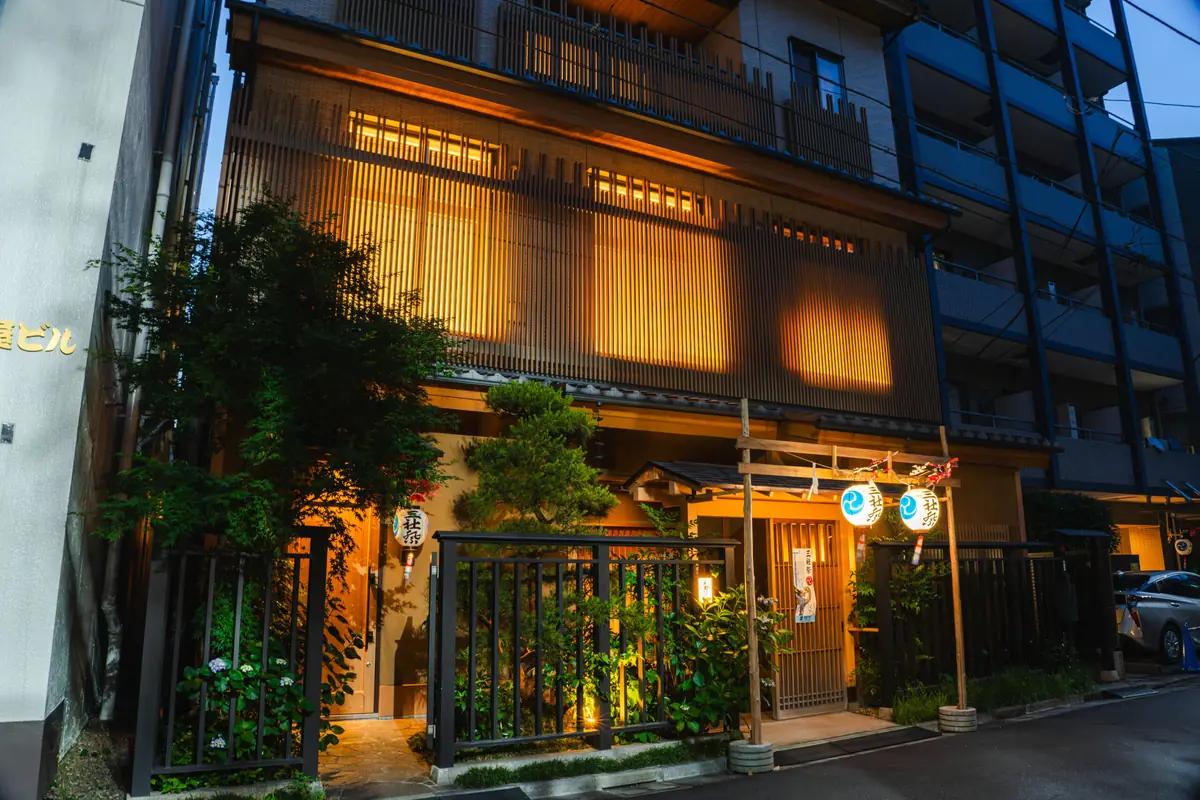
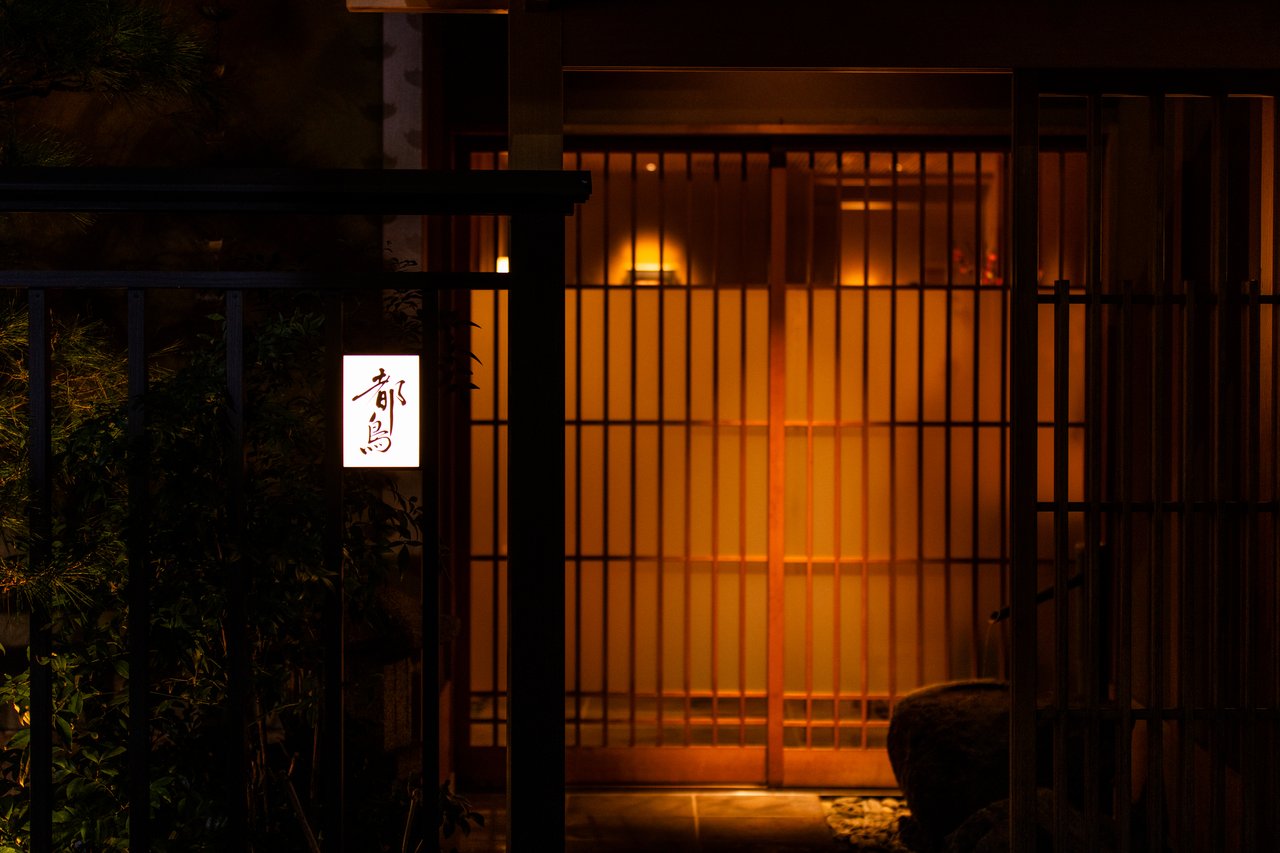
Japan is a country of layers. You can spend a lifetime here and still find new stories to tell. As you prepare for your 2026 journey, remember that the most authentic experiences are the ones that challenge your perspective and touch your heart. If you want to see the real soul of Tokyo, we highly recommend visiting Asakusa and experiencing the hospitality of Miyakodori. Located in the historic Asakusa Kannon-ura district, Miyakodori is a traditional Japanese restaurant that offers a rare glimpse into the world of the Geisha.
As the only remaining Machiai-chaya in Asakusa—a place specifically designed for enjoying the company of Geisha—Miyakodori offers an authentic Edo-style experience that you won’t find anywhere else. Since its founding in 1950, it has been a sanctuary of tradition. You can enjoy exquisite seasonal Kaiseki cuisine in a private room, accompanied by the captivating dances and beautiful music of professional Geisha. If you want a night that will be deeply engraved in your memory, a visit to Miyakodori is the perfect way to conclude your search for the real Japan.
Sources and Footnotes
- [1] About Ozashiki-chaya and its history: https://prtimes.jp/main/html/rd/p/000000001.000165250.html
- [2] Information about Asakusa and Miyakodori: https://asakusa.gr.jp/jp/?p=385
- [3] Tokyo Metropolitan Government’s perspective on traditional districts: https://www.my.metro.tokyo.lg.jp/w/000-20240711-43128106
- [4] Details on Asakusa Geisha and their training: https://asakusakenban.com/
Frequently Asked Questions
Is it difficult for foreigners to visit a geisha venue?
Traditionally, many places required an introduction from an existing customer, but Asakusa is known for its open atmosphere. Places like Miyakodori welcome international guests and provide a guided experience into this beautiful world.
What should I wear to an authentic Japanese dinner?
While formal wear isn’t always required, dressing respectfully is appreciated. For a high-end experience like a Geisha performance, smart-casual or business-casual attire is best.
Can I experience authentic culture in a modern city like Tokyo?
Absolutely. Districts like Asakusa have preserved their 400-year history. You just have to look beyond the main shopping streets to find the traditional restaurants and artisan workshops.
Ready to Experience the Real Japan?
Asakusa Miyakodori — the only machiai-chaya in Asakusa — opens the door to an authentic ozashiki (geisha banquet) experience. Seasonal kaiseki cuisine, traditional dance, live shamisen music, and the warm hospitality of professional geisha, all in a private room. English-speaking support available. Book directly online — no introduction required.
Request a ReservationReservations are request-based (confirmed within two business days). Phone inquiries: 14:00–20:00 (JST)


- The Real Meaning of Geisha in Japan: History, Life, and Modern Traditions
- Japanese Geisha Facts: Unveiling the Art, History, and Hidden World of Traditional Entertainment
What Is the Origin of Asakusa’s Place Name? 【Thorough Explanation】Three Prominent Theories and Unfamiliar History
Authentic Geisha Outfit Guide: Traditional Japan Costume Arts
GEISHA IN MODERN JAPAN: TRADITION, CULTURE, AND WHERE TO EXPERIENCE THEM TODAY
Hakoya: The Unsung Keeper of Asakusa’s Geisha World
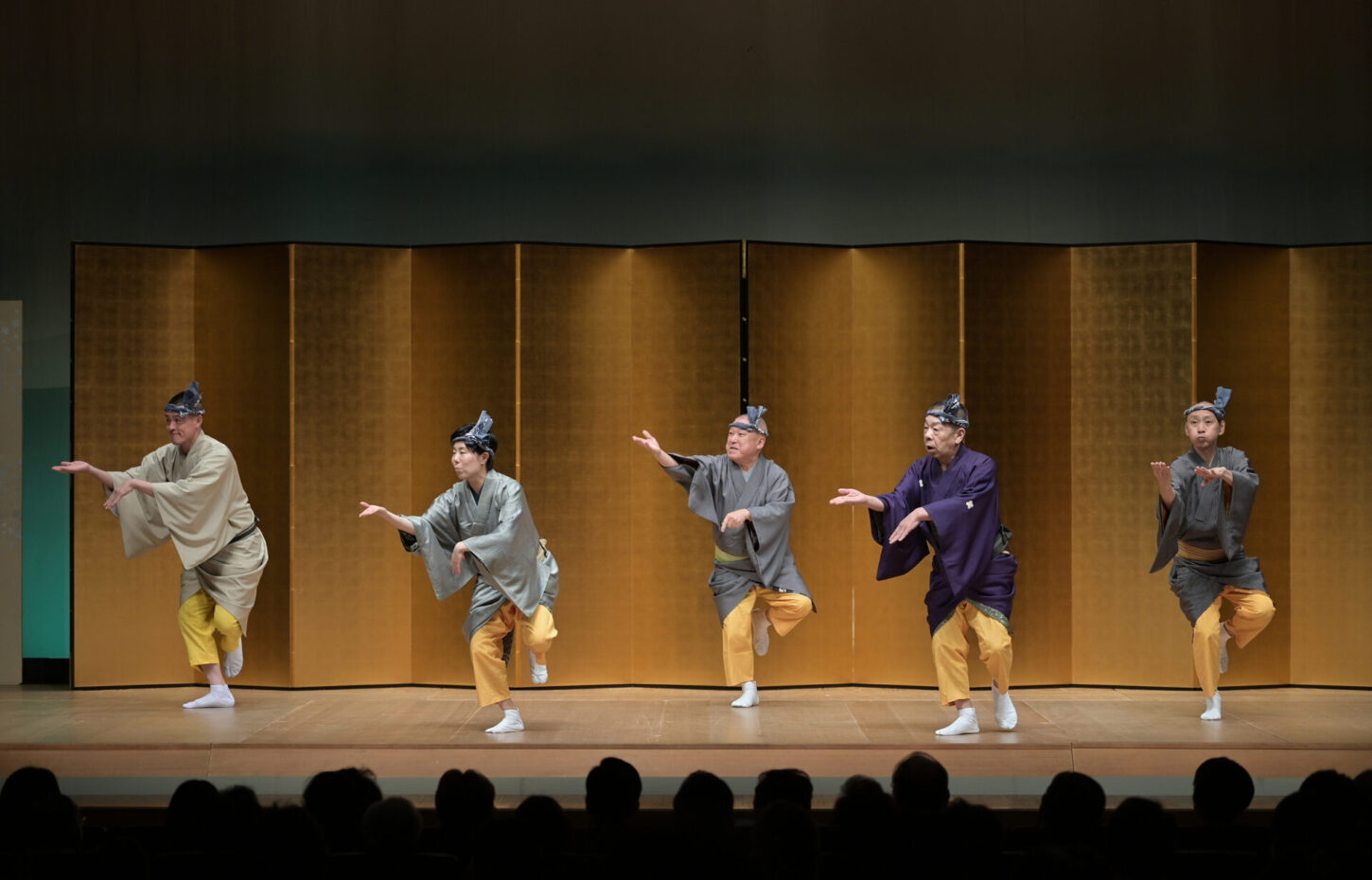
What Is a Taikomochi? Japan’s Hokan Tradition Guide
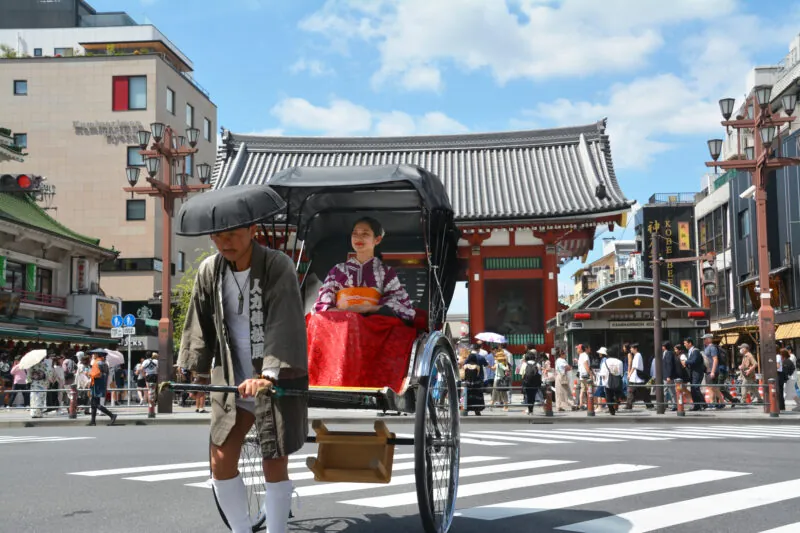
【Reservation Required】Asakusa Christmas Dinner Definitive Guide! 3 Recommended Restaurants with Private Rooms
Comment ( 0 )
Trackbacks are closed.

No comments yet.