



Japanese Geisha Facts: Unveiling the Art, History, and Hidden World of Traditional Entertainment
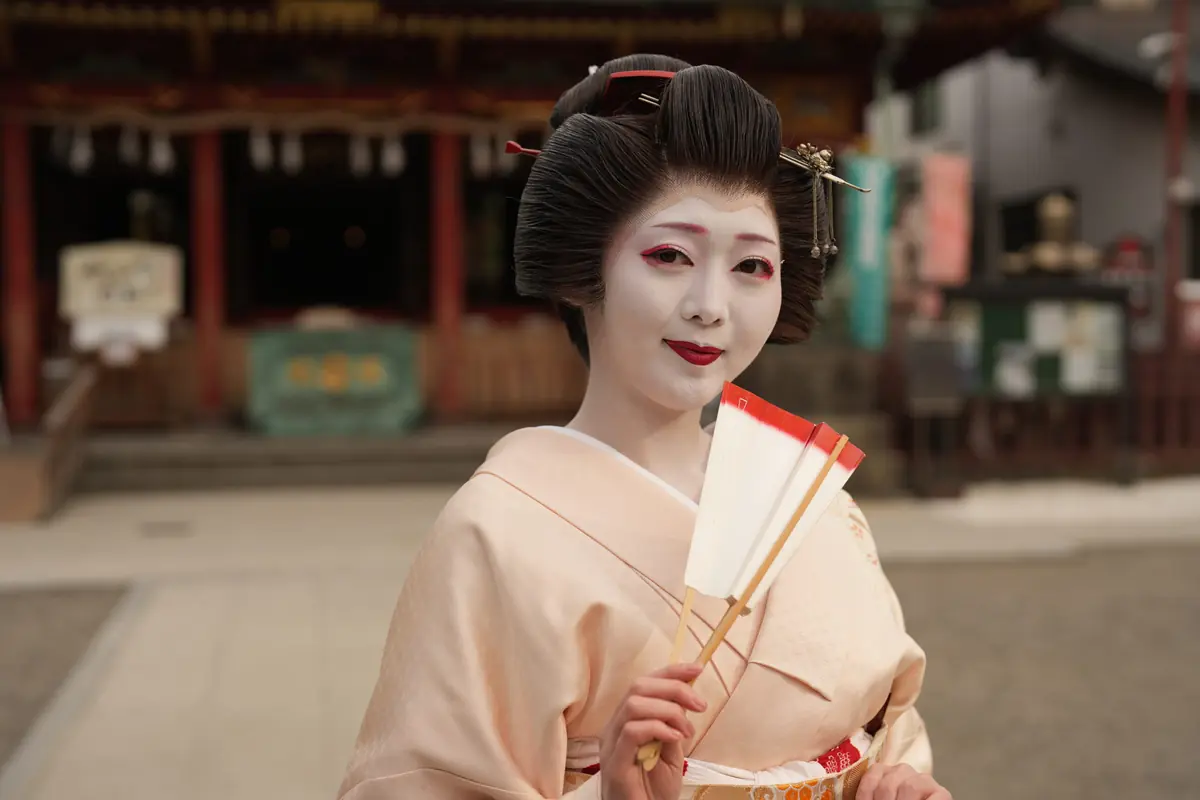
When you think of Japan, one of the most enduring and mysterious images that comes to mind is that of a woman with a porcelain-white face, dressed in a vibrant kimono, moving with an almost ethereal grace. This is the geisha. For many travelers and enthusiasts of Japanese culture, the geisha represents the pinnacle of traditional beauty and hospitality. However, beneath the layers of silk and makeup lies a world that is often misunderstood by those outside of Japan.
The word geisha literally translates to artist or person of the arts. This is the most fundamental fact to understand. Not only hostesses for formal dinners; they are highly skilled professional entertainers who have dedicated years of their lives to mastering classical Japanese music, dance, and the art of conversation. In Kyoto, they are often referred to as geiko, while the apprentices are known as maiko.
This profession is part of a world called the karyukai, or the flower and willow world. Like the flower, a geisha is beautiful and vibrant; like the willow, she is graceful, flexible, and strong. For centuries, these women have been the keepers of Japanese tradition, ensuring that ancient skills are passed down from one generation to the next. In an era of rapid modernization, the geisha remains a living link to Japan’s storied past.
The Surprising Origins and History
The history of the geisha is far more complex than most people realize. Interestingly, the very first people to be called geisha in the 17th century were actually men. These male geisha, known as taikomochi or hokan, were the equivalent of court jesters or entertainers who provided music and storytelling for guests at high-end parties.
Female geisha also emerged in the 17th century, quickly gaining popularity because of their refined skills in dance and music, and eventually surpassing the men in prominence. By the early 19th century, the profession as we recognize it today was firmly established. During the Edo period, which lasted from 1603 to 1868, Japan experienced a long era of peace and economic growth. This allowed the arts to flourish, and the geisha became the fashion icons of their time.
They were the trendsetters. If a prominent geisha wore a certain style of kimono or a specific hair accessory, the women of the city would quickly try to emulate her. Throughout the 19th and early 20th centuries, geisha were the most influential women in Japanese society, often acting as confidants to powerful politicians and businessmen. Despite the challenges of World War II and the subsequent Westernization of Japan, the tradition survived, albeit in a more specialized and rare form.
To understand the full sweep of this history, see our Complete Geisha History Guide, which traces the tradition from the Edo period to the present day.
Geisha vs. Maiko
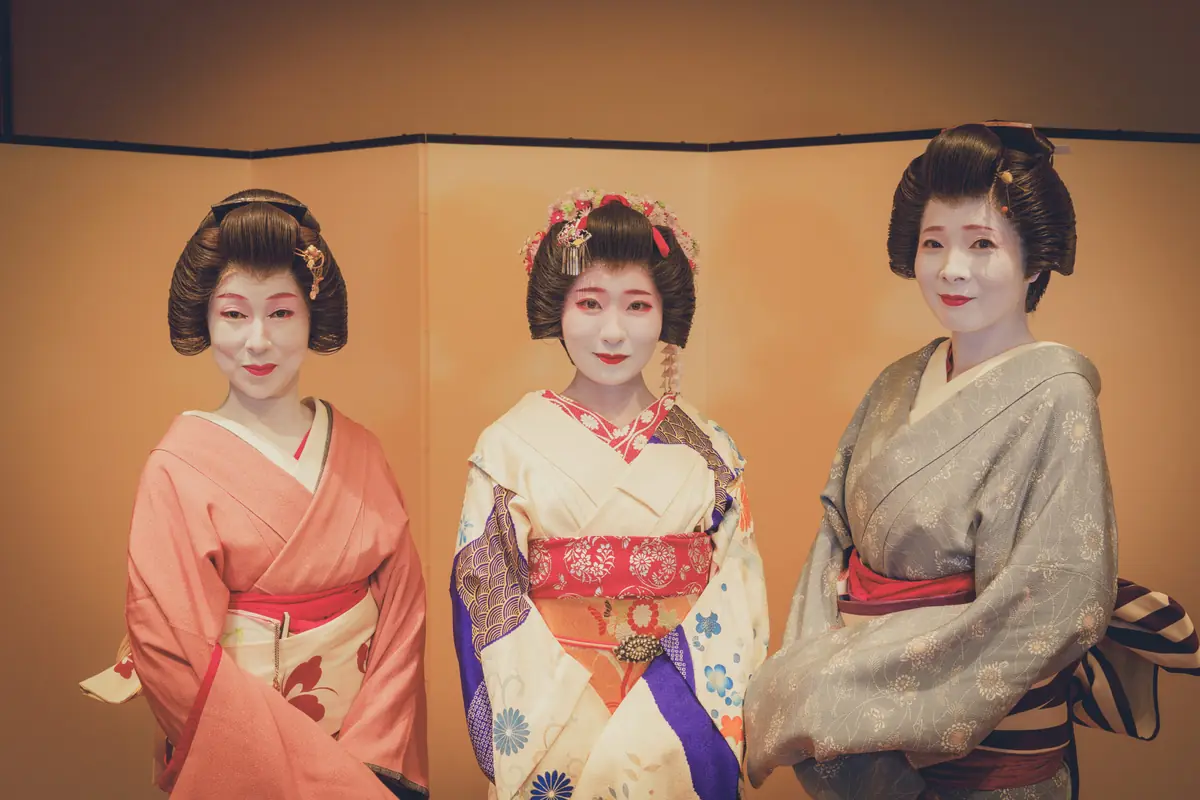
One of the most common questions from tourists is how to tell the difference between a geisha and a maiko. In Japan, a geisha lady is a professional artist — trained in music, dance, and the art of hospitality — and the visual differences between a junior and senior geisha are precise and deliberate. While they may look similar to the untrained eye, there are very specific visual and professional markers that distinguish the two.
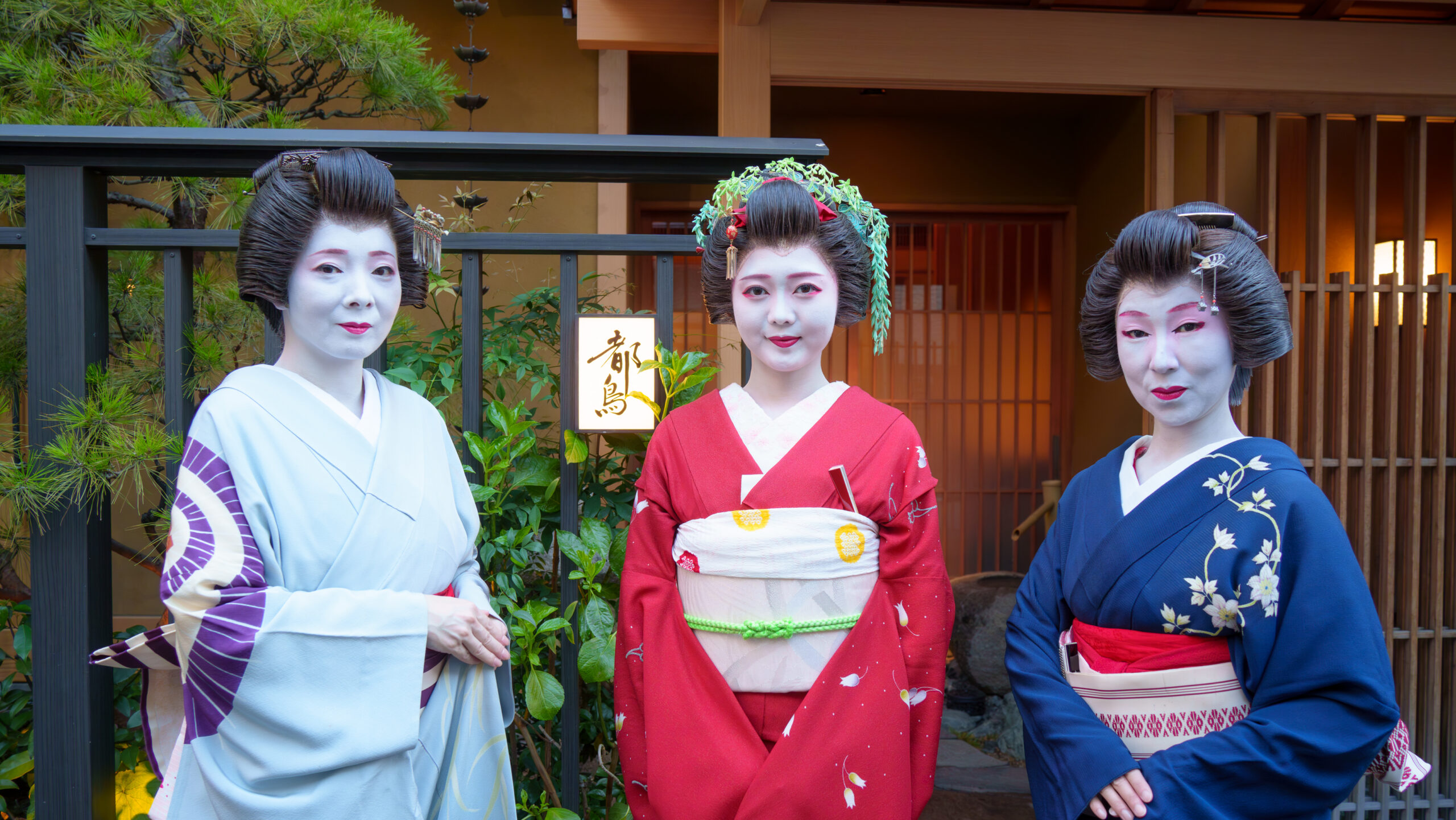
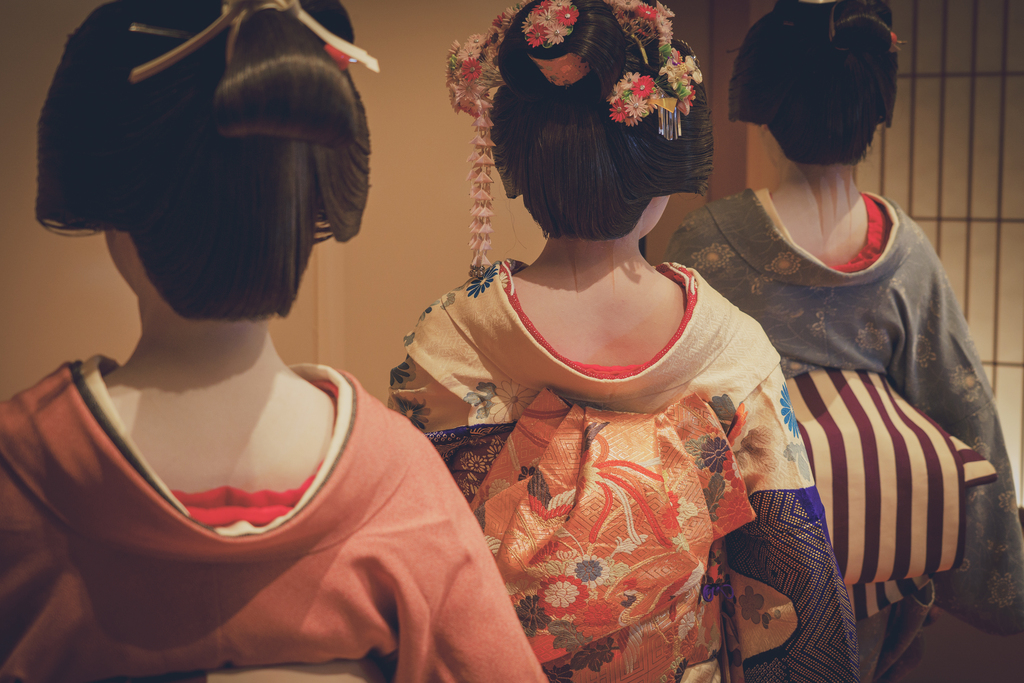
A maiko is an apprentice geisha, usually between the ages of 15 and 20. Her appearance is designed to be cute and youthful. She wears a kimono with long, swinging sleeves called furisode, which are decorated with bright, colorful patterns. Her collar is typically red and heavily embroidered. Perhaps the most striking difference is her hair; a maiko uses her own natural hair to create elaborate styles adorned with seasonal ornaments called kanzashi. Her footwear, known as okobo, consists of very high wooden clogs that require a specific walking technique.
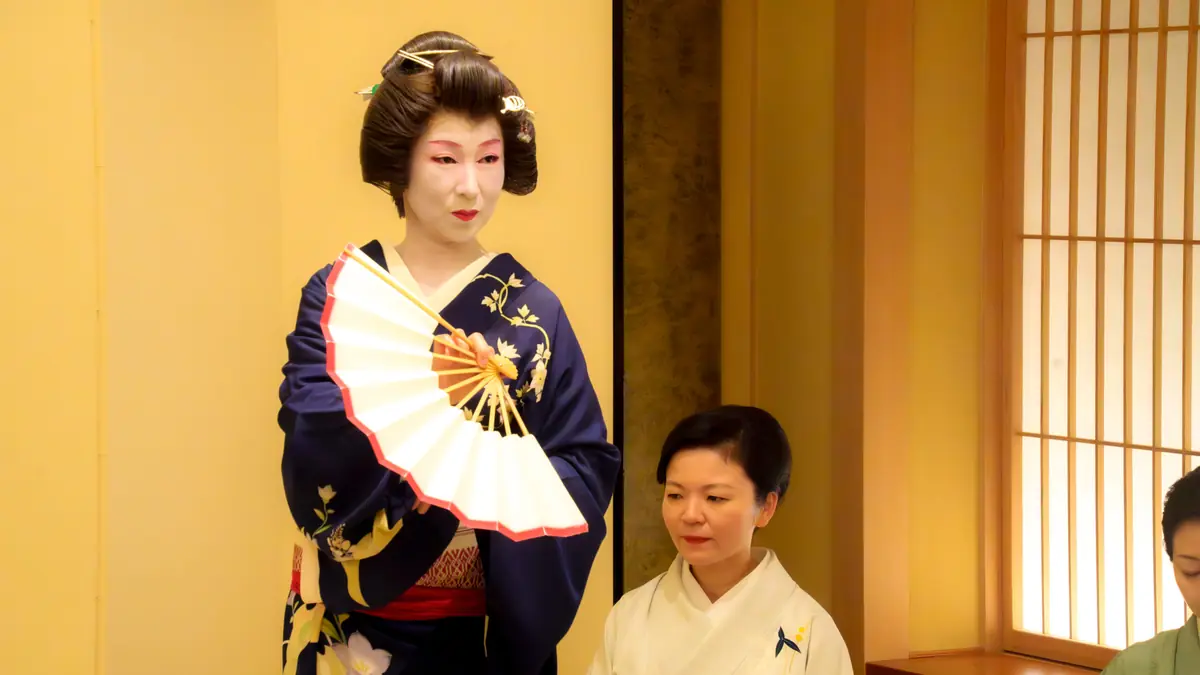
In contrast, a fully fledged geisha or geiko presents an image of sophisticated, mature beauty. Her kimono sleeves are shorter, and the colors and patterns are more subdued and elegant. Her collar is pure white, symbolizing her status as a professional. Unlike the maiko, a geisha usually wears a wig, which allows her to maintain the perfect traditional silhouette without the daily strain of styling her own hair. Her makeup is also more refined; while a maiko might leave a small strip of unpainted skin at her hairline to show she isn’t wearing a wig, the geisha’s makeup is seamless.
The Rigorous Path of Training
Becoming a geisha is not a decision taken lightly. Traditionally, it involves a disciplined training period that begins when a young girl enters an okiya, or geisha house. The okiya is headed by an okami-san, often referred to as mother, who manages the careers and lives of the women under her roof. Nowadays, except for Kyoto where a girl can start at a special school at 15, all women entering the profession must be at least 18. Women are no longer required to live in an okiya either, but it is enough to live nearby.
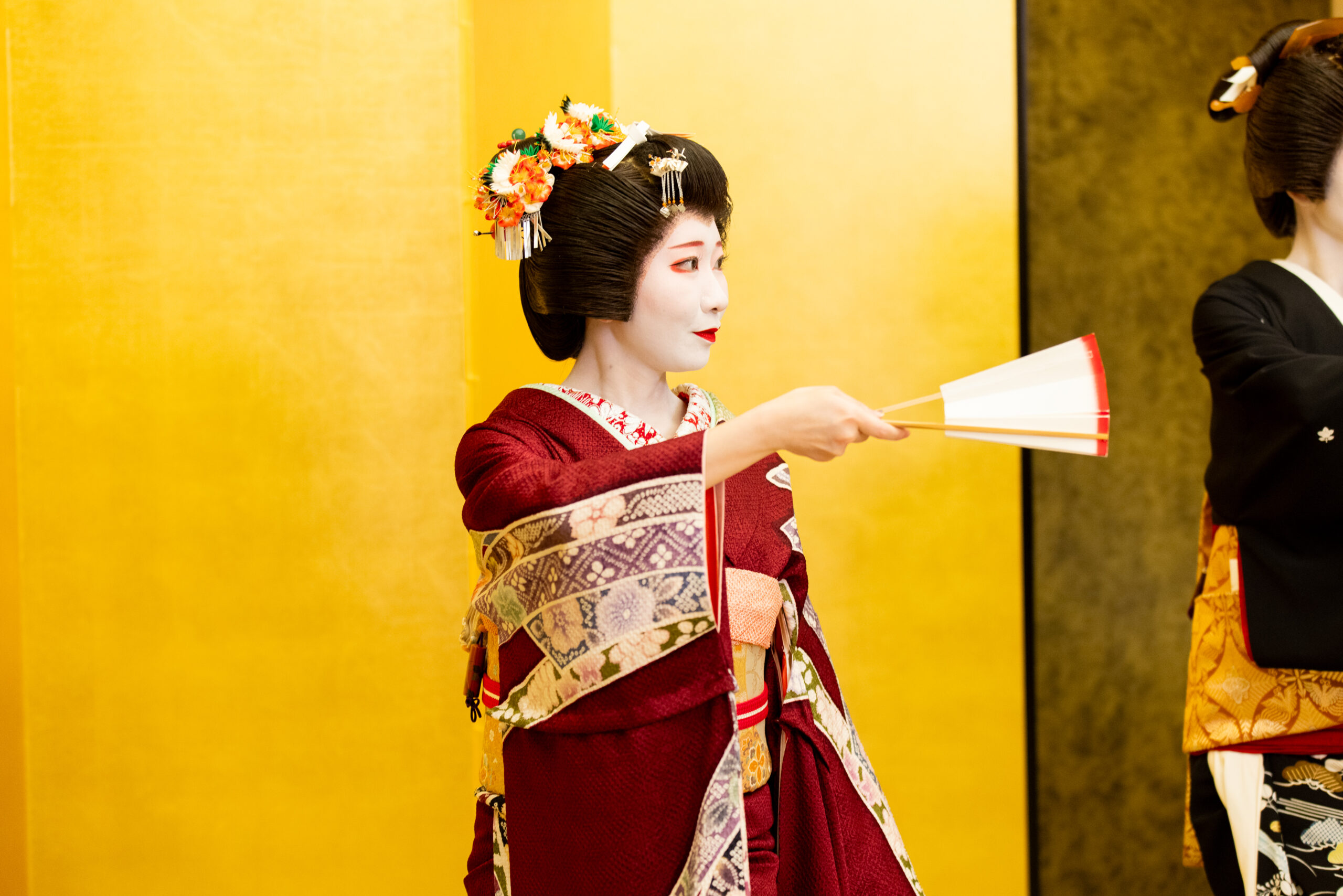
The first stage of training involved learning the basics of the household—cleaning, helping the senior geisha dress, and learning the proper way to speak and greet guests. This period is essential for building the humility and social awareness required for the job.
Once they become maiko or hangyoku (a junior geisha), the real artistic training begins. They attend a specialized school where they spend several hours every day practicing the shamisen (a three-stringed instrument), traditional dance, singing, and other traditional arts. They must also learn the subtle art of conversation. A geisha must be well-informed on current events, literature, and the interests of her clients to ensure that every guest feels comfortable and entertained. This training is not just about learning skills; it is about refining one’s character to become a person of true grace and hospitality.
The shamisen is central to this training. For a deep dive into this remarkable instrument, read our complete guide to the shamisen.
The Aesthetic of Elegance
The visual transformation of a geisha is perhaps the most iconic part of her identity. Every element of her appearance is a calculated work of art, designed to reflect a specific season, her rank, and the formality of the occasion. The process of getting ready can take several hours, involving the application of traditional makeup, the styling of hair, and the complex art of dressing in layers of hand-painted silk.
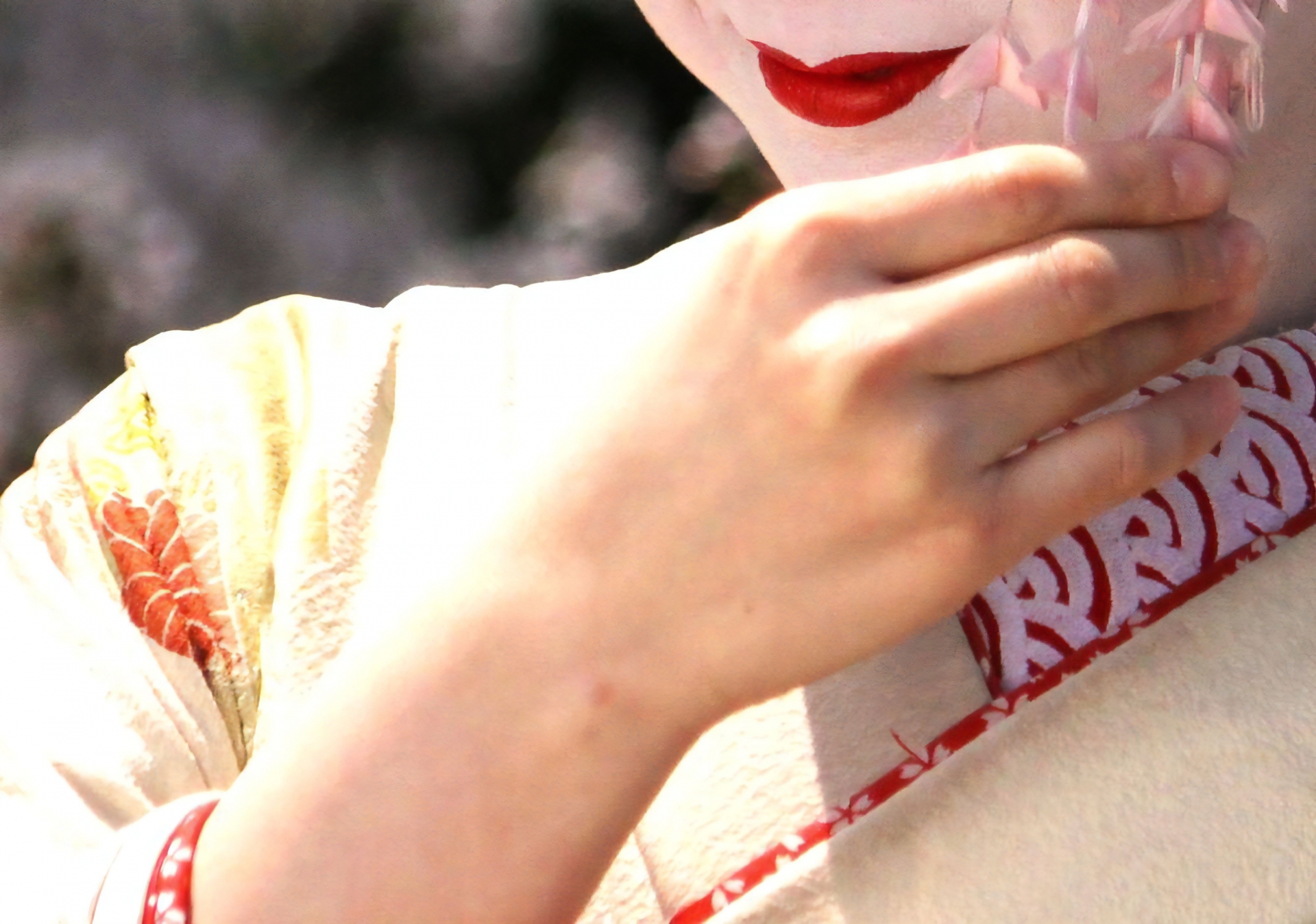
One of the most recognizable features is the oshiroi, or the white porcelain-like makeup. This white base was historically practical; in the era before electricity, the white face helped the geisha’s features stand out in the soft, flickering light of candles and lanterns. Today, it remains a symbol of her professional persona. The makeup is made from a lead-free powder mixed with water to form a paste. Interestingly, a geisha leaves a small area of skin unpainted at the nape of her neck, often in a two or three-pronged pattern. This is considered a highly sensual area in Japanese culture, and the contrast between the white makeup and the natural skin creates a subtle, refined allure.
The kimono worn by a geisha is a masterpiece of textile art. Unlike the standard kimono you might find in a department store, these are often hand-sewn and hand-painted by master craftsmen. A geisha’s kimono is made of heavy, high-quality silk and can cost as much as a luxury car. The patterns and colors change strictly according to the month. For example, a geisha might wear cherry blossom motifs in April and maple leaves in October. Her obi, or sash, is also a focal point; for a maiko, the obi is very long and trails behind her, while a geisha wears a shorter, more compact style.
Finally, we must consider the hair. As mentioned previously, a maiko spends hours every week at a specialized hairdresser who uses wax to mold her natural hair into intricate styles. These styles are so delicate that she must sleep on a small, hard wooden support called a takakura to avoid ruining the shape. A fully-fledged geisha typically wears a wig, known as a katsura, which is custom-fitted to her head. Even these wigs require expert maintenance and are adorned with seasonal accessories that signal her status and the current time of year.
Traditional Arts and Musical Mastery
To call a geisha a hostess is a significant understatement. At her core, she is a dedicated artist. The word geisha itself implies mastery of the arts, and her value is measured by her skill in music, dance, and song. These women are the custodians of art forms that have existed for centuries, many of which are rarely seen outside the exclusive world of the teahouses.
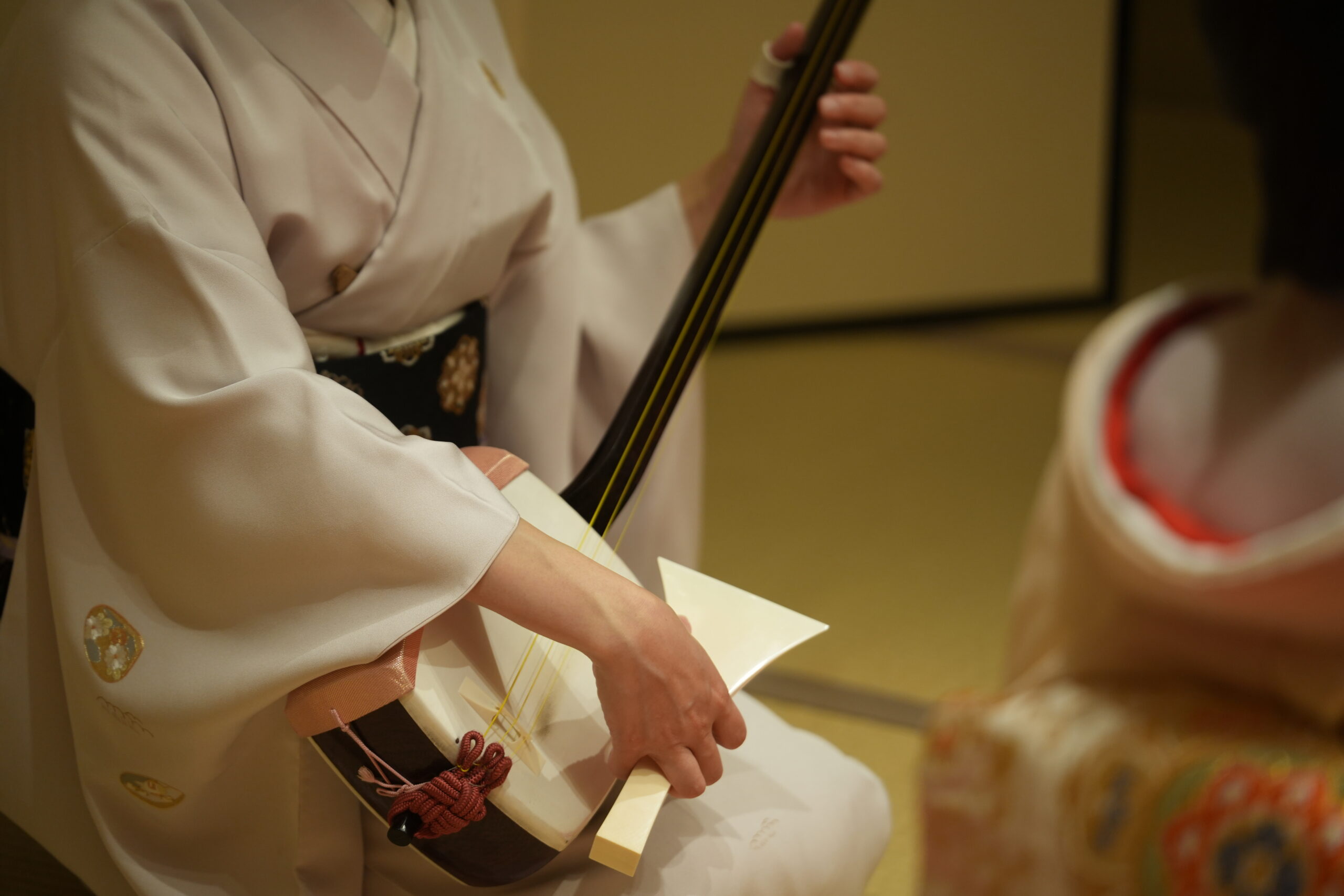
The shamisen is the primary musical instrument of the geisha. It is a three-stringed instrument that produces a distinctive, percussive sound. Learning to play the shamisen is a lifelong journey; it requires not only technical precision but also the ability to convey deep emotion through subtle changes in rhythm and tone.
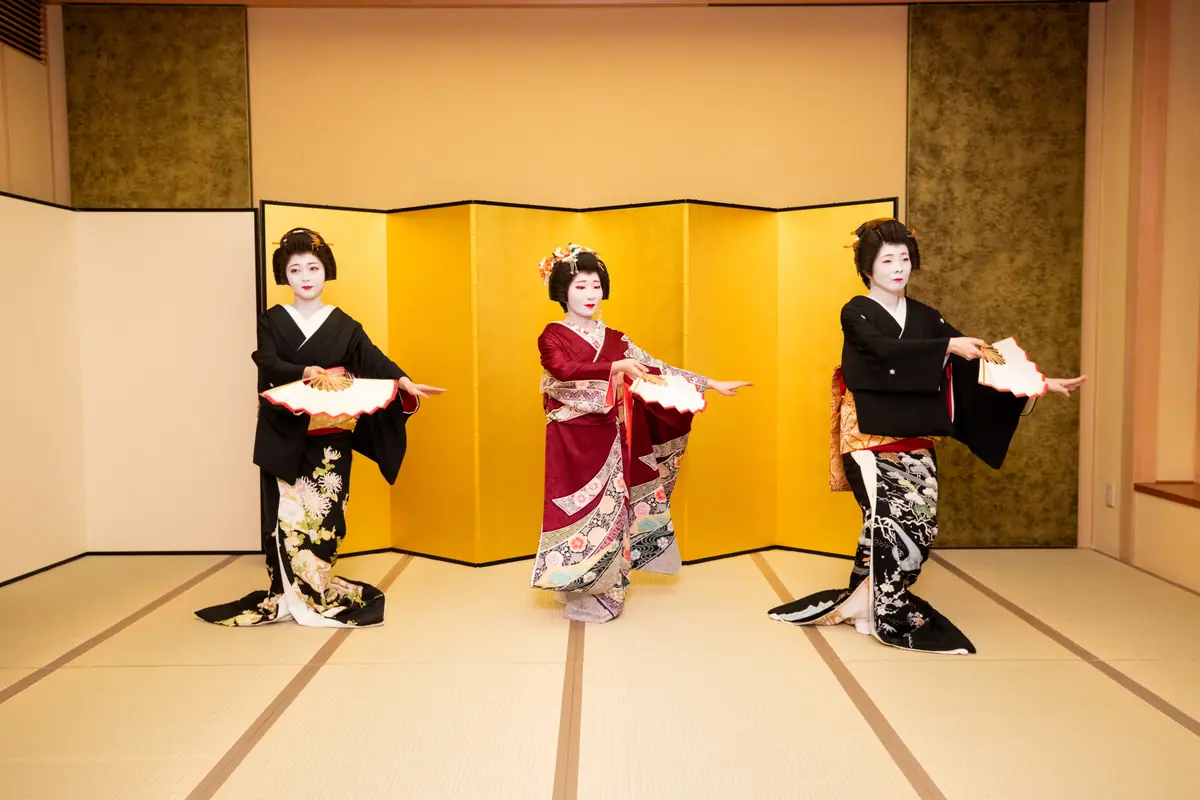
The dance, known as nihon buyo, is characterized by slow, controlled movements and the use of props like fans to tell a story. Every tilt of the head, every step, and every flick of the fan has a specific meaning. These dances are often inspired by kabuki theater and classical literature. Beyond music and dance, a geisha is also trained in the art of the tea ceremony, or sado. This meditative practice focuses on the precise preparation and serving of matcha green tea, embodying the principles of harmony, respect, purity, and tranquility.
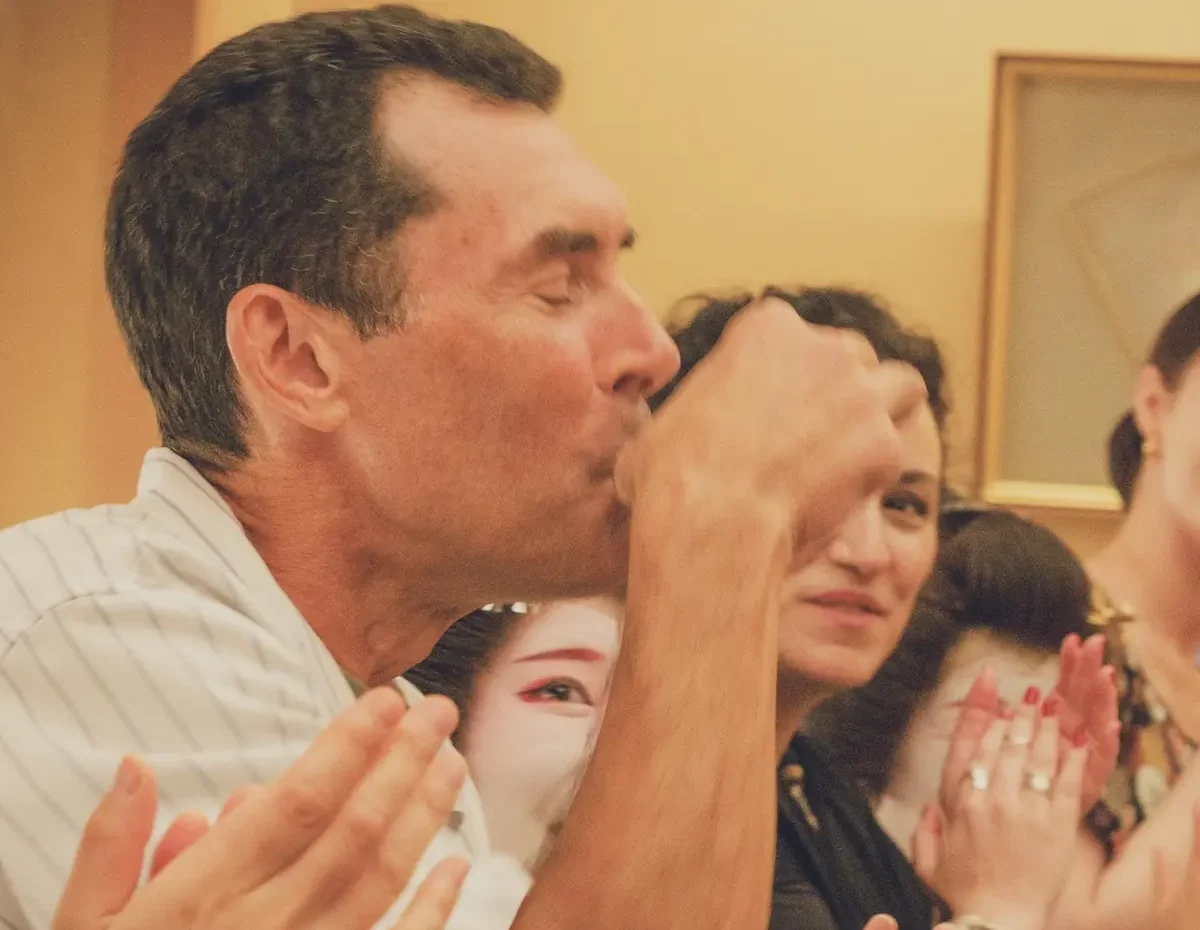
Furthermore, a geisha must be a master of the lost art of conversation. Her job is to make every guest feel like the most important person in the room. This requires a sharp wit, a vast knowledge of current events, and the emotional intelligence to read the room. Whether she is performing a complex dance or pouring a glass of sake while sharing a clever anecdote, her goal is to provide a seamless, high-quality entertainment experience.
What Are Geisha, Really? Debunking the Myths
One of the most persistent and unfortunate misconceptions in the Western world is the confusion between geisha and sex workers. However, in the history of Japanese culture, there has always been a clear and legal distinction between the geisha and the oiran, or high-ranking courtesans.
Geisha are, and always have been, professional entertainers. In fact, during the Edo period, there were strict laws preventing geisha from engaging in sex work to protect the business of the licensed courtesan districts. A geisha’s allure is meant to be artistic and intellectual, not physical. Her role is to provide a refined atmosphere where men (and increasingly women and families today) can relax and enjoy high culture without the pressures of daily life.
The confusion was further amplified by popular media, such as the novel and film Memoirs of a Geisha. While these stories captured the imagination of the public, they often took creative liberties that did not accurately reflect the reality of the profession. To a geisha, her work is a matter of immense pride and dignity. She is a self-employed professional who manages her own schedule and career. In modern Japan, being a geisha is a respected career choice for women who are passionate about preserving the nation’s cultural heritage.
The Hanamachi: Living in the Flower Towns
Geisha live and work in specific districts known as hanamachi, which translates to flower towns. These areas are like self-contained villages where the traditional way of life has been preserved. The most famous hanamachi are located in Kyoto, such as the Gion district, where the culture is known for being somewhat exclusive and traditional. In Kyoto, the style is often described as miyabi, or refined and elegant, reflecting the city’s history as the imperial capital.
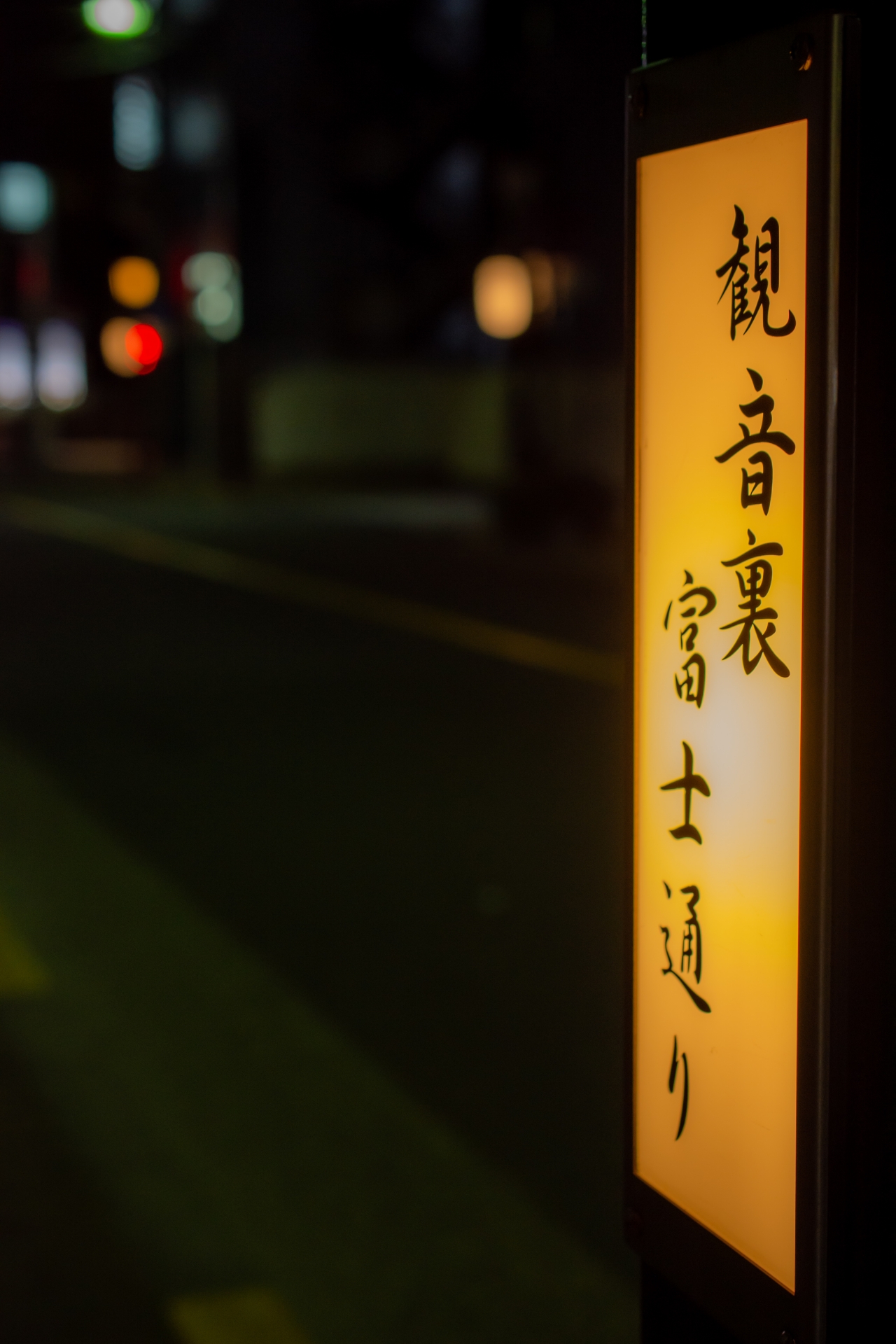
However, Tokyo also has a vibrant geisha culture, with districts like Shimbashi, Akasaka, and Asakusa. Each district has its own unique flavor. While Kyoto’s culture is deeply rooted in the aristocratic traditions of the court, Tokyo’s geisha culture was shaped by the samurai and merchant classes of the Edo period. This led to a style known as iki, which translates to chic, stylish, or cool. Iki is about being sophisticated yet straightforward, with a certain understated strength.
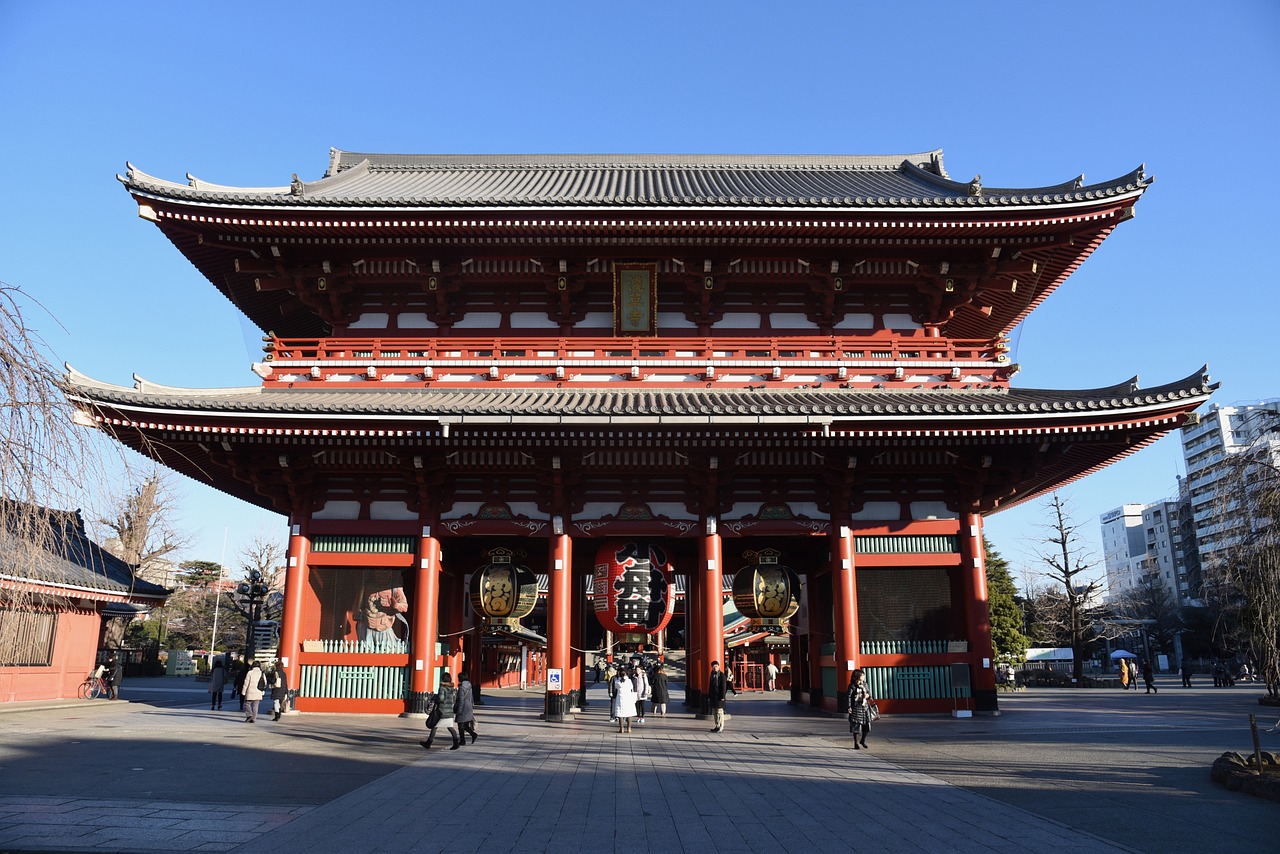
Asakusa, in particular, stands out as one of the most accessible and community-oriented hanamachi. While some districts in Kyoto can feel very closed off to outsiders, Asakusa has a long history of being an open town. Because it grew around the Senso-ji Temple, the oldest temple in Tokyo, it has always been a place where people from all walks of life—tourists, locals, and officials—mix and mingle. This open atmosphere is reflected in the Asakusa geisha, who are known for their warmth and their dedication to keeping the spirit of old Edo alive for everyone to enjoy.
For a full guide to Tokyo’s geisha districts, see our Guide to Tokyo’s Geisha Districts.
Asakusa Miyakodori: A Gateway to the Edo Spirit
Nestled in the quiet streets behind the famous Senso-ji Temple, in an area known as Asakusa Kannon-ura, lies a hidden gem of Japanese tradition: the ryotei known as Miyakodori. Founded in 1950, Miyakodori is a guardian of the history and soul of Asakusa. In a world that is constantly changing, this establishment offers a rare opportunity to step back 400 years into the heart of the Edo period.

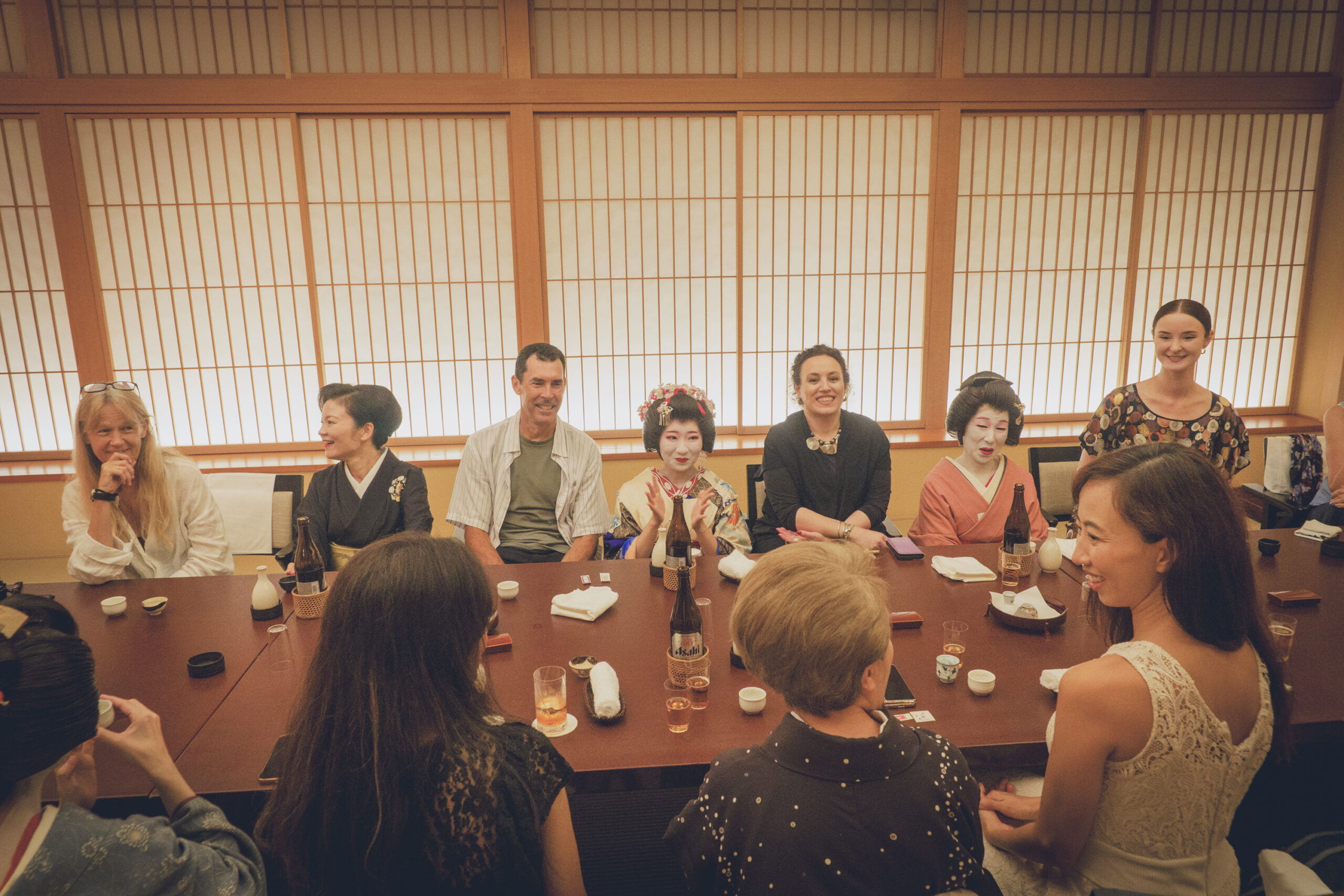
Miyakodori holds a unique position in Asakusa as the only remaining machiai-chaya. Historically, a machiai-chaya was a place specifically designed for guests to meet and enjoy the company of geisha. Unlike a standard restaurant, the focus here is on the total experience of the ozashiki (geisha banquet). It is a place where you can enjoy the genuine essence of Japanese hospitality, provided by geisha who have undergone rigorous training to master their traditional arts.
The experience at Miyakodori is designed to engage all five senses. As you enter the private rooms, you are greeted by the seasonal beauty of the kaiseki cuisine, where the dishes represent the current time of year. But the true soul of the evening begins when the geisha appear. Through their elegant dances and the soul-stirring melodies of the shamisen, they transport guests away from the stresses of modern life.
Whether you are hosting a high-level business meeting for international VIPs or celebrating a special anniversary with family and friends, the staff at Miyakodori ensures an unforgettable experience. Here, the traditions of the past are not only preserved; but they are lived and shared with every guest who walks through the door.
Experience an Authentic Geisha Banquet in Asakusa
At Asakusa Miyakodori — Asakusa’s only remaining machiai-chaya, founded in 1950 — you can experience a private ozashiki (geisha banquet) with live shamisen and seasonal kaiseki cuisine. International guests welcome, no prior connection required.
The Modern Geisha: Challenges and Evolution
The world of the geisha has never been static. While it is deeply rooted in tradition, the profession has survived for centuries because of its ability to adapt. In the modern era, geisha face new challenges, from shifts in traditional industries to the impact of global events. However, the 21st century has also brought new opportunities for these artists to share their culture with a wider audience.
One of the most significant changes in recent years is how geisha are recruited and how they communicate. In the past, becoming a geisha was often a family tradition or entered into while still a teenager. Today, young women choose this career out of a genuine passion for Japanese arts. Geisha are recruited online like many other professions, and geisha can be seen on social media, helping to humanize the profession and dispel old myths.
The role of technology has also changed the way guests interact with the karyukai. While the privacy of the teahouse remains paramount, digital platforms have allowed geisha to reach international fans who may never have the chance to visit Japan. This resilience shows that while the kimono and the music are ancient, the spirit of the geisha is forward-looking and incredibly durable.
For a broader look at geisha culture today, our Complete Geisha Knowledge Guide covers the structure of the karyukai, titles, and what modern practice looks like.
How to Experience Geisha Culture Respectfully
For many travelers, seeing a geisha is at the top of their Japan bucket list. However, it is important to remember that these are professional artists, not tourist attractions. To have a meaningful and respectful experience, there are several paths you can take.
The most public way to see geisha is through seasonal dance performances, known as Odori. In Kyoto, events like the Miyako Odori are spectacular showcases of dance and music open to the general public. In Tokyo, festivals like the Asakusa Odori allow visitors to witness the skills of the local geisha in a theater setting.
If you are walking through districts like Gion or Asakusa, you might be lucky enough to see a geisha on her way to an appointment. It is vital to be respectful; never block their path, touch their kimono, or point cameras directly in their faces. They are on their way to work, and their time is strictly managed.
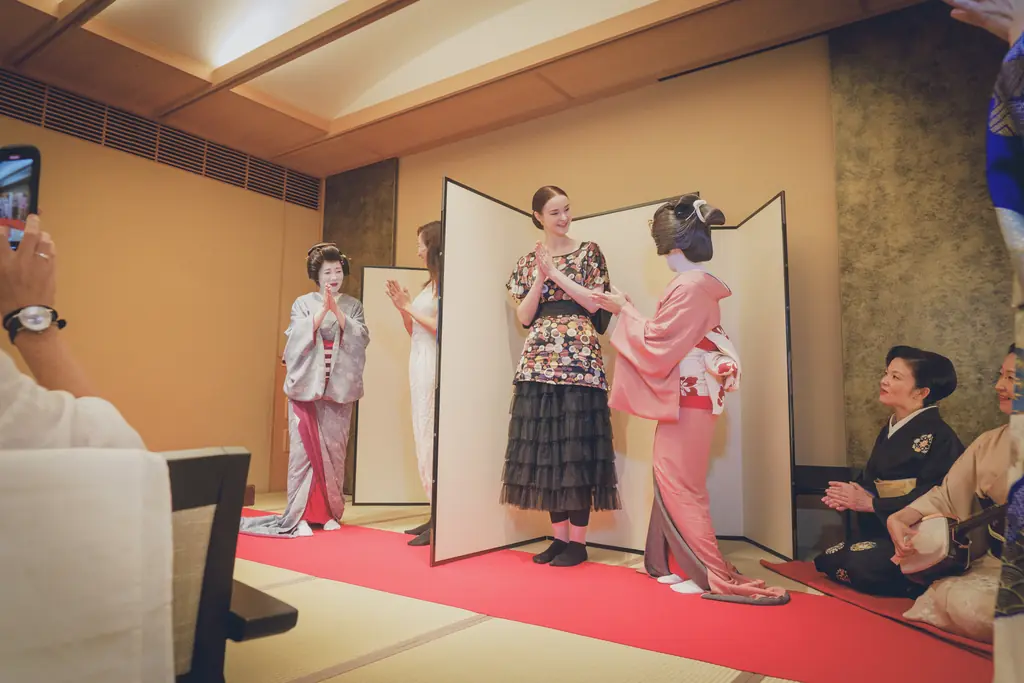
The ultimate way to experience this culture is through a private dinner at a ryotei, such as Asakusa Miyakodori. While these experiences were once strictly invite-only, many establishments now welcome international guests. When attending an ozashiki (geisha banquet), remember that you are there to enjoy the art. Do not be afraid to engage in conversation through an interpreter, and show appreciation for the musical performances. Dress respectfully, and follow the lead of your hosts regarding etiquette.
To prepare for your visit, our Complete Geisha Experience Guide walks through every step — from booking to ozashiki games. You can also explore the playful side of the evening in our guide to ozashiki games (ozashiki asobi).
Frequently Asked Questions
Can geisha get married?
Traditionally, a geisha must retire from the profession if she chooses to get married. This is because the lifestyle of a geisha, which involves working late into the evening and living in a communal okiya, is difficult to balance with traditional family life. However, nowadays geisha can continue working while married or having children and many do so as with any other job.
Do geisha speak English?
While some geisha may only speak Japanese, an increasing number of geisha are learning English to better entertain international guests. In places like Asakusa, the community is quite open, and geisha are skilled at using non-verbal communication and simple English to ensure everyone has a good time.
Is it very expensive to meet a geisha?
A private evening with geisha is a luxury experience. It involves the cost of the high-end meal, the room rental, and the fees for the geisha and their musicians. However, it is an investment in a world-class cultural performance that supports the preservation of ancient arts.
Are there still male geisha?
Yes, although they are rare. Known as hokan or taikomochi, they still exist in small numbers, primarily in Tokyo. They provide a different, often more comedic style of entertainment compared to the elegant dance of female geisha.
What does the term “geisha lady” mean?
The term geisha lady is a common informal expression used by non-Japanese speakers to refer to female geisha. While Japanese usage simply says geisha (芸者), adding “lady” or “woman” in English is a natural way to specify gender when speaking about the profession. A geisha lady is a highly trained professional entertainer — skilled in classical dance, shamisen music, and the art of conversation — not to be confused with the historical courtesans who operated separately under different social and legal rules.
Conclusion and Summary
The geisha of Japan are living archives of a cultural heritage that spans over four centuries. From their surprising origins as male entertainers to their modern role as ambassadors of Japanese hospitality, they represent the enduring power of the arts. By understanding the reality behind the makeup and the myths, we can truly appreciate the dedication and skill required to walk this path.
If you find yourself in Tokyo, we invite you to experience this world firsthand in the heart of Asakusa. At Asakusa Miyakodori, we are dedicated to providing an authentic encounter with the Edo spirit. Whether you are curious about our seasonal kaiseki cuisine or wish to be enchanted by the dance of our geisha, our doors are open to you. Let us help you create a memory that will be etched into your heart forever, bridging the gap between the ancient traditions of Japan and the curiosity of the modern traveler.
Ready to Meet a Real Geisha in Tokyo?
Book a private ozashiki (geisha banquet) at Asakusa Miyakodori — the only remaining machiai-chaya in Asakusa, open to international guests since 1950. Live shamisen, seasonal kaiseki, and traditional geisha games await.


- Authentic Japan Travel Guide 2026: Discover the Real Culture Beyond Social Media
- What Is a Taikomochi? Japan's Hokan Tradition Guide
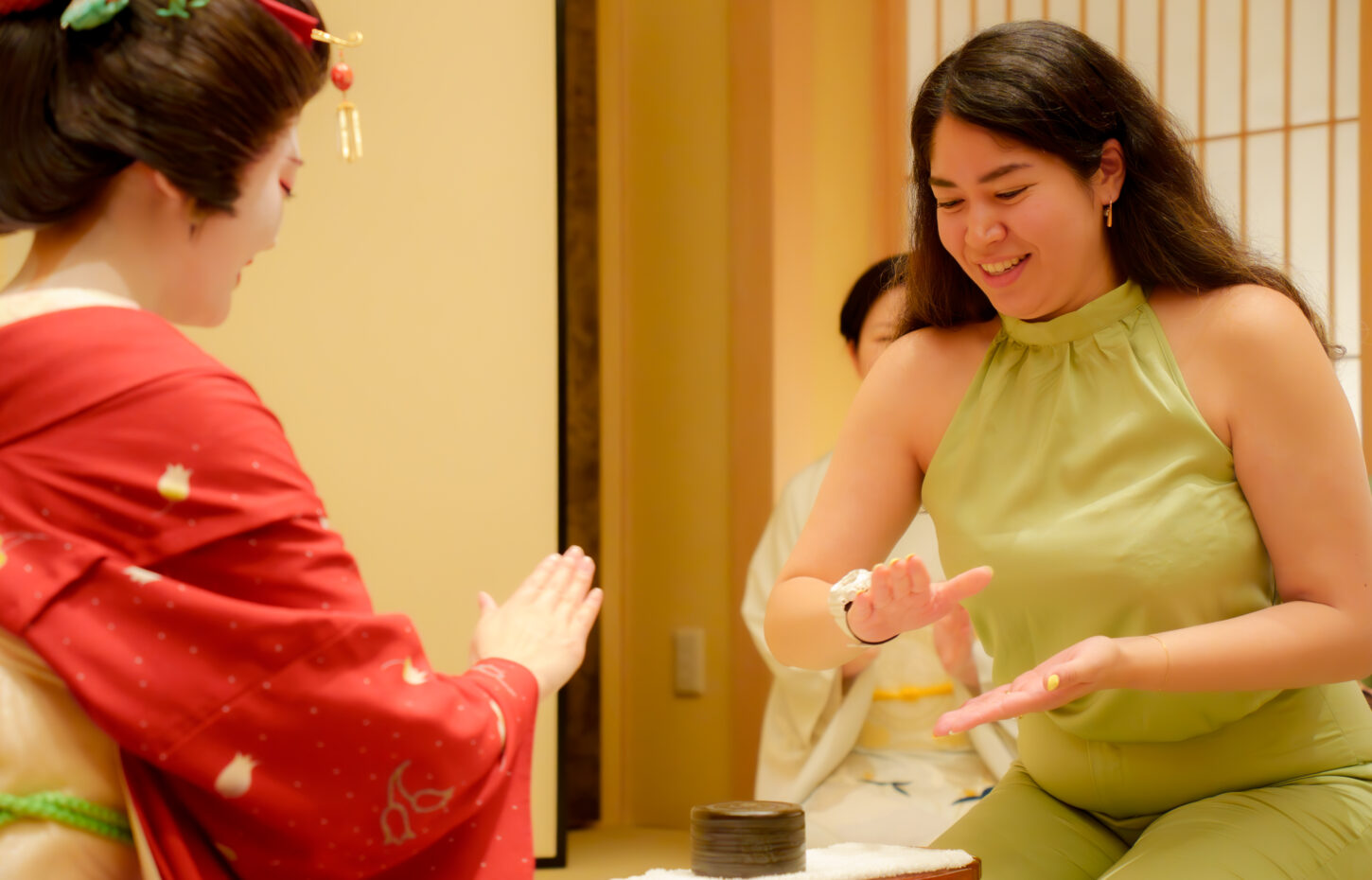
Konpira Fune Fune: The Geisha Game Explained (Rules & History)
Tokyo Geisha House Guide 2026: Authentic Okiya Experiences & Traditional Japan
Tips for Livening Up an Oseki Play? Rules and How to Play Explained ~Tora Tora Edition~
Beyond “Geisha Girls”: Understanding Japan’s Traditional Artists of the Flower and Willow World
Geisha Drinking Game: Culture, Fun, and Tradition
The Complete Guide to Geisha Dance: Unveiling the Art of Nihon Buyo in Japan
Comment ( 0 )
Trackbacks are closed.
No comments yet.