


Hakoya: The Unsung Keeper of Asakusa’s Geisha World
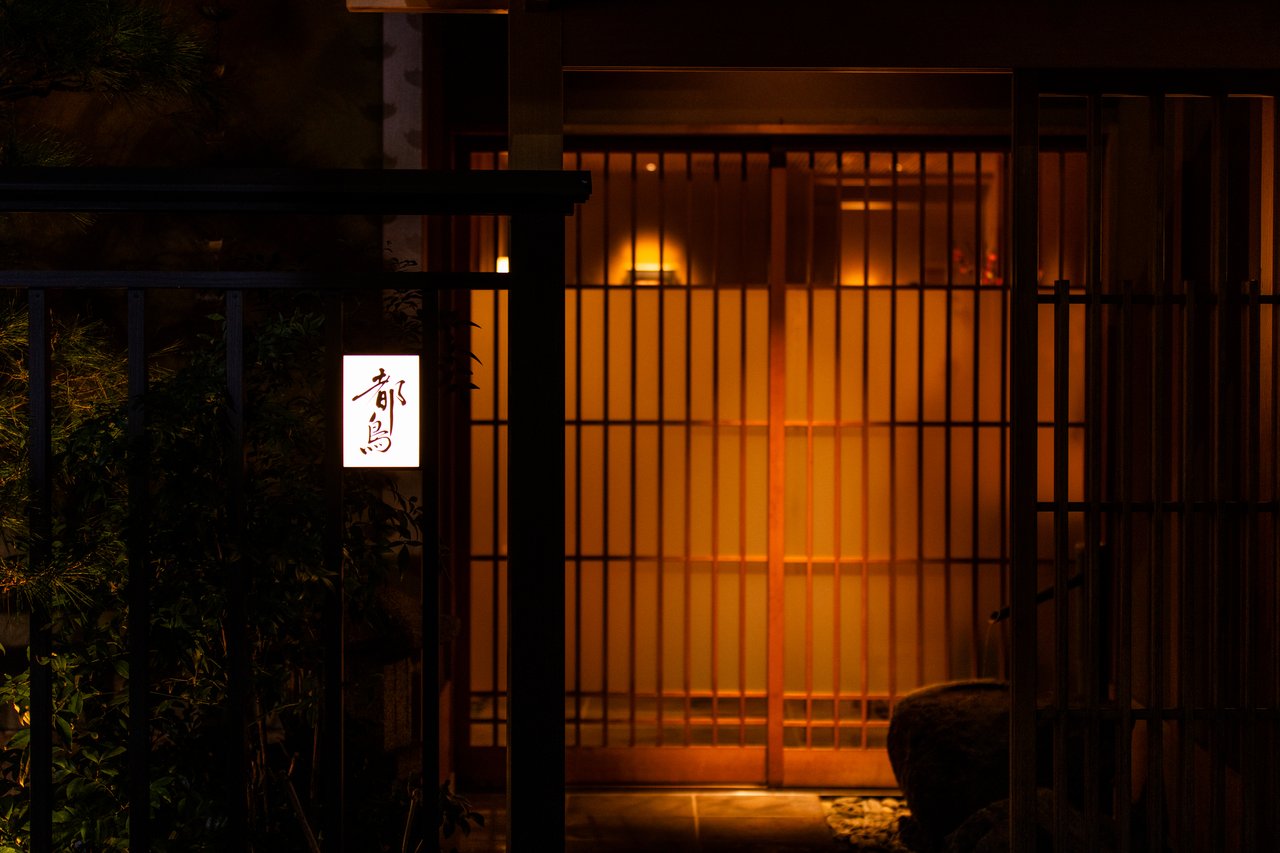
A hakoya (箱屋) is one of the most overlooked figures in Japanese geisha culture — and one of the most essential. For more than a century, the hakoya carried the shamisen case from teahouse to teahouse, managed the evening schedule of multiple geisha, navigated the delicate politics of the banquet world, and slept on call at the guild office in case a geisha needed anything in the night. Without the hakoya, Asakusa’s flower district could not have functioned.
Today, the hakoya‘s work continues in a changed form — and Miyakodori is privileged to have a close relationship with Kei-san, the former secretariat director of the Asakusa kenban, who devoted sixty years of his life to the role. This guide draws directly from his testimony to offer the first English-language account of what the hakoya actually did, and why the role matters.
What Is a Hakoya?
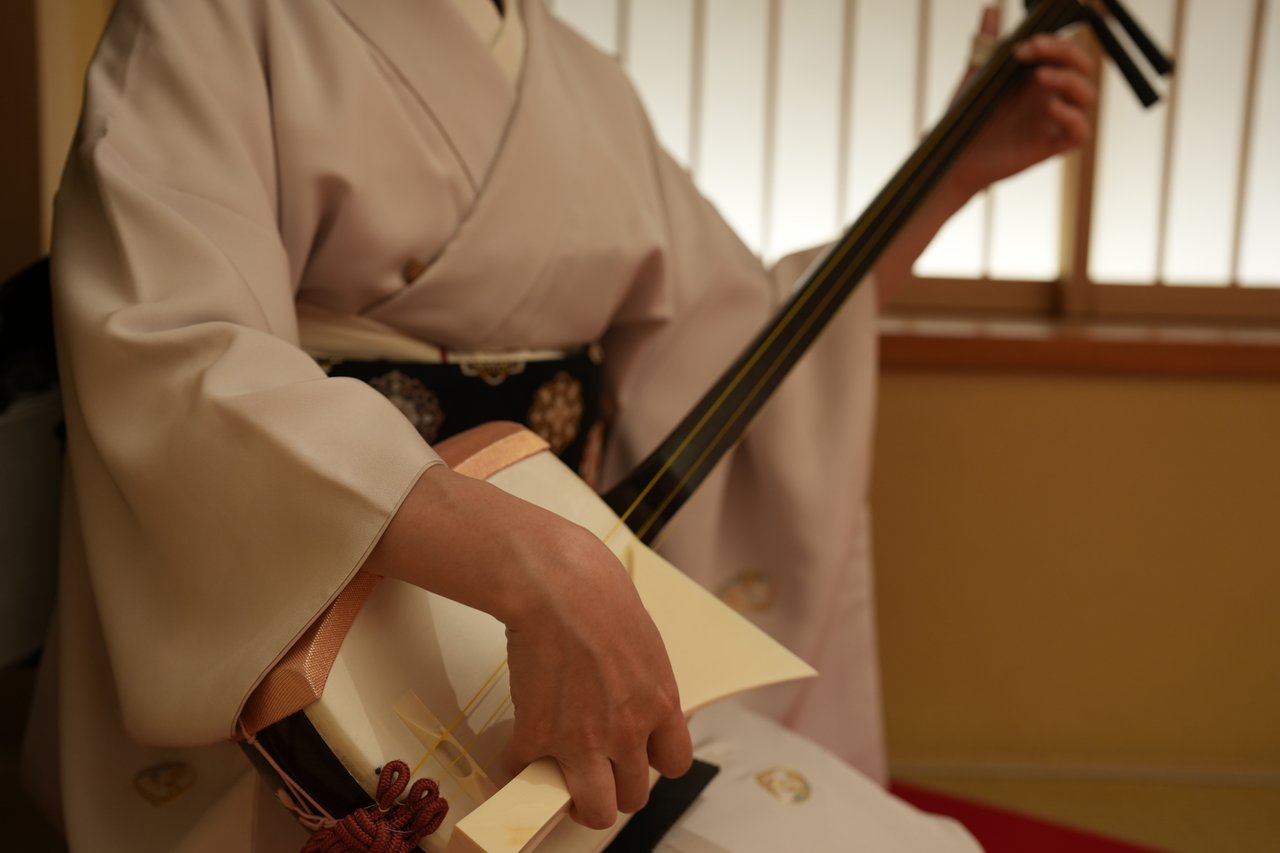
The word hakoya (箱屋) comes from hako (箱), meaning “box.” Specifically, it refers to the long wooden case — the nagabako (長箱) — used to transport a shamisen. The hakoya was the person who carried that case.
But the job was far more than carrying. In Asakusa’s flower district, each hakoya was assigned to a group of geisha and responsible for their entire evening: knowing which teahouse they were booked at, in what order, at what time — and physically accompanying them or running ahead to deliver paperwork, pass messages, and smooth over complications. The hakoya was simultaneously a logistics coordinator, a cultural intermediary, and a twenty-four-hour support presence for the geisha they served.
“The hakoya is a shadow figure — but a vitally important one.”
— Kei-san, former secretariat director of the Asakusa kenban
Hakoya at a Glance
| Japanese | 箱屋 (hakoya) |
|---|---|
| Literal meaning | “Box person” — carrier of the shamisen case (nagabako) |
| Role in the flower district | Logistics coordinator, schedule manager, and on-call support for geisha |
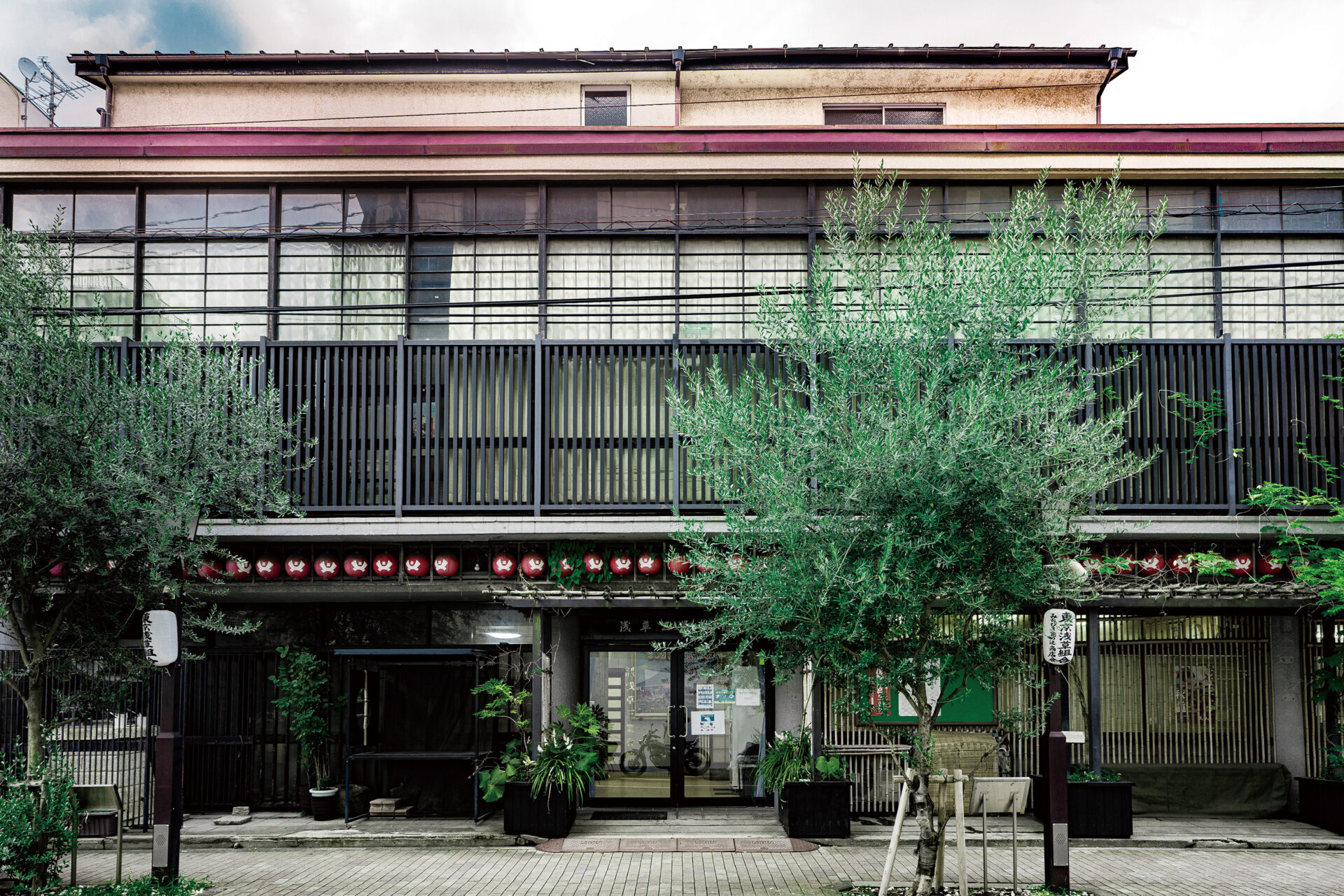
| Base of operations | The kenban (見番) — the geisha guild office |
| Working style | Live-in at the kenban, rotating on-call in pairs |
| Historical status (pre-war) | Classified as hako-tei (箱丁) — the lowest social rank in the district hierarchy (a pre-war designation, abolished after 1945) |
| Known in Asakusa since | The Meiji era, when the flower district was formally organized |
| Primary source | Kei-san, former secretariat director of the Asakusa kenban (60 years of service) |
A Role Born in the Meiji Era
Asakusa’s flower district was formally organized during the Meiji era (1868–1912). From the very beginning of that organization, the hakoya existed. Kei-san is direct on this point: the role predates living memory, and it has been part of the district’s structure for as long as anyone has records.
By the time Kei-san joined the kenban in 1969, the flower district was at a high point of activity. The Asakusa kenban‘s own records document more than 140 geisha working in the district, served by 75 teahouses and traditional restaurants and around 18 hakoya in rotating A and B teams to cover every evening’s engagements. Kei-san remembers the era vividly — by his own recollection, as many as 250 geisha were active at the peak. Either figure conveys the depth of the infrastructure that organized Asakusa’s flower district.
The Aijō System: How the Evening Schedule Worked
Managing a geisha’s evening was a logistical challenge. A single geisha might visit three or four different venues in one night, each engagement starting as the previous one wound down. Coordinating this required a real-time information system — and the hakoya was at its center.
The system revolved around a document called the aijō (愛情). The word means “affection” in everyday Japanese, but in the flower district it had a specific meaning: the slip of paper that listed a geisha’s next engagement — the venue, the time, and who had requested her. This next booking was called the atokuchi (後口), meaning “what comes after.”
The process worked like this: a geisha at one teahouse would call the kenban from a fixed telephone, asking about her next booking. The hakoya would then bring the aijō slip to her — physically running it over — so she could plan her movement. The name aijō was chosen with intention: it was a poetic, warmly colored word for what was essentially a scheduling document, reflecting the aesthetic sensibility that pervades every aspect of the flower district.
“It was called aijō — the character for love. A colorful name for a slip of paper.”
— Kei-san
The pace could be intense. Miyakodori’s okami, herself an active geisha in that era, recalls that the real badge of honor was how many ryotei and teahouses a geisha could perform at in a single night. She had memorized the telephone numbers of every venue — with engagements back to back, there was no time to look them up.
Kei-san spent sixty years in Asakusa working as a hakoya, and later served as Secretary General of the Asakusa association. Here the kenban, and the evenings it kept running, are remembered from the inside. English subtitles available.
Life at the Kenban: On-Call Around the Clock
The kenban was not just an office — for the hakoya, it was home. Two hakoya lived in at any one time, rotating in shifts, ready to respond to any call that came in. Late-night calls were common: a geisha had encountered a mouse, needed a drink fetched, had a guest who had drunk too much and needed handling. The hakoya answered everything.
“You served the geisha the way a business serves its most important customer,” Kei-san explains. “That is how we were trained to think about it.” What makes this interesting is how the relationship actually worked in practice: geisha were not trained to treat themselves as important. They were taught to be considerate of the hakoya — to appreciate rather than demand. The result was a mutual respect that kept the district’s social fabric intact.
Step Into the World the Hakoya Served
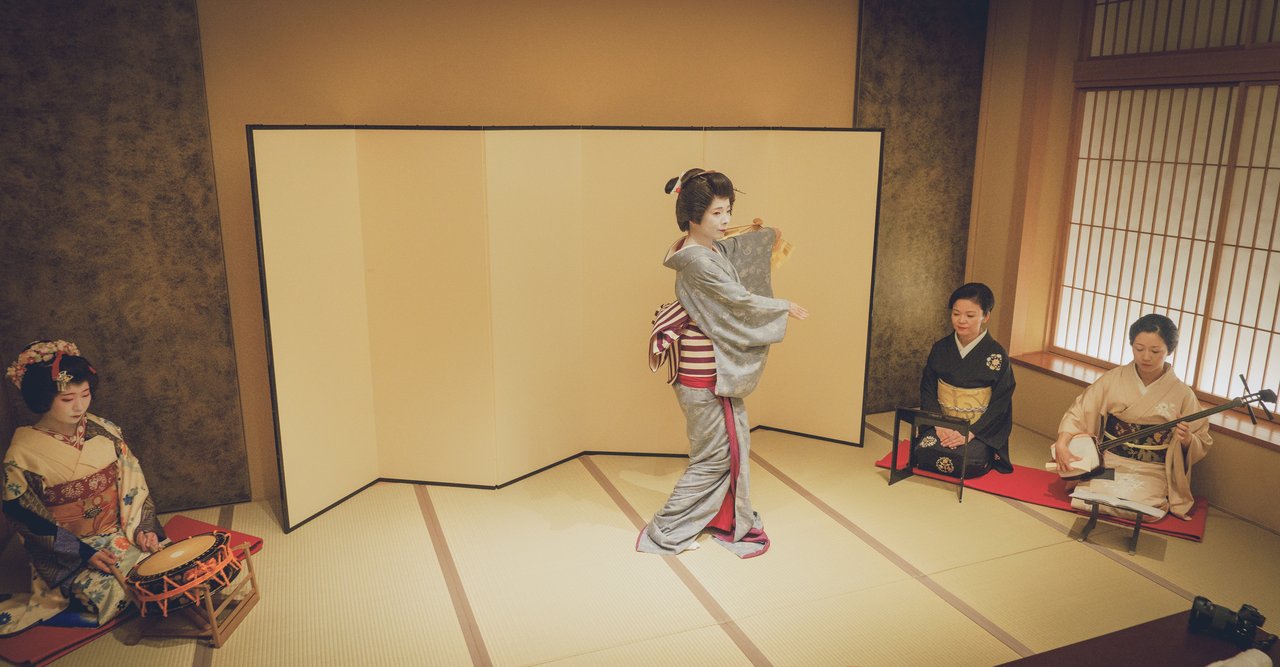
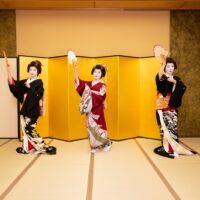
The private ozashiki (geisha banquet) tradition the hakoya supported for generations continues today at Miyakodori in Asakusa. We welcome international guests to experience it firsthand.
Request a ReservationBeyond Logistics: The Hakoya as Cultural Diplomat
Perhaps the most nuanced part of the hakoya‘s role was managing the human dynamics of the banquet world. An ozashiki is a delicate social setting: a geisha brings artistry and presence, but she also brings her own sensibilities. There were occasions when the compatibility between a geisha and a particular banquet was not ideal — and in those cases, the hakoya was the one who found a graceful resolution.
This required reading the situation accurately, communicating diplomatically with the teahouse, and finding an outcome that preserved everyone’s dignity. It was, in a real sense, the work of a cultural translator — managing the gap between what the banquet world expected and what the people within it actually needed. “The lies that serve everyone,” as Kei-san puts it, were a professional skill.
Fire Watch and Other Duties
The hakoya‘s responsibilities extended even further. The kenban kept a set of sashiko (刺子) — the quilted indigo coats historically worn by Edo-period firefighters — and helmets on hand at all times. In an emergency, the hakoya was expected to put them on and respond. In sixty years, Kei-san recalls actually going to a fire only once. But every year at year’s end, he walked the lanes of the district in his sashiko coat, calling out the traditional fire watch: hi no yo-jin — “beware of fire.”
It is a small detail, but it captures something important: the hakoya was not just an employee of the kenban. He was part of the living tissue of the district — embedded in its rhythms, its traditions, and its self-governance in a way that no outside observer could replicate.
A Living Link to the Tradition
Today, the role of the hakoya has changed with the times. The full-time, live-in coordination that Kei-san knew — running the aijō scheduling slips by hand, living on call at the kenban around the clock — is now handled through phones and digital systems. But the hakoya remains: they still support Asakusa’s geisha today, carrying the shamisen and delivering the chits (denpyō) that keep each evening running — an irreplaceable presence behind the scenes. Even so, geisha today often carry their own shamisen as well. What is harder to replace is the knowledge that Kei-san carries — the institutional memory of how the district actually functioned, the terminology that was used, the unwritten rules that kept things moving — which is not written down anywhere else.
“There is no one left who knows this the way I do,” Kei-san has said. “I would like someone to learn it.”
Miyakodori’s okami shares that hope. The geisha world’s future depends not only on geisha continuing to train and perform, but on the supporting knowledge and culture being passed on — including the role of the hakoya, which made the whole system possible.
To understand the hakoya is to understand that geisha culture has always been a collective achievement — not the work of performers alone, but of a community organized with intention, care, and extraordinary depth.
Related Articles
Experience Asakusa’s Geisha Culture Firsthand
The world the hakoya supported — private ozashiki banquets with Asakusa’s registered geisha — is still available today at Miyakodori. Every booking is a private event, arranged through Miyakodori’s okami and supported by the same network of relationships that has defined Asakusa’s flower district for generations.
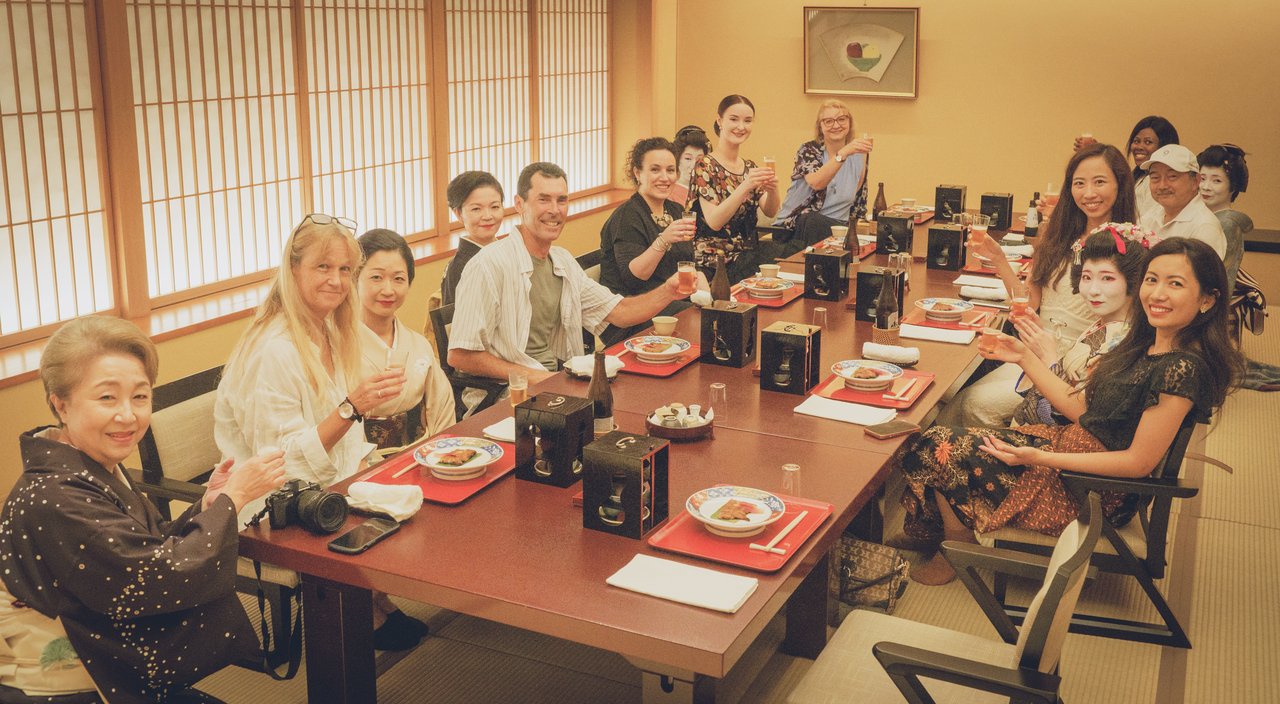
Inquiries are welcomed. We are happy to explain what an ozashiki involves, answer questions about the evening, and help you find the right arrangement for your group.
Frequently Asked Questions
- What does “hakoya” literally mean?
- The word hakoya (箱屋) means “box person” — specifically, the person who carried the shamisen’s long wooden case (nagabako) between engagements. Over time, the role expanded to encompass the full logistical and relational support of the geisha they served.
- Is there still a hakoya active today?
- Yes — hakoya still support Asakusa’s geisha today, carrying the shamisen and delivering the chits (denpyō) that keep each evening running. What has changed is the intensity of the old full-time, live-in role of Kei-san‘s era — running the aijō scheduling slips by hand and living on call at the kenban around the clock — which the times no longer require. The deeper institutional knowledge of how the district functioned at its height is preserved through figures like Kei-san, who served for sixty years and remains a living connection to that tradition. Miyakodori maintains a relationship with him as part of its commitment to Asakusa’s cultural heritage.
- What is the kenban and how did the hakoya relate to it?
- The kenban (見番) is the geisha guild office — the administrative center of a hanamachi that registers geisha, manages their bookings, and coordinates the district’s activity. The hakoya lived at and worked from the kenban, acting as its mobile arm: delivering schedules, accompanying geisha, and managing the evening in real time.
- What was the aijō?
- The aijō (愛情) was the name given to the scheduling slip that listed a geisha’s next engagement — her atokuchi (後口), or “what comes after.” The hakoya delivered these slips between the kenban and the geisha at their current venue. The name, meaning “affection,” was a characteristically poetic choice for what was essentially a logistics document.
- What is an ozashiki, and can I attend one in Asakusa?
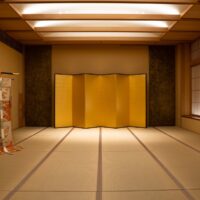
- An ozashiki (お座敷) is a private geisha banquet — an evening of traditional performing arts, food, and hospitality hosted in a tatami room. In Asakusa, Miyakodori offers private ozashiki to international guests by arrangement. Send an inquiry to learn more.


- Japanese Tea Ceremony in Tokyo: A Guide to Chadō — and the Geisha Tea House Few Travelers Know
- 1,060 to 20: A Third-Generation Owner on What Changed in Asakusa's Geisha World
Best Geisha Experiences in Japan: A Complete Guide for 2026
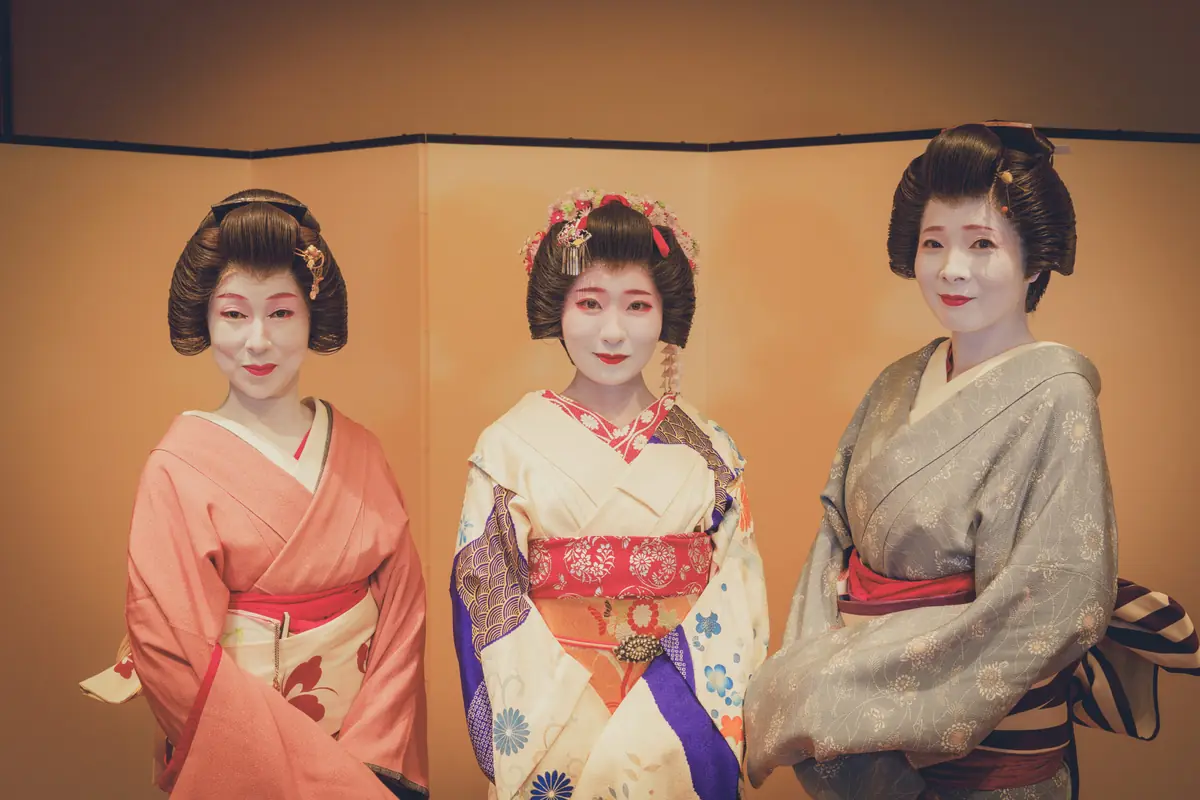
Tokyo Geisha House Guide 2026: Authentic Okiya Experiences & Traditional Japan
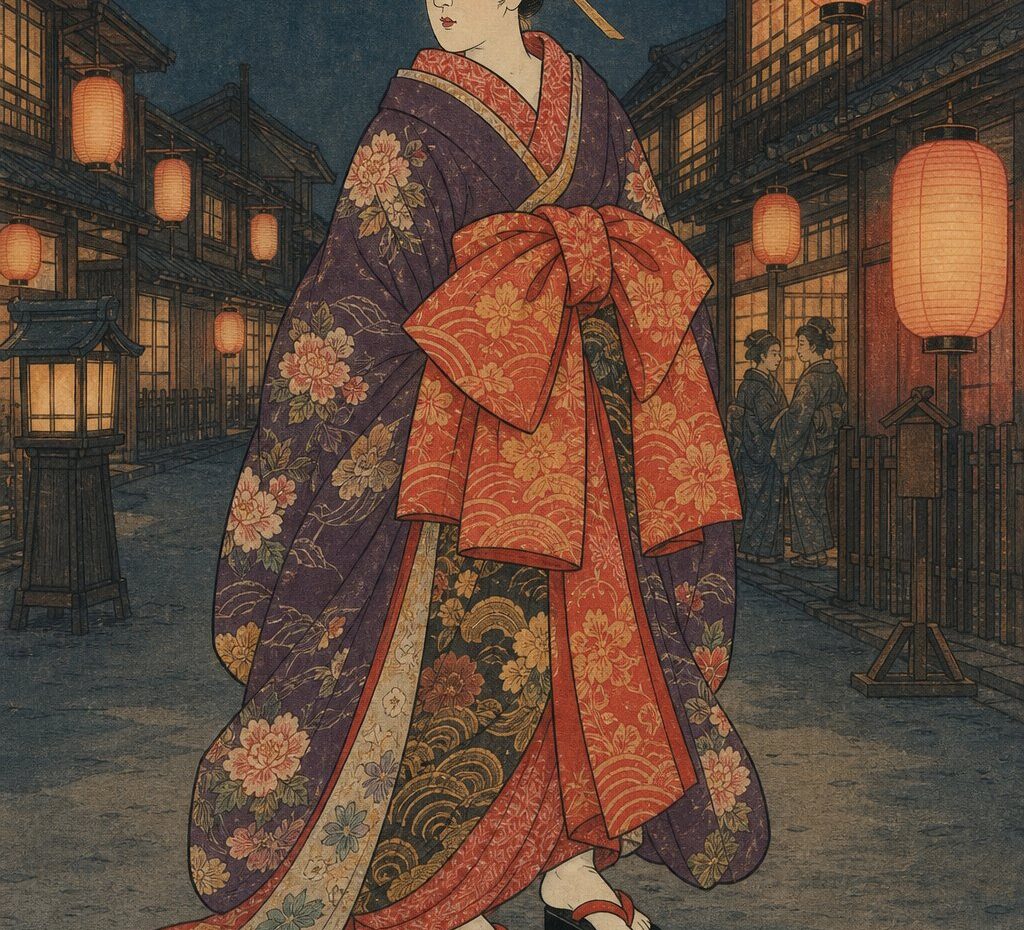
Oiran vs Geisha: What’s the Difference? (Answered in Asakusa)
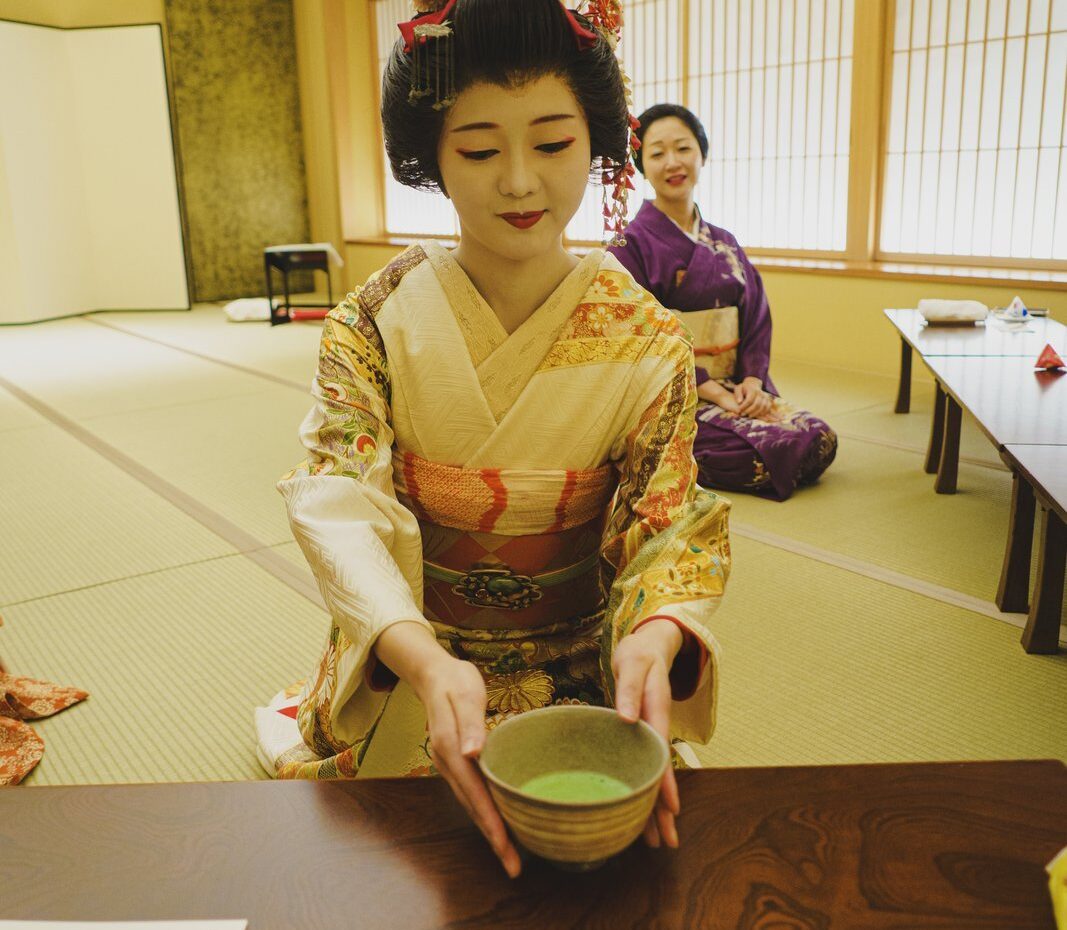
Wagashi in Japan: A Guide to Traditional Japanese Sweets, Seen Through the Eyes of an Asakusa Geisha House
Asakusa Geisha Culture: History Q&A【Miyakodori】
Geisha in Tokyo: The Complete Knowledge Guide
Comment ( 0 )
Trackbacks are closed.
No comments yet.